

What do you think?

How Fear Works: Culture of Fear in the Twenty-First Century
In 1997, Frank Furedi published a book called Culture of Fear . It was widely acclaimed as perceptive and prophetic. Now Furedi returns to his original theme, as most of what he predicted has come true.
In this new book, Furedi seeks to explain two interrelated themes: why has fear acquired such a morally commanding status in society today and how has the way we fear today changed from the way that it was experienced in the past? He explores key moments in the history of fear to help situate the workings of this emotion in contemporary society.
Furedi argues that one of the main drivers of the culture of fear is unraveling of moral authority. Fear appears to provide a provisional solution to moral uncertainty and is for that reason embraced by a variety of interests, parties, and individuals. Furedi predicts that until society finds a more positive orientation towards uncertainty the politicization of fear will flourish.
Fear has become a problem in its own right to the extent that people now use the term "culture of fear" as an everyday idiom. It has become detached from its material and physical source and experienced as a secular version of a transcendental force. So now fear has become a "Perspective" accepted throughout society. Furedi claims that this perspective has acquired a dominant status because in contrast to other options it appears to be singularly effective in influencing people's behavior.
Society is trained to believe that the threats it faces are incalculable and cannot be controlled or regulated. The acceptance of this outlook has been paralleled by the cultivation of helplessness and passivity--all this has resulted in a redefinition of personhood. As a consequence we are constantly searching for new forms of security, both physical and ontological. What is the role of the media in promoting fear and who actually benefits from this culture of fear? These are some of the issues Furedi tackles and much more.
In this new book, Furedi seeks to explain two interrelated themes: why has fear acquired such a morally commanding status in society today and how has the way we fear today changed from the way that it was experienced in the past? He explores key moments in the history of fear to help situate the workings of this emotion in contemporary society.
Furedi argues that one of the main drivers of the culture of fear is unraveling of moral authority. Fear appears to provide a provisional solution to moral uncertainty and is for that reason embraced by a variety of interests, parties, and individuals. Furedi predicts that until society finds a more positive orientation towards uncertainty the politicization of fear will flourish.
Fear has become a problem in its own right to the extent that people now use the term "culture of fear" as an everyday idiom. It has become detached from its material and physical source and experienced as a secular version of a transcendental force. So now fear has become a "Perspective" accepted throughout society. Furedi claims that this perspective has acquired a dominant status because in contrast to other options it appears to be singularly effective in influencing people's behavior.
Society is trained to believe that the threats it faces are incalculable and cannot be controlled or regulated. The acceptance of this outlook has been paralleled by the cultivation of helplessness and passivity--all this has resulted in a redefinition of personhood. As a consequence we are constantly searching for new forms of security, both physical and ontological. What is the role of the media in promoting fear and who actually benefits from this culture of fear? These are some of the issues Furedi tackles and much more.
320 pages, Hardcover
Published August 14, 2018
About the author
Frank Furedi
74 books97 followersFrank Furedi is a professor of sociology at the University of Kent, UK.
Ratings & Reviews
Friends & Following
Create a free account to discover what your friends think of this book!
Community Reviews
Displaying 1 - 30 of 34 reviews

March 21, 2022
Given that since 2020 our societies have been whipped to a frenzy with the politics of fear, reading Frank's work is a must. Frank is one of those rare specimens of scholars who are moved by empathy rather than contempt for an ordinary man. You will not find jargon here or intellectual posturing. Only elegant arguments based on logical reasoning.
It is a smart, accessibly written explanation of how fear is used and abused by the powers that be. It gives you insights but more importantly, with such knowledge, there comes an understanding of what can and should be done about it.
For me, finding an academic spelling out clearly and eloquently what I have subconsciously suspected ever since the deepest darkness of the lockdown, was a truly liberating experience.
It is a smart, accessibly written explanation of how fear is used and abused by the powers that be. It gives you insights but more importantly, with such knowledge, there comes an understanding of what can and should be done about it.
For me, finding an academic spelling out clearly and eloquently what I have subconsciously suspected ever since the deepest darkness of the lockdown, was a truly liberating experience.

February 3, 2019
I first heard Frank Furedi interviewed on the First Things podcast (https://www.firstthings.com/media/the...). I found him to be full of incisive insights that helped me make sense of both our current cultural climate and my experience of parenting.
This book follows Furedi's earlier book called "Culture of Fear." It is written mostly in an academic style which sometimes feels a bit stale. Thankfully this is not always the case.
He summarized his previous thesis this way: "The culture of fear thesis pointed to the growth and expansion of existential insecurity and risk aversion. It claimed that what fueled the ascendancy of a narrative of fear was a radical redefinition and inflation of the meaning of harm, rather than an increase in the danger facing humanity." (p.7)
That is a key idea - what is harm? If the definition grows, then the list of possible harms grows, and the list of risks for those harms grows, and there are more and more things to fear.
Part of his analysis includes the narrative of decline in Western Civilization: "Western culture has become less and less able to project a positive account of humanity and individuals' capacity to deal with risk and uncertainty." (p.8)
The assumption increasingly is that people cannot handle stressful, difficult, risky, and dangerous situations. There is an impulse among some to blame the media, but Furedi points out that blaming the media is a response that has roots even back 150 years when people blamed novels and penny dreadfuls. But the fear-mongering of the media is a kind of fear-mongering in itself - fear the media. Ultimately, blaming the media is too simplistic, one-dimensional. "The culture of fear is not reducible to the confusing consequences of hysterical tabloid headlines - on the contrary, the media itself is to a significant extent the bearer of pre-existing attitudes and values that inform society's ideas about emotions such as fear." (p.19)
Furedi rightly points out the paradox of modern life: That our society is the most prosperous and secure in human history, with the least to fear, and yet we fear more than ever before. One thesis is that prosperity "encourages people to become more risk and loss averse.."
Furedi has certainly read widely regarding the history of fear. He traces the definitions and understandings of fear from Aristotle to Kierkegaard to Freud.
One interesting aspect of this book is the inextricable link that exists between fear and morality. I wasn't expecting a secular book about fear to delve so deeply and continually in the realm of morality.
"Since the beginning of time, human fears have been formulated through the grammar of morality." Fear and evil are linked - "what we fear is evil and what is evil we fear." (p.29)
Near the end of the introduction, Furedi lets us in on his main thesis:
"I have come to the conclusion that society has unwittingly become estranged from the values - such as courage, judgment, reasoning, responsibility - that are necessary for the management of fear." (p.33). My thought as I read that sentence is that values should be replaced with virtues.
"How Fear Works argues that, more than any other historical development, it was the adoption of new methods of socializing young people that served as the catalyst for the ascendancy of the culture of fear. Young people are socialized to feel fragile and overawed by uncertainty." (p.33)
The first chapter traces the history of fear since the enlightenment. This was a fascinating bit of history. Here are some highlights.
One of the changes we have seen is that death used to have positive moral connotations, but now is only incomprehensible and meaningless. "A sense of historical amnesia deprives Western culture from recalling that not so long ago many of its youth stood ready to die in battle." (p.41)
By the time of Vietnam, any lingering sense of a meaningful death in battle, or meaningful brotherhood on the battlefield, seems to have evaporated.
Hume (1700's) and Bertrand Russell (1929) argued that fear led to religion. Furedi explores the Biblical notion of the fear of God quite sympathetically and admirably. Thomas Aquinas argued that the cultivation of fear (of God) was integral to moral conduct. Modern thinkers like Hume and Russel believed that "fear can become freed from its corrosive and destructive dimensions." But "once fear is ripped out from its religious context it acquires a disorienting and destructive dimension." (p.52)
"Back in the 1920's Bertrand Russell hoped that science could help humanity overcome the 'craven fear' with which it had lived for centuries. Looking back over the experience of the past century it is evident that the gradual demise of the fear of God has not liberated humanity from its dread of the future." (p.69)
Furedi also deals a bit with the rise of liberal Christianity among mainline Protestant denominations. "In the modern era, religious advocates of the virtue of fearing God were overwhelmed by the tide of secularism that decried it as dangerous superstition." (p.53) The mainline denominations abandoned the fear of hell and then the belief in hell (and judgment) as such notions fell out of favor with the spirit of the age.
What used to be a virtue, the fear of God, became a disease in our psychologized and therapeutic age. We now have the fear of fear itself.
Furedi continues throughout the next few chapters to probe deeply into the history and current context of human fears. He looks in depth at the rising tide of fear in all aspects of media, including the appearance of "fear entrepreneurs" who work to find new ways of exploiting and capitalizing on our modern fears. Perhaps the groups most vulnerable to these skilled fear-peddlers are parents of young children and the elderly.
Turning to way we socialize our children, Furedi writes: "The challenge of how to socialize young people is of great import for the future of society. It also has a direct bearing on the question of how to manage uncertainty and fear. More than any other historical development, it was the adoption of new therapeutic methods of socializing young people that served as a catalyst for the ascendancy of the culture of fear. New so-called modern attitudes towards childrearing and education played a major role in the elevation of the significance of fearing in our life. The exhortation to insulate childhood from fear was coupled with the marginalization of ideals such a courage - which possessed great significance in previous regimes of socialization. As [one author] pointed out: 'Convincing the child that his or her environment was risk free was essential; teaching him or her to overcome risk with courage dropped away - a truly fundamental change.'"
All in all, the book provided a fascinating history of fear and a trenchant look at the contemporary role of fear in society.
This book follows Furedi's earlier book called "Culture of Fear." It is written mostly in an academic style which sometimes feels a bit stale. Thankfully this is not always the case.
He summarized his previous thesis this way: "The culture of fear thesis pointed to the growth and expansion of existential insecurity and risk aversion. It claimed that what fueled the ascendancy of a narrative of fear was a radical redefinition and inflation of the meaning of harm, rather than an increase in the danger facing humanity." (p.7)
That is a key idea - what is harm? If the definition grows, then the list of possible harms grows, and the list of risks for those harms grows, and there are more and more things to fear.
Part of his analysis includes the narrative of decline in Western Civilization: "Western culture has become less and less able to project a positive account of humanity and individuals' capacity to deal with risk and uncertainty." (p.8)
The assumption increasingly is that people cannot handle stressful, difficult, risky, and dangerous situations. There is an impulse among some to blame the media, but Furedi points out that blaming the media is a response that has roots even back 150 years when people blamed novels and penny dreadfuls. But the fear-mongering of the media is a kind of fear-mongering in itself - fear the media. Ultimately, blaming the media is too simplistic, one-dimensional. "The culture of fear is not reducible to the confusing consequences of hysterical tabloid headlines - on the contrary, the media itself is to a significant extent the bearer of pre-existing attitudes and values that inform society's ideas about emotions such as fear." (p.19)
Furedi rightly points out the paradox of modern life: That our society is the most prosperous and secure in human history, with the least to fear, and yet we fear more than ever before. One thesis is that prosperity "encourages people to become more risk and loss averse.."
Furedi has certainly read widely regarding the history of fear. He traces the definitions and understandings of fear from Aristotle to Kierkegaard to Freud.
One interesting aspect of this book is the inextricable link that exists between fear and morality. I wasn't expecting a secular book about fear to delve so deeply and continually in the realm of morality.
"Since the beginning of time, human fears have been formulated through the grammar of morality." Fear and evil are linked - "what we fear is evil and what is evil we fear." (p.29)
Near the end of the introduction, Furedi lets us in on his main thesis:
"I have come to the conclusion that society has unwittingly become estranged from the values - such as courage, judgment, reasoning, responsibility - that are necessary for the management of fear." (p.33). My thought as I read that sentence is that values should be replaced with virtues.
"How Fear Works argues that, more than any other historical development, it was the adoption of new methods of socializing young people that served as the catalyst for the ascendancy of the culture of fear. Young people are socialized to feel fragile and overawed by uncertainty." (p.33)
The first chapter traces the history of fear since the enlightenment. This was a fascinating bit of history. Here are some highlights.
One of the changes we have seen is that death used to have positive moral connotations, but now is only incomprehensible and meaningless. "A sense of historical amnesia deprives Western culture from recalling that not so long ago many of its youth stood ready to die in battle." (p.41)
By the time of Vietnam, any lingering sense of a meaningful death in battle, or meaningful brotherhood on the battlefield, seems to have evaporated.
Hume (1700's) and Bertrand Russell (1929) argued that fear led to religion. Furedi explores the Biblical notion of the fear of God quite sympathetically and admirably. Thomas Aquinas argued that the cultivation of fear (of God) was integral to moral conduct. Modern thinkers like Hume and Russel believed that "fear can become freed from its corrosive and destructive dimensions." But "once fear is ripped out from its religious context it acquires a disorienting and destructive dimension." (p.52)
"Back in the 1920's Bertrand Russell hoped that science could help humanity overcome the 'craven fear' with which it had lived for centuries. Looking back over the experience of the past century it is evident that the gradual demise of the fear of God has not liberated humanity from its dread of the future." (p.69)
Furedi also deals a bit with the rise of liberal Christianity among mainline Protestant denominations. "In the modern era, religious advocates of the virtue of fearing God were overwhelmed by the tide of secularism that decried it as dangerous superstition." (p.53) The mainline denominations abandoned the fear of hell and then the belief in hell (and judgment) as such notions fell out of favor with the spirit of the age.
What used to be a virtue, the fear of God, became a disease in our psychologized and therapeutic age. We now have the fear of fear itself.
Furedi continues throughout the next few chapters to probe deeply into the history and current context of human fears. He looks in depth at the rising tide of fear in all aspects of media, including the appearance of "fear entrepreneurs" who work to find new ways of exploiting and capitalizing on our modern fears. Perhaps the groups most vulnerable to these skilled fear-peddlers are parents of young children and the elderly.
Turning to way we socialize our children, Furedi writes: "The challenge of how to socialize young people is of great import for the future of society. It also has a direct bearing on the question of how to manage uncertainty and fear. More than any other historical development, it was the adoption of new therapeutic methods of socializing young people that served as a catalyst for the ascendancy of the culture of fear. New so-called modern attitudes towards childrearing and education played a major role in the elevation of the significance of fearing in our life. The exhortation to insulate childhood from fear was coupled with the marginalization of ideals such a courage - which possessed great significance in previous regimes of socialization. As [one author] pointed out: 'Convincing the child that his or her environment was risk free was essential; teaching him or her to overcome risk with courage dropped away - a truly fundamental change.'"
All in all, the book provided a fascinating history of fear and a trenchant look at the contemporary role of fear in society.

Read
April 5, 2020I must confess I am biased. My guilty pleasure is the weekly reading of Spiked, the Internet magazine, if I understand properly, a sort of cenacle of Furedi's pupils and friends. It makes me furious, it amuses me, it never leaves me indifferent. So I picked up this book to learn more about the intellectual coterie and I found a penetrating essay by a thinker on the same line of Christopher Lasch (one of my favorite) that explains with competence how the human psyche is shaped by the current stage of capitalism.
Its main thesis is convincing, There is a culture of fear, that has been growing in the Western world, together with the devaluation of the trust in the individual's responsibility, or -as Fureidi writes- the demotion of personhood. Safety has become a supreme value to the extent that now Universities are not places of learning anymore, given that learning implies a risky exposure to different values and worldviews.
The pervasiveness of fear in our cultural script means that it is increasingly difficult to discern what it os really threatening from what it is not. Hence social panics are increasingly common. That is simply true. I remember when Satanic messages were heard in the LP of Led Zeppelin or Abba (!) and when the otherwise idealistic and well-meaning protesters against globalization were perceived as supporters of nihilistic black-blok.
The most interesting part of the book is the analysis of how religion worked as a tool to manage fear., In a secularised society fear is now all over the place while religion is in retreat. This is really giving me food for thought and it will work as an inspiration for sermons!
Its main thesis is convincing, There is a culture of fear, that has been growing in the Western world, together with the devaluation of the trust in the individual's responsibility, or -as Fureidi writes- the demotion of personhood. Safety has become a supreme value to the extent that now Universities are not places of learning anymore, given that learning implies a risky exposure to different values and worldviews.
The pervasiveness of fear in our cultural script means that it is increasingly difficult to discern what it os really threatening from what it is not. Hence social panics are increasingly common. That is simply true. I remember when Satanic messages were heard in the LP of Led Zeppelin or Abba (!) and when the otherwise idealistic and well-meaning protesters against globalization were perceived as supporters of nihilistic black-blok.
The most interesting part of the book is the analysis of how religion worked as a tool to manage fear., In a secularised society fear is now all over the place while religion is in retreat. This is really giving me food for thought and it will work as an inspiration for sermons!

May 18, 2022
Halfway through the year 2020, I began to seriously wonder what was truly going on under the surface of society, beyond the scope of the pandemic. How and why had the world (myself included) fallen into the grip of fear. Where were the “keep calm and carry on” signs that dotted the UK during WW2 while bombs were blotting out normal life? I wanted to understand on a deeper level how societies in the past as well as current times coped with fear, which is something all humans deal with in life. There were many psychology books on anxiety and fear, but very few that I found on culture and fear (that weren’t entirely for academia). This book came up on my search and fit the bill. Written and published pre-pandemic, the author goes into depth about various societies and how they approached fear in the past, as well as current times. Although, I definitely feel that he could have been more succinct! This book was eye-opening to cultural factors and beliefs that drive fear for better or worse.

May 4, 2020
4 1/2 stars. I don't think anybody looking at our current cultural moment can help but agree with Furedi; it's an unbelievably prescient book, but its hopeful conclusion now rings depressingly hollow. My criticism is mainly for the writing style, which is too dry in the introduction and opening chapters, but it warms up towards the end. It also stands out for being short, which is pretty much the highest compliment I can pay to a modern non-fiction book.

April 30, 2021
Curiously Mr Furedi criticises this culture of fear that is supposedly poisoning the most recent generations, by invoking an army os strawmen to makes us all scared from the fearful society of the present and future.
In a book that looks like a rant in some Internet blog, multiplied by 60 times the size it should have (the author is veeeery redundant), keeping track of the basic premise of the book is by itself a challenge. His ideas can go from the fairly reasonable (but then not well explored) to almost reactionary ideas (Mr furedi never says it, ut you can imagine him crying out "snowflakes" when watching the TV news).
In the final acknowledgements he thanks his son for helping him have a critical review of the book, well, next time don't just trust your son!
In a book that looks like a rant in some Internet blog, multiplied by 60 times the size it should have (the author is veeeery redundant), keeping track of the basic premise of the book is by itself a challenge. His ideas can go from the fairly reasonable (but then not well explored) to almost reactionary ideas (Mr furedi never says it, ut you can imagine him crying out "snowflakes" when watching the TV news).
In the final acknowledgements he thanks his son for helping him have a critical review of the book, well, next time don't just trust your son!

March 25, 2020
Probably not the best book to have read right now, which is why I think I struggled. It was an interesting read, even if it was for an essay. Simple and straightforward - would recommend to any social science student

January 18, 2023
By sheer coincidence I read this book immediately after I finished Cixin Liu’s SF novel The Three-body Problem.
In that story the extra-terrestrial Trisolarians face destruction of their planet and are looking for a new habitat to escape to. Having discovered the earth as a suitable candidate, they send off a collection of spaceships to start their conquest. But the journey will take just over 400 years, and according to their calculations by the time these spaceships will arrive the earthling’s intelligence will be so developed that they will easily defend against this invasion. So they need to find a way to stop the progress - scientific, technological, economic – of the civilisation on earth. They do this by sending a pair of protons to earth that is entangled with a pair they keep on their planet. In this way they can control and completely falsify physics experiment on earth so that results seem completely random and cannot be described by the fundamental physics laws any more. Scientists will then lose all faith in research and progress will be completely halted.
Now, should the Trisolarians have read Frank Furedi, they might have used a much simpler and cost-effective solution. Make sure that the evolution of the culture of fear on earth becomes all encompassing. Fear of the unknown and a total absence of risk taking will then dominate and progress will come to a stop. Easy peasy !
In that story the extra-terrestrial Trisolarians face destruction of their planet and are looking for a new habitat to escape to. Having discovered the earth as a suitable candidate, they send off a collection of spaceships to start their conquest. But the journey will take just over 400 years, and according to their calculations by the time these spaceships will arrive the earthling’s intelligence will be so developed that they will easily defend against this invasion. So they need to find a way to stop the progress - scientific, technological, economic – of the civilisation on earth. They do this by sending a pair of protons to earth that is entangled with a pair they keep on their planet. In this way they can control and completely falsify physics experiment on earth so that results seem completely random and cannot be described by the fundamental physics laws any more. Scientists will then lose all faith in research and progress will be completely halted.
Now, should the Trisolarians have read Frank Furedi, they might have used a much simpler and cost-effective solution. Make sure that the evolution of the culture of fear on earth becomes all encompassing. Fear of the unknown and a total absence of risk taking will then dominate and progress will come to a stop. Easy peasy !

August 27, 2024
3/5⭐️
A mixed bag. Furedi has more than a few nuggets of gold buried in a mountain of ore, so to speak. A lot of repetition and academic language but ultimately, a worthwhile topic of investigation with a decent amount of food for thought around the culture of fear that pervades western society.
My biggest takeaway is how degenerative fear is to culture. It erodes our resiliency and dismisses the perspective that fear isn’t inherently bad. In a culture that seeks comfort above all, fear is fuelled by that which seeks to rob us of our comfort.
However, fear itself is not dangerous and our ever expanding aversion to discomfort has resulted in some unintended and destructive consequences… intrusive surveillance in the name of ‘safety’, the use of fear to coerce behaviour modification (eg, lockdowns🙄), safe spaces and trigger warnings that only further feed into the cultivated anxiety and fragility of modern generations.
As with anything replete with political or cultural bias, read critically.
QUOTES:
“…what fueled the ascendancy of a narrative of fear was a radical redefinition, and inflation of the meaning of harm rather than an increase in the danger facing humanity.”
“From a sociological point of view, the fragmentation and segmentation of the media mirrors the wider climate of moral confusion and mistrust that permeates the culture of fear.”
“Advocates of expanding intrusive instruments of surveillance actively promote calls for a trading off of privacy for safety, and in many instances citizens have been convinced to accept Big Brother watching them in order to keep them safe.”
“Frequently, they prefix the term science with a definite article, using ‘The Science’ to assert claims about a variety of threats. Statements like, ‘The Science says…’, serve as the 20th century equivalent of the exhortation ‘God says’. Unlike science, the term, ‘The Science’ serves a moralistic and political project. It has more in common with a pre-modern revealed truth than with the spirit of experimentation that emerged with modernity. The constant refrain of ‘scientists tell us’, serves as a prelude for a lecture on what threat to fear.”
“The new preoccupation with ‘fact,-checking’ is not simply a response to the discovery that politicians sometimes lie, but is a statement about the debasement of public language. Suspicion and distrust have become the default attitude with which political statements are now assessed. The presumption of dishonesty that now pervades public life is indirectly an accomplishment of the corrosive effect of the fear perspective.”
“Society’s low threshold for experiencing harm is best captured by the re-definition of the word uncomfortable or the expression ‘I am not comfortable’. Until recently, this word simply signalled a state of discomfort, unease or disquiet; and a state of discomfort was considered a normal and unexceptional feature of life. It is only lately that people have adopted the view that feeling uncomfortable is unacceptable, and that those people who make them feel this way, pose a threat to their wellbeing. This sentiment is currently gaining institutional validation in universities. Support for the introduction of trigger warnings of potentially upsetting texts indicates that sections of the Academy believe that uncomfortable ideas should come with a health warning. In this way, books, ideas, or criticisms that make a student feel uncomfortable are portrayed as harmful. Consequently, some students believe that the statement ‘I am uncomfortable with your views’, constitutes a legitimate argument for closing down discussion and debate.”
https://www.instagram.com/reel/C_KuXo...
A mixed bag. Furedi has more than a few nuggets of gold buried in a mountain of ore, so to speak. A lot of repetition and academic language but ultimately, a worthwhile topic of investigation with a decent amount of food for thought around the culture of fear that pervades western society.
My biggest takeaway is how degenerative fear is to culture. It erodes our resiliency and dismisses the perspective that fear isn’t inherently bad. In a culture that seeks comfort above all, fear is fuelled by that which seeks to rob us of our comfort.
However, fear itself is not dangerous and our ever expanding aversion to discomfort has resulted in some unintended and destructive consequences… intrusive surveillance in the name of ‘safety’, the use of fear to coerce behaviour modification (eg, lockdowns🙄), safe spaces and trigger warnings that only further feed into the cultivated anxiety and fragility of modern generations.
As with anything replete with political or cultural bias, read critically.
QUOTES:
“…what fueled the ascendancy of a narrative of fear was a radical redefinition, and inflation of the meaning of harm rather than an increase in the danger facing humanity.”
“From a sociological point of view, the fragmentation and segmentation of the media mirrors the wider climate of moral confusion and mistrust that permeates the culture of fear.”
“Advocates of expanding intrusive instruments of surveillance actively promote calls for a trading off of privacy for safety, and in many instances citizens have been convinced to accept Big Brother watching them in order to keep them safe.”
“Frequently, they prefix the term science with a definite article, using ‘The Science’ to assert claims about a variety of threats. Statements like, ‘The Science says…’, serve as the 20th century equivalent of the exhortation ‘God says’. Unlike science, the term, ‘The Science’ serves a moralistic and political project. It has more in common with a pre-modern revealed truth than with the spirit of experimentation that emerged with modernity. The constant refrain of ‘scientists tell us’, serves as a prelude for a lecture on what threat to fear.”
“The new preoccupation with ‘fact,-checking’ is not simply a response to the discovery that politicians sometimes lie, but is a statement about the debasement of public language. Suspicion and distrust have become the default attitude with which political statements are now assessed. The presumption of dishonesty that now pervades public life is indirectly an accomplishment of the corrosive effect of the fear perspective.”
“Society’s low threshold for experiencing harm is best captured by the re-definition of the word uncomfortable or the expression ‘I am not comfortable’. Until recently, this word simply signalled a state of discomfort, unease or disquiet; and a state of discomfort was considered a normal and unexceptional feature of life. It is only lately that people have adopted the view that feeling uncomfortable is unacceptable, and that those people who make them feel this way, pose a threat to their wellbeing. This sentiment is currently gaining institutional validation in universities. Support for the introduction of trigger warnings of potentially upsetting texts indicates that sections of the Academy believe that uncomfortable ideas should come with a health warning. In this way, books, ideas, or criticisms that make a student feel uncomfortable are portrayed as harmful. Consequently, some students believe that the statement ‘I am uncomfortable with your views’, constitutes a legitimate argument for closing down discussion and debate.”
https://www.instagram.com/reel/C_KuXo...

January 23, 2022
It’s so bad I want to give it a zero. But I can’t. So I’ll give it a 1.

February 28, 2020
http://www.52tourism.com/qysw/40527.html
结论 走 向较少恐惧的未来
一旦掌握恐惧文化的运作方式,我们就可以开始摆脱其宿命性影响 的束缚。掌握恐惧的运作方式是限制其破坏人们生活的第一步。历史表 明,恐惧的方式多种多样。正如社会学家诺贝特·埃利亚斯(Norbert Elias)在《文明进程》(The Civilising Process)中论述的那样,历史研究 有助于我们认识到“推动人类前进的恐惧和焦虑是人为制造出来的”。 (1) 人类创造的习俗规范、文化态度和惯例并非不可更改的人生事实,它们 可以被挑战、改变和转化。 恐惧文化表现为永恒不变的境况和不可改变的生活现实。推崇预防 性价值观的人固执地认定,除了谨慎行事别无选择,并且利用一切机会 传播失败主义情绪。他们宣称,除了这种世界观,“再无别的选择”。实际 上,其他选择总是存在的。事实证明,人类社会能够克服重重障碍继续前 进。如果我们掌握了21世纪的恐惧运作方式,就能采取措施有效减轻其 负面影响。本章主要是阐述一种方法,人们用它来提供新的价值观和态 度,以取代支撑恐惧文化及其对人类和未来的悲观看法的价值观和态度。 挑战历史记忆的丧失 被当今恐惧文化工程向未来投射的末日目的论受其悲观主义和对历 史愤世嫉俗所滋养。在弗洛伊德期待恐惧概念的当代版本中,社会对未知 的未来危险重重的世界产生了焦虑。正如前文讨论过的定时炸弹隐喻暗 示的那样,人类似乎只能袖手旁观,根本无法改变未来命运。然而,恐 惧文化还鼓励社会通过恐惧棱镜来解释过去,由此培养的心态是将过去
视为一连串可怕、愚昧的连续事件,人类在其中不仅缺乏方向和目标,而 且欠缺采取任何补救措施的素质。回顾历史,我们会发现预防精神可以 把当今的许多担忧投射到过去;它还竭力将人类的脆弱性呈现为人生的 永恒状态来为当今的恐惧文化辩护;它还传播了对历史解读的怀疑,歌颂 英雄主义和英勇行为统统遭到它的冷嘲热讽。 21世纪的心怀恐惧者是过去时代祖先的天然继承者的这一主张背靠 当今版本的历史叙述而被频繁提出。人类有一种清楚可辨的倾向,即“揭 穿”那些暗示英雄主义大无畏行动和利他主义牺牲的历史叙述的假面,并 解构长期以来被人们珍视的价值观,诸如勇气、英雄主义和忠诚等的意 义。正如克里斯托弗·科克尔(Christopher Coker)所说:“亨利五世于 1415年在阿金库尔击败法国人这一决定性胜利,以及莎士比亚使用著名 的‘兄弟连’对它的描述,现在统统被认为是有关战争荣耀的‘百年欺骗’, 民众都被无情地忽悠了。” (2) 英雄主义经常遭到嘲弄或者被贬低为不真实的东西。一种新型的流 行文化和历史叙述致力于揭露过去英雄肮脏的“人生秘密”。有关英雄主 义的主张遭到贬低和蔑视。在最好的情况下,他们都被描述为有缺陷的 家伙,最坏的情况则是被指责为贪婪追逐权力的骗子。《纽约时报》前 文学评论家角谷美智子(Michiko Kakutani)说,“以前我们宣扬英雄”, 但“现代人的做法是把英雄庸俗化”。美智子认为,传记已经变成一场血 腥的运动,冷酷无情地把主人公打得头破血流。 (3) 把英雄从神坛拉进人 间自然让我们进入这样一种文化中,即认定责任、牺牲或冒险都是违背人 性的。在众多叙述中,英雄主义被弃之如敝履,是过时的甚至是令人厌恶 的老古董。正如克里斯托弗·科克尔在其书《勇士精神》(The Warrior Ethos)中所言,“我们往往从”英雄人物“完整的生活中撷取片段用以论证 自己怯懦、渺小的合理性,并因此心安理得”。 (4) 恐惧文化对历史的影响也体现在把当今生存第一主义心态投射到历 史场景中这一做法。在众多叙述中,“幸存者”取代“英雄”成为喝彩的对 象。科克尔说:“在当今后英雄时代,生存才是真正有道德或情感价值的 行为。” (5) 这种反英雄编史往往使用心理学解释来揭露和谴责它所想象的遭受 无休止伤害的过去。从历史英雄向历史幸存者的焦点转移反映了脆弱性
变成恐惧文化核心特征的趋势。 在过去的两百年里,撰写历史围绕的关键主题是希望宣扬某个特定 民族、国家或文化的独有的伟大。民族神话都是有关英雄事迹和光荣壮举 的。这些神话不仅被用作称颂过去的材料,还被用来构建人们对未来的憧 憬。美国拓荒者神话为社会书写出伟大的命运蓝图;英国、法国和德国的 民族神话则用来展现未来无限的可能。今天,历史的撰写则受完全不同的 冲动驱使,将过去重塑为“糟糕的旧时代”的工程取代了从前神化“过去的 美好时光”的趋势。 历史上的反英雄主义转向的特征之一是负面陈述过去,将其描绘成 一段充斥着无止境的人类罪过和苦难的故事。其另一个显著特征是回溯 历史时重新发现当今时代的脆弱性是人类生活的永恒状态。鼓吹历史的 这种治愈性转向的人认为,人们过去和现在一样情感脆弱、容易受伤, 但他们缺乏现在这样的复杂心理意识来理解和诊断心理健康问题。用现 在时髦的话来说,就是“他们没有意识到”或在某些情况下“甚至拒绝接 受事实”。现在真的有这样一个产业专门为曾经遭受创伤的人做回顾性诊 断。 21世纪的许多历史学家很难承认,过去的人其实是在一套不同的道 德规范和价值观体系的指导下经历苦难和困境的。历史声称过去的人用 勇敢和坚韧来应对艰难和不幸,现在此说法却被认为不合时宜而受到蔑 视—人们更强调21世纪对待危难的态度,而忽视了过去如何为了生存而 拼搏。这些批评家并没有意识到这样一种可能性:从前的价值观体系赋予 了痛苦和磨难意义,人们因而可以应对这些痛苦,心灵不至于受到创 伤。 一直到最近,历史学家都忽视或低估了心理健康问题潜在的传播疫 情—这种论证常常被用来为其撰写的历史辩护。以1966年阿伯芬 (Aberfan)的毁灭性灾难事件为例。这是战后英国最具破坏性的工业灾难 之一,煤炭尾矿滑坡吞没了威尔士阿伯芬村的学校,造成116名未成年人 和28名成年人死亡。当时,包括政府官员和卫生专业人士在内的许多人 都预计,这场灾难会压垮这个威尔士小村庄。然而,观察家对村民重建家 园和恢复常态的速度感到震惊。例如,仅在灾难发生两周后,幸存的学童
就重拾课本,村民们倾向于依靠自己的方法应对悲痛和苦难,这让心理 卫生专业人员无从下手。 灾难发生一年后,威尔士大学的一名家庭和儿童心理学家玛丽·艾塞 克斯(Mary Essex)注意到幸存的学童看起来很正常,似乎已经从惊恐中 恢复并调整好了。 (6) 《泰晤士报》的报道总结说:“村民们的灾后重建效 果很好,几乎没有接受外界的帮助。”此一时彼一时。该事件过去25年之 后,有些评论家对1966年的阿伯芬矿难事件持怀疑态度。在2000年出版的 《阿伯芬:政府与灾难》(Aberfan: Government and Disasters)一书中,伊 恩·麦克莱恩(Ian McLean)和马丁·琼斯(Martin Johnes)曾明确质疑对灾 后威尔士小村报道的可靠性。他们担忧灾后重建是否真的完成。他们猜 想“当时,威尔士小村可能并没有完全意识到个人灾难的长期性影响”, 并明确表示“随后的研究的确表明阿伯芬村很可能受到灾难造成的深远 影响”。 (7) 当今对人类脆弱性的叙述主导着历史记忆。那些将人性脆弱观念内 置化的人很难理解威尔士煤矿小村迅速恢复和适应等行为。评论家们不 去探索其适应能力的源头,反而更多地将幸存者视为隐性受害者,认定 在20世纪60年代,这些人的情感需求找不到释放出口。 (8) 回顾性研究可以为解释实在发生之事提供一些有用的深刻见解,但 是对解释人们对逆境的感受没有发挥太大的指导作用。它们既不能用来 理解究竟是什么促使个人对逆境做出特定回应,也无法提供洞悉过去人 们内心生活的深刻见解。沉浸在历史中拼命寻找蛛丝马迹来证明过去的 幸存者同样患有如今已经非常普遍的心理健康问题,不过是为恐惧文化 的典型态度辩护罢了。通过用如此阴暗的、反英雄的方式描绘人类历史, 人们为当今的时代精神辩护。末日目的论只有依靠只盯着人类的失败和 过错而忽视人类的成就和遗产的历史记忆才能维持下去。正是依靠在对 人类局限性和被动性的意识支配下的文化想象,人们对人生的宿命论情 感不仅被向前投射到未来,还被向后投射到过去。 几千年来,人类影响自身命运的潜力一直是哲学家和科学家辩论的 焦点议题。当罗马人创造出“幸运之神垂青勇者(Fortune favours the brave)”这句话时,他们表达的是对人们运用主观意志塑造美好未来的 能力的坚定信念。随着启蒙运动兴起和科学知识开始发挥支配性影响力,
相信人类的创造性和变革潜力的观念兴盛起来。现如今,这些观念却失去 了大部分权威性。虽然现代社会远比以往更加依赖科学和知识,但我们 对它们的宣扬和肯定都远远赶不上在19世纪或20世纪所做的。 当今社会其实并不怎么重视知识和文化遗产。有些历史学家声称, 欧洲人在心理上刻意与过去保持距离,甚至到了不需要历史培养身份认 同的地步,他们不再依靠历史来认清自己是谁。历史学家克里斯蒂安·梅 耶尔(Christian Meier)说:“很显然,欧洲人认为自己是已经被远远抛在 脑后的历史的幸存者,他们并不把历史视为安身立命之根基。”他接着 说: 他们并不乐于参与历史(如果可能的话,希望以更好的方式),因 此,对于祖先千辛万苦取得的成就,他们并不感恩戴德。相反,他们关注的 焦点集中在并不理解(和正在竭力弄明白到底是怎么回事)的事情上,如 战争、不公正、女性歧视、奴隶制等现象。他们觉得自己已经与历史脱 节,总的来说,他们越来越无法想象历史的严肃性。 (9) 梅耶尔用欧盟对摆脱欧洲历史的企图作为证据来证明这种趋势。他 说:“据我所知,欧盟正在成为现代第一个不需要自身历史和历史定位的 政治实体。” (10) 社会与其历史和文化遗产越来越疏远,这对人们理解和看待未来的 方式具有重要意义。人们通过学习历史、总结过去的经验来指导自己应 对未来挑战:对历史以及历史所提供的意义网络的理解在帮助人们克服 恐惧方面发挥了重要作用。历史文化遗产还包括信仰责任、勇气和自由等 价值观,这些价值观对培养人们在面对威胁时能采取更明智的取向至关 重要。重新思考这些价值观并拿来当作自己的价值观将帮助我们形成一 种更自信的未来观。 历史描述往往贬低人们尽职尽责解决自身问题的能力,这显然有利 于风险规避。这种态度是恐惧文化的组成部分,它指导人们向命运低头, 在此情况下,人类的确无力阻止定时炸弹的爆炸。难怪恢复历史记忆至关 重要,因为它可以充当解毒剂,用以消除仅以恐惧视角感知未来这一单 一维度倾向的毒害。
严肃对待过去并不要求社会不加批判地将“过去的美好时光”浪漫 化。社会需要的不是美化过去,而是具有历史意识的视角。正如我们对恐 惧历史的反思所表明的那样,社会应对恐惧和不确定性的方式也随着时 间的推移而改变。历史意识有助于我们清醒地认识到人类应该对这些变 化负责:人类过去通过在今日看来是迷信的实践活动勇敢面对遭遇到的 威胁,后来,人类逐渐明白,他们创造的宗教与赋予恐惧意义的需求间接 相关。从18世纪开始,许多人得出结论,理性和科学就是掌控恐惧最有效 的工具。从那时起,人类就或采用或拒绝了无数应对不确定性和恐惧的策 略。 历史意识证明了恐惧文化并非一成不变,并帮助社会找到一种更具 创造力和活力的方法应对生活的不确定性。开明的社会会用批判的眼光 看待过去,并研究如何发挥文化遗产的精华,帮助社会满怀信心地迎接 未来。最重要的是,若要对抗占支配地位的宿命论思想,驳斥令人沮丧的 历史观至关重要。 人类的历史并非令人羞愧之事。古希腊负责让人类习得哲学精神,并 为我们打开了认识科学的大门。西方世界从犹太教和基督教那里获取了 一系列至今仍被奉为理想的道德原则。我们从罗马人那里继承了对法律 和法律体系的珍视—正是这些保证了社会的安全和秩序。人们一次又一 次地重新发现,自由理念是人类存在的基本原则。古代人(古希腊人和 古罗马人)的智慧与基督教哲学、文艺复兴和启蒙运动的有机结合帮助巩 固了人们对大胆尝试的开放性态度—正是这些尝试使得理性和科学的影 响力越来越大。因此,尽管历尽挫折,人类毕竟学会了如何应对形形色色 的挑战。 历史是阐明人们如何驯服恐惧并勇往直前的重要知识性资源。文艺 复兴和启蒙运动是真正创造历史的里程碑事件:人们利用古人的经验质 疑当时盛行的假设和偏见。吸取历史教训能帮助激励新一代在面对未来 时,采取更加积极的、在某些情况下甚至是无所畏惧的勇敢态度。 直面宿命论者的悲观情绪 在恐惧文化中发展起来的文化理想、社会理想和政治理想统统被宿 命论的悲观心态所笼罩。说到社会对未来的看法,这种宿命论的悲观情绪
表现得淋漓尽致。对人类影响未来的能力丧失信心的根源就是对人类主 观能动性过于悲观的描述。很多有影响力的人质疑人们在影响其生活的 重大事情上做出理性决策的能力,这些质疑观点又强化了人类在未来面 前无能为力这种悲观描述。 人们有能力理解和塑造其生存的环境受到了许多有影响力的评论家 和文化及政治名流的质疑。哲学家汉斯·约纳斯系统阐述了这种态度,由 于对人类理性缺乏信心,他宁愿选择柏拉图式暴君。他对人类理性缺乏尊 重,对民主辩论和主权在民论的好处持怀疑态度,这两者密切交织在一 起。所以,恐惧逐渐被视为对于达成道德共识是一种积极资产。 当前恐惧政治的重要实践来源之一就是对公共生活和民众决策能力 丧失信心。对理解当今政治生活至关重要的是理解针对大众行为的恐惧 情绪。正如众多评论家在最近的选举中所表示的,领袖人物常常质疑民 众是否有能力采取负责任的行动。生物学家理查德·道金斯(Richard Dawkins)认为:“如果有些问题应该放心地交给广大民众投票解决,那么 像是否脱欧这样复杂且涉及高深经济利益评估的问题肯定不应该纳入其 中。” (11) 在他看来,那些复杂问题远远超出普通人的智力范围,因此如 果允许普通民众在这些问题上投票,就违背了自然规律。目前对民粹主义 的批评采用一种尖刻的语言蔑视和贬低民众,比如希拉里·克林顿就在 2016年美国总统选举期间将特朗普的支持者称为“一篮子废物”。在此案 例中,民众不是被简单地视为被政敌引入歧途的人,而是被看成更低等的 人类动物。迪恩·奥贝杜拉(Dean Obeidallah)发表在《每日野兽》(Daily Beast)的文章标题生动地刻画了这种态度:“唐纳德·特朗普不能仅仅被打 败,他以及那‘一篮子废物’必须被彻底打趴下。” (12) 拥有不同政治观点的公众人物采用歇斯底里的口吻表达对公众的轻 蔑,甚至在某些情况下表现出鄙视。这种发展趋势往往与被某些评论家 描述为政治和公共生活的“粗俗化”或“自甘堕落”的事物有关。或许,更 令人不安的趋势是人们不再看重民主和公共辩论的价值。启蒙运动最重 要的见解之一是公众舆论和辩论对阐明复杂议题与解决社会问题至关重 要。对此,政治理论家斯蒂芬·霍尔姆斯(Stephen Holmes)曾写道:“公共辩 论是一种创造性力量,而且可能一直是自由派政治中最新颖也是最根本 的原则。” (13)
直到21世纪第二个十年之前,那些质疑公共辩论的人仍不愿公开表 达他们的反对意见。只是到了最近几年,他们才将这种质疑的声音公开。 在大学校园中越来越无遮拦地批评公共辩论的价值这一事实表明,辩论 已经不再被视为“创造性力量”,而是经常被当作危害之源遭受谴责。对 言论自由和群众理性的攻击反映了保守派蔑视民众这一传统态度。那些 质疑言论自由的人认为,公开辩论有风险。因为风险等同于危险,所以 他们对民主决策过程才这么意兴阑珊。 但至少在一个方面,大众民主批评家是完全正确的。 因为在某些时候,选民会而且的确做出过错误的选择。选举或全民 公决的确为一些煽动者和肆无忌惮的政客提供了将议题简单化和操纵舆 论的机会。但是,错误一方赢得选举或辩论的可能性并不能成为反民主的 严肃论据。 比起选民不可预测的选择,专家的意见让预防文化感到更舒服自 在,这并不值得惊讶。真正的民主辩论天生就有风险,因为我们无法保 证结果如何。但是,这个风险值得尝试,因为只有通过参与民主辩论,公 民才能获得有意义的道德和政治责任。只有对民主进程的不确定性持开 放态度,我们才能检验自己的想法和实验,并从经验中吸取教训和增长 见识。依靠拥抱风险,民主辩论为新思想开辟了道路,人们愿意踏上新 旅程,或许会将社会带向意想不到的未来。这当然是风险,但通过公众参 与,我们能就所面临的问题达成共识,并一起应对所面临的威胁。更严 肃地对待民主和自由是我们获取信心去影响未来的先决条件。 我们需要知道,在整个历史中,珍视自由、民主和辩论的价值往往与 将勇于冒险和拒绝屈服于命运积极理想化紧密联系在一起。人们普遍相 信,“风险”一词起源于17世纪意大利单词“riscare”,其意思是“敢为”。 (14) 当时,意大利文艺复兴文化对甘冒风险和大胆探索持非同寻常的积极态 度。和如今社会将风险视为“人们面临的违背自己意愿”的东西不 同,“riscare”这个词与“人们主动选择冒”的风险联系在一起。 (15) 这种对 待不确定性的积极态度,在许多情况下与积极支持公共生活价值联系在 一起。对选择权的认可表明彻底摆脱了中世纪的宿命论心态。
文艺复兴时期的早期人文主义者强调通过充满活力的民主和自由来 激活公共生活的重要性。在这人类历史启蒙阶段的早期,他们就意识到, 特别是在重大问题上,民众通过公共生活行为发挥了重要作用。正是在文 艺复兴时期的人文主义者和哲学家尼科洛·马基雅维利(Niccolò Machiavelli)的著作中,我们发现了最早对严肃对待公众观点的论证之 一。马基雅维利因建议君主使用恐惧来控制善变、贪婪的民众而闻名。但 是,人们经常忽略的一点是,马基雅维利也相信人们有表达自己观点的自 由。在《论李维》的“民众比君主更聪明、更忠诚”一章中,他借鉴了罗马 的经验并得出结论:民众不一定没有统治者聪明。他驳斥了那些宣称民 众可能犯错误的人,并指出这种错误“可归咎于所有人,首先要归咎于君 主。因为任何一个不受法律约束的人都会犯与不受约束的暴民犯的一样 的错误”。 (16) 对于马基雅维利来说,真正重要的是人们必须受到法治的约束。他 认为,在这些情况下,公众可以开发出追求真理的巨大潜力:“谈及做判 断,当人们听到两位技巧娴熟高超的发言者各持己见、针锋相对时,不 选择最佳意见或不能明白事情真相这种情况是特别罕见的。” (17) 马基雅 维利建议,在重大问题上,民众比单个君王或专家更有可能把事情做好。 在这位哲学家看来,真正重要的是人们发挥最大潜力去考虑和决定对整 个社会最有益的是什么。 虽然文艺复兴时期的思想家并没有明确指出针对冒风险采取的积极 态度与培育充满活力的公共领域之间的关系,但现代人文主义者将这两 者的关系视为对待未来的核心要素。正如亚普·汉纳坎普(Jaap Hanekamp)所说,“掌握风险”是一种“革命性观点,它划定了过去与现代 的边界”。 (18) 他解释说: 未来不仅仅是神灵的心血来潮,男男女女在大自然面前也绝非消极 被动,好像只是人生和神灵棋盘上的棋子一样。人类通过概率演算工具 发现了跨越边界的方法。未来并不仅仅是历史的再现或垄断预言和凶兆 领域的神谕者及占卜者的神秘领地。 (19) 汉纳坎普把运用概率思维掌控风险与培养对不确定性的自信心联系 起来,这对于减少人们面对未来时的恐惧是必不可少的一步。对于抵抗当 前的宿命论悲观情绪至关重要的是,不将人类视为无助的棋子,记住人是
命运的潜在掌控者:真正的公共协商经验将为社会群体提供应对未来挑 战的宝贵遗产。 对社会化的再思考 如何将年轻人社会化这一挑战对社会的未来具有重要意义,它还直 接关系到如何管理不确定性和恐惧这类问题。采用新治疗性方法将年轻 人社会化成为恐惧文化崛起的催化剂。这种新的现代育儿和教育态度在 提升恐惧在生活中的重要性方面发挥了重要作用:一方面强调要让未成 年时期免于恐惧的侵袭,另一方面将在以前的社会化过程中发挥重要作 用的勇气等理想边缘化。斯特恩斯指出:“让孩子相信他们所处的环境是 无风险的很重要,教导他们勇敢战胜风险这一做法已经被抛弃—这才是 真正的根本性改变。” (20) 新的情感文化并没有打算让人们更加恐惧。然而,一旦关注情感的工 程的影响力越来越大,那么管理和限制恐惧对公共生活的恶劣影响就会 越来越困难。这在“9·11”事件后变得非常明显。斯特恩斯回忆道:“面对 真实的威胁和对恐惧的合理诉求,美国人受令人毫无察觉又彻底的社会 化影响而反应过度,这是先天经验不足与后来习得的怨恨和对安慰的寻 求共同作用的结果。” (21) 斯特恩斯的行为缺陷列表列出了一系列使公众在面临不确定性时采 取宿命论者的旁观和规避风险反应的行为缺陷。有人认为,斯特恩斯应 该在列表中添加“习得性无助”这一项。鼓励人们不要依靠自身力量迎接 挑战的建议在鼓吹求助行为趋势的影响下被不断强化。在有“求助热 线”的世界里,拨打电话被推崇为处理问题的第一步。 无论人们在如何培养年轻人这个问题上持什么意见,其普遍赞同的 观点是年轻人的社会化过程出了毛病。人们普遍认为,目前的社会化模 式无法培养年轻人独立的习惯。青春期被大幅度延长这一现象可以被解 释为丧失对独立的渴望以及对长大感到恐惧。这种发展对代际关系意义 深刻。史蒂文·明茨(Steven Mintz)在其研究成年期的《生命之巅》(The Prime of Life)中声称:“离开父母独立生活对孩子的成熟至关重要,与前 几代人相比,现在越来越多的年轻人实现心理独立缓慢得多。” (22)
至少在英美环境中,致力于孩子社会化的承诺出奇地微弱。正如大卫 ·沃尔什(David Walsh)在《自由灵魂的成长》(The Growth of the liberal Soul)中所说,“自由社会无法形成传播自身美德的制度性手段”引发了 一场文化危机。 (23) 当前社会化制度的主要缺陷是没有向年轻人传播开 明的道德价值观。汉娜·阿伦特详细描述了,如果不传递过去的价值观, 使年轻人社会化有多么困难。她注意到:“由于世界存在时间较长,总比 年轻人的年龄更大,所以无论在当下生活了多长时间,学习都必然要求 助于过去。” (24) 虽然“吸取过去的经验教训”早已是陈词滥调,但是,除 非人们利用从多个世纪积累下来的人类经验中获得的见解和知识,否则 就无法应对未来;而个人都是依靠熟悉人类世界先前的演变过程来认识 自己的,这种认识也能使个人有信心和力量应对面前不确定的未来。 为了让年轻人更有自尊、更自信、更有适应能力或坚韧不拔的品质, 现已启动了许多倡议。这些举措显示出,年轻人社会化的方式的确存在 严重问题。提出学校应当培养孩子们的适应能力或形成坚韧不拔的品质 等于含蓄地承认在培养孩子的方式上遗漏了一些重要内容。不幸的是,引 入新的教育方式也不大可能改善现状,因为社会化问题单靠技术手段是 解决不了的。 倡导培养孩子的适应能力,帮助他们形成坚韧不拔的品质的人错误 地认为,这些技术可以帮助塑造孩子的品格。这种方法倾向于将品格视 为可以通过训练取得的技术成就。任何一个在课堂上花费时间和精力培 养孩子品格的人都知道,他们其实是在鼓励学生发展道德品质。品格是 道德概念,暗示一个人拥有的美德,而判断力是最重要的美德。 从古至今,是否可以在课堂上教授品格或美德一直是辩论的焦点。虽 然关于品格塑造和美德培养的分歧至今仍然存在,但人们普遍认为,其 关键在于道德成就而非技术成就。诸如判断能力和勇气等美德不是技术 和技能,而是通过反思取得的成就和智慧。教育可以在使未成年人认识到 传统美德如勇敢和审慎的意义方面发挥重要作用,但是,课堂上的干预并 不能有效弥补成人社会在实行社会化教育使年轻人接受普遍认可的规范 世界观上的失败。 近年来,英国和美国的教育政策制定者经常劝诫学校要在课堂上培 养学生的毅力。有些人希望坚韧不拔的毅力能让未成年人在道德上更清
晰明确,有些人则认为这会使他们意志更加坚定。 (25) 支持培养出坚韧不 拔的毅力的人认识到,帮助未成年人加强独立自主性,使意志更加坚定, 减少他们的恐惧和焦虑是很重要的。为了实现这一目标,社会必须重新 思考使未成年人社会化的方式。特别是成人世界需要放弃将片面依靠治 疗性认可用作社会化主要工具这一做法。成人世界需要更加严肃地对待 未成年人的道德教育,尤其是需要关注如何推动培养未成年人的道德价 值观,特别是勇气、责任和判断力等价值观。 大多数家长意识到,在帮助孩子提高独立性方面,可以做的事情很 多。培养思想和行为的独立性对于帮助孩子获得应对恐惧所必需的信心 至关重要。亚里士多德解释说,信心是“恐惧的反面”,“带来信心的与带 来恐惧的,两者正好相反”。 (26) 在当今世界,“带来”信心或恐惧的是多方 面的,但都与社会提供的有关人格意义的描述联系在一起。如今对人格意 义的表达把人类的脆弱性呈现为常态,突出显示人类的无力感对克服恐 惧情感几乎没有任何帮助。由于专注于情感的脆弱性,当今的人格意义描 述强化了我们的恐惧感,并质疑我们应对威胁的能力。 社会需要重新审视其对公民的期望,并思考人的意义问题。那些支 持当前强调低期望值的人格意义的论证通常是依靠有关迄今未被承认的 心理缺陷(特别是未成年期或成年期的)的虚假发现来支持其合理性的。 有人认为如今社会所面临的许多威胁比以前想象的危险得多,因此不断 提高威胁的级别,这样一来就进一步强化了这些主张。虽然其中一些主 张可能是有道理的,但这并不意味着社会需要做出消极被动、规避风 险、心怀恐惧的反应。到底是采用预防哲学还是拥抱更勇敢的冒险行 为,取决于社会如何看待人的意义。 对人格的再思考 提高对未成年人的期望值对于确保人类在面对未来时不那么恐惧至 关重要。首先,我们需要质疑有关未成年时期的令人恐惧的流行观点。给 未成年人贴上“脆弱”或“处于危险中”等标签对他们并没有好处。家长、 老师和其他成年人自然希望保护未成年人免受伤害,但是目前的未成年 人保护制度并没有因为人人都变成了未成年人安全的奴隶而使未成年人 周围的环境变得更安全。这种保护未成年人的观念强化了未成年人依赖 家长和成年人的趋势,前所未有地且不必要地延长了未成年期。未成年
期的延长剥夺了未成年人的许多机会,这些机会本来能使他们了解到自 己的优缺点,养成独立思考、制定决策以及道德自主的能力。 未成年人不应被当作无法应对生活压力的情感脆弱、易受伤害的生 物。如果往正确的方向加以引导,他们也可以在与同龄人和家庭成员的 互动中学会管理风险并应对生活中的意外挑战。不应将孩子与生活中痛 苦和令人恐惧之事隔离开,而是应该教育他们认识这些东西,培养他们应 对令人失望和痛苦的经历的能力。为未成年人创造一个更具冒险性和挑 战性的环境需要重新定位成人与未成年人打交道的方式,还要求我们在 以更积极和乐观的态度看待人们应对生活问题和威胁的能力的同时,重 新思考我们的人格理想。 不要混淆重新思考人格意义与刻意夸大对自身的认识,这一点很重 要。我们不是要去选择那些自称能让人变得快乐的积极心理学传授的技 巧,也不是要求人们付出更多努力和提高适应能力。培养更具活力的人格 理想依靠的是为人们提供更多实践和冒险的机会,使其从中获得生活经 验,从而获得足够的信心去应对不确定性。这种信心使他们能够体验到 许多美德,如勇气、义务和理性等带来的乐趣—使人们战胜困难、勇往直 前。 早在18世纪,德国哲学家伊曼努尔·康德(Immanuel Kant)就提出 了“什么是启蒙”这一问题。康德认为,当人们克服对自己进行理性思考 的恐惧时,启蒙就出现了。他声称,阻碍启蒙的是“缺乏决心或勇气”来运 用理性认识世界。难怪他声称启蒙运动的口号是“Sapere Aude”,意思 是“要敢于运用自己的理性”。 (27) 拥有认识世界的勇气需要人们自由运 用其意志。对于康德来说,勇气和人类理性的成长发展是相辅相成的。康 德指出,敢于运用理性要求有“在所有事情上公开阐述自己理性判断的自 由”。这位德国哲学家经常使用隐语“挣脱不成熟的枷锁”来强调成长的重 要性。他的人格概念强调使用“个人的理解”而不依赖“他人的指导”。要想 养成道德独立的习惯,他提出的敢于运用自己的理性这一精神就必不可 少。 康德对人类境况的探索使他得出一个结论,即阻碍启蒙的障碍是人 们“自我招致”的。他之所以致力于创造一种有助于人类摆脱“自我招致的 不成熟”的氛围,就是因为他相信人人都有应对挑战和困境的潜
力。“Sapere Aude”这句口号对于那些试图减少恐惧文化影响的人来说尤 为重要。如今,“自我招致”的不成熟这一人格问题也需要彻底的解决办 法。通过关注人一定程度上控制自身生活的潜力,恐惧文化强加在人类发 展上的限制会受到冲击。敢于运用自己的理性有助于社会走上通向启蒙 之路,并推动社会依靠知识和理性视角而非恐惧视角阐释生活体验。 为了超越当前心理学框架下的人格概念,社会将不得不重新启用道 德语言。社会需要找到一种方法来重新调整传统美德,并以满足当今社会 需求为前提对它们进行重铸。当人们不再被期待要对共同体安全和个人 生活负责时,感到脆弱和恐惧就再正常不过了;当人们被期待面对威胁 时消极应对或者求助他人时,义务、勇气和冒险等价值观自然无关紧 要。然而,对于创造较少恐惧的未来而言,这些价值观至关重要。 恐惧视角之外的选择 我们时代的宿命论心态呼应了经常困扰现代社会的反人文主义主题 —这些主题通过相互促进的反人文主义三位一体呈现出来,其包括厌恶 人类、贬低知识权威和降低人的主观性意识。有关厌恶人类的叙述使人 们不相信自己和他人,尤其对陌生人高度警惕;它还认定人类应该对地球 面临的威胁负责,甚至将人类自身当作问题。知识权威废黜观认为,人 类理性被过高估计,理性不大可能解决人类造成的问题,这种对人类理 性和知识地位的贬低不断强调人的局限性,最后,对人类及其理性思考的 能力的悲观看法强化了人们对自身主观能动性丧失信心的趋势。人的主 观性意识贫乏观则通过当今的人格意义概念以及将脆弱性视为人类的典 型特征折射出来。对抗这种反人文主义世界观及其倡导的宿命论态度是 削弱恐惧视角支配性影响力的先决条件。 恐惧文化不仅让我们感到不必要的恐惧,还阻挠我们发挥主观能动 性和开发自身的巨大潜力,侵占和限制我们的自由。恐惧与自由的对立早 已被启蒙运动思想家广泛认识到。1941年1月,富兰克林·德拉诺·罗斯福 (Franklin D. Roosevelt)总统就在他著名的“四大自由演讲”中,将“免于恐 惧的自由”描述为基本自由之一。 (28) 演讲中,罗斯福使用“免于恐惧的自 由”来描述一个没有战争威胁和人身攻击的世界。罗斯福不是空想家,他 知道,这种恐惧是即使依靠法律也不能清除的生活现实。
今天,实现“免于恐惧的自由”的挑战在于驳斥支持恐惧视角的文化 规范和价值观,并消除其影响。社会化过程数十年来被误导意味着支持 恐惧文化的反人文主义价值观不可能在一夜之间消失。但是,我们可以限 制其权威,在某些情况下甚至可以抵消其恶劣影响。个人想要摆脱当今 时代的宿命论束缚的确不容易,但是,通过拒绝接受消极被动的角色,人 们会在追求个人自由的过程中收获丰厚。 正如前文提到的那样,勇敢这一美德在恐惧管理中发挥了重要作 用。勇敢及其他美德如理性、判断、审慎和坚韧都是消除恐惧视角的有效 而灵活的解药。教育年轻人拥抱这些价值观可以确保新一代人培养出自 信心,并对未来采取更加平衡和乐观的态度。勇敢是可以通过鼓励人们积 极主动和承担责任的社会实践来培养的理想品格。通过主动出击和勇于 肩负起对自己和他人的责任,人们可获得对于培养自信心和勇气必不可 少的生活经验。亚里士多德注意到,信心源自我们应对威胁的生活经 历。他断言,如果“经常遭遇危险并安全逃离”,“我们肯定会非常自信”。 (29)
勇敢者依然会恐惧,但他们不会被恐惧打趴下。一个勇敢的个体会借 助推理和判断的力量。从历史上看,判断力的使用往往审慎地表现出来— 审慎指能够运用理性管理和约束自己。作为美德,审慎的含义部分来自古 希腊概念“phronesis”,翻译过来就是“实用智慧”的意思。审慎表达的 是“认可并遵循最合适或最明智的行动方针”。 (30) 有时候,审慎被误解为 行为谨小慎微。然而,审慎指向一种多维度行为,反映的是一种愿意直面 不确定性,并冒风险,以做出可靠判断的能力。因此,与倡导规避风险的 安全价值观不同,审慎表示的是对不确定性持开放态度,并在合适的时候 敢于冒险。 虽然经常被描述为四大美德之一,但审慎也可以被理解为一种思维 品质—依靠推理和判断获得对世界的理解。正是这些特征确保那些勇敢 者不仅对威胁做出反应,而且反思所面临的威胁的本质。勇敢就是通过 这种方式帮助人们在机会和威胁之间找到平衡。最重要的是,勇敢为社会 带来希望,消除恐惧文化对其的影响。它让我们认识到,不确定性在引发 恐惧的同时还能带来希望。
汉娜·阿伦特甚至认为,勇敢不仅为社会带来希望,而且为社会行使 自由的能力奠定基础。阿伦特指出:“勇敢使人们摆脱对生活的担忧而获 得自由。”她赞同温斯顿·丘吉尔的说法,即勇敢是“人类的首要品质,因 为它保证了其他品质的存在”。勇敢帮助个人和社会不被恐惧情绪压垮。 (31)
在本书对安全价值观占支配地位的讨论中,我们指出,组织机构鼓吹 不加评判原则是21世纪道德最具破坏性的特征之一。评判力的丧失与理 性和容忍地位的下降密切相关。对不确定性的不容忍毫无例外地体现在 希望控制、调整和微观管理民众生活的家长制心态。恢复评判的重要地 位是重建一种对批评、质疑和实验持真正开放态度的公共生活的先决条 件。容忍批评和质疑的存在有助于创造一种使人们可以将所面临的挑战 视为影响未来的机会的环境。社会依靠评判学会驯服恐惧,并为人们创造 掌控自己命运的空间。运用评判和推理揭开恐惧文化的神秘面纱,重新 引导社会拒绝屈服于命运的安排。 社会化的治疗性转变使帮助指导人类管理威胁的价值观失去了权威 影响力。正是这些价值观权威性的下降导致恐惧视角出现,并成为我们 时代的关键推手。事实上,任何一种对于思想开放、心态宽容、敢于创新、 以人为本的社会而言不可或缺的价值观,都与恐惧文化支持的规范相对 立。要消除恐惧文化的恶劣影响,就有必要重新调整这些价值观。重新 认识这些价值观尤其是对年轻人而言,是用希望视角取代恐惧视角的起 点。 下面这个表格突出显示了引导社会走向充满自信的未来的价值观与 恐惧文化价值观之间的对比。
虽然人类永远无法摆脱恐惧情感,并且总会遭遇威胁,但是创造条 件将社会从恐惧文化中解放出来总是必要和可能的。之所以必要是因为 正如我们所指出的,占支配地位的安全观将自由贬低为二级价值观,限 制人们探索、实验、冒险和选择的自由,阻碍人类的发展。然而,我们的目 的不是以要求人们不要心怀恐惧来对抗恐惧诉求;一些现代主义思想家
希望,科学、理性和知识可以消除恐惧的腐蚀性特征及后果,这种想法显 然太过幼稚。不过,设想一个恐惧不再是公共生活主要驱动力的世界完 全是可能的。挑战并边缘化将恐惧用作政策和公共诉求基础这一现象可 以视为针对目前的政治停滞和衰竭状态的一个令人信服的解决方案。提 出一个面向未来的视角来取代恐惧视角是社会面临的一项关键挑战。 抵制恐惧视角最有效的方法是让社会拥有能够赋予民众适应不确定 性所必需的意义和希望的价值观。前几章提出的问题不是关于恐惧本 身,而是关于社会在培养那些能指导它应对不确定性及威胁的价值观方 面的困难。那些关注恐惧政治化恶劣影响的人需要在此挖掘得更深入一 些:恐惧的政治性使用在文化领域得以延续是因为规避风险和谨慎行事 被等同于负责任的行为;安全凌驾于其他所有价值观之上的特权地位很 少能被撼动或受到质疑。然而,恐惧政治批评家们往往意识不到或忽视支 撑其批评对象的根基。 利用人们的焦虑和软弱蓬勃发展起来的预防文化在社会中赢得支配 性的权威地位。但是,这种权威性并非不可挑战。该文化不断诉诸负面论 证来支撑其观点这种做法并不能激励社会。预防文化会引发恐惧、焦虑、 愤怒和怀疑,却无法激起人们的信任和责任感。最重要的是,它不能激励 民众去为理想而奋斗,不能给人们带来希望。难怪目前的恐惧文化不可能 无限期地持续下去。 最后一点:我们被期待要对
结论 走 向较少恐惧的未来
一旦掌握恐惧文化的运作方式,我们就可以开始摆脱其宿命性影响 的束缚。掌握恐惧的运作方式是限制其破坏人们生活的第一步。历史表 明,恐惧的方式多种多样。正如社会学家诺贝特·埃利亚斯(Norbert Elias)在《文明进程》(The Civilising Process)中论述的那样,历史研究 有助于我们认识到“推动人类前进的恐惧和焦虑是人为制造出来的”。 (1) 人类创造的习俗规范、文化态度和惯例并非不可更改的人生事实,它们 可以被挑战、改变和转化。 恐惧文化表现为永恒不变的境况和不可改变的生活现实。推崇预防 性价值观的人固执地认定,除了谨慎行事别无选择,并且利用一切机会 传播失败主义情绪。他们宣称,除了这种世界观,“再无别的选择”。实际 上,其他选择总是存在的。事实证明,人类社会能够克服重重障碍继续前 进。如果我们掌握了21世纪的恐惧运作方式,就能采取措施有效减轻其 负面影响。本章主要是阐述一种方法,人们用它来提供新的价值观和态 度,以取代支撑恐惧文化及其对人类和未来的悲观看法的价值观和态度。 挑战历史记忆的丧失 被当今恐惧文化工程向未来投射的末日目的论受其悲观主义和对历 史愤世嫉俗所滋养。在弗洛伊德期待恐惧概念的当代版本中,社会对未知 的未来危险重重的世界产生了焦虑。正如前文讨论过的定时炸弹隐喻暗 示的那样,人类似乎只能袖手旁观,根本无法改变未来命运。然而,恐 惧文化还鼓励社会通过恐惧棱镜来解释过去,由此培养的心态是将过去
视为一连串可怕、愚昧的连续事件,人类在其中不仅缺乏方向和目标,而 且欠缺采取任何补救措施的素质。回顾历史,我们会发现预防精神可以 把当今的许多担忧投射到过去;它还竭力将人类的脆弱性呈现为人生的 永恒状态来为当今的恐惧文化辩护;它还传播了对历史解读的怀疑,歌颂 英雄主义和英勇行为统统遭到它的冷嘲热讽。 21世纪的心怀恐惧者是过去时代祖先的天然继承者的这一主张背靠 当今版本的历史叙述而被频繁提出。人类有一种清楚可辨的倾向,即“揭 穿”那些暗示英雄主义大无畏行动和利他主义牺牲的历史叙述的假面,并 解构长期以来被人们珍视的价值观,诸如勇气、英雄主义和忠诚等的意 义。正如克里斯托弗·科克尔(Christopher Coker)所说:“亨利五世于 1415年在阿金库尔击败法国人这一决定性胜利,以及莎士比亚使用著名 的‘兄弟连’对它的描述,现在统统被认为是有关战争荣耀的‘百年欺骗’, 民众都被无情地忽悠了。” (2) 英雄主义经常遭到嘲弄或者被贬低为不真实的东西。一种新型的流 行文化和历史叙述致力于揭露过去英雄肮脏的“人生秘密”。有关英雄主 义的主张遭到贬低和蔑视。在最好的情况下,他们都被描述为有缺陷的 家伙,最坏的情况则是被指责为贪婪追逐权力的骗子。《纽约时报》前 文学评论家角谷美智子(Michiko Kakutani)说,“以前我们宣扬英雄”, 但“现代人的做法是把英雄庸俗化”。美智子认为,传记已经变成一场血 腥的运动,冷酷无情地把主人公打得头破血流。 (3) 把英雄从神坛拉进人 间自然让我们进入这样一种文化中,即认定责任、牺牲或冒险都是违背人 性的。在众多叙述中,英雄主义被弃之如敝履,是过时的甚至是令人厌恶 的老古董。正如克里斯托弗·科克尔在其书《勇士精神》(The Warrior Ethos)中所言,“我们往往从”英雄人物“完整的生活中撷取片段用以论证 自己怯懦、渺小的合理性,并因此心安理得”。 (4) 恐惧文化对历史的影响也体现在把当今生存第一主义心态投射到历 史场景中这一做法。在众多叙述中,“幸存者”取代“英雄”成为喝彩的对 象。科克尔说:“在当今后英雄时代,生存才是真正有道德或情感价值的 行为。” (5) 这种反英雄编史往往使用心理学解释来揭露和谴责它所想象的遭受 无休止伤害的过去。从历史英雄向历史幸存者的焦点转移反映了脆弱性
变成恐惧文化核心特征的趋势。 在过去的两百年里,撰写历史围绕的关键主题是希望宣扬某个特定 民族、国家或文化的独有的伟大。民族神话都是有关英雄事迹和光荣壮举 的。这些神话不仅被用作称颂过去的材料,还被用来构建人们对未来的憧 憬。美国拓荒者神话为社会书写出伟大的命运蓝图;英国、法国和德国的 民族神话则用来展现未来无限的可能。今天,历史的撰写则受完全不同的 冲动驱使,将过去重塑为“糟糕的旧时代”的工程取代了从前神化“过去的 美好时光”的趋势。 历史上的反英雄主义转向的特征之一是负面陈述过去,将其描绘成 一段充斥着无止境的人类罪过和苦难的故事。其另一个显著特征是回溯 历史时重新发现当今时代的脆弱性是人类生活的永恒状态。鼓吹历史的 这种治愈性转向的人认为,人们过去和现在一样情感脆弱、容易受伤, 但他们缺乏现在这样的复杂心理意识来理解和诊断心理健康问题。用现 在时髦的话来说,就是“他们没有意识到”或在某些情况下“甚至拒绝接 受事实”。现在真的有这样一个产业专门为曾经遭受创伤的人做回顾性诊 断。 21世纪的许多历史学家很难承认,过去的人其实是在一套不同的道 德规范和价值观体系的指导下经历苦难和困境的。历史声称过去的人用 勇敢和坚韧来应对艰难和不幸,现在此说法却被认为不合时宜而受到蔑 视—人们更强调21世纪对待危难的态度,而忽视了过去如何为了生存而 拼搏。这些批评家并没有意识到这样一种可能性:从前的价值观体系赋予 了痛苦和磨难意义,人们因而可以应对这些痛苦,心灵不至于受到创 伤。 一直到最近,历史学家都忽视或低估了心理健康问题潜在的传播疫 情—这种论证常常被用来为其撰写的历史辩护。以1966年阿伯芬 (Aberfan)的毁灭性灾难事件为例。这是战后英国最具破坏性的工业灾难 之一,煤炭尾矿滑坡吞没了威尔士阿伯芬村的学校,造成116名未成年人 和28名成年人死亡。当时,包括政府官员和卫生专业人士在内的许多人 都预计,这场灾难会压垮这个威尔士小村庄。然而,观察家对村民重建家 园和恢复常态的速度感到震惊。例如,仅在灾难发生两周后,幸存的学童
就重拾课本,村民们倾向于依靠自己的方法应对悲痛和苦难,这让心理 卫生专业人员无从下手。 灾难发生一年后,威尔士大学的一名家庭和儿童心理学家玛丽·艾塞 克斯(Mary Essex)注意到幸存的学童看起来很正常,似乎已经从惊恐中 恢复并调整好了。 (6) 《泰晤士报》的报道总结说:“村民们的灾后重建效 果很好,几乎没有接受外界的帮助。”此一时彼一时。该事件过去25年之 后,有些评论家对1966年的阿伯芬矿难事件持怀疑态度。在2000年出版的 《阿伯芬:政府与灾难》(Aberfan: Government and Disasters)一书中,伊 恩·麦克莱恩(Ian McLean)和马丁·琼斯(Martin Johnes)曾明确质疑对灾 后威尔士小村报道的可靠性。他们担忧灾后重建是否真的完成。他们猜 想“当时,威尔士小村可能并没有完全意识到个人灾难的长期性影响”, 并明确表示“随后的研究的确表明阿伯芬村很可能受到灾难造成的深远 影响”。 (7) 当今对人类脆弱性的叙述主导着历史记忆。那些将人性脆弱观念内 置化的人很难理解威尔士煤矿小村迅速恢复和适应等行为。评论家们不 去探索其适应能力的源头,反而更多地将幸存者视为隐性受害者,认定 在20世纪60年代,这些人的情感需求找不到释放出口。 (8) 回顾性研究可以为解释实在发生之事提供一些有用的深刻见解,但 是对解释人们对逆境的感受没有发挥太大的指导作用。它们既不能用来 理解究竟是什么促使个人对逆境做出特定回应,也无法提供洞悉过去人 们内心生活的深刻见解。沉浸在历史中拼命寻找蛛丝马迹来证明过去的 幸存者同样患有如今已经非常普遍的心理健康问题,不过是为恐惧文化 的典型态度辩护罢了。通过用如此阴暗的、反英雄的方式描绘人类历史, 人们为当今的时代精神辩护。末日目的论只有依靠只盯着人类的失败和 过错而忽视人类的成就和遗产的历史记忆才能维持下去。正是依靠在对 人类局限性和被动性的意识支配下的文化想象,人们对人生的宿命论情 感不仅被向前投射到未来,还被向后投射到过去。 几千年来,人类影响自身命运的潜力一直是哲学家和科学家辩论的 焦点议题。当罗马人创造出“幸运之神垂青勇者(Fortune favours the brave)”这句话时,他们表达的是对人们运用主观意志塑造美好未来的 能力的坚定信念。随着启蒙运动兴起和科学知识开始发挥支配性影响力,
相信人类的创造性和变革潜力的观念兴盛起来。现如今,这些观念却失去 了大部分权威性。虽然现代社会远比以往更加依赖科学和知识,但我们 对它们的宣扬和肯定都远远赶不上在19世纪或20世纪所做的。 当今社会其实并不怎么重视知识和文化遗产。有些历史学家声称, 欧洲人在心理上刻意与过去保持距离,甚至到了不需要历史培养身份认 同的地步,他们不再依靠历史来认清自己是谁。历史学家克里斯蒂安·梅 耶尔(Christian Meier)说:“很显然,欧洲人认为自己是已经被远远抛在 脑后的历史的幸存者,他们并不把历史视为安身立命之根基。”他接着 说: 他们并不乐于参与历史(如果可能的话,希望以更好的方式),因 此,对于祖先千辛万苦取得的成就,他们并不感恩戴德。相反,他们关注的 焦点集中在并不理解(和正在竭力弄明白到底是怎么回事)的事情上,如 战争、不公正、女性歧视、奴隶制等现象。他们觉得自己已经与历史脱 节,总的来说,他们越来越无法想象历史的严肃性。 (9) 梅耶尔用欧盟对摆脱欧洲历史的企图作为证据来证明这种趋势。他 说:“据我所知,欧盟正在成为现代第一个不需要自身历史和历史定位的 政治实体。” (10) 社会与其历史和文化遗产越来越疏远,这对人们理解和看待未来的 方式具有重要意义。人们通过学习历史、总结过去的经验来指导自己应 对未来挑战:对历史以及历史所提供的意义网络的理解在帮助人们克服 恐惧方面发挥了重要作用。历史文化遗产还包括信仰责任、勇气和自由等 价值观,这些价值观对培养人们在面对威胁时能采取更明智的取向至关 重要。重新思考这些价值观并拿来当作自己的价值观将帮助我们形成一 种更自信的未来观。 历史描述往往贬低人们尽职尽责解决自身问题的能力,这显然有利 于风险规避。这种态度是恐惧文化的组成部分,它指导人们向命运低头, 在此情况下,人类的确无力阻止定时炸弹的爆炸。难怪恢复历史记忆至关 重要,因为它可以充当解毒剂,用以消除仅以恐惧视角感知未来这一单 一维度倾向的毒害。
严肃对待过去并不要求社会不加批判地将“过去的美好时光”浪漫 化。社会需要的不是美化过去,而是具有历史意识的视角。正如我们对恐 惧历史的反思所表明的那样,社会应对恐惧和不确定性的方式也随着时 间的推移而改变。历史意识有助于我们清醒地认识到人类应该对这些变 化负责:人类过去通过在今日看来是迷信的实践活动勇敢面对遭遇到的 威胁,后来,人类逐渐明白,他们创造的宗教与赋予恐惧意义的需求间接 相关。从18世纪开始,许多人得出结论,理性和科学就是掌控恐惧最有效 的工具。从那时起,人类就或采用或拒绝了无数应对不确定性和恐惧的策 略。 历史意识证明了恐惧文化并非一成不变,并帮助社会找到一种更具 创造力和活力的方法应对生活的不确定性。开明的社会会用批判的眼光 看待过去,并研究如何发挥文化遗产的精华,帮助社会满怀信心地迎接 未来。最重要的是,若要对抗占支配地位的宿命论思想,驳斥令人沮丧的 历史观至关重要。 人类的历史并非令人羞愧之事。古希腊负责让人类习得哲学精神,并 为我们打开了认识科学的大门。西方世界从犹太教和基督教那里获取了 一系列至今仍被奉为理想的道德原则。我们从罗马人那里继承了对法律 和法律体系的珍视—正是这些保证了社会的安全和秩序。人们一次又一 次地重新发现,自由理念是人类存在的基本原则。古代人(古希腊人和 古罗马人)的智慧与基督教哲学、文艺复兴和启蒙运动的有机结合帮助巩 固了人们对大胆尝试的开放性态度—正是这些尝试使得理性和科学的影 响力越来越大。因此,尽管历尽挫折,人类毕竟学会了如何应对形形色色 的挑战。 历史是阐明人们如何驯服恐惧并勇往直前的重要知识性资源。文艺 复兴和启蒙运动是真正创造历史的里程碑事件:人们利用古人的经验质 疑当时盛行的假设和偏见。吸取历史教训能帮助激励新一代在面对未来 时,采取更加积极的、在某些情况下甚至是无所畏惧的勇敢态度。 直面宿命论者的悲观情绪 在恐惧文化中发展起来的文化理想、社会理想和政治理想统统被宿 命论的悲观心态所笼罩。说到社会对未来的看法,这种宿命论的悲观情绪
表现得淋漓尽致。对人类影响未来的能力丧失信心的根源就是对人类主 观能动性过于悲观的描述。很多有影响力的人质疑人们在影响其生活的 重大事情上做出理性决策的能力,这些质疑观点又强化了人类在未来面 前无能为力这种悲观描述。 人们有能力理解和塑造其生存的环境受到了许多有影响力的评论家 和文化及政治名流的质疑。哲学家汉斯·约纳斯系统阐述了这种态度,由 于对人类理性缺乏信心,他宁愿选择柏拉图式暴君。他对人类理性缺乏尊 重,对民主辩论和主权在民论的好处持怀疑态度,这两者密切交织在一 起。所以,恐惧逐渐被视为对于达成道德共识是一种积极资产。 当前恐惧政治的重要实践来源之一就是对公共生活和民众决策能力 丧失信心。对理解当今政治生活至关重要的是理解针对大众行为的恐惧 情绪。正如众多评论家在最近的选举中所表示的,领袖人物常常质疑民 众是否有能力采取负责任的行动。生物学家理查德·道金斯(Richard Dawkins)认为:“如果有些问题应该放心地交给广大民众投票解决,那么 像是否脱欧这样复杂且涉及高深经济利益评估的问题肯定不应该纳入其 中。” (11) 在他看来,那些复杂问题远远超出普通人的智力范围,因此如 果允许普通民众在这些问题上投票,就违背了自然规律。目前对民粹主义 的批评采用一种尖刻的语言蔑视和贬低民众,比如希拉里·克林顿就在 2016年美国总统选举期间将特朗普的支持者称为“一篮子废物”。在此案 例中,民众不是被简单地视为被政敌引入歧途的人,而是被看成更低等的 人类动物。迪恩·奥贝杜拉(Dean Obeidallah)发表在《每日野兽》(Daily Beast)的文章标题生动地刻画了这种态度:“唐纳德·特朗普不能仅仅被打 败,他以及那‘一篮子废物’必须被彻底打趴下。” (12) 拥有不同政治观点的公众人物采用歇斯底里的口吻表达对公众的轻 蔑,甚至在某些情况下表现出鄙视。这种发展趋势往往与被某些评论家 描述为政治和公共生活的“粗俗化”或“自甘堕落”的事物有关。或许,更 令人不安的趋势是人们不再看重民主和公共辩论的价值。启蒙运动最重 要的见解之一是公众舆论和辩论对阐明复杂议题与解决社会问题至关重 要。对此,政治理论家斯蒂芬·霍尔姆斯(Stephen Holmes)曾写道:“公共辩 论是一种创造性力量,而且可能一直是自由派政治中最新颖也是最根本 的原则。” (13)
直到21世纪第二个十年之前,那些质疑公共辩论的人仍不愿公开表 达他们的反对意见。只是到了最近几年,他们才将这种质疑的声音公开。 在大学校园中越来越无遮拦地批评公共辩论的价值这一事实表明,辩论 已经不再被视为“创造性力量”,而是经常被当作危害之源遭受谴责。对 言论自由和群众理性的攻击反映了保守派蔑视民众这一传统态度。那些 质疑言论自由的人认为,公开辩论有风险。因为风险等同于危险,所以 他们对民主决策过程才这么意兴阑珊。 但至少在一个方面,大众民主批评家是完全正确的。 因为在某些时候,选民会而且的确做出过错误的选择。选举或全民 公决的确为一些煽动者和肆无忌惮的政客提供了将议题简单化和操纵舆 论的机会。但是,错误一方赢得选举或辩论的可能性并不能成为反民主的 严肃论据。 比起选民不可预测的选择,专家的意见让预防文化感到更舒服自 在,这并不值得惊讶。真正的民主辩论天生就有风险,因为我们无法保 证结果如何。但是,这个风险值得尝试,因为只有通过参与民主辩论,公 民才能获得有意义的道德和政治责任。只有对民主进程的不确定性持开 放态度,我们才能检验自己的想法和实验,并从经验中吸取教训和增长 见识。依靠拥抱风险,民主辩论为新思想开辟了道路,人们愿意踏上新 旅程,或许会将社会带向意想不到的未来。这当然是风险,但通过公众参 与,我们能就所面临的问题达成共识,并一起应对所面临的威胁。更严 肃地对待民主和自由是我们获取信心去影响未来的先决条件。 我们需要知道,在整个历史中,珍视自由、民主和辩论的价值往往与 将勇于冒险和拒绝屈服于命运积极理想化紧密联系在一起。人们普遍相 信,“风险”一词起源于17世纪意大利单词“riscare”,其意思是“敢为”。 (14) 当时,意大利文艺复兴文化对甘冒风险和大胆探索持非同寻常的积极态 度。和如今社会将风险视为“人们面临的违背自己意愿”的东西不 同,“riscare”这个词与“人们主动选择冒”的风险联系在一起。 (15) 这种对 待不确定性的积极态度,在许多情况下与积极支持公共生活价值联系在 一起。对选择权的认可表明彻底摆脱了中世纪的宿命论心态。
文艺复兴时期的早期人文主义者强调通过充满活力的民主和自由来 激活公共生活的重要性。在这人类历史启蒙阶段的早期,他们就意识到, 特别是在重大问题上,民众通过公共生活行为发挥了重要作用。正是在文 艺复兴时期的人文主义者和哲学家尼科洛·马基雅维利(Niccolò Machiavelli)的著作中,我们发现了最早对严肃对待公众观点的论证之 一。马基雅维利因建议君主使用恐惧来控制善变、贪婪的民众而闻名。但 是,人们经常忽略的一点是,马基雅维利也相信人们有表达自己观点的自 由。在《论李维》的“民众比君主更聪明、更忠诚”一章中,他借鉴了罗马 的经验并得出结论:民众不一定没有统治者聪明。他驳斥了那些宣称民 众可能犯错误的人,并指出这种错误“可归咎于所有人,首先要归咎于君 主。因为任何一个不受法律约束的人都会犯与不受约束的暴民犯的一样 的错误”。 (16) 对于马基雅维利来说,真正重要的是人们必须受到法治的约束。他 认为,在这些情况下,公众可以开发出追求真理的巨大潜力:“谈及做判 断,当人们听到两位技巧娴熟高超的发言者各持己见、针锋相对时,不 选择最佳意见或不能明白事情真相这种情况是特别罕见的。” (17) 马基雅 维利建议,在重大问题上,民众比单个君王或专家更有可能把事情做好。 在这位哲学家看来,真正重要的是人们发挥最大潜力去考虑和决定对整 个社会最有益的是什么。 虽然文艺复兴时期的思想家并没有明确指出针对冒风险采取的积极 态度与培育充满活力的公共领域之间的关系,但现代人文主义者将这两 者的关系视为对待未来的核心要素。正如亚普·汉纳坎普(Jaap Hanekamp)所说,“掌握风险”是一种“革命性观点,它划定了过去与现代 的边界”。 (18) 他解释说: 未来不仅仅是神灵的心血来潮,男男女女在大自然面前也绝非消极 被动,好像只是人生和神灵棋盘上的棋子一样。人类通过概率演算工具 发现了跨越边界的方法。未来并不仅仅是历史的再现或垄断预言和凶兆 领域的神谕者及占卜者的神秘领地。 (19) 汉纳坎普把运用概率思维掌控风险与培养对不确定性的自信心联系 起来,这对于减少人们面对未来时的恐惧是必不可少的一步。对于抵抗当 前的宿命论悲观情绪至关重要的是,不将人类视为无助的棋子,记住人是
命运的潜在掌控者:真正的公共协商经验将为社会群体提供应对未来挑 战的宝贵遗产。 对社会化的再思考 如何将年轻人社会化这一挑战对社会的未来具有重要意义,它还直 接关系到如何管理不确定性和恐惧这类问题。采用新治疗性方法将年轻 人社会化成为恐惧文化崛起的催化剂。这种新的现代育儿和教育态度在 提升恐惧在生活中的重要性方面发挥了重要作用:一方面强调要让未成 年时期免于恐惧的侵袭,另一方面将在以前的社会化过程中发挥重要作 用的勇气等理想边缘化。斯特恩斯指出:“让孩子相信他们所处的环境是 无风险的很重要,教导他们勇敢战胜风险这一做法已经被抛弃—这才是 真正的根本性改变。” (20) 新的情感文化并没有打算让人们更加恐惧。然而,一旦关注情感的工 程的影响力越来越大,那么管理和限制恐惧对公共生活的恶劣影响就会 越来越困难。这在“9·11”事件后变得非常明显。斯特恩斯回忆道:“面对 真实的威胁和对恐惧的合理诉求,美国人受令人毫无察觉又彻底的社会 化影响而反应过度,这是先天经验不足与后来习得的怨恨和对安慰的寻 求共同作用的结果。” (21) 斯特恩斯的行为缺陷列表列出了一系列使公众在面临不确定性时采 取宿命论者的旁观和规避风险反应的行为缺陷。有人认为,斯特恩斯应 该在列表中添加“习得性无助”这一项。鼓励人们不要依靠自身力量迎接 挑战的建议在鼓吹求助行为趋势的影响下被不断强化。在有“求助热 线”的世界里,拨打电话被推崇为处理问题的第一步。 无论人们在如何培养年轻人这个问题上持什么意见,其普遍赞同的 观点是年轻人的社会化过程出了毛病。人们普遍认为,目前的社会化模 式无法培养年轻人独立的习惯。青春期被大幅度延长这一现象可以被解 释为丧失对独立的渴望以及对长大感到恐惧。这种发展对代际关系意义 深刻。史蒂文·明茨(Steven Mintz)在其研究成年期的《生命之巅》(The Prime of Life)中声称:“离开父母独立生活对孩子的成熟至关重要,与前 几代人相比,现在越来越多的年轻人实现心理独立缓慢得多。” (22)
至少在英美环境中,致力于孩子社会化的承诺出奇地微弱。正如大卫 ·沃尔什(David Walsh)在《自由灵魂的成长》(The Growth of the liberal Soul)中所说,“自由社会无法形成传播自身美德的制度性手段”引发了 一场文化危机。 (23) 当前社会化制度的主要缺陷是没有向年轻人传播开 明的道德价值观。汉娜·阿伦特详细描述了,如果不传递过去的价值观, 使年轻人社会化有多么困难。她注意到:“由于世界存在时间较长,总比 年轻人的年龄更大,所以无论在当下生活了多长时间,学习都必然要求 助于过去。” (24) 虽然“吸取过去的经验教训”早已是陈词滥调,但是,除 非人们利用从多个世纪积累下来的人类经验中获得的见解和知识,否则 就无法应对未来;而个人都是依靠熟悉人类世界先前的演变过程来认识 自己的,这种认识也能使个人有信心和力量应对面前不确定的未来。 为了让年轻人更有自尊、更自信、更有适应能力或坚韧不拔的品质, 现已启动了许多倡议。这些举措显示出,年轻人社会化的方式的确存在 严重问题。提出学校应当培养孩子们的适应能力或形成坚韧不拔的品质 等于含蓄地承认在培养孩子的方式上遗漏了一些重要内容。不幸的是,引 入新的教育方式也不大可能改善现状,因为社会化问题单靠技术手段是 解决不了的。 倡导培养孩子的适应能力,帮助他们形成坚韧不拔的品质的人错误 地认为,这些技术可以帮助塑造孩子的品格。这种方法倾向于将品格视 为可以通过训练取得的技术成就。任何一个在课堂上花费时间和精力培 养孩子品格的人都知道,他们其实是在鼓励学生发展道德品质。品格是 道德概念,暗示一个人拥有的美德,而判断力是最重要的美德。 从古至今,是否可以在课堂上教授品格或美德一直是辩论的焦点。虽 然关于品格塑造和美德培养的分歧至今仍然存在,但人们普遍认为,其 关键在于道德成就而非技术成就。诸如判断能力和勇气等美德不是技术 和技能,而是通过反思取得的成就和智慧。教育可以在使未成年人认识到 传统美德如勇敢和审慎的意义方面发挥重要作用,但是,课堂上的干预并 不能有效弥补成人社会在实行社会化教育使年轻人接受普遍认可的规范 世界观上的失败。 近年来,英国和美国的教育政策制定者经常劝诫学校要在课堂上培 养学生的毅力。有些人希望坚韧不拔的毅力能让未成年人在道德上更清
晰明确,有些人则认为这会使他们意志更加坚定。 (25) 支持培养出坚韧不 拔的毅力的人认识到,帮助未成年人加强独立自主性,使意志更加坚定, 减少他们的恐惧和焦虑是很重要的。为了实现这一目标,社会必须重新 思考使未成年人社会化的方式。特别是成人世界需要放弃将片面依靠治 疗性认可用作社会化主要工具这一做法。成人世界需要更加严肃地对待 未成年人的道德教育,尤其是需要关注如何推动培养未成年人的道德价 值观,特别是勇气、责任和判断力等价值观。 大多数家长意识到,在帮助孩子提高独立性方面,可以做的事情很 多。培养思想和行为的独立性对于帮助孩子获得应对恐惧所必需的信心 至关重要。亚里士多德解释说,信心是“恐惧的反面”,“带来信心的与带 来恐惧的,两者正好相反”。 (26) 在当今世界,“带来”信心或恐惧的是多方 面的,但都与社会提供的有关人格意义的描述联系在一起。如今对人格意 义的表达把人类的脆弱性呈现为常态,突出显示人类的无力感对克服恐 惧情感几乎没有任何帮助。由于专注于情感的脆弱性,当今的人格意义描 述强化了我们的恐惧感,并质疑我们应对威胁的能力。 社会需要重新审视其对公民的期望,并思考人的意义问题。那些支 持当前强调低期望值的人格意义的论证通常是依靠有关迄今未被承认的 心理缺陷(特别是未成年期或成年期的)的虚假发现来支持其合理性的。 有人认为如今社会所面临的许多威胁比以前想象的危险得多,因此不断 提高威胁的级别,这样一来就进一步强化了这些主张。虽然其中一些主 张可能是有道理的,但这并不意味着社会需要做出消极被动、规避风 险、心怀恐惧的反应。到底是采用预防哲学还是拥抱更勇敢的冒险行 为,取决于社会如何看待人的意义。 对人格的再思考 提高对未成年人的期望值对于确保人类在面对未来时不那么恐惧至 关重要。首先,我们需要质疑有关未成年时期的令人恐惧的流行观点。给 未成年人贴上“脆弱”或“处于危险中”等标签对他们并没有好处。家长、 老师和其他成年人自然希望保护未成年人免受伤害,但是目前的未成年 人保护制度并没有因为人人都变成了未成年人安全的奴隶而使未成年人 周围的环境变得更安全。这种保护未成年人的观念强化了未成年人依赖 家长和成年人的趋势,前所未有地且不必要地延长了未成年期。未成年
期的延长剥夺了未成年人的许多机会,这些机会本来能使他们了解到自 己的优缺点,养成独立思考、制定决策以及道德自主的能力。 未成年人不应被当作无法应对生活压力的情感脆弱、易受伤害的生 物。如果往正确的方向加以引导,他们也可以在与同龄人和家庭成员的 互动中学会管理风险并应对生活中的意外挑战。不应将孩子与生活中痛 苦和令人恐惧之事隔离开,而是应该教育他们认识这些东西,培养他们应 对令人失望和痛苦的经历的能力。为未成年人创造一个更具冒险性和挑 战性的环境需要重新定位成人与未成年人打交道的方式,还要求我们在 以更积极和乐观的态度看待人们应对生活问题和威胁的能力的同时,重 新思考我们的人格理想。 不要混淆重新思考人格意义与刻意夸大对自身的认识,这一点很重 要。我们不是要去选择那些自称能让人变得快乐的积极心理学传授的技 巧,也不是要求人们付出更多努力和提高适应能力。培养更具活力的人格 理想依靠的是为人们提供更多实践和冒险的机会,使其从中获得生活经 验,从而获得足够的信心去应对不确定性。这种信心使他们能够体验到 许多美德,如勇气、义务和理性等带来的乐趣—使人们战胜困难、勇往直 前。 早在18世纪,德国哲学家伊曼努尔·康德(Immanuel Kant)就提出 了“什么是启蒙”这一问题。康德认为,当人们克服对自己进行理性思考 的恐惧时,启蒙就出现了。他声称,阻碍启蒙的是“缺乏决心或勇气”来运 用理性认识世界。难怪他声称启蒙运动的口号是“Sapere Aude”,意思 是“要敢于运用自己的理性”。 (27) 拥有认识世界的勇气需要人们自由运 用其意志。对于康德来说,勇气和人类理性的成长发展是相辅相成的。康 德指出,敢于运用理性要求有“在所有事情上公开阐述自己理性判断的自 由”。这位德国哲学家经常使用隐语“挣脱不成熟的枷锁”来强调成长的重 要性。他的人格概念强调使用“个人的理解”而不依赖“他人的指导”。要想 养成道德独立的习惯,他提出的敢于运用自己的理性这一精神就必不可 少。 康德对人类境况的探索使他得出一个结论,即阻碍启蒙的障碍是人 们“自我招致”的。他之所以致力于创造一种有助于人类摆脱“自我招致的 不成熟”的氛围,就是因为他相信人人都有应对挑战和困境的潜
力。“Sapere Aude”这句口号对于那些试图减少恐惧文化影响的人来说尤 为重要。如今,“自我招致”的不成熟这一人格问题也需要彻底的解决办 法。通过关注人一定程度上控制自身生活的潜力,恐惧文化强加在人类发 展上的限制会受到冲击。敢于运用自己的理性有助于社会走上通向启蒙 之路,并推动社会依靠知识和理性视角而非恐惧视角阐释生活体验。 为了超越当前心理学框架下的人格概念,社会将不得不重新启用道 德语言。社会需要找到一种方法来重新调整传统美德,并以满足当今社会 需求为前提对它们进行重铸。当人们不再被期待要对共同体安全和个人 生活负责时,感到脆弱和恐惧就再正常不过了;当人们被期待面对威胁 时消极应对或者求助他人时,义务、勇气和冒险等价值观自然无关紧 要。然而,对于创造较少恐惧的未来而言,这些价值观至关重要。 恐惧视角之外的选择 我们时代的宿命论心态呼应了经常困扰现代社会的反人文主义主题 —这些主题通过相互促进的反人文主义三位一体呈现出来,其包括厌恶 人类、贬低知识权威和降低人的主观性意识。有关厌恶人类的叙述使人 们不相信自己和他人,尤其对陌生人高度警惕;它还认定人类应该对地球 面临的威胁负责,甚至将人类自身当作问题。知识权威废黜观认为,人 类理性被过高估计,理性不大可能解决人类造成的问题,这种对人类理 性和知识地位的贬低不断强调人的局限性,最后,对人类及其理性思考的 能力的悲观看法强化了人们对自身主观能动性丧失信心的趋势。人的主 观性意识贫乏观则通过当今的人格意义概念以及将脆弱性视为人类的典 型特征折射出来。对抗这种反人文主义世界观及其倡导的宿命论态度是 削弱恐惧视角支配性影响力的先决条件。 恐惧文化不仅让我们感到不必要的恐惧,还阻挠我们发挥主观能动 性和开发自身的巨大潜力,侵占和限制我们的自由。恐惧与自由的对立早 已被启蒙运动思想家广泛认识到。1941年1月,富兰克林·德拉诺·罗斯福 (Franklin D. Roosevelt)总统就在他著名的“四大自由演讲”中,将“免于恐 惧的自由”描述为基本自由之一。 (28) 演讲中,罗斯福使用“免于恐惧的自 由”来描述一个没有战争威胁和人身攻击的世界。罗斯福不是空想家,他 知道,这种恐惧是即使依靠法律也不能清除的生活现实。
今天,实现“免于恐惧的自由”的挑战在于驳斥支持恐惧视角的文化 规范和价值观,并消除其影响。社会化过程数十年来被误导意味着支持 恐惧文化的反人文主义价值观不可能在一夜之间消失。但是,我们可以限 制其权威,在某些情况下甚至可以抵消其恶劣影响。个人想要摆脱当今 时代的宿命论束缚的确不容易,但是,通过拒绝接受消极被动的角色,人 们会在追求个人自由的过程中收获丰厚。 正如前文提到的那样,勇敢这一美德在恐惧管理中发挥了重要作 用。勇敢及其他美德如理性、判断、审慎和坚韧都是消除恐惧视角的有效 而灵活的解药。教育年轻人拥抱这些价值观可以确保新一代人培养出自 信心,并对未来采取更加平衡和乐观的态度。勇敢是可以通过鼓励人们积 极主动和承担责任的社会实践来培养的理想品格。通过主动出击和勇于 肩负起对自己和他人的责任,人们可获得对于培养自信心和勇气必不可 少的生活经验。亚里士多德注意到,信心源自我们应对威胁的生活经 历。他断言,如果“经常遭遇危险并安全逃离”,“我们肯定会非常自信”。 (29)
勇敢者依然会恐惧,但他们不会被恐惧打趴下。一个勇敢的个体会借 助推理和判断的力量。从历史上看,判断力的使用往往审慎地表现出来— 审慎指能够运用理性管理和约束自己。作为美德,审慎的含义部分来自古 希腊概念“phronesis”,翻译过来就是“实用智慧”的意思。审慎表达的 是“认可并遵循最合适或最明智的行动方针”。 (30) 有时候,审慎被误解为 行为谨小慎微。然而,审慎指向一种多维度行为,反映的是一种愿意直面 不确定性,并冒风险,以做出可靠判断的能力。因此,与倡导规避风险的 安全价值观不同,审慎表示的是对不确定性持开放态度,并在合适的时候 敢于冒险。 虽然经常被描述为四大美德之一,但审慎也可以被理解为一种思维 品质—依靠推理和判断获得对世界的理解。正是这些特征确保那些勇敢 者不仅对威胁做出反应,而且反思所面临的威胁的本质。勇敢就是通过 这种方式帮助人们在机会和威胁之间找到平衡。最重要的是,勇敢为社会 带来希望,消除恐惧文化对其的影响。它让我们认识到,不确定性在引发 恐惧的同时还能带来希望。
汉娜·阿伦特甚至认为,勇敢不仅为社会带来希望,而且为社会行使 自由的能力奠定基础。阿伦特指出:“勇敢使人们摆脱对生活的担忧而获 得自由。”她赞同温斯顿·丘吉尔的说法,即勇敢是“人类的首要品质,因 为它保证了其他品质的存在”。勇敢帮助个人和社会不被恐惧情绪压垮。 (31)
在本书对安全价值观占支配地位的讨论中,我们指出,组织机构鼓吹 不加评判原则是21世纪道德最具破坏性的特征之一。评判力的丧失与理 性和容忍地位的下降密切相关。对不确定性的不容忍毫无例外地体现在 希望控制、调整和微观管理民众生活的家长制心态。恢复评判的重要地 位是重建一种对批评、质疑和实验持真正开放态度的公共生活的先决条 件。容忍批评和质疑的存在有助于创造一种使人们可以将所面临的挑战 视为影响未来的机会的环境。社会依靠评判学会驯服恐惧,并为人们创造 掌控自己命运的空间。运用评判和推理揭开恐惧文化的神秘面纱,重新 引导社会拒绝屈服于命运的安排。 社会化的治疗性转变使帮助指导人类管理威胁的价值观失去了权威 影响力。正是这些价值观权威性的下降导致恐惧视角出现,并成为我们 时代的关键推手。事实上,任何一种对于思想开放、心态宽容、敢于创新、 以人为本的社会而言不可或缺的价值观,都与恐惧文化支持的规范相对 立。要消除恐惧文化的恶劣影响,就有必要重新调整这些价值观。重新 认识这些价值观尤其是对年轻人而言,是用希望视角取代恐惧视角的起 点。 下面这个表格突出显示了引导社会走向充满自信的未来的价值观与 恐惧文化价值观之间的对比。
虽然人类永远无法摆脱恐惧情感,并且总会遭遇威胁,但是创造条 件将社会从恐惧文化中解放出来总是必要和可能的。之所以必要是因为 正如我们所指出的,占支配地位的安全观将自由贬低为二级价值观,限 制人们探索、实验、冒险和选择的自由,阻碍人类的发展。然而,我们的目 的不是以要求人们不要心怀恐惧来对抗恐惧诉求;一些现代主义思想家
希望,科学、理性和知识可以消除恐惧的腐蚀性特征及后果,这种想法显 然太过幼稚。不过,设想一个恐惧不再是公共生活主要驱动力的世界完 全是可能的。挑战并边缘化将恐惧用作政策和公共诉求基础这一现象可 以视为针对目前的政治停滞和衰竭状态的一个令人信服的解决方案。提 出一个面向未来的视角来取代恐惧视角是社会面临的一项关键挑战。 抵制恐惧视角最有效的方法是让社会拥有能够赋予民众适应不确定 性所必需的意义和希望的价值观。前几章提出的问题不是关于恐惧本 身,而是关于社会在培养那些能指导它应对不确定性及威胁的价值观方 面的困难。那些关注恐惧政治化恶劣影响的人需要在此挖掘得更深入一 些:恐惧的政治性使用在文化领域得以延续是因为规避风险和谨慎行事 被等同于负责任的行为;安全凌驾于其他所有价值观之上的特权地位很 少能被撼动或受到质疑。然而,恐惧政治批评家们往往意识不到或忽视支 撑其批评对象的根基。 利用人们的焦虑和软弱蓬勃发展起来的预防文化在社会中赢得支配 性的权威地位。但是,这种权威性并非不可挑战。该文化不断诉诸负面论 证来支撑其观点这种做法并不能激励社会。预防文化会引发恐惧、焦虑、 愤怒和怀疑,却无法激起人们的信任和责任感。最重要的是,它不能激励 民众去为理想而奋斗,不能给人们带来希望。难怪目前的恐惧文化不可能 无限期地持续下去。 最后一点:我们被期待要对

December 23, 2020
Difficult read but vital perspective during the lockdowns and the age of safetyism. Furedi deconstructs how dominant values shape our fears. He talks about past religious emphasis on the fear of God and about how fear has now become fear of all sorts of everyday risk. There are several things driving our obsession with safety, and Furedi is good at articulating the whys and hows of this malaise.
There is a podcast with Furedi where he talks about these issues. I recommend it as it’s much more accessible than his book.
There is a podcast with Furedi where he talks about these issues. I recommend it as it’s much more accessible than his book.

April 30, 2021
This book untangles a series of complex developments the western societies went through in the last 100 years or so, that ended up creating the so called "culture of fear", which replaced the traditional set of values, as courage, prudence and self-reliance, with a new set of moral standards like safety, risk aversion and vulnerability.The author demonstrates the damaging consequences of the contemporary zeitgeist and points out some solutions.I recommend this work since it helps the reader to see through the bombarding information we are exposed to. Moreover it makes you think about your own approach towards uncertainty in everyday life.

July 18, 2020
A very insightful analysis. If you're wondering what went wrong with our society read this book. The author explains what went wrong and how we can fix it. Although fixing it, at this point, seems impossible, the current condition of society cannot last for long. No doubt as increasingly serious events continue crashing upon us we will be forced to overcome our fears and find the courage we need to overcome them.

August 12, 2021
Promising, but doesn't deliver.
Furedi learns heavily on cliches to make his arguments. In the first chapter he equates a secular society with a non religious society, making an amateur mistake and showing his lack of understanding of the modern world. It does not get better as you clumsy continues food other chapters to explain and profile different forms of fear. If there was a number rating I would give it zero.
Furedi learns heavily on cliches to make his arguments. In the first chapter he equates a secular society with a non religious society, making an amateur mistake and showing his lack of understanding of the modern world. It does not get better as you clumsy continues food other chapters to explain and profile different forms of fear. If there was a number rating I would give it zero.

February 4, 2019
Well-researched, but so incredibly dry it was hard to focus. Also, I disagreed with the author about micro aggression.

November 13, 2021
The problem with some of these books is that you have to agree with the risk assessments of the author. And even more so, agree with the risks he'll dismiss or ridicule.
So if you don't agree with them on pesticides, vitamins, genetic engineering, nuclear power, crime, propaganda, pollution, geopolitics, you're in for a real disembowelment.
There's something there about 'the Culture of Fear', but far too often it ends up into a rather shallow interpretation of risk assessment, where an author ends up like a drunken Anthony Burgess ranting about people's silly fears and needless concerns, and tells you what the really irritating thing is these days....
---
I wonder what many would have made of Samuel P. Huntington's Clash of Civilizations before 9/11 with Islam on the radar and the rise of China...
---
or William Casey's cell phone usage and his brain cancer later on?
---
"But compared to the past, or to the developing world, people in contemporary Western societies have much less familiarity with pain, suffering, debilitating disease and death. We actually enjoy an unprecedented level of personal safety. "
"During the years that followed, society's attention became focused on dramatic catastrophic threats such as global terrorism, global warming, flu pandemics, and weapons of mass destruction."
"At the same time concern about high-profile threats was more than matched by a regiene of constant anxiety about more banal and ordinary risks of everyday life."
"an anonymous author who wrote The Vice of Reading in the London-based literary magazine Temple Bar in 1874 associated the act of reading with horrifying outcomes. Novel reading was held to be responsible for the corruption of morals."
"Simplistic media-blaming is often associated with an unflattering representation of the public as gullible and uncritical. From this perspectice, people are portrayed as easily brainwashed into internalizing and acting on the latest media directive."
"There is little doubt that the messages communicated by the media are often orientated towards capturing its audience's attention through appeals to people's sense of anxiety and fear."
---
How Fear Works: Culture of Fear in the Twenty-First Century
and
Culture of Fear Revisited
So if you don't agree with them on pesticides, vitamins, genetic engineering, nuclear power, crime, propaganda, pollution, geopolitics, you're in for a real disembowelment.
There's something there about 'the Culture of Fear', but far too often it ends up into a rather shallow interpretation of risk assessment, where an author ends up like a drunken Anthony Burgess ranting about people's silly fears and needless concerns, and tells you what the really irritating thing is these days....
---
I wonder what many would have made of Samuel P. Huntington's Clash of Civilizations before 9/11 with Islam on the radar and the rise of China...
---
or William Casey's cell phone usage and his brain cancer later on?
---
"But compared to the past, or to the developing world, people in contemporary Western societies have much less familiarity with pain, suffering, debilitating disease and death. We actually enjoy an unprecedented level of personal safety. "
"During the years that followed, society's attention became focused on dramatic catastrophic threats such as global terrorism, global warming, flu pandemics, and weapons of mass destruction."
"At the same time concern about high-profile threats was more than matched by a regiene of constant anxiety about more banal and ordinary risks of everyday life."
"an anonymous author who wrote The Vice of Reading in the London-based literary magazine Temple Bar in 1874 associated the act of reading with horrifying outcomes. Novel reading was held to be responsible for the corruption of morals."
"Simplistic media-blaming is often associated with an unflattering representation of the public as gullible and uncritical. From this perspectice, people are portrayed as easily brainwashed into internalizing and acting on the latest media directive."
"There is little doubt that the messages communicated by the media are often orientated towards capturing its audience's attention through appeals to people's sense of anxiety and fear."
---
How Fear Works: Culture of Fear in the Twenty-First Century
and
Culture of Fear Revisited

June 21, 2025
"We live in an age where the policing of people’s lifestyles works as the functional equivalent of moral regulation. Uncertainty encourages a climate where people’s behaviour is governed by health warnings, danger signs and rituals of risk management."
Furedi presents an account of perspectives on and about fear, going from antiquity to modern times.
He lays out the foundation for his later assertions in the book meticulously, thoroughly and in a very palatable way.
Some might decry that there's too much repetition of the same message, I think they would be missing the point. History repeats, thoughts and patterns emerge again and again, and he shows this. He covers the incessant medicalisation and pathologisation of human behaviour, and covers the history of approaches to child rearing while doing so.
If you want to understand how we got here, this book is a great place to start.
He concludes the book with his perspective and suggestions for betterment.
"Today the challenge of achieving freedom from fear requires that the cultural norms and values that underpin the perspective of fear should be contested and their influence overcome. Decades of misguided socialization of people means that the anti-humanist values that underwrite the culture of fear will not be undermined overnight. But their authority can be restrained and in some instances their toxic influence can be neutralized. It is not easy for individuals to transcend the fatalistic zeitgeist of our time, but through refusing to play the passive role assigned to them they can find their personal quest for freedom to be a rewarding experience."
While I can't say I agree with his conclusions and suggestions, I do think that the book presents a well reasoned, thoroughly researched account of fear in the West.
Furedi presents an account of perspectives on and about fear, going from antiquity to modern times.
He lays out the foundation for his later assertions in the book meticulously, thoroughly and in a very palatable way.
Some might decry that there's too much repetition of the same message, I think they would be missing the point. History repeats, thoughts and patterns emerge again and again, and he shows this. He covers the incessant medicalisation and pathologisation of human behaviour, and covers the history of approaches to child rearing while doing so.
If you want to understand how we got here, this book is a great place to start.
He concludes the book with his perspective and suggestions for betterment.
"Today the challenge of achieving freedom from fear requires that the cultural norms and values that underpin the perspective of fear should be contested and their influence overcome. Decades of misguided socialization of people means that the anti-humanist values that underwrite the culture of fear will not be undermined overnight. But their authority can be restrained and in some instances their toxic influence can be neutralized. It is not easy for individuals to transcend the fatalistic zeitgeist of our time, but through refusing to play the passive role assigned to them they can find their personal quest for freedom to be a rewarding experience."
While I can't say I agree with his conclusions and suggestions, I do think that the book presents a well reasoned, thoroughly researched account of fear in the West.

January 25, 2023
I think 4.5 stars would be an appropriate judgement for this book.
Furedi expands his previous brilliant work of Culture of Fear to our current age, more specifically trying to understand what changed over the last few decades and how fear is impacting our lives. He first provides a brief history of fear (and its contrast to hope) for the many thousands of years of human history to set the context. Then he looks at some specific aspects, such as how we perceived uncertainty in the past and how do we perceive it now, how moral values changed over time, and how social context changed over time.
Furedi provides quite a bit of depth in each of the six chapters, with plenty resources from the old and new, comparing and contrasting to make his case. It is overall a good and insightful read giving you plenty food for thought. One thing to criticize about the book is that some bits read a bit repetitive (though I can see he's desperately trying to make his case explicitly clear.) Also future outlook could be a bit more expanded for a bit more hopeful finish.
Furedi expands his previous brilliant work of Culture of Fear to our current age, more specifically trying to understand what changed over the last few decades and how fear is impacting our lives. He first provides a brief history of fear (and its contrast to hope) for the many thousands of years of human history to set the context. Then he looks at some specific aspects, such as how we perceived uncertainty in the past and how do we perceive it now, how moral values changed over time, and how social context changed over time.
Furedi provides quite a bit of depth in each of the six chapters, with plenty resources from the old and new, comparing and contrasting to make his case. It is overall a good and insightful read giving you plenty food for thought. One thing to criticize about the book is that some bits read a bit repetitive (though I can see he's desperately trying to make his case explicitly clear.) Also future outlook could be a bit more expanded for a bit more hopeful finish.

November 29, 2024
The book is a bit hard to read, which is why I decided to read a summary.
It basically compares the Fear in the past and present, and how it changes based on our priorities and goals.
Society is the most powerful force that creates our fears, and that’s when the book describes Courage and how it has changed over the years and went from a great quality facing high risks for great values to now focusing on smaller things in our daily lives, until the brave one became a Survivor other than a Hero.
The book also talks about fear of the future, and how the human being still and will forever fear the unknown despite all the progress we have made.
I personally didn’t enjoy it, but I wanted to sink deeply in the idea of Fear and how to understand this feeling and work on ourselves to be better.
It basically compares the Fear in the past and present, and how it changes based on our priorities and goals.
Society is the most powerful force that creates our fears, and that’s when the book describes Courage and how it has changed over the years and went from a great quality facing high risks for great values to now focusing on smaller things in our daily lives, until the brave one became a Survivor other than a Hero.
The book also talks about fear of the future, and how the human being still and will forever fear the unknown despite all the progress we have made.
I personally didn’t enjoy it, but I wanted to sink deeply in the idea of Fear and how to understand this feeling and work on ourselves to be better.

September 21, 2025
I don't want to say this is a difficult book. But it is certainly a thought-provoking and connection-making book. I realized early in my reading that I would have to approach this as a "study" rather than a "read." Out came the highlighter and a pen for margin notes. So, it took me a while to work my way through the text, but it was well worth the effort. Furedi gives us keen insight into today's political and social landscape.
July 31, 2019
This seemed very politically biased and motivated. The ideas are generic, not especially enlightening and it seemed like the sort of junk you get if you stray off the beaten track on Patreon. Junk. Sorry MrFrank hope the students of Kent University don’t have to endure your dullness for much longer.
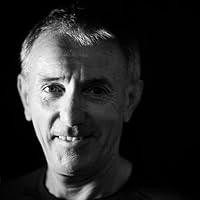
September 1, 2020
1. Hard reading as Frank Furedi has a love of the English language, that exceeds my ability to understand it, without resorting to a dictionary and Wikipedia. Thank you kindle.
2. I now understand, why our society is divided, screaming and child-like, and perhaps can respond to it with courage and understanding.
2. I now understand, why our society is divided, screaming and child-like, and perhaps can respond to it with courage and understanding.
February 13, 2021
Raamatus on üks hea mõte, aga see essee vääriv ja oluline mõte on venitatud paksuks ja lõputut küünlapäeva meenutavaks liiglehekülgede kogumiks. Jah, hirm on kaotanud moraalse õigustuse. Jah, hirm on retoorilisest võttest kasvanud kõige õigustuseks. Jah, ilma hirmutamiseta oleks arutelu sisulisem. Aga kõike seda 330 leheküljel... Kahjuks tegemist ühe harva raamatuga, mis jäi pooleli.
This entire review has been hidden because of spoilers.
March 25, 2021
The book could have been written in 50 less pages. However, this is a very important book that we need to read and understand in terms of how fear has been settled in our underbellies. The book calls for development of courage in children and young adults and it set me thinking where did it all go away.

March 15, 2022
Põnev käsitlus hirmust ühiskonnas ning kuidas ohutusele rõhumine tegelikult hirmu veelgi suurendab. Tegemist ei ole populaarteadusliku teosega, vaid pigem keskmisest kuivema ning allikatest üleküllastunud mahuka teosega, kuid mis pakkus sellest hoolimata huvitavat mõtteainet.

February 17, 2026
Like I didn't not finish this but i definitely skipped around the last few chapters and did more skimming near the end but it's not all my fault. This was at least twice as long as it needed to be but it was a good text for class. Better argument than the other book we read.
Read
June 21, 2019152.4609 F983 2018

September 29, 2021
Minu arvamuse leiab blogist https://triinuraamatud.wordpress.com/...

November 30, 2021
Great work that examines the obsession with safety and the fear that emerges from this. Should be read with The Culture of Fear.
Highly recommended
Rating: 5 Out of 5
Highly recommended
Rating: 5 Out of 5
Displaying 1 - 30 of 34 reviews