

What do you think?
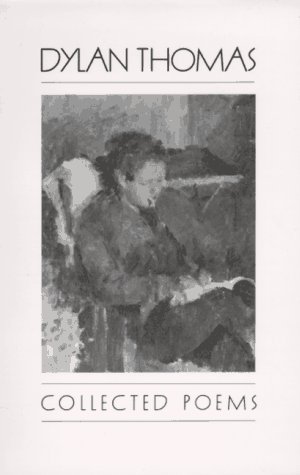
Collected Poems
A classic New Directions book revised for the 21st Century. Dylan Thomas (1914-1953) prepared this volume in 1952―the author's choice of the ninety poems he felt would best represent his work up to that time―and it was published by New Directions in 1953 as The Collected Poems of Dylan Thomas , shortly after his death. This book was then and remained, for all practical purposes, Thomas's "collected" poems and in that sense complete. However, with the 1971 publication of the 192 poems in The Poems of Dylan Thomas (also now available in a revised edition), Thomas's Collected Poems has naturally evolved to become Thomas's Selected Poems .
Thomas wrote his last poem, "Prologue," especially to begin this collection, and addressed it to "my readers, the strangers." Two unfinished poems are included in this "Elegy," prepared by Vernon Watkins, and "In Country Heaven," prepared by Daniel Jones―both Welsh poets were life-long friends of Dylan Thomas. Textual corrections discovered over the course of forty years have now been incorporated, and a complete index of titles and first lines, as well as a brief chronology of the author's life, have been added.
As it has for half a century, this book includes the best of Dylan Thomas's poetry―"Light Breaks Where No Sun Shines," "The Force that Through the Green Fuse Drives the Flower," "And Death Shall Have No Dominion," "Poem in October," "Do Not Go Gentle into that Good Night," "The Hunchback in the Park," "In My Craft or Sullen Art," "In Country Sleep," and Thomas's poignant reflection on his youth, "Fern Hill."
Thomas wrote his last poem, "Prologue," especially to begin this collection, and addressed it to "my readers, the strangers." Two unfinished poems are included in this "Elegy," prepared by Vernon Watkins, and "In Country Heaven," prepared by Daniel Jones―both Welsh poets were life-long friends of Dylan Thomas. Textual corrections discovered over the course of forty years have now been incorporated, and a complete index of titles and first lines, as well as a brief chronology of the author's life, have been added.
As it has for half a century, this book includes the best of Dylan Thomas's poetry―"Light Breaks Where No Sun Shines," "The Force that Through the Green Fuse Drives the Flower," "And Death Shall Have No Dominion," "Poem in October," "Do Not Go Gentle into that Good Night," "The Hunchback in the Park," "In My Craft or Sullen Art," "In Country Sleep," and Thomas's poignant reflection on his youth, "Fern Hill."
203 pages, Paperback
First published January 1, 1952
About the author
Dylan Thomas
638 books1,445 followersDylan Marlais Thomas (1914-1953) was a Welsh poet who wrote in English. Many regard him as one of the 20th century's most influential poets.
In addition to poetry, Thomas wrote short stories and scripts for film and radio, with the latter frequently performed by Thomas himself. His public readings, particularly in America, won him great acclaim; his booming, at times, ostentatious voice, with a subtle Welsh lilt, became almost as famous as his works. His best-known work includes the "play for voices" Under Milk Wood and the celebrated villanelle for his dying father, "Do not go gentle into that good night." Appreciative critics have also noted the superb craftsmanship and compression of poems such as "In my craft or sullen art" and the rhapsodic lyricism of Fern Hill.
In addition to poetry, Thomas wrote short stories and scripts for film and radio, with the latter frequently performed by Thomas himself. His public readings, particularly in America, won him great acclaim; his booming, at times, ostentatious voice, with a subtle Welsh lilt, became almost as famous as his works. His best-known work includes the "play for voices" Under Milk Wood and the celebrated villanelle for his dying father, "Do not go gentle into that good night." Appreciative critics have also noted the superb craftsmanship and compression of poems such as "In my craft or sullen art" and the rhapsodic lyricism of Fern Hill.
Ratings & Reviews
Friends & Following
Create a free account to discover what your friends think of this book!
Community Reviews
Displaying 1 - 30 of 509 reviews

December 6, 2007
I work in an office where we get a zillion phone calls from all over the world. The people who call us are doctors or clinicians who have a problem with one of the many clinical trials we manage. About half of the time the callers have broken English, and in a few cases they have no English so we get a translator by calling a translation service and conferencing them into the call. This one particular evening a female co-worker - we'll call her Sarah because it was Sarah - got this call from a guy who needed a translator. He was talking in Portuguese, a language which sounds beautiful to non-Portuguese-speaking English people. So anyway, the translator introduces herself and Sarah asks the translator to ask the guy what his problem is. Translator turns that into Portuguese. Guy talks in Portuguese a while. Translator pauses then says to Sarah "The gentleman says that he is calling from Brazil and asks if you would be willing to perform oral sex for him. He has money to pay." Sarah doesn't lose the beat and says "Can you please explain that it appears he may have the incorrect telephone number and that we are a clinical trial management company." Translator turns that into Portuguese. Guy apologises and rings off. Sarah thanks the translator and the call ends.
In this analogy, we are all Sarah, every literary critic who's ever written about Dylan Thomas is the translator, and Dylan Thomas is some dickhead from Brazil who sounds so beautiful until you find out he's talking about oral sex all the time.
In this analogy, we are all Sarah, every literary critic who's ever written about Dylan Thomas is the translator, and Dylan Thomas is some dickhead from Brazil who sounds so beautiful until you find out he's talking about oral sex all the time.

September 9, 2013
A process in the weather of the heart
A process in the weather of the heart
Turns damp to dry; the golden shot
Storms in the freezing tomb.
A weather in the quarter of the veins
Turns night to day; blood in their suns
Lights up the living worm.
A process in the eye forwarns
The bones of blindness; and the womb
Drives in a death as life leaks out.
A darkness in the weather of the eye
Is half its light; the fathomed sea
Breaks on unangled land.
The seed that makes a forest of the loin
Forks half its fruit; and half drops down,
Slow in a sleeping wind.
A weather in the flesh and bone
Is damp and dry; the quick and dead
Move like two ghosts before the eye.
A process in the weather of the world
Turns ghost to ghost; each mothered child
Sits in their double shade.
A process blows the moon into the sun,
Pulls down the shabby curtains of the skin;
And the heart gives up its dead.
Nov 08, 16
* Also on my blog.
A process in the weather of the heart
Turns damp to dry; the golden shot
Storms in the freezing tomb.
A weather in the quarter of the veins
Turns night to day; blood in their suns
Lights up the living worm.
A process in the eye forwarns
The bones of blindness; and the womb
Drives in a death as life leaks out.
A darkness in the weather of the eye
Is half its light; the fathomed sea
Breaks on unangled land.
The seed that makes a forest of the loin
Forks half its fruit; and half drops down,
Slow in a sleeping wind.
A weather in the flesh and bone
Is damp and dry; the quick and dead
Move like two ghosts before the eye.
A process in the weather of the world
Turns ghost to ghost; each mothered child
Sits in their double shade.
A process blows the moon into the sun,
Pulls down the shabby curtains of the skin;
And the heart gives up its dead.
Nov 08, 16
* Also on my blog.

March 10, 2018
“Twenty-four years remind the tears of my eyes.
(Bury the dead for fear that they walk to the grave in labour.)
In the groin of the natural doorway I crouched like a tailor
Sewing a shroud for a journey
By the light of the meat-eating sun.
Dressed to die, the sensual strut begun,
With my red veins full of money,
In the final direction of the elementary town
I advance as long as forever is.”

I’m twenty-four very soon and I share a certain sense of affinity with this poem. Sometimes it’s tricky to know exactly what to do with life. People often say the teenage years are the hardest we face, full of uncertainty and confusing emotions, but I disagree: I have found my twenties much, much, harder.
For me, Dylan’s poem here captures a certain sense of inevitability. Dylan says “I advance as long as forever is” but how do we advance? There’s a lifetime ahead of us, a long journey to take. We all approach the same final destination, death, but what we do on the way under the ravenous sun is up to each of us. I think it’s a difficult time of life. I will be glad when I am eventually settled and know what pit stops will be on the journey. Twenties are much harder because what we do now has the potential to define us for the rest of our lives.
I do like this poem, and a few of the others in here, though my absolute favourite is this:
Do not go gentle into that good night,
Old age should burn and rave at close of day;
Rage, rage against the dying of the light.
Though wise men at their end know dark is right,
Because their words had forked no lightning they
Do not go gentle into that good night.
Good men, the last wave by, crying how bright
Their frail deeds might have danced in a green bay,
Rage, rage against the dying of the light.
Wild men who caught and sang the sun in flight,
And learn, too late, they grieved it on its way,
Do not go gentle into that good night.
Grave men, near death, who see with blinding sight
Blind eyes could blaze like meteors and be gay,
Rage, rage against the dying of the light.
Isn’t it so powerful and inspiring? Can you not feel the power of the message? It’s a simple one, one we should all heed. Do not go gentle, do not go easy, do not give up, fight until the very end. I find it truly uplifting. When death is upon us, stay strong.
It can also be read as a shout, an angry outburst against the injustice of life. All life dies. Our “creator” has deemed it so. The poem, in a sense, is a rage against this. It is a bold statement that suggests, although the inevitable is coming, we don’t necessarily have to embrace it with open arms. We cannot conquer death, but that doesn’t mean we have to go gentle into that final goodnight. We can spit in its face and struggle for every last heartbeat.
From these two poems alone you can see his preoccupation with death. It dominates much of his writing and clearly played on his mind through his life. His attitude changed somewhat as he got older and it’s quite interesting to look at how this developed. The death of his farther played a huge role in his life.However, that being said, some of the poems felt terribly similar. Dylan references “my red veins” SO many times that the metaphor (or whatever he was trying to say) becomes a little redundant. More diversity is needed within his writing I think for him to be considered a great poet. He also used similar colours to describe very different things across his writing which felt very strange.
All in all, I really do like his writing. He wrote one of my favourite poems, though not all of his work is of the same quality.
(Bury the dead for fear that they walk to the grave in labour.)
In the groin of the natural doorway I crouched like a tailor
Sewing a shroud for a journey
By the light of the meat-eating sun.
Dressed to die, the sensual strut begun,
With my red veins full of money,
In the final direction of the elementary town
I advance as long as forever is.”
I’m twenty-four very soon and I share a certain sense of affinity with this poem. Sometimes it’s tricky to know exactly what to do with life. People often say the teenage years are the hardest we face, full of uncertainty and confusing emotions, but I disagree: I have found my twenties much, much, harder.
For me, Dylan’s poem here captures a certain sense of inevitability. Dylan says “I advance as long as forever is” but how do we advance? There’s a lifetime ahead of us, a long journey to take. We all approach the same final destination, death, but what we do on the way under the ravenous sun is up to each of us. I think it’s a difficult time of life. I will be glad when I am eventually settled and know what pit stops will be on the journey. Twenties are much harder because what we do now has the potential to define us for the rest of our lives.
I do like this poem, and a few of the others in here, though my absolute favourite is this:
Do not go gentle into that good night,
Old age should burn and rave at close of day;
Rage, rage against the dying of the light.
Though wise men at their end know dark is right,
Because their words had forked no lightning they
Do not go gentle into that good night.
Good men, the last wave by, crying how bright
Their frail deeds might have danced in a green bay,
Rage, rage against the dying of the light.
Wild men who caught and sang the sun in flight,
And learn, too late, they grieved it on its way,
Do not go gentle into that good night.
Grave men, near death, who see with blinding sight
Blind eyes could blaze like meteors and be gay,
Rage, rage against the dying of the light.
Isn’t it so powerful and inspiring? Can you not feel the power of the message? It’s a simple one, one we should all heed. Do not go gentle, do not go easy, do not give up, fight until the very end. I find it truly uplifting. When death is upon us, stay strong.
It can also be read as a shout, an angry outburst against the injustice of life. All life dies. Our “creator” has deemed it so. The poem, in a sense, is a rage against this. It is a bold statement that suggests, although the inevitable is coming, we don’t necessarily have to embrace it with open arms. We cannot conquer death, but that doesn’t mean we have to go gentle into that final goodnight. We can spit in its face and struggle for every last heartbeat.
From these two poems alone you can see his preoccupation with death. It dominates much of his writing and clearly played on his mind through his life. His attitude changed somewhat as he got older and it’s quite interesting to look at how this developed. The death of his farther played a huge role in his life.However, that being said, some of the poems felt terribly similar. Dylan references “my red veins” SO many times that the metaphor (or whatever he was trying to say) becomes a little redundant. More diversity is needed within his writing I think for him to be considered a great poet. He also used similar colours to describe very different things across his writing which felt very strange.
All in all, I really do like his writing. He wrote one of my favourite poems, though not all of his work is of the same quality.

January 19, 2017
This review is about me much more than about the poetry of Dylan Thomas. You can skip to the second last paragraph to read an excerpt from a Thomas poem if you like.
Reading this collection transported me to another time and place in my life. It was a time and place when I sought depth in my life. A time and place when I was much younger, much poorer, seeking love and sex and meaning.
In December 1967, I travelled from the small community in which I lived to the city to see my first rock concert, Jefferson Airplane. I really just wanted to "feed my head". The best part was that at that concert, I met a girl (or should l say, she once met me). Yeah I got picked up at my first rock concert.
After the concert, she took me to a coffeehouse in a church basement (The Winged Ox). Think dark, smokey and folk music. And there was a guy doing Leonard Cohen. I was totally caught in the moment. Girl, music, atmosphere and the words of Cohen. She was my Suzanne except that she was Bonnie.
So what has this to do with Collected Poems , 1934-1952 by Dylan Thomas? Think about Cohen's songs and poems: love, sex, religion, death - all served up in a dark, damp atmosphere that is so like our own lives. Just as I was swept up by Cohen (and Bonnie of course), I found myself swept up by Thomas while reading this, sans Bonnie. (Perhaps Thomas is a bit damper.)
Now you would expect me to explicate this thesis but I will leave that for somebody's master degree thesis. I only ask for a footnote.
A bit of Dylan Thomas (from the poem 'If I were tickled by the rub of love):
"I sit and watch the worm beneath my nail
Wearing the quick away.
And that's the rub, the only rub that tickles.
The knobbly ape that swings along his sex
From damp love-darkness and the nurse's twist
Can never raise the midnight of a chuckle,
Nor when he finds a beauty in the breast
Of lover, mother, lovers, or his six Feet in the rubbing dust.
And what's the rub? Death's feather on the nerve?
Your mouth, my love, the thistle in the kiss?
My Jack of Christ born thorny on the tree?
The words of death are dryer than his stiff,
My wordy wounds are printed with your hair.
I would be tickled by the rub that is:
Man be my metaphor."
After that night, I quit high school, moved to the city and devoted myself to being a 'hippie'. Bonnie? She quickly dropped me, moved to Calgary and, last I heard, became a bartender. (How Leonard Cohen is that?) (Dylan Thomas would have met her in the bar.)
Reading this collection transported me to another time and place in my life. It was a time and place when I sought depth in my life. A time and place when I was much younger, much poorer, seeking love and sex and meaning.
In December 1967, I travelled from the small community in which I lived to the city to see my first rock concert, Jefferson Airplane. I really just wanted to "feed my head". The best part was that at that concert, I met a girl (or should l say, she once met me). Yeah I got picked up at my first rock concert.
After the concert, she took me to a coffeehouse in a church basement (The Winged Ox). Think dark, smokey and folk music. And there was a guy doing Leonard Cohen. I was totally caught in the moment. Girl, music, atmosphere and the words of Cohen. She was my Suzanne except that she was Bonnie.
So what has this to do with Collected Poems , 1934-1952 by Dylan Thomas? Think about Cohen's songs and poems: love, sex, religion, death - all served up in a dark, damp atmosphere that is so like our own lives. Just as I was swept up by Cohen (and Bonnie of course), I found myself swept up by Thomas while reading this, sans Bonnie. (Perhaps Thomas is a bit damper.)
Now you would expect me to explicate this thesis but I will leave that for somebody's master degree thesis. I only ask for a footnote.
A bit of Dylan Thomas (from the poem 'If I were tickled by the rub of love):
"I sit and watch the worm beneath my nail
Wearing the quick away.
And that's the rub, the only rub that tickles.
The knobbly ape that swings along his sex
From damp love-darkness and the nurse's twist
Can never raise the midnight of a chuckle,
Nor when he finds a beauty in the breast
Of lover, mother, lovers, or his six Feet in the rubbing dust.
And what's the rub? Death's feather on the nerve?
Your mouth, my love, the thistle in the kiss?
My Jack of Christ born thorny on the tree?
The words of death are dryer than his stiff,
My wordy wounds are printed with your hair.
I would be tickled by the rub that is:
Man be my metaphor."
After that night, I quit high school, moved to the city and devoted myself to being a 'hippie'. Bonnie? She quickly dropped me, moved to Calgary and, last I heard, became a bartender. (How Leonard Cohen is that?) (Dylan Thomas would have met her in the bar.)

September 25, 2008
Cannabis was so prevalent by the end of high school and beginning of college, my need to belong so great, that I was a regular user on weekends. Eventually, however, having explored the action of the drug to the extent of taking enough hashish as to be unable to move, absorbed in drifting over brilliant kaleidoscopically checkered fields, I recognized that I wasn't learning anything new. Marihuana made me silly, made me hungry, made me sleepy, left me with a hangover the next day, a mild stupor. None of this was very important or very interesting. I pretty much stopped taking the stuff.
There were, however, exceptions. One, of course, was music. I could understand why my musician friends liked the stuff. The other was music's cousin, poetry.
Thank heavens I was forced to read so much poetry in the public schools! I have some acquaintance with the major English and American poets because of it--some too with the Germans in translation. But, come college, there was no time for such indulgence. Time constraints being what they were, the poems that were assigned in some classes were read quickly, silently and with little enjoyment. The music was lost, only the concepts were obtained, enough to get by in class. Weed, the great time-waster, provided a fortuitous exception to the rule, an exception that remains vivid to this day.
It was a weekend in the winter of sophomore year. I had gotten stoned, gotten introspective and had wandered off to a lounge on north campus, leaving my partying friends. Not being sleepy, not liking my typically self-critical thoughts, I had prudentially grabbed a book, Collected Poems of Dylan Thomas. Normally, under the influence, reading wasn't easy. Printed words played like eels in shifting, shallow waters. Reading was slow going, distractive, the mind going hither and yon much like the eels. But I had never tried poetry before.
To focus, and because his style so obviously demands vocalization, I read the poems aloud, sittling there alone on an ugly couch in an ugly lounge. They were beautiful, impressive. I read a poem, got the concept, the pattern, and read it again, better, with understanding, with proper emphasis. I did my best with what I imagined to be a Welch accent, an imitation of his voice from "A Child's Christmas in Wales" which Father had listened to yearly. Certain of the critical faculties being shot, it sounded pretty good. It was quite enjoyable, baroquely enriching. I forgot to be depressed, staying up the night with the music of Dylan Thomas.
There were, however, exceptions. One, of course, was music. I could understand why my musician friends liked the stuff. The other was music's cousin, poetry.
Thank heavens I was forced to read so much poetry in the public schools! I have some acquaintance with the major English and American poets because of it--some too with the Germans in translation. But, come college, there was no time for such indulgence. Time constraints being what they were, the poems that were assigned in some classes were read quickly, silently and with little enjoyment. The music was lost, only the concepts were obtained, enough to get by in class. Weed, the great time-waster, provided a fortuitous exception to the rule, an exception that remains vivid to this day.
It was a weekend in the winter of sophomore year. I had gotten stoned, gotten introspective and had wandered off to a lounge on north campus, leaving my partying friends. Not being sleepy, not liking my typically self-critical thoughts, I had prudentially grabbed a book, Collected Poems of Dylan Thomas. Normally, under the influence, reading wasn't easy. Printed words played like eels in shifting, shallow waters. Reading was slow going, distractive, the mind going hither and yon much like the eels. But I had never tried poetry before.
To focus, and because his style so obviously demands vocalization, I read the poems aloud, sittling there alone on an ugly couch in an ugly lounge. They were beautiful, impressive. I read a poem, got the concept, the pattern, and read it again, better, with understanding, with proper emphasis. I did my best with what I imagined to be a Welch accent, an imitation of his voice from "A Child's Christmas in Wales" which Father had listened to yearly. Certain of the critical faculties being shot, it sounded pretty good. It was quite enjoyable, baroquely enriching. I forgot to be depressed, staying up the night with the music of Dylan Thomas.

April 13, 2024
I haven't read this entire collection and my TBR kind of prevents me from doing so, but a quick shout out to Dylan Thomas for the amazing poem called 'Do Not Go Gentle into that Good Night'.
I was born in Wales, my forefathers are Welsh, and Dylan Thomas was born in Swansea himself, just up the road from me in Neath.
It's a very emotional poem about never giving up and fighting to the end.
Here's the first stanza:
"
Do not go gentle into that good night,
Old age should burn and rave at close of day;
Rage, rage against the dying of the light.
"
In Welsh speak, well done boyo, this is great stuff.
I was born in Wales, my forefathers are Welsh, and Dylan Thomas was born in Swansea himself, just up the road from me in Neath.
It's a very emotional poem about never giving up and fighting to the end.
Here's the first stanza:
"
Do not go gentle into that good night,
Old age should burn and rave at close of day;
Rage, rage against the dying of the light.
"
In Welsh speak, well done boyo, this is great stuff.

July 10, 2018
Dylan Thomas Collected Poems
(1914-1953)
“Visions of creation and mortality.”
I read this from cover to cover, to make sure I had not missed a gem. But no.
Reluctantly, but truthfully I must confess that I could not connect to these poems.
I found the vocabulary plain, if not vulgar in many cases, and repetitive,
the formulation and style deconstructed.
In most cases, I understand the words but not the meaning of the sentence or even the complete poem.
Emotions called upon are dark, plaintiff, accusative, mortality, death.
The volume contains 156 pages of poems and about 100 pages of ‘Notes.’
The work seems to need a lot of explanation.
The author is celebrated as one of the great poets of this century.
(1914-1953)
“Visions of creation and mortality.”
I read this from cover to cover, to make sure I had not missed a gem. But no.
Reluctantly, but truthfully I must confess that I could not connect to these poems.
I found the vocabulary plain, if not vulgar in many cases, and repetitive,
the formulation and style deconstructed.
In most cases, I understand the words but not the meaning of the sentence or even the complete poem.
Emotions called upon are dark, plaintiff, accusative, mortality, death.
The volume contains 156 pages of poems and about 100 pages of ‘Notes.’
The work seems to need a lot of explanation.
The author is celebrated as one of the great poets of this century.

April 14, 2022
Dylan Thomas knows how to write in a visually stunning way. His use of imagery is rather original and unexpected, and his poetry is not always meant to be easily understood, whereas you can follow and understand what he says intuitively in other parts. This does not take anything away from the impressive creation of unique poetry at all, and if you like poetry full of symbols and allusions to religion, death, life and more, this title could be right on spot.
5 out of 5 stars
5 out of 5 stars

February 12, 2008
Just a master of sheer language.
His poetry works on your inner consciousness, you feel it and hear it before you think it.
Untangling his syntax and his associations makes for some interesting reading all its own.
His name meant "wave", as in the ocean, in Welsh.
He said his three biggest influences were Yeats (I think), The Bible, and Freud.
Imagine this simmering stew, this cauldron if you will, and you've got yourself something rich, evocative, stormy, and powerful.
It's the goshdarn lifeforce incarnate.
Go to the smaller, more obscure poems first. Get yourself tied up in the bog water of his preoccupations before you read the stuff that's more plainspoken.
I mean, this is LYRIC poetry. it's being sung. And there's that rich history of pseudo-gaelic that makes the language edible and raw and bone-blunt.
I can't say enough about this guy, he's held me in rapture for years. I can't even focus on it too well since he is so visceral and obscure in all the best ways.

May 16, 2026
Rich with musical language and vivid imagery, Collected Poems gathers the work of Dylan Thomas into a body of poetry that feels both intensely emotional and deeply lyrical.
Across poems like “Do Not Go Gentle into That Good Night” and “Fern Hill,” Thomas explores themes of mortality, childhood, memory, nature, and the passage of time with a style that is dense, rhythmic, and often dreamlike. His use of sound and repetition gives many poems an almost hypnotic quality, even when the meaning feels difficult to pin down.
Some pieces can be challenging because of their complexity and layered imagery, but the emotional force behind the language remains striking. It’s a collection best read slowly, allowing the texture and movement of the poetry to fully settle in.
RATING: 4 out of 5 stars.
Across poems like “Do Not Go Gentle into That Good Night” and “Fern Hill,” Thomas explores themes of mortality, childhood, memory, nature, and the passage of time with a style that is dense, rhythmic, and often dreamlike. His use of sound and repetition gives many poems an almost hypnotic quality, even when the meaning feels difficult to pin down.
Some pieces can be challenging because of their complexity and layered imagery, but the emotional force behind the language remains striking. It’s a collection best read slowly, allowing the texture and movement of the poetry to fully settle in.
RATING: 4 out of 5 stars.

January 24, 2015
Where I began writing, during a fine undergrad English major. "Days of daisies, swaying lazily,/ Light and easy, breeze-blown days" and
"Love-burst firth, froth on the sluicing sea/ Foams on the rolling, beating surf..." The first I submitted to enter a poetry writing class, and I was admitted--by Archibald MacLeish. Later, in grad school at Minnesota, I set Dylan Thomas's "Death Shall Have No Dominion" to music*,
SATB, organ, fleugel horn, cello and trombone. (It's on google+, linked to "Blues for AJ Take One" on Youtube.) I memorized a half hour of DT,
not that easy, for Fern Hill has half lines where the mind can skip forward to a similar half-line.
Later still we toured Wales four times, and stopped in Laugharne at a B&B which was previously a bar where the poet hung out. I was shocked to see Fern Hill the farm in town, on a knoll a hundred yards above the old square. I volunteered to recite some DT at his cottage, now a teahouse. For some tea. No go, "But you can recite some of his poems." I,"No, like Dylan Thomas, I only recite when remunerated--if only by tea."
*May 5, New Bedford Unitarian Chuch, 11 A.M service, I'm having my setting performed honoring my wife who passed away recently. She played cello when 1st performed 40 years ago at Fall river Unitarian Church.
"Love-burst firth, froth on the sluicing sea/ Foams on the rolling, beating surf..." The first I submitted to enter a poetry writing class, and I was admitted--by Archibald MacLeish. Later, in grad school at Minnesota, I set Dylan Thomas's "Death Shall Have No Dominion" to music*,
SATB, organ, fleugel horn, cello and trombone. (It's on google+, linked to "Blues for AJ Take One" on Youtube.) I memorized a half hour of DT,
not that easy, for Fern Hill has half lines where the mind can skip forward to a similar half-line.
Later still we toured Wales four times, and stopped in Laugharne at a B&B which was previously a bar where the poet hung out. I was shocked to see Fern Hill the farm in town, on a knoll a hundred yards above the old square. I volunteered to recite some DT at his cottage, now a teahouse. For some tea. No go, "But you can recite some of his poems." I,"No, like Dylan Thomas, I only recite when remunerated--if only by tea."
*May 5, New Bedford Unitarian Chuch, 11 A.M service, I'm having my setting performed honoring my wife who passed away recently. She played cello when 1st performed 40 years ago at Fall river Unitarian Church.

February 5, 2016
"Do not go gentle into that good night,
Old age should burn and rave at close of day;
Rage, rage against the dying of the light.
Though wise men at their end know dark is right,
Because their words had forked no lightning they
Do not go gentle into that good night.
Good men, the last wave by, crying how bright
Their frail deeds might have danced in a green bay,
Rage, rage against the dying of the light.
Wild men who caught and sang the sun in flight,
And learn, too late, they grieved it on its way,
Do not go gentle into that good night.
Grave men, near death, who see with blinding sight
Blind eyes could blaze like meteors and be gay,
Rage, rage against the dying of the light.
And you, my father, there on the sad height,
Curse, bless, me now with your fierce tears, I pray.
Do not go gentle into that good night.
Rage, rage against the dying of the light."
Old age should burn and rave at close of day;
Rage, rage against the dying of the light.
Though wise men at their end know dark is right,
Because their words had forked no lightning they
Do not go gentle into that good night.
Good men, the last wave by, crying how bright
Their frail deeds might have danced in a green bay,
Rage, rage against the dying of the light.
Wild men who caught and sang the sun in flight,
And learn, too late, they grieved it on its way,
Do not go gentle into that good night.
Grave men, near death, who see with blinding sight
Blind eyes could blaze like meteors and be gay,
Rage, rage against the dying of the light.
And you, my father, there on the sad height,
Curse, bless, me now with your fierce tears, I pray.
Do not go gentle into that good night.
Rage, rage against the dying of the light."

September 28, 2022
In my craft or sullen art
Exercised in the still night
When only the moon rages
And the lovers lie abed
With all their griefs in their arms,
I labour by singing light
Not for ambition or bread
Or the strut and trade of charms
On the ivory stages
But for the common wages
Of their most secret heart.
Not for the proud man apart
From the raging moon I write
On these spindraft pages
Nor for the towering dead
With their nightingales and psalms
But for the lovers, their arms
Round the griefs of the ages,
Who pay no praise or wages
Nor heed my craft or art.

October 18, 2017
Dylan Thomas was first recognized after the publication in 1934 of "Light Breaks Where No Sun Shines".
Light breaks where no sun shine;
Where no sea runs, the waters of the heart
Push in their tides;
And, broken ghosts with glow-worms in their heads
The things of light
File through the flesh where no flesh decks the bone. (more)
Critics wrote that his work is "too narrow and suffers from verbal extravagance". Robert Lowell wrote "he is a dazzling obscure writer who can be enjoyed without understanding". Generally, 20th century criticism ignored rather than studied his work because it failed to fit standard narratives.
In my reading of his poems, I can understand the critics's view, but I agree with Robert Lowell.
In his poem Elegy, Thomas wrote
O deepest wound of all that he should die
On that darkest day. Oh, he could hide
The tears out of his eyes, too proud to cry.
Until I die he will not leave my side.
Dylan Thomas died in New York City in 1953. He was 39.
Light breaks where no sun shine;
Where no sea runs, the waters of the heart
Push in their tides;
And, broken ghosts with glow-worms in their heads
The things of light
File through the flesh where no flesh decks the bone. (more)
Critics wrote that his work is "too narrow and suffers from verbal extravagance". Robert Lowell wrote "he is a dazzling obscure writer who can be enjoyed without understanding". Generally, 20th century criticism ignored rather than studied his work because it failed to fit standard narratives.
In my reading of his poems, I can understand the critics's view, but I agree with Robert Lowell.
In his poem Elegy, Thomas wrote
O deepest wound of all that he should die
On that darkest day. Oh, he could hide
The tears out of his eyes, too proud to cry.
Until I die he will not leave my side.
Dylan Thomas died in New York City in 1953. He was 39.
June 19, 2018
2.5*
Call me a philistine by all means. The sad truth is that the Welsh word wizard failed to rock my boat. I appreciated the lilting rhythms, the clever imagery, the brilliantly innovative use of words, the alliterative genius… all that. But I struggled to find meanings. Normally after a couple of readings I ‘get it’ (or at least some of the poet’s vibe) but I generally failed miserably here and I got crosser and crosser [probably more with myself than D.T.]
There were of course some wonderful exceptions: Do Not Go Gentle Into That Good Night, the unfinished Elegy, again about the death of his father. Then also A Winter’s Tale which I could quote here in full and argue against myself:
“In the poles of the year
When blackbirds died like priests in the cloaked hedge row
And over the cloth of counties the far hills rode near,
Under the one leaved trees ran a scarecrow of snow
And fast through the drifts of the thickets antlered like deer,”……………….
But there were all the other inaccessible would-be gems, which left me cold.
I hope I can find an audio version of the collected poems. This may well convey the riches that I’ve missed here in my hopeless reading.
May 10, 2021
Famously lyrical and emotional, the uniqueness of Thomas's work deems him difficult to categorise, complicated further by his refusal to be attributed to any literary group. Most scholars and critics have shoehorned his work into the early 20th century movement of romanticism, due to the impassionate, natural and social aspects of his poems.
Thomas developed an obsession with words, and like other writers such as James Joyce before him, focused on their sound and rhythm and the possibilities of double meanings. As a result, some of his work can be seen as inaccessible and too complex.
The Swansea-born master of the surreal and symbolic led a turbulent personal life, of which can be seen documented in a series of his published letters throughout his career, including prolonged physical issues from early childhood, infidelity and alcoholism.
His writing shed in a boathouse where he lived for the last four years of his life is available to visit in the town of Laugharne, Carmarthenshire, Wales and is well worth a visit.
Recommend: Do Not Go Gentle Into That Good Night, The Song of the Mischievous Dog, And Death Shall Have No Dominion, Fern Hill.
Thomas developed an obsession with words, and like other writers such as James Joyce before him, focused on their sound and rhythm and the possibilities of double meanings. As a result, some of his work can be seen as inaccessible and too complex.
The Swansea-born master of the surreal and symbolic led a turbulent personal life, of which can be seen documented in a series of his published letters throughout his career, including prolonged physical issues from early childhood, infidelity and alcoholism.
His writing shed in a boathouse where he lived for the last four years of his life is available to visit in the town of Laugharne, Carmarthenshire, Wales and is well worth a visit.
Recommend: Do Not Go Gentle Into That Good Night, The Song of the Mischievous Dog, And Death Shall Have No Dominion, Fern Hill.

August 11, 2023
I have obviously heard of Dylan Thomas before, but I don’t think I’ve ever read any of his poetry before.
After seeing a YouTube video where Johnny Depp visits Dylan Thomas’s (his all time favorite) home in Swansea, Wales, I was intrigued. So much so that off to my small town library I went to see what I could find. Lo and behold, one book was found!
Poems were easily read and had depth.
I would recommend this small book to new readers of Dylan Thomas or to seasoned readers, and to readers who are just new to poetry or to those of us who actually enjoy reading poetry!
After seeing a YouTube video where Johnny Depp visits Dylan Thomas’s (his all time favorite) home in Swansea, Wales, I was intrigued. So much so that off to my small town library I went to see what I could find. Lo and behold, one book was found!
Poems were easily read and had depth.
I would recommend this small book to new readers of Dylan Thomas or to seasoned readers, and to readers who are just new to poetry or to those of us who actually enjoy reading poetry!

June 15, 2012
I tried to like it. God knows how hard I tried. The first half of the book was much more comprehensible than the last. The poems I did understand were absolutely amazing, which makes me think I'm just missing out on the poems I can't understand. Much of his stuff really seems like a word game to him. He toys with the meanings and sounds of words, actually calling himself in a letter to a friend "a freak user of words." He feathers out a word and seizes a single strand of meaning from our million-layered terms, so that I hardly recognize the word at all. I love the thought of pushing language to it's furthest limits and seeing what emotional/intuitive stuff it's made of, but so much at this level was lost to me. I feel like I could have progressed much farther with someone to help me through it.
I hate giving a low rating to a book that I think has a lot of potential, but I have to be honest and say that it fell short of really moving me. I'm stuck with the question, "Was only part of it brilliant, or am I unable to keep up?" I seriously believe the latter.
Maybe some of you Dylan Thomas fans out there can give me some direction.
I hate giving a low rating to a book that I think has a lot of potential, but I have to be honest and say that it fell short of really moving me. I'm stuck with the question, "Was only part of it brilliant, or am I unable to keep up?" I seriously believe the latter.
Maybe some of you Dylan Thomas fans out there can give me some direction.

April 29, 2013
How do you criticize a volume of poetry such as this? These are not ideas, these are words, formed together, which create ideas reflexively. The language is psychedelic, romantic, beautiful, paradoxical, mesmerizing. I love the opening stanzas of Fern Hill :
Now as I was young and easy under the apple boughs
About the lilting house and happy as the grass was green,
The night above the dingle starry,
Time let me hail and climb
Golden in the heydays of his eyes,
And honored among wagons I was prince of the apple towns,
And once below a time I lordly had the trees and leaves
Trail with daisies and barley
Down the rivers of the windfall light.
And as I was green and carefree, famous among the barns About the happy yard and singing as the farm was home, In the sun that is young once only, Time let me play and be Golden in the mercy of his means, And green and golden I was huntsman and herdsman, the calves Sang to my horn, the foxes on the hills barked clear and cold, And the sabbath rang slowly In the pebbles of the holy streams... (178)
Or maybe we should turn to II of I See The Boys Of Summer:
But seasons must be challenged or they totter
Into a chiming quarter
Where, punctual as death, we ring the stars;
There, in his night, the black-tongued bells
The sleepy man of winter pulls,
Nor blows back mon-and-midnight as she blows.” (2)
At times the language is absolutely haunting, as in the finish to To-Day, This Insect:
Death: death of Hamlet and the nightmare madmen,
An air-drawn windmill on a wooden horse,
John’s beast, Job’s patience, and the fibs of vision,
Greek in the Irish sea the ageless voice:
‘Adam I love, my madmen’s love is endless,
No tell-tale love has an end more certain,
All legends’ sweethearts on a tree of stories,
My cross of tales behind the fabulous curtain.’ (48)
What does it all mean? Surely I’m not sure. I suspect that, as with most prophetic words, one sees in them the ideas one wants to see, and the words give shape to nascent vision between every set of ears reading the wonderful lines.
Now as I was young and easy under the apple boughs
About the lilting house and happy as the grass was green,
The night above the dingle starry,
Time let me hail and climb
Golden in the heydays of his eyes,
And honored among wagons I was prince of the apple towns,
And once below a time I lordly had the trees and leaves
Trail with daisies and barley
Down the rivers of the windfall light.
And as I was green and carefree, famous among the barns About the happy yard and singing as the farm was home, In the sun that is young once only, Time let me play and be Golden in the mercy of his means, And green and golden I was huntsman and herdsman, the calves Sang to my horn, the foxes on the hills barked clear and cold, And the sabbath rang slowly In the pebbles of the holy streams... (178)
Or maybe we should turn to II of I See The Boys Of Summer:
But seasons must be challenged or they totter
Into a chiming quarter
Where, punctual as death, we ring the stars;
There, in his night, the black-tongued bells
The sleepy man of winter pulls,
Nor blows back mon-and-midnight as she blows.” (2)
At times the language is absolutely haunting, as in the finish to To-Day, This Insect:
Death: death of Hamlet and the nightmare madmen,
An air-drawn windmill on a wooden horse,
John’s beast, Job’s patience, and the fibs of vision,
Greek in the Irish sea the ageless voice:
‘Adam I love, my madmen’s love is endless,
No tell-tale love has an end more certain,
All legends’ sweethearts on a tree of stories,
My cross of tales behind the fabulous curtain.’ (48)
What does it all mean? Surely I’m not sure. I suspect that, as with most prophetic words, one sees in them the ideas one wants to see, and the words give shape to nascent vision between every set of ears reading the wonderful lines.


July 30, 2013
Taking Time to Experience the Known
Growing up in the Pacific Northwest, I feel as if I know Mt. Si. An iconic rock formation in the Cascade foothills, it is an easily identified landmark signifying entrance into the mountains through Interstate 90. It’s an integral part of the region, something you would assuredly mention to an out-of-towner if you happened to drive past it.
But recognition is a different phenomenon than true experience. I still haven’t endeavored to hike the full mountain, but my understanding of the space has become more integrated when I spent a day-trip lumbering up the Little Si trail.
For me, this same principle applies to Dylan Thomas. A seminal influencer of many musicians I hold in high regard, the Thomas brand of poetry is something I’ve identified from afar. I even count his famous poem, “Do not go gentle into that good night,” as one of my all-time favorites.
Nevertheless, I felt it high time to engage in a deep-dive with Thomas’ compiled work, Collected Poems.
A collection of poems spanning Thomas’ career, Collected Poems provides ample evidence to a specific style and content focus.
On Death
Central to much of Thomas’ content is the idea of death and the frailty of life. Death, it seems, functions as the endpoint, the conclusion of narrative.
Thomas often leans on the symmetry of life and death and the lengths to which humanity operates in avoidance of that final act.
Here, it almost seems as if Thomas searches for beginnings hoping that the new will always push aside the inevitable demise of the human being.
On Tenacity
Not only is death a common motif in Thomas’ poetry, it also operates as the subjects around which Thomas submits a tenacious attitude. Perhaps most famously in “Do not go gentle into that good night” Thomas argues,
The reader feels the resolute spirit of Thomas often during Collected Poems. While death plays a central role in all of life, it will not govern us. Consider this passage:
Surely death will come, but it shouldn’t influence the tasks we must attend today.
For this reason, Thomas always seems caught in the middle between an obsession with the end and the fight to not let the end influence the present. He concludes his compilation pondering,
“Caught between” seems to define Thomas’ view of life and his expressions throughout his poetry.
Finding the Takeaway
Stylistically, Collected Poems illustrates the unique characteristics of Thomas’ poetry. Often, the takeaway line—the most intriguing and artistic line intended to be exceptionally quotable—occurs at the conclusion of the poem. Each preceding line sets up the final point with gravitas.
Not so with Thomas.
His takeaway line occurs at the beginning, with expansion on the line building out from stanza to stanza.
Much like my trip to Mt. Si, reading Collected Poems gave me a better understanding of an author I thought I knew. Collected Poems affirms my thoughts on Dylan Thomas as a premier poet and I am glad to see his body of work is consistently good.
If you are like me and you know of Dylan Thomas, bite the bullet and read Collected Poems. Hey, even if you’ve never heard of Dylan Thomas and you generally like poetry, Collected Poems is worth your time.
Originally published at http://www.wherepenmeetspaper.com
Growing up in the Pacific Northwest, I feel as if I know Mt. Si. An iconic rock formation in the Cascade foothills, it is an easily identified landmark signifying entrance into the mountains through Interstate 90. It’s an integral part of the region, something you would assuredly mention to an out-of-towner if you happened to drive past it.
But recognition is a different phenomenon than true experience. I still haven’t endeavored to hike the full mountain, but my understanding of the space has become more integrated when I spent a day-trip lumbering up the Little Si trail.
For me, this same principle applies to Dylan Thomas. A seminal influencer of many musicians I hold in high regard, the Thomas brand of poetry is something I’ve identified from afar. I even count his famous poem, “Do not go gentle into that good night,” as one of my all-time favorites.
Nevertheless, I felt it high time to engage in a deep-dive with Thomas’ compiled work, Collected Poems.
A collection of poems spanning Thomas’ career, Collected Poems provides ample evidence to a specific style and content focus.
On Death
Central to much of Thomas’ content is the idea of death and the frailty of life. Death, it seems, functions as the endpoint, the conclusion of narrative.
“In the beginning was the word, the word
That from the solid bases of the light
Abstracted all the letters of the void;
And from the cloudy bases of the breath
The word flowed up, translating to the heart
First characters of birth and death” (24).
Thomas often leans on the symmetry of life and death and the lengths to which humanity operates in avoidance of that final act.
“I dreamed my genesis in sweat of death, fallen
Twice in the feeding sea, grown
Stale of Adam’s brine until, vision
Of new man strength, I seek the sun” (31).
Here, it almost seems as if Thomas searches for beginnings hoping that the new will always push aside the inevitable demise of the human being.
On Tenacity
Not only is death a common motif in Thomas’ poetry, it also operates as the subjects around which Thomas submits a tenacious attitude. Perhaps most famously in “Do not go gentle into that good night” Thomas argues,
“Rage, rage against the dying of the light” (123).
The reader feels the resolute spirit of Thomas often during Collected Poems. While death plays a central role in all of life, it will not govern us. Consider this passage:
“And death shall have no dominion.
Dead men naked they shall be one
With the man in the wind and the west moon;
When their bones are picked clean and the clean bones gone,
They shall have stars at elbow and foot;
Though they go mad they shall be sane,
Though they sink through the sea they shall rise again;
Though lovers be lost love shall not;
And death shall have no dominion” (73).
Surely death will come, but it shouldn’t influence the tasks we must attend today.
For this reason, Thomas always seems caught in the middle between an obsession with the end and the fight to not let the end influence the present. He concludes his compilation pondering,
“Last sound, the world going out without a breath:
Too proud to cry, too frail to check the tears,
And caught between two nights, blindness and death” (193).
“Caught between” seems to define Thomas’ view of life and his expressions throughout his poetry.
Finding the Takeaway
Stylistically, Collected Poems illustrates the unique characteristics of Thomas’ poetry. Often, the takeaway line—the most intriguing and artistic line intended to be exceptionally quotable—occurs at the conclusion of the poem. Each preceding line sets up the final point with gravitas.
Not so with Thomas.
His takeaway line occurs at the beginning, with expansion on the line building out from stanza to stanza.
Much like my trip to Mt. Si, reading Collected Poems gave me a better understanding of an author I thought I knew. Collected Poems affirms my thoughts on Dylan Thomas as a premier poet and I am glad to see his body of work is consistently good.
If you are like me and you know of Dylan Thomas, bite the bullet and read Collected Poems. Hey, even if you’ve never heard of Dylan Thomas and you generally like poetry, Collected Poems is worth your time.
Originally published at http://www.wherepenmeetspaper.com
March 4, 2021
What colour is glory? death's feather? tremble
The halves that pierce the pin's point in the air,
And prick the thumb-stained heaven through the thimble.
The ghost is dumb that stammered in the straw,
The ghost that hatched his havoc as he flew
Blinds their cloud-tracking eye.
- - -
And death shall have no dominion.
Dead men naked they shall be one
With man in the wind and the west moon;
When their bones are picked clean and the clean bones gone,
They shall have stars at elbow and foot;
Though they go mad they shall be sane,
Though they sink through the sea they shall rise again;
Though lovers be lost love shall not;
And death shall have no dominion.
- - -
Loving on this sea banged guilt
My holy lucky body
Under the cloud against love is caught and held and kissed
In the mill of the midst
Of the descending day, the dark our folly
Cut to the still star in the order of the quick
But blessed by such heroic hosts in your every
Inch and glance that wound
Is certain god, and the ceremony of souls
Is celebrated there, and communion between suns.
Never shall my self chant
About the saint in shades while the endless breviary
Turns of your prayed flesh, nor shall I shoo the bird below
me:
The death biding two lie lonely.
- - -
Open a pathway through the slow sad sail,
Throw wide to the wind the gates of the wandering boat
For my voyage to begin to the end of my wound,
We heard the sea sound sing, we saw the salt sheet tell.
Lie still, sleep becalmed, hide the mouth in the throat,
Or we shall obey, and ride with you through the drowned.

February 2, 2019
Light breaks where no sun shines
‘Light breaks where no sun shines;
Where no sea runs, the waters of the heart
Push in their tides;
And, broken ghosts with glow-worms in their heads,
The things of light
File through the flesh where no flesh decks the bones.
...
Light breaks on secret lots,
On tips of thought where thoughts smell in the rain;
When logics dies,
The secret of the soil grows through the eye,
And blood jumps in the sun;
Above the waste allotments the dawn halts.”
A process in the weather of the heart
‘A process in the weather of the heart
Turns damp to dry; the golden shot
Storms in the freezing tomb.
A weather in the quarter of the veins
Turns night to day; blood in their suns
Lights up the living worm. ’
‘Light breaks where no sun shines;
Where no sea runs, the waters of the heart
Push in their tides;
And, broken ghosts with glow-worms in their heads,
The things of light
File through the flesh where no flesh decks the bones.
...
Light breaks on secret lots,
On tips of thought where thoughts smell in the rain;
When logics dies,
The secret of the soil grows through the eye,
And blood jumps in the sun;
Above the waste allotments the dawn halts.”
A process in the weather of the heart
‘A process in the weather of the heart
Turns damp to dry; the golden shot
Storms in the freezing tomb.
A weather in the quarter of the veins
Turns night to day; blood in their suns
Lights up the living worm. ’

January 24, 2015
In Interstellar Movie,DR.Bernard "Michael Chaine"kept repeating these lines,of one of the remarkable poems of the heavenly-gifted poet Dylan Thomas:
"Do not go gentle into that good night,
Old age should burn and rave at close of day,
Rage,rage against the dying of the light"
Christopher Nolan the distinguished director,quoted the lines of one of the most influential poets of the twentieth century, and one of my favorites no question...
Oh,unique,genius,inspiring welsh poet
Rest in peace Dear Dylan,Rest in ETERNAL PEACE...
"Do not go gentle into that good night,
Old age should burn and rave at close of day,
Rage,rage against the dying of the light"
Christopher Nolan the distinguished director,quoted the lines of one of the most influential poets of the twentieth century, and one of my favorites no question...
Oh,unique,genius,inspiring welsh poet
Rest in peace Dear Dylan,Rest in ETERNAL PEACE...

July 13, 2024
made even better for the fact that my used copy had some old rolling papers inside and reeked of cigs, really set the mood

January 4, 2012
Dylan Thomas is the unhappiest poet I've ever read. I've read poems about rape and incest that didn't make me feel this horrible.
"Do Not Go Gentle" is usually the way young people find Thomas, or at least people of my generation who walked around quoting the hot guy from the Michelle Pfeiffer flick, Dangerous Minds: "You've got to RAGE against the DYING of the LIGHT!" That dude dies because he doesn't knock on a door. Michelle Pfeiffer becomes the apple of the unruly students' collective eye. Coolio goes on to sue Weird Al Yankovic for satirzing "Gangsta's Paradise" because he (allegedly) never gave Weird Al permission to use the song because the song was too important to be satirized. Years later, Hilary Swank films Freedom Writers, a complete rip-off of Dangerous Minds; instead of reading, they write. In any case, "Do Not Go Gentle" is the featured poem in the Dylan-Dylan contest in the movie that asks the students to find a poem by Dylan Thomas that conveys the same message as a Bob Dylan song, like "Mr. Tambourine Man."
"Do Not Go Gentle" is a plea to a father to fight against death. Though death is involved, it's not as gloomy. I thought that an entire collection of raging against death could not be so gloomy.
I wanted to slit my wrists with the pages of the book by the time I was halfway into it. Alas, it was an old book, and the pages were not crisp enough. So I read on, all about death, dark, death, melancholy, aching, longing, death, more death, dreariness, darkness, death.
Some bright sides:
"If I Were Tickled By The Rub Of Love" is the only playful poem I found. It made me not want to die so much.
"When, Like A Running Grave" is not so gloomy, yet it uses Cadaver more than any other poem I've ever seen.
"A Grief Ago," "Alterwise By Owl-Light," "The Tombstone Told When She Died," "Deaths and Entrances," and "Once Below A Time" are all thoughtful, not gloomy for gloom's sake, and use language skillfully. "This Side Of Truth" also offers a different take on death, questioning what truth is, what life is, and what death is if we don't know the answers to the first two questions. He also has a set of concrete poems in all different shapes, some like a diamond, others like an hourglass, which most likely signifies time is running out.
So if you find yourself in a moment of euphoria and you need to come down, pick up Dylan Thomas's collected poems.
"Do Not Go Gentle" is usually the way young people find Thomas, or at least people of my generation who walked around quoting the hot guy from the Michelle Pfeiffer flick, Dangerous Minds: "You've got to RAGE against the DYING of the LIGHT!" That dude dies because he doesn't knock on a door. Michelle Pfeiffer becomes the apple of the unruly students' collective eye. Coolio goes on to sue Weird Al Yankovic for satirzing "Gangsta's Paradise" because he (allegedly) never gave Weird Al permission to use the song because the song was too important to be satirized. Years later, Hilary Swank films Freedom Writers, a complete rip-off of Dangerous Minds; instead of reading, they write. In any case, "Do Not Go Gentle" is the featured poem in the Dylan-Dylan contest in the movie that asks the students to find a poem by Dylan Thomas that conveys the same message as a Bob Dylan song, like "Mr. Tambourine Man."
"Do Not Go Gentle" is a plea to a father to fight against death. Though death is involved, it's not as gloomy. I thought that an entire collection of raging against death could not be so gloomy.
I wanted to slit my wrists with the pages of the book by the time I was halfway into it. Alas, it was an old book, and the pages were not crisp enough. So I read on, all about death, dark, death, melancholy, aching, longing, death, more death, dreariness, darkness, death.
Some bright sides:
"If I Were Tickled By The Rub Of Love" is the only playful poem I found. It made me not want to die so much.
"When, Like A Running Grave" is not so gloomy, yet it uses Cadaver more than any other poem I've ever seen.
"A Grief Ago," "Alterwise By Owl-Light," "The Tombstone Told When She Died," "Deaths and Entrances," and "Once Below A Time" are all thoughtful, not gloomy for gloom's sake, and use language skillfully. "This Side Of Truth" also offers a different take on death, questioning what truth is, what life is, and what death is if we don't know the answers to the first two questions. He also has a set of concrete poems in all different shapes, some like a diamond, others like an hourglass, which most likely signifies time is running out.
So if you find yourself in a moment of euphoria and you need to come down, pick up Dylan Thomas's collected poems.

October 6, 2011
Do not go gentle into that good night,
Old age should burn and rave at close of day;
Rage, rage against the dying of the light.
Though wise men at their end know dark is right,
Because their words had forked no lightning they
Do not go gentle into that good night.
Good men, the last wave by, crying how bright
Their frail deeds might have danced in a green bay,
Rage, rage against the dying of the light.
Wild men who caught and sang the sun in flight,
And learn, too late, they grieved it on its way,
Do not go gentle into that good night.
Grave men, near death, who see with blinding sight
Blind eyes could blaze like meteors and be gay,
Rage, rage against the dying of the light.
And you, my father, there on the sad height,
Curse, bless, me now with your fierce tears, I pray.
Do not go gentle into that good night.
Rage, rage against the dying of the light.
Old age should burn and rave at close of day;
Rage, rage against the dying of the light.
Though wise men at their end know dark is right,
Because their words had forked no lightning they
Do not go gentle into that good night.
Good men, the last wave by, crying how bright
Their frail deeds might have danced in a green bay,
Rage, rage against the dying of the light.
Wild men who caught and sang the sun in flight,
And learn, too late, they grieved it on its way,
Do not go gentle into that good night.
Grave men, near death, who see with blinding sight
Blind eyes could blaze like meteors and be gay,
Rage, rage against the dying of the light.
And you, my father, there on the sad height,
Curse, bless, me now with your fierce tears, I pray.
Do not go gentle into that good night.
Rage, rage against the dying of the light.

March 11, 2011
What can one say about Dylan Thomas that has not been said? I suspect I start many of my reviews of classic books like that, but it's true -- I don't know where to start. Dylan Thomas' poetry is amazing, particularly the ones like 'Prologue', where the first line rhymes with the last, the second with the penultimate line, etc... and it's 102 lines long. I love the ones that work with content appropriate to the form, like the perennial example of his villanelle, 'Do not go gentle into that good night'.
Excuse me while I go off and write poetry and curse my lack of skill.
Excuse me while I go off and write poetry and curse my lack of skill.

August 9, 2018
Most of Dylan Thomas poems were for me difficult to make heads or tails. However, there were a few gems such as my favorite ‘ Do not go gentle into that good night ‘. A poem which is powerful and resonates. I also liked many others such as Fern Hill and Altarwise by owl-light. Other poems were difficult to understand without a background in the classics.
I spent a lot of time looking up the poems to find out their meaning and listened on YouTube to Richard Burton reading them. I still struggled with the interpretations. I will keep the book and return to it now and again.
I spent a lot of time looking up the poems to find out their meaning and listened on YouTube to Richard Burton reading them. I still struggled with the interpretations. I will keep the book and return to it now and again.

July 5, 2012
Magnificent.
Displaying 1 - 30 of 509 reviews