

What do you think?
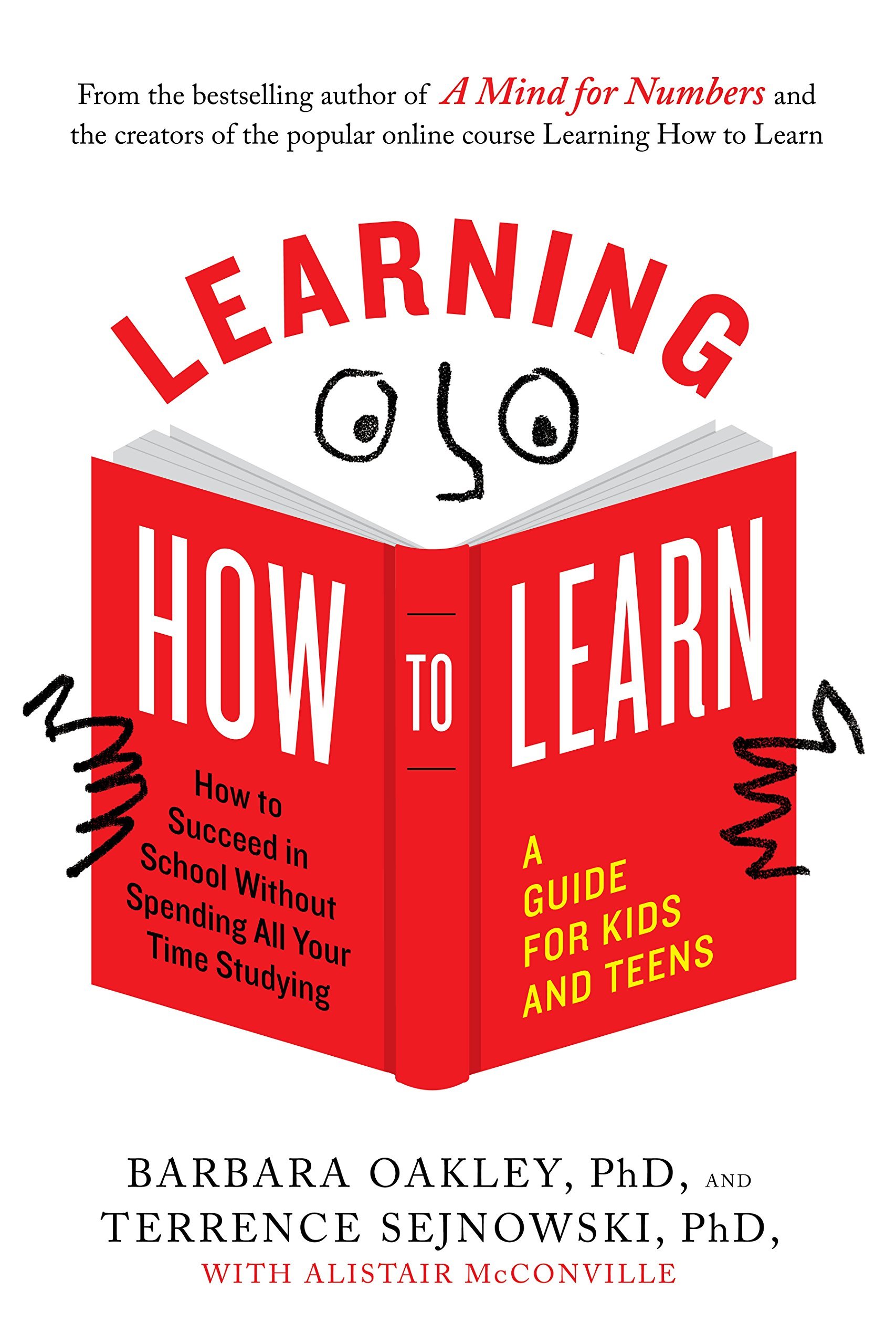
Learning How to Learn: How to Succeed in School Without Spending All Your Time Studying; A Guide for Kids and Teens
Most kids go through their entire student career without ever having read a book on how to learn effectively. This guide for kids and teens, from the bestselling author of A Mind for Numbers, meets that fundamental need.
Drs. Barbara Oakley and Terrence Sejnowski's popular online course, "Learning How to Learn," has enrolled more than 1.8 million students from more than 200 countries. The course was based on Dr. Oakley's bestselling book, A Mind for Numbers.
In this much needed follow-up to A Mind for Numbers, the authors teach kids and teens how to learn effectively at a time when they most need these skills. Learning How to Learn teaches them about the importance of both focused concentration and letting their minds wander, how the brain makes connections between different pieces of information, the value of metaphors in developing understanding, why procrastination is the enemy of problem solving, and much more. Filled with illustrations, application questions, and exercises, this book makes learning engaging and accessible.
Drs. Barbara Oakley and Terrence Sejnowski's popular online course, "Learning How to Learn," has enrolled more than 1.8 million students from more than 200 countries. The course was based on Dr. Oakley's bestselling book, A Mind for Numbers.
In this much needed follow-up to A Mind for Numbers, the authors teach kids and teens how to learn effectively at a time when they most need these skills. Learning How to Learn teaches them about the importance of both focused concentration and letting their minds wander, how the brain makes connections between different pieces of information, the value of metaphors in developing understanding, why procrastination is the enemy of problem solving, and much more. Filled with illustrations, application questions, and exercises, this book makes learning engaging and accessible.
256 pages, Paperback
First published August 7, 2018
About the author
Barbara Oakley
36 books1,322 followersBarbara Oakley, PhD, a 'female Indiana Jones,' is one of the few women to hold a doctorate in systems engineering. She chronicled her adventures on Soviet fishing boats in the Bering Sea in Hair of the Dog: Tales from Aboard a Russian Trawler. She also served as a radio operator in Antarctica and rose from private to captain in the U.S. Army. Now an associate professor of engineering at Oakland University in Michigan, Oakley is a recent vice president of the IEEE Engineering in Medicine and Biology Society. Her work has appeared in publications ranging from The New York Times to the IEEE Transactions on Nanobioscience.
Ratings & Reviews
Friends & Following
Create a free account to discover what your friends think of this book!
Community Reviews
Displaying 1 - 30 of 420 reviews

January 11, 2019
"Learning is a privilege. In some parts of the world, children have no access at all to books or computers or teachers. I believe that we owe it to those people who don’t have access to school to make the most of our opportunities. I want to encourage you in your learning for all of those reasons, and more. After all, as Terry says, you never know when your learning is going to come in handy."
A terrific book! I really wished I had read this book in high school, I've suffered a lot back then, anyway, it's a must read book for everyone who seeks joy & evidence-based techniques in his learning. What I liked the most is the simplicity & using of metaphors to explain hard theories, psychological concepts and so. Also the way of having you practicing what you're learning throughout the book's chapters seems really interesting. I liked also the real stories and the references down there. To be honest, I liked every single part of this book with all of my heart, and I'll share its ideas with my friends and colleagues.
A terrific book! I really wished I had read this book in high school, I've suffered a lot back then, anyway, it's a must read book for everyone who seeks joy & evidence-based techniques in his learning. What I liked the most is the simplicity & using of metaphors to explain hard theories, psychological concepts and so. Also the way of having you practicing what you're learning throughout the book's chapters seems really interesting. I liked also the real stories and the references down there. To be honest, I liked every single part of this book with all of my heart, and I'll share its ideas with my friends and colleagues.

June 12, 2020
Takeouts:
- attentional octopus
- reverse procrastination
- hard starting
- attentional octopus
- reverse procrastination
- hard starting

October 14, 2020
1/11/2020
----------
1. Quyển sách chỉ ra tầm quan trọng của hai cơ chế hoạt động của bộ não (tập trung và phân tán) đối với học tập và làm việc; cách áp dụng tiêu biểu là dùng phương pháp Pomodoro
2. Việc học tập và ghi nhớ kiến thức mới dựa trên các liên kết não bộ, và để giúp các liên kết đó bền vững hơn ta cần luyện tập thường xuyên, chủ động hồi tưởng.
3. Ngoài ra, ăn uống điều độ, ngủ đủ giấc, giữ các giấc ngủ trưa và tập thể dục thường xuyên là những bí quyết đặc biệt hữu ích với việc học!
13/10/2020
----------
Mình đã hoàn thành những Pomodoro đầu tiên cách đây 5 năm, khi bắt đầu tham gia khóa học "Learning How to Learn" của tác giả quyển sách. Lúc đó mình chỉ sử dụng Pomodoro cho mục đích tập trung. Đáng tiếc là mình đã bỏ dở khóa học nửa chừng và chưa thực sự hiểu toàn bộ lợi ích của Pomodoro. Vì thế, mình cũng bỏ việc sử dụng nó không lâu sau đó với ý nghĩ là tự mình tập trung được ngay với thời gian dài hơn thế. Đó là một sai lầm khá lớn! (Mình sẽ nói lý do ở dưới)
5 điều mình đặc biệt thích và đã áp dụng ngay trong khi đọc quyển sách, một trong năm điều đó tất nhiên phương pháp Pomodoro. Bốn điều còn lại là:
- Hồi tưởng, tự đặt câu hỏi trong khi đọc và sau mỗi chương sách, bạn có thể ghi ra giấy câu hỏi sau này tự trả lời. Thú vị hơn cả ghi chú nội dung, vừa cho phép bạn sáng tạo, vừa giúp bạn hồi tưởng sau đó.
- Việc ngủ đặc biệt tốt cho việc học và lưu trữ thông tin. Trong khi ngủ, não bộ luôn phát tín hiệu "ôn lại" những điều đã học, nó củng cố các liên kết thần kinh
- Việc vận động, chạy bộ đem lại thức ăn dinh đưỡng cho tế bào thần kinh! cái đó gọi là BDNF, bạn có thể tham khảo sách trang 152
- Viết tất cả các thứ trong đầu ra giấy, cả "thô" lẫn "tinh" từ ghi chú tới nội dung chính, ý tưởng, các thắc mắc. Thay vì highlight, ghi chú lại ý chính và số trang; thay vì đánh máy, ghi chú lại ra giấy...
Lợi ích của Pomodoro mình mới nghiệm ra sau khi đọc xong quyển sách:
- Mục đích đầu tiên không thể bàn cãi là giúp tập trung và tránh xao nhãng trong thời gian cố định, thường là 25 phút
- Nhắc bạn chuyển qua lại giữa chế độ làm việc của tập trung và phân tán một cách hợp lý. Việc này giúp ích khá lớn cho việc học.
- Khoảng thời gian giải lao có thể được xem là phần thưởng, giúp bạn cảm thấy hứng thú.
- Giúp bạn loại bỏ trì hoãn, bạn sẽ luôn bị thôi thúc bởi việc thời gian giải lao cạn dần và bước vào một chu kỳ mới, thực hiện một Pomodoro mới.
- Và việc hoàn tất 1 pomodoro cũng xem là 1 phần thưởng, song song với đó, mình còn dùng Pomodoro để lưu lại tiến trình học. Ví dụ như mình đã dành bao nhiêu tiếng thực sự tập trung để học tiếng Anh, bao nhiêu tiếng để đọc sách, để làm việc... Như thế, mình cũng xem việc hoàn thành Pomodoro là một việc làm khá thú vị. Mình có thể áp dụng ý tưởng trong Atomic Habit với Pomodoro để làm khá nhiều thứ!
Mình đã cài Pomodoro và sử dụng lại!
P/s: Hy vọng 5 năm sau không phải viết lại những dòng đầu tiên, hiuhiu
----------
1. Quyển sách chỉ ra tầm quan trọng của hai cơ chế hoạt động của bộ não (tập trung và phân tán) đối với học tập và làm việc; cách áp dụng tiêu biểu là dùng phương pháp Pomodoro
2. Việc học tập và ghi nhớ kiến thức mới dựa trên các liên kết não bộ, và để giúp các liên kết đó bền vững hơn ta cần luyện tập thường xuyên, chủ động hồi tưởng.
3. Ngoài ra, ăn uống điều độ, ngủ đủ giấc, giữ các giấc ngủ trưa và tập thể dục thường xuyên là những bí quyết đặc biệt hữu ích với việc học!
13/10/2020
----------
Mình đã hoàn thành những Pomodoro đầu tiên cách đây 5 năm, khi bắt đầu tham gia khóa học "Learning How to Learn" của tác giả quyển sách. Lúc đó mình chỉ sử dụng Pomodoro cho mục đích tập trung. Đáng tiếc là mình đã bỏ dở khóa học nửa chừng và chưa thực sự hiểu toàn bộ lợi ích của Pomodoro. Vì thế, mình cũng bỏ việc sử dụng nó không lâu sau đó với ý nghĩ là tự mình tập trung được ngay với thời gian dài hơn thế. Đó là một sai lầm khá lớn! (Mình sẽ nói lý do ở dưới)
5 điều mình đặc biệt thích và đã áp dụng ngay trong khi đọc quyển sách, một trong năm điều đó tất nhiên phương pháp Pomodoro. Bốn điều còn lại là:
- Hồi tưởng, tự đặt câu hỏi trong khi đọc và sau mỗi chương sách, bạn có thể ghi ra giấy câu hỏi sau này tự trả lời. Thú vị hơn cả ghi chú nội dung, vừa cho phép bạn sáng tạo, vừa giúp bạn hồi tưởng sau đó.
- Việc ngủ đặc biệt tốt cho việc học và lưu trữ thông tin. Trong khi ngủ, não bộ luôn phát tín hiệu "ôn lại" những điều đã học, nó củng cố các liên kết thần kinh
- Việc vận động, chạy bộ đem lại thức ăn dinh đưỡng cho tế bào thần kinh! cái đó gọi là BDNF, bạn có thể tham khảo sách trang 152
- Viết tất cả các thứ trong đầu ra giấy, cả "thô" lẫn "tinh" từ ghi chú tới nội dung chính, ý tưởng, các thắc mắc. Thay vì highlight, ghi chú lại ý chính và số trang; thay vì đánh máy, ghi chú lại ra giấy...
Lợi ích của Pomodoro mình mới nghiệm ra sau khi đọc xong quyển sách:
- Mục đích đầu tiên không thể bàn cãi là giúp tập trung và tránh xao nhãng trong thời gian cố định, thường là 25 phút
- Nhắc bạn chuyển qua lại giữa chế độ làm việc của tập trung và phân tán một cách hợp lý. Việc này giúp ích khá lớn cho việc học.
- Khoảng thời gian giải lao có thể được xem là phần thưởng, giúp bạn cảm thấy hứng thú.
- Giúp bạn loại bỏ trì hoãn, bạn sẽ luôn bị thôi thúc bởi việc thời gian giải lao cạn dần và bước vào một chu kỳ mới, thực hiện một Pomodoro mới.
- Và việc hoàn tất 1 pomodoro cũng xem là 1 phần thưởng, song song với đó, mình còn dùng Pomodoro để lưu lại tiến trình học. Ví dụ như mình đã dành bao nhiêu tiếng thực sự tập trung để học tiếng Anh, bao nhiêu tiếng để đọc sách, để làm việc... Như thế, mình cũng xem việc hoàn thành Pomodoro là một việc làm khá thú vị. Mình có thể áp dụng ý tưởng trong Atomic Habit với Pomodoro để làm khá nhiều thứ!
Mình đã cài Pomodoro và sử dụng lại!
P/s: Hy vọng 5 năm sau không phải viết lại những dòng đầu tiên, hiuhiu

August 23, 2018
Learning How To Learn talks about simple and effective practices to improve your ability to learn more efficiently and more effectively.
Dr. Barbara Oakley, among the many other books authored, is the creator of the most popular MOOC with the similar name “Learning How To Learn” which I immensely enjoyed and includes many of the thinking tools presented in this book.
I had the pleasure of being an early reader of this book’s draft as a reviewer and I was really eager to buy the final book when released. Exchanging directly with the author has been a further occasion to learn more and better about the tools and practices.
Although it is aimed at kids I tested most of the techniques in the first person: any learner of any age can benefit from them. The approaches proposed by the authors are coming from their field of research in neurosciences and for their teaching practices. I was delighted by the effectiveness of some techniques because they are addressing many of my weak spots: memorizing, avoiding distractions, getting the best out of learning materials. Knowing more about the inner workings of our brains helps in understanding why certain learning and organizing techniques are working better than others and why we should take care of aspects and things which might seem unrelated at first.
For instance, the book explains the importance of reading and summarizing with own words, taking care of a good dose of sleep, the effect of the environment (the place, the light, the sounds), the immense attention-destruction power of distractions and how to prevent it.
I love this book and I am including many of its suggestions in my teaching, facilitation and training practices: I am also doing my best to improve the learning capability of my son by suggesting the application of Learning “How To Learn”’s gems.
Strongly recommended to any human being.
Republished on
Learning How to Learn, Book Review
Dr. Barbara Oakley, among the many other books authored, is the creator of the most popular MOOC with the similar name “Learning How To Learn” which I immensely enjoyed and includes many of the thinking tools presented in this book.
I had the pleasure of being an early reader of this book’s draft as a reviewer and I was really eager to buy the final book when released. Exchanging directly with the author has been a further occasion to learn more and better about the tools and practices.
Although it is aimed at kids I tested most of the techniques in the first person: any learner of any age can benefit from them. The approaches proposed by the authors are coming from their field of research in neurosciences and for their teaching practices. I was delighted by the effectiveness of some techniques because they are addressing many of my weak spots: memorizing, avoiding distractions, getting the best out of learning materials. Knowing more about the inner workings of our brains helps in understanding why certain learning and organizing techniques are working better than others and why we should take care of aspects and things which might seem unrelated at first.
For instance, the book explains the importance of reading and summarizing with own words, taking care of a good dose of sleep, the effect of the environment (the place, the light, the sounds), the immense attention-destruction power of distractions and how to prevent it.
I love this book and I am including many of its suggestions in my teaching, facilitation and training practices: I am also doing my best to improve the learning capability of my son by suggesting the application of Learning “How To Learn”’s gems.
Strongly recommended to any human being.
Republished on
Learning How to Learn, Book Review

September 16, 2024
به نظرم این کتاب یک هدیه ی عالی برای دانش آموزیه که داره سال تحصیلی جدید رو شروع میکنه. نویسنده ی اصلی کتاب یک نوروساینتیسته که حوزه ی اصلی کارش یادگیری و فرایندهای مغزه. این کتاب به طور خاص برای نوجوان ها نوشته شده و همه ی مفاهیم علوم شناختی و نوروساینسی که توش هست رو طوری بازنویسی کرده که قابل فهم و جالب باشه البته طبیعتا افراد بالغ هم میتونن این کتاب رو بخونن و ازش استفاده کنن.
کاش نشر میلکان بودجه بیشتری برای انتشار این کتاب میذاشت و تصاویر جالب و زیاد کتاب رو به صورت رنگی یا لااقل دورنگ چاپ می کرد.
کاش نشر میلکان بودجه بیشتری برای انتشار این کتاب میذاشت و تصاویر جالب و زیاد کتاب رو به صورت رنگی یا لااقل دورنگ چاپ می کرد.
October 4, 2018
I purchased this book as I thought it might be useful for my children but have found this fun, fast paced overview of learning also useful as an adult. It would have been useful for me to have read years ago but the ideas work for any age. I plan to read and discuss this book with my children.

November 12, 2022
باور دارم آدمیزاد موجودیه که حتی نفس کشیدنش هم باید بیاموزه. مثل تمام اعمال و رفتارهای زیستیش چه برسه به یادگیری که یک کار ذهنیه دشواریه و طی مسیر تحصیلی و باورهای غلط عمومی کلی ذهنیتهای اشتباه نسبت بهش داریم.
اگر در یادگیری هر موضوعی دچار دردسر و سختی هستید این کتاب بسیار کمک کننده است. ذرهایی تعلل نکنید در خوندنش.
خیلی ساده تمامی تکنیکهای یادگیری و دلایل علمی پشتش که مغز و شیمی انسان چطور کار میکنه رو شرح میده.
کاش میشد این کتاب رو به هر معلمی، به هر دانش آموزی و به هر خانوادهایی که بچه مدرسهایی داره هدیه داد.
این کتاب به صورت خلاصه ویدیوهایی از نویسندش در یوتوب هست. روی کورسرا هم دورهایی هست با همین موضوع و همین تیم نویسندگان.
من ترجمهاش رو از نشر ملیکان خوندم. دیدم نشر نوین هم ترجمهاش کرده.
اگر در یادگیری هر موضوعی دچار دردسر و سختی هستید این کتاب بسیار کمک کننده است. ذرهایی تعلل نکنید در خوندنش.
خیلی ساده تمامی تکنیکهای یادگیری و دلایل علمی پشتش که مغز و شیمی انسان چطور کار میکنه رو شرح میده.
کاش میشد این کتاب رو به هر معلمی، به هر دانش آموزی و به هر خانوادهایی که بچه مدرسهایی داره هدیه داد.
این کتاب به صورت خلاصه ویدیوهایی از نویسندش در یوتوب هست. روی کورسرا هم دورهایی هست با همین موضوع و همین تیم نویسندگان.
من ترجمهاش رو از نشر ملیکان خوندم. دیدم نشر نوین هم ترجمهاش کرده.
December 3, 2018
I discovered the course on coursera by accident, it helped me with learning a lot of new skills, from my path to learning German ( from zero, now reading books) to knitting ( from zero to celtic cable scarf) and now I am trying to learn how to code ( python) so really it gives you a lot of tools, a do not give up, keep going, see and enjoy the progress aproach. Never compair to others, but to yourself ( someone can learn a lot faster, but do not give up) Do not fall for the mirracle methods etc. Really a good basic I will give on to my kids.
January 10, 2019
Fair warning: I'm going to gush about this book. ;)
Barbara is amazing, her team is amazing, their writing and research is amazing, and if you ever have the opportunity to join their online MOOC course with the same title, that is amazing too. She's an excellent role model for anyone striving to create a great life for themselves and for others.
Regarding this book: The analogies are fantastic! What happens to our brains when we sleep and how our brains work while learning -- the chains, the aliens, and the octopus analogies, oh my! I used my last class of the semester to talk about this book with my students and how it could help them succeed in school; They loved it too! If you're interested in learning how you learn, or want to invest in learning something that will resonate with you and your kids for the rest of your lives: Pick up this book!
Favourite Quotes:
"Once you get started on the task you didn't want to do, the pain goes away after about twenty minutes. The insular cortex calms down when you start the task you were avoiding. It's happy that you're finally getting on with the job."
"If [you find it hard to stop procrastinating], a good mental trick is to tell yourself that you're going to procrastinate ten minutes later." (In that ten minutes, make a list of what you'll do so your brain can happily go into diffuse mode to work on the list subconsciously.)
"Make short periods of focused concentration a habit."
"The active 'pulling' from your mind is what spurs the growth of new dendrite spines. Just looking at the answer doesn't help."
"Recall is one of the most effective ways to boost your learning."
"Learning comes to life when you do something with information. Make it active. Don't just read it."
"To become an expert: deliberate practice with interleaving."
"Sleep is the best thing you can do to re-tune yourself each day and keep yourself healthy."
"In an ideal world we would all learn things just because they're interesting and we really want to know about them. There's so much more to education than just passing official tests... (But) Research has shown that tests are one of the best ways to help you learn."
Barbara is amazing, her team is amazing, their writing and research is amazing, and if you ever have the opportunity to join their online MOOC course with the same title, that is amazing too. She's an excellent role model for anyone striving to create a great life for themselves and for others.
Regarding this book: The analogies are fantastic! What happens to our brains when we sleep and how our brains work while learning -- the chains, the aliens, and the octopus analogies, oh my! I used my last class of the semester to talk about this book with my students and how it could help them succeed in school; They loved it too! If you're interested in learning how you learn, or want to invest in learning something that will resonate with you and your kids for the rest of your lives: Pick up this book!
Favourite Quotes:
"Once you get started on the task you didn't want to do, the pain goes away after about twenty minutes. The insular cortex calms down when you start the task you were avoiding. It's happy that you're finally getting on with the job."
"If [you find it hard to stop procrastinating], a good mental trick is to tell yourself that you're going to procrastinate ten minutes later." (In that ten minutes, make a list of what you'll do so your brain can happily go into diffuse mode to work on the list subconsciously.)
"Make short periods of focused concentration a habit."
"The active 'pulling' from your mind is what spurs the growth of new dendrite spines. Just looking at the answer doesn't help."
"Recall is one of the most effective ways to boost your learning."
"Learning comes to life when you do something with information. Make it active. Don't just read it."
"To become an expert: deliberate practice with interleaving."
"Sleep is the best thing you can do to re-tune yourself each day and keep yourself healthy."
"In an ideal world we would all learn things just because they're interesting and we really want to know about them. There's so much more to education than just passing official tests... (But) Research has shown that tests are one of the best ways to help you learn."

February 24, 2018
Barbara Oakley is a rare gem of a person and writer, she has walked the walk, and she writes based on facts and science and with compassion.
I believe this book can be of help to any student of any age trying to master a new field,
very easy to read and follow.
I believe this book can be of help to any student of any age trying to master a new field,
very easy to read and follow.

July 21, 2019
Three stars because I already know most of the facts presented in this book. I'm not bragging, it's just that I've read enough about self-improvement, meaning, and happiness that I already know the material. Mind you, if you aren't familiar with how the brain works, this book will be great. Everything is explained very clearly. Keep in mind that it was written for very young people so that you won't feel it has a childish tone.
The book explains how to study for maximum memory retention of material, how to recall, i.e. review, your notes, and it describes memory tricks. There is also a list of excellent resources that includes web sites like the Khan Academy and other lesser known sites.
The book explains how to study for maximum memory retention of material, how to recall, i.e. review, your notes, and it describes memory tricks. There is also a list of excellent resources that includes web sites like the Khan Academy and other lesser known sites.

February 23, 2025
این کتاب رو در بحبوهه ی افسردگی روحی روانی شدیدی که سر امتحانات ترم گذشته دانشگاه داشتم وقتی داشتم توی یوتیوب راجب مهارت studyskills ویدئو میدیدم با اینکتاب آشنا شدم .
خوده کتاب روش های زیادی برای مطالعه بهتر و حافظه ی یادگیری و ذهن پویا و فعال و روش های زیادی از حفظ و به خاطر سپاری اطلاعات را ارائه میکنه در کل اگر بخوام بگم کتاب جوری هستش که مناسب هر قشر سنی میتونه باشه ولی خیلی تخصصی توضیح نمیده
خوده کتاب روش های زیادی برای مطالعه بهتر و حافظه ی یادگیری و ذهن پویا و فعال و روش های زیادی از حفظ و به خاطر سپاری اطلاعات را ارائه میکنه در کل اگر بخوام بگم کتاب جوری هستش که مناسب هر قشر سنی میتونه باشه ولی خیلی تخصصی توضیح نمیده
October 15, 2018
Super well done!
Got kids in school?
Still learning yourself?
Read this. No, don't. That is, don't just read it. Do it.
This book is written by and about people who were not necessarily "smart" in every subject, but learned how to overcome learning challenges.
I've enjoyed study success most of my life. This book increased my hindsight insight into my own success and shows how anybody can make the most of the learning equipment built into your brain.
And its tips work for more than just traditional classroom settings. If you need to learn ANYTHING in any setting, "Learning How to Learn" will help.
Got kids in school?
Still learning yourself?
Read this. No, don't. That is, don't just read it. Do it.
This book is written by and about people who were not necessarily "smart" in every subject, but learned how to overcome learning challenges.
I've enjoyed study success most of my life. This book increased my hindsight insight into my own success and shows how anybody can make the most of the learning equipment built into your brain.
And its tips work for more than just traditional classroom settings. If you need to learn ANYTHING in any setting, "Learning How to Learn" will help.
April 1, 2021
I don't disagree with the basic methods, but the focus seems to be on math/science test-taking instead of learning any subject, and the author is really pushing the narrative that the only way kids will fail to do well in school is if they don't try hard enough--never mind their socioeconomic status and the head-start that some people have in life. (Which reminds me. At one point the author's message is that it's not enough to be good at something, but if everybody else is as good as you then you've failed. Tell me this isn't a toxic idea to instill in the target audience.)
This book made me realize that the only reason I did so well in school is because I had an aunt who was a college graduate who taught me how to prepare for a test at an early age. I would not consider myself "smarter" because I learned these methods sooner than most people.
This book made me realize that the only reason I did so well in school is because I had an aunt who was a college graduate who taught me how to prepare for a test at an early age. I would not consider myself "smarter" because I learned these methods sooner than most people.

August 25, 2023
کتاب (با زبان ساده ولی بر پایه علم) از عملکرد مغز در هنگام یادگیری میگه و با توجه به همین نحوه عملکرد راهکار هایی رو با مثالهای خوب برای یادگیری بهتر ارائه میده. یه چیزی که دوست داشتم راجع به این کتاب این بود که تفاوت آدمهارو در نظر گرفته بود و جایی که نیاز بود این موضوع رو یادآوری میکرد و نقاط ضعف و قوت آدمهارو در یادگیری مورد مقایسه قرار میداد.
شاید مخاطب کتاب در درجه اول نوجوانان و دانشآموزان به نظر برسه ولی به نظرم توی هر سن و هر مقطعی از زندگی که باشیم خوندن این کتاب میتونه به ما کمک کنه، مخصوصا توی دنیای امروز و مخصوصا بعضی فیلدها که تکنولوژی های جدید هر روز با قطارهای سریعتری از راه میرسند.
شاید مخاطب کتاب در درجه اول نوجوانان و دانشآموزان به نظر برسه ولی به نظرم توی هر سن و هر مقطعی از زندگی که باشیم خوندن این کتاب میتونه به ما کمک کنه، مخصوصا توی دنیای امروز و مخصوصا بعضی فیلدها که تکنولوژی های جدید هر روز با قطارهای سریعتری از راه میرسند.
June 12, 2021
When you start a new chapter, go on a “picture walk” through it. Scan it. Look briefly at all the pictures, captions, and diagrams, but also at the section headings, bold words, and summary, and even questions at the end of the chapter, if the book has them.
The diffuse mode helps you make imaginative connections between ideas. Creativity often seems to pop out of using the diffuse mode. It turns out that your brain has to go back and forth between focused and diffuse modes in order to learn effectively.
But it seems that the best ways to give your diffuse mode a chance to work out a difficult problem are through activities like sleeping, exercising, or going for a ride in a vehicle.
If there’s something you tend to get stuck at, start with this subject when you are studying. That way you can go back and forth to your other class work over the course of the afternoon and evening when you might find yourself getting stuck. You don’t want to leave your hardest subject to the end when you are tired and have no time for diffuse learning.
General Diffuse Mode Activators
Play a sport like soccer or basketball
Jog, walk, or swim
Dance Enjoy being a passenger in a car or bus Ride a bike
Draw or paint
Take a bath or shower
Listen to music, especially without words
Play songs you know well on a musical instrument
Meditate or pray
Sleep (the ultimate diffuse mode!)
To your brain, thinking about cleaning your room feels like the start of a stomachache. But here’s what’s interesting. Once you get started on the task you didn’t want to do, the pain goes away after about twenty minutes. The insular cortex calms down when you start the task you were avoiding. It’s happy that you’re finally getting on with the job.
When you’re looking forward to a reward, your brain helps you focus better.
I’ll admit that if I want to keep working after the time is up, I go ahead. Getting into the flow, where I’m really into doing the task, is a good thing. But when I stop, I always reward myself. It’s diffuse mode time! If I’ve been writing (like this book), I listen to a favorite song. Or I get up and make a cup of tea and look out the window. I don’t write during my break. That way, the “writing” part of my brain gets a rest.
It’s a good idea to do something during your break that’s very different from what you have been focusing on.
If you’ve been sitting while you study, breaks where you move your body around are often the best.
But the idea of multitasking is a mistake. Your focus can only be on one thing at a time. When you switch your attention, you waste mental energy, and you will perform worse. It’s like a pinball machine where two balls have been released instead of one, and you have to crazily try to manage both the balls. You inevitably fail and both balls drop.
Look away from the page and see what you can recall. What are the key ideas on the page? Play them back in your mind.
Coming up with a creative metaphor is one of the best ways to learn a new concept or share an important idea.
Leave your work to the last minute, and you have less time to repeat and fewer nights of sleep to grow new synapses—so you won’t recall the details well.
Brief practice sessions over a number of days are better for storing information in memory than one long practice session.
Imagine a place that you know well, like your house. Then take the things you need to remember and mentally “put” them in places throughout your house as you walk through it. Make sure something is shocking or silly about the way you imagine each of them. Add a little movement to them. Then picture yourself walking through the house and seeing them. Maybe even talking to them.
But just understanding a concept does not create a set of brain-links. You must practice a new concept to create the set of brain-links.
Vegetables from the onion family, which includes garlic and leeks, contain chemicals that help keep away all sorts of diseases, from diabetes to cancer. So do vegetables from the cabbage family, which includes cauliflower, broccoli, radishes, and Brussels sprouts.
Exercise does something else magical. It enables your brain to produce other chemicals, such as serotonin and dopamine.5 These chemicals help you come up with new ideas. They allow you to see how old ideas can link up to form new ones. Then you can think in new ways.
The key is to actively practice or bring to life whatever you are learning yourself. Just watching other people, or looking at a solution, or reading a page, can allow you to get started. But it won’t do much to build your own neural structures of learning.
Watching other people, looking at a solution, or reading a page can help you get started. But it won’t do much to build your own neural structures of learning. Only actively working with the materials will help you build strong brain-links.
You create and strengthen sets of brain-links through deliberate practice. That’s focused, repeated work on the more difficult parts of a concept. Don’t waste much time on the easy stuff that you already know.
It may seem strange at first, but it’s good to change the place where you study.
Move your chair sometimes to a different part of the room. Take notes with a different color pen. Move your lamp.
So whenever you’re learning anything, try to take advantage of all your senses. Don’t think of yourself as having a preferred learning style. Think of yourself as an “all-inclusive” learner. If you imagine hearing a famous person from history speaking to you, or you visualize a chemical, that counts as multisensory learning, which is the most effective kind. For everyone.
It’s best to get started on the unpleasant or difficult things first in your study session. That way, you can take a break and work on something else if you get stuck.
When you can, set a firm daily quitting time to allow you to concentrate more intently when you are working.
Action video games are great for focusing. While you’re having fun, you’re also learning to concentrate. When you play an action video game, your mental mouse runs up and down a centrally important brain path. It’s the “focus” path in your brain, and it gets wider as you use it more. Becoming a strong video gamer means that when you turn your attention to something, you can really focus.
Games like Tetris can build your spatial (“SPAY-shell”) abilities. That means you can learn to rotate things more easily in your mind’s eye. This is an important skill in math and science.
If you decide to get great at something, you tend to want to spend all your time doing it. But the fact is, everybody else who is trying to get great at it is doing the same thing. So how can you do better than they are if you’re doing exactly what they’re doing?
Ready to be surprised again? The way to get better is to strike out in a completely different direction. You learn about something else. Anything else. Whatever you learn, your brain finds a way to make those ideas useful for your main passion, often through metaphor.
Writing notes by hand is better. Even if you have lousy handwriting.* Remember, you need to make a set of brain-links out of the key ideas. Amazingly, if you just type what you are hearing, the words flow onto the page without creating a set of links. Into the ears, out of the hands, with no deep brain work in between.
A good approach to note taking is to draw a line down one side of the page, about one-third of the way from the edge. Write your first notes in the larger section. Then later, when you review them, write even briefer key points in the smaller section. Then look away and see if you can recall those key points.
When you begin your test, here’s what you should do. Start by quickly looking it over. Make a little checkmark beside what you think are the hardest problems. Then pick one of the hard problems and start working on it. Yes, that’s right—a hard problem. (Eat your frogs first!)
Just work on this problem a minute or two—however long it takes until you feel like you’re stuck.
As soon as you feel yourself getting stuck, leave it. Look for an easier problem to boost your confidence. Do that next. And then maybe another one.
Then go back to the hard problem. You may now be able to make some progress.
Just highlighting or underlining big chunks of text doesn’t put anything in your head. Make brief notes about the key concepts you are reading.
Use deliberate practice—focus on what you find most difficult.
To be more creative and get better at something you are passionate about, you should spend a little time doing something very different. This helps keep you mentally flexible and more creative.
The diffuse mode helps you make imaginative connections between ideas. Creativity often seems to pop out of using the diffuse mode. It turns out that your brain has to go back and forth between focused and diffuse modes in order to learn effectively.
But it seems that the best ways to give your diffuse mode a chance to work out a difficult problem are through activities like sleeping, exercising, or going for a ride in a vehicle.
If there’s something you tend to get stuck at, start with this subject when you are studying. That way you can go back and forth to your other class work over the course of the afternoon and evening when you might find yourself getting stuck. You don’t want to leave your hardest subject to the end when you are tired and have no time for diffuse learning.
General Diffuse Mode Activators
Play a sport like soccer or basketball
Jog, walk, or swim
Dance Enjoy being a passenger in a car or bus Ride a bike
Draw or paint
Take a bath or shower
Listen to music, especially without words
Play songs you know well on a musical instrument
Meditate or pray
Sleep (the ultimate diffuse mode!)
To your brain, thinking about cleaning your room feels like the start of a stomachache. But here’s what’s interesting. Once you get started on the task you didn’t want to do, the pain goes away after about twenty minutes. The insular cortex calms down when you start the task you were avoiding. It’s happy that you’re finally getting on with the job.
When you’re looking forward to a reward, your brain helps you focus better.
I’ll admit that if I want to keep working after the time is up, I go ahead. Getting into the flow, where I’m really into doing the task, is a good thing. But when I stop, I always reward myself. It’s diffuse mode time! If I’ve been writing (like this book), I listen to a favorite song. Or I get up and make a cup of tea and look out the window. I don’t write during my break. That way, the “writing” part of my brain gets a rest.
It’s a good idea to do something during your break that’s very different from what you have been focusing on.
If you’ve been sitting while you study, breaks where you move your body around are often the best.
But the idea of multitasking is a mistake. Your focus can only be on one thing at a time. When you switch your attention, you waste mental energy, and you will perform worse. It’s like a pinball machine where two balls have been released instead of one, and you have to crazily try to manage both the balls. You inevitably fail and both balls drop.
Look away from the page and see what you can recall. What are the key ideas on the page? Play them back in your mind.
Coming up with a creative metaphor is one of the best ways to learn a new concept or share an important idea.
Leave your work to the last minute, and you have less time to repeat and fewer nights of sleep to grow new synapses—so you won’t recall the details well.
Brief practice sessions over a number of days are better for storing information in memory than one long practice session.
Imagine a place that you know well, like your house. Then take the things you need to remember and mentally “put” them in places throughout your house as you walk through it. Make sure something is shocking or silly about the way you imagine each of them. Add a little movement to them. Then picture yourself walking through the house and seeing them. Maybe even talking to them.
But just understanding a concept does not create a set of brain-links. You must practice a new concept to create the set of brain-links.
Vegetables from the onion family, which includes garlic and leeks, contain chemicals that help keep away all sorts of diseases, from diabetes to cancer. So do vegetables from the cabbage family, which includes cauliflower, broccoli, radishes, and Brussels sprouts.
Exercise does something else magical. It enables your brain to produce other chemicals, such as serotonin and dopamine.5 These chemicals help you come up with new ideas. They allow you to see how old ideas can link up to form new ones. Then you can think in new ways.
The key is to actively practice or bring to life whatever you are learning yourself. Just watching other people, or looking at a solution, or reading a page, can allow you to get started. But it won’t do much to build your own neural structures of learning.
Watching other people, looking at a solution, or reading a page can help you get started. But it won’t do much to build your own neural structures of learning. Only actively working with the materials will help you build strong brain-links.
You create and strengthen sets of brain-links through deliberate practice. That’s focused, repeated work on the more difficult parts of a concept. Don’t waste much time on the easy stuff that you already know.
It may seem strange at first, but it’s good to change the place where you study.
Move your chair sometimes to a different part of the room. Take notes with a different color pen. Move your lamp.
So whenever you’re learning anything, try to take advantage of all your senses. Don’t think of yourself as having a preferred learning style. Think of yourself as an “all-inclusive” learner. If you imagine hearing a famous person from history speaking to you, or you visualize a chemical, that counts as multisensory learning, which is the most effective kind. For everyone.
It’s best to get started on the unpleasant or difficult things first in your study session. That way, you can take a break and work on something else if you get stuck.
When you can, set a firm daily quitting time to allow you to concentrate more intently when you are working.
Action video games are great for focusing. While you’re having fun, you’re also learning to concentrate. When you play an action video game, your mental mouse runs up and down a centrally important brain path. It’s the “focus” path in your brain, and it gets wider as you use it more. Becoming a strong video gamer means that when you turn your attention to something, you can really focus.
Games like Tetris can build your spatial (“SPAY-shell”) abilities. That means you can learn to rotate things more easily in your mind’s eye. This is an important skill in math and science.
If you decide to get great at something, you tend to want to spend all your time doing it. But the fact is, everybody else who is trying to get great at it is doing the same thing. So how can you do better than they are if you’re doing exactly what they’re doing?
Ready to be surprised again? The way to get better is to strike out in a completely different direction. You learn about something else. Anything else. Whatever you learn, your brain finds a way to make those ideas useful for your main passion, often through metaphor.
Writing notes by hand is better. Even if you have lousy handwriting.* Remember, you need to make a set of brain-links out of the key ideas. Amazingly, if you just type what you are hearing, the words flow onto the page without creating a set of links. Into the ears, out of the hands, with no deep brain work in between.
A good approach to note taking is to draw a line down one side of the page, about one-third of the way from the edge. Write your first notes in the larger section. Then later, when you review them, write even briefer key points in the smaller section. Then look away and see if you can recall those key points.
When you begin your test, here’s what you should do. Start by quickly looking it over. Make a little checkmark beside what you think are the hardest problems. Then pick one of the hard problems and start working on it. Yes, that’s right—a hard problem. (Eat your frogs first!)
Just work on this problem a minute or two—however long it takes until you feel like you’re stuck.
As soon as you feel yourself getting stuck, leave it. Look for an easier problem to boost your confidence. Do that next. And then maybe another one.
Then go back to the hard problem. You may now be able to make some progress.
Just highlighting or underlining big chunks of text doesn’t put anything in your head. Make brief notes about the key concepts you are reading.
Use deliberate practice—focus on what you find most difficult.
To be more creative and get better at something you are passionate about, you should spend a little time doing something very different. This helps keep you mentally flexible and more creative.

July 10, 2024
Rating: 5/5 ⭐️
This book is very very valuable. It gives an abundance of information that I've been looking for for ages!
I know this book is for teenagers and children, but I am beginning medical school in about a month or so and I wanted a book that teaches me how to learn, and this book had a high rating. And also, because learning is learning whether you’re studying medicine or your ABCDs.
I looked on YouTube for videos on how to learn and study and I didn't find straightforward advice with enough explanation of the steps and methods. Some videos kind of explained but they did leave out key ideas that need to be known.
I wrote 35 pages of notes with 47 points on all the topics of this book, I will be looking at and applying them to my studies routinely.
This book is very very valuable. It gives an abundance of information that I've been looking for for ages!
I know this book is for teenagers and children, but I am beginning medical school in about a month or so and I wanted a book that teaches me how to learn, and this book had a high rating. And also, because learning is learning whether you’re studying medicine or your ABCDs.
I looked on YouTube for videos on how to learn and study and I didn't find straightforward advice with enough explanation of the steps and methods. Some videos kind of explained but they did leave out key ideas that need to be known.
I wrote 35 pages of notes with 47 points on all the topics of this book, I will be looking at and applying them to my studies routinely.

September 26, 2020
Отличная книжка для детей по эффективному обучению. Мысли те же, что и в других книгах и онлайн курсе. Все равно было полезно перечитать

October 4, 2021
Few interesting techniques how to learn. It's good to repeat them and avoiding few bad approaches. Book briefly explains what's "learning process" and how to make it advantage in your knowledge growth.
Spaced repetition is confirmed, cramming should be avoided. Practice recall and summarize, like I do with this review of this book.
Books misses point of understanding learned knowledge, but probably author thought as metaphor here.
≥The difference between reading and learning is that in learning, you should understand what you have read.
≥Neuroscientists have discovered that the brain works in two ways:
• The focused mode
• The diffuse mode
≥When synapses flash through a neuron, its axon shocks a dendritic spine on the next neuron, and that's how signals are sent.
≥The use of metaphors is essential to effective learning among humans.
≥Learn to focus on process, not product.
≥Learning about new subjects has more advantages than disadvantages. It broadens your horizon and gives you an edge in the future.
≥Avoid cramming, especially when you don't have to. Cramming overloads your brain, which doesn’t help with retention.
≥He explained five memory tips that are useful for learning. They are:
• Focus on what you're trying to remember
• Practice remembering
• Turn what you're trying to remember into a picture
• Store the picture by connecting it to what you already know
• Use active recall to make the idea stick
≥Avoid multitasking when learning. There's a limit to the number of loads that can fit into your working memory.
≥Learning in different places helps you adjust to a friendly and non–friendly environment.
≥You can also employ the interleaving technique, which allows you to view a situation from different possible angles. These angles will enable you to compare and pick out the one best suited for you.
≥At the end of your reading, practice active recall again, and share your progress with the people around you.
≥Ask yourself important questions to test how far you’ve gone.These questions show you how you should learn, why you should learn, when you should learn, and what you should learn. When it comes to learning, you are your own scientist, and it's through learning that you'll know which technique works best for you.
≥It is vital to use all your senses to learn too. Recalling a smell or a sound, or an object can trigger your brain to remember what you read during that period.
≥You have to learn so you can keep your options open for the future.
• You get to learn so you can go on and follow your passion.
• You get to learn because you're a curious human being.
• You get to learn so you can fulfill more of your amazing potentials each week.
≥Learning is an art that must be mastered.
Spaced repetition is confirmed, cramming should be avoided. Practice recall and summarize, like I do with this review of this book.
Books misses point of understanding learned knowledge, but probably author thought as metaphor here.
≥The difference between reading and learning is that in learning, you should understand what you have read.
≥Neuroscientists have discovered that the brain works in two ways:
• The focused mode
• The diffuse mode
≥When synapses flash through a neuron, its axon shocks a dendritic spine on the next neuron, and that's how signals are sent.
≥The use of metaphors is essential to effective learning among humans.
≥Learn to focus on process, not product.
≥Learning about new subjects has more advantages than disadvantages. It broadens your horizon and gives you an edge in the future.
≥Avoid cramming, especially when you don't have to. Cramming overloads your brain, which doesn’t help with retention.
≥He explained five memory tips that are useful for learning. They are:
• Focus on what you're trying to remember
• Practice remembering
• Turn what you're trying to remember into a picture
• Store the picture by connecting it to what you already know
• Use active recall to make the idea stick
≥Avoid multitasking when learning. There's a limit to the number of loads that can fit into your working memory.
≥Learning in different places helps you adjust to a friendly and non–friendly environment.
≥You can also employ the interleaving technique, which allows you to view a situation from different possible angles. These angles will enable you to compare and pick out the one best suited for you.
≥At the end of your reading, practice active recall again, and share your progress with the people around you.
≥Ask yourself important questions to test how far you’ve gone.These questions show you how you should learn, why you should learn, when you should learn, and what you should learn. When it comes to learning, you are your own scientist, and it's through learning that you'll know which technique works best for you.
≥It is vital to use all your senses to learn too. Recalling a smell or a sound, or an object can trigger your brain to remember what you read during that period.
≥You have to learn so you can keep your options open for the future.
• You get to learn so you can go on and follow your passion.
• You get to learn because you're a curious human being.
• You get to learn so you can fulfill more of your amazing potentials each week.
≥Learning is an art that must be mastered.
This entire review has been hidden because of spoilers.
October 26, 2020
Dù mới đọc xong một phần ba của quyển sách nhưng mình vẫn phải vào review luôn.
Một quyển sách tuyệt vời!
Mình đã học khóa học Learning How To Learn của tác giả trên Coursera khá lâu rồi, và mình cũng rất thích khóa học này. Nhưng thực sự sau khi học xong khóa học thì mình không nhớ gì mấy. Và cái bệnh học, đọc xong quên luôn làm mình rất khó chịu (học đọc khá nhiều nhưng nhớ chẳng bao nhiêu). Đợt này đang cố gắng thay đổi cách học, đọc nên mới mua 2 quyển sách của tác giả là Học cách học và Chinh phục toán và khoa học.
Mình bắt đầu với quyển Học cách học trước, sau khi đọc 2 chương đầu thì mình mê nó luôn. Đặc biệt nhất là sau khi mình thử thực hành giữa chế độ tập trung/phân tán để giải bài sắp xếp đồng xu. Lúc đầu, mình thử cố gắng giải bài đó nhưng mãi không được, sau đó mình dừng lại và tiếp tục làm việc khác, vài tiếng sau quay lại thì giải được nên mình rất vui.
Quyển sách rất hữu ích (viết đơn giản, tác giả viết cho mọi lứa tuổi mà) và có các bài hướng dẫn thực hành rất cụ thể. Khi đọc quyển sách này mình cũng luyện luôn theo các bài thực hành mà sách hướng dẫn, và mình thấy rất hiệu quả. Hiện tại cách đọc sách của mình là:
1. Sử dụng pomodor timer (để tập trung/phân tán)
2. Trước khi đọc thì đọc lướt qua nội dung gồm tiêu đề, các hình minh họa, các đoạn được nhấn mạnh (in đậm), phần tóm tắt cuối chương để nắm được tổng quan
3. Sau đó đọc tập trung, ghi lại các ý chính
4. Chủ động hồi tưởng lại sau khi đọc, tự nhắc lại nội dung tóm tắt chương mình vừa đọc
5. Trả lời các câu hỏi ở cuối chương
Và thật tuyệt vời, mình có cảm giác như đọc xong mà kiến thức vẫn còn giữ lại được trong đầu mình :D.
Một quyển sách tuyệt vời!
Mình đã học khóa học Learning How To Learn của tác giả trên Coursera khá lâu rồi, và mình cũng rất thích khóa học này. Nhưng thực sự sau khi học xong khóa học thì mình không nhớ gì mấy. Và cái bệnh học, đọc xong quên luôn làm mình rất khó chịu (học đọc khá nhiều nhưng nhớ chẳng bao nhiêu). Đợt này đang cố gắng thay đổi cách học, đọc nên mới mua 2 quyển sách của tác giả là Học cách học và Chinh phục toán và khoa học.
Mình bắt đầu với quyển Học cách học trước, sau khi đọc 2 chương đầu thì mình mê nó luôn. Đặc biệt nhất là sau khi mình thử thực hành giữa chế độ tập trung/phân tán để giải bài sắp xếp đồng xu. Lúc đầu, mình thử cố gắng giải bài đó nhưng mãi không được, sau đó mình dừng lại và tiếp tục làm việc khác, vài tiếng sau quay lại thì giải được nên mình rất vui.
Quyển sách rất hữu ích (viết đơn giản, tác giả viết cho mọi lứa tuổi mà) và có các bài hướng dẫn thực hành rất cụ thể. Khi đọc quyển sách này mình cũng luyện luôn theo các bài thực hành mà sách hướng dẫn, và mình thấy rất hiệu quả. Hiện tại cách đọc sách của mình là:
1. Sử dụng pomodor timer (để tập trung/phân tán)
2. Trước khi đọc thì đọc lướt qua nội dung gồm tiêu đề, các hình minh họa, các đoạn được nhấn mạnh (in đậm), phần tóm tắt cuối chương để nắm được tổng quan
3. Sau đó đọc tập trung, ghi lại các ý chính
4. Chủ động hồi tưởng lại sau khi đọc, tự nhắc lại nội dung tóm tắt chương mình vừa đọc
5. Trả lời các câu hỏi ở cuối chương
Và thật tuyệt vời, mình có cảm giác như đọc xong mà kiến thức vẫn còn giữ lại được trong đầu mình :D.

October 11, 2018
This book is a simple look at experiential learning. It’s written in a very fun and u understandable way that helps those who teach understand how the brain processes I formation and learns. It goes way beyond lecture and talks about a hybrid of methods for good learning to take place. In short as a trainer of police I loved the ideas in this book and believe they will be helpful in evolving learning programs.

December 9, 2023
Super-carte! E foarte utila si pentru adulti, dar si pentru adolescenti. Stim deja multe lucruri descrise si prezentate in aceasta carte, insa puse asa laolalta ofera o alta perspectiva. Ma ajuta sa vad cum as putea sa ii invat pe elevii mei sa invete. Metaforele din carte, asocierile amuzante sunt de folos.

January 2, 2019
First book down of the year. Highly recommended for anyone attempting to become a more disciplined, skilled learner. I picked up a number of accessible tips for sharing with my kids and using myself.

July 5, 2021
Everyone who wants to learn something and store it in their long term memory must read this book.
I wish I had this when I was in school. I'm sure I will use most of the tools in this book to prepare for several exams in future and learn new things for the rest of my life.
I wish I had this when I was in school. I'm sure I will use most of the tools in this book to prepare for several exams in future and learn new things for the rest of my life.

August 10, 2020
Readlax: Online Brain Games for Speed Reading! (promo)
Best book notes:
"Brains are amazing. They’re the most sophisticated gadgets in the universe. They change their structure depending on what you do with them."
"Sometimes we need to lose concentration so we can think more clearly. Zoning out occasionally (not all the time) can be useful when you’re learning or problem solving."
"When you’re using your focused mode, it means that you’re paying attention."
"When you are trying to learn something new, you must first focus intently on it in order to “turn on” those parts of the brain and get the learning process started."
"Diffuse mode is when your mind is relaxed and free. You’re thinking about nothing in particular. You’re in diffuse mode when you’re daydreaming or doodling just for fun."
"In diffuse mode, you’re not thinking about anything in particular."
"The diffuse mode helps you make imaginative connections between ideas. Creativity often seems to pop out of using the diffuse mode."
"To be a successful problem solver, focus first. We get stuck in problem solving when we don’t first prepare our brain by focusing on the basics. Don’t just dive into problem solving without studying the explanations first. You need to lay some basic trails on the focused pinball table.
"
"Take breaks to get new problem-solving perspectives. We can also get stuck on a difficult problem even when we’ve prepared properly."
"Procrastination means putting things off until later. It is a problem for many students (and adults!) and gets in the way of good learning."
"As you will learn later, time and practice work together to help you cement new ideas into your brain."
"When you even just think about something you don’t like, it activates a pain center of the brain called the insular cortex. This can lead to procrastination."
"the idea of multitasking is a mistake. Your focus can only be on one thing at a time. When you switch your attention, you waste mental energy, and you will perform worse."
"Metaphors allow you to connect what you already know to the new concept you’re learning. This helps you learn faster."
"Guang found that neurons do change. And the big change happens after we learn something and then go to sleep."
"The more you learn, practice, and sleep, the more you grow new dendritic spines and synaptic links. Stronger links plus more links."
"Recall is one of the most effective ways to boost your learning."
"Some people need more practice and repetition to get a concept than others. That’s perfectly okay!"
"Your memory is a lot better for pictures than it is for abstract facts."
"Turn whatever you’re memorizing into a picture that you can visualize in your mind’s eye."
"Find a way to relate the information to things you already know. Find an anchor. This allows you to put the pictures into your brain in places where you can easily retrieve them."
"Focus and memorization reinforce each other."
"Make up metaphors for the information you’re trying to remember."
"Information is stored in memory as two types—facts and pictures"
"five memory tips are: Focus on what you’re trying to remember. Practice remembering. Turn what you are trying to remember into a picture. Store the picture by connecting it to things you already know. Use active recall to make the idea stick."
"Memory palaces are useful, because they use your amazing visuospatial powers. Practice using your memory, and it will get easier and easier."
"Five other ways to help you remember are to: Use a song. Make up metaphors. Take good notes, preferably handwritten. Imagine you are the thing you’re trying to understand and remember. Share your ideas. Teach them to someone else."
"But just understanding a concept does not create a set of brain-links. You must practice a new concept to create the set of brain-links. Understanding and practice go together. The more you practice, the more you understand what you are learning."
"practice with programs like Smartick and Kumon can help build stronger sets of brain-links that reinforce understanding in a deep way."
"Cognitive load is the amount of mental effort being used in the working memory. It’s harder to move more stuff into working memory if you already have a lot going on there"
"When you’re learning anything new, your working memory can only hold so much in mind at once. This is why it’s so important to make strong, well-practiced sets of brain-links."
"A set of brain-links is a pathway of connected neurons in your long-term “locker” memory that is built through practice. A set of brain-links helps your working memory to process information more quickly."
"Brains are different. They’re much slower, and they work by doing lots of smaller things all at once. They’re like a team of billions of tiny computers working together. Each neuron is a tiny “computer.”"
"during sleep, information you’ve learned is transferred from the neurons in the hippocampus into the neurons of your cerebral cortex, which is the outer layer of the brain."
"Your cerebral cortex is the home of your long-term memory (locker). So sleep not only helps build new synaptic connections, it also clears out the hippocampus to make room for new learning."
"New neurons are born in the hippocampus every day."
"If you don’t learn anything new, the new neurons in your hippocampus will disappear not long after they are born."
"“BDNF” is really short for “brain-derived neurotrophic factor.”"
"BDNF makes your new neurons strong and healthy.3 It protects them from injury and makes them more likely to connect to other neurons. It also acts like a food for synapses and dendritic spines, making them grow larger."
"when you exercise, you’re looking after your brain, and obviously your body, too!"
"In fact, if you exercise and have a healthy diet, it has a big impact on your ability to learn and remember. Bigger than either exercise or healthy eating alone."
"Exercise is really good for your neurons, especially the new ones."
"Exercise helps create a chemical (BDNF) that is like food for your brain."
"Exercise releases chemicals that generate new ideas."
"Exercise is a great diffuse activity!"
"Every time you create a solid set of brain-links, it’s like connecting some pieces of a puzzle."
"Working memory is your brain’s temporary storage space."
"it’s good to change the place where you study."
"Sleep is the best thing you can do to retune yourself each day and keep yourself healthy."
"Everybody’s different. That’s why it’s important to become your own personal learning scientist."
"Action video games are great for focusing."
"Action video games can improve your ability to focus. They can also improve your vision. They can be especially useful for older people, to help keep their focus strong."
"Spatial video games can improve your ability to rotate objects mentally—an important skill in math and science."
"“Slow” thinkers can understand a subject or problem just as well as “fast” thinkers."
"Slow thinkers may need more time, but they can sometimes actually understand the subject better than fast thinkers."
"Doing the “hard-start” technique allows you to use your brain as a sort of double processor. Your diffuse mode can take over on the hard problem as soon as you drop your focus on it. While the focused mode is tackling the easier problem, the diffuse mode works in the background on the other, harder problem. If you wait until the end of your test session to focus on the hardest problems, your focus prevents the diffuse mode from going to work."
"recall is one of the best ways to learn"
"Use the Pomodoro Technique to build your ability to focus and relax. Just turn off all distractions, set the timer to 25 minutes, focus, and then reward yourself."
"Eat your frogs first. Start your most difficult work first. That way you can either finish it or take a break to let your diffuse mode help you."
"To be in focused mode means you are paying close attention to something."
"The diffuse mode is when your mind is wandering freely, not focusing on anything in particular. Your favorite diffuse mode activities are up to you!"
"On Google Maps: Zooming in is like focused mode. Zooming out is like diffuse mode."
"Procrastination means delaying or postponing something that you should be doing."
"The reward is the most important part of the Pomodoro process."
"During the break between Pomodoros, try to do something that uses a different part of your brain. If you’ve just been writing a report, don’t write a post on social media. The best breaks involve getting up and moving around."
"Sleep is important when it comes to learning because that’s when new dendritic spines and their synapse links really “pop” and grow larger. Sleep is also when the mind rehearses the information you’ve been learning. The electrical signals that arise while rehearsing during sleep are part of why the dendritic spines and their synapse links grow so rapidly."
"When you practice a new idea, the synapse involved becomes stronger."
"Your working memory is like a school bag because it’s close at hand but can hold only a limited amount of information."
"Your attentional octopus (your working memory) “lives” in your prefrontal cortex."
"People’s working memory can usually hold about four items of information."
"Your long-term memory is scattered around in different areas of your brain."
"To improve your long-term memory, you can use Nelson Dellis’s five memory tips (focus, practice, picture, store, and recall)."
"You can also use the memory palace technique, songs, metaphors, note taking, teaching others, or putting yourself in the shoes of something you’re trying to remember or understand."
"We store information in two ways in long-term memory. Facts are hard to store."
"Brain-links are important because they allow you to process information more quickly."
"The hippocampus is especially important in helping you remember facts and events."
"Loud music with words is likely to be a distraction in your studies. But some people find that quiet music without words can help. Different people like different kinds of music when they are studying, and some people don’t like music at all. It depends on you."
"When you go to sleep, your brain cells shrink. This allows cerebral fluids to wash away toxins in the brain."
"“Eat your frogs first” means trying to do the most difficult things first. This gives you the time to switch to other subjects temporarily if you get stuck and need a creative boost from the diffuse mode."
"Action and spatial video games help improve your thinking."
"The bad aspect of video games is that they can be addictive. So they should be used in moderation."
"Transfer is the ability to take an idea you’ve learned in one subject and use it to help you learn another subject. Metaphors can help with this process."
"Khan Academy. This is a terrific resource. The more active practice you do after watching each video, the better!"
"Smartick. This program provides a solid foundation in mathematics built on sound practice. If you are struggling with mathematics, this is a great resource. If you are doing well in math, this resource will help you do even better. https://www.smartickmethod.com"
"BrainHQ. One of the few “cognitive improvement” programs that has good science to back up their claims—particularly good for aging adults to help improve their concentration and focus. If your grandma or grandpa is complaining that they aren’t as sharp as they used to be, this program’s for them! https://www.brainhq.com/"
"The Queensland Brain Institute, This Institute has excellent features, podcast, and a magazine. https://qbi.uq.edu.au/"
"BrainFacts.org. An excellent website with all sorts of information about how your brain works. http://www.brainfacts.org/"
"“5 Memory Tips to Get You Started,” by Nelson Dellis. Four-time US Memory Champion Nelson Dellis has a wonderful series of memory tip videos—this is a good one to help you get started. https://www.youtube.com/watch?v=bEx60.... See also Nelson’s book Remember It! on p. 219."
"My First Book About the Brain, by Patricia J. Wynne and Donald M. Silver"
"The Brain: All About Our Nervous System and More!, by Seymour Simon"
"What Goes On in My Head?, by Robert Winston"
"The Art of Changing the Brain: Enriching the Practice of Teaching by Exploring the Biology of Learning, by James E. Zull"
"The Art of Learning: An Inner Journey to Optimal Performance, by Josh Waitzkin"
"Deep Work: Rules for Focused Success in a Distracted Wor.."
"I Am Gifted, So Are You!, by Adam Khoo"
"Make It Stick: The Science of Successful Learning, by Peter C. Brown, Henry L. Roediger III, and Mark A. McDaniel"
"Mind for Numbers: How to Succeed in Math and Science (Even If You Flunked Algebra) by Barbara Oakley"
"Mindshift: Break Through Obstacles to Learning and Discover Your Hidden Potential, by Barbara Oakley"
"Peak: Secrets from the New Science of Expertise, by Anders Ericsson and Robert Pool"
"Remember It! The Names of People You Meet, All Your Passwords, Where You Left Your Keys, and Everything Else You Tend to Forget by Nelson Dellis"
"Anacker, C, and R Hen. “Adult hippocampal neurogenesis and cognitive flexibility linking memory and mood.” Nature Reviews: Neuroscience 18, 6 (2017): 335–346."
"Anderson, ML. After Phrenology: Neural Reuse and the Interactive Brain. Cambridge, MA: MIT Press, 2014. Anguera, JA, et al. “Video game training enhances cognitive control in older adults.” Nature 501, 7465 (2013): 97–101."
Best book notes:
"Brains are amazing. They’re the most sophisticated gadgets in the universe. They change their structure depending on what you do with them."
"Sometimes we need to lose concentration so we can think more clearly. Zoning out occasionally (not all the time) can be useful when you’re learning or problem solving."
"When you’re using your focused mode, it means that you’re paying attention."
"When you are trying to learn something new, you must first focus intently on it in order to “turn on” those parts of the brain and get the learning process started."
"Diffuse mode is when your mind is relaxed and free. You’re thinking about nothing in particular. You’re in diffuse mode when you’re daydreaming or doodling just for fun."
"In diffuse mode, you’re not thinking about anything in particular."
"The diffuse mode helps you make imaginative connections between ideas. Creativity often seems to pop out of using the diffuse mode."
"To be a successful problem solver, focus first. We get stuck in problem solving when we don’t first prepare our brain by focusing on the basics. Don’t just dive into problem solving without studying the explanations first. You need to lay some basic trails on the focused pinball table.
"
"Take breaks to get new problem-solving perspectives. We can also get stuck on a difficult problem even when we’ve prepared properly."
"Procrastination means putting things off until later. It is a problem for many students (and adults!) and gets in the way of good learning."
"As you will learn later, time and practice work together to help you cement new ideas into your brain."
"When you even just think about something you don’t like, it activates a pain center of the brain called the insular cortex. This can lead to procrastination."
"the idea of multitasking is a mistake. Your focus can only be on one thing at a time. When you switch your attention, you waste mental energy, and you will perform worse."
"Metaphors allow you to connect what you already know to the new concept you’re learning. This helps you learn faster."
"Guang found that neurons do change. And the big change happens after we learn something and then go to sleep."
"The more you learn, practice, and sleep, the more you grow new dendritic spines and synaptic links. Stronger links plus more links."
"Recall is one of the most effective ways to boost your learning."
"Some people need more practice and repetition to get a concept than others. That’s perfectly okay!"
"Your memory is a lot better for pictures than it is for abstract facts."
"Turn whatever you’re memorizing into a picture that you can visualize in your mind’s eye."
"Find a way to relate the information to things you already know. Find an anchor. This allows you to put the pictures into your brain in places where you can easily retrieve them."
"Focus and memorization reinforce each other."
"Make up metaphors for the information you’re trying to remember."
"Information is stored in memory as two types—facts and pictures"
"five memory tips are: Focus on what you’re trying to remember. Practice remembering. Turn what you are trying to remember into a picture. Store the picture by connecting it to things you already know. Use active recall to make the idea stick."
"Memory palaces are useful, because they use your amazing visuospatial powers. Practice using your memory, and it will get easier and easier."
"Five other ways to help you remember are to: Use a song. Make up metaphors. Take good notes, preferably handwritten. Imagine you are the thing you’re trying to understand and remember. Share your ideas. Teach them to someone else."
"But just understanding a concept does not create a set of brain-links. You must practice a new concept to create the set of brain-links. Understanding and practice go together. The more you practice, the more you understand what you are learning."
"practice with programs like Smartick and Kumon can help build stronger sets of brain-links that reinforce understanding in a deep way."
"Cognitive load is the amount of mental effort being used in the working memory. It’s harder to move more stuff into working memory if you already have a lot going on there"
"When you’re learning anything new, your working memory can only hold so much in mind at once. This is why it’s so important to make strong, well-practiced sets of brain-links."
"A set of brain-links is a pathway of connected neurons in your long-term “locker” memory that is built through practice. A set of brain-links helps your working memory to process information more quickly."
"Brains are different. They’re much slower, and they work by doing lots of smaller things all at once. They’re like a team of billions of tiny computers working together. Each neuron is a tiny “computer.”"
"during sleep, information you’ve learned is transferred from the neurons in the hippocampus into the neurons of your cerebral cortex, which is the outer layer of the brain."
"Your cerebral cortex is the home of your long-term memory (locker). So sleep not only helps build new synaptic connections, it also clears out the hippocampus to make room for new learning."
"New neurons are born in the hippocampus every day."
"If you don’t learn anything new, the new neurons in your hippocampus will disappear not long after they are born."
"“BDNF” is really short for “brain-derived neurotrophic factor.”"
"BDNF makes your new neurons strong and healthy.3 It protects them from injury and makes them more likely to connect to other neurons. It also acts like a food for synapses and dendritic spines, making them grow larger."
"when you exercise, you’re looking after your brain, and obviously your body, too!"
"In fact, if you exercise and have a healthy diet, it has a big impact on your ability to learn and remember. Bigger than either exercise or healthy eating alone."
"Exercise is really good for your neurons, especially the new ones."
"Exercise helps create a chemical (BDNF) that is like food for your brain."
"Exercise releases chemicals that generate new ideas."
"Exercise is a great diffuse activity!"
"Every time you create a solid set of brain-links, it’s like connecting some pieces of a puzzle."
"Working memory is your brain’s temporary storage space."
"it’s good to change the place where you study."
"Sleep is the best thing you can do to retune yourself each day and keep yourself healthy."
"Everybody’s different. That’s why it’s important to become your own personal learning scientist."
"Action video games are great for focusing."
"Action video games can improve your ability to focus. They can also improve your vision. They can be especially useful for older people, to help keep their focus strong."
"Spatial video games can improve your ability to rotate objects mentally—an important skill in math and science."
"“Slow” thinkers can understand a subject or problem just as well as “fast” thinkers."
"Slow thinkers may need more time, but they can sometimes actually understand the subject better than fast thinkers."
"Doing the “hard-start” technique allows you to use your brain as a sort of double processor. Your diffuse mode can take over on the hard problem as soon as you drop your focus on it. While the focused mode is tackling the easier problem, the diffuse mode works in the background on the other, harder problem. If you wait until the end of your test session to focus on the hardest problems, your focus prevents the diffuse mode from going to work."
"recall is one of the best ways to learn"
"Use the Pomodoro Technique to build your ability to focus and relax. Just turn off all distractions, set the timer to 25 minutes, focus, and then reward yourself."
"Eat your frogs first. Start your most difficult work first. That way you can either finish it or take a break to let your diffuse mode help you."
"To be in focused mode means you are paying close attention to something."
"The diffuse mode is when your mind is wandering freely, not focusing on anything in particular. Your favorite diffuse mode activities are up to you!"
"On Google Maps: Zooming in is like focused mode. Zooming out is like diffuse mode."
"Procrastination means delaying or postponing something that you should be doing."
"The reward is the most important part of the Pomodoro process."
"During the break between Pomodoros, try to do something that uses a different part of your brain. If you’ve just been writing a report, don’t write a post on social media. The best breaks involve getting up and moving around."
"Sleep is important when it comes to learning because that’s when new dendritic spines and their synapse links really “pop” and grow larger. Sleep is also when the mind rehearses the information you’ve been learning. The electrical signals that arise while rehearsing during sleep are part of why the dendritic spines and their synapse links grow so rapidly."
"When you practice a new idea, the synapse involved becomes stronger."
"Your working memory is like a school bag because it’s close at hand but can hold only a limited amount of information."
"Your attentional octopus (your working memory) “lives” in your prefrontal cortex."
"People’s working memory can usually hold about four items of information."
"Your long-term memory is scattered around in different areas of your brain."
"To improve your long-term memory, you can use Nelson Dellis’s five memory tips (focus, practice, picture, store, and recall)."
"You can also use the memory palace technique, songs, metaphors, note taking, teaching others, or putting yourself in the shoes of something you’re trying to remember or understand."
"We store information in two ways in long-term memory. Facts are hard to store."
"Brain-links are important because they allow you to process information more quickly."
"The hippocampus is especially important in helping you remember facts and events."
"Loud music with words is likely to be a distraction in your studies. But some people find that quiet music without words can help. Different people like different kinds of music when they are studying, and some people don’t like music at all. It depends on you."
"When you go to sleep, your brain cells shrink. This allows cerebral fluids to wash away toxins in the brain."
"“Eat your frogs first” means trying to do the most difficult things first. This gives you the time to switch to other subjects temporarily if you get stuck and need a creative boost from the diffuse mode."
"Action and spatial video games help improve your thinking."
"The bad aspect of video games is that they can be addictive. So they should be used in moderation."
"Transfer is the ability to take an idea you’ve learned in one subject and use it to help you learn another subject. Metaphors can help with this process."
"Khan Academy. This is a terrific resource. The more active practice you do after watching each video, the better!"
"Smartick. This program provides a solid foundation in mathematics built on sound practice. If you are struggling with mathematics, this is a great resource. If you are doing well in math, this resource will help you do even better. https://www.smartickmethod.com"
"BrainHQ. One of the few “cognitive improvement” programs that has good science to back up their claims—particularly good for aging adults to help improve their concentration and focus. If your grandma or grandpa is complaining that they aren’t as sharp as they used to be, this program’s for them! https://www.brainhq.com/"
"The Queensland Brain Institute, This Institute has excellent features, podcast, and a magazine. https://qbi.uq.edu.au/"
"BrainFacts.org. An excellent website with all sorts of information about how your brain works. http://www.brainfacts.org/"
"“5 Memory Tips to Get You Started,” by Nelson Dellis. Four-time US Memory Champion Nelson Dellis has a wonderful series of memory tip videos—this is a good one to help you get started. https://www.youtube.com/watch?v=bEx60.... See also Nelson’s book Remember It! on p. 219."
"My First Book About the Brain, by Patricia J. Wynne and Donald M. Silver"
"The Brain: All About Our Nervous System and More!, by Seymour Simon"
"What Goes On in My Head?, by Robert Winston"
"The Art of Changing the Brain: Enriching the Practice of Teaching by Exploring the Biology of Learning, by James E. Zull"
"The Art of Learning: An Inner Journey to Optimal Performance, by Josh Waitzkin"
"Deep Work: Rules for Focused Success in a Distracted Wor.."
"I Am Gifted, So Are You!, by Adam Khoo"
"Make It Stick: The Science of Successful Learning, by Peter C. Brown, Henry L. Roediger III, and Mark A. McDaniel"
"Mind for Numbers: How to Succeed in Math and Science (Even If You Flunked Algebra) by Barbara Oakley"
"Mindshift: Break Through Obstacles to Learning and Discover Your Hidden Potential, by Barbara Oakley"
"Peak: Secrets from the New Science of Expertise, by Anders Ericsson and Robert Pool"
"Remember It! The Names of People You Meet, All Your Passwords, Where You Left Your Keys, and Everything Else You Tend to Forget by Nelson Dellis"
"Anacker, C, and R Hen. “Adult hippocampal neurogenesis and cognitive flexibility linking memory and mood.” Nature Reviews: Neuroscience 18, 6 (2017): 335–346."
"Anderson, ML. After Phrenology: Neural Reuse and the Interactive Brain. Cambridge, MA: MIT Press, 2014. Anguera, JA, et al. “Video game training enhances cognitive control in older adults.” Nature 501, 7465 (2013): 97–101."

January 27, 2026
نویسندهها معتقد بودن که بهترین راه آموزش به بچهها استفاده از تمثیله و انقدرررر غرق در مثال و شبیهسازی شده بودن که نصف هر فصل فقط توضیح این بود که چی رو داریم استعاره از چی میگیریم و در آخر باز تو پرانتز هی توضیح میدادن…
مثلا میخواستن سلولهای عصبی رو توضیح بدن اسمش رو میذاشتن آدم فضایی و انقدر هی اینو توضیح میدادن که همه چیز پیچیدهتر میشد!
ولی خب یه سری اطلاعات و روشهای مطالعهش مفید بود…
و اینکه چون نوشتارش (داخل کوتیشن مارک) خیلی “کول” بود، بهتره انگلیسی خونده بشه، شوخیهاش درنیومده بود و در کل تماش بیثمری برای جذب مخاطب “نوجوون” بود.
نمیدونم شایدم من دیگه سنی ازم گذشته ولی شبیه
این پیرمرد کتشلواریهای تلویزیونه که با دو تا کلمهی “خفن” و “داداچی” میخوان به قلبهای “نسل زدی”ها نفوذ کنن و خب نتیجه رقتانگیزه!
مثلا میخواستن سلولهای عصبی رو توضیح بدن اسمش رو میذاشتن آدم فضایی و انقدر هی اینو توضیح میدادن که همه چیز پیچیدهتر میشد!
ولی خب یه سری اطلاعات و روشهای مطالعهش مفید بود…
و اینکه چون نوشتارش (داخل کوتیشن مارک) خیلی “کول” بود، بهتره انگلیسی خونده بشه، شوخیهاش درنیومده بود و در کل تماش بیثمری برای جذب مخاطب “نوجوون” بود.
نمیدونم شایدم من دیگه سنی ازم گذشته ولی شبیه
این پیرمرد کتشلواریهای تلویزیونه که با دو تا کلمهی “خفن” و “داداچی” میخوان به قلبهای “نسل زدی”ها نفوذ کنن و خب نتیجه رقتانگیزه!

February 7, 2026
با سلام و درود بر عزیزان کتابخوان . این کتاب را دوست داشتم چون با کمک یافته های علمی و استناد به مقاله های به روز شیوه ی آموختن مطالب توسط مغز را به خواننده آموزش میدهد و او را در امر تحصیل مجهز میکند . حتما ارزش خواندن دارد.
شاید فکر کنید چون کتاب علمی است زبان آن خشک و سخت است ، خوشبختانه باید بگویم اینطور نیست و تمام مطالب کتاب با کمک استعاره، تشبیه و داستان ساده سازی شده است تا هم دانش آموز چهارده پانزده ساله بتواند ارتباط بگیرد هم دانشجوی بیست و سی و چهل و اندی ساله که به تعبیر دوست نماینده مان پیغمبر عظیم الشان اسلام فرموده است طلب دانوش .
درود بر شما
شاید فکر کنید چون کتاب علمی است زبان آن خشک و سخت است ، خوشبختانه باید بگویم اینطور نیست و تمام مطالب کتاب با کمک استعاره، تشبیه و داستان ساده سازی شده است تا هم دانش آموز چهارده پانزده ساله بتواند ارتباط بگیرد هم دانشجوی بیست و سی و چهل و اندی ساله که به تعبیر دوست نماینده مان پیغمبر عظیم الشان اسلام فرموده است طلب دانوش .
درود بر شما

July 4, 2019
I really liked this. Would be an excellent gift for any young student. And then go ahead and read it yourself, too.
October 6, 2024
A very readable and informative book about learning, how your brain works and how to get better at learning.
It is directed at younger readers, but this makes it very accessible. As much as I enjoy books like “make it stick”, this book simplifies the concepts to much more digestible chunks and gives clear practical suggestions.
The chapters are short, usually have a story to highlight the topic of the chapter and always have a summary and questions at the end.
So although the concepts were very family to me, having read several books about learning, I would recommend this one as a great starting point for adults and t(w)eens alike.
The book is supplemented with a good further reading list and endnotes for more in-depth information.
*
(On a side note, there were some out-of-date facts (about sleep and blue light, for example) but this is bound to happen, especially considering the book was first published in 2018.
And a silly error: the author states that the Mediterranean Diet was developed in the Mediterranean. It wasn’t, it was a complete American fabrication - that doesn’t make it bad, but at least get the facts right)
It is directed at younger readers, but this makes it very accessible. As much as I enjoy books like “make it stick”, this book simplifies the concepts to much more digestible chunks and gives clear practical suggestions.
The chapters are short, usually have a story to highlight the topic of the chapter and always have a summary and questions at the end.
So although the concepts were very family to me, having read several books about learning, I would recommend this one as a great starting point for adults and t(w)eens alike.
The book is supplemented with a good further reading list and endnotes for more in-depth information.
*
(On a side note, there were some out-of-date facts (about sleep and blue light, for example) but this is bound to happen, especially considering the book was first published in 2018.
And a silly error: the author states that the Mediterranean Diet was developed in the Mediterranean. It wasn’t, it was a complete American fabrication - that doesn’t make it bad, but at least get the facts right)

September 10, 2026
Nên đọc cuốn sách này sau khi học khóa online của cùng tác giả, vì phong cách giảng của giáo sư nhiệt huyết và dí dỏm lắm :) Ngoài ra khóa học còn được cập nhật thêm một số nội dung so với sách, ví dụ trao đổi giữa các giảng viên (đồng tác giả của sách); Nhiều phỏng vấn các nhân vật nổi tiếng về kỹ năng học và ghi nhớ của họ; Gợi ý ứng dụng AI vào nâng cao hiệu quả học...
Đọc để hồi tưởng và hệ thống lại kiến thức sau khi nghe giảng là gấp đôi trí nhớ luôn.
Ban đầu mình nghĩ khóa học này là kiểu self-help thông thường, nhưng khi học rồi thì mới thấy khóa và sách dựa trên khoa học trí não và hành vi để xây dựng các phương pháp học tập.
Vui là vì nhiều thói quen học hiện tại của mình khá giống với các phương pháp mà chuyên gia khuyên dùng. Cần nhắc nhở bản thân là vận động và ngủ nhiều hơn (khó nha) :D
Đọc để hồi tưởng và hệ thống lại kiến thức sau khi nghe giảng là gấp đôi trí nhớ luôn.
Ban đầu mình nghĩ khóa học này là kiểu self-help thông thường, nhưng khi học rồi thì mới thấy khóa và sách dựa trên khoa học trí não và hành vi để xây dựng các phương pháp học tập.
Vui là vì nhiều thói quen học hiện tại của mình khá giống với các phương pháp mà chuyên gia khuyên dùng. Cần nhắc nhở bản thân là vận động và ngủ nhiều hơn (khó nha) :D
Displaying 1 - 30 of 420 reviews