Jump to ratings and reviews
Rate this book

Bitches, Bimbos, and Ballbreakers: The Guerrilla Girls' Illustrated Guide to Female Stereotypes

Rate this book
Whatever life a woman leads, from biker chick to society girl, there's a stereotype she'll have to live down. The Guerrilla Girls, notorious for their outrageous take on women's issues, now tackle the maze of stereotypes that follow women from cradle to grave. With subversive use of information—and great visuals—they explore the history and significance of stereotypes like Old Maid, Trophy Wife, and Prostitute with a Heart of Gold. They tag the Top Types, examine sexual slurs, explain the evolution of butches and femmes, and delve into the lives of real and fictional women who have become stereotypes, from Aunt Jemima to Tokyo Rose to June Cleaver. The Guerrilla Girls' latest assault on injustice towards women will make people laugh, make them mad, and maybe even make them change their minds.

96 pages, Paperback

First published January 1, 2003

14 people are currently reading
2608 people want to read

About the author

Guerrilla Girls

8 books117 followers
The Guerrilla Girls are feminist masked avengers in the tradition of anonymous do-gooders like Robin Hood, Wonder Woman and Batman. We use facts, humor and outrageous visuals to expose sexism, racism and corruption in politics, art, film and pop culture. We undermine the idea of a mainstream narrative in visual culture by revealing the understory, the subtext, the forgotten, the overlooked, the understated and the downright unfair. Our work has been passed around the world by our tireless supporters, who use us as a model for doing their own crazy kind of activism.

In the last few years, the Guerrilla Girls have appeared at over 100 universities and museums around the world. We created a large scale installation for the Venice Biennale, brainstormed with Greenpeace, and participated in Amnesty International's Stop Violence Against Women Campaign in the UK. In 2006, we unveiled our latest anti-film industry billboard in Hollywood just in time for the Oscars, appeared at the Tate Modern, London, and created large scale projects for Istanbul and Mexico City. In 2007 we dissed the Museum of Modern Art at its own Feminist Futures Symposium, examined the museums of Washington DC in a full page in the Washington Post, and exhibited large-scale posters and banners in Athens, Rotterdam, Bilbao, Sarajevo, Belgrade and Shanghai. In 2008-9, we did actions at the Broad Contemporary Art Museum at LACMA, Los Angeles, Bronx Museum, New York, Ireland and Montreal.

The Guerrilla Girls’ work has appeared in The New York Times, The London Times, The New Yorker, and Bitch; on NPR, the BBC and the CBC; and in many art and feminist texts. We are the authors of stickers, billboards, posters and other projects, and several books including The Guerrilla Girls' Bedside Companion to the History of Western Art, Bitches, Bimbos and Ballbreakers: The Guerrilla Girls' Illustrated Guide to Female Stereotypes and The Guerrilla Girls’ Art Museum Activity Book. Our latest book, The Guerrilla Girls' Hysterical Herstory of Hysteria and How it Was Cured, from Ancient times Until Now, will be published in 2010.

(From http://www.guerrillagirls.com/press/o...)

Ratings & Reviews

What do you think?
Rate this book

Friends & Following

Create a free account to discover what your friends think of this book!

Community Reviews

5 stars
312 (36%)
4 stars
280 (32%)
3 stars
207 (24%)
2 stars
44 (5%)
1 star
12 (1%)
Displaying 1 - 30 of 50 reviews
Profile Image for Elham.
86 reviews182 followers
April 10, 2016
For a long time Goodreads recommended Guerrilla Girls to me, but each time I saw the cover, I thought to myself that this book couldn’t be an academically informative feminist book, so I ignored it. I must confess that I misread Guerrilla as Gorilla because the cover itself showed a girl with a gorilla mask. To my surprise, this book was really good. I learned many new things.

This book is about stereotypes against women pervaded in the USA. But one can easily see that some of them are universal, or with a little difference they exist in other cultures too.

Not bad to know about Guerrilla Girls a little first:

Guerrilla Girls are a group of feminist artists that was formed in 1985 in response to sexual discriminations of Museum of Art’s exhibition. Among the 169 works, only 13 works by female artists were allowed to be in the museum. In an interview the show’s curator said that any artist who wasn’t in the show should rethink ‘his’ career.

After that they go to museums, universities and interviews anonymously with their gorilla masks on their face, no one knows their real names.

Palm Springs commercial photography

This book is written in 7 chapters and in each chapter the stereotypes of a specific category is explained:

Chapter one: Introduction: what’s in a name?

What does stereotype means? According to The Oxford English dictionary it means: A simplified conception or idea that gets invested with special meaning by a certain group of people. Guerrilla Girls say think of it this way: A stereotype is a box, usually too small that a girl gets jammed into. It’s a label that someone else gives you to make you less or more than you really are. Some of them are positive and most of them are negative.

Chapter two: From Cradle to Grave: the Top Stereotypes

This chapter starts with this sentence: THE FIRST TIME WE GET STEREOTIED IS IN UTERO. It was first in the early of 20th century that baby’s clothes were gendered, pink for girls and blue for boys.
Some of the stereotypes in this chapter are:

1. Daddy’s Girl: As the name suggests, a daddy’s girl is a girl who receives so much attention an encouragement from her father. While daddy’s girl is a good thing, no boy likes to be called Mama’s boy.

2. Tomboy: A girl who likes to benefit the advantages of acting like a boy – so having all of their freedom. Anybody may remember Joe March, the independent famous Tomboy sister in Louisa May Alcott’s Little Women.
It’s a very bad thing. No one expects a girl to remain a tomboy, there is this danger that she becomes a homosexual.

Palm Springs commercial photography
Norman Rockwell called his 1953 painting of a tomboy (above) Triumph in Defeat. The GGs are disappointed in him: why didn’t he think of her as having WON the fight?

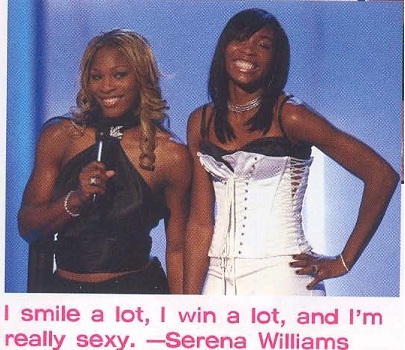
These days tomboy women (like women athletes) are encouraged to remain sexy too:

Palm Springs commercial photography


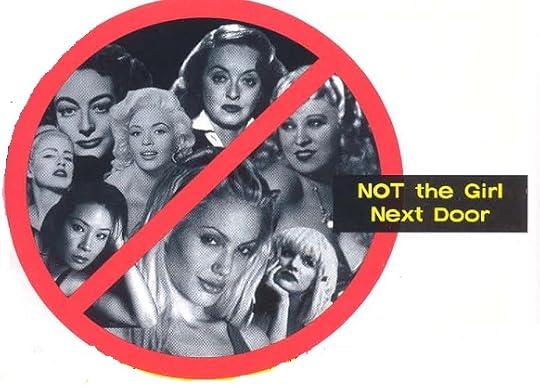
3. The Girl Next door: Mostly used in previous decades, when women were not as free as todays, a girl next door was a conventional suitable wife for an adventurer man. A girl next door always stayed at home – her future job was motherhood and homemaking. She’s Doris Day, Marie Osmond, Sandra Bullock, and Julia Roberts. She’s NOT Mae West, Marilyn Monroe, Madonna or Liu.

Palm Springs commercial photography
Not The Girl Next Door


4. Bimbo/Dumb Blonde: This stereotype comes from this tiresome sexist assumption that a woman can’t be both beautiful and smart. A bimbo never gets old, never asks questions, never gets tired of sex, and never tells.

Palm Springs commercial photography
A 1987 film, Full Moon Pictures

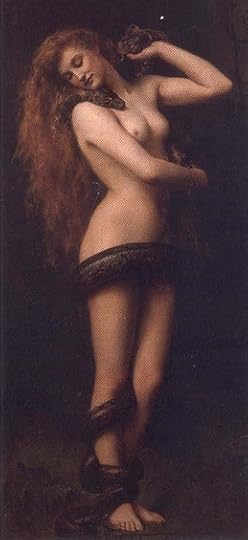
5. Femme Fatale/Vamp: She’s a devil who can seduce men easily. Many men die because of her beauty and inaccessibility or her tricks, like a vampire. Unfortunately it’s a fantasy of male mind; no more Femme Fatale can be seen these days.

Palm Springs commercial photography
Lilith by John Collier


6. Bitch/Ballbreaker: Who doesn’t know what bitch mean?! However these days it is experiencing a positive meaning. If anybody calls you a bitch you should know that you’re a woman who can defend herself. So be a real bitch but don’t let anyone else call you one.

When a man gives his opinion he’s a man, When a woman gives her opinion she’s a bitch .
– Bette Davis

“The difference between a Slut and a Bitch is that a Slut is someone who sleeps with everyone and a bitch is someone who sleeps with everyone but you”.
– Internet Joke

Palm Springs commercial photography

7. The Mother of All Stereotypes: Good or Bad, Sainted or Something: This is a stereotype that is widely used in any country in a form. It refers to Moms:

US.: MOTHERFUCKER
France: Son of a whore
Spain: I shit in the milk of your mother
….

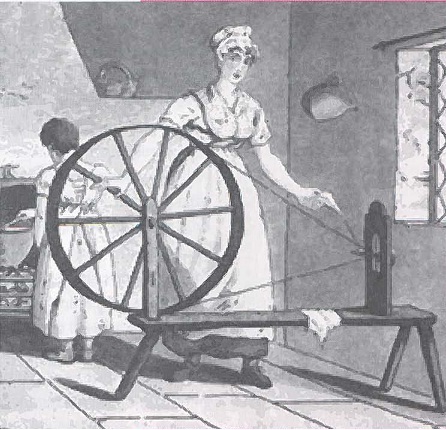
8. Spinster/Old Maid: These are for unmarried girls. Old Maid was originally a children’s card games that in one of the cards there was a picture of a woman called old maid who remained single and whoever who had this in his hand would lose the game.
Spinster is a British term. In nineteen century spinning was one of the few jobs that a woman could do before getting married, and if a woman never could get married she was doomed to spin all her life.

Palm Springs commercial photography

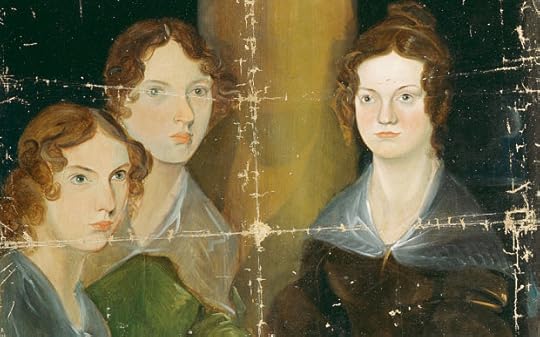
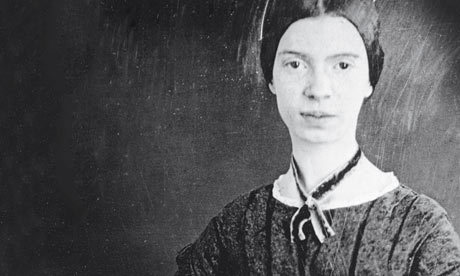
Spinsters past and present:

Image and video hosting by TinyPic
Bronte sisters

Image and video hosting by TinyPic
Emily Dickenson

Palm Springs commercial photography
Greta Garbo

Palm Springs commercial photography
Condoleeza Rice

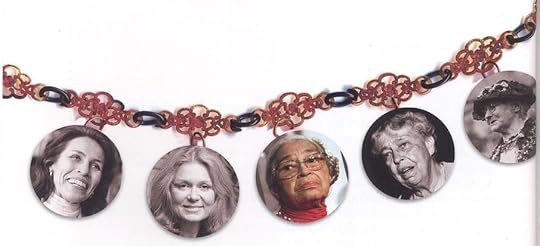
Other stereotypes in this chapter are: Hag/crone, Late Bloomers, Ageless babes, And finally wise Old women:

Palm Springs commercial photography
Left to right: Maria Tallchief, Gloria Steinem, Rosa Parks, Eleanor Roosevelt and Mother Jones

Chapter Three: Sex Objects: Girls who do, girls who don’t, girls who do girls

Although all the chapters are about sex, this chapter is really about sex; prostitutes, sex industry, brothels and their histories.

Let’s assume it is nineteenth century. There is a woman alone in a street of New York City. Her husband left her alone with a bunch of kids. By law, she can’t go to most schools, she can’t have her own property. She even can’t get divorce to marry another man. So what should she do?
She could use her tricks to attract men and after a while find a steady job in a brothel. If she’s lucky enough, she even can gather other girls around herself, set up a business and become a Madame herself.

Palm Springs commercial photography
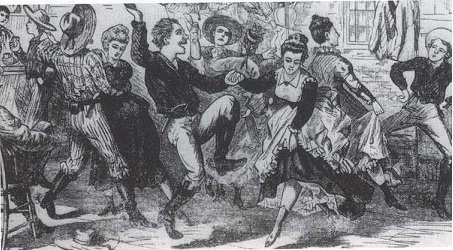
Abilene dance hall, from The History of the Cattle Trade by Joseph McCoy

Stereotypes related to women in these works are: Madame, Call Girl, Prostitute with a Heart of Gold, Dominatrix, StreetWalker, “Ho, Hoochie, Mama, Slut, etc”.

Today a sexy woman can be a good girl. There are in fact girls who Do and are loved for it:
Pinnup Girl, Bombshell and foxy lady.

But a majority of women in this industry are assumed to be very bad and so have very bad kinds of stereotypes, usually the names of different animals: Cow, Whale, dog, Moose, Pig, etc. The authors of this book believe that animals, large and small, like all women, large and small, are beautiful in their own way.

A girl who doesn’t have sex?! She has probably something wrong with her. Stereotypes for this unusual creature: Prude, Cocketease, Ice queen and Fag Hag.

Girls who Do and Do and Do: Nympho; a stereotype related to girls with wild and uncontrollable sex urges.

Girls who do Girls: finally few female stereotypes that invented by, for and about women: Amy-John, Androdyke, Cofeminator, Dandysette, Dutch Girl, Dykeosaurus, Etelle, Fairy Lady, Gay Lady, Goose Girl, He-She, Lady-Lover, Lemonade, Les-Be-Friends, Lesbyterian, Mandyke, Muffet, Ruffle, Sistagirl, Tinkerbell, Tootsie, Two Spirit and Zami.

So then remains Sapphist and Lesbian: Sappho was a Greek poet (7th century B.C.) who wrote love poems for women and after that the romantic love between women has been tagged as “Sapphist”.

I see he who sits near you as an equal of the Gods
For he can closely listen to your delightful voice
And that seductive laugh
That makes the heart behind my breasts to tremble.
In the late nineteen century by growing the phenomenon of love among women, many women of Sappho who were in her home island of Lesbos, were called Lesbian.

Palm Springs commercial photography

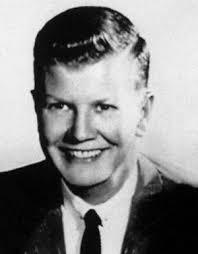
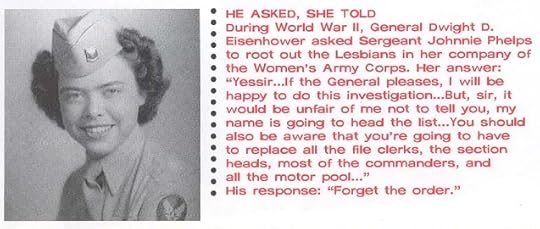
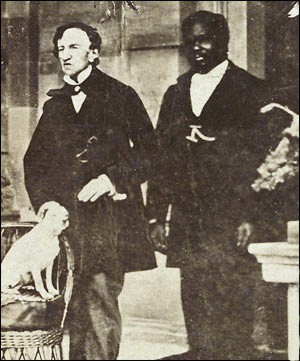
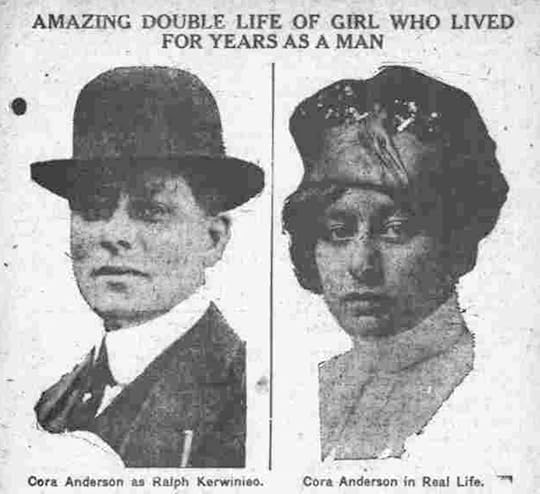
An interesting fact in this chapter is about working class women who had to disguise themselves in male clothes in order to find job, or to be able to live in same sex, like Dr. James Barry, Ralph Kerwinieo and Billy Tipton. Their stories are quite interesting. Check their Wikipedia pages.

Palm Springs commercial photography
Dr. James Barry

Palm Springs commercial photography
Ralph Kerwinieo

Palm Springs commercial photography
Billy Tipton

Finally Girls who do girls and boys; bisexuals. Stereotype: LUG (Lesbian Until Graduation).

Chapter Four: Life Lessons: Real And Fictional women who became stereotypes

There were some women (fictional or real) who their lives became stereotypes, Like: Florence Nightingale, Aunt Jemima, Flapper, Carmen Miranda, Mother Teresa, Tokyo Rose, Rosie the Riveter, Lolita, Bra Burner/ Feminazi, Valley Girl, Biker Chick.

Flapper: In the early years of 20th century, after the 19th amendment gave women the right to vote, a group of young women, calling themselves Flappers, invented a new lifestyle different from those cumbersome conventional behaviors that society expected a woman should do. Wild women like Zelda Fitzgerald, Isadora Duncan, Josephine Baker, and Louise Brooks were considered Flappers. They had their own magazines, national organizations and manifesto.

Palm Springs commercial photography
Before Flapper Era

Palm Springs commercial photography
After Flapper Era

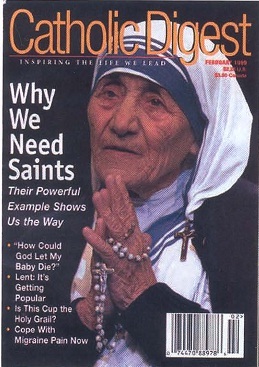
Mother Teresa: Who doesn’t know her?! But I didn’t know that she was against divorce, abortion and birth control.

Palm Springs commercial photography
Mother Teresa

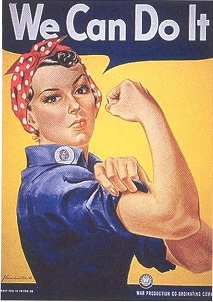
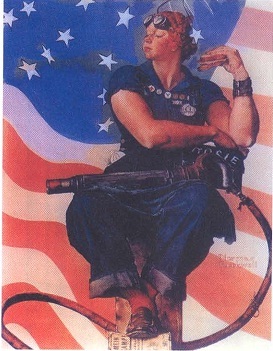
Rosie the Riveter: A positive aspect of World War II was that many working woman could find job which had been considered male jobs before. Many girls went to work welding battleships, riveting airplane wings, and working behind the scenes in the army. They could work even better than men in industrial and building traits. Rose Bonavita Hickey set a record at the General Motors Eastern Aircraft Division by completing 3,345 rivets on a torpedo bomber in less than six hours. Seems like macho chauvinism had to keep its mouth shut while women performed jobs they’ve never allowed to do before.

Palm Springs commercial photography

Palm Springs commercial photography

Chapter five: Women’s work is never done: Find mate, be super mom, gt gd job, have fun

This chapter is for stereotypes related to women who has jobs. Stereotypes like: Debutante/Socialite, Gold digger, Trophy Wife, Soccer Mom, Stage Mom, Diva/ Prima Donna, Supermodel, Female Exec/Lady Boss, Anchorwoman.

Oh, well, I’m not going to write everything that GGs said here, if you have already been excited, read the book instead!

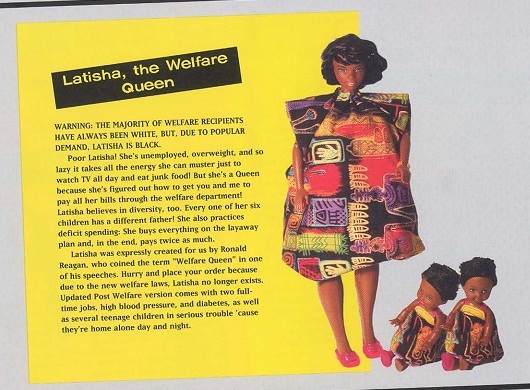
Chapter Six: Race and Religion: Presenting our own ethnic doll collection

Finally this chapter! Which has been seen provocative or racist by some reviewers here in Goodreads (so reducing their 4-5 starts to 1-2 stars). This chapter consists of pictures of some Barbie dolls dressed in way to show different ethnics – with descriptions that show their related stereotypes.
I don’t think they are racist; a Jewish, Catholic, Indian, Chines, Asian, Black, Latin American, Muslim living in USA, whether she likes it or not, has to face other stereotypes which refer to her ethnics or religion.


Palm Springs commercial photography
Nizreen, the Good Muslim Wife


Palm Springs commercial photography
Latisha, the Welfare Queen


Palm Springs commercial photography
Lauren, Jewish American Princess


Palm Springs commercial photography

Profile Image for Kelly.
279 reviews5 followers
April 14, 2010
pink was originally for boys and blue for girls.
tomboys were boys who drank too much and carried on with wenches in the 16th century, in the 19th century it meant a crude, immodest woman...
spinsters are so named because it was one of the few jobs a woman could do for pay before she got married. .. ones who never married were doomed to spin for the rest of their lives.
"Between 1880 and 1900, 10 percent of all women in the U.S. were single, but a whopping 50 percent of those who went to college remained spinsters their entire lives. Did they learn something new in school? Or was it just that, even then, men didn't like smart women?
By the end of the 19th century, women had won the right to keep their wages, own property, inherit wealth, and even to divorce. But it was still not okay for them to live alone. Some working women from the middle and upper classes banded together and lived as extended families. They formed what was known as "Boston marriages," complete with shared beds, love letters, and anniversary celebrations.
One celebrated Boston marriage was between four women known as the Red Rose Girls, after the Philadelphia estate where they lived. Three were prominent illustrators, the fourth acted as the housekeeper. They all took a secret surname, Cogs, an anagram of their initials, and pledged to live together forever...." p.32

Profile Image for Dawn Wells.
766 reviews12 followers
August 13, 2019
Read it. Very surprised don’t let the title stop you. Read it
Profile Image for Kirk.
Author 43 books252 followers
December 26, 2007
I've read all the Guerilla Girls' books, and they're as educational for their type, design, and layout as for their feminist content. While I like the BEDSIDE COMPANION TO WESTERN ART (probably their best-seller), I prefer B,B, &B. It's a good resource for male writers to help understand how NOT to depict your female characters---how to find a certain space of empathy to leap the gender gap, in other words.

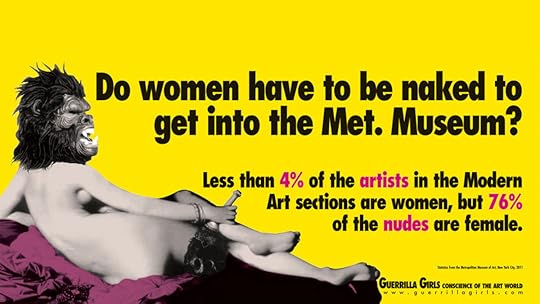
If you're not aware of the GGs, check out their website or their Wikipedia entry. They've been around for nearly 25 years and are best known for their 1989 "weenie count," at which they demonstrated how disproportinately nude women outnumbered women artists at the NY Met (85 to 5 percent, or so). They're a fun, innovative group---maybe not as cutting edge in terms of performance art as other famous "shock" feminists, but still great.
913 reviews5 followers
March 22, 2016
As could have been predicted, I loved this book. This focuses exclusively on female stereotypes and was written recently enough to include the likes of Britney Spears and other pop culture phenomenons. The Guerrilla girls go to town here - they really cover every stereotype you can possibly imagine, which makes their point through that alone: there are too many "ways" one can be put in a box as a woman. Why can't women just be who they are, and accepted as such? Why do we need to be categorized?

This is a short read but has a LOT to unpack in it. It's definitely worth a dip if you need help with media literacy - this book has every female trope covered. I highly recommend it!
Profile Image for Sarah.
1,771 reviews114 followers
July 28, 2011
I loved this book. It was funny and simple enough to be an introductory feminist book but also insightful enough that a long-time feminist like me could find new and interesting interpretations. It would be the perfect book for the young girl in your life who could use some feminism or your "I'm not a feminist but..." friend.
Profile Image for Steven.
Author 1 book115 followers
December 25, 2021
Awesome. Basically an encyclopedia of female stereotypes written and illustrated with the usual Guerrilla Girls stylistic verve.
Profile Image for Fereshteh.
250 reviews663 followers
April 8, 2016
خوندنش به علاقمندان حوزه ی فمینیسم توصیه میشه. کتاب در واقع توضیح جامع و دقیقیه از همه ی کلیشه (استریوتایپ ) های زنانه . لحن ساده ی کتاب و تصاویر متنوع باعث جذابیت کتاب میشه . با وجود ظاهر ساده و دوست داشتنی خیلی پرمحتواست و اطلاعات مفید زیادی به خواننده میده.

گِریلا گرلز گروه متنوعی از هنرمندان، نویسندگان و فیلم‌سازان فمینیست هستند که از دهه ۱۹۸۰ در نیویورک گرد آمدند. آنها برای استفاده از هنر اعتراضی جهت ارتقای زنان و اقلیت‌های نژادی در هنر شهرت دارند. در سال ۱۹۸۵ در نیویورک نمایشگاهی به نام «همایش بین‌المللی نقاشی و مجسمه‌سازی» برگزار شد که از بین ۱۶۹ هنرمند شرکت داده شده در آن فقط ۱۳ نفر زن بودند و از نظر نژادی نیز تمام هنرمندان سفیدپوستانی از آمریکا یا اروپا بودند. گریلا گرلز برآن شدند که فعالیت منسجمی برای شرمنده کردن جو حاکم بر جامعه هنری آغاز کند که امروزه فعالیتشان بسیار گسترده‌تر
است و تورهای جهانی نیز برگزار می‌کنند (برگرفته از ویکی پدیا


پی دی اف انگلیسی کتاب رو ازاینجا می تونید دانلود کنید
الهام اون قدر خوب نوشته که نیازی به دوباره نویسی من و توضیح بیشتر نیست. ریویوی الهام رو هم از اینجا مطالعه کنید.
Profile Image for Julie.
1 review5 followers
June 1, 2014
This book had some interesting historical information, but the last chapter satirizing racist and cultural stereotypes was actually just racist. They could have done the last chapter like they had done all the other chapters (historical background of the stereotype + examples from media/pop-culture), but for some reason they decided to make racist barbies and with press-release style racist descriptions. I also found it funny that they tried to include racist stereotypes against white women when "white trash" is more of a classist term, and the stereotype about white women dating black athletes isn't even comparable to actual racist terms like welfare queen, geisha, spicy latina, etc.
Profile Image for Rebecca Dunbar.
406 reviews15 followers
August 23, 2012
0 stars would have been better for this book. It should be re-named 'The Idiots Guide to Female Stereotypes'. When dealing with the issue of racial stereotypes, they said something like 'Some of these names are so disturbing, we've decided to dress up barbie dolls to highlight the aspects of ethnicity stereotyped in popular culture' - cue the 'Welfare Queen' doll and the 'Asian Princess' Barbie ... Tasteful. You just can't fault that logic.

A swift return to a dark, damp corner of the library I think.
27 reviews2 followers
October 6, 2012
Just to mix it up a bit, everyone knows the various female stereotypes --girl next door, bitch, old maid, supermom etc. Guerrilla Girls are a real group(based mostly in NYC) of anonymous women trying to make us more aware of these stereotypes in various ways. Getting ready for their artwork shown in the Elles exhibit at Seattle Art Museum. One of their goals is to put pressure on museums to showcase more women artists.
Profile Image for Liz.
243 reviews
February 21, 2015
I feel like yes there are damaging stereotypes, but some that are listed as negative are being embraced as positive these days so maybe it's already out of date? I don't know. I also really hated how judgmental this book was. Ironic too.
Profile Image for Cort.
22 reviews3 followers
September 28, 2007
I volunteered at KBOO just so I could meet The Guerrilla Girls. They gave me a copy of this book for free. I peed myself a little.
Profile Image for Betsy McGee.
86 reviews3 followers
June 1, 2008
If you've ever been called a "bitch", or any of the hundreds of other names people call women, you need to read this book.
Profile Image for Loree.
151 reviews16 followers
October 29, 2008
"reinventing the 'F' word---Feminism..." fun read.
Profile Image for Zsa Zsa.
775 reviews96 followers
May 1, 2017
A 101 of feminism for teenagers
Profile Image for Celine Rahme.
4 reviews1 follower
May 30, 2015
Short and concise, this book offers a handy guide to the stereotypes and labels we have come to use, associate and internalize not only as women against each other but also against ourselves. Not only does it give a history of these harmful ideas, but also a critical viewpoint that is thought provoking and persuasive. The tabloid-like layout only emphasizes the marketable aspect of some of these tropes, which are used and recycled excessively throughout the media. This is useful (and important) guide that is suitable for everyone and is a great introduction to feminism and critical thinking. I would also recommend this to (impressionable) teenagers who may or may not be having problems with these notions and labels.
Profile Image for Jamespc.
85 reviews12 followers
December 18, 2013
Good book, but the authors have committed a major error by assuming Lolita survives the book--actually it's said fairly early on that she died in childbirth, though because the author gives her married name (which is only mentioned one other time I think) you can't blame them for missing it. But that problem really does demonstrate my issue with the GGs as a whole which is that they tend to miss the minutiae as they take a predominantly over-arching, generalized view of things.
Profile Image for orion_black.
11 reviews2 followers
April 29, 2012
Las guerrilla girls, no me cabe duda, a más de uno le resultaran poco agradables, pues entre críticas y un humor que abunda en acidez y sarcasmo es difícil no salir espinado. El libro es corto, digerible y, tal como el titulo lo sugiere, profundiza en la amplia variedad de estereotipos sexistas que existen sobre la mujer.
Profile Image for Michelle.
Author 14 books42 followers
February 13, 2008
This book is so rad and would be so fun to use with a class. It's basically like TV in book form -- really visual, lots of little boxes to hold your attention, and very entertaining. It be a great gift for a teen.
Profile Image for amanda Navarro.
218 reviews11 followers
November 22, 2016
It was a short quick read. I liked how they broke down where certain stereotypes came from. I would have preferred it to be longer but I didn't mind. It was a good read for wanting a glance at the stereotypes women have to fight against.
Profile Image for Laura.
15 reviews1 follower
January 14, 2008
I'm bringing books with pictures back
Profile Image for Mariana.
21 reviews5 followers
March 27, 2008
I need to give this to every child I come across.
Profile Image for J.M..
Author 302 books567 followers
wishlist
June 18, 2009
Saw this on Goodreads and thought it looked interesting.
Profile Image for Hanabrighton.
26 reviews1 follower
November 9, 2009
Fun. Great idea and glad they do what they do but it is best for a teen and not a source of a lot of inforamtion.
Profile Image for Sarah.
202 reviews1 follower
November 5, 2012


This is a funny tongue in cheek overview of some important feminist concepts. I am thinking of incorporating it into my gender and sexuality class!
Displaying 1 - 30 of 50 reviews

Can't find what you're looking for?

Get help and learn more about the design.