

What do you think?

Three Sisters
《玉米》描述了玉米、玉秀、玉秧三姐妹不同的人生轨迹和她们之间剪不断理还乱的奇特关系,本书透视了家常场景下一颗颗神不守舍、暗藏杀机的女性灵魂,揭示出在一个贫瘠时代,权力对人性的腐蚀。
The book tells different courses of life of three sisters Yumi,Yuxiu and Yuyang as well as their entangled relations. Through the impressionable and complex soul of ladies, it unveils the power's erosion to humanity in a barren time.
The book tells different courses of life of three sisters Yumi,Yuxiu and Yuyang as well as their entangled relations. Through the impressionable and complex soul of ladies, it unveils the power's erosion to humanity in a barren time.
310 pages, Paperback
First published January 1, 2003
About the author
Bi Feiyu
45 books29 followersBi Feiyu, born 1964 in Xinghua, Jiangsu, is a Chinese writer. He is a resident of Nanjing. His name, Feiyu, means "one who flies across the universe".
His works are known for their complex portrayal of the "female psyche." Feiyu's novel The Moon Opera (青衣), translated by Howard Goldblatt, was longlisted for the 2008 Independent Foreign Fiction Prize, while Three Sisters (玉米 ,玉秀,玉秧), also translated by Goldblatt, won the 2010 Man Asian Literary Prize. In China, his awards include twice winning the Lu Xun Literary Prize; and the 2011 Mao Dun Prize, the highest national literary award, for Massage. He also wrote the screenplay for Zhang Yimou's 1996 film Shanghai Triad.
https://en.wikipedia.org/wiki/Bi_Feiyu
Chinese Profile: 毕飞宇
His works are known for their complex portrayal of the "female psyche." Feiyu's novel The Moon Opera (青衣), translated by Howard Goldblatt, was longlisted for the 2008 Independent Foreign Fiction Prize, while Three Sisters (玉米 ,玉秀,玉秧), also translated by Goldblatt, won the 2010 Man Asian Literary Prize. In China, his awards include twice winning the Lu Xun Literary Prize; and the 2011 Mao Dun Prize, the highest national literary award, for Massage. He also wrote the screenplay for Zhang Yimou's 1996 film Shanghai Triad.
https://en.wikipedia.org/wiki/Bi_Feiyu
Chinese Profile: 毕飞宇
Ratings & Reviews
Friends & Following
Create a free account to discover what your friends think of this book!
Community Reviews
Displaying 1 - 30 of 134 reviews

January 4, 2023
Although this book was written by a male author it gives us detailed psychological insights into three sisters in a Chinese family growing up in a rural village. Occasionally we hear references to specific dates when things happened, so most of the story is set between 1970 and 1985.
Their father is a powerful political figure, kind of like the mayor. He’s the party chairman for the village. While we focus on three sisters there are actually seven sisters. The story starts when a boy is finally born to the family. ‘Little Eight’ they call him. (Obviously we are in the days before the “one child” mandate.)
Of course a boy in China’s patriarchal society was exactly what the mother and father were aiming for all this time. In fact, after the birth of the boy, her eighth child, the mother feels her work is done. Other than breastfeeding the baby, she turns the entire care of the infant over to her eldest daughter, Yumi, along with the running of the household and the supervision and discipline of the six younger girls.
After the birth of a boy we feel particularly sad for the youngest daughter, number seven, Yuyang, who becomes the focus of the last third of the book. The narrator tells us she was thought of as “inconsequential.”
It's not a pretty story. It basically focuses on the abuse by men – physical, sexual and psychological - of the three sisters it follows. The tone is set by their father who uses his position of influence to seduce women in town. His wife doesn't seem to care but the eldest daughter resents his behavior. But she blames the women more than her father, thinking of them as ‘whores.’
So the woman is blamed, even by the oldest daughter, who herself experiences the fallout from the ‘blame the woman’ syndrome.
The three stories are uneven in a sense. With the first daughter, the eldest, we learn much of the family's history over a span of 20 or so years as she grew up. The first daughter eventually marries and moves to a neighboring town where the third sister in birth sequence comes to town expecting her older sister to find a job for her. We follow her story over a couple of years. She is the best-looking daughter and her father’s favorite. She too gets into trouble and suffers abuse from men.
The story of the third sister takes place in a year and focuses mainly on an incident of stolen money at the girls’ boarding school she attends. We learn about city girl vs. country girl cliques and endless competitions among students, teams and classes in academics, athletics, music, etc. And once again, abuse of the girls by male teachers.
As we read the story we learn a lot about the collective agriculture practiced in the village with some Farmers Almanac information about the seasons, crops and harvests, and agricultural folk wisdom. We also learn other things about Chinese rural culture. We are told the name of the village is the Wang Family Village because most residents have that name. This is not unusual in China for most people in rural villages to have the same family name. But this village also has a competing clan, the Zhangs. In the old days it was Hatfields and McCoys and people were even murdered. Now there's an uneasy truce.
We learn too about forms of respectful address and who should be called Elder Sister or Auntie even though they may not be an elder sister or an aunt. For example, it's a particular problem for the oldest sister when she marries an older man with children from a first marriage. What does she call her stepson who is her own age?
There is some good writing:
When the eldest daughter takes over the duties of her mother: “Yumi did not possess innate authority, but authority is something you can take in your hand and squeeze till it sweats and sprouts five fingers that can be balled into a fist.”
“People find secrets moving, for they have the power to inspire and achieve a tear-inducing tenderness. Secrets slowly seep into the deepest recesses of themselves and then spread outward. When they reach their outer limits, they quietly split apart and move in directions that cannot be put in order, like spilled water that cannot be recovered.”
“But humiliation is a strange thing. The deeper you bury it, the smaller its teeth, and yet its bite is sharper.”
I liked the story, the writing and the detailed psychological profiles we get of the three sisters. I thought the ending was a bit flat in the sense that there was no integrated ending attempting to wrap the three stories together, almost as if they hang as three (long) short stories.
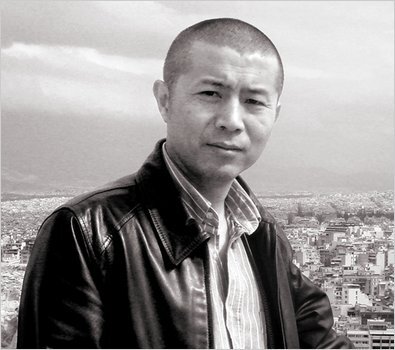
The author (b. 1964) has written about ten novels, four of which appear to be available in English. Three Sisters won the Man Asian prize when it was published. The author has won other Chinese literary prizes including the highest honor, the Mao Dun once, and another major award twice. I say all this about awards because I should also point out that the book has a very low rating on GR – 3.0. I wonder if to some extent the unpleasant nature of the subject matter turns people off.
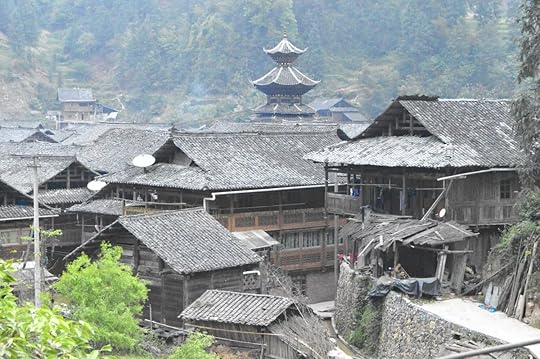
Top photo of Zengchong from latimes.com
The author from nytimes.com
Their father is a powerful political figure, kind of like the mayor. He’s the party chairman for the village. While we focus on three sisters there are actually seven sisters. The story starts when a boy is finally born to the family. ‘Little Eight’ they call him. (Obviously we are in the days before the “one child” mandate.)
Of course a boy in China’s patriarchal society was exactly what the mother and father were aiming for all this time. In fact, after the birth of the boy, her eighth child, the mother feels her work is done. Other than breastfeeding the baby, she turns the entire care of the infant over to her eldest daughter, Yumi, along with the running of the household and the supervision and discipline of the six younger girls.
After the birth of a boy we feel particularly sad for the youngest daughter, number seven, Yuyang, who becomes the focus of the last third of the book. The narrator tells us she was thought of as “inconsequential.”
It's not a pretty story. It basically focuses on the abuse by men – physical, sexual and psychological - of the three sisters it follows. The tone is set by their father who uses his position of influence to seduce women in town. His wife doesn't seem to care but the eldest daughter resents his behavior. But she blames the women more than her father, thinking of them as ‘whores.’
So the woman is blamed, even by the oldest daughter, who herself experiences the fallout from the ‘blame the woman’ syndrome.
The three stories are uneven in a sense. With the first daughter, the eldest, we learn much of the family's history over a span of 20 or so years as she grew up. The first daughter eventually marries and moves to a neighboring town where the third sister in birth sequence comes to town expecting her older sister to find a job for her. We follow her story over a couple of years. She is the best-looking daughter and her father’s favorite. She too gets into trouble and suffers abuse from men.
The story of the third sister takes place in a year and focuses mainly on an incident of stolen money at the girls’ boarding school she attends. We learn about city girl vs. country girl cliques and endless competitions among students, teams and classes in academics, athletics, music, etc. And once again, abuse of the girls by male teachers.
As we read the story we learn a lot about the collective agriculture practiced in the village with some Farmers Almanac information about the seasons, crops and harvests, and agricultural folk wisdom. We also learn other things about Chinese rural culture. We are told the name of the village is the Wang Family Village because most residents have that name. This is not unusual in China for most people in rural villages to have the same family name. But this village also has a competing clan, the Zhangs. In the old days it was Hatfields and McCoys and people were even murdered. Now there's an uneasy truce.
We learn too about forms of respectful address and who should be called Elder Sister or Auntie even though they may not be an elder sister or an aunt. For example, it's a particular problem for the oldest sister when she marries an older man with children from a first marriage. What does she call her stepson who is her own age?
There is some good writing:
When the eldest daughter takes over the duties of her mother: “Yumi did not possess innate authority, but authority is something you can take in your hand and squeeze till it sweats and sprouts five fingers that can be balled into a fist.”
“People find secrets moving, for they have the power to inspire and achieve a tear-inducing tenderness. Secrets slowly seep into the deepest recesses of themselves and then spread outward. When they reach their outer limits, they quietly split apart and move in directions that cannot be put in order, like spilled water that cannot be recovered.”
“But humiliation is a strange thing. The deeper you bury it, the smaller its teeth, and yet its bite is sharper.”
I liked the story, the writing and the detailed psychological profiles we get of the three sisters. I thought the ending was a bit flat in the sense that there was no integrated ending attempting to wrap the three stories together, almost as if they hang as three (long) short stories.
The author (b. 1964) has written about ten novels, four of which appear to be available in English. Three Sisters won the Man Asian prize when it was published. The author has won other Chinese literary prizes including the highest honor, the Mao Dun once, and another major award twice. I say all this about awards because I should also point out that the book has a very low rating on GR – 3.0. I wonder if to some extent the unpleasant nature of the subject matter turns people off.
Top photo of Zengchong from latimes.com
The author from nytimes.com

February 22, 2021
Reading is one of the most intimate ways to find empathy and step into the shoes of someone who's different than us. It makes us feel what the other has gone through in words that entertain and educate at the same time. A translated book, captured with the intention of retaining the essence as much as the original, are shoes that take us for a mile in someone else's life.
Yumi, Yuxiu and Yuyang, the three titular sisters hail from a small village in a post cultural revolution China. They come from a huge family with 4 other sisters and one younger brother, a mother who has given up on life and an influential father who abuses his power to go adulterating.
Three sisters is their story (or stories) that are told from a perspective that highlights a facet of oppression and how the sisters work individually in the shadows to find meaning and bring power to their lives. The book is split into three parts, each told from the perspective of a sister about the events that transpire in their separate, as well as cumulative lives.
The book is raw, blunt and in the face as it depicts how the women of that era felt, lived and silently fought back against the patriarchy in their own way while being suppressed by a highly political climate. It was painful but once I started reading, I couldn't pull away. I could feel how Feiyu's mind wandered while writing the tale and forcing us to follow his train of thought.
The prose and the narrative were like a tea bag soaked in lukewarm water. The diffusion was slow, taking time and concentration to get into but once it does, it brings forth a flavour and experience that kept me wanting more. I loved the writing and how it tugged at my brain. I felt like it was pulling me in a particular direction all the while feeding me smaller roots of stories, and before I knew it, there stood a tree that painted a unique picture about the family.
Yumi, Yuxiu and Yuyang, the three titular sisters hail from a small village in a post cultural revolution China. They come from a huge family with 4 other sisters and one younger brother, a mother who has given up on life and an influential father who abuses his power to go adulterating.
Three sisters is their story (or stories) that are told from a perspective that highlights a facet of oppression and how the sisters work individually in the shadows to find meaning and bring power to their lives. The book is split into three parts, each told from the perspective of a sister about the events that transpire in their separate, as well as cumulative lives.
The book is raw, blunt and in the face as it depicts how the women of that era felt, lived and silently fought back against the patriarchy in their own way while being suppressed by a highly political climate. It was painful but once I started reading, I couldn't pull away. I could feel how Feiyu's mind wandered while writing the tale and forcing us to follow his train of thought.
The prose and the narrative were like a tea bag soaked in lukewarm water. The diffusion was slow, taking time and concentration to get into but once it does, it brings forth a flavour and experience that kept me wanting more. I loved the writing and how it tugged at my brain. I felt like it was pulling me in a particular direction all the while feeding me smaller roots of stories, and before I knew it, there stood a tree that painted a unique picture about the family.

April 6, 2013
This book teaches one a lot about life in China in the countryside during the Cultural Revolution years. It's written in three parts. The first two parts are interesting, suspenseful, dramatic. The third part made me want to throw the book away and never recommend it. It was boring and anti-climactic, and other than the fact a third sister was needed to round out the archetypal three, I would have been just as happy to have read a book called Two Sisters.

August 29, 2015
One can't figure out just by one read how accurate a portrayal this is, but one can certainly figure out that it's a riveting plot with wonderfully developed characters. I'd recommend it to everyone, I just wish it didn't end when it did.

January 16, 2020
I really think it loses something in translation. The prose just feels flat and unengaging. Trying to be stricter about DNFing this year, so after the good old 10% try, on the discard pile it goes.

November 4, 2010
Village life anywhere has always been tough and China in 1971 is no different. The opportunities to get ahead are few and the collective judgment of the populace is swift and brutal. In The Three Sisters, the Wangs are The Family in their small Chinese village. Father Wang Lianfang is a Party Secretary and as a result the family's prominence is assured. At the novel's start the family has a new reason to celebrate. After seven daughters a son has finally been born. The satisfaction the Wangs have in this most fortunate occasion and their social status are both destroyed when Father is caught philandering. Within moments of the scandal breaking they go from being the local Kennedys to the Kettles. It is devastating in terms of their day to day lives and their future prospects.
Author Bi Feiyu concentrates his talents on three of the seven sisters: Yumi, Yuxiu and Yuyang. The novel is physically divided into their overlapping stories but as a reader it's also divided into ancient China, life in the village where their stories start and Cultural Revolution China, life in the city where their stories end. The events of the sisters survival, their meager victories and epic defeats are too real to be read as soap opera fodder. Their struggles to get ahead, to escape the devalued position the scandal and China has placed them in have an inspirational quality about them. So while the setting and culture have so much that seem exotic, the search for respect is universal.
The Three Sisters is not a sentimental novel about poetic loses and against the odds achievements. It has more in common with the honest brilliance of the memoir Wild Swans: Three Daughters of China than the novels of Lisa See.
Feiyu is completely successful in making Yumi, Yuxiu and Yuyang interesting and sympathetic. At times he piles on so much detail (As fascinating as they all are!) of the women's lives and China that it's work to keep the threads of the novel's plotline together. His reach for a sort of epic arch to the sisters experiences verses China's past and present is undermined by occasionally failing to grab a hold of their emotional lives. Flaws aside, I enjoyed reading Sisters. It was an enriching and involving novel.
Author Bi Feiyu concentrates his talents on three of the seven sisters: Yumi, Yuxiu and Yuyang. The novel is physically divided into their overlapping stories but as a reader it's also divided into ancient China, life in the village where their stories start and Cultural Revolution China, life in the city where their stories end. The events of the sisters survival, their meager victories and epic defeats are too real to be read as soap opera fodder. Their struggles to get ahead, to escape the devalued position the scandal and China has placed them in have an inspirational quality about them. So while the setting and culture have so much that seem exotic, the search for respect is universal.
The Three Sisters is not a sentimental novel about poetic loses and against the odds achievements. It has more in common with the honest brilliance of the memoir Wild Swans: Three Daughters of China than the novels of Lisa See.
Feiyu is completely successful in making Yumi, Yuxiu and Yuyang interesting and sympathetic. At times he piles on so much detail (As fascinating as they all are!) of the women's lives and China that it's work to keep the threads of the novel's plotline together. His reach for a sort of epic arch to the sisters experiences verses China's past and present is undermined by occasionally failing to grab a hold of their emotional lives. Flaws aside, I enjoyed reading Sisters. It was an enriching and involving novel.

November 22, 2016
Three sister's stories out of a family of 7 girls and 1 boy. Why not a book called 7 sisters? Actually it was an interesting book of two sister's stories about life in rural China during the Cultural Revolution and a rather different story about the youngest story at teacher's college in the early 1980s.
The first two parts are interesting with the focus on the lack of rights women had, the importance of women keeping their virginity to marriage, the hypocrisy of men who can be sexual predators and get away with it, the power of the central government and the hierarchy in a family. There was a lot of tension and sadness in this part with the eldest sister Yumi forced to use her body to get out of her village and her younger sister Yuxui who is raped and now considered damaged goods. The third story again had a focus on men misusing women and hypocrisy but lacked the power of the two previous stories.
The first two parts are interesting with the focus on the lack of rights women had, the importance of women keeping their virginity to marriage, the hypocrisy of men who can be sexual predators and get away with it, the power of the central government and the hierarchy in a family. There was a lot of tension and sadness in this part with the eldest sister Yumi forced to use her body to get out of her village and her younger sister Yuxui who is raped and now considered damaged goods. The third story again had a focus on men misusing women and hypocrisy but lacked the power of the two previous stories.
February 27, 2011
Let me first get one thing straight: this is not chick-lit. I saw a review of this book in which it was classified as such, but whoever wrote that about Three Sisters clearly did not get it, nor did he/she know much of the novel's historical background.
With that off my chest, I have to admit that I am not particularly enthusiastic about the book. Bi Feiyu attempt at a satiric, yet tragic portrayal of Chinese village life in the mid-70s (up to the 1980s) is a good one, but the bleakness and cruelty were a bit too harsh for my liking. Prior to reading this book, I had always assumed that with Communist rule - whether it was good for China or not remains debatable - women's emancipation received a boost. Mao Zedong wanted to get rid of traditional hierarchy (heavily influenced by Confucianism) and replace it with a society in which everyone (but natural state enemies like the bourgeoisie) would be equal. But right off the bat, the Wang sisters' family is described as a dysfunctional one. Embarrassingly, there are too many daughters, so something must be wrong with either the father's genes or the mother's womb. Then, after mother Shi Guifang finally gives birth to a son, she concludes that now that her place has been earned, she can resort to hanging about lazily around the house. It's Yumi, the eldest, who cares for baby brother Little Eight, and she enjoys flaunting him around the village. Clearly, men are still more important than women, even in seventies' China. The father of the Wang girls (and boy) is the local Party Secretary and with that comes power: he enjoys sleeping around with married women. And they all comply without protest. He only comes to grief when he is caught in the act with the wife of a fellow Party member: a clear-cut case of double standards.
Another example is Yumi's unfortunate engagement to "the aviator" Peng. Differences between city and countryside are emphasized by her lack of education and his eloquent written Chinese. In dynastic China, her village peers would congratulate her for baiting a city scholar(-bureaucrat). In Communist China, she has done well by hooking a potential hero. Again, women's rights are an alien concept when Peng tries to convince her to sleep with him (before marriage) and she can only protest weakly. After a certain calamity takes place in the Wang family (which underlines the inequality between the sexes all the more) and false rumours reach him in faraway Beijing, he does not hesitate to cut all ties. Women who lose their virginity before tying the knot or who have intercourse with someone other than their husband will always be considered sullied goods. It truly does not matter whether they were overcome by romantic feelings and lust, coaxed (by a man in power) into a sordid affair, or raped.
Finally, I thought the construction of the book was a bit haphazard: the Chinese title translates as "Yumi", which is the eldest sister's name. But only the first chapter is dedicated to her. The second part centers on Yuxiu, who tries to follow in Yumi's footsteps (or not quite) and flees the village. The third part is the odd one out, as Yuyang is the youngest girl in the family and has made it into teacher-school, but she has nothing to do with Yumi nor Yuxiu. I had hoped that, like in chapter two, the relationship between the sisters would feature more prominently. For me, it is therefore the most disappointing part of the book.
Three Sisters is a book that I'd recommend to someone who is interested in changes in Chinese society, but I'd advise reading up a little on twentieth century Chinese history first.
With that off my chest, I have to admit that I am not particularly enthusiastic about the book. Bi Feiyu attempt at a satiric, yet tragic portrayal of Chinese village life in the mid-70s (up to the 1980s) is a good one, but the bleakness and cruelty were a bit too harsh for my liking. Prior to reading this book, I had always assumed that with Communist rule - whether it was good for China or not remains debatable - women's emancipation received a boost. Mao Zedong wanted to get rid of traditional hierarchy (heavily influenced by Confucianism) and replace it with a society in which everyone (but natural state enemies like the bourgeoisie) would be equal. But right off the bat, the Wang sisters' family is described as a dysfunctional one. Embarrassingly, there are too many daughters, so something must be wrong with either the father's genes or the mother's womb. Then, after mother Shi Guifang finally gives birth to a son, she concludes that now that her place has been earned, she can resort to hanging about lazily around the house. It's Yumi, the eldest, who cares for baby brother Little Eight, and she enjoys flaunting him around the village. Clearly, men are still more important than women, even in seventies' China. The father of the Wang girls (and boy) is the local Party Secretary and with that comes power: he enjoys sleeping around with married women. And they all comply without protest. He only comes to grief when he is caught in the act with the wife of a fellow Party member: a clear-cut case of double standards.
Another example is Yumi's unfortunate engagement to "the aviator" Peng. Differences between city and countryside are emphasized by her lack of education and his eloquent written Chinese. In dynastic China, her village peers would congratulate her for baiting a city scholar(-bureaucrat). In Communist China, she has done well by hooking a potential hero. Again, women's rights are an alien concept when Peng tries to convince her to sleep with him (before marriage) and she can only protest weakly. After a certain calamity takes place in the Wang family (which underlines the inequality between the sexes all the more) and false rumours reach him in faraway Beijing, he does not hesitate to cut all ties. Women who lose their virginity before tying the knot or who have intercourse with someone other than their husband will always be considered sullied goods. It truly does not matter whether they were overcome by romantic feelings and lust, coaxed (by a man in power) into a sordid affair, or raped.
Finally, I thought the construction of the book was a bit haphazard: the Chinese title translates as "Yumi", which is the eldest sister's name. But only the first chapter is dedicated to her. The second part centers on Yuxiu, who tries to follow in Yumi's footsteps (or not quite) and flees the village. The third part is the odd one out, as Yuyang is the youngest girl in the family and has made it into teacher-school, but she has nothing to do with Yumi nor Yuxiu. I had hoped that, like in chapter two, the relationship between the sisters would feature more prominently. For me, it is therefore the most disappointing part of the book.
Three Sisters is a book that I'd recommend to someone who is interested in changes in Chinese society, but I'd advise reading up a little on twentieth century Chinese history first.

Read
March 6, 2015I honestly have no idea what number of stars to give this book as my views on at are so conflicting. On the one hand I loved it for the slice of life it showed me of China. It's certainly not something I've read about before if I've read anything about China it's always been set in Beijing or Shanghai so this was incredibly eye-opening and insightful.
However, each section finished abruptly without a climax or a conclusion. I know some writers prefer this style, indicating that life is going to continue for the characters when you put the book, that it's not a story, its their lives. But you do need some sort of closure and none of the sections had that which left me feeling annoyed and frustrated. The last tale in the book felt like it belonged to a different novel entirely. The other two stories were interwoven together and this last one stood on its own separately. Through the blurb on the back of the book I believed that at least the last sister was going to have a decent story, but no she is just as unlucky as her other two sisters showing not even education is enough to save these women.
Though I found it incredibly frustrating and the last section superfluous I recommend reading it, I am glad I have and do not regret picking it out.
However, each section finished abruptly without a climax or a conclusion. I know some writers prefer this style, indicating that life is going to continue for the characters when you put the book, that it's not a story, its their lives. But you do need some sort of closure and none of the sections had that which left me feeling annoyed and frustrated. The last tale in the book felt like it belonged to a different novel entirely. The other two stories were interwoven together and this last one stood on its own separately. Through the blurb on the back of the book I believed that at least the last sister was going to have a decent story, but no she is just as unlucky as her other two sisters showing not even education is enough to save these women.
Though I found it incredibly frustrating and the last section superfluous I recommend reading it, I am glad I have and do not regret picking it out.

June 28, 2010
This book tells the stories of three sisters in a Chinese family of seven sisters and one brother. The story of Yumi, the eldest sister was great. She was such an interesting character who took a stand against her father's philandering. This section of the book brought in the family dynamics and really showed how the village worked which was hilarious. That section gets 5 stars. The second section was about the third sister, Yuxio, who after being gang raped, wants to escape the gossip of the village. This portion was not quite as complelling but still enjoyable and the family connection continued. Four stars for that one.
The last section about the sister who went to teachers' school was like a completely different book. The family and other sisters was not referenced at all, but the part that bothered me most was that the book just stopped. By that I mean, it didn't 'end' it just stopped. I looked for the next page, the next paragraph but that was it. Totally abrupt. No tie in to the rest of the book. No hint of a wrap up. Like the author got interrupted in his writing and never came back.
I was also a little confused how or why he picked these three sisters out of the seven to choose from and what about the brother. It didn't make sense to me that the other siblings were barely mentioned. Were these three sisters more interesting than the rest? Why even have the other sisters if you're just going to ignore them--just make the family have three sisters.
In conclusion, I enjoyed the writing in the book and the individiual stories . . . I just didn't think they were put together right for a book. Either take out the third section or tie it in to the rest . . . and give us stories of all the siblings. But the main reason I gave this three stars was because of the infuriating ending . . . or I just say the infuriating lack of an ending.
The last section about the sister who went to teachers' school was like a completely different book. The family and other sisters was not referenced at all, but the part that bothered me most was that the book just stopped. By that I mean, it didn't 'end' it just stopped. I looked for the next page, the next paragraph but that was it. Totally abrupt. No tie in to the rest of the book. No hint of a wrap up. Like the author got interrupted in his writing and never came back.
I was also a little confused how or why he picked these three sisters out of the seven to choose from and what about the brother. It didn't make sense to me that the other siblings were barely mentioned. Were these three sisters more interesting than the rest? Why even have the other sisters if you're just going to ignore them--just make the family have three sisters.
In conclusion, I enjoyed the writing in the book and the individiual stories . . . I just didn't think they were put together right for a book. Either take out the third section or tie it in to the rest . . . and give us stories of all the siblings. But the main reason I gave this three stars was because of the infuriating ending . . . or I just say the infuriating lack of an ending.

September 12, 2010
The narrative here just fell so flat. There was no life in the voice of this novel. I think this may be a reflection on the translation, and I don't necissarily mean that the translator did a lousy job. I'm just thinking that perhaps this particular novel just doesn't traslate. I mean, Chinese and English are like night and day. Maybe this novel just does not have the same oomph in an English translation. But whatever, it was just totally D.O.A. Oh, and almost all the women's names, and some of the men's names, start with the letter "Y". There are SEVEN sisters all beginning with the letter "Y"!!! Unless you are a native Chinese speaker, I dare you to keep Yumi, Yusui, Yuxiu, Yuying, Yuyem Yumiao, and Yuyang straight. Not to mention Youquig, another character. It kind of made my head spin.

January 9, 2012
I really wanted to rate this book a 4 out of 5. In describing the lives and characters of eldest sister Yumi and third sister Yuxiu, Bi managed to weave an intricate plot that brought out the nuances of everyday life during the Cultural Revolution and I literally could not put the book down. Unfortunately, when it came to the part about youngest sister Yuyang, Bi's literary magic seemed to diminish with each page.

January 12, 2019
I found this novel strange and slightly dissatisfying. That's entirely personal - my expectations are sky high for female characters, and sisterhood.
It's well written. A tale of the Wang family, the mother has seven daughters in hope of a son. The story then follows three daughters, through tales of love, compromise and betrayal, coming of age and harsh realities of life. Their journeys are interespered with the expectations of Chinese society, ideas of right and wrong, judgement and values.
This part, I loved. Uncovering layers of Chinese society, so near us yet so different in their ideas of shame and honor, luck and pride, morality and superstition. It's a fascinating peek into everyday Chinese life. I've been drawn to China and the Chinese since my first Pearl S Buck novel, and that will never change. I'll never tire of reading about this seemingly quirky country with a remarkable history. Of special interest in the novel are the sayings and proverbs scattered in every page.
The story is interesting, too. You want to learn what life deals out to the sisters, how they are helped or harmed by their intelligence, beauty, and ordinariness. How a promising life plummets to the bottom, how skillfully it's brought back on track.
But what I can't come to terms with is how the novel portrays rape. There is a traumatizing rape scene in the novel, yet it is treated so casually, flippantly... unfairly, I felt. Forget other characters, even the novelist seems to adopt a disparaging tone towards the survivor. It night be my imagination, but I certainly felt discomfited. There were other incidents where the novel's tone was demeaning towards women, that put me off.
The author has been widely lauded for his portrayal of the female psyche, of the vision-impaired and complex family ties. So I will read a little more of and by the writer before I decide. Till then, will applaud him for superbly bringing the people and their experiences to life.
It's well written. A tale of the Wang family, the mother has seven daughters in hope of a son. The story then follows three daughters, through tales of love, compromise and betrayal, coming of age and harsh realities of life. Their journeys are interespered with the expectations of Chinese society, ideas of right and wrong, judgement and values.
This part, I loved. Uncovering layers of Chinese society, so near us yet so different in their ideas of shame and honor, luck and pride, morality and superstition. It's a fascinating peek into everyday Chinese life. I've been drawn to China and the Chinese since my first Pearl S Buck novel, and that will never change. I'll never tire of reading about this seemingly quirky country with a remarkable history. Of special interest in the novel are the sayings and proverbs scattered in every page.
The story is interesting, too. You want to learn what life deals out to the sisters, how they are helped or harmed by their intelligence, beauty, and ordinariness. How a promising life plummets to the bottom, how skillfully it's brought back on track.
But what I can't come to terms with is how the novel portrays rape. There is a traumatizing rape scene in the novel, yet it is treated so casually, flippantly... unfairly, I felt. Forget other characters, even the novelist seems to adopt a disparaging tone towards the survivor. It night be my imagination, but I certainly felt discomfited. There were other incidents where the novel's tone was demeaning towards women, that put me off.
The author has been widely lauded for his portrayal of the female psyche, of the vision-impaired and complex family ties. So I will read a little more of and by the writer before I decide. Till then, will applaud him for superbly bringing the people and their experiences to life.
December 5, 2020
A tragic tale of three sisters.
It's set in rural China around the 70s and 80s, following three sisters in their journey through power, ambition, jealousy, and miseries. I really liked this book but what stopped me from increasing the stars is that it lacked a real plot and how the book ended at nowhere. But this book sure contains something every woman can relate to and it makes me want to read more books from Bi Feiyu.
rating: 3.5
It's set in rural China around the 70s and 80s, following three sisters in their journey through power, ambition, jealousy, and miseries. I really liked this book but what stopped me from increasing the stars is that it lacked a real plot and how the book ended at nowhere. But this book sure contains something every woman can relate to and it makes me want to read more books from Bi Feiyu.
rating: 3.5

November 14, 2022
Un libro cinesissimo, duro, crudele, poetico, meraviglioso.
October 30, 2023
C'est magnifiquement écrit, bien que très dur parfois parce que les destins de ces trois femmes est tragique. Mais c'est annoncé dès la préface et on comprend que l'auteur ne veut pas attendrir la réalité du destin qu'il a choisi pour ses trois sœurs. On a l'impression d'être immergé dans une période et une région de la Chine, les descriptions sont très précises, à la fois du psyché mais aussi de l'environnement des personnages. Ça m'a beaucoup plu.

February 10, 2016
Cerita tentang keluarga Wang yang memiliki 7 anak perempuan, dan 1 bungsu lelaki.
Meet three sisters
Three characters from his novel!
Saudari pertama, Yumi - si bijaksana
Ceritanya kuat, walaupun narasinya di beberapa bagian terasa seperti garis lurus tanpa grafik naik turun.
Yumi adalah karakter yang sangat menarik. Sebagai gadis pertama keluarga Wang, Yumi memiliki kecerdikan, tekad dan keteguhan, seperti yang kemudian bisa kita lihat pada masa periode kejatuhan sang ayah
Mewujudkan apa yang kaurasakan dalam hati lewat raut wajahmu adalah resep menuju malapetaka – Yumi p. 27
Lebih jauh lagi, saya dibuat terperangah melihat apa yang Yumi lakukan demi menyelamatkan harga diri keluarganya – terutama setelah adiknya diperkosa dalam satu event di desa mereka
karakter yang kuat ini mengingatkan saya pada karakter rekaan Pearl S. Buck, penulis favorit saya yang banyak menulis literature Asia (Chinese culture)
Seorang anak yang bijaksana mampu menciptakan luka yang dalam bagi seorang Ibu – Shi Guifang p. 157
Saudari kedua, Yuxiu -- si genit perayu
Yuxiu cantik sekaligus pembangkang.
Dia digambarkan seperti peri rubah, yang suka membuat onar, tapi menjadi kesayangan sang ayah karena memang wajahnya sangat rupawan
Yumi dan Yuxiu tak pernah akur.
Si penulis menggambarkan mereka berdiri di dua kubu berlawanan dan selalu saling membenci sejak mereka kanak-kanak
Sampai satu insiden sangat mengerikan terjadi – perkosaan, yang membuat harga diri Yuxiu runtuh dan dunianya menjadi kelabu
Panggilannya ketika itu adalah pispot dan kakus – sangat menyakitkan
Meskipun bukan nama asli, nama julukan justru lebih dikenal sebagai dirimu. Nama julukan menunjuk pada kelemahan dan bagian dirimu yang paling rentan untuk disakiti – Yuxiu p. 183
Pada akhirnya dia tinggal lagi bersama dengan Yumi setelah kakaknya menikah, karena tidak tahan untuk menetap di desa keluarga Wang.
Yuxiu membentuk aliansi yang aneh dengan putri tiri Yumi yang menyebalkan – sekaligus ingin membuktikan walau hanya menumpang, posisi mereka berdua seimbang
Tapi ada satu kejadian membuat Yuxiu harus menjilat ludah dan kembali berbaikan dengan sang kakak. Dan kejadian lain yang terjadi, yang kembali membuatnya ingin bunuh diri
Tidak bisa tidak, saya benar-benar jatuh kasihan pada Yuxiu walaupun memang dia punya sifat menyebalkan.
Bukti bahwa si penulis berhasil membangun karakter Yuxiu dengan baik
Saudari ketiga, Yuyang yang polos
Nah, yang bagian ini, saya agak lost.
Bukan agak, tapi banget
Di sini diceritakan kalau Yuyang menjalani pelatihan menjadi seorang guru
Jika cerita tentang Yumi dan Yuxiu terlihat koneksinya, page turner walaupun ya kadang narasinya datar, maka cerita saudari ketiga ini seperti berdiri sendiri, alias nggak nyambung
Sebagian cerita bergulir pada pencarian pelaku pencurian uang di sekolah yang terus terang, gagal menarik minat saya
Saya banyak baca skimming di part Yuyang ini
Pada akhirnya saya sematkan 3 bintang untuk three sisters
Yumi 5. Yuxiu 5 dan Yuyang 2
Terus pengurangan bintang setengah karena endingnya.
Duh, endingnya
Benar-benar bikin bingung, not in a good way
Dan setengah lagi karena saya pengin protes sama si penulis.
How about the other 4 sisters and the little brother?
Where are they?
What happen to them?
Mereka tidak dimention lagi di novel ini
Bikin penasaran aja.
Lantas kalau begitu, kenapa bukan Mr. Feiyu menulis tentang keluarga yang punya tiga anak gadis?
Kenapa harus 8?!
Meet three sisters
Three characters from his novel!
Saudari pertama, Yumi - si bijaksana
Ceritanya kuat, walaupun narasinya di beberapa bagian terasa seperti garis lurus tanpa grafik naik turun.
Yumi adalah karakter yang sangat menarik. Sebagai gadis pertama keluarga Wang, Yumi memiliki kecerdikan, tekad dan keteguhan, seperti yang kemudian bisa kita lihat pada masa periode kejatuhan sang ayah
Mewujudkan apa yang kaurasakan dalam hati lewat raut wajahmu adalah resep menuju malapetaka – Yumi p. 27
Lebih jauh lagi, saya dibuat terperangah melihat apa yang Yumi lakukan demi menyelamatkan harga diri keluarganya – terutama setelah adiknya diperkosa dalam satu event di desa mereka
karakter yang kuat ini mengingatkan saya pada karakter rekaan Pearl S. Buck, penulis favorit saya yang banyak menulis literature Asia (Chinese culture)
Seorang anak yang bijaksana mampu menciptakan luka yang dalam bagi seorang Ibu – Shi Guifang p. 157
Saudari kedua, Yuxiu -- si genit perayu
Yuxiu cantik sekaligus pembangkang.
Dia digambarkan seperti peri rubah, yang suka membuat onar, tapi menjadi kesayangan sang ayah karena memang wajahnya sangat rupawan
Yumi dan Yuxiu tak pernah akur.
Si penulis menggambarkan mereka berdiri di dua kubu berlawanan dan selalu saling membenci sejak mereka kanak-kanak
Sampai satu insiden sangat mengerikan terjadi – perkosaan, yang membuat harga diri Yuxiu runtuh dan dunianya menjadi kelabu
Panggilannya ketika itu adalah pispot dan kakus – sangat menyakitkan
Meskipun bukan nama asli, nama julukan justru lebih dikenal sebagai dirimu. Nama julukan menunjuk pada kelemahan dan bagian dirimu yang paling rentan untuk disakiti – Yuxiu p. 183
Pada akhirnya dia tinggal lagi bersama dengan Yumi setelah kakaknya menikah, karena tidak tahan untuk menetap di desa keluarga Wang.
Yuxiu membentuk aliansi yang aneh dengan putri tiri Yumi yang menyebalkan – sekaligus ingin membuktikan walau hanya menumpang, posisi mereka berdua seimbang
Tapi ada satu kejadian membuat Yuxiu harus menjilat ludah dan kembali berbaikan dengan sang kakak. Dan kejadian lain yang terjadi, yang kembali membuatnya ingin bunuh diri
Tidak bisa tidak, saya benar-benar jatuh kasihan pada Yuxiu walaupun memang dia punya sifat menyebalkan.
Bukti bahwa si penulis berhasil membangun karakter Yuxiu dengan baik
Saudari ketiga, Yuyang yang polos
Nah, yang bagian ini, saya agak lost.
Bukan agak, tapi banget
Di sini diceritakan kalau Yuyang menjalani pelatihan menjadi seorang guru
Jika cerita tentang Yumi dan Yuxiu terlihat koneksinya, page turner walaupun ya kadang narasinya datar, maka cerita saudari ketiga ini seperti berdiri sendiri, alias nggak nyambung
Sebagian cerita bergulir pada pencarian pelaku pencurian uang di sekolah yang terus terang, gagal menarik minat saya
Saya banyak baca skimming di part Yuyang ini
Pada akhirnya saya sematkan 3 bintang untuk three sisters
Yumi 5. Yuxiu 5 dan Yuyang 2
Terus pengurangan bintang setengah karena endingnya.
Duh, endingnya
Benar-benar bikin bingung, not in a good way
Dan setengah lagi karena saya pengin protes sama si penulis.
How about the other 4 sisters and the little brother?
Where are they?
What happen to them?
Mereka tidak dimention lagi di novel ini
Bikin penasaran aja.
Lantas kalau begitu, kenapa bukan Mr. Feiyu menulis tentang keluarga yang punya tiga anak gadis?
Kenapa harus 8?!

August 18, 2011
A struggle.
This was a slow read - a really slow read! I found the writing style painfully awkward, possibly due to the translation, possibly due to the fact that this is a book written in a Chinese dialect for a Chinese audience. It just didn't seem to be going anywhere. Having said that, and having been to a book group to discuss the book, I now feel that, retrospectively, Three Sisters did have quite a lot to offer, I just needed help to interpret it.
Yumi, Yuxiu and Yuyang are the three sisters; although there are seven sisters in all, the others warrant barely a mention.
The narrative begins in 1971 with the birth of the first boy after 7 girls. Yumi, the eldest sister, has taken over the running of the home as her mother abandons all responsibility now that she has finally given birth to a boy.
This first section illustrates the profound difference between the family protected by the father, Wang Lianfang, as Party Secretary and then, as they become nobodies, once he loses his position by taking his philandering too far. (It seems that messing with the wife of a soldier is unforgivable, while lesser wives are fair game).
Yumi is a strong character and determined to let the women her father was sleeping with, know what she thought of them. In spite of her young age, these women shrink before her - until everything changes and Yumi must compromise and settle for a lesser future.
The third sister, Yuxiu, is less well described. She is beautiful and knows it. But life completely changes for her too, with her father's fall from grace. She is manipulating and devious, but this is not enough. There are some interesting interactions between these two sisters, but neither are ultimately happy.
The story of the youngest sister, Yuyang, takes place ten years later. She is very intelligent, studies hard, and has earned herself a place at teacher training college. Here she is encouraged to spy on her fellow students and is not in a position to refuse.
This was a much weaker section. Yuyang didn't seem to be going anywhere, largely because her options as a country girl were severely limited. She is just another woman trying to take control of her own destiny, in spite of her low position in society and the other selfish students, all out to better themseles at others' expense.
The book is made up of three rather disjointed narratives - there is little to tie the three stories together, particularly the last one - and then, with no warning, the book just stopped...
This was a slow read - a really slow read! I found the writing style painfully awkward, possibly due to the translation, possibly due to the fact that this is a book written in a Chinese dialect for a Chinese audience. It just didn't seem to be going anywhere. Having said that, and having been to a book group to discuss the book, I now feel that, retrospectively, Three Sisters did have quite a lot to offer, I just needed help to interpret it.
Yumi, Yuxiu and Yuyang are the three sisters; although there are seven sisters in all, the others warrant barely a mention.
The narrative begins in 1971 with the birth of the first boy after 7 girls. Yumi, the eldest sister, has taken over the running of the home as her mother abandons all responsibility now that she has finally given birth to a boy.
This first section illustrates the profound difference between the family protected by the father, Wang Lianfang, as Party Secretary and then, as they become nobodies, once he loses his position by taking his philandering too far. (It seems that messing with the wife of a soldier is unforgivable, while lesser wives are fair game).
Yumi is a strong character and determined to let the women her father was sleeping with, know what she thought of them. In spite of her young age, these women shrink before her - until everything changes and Yumi must compromise and settle for a lesser future.
The third sister, Yuxiu, is less well described. She is beautiful and knows it. But life completely changes for her too, with her father's fall from grace. She is manipulating and devious, but this is not enough. There are some interesting interactions between these two sisters, but neither are ultimately happy.
The story of the youngest sister, Yuyang, takes place ten years later. She is very intelligent, studies hard, and has earned herself a place at teacher training college. Here she is encouraged to spy on her fellow students and is not in a position to refuse.
This was a much weaker section. Yuyang didn't seem to be going anywhere, largely because her options as a country girl were severely limited. She is just another woman trying to take control of her own destiny, in spite of her low position in society and the other selfish students, all out to better themseles at others' expense.
The book is made up of three rather disjointed narratives - there is little to tie the three stories together, particularly the last one - and then, with no warning, the book just stopped...

March 12, 2015
看的中文原版,所以review就用中文来写。毕飞宇是2011年的茅盾文学奖的得主,选择看《玉米》,是因为想看看毕最出名的女性视角。
这本书讲的是王家的故事。王家有七个女儿,第八个才生了儿子。本书分为三个部分,分别讲了他三个女儿的故事:大女儿玉米,坚强善良好强;中间的一位女儿玉秀,漂亮爱靠勾引人出风头占便宜;比较小的女儿玉秧,去了师范学院,对她的性格我一直没有办法用形容词概括,只是她的经历——是老师安在学生中的眼线,或多或少能定义她的性格。
三个女儿的命运不同,但又极其相同。
玉米本是村支书的女儿,漂亮端庄,稳重懂事,在为乱一方的父亲,平庸的母亲,还有良莠不齐的妹妹们中间,她看着那么精英。本是可以嫁给年轻的飞行员,却因为父亲的丑闻倒台,以及两个妹妹被轮奸,被人家退婚了。最后她嫁给了镇上的50多岁的老干部,做了“续弦”。
玉秀聪明风流,从小不服从于大姐的管束,后来被村民轮奸。姐姐嫁给镇上干部后,给她找了份工作,她依旧不改本性。投机取巧,市侩刁钻,从来不知道忠诚怎么写。这是我看着很不喜欢的一个人;但事实上,她也是在用自己的方式抗争。
玉秧是这里面凭自己能力走的最远的。她考上了师范学校。她被安排为治安主任老师的眼线。她也爱过一个诗人般的男同学,但是显然对于“举报“的本职,或者说对于”地位提高“的向往,超越了她的青春期荷尔蒙。她的结局无从知晓,只知道五十多岁的治安主任曾经进入过她的身体,以“检查她是否怀孕”的理由。对她的印象,只有检查完后大片的血迹,治安主任没有脱的衣服。对她的描写,只记得是性无能的治安主任看到的蓬勃健康的身体。
昨夜看到最后一行时,完全没有意识到全书已经结束。从结构上来说,这本书乍一看很粗糙。我想作者当时肯定面临着一样的问题,那就是如何架构。最后他采用了最直白的方式——每章一个人物,没有重合。
现在想来,或许这样的设计也是别有用心。本来就是三个独立的样本,最后都汇聚到“人的海洋”。全书都是那样的压抑。前途和性。玉米和飞行员谈恋爱的时候,似乎并没有“突破底线”,后来嫁给老干部的时候,我想这也是她能想到的“empower"的唯一方式吧。玉秀自然不用说,她是全书经历最可怜,但是却是最不甘的人,使出浑身解数改变命运,最后却还是偷偷怀上老干部儿子的孩子,每天勒着肚皮,深怕别人发觉。玉秧,我一直觉得她是人物形象最不丰满的一个人,但是她却似乎又是最有灵魂的一个人。她对学长的暗恋,对一些女同学的憎恶,还有对于”积极向上“的敏感。她是那样的胆怯,却又那样地想抗争。只是我觉得作者对于她的处理太过残忍——至少其他人都是以正常的方式。她也是最为委曲求全的——对于治安主任,她一直以为只有叔叔爸爸似的关爱;却在一切发生之后安慰自己说“他会对我好的”;以及她所梦到的蛇,那样的画面让人发自内心地痛。
整个一本书,都在说三个姐妹的"mobility"。没有办法让自己的人生在社会梯子上更上一层。在八十年代的中国农村,只有出生,婚姻,或者说,来自男人的怜悯。我不愿意用“性”这个字,因为她们都似乎没有“性”的动机。
说到女性视角,是又不是。毕飞宇确实很擅长捕捉某些特定的片段,但我也很能看出来这是一个男性作家的视角。玉米的写作非常成功,玉秧的似乎就很是仓促。
似乎觉得自己身上有点玉米,有点玉秀,也有点玉秧;会有坚定的,市侩的,单纯而又粗俗的所有面。
在读整个小说的时候,我都无数次地想到了自己。想到如果自己生在玉米的家庭,如果经历过玉秀的遭遇,如果也在玉秧那乌泱泱的师范学校,我会如何和自己妥协。我在想如果置身其中,或许我也只能是像一个弹簧一样,将自己对生命的期待收缩。这样看来,只能感到幸运,和不安——因为我知道这个幸运,并不是基于我自己的merit。
毕飞宇曾经说过作家永远是一个时代的弱势群体,的确没错,一切记录者都得置身事外,然后才能获得那些疼痛。别人眼中转瞬即逝的东西,你需要用你的瞳孔进行一千倍一万倍的放大,任何爱恨离愁也便是深入骨髓了。作家的伟大也正在于此,他们如此无私地用自己痛苦的过程,让读者找到无穷的生命力量。
总想着能为中国的女孩子们,尤其是农村的女孩儿们做点什么。想来想去,还是教育和关爱。
这本书讲的是王家的故事。王家有七个女儿,第八个才生了儿子。本书分为三个部分,分别讲了他三个女儿的故事:大女儿玉米,坚强善良好强;中间的一位女儿玉秀,漂亮爱靠勾引人出风头占便宜;比较小的女儿玉秧,去了师范学院,对她的性格我一直没有办法用形容词概括,只是她的经历——是老师安在学生中的眼线,或多或少能定义她的性格。
三个女儿的命运不同,但又极其相同。
玉米本是村支书的女儿,漂亮端庄,稳重懂事,在为乱一方的父亲,平庸的母亲,还有良莠不齐的妹妹们中间,她看着那么精英。本是可以嫁给年轻的飞行员,却因为父亲的丑闻倒台,以及两个妹妹被轮奸,被人家退婚了。最后她嫁给了镇上的50多岁的老干部,做了“续弦”。
玉秀聪明风流,从小不服从于大姐的管束,后来被村民轮奸。姐姐嫁给镇上干部后,给她找了份工作,她依旧不改本性。投机取巧,市侩刁钻,从来不知道忠诚怎么写。这是我看着很不喜欢的一个人;但事实上,她也是在用自己的方式抗争。
玉秧是这里面凭自己能力走的最远的。她考上了师范学校。她被安排为治安主任老师的眼线。她也爱过一个诗人般的男同学,但是显然对于“举报“的本职,或者说对于”地位提高“的向往,超越了她的青春期荷尔蒙。她的结局无从知晓,只知道五十多岁的治安主任曾经进入过她的身体,以“检查她是否怀孕”的理由。对她的印象,只有检查完后大片的血迹,治安主任没有脱的衣服。对她的描写,只记得是性无能的治安主任看到的蓬勃健康的身体。
昨夜看到最后一行时,完全没有意识到全书已经结束。从结构上来说,这本书乍一看很粗糙。我想作者当时肯定面临着一样的问题,那就是如何架构。最后他采用了最直白的方式——每章一个人物,没有重合。
现在想来,或许这样的设计也是别有用心。本来就是三个独立的样本,最后都汇聚到“人的海洋”。全书都是那样的压抑。前途和性。玉米和飞行员谈恋爱的时候,似乎并没有“突破底线”,后来嫁给老干部的时候,我想这也是她能想到的“empower"的唯一方式吧。玉秀自然不用说,她是全书经历最可怜,但是却是最不甘的人,使出浑身解数改变命运,最后却还是偷偷怀上老干部儿子的孩子,每天勒着肚皮,深怕别人发觉。玉秧,我一直觉得她是人物形象最不丰满的一个人,但是她却似乎又是最有灵魂的一个人。她对学长的暗恋,对一些女同学的憎恶,还有对于”积极向上“的敏感。她是那样的胆怯,却又那样地想抗争。只是我觉得作者对于她的处理太过残忍——至少其他人都是以正常的方式。她也是最为委曲求全的——对于治安主任,她一直以为只有叔叔爸爸似的关爱;却在一切发生之后安慰自己说“他会对我好的”;以及她所梦到的蛇,那样的画面让人发自内心地痛。
整个一本书,都在说三个姐妹的"mobility"。没有办法让自己的人生在社会梯子上更上一层。在八十年代的中国农村,只有出生,婚姻,或者说,来自男人的怜悯。我不愿意用“性”这个字,因为她们都似乎没有“性”的动机。
说到女性视角,是又不是。毕飞宇确实很擅长捕捉某些特定的片段,但我也很能看出来这是一个男性作家的视角。玉米的写作非常成功,玉秧的似乎就很是仓促。
似乎觉得自己身上有点玉米,有点玉秀,也有点玉秧;会有坚定的,市侩的,单纯而又粗俗的所有面。
在读整个小说的时候,我都无数次地想到了自己。想到如果自己生在玉米的家庭,如果经历过玉秀的遭遇,如果也在玉秧那乌泱泱的师范学校,我会如何和自己妥协。我在想如果置身其中,或许我也只能是像一个弹簧一样,将自己对生命的期待收缩。这样看来,只能感到幸运,和不安——因为我知道这个幸运,并不是基于我自己的merit。
毕飞宇曾经说过作家永远是一个时代的弱势群体,的确没错,一切记录者都得置身事外,然后才能获得那些疼痛。别人眼中转瞬即逝的东西,你需要用你的瞳孔进行一千倍一万倍的放大,任何爱恨离愁也便是深入骨髓了。作家的伟大也正在于此,他们如此无私地用自己痛苦的过程,让读者找到无穷的生命力量。
总想着能为中国的女孩子们,尤其是农村的女孩儿们做点什么。想来想去,还是教育和关爱。

January 15, 2023
A dive into womanhood and the multi-layerness of feelings, decisions, relations, and family. When I first bought this book many years ago, my English was not good enough to read it in a way I could actually enjoy it. Progress is beautiful.

March 19, 2011
I read this book while I was away in Adelaide at the History Teachers Association Conference, and it was a bizarre experience to be spending the day discussing a 21st century curriculum for Australia while at night reading about such anachronistic ways of life in China.
Three Sisters won the Man Asian Literary Prize in 2010. It consists of three inter-related short stories, written in a blunt, often coarse style which (I assume) is meant to replicate or to mock the ‘earthiness’ of peasant life. It’s the story of three sisters trying to make their way in the misogynistic peasant society of 1970s and 80s Communist China (before the One Child Policy was introduced in 1978).
To read the rest of my review please visit http://anzlitlovers.wordpress.com/201... - but be aware that it includes spoilers.
Three Sisters won the Man Asian Literary Prize in 2010. It consists of three inter-related short stories, written in a blunt, often coarse style which (I assume) is meant to replicate or to mock the ‘earthiness’ of peasant life. It’s the story of three sisters trying to make their way in the misogynistic peasant society of 1970s and 80s Communist China (before the One Child Policy was introduced in 1978).
To read the rest of my review please visit http://anzlitlovers.wordpress.com/201... - but be aware that it includes spoilers.

April 20, 2015
I read about half of this book before dropping it for good. it’s set during the cultural revolution in china, and the summary led me to believe that it was a feminist book about the solidarity between all of these sisters. it was misogynistic, pro-rape, and depicted all of the women as competitors who hated one another. I don’t think a single woman in this book had a real relationship with another woman that wasn’t dependent on competition and loathing. the narrator and the characters talk about how beneficial the gang rape of one of the sisters is in making her more obedient and less narcissistic. the father is described as having affairs with many women, but a lot of the ‘affairs’ read more like rape... he is a rapist. so gross.

March 28, 2013
A story about the lives of three sisters in communist China in the 1980s; divided into three chapters, one per sister. The chapters felt like they were chopped out of a bigger novel as they don't seem to conclude properly. The last chapter felt like it came out of nowhere and went nowhere in particular and did not overlap with the previous two. Very little of the context is explained for those unfamiliar with the designations, the heirarchy and the structure of the community. Most of it went over my head and I did not feel compelled to stop and research it either. Very underwheliming for a book that won the Man Asian prize.

June 28, 2013
Poignant, harrowing, bleak but gripping...I cannot recommend this book highly enough. Bi Feiyu's fictional sisters Yumi, Yuxiu, and Yuyang each successively try to improve their lots in life - and in some cases, simply survive - when given very limited options and forced to face systemic sexism, manipulation, and abuse. "Women hold up half the sky," indeed! The translation is beautifully done and Bi Feiyu tells these country and city stories with nuance, fine historical detail, and attention to settings (though Western readers may be a bit lost at times without some fairly extensive knowledge of Chinese modern history and culture).

September 7, 2012
Really good beginning and middle but really bad ending. Most of the third part talked about the school and the environment the third sister was in but like other reviewers, I felt that it was disconnected and strange. It ruined the book for me, especially when the first two parts were so good.

Did Not Finish
November 8, 2016Baca sepertiga buku demi memenuhi kuota baca group key reading. Hehe.
Tertarik karena sudah lama tidak baca cerita Tiongkok tapi sayangnya aku tidak cocok dengan kisah dalam buku ini.
Tertarik karena sudah lama tidak baca cerita Tiongkok tapi sayangnya aku tidak cocok dengan kisah dalam buku ini.

October 5, 2019
Three sisters follows the journey of 3 sisters in a family of 10 set in rural China (the title alone gives you a brief of the synopsis).
We follow the lives of these female protagonists who each choose a different path for themselves. The eldest bears the brunt of being the eldest, and understands responsibilities that maybe is a very common cultural trait in Asia. From taking over motherly duties for the last child in the family, to making sure her family is taken care of even during the time she is given off in marriage, Yumi's life is a mirror to all the first children of families who knowingly or unknowingly wear the mettle of next gen caretakers of their families.
When Yumi's fairytale life is in shambles and she struggles to make best of what is left of her dignity, we see her younger sister walking carefree in the streets wearing her beauty as a badge for everyone to see. She believes that her looks would take her far, far from the chains of rural cycle and get her on the big city ambitions going. When she finally gets what she aimed for we see a curve ball thrown that would take her everything to recover from.
Finally we get onto Yuyang's life, where we hope the future wouldn't be as bleak as it was for the other sisters. When things go well, we see her caught in a web of cultural hegemony which she is too naive to comprehend.
The book paints a very bleak world where the lives of these young girls are tumultuous and a future that's about survival. These girls despite being among the smartest characters written are left at the mercy of others' whims.
One cannot go past about how at every turn of their lives its the men in the families that have let them down.
The story is about how a father's rashness causes his daughter's marriage to break. How a lover's judgment and indecisiveness pushes a girl down to her lowest. And finally how a teacher's lust does not let a student do what she's there for.
When world over cries for #MeToo and #I believe Christine Blasey Ford are being heard the loudest, this book comes and a definitive reason as to why voices such as these should be heard. How the human life for a time revolves around acting to the male ego and coaxing their vagary has lead to all the mess we see world over.
We follow the lives of these female protagonists who each choose a different path for themselves. The eldest bears the brunt of being the eldest, and understands responsibilities that maybe is a very common cultural trait in Asia. From taking over motherly duties for the last child in the family, to making sure her family is taken care of even during the time she is given off in marriage, Yumi's life is a mirror to all the first children of families who knowingly or unknowingly wear the mettle of next gen caretakers of their families.
When Yumi's fairytale life is in shambles and she struggles to make best of what is left of her dignity, we see her younger sister walking carefree in the streets wearing her beauty as a badge for everyone to see. She believes that her looks would take her far, far from the chains of rural cycle and get her on the big city ambitions going. When she finally gets what she aimed for we see a curve ball thrown that would take her everything to recover from.
Finally we get onto Yuyang's life, where we hope the future wouldn't be as bleak as it was for the other sisters. When things go well, we see her caught in a web of cultural hegemony which she is too naive to comprehend.
The book paints a very bleak world where the lives of these young girls are tumultuous and a future that's about survival. These girls despite being among the smartest characters written are left at the mercy of others' whims.
One cannot go past about how at every turn of their lives its the men in the families that have let them down.
The story is about how a father's rashness causes his daughter's marriage to break. How a lover's judgment and indecisiveness pushes a girl down to her lowest. And finally how a teacher's lust does not let a student do what she's there for.
When world over cries for #MeToo and #I believe Christine Blasey Ford are being heard the loudest, this book comes and a definitive reason as to why voices such as these should be heard. How the human life for a time revolves around acting to the male ego and coaxing their vagary has lead to all the mess we see world over.
August 13, 2023
Enfin terminé ! J'avais perdu un peu d'intérêt pour le livre car il est assez dense et je l'ai lu occasionnellement.
Maintenant terminé, je dirais que sa densité est accompagnée d'une grande richesse puisqu'on suit les personnages pendant longtemps et il prend place pendant la révolution culturelle des années 70.
C'est un roman chinois de 2003 de Bi Feiyu assez critiqué.
L'auteur dépeint avec génie la vie de trois sœurs en trois gros chapitres, chacun très singulier car chaque jeune femme est unique.
Il raconte le destin de leur âmes, de leur dignité, leur destin sentimental avec un regard quasi amoureux. L'auteur est très attaché à ces personnages et il le transmet.
Il parle d'un démon qui possède les hommes, celui de la domination des autres.
Ces trois femmes tentent de vivre face à des hommes qui les privent de ce pouvoir, de celui de s'exprimer à celui sur leur corps.
L'auteur se doit d'être cruel, en condamnant ces femmes à un destin tragique, il écrit majestueusement la vie telle qu'elle est pour elles : un spectacle qu'elles regardent longuement, tout comme nous lecteur.
Maintenant terminé, je dirais que sa densité est accompagnée d'une grande richesse puisqu'on suit les personnages pendant longtemps et il prend place pendant la révolution culturelle des années 70.
C'est un roman chinois de 2003 de Bi Feiyu assez critiqué.
L'auteur dépeint avec génie la vie de trois sœurs en trois gros chapitres, chacun très singulier car chaque jeune femme est unique.
Il raconte le destin de leur âmes, de leur dignité, leur destin sentimental avec un regard quasi amoureux. L'auteur est très attaché à ces personnages et il le transmet.
Il parle d'un démon qui possède les hommes, celui de la domination des autres.
Ces trois femmes tentent de vivre face à des hommes qui les privent de ce pouvoir, de celui de s'exprimer à celui sur leur corps.
L'auteur se doit d'être cruel, en condamnant ces femmes à un destin tragique, il écrit majestueusement la vie telle qu'elle est pour elles : un spectacle qu'elles regardent longuement, tout comme nous lecteur.

March 21, 2022
Sebenarnya ini merupakan buku titipan untuk disumbangkan dari salah satu Mas Editor yang sedang beres-beres rak bukunya. Entah kenapa, naluri saya ingin mengamankan buku ini begitu membaca kata “Cina”.
Tiga orang gadis yang memiliki karakter unik, merupakan bagian dari sebuah keluarga yang terdiri dari 7 anak perempuan dan 1 anak laki-laki. Akhirnya! Seorang anak laki-laki lahir setelah sekian lama.
Tokoh Yuyong digambarkan menikmati karya Agatha Christie. Ia mendapat pemahaman baru tentang bagaimana cara berpikir ala deketif. Sebuah cara belajar yang seru.
Begitulah, perjodohan dengan sebuah buku kadang melalui jalan yang unik.
Tiga orang gadis yang memiliki karakter unik, merupakan bagian dari sebuah keluarga yang terdiri dari 7 anak perempuan dan 1 anak laki-laki. Akhirnya! Seorang anak laki-laki lahir setelah sekian lama.
Tokoh Yuyong digambarkan menikmati karya Agatha Christie. Ia mendapat pemahaman baru tentang bagaimana cara berpikir ala deketif. Sebuah cara belajar yang seru.
Begitulah, perjodohan dengan sebuah buku kadang melalui jalan yang unik.
April 26, 2022
La parabola di tre sorelle si staglia su una Cina poco incline a far posto alle donne. Parliamo della famiglia Wang, su di essa si incentra il racconto di Bi Feiyu, ma si potrebbe prendere come exemplum qualsiasi famiglia. Una Cina ben lontana dagli ideali comunisti, comunque interpretati in maniera del tutto personale da uno Stato che aveva e che ha tutto l’interesse di mantenere un controllo e un potere sul corpo e sulla vita di una donna.
Potrei qui elencare i temi che emergono, ma non lo farò. Rischierei di ripetermi e comunque non sono difficili da immaginare (la donna come perenne colpevole in caso di stupro, l’uomo padre-padrone, la donna come incubatrice, mi sembra di sentire un disco rotto).
È più interessante invece soffermarsi sul rapporto tra le tre sorelle sulle sette della famiglia Wang. Yumi, sorella maggiore, è un’infame che si atteggia a capo famiglia pensando di aver solo lei l’esperienza del mondo. Fino a quando però il mondo non le sbatte in faccia la dura realtà. E non è che lei cambi, no, resta un’infame fino alla fine. Non posso dire perché, incapperei in spoiler, ma sappiate che nemmeno le sorellastre di Cenerentola la vorrebbero come sorella. Yuxiu, la seconda sorella presa in esamine, vittima della prima, è sostanzialmente una donna del XXI secolo del tutto fuori posto nella Cina degli anni Ottanta.
Yuyang fino alla fine avrebbe anche potuto salvarsi a livello umano se non incappasse anche lei alla fine nell’errore di fare l’infame.
Ora, solo il rapporto tra le prime due indica lo sfacelo di famiglia raccontato in questo romanzo. Lasciando perdere le altre quattro sorelle non pervenute. Sicuramente un arcano vecchio come il mondo, le donne sono le prime rivali delle donne e in effetti all’interno del romanzo la cosa interessante è proprio questa: è tutta una lotta tra donne che si traduce in un climax crescente, dal particolare all’universale. Rivalità tra sorelle, rivalità tra madre e figlia, rivalità tra vicine di casa, rivalità con le donne dell’intero villaggio. La figura maschile è la ragione primaria di questa lotta continua anche se rimane del tutto marginale rispetto al racconto. L’uomo c’è, ma solo per far litigare le donne ed è piuttosto stridente il fatto che a parole sulla bocca delle tre sorelle ci sia in continuazione una dichiarazione di intento di riscatto sociale, ma poi nei fatti, nessuna di loro intende rinunciare alla figura maschile.
Naturalmente c’è da considerare il contesto rurale in cui parte la narrazione, ma a livello cittadino le cose risultavano ben diverse e quando le occasioni si presentano in tutti e tre i casi, nessuna delle tre pare afferrare l’ultimo passo per l’indipendenza, continuando a ricadere nel circuito vecchio stampo.
Il degrado finale è inspiegabile in termini di narrazione: le sorelle sono vittime di una società, o semplicemente sono vittime del loro egoismo e della loro superbia? Oppure sono manipolate dagli eventi della vita? L’estremo e crudo realismo di Bi Feiyu lascia da pensare, sicuramente non c’è spazio per la “farsa” e c’è ben poco di farsesco nella tragica realtà delle sorelle Wang che, sebbene non assolvibili sul piano morale e umano, risultano essere comunque preda di eventi più grandi di loro e indipendenti dalla loro volontà.
Il significato di quest’opera dunque non è il solito slogan “Girl Power”, non solo perché le donne qui falliscono su tutta la linea, ma anche perché c’è ben poca solidarietà. Piuttosto, l’opera è da identificarsi in una corrente che va oltre le questioni di genere: il realismo. Un realismo crudo e non edulcorato, un realismo che non contiene giudizi morali né sentenze, semplicemente espone i fatti così come sono avvenuti senza intromettersi. Un approccio quello di Bi Feiyu che è ben lontano da autori come Flaubert e come Tolstoj (i quali giudicano eccome le loro anti eroine, Anna Karenina ed Emma Bovary) e proprio per questo più apprezzabile e più delicato. Possiamo interpretare le opinioni di Tolstoj e Flaubert sui loro personaggi, ma non possiamo interpretare alcunché nel romanzo di Bi Feiyu. Reputare la cosa positiva o negativa dipende dal lettore, per me è essenzialmente positivo in quanto permette di crearsi un proprio giudizio sui personaggi e le loro dinamiche.
La pecca maggiore di questo romanzo è che i cinque fratelli restanti vengono completamente ignorati. Le loro storie, le loro voci non vengono espresse né trovano il loro spazio, il che porta ad un ulteriore dubbio che purtroppo rimarrà senza risposta: perché l’autore ha scelto proprio queste tre sorelle? Doveva spicciarsi a finire il romanzo e l’ha lasciato incompiuto? In ogni caso, gli altri cinque personaggi restano delle pistole di Cechov che non spareranno mai. Il che è un peccato, fornisce un senso di incompletezza al romanzo.
Potrei qui elencare i temi che emergono, ma non lo farò. Rischierei di ripetermi e comunque non sono difficili da immaginare (la donna come perenne colpevole in caso di stupro, l’uomo padre-padrone, la donna come incubatrice, mi sembra di sentire un disco rotto).
È più interessante invece soffermarsi sul rapporto tra le tre sorelle sulle sette della famiglia Wang. Yumi, sorella maggiore, è un’infame che si atteggia a capo famiglia pensando di aver solo lei l’esperienza del mondo. Fino a quando però il mondo non le sbatte in faccia la dura realtà. E non è che lei cambi, no, resta un’infame fino alla fine. Non posso dire perché, incapperei in spoiler, ma sappiate che nemmeno le sorellastre di Cenerentola la vorrebbero come sorella. Yuxiu, la seconda sorella presa in esamine, vittima della prima, è sostanzialmente una donna del XXI secolo del tutto fuori posto nella Cina degli anni Ottanta.
Yuyang fino alla fine avrebbe anche potuto salvarsi a livello umano se non incappasse anche lei alla fine nell’errore di fare l’infame.
Ora, solo il rapporto tra le prime due indica lo sfacelo di famiglia raccontato in questo romanzo. Lasciando perdere le altre quattro sorelle non pervenute. Sicuramente un arcano vecchio come il mondo, le donne sono le prime rivali delle donne e in effetti all’interno del romanzo la cosa interessante è proprio questa: è tutta una lotta tra donne che si traduce in un climax crescente, dal particolare all’universale. Rivalità tra sorelle, rivalità tra madre e figlia, rivalità tra vicine di casa, rivalità con le donne dell’intero villaggio. La figura maschile è la ragione primaria di questa lotta continua anche se rimane del tutto marginale rispetto al racconto. L’uomo c’è, ma solo per far litigare le donne ed è piuttosto stridente il fatto che a parole sulla bocca delle tre sorelle ci sia in continuazione una dichiarazione di intento di riscatto sociale, ma poi nei fatti, nessuna di loro intende rinunciare alla figura maschile.
Naturalmente c’è da considerare il contesto rurale in cui parte la narrazione, ma a livello cittadino le cose risultavano ben diverse e quando le occasioni si presentano in tutti e tre i casi, nessuna delle tre pare afferrare l’ultimo passo per l’indipendenza, continuando a ricadere nel circuito vecchio stampo.
Il degrado finale è inspiegabile in termini di narrazione: le sorelle sono vittime di una società, o semplicemente sono vittime del loro egoismo e della loro superbia? Oppure sono manipolate dagli eventi della vita? L’estremo e crudo realismo di Bi Feiyu lascia da pensare, sicuramente non c’è spazio per la “farsa” e c’è ben poco di farsesco nella tragica realtà delle sorelle Wang che, sebbene non assolvibili sul piano morale e umano, risultano essere comunque preda di eventi più grandi di loro e indipendenti dalla loro volontà.
Il significato di quest’opera dunque non è il solito slogan “Girl Power”, non solo perché le donne qui falliscono su tutta la linea, ma anche perché c’è ben poca solidarietà. Piuttosto, l’opera è da identificarsi in una corrente che va oltre le questioni di genere: il realismo. Un realismo crudo e non edulcorato, un realismo che non contiene giudizi morali né sentenze, semplicemente espone i fatti così come sono avvenuti senza intromettersi. Un approccio quello di Bi Feiyu che è ben lontano da autori come Flaubert e come Tolstoj (i quali giudicano eccome le loro anti eroine, Anna Karenina ed Emma Bovary) e proprio per questo più apprezzabile e più delicato. Possiamo interpretare le opinioni di Tolstoj e Flaubert sui loro personaggi, ma non possiamo interpretare alcunché nel romanzo di Bi Feiyu. Reputare la cosa positiva o negativa dipende dal lettore, per me è essenzialmente positivo in quanto permette di crearsi un proprio giudizio sui personaggi e le loro dinamiche.
La pecca maggiore di questo romanzo è che i cinque fratelli restanti vengono completamente ignorati. Le loro storie, le loro voci non vengono espresse né trovano il loro spazio, il che porta ad un ulteriore dubbio che purtroppo rimarrà senza risposta: perché l’autore ha scelto proprio queste tre sorelle? Doveva spicciarsi a finire il romanzo e l’ha lasciato incompiuto? In ogni caso, gli altri cinque personaggi restano delle pistole di Cechov che non spareranno mai. Il che è un peccato, fornisce un senso di incompletezza al romanzo.
Displaying 1 - 30 of 134 reviews