

What do you think?
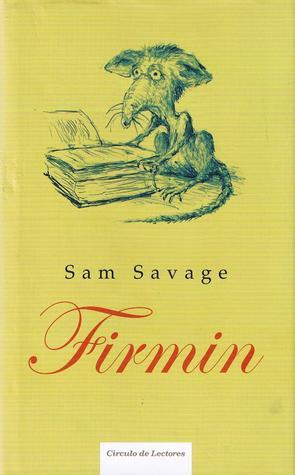
Firmin
Firmin no es una rata cualquiera. Firmin se alimenta de palabras, de frases, de páginas, de historias, de ideas. Hablando claro: Firmin come libros. Sabe que el hambre y estar solo tienen algo en común: provocan un cierto vacío en el vientre que hay que aliviar de alguna manera... Por ejemplo, devorando el conmovedor relato de la rata más entrañable que hasta ahora ha dado la literatura. Buen provecho.
216 pages, Hardcover
First published January 1, 2006
About the author
Sam Savage
28 books113 followersSam Savage was an American novelist and poet. He was a native of South Carolina living in Madison, Wisconsin. He received his bachelor and doctoral degree from Yale University where he taught briefly, and also worked as a bicycle mechanic, carpenter, commercial fisherman, and letterpress printer.
Ratings & Reviews
Friends & Following
Create a free account to discover what your friends think of this book!
Community Reviews
Displaying 1 - 30 of 1,190 reviews

December 29, 2020
Ratte Firmin erzählt uns sein Leben. Aufgewachsen im Keller einer Buchhandlung, beginnt er schon bald, Bücher zu lieben...
Eigentlich eine nette Idee und durchaus gut lesbar. Für mich etwas ungewöhnlich und gewöhnungsbedürftig war die fehlende direkte Rede. Und das ganze Buch war etwas melancholisch geschrieben. Wenn man selbst in einer traurigen Stimmung ist, sollte man dieses Buch lieber nicht lesen.
Ansonsten aber wirklich gut und einfach mal etwas Anderes :)
Eigentlich eine nette Idee und durchaus gut lesbar. Für mich etwas ungewöhnlich und gewöhnungsbedürftig war die fehlende direkte Rede. Und das ganze Buch war etwas melancholisch geschrieben. Wenn man selbst in einer traurigen Stimmung ist, sollte man dieses Buch lieber nicht lesen.
Ansonsten aber wirklich gut und einfach mal etwas Anderes :)

May 25, 2021
این کتاب هم از نظر محتوا و هم ظاهر، ایده درخشانی رو دنبال میکنه.
داستان از زبان یک موش که خورهی کتابه روایت میشه و کلی ارجاع به کتابهای مختلف داره. من عاشق کتابهایی هستم که درباره کتابهان. و این یکی رو خیلی زیاد دوست داشتم.
داستان خیلی پرکشش و جذاب شروع میشه و پایان دراماتیکی داره . اما هرچی از اواسط کتاب به آخر نزدیک میشیم، کشش داستان رو به افول میره و تکراری میشه و امتیاز از دست میده.
من اگر بخوام کسی رو به مطالعه علاقمند کنم، بخصوص اگر نوجوان باشه، این کتاب رو بهش هدیه میدم.
و اخر اینکه، این کتاب رو هم هدیه گرفتم :)
.....
درمورد کتابهام هم نظرم عوض شده. لطفا همرو بدون استثنا، باهام دفن کنید. حالا که فکرشو میکنم میبینم نمیتونم تصور کنم هیچکس جز خودم تن قشنگشون رو لمس کنه و باهاشون خوشحال بشه. اگر جا برای همه نبود، کتابهایی که هدیه گرفتم رو باهام دفن کنید. چون چیزی فراتر از هوس کتاب خوندن اونها رو به من پیوند داده.
تمام.
داستان از زبان یک موش که خورهی کتابه روایت میشه و کلی ارجاع به کتابهای مختلف داره. من عاشق کتابهایی هستم که درباره کتابهان. و این یکی رو خیلی زیاد دوست داشتم.
داستان خیلی پرکشش و جذاب شروع میشه و پایان دراماتیکی داره . اما هرچی از اواسط کتاب به آخر نزدیک میشیم، کشش داستان رو به افول میره و تکراری میشه و امتیاز از دست میده.
من اگر بخوام کسی رو به مطالعه علاقمند کنم، بخصوص اگر نوجوان باشه، این کتاب رو بهش هدیه میدم.
و اخر اینکه، این کتاب رو هم هدیه گرفتم :)
.....
درمورد کتابهام هم نظرم عوض شده. لطفا همرو بدون استثنا، باهام دفن کنید. حالا که فکرشو میکنم میبینم نمیتونم تصور کنم هیچکس جز خودم تن قشنگشون رو لمس کنه و باهاشون خوشحال بشه. اگر جا برای همه نبود، کتابهایی که هدیه گرفتم رو باهام دفن کنید. چون چیزی فراتر از هوس کتاب خوندن اونها رو به من پیوند داده.
تمام.

June 25, 2018
دوستانِ گرانقدر، این کتاب از 184 صفحه و پانزده فصل تشکیل شده است
داستان از زبانِ موشی به نامِ <فرمین> روایت میشود که در یک کتابفروشی در شهر بوستنِ آمریکا به دنیا می آید... فرمین از همان آغاز برایِ سیر کردنِ شکمِ خویش، به خوردنِ کاغذِ کتابهایِ کتابخانه رو می آورد.. با گذشتِ زمان، هم کاغذها را میخورد و هم کتابها را میخواند، تا آنکه به جایی میرسد که تنها کناره هایِ کتابها را خورده و نوشته ها را گاز نزده باقی میگذارد و میلِ به خواندن در او بیشتر از میلِ به خوردن میشود
ذهنِ نویسنده برایِ نوشتنِ این داستان و شخصیت پردازی هایِ او میتواند جالبِ توجه باشد
عزیزانم، خیلی ها از اینکه دیگران مدام آنها را اندرز دهند و به قولِ معروف بنشینند و آنها را به بادِ نصیحت بگیرند، بیزارند.. حتی اگر تمامِ حرفهایی که به آنها زده میشود، حقیقت باشد، بازهم برایِ این دسته حقیقت، بسیار تلخ است.. شاید یکی از راه هایِ رساندنِ منظور ، همین باشد که از زبانِ یک حیوان و یا موجودی خیالی، حرفها و درد و دلها و پیامهایمان را به گوشِ دیگران برسانیم، اینگونه برایشان قابلِ فهم تر است!!!... این داستان نه تنها به زندگیِ این موشِ کتابخوار و کتابخوان میپردازد، بلکه از شخصیت ها و انسانهایِ دیگر همچون نویسنده و صاحبِ کتابخانه که به نوعی با کتابخانه و <فرمین> در ارتباط هستند نیز پرداخته است
در زیر به انتخاب، جملاتی از این کتاب را برایتان مینویسم
---------------------------------------------
عشقى که اصلاً قابلیتِ دو طرفه شدن نداشته باشد، واقعاً میتواند آدم را نابود (داغون) کند
**********************
زندگی ها در داستانها، جهت و معنی دارند.. حتی زندگی هایِ احمقانه و بی معنی، مثلِ زندگیِ لنی در داستانِ "موشها و آدمها"، به واسطهٔ جایگاهشان در داستان، دستِ کم بخاطرِ "زندگی هایِ احمقانه و بی معنی بودن"، شایستگی و معنی، و بخاطرِ نمادِ چیزی بودن، تسلی خاطر پیدا میکند.. در زندگیِ واقعی، آدم حتی این را هم ندارد
**********************
اگر آموزشِ ادبى براىِ یک چیز خوب باشد، همان دادنِ حسِ بدعاقبتى (سرانجامِ تلخ) به آدم است.
**********************
آدم وقتى که حوصله اش سر میرود، میتواند کارهاىِ خیلى بدى بکند، کارهایى که حتماً آدم را بدبخت میکند. در واقع آدم اینکارها را میکند تا بدبخت شود، تا دیگر حوصله اش سر نرود
**********************
در جهان، دو نوع حیوان هست، آنها که از موهبتِ زبان برخوردارند و آنها که نیستند. حیواناتی که از موهبتِ زبان برخوردارند، به نوبهٔ خود به دو دسته تقسیم میشوند: گوینده ها وشونده ها.. بخشِ اعظمِ گروهِ دوم را سگها تشکیل میدهند.امّا سگها چون بی نهایت ابله اند، زبان پریشی شان، با یکجور لذتِ نوکرمأبانه همراه است، که آنرا با دُم تکان دادن نشان میدهند
**********************
هر چقدر هم کوچک باشى، دیوانگی ات میتواند به بزرگىِ دیوانگىِ هر کسِ دیگرى باشد.
**********************
در آفریقا، در دورانِ قحطى، بچه هاىِ گرسنه خاک میخورند. اگر حسابى گرسنه باشى، هرچیزى میخوری. همان عملِ جویدن و قورت دادنِ چیزى، حتى اگر بدن را تغذیه نکند، رویاهایت را تغذیه میکند. و رویاىِ غذا، درست مثلِ رویاهاىِ دیگر است، میتوانی تا لحظهٔ مرگ با آنها زندگى کنى
---------------------------------------------
امیدوارم این ریویو در جهتِ آشنایی با این کتاب، کافی و مفید بوده باشه
<پیروز باشید و ایرانی>
داستان از زبانِ موشی به نامِ <فرمین> روایت میشود که در یک کتابفروشی در شهر بوستنِ آمریکا به دنیا می آید... فرمین از همان آغاز برایِ سیر کردنِ شکمِ خویش، به خوردنِ کاغذِ کتابهایِ کتابخانه رو می آورد.. با گذشتِ زمان، هم کاغذها را میخورد و هم کتابها را میخواند، تا آنکه به جایی میرسد که تنها کناره هایِ کتابها را خورده و نوشته ها را گاز نزده باقی میگذارد و میلِ به خواندن در او بیشتر از میلِ به خوردن میشود
ذهنِ نویسنده برایِ نوشتنِ این داستان و شخصیت پردازی هایِ او میتواند جالبِ توجه باشد
عزیزانم، خیلی ها از اینکه دیگران مدام آنها را اندرز دهند و به قولِ معروف بنشینند و آنها را به بادِ نصیحت بگیرند، بیزارند.. حتی اگر تمامِ حرفهایی که به آنها زده میشود، حقیقت باشد، بازهم برایِ این دسته حقیقت، بسیار تلخ است.. شاید یکی از راه هایِ رساندنِ منظور ، همین باشد که از زبانِ یک حیوان و یا موجودی خیالی، حرفها و درد و دلها و پیامهایمان را به گوشِ دیگران برسانیم، اینگونه برایشان قابلِ فهم تر است!!!... این داستان نه تنها به زندگیِ این موشِ کتابخوار و کتابخوان میپردازد، بلکه از شخصیت ها و انسانهایِ دیگر همچون نویسنده و صاحبِ کتابخانه که به نوعی با کتابخانه و <فرمین> در ارتباط هستند نیز پرداخته است
در زیر به انتخاب، جملاتی از این کتاب را برایتان مینویسم
---------------------------------------------
عشقى که اصلاً قابلیتِ دو طرفه شدن نداشته باشد، واقعاً میتواند آدم را نابود (داغون) کند
**********************
زندگی ها در داستانها، جهت و معنی دارند.. حتی زندگی هایِ احمقانه و بی معنی، مثلِ زندگیِ لنی در داستانِ "موشها و آدمها"، به واسطهٔ جایگاهشان در داستان، دستِ کم بخاطرِ "زندگی هایِ احمقانه و بی معنی بودن"، شایستگی و معنی، و بخاطرِ نمادِ چیزی بودن، تسلی خاطر پیدا میکند.. در زندگیِ واقعی، آدم حتی این را هم ندارد
**********************
اگر آموزشِ ادبى براىِ یک چیز خوب باشد، همان دادنِ حسِ بدعاقبتى (سرانجامِ تلخ) به آدم است.
**********************
آدم وقتى که حوصله اش سر میرود، میتواند کارهاىِ خیلى بدى بکند، کارهایى که حتماً آدم را بدبخت میکند. در واقع آدم اینکارها را میکند تا بدبخت شود، تا دیگر حوصله اش سر نرود
**********************
در جهان، دو نوع حیوان هست، آنها که از موهبتِ زبان برخوردارند و آنها که نیستند. حیواناتی که از موهبتِ زبان برخوردارند، به نوبهٔ خود به دو دسته تقسیم میشوند: گوینده ها وشونده ها.. بخشِ اعظمِ گروهِ دوم را سگها تشکیل میدهند.امّا سگها چون بی نهایت ابله اند، زبان پریشی شان، با یکجور لذتِ نوکرمأبانه همراه است، که آنرا با دُم تکان دادن نشان میدهند
**********************
هر چقدر هم کوچک باشى، دیوانگی ات میتواند به بزرگىِ دیوانگىِ هر کسِ دیگرى باشد.
**********************
در آفریقا، در دورانِ قحطى، بچه هاىِ گرسنه خاک میخورند. اگر حسابى گرسنه باشى، هرچیزى میخوری. همان عملِ جویدن و قورت دادنِ چیزى، حتى اگر بدن را تغذیه نکند، رویاهایت را تغذیه میکند. و رویاىِ غذا، درست مثلِ رویاهاىِ دیگر است، میتوانی تا لحظهٔ مرگ با آنها زندگى کنى
---------------------------------------------
امیدوارم این ریویو در جهتِ آشنایی با این کتاب، کافی و مفید بوده باشه
<پیروز باشید و ایرانی>

October 14, 2021
إنها فكرة رائعة فكيف كون التصورات عندما تأتي الأفكار من منظور (فأري) ما هي نظرته للبشر ،كيف يقوم أفكارهم وطباعهم وهواجسهم
فأر يعيش في مكتبة ، يقتات على أفكارالكتب ويراقب البشر ليلاً ،،فأر يحلم أن يمتلك جينات بشرية لأنه أحب البشر فقرأ
الكتب وأبدع في طيات هذا الكتاب في أن يهدينا شذرات لمقاطع عن أهم الروائيين والممثلين والشعراء وغيرهم
.لغة بليغة وفكرة رائعة تجعلك تلهث وراء سطور الكتاب وتقتفي أثر كل المعاني ..…رائعة
فأر يعيش في مكتبة ، يقتات على أفكارالكتب ويراقب البشر ليلاً ،،فأر يحلم أن يمتلك جينات بشرية لأنه أحب البشر فقرأ
الكتب وأبدع في طيات هذا الكتاب في أن يهدينا شذرات لمقاطع عن أهم الروائيين والممثلين والشعراء وغيرهم
.لغة بليغة وفكرة رائعة تجعلك تلهث وراء سطور الكتاب وتقتفي أثر كل المعاني ..…رائعة

August 12, 2018
قشنگ بوداااا 😊
اول این و بگم ک مالیخولیایی شدم فک کنم😅
امشب لحظه تموم کردن کتاب تو پارک بودم
نگم براتون ک هرلحظه میخواستم ی موشی پیدا شه ببینم با کتاب رو زیراندازم چیکار میکنه
فک کنم موش هایی ک ازین ببعد ببینم برام کمتر چندشناک باشند
برام کتاب دوست داشتنی ای بود
با خودم میگفتم بِین خوندنش که اگه خواستم ی روز کتاب بنویسم مطمئنن تو حال و هوا کتابا باشه
فک کنم هرچی که باشه بازم ب دل یک کتاب خون بشینه
اول این و بگم ک مالیخولیایی شدم فک کنم😅
امشب لحظه تموم کردن کتاب تو پارک بودم
نگم براتون ک هرلحظه میخواستم ی موشی پیدا شه ببینم با کتاب رو زیراندازم چیکار میکنه
فک کنم موش هایی ک ازین ببعد ببینم برام کمتر چندشناک باشند
برام کتاب دوست داشتنی ای بود
با خودم میگفتم بِین خوندنش که اگه خواستم ی روز کتاب بنویسم مطمئنن تو حال و هوا کتابا باشه
فک کنم هرچی که باشه بازم ب دل یک کتاب خون بشینه

April 6, 2022
1,5. Firmin no es una rata como las demás. Ya desde su nacimiento era muy diferente a sus hermanas y hermanos, y su tamaño y debilidad hacía difícil que llegara a alimentarse como el resto. Un día no puede aguantar más el hambre y decide comerse una de las hojas arrancadas de un libro, que les servía de cama a él y a su familia. Desde entonces, Firmin comienza a alimentarse de libros, y conforme va ingiriendo estos, aprende y memoriza todo lo que está escrito en ellos. Comienza así la historia de Firmin y su amor por la literatura.
Pinta muy tierno, ¿no? Pues, para mí, nada más lejos de la realidad. Se avecina opinión extremadamente impopular, pero debo confesar que Firmin me ha parecido de todo menos tierno. De hecho, pocas cosas me pueden parecer menos tiernas, y diría que es justo lo contrario. El relato de los deseos y los actos de Firmin me ha parecido muy turbio, y me ha dado muy mal rollo en muchas ocasiones. Mientras lo leía, alucinaba pensando que durante muchos años he visto bastantes reseñas hablando de lo tierna que era esta obra, y he llegado hasta a dudar de que la culpa fuese mía. Os voy a nombrar algunos detalles, porque ahora que he acabado la obra, sigo sin entender dónde está lo tierno. Y mira que he tratado de buscarlo.
Nos encontramos con que Firmin es una rata macho al que se humaniza desde las primeras páginas. Su voz es la de un hombre humano. Desde el principio Firmin suelta comentarios sobre la belleza femenina humana, sobre los cuerpos de estas y sobre sus pechos. Derivando esto en una horrible escena donde después de contemplar y alabar la imagen de varias mujeres con poca ropa, mira a su hermana rata, que va moviéndose delante de él, y la viola. Y sí, el mismo personaje usa la palabra violación. Y lo justifica en ese momento y, en otros muchos más, con la típica frase que estamos hasta la coronilla de oír “un macho (sea de la especie que sea) no puede resistirse ante el contoneo o la belleza femenina”. Si la rata fuera una rata de verdad, y no pareciera un hombre encerrado en el cuerpo de esta, no pasaría de ser raro y ya está, pero siendo como es la historia, me resulta, por lo menos, preocupante y turbio.
Pero esto no es lo único, sabemos que la gran pasión de Firmin son los libros, ya que tanto los lee, como se alimenta de ellos. Pero algo que la sinopsis no revela, y que en pocas reseñas he visto nombrar, es que tiene una segunda pasión: se dedica a deleitarse con las mujeres que aparecen en las películas pornográficas de la sesión nocturna del cine al que acude a buscar restos de comida. Sí, la rata se excita con la pornografía humana, y con las mujeres que aparecen allí, a las que llama “ángeles”. De hecho, tiene hasta visiones donde cierta actriz famosa se frota distintas partes de su anatomía con el cuerpo de Firmin, mientras este disfruta de lo lindo.
Después de esto, no puedo culparme a mí mismo de que “Firmin” no me haya gustado prácticamente nada. Porque estas cosas no pasan en un capítulo, se repiten durante toda la novela. Si a esto le añadimos detalles como que el autor a veces resulta algo pedantillo y que menciona 989849829421 novelas o autores, pero creo recordar que solo 3 son mujeres, pues termina de confirmar lo rancio que me ha parecido todo. Y la novela es de 2006 ¿eh? Mientras la leía, incluso busqué cuando se publicó porque me dio la impresión que era más antigua, pero no. Lo que más me ha gustado no tiene nada que ver con la trama, y son las dos obras que Firmin lee de un escritor de ciencia ficción que es protagonista en la historia y me han gustado tanto, que he deseado que existieran de verdad. En fin, ¿ha sido una decepción? Sí. ¿La peor lectura del año? Por supuesto.
Pinta muy tierno, ¿no? Pues, para mí, nada más lejos de la realidad. Se avecina opinión extremadamente impopular, pero debo confesar que Firmin me ha parecido de todo menos tierno. De hecho, pocas cosas me pueden parecer menos tiernas, y diría que es justo lo contrario. El relato de los deseos y los actos de Firmin me ha parecido muy turbio, y me ha dado muy mal rollo en muchas ocasiones. Mientras lo leía, alucinaba pensando que durante muchos años he visto bastantes reseñas hablando de lo tierna que era esta obra, y he llegado hasta a dudar de que la culpa fuese mía. Os voy a nombrar algunos detalles, porque ahora que he acabado la obra, sigo sin entender dónde está lo tierno. Y mira que he tratado de buscarlo.
Nos encontramos con que Firmin es una rata macho al que se humaniza desde las primeras páginas. Su voz es la de un hombre humano. Desde el principio Firmin suelta comentarios sobre la belleza femenina humana, sobre los cuerpos de estas y sobre sus pechos. Derivando esto en una horrible escena donde después de contemplar y alabar la imagen de varias mujeres con poca ropa, mira a su hermana rata, que va moviéndose delante de él, y la viola. Y sí, el mismo personaje usa la palabra violación. Y lo justifica en ese momento y, en otros muchos más, con la típica frase que estamos hasta la coronilla de oír “un macho (sea de la especie que sea) no puede resistirse ante el contoneo o la belleza femenina”. Si la rata fuera una rata de verdad, y no pareciera un hombre encerrado en el cuerpo de esta, no pasaría de ser raro y ya está, pero siendo como es la historia, me resulta, por lo menos, preocupante y turbio.
Pero esto no es lo único, sabemos que la gran pasión de Firmin son los libros, ya que tanto los lee, como se alimenta de ellos. Pero algo que la sinopsis no revela, y que en pocas reseñas he visto nombrar, es que tiene una segunda pasión: se dedica a deleitarse con las mujeres que aparecen en las películas pornográficas de la sesión nocturna del cine al que acude a buscar restos de comida. Sí, la rata se excita con la pornografía humana, y con las mujeres que aparecen allí, a las que llama “ángeles”. De hecho, tiene hasta visiones donde cierta actriz famosa se frota distintas partes de su anatomía con el cuerpo de Firmin, mientras este disfruta de lo lindo.
Después de esto, no puedo culparme a mí mismo de que “Firmin” no me haya gustado prácticamente nada. Porque estas cosas no pasan en un capítulo, se repiten durante toda la novela. Si a esto le añadimos detalles como que el autor a veces resulta algo pedantillo y que menciona 989849829421 novelas o autores, pero creo recordar que solo 3 son mujeres, pues termina de confirmar lo rancio que me ha parecido todo. Y la novela es de 2006 ¿eh? Mientras la leía, incluso busqué cuando se publicó porque me dio la impresión que era más antigua, pero no. Lo que más me ha gustado no tiene nada que ver con la trama, y son las dos obras que Firmin lee de un escritor de ciencia ficción que es protagonista en la historia y me han gustado tanto, que he deseado que existieran de verdad. En fin, ¿ha sido una decepción? Sí. ¿La peor lectura del año? Por supuesto.

April 12, 2009
so i bought this years ago and didn't read it. and then the new, even cuter edition came out so i had to get it again, but actually read it this time because i am a sucker for cool book design. and i'm glad, because it's not a cute book, despite its illustrations and little ratbite cutout. it's more sad than cute, and it is definitely not for kids. and i am a grown up!! (she says, eating all the candy from the basket daddy sent for easter...)
 come to my blog!
come to my blog!
August 31, 2025
Each book I read offers a new perspective. In this post, I share my thoughts on this book in Persian and English. I hope this will be enjoyable for you :)
هر کتابی که می خوانم دریچه ای به دنیایی جدید است. تو این نوشته دیدگاه و تجربه ام از مطالعه ی این کتاب رو به دو زبان فارسی و انگلیسی با شما به اشتراک می ذارم امیدوارم خوندنش براتون لذتبخش باشه :)
Persian (فارسی)
در جهانی که کتابها آرام آرام از قفسهها به حاشیهی زندگی رانده میشوند، یک موش کوچک، بیصدا و بیادعا، در دل تاریکی کتابفروشیای متروک، به چیزی فراتر از بقا میاندیشد. فرمین نه فقط یک موش است، نه فقط یک عاشق کتاب، بلکه آینهایست برای تمام آنهایی که در سکوت، با کلمات نفس میکشند و با خیال، جهان را بازسازی میکنند.
این رمان کوتاه، با نثری شاعرانه و طنزی تلخ، خواننده را به سفری درونی میبرد؛ سفری از غریزه به اندیشه، از تنهایی به معنا، و از حاشیه به مرکز.
فرمین؛ موشی با دغدغه های مشابه انسانی 🐭
فرمین در دل یک کتابفروشی قدیمی به دنیا میآید؛ جایی که بوی کاغذ و خاطره در هوا پیچیده. او ابتدا کتابها را میجود، اما خیلی زود درمییابد که چیزی فراتر از طعم کاغذ در آنها نهفته است. این گذار از خوردن به خواندن، استعارهایست از میل به فهمیدن، از عبور از سطح به عمق.
نویسنده با بهرهگیری از ویژگیهای زیستی موشها—مثل ترس، پنهانکاری، و میل به بقا—شخصیتی خلق کرده که هم واقعیست، هم نمادین. فرمین، با تمام کوچکیاش، دغدغههایی دارد که بسیار انسانیاند: تنهایی، طردشدگی، میل به ارتباط، و اشتیاق به معنا.
زبان طنزآمیز، نگاهی فلسفی 🎭
نثر کتاب، ترکیبیست از طنز تلخ، شاعرانگی، و تأمل. فرمین با صدایی که گاه کودکانه و گاه عمیق است، جهان اطرافش را روایت میکند. او با طعنه به رفتار انسانها مینگرد، با حسرت به دنیای کتابها پناه میبرد، و با شوق به سینمای کلاسیک دل میبندد.
علاقهی او به فرد آستر و فیلمهای قدیمی، نه فقط یک علاقهی شخصی، بلکه نمادیست از پناه بردن به زیبایی، به هنر، به جهانی که در آن رقص و خیال هنوز معنا دارند.
پسزمینهی فرهنگی و اجتماعی 🧠
داستان در دههی ۶۰ میلادی در آمریکا روایت میشود؛ دورهای پرتنش از نظر سیاسی، فرهنگی، و اقتصادی. فرمین در دل این جامعهی در حال گذار، به نوعی نماد روشنفکر منزوی، هنرمند طردشده، و انسانیست که در جستوجوی معنا، به حاشیه رانده شده.
کتابفروشی، خانهی او، نماد فرهنگ در حال انقراض است. و فرمین، با تمام تلاشش برای درک انسانها، نماد آنهاییست که هنوز به ارزشهای انسانی باور دارند، حتی اگر کسی صدایشان را نشنود.
مخاطب هدف؛ نه برای کودکان 👶
با وجود عنوان و تصویر جلد، فرمین به هیچوجه کتابی کودکانه نیست. این نکتهایست که باید با جدیت به آن توجه شود.
- محتوای فلسفی و روانشناختی: دغدغههای فرمین—از بحران هویت تا میل به معنا—برای ذهن کودک قابل درک نیستند.
- طنز تلخ و استعارههای پیچیده: خوردن کتابها، نمادیست از مصرفگرایی فرهنگی و میل به فهمیدن چیزی فراتر از دسترس. این نوع نمادپردازی، نیازمند تجربهی زیسته و تحلیل ذهنیست.
- ارجاعهای فرهنگی و هنری: علاقهی فرمین به سینمای کلاسیک، نویسندگان بزرگ، و مفاهیم انتزاعی، برای مخاطب بزرگسال طراحی شده.
- پایانبندی باز و تأملبرانگیز: نه قهرمانانه است، نه قطعی. بیشتر شبیه یک مکاشفهی درونیست که ذهن بالغ را درگیر میکند.
اگرچه ظاهر کتاب ممکن است مخاطب را به اشتباه بیندازد، اما محتوای آن بهوضوح برای بزرگسالان نوشته شده—برای آنهایی که با تنهایی، با معنا، و با هنر درگیرند.
تجربهی دوباره؛ کشف دوباره 🔄
خواندن فرمین برای بار دوم، تجربهایست شگفتانگیز. وقتی نوجوان بودم، این کتاب را با چشمانی تازهوارد به دنیای ادبیات دیدم؛ با شوق، با حیرت، با بیقراری. حالا، با نگاهی پختهتر، میبینم چقدر دیدگاهم تغییر کرده، چقدر معناها عمیقتر شدهاند، و چقدر فرمین هنوز هم با من حرف میزند—شاید حتی بیشتر از قبل.
این کتاب، آینهایست برای دیدن خودمان؛ برای دیدن آن فرمین درون که در سکوت، در تاریکی، در میان قفسهها، به دنبال معنا میگردد.
ترجمهی فارسی؛ وفادار و هنرمندانه 📚
ترجمهی پوپه میثاقی از نشر مرکز، بیاغراق بهترین انتخاب برای خواندن این اثر به فارسیست. نثر روان، وفاداری به لحن طنزآمیز نویسنده، و طراحی جلد خلاقانه، همگی نشان از دقت و عشق به ادبیات دارند. این ترجمه، نه فقط انتقال زبان، بلکه انتقال روح اثر است.
تأملی پایانی 🌌
در پایان، فرمین فقط یک موش نیست. او استعارهایست از آن بخش خاموش و پنهان درون ما—بخشی که در سکوت، در سایه، و در حاشیه، به دنبال معنا میگردد.
او نماد تمام لحظاتیست که با یک جملهی ساده، با یک صحنهی کلاسیک، یا با یک کتاب کهنه، چیزی درونمان تکان میخورد. نماد آن اشتیاق بیپایان برای فهمیدن، برای لمس کردن زیبایی، برای زنده بودن در جهانی که گاهی بیش از حد واقعیست.
و شاید، اگر خوب گوش کنیم، صدای خشخش قدمهایش را هنوز بشنویم—نه در راهروهای کتابفروشی، بلکه در پیچوخم ذهنمان.
فرمین فقط در صفحات کتاب زندگی نمیکند؛ او در لحظههایی ظاهر میشود که با یک جمله متحول میشویم، با یک فیلم قدیمی بغض میکنیم، یا با یک کتاب کهنه، دوباره به خودمان نزدیک میشویم.
او آن صدای درونیست که وقتی جهان بیرون بیرحم میشود، ما را به پناهگاه کلمات میبرد.
فرمین، موش کتابخوان، شاید کوچک باشد، اما ردّ پاهایش در ذهن خواننده، بزرگ و ماندگار است.
English (انگلیسی)
In a world where books are slowly pushed from the shelves to the margins of life, a small, quiet, unassuming mouse contemplates something far beyond mere survival—nestled in the shadows of an abandoned bookstore. Firmin is not just a mouse, a book lover, but a mirror held up to those who breathe through words and rebuild the world through imagination.
This short novel, with its poetic prose and bitter humor, takes the reader on an inward journey—from instinct to intellect, from solitude to meaning, from the margins to the center.
Firmin: A Mouse With human-like concerns 🐭
Firmin is born in the heart of an old bookstore, where the air is thick with the scent of paper and memory. At first, he chews on books, but soon realizes there’s something far richer than the taste of paper hidden within them. This transition—from devouring to reading—is a metaphor for the desire to understand, to move from surface to depth.
By drawing on the biological traits of mice—fear, secrecy, survival—the author creates a character that is both realistic and symbolic. Firmin, despite his smallness, wrestles with deeply human concerns: loneliness, rejection, the longing for connection, and the hunger for meaning.
A Humorous Voice, A Philosophical Gaze🎭
The prose blends bitter wit with lyricism and reflection. Firmin speaks with a voice that is at times childlike, at times profound. He observes human behavior with irony, seeks refuge in the world of books, and falls in love with classic cinema.
His affection for Fred Astaire and old films is not just a personal quirk—it’s a symbol of his yearning for beauty, art, and a world where dance and fantasy still hold meaning.
Cultural and Social Backdrop 🧠
Set in 1960s America—a time of political, cultural, and economic upheaval—Firmin’s story unfolds in a society undergoing rapid transformation. He becomes a symbol of the isolated intellectual, the rejected artist, the human being searching for meaning in a world that often ignores such quests.
The bookstore, his home, stands as a metaphor for a vanishing culture. And Firmin, in his quiet attempts to understand humanity, represents those who still believe in human values, even when no one seems to hear them.
Target Audience: Not for Children 👶
Despite its title and cover art, Firmin is decidedly not a children’s book. This is a point that must be taken seriously.
- Philosophical and psychological depth: Firmin’s struggles—with identity, with meaning—are far beyond a child’s cognitive grasp.
- Dark humor and layered metaphors: His act of eating books is a metaphor for cultural consumerism and the yearning to grasp the unreachable. Such symbolism requires lived experience and intellectual maturity.
- Cultural and artistic references: Firmin’s love for classic cinema, literary giants, and abstract ideas is tailored for an adult audience.
- Open-ended, introspective conclusion: The ending is neither heroic nor definitive. It’s more of an internal reckoning—one that engages a mature mind.
Though the book’s appearance may mislead, its content is unmistakably crafted for adults—for those entangled with solitude, meaning, and art.
Reading It Again: Rediscovering again🔄
Reading Firmin a second time is a wondrous experience. As a teenager, I approached it with wide-eyed wonder, with excitement and restlessness. Now, with a more seasoned perspective, I see how my views have evolved, how the meanings have deepened, and how Firmin still speaks to me—perhaps even more than before.
This book is a mirror—reflecting not just Firmin, but ourselves. That quiet creature within us, wandering through the shelves, searching for something that feels true.
The Persian Translation: Faithful and Artful 📚
Poupeh Misaghi’s Persian translation, published by Nashr-e Markaz, is without exaggeration the finest way to experience this novel in Farsi. The fluid prose, the translator’s fidelity to the author’s ironic tone, and the publisher’s creative cover design all reflect a deep love for literature. This translation doesn’t merely carry the language—it carries the soul of the work.
A Closing Reflection 🌌
Firmin is not just a mouse. He is a metaphor for that quiet, hidden part of ourselves—the part that searches for meaning in silence, in shadows, on the margins.
He embodies those moments when a single sentence stirs something inside us, when a classic film brings tears to our eyes, and when an old book draws us closer to who we are. He is the voice within that, when the outside world turns cruel, leads us back to the sanctuary of words.
And if we listen closely, we might still hear the soft rustle of his footsteps—not in bookstore aisles, but in the winding corridors of our minds.
Firmin doesn’t live only in the pages of a book. He appears in those fleeting moments when a line transforms us, when a vintage film makes us ache, when a worn-out paperback reminds us of ourselves.
He is that inner voice that, when the world grows harsh, gently guides us back to the refuge of language.
Firmin, the book-loving mouse, may be small—but the imprint he leaves on a reader’s mind is vast and enduring.
هر کتابی که می خوانم دریچه ای به دنیایی جدید است. تو این نوشته دیدگاه و تجربه ام از مطالعه ی این کتاب رو به دو زبان فارسی و انگلیسی با شما به اشتراک می ذارم امیدوارم خوندنش براتون لذتبخش باشه :)
Persian (فارسی)
در جهانی که کتابها آرام آرام از قفسهها به حاشیهی زندگی رانده میشوند، یک موش کوچک، بیصدا و بیادعا، در دل تاریکی کتابفروشیای متروک، به چیزی فراتر از بقا میاندیشد. فرمین نه فقط یک موش است، نه فقط یک عاشق کتاب، بلکه آینهایست برای تمام آنهایی که در سکوت، با کلمات نفس میکشند و با خیال، جهان را بازسازی میکنند.
این رمان کوتاه، با نثری شاعرانه و طنزی تلخ، خواننده را به سفری درونی میبرد؛ سفری از غریزه به اندیشه، از تنهایی به معنا، و از حاشیه به مرکز.
فرمین؛ موشی با دغدغه های مشابه انسانی 🐭
فرمین در دل یک کتابفروشی قدیمی به دنیا میآید؛ جایی که بوی کاغذ و خاطره در هوا پیچیده. او ابتدا کتابها را میجود، اما خیلی زود درمییابد که چیزی فراتر از طعم کاغذ در آنها نهفته است. این گذار از خوردن به خواندن، استعارهایست از میل به فهمیدن، از عبور از سطح به عمق.
نویسنده با بهرهگیری از ویژگیهای زیستی موشها—مثل ترس، پنهانکاری، و میل به بقا—شخصیتی خلق کرده که هم واقعیست، هم نمادین. فرمین، با تمام کوچکیاش، دغدغههایی دارد که بسیار انسانیاند: تنهایی، طردشدگی، میل به ارتباط، و اشتیاق به معنا.
زبان طنزآمیز، نگاهی فلسفی 🎭
نثر کتاب، ترکیبیست از طنز تلخ، شاعرانگی، و تأمل. فرمین با صدایی که گاه کودکانه و گاه عمیق است، جهان اطرافش را روایت میکند. او با طعنه به رفتار انسانها مینگرد، با حسرت به دنیای کتابها پناه میبرد، و با شوق به سینمای کلاسیک دل میبندد.
علاقهی او به فرد آستر و فیلمهای قدیمی، نه فقط یک علاقهی شخصی، بلکه نمادیست از پناه بردن به زیبایی، به هنر، به جهانی که در آن رقص و خیال هنوز معنا دارند.
پسزمینهی فرهنگی و اجتماعی 🧠
داستان در دههی ۶۰ میلادی در آمریکا روایت میشود؛ دورهای پرتنش از نظر سیاسی، فرهنگی، و اقتصادی. فرمین در دل این جامعهی در حال گذار، به نوعی نماد روشنفکر منزوی، هنرمند طردشده، و انسانیست که در جستوجوی معنا، به حاشیه رانده شده.
کتابفروشی، خانهی او، نماد فرهنگ در حال انقراض است. و فرمین، با تمام تلاشش برای درک انسانها، نماد آنهاییست که هنوز به ارزشهای انسانی باور دارند، حتی اگر کسی صدایشان را نشنود.
مخاطب هدف؛ نه برای کودکان 👶
با وجود عنوان و تصویر جلد، فرمین به هیچوجه کتابی کودکانه نیست. این نکتهایست که باید با جدیت به آن توجه شود.
- محتوای فلسفی و روانشناختی: دغدغههای فرمین—از بحران هویت تا میل به معنا—برای ذهن کودک قابل درک نیستند.
- طنز تلخ و استعارههای پیچیده: خوردن کتابها، نمادیست از مصرفگرایی فرهنگی و میل به فهمیدن چیزی فراتر از دسترس. این نوع نمادپردازی، نیازمند تجربهی زیسته و تحلیل ذهنیست.
- ارجاعهای فرهنگی و هنری: علاقهی فرمین به سینمای کلاسیک، نویسندگان بزرگ، و مفاهیم انتزاعی، برای مخاطب بزرگسال طراحی شده.
- پایانبندی باز و تأملبرانگیز: نه قهرمانانه است، نه قطعی. بیشتر شبیه یک مکاشفهی درونیست که ذهن بالغ را درگیر میکند.
اگرچه ظاهر کتاب ممکن است مخاطب را به اشتباه بیندازد، اما محتوای آن بهوضوح برای بزرگسالان نوشته شده—برای آنهایی که با تنهایی، با معنا، و با هنر درگیرند.
تجربهی دوباره؛ کشف دوباره 🔄
خواندن فرمین برای بار دوم، تجربهایست شگفتانگیز. وقتی نوجوان بودم، این کتاب را با چشمانی تازهوارد به دنیای ادبیات دیدم؛ با شوق، با حیرت، با بیقراری. حالا، با نگاهی پختهتر، میبینم چقدر دیدگاهم تغییر کرده، چقدر معناها عمیقتر شدهاند، و چقدر فرمین هنوز هم با من حرف میزند—شاید حتی بیشتر از قبل.
این کتاب، آینهایست برای دیدن خودمان؛ برای دیدن آن فرمین درون که در سکوت، در تاریکی، در میان قفسهها، به دنبال معنا میگردد.
ترجمهی فارسی؛ وفادار و هنرمندانه 📚
ترجمهی پوپه میثاقی از نشر مرکز، بیاغراق بهترین انتخاب برای خواندن این اثر به فارسیست. نثر روان، وفاداری به لحن طنزآمیز نویسنده، و طراحی جلد خلاقانه، همگی نشان از دقت و عشق به ادبیات دارند. این ترجمه، نه فقط انتقال زبان، بلکه انتقال روح اثر است.
تأملی پایانی 🌌
در پایان، فرمین فقط یک موش نیست. او استعارهایست از آن بخش خاموش و پنهان درون ما—بخشی که در سکوت، در سایه، و در حاشیه، به دنبال معنا میگردد.
او نماد تمام لحظاتیست که با یک جملهی ساده، با یک صحنهی کلاسیک، یا با یک کتاب کهنه، چیزی درونمان تکان میخورد. نماد آن اشتیاق بیپایان برای فهمیدن، برای لمس کردن زیبایی، برای زنده بودن در جهانی که گاهی بیش از حد واقعیست.
و شاید، اگر خوب گوش کنیم، صدای خشخش قدمهایش را هنوز بشنویم—نه در راهروهای کتابفروشی، بلکه در پیچوخم ذهنمان.
فرمین فقط در صفحات کتاب زندگی نمیکند؛ او در لحظههایی ظاهر میشود که با یک جمله متحول میشویم، با یک فیلم قدیمی بغض میکنیم، یا با یک کتاب کهنه، دوباره به خودمان نزدیک میشویم.
او آن صدای درونیست که وقتی جهان بیرون بیرحم میشود، ما را به پناهگاه کلمات میبرد.
فرمین، موش کتابخوان، شاید کوچک باشد، اما ردّ پاهایش در ذهن خواننده، بزرگ و ماندگار است.
English (انگلیسی)
In a world where books are slowly pushed from the shelves to the margins of life, a small, quiet, unassuming mouse contemplates something far beyond mere survival—nestled in the shadows of an abandoned bookstore. Firmin is not just a mouse, a book lover, but a mirror held up to those who breathe through words and rebuild the world through imagination.
This short novel, with its poetic prose and bitter humor, takes the reader on an inward journey—from instinct to intellect, from solitude to meaning, from the margins to the center.
Firmin: A Mouse With human-like concerns 🐭
Firmin is born in the heart of an old bookstore, where the air is thick with the scent of paper and memory. At first, he chews on books, but soon realizes there’s something far richer than the taste of paper hidden within them. This transition—from devouring to reading—is a metaphor for the desire to understand, to move from surface to depth.
By drawing on the biological traits of mice—fear, secrecy, survival—the author creates a character that is both realistic and symbolic. Firmin, despite his smallness, wrestles with deeply human concerns: loneliness, rejection, the longing for connection, and the hunger for meaning.
A Humorous Voice, A Philosophical Gaze🎭
The prose blends bitter wit with lyricism and reflection. Firmin speaks with a voice that is at times childlike, at times profound. He observes human behavior with irony, seeks refuge in the world of books, and falls in love with classic cinema.
His affection for Fred Astaire and old films is not just a personal quirk—it’s a symbol of his yearning for beauty, art, and a world where dance and fantasy still hold meaning.
Cultural and Social Backdrop 🧠
Set in 1960s America—a time of political, cultural, and economic upheaval—Firmin’s story unfolds in a society undergoing rapid transformation. He becomes a symbol of the isolated intellectual, the rejected artist, the human being searching for meaning in a world that often ignores such quests.
The bookstore, his home, stands as a metaphor for a vanishing culture. And Firmin, in his quiet attempts to understand humanity, represents those who still believe in human values, even when no one seems to hear them.
Target Audience: Not for Children 👶
Despite its title and cover art, Firmin is decidedly not a children’s book. This is a point that must be taken seriously.
- Philosophical and psychological depth: Firmin’s struggles—with identity, with meaning—are far beyond a child’s cognitive grasp.
- Dark humor and layered metaphors: His act of eating books is a metaphor for cultural consumerism and the yearning to grasp the unreachable. Such symbolism requires lived experience and intellectual maturity.
- Cultural and artistic references: Firmin’s love for classic cinema, literary giants, and abstract ideas is tailored for an adult audience.
- Open-ended, introspective conclusion: The ending is neither heroic nor definitive. It’s more of an internal reckoning—one that engages a mature mind.
Though the book’s appearance may mislead, its content is unmistakably crafted for adults—for those entangled with solitude, meaning, and art.
Reading It Again: Rediscovering again🔄
Reading Firmin a second time is a wondrous experience. As a teenager, I approached it with wide-eyed wonder, with excitement and restlessness. Now, with a more seasoned perspective, I see how my views have evolved, how the meanings have deepened, and how Firmin still speaks to me—perhaps even more than before.
This book is a mirror—reflecting not just Firmin, but ourselves. That quiet creature within us, wandering through the shelves, searching for something that feels true.
The Persian Translation: Faithful and Artful 📚
Poupeh Misaghi’s Persian translation, published by Nashr-e Markaz, is without exaggeration the finest way to experience this novel in Farsi. The fluid prose, the translator’s fidelity to the author’s ironic tone, and the publisher’s creative cover design all reflect a deep love for literature. This translation doesn’t merely carry the language—it carries the soul of the work.
A Closing Reflection 🌌
Firmin is not just a mouse. He is a metaphor for that quiet, hidden part of ourselves—the part that searches for meaning in silence, in shadows, on the margins.
He embodies those moments when a single sentence stirs something inside us, when a classic film brings tears to our eyes, and when an old book draws us closer to who we are. He is the voice within that, when the outside world turns cruel, leads us back to the sanctuary of words.
And if we listen closely, we might still hear the soft rustle of his footsteps—not in bookstore aisles, but in the winding corridors of our minds.
Firmin doesn’t live only in the pages of a book. He appears in those fleeting moments when a line transforms us, when a vintage film makes us ache, when a worn-out paperback reminds us of ourselves.
He is that inner voice that, when the world grows harsh, gently guides us back to the refuge of language.
Firmin, the book-loving mouse, may be small—but the imprint he leaves on a reader’s mind is vast and enduring.

August 4, 2024
و این لازم نیست داستان ها را باور کنی تا دوستشان داشته باشی.من همه ی داستان ها را دوست دارم.توالی آغاز، میانه، و پایان را دوست دارم. انباشت آرام معنا را دوست دارم، چشم انداز های مه آلود خیال را، مسیرهای پیچ در پیچ، دامنه های جنگلی، برکه های چون آینه، چرخش های تراژیک و سکندری خوردن های کمدی را.
.
یکبار مردی از من پرسید کتاب ها چه مزه ای دارند، حالا دقیقش را هم نگفتی، نگفتی.جوابش را از قبل آماده داشتم، اما برای این که کاری نکرده باشم که او از بیخ احساس حماقت کند، کمی وانمود کردم دارم به سؤالش فکر می کنم و بعد گفتم رفیق، بادر نظر گرفتن شکاف عمیقی که میان تمامی تجربیات شما و من وجود دارد، برای اینکه نزدیک ترین طعم را به آن طعم منحصر به فرد به شما نشان دهم باید بگویم که کتاب ها، همین طوری اش را اگر بخواهید، همان طعم بوی قهوه را میدهند.
.
جری همیشه می گفت آدم اگر دلش نخواهد زندگی اش را دو بار زندگی کند یعنی آن را هدرداده است.
📝کتاب از زبان موش کتابخوان 😍 👍📚خیلی خوب بود ☺️ #فِرمین_موش_کتابخوان
#سَم_سوج
#پوپه_میثاقی
.
یکبار مردی از من پرسید کتاب ها چه مزه ای دارند، حالا دقیقش را هم نگفتی، نگفتی.جوابش را از قبل آماده داشتم، اما برای این که کاری نکرده باشم که او از بیخ احساس حماقت کند، کمی وانمود کردم دارم به سؤالش فکر می کنم و بعد گفتم رفیق، بادر نظر گرفتن شکاف عمیقی که میان تمامی تجربیات شما و من وجود دارد، برای اینکه نزدیک ترین طعم را به آن طعم منحصر به فرد به شما نشان دهم باید بگویم که کتاب ها، همین طوری اش را اگر بخواهید، همان طعم بوی قهوه را میدهند.
.
جری همیشه می گفت آدم اگر دلش نخواهد زندگی اش را دو بار زندگی کند یعنی آن را هدرداده است.
📝کتاب از زبان موش کتابخوان 😍 👍📚خیلی خوب بود ☺️ #فِرمین_موش_کتابخوان
#سَم_سوج
#پوپه_میثاقی
December 6, 2022
اعترف بأنني وقعت في شرك " لذة البدايات " ، فهناك من يُحدثني عن الجملة الأولى...مُفتتح الروايات ، تلك النقطة التي تأسرني دوماً مادامت تنطلق منها الكلمات في وثبة عالية لتسقط في نهر السرد الذي لا يعرف التوقف بإعتقادي حتى وإن وصل لما يُدعى " النهاية "...
شعرت بالارتياب إزاء من يُحدثني عندما أخبرني بأن ماما لجأت إلى قبو متجر للكتب في مدينة " بوسطن " وقد كنا ثلاثة عشر طفلاً سرعان ما تدحرجنا إلى تلك الحفرة ، وكنت أنا الوحيد الذي ولِد بعينين مفتوحتين بمعطف متواضع من الفرو الرمادي الناعم ..." إذن كان ذاك جرذ...
جرذ لطالما التهم كتاباً وراء الآخر ، لقد تمتع بذهن كمستودع هائل يضم العديد من الكتب ، ذائقة أدبية فريدة ، ومُخيلة شاسعة ، لكن للأسف كل الكلمات التى لوكّها كانت حبيسة مختنقة لا يُصدر لها صوتاً...كان ذلك مُحزناً جداً....
لا أدري هل لأن الضحك كان كذلك هو الآخر لم يكن لينطلق من الفم الضئيل فكانت حياة ذلك الجرذ ممتلئة بالأسى والكآبة المُفرطة....
لم يتقبل أن تغرق حياته في الصمت ، وحاول أن يوجد لذاته مصيراً كما البشر فانطلق محاولاً التعرف عليهم ، لم يدرك بأن هناك من لن يأبه لوجوده وإن فعل لربما يفر هارباً أو يتملك من الشجاعة الكافية أن يركله...يتخلص منه...
وقد يلتقطه أحدهم ليصبح صديقاً....ولكن متى كان هناك شيء دائم لا يُهدده الزوال...
وبدلاً من أن يتعرف على إحداهن ، يخفق قلبه لها حباً ، غرق في انحراف فاسد...اجل لا تضحك هكذا كان بالفعل...
كما إنه لم يلق بالاً إلا بالبشر ، فجاء الخذلان مكافأة بائسة خليقة بحالم متحذلق....
وأخيراً هنا تمرد خفي...عناد ساذج...برودة فولاذية...عبثية اللاشيء....
لم احبها . نقطة انتهى...
شعرت بالارتياب إزاء من يُحدثني عندما أخبرني بأن ماما لجأت إلى قبو متجر للكتب في مدينة " بوسطن " وقد كنا ثلاثة عشر طفلاً سرعان ما تدحرجنا إلى تلك الحفرة ، وكنت أنا الوحيد الذي ولِد بعينين مفتوحتين بمعطف متواضع من الفرو الرمادي الناعم ..." إذن كان ذاك جرذ...
جرذ لطالما التهم كتاباً وراء الآخر ، لقد تمتع بذهن كمستودع هائل يضم العديد من الكتب ، ذائقة أدبية فريدة ، ومُخيلة شاسعة ، لكن للأسف كل الكلمات التى لوكّها كانت حبيسة مختنقة لا يُصدر لها صوتاً...كان ذلك مُحزناً جداً....
لا أدري هل لأن الضحك كان كذلك هو الآخر لم يكن لينطلق من الفم الضئيل فكانت حياة ذلك الجرذ ممتلئة بالأسى والكآبة المُفرطة....
لم يتقبل أن تغرق حياته في الصمت ، وحاول أن يوجد لذاته مصيراً كما البشر فانطلق محاولاً التعرف عليهم ، لم يدرك بأن هناك من لن يأبه لوجوده وإن فعل لربما يفر هارباً أو يتملك من الشجاعة الكافية أن يركله...يتخلص منه...
وقد يلتقطه أحدهم ليصبح صديقاً....ولكن متى كان هناك شيء دائم لا يُهدده الزوال...
وبدلاً من أن يتعرف على إحداهن ، يخفق قلبه لها حباً ، غرق في انحراف فاسد...اجل لا تضحك هكذا كان بالفعل...
كما إنه لم يلق بالاً إلا بالبشر ، فجاء الخذلان مكافأة بائسة خليقة بحالم متحذلق....
وأخيراً هنا تمرد خفي...عناد ساذج...برودة فولاذية...عبثية اللاشيء....
لم احبها . نقطة انتهى...

May 6, 2019
"جري عزيزم، من سوراخي در كف خانه ات جويده ام و براي پياده روي كوتاهي بيرون رفته ام، مرا ببخش و نگران نشو. دوستت دارم. ارني."
موشي همينقدر شيرين و دوست داشتني.
موشي همينقدر شيرين و دوست داشتني.

January 1, 2008
Again, I must be a voice of dissent here. I loved this novella. It is written from the perspective of a rat who was born in a bookstore to an alcoholic-mother in a litter of other rat-like rats. Firmin is of course different from his brothers and sisters: he possesses a yearning for knowledge and a loneliness that he obliquely recognizes as the loneliness of the human condition--particularly among those humans whose lives he vicariously observes. This makes him a liminal figure at home neither in the world of rats nor in the world of humans. Rather than veering into existential and/or overtly philosophical territory, however, the plot remains clever and turns in part on the unreliability of Firmin's claims and narration. This makes the book both more philosophical and more entertaining than the premise might otherwise suggest. I highly recommend it as story that successfully marries Kafka's Josephine with Disney's Ratatouille.

September 21, 2015
I adored this intelligent, quirky book. Yes, it's told from the POV of a rat but this is no 'Secret of Nimh.' The rat in question, Firmin, is the runt of a litter of 13 and, because this mother only has 12 nipples he has to play 'musical teats'.. with little success. Instead he has to sustain himself by nibbling classic books. Birthed by an alcoholic mother in the basement of a bookshop in Boston's Scolloy Square there are, thankfully, enough volumes to keep him full. But, in allowing the words to gestate in his belly, Firmin the Vermin soon finds he prefers to read words than eat them. He gets through shelves and shelves of books of all types faster than any goodreader. The act of reading provides self-help but also a troubling melancholy that does not befall his lowly, rat brothers and sisters (quite a metaphor there for those who read and those who don't). They soon flee the bookshop basement for the alcohol-drenched alleys of the on-its-last-legs Square, all squalor and strip clubs, blue cinemas and the beaten.
Firmin is lonely and projects on the bookshop owner, Norman Shine. But there is another human who might just offer Firmin the fraternity he needs.
Set against the backdrop of the last days of Scolloy Square (before it was demolished and rebuilt as a government area), each chapter starts with a facsimile of the title page of a classic novel. There are also sweet illustrations of the reading rat and his 'sadventures.' Short and not always sweet, the book has moments of quiet comedy and tragedy like any life.
Firmin is lonely and projects on the bookshop owner, Norman Shine. But there is another human who might just offer Firmin the fraternity he needs.
Set against the backdrop of the last days of Scolloy Square (before it was demolished and rebuilt as a government area), each chapter starts with a facsimile of the title page of a classic novel. There are also sweet illustrations of the reading rat and his 'sadventures.' Short and not always sweet, the book has moments of quiet comedy and tragedy like any life.

March 5, 2021
În Firmin. Aventurile unei vieți subterane veți găsi povestea unui șobolan pseudofilozof, care visează întreaga viață să poată vorbi, să le strige celor din jur că el nu este așa cum cred ei și poate mai mult, mult mai mult decât și-ar putea cineva imagina. Tare mi-aș fi dorit ca scriitura să fie pe măsura mesajului și a temelor! Din păcate, Firmin este prezentat în așa fel, încât nu m-am putut apropia de el deloc. Pur și simplu, nu am simțit că merită să fie om și nici înțeles pentru că nu mi s-a părut că are ceva important de spus. Ba dimpotrivă, mi-a lăsat impresia că ar ajunge unul dintre mulții oameni care au întotdeauna pretenții și cred că li se cuvinte totul fără să ofere ceva în schimb. A fost o lectură lejeră și cu mult potențial, dar nu cred că voi mai reveni la autor. . Recenzia aici: https://bit.ly/2OLIHpW.
,,[...] dacă nu vrei să-ți retrăiești viața de la capăt, exact așa cum a fost, înseamnă că ți-ai irosit-o degeaba.''
,,[...] dacă nu vrei să-ți retrăiești viața de la capăt, exact așa cum a fost, înseamnă că ți-ai irosit-o degeaba.''

September 5, 2016
La fábula de una rata que aprende a leer y vive en una tienda de libros en una zona de Boston en decadencia nos habla de la experiencia de ser lector y del poder de la lectura como llave para abrir nuestra imaginación y nuestro mundo, pero también de su lado negativo de hacernos ver cómo de grande puede ser dicho mundo y lo pequeños que somos en él.
¿Es el mejor libro sobre la Literatura que he leído? Bueno, no, pero he tomado cariño a Firmin, el protagonista: su humor me ha sacado una sonrisa más de una vez y me he identificado con su voracidad por los libros (aunque yo no me he comido ninguno, que yo sepa).
Sin duda es una novela de lectores para lectores, y de vez en cuando es agradable leer una oda a la Literatura, porque ésta es nuestra pasión, nuestro hábito y nuestro vicio, y probablemente no podríamos vivir sin él. Como Firmin.
¿Es el mejor libro sobre la Literatura que he leído? Bueno, no, pero he tomado cariño a Firmin, el protagonista: su humor me ha sacado una sonrisa más de una vez y me he identificado con su voracidad por los libros (aunque yo no me he comido ninguno, que yo sepa).
Sin duda es una novela de lectores para lectores, y de vez en cuando es agradable leer una oda a la Literatura, porque ésta es nuestra pasión, nuestro hábito y nuestro vicio, y probablemente no podríamos vivir sin él. Como Firmin.

May 17, 2010
This book really surprised me. When I saw it at Powell's Books, I knew right away I was the target audience. See that white chunk on the right side of the cover? It's a literal chunk taken out of the book. As though a rat had nibbled it. On the back, it said it was a book about Firmin, a rat who begins by consuming literature, but soon finds it consumes him. It's about a rat who loves books. Perfect for me. So I bought it, guessing it would be a fun, cute summer read, with little substance.
It isn't cute, and it certainly isn't lacking in substance. Rather, it is a beautiful exploration of a lonely genius. I couldn't help but identify with Firmin the rat as he navigated the human world, separated by his lack of voice and the fear most humans hold for rats.
The cast of characters is rounded out by a bookshop owner, a compassionate (but probably off-his-rocker) sci-fi author, Fred Astaire and Ginger Rogers (who are residents of Fermin's fantasy life), and hundreds of books. In his isolation, the books Firmin reads become his companions, adapting to fit into his world. Perhaps my favorite line is the following:
"And I introduce people. I put Baudelaire on the raft with Huck and Jim. It did him a lot of good."
I loved it only a few pages in, but I also realize that I would probably find it pretentious if it wasn't about a rat. As it is, it's the perfect balance between profundity and humor. Very dark humor, by the way.
It isn't cute, and it certainly isn't lacking in substance. Rather, it is a beautiful exploration of a lonely genius. I couldn't help but identify with Firmin the rat as he navigated the human world, separated by his lack of voice and the fear most humans hold for rats.
The cast of characters is rounded out by a bookshop owner, a compassionate (but probably off-his-rocker) sci-fi author, Fred Astaire and Ginger Rogers (who are residents of Fermin's fantasy life), and hundreds of books. In his isolation, the books Firmin reads become his companions, adapting to fit into his world. Perhaps my favorite line is the following:
"And I introduce people. I put Baudelaire on the raft with Huck and Jim. It did him a lot of good."
I loved it only a few pages in, but I also realize that I would probably find it pretentious if it wasn't about a rat. As it is, it's the perfect balance between profundity and humor. Very dark humor, by the way.

January 25, 2019
"În Africa, în timpul perioadelor de foamete, copiii hămesiți mănâncă țărână. Dacă ți-e suficient de foame, mănânci orice. Chiar dacă nu-ți hrănește trupul, simpla acțiune de a mesteca și de a înghiți ceva îți hrănește visele. Iar visele legate de mâncare sunt ca oricare alte vise - poți supraviețui cu ele, până la moarte."
"Mie îmi plac toate poveștile. Îmi place faptul că au un început, un mijloc și un sfârșit. Îmi place acumularea lentă de înțelesuri, îmi plac peisajele cețoase ale imaginației, rătăcirile labirintice, versanții împăduriți, băltoacele ce reflectă lumina, răsturnările tragice și obstacolele comice."
"Mie îmi plac toate poveștile. Îmi place faptul că au un început, un mijloc și un sfârșit. Îmi place acumularea lentă de înțelesuri, îmi plac peisajele cețoase ale imaginației, rătăcirile labirintice, versanții împăduriți, băltoacele ce reflectă lumina, răsturnările tragice și obstacolele comice."

November 27, 2019
هرچه کتاب پیش میرفت علاقهم به داستان رو از دست میدادم و بهنظرم تمام محتویاتش تکراری میومد. شاید بهخاطر علاقهم به کتابهایی که موضوعشون توی کتابفروشیها جریان داره، تکرار مکررات بود یا شاید بخاطر بیاعتنا بودنم به سرنوشت موش کوچیکی توی دنیای آدمها بود، نمیدونم.

December 23, 2017
Caso internazionale nella neo editoria.
Il libro fu pubblicato da una piccola casa editrice in mille copie arrivando a conquistare i più importanti premi letterari per esordienti per poi toccare i principali mercati. A distanza di un decennio: che ne resta?
Parto da un’aspettativa molto alta: il libro è spesso antologizzato ad uso dei ragazzi della scuola media e implicitamente parrebbe veicolare l’amore per la lettura; mi ritrovo a conti fatti con un topolino disilluso dalla vita e dalla visione di essa , cupa e pessimista. Non mi è piaciuto affatto.
Come culla il “Finnegans Wake” di Joyce, “il capolavoro più non letto al mondo”, come nutrimento dapprima il latte addizionato all’alcool di una mamma ubriacona, come cibo per lo svezzamento le pagine ridotte a coriandoli dello stesso capolavoro joyciano, successivamente un’intera biblioteca, contenuta in un negozio di libri, la casa in realtà del tredicesimo di una fantasiosa cucciolata. Firmino è un topolino, non conosce il mondo e si nutre di libri. Il leggere compulsivo dettato dalla fame si traduce nella metafora della lettura come cibo della mente. Lettura come strumento di conoscenza: un tema che saputo sviluppare avrebbe impreziosito la piccola biografia del topolino. Firmino, in realtà, ripercorre la sua vita, è già vecchio e disilluso e purtroppo perde d’incanto. Sono lontani i tempi in cui, reso edotto dalle esplorazioni materne dell’ambiente esterno alla libreria, scelse , pur continuando a uscire e a conoscere la piazza di Boston dove essa era ubicata, di vivere là a stretto contatto con i libri e con Norman, il proprietario della libreria. Firmino lo osservava e ne captava le difficoltà: il quartiere smantellato per un rinnovo architettonico; la libreria che già perdeva clienti …
Il resto, un precipitare di eventi che non destano né interesse né emozione. Non lo consiglierei mai ad un preadolescente. E a voi? Si può trascurare, tranquillamente.
Il libro fu pubblicato da una piccola casa editrice in mille copie arrivando a conquistare i più importanti premi letterari per esordienti per poi toccare i principali mercati. A distanza di un decennio: che ne resta?
Parto da un’aspettativa molto alta: il libro è spesso antologizzato ad uso dei ragazzi della scuola media e implicitamente parrebbe veicolare l’amore per la lettura; mi ritrovo a conti fatti con un topolino disilluso dalla vita e dalla visione di essa , cupa e pessimista. Non mi è piaciuto affatto.
Come culla il “Finnegans Wake” di Joyce, “il capolavoro più non letto al mondo”, come nutrimento dapprima il latte addizionato all’alcool di una mamma ubriacona, come cibo per lo svezzamento le pagine ridotte a coriandoli dello stesso capolavoro joyciano, successivamente un’intera biblioteca, contenuta in un negozio di libri, la casa in realtà del tredicesimo di una fantasiosa cucciolata. Firmino è un topolino, non conosce il mondo e si nutre di libri. Il leggere compulsivo dettato dalla fame si traduce nella metafora della lettura come cibo della mente. Lettura come strumento di conoscenza: un tema che saputo sviluppare avrebbe impreziosito la piccola biografia del topolino. Firmino, in realtà, ripercorre la sua vita, è già vecchio e disilluso e purtroppo perde d’incanto. Sono lontani i tempi in cui, reso edotto dalle esplorazioni materne dell’ambiente esterno alla libreria, scelse , pur continuando a uscire e a conoscere la piazza di Boston dove essa era ubicata, di vivere là a stretto contatto con i libri e con Norman, il proprietario della libreria. Firmino lo osservava e ne captava le difficoltà: il quartiere smantellato per un rinnovo architettonico; la libreria che già perdeva clienti …
Il resto, un precipitare di eventi che non destano né interesse né emozione. Non lo consiglierei mai ad un preadolescente. E a voi? Si può trascurare, tranquillamente.

August 8, 2017
Da quando ho scoperto questo meraviglioso mondo che sono i "social letterari", non appena concludo un libro, desiderosa di scrivere la mia opinone, già mi prefiguro mentalmente le frasi e le parole che utilizzerò per convogliare al meglio le emozioni, positive o negative, provate al momento della lettura. E' una cosa che generalmente mi viene naturale. E devo dire che in questo caso, le parole, ho faticato a trovarle. Forse perchè di travolgente, nel bene o nel male, questo libro mi ha lasciato ben poco. Buona la caratterizzazione del protagonista, un topastro malinconico, sognatore, molto sfortunato, un antieroe piccolo e disilluso, desideroso di vivere alla stregua degli uomini che spia con trasognata curiosità dal soffitto di una libreria...ma poi? Qual è il ruolo tanto decantato della lettura nella vicenda? Firmino cresce cibandosi, prima materialmente poi spiritualmente, di libri, dai libri trae le sue nozioni sul mondo degli uomini (ne siam poi così sicuri? Pare averle sin da subito!) ed è tra le pagine di un libro che dà il suo addio al mondo stesso. Ma da qui a definirlo, come si legge nel retro copertina, come "la voce di tutti quelli che considerano la lettura e la fantasia il cibo più prezioso per l'anima" e come "simbolo di quella figura emarginata, ma ostinata, che è il lettore di romanzi nella nostra società", direi che ne passa. No, non ci sto. In quanto lettrice non mi sono identificata in nulla con Firmino, e il ruolo della lettura nella storia, a mio avviso confuso e marginale, è l'elemento chiave sul quale l'autore a mio avviso avrebbe dovuto giocare in maniera più diretta, ben avvalendosi di un personaggio, che ripeto, è invece ben costruito.
Ho voluto comprare e leggere questo libro per curiosità, attratta dalla tanta pubblicità e dalle parecchie recensioni entusiate...che forse mi hanno creato alte aspettative poi appunto deluse.
Peccato.
Risultato insufficiente, mi aspettavo di più.
Ho voluto comprare e leggere questo libro per curiosità, attratta dalla tanta pubblicità e dalle parecchie recensioni entusiate...che forse mi hanno creato alte aspettative poi appunto deluse.
Peccato.
Risultato insufficiente, mi aspettavo di più.

March 5, 2018
بوستون رو درقديم تعريف ميكرد
جالبه بوستون رو توي ما تمامش ميكنيم هم وصفشو خونده بودم واين حس خوبي بود كه ازكجا به كجا رسيده كاش مسولين شهرسازي ما هم ياد بگيرن!
ولي قسمت اصلي ماجرا راجع يه موشه كه بنظرم حس تنهايي ومتفاوت بودن هريك از ماهارو از بقيه خوب نشون ميده وتجربه ي خوبي بود براي مني كه فانتزي زياد نميخونم
جالبه بوستون رو توي ما تمامش ميكنيم هم وصفشو خونده بودم واين حس خوبي بود كه ازكجا به كجا رسيده كاش مسولين شهرسازي ما هم ياد بگيرن!
ولي قسمت اصلي ماجرا راجع يه موشه كه بنظرم حس تنهايي ومتفاوت بودن هريك از ماهارو از بقيه خوب نشون ميده وتجربه ي خوبي بود براي مني كه فانتزي زياد نميخونم

July 21, 2025
من توی این چند سال زندگیم فقط سهجور موش شناختهم:
موشهای بانمکِ سیندرلا که زندگی نسبتا خوبی داشتن،
موش سرآشپز که توی رستورانهای لوکس دنبال دیده شدن و تایید انسانها میگشت،
و موشهای چاق و خستهی جوبهای تهران که دفعه اول تو پیاده رو باعث شد اولین جیغ اجتماعیم رو بکشم.
تا اینکه فرمین هم وارد شد.
یه موش دیگه. یه موشی که توی دستهبندی و پیشینه فکری من نمیگنجید.
اون نه دنبال پرنسس بود، نه دنبال غذا، نه دنبال رفقای فاضلابی.
فرمین دنبال فهم معنا بود دنبال کلمههایی که به خاطرشون حاضره حتی کتابا رو بجوه، نه بخورشون.
فرمین توی فضاهای نمور و خاکگرفتهی بوستون با زبون آدمها آشنا شد. با کتابها. با جملهها.
ولی صدا نداره. زبون نداره. دست نداره که به در بکوبه.
فقط یه ذهن بزرگ داره که توی قفس بدن کوچیک و تحقیرشدش حیف شده.
داستان با طنزی ظریف شروع میشه، با دلبستگیهای سادهی یه موش کتابدوست.
ولی خیلی زود پرتمون میکنه وسط قصهی تنهایی، طردشدگی.
فرمین:
شبیه همهی اون آدمهاییه که توی کتابها پناه میگیرن چون بیرونِ کتاب هیچ جایی براشون نیست.
شبیه اون آدمهایی که هیچکس حوصلهی شنیدن فکرهاشون رو نداره.
شبیه همهی آدماهایی که دارن تلاش میکنن، جون میکنن ولی دیده نمیشن.
و راستش…
از بین همهی موشهایی که میشناختم، فقط فرمین بود که بهم یاد داد،
گاهی وقتا خوندن کتاب نجاتت نمیده… فقط بهتر نشونت میده که بین این جماعت چقدر غریبهای.
پایان: بیست و هفتم تیرماه ۱۴۰۴
موشهای بانمکِ سیندرلا که زندگی نسبتا خوبی داشتن،
موش سرآشپز که توی رستورانهای لوکس دنبال دیده شدن و تایید انسانها میگشت،
و موشهای چاق و خستهی جوبهای تهران که دفعه اول تو پیاده رو باعث شد اولین جیغ اجتماعیم رو بکشم.
تا اینکه فرمین هم وارد شد.
یه موش دیگه. یه موشی که توی دستهبندی و پیشینه فکری من نمیگنجید.
اون نه دنبال پرنسس بود، نه دنبال غذا، نه دنبال رفقای فاضلابی.
فرمین دنبال فهم معنا بود دنبال کلمههایی که به خاطرشون حاضره حتی کتابا رو بجوه، نه بخورشون.
فرمین توی فضاهای نمور و خاکگرفتهی بوستون با زبون آدمها آشنا شد. با کتابها. با جملهها.
ولی صدا نداره. زبون نداره. دست نداره که به در بکوبه.
فقط یه ذهن بزرگ داره که توی قفس بدن کوچیک و تحقیرشدش حیف شده.
داستان با طنزی ظریف شروع میشه، با دلبستگیهای سادهی یه موش کتابدوست.
ولی خیلی زود پرتمون میکنه وسط قصهی تنهایی، طردشدگی.
فرمین:
شبیه همهی اون آدمهاییه که توی کتابها پناه میگیرن چون بیرونِ کتاب هیچ جایی براشون نیست.
شبیه اون آدمهایی که هیچکس حوصلهی شنیدن فکرهاشون رو نداره.
شبیه همهی آدماهایی که دارن تلاش میکنن، جون میکنن ولی دیده نمیشن.
و راستش…
از بین همهی موشهایی که میشناختم، فقط فرمین بود که بهم یاد داد،
گاهی وقتا خوندن کتاب نجاتت نمیده… فقط بهتر نشونت میده که بین این جماعت چقدر غریبهای.
پایان: بیست و هفتم تیرماه ۱۴۰۴

June 23, 2019
کتاب خوبی بود
قهرمان داستان موشی بود به نام "فرمین" کتاب میجوید و کتاب میخورد و کتاب میخواند و از مزه کتابها برایمان میگفت و از نوستالژی کتابخانهای که بعدها بر اثر توسعه شهر از بین رفت.
داستانِ بدیع و ایده نابی داشت به نحوی که واقعاً ما را به خواندن کتاب و مطالعه کتابهای بیشتر وا میداشت.
نگاه غیر مستقیم از زبان موش قهرمان به مقوله مطالعه، درخور تحسین بود.
و در نهایت شکل ظاهری کتاب که انگار قسمتی از آن توسط فرمین جویده شده بود ایده خلاقانه و ابتکار آمیزی بود که حضور فرمین را در هر لحظه گوشزد میکرد.
قهرمان داستان موشی بود به نام "فرمین" کتاب میجوید و کتاب میخورد و کتاب میخواند و از مزه کتابها برایمان میگفت و از نوستالژی کتابخانهای که بعدها بر اثر توسعه شهر از بین رفت.
داستانِ بدیع و ایده نابی داشت به نحوی که واقعاً ما را به خواندن کتاب و مطالعه کتابهای بیشتر وا میداشت.
نگاه غیر مستقیم از زبان موش قهرمان به مقوله مطالعه، درخور تحسین بود.
و در نهایت شکل ظاهری کتاب که انگار قسمتی از آن توسط فرمین جویده شده بود ایده خلاقانه و ابتکار آمیزی بود که حضور فرمین را در هر لحظه گوشزد میکرد.

September 19, 2024
داستان راجع به موشی به نام فرمین هست فرمین که توی کتابفروشی به دنیا اومده توانایی خوندن کتابها رو داره.
از اونجایی که موش داستان ما ریز نقش هست در تلاشه که بین خواهر و برادراش بتونه به زندگی ادامه بده. و اینطور میشه که به سمت جویدن کتابها روی میاره اما کم کم طرها و واژههای چاپ شده اونو به وجد میارن تلاش میکنه برای اینکه پی به راز جهان کتابها ببره.
شاید اول با دیدن پارگی کنار کتاب به این فکر کنین که کتاب اشتباهی به دستم رسیده، اما این رد گاز فرمین بر روی کتابه!
چه کتاب اشکال قشنگی کشیده شده که به درک کتاب و فضاسازی ذهن کمک میکنه.
از اونجایی که موش داستان ما ریز نقش هست در تلاشه که بین خواهر و برادراش بتونه به زندگی ادامه بده. و اینطور میشه که به سمت جویدن کتابها روی میاره اما کم کم طرها و واژههای چاپ شده اونو به وجد میارن تلاش میکنه برای اینکه پی به راز جهان کتابها ببره.
شاید اول با دیدن پارگی کنار کتاب به این فکر کنین که کتاب اشتباهی به دستم رسیده، اما این رد گاز فرمین بر روی کتابه!
چه کتاب اشکال قشنگی کشیده شده که به درک کتاب و فضاسازی ذهن کمک میکنه.

February 6, 2008
Profunda decepción. Después de todo lo bueno leído sobre esta novela, de saber que Seix Barral ha apostado fuerte por ella al comprar los derechos mundiales, lo único que puedo decir es que me ha aburrido profundamente. Todos los que hemos leído convulsivamente a lo largo de vida estamos predispuestos a sentirnos identificados con esta rata devoradora, en el sentido literal primero y en el sentido lector después, de libros. Lo peor que me ha pasado a mí durante la lectura es que también me he sentido identificado con Firmin (la rata) cuando en la última parte de la historia dice que "está aburrido de la vida, de la literatura". Yo también estaba profundamente aburrido de la novela. Decepción profunda, en fin.

April 19, 2019
شگفت انگیز و زیبا!! اخر کتاب نفسم حبس شده بود و یه سره میخوندم!! مثل خوندن یه تراژدی انسانی بود با تم مایه ی پوچ گرایی!!
خوندنشو توصیه میکنم چون دید بهتری از اونچه که هستیم بهم داد!!
خوندنشو توصیه میکنم چون دید بهتری از اونچه که هستیم بهم داد!!
July 31, 2023
مملة حد التعب ... من الجلي في الآونة الأخيرة صار لزاما علي انشاء رف "الكتب غير المنتهية".

January 20, 2018
هیچوقت فکر نمیکردم که دلم برای یه موش لاغر و زشت و به قول خودش چندشآور بسوزه، اما سم سَوِج جوری داستان رو پیش برد و به پایان رسوند که این تجربه هم به کولهبارم اضافه شد!
کتاب جالبی بود، بیشتر از هرچیز سرگرم کننده بود خوندن یه داستان از زبان یه موش راوی! مخصوصا پایانش رو هنرمندانه نوشته بود.
کتاب جالبی بود، بیشتر از هرچیز سرگرم کننده بود خوندن یه داستان از زبان یه موش راوی! مخصوصا پایانش رو هنرمندانه نوشته بود.

July 17, 2020
Os voy a ser sincera: yo con este libro me esperaba una especie de Ratatouille pero con una rata con libros. Quería un libro así medio comedia, con mucho humor, risas y libros. Además es cortito y por la portada y de más, pensaba que sería estilo infantil-juvenil y me apetecía la historia. Nada más alejado de la realidad, TODO. Y no he podido.
Mira.. tenemos aquí una historia muy interesante, al ser un ratón intelectual que come libros y de más, que tiene una amistad con un humano. Muy estilo Ratatouille. YES. Pero es que a partir de ahí.. todo al carajo. Es una especie de ensayo pedante envuelto en una fantasía, sobre la literatura, los grandes autores -no pongamos a mujeres no sea que pase algo- y los típicos clichés y fanfarronadas de la gente que sólo lee literatura culta. Y que te embellece el alma. Y todos esos señores escritores maravillosos con sus obras cumbre, que te va citando, porque la literatura es lo más. Y mira no. Soy lectora desde siempre, me encanta leer, pero que esto sea una oda a clásicos y ensayos, y libros específicamente de autores, todo el rato, sin una mención a ningún otra clase de libro, más allá de la risa o burla por "esos libros mediocres, que incluso te sentarían mal". Es que no puedo.
Siempre se me dice que soy muy hater, así que no voy a decir lo contrario ahora. Es verdad, si no me gusta algo lo digo, sea quién sea. Pero siempre defenderé la literatura como pasatiempo, como entretenimiento real y maravilloso, y que cada lector tiene sus gustos y sus tipos de libros, y que en esa variedad y en esa capacidad de poder leer obras mas transcendentales o más mamarrachas está la absoluta maravilla que es la lectura. Y este tipo de libros solo sigue con la frasecita de siempre que la alta/buena literatura es aquella culta, de autores encumbrados, de clásicos viejunos y poco más. Y me ha aburrido y sacado de quicio de principio a fin.
Mira.. tenemos aquí una historia muy interesante, al ser un ratón intelectual que come libros y de más, que tiene una amistad con un humano. Muy estilo Ratatouille. YES. Pero es que a partir de ahí.. todo al carajo. Es una especie de ensayo pedante envuelto en una fantasía, sobre la literatura, los grandes autores -no pongamos a mujeres no sea que pase algo- y los típicos clichés y fanfarronadas de la gente que sólo lee literatura culta. Y que te embellece el alma. Y todos esos señores escritores maravillosos con sus obras cumbre, que te va citando, porque la literatura es lo más. Y mira no. Soy lectora desde siempre, me encanta leer, pero que esto sea una oda a clásicos y ensayos, y libros específicamente de autores, todo el rato, sin una mención a ningún otra clase de libro, más allá de la risa o burla por "esos libros mediocres, que incluso te sentarían mal". Es que no puedo.
Siempre se me dice que soy muy hater, así que no voy a decir lo contrario ahora. Es verdad, si no me gusta algo lo digo, sea quién sea. Pero siempre defenderé la literatura como pasatiempo, como entretenimiento real y maravilloso, y que cada lector tiene sus gustos y sus tipos de libros, y que en esa variedad y en esa capacidad de poder leer obras mas transcendentales o más mamarrachas está la absoluta maravilla que es la lectura. Y este tipo de libros solo sigue con la frasecita de siempre que la alta/buena literatura es aquella culta, de autores encumbrados, de clásicos viejunos y poco más. Y me ha aburrido y sacado de quicio de principio a fin.

November 3, 2008
This amazing book, written by first-time novelist Sam Savage, blew me away with its intelligent writing and perceptive looks into the human condition. Yes, it’s from a rat’s perspective. Don’t let that deter you from reading one of the best books of the past two years.
Firmin discovers that he lives in a bookshop basement in a run-down part of a city. He nibbles on the pages of the books, but also learns to read voraciously. He closely observes the world of the bookshop and ventures out to nearby buildings.
Firmin is born like any other being, naked and unknowing. His exploration of his surroundings and his attachment to things of familiarity ring true of the way we grow. His awareness of his own psyche is often humorous. His inability to converse with humans, an enormous obstacle to him, is poignant. His false belief that he has a connection with other beings is heartbreaking. All along, Firmin never stops trying.
This is a book I will re-read whenever I feel I’m getting too caught up in day-to-day chores. It will remind me to keep reaching out, no matter what the consequences.
Firmin discovers that he lives in a bookshop basement in a run-down part of a city. He nibbles on the pages of the books, but also learns to read voraciously. He closely observes the world of the bookshop and ventures out to nearby buildings.
Firmin is born like any other being, naked and unknowing. His exploration of his surroundings and his attachment to things of familiarity ring true of the way we grow. His awareness of his own psyche is often humorous. His inability to converse with humans, an enormous obstacle to him, is poignant. His false belief that he has a connection with other beings is heartbreaking. All along, Firmin never stops trying.
This is a book I will re-read whenever I feel I’m getting too caught up in day-to-day chores. It will remind me to keep reaching out, no matter what the consequences.
Displaying 1 - 30 of 1,190 reviews