

What do you think?

قبلات نيتشه
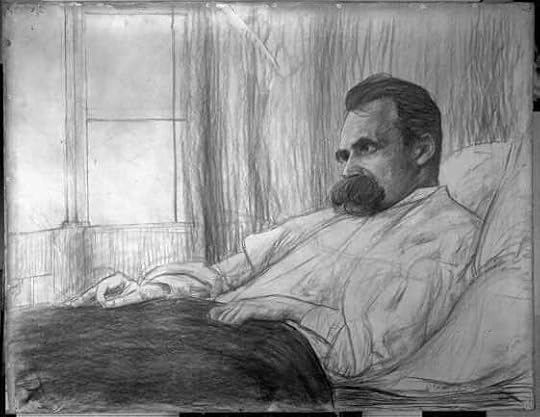
حفر أولسن عميقًا في الباطن المتصدّع لعقل الفيلسوف الألماني فريدريك نيتشه..في السرد الافتتاحي يَعدُّ نيتشه ساعاته الأخيرة المتبقية محاطًا بحب ورعاية ممرضته وأخته، بالتناوب مع فصول معنونة بأسماء أجزاء من الجسم البشري، فنقرأ فيها ما يشبه تسجيلا لأحلام من ذاكرة نيتشه، كُتبت بأسلوب تيار الوعي. وهناك أيضًا جزء سرديّ أكثر تماسكًا نجده في تفاصيل حياة نيتشه: عمله وسفره إلى إيطاليا حيث وقع في حب لـُو سالوميه، وسنوات تدريسه في تورين ونجاحه الأدبي الكبير في (مولد التراجيديا) وصداقته مع فاغنر قبل أن تنهار، وأخيرا شبابه في ناومبرغ ومولده كابن لأسقف أبرشية..يسرد لنا أولسن برقَّة عالية ثيمات نيتشه وأفكاره بحيث تكون كل جملة بمثابة قُبلة، ونستطيع القول إن أولسن كاتب جريء ومحترف قدَّم لنا عملًا أدبيًا يرقى إلى مستوى الموضوع الذي تناوله.Publishers Weeklyلا يقدم لنا أولسن سيرة لحياة نيتشه، بل هي المحطات الأساسية في حياة ذلك الفيلسوف الإشكالي الذي ترك أثرًا عميقا في الفلسفة من بعده. بمطرقة نيتشوية يفكك أولسن حياة نيتشه، فيبدأ من ساعاته الأخيرة، ويروح يستعيد ما حفر عميقا في حياة ذلك الفيلسوف.في سرده، لا يستخدم أولسن اللغة كصانعة للمعنى، بل يفتح النص ساعيًا إلى اللحاق بالمعنى النيتشوي المتمرّد على السياقات السردية التقليدية.
256 pages, Paperback
First published February 1, 2006
About the author
Lance Olsen
59 books122 followersLance Olsen was born in 1956 and received his B.A. from the University of Wisconsin (1978, honors), his M.F.A. from the Iowa Writers Workshop (1980), and his M.A. (1982) and Ph.D. (1985) from the University of Virginia.
He is author of eleven novels, one hypertext, four critical studies, four short-story collections, a poetry chapbook, and a textbook about fiction writing, as well as editor of two collections of essays about innovative contemporary fiction. His short stories, essays, poems, and reviews have appeared in hundreds of journals, magazines, and anthologies, including Conjunctions, Black Warrior Review, Fiction International, Iowa Review, Hotel Amerika, Village Voice, Time Out New York, BOMB, Gulf Coast, McSweeney's, and Best American Non-Required Reading.
Olsen is an N.E.A. fellowship and Pushcart prize recipient, and former governor-appointed Idaho Writer-in-Residence. His novel Tonguing the Zeitgeist was a finalist for the Philip K. Dick Award. His work has been translated into Italian, Polish, Turkish, Finnish, and Portuguese. He has taught at the University of Idaho, the University of Kentucky, the University of Iowa, the University of Virginia, on summer- and semester-abroad programs in Oxford and London, on a Fulbright in Finland, at various writing conferences, and elsewhere.
Olsen currently teaches experimental narrative theory and practice at the University of Utah. He serves as Chair of the Board of Directors at Fiction Collective Two; founded in 1974, FC2 is one of America's best-known ongoing literary experiments and progressive art communities.
He is Fiction Editor at Western Humanities Review. With his wife, assemblage-artist and filmmaker Andi Olsen, he divides his time between Salt Lake City and the mountains of central Idaho.
He is author of eleven novels, one hypertext, four critical studies, four short-story collections, a poetry chapbook, and a textbook about fiction writing, as well as editor of two collections of essays about innovative contemporary fiction. His short stories, essays, poems, and reviews have appeared in hundreds of journals, magazines, and anthologies, including Conjunctions, Black Warrior Review, Fiction International, Iowa Review, Hotel Amerika, Village Voice, Time Out New York, BOMB, Gulf Coast, McSweeney's, and Best American Non-Required Reading.
Olsen is an N.E.A. fellowship and Pushcart prize recipient, and former governor-appointed Idaho Writer-in-Residence. His novel Tonguing the Zeitgeist was a finalist for the Philip K. Dick Award. His work has been translated into Italian, Polish, Turkish, Finnish, and Portuguese. He has taught at the University of Idaho, the University of Kentucky, the University of Iowa, the University of Virginia, on summer- and semester-abroad programs in Oxford and London, on a Fulbright in Finland, at various writing conferences, and elsewhere.
Olsen currently teaches experimental narrative theory and practice at the University of Utah. He serves as Chair of the Board of Directors at Fiction Collective Two; founded in 1974, FC2 is one of America's best-known ongoing literary experiments and progressive art communities.
He is Fiction Editor at Western Humanities Review. With his wife, assemblage-artist and filmmaker Andi Olsen, he divides his time between Salt Lake City and the mountains of central Idaho.
Ratings & Reviews
Friends & Following
Create a free account to discover what your friends think of this book!
Community Reviews
Displaying 1 - 26 of 26 reviews

January 23, 2019
The last day in life, Friedrich Nietzsche is paralyzed and lies dying… And the chaos of thoughts is seething in his sick head…
All his life is left behind… He remembers… Fragments of memories intermingled with dreams are distorted with madness… Smithereens of philosophy are twisted with dementia…
“Only the day after tomorrow belongs to me. Some are born posthumously.” Philosophy and insanity, they walk hand in hand.
Every sentence is a kiss.
Yes, that’s it: I searched and searched for them through the tenement inside my head and presto – they suddenly rejoin the conversation.
All the voices of history.
All the voices of history speaking to me.
Prince Bismarck being a good student – never a prodigy, mind you, never a sensation, but a solid worker nonetheless.
Every sentence is a kiss and every paragraph an embrace.
All his life is left behind… He remembers… Fragments of memories intermingled with dreams are distorted with madness… Smithereens of philosophy are twisted with dementia…
You should have been composing with wind because every writer in your country has become a journalist and for them words are panes of glass through which to see how cows move in unison when you clap your hands and in the next breath it will come to you writing isn’t expansion but compression a texturing into fragment saying in seven sentences what everyone else says in a book saying in seven sentences what everyone else doesn’t say in a book employing the figure of aphorism because you do not want to be read but learned by heart and this is how you will construct a particle philosophy for a particulate world bringing together what is shard and riddle and chance engineering with your flesh and from that day forward this will be what you will mean when you say the word tongue.
“Only the day after tomorrow belongs to me. Some are born posthumously.” Philosophy and insanity, they walk hand in hand.

February 21, 2018
ثمة شيء هذياني في هذه الرواية , سوريالي, مفبرك, شيء ما يدعو للحذر, للخوف
الساعات الأخيرة في حياة نيتشه يسردها أولسن على هيئة سرد متقطع , ذكريات مبعثرة, هذيانات , ومضات تتأهب لتسارع في دهس الهدوء ما قبل الأخير في حياة هذا الفيلسوف..
ليست رواية بالمعنى المعتاد, تشبه مقاطع مبتورة ونصوص وحكايات مجتزئة من حياة مريضة, كل شيء في الرواية يسوده الضباب والغرابة, لست مستعداً أن أقر أنني أستمتعت بهذه الرواية, لم أحب الطريقة التي كُتفت بها الرواية , لكني بطريقة أو بأخرى دخلت بصورة مختلفة في حياة نيتشه, صورة تدعو الى الغثيان والضياع والمكابرة على فهم مايبدو بعيداً عن الأستيعاب.. أستطيع أن أقول أنني تجرعت هذه الرواية من دون أي رغبة سوى في الهروب الى داخل عقل الكاتب ..
...
الساعات الأخيرة في حياة نيتشه يسردها أولسن على هيئة سرد متقطع , ذكريات مبعثرة, هذيانات , ومضات تتأهب لتسارع في دهس الهدوء ما قبل الأخير في حياة هذا الفيلسوف..
ليست رواية بالمعنى المعتاد, تشبه مقاطع مبتورة ونصوص وحكايات مجتزئة من حياة مريضة, كل شيء في الرواية يسوده الضباب والغرابة, لست مستعداً أن أقر أنني أستمتعت بهذه الرواية, لم أحب الطريقة التي كُتفت بها الرواية , لكني بطريقة أو بأخرى دخلت بصورة مختلفة في حياة نيتشه, صورة تدعو الى الغثيان والضياع والمكابرة على فهم مايبدو بعيداً عن الأستيعاب.. أستطيع أن أقول أنني تجرعت هذه الرواية من دون أي رغبة سوى في الهروب الى داخل عقل الكاتب ..
...

November 29, 2010
I read this book in June of 2011 and recently thought about it again when I stumbled upon an interview the author'd conducted with some Nietzsche appreciation society or somesuch. I liked what he had to say about the remaining relevance of the literary fiction form, as it jibes with my own opinions and those of others I respect who've been asked to justify the medium they've committed themselves to work within:
This book attempts to inhabit the mind of the iconic bristly-lipped German philosopher in his final day of genuine madness. If the language weren't so beautiful it could've been a disaster, and at moments in veered dangerously close to being 'a bit much' but my now distant-seeming memory of it remains largely favorable, despite not enjoying it as much as the first Oslen book that I read, and read right before picking up this cringe-inducingly-titled novel. Like 10:01 , it defied my cynical skepticism and ended up being well-worth the currency of my time, attention and money. Much of it is told through flashbacks and details the often mythologized and heavily scrutinized figure with both kind and unkind depictions. Historical accuracy seems a bit besides the point in a novel like this, but it still managed to feel real enough while my eyes were stuck in its pages.
For those who don't know, Friedrich Wilhelm Nietzsche went into a state of insanity for the final ten years of his life. In the early stages he was signing his bizarre letters as "Dionysus" or "The Crucified" and so forth, saying stranger more nonsensical things than he ever published as philosophy while his faculties were intact--this all being immediately after a now famous story about his initial trip to the sanitarium being spurred by him collapsing and weeping while clutching a horse that was being beaten and whipped in the street. The majority of these ten years were spent in bed-ridden catatonic silence while his sister handled his estate and manipulated his writings to serve her own dubious purposes, which would not be corrected until Walter Kaufmann came along to translate his works into English in the 1950's and discovered her omissions and additions. In any case, Olsen attempts to describe the point of view of someone with a genuine degenerative brain disorder (consensus is that syphilis was rotting his brain away for many years) who's on their deathbed. This person just so happens to be a now famous German philosopher with more than a few interesting biographies floating around.
A central narrative arc via flashbacks involves Nietzsche's disastrous attempts at finding lasting romance with Lou Salome, a Strong Independent Woman who snared his affections and also left him standing in the cold with a wedding ring in his hand. It also touches on Nietzsche's father being a Lutheran minister and dying when he was a young boy, both patriarchal details making for great psychoanalytic fodder for scholars to wax theoretical about over the decades, considering the legacy of the philosopher's anti-Christian, God-slaying, Life-On-Earth-embracing canon.
I suspect that only those with some interest in Nietzsche at some point in their lives will possibly find this book worthwhile. Even as someone who realized that Nietzsche wasn't as great on the whole as I once thought him to be, I found something valuable in this and I think purely on the human level of trying to embody the consciousness of someone else, which Olsen's kick-off quote describes as being The Novel's true wheelhouse, and despite my previously acquired knowledge and pretty serious appreciation of the mustachioed man's writing and bio.
Olsen has a real talent with language that's on display here and that alone made it worth the price of admission for me.
"For the last fifty years or so, The Novel’s demise has been broadcast on an almost weekly basis. Yet it strikes me that whatever happens, however else the geography of the imagination might modify in the future in, say, the digital ether, The Novel will continue to survive for some long time to come because it is able to investigate and cherish two things that film, music, painting, dance, architecture, drama, podcasts, cellphone exchanges, and even poetry can’t in a lush, protracted mode. The first is the intricacy and beauty of language—especially the polyphonic qualities of it to which Bakhtin first drew our attention. And the second is human consciousness. What other art form allows one to feel we are entering and inhabiting another mind for hundreds of pages and several weeks on end?"
This book attempts to inhabit the mind of the iconic bristly-lipped German philosopher in his final day of genuine madness. If the language weren't so beautiful it could've been a disaster, and at moments in veered dangerously close to being 'a bit much' but my now distant-seeming memory of it remains largely favorable, despite not enjoying it as much as the first Oslen book that I read, and read right before picking up this cringe-inducingly-titled novel. Like 10:01 , it defied my cynical skepticism and ended up being well-worth the currency of my time, attention and money. Much of it is told through flashbacks and details the often mythologized and heavily scrutinized figure with both kind and unkind depictions. Historical accuracy seems a bit besides the point in a novel like this, but it still managed to feel real enough while my eyes were stuck in its pages.
For those who don't know, Friedrich Wilhelm Nietzsche went into a state of insanity for the final ten years of his life. In the early stages he was signing his bizarre letters as "Dionysus" or "The Crucified" and so forth, saying stranger more nonsensical things than he ever published as philosophy while his faculties were intact--this all being immediately after a now famous story about his initial trip to the sanitarium being spurred by him collapsing and weeping while clutching a horse that was being beaten and whipped in the street. The majority of these ten years were spent in bed-ridden catatonic silence while his sister handled his estate and manipulated his writings to serve her own dubious purposes, which would not be corrected until Walter Kaufmann came along to translate his works into English in the 1950's and discovered her omissions and additions. In any case, Olsen attempts to describe the point of view of someone with a genuine degenerative brain disorder (consensus is that syphilis was rotting his brain away for many years) who's on their deathbed. This person just so happens to be a now famous German philosopher with more than a few interesting biographies floating around.
A central narrative arc via flashbacks involves Nietzsche's disastrous attempts at finding lasting romance with Lou Salome, a Strong Independent Woman who snared his affections and also left him standing in the cold with a wedding ring in his hand. It also touches on Nietzsche's father being a Lutheran minister and dying when he was a young boy, both patriarchal details making for great psychoanalytic fodder for scholars to wax theoretical about over the decades, considering the legacy of the philosopher's anti-Christian, God-slaying, Life-On-Earth-embracing canon.
I suspect that only those with some interest in Nietzsche at some point in their lives will possibly find this book worthwhile. Even as someone who realized that Nietzsche wasn't as great on the whole as I once thought him to be, I found something valuable in this and I think purely on the human level of trying to embody the consciousness of someone else, which Olsen's kick-off quote describes as being The Novel's true wheelhouse, and despite my previously acquired knowledge and pretty serious appreciation of the mustachioed man's writing and bio.
Olsen has a real talent with language that's on display here and that alone made it worth the price of admission for me.

April 29, 2020
An Apology From Some of Me
"I should like to take this opportunity to apologise in advance for what some of me are going to do."
Triadic Structure
The number three permeates this novel.
It's divided into three parts:
1. on the despisers of the body;
2. on the spirit of gravity; and
3. on the vision & the riddle.
Three types of chapter recur throughout each part:
1. The time-based chapters start at 5pm and progress more or less hourly until noon. They are written in the first person;
2. The second chapter in each triad refers to a body part or organ, and usually consists of one paragraph of three to four pages, written in the second person.
3. The third of the chapters are written in the third person and feature vignettes from the life of Nietzsche, as recalled by him.
Words and sentences adopt the form of triads as well:
Sentences and Paragraphs, Kisses and Embraces
On the first page, Lance Olsen proclaims:
In the novel, Nietzsche is trying to piece the fragments of his life together again. However, he has already gone insane, and his memory is flawed:
He has become a freak show, "the show called Friedrich...They believe you've thought many wonderful things."
Language is fundamental to our perception(s) of Nietzsche:
Each sentence, each paragraph, each chapter gives us a different perspective on the philosopher, which is true to his own perspectivism. They represent a virtual infinity of views or insights, which together paint a fictional picture of Nietzsche the man.
There is little sense that Nietzsche was a physical person. He rarely kisses or is kissed:"He senses the dry kiss [his mother] bestows on his brain through his skull." In the novel, Sigmund Freud asks Lou Andreas-Salome to recall any time when Nietzsche kissed her, which she is unable to do:
His sentences and paragraphs express his passion:
Olsen's sentences constitute poetry that threatens to fly off the page into the infinity of language, just as Nietzsche's spirit, his soul, his "spectral form", prepares to abandon earth for the recurrence of eternity:
VERSE:
The Grammar of Love
[Based on the Words of Lance Olsen]
Every sentence is a kiss,
And each paragraph an embrace.
Without them, something is amiss.
Love would be lost without a trace.
Two Chord Cool
[Apologies to Robert Smith]
Do these sentences
Match the best of Proust?
Am I seducing
Or being seduced?
Just Like Heaven
[Apologies to Robert Smith]
If you told me how you do it,
I doubt that I could eschew it.
I'd hold a candle to your love,
And love you, until I blew it.
Recurrent (Triad)
[In the Words of Lance Olsen]
We have been here before.
We will be here again.
The galaxy comes to
A standstill around us.
Gunpowder
[Based on the Words of Lance Olsen]
His sentences are
Written with gunpowder
Instead of ink.
Schopenhauer
[Based on the Words of Lance Olsen]
Deliver me from
The willish jangle
To the frantic scramble
Of the heart.
Children
[In the Words of Lance Olsen]
I did my children
The favour of
Never having them.
Flight and Fall
[In the Words of Lance Olsen]
He who cannot
Learn to fly higher
Should learn to
Fall faster.
SOUNDTRACK:
"I should like to take this opportunity to apologise in advance for what some of me are going to do."
Triadic Structure
The number three permeates this novel.
It's divided into three parts:
1. on the despisers of the body;
2. on the spirit of gravity; and
3. on the vision & the riddle.
Three types of chapter recur throughout each part:
1. The time-based chapters start at 5pm and progress more or less hourly until noon. They are written in the first person;
2. The second chapter in each triad refers to a body part or organ, and usually consists of one paragraph of three to four pages, written in the second person.
3. The third of the chapters are written in the third person and feature vignettes from the life of Nietzsche, as recalled by him.
Words and sentences adopt the form of triads as well:
"Temple, basilica, duomo."
"Brick or rock or rough wood."
"This bath, that catacombs, and the other arch."
"The grassy fragrance. The gauzy air. The fertile afternoon."
"Friedrich stalls. The wall is there. The wall is not there."
"My mother reading. The story unfolding. My imagination hurrying forward."
"We have been here before. We will be here again. The galaxy comes to a standstill around us."
"These things happen. To everyone. Incessantly."
"First, why do I live? Second, what lesson have I to learn from life? And, third, why do I suffer from being what I am?"
Sentences and Paragraphs, Kisses and Embraces
On the first page, Lance Olsen proclaims:
"Every sentence is a kiss and every paragraph an embrace."
In the novel, Nietzsche is trying to piece the fragments of his life together again. However, he has already gone insane, and his memory is flawed:
"For most philosophers, philosophy is nothing in the end besides a longing to reach home."
"I can no longer seem to remember whether I'm remembering or believing I'm remembering when I'm not remembering at all..."
"Assuming what I am experiencing is called memory, and not something else. Not, say, the nature of a wish."
"He is groping through the attic...this infinite attic...What good is an attic if there is nothing in it?...This unlit space seems to unravel without cessation."
"He is in actuality dreaming within a larger dream within a larger dream, like a succession of Russian nesting dolls..."
"Somewhere in a succession of dreams, Friedrich hears them. Then hears them less. Then hears nothing at all."
He has become a freak show, "the show called Friedrich...They believe you've thought many wonderful things."
"Would Friedrich behave himself? Friedrich would. Friedrich did."
Language is fundamental to our perception(s) of Nietzsche:
"Friedrich became aware of himself becoming aware again. Language resettled his head syllable by syllable."
"Language is a flirt."
"The idea that his head is inside the head of another person, and that that head is in turn inside still other heads: everyone is someone else and no one is himself..."
"He can't stop believing how plentiful the universe is, how thrillingly hectic with potential..."
"It is as if his soul were gazing beyond the limits of infinity, endlessly distant from human affairs...What we are witnessing is the inception of a new evolutionary stage in understanding...a resurrection of consciousness."
Each sentence, each paragraph, each chapter gives us a different perspective on the philosopher, which is true to his own perspectivism. They represent a virtual infinity of views or insights, which together paint a fictional picture of Nietzsche the man.
There is little sense that Nietzsche was a physical person. He rarely kisses or is kissed:"He senses the dry kiss [his mother] bestows on his brain through his skull." In the novel, Sigmund Freud asks Lou Andreas-Salome to recall any time when Nietzsche kissed her, which she is unable to do:
"Did he actually kiss her, or almost actually kiss her, or only look as if he might actually kiss her, but knew she would never go along with such a silly wish?"
His sentences and paragraphs express his passion:
"And so, once upon a time, you tell yourself, passing this passing, once upon a time there was a kiss."
"Love yourself, Fritz, you've got to love yourself like mad, do you hear me?"
Olsen's sentences constitute poetry that threatens to fly off the page into the infinity of language, just as Nietzsche's spirit, his soul, his "spectral form", prepares to abandon earth for the recurrence of eternity:
"Drifting...They are drifting...He is kissing the future..."
VERSE:
The Grammar of Love
[Based on the Words of Lance Olsen]
Every sentence is a kiss,
And each paragraph an embrace.
Without them, something is amiss.
Love would be lost without a trace.
Two Chord Cool
[Apologies to Robert Smith]
Do these sentences
Match the best of Proust?
Am I seducing
Or being seduced?
Just Like Heaven
[Apologies to Robert Smith]
If you told me how you do it,
I doubt that I could eschew it.
I'd hold a candle to your love,
And love you, until I blew it.
Recurrent (Triad)
[In the Words of Lance Olsen]
We have been here before.
We will be here again.
The galaxy comes to
A standstill around us.
Gunpowder
[Based on the Words of Lance Olsen]
His sentences are
Written with gunpowder
Instead of ink.
Schopenhauer
[Based on the Words of Lance Olsen]
Deliver me from
The willish jangle
To the frantic scramble
Of the heart.
Children
[In the Words of Lance Olsen]
I did my children
The favour of
Never having them.
Flight and Fall
[In the Words of Lance Olsen]
He who cannot
Learn to fly higher
Should learn to
Fall faster.
SOUNDTRACK:


May 4, 2021
Couldn’t. Put. It. Down.
Another great book sent over by George and The Collidescope. What a heartfelt beautiful book by an author I was not familiar with. Expertly written in the 1st, 2nd and 3rd person. Little experimental. Just a sweet book about the last night of Friedrich Nietzsche. I’m always amazed to see writers tackle real-life people in a novel. Thoughts going through their head as they put pen to paper (going old school) and how creative they can be. It’s a slippery slope I’m sure to not insult or blaspheme the subject. Lance Olsen does not do that. It’s really heartfelt.
Want books like this? Follow George and The Collidescope. Doing great work. Check out his Patreon.
Be well.
Another great book sent over by George and The Collidescope. What a heartfelt beautiful book by an author I was not familiar with. Expertly written in the 1st, 2nd and 3rd person. Little experimental. Just a sweet book about the last night of Friedrich Nietzsche. I’m always amazed to see writers tackle real-life people in a novel. Thoughts going through their head as they put pen to paper (going old school) and how creative they can be. It’s a slippery slope I’m sure to not insult or blaspheme the subject. Lance Olsen does not do that. It’s really heartfelt.
Want books like this? Follow George and The Collidescope. Doing great work. Check out his Patreon.
Be well.

May 12, 2019
كتبتُ في "السيد أزرق في السينما" قصة قصيرة عن كافكا، بتقمّص شخصيته مرة وبطريقة الراوي العليم مرة أخرى، والطريقتين استخدمهما أولسن في هذا الكتاب. شخصيًا، واجهت صعوبة في الكتابة وهي على مستوى قصة قصيرة، بأنني لن أعطي كافكا حقه في الوصف أو السرد لأنني ببساطة لست هو، ومهما كنتُ قد قرأته كتبه أو سيرته إلا أن روح النص ستظل ناقصة مهما اكتملت، فما بالك برواية؟ وهنا تمامًا ما أجده في "قبلات نيتشه"، فلو حذفنا اسم فريدريك نيتشه، ووضعنا أيًا كان، لوجدت الرواية تصل إلى حد الروعة، فنحن نتكلم عن شخصية حذرة خائفة سريالية، أما بشخصنة نيشته فلا أحد يستطيع أن يؤكد أن هذا هو نيتشه حقًا، أو أن ينفي كذلك، هذا الشك يفقد الرواية أن تعيشها تمامًا.

January 20, 2026
Another really interesting book from Lance Olsen, this time looking at the life and thoughts of Friedrich Nietsche.
He takes a tri-partite approach with sections alternating between 1st, 2nd and 3rd person narration.
This is very much an impressionistic version, not for readers looking for some straightforward historical biography.
He takes a tri-partite approach with sections alternating between 1st, 2nd and 3rd person narration.
This is very much an impressionistic version, not for readers looking for some straightforward historical biography.

November 14, 2021
هذيان جنوني

September 9, 2018
لا أدري بالضبط إذا كانت هي روايةً بحق!
لو يعود الأمر لي لصنفته بالجنون! شعرتني داخل فِكر نيتشه تصرفاته تحركاته مرضه ذكرياته
قُصاصات ..نصوص مبتورة ..شذرات ..هذيان
تحرّكات نيتشه في يومه الأخير بالأحرى ما تبقى له من ساعات حياة .
نيتشه الطفل الشاب العجوز و اهتمامه البليغ بشاربه .
كنت تارةً أستمتع و تارةً أخرى أملّ. تمنيت لو كانت هذه الرواية أطول .
لو يعود الأمر لي لصنفته بالجنون! شعرتني داخل فِكر نيتشه تصرفاته تحركاته مرضه ذكرياته
قُصاصات ..نصوص مبتورة ..شذرات ..هذيان
تحرّكات نيتشه في يومه الأخير بالأحرى ما تبقى له من ساعات حياة .
نيتشه الطفل الشاب العجوز و اهتمامه البليغ بشاربه .
كنت تارةً أستمتع و تارةً أخرى أملّ. تمنيت لو كانت هذه الرواية أطول .

August 23, 2018
قبلات نيتشة .. سيرة روائية تحاول أن تستعرض ما يدور داخل عقل نيتشه .. وعلى فترات متقطعة من مراحل حياته. بطريقة سريالية منذ اللحظات الأخيرة من حياته الى ولادته . تستعرض بين ثنايا السرد شيئاً من أفكاره حيال الدين، الصداقة، الموسيقى، الناس والعلاقات..

May 2, 2018
يواسي عذاباتك وسخطك ، هنا وهناك دائماً تُكتب السير والحكايات من حيث أول فكرة وخيال يطرأ ببالك وثم تعود للأبدية مجدداً ويُخال لك أنك تتبدد بينما أنت تُستنسخ.!

July 25, 2019
الرواية : قبلات نيتشه
الكاتب :لانس اولسن
عدد الصفحات :254
التقييم النهائي :***
( يجب على المرء ان يسدد ثمن الخلود... يجب على المرء ان يموت مرات عدة بينما لا يزال حيا يرزق) نيتشه من كتاب ( هذا هو الإنسان)
** في سرده لا يستخدم اولسن اللغة كصانعة للمعني بل يفتح النص ساعيا الي اللحاق بالمعنى النيتشوي المتمرد على السياقات السردية التقليدية**
كنت اظنها مبالغة من الناشر حول تلك الرواية واسلوبها.. حتى وجدت نفسي تائها بين صفحاتها المكتوبة بأسلوب تيار الوعي ولكنه ليس كفوكنر وبروست وولف... انه أيضا سريالي... اختلط فيه الحاضر بالماضي والمستقبل... لا تكاد تميز الأحداث الذي يسردها الكاتب هل هي واقع ام احلام ام هلاوس... لذلك وجدتني اعطيها وقتا اكثر من اللازم واطالع صفحاتها بحذر وتركيز حتى استطيع ان امسك خيوط الرواية بدون أن أشعر بالتيه... ربما تلك كانت عقبة كبيرة إمام المترجمة نادين نصر الله التي لم أشعر أن ترجمتها انقصت الرواية اي شئ
ربما لو كان نيتشه حيا وكتب سيرة حياته ستكون اشبه بتلك الرواية......انها حقا رواية متمردة ومختلفة عن شخص لم يكن عاديا أيضا... احيانا عندما يكون عليك التحدث عن الفلاسفة او المجانين ان تكون مثلهم ولانس حقق تلك المعادلة حتى سرده في الأحداث من النهاية للبداية ( لحظات موت نيتشه وولادته) مرورا بمحطات حياته.. عمله وسفره إلى إيطاليا حيث وقع فى حب لـُو سالوميه، وسنوات تدريسه فى تورين ونجاحه الأدبى الكبير فى "مولد التراجيديا" وصداقته مع فاغنر قبل أن تنهار، وأخيرا شبابه فى ناومبرغ ومولده كابن لأسقف أبرشية.... كان يتنقل الكاتب في فقرة واحدة اكثر من نقلة دون أن يخبرك انه يتنقل مما جعل أشعر بالارهاق والتوتر أثناء قرائتها... ربما لو كررت قرائتها في وقت آخر كنت لازيدها نجمة اخري من أجل التفرد في السرد وروح نيتشة الساكنة في النص
التقييم النهائي ٣ نجوم من ٥
الكاتب :لانس اولسن
عدد الصفحات :254
التقييم النهائي :***
( يجب على المرء ان يسدد ثمن الخلود... يجب على المرء ان يموت مرات عدة بينما لا يزال حيا يرزق) نيتشه من كتاب ( هذا هو الإنسان)
** في سرده لا يستخدم اولسن اللغة كصانعة للمعني بل يفتح النص ساعيا الي اللحاق بالمعنى النيتشوي المتمرد على السياقات السردية التقليدية**
كنت اظنها مبالغة من الناشر حول تلك الرواية واسلوبها.. حتى وجدت نفسي تائها بين صفحاتها المكتوبة بأسلوب تيار الوعي ولكنه ليس كفوكنر وبروست وولف... انه أيضا سريالي... اختلط فيه الحاضر بالماضي والمستقبل... لا تكاد تميز الأحداث الذي يسردها الكاتب هل هي واقع ام احلام ام هلاوس... لذلك وجدتني اعطيها وقتا اكثر من اللازم واطالع صفحاتها بحذر وتركيز حتى استطيع ان امسك خيوط الرواية بدون أن أشعر بالتيه... ربما تلك كانت عقبة كبيرة إمام المترجمة نادين نصر الله التي لم أشعر أن ترجمتها انقصت الرواية اي شئ
ربما لو كان نيتشه حيا وكتب سيرة حياته ستكون اشبه بتلك الرواية......انها حقا رواية متمردة ومختلفة عن شخص لم يكن عاديا أيضا... احيانا عندما يكون عليك التحدث عن الفلاسفة او المجانين ان تكون مثلهم ولانس حقق تلك المعادلة حتى سرده في الأحداث من النهاية للبداية ( لحظات موت نيتشه وولادته) مرورا بمحطات حياته.. عمله وسفره إلى إيطاليا حيث وقع فى حب لـُو سالوميه، وسنوات تدريسه فى تورين ونجاحه الأدبى الكبير فى "مولد التراجيديا" وصداقته مع فاغنر قبل أن تنهار، وأخيرا شبابه فى ناومبرغ ومولده كابن لأسقف أبرشية.... كان يتنقل الكاتب في فقرة واحدة اكثر من نقلة دون أن يخبرك انه يتنقل مما جعل أشعر بالارهاق والتوتر أثناء قرائتها... ربما لو كررت قرائتها في وقت آخر كنت لازيدها نجمة اخري من أجل التفرد في السرد وروح نيتشة الساكنة في النص
التقييم النهائي ٣ نجوم من ٥
December 3, 2015
Once again, I feel like my lack of knowledge of Nietzsche affects how much I got from this book, but it was still massively interesting. I'll definitely read it again in the future.

June 16, 2020
هذيان العصرية ، عن ساعات نيتشه الاخيرة مجتمعة مع قصص من علاقاته الاجتماعية وشوائب من افكاره موضوعة بشكل مسطح

August 16, 2021
لايمكنني تصنيف هذا الكاتب كرواية، فأحداثها ليست مترابطة سوى لمن قرأ عن نيتشه الكثير، لكن المواقف التي ذكرها الكاتب أجاد صياغتها بشدة، طريقة التعبير والوصف أكثر من رائعين، لكنني لم أكن لأستمتع بهذا الكتاب لولا قراءتي لكتاب "عندما بكى نيتشه" لأرفين د. يالوم، فهؤلاء الأشخاص الذي تحدث عنهم الكاتب قد تعرفت عليهم من قبل في رواية كُتبت عن نيتشه بصورة رائعة وبأحداثٍ مترابطة، كما إنني لايمكن اعتباره كتاب سيرة ذاتيه، بل كتاب لمقتطفات من حياة شخصٍ ما.
المميزات:
طريقة السرد رائعة، دائمًا كنت أقف عند بعض الأسطر وأكتبها في مذكرتي الخاصة لأحتفظ بهذا الإقتباس الرائع، وهذا ليس بغريب على أي شخص يكتب عن نيتشه، لأن من يحب هذا الفيلسوف بالطبع سيتأثر بشخصيته وطريقة تعبيره ورؤيته للحياة.
العيوب:
لن يفهم هذا الكتاب سوى محبين نيتشه والذين قرأوا عنه الكثير، فلاأنصح به أحد لم يقرأ عن نيتشه من قبل.
الاقتباسات:
-كل جملة قبلة في حد ذاتها وكل مقطع مشروع احتضان.
- تخيل: تلك اللحظة المبتاغة لدى ملامسة الشاطيء لا تأتي أبدًا، بدا الأمر وكأنني أجذّف وأجذّف إلى مالانهاية في ذلك العدم..!
-كل ماعليك فعله هو السباحة وانتشال نفسك.
-قد تجد نفسك على ظهر مركب تصارع كي تبقى عائمًا، كنت تقف في قاربك تتأرجح بحذر محاولًا أن تستعيد بوصلتك، مجذافك عصًا ثم رجلاك من تحتك والآن يذوب قاربك في الضباب..!
_هو متيم برفقة نفسه لأنه لم يحدث له أن التقى بما هو أفضل منها.
المميزات:
طريقة السرد رائعة، دائمًا كنت أقف عند بعض الأسطر وأكتبها في مذكرتي الخاصة لأحتفظ بهذا الإقتباس الرائع، وهذا ليس بغريب على أي شخص يكتب عن نيتشه، لأن من يحب هذا الفيلسوف بالطبع سيتأثر بشخصيته وطريقة تعبيره ورؤيته للحياة.
العيوب:
لن يفهم هذا الكتاب سوى محبين نيتشه والذين قرأوا عنه الكثير، فلاأنصح به أحد لم يقرأ عن نيتشه من قبل.
الاقتباسات:
-كل جملة قبلة في حد ذاتها وكل مقطع مشروع احتضان.
- تخيل: تلك اللحظة المبتاغة لدى ملامسة الشاطيء لا تأتي أبدًا، بدا الأمر وكأنني أجذّف وأجذّف إلى مالانهاية في ذلك العدم..!
-كل ماعليك فعله هو السباحة وانتشال نفسك.
-قد تجد نفسك على ظهر مركب تصارع كي تبقى عائمًا، كنت تقف في قاربك تتأرجح بحذر محاولًا أن تستعيد بوصلتك، مجذافك عصًا ثم رجلاك من تحتك والآن يذوب قاربك في الضباب..!
_هو متيم برفقة نفسه لأنه لم يحدث له أن التقى بما هو أفضل منها.

Read
August 3, 2023It took me a while to like this. Olsen is a competent storyteller, but it all felt a little too vibes-based, without much of interest other than the fact that it's a story about Friderich Nietzsche. But then, I get drawn in, ready to be bored, and as Nietzsche slowly loses it, you, the reader, lose it with him. In his series of albums Everywhere at the End of Time, The Caretaker dissects a slow descent into dementia, you start with fragments of old-timey big-band music and eventually wind up hearing mostly nothing. Lance Olsen manages to accomplish something of the same thing, albeit without the emotional punch that The Caretaker does. I would say read this.

Read
December 20, 2025#nietzscheskisses by #lanceolsen
#قبلات_نيتشه لـ #لانس_أولسن
#اقتباسات
- ما من عذرية تضاهي عذرية ظهور أول كتاب للمرء، فكل الكتب التالية التي سيكتبها ستخلص بطريقة أو بأخرى إلى الكتاب نفسه، والإحساس نفسه مخففاً، لكن كتاب المرء الأول هو ذاك الوعد الوهاج
- ثمة لحظة في غالبية الصداقات تصبح فيها لسبب غير مفهوم أقل مما هي عليه، ثمة منحى يحاكي ثقباً في القلب، حيث يتجرد التاريخ المشترك والمشاعر النبيلة من كينونتهما بسهولة مدقعة
- من دون الموسيقى، الحياة مجرد غلطة، فلطالما مكنتنا الموسيقى من تعديل أمزجتنا من دون عناء تفكير، فتركيبتها تختلف عن تركيبة الكلمات المكتوبة، لكل مفتاح مشاعر مختلفة، ولكل نغمة أسلوبها في اختبار الاختبار بتعمد أقل
#قبلات_نيتشه لـ #لانس_أولسن
#اقتباسات
- ما من عذرية تضاهي عذرية ظهور أول كتاب للمرء، فكل الكتب التالية التي سيكتبها ستخلص بطريقة أو بأخرى إلى الكتاب نفسه، والإحساس نفسه مخففاً، لكن كتاب المرء الأول هو ذاك الوعد الوهاج
- ثمة لحظة في غالبية الصداقات تصبح فيها لسبب غير مفهوم أقل مما هي عليه، ثمة منحى يحاكي ثقباً في القلب، حيث يتجرد التاريخ المشترك والمشاعر النبيلة من كينونتهما بسهولة مدقعة
- من دون الموسيقى، الحياة مجرد غلطة، فلطالما مكنتنا الموسيقى من تعديل أمزجتنا من دون عناء تفكير، فتركيبتها تختلف عن تركيبة الكلمات المكتوبة، لكل مفتاح مشاعر مختلفة، ولكل نغمة أسلوبها في اختبار الاختبار بتعمد أقل

April 2, 2020
“كل جملة قبلة بحد ذاتها,وكل مقطع مشروع احتضان”
تشعر بثقل جسدك وانت تقرأ كيف يشعر نيتشه أيام مرضه كل خيالاته واحلامه وتشابكها وتقاطعها يقفز الكاتب من حدث إلى حدث دون ان ينتهي بأي منها بوضوح .يكتب بشكل عبثي تشاؤمي يكتب بعقل نيتشه شي غريب حقا ان يصف كل شيء وكأنه نيتشه حقا من يتحدث احببت نيتشه اكثر شعرت به رغبت في أن أقرأ له أكثر بعد هذه الروايه المحاكيه لحياته.
“وكم قليلة حيلة الآدميّ على التحمل,وكم هي قليلة حيلة أي كائن على التحمل”
تشعر بثقل جسدك وانت تقرأ كيف يشعر نيتشه أيام مرضه كل خيالاته واحلامه وتشابكها وتقاطعها يقفز الكاتب من حدث إلى حدث دون ان ينتهي بأي منها بوضوح .يكتب بشكل عبثي تشاؤمي يكتب بعقل نيتشه شي غريب حقا ان يصف كل شيء وكأنه نيتشه حقا من يتحدث احببت نيتشه اكثر شعرت به رغبت في أن أقرأ له أكثر بعد هذه الروايه المحاكيه لحياته.
“وكم قليلة حيلة الآدميّ على التحمل,وكم هي قليلة حيلة أي كائن على التحمل”
February 4, 2025
حفر عميق في الباطن المتصدع لعقل فيلسوف المطرقة والهدم.
لا يقدم لنا أولسن سيرة لحياة نيتشه، بل هي المحطات الأساسية فى حياة ذلك الفيلسوف الإشكالي الذي ترك أثرًا عميقاً في الفلسفة من بعده. بمطرقة نيتشوية يفكك أولسن حياة نيتشه، فيبدأ من ساعاته الأخيرة، ويروح يستعيد ما حفر عميقا في حياة ذلك الفيلسوف. في سرده، لا يستخدم أولسن اللغة كصانعة للمعنى، بل يفتح النص ساعيًا إلى اللحاق بالمعنى النيتشوي المتمرّد على السياقات السردية التقليدية.
لا يقدم لنا أولسن سيرة لحياة نيتشه، بل هي المحطات الأساسية فى حياة ذلك الفيلسوف الإشكالي الذي ترك أثرًا عميقاً في الفلسفة من بعده. بمطرقة نيتشوية يفكك أولسن حياة نيتشه، فيبدأ من ساعاته الأخيرة، ويروح يستعيد ما حفر عميقا في حياة ذلك الفيلسوف. في سرده، لا يستخدم أولسن اللغة كصانعة للمعنى، بل يفتح النص ساعيًا إلى اللحاق بالمعنى النيتشوي المتمرّد على السياقات السردية التقليدية.
August 11, 2026
ughhhhhh so overdone imo. beyond maybe some relatability in ideas about thought control and intrusive thoughts...but what even is the big deal with books being relatable?? sure it's fine but i find i care about it less and less every day! maybe a teenager's game? It's interesting and carefully written, there's certainly lots to learn and lots to talk and think about and after doing this for a class I can now spell Nietzsche without having doubts and double checking myself. But hey not for me.
November 27, 2019
Was expecting more about horses.
July 3, 2022
أبسط كتاب ممكن تفهموا فيه نيتشه حرفياً ملخص بشكل رواية سهلة الفهم تكمن المشكلة بأن الكتاب وصف بعض الاشياء بطريقه روائية مما جعل بعض المعلومات مبالغه فيها او مبالغ في وصفها لذلك يجب الحذر في اخذ معلومات نيتشه من هذا الكتاب لأن بعضها مجرد خيال الكاتب وليس لها من الاعراب صحة ولكن بشكل عام كتاب لتعرف على نيتشه بصيغه روائية سهله

February 17, 2020
العنوان: قبلات نيتشه
الكاتب: لانس أولسن
ترجمة: نادين نصر الله
عدد الصفحات: 254 ص
"كل جملة قبلة بحد ذاتها، وكل مقطع مشروع احتضان" هكذا بدأت رحلتي مع هذا الكتاب و هكذا انتهت...
كان الأمر بمثابة قبل و احضان بدل كلمات أتلقاها بشغف، هو كتاب جعلني اتنهد مع آخر جملة و أحزن لمفارقته و لم لا و أنا لم أستطع تركه في كل مرة أمسكه فيها لأقرأ، يحاول لانس أن يدخلنا في عقل نيتشه لنتجرع تجاربه من وجهة نظره، أن نشهد هلوساته و تحركه من ذكرى لأخرى بطرق غريبة، أن نحلم معه و نصحوا على غرفته التي انتهى به المطاف مريضاً فيها يعد أيامه الاخيرة و ينتظر النهاية، كان نيتشه رجلاً غريباً يتمتع بأفكار لطالما اعتبرها الآخرون مجنونة، لكنه في معظم الاوقات كان مجرد رجل يريد أن يفكر و أن يحب، رجل أراد شيئا اكبر من ما كان يمكن للمجتمع أن يقدمه له وقتها، حتى أنه قال في أحد كتبه "وحده اليوم الذي يلي الغد ملكي. بعضهم يولد غداة وفاته." و هكذا ولد نيتشه في آخر أيامه و أصبح فيلسوفاً مهماً قدم للعالم أفكارا تخدمه لهذا اليوم...
نيتشه لم يكن مشهوراً ولا معروفاً في فترة حياته لكنه و في آخر أيام حياته انطفئ كشخص و قرر أن يلمع في السماء كنجم بدل ذلك، و هكذا حصل! نجم نيتشه و ليومنا هذا أصبح جزءا من السماء لا يمكن الاستغناء عنه.
في هذا الكتاب شهدنا أيام مرضه، لنطير معه بعدها لأيام طفولته و بعدها لننتقل معه لقصة حبه مع لو سالومي و كيف انتهت به القصة إلى احتقاره لكل النساء، و في آخر المطاف يأخذنا لانس الى غرفة ولادته ليختتم كتابه بجملة جميلة مليئة بالمعاني " انظري إلى فريتز الصغير. إنه يطبع قبلة على جبين المستقبل" و العام كله أجمع شاهد على أنه فعل... فما ألذ قبل نيتشه التي أرسلها لنا على شكل جمل و ما أجمل الاحضان التي أرسلها في مقاطعه لنا.
نيتشه رغم غرابته و رغم شاربه الطريف إلا أنه رجل رائع أحببته بكل جوارحي و سأحبه دائما و أبدا.
الكاتب: لانس أولسن
ترجمة: نادين نصر الله
عدد الصفحات: 254 ص
"كل جملة قبلة بحد ذاتها، وكل مقطع مشروع احتضان" هكذا بدأت رحلتي مع هذا الكتاب و هكذا انتهت...
كان الأمر بمثابة قبل و احضان بدل كلمات أتلقاها بشغف، هو كتاب جعلني اتنهد مع آخر جملة و أحزن لمفارقته و لم لا و أنا لم أستطع تركه في كل مرة أمسكه فيها لأقرأ، يحاول لانس أن يدخلنا في عقل نيتشه لنتجرع تجاربه من وجهة نظره، أن نشهد هلوساته و تحركه من ذكرى لأخرى بطرق غريبة، أن نحلم معه و نصحوا على غرفته التي انتهى به المطاف مريضاً فيها يعد أيامه الاخيرة و ينتظر النهاية، كان نيتشه رجلاً غريباً يتمتع بأفكار لطالما اعتبرها الآخرون مجنونة، لكنه في معظم الاوقات كان مجرد رجل يريد أن يفكر و أن يحب، رجل أراد شيئا اكبر من ما كان يمكن للمجتمع أن يقدمه له وقتها، حتى أنه قال في أحد كتبه "وحده اليوم الذي يلي الغد ملكي. بعضهم يولد غداة وفاته." و هكذا ولد نيتشه في آخر أيامه و أصبح فيلسوفاً مهماً قدم للعالم أفكارا تخدمه لهذا اليوم...
نيتشه لم يكن مشهوراً ولا معروفاً في فترة حياته لكنه و في آخر أيام حياته انطفئ كشخص و قرر أن يلمع في السماء كنجم بدل ذلك، و هكذا حصل! نجم نيتشه و ليومنا هذا أصبح جزءا من السماء لا يمكن الاستغناء عنه.
في هذا الكتاب شهدنا أيام مرضه، لنطير معه بعدها لأيام طفولته و بعدها لننتقل معه لقصة حبه مع لو سالومي و كيف انتهت به القصة إلى احتقاره لكل النساء، و في آخر المطاف يأخذنا لانس الى غرفة ولادته ليختتم كتابه بجملة جميلة مليئة بالمعاني " انظري إلى فريتز الصغير. إنه يطبع قبلة على جبين المستقبل" و العام كله أجمع شاهد على أنه فعل... فما ألذ قبل نيتشه التي أرسلها لنا على شكل جمل و ما أجمل الاحضان التي أرسلها في مقاطعه لنا.
نيتشه رغم غرابته و رغم شاربه الطريف إلا أنه رجل رائع أحببته بكل جوارحي و سأحبه دائما و أبدا.
This entire review has been hidden because of spoilers.

January 4, 2012
Lance Olsen becomes Nietzsche; he channels the late philosopher during his last night on Earth. While Nietzsche's Kisses is a work of fiction, the philosophy and characterization are so close to Nietzsche rhetoric that it may as well be fact. Olsen dares to infiltrate the private mind of a dying man who is flashing back to the points in his life where he learned what life is, and learned what life is not. In taking up this task, Olsen teaches Nietzsche's teachings, but also shows his human side, and, in turn, his flaws.
A strange voyeuristic tale, Nietzsche's Kisses is frightening and awful in the way literature should be. Olsen has dared to take on a seemingly-overwhelming task, and has succeeded with brilliance.
A strange voyeuristic tale, Nietzsche's Kisses is frightening and awful in the way literature should be. Olsen has dared to take on a seemingly-overwhelming task, and has succeeded with brilliance.

Displaying 1 - 26 of 26 reviews