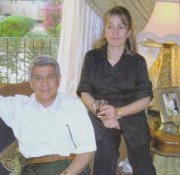
Lucette Lagnado's father, Leon, is a successful Egyptian businessman and boulevardier who, dressed in his signature white sharkskin suit, makes deals and trades at Shepherd's Hotel and at the dark bar of the Nile Hilton. After the fall of King Farouk and the rise of the Nasser dictatorship, Leon loses everything and his family is forced to flee, abandoning a life once marked by beauty and luxury to plunge into hardship and poverty, as they take flight for any country that would have them.
A vivid, heartbreaking, and powerful inversion of the American dream, Lucette Lagnado's unforgettable memoir is a sweeping story of family, faith, tradition, tragedy, and triumph set against the stunning backdrop of Cairo, Paris, and New York.
Winner of the Sami Rohr Prize for Jewish Literature and hailed by the New York Times Book Review as a "brilliant, crushing book" and the New Yorker as a memoir of ruin "told without melodrama by its youngest survivor," The Man in the White Sharkskin Suit recounts the exile of the author's Jewish Egyptian family from Cairo in 1963 and her father's heroic and tragic struggle to survive his "riches to rags" trajectory.
Lucette Lagnado, an investigative reporter for The Wall Street Journal, was born in Cairo, Egypt. She and her family left Egypt as refugees when she was a small child, an experience that helped shape and inform her recent memoir, The Man in the White Sharkskin Suit, published by Ecco/HarperCollins. Lucette has received numerous awards for her work at The Wall Street Journal, where she has covered health care for a decade. She has been a finalist or received prizes from, among others, Columbia Journalism School, the University of Missouri, and the University of Southern California. She is also the 2008 recipient of the $100,000 Sami Rohr Prize for Jewish Literature for her memoir, the largest cash award in the Jewish book world.
In recent years, she has focused her coverage on hospitals and nursing homes, with a special emphasis on the elderly, the poor, and the uninsured. This past year, 2008, Ms. Lagnado received two awards for her nursing home coverage: The National Press Club Joseph Riley Award for Excellence in Writing on Geriatric Issues, as well as the Jack Newfield Award given by FRIA—Friends and Relatives of the Institutionalized Aged.
Lucette has also been recognized in prior years by the New York Press Club, which gave her its highest award, the Golden Typewriter for Outstanding Public Service, for her investigative work exposing the plight of America’s uninsured. She is also the recipient of Columbia University’s prestigious Mike Berger Award for her reporting about the elderly residents of the Belnord, a fabled West Side apartment building.
She is the coauthor of Children of the Flames: Dr. Mengele and the Untold Story of the Twins of Auschwitz, a biography of the Nazi concentration camp doctor and the young children who were the subjects of his medical experiments during World War II. Children of the Flames has been translated in nearly a dozen languages.
She received a Bachelor of Arts degree from Vassar College, where she majored in French Literature.
She and her husband, Douglas Feiden, a reporter for the Daily News, reside in Sag Harbor and New York City.
In The Man in the Sharkskin Suit, Lucette Lagnado regales us about Jewish life in Cairo prior to the Suez revolution. This is a tale of her well to do parents who were as much a part of Egypt as the pyramids themselves. Cairo through her lens appears to rival the glamour of Paris and New York, and it is evident in the books first sentences why no one would want to leave. With this prose I was captivated by Lagnado's parents' story immediately. I felt sympathy to her parents reluctance to leave Egypt and their difficulties assimilating in New York. Much has been written about Ashkenazic Jews immigration to the United States and how with each generation traditions fall by the wayside. Less has been revealed about the Sephardic immigration and subsequent assimilation into American society a good fifty years later. Not only was I privileged to read magnificent prose, I also got to experience life of my Sephardic brethren that I don't know much about. Added bonus is that the food sounds amazing. The 2007 Rohr Jewish book of the year award winner I would easily recommend Sharkskin Suit to anyone looking for a passionate yet easy read. I am looking forward to reading Lagnado's second installment, The Arrogant Years- A Childhood in Cairo and New York.
من أجمل السير الذاتية التي قرأتها، استطاعت الكاتبة أن تجعلني أشعر بمعاناة اليهود المصريين، وأتألم لقرار ترحيلهم من بلدهم الأم مصر. بالرغم من أن والدها من مواليد حلب، من يهود سوريا، إلا أنه اعتبر نفسه مصري، أحبّ مصر ورفض الهجرة إلى إسرائيل. مُجبرًا اختار أن يهاجر إلى فرنسا ومنها إلى أمريكا.
الكاتبة كانت شجاعة وجريئة عندما كتبت عن عائلتها بكل شفافية. فجدها باع ابنه بسبب الفقر، ومن ثم هجر زوجته وأولاده. والدها كان دون جوان في شبابهِ يهوى النساء والقمار والبورصة. كان رجلًا شرقيًا متسلطًا، أساء معاملة زوجته وأولاده. وعمها الذي ارتدّ عن ديانته اليهودية إلى المسيحية. أشياء كثيرة ذكرتها الكاتبة في الرواية سواءً عن والديها أو عن حياتهم في مصر، أو عند هجرتهم ومعاناتهم الفقر في باريس وأمريكا. كذلك كتبت عن فقدان الهوية والعائلة والضياع في مجتمع لا يؤمن بالروابط العائلية في أمريكا.
رواية جميلة ومؤثرة كُتبت بطريقة سلسة كأنني أشاهد فيلم مصري قديم بالأبيض والأسود.
اقتباسات
“كان أبي ناجحًا كرجل أعمال في القاهرة، ولم يستطع أحد أن يعرف كيف كون ثروته أو ما هو. عمله بالضبط!؟”.
“كان عائده كبيرًا إذ لم يكن مرهقًآ بمصروفات العمل، فلم يتبع أساليب رجال الأعمال وأنظمتهم التي تكاد تكون شراكًا يقعون فيها، فليس له رأس مال ولا نفقات عامة، ولا توجد لديه دفاتر جرد وليست له أعمال متراكمة لم تنجز، ليس له مخزن للبضائع وليس له أصول ثابتة ومن ثم لا تقع عليه أي مسؤولية قانونية كما أنه لا يعمل لديه موظفون وأهم من ذلك كله، ليس له رئيس في العمل”.
“كان يتبع أسلوبًا في عمله يقوم على عدم إغراق نفسه بالديون فضلًا عن أن الدفع نقدًا لا يترك وراءه أية آثار مكتوبة يستدل بها على نشاطه التجاري، فنعظم معاملاته التجارية لم يتم تدوينها في دفاتر، إذ كان يسير على نهم واحد في كل من حياته العملية وحياته الخاصة وهو السرية التامة وعدم الثقة بأحد“.
“هناك شخصان يسكنان معًا ذات البدلة الشركسكين، أحدهما تقي ورع. يشبه الأحبار في المعبد الكبير بأرديتهم البيضاء المتلألئة النفية، والآخر يعيش حياة سرية شديدة الإثارة، بعيدًا فيما وراء منزلنا بشارع نازلي”.
“صادرت الحكومة الكثير من الأعمال التجارية المملوكة لبعض معارفنا، ولكن ليون لم يكن لديه تقريبًا شيء يمكن للحكومة أن تحجز عليه أو تصادره. ومن ثم استطاع أن يستمر في عمله بأسلوبه السابق الغريب دون تغيير، إذ كان حريصًا على أن يعمل بمفرده. لقد فاق ليون حكومة ناصر حيلة ودهاء فاستطاع أن يناور النظام حتى لا يضع يده على ما نملك. لم يكن ناصر نفسه بقادر على اختراق الأسوار العديدة السرية التي وضعها أبي حول مصادره التجارية”.
“أدركت فى تلك اللحظة أن الملكة نازلي لم تكن مجرد مكان ولكنها كانت حالة ذهنية، إنها كانت حيث يوجد ذلك المستوى من الإنسانية غير المسبوقة التي تخلب الألباب، وأن ما تفتقده من توافر الخصوصية وما لم تستطع أن تقدمه من وسائل الراحة الحديثة عوضته بكثير من الرحمة والتعاطف والرقة والدماثة، تلك الصفات الأثيرة التى تحفظ إنسانيتنا”.
This memoir, published in 2007, has the timeless feeling of a classic. Spanning the 1940s to early 2000s, Lagnado has skillfully reconstructed her family's life in Cairo and their immigration to the US. Her descriptions of Cairo in the 1940s and 1950s revealed a world previously unknown to me. They arrived in New York in the 1960s, fleeing Nasser's dictatorship and the increased Anti-Semitism in Egypt.
I especially loved reading about Lagnado's close relationship with her father. Like many older immigrants, he is diminished by his exile from his beloved Cairo. A beautifully written memoir that I'm sure will continue to stand the test of time.
كم اعشق سرد التاريخ من خلال سيرة ذاتية او رواية شاهدة بأحداثها وشخصياتها على حقبة من الزمن لأني ابغض الحقائق الجامدة، التاريخ في عبارات قاطعة واحصائيات، حيث انه لم يكن دروس نتعلم منها الا من خلال تجارب اُناس عاشوه بخبراتهم وخلصنا نحن منها بنتيجة. فالتاريخ يحمل ذلك البعد الانساني الذي يسمح لنا ان نعيش تجاربنا نحن ايضا، نخطئ ونصيب وفق معايرنا نحن.
فهي سيرة ذاتية قرأتها كشاهدة على فترة اجهل عنها الكثير وكوقائع خروج اسرة يهودية من مصر وحدث كهذا من تهجير اليهود اعقاب عدوان 56 لم اكن لأخوض فيه إلا من خلال بعد انساني فقط.
تلك السيرة تحكي عن "ليون لينادو" هذا الرجل المعني بالرجل ذو البدلة البيضاء الشركسكين كفعل وكصفة لتوحي بالارستقراطية والرقي الذي كان عليه. فمع صوت يتردد في الخلفية عند الشروع في القراءة ـ رجعونا مصر، رجعونا مصر ـ تروي لنا تلك السيرة صغرى ابنائه "لوسيت لينادو" او "لولو" كما كان يناديها والدها.
تلك الاسرة المكونة من ستة افراد الاب ليون والام ايديث والاخت الكبرى سوزيت ويليها الاخوان سيزار وايزاك واخيرا لولو، حيث ستتطرق لولو لتحكي عن افراد عائلتها وصفاتهم وطباعهم واثر الهجرة على كل منهم وكيف انخرطوا في حياتهم الجديدة وما واجهوه من صعاب.
يمكن ان تقسم السيرة الى ثلاثة اقسام: الاول في مصر (قاهرة الاربعينات ومطلع الخمسينات) والذي سيحظى بالشق الاكبر من مراجعتي الثاني المنفى الاول باريس الثالث ـ المهجر الأخير ـ امريكا حيث الاستقرار وان لم يكن كذلك
اسرة ليون هي اسرة يهودية عربية تعود اصولها الى حلب بسوريا، عاشت في مصر واستقرت بها مع الثلاثينات في بيت يطل على شارع الملكة نازلي يعكس ليون قاهرة تلك الفترة، ذلك الرجل الارستقراطي بطبعه، يتحدث لغة انجليزية ملكية، يحي طقوس عبادته نهارا ولا يؤجل اي منها ملتزم بها اشد الالتزام وبالرغم من ذلك مولع بالسهر ليلا والتودد الى النساء والمقامرة، حيث تحكي لولو ان والدها في احدى السهرات قامر مع الملك فاروق حيث كان هو الاخر مولع بمثل تلك السهرات والذي دائما ما كانت تحجز له طاولة في اكثر الأماكن تميزا تحسبا لقدومه في اي وقت ..
تصف لنا ـ لولو ـ جروبي، كازينو بديعة بدار الأوبرا، فندق شبرد وسهرات كل خميس حيث الاستماع لأم كلثوم وهي تغني في الراديو.
ذلك التحول الذي حدث من قاهرة فاروق الى قاهرة ناصر. مازال مطبوع في مخيلتي من اثر القراءة عدة مشاهد
- مشهد مرور عربات الاسرة المالكة بشارع الملكة نازلي والتي كانت ماركة رولز رويس المصبوغة باللون الاحمر القاني المخصص للاسرة المالكة فقط وبعد رحيل الملك فاروق اصبح المصريون يصبغون به عرباتهم كنوع من التمرد ع الوضع الزائل وتطلعهم للمساواة.
- تغيير اسماء الشوارع والميادين التي تحمل اسم ايا من العائلة المالكة لأسماء متعلقة بالثورة
- الغاء استخدام الطرابيش واستبدالها بقبعات مصنوعة من اللباد او القش او من نوع بورساليونز وهنا تعلق الكاتبة " ويالسخرية القدر كان الكثيرون من ابناء عهد الثورة من الطبقات الثرية مولعين بأغطية الرأس الكلاسيكية المستوردة من الدول الأجنبية رغم ان التخلص من النفوذ الأجنبي على مصر كان هو قصد الثورة وغايتها القصوى!"
- التشديد ع تعلم اللغة العربية واتقانها في المدارس، حيث كانت الطبقات الراقية يحتقرن لغتهن الأم ويظهرن ثرائهن ورقيهن بالتحدث فقط بالفرنسية او الانجليزية او الايطالية.
- التدريب على حمل السلاح في المدارس اعقاب كارثة السويس ـ العدوان الثلاثي ـ حيث تصف الكاتبة ذلك فتقول "ففي مدرسة ليسيه فرنسية بباب اللوق حيث كانت اختي طالبة بها، كانت سوزيت تتلقى دروسا في التربية الرياضية حيث تعلمت رقصة الكوادريل، لكن في اعقاب كارثة قناة السويس بدأت المدرسة سلسلة من التدريبات العسكرية الخاصة لطالباتها لتلقنهن القتال ضد الغربيين واليهود الغزاة. كانت اختي وزميلاتها يتسلمن بنادق قديمة ثقيلة بعضها يعود تاريخها للحرب العالمية الأولى، وكن يلقن كيفية تحديد الهدف واصابته. في مدرسة الفرنسية للبنين كان اخي سيزار البالغ من العمر احد عشر عاما خضع لتعلم نفس المهارات العسكرية ويتدرب على بندقية لايقوى حتى على رفعها"
- بعد عدوان 56 كان على كل من يحمل جواز سفر انجليزي او فرنسي الهجرة فورا من مصر وسط حراسة مشددة الى المطار.
فبعد ما كان ينعم اليهود وغيرهم من جنسيات مختلفة بالأمان في ظل حماية الملك فاروق الا انه في ظل حكم ناصر كان اليهود على استعداد ان يذهبوا الى آخر العالم فعليا استجداء لذلك الأمان من جديد.
وبالرغم من السخط على عبدالناصر الا ان الاخت الكبرى سوزيت مؤيدة له وكانت ترى ان الفرنسيين والانجليز كانوا على خطأ في غزوهم مصر وان القناة ملك للمصريين رغم ذلك كانت ترغب في مغادرة البلاد، لقد تأكد كل شاب من انه لا مستقبل لهم في مصر.
كانت قوانين النظام الناصري بالغة القسوة ـ على حد وصف الكاتبةـ فكانوا عليهم ان يخرجوا من البلاد بأي متعلقات عدا القليل من الجنيهات المصرية، فكان مسموحا لعائلتي البالغ عددها ست افراد بمغادرة البلاد بما لا يزيد على مائتي دولار!
استوقفني هذا المقطع وقرار الهجرة الاجباري برمته وتصفية الممتلكات للخروج من مصر بمبلغ زهيد لا يعين على البدء من جيد بأي حال من الأحوال فما بالنا بأسرة ثرية كهذه ، ذلك التخبط فهم لايدرون تحديدا الى اي جهة وجب عليهم التوجه ، ذلك الاحساس ان تترك وطن بأكمله، حياة بأكملها خلفك لتستبدلها بمصير مجهول وليس معك ما يعينك غير 26 حقيبة حملتها معك تشغل مساحة من الذكريات !
بُغض نظام ناصر والترحم على ايام فاروق لم يكن يعني تلك العائلة كأمر ديني ـ حيث حرية العبادة ـ او امر سياسي ـ لم تنخرط فيه ابدا ـ، بل كان الأمر كأغلب الأثرياء فهم يكرهون الثورات لأنها تمثل تهديد لهم ولمكانتهم بالمقام الأول كما ان الثورة لم تحمل بُغض لهم كمواطنين ولكن كوضع طارئ بدولة اسرائيل وغياب الشعور بالانتماء لدى الطبقات الفقيرة من المصريين وتفضيل الأجنبي عليهم وتمتعهم بامتيازات حُرموا منها وفُضل عليهم الأجنبي.
المنفى الأول "باريس" كانت مرحلة مؤقتة الى ان يجدوا الوجهة الأخيرة التي عليهم الاستقرار بها حيث حمل جواز سفرهم "بدون جنسية" كانوا متأرجحين بين الذهاب الى اسرائيل حيث الجدة الكسندرا والذي وافاهم خبر وافاتها مما حسم الأمر لصالح امريكا
المنفى الأخير "امريكا" هذه الأسرة عانت الامرين من فقر مدقع حيث كانوا بالكاد قادرين على العيش والتفكك الذي اصابها جراء الصراع الدائم بين القيم في الشرق والغرب حيث وجدوا انفسهم وسط مجتمع امريكي متحرر ومحاولة التزامهم بثقافتهم الشرقية الملتزمة ـ على قدر المستطاع ـ في حين يصرخ ليون في وجه "كيرشنر" الاخصائية الاجتماعية المسئولة عن توطينهم في امريكا نحن عرب سيدتي نجدها تكتب عنه تقرير انه رجل جد متصلب، ذو افق محود، وسيكولوجية شرقية تختفي وراء قشرة من الذوق، انه ميئوس منه في هذا المجتمع المستنير الذي كان محظوظا بالانتقال اليه
اخيرا وبصرخة ظلت تتردد على مسامع الكاتبة رجعونا مصر، رجعونا مصر استطاعت اخير ان تحقق حلم والداها في العودة الى القاهرة مرة اخرى، ذهبت للتعرف من جديد على كل الأماكن التي تركوها منذ امد، لكن خفف عليها جفاء وطن تنكر لهم في الماضي هو عرض احدى جاراتهم القدامى والتي تسكن في الطابق الاعلى ان تبيت في احدى الغرف في بيتها الى ان تنهي زياراتها للقاهرة فكان اظهار ذلك الحنان الغير متوقع كفيل بأن يعيد اليها حياة كاملة لم تعش فيها غير النذر اليسير.
Next time someone tells you about the terrible struggle of the Palestinians, remind him that the Jews of Syria and Egypt, communities whose existence predated Islam, were robbed and exiled by corrupt Arab nationalist tyrants. This is the story of one family. Fifty years later, are the descendents of the exiled patriarch hunkered down in a refugee camp, living on handouts and plotting bloody revenge? Nope. This book is personal, not political, and deeply affecting in the writer's treatment of her parents' ordeal in exile. But it left me angry with the demagogues and fascists in the background. They destroyed the lives of the Lagnado's and made their own country poorer in every way.
"لم يكن والدي مقتنعاً على الإطلاق بأن القيم في نيويورك تتفوق على تلك القيم السائدة في القاهرة، فلم يكن يرى أن عليه التخلي عن الثقافة التي أحبها ووثق بها من أجل ثقافة جديدة لا يكاد يعرفها بل ويرفضها كلياً، كان يفضل أن يبقى مصرياً عتيقاً على على أن يصبح أمريكياً حديثاً، باختصار لم تكن لديه أي رغبة في الرضوخ، فقال للسيدة كيرشنر: نحن عرب يا سيدتي." ، ربما يلخص هذا الكتاب الفكرة العامة للكتاب، يظهر للوهلة الأولى أنها مذكرات رجل أو عائلة يهودية عاشت في مصر ثم أجبرت على الرحيل، ولكن قرائاتي لهذا الكتاب أظنها كانت أكثر عمقاً من العنوان لأن ما قرأته في الكتاب لم يكن مجرد ذكريات أو سرد لتاريخ عائلة، بل صراع ثقافي واجتماعي بشكل لا ينتهي، فتلك العائلة التي عاشت في قاهرة الملك ثم قاهرة ناصر ثم باريس ثم أمريكا ثم عادت الكاتبة مرة أخرى في زيارة لقاهرة مبارك.. يمكن من خلال كل تلك الرحلة أن ترى عن كثب ما هو أعمق من ذكريات عائلة يهودية، يمكنك أن ترى الصراع بين قيم المجتمع الشرقي والليبرالي، الصراع بين الحياة الدينية والحياة العلمانية، وصراع الكاتبة مع نفسها لأنها لم تعلم لأي قيمة تنتصر، تجلى ذلك في السطور الأخيرة التي قالت فيها أن شقة الملك نازلي نعم لم تكن شقة تكفل خصوصية عائلة لم يكن الفرد يستطيع أن يذرف فيها دمعة واحدة دون أن يعرف الآخر أو يمارس فيها الجنس بخصوصية أو أن يخوض حديثاً خاصاً- مشيرة للحياة على الطريقة الأمريكية- ولكنها عوضت كل ذلك برحمتها ومودتها وجوها العائلي الحميمي وروعة جيرانها وناسها في شوارع وحياة القاهرة.
تجول بنا الكاتبة في الحياة اليومية لهذا المنزل البسيط الذي يعيش في الشاب ليون الرجل ذو البدلة البيضاء الشركسكين مع أمه السورية ظريفة وابن اخته سالمون، يعيشون في قاهرة الملك.. وترى مع مرور الفصول كيف أن رابطة هذا البيت تتسع وتتسع أشخاصها.. نلقي نظرة عن كثب في حياة تلك الطائفة اليهودية اليومية التي تتشابه بالمناسبة مع حياة المسلمين والمسيحيين مع اختلاف احياء الشعائر، فتلك القيم الشرقية تطال الجميع بغض النظر عن الدين.. التأريخ من خلال ذكريات ميزة أخرى يمتاز بها الكتاب، فمثلاً الوصف الذي قدمته الكاتبة لحريق القاهرة الكبير الذي عجل برأس الملك، كان رائعاً، تكلم بزاوية أخرى غير معهودة بالنسبة لي، زواية من رأى ومن عاش وليست من زاوية شخص أحصى وأول وأسند السبب وراء السبب.. حين الحديث عن أهلها، تتسم تلك الكاتبة بموضوعيتها كصحافية بالفعل، أما عند الحديث عن جمال عبدالناصر فلا تتكلم إلا بنبرة متعصبة جعلت من خروجهم ومغادرتهم مصر هو الخروج الثاني هروباً من فرعون آخر ألا وهو ناصر كما تقول وأنا لا ألومها فهي من طبقة أصدقاء الملك الذين استهدفتهم الثورة من جانب وهم اليهود الذين عاشوا في مصر وبطبيعة الحال تأثروا بالصراع العربي الإسرائيلي فقد لاقوا الكثير من ناصر وحكومته وأنا أيضاً لا ألومه على الطريقة التي تعامل بها مع اليهود لكثير من الإعتبارات لا يوجد مجال للخوض فيها هنا، ولكن تلك الكاتبة لم تضف قدسية زائفة على أفراد عائلتها بل تم تعريتهم جميعاً بتناقضتهم وروحهم المتدينة تارة والجامحة تارة، بقسوتهم ورحمتهم فيما بينهم، ولما أرى من وصفها إلا أن السيد أبيها هو تجلي آخر للسيد أحمد عبدالجواد في ثلاثية محفوظ.. ربما أيضاً هناك نوع آخر من الصراع الثقافي يظهر في تلك الذكريات، فقاهرة الملك تقريباً كانت تمتاز عن غيرها من عواصم العرب في ذلك الوقت، فالقاهرة التي تحتضن جاليات من مختلف الجنسيات التي يجلس بها الأوروبي جاراً للشرقي كانت أكثر العواصم تنوراً ويمكن أن تقول ليبرالية في ذلك الوقت بجانب الحفاظ على رونقها الشرقي وعادات الشرقيين، تتعرف أيضاً من خلال تلك الذكريات التي تسردها الكاتبة عن وضع المرأة داخل الأسرة اليهودية وكيف يواجه هذا المجتمع المنغلق على نفسه مشاكله الأسرية واليومية فتلك صفحة آخرى يشوبها الغموض في حياة المجتمع اليهودي حقيقة، هو مجتمع ساحر في تعامله مع أعماله ومشاكله اليومية.. بإختصار هو كتاب لابد أن يقرأ، هل هو تاريخ شعبي لمدينة القاهرة؟ هل هو تاريخ عائلي لتلك العائلة التي تعاصر ثقافتين شتان الفارق بينهما؟ أم هل تاريخ داخلي ليهود مصر بالفعل؟ أظنه يخص كل واحدة، ويشملهم جميعاً.. شكراً صديقي العزيز إسلام
Everybody says they shed a tear when they read touching books. I never do, except that I did when I read this book! At the end...... What does this say? It says that you, the reader are drawn into the lives of the people. The author is writing about her own experiences, growing up in Cairo, Egypt. Her family is Jewish and they finally have to leave in the 60s. That life in Egypt is wonderful to lean about. This covers the first half of the book. The second half deals with her life as a stateless person, her family's flight to France and eventual immigration to the United States and most importantly what it is like to live in a culture that feels so foreign. The latter half is about being an immigrant. You know this family, her parents and siblings and the author herself. You empathize with them. I do not want to tell you what happens, but it is very hard to put this book down at the end. I cannot think of another book where my eyes really did tear up!
I also recommend Sipping from the Nile, another biography of a family living in Egypt in the 1900s. That is lovely too. Two completely different families, each special in their own way. The same is true of the books - each is special in its own way. Both books got four stars.
العمل مش روائي قد ماهو مذاكرات بس كبيرة حبيتين تفاصيل كتير قوي تخليك تستغرب ازاي طفلة قادرة تفتكر كم التفاصيل دي كلها
معجبنيش اسم الكتاب ولا اسماء بعض الفصول ولا حتي اسلوب الكاتبة اللي بان قوي انها كاتبه الكتاب علي مراحل متتعدة لان الفصول بعضها بيتكرر فيها نفس الكلام والوصف وبعض الفصول بيتكرر جواها الكلام بشكل مش مرتب
يبقي الفصل الاخير هو الافضل بلا منازع ... رحلة في مصر التي تمنيت ان احيا فيها ...
I'd been meaning to read Lucette Lagnado's family memoir for awhile. Learning that the book had won the 2008 Sami Rohr Prize for Jewish Literature motivated me to actually pick it up. This past weekend, I finished reading the book. And it's an excellent read.
Given what often seems an unending stream of memoir-related scandals, not to mention the primacy of what I'll charitably call the dysfunction narrative (and of course the interrelationship between the two), reading THE MAN IN THE WHITE SHARKSKIN SUIT is a gift. Not only does the author focus on a story that's truly fresh (in this case, the story of a Jewish family's history in Syria and Egypt and the massive dislocation it experienced in 1962 when emigrating from Egypt, first to France and then to the United States). Not only does she include authentic "evidence," including photographs, documents, and file citations from the social service agencies that worked with her immigrant family in Paris and New York. But she also presents rounded portraits of multiple "characters," especially her parents (her father, Leon, is the eponymous man in the white sharkskin suit) and grandparents (especially her two grandmothers). An exercise in navel-gazing, this is surely not. It's not until late in the book that the author's own life-threatening medical problems--which another writer, especially in this Age of the Misery Memoir, might have chosen to make the subject of an entire book, and which are artfully presaged in earlier chapters--take center stage. Even then, it's the effect of her illness on those around her rather than her own suffering that seems to matter more.
What will you get from reading this book? You'll get a sense of the culture of a Levantine Jewish community, one that I, for one, previously knew only superficially (mostly through stories about the in-laws of one of my mother's close friends). You'll get some history, of World War II and the Suez crisis. You'll get stories of Jewish immigrants in France and Israel and the United States. You'll get the texture of Brooklyn in the 1960s and 1970s. You'll get the almost unimaginably shocking story of what happened to one of Lagnado's maternal uncles at the hands of Lagnado's own grandfather. You'll get the triumphs and the tragedies of her family, and you'll get, in particular, a sense of the deep bond between Lagnado and that extraordinary man in the white sharkskin suit. Don't miss it.
تتحدث رواية الرجل ذو البدلة البيضاء الشركسكين او بالأحرى تلك السيرة الذاتية عن أسرة ليون، تلك الأسرة اليهودية والتى ترجع أصولها من حلب، تعطى الكاتبة من خلال الحكاية عن أسرتها فكرة عامة عن حياة اليهود فى المجتمع المصرى فى أربعينات وخمسينات القرن الماضى .. ليون رب الأسرة ووالدته وزوجته وأبناؤهم الأربعة ..
ليون ذلك الرجل المتدين الذى يقيم الصلاة فى المعبد كل يوم وينغمس فى شهواته وحبه للقمار والنساء فى الليل .. حتى بعد زواجه من إيديث تلك المرأة المتعلمة الجميلة ..
كانت تلك السيرة الذاتية صادقة لأقصى درجة لم تخجل لولو من الحديث عن نزوات والدها .. الحياة السطحية بين والدها ووالدتها .. غش والدها حينما كان يبيع ربطات العنق فى نيويورك على أنها أصلية من باريس ومن الحرير الطبيعى .. لم أحب شخصية ليون إلا فى طريقة معاملته لابنته الصغرى لولو وهى الراوية حينما كان يعلمها اللغة العربية .. ذهابه معها إلي جروبي كان يظهر ليون الحنون فى تعامله مع ابنته.. وكان لا يتفق مع زوجته فى أى شئ إلا فيما يتعلق بـ لولو ابنتهم. خوفه عليها فى مرضها وسهره بجانبها داعياً لها بالشفاء..
الهجرة الجبرية لليهود فى أعقاب العدوان الثلاثي على مصر .. وتفرق ليون عن أخوته الذين هاجروا لاسرائيل ولكنه أختار الهجرة لأمريكا بعد ذلك حتى لا يلتحق أبنائه بالجيش الإسرائيلي !
ثم الحياة فى أمريكا حيث التشرد والفقر وعدم القدرة على الاندماج مع المجتمع الأمريكى حيث الاختلاف الجذرى عن العادات الشرقية المتأصلة فى ليون، ولكن الأمر بالنسبة لأولاده لم يكن صعبا فاستطاعوا الاندماج وسرعان ما تبنوا نظام الحياة الأمريكى وسكن كلٍ منهم بمفرده ..
عن فقدان الإنسانية فى المجمتع الغربي .. عن تمتعك بالخصوصية التى تشعرك بالوحدة .. عن الرغبة الدائمة والأمل المستمر فى العودة -رغم توقيعهم على وثيقة الخروج النهائي من مصر وعدم العودة- حيث كان ليون يحضر حقيبة سفر صغيرة من أجل العودة لمصر من دون أن يأخد معه شئ يكفى أن ترجع روحه للمكان الذى تهويه وتجد فيه الأمان.
ولكن تعود لولو وحدها بعد أربعة عقود .. وتجد القاهرة قد تغيرت الشوارع والمحلات الراقية وجروبي وكل شئ .. ولكن ما لم تفقده هي روح التعاطف والألفة بين الناس
"أدركت فى تلك اللحظة أن الملكة نازلي لم تكن مجرد مكان ولكنها كانت حالة ذهنية، إنها كانت حيث يوجد ذلك المستوى من الإنسانية غير المسبوقة التي تخلب الألباب، وأن ما تفتقده من توافر الخصوصية وما لم تستطع أن تقدمه من وسائل الراحة الحديثة عوضته بكثير من الرحمة والتعاطف والرقة والدماثة، تلك الصفات الأثيرة التى تحفظ إنسانيتنا".
لا أعتقد ان غرض الكاتبة فى كتابة تلك السيرة الذاتية كان من أجل أن تحكي عن مأساة اليهود فى تهجيرهم من مصر وكيف تم طردهم من بلدهم، لتبين حجم المأساة التى يعانيها اليهود .. فقد ذكرت ان المجمتع الوحيد الذى كان ينعم فيه اليهود يحياة كريمة ومندمجين فيه هو المجتمع المصرى، بعد أن طردوا من بقاع الأرض كافة فكانوا يهاجرون إلى أقصى الكرة الأرضية جنوب أفريقيا واستراليا وكندا .. حتى أن الملك فاروق كان يحب اليهود ويثق بهم فقد طلب من رجل يهودى ختان ابنه على الرغم من وجود رجال مسلمين خبراء فى ذلك .. وإن دل ذلك على شئ فإنه يدل على الثقة التى كان يمنحها الملك فاروق لليهود
وإن ذكرت الكاتبة ما تعرض له أقارب ليون فى أوشفتيز فى حديث عابر لا أدرى هل كان ذلك رغبة فى جلب الاستعطاف على اليهود فى المعاناة التى تعرضوا لها من تهجير وطرد من بدلهم .. مقارنة لهم بالفلسطينيين .. ولكنّى أعتقد ان رغبة لولو فى كتابة تلك السيرة كانت من أجل الحديث عن مصر التى أحبها والدها .. ولم يهنأ له بال من يوم أن تركها، والذى كان يحاول أن يستحضرها كل يوم فى غربته، ومقارنة حالهم فى مصر بالحالة التى كانوا يشعرون بها من فقد الهوية والضياع فى أمريكا ...
I thoroughly liked this book. The author speaks from the heart about her family's life with respect and candor. Mostly autobiographical in content, the history of the family and particularly the patriarch is the backbone on which it is written. A complete "riches to rags" story, the early part of the book deals with a world completely alien to post-war Egypt and its Jewish population. Fleeing from their country of birth and rich lifestyle into the unknown life of refugees with "no state", no home, is a journey of changes, separation, religious deprivation, illness, and much more. Lucette "Loulou" takes this journey and relates it without prejudice or blame. She gives us an understanding of the life of a refugee immigrant in the post-war world of the 1950/60s and beyond; a time of change not just in the country they have left but in the countries to which they flee. The suffering of the father trying to raise his family in the ways of both a strict religion and a strict culture is described with the perspective of both a little girl with great love for her father and as a young lady gradually breaking with tradition. She has written this book in a gentle, insightful and caring way that can teach us a lot without hammering it in.
اذا كانت معلوماتك عن اليهود المصريين الذين عاشوا في مصر حتى نهاية الخمسينات و بداية ستينات القرن الماضي تنحصر فيما صورته الأقلام السينمائية المصرية القديمة عن (كوهين) البخيل او (سارة) الفتاة اللعوب او طريقة الكلام و نبرة الصوت التي اصبحت مميزة لشخصية اليهودي.., فعليك بقراءة هذه السيرة الذاتية "الرجل ذو البدلة البيضاء الشركسكين" وقائع خروج أسرة يهودية من مصر فبعد ان تقرأ هذا الكتاب ستكتشف كم ان شخصية اليهودي ليست بهذه الصورة الكوميدية التي صورتها لنا سينما (ناصر) او إعلام الثورة ..ستكتشف انهم أناس من لحم و دم مختلفي الطباع و الأمزجة و درجة التدين و ليسوا جميعا على هذه الصورة النمطية السينمائية الساخرة!! هذا الكتاب هو سيرة ذاتية لأسرة يهودية عاشت و تربت في مصر و اضطرت لمغادرتها في اوائل الستينات مع اغلب يهود مصر و الشرق الأوسط الذين تم طردهم من هذه البلاد على إثر قيام إسرائيل و الصراعات السياسية و العسكرية التي نشأت بين إسرائيل و الدول العربية منذ نشأة هذه الدولة عام 1948. هذه السيرة الذاتية ترويها (لوسيت لنيادو) أو (لولو) إسمها التي كانت تنادى به من قبل عائلتها عائلة (لنيادو)....رب هذه العائلة هو (ليون) هذا اليهودي الذي تنحدر اصوله الى (حلب) بسوريا و الذي هاجر هو و والدته من حلب ليستقر بهم المقام و هو صغير في القاهرة لينمو و ينشأ بمصر لتشهد القاهرة و شوارعها فترة شبابه و التي كان اهم ما يميزه خلال هذه الفترة اناقته الشديدة و جاذبيته و التي جعلت منه نجما من نجوم مجتمع السهر و الليل في قاهرة الثلاثينات و الأربعينات و الذي تزوج و هو في الأربعينات من عمره من (ايديث) هذه الفتاة اليهودية المتحفظة و التي كانت آنذاك في بداية العشرينات من عمرها لينجبا البنات و الأبناء و تستمر بهم الحياة لتشهد فترات ازدهار (غاية في الندرة) و فترات هبوط دائم خاصة مع انقلاب يوليو 1952 و تدهور احوال يهود الشرق و اضطرارهم للهجرة خارج بلادهم. قيمة هذا الكتاب لا تنبع فقط من كونه سيرة ذاتية مسلية و شيقة لعائلة مكونة من 6 اشخاص بالإضافة الى اقاربهم و معارفهم و جيرانهم و احداث حياتهم بكل ما فيها من تقلبات و عواصف و لحظات مرح و سعادة و ساهات الم و معاناة.., انما تنبع من كونه اول كتاب يرصد هذه الأحداث و تلك الحقبة الهامة من تاريخ مصر بمنظور مختلف!! دائما ما كان يملى علينا كون يهود مصر كانوا مجموعة من الخونة و العملاء الذين كل ولائهم كان موجها لإسرائيل و هو ما يدحضه هذه السيرة الذاتية التي توضح كم كانت هذه العائلة و بخاصة الوالد (ليون) عاشقة لمصر و الحياة فيها و رفضهم التام لمغادرتها و الهجرة الى اوروبا او امريكا لولا ان تدهورت احوالهم المادية و الإجتماعية بعد حرب النظام الناصري عليهم.!! في هذه السيرة الذاتية تحكي الكاتبة وقائع خروج اسرتهم من مصر و كيف كان لزاما على اي يهودي مصري قرر الهجرة ان يخرج و في جيبه ما لا يزيد عن 200 دولار فقط لا غير فكان لزاما على جميع المغادرين (ممن فشلوا في تهريب اموالهم خارج مصر) ان يتخلصوا من كل ممتلكاتهم و اموالهم و مجوهراتهم قبل المغادرة و لم يكن مسموحا الا بحمل اي كمية من الملابس...مما استدعى ان تحول اغلب الأسر اموالها الى ملابس لكي تستطيع الخروج بها من مصر بدون حدوث مشاكل مع النظام الحاكم..!! قيمة هذا الكتاب ايضا انه يبين الفرق بين قاهرة الأربعينات و الخمسينات و الستينات و كيف تأثرت الحياة الإجتماعية و المدنية داخل مصر بثورة 1952 و التي كان تأثيرها الإجتماعي على المجتمع المصري لا يقل في قوته إطلاقا عن تأثيرها السياسي..!! و كيف تحول المجتمع المصري من مجتمع (كوزموبوليتاني) يتسع لجميع الجنسيات و الثقافات و الديانات الى مجتمع (منغلق) على نفسه لا يقبل الإختلاف و لا يتسع لوجود الأخر..!! قيمة هذا الكتاب ايضا انه يطرح من خلال (تجربة شخصية) للمؤلفة الفرق بين المجتمعات الشرقية كمجتمع قاهرة الأربعينات و الخمسينات في العلاقات الإجتماعية و التعامل الراقي المتحضر للبشر و بين مجتمع الولايات المتحدة الأمريكية التي هاجرت اسرة (لنيادو) اليها و القائم على المنفعة فقط و المصلحة بصرف النظر عن العلاقات الإجتماعية و العاطفة و مراعاة ظروف الناس. و انت تقرأ صفحات هذا الكتاب فكأنك تعود بالزمن الى مجتمع قاهرة الزمن الجميل حيث شقة الأسرة بشارع الملكة نازلي (رمسيس حاليا) و تحس ان الكاتبة تتحدث عن مدينة اخرى غير قاهرة الألفية الثالثة حيث الزحام و الضوضاء و التلوث و الحياة المعاصرة الحالية تماما من اي مظاهر لفخامة و ابهة و رقي عصر الأربعينات و بداية الخمسينات من القرن الماضي!! تنتهي فصول هذا الكتاب بعودة الكاتبة في بداية الألفية الجديدة الى القاهرة بعد غياب اربعة عقود عنها منذ ان غادرتها و اسرتها في بداية ستينات القرن الماضي لتقرر التجول في شوارع (وسط البلد) لتصدم بوسط بلد جديد لا تعرفه اطلاقا..لتكتشف كيف تحولت محلات وسط البلد من متاجر راقية لبيع الملبوسات و الأنسجة القيمة و الراقية الجودة الى محلات لبيع المنتجات الرديئة الصنع و الرخيصة الثمن, و كيف تحولت مباني وسط البلد من حالة الفخامة و الأبهة لتتحول الى مبان متهالكة آيلة للسقوط..!! و كيف تحول (جروبي) من ارقى متجر للحلويات في الشرق الى اطلال تبيع مخبوزات رديئة الصنع و هو من كان يشار اليه بالبنان بإعتباره (قلعة) لأرقى و اشهى الحلويات الى هذا الوضع المزري..!! لينتهي الكتاب بعودتها في زيارة الى شقتهم القديمة بشارع الملكة نازلي سابقا (رمسيس حاليا) لتلتقي بسكانها الحاليين و تتفقد الشقة حجرة بعد اخرى لتجتر ذكريات عائلتها في هذه الشقة و لتحلم لو كان والدها معها في هذه الزيارة ليتحقق حلم حياته بالعودة يوما ما الى مصر و قد اجبر على تركها قسرا يوما ما. الكتاب اكثر من ممتع...تم ترجمته بلغة سلسة و جميلة...اعتبره من اهم و امتع كتب السيرة الذاتية التي قرأتها في حياتي.
الكتاب: الرجل ذو البدلة البيضاء الشركسكين الكاتبة: لوسيت لنيادو عدد الصفحات: 375 صفحة دار النشر: دار الطناني للنشر صدرت الطبعة الأولى للنسخة العربية من الكتاب في 2010
My mom shared this book with me at the beach. It's a non-fiction account of a family who immigrates to the United States from Egypt in the 1960s. I'm not typically drawn to non-fiction but this book reads like fiction. Towards the end, I had a hard time putting it down because I was so engrossed in the story and wondered what would happen to this family! It's really amazing to read stories like this one and understand that these events actually happened to someone (or many someones).
فيه شوية كلام حسيته مش منطقى , بس المجمل حلو اتعاطفت جدا مع ليون بس بعد اما كان بيبعت تبرعات للناس ف اسرائيل التعاطف قل مش عارفه المفروض الكتاب يغير وجه نظرى تجاه مين , اليهود ؟ انا مش ضدهم بأى شكل من الاشكال قيام دولة اسرائيل ؟ ضده للأبد و غير معترفه بيها ولا متعاطفه مع اهلها بأى شكل من الاشكال
كتاب ف المجمل ممتع , لذيذ , مصر ف عين الخوجات او يعنى بما ان اليهود مصريين بردو ف هى مصر من منظور مختلف بحكم العلاقات القويه بين اليهود و الاحتلال الانجليزى ايامها
A deeply moving story. I wish I could have experienced Cairo in its hayday. The book also broadened my understanding of forced migration and its effect on people's lives.
قيمة هذا الكتاب لا تنبع فقط من كونه سيرة ذاتية مسلية و شيقة لعائلة مكونة من 6 اشخاص بالإضافة الى اقاربهم و معارفهم و جيرانهم و احداث حياتهم بكل ما فيها من تقلبات و عواصف و لحظات مرح و سعادة و ساهات الم و معاناة.., انما تنبع من كونه كتاب يرصد هذه الأحداث و تلك الحقبة الهامة من تاريخ مصر بمنظور مختلف!! للاسف الانظمة الدكتاتورية التي حكمت في العراق او مصر او سوريا طالما اعتبرت ان اليهود كانوا مجموعة من الخونة و العملاء الذين كل ولائهم كان موجها لإسرائيل و هو ما يدحضه هذه السيرة الذاتية التي توضح كم كانت هذه العائلة و بخاصة الوالد (ليون) عاشقة لمصر و الحياة فيها و رفضهم التام لمغادرتها و الهجرة الى اوروبا او امريكا لولا ان تدهورت احوالهم المادية و الإجتماعية بعد حرب النظام الناصري عليهم.!! في هذه السيرة الذاتية تحكي الكاتبة وقائع خروج اسرتهم من مصر و كيف كان لزاما على اي يهودي مصري قرر الهجرة ان يخرج و في جيبه ما لا يزيد عن 200 دولار فقط لا غير فكان لزاما على جميع المغادرين (ممن فشلوا في تهريب اموالهم خارج مصر) ان يتخلصوا من كل ممتلكاتهم و اموالهم و مجوهراتهم قبل المغادرة و لم يكن مسموحا الا بحمل اي كمية من الملابس...مما استدعى ان تحول اغلب الأسر اموالها الى ملابس لكي تستطيع الخروج بها من مصر بدون حدوث مشاكل مع النظام الحاكم..!! قيمة هذا الكتاب ايضا انه يبين الفرق بين قاهرة الأربعينات و الخمسينات و الستينات و كيف تأثرت الحياة الإجتماعية و المدنية داخل مصر بثورة 1952 و التي كان تأثيرها الإجتماعي على المجتمع المصري لا يقل في قوته إطلاقا عن تأثيرها السياسي..!! و كيف تحول المجتمع المصري من مجتمع (كوزموبوليتاني) يتسع لجميع الجنسيات و الثقافات و الديانات الى مجتمع (منغلق) على نفسه لا يقبل الإختلاف و لا يتسع لوجود الأخر..!! قيمة هذا الكتاب ايضا انه يطرح من خلال (تجربة شخصية) للمؤلفة الفرق بين المجتمعات الشرقية كمجتمع قاهرة الأربعينات و الخمسينات في العلاقات الإجتماعية و التعامل الراقي المتحضر للبشر و بين مجتمع الولايات المتحدة الأمريكية التي هاجرت اسرة (لنيادو) اليها و القائم على المنفعة فقط و المصلحة بصرف النظر عن العلاقات الإجتماعية و العاطفة و مراعاة ظروف الناس. و انت تقرأ صفحات هذا الكتاب فكأنك تعود بالزمن الى مجتمع قاهرة الزمن الجميل حيث شقة الأسرة بشارع الملكة نازلي (رمسيس حاليا) و تحس ان الكاتبة تتحدث عن مدينة اخرى غير قاهرة الألفية الثالثة حيث الزحام و الضوضاء و التلوث و الحياة المعاصرة الحالية تماما من اي مظاهر لفخامة و ابهة و رقي عصر الأربعينات و بداية الخمسينات من القرن الماضي!! تنتهي فصول هذا الكتاب بعودة الكاتبة في بداية الألفية الجديدة الى القاهرة بعد غياب اربعة عقود عنها منذ ان غادرتها و اسرتها في بداية ستينات القرن الماضي لتقرر التجول في شوارع (وسط البلد) لتصدم بوسط بلد جديد لا تعرفه اطلاقا..لتكتشف كيف تحولت محلات وسط البلد من متاجر راقية لبيع الملبوسات و الأنسجة القيمة و الراقية الجودة الى محلات لبيع المنتجات الرديئة الصنع و الرخيصة الثمن, و كيف تحولت مباني وسط البلد من حالة الفخامة و الأبهة لتتحول الى مبان متهالكة آيلة للسقوط..!! و كيف تحول (جروبي) من ارقى متجر للحلويات في الشرق الى اطلال تبيع مخبوزات رديئة الصنع و هو من كان يشار اليه بالبنان بإعتباره (قلعة) لأرقى و اشهى الحلويات الى هذا الوضع المزري..!! لينتهي الكتاب بعودتها في زيارة الى شقتهم القديمة بشارع الملكة نازلي سابقا (رمسيس حاليا) لتلتقي بسكانها الحاليين و تتفقد الشقة حجرة بعد اخرى لتجتر ذكريات عائلتها في هذه الشقة و لتحلم لو كان والدها معها في هذه الزيارة ليتحقق حلم حياته بالعودة يوما ما الى مصر و قد اجبر على تركها قسرا يوما ما. الكتاب اكثر من ممتع...تم ترجمته بلغة سلسة و جميلة
لم اكمله بعد لكن مبهوره جدا بقاهرة الثلاثينيات والابعينيات كتاب جعلنى افكر جدياً فى اعادة الرأى فى مأساة اليهود وهل كانوا حقا ضحايا لا اعرف دعنا نكمل سطور ذلك الكتاب اولا لنرى ============================ هذا وقد انتهيت لتوى من قراءة كتاب الرجل ذو البدلة البيضاء الشركسكين وقفت على عده ملاحظات دعنى اقولها لك 1.بهرتني ذاكرة طفله كانت فى السادسة من عمرها استطاعت ان تحكى بوضوح احداث الكتاب بذاكرة وفكر حاضر الكتاب لا يحوى بين طياته على لغة ادبية قوية فقط كان سرد احيانا يصيبك الملل2. من دقة التفاصيل ةالاسترسال ولكن اؤكد لك انك لن تستطيع ترك الكتاب دون ان تكمل 3.لم يكن ليون مجبر على ترد مصر بذلك الشكل القهري الذى حكته الابنة لولو في رأيي كان يمكنه البقاء لم يتعرض لمضايقات رهيبه تجبره على الفرار كما ادعت الكاتبه اشفق على اليهود انفسهم من نظرتهم للانفسهم على انهم مساكين وضحايا
رأيت فى الكتاب شئ من التناقد تنقم الكاتبه على مصر التى اخرجوا منها مطرودين مجبورين وفى سطور اخرى تشيد بمعامله المصرين لهم وللجده الكسندرا تعاطفت كثيرا مع الكسندرا الجدة ونقمت كثيرا على المجتمع الامريكى الذى جعل اب مثل ليون شخص مثير للشفقه اعجبت جدا قاهرة الثلاثينات والاربعينيات وتمنيت لو انى ولدت فى ذلك الوقت من تاريخ مصر حيث الرقى والبساطه والجمال فى كل شئ اخيرا اشفقت على ما ال اليه حال ليون وحقا تألمت لنهايته الغير انسانية فى المحصله كتاب جدير بالقراءه على الرغم من كل الانتقادات
Such an enticing title, and one I'd had my eyes on. After a recent discussion about the book I resolved to take at least a look, and, fortunately my library made that easy to do. In this case, I read the first few chapters, then skimmed, dipped in here and there, and looked at the photos. At the end is a reprint of the 2004 Wall Street Journal article which later blossomed into this book. The chapters I read were about how her parents got together, and about her father. At the end, the author describes which family members she interviewed to discover what happened before she was born and during her childhood. Her mother was a sheltered beauty and a big reader with ambitions to be a teacher. Her father was a somewhat older man-about-town who negotiated for her mother with her mother. He wooed and won her. The business by which he supported himself was somewhat mysterious but from the description he was a middleman taking orders from salespeople and vendors who might be small but were numerous. I think he was a broker, furnishing them with merchandise from his suppliers at a profit. He walked all over the place, jotting down his orders, and he graduated from small grocers to larger concerns. His business was very tailored to the scene, and that must be why he as an immigrant couldn't transfer those skills nor adapt to change. I think so, at any rate, but without reading I didn't find out all of what happened. I thought maybe he wasn't the big shot he thought he was. Neither was flexibility a major part of his personality or worldview. The author, a pretty baby nicknamed LouLou, was born just before the Suez Canal crisis, in 1956. She had two older siblings but had to make up for the loss of a third, who died in infancy just before she came along.
Even though I read just a small part and skimmed and flipped through the rest, the book reminded me not to compare Cairo's immediate post-war years to Baghdad in the years leading up to the war. Although women in both cities suffered from severe strictures, Baghdad was extremely conservative and rigid such that a tiny misstep such as passing a note to a boy of a different religion might land a young girl in a convenience marriage to an available older man if not in a whorehouse. Cairo in contrast was cosmopolitan, no doubt due to the western influence.
The writing is serviceable; the author had become a journalist, after all. This is a straightforward memoir albeit of unsettled times, lacking the poetry of, say, André Aciman's Out of Egypt: A Memoir, but also without that book's confusional elements. Also absent are the depth charges of, for example, Amos Oz's A Tale of Love and Darkness. No doubt there was more to learn, though, if I'd given myself the leeway to finish.
The author died at only 62 of a cancer that had supposedly been inadequately treated when she was younger.
لكتاب بيتكلم فى حزئه الاول عن حياة التاجر اليهودى ليون اللى بيجمع بين الدين والدنيا فى ان واحد فهو من محبى السهر والنساء وفى نفس الوقت متدين بيقدس يوم السبت .. بيتعرف على اديث الفتاة اللى بتصغره بعشرين سنه وبيتجوزها وبتبدأ حياتهم ..
اللى هايتفكر ان القصة رومانسية هايتصدم لان واضح انه حبه لاديث مكانش اكتر من كام اسبوع وبعدين رجع لحياته السابقة ..
لو كان فى الكتاب قصة حب فهى قصتين قصة حب ليون واهله للقاهرة و قصة حبه لبنته وحب بنته ليه .. بتفاعل انا اوى مع النوع ده من الحب الابوى .. ابنته الكاتبه هى الابنه الرابعة ليه اللى رزق بيها على كبر .. يكاد يكون جدها ..
بتحصل او عثرة للعائلة ديه فى شكل حادثة للأب القوى تقعده فى المنزل لمدة طويله ولم يتعافى منها حتى مات .. بعد كده تاتى الضربة القويه فى عمليات الهجره لاصدقائه واقاربه من اليهود واغلبهم لاسرائيل فى الوقت اللى هو مش قادر يفارق قاهرته رغم الجو اللى بىقى معادى تماما من الحكومة المصرية .. لكن فى اخر الامر فى سنه 1963 هايضطر لانه يهاجر وبالتالى هايضطر لانه يتخلى عن كل ممتلكاته تبعا للقوانين .. وبيتحول من تاجر ومضارب فى البورصة ينتمى للطبقه الارستقراطيه لمهاجر معدم بيحاول يعول اسرة من ست افراد بيعيش على اعانات المؤسسات ومش لاقى بلد يروح ليها بعد مارفض الهجرة لاسرائيل لما اكتشف عن طريق اقربائه اللى سبقوه انها مش ارض الميعاد ..
امله الوحيد انه كان يسافر لامريكا اللى كان شبه مستحيل الهجره ليا خصوصا بالنسبه ليه وهو شبه المقعد .. مقدرش غير انى ااقول انى اتاثر بمعاناته سواء يهودى او لأ هو فى الاخر كهل او عجوز تعدى الستين بيحاول انه يبدأ من الصفر ويحافظ على مبادئه الشرقيه فى مجتمع جديد متجرد من كل المبادئ .. وخصوصا فى الجزء اللى بيتشغل فيه بائع جائل مع بنته ..
من حسن حظي ان تزامن تزامنت عندي قراءة هذه السيرة الذاتية مع روايةثلاثية غرناطة ما صنعته تلك المصادفة من وضعية مقارنة بين كاتبة "الرجل ذو البدلة البيضاء الشركسكين" و ابطال رواية غرناطة اضاف لكلاهما عمقا ما كان ليأتي خصوصا للكتاب الاول فلقد كان تفكيري المدفوع بحنقي على البيئة الاستعمارية المنبثقة منها الكاتبة يحوم حول تعجبي من كيف انها و عائلتها اتخذت من مصر وطنا تخبر الخلق عنه و تحن اليه, وطن لا هي تنطق بلسانه و لا هو يأمن لها و بنو دينها على ابوابه يثيرون الخراب لكن بدا لي كيف ان الامر اشد جللا من هذا و في حاجة لأسئلة قد لا تظهر لها من اجابات
الكتاب عموما ليس بالمشوق او شديد الامتاع فهو سيرة ذاتية لمرحلة طفولة كتبت بصورة طفولية!!ا لكنه مدخل الى قلب و عقل فتاة يهودية اضطرت الى الهجرة مما كانت لا تعرف غيره وطنا و في ذلك قدر لا بأس به من "القابلية للقراءة" و على خلاف ما تصورته مما قرأت من وصف للكتاب فانه لا يحمل الكثير من الغزل للقاهرة فكل ما هو جميل فيها في نظر الكاتبة كان مقرونا بالاوروبيين و اليهود !!!ا
Lucette Lagnado's beautiful, remarkably well documented portrait of her family and their ultimate expulsion from Egypt to the United States in the early 1960s repeats a trope of Jewish history: periods of peace for Jews somewhere in the diaspora, followed by abrupt, cruel expulsion to new lands.
This book gave me an appreciation for the richness the Egyptian Jews enjoyed, not only monetarily (surely not all Jews from Egypt had the wealth that this family once had) but the richness of a shared community and of the distinctive Jewish rituals, foods and practices they shared. I was particularly moved by the author's portrait of her father, for whom the book is titled, and her love for him. He was a very complex man, deeply flawed and yet with an unbelievable strength and hidden reservoirs of love and dedication that emerged over the decades.
This is one book that deserves the praise and awards it has received.
صدق أو لا تصدق أنا حزينة أنى خلصت هذا الكتاب كانت حاله من أجمل الحالات اللى عشتها و أنا بقرأ كتاب مزيج من الألم و الحب و الإخلاص و الإنتماء اللامتناهى من رجل يهودى كان ومازال يعيش حتى بعد موتة فى أجمل بقاع الأرض فى نظرة و نظرى أيضا فى مصر كتاب يعلم معنى حب الوطن حقيقى الوطن ليس فقط مكان تعيش فية بل هو مكان تعيش فية و يعيش فيك أيضاً مثلما حدث مع ليون و لوسيت اتمنى اقرأ هذل الكتاب مرات و مرات ة لكن مش عارفة هقدر اواجة كل هذا الكم من الألم و الحنين مرة تانية ولا لأ أتمنى
سيرة ذاتية مفعمة بالعاطفة نحو الماضي الجميل للقاهرة وأيامها من وجهة نظر عائلة يهودية اضطرت للهجرة وترك الوطن الذي أحبته وعاشت فيه ولم تعرف سواه ،، الملمح الشديد العاطفة نحو تلك الأيام ومقدار التغير الروحي والمادي الذي تعرض له رب الأسرة بالذات وابته لولو التي عادت في النهاية لتعيش بعض اللحظات مع ذكريات منزل شارع الملكة نازلي ،، هناك فرق بين مكان يحتويك بحب وروحه تطوف بك ومكان كنيويورك وأمريكا لا أثر فيه لذلك ولا قيمة لشيء فيه سوى الزيف والمادية ،، كتاب جميل لمن يعشق القاهرة مثلي
وهكذا أعطيت الفرصة للعودة والانتقال مرة أخرى لشارع الملكة نازلي،وجريت لاحتضان السيدة العجوز وفي هذه اللحظة أمسكت بيدي بين يديها فأدركت شوق والدي اليائس للعودة إلى القاهرة وإحساسه بالقنوط الذي ألقى باللوم فيه على الزهور التي لا رائحة لها والبشر الذي انعدمت الرحمة من قلوبهم.
The reviews I read of this book sounded positive but a bit lukewarm, and when my book club chose it, I wasn’t expecting to appreciate it quite as much as I did. When I read other reviews of this beautifully written book, the evocation of Lagnado’s lost world seemed to be touted as its major selling point. Like other reviewers, I also found myself taken with the descriptions of 1940s Cairo. The sights and smells, and the overall atmosphere – there was something so romantic and sensuous about it, like being transported to a magical world. What I found at least equally compelling, though, was the honest way in which Lagnado evoked her family members in their full complexity, neither idealizing them for their merits nor demonizing them for their flaws.
Lagnado’s maternal grandmother, Alexandra, grew up rich and spoiled and, as a naïve 18-year-old, impulsively eloped with the wrong man. Cut off by her parents and eventually abandoned by her husband with two small children to take care of, Alexandra was ill-equipped for a life of poverty and couldn’t care properly for her children. Lagnado’s portrait of Alexandra managed to be sympathetic while unstintingly honest about her neglect of her often starving children. As I read about Alexandra skimming off a bit of money from the relatives’ handouts they survived on to leave her unsupervised children locked in the house for hours as she went to the movies and paced aimlessly through the streets of Cairo, I was surprised by how compassionate I felt to this poor woman’s plight, even as I was horrified on her children’s behalf. Kudos to Lagnado for her ability to arouse such a complicated and three-dimensional reaction in her reader.
Alexandra’s older child, Edith (Lagnado’s mother), somehow managed to create a decent life for herself by age 20, an impressive feat considering her tragic childhood and the real limitations for women growing up in 1930s Cairo. Against all odds, Edith completed her education and obtained a coveted teaching position in a highly prestigious school, whereby she ended up supporting her mother who had never worked and didn’t understand the concept (Alexandra entered adult life not even knowing how to brush her own hair). It was at this point that she met Leon Lagnado, a wealthy 40-something bachelor who was a bundle of contradictions – both devoutly religious and a hedonistic consumer of gambling, nightlife, and women, for one thing. In a highly romantic encounter, Leon spotted Edith sipping coffee with her mother in a café and sent a note to her table, beginning their courtship.
While Leon did turn out to be more reliable than Edith’s father was, the marriage was rocky pretty much from the get-go. Charming and self-centered, Leon did not see marriage or even parenthood as sufficient reason to abandon the nightlife he so loved. The story is a familiar one – Edith became increasingly depressed and less attractive, especially after she suffered a terrible illness and the loss of a child; Leon withdrew further, becoming an even more self-absorbed and impatient husband. The family, which grew to include four children, was unhappy, and Edith eventually threatened divorce but ultimately caved to external pressure not to go through with it, to her eternal regret.
In the backdrop of the family’s increasing upheaval, the birth of the State of Israel and Nasser’s rise to power created even more instability as the extended family began to leave Egypt in droves and the formerly thriving Jewish community of Cairo started to disintegrate. The once-harmonious relations Cairo Jews enjoyed with their Muslim neighbors gave way to hostility and fear, and Lagnado’s family too made reluctant plans to leave their beloved Cairo. Leon stalled, though, and then suffered a tragic accident which further delayed the family’s exodus from Egypt.
When the family was finally forced to leave Egypt in a sad convergence of family and political crises, they were not permitted to take any of their fortune with them and literally went from riches to rags overnight. After a short-term stint in Paris, the Lagnados ended up in America where they had to deal with unsympathetic immigration social workers, landlord troubles, and their rebellious teenage children, who were rejecting the family’s religious practices in favor of embracing American norms. Leon, the formerly proud, well-dressed boulevardier, was reduced to a broken, elderly necktie and textile salesman in poor health, barely eking out an income and financially dependent on his teenage son. To make matters worse, there was the problem of Loulou’s (Lucette’s moniker) recurring mysterious and serious illness, eventually diagnosed as Hodgkins’ disease, which began when she was a small child in Egypt and resurfaced in a more advanced stage in America after an apparent remission period.
While this book did have its occasional self-indulgent-memoir moments, they were rare and detracted little from its readability. Overall, The Man in the White Sharkskin Suit read like an enjoyable and multifaceted novel of a complicated family and their immigrant experience rather than like a memoir. It was sad, but as Lagnado herself wrote:
“For the longest time, I found the crumbly letters and telexes [later-unearthed communiques from her father:] too painful to read, until I realized that the story they told was redemptive – not about a family’s exile and loss but about one man’s sense of honor and personal responsibility.”
Something doesn't quite fit for me with this book. For all the acuity of the author's memories, some things don't add up. Could the family truly be so continually victimized by their circumstances or is it possible that the author's view of her larger-than-life father, Leon, is obscured by her love for him and his favoritism for her? The only character who I feel I really understood was Pouspous the cat. With the others, too many questions remain - Leon, so powerful and courtly, runs out the family's options, dithering in Cairo and Paris. His murky business dealings are seen as romantic; I wonder if she might have dug a bit deeper or, perhaps, she preferred not to. Edith, who aspired to so much, mysteriously turns down a job that would give their family a chance at financial security. It is suggested that rebellious Suzette had a brush with prostitution in Cairo and strikes out on her own, moving to California and then, London, but we are never told exactly what she does with her life. The omissions are as interesting as the story. And the author's tendency to damn with faint praise her adopted country, where she has clearly prospered, seems a bit peculiar. Ms. Lagnado is undeniably a talented writer but I wonder whether she may have employed embellishment and even obfuscation in order to convince the reader to view her family history the way she wishes it to be viewed. The unvarnished truth might have made a better story but Loulou apparently prefers to remain where she began - under the spell of the man in the white sharkskin suit.
I couldn't decide if I should give this 3 or 4 stars and went with the higher number because the author did such a nice job of describing Cairo society back when it was an elegant, cosmopolitan city. The story of her family's loss of status, wealth and comfort as they are forced to leave after Nassir's rise to power and their difficult relocation to the US is familiar but well told none the less. I would have like more details about their lives in NY, but since the focus is on her father, the author never tells very much about her life once she leaves home. What angered me about the story is how the lives of her mother and grandmother were so miserable because of their hasty marriages to inappropriate men. I was also very frustrated to read about her mother's refusal of a job offer that could have made their lives much easier in America, because of her fear of breaking the rules and going out to work. But since this is a work of non-fiction, it is the reality of their lives that frustrates me more than the retelling of the events. Lagnado writes well, although the scenes often jumped from one set of events to something unrelated without any transition. There are a lot of threads left hanging and details omitted. Still, it is worth reading if only for the description of Cairo back in the days...
In the end, I gave this book 3 stars. It bored me at times, but ended up being a book that I was glad to have read. I always appreciate a book that I can learn something from. From this book I learned to appreciate the plight of an immigrant to this country. As an American, we often just don't understand why people that choose to come here, can't assimilate. I can't even imagine having to leave all that I love behind and being forced to abandon my values and all that is dear to me in order to mesh into a new culture.
That being said, I felt like at times the family's strife was self inflicted rather than situational. I had no warm affection for Leon, the author's father. I found him to be tyrannical and hypocritical. He made lots of bad decisions and his family suffered because of them at times.
I also found the historical aspect of the book interesting. However, in the end, the book could have easily been 100 pages or less. Perhaps, then, it wouldn't have seemed so slow at times.
لا اعرف هل كان ليون محظوظا في تركه للقاهرة في هذا الوقت و حافظ على ما في مخيلته من ذكريات و حقائق عن مدينته الجميلة النظيفة الهادئة، تماماً كما يحتفظ جمهور السينيما بتلك الصورة الذهنية بنجمته المفضلة التي اعتزلت في أوج شبابها، فتبقى في مخيلته دائماً أبدا النجمة الجميلة المتألقة دوما و التي لا يستطع المشيب ان يقترب منها بأي حال، ام تراه كان يفضل ان يبقى بالقاهرة و يشاهد ما آلِ اليها حالها وفقا لعهود الزواج المتبادلة بين الأزواج " في السراء كما في الضراء." كم افتقد ذوو البدل الشيركيسكان الذين اخرجوا عنوة من أوطانهم، كما أتسأل بيني و بين نفسي هل كان وجودهم بالفعل ضامن رئيس لذلك التوازن المفقود في قاهرة اليوم. كمصرية حاولت ألا تتأثر بالنمط الذي فرضته فترة الخمسينات و الستينات على صورة اليهود انهم مجرد أشخاص بخلاء، جشعون تخرج معظم الحروف من أنوفهم سرني التعرف الى أسرة ليون،و أسرتني القاهرة بكل ما فيها لكن بقي السؤال الذي لم يتردد في ان ينغص علي اثناء قراءتي للكتاب، لماذا فكر السيد ليون للذهاب لاسرائيل؟ و هل كنت سأظل على هذا القدر من التعاطف اذا قرر بالفعل ان يهاجر الى هناك؟ هل كنت سأفكر أصلا بشراء الكتاب في هذه الحالة؟