در این کتاب وقایعی از دوران کمونیسم در کشورهای بلوک شرق (چکسلواکی، رومانی، مجارستان، آلبانی و ...) روایت میشود. پیش از این دو کتاب کمونیسم رفت، ما ماندیم و حتی خندیدیم (با ترجمهی رویا رضوانی) و کافه اروپا (با ترجمهی نازنین دیهیمی) از این نویسندهی کروات منتشر شده که با استقبال زیادی روبهرو شده است؛
Slavenka Drakulić (1949–2026) was a Croatian journalist, novelist and essayist whose works on feminism, communism and post-communism have been translated into many languages.
In her fiction Drakulić has touched on a variety of topics, such as dealing with illness and fear of death in Holograms of fear; the destructive power of sexual desire in Marble skin; an unconventional relationship in The taste of a man; cruelty of war and rape victims in S. A Novel About the Balkans (made into a feature film As If I Am Not There, directed by Juanita Wilson); a fictionalized life of Frida Kahlo in Frida's bed. In her novel Optužena (English translation forthcoming), Drakulić writes about the not often addressed topic of child abuse by her own mother. In her novel Dora i Minotaur Drakulic writes about Dora Maar and her turbulent relationship to Pablo Picasso, and how it affected Dora's intellectual identity. In her last novel Mileva Einstein, teorija tuge she writes about Einstein's wife Mileva Maric. The novel is written from Mileva's point of view, especially describing how motherhood and financial and emotional dependence on Einstein took her away from science and professional life.
Drakulić has also published eight non-fiction books. Her main interests in non-fiction include the political and ideological situation in post-communist countries, war crimes, nationalism, feminist issues, illness, and the female body. In How We Survived Communism; Balkan Express; Café Europa she deals with everyday life in communist and post-communist countries. In 2021, Drakulic wrote a sequel to Café Europa, Café Europa Revisited: How to Survive Post-Communism. Drakulic wrote the history of communism through the perspective of animals in A Guided Tour Through the Museum of Communism. She explores evil in ordinary people and choices they make in They Would Never Hurt a Fly War Criminals On Trial In The Hague, about the people who committed crimes during the Croatian Homeland war. On the other side, in Flesh of her flesh (available in English only as an e-book) Drakulić writes about the ultimate good – people who decide to donate their own kidney to a person they have never met. Her first book, Deadly sins of feminism (1984) is available in Croatian only: Smrtni grijesi feminizma.
Drakulić was a contributing editor in The Nation (USA) and a freelance author whose essays have appeared in The New Republic, The New York Times Magazine and The New York Review Of Books. She contributed to Süddeutsche Zeitung (Germany), Internazionale (Italy), Dagens Nyheter (Sweden), The Guardian (UK), Eurozine and other newspapers and magazines.
Slavenka Drakulić is the recipient of the 2004 Leipzig Book-fair ”Award for European Understanding.” At the Gathering of International Writers in Prague in 2010 she was proclaimed as one of the most influential European writers of our time.
NON SAPPIA LA TUA SINISTRA QUELLO CHE FA LA DESTRA
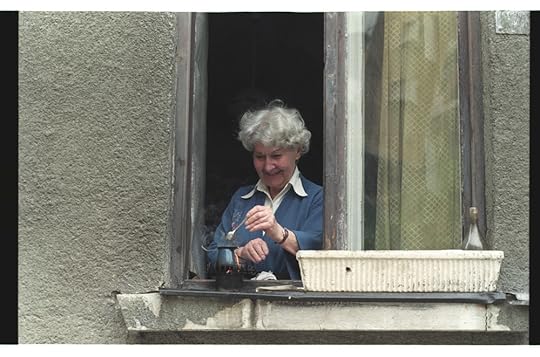
Danilo Krstanović: Caffè. Krstanović, morto nel 2012, ha documentato con fotografie belle e pregnanti l’assedio di Sarajevo.
Non sappia la tua sinistra quello che fa la tua destra. Matteo, capitolo sesto.
Non so se Slavenka Drakulić sia mancina o meno. Ipotizzando che non lo sia, immagino che abbia scritto questo libro con la mano sinistra, evitando di farlo sapere alla sua mano destra, quella con cui ha scritto tutti gli altri magnifici lavori che ho letto. Non abituata a scrivere con la sinistra, le è uscito fuori meno bene degli altri, un po' così così. Una Drakulić in sedicesimo, se mi si passa l'espressione.
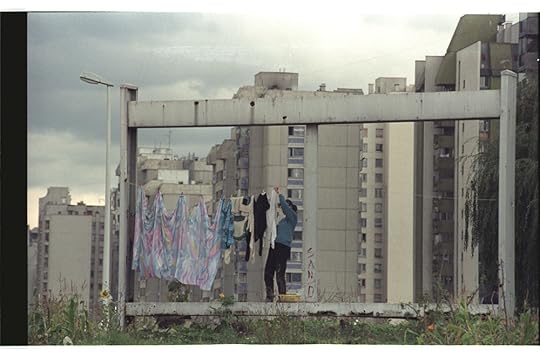
Danilo Krstanović: Stenditoio.
Forse si era stancata di raccontare gli effetti del totalitarismo socialista alla sua maniera, e per una volta ha voluto essere ‘leggera’. Così ha scelto punti di vista insoliti: le storie sono viste e raccontate da un cane a Bucarest, una gatta a Varsavia, come dice il titolo, un topo a Praga, un pappagallino a Brioni, isola dell’ex Jugoslavia, un corvo in Albania, una maialina a Budapest, un orso in Bulgaria. Otto animali, anni paesi dell’ex blocco sovietico, otto storie.
Lei dice di averlo scritto ispirata dalla noia: quando le hanno chiesto un libro per i vent’anni della caduta del muro, ha pensato che erano usciti già troppi saggi analitici e storici, ha voluto fare qualcosa di diverso. Ma il tono da favola giocosa le si addice poco.
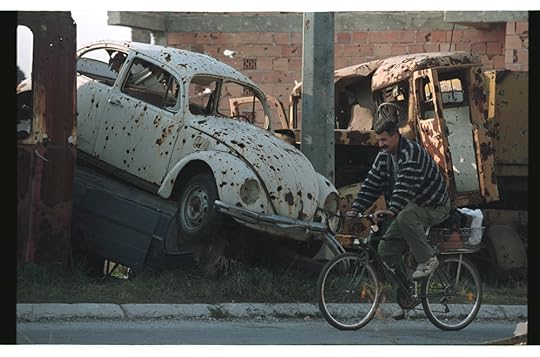
Danilo Krstanović: Barriere.
Quando vuole, però, sa sempre incidere: I popoli si sono ribellati (in Ungheria nel ‘56, a Berlino nel ’53, a Praga nel ’68, Solidarnosc in Polonia) e hanno pagato un prezzo salato. Ma alla fine, uno deve sopravvivere. Avevano la sicurezza di soddisfare i bisogni basilari, la casa, il lavoro, non c’era la libertà però. Ma, la libertà senza denaro non è una cosa meravigliosa. Oggi non ci sono molti nostalgici, eppure di fronte al gap tra ricchezza e povertà, la gente ricorda l’egualitarismo, e rimpiange quel senso di certezza, quel pezzo di pane giornaliero, non importa se senza burro.
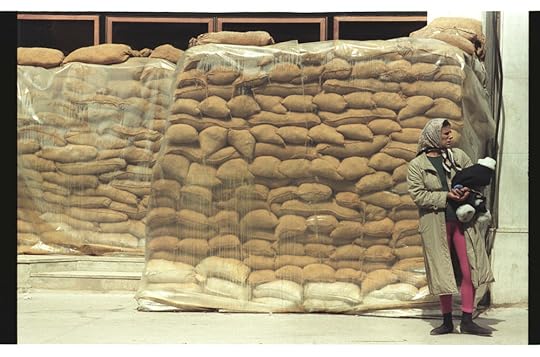
Danilo Krstanović: Attesa.
E poi si apprende che Tito è stato il leader comunista più gaudente di tutti: un amante dei bei vestiti, del buon whisky, sigari, per non parlare delle donne. Oggi, all’isola di Brioni, si può anche guidare la sua Cadillac Eldorado del 1953. Costa circa 500 dollari ogni mezz’ora.
فقط میتوانیم چنین نتیجهگیری کنیم که دیگر امیدی به نجات آدمها نیست، چون آدمها به راستی بزرگترین دشمن خودشان هستند.
کتاب بسیار جالب و خواندنی از زبان چند حیوان که با حاکمان حکومتهای کمونیستی زندگی کردهاند و با لحنی طنز بیانگر برخی اتفاقات و نگرشهای سیاسی و اجتماعی موجود در این نوع حکومت هستند. هر کدام از حیوانات به بررسی حکومت و سیاست موجود در کشور خودشان میپردازند، آلبانی، لهستان و ... آنها در جریان سیاسی و زندگی خانوادگی افراد مذکور هم بودهاند. نویسنده با نبوغ و خلاقیت در قلمش از وجود هراس، تباهی و دورویی در دنیای کمونیسم میگه جوری که اصلا خستهکننده یا غیرقابل فهم نیست. از دنیایی که نه تنها جسم بلکه روح انسانها به زنجیر کشیده شده. از این نویسنده کتاب «کافه اروپا» رو خونده بودم و ترغیب شدم که کتاب «کمونیسم رفت، ما ماندیم و حتی خندیدیم» هم بخونم.
مردم میخواهند تا جایی که میتوانند از کمونیسم فرار کنند. جوانها که اصلاً برایشان مهم نیست، از نظر آنها کمونیسم مال عهد دقیانوس است. آنهایی هم که سنشان قد میدهد که کمونیسم را به یاد آورند الان دوست دارند فراموشش کنند. چرا؟ چون سرشان را پایین انداختند و با سیستم کنار آمدند. صفحه ۲۲ کتاب همهی این افراد ذوب در حزب کمونیسم نبودند؛ فقط رسمی و تشریفاتی عضو حزب بودند تا بتوانند شغل و حرفهشان را حفظ کنند و از مزایای عضویت در حزب بهره ببرند. اما هیچ رژیمی، هر چقدر هم که مستبد باشد، بدون همدستی مردم - هر چقدر هم که این همدستی از سر بی میلی و نفرت باشد - دوام نمیآورد. صفحه ۲۲ کتاب بیشتر اعضای معمولی حزب فقط از سیاستها تبعیت میکردند، ولی بعضیها دستشان با رژیم در یک کاسه بود. استاد پرلیک میگفت: «خاکستری هم طیفهای تیره و روشن زیادی دارد.» و بعد از واتسلاف هاول، قهرمان «انقلاب مخملی» ، نقل قول میآورد که درون هر کس عملاً مرزی بین ظالم و مظلوم است، چون هر کس به شیوه خودش هم قربانی این سیستم است و هم حامی آن. صفحه ۲۳ کتاب [کوندرا] یکی از مشهورترین مخالفان کمونیسم شد که از خود دنیای کمونیست آمده بود و نامش در کنار کسانی چون آلکساندر سولژنیتسین قرار گرفت. ناگهان پای همین کوندرا را به یک رسوایی بزرگ میکشانند! … در اکتبر سال ۲۰۰۸ مورخی مدرکی پیدا کرده دال بر این که این آقای کوندرا آن کسی که ادعا میکند نیست. نه تنها مرد با اخلاقی نبوده، بلکه کم کمش یک پا خبرچین بوده. یک مدرک حی و حاضری هم از سال ۱۹۵۰ دارند که خبرچینیاش را ثابت میکند. این مدرک حاکی از این است که میلان کوندرا که آن زمان دانشجوی رشته سینمای آکادمی هنرهای نمایشی در پراگ و یکی از اعضای جان بر کف حزب کمونیست بوده، به بازرس پلیسی که امضایش زیر این مدرک آمده راپورت داده که شخص مشکوکی در خوابگاه او ساکن است. پلیس هم پیرو خبر کوندرا، میروسلاو دووراچک، خلبان و جاسوس سازمان جاسوسی چک، را که آن زمان تحت الحمایهی آمریکا بود دستگیر میکند. دووراچک غیر قانونی از مرز رد شده و به چکسلواکی برگشته بود و داشت دوباره خارج میشد که دستگیرش کردند. حسب راپورت کوندرا این مرد را دستگیر و به بیست و دو سال زندان با اعمال شاقه محکوم کردند. دووراچک هم بخش عمده دوران محکومیتش را در معادن اورانیوم گذراند. اما کوندرا در هیچکدام از نوشتهها و مصاحبههایش کلامی به این موضوع اشاره نکرده. صفحات ۳۸-۳۹ کتاب در رژیم سابق، مردم یک بده بستان ساده با رژیم داشتند: آزادیشان را میدادند و جایش امنیت میخریدند. صفحهی ۹۵ کتاب در جامعهی ما، هر نوع دانش و اطلاعاتی اسباب بدبختی و مصیبت بود. هر چه آدم دسترسی بیشتری به دانش و اطلاعات داشت، مظنونتر بود. به همین دلیل تماشای برنامههای تلویزیونی خارجی و گوش کردن به اخبار خارجی رادیو ممنوع بود. صفحه ۲۲۲ کتاب ۱۴۰۴/۱۱/۱۷
After reading Animal Farm, The Life of Insects, Kafka's Metamorphosis and various novels and historical accounts on post-Communist countries and individuals, most recently Svetlana Alexievich, I expected to be on familiar ground. But apart from the author's direct reference to Orwell in the beginning, and to Aesopian language as a means of psychological analysis in one of the stories, it was something completely different from other modern novels written in the form of fables. In eight short stories, different animals talk about their life in Communist Europe, all of them representing different species, social functions and countries. It sounds like a rather silly idea, but the light-hearted approach quickly turns into something deeper and darker, as the London-based pig lady from Hungary admits at the end of her introduction to cooking:
"At the end, dear patient reader, I am aware that I started this long but necessary introduction in a light tone and ended up embroiled in politics, history, and identity - just like a typical East European intellectual - and I don't apologize for that."
The interesting twist in this collection of stories is the fact the various animals experience their environment clearly, and according to their personal needs and characteristics, but with a human reflective mind. They allow themselves to question objectively the situations that human beings would be far too personally affected by to describe without bias and political opinion. The animals thus illustrate that it is possible to reject the system itself and feel compassion for and understanding of the human beings within it at the same time.
One of the most thrilling stories concerns a raven who turns psychotic after witnessing (or instigating) a suicide. The narrator turns the classic raven in the tradition of Poe into its opposite: instead of creating an atmosphere of ominous foreshadowing itself, it is the victim of an oppressive, dangerous and incomprehensible situation that it can't handle. The symbol of fear has to go to psychoanalysis to overcome its panic attacks! What a sad and ironic metaphor! The story that touched me most was the one told by a mole in Berlin, trying to make sense of the wall. He describes his struggle to understand the motivation for people to escape from one side to the other by taking up the mole's profession: digging tunnels. In the materialistic, detached concept of the moles, human beings try to get into the prison that constitutes West Berlin in order to be able to eat bananas, which are a mystery to moles but can be compared to an especially delicious worm.
"After that I had no other option but to conclude that, in these ancient times of the Wall(s), what Men defined as freedom was moving from one banana place to another."
I could not help laughing tears at this. First of all because it is still true! We do indeed want to be able to move from one banana place (republic) to another, and we want to have the option to eat bananas, even if we don't actually like them. Secondly, it reminded me of the time at the beginning of the 1990s, when I went to school in a (West) German town, and people started to move there from Eastern towns. Bananas were indeed not a joke. It was a real topic, a symbol for the difference between the two Germanys. There are a lot of questions underneath the surface of that ironical storyline. As Draculic herself states in the introduction:
"I am aware that, if you are not familiar with Eastern Europe under Communism, some stories from this book might appear to you highly fictitious, if not outright fantasy. Therefore, I would like to assure you that, unfortunately, this is not the case. From the point of view of persons and events described, regardless of whether a story is narrated by a dog, a cat, or some other domestic, wild, or exotic animal, it all really happened. This is easy enough to check. Indeed, as a fiction writer I often felt ashamed by the imagination of politicians, of which there is ample proof in this book!"
This is an argument I have heard from giants of magical realism in South America and Asia as well, such as Marquez or Salman Rushdie, and the more life experience I gain, the more I tend to agree with them. The benefit of introducing animal storytellers to relate the historical facts is simply to add a platform for interpretation from a different angle, and it works beautifully. It is unlikely the reader will forget the characters described in this novel, and it should be part of any library concerned with human beings living within timeframe of the social experiments of the 20th century, like Koestler, Pasternak, Doris Lessing, Milan Kundera, Milosz etc. They all added a dimension to the task of writing down history so it won't be repeated in all its surrealism and folly, and they did so writing brilliant fiction. As Kipling said:
"If history were taught in the form of stories, it would never be forgotten."
کتاب در هشت روایت مجزا در دوران پس از سقوط نظام های کمونیستی شرق اروپا از زبان حیواناتی سعی در توصیف حکومت های کمونیستی و دیکتاتورها و اوضاع قبل و بعد فروپاشی اونها داره. به نظر میاد تمام تلاش نویسنده این بوده که روایات بی طرفانه عنوان بشه و با دید تازه ای به این قضایا نگاه کنه. از این جهت نسبتا نویسنده موفق بوده اما از نظر شخصی من روایات اونقدری که باید جذاب نیستن و هر از چند گاهی آدم احساس خستگی میکنه و مجبوره چک کنه تا آخر روایت چند صفحه مونده. توضیح زیادی نمیتونم بدم و در کل کتاب از هر نظر متوسط هست. بین ۲/۵ تا ۳ ستاره برای کتاب مناسبه.ه
پیشنوشت: بزرگترین مشکل من با این کتاب تگ تاریخی ذیل موضوعش بود، شاید اگر عنوان داستان کوتاه یا هرچیز دیگه داشت میتونستم کمی درکش کنم اما به عنوان یک کتاب تاریخی به هیچ عنوان. نویسنده با نگاهی کاملا جانبدارانه و یکسویه کمونیسم رو در کشورهای اقمار شوروی رو دستمایه کار خودش قرار داده اما ارجاعاتش کاملا مخدوشه و بعضی جاها شکل تسویهحساب شخصی به خودش میگیره. خلاصه کتابی نیست که به کسی توصیهش کنم و حقیقتا از استقبالی که ازش شده تعجب میکنم. ______________________________________ _____________________ میخوان تا جایی که میتونن از کمونیسم دور بشن. برای جوونای ما مهم نیست، چون کمونیسم براشون مثل ادوار گذشتهی باستانیه. آدمهایی هم که سنشون به کمونیسم قد میده میخوان فراموش کنن. چرا؟ چون باهاش کنار اومدن. درست مثل من، مثل شوهرم، همسایههامون و هرکس دیگهای که میشناسم _____________________________________________________________ هیچ رژیمی، هرقدر هم که تمامیتخواه باشه، نمیتونه بدون همدستی مردم به بقای خودش ادامه بده، حالا هرقدر هم که این همدستی با اکراه باشه. بیاین خودمون رو گول نزنیم؛ بیشتر ما از رژیم فرمان بردیم، نه فقط برای نجات جونمون ـ چون چکسلواکی که اتحاد جماهیر شوروی نبود ـ بلکه صرفا برای اینکه بهتر زندگی کنیم ____________________________________________________________ از واسلاو هاول، قهرمان انقلاب مخملی، نقل قول می کرد. هاول گفته بود مرز میان مظلوم و ظالم در واقع از میان تک تک انسان ها می گذرد، چون هرکس به نوبه ی خود هم قربانی است هم حامی نظام ____________________________________________________________ وقتی با چشمهای خودتان انبوهی از موی انسان، کفش، عینک و چیزهای دیگری را ببینید که پشته پشته آنجا افتاده اند، وحشت بهتر در جانتان می نشیند. هرکدام از آن چیزها، تک تک چیزهایی که آنجاست، زمانی مال کسی بوده که نامی داشته، یک آدم واقعی زنده ____________________________________________________________ چک ها خود را قربانیان کمونیسم می دانند، نه آنهایی که به قول معروف گناه واقعی رو مرتکب شده اند ____________________________________________________________ این اتاق {اتاق بازجویی} اگر نماد چیزی باشد ـ نماد قدرت مطلقه است. در چنین اتاق هایی مردم را وادار می کدند نه تنها به دیگان، بلکه به خودشان هم خیانت کنند. از طرفی این سنوشت فقط گریبان عده ی نسبتا اندکی ا می گفت. اما به یک چیز دیگر فکر کن، به چیزی که اینجا به نمایش در نیامده، به صدها میلیون آدمی که احساس می کردند یک اتاق بازجویی در مغزشان کاشته شده. این را نمی توانی ببینی، ولی وجود داشته است. شاید باز فکر کنی دارم اغراق می کنم، اما دارم از خودسانسوری برایت می گویم: خودت بازجوی خودت می شوی و دقیقا در جایی می نشینی که جبهه ی مخالف آزادی بیان است ____________________________________________________________ آه، زندگی یک فاحشه است و بعدش هم می میریم ____________________________________________________________ وقتی در قفس زندگی می کنی، حتی فکر کردن به هرگونه آزادی یک جور تناقض است ____________________________________________________________ اونا فقط جسم زیردستاشون رو اسیر نکرده بودن، بلکه ذهنشون رو هم به بند کشیده بودن. بعدها بود که فهمیدم دلیل برده موندن هرکس ذهن اسیر خودشه. اگه بپرسی: یعنی هیچ آدم دیگه ای نبود که برای حفظ حقو ق ما مبازه کنه و جلوی این شکنجه ی غیرقابل تحمل رو بگیره؟ مثلا همسایه ها یا پلیس یا بقیه مردم؟ " من هم بهت میگم نه! همه شون نشستن و رقص ما رو تماشا کردن و خندیدن! از تماشای یه حیوون خطرناک که تبدیل شده به دلقک رقت انگیز لذت می بردن. این کار سلطه و برتریشون رو اثبات می کرد؛ یه حکایت غم انگیز از اینکه آدم ها اگر فرصتش رو پیدا کنن، چقدر می تونن حیوون صفت باشن ____________________________________________________________ در بسیاری از ترانه های فولکلور بلغارستان، زن موجودی سحرآمیز است، واسطه ای میان زمین و آسمان، میان طبیت و ماورای طبیعت، چنین زنی را سامودیوا می خواندند که یعنی پری وحشی ____________________________________________________________ می گوید: «معلومه که تو این حقیقت رو که اون واقعا شکنجه گرت بوده توی خودت سرکوب کرده ای. گرفتار واکنش پاولوفی شده ای.» فکر می کنم این حرف ها را در مدرسه یاد گرفته باشد. «واسه همین حتی امروز هم، تا صدای گدولکا یا هر موسیقی دیگه ای رو می شنوی، شرو می کنی به رقصیدن» فهمدم منظورش چیست. این اواخر آیپادش را آورده بود و داشت برایم موسیقی راک چخش می کرد. آی پاد را با پنجه ام گرفته بودم و هدفون ها را گوش هایم گذاشته بودم که یک دفعه شروع کردم به رقصیدن. خیلی گروتسک بود، می دانم. اما میل رقصیدن در من قوی تر است تا اراده ام برای مقاومت در برابر رقص.اولینا از تماشای این صحنه غمگینشدهبود، من همهمینطور. راستشفکر میکنم حق با او باشد. راستش فکرمیکنم حق با او باشد. یک آهنپاره سوزان تمرین تا ابد در سرم کاشته شده.شاید به همین خاطر است که فکر نکنمبتوانم این آزادی جدید را کاملا بفهمم یا قدرش را بدانم. علاوه بر این، هر آزادی ای حد و حدود خودش را دارد. اما من یک خرس پیر هستم و خرس های پیری که برای رقصیدن تعلیم دیده اند راه نجاتی ندارند، حتی وقتی هیچکس زنجیرشان را نمیکشد ____________________________________________________________ دیگر امیدی به نجات آدم ها نیست، چون آنها به راستی بزرگترین دشمن خودشان هستند ____________________________________________________________ {چشمهایش} مثل چشمنابینایان نیست، چشم هایش کور نیست، بلکه چشم هایی است که هیچ نویسنده ای تا کنون توصیفشان نکرده و کمتر کسی به عمرش دیده، چشم هایی مرده در چهره ای زنده. استاینر قربانی بود، اما سونیا هم قربانی شد. این جمله باث شد هرگز فراموش نکنم گولاک چه به روز چشم های سونیا آورده بود
Quite a ride, this fine book, the best sort of writing. Unpredictably, I found myself dreaming about my past, mixing with bits from the animal narrators - seeing under layers of things.
So much history to learn about countries that lived Behind the Iron Curtain, from the animals who were there. Delicious.
We learn how Tito looked in shorts - dished by a swishy dilettante parrot in Croatia, and that Milan Kundera was actually a denouncer himself - from a mouse in Prague. We hear a brilliant Polish cat named Gorby asking for clemency for Wójciech Jaruzelski who was put on trial in 2008 at 85. He simply asked, really, mightn't this be a Catholic country just wanting absolution?:
“Redemption of their Communist sins would come in very handy, because it would divest them of their own responsibility ... .the hundreds of thousands who aided and abetted military rule for more than a decade. What about them?...Once the General is sentenced the others can wash their hands.”
But I think my two favorites were the Hungarian feminist pig (now living in England) and the Oldest Dog in Bucharest.
When the Ceausescu government cleared central Bucharest of people, and all of its old buildings - it also demanded those people give up all of their pets:
“And you must be wondering, on the other hand, why a totalitarian regime capable of such destruction, of uprooting tens of thousands of humans, couldn’t have taken radical care of dogs? I suggest that you think about something else, about people who obediently abandoned these noble creatures, their best friends (because we’re talking here about house pets) to life on the street, to the cruel struggle of survival. Doesn’t that tell you something about those who didn’t have the courage to defend their own homes? Ah, blessed times, when you could blame Ceausescu for everything…”
Later (speaking of the late 2000s) he explains:
“You see, again, old, beautiful (even if decrepit) villas being demolished to make room for new buildings of steel and glass - for foreign banks and corporations, like in Shanghai and Singapore. For new masters, who no longer rule by fear but by greed.
In the transition from Communism to capitalism, all people are unequal, but some are more unequal than others.”
In closing, while never leaving the Loving Kindness that is all dogs, our Old Dog uses the beautifully absurd, and completely true, example of “Operation Baghdad Pups” to waltz us through these years. Remember the Romanian orphanages, the unreachable children?:
An American soldier, fell in love with a dog in Iraq but couldn’t take it home with him. Eventually he found a way, via Kyrgyzstan, a contractor and, of course, many many dollars. So birthing a movement which led to about thirty pet stray dogs being adopted by families in the USA from Afghanistan and Iraq at the time our Old Dog was speaking, at a cost of 4-6 thousand dollars per dog. Now over 1,200 dogs have been adopted, shipped around the world, (according to their website: spcai dot org / our-work/patriot-pets). Yes, dogs adopted by families in the USA from the middle east costing thousands of dollars per dog.
This gave Old Dog an idea:
“True, unfortunately Romania is not occupied by American soldiers. But why shouldn’t we take action ourselves and, under the slogan “Exportation, not extermination” (I imagine this could catch media attention), offer our dogs for adoption abroad? I’m sure there are people willing to take them; costs would be one third of the American costs, if not less. Remember how Westerners were crazy about adopting our children from orphanages? Not that dogs are as popular as white orphans, but one could at least try. For example, what if adoption included a free long weekend in Bucharest with your future pet?”
Isn’t it better than sex tourism he asks? But then, he suggests, it’s more likely they’ll be sold to Korea as meat by a politician who is subsequently elected to office on an animal rights platform . Suspecting his listener might be slightly uncomfortable at that:
این کتاب نسبت به دیگر کتابهای این نویسنده شامل اطلاعات کمتری میشد. نویسنده محتوای تاریخیاش را در ظرفی داستانی ریخته بود. برای منی که به هوای اطلاعات تاریخی سراغش آمده بودم کمی خستهکننده میشد اما این به معنای خستهکننده بودن داستانهایش نبود. داستانها به طور تمثیلی از زبان حیوانها روایت میشدند. در فصل انتهایی، نویسنده شیوهی دیگری برای روایت انتخاب کرده بود. شیوهای که نشان میداد استفادههای قبلیاش از فرم تمثیلی، چقدر با محتوای ممالک کمونیستی مطابقت دارد. در ممالکی که حریم خصوصی به زحمت یافت میشود، مجبور میشوی که عادت کنی به سخن گفتن از پشت پرده، به پیجاندن و تمثیل، و انتخاب این فرم برای این کتاب، انتخابی بسیار هوشمندانه تلقی میشود.
اگر کتابهای دیگر این نویسنده را خوانده باشید، این کتاب مطالب جدیدی برای شما خواهد داشت، اما نه خیلی زیاد.
كتابي فوق العاده پر بار، پر معنا و پر احساس با بيان و نگاهي متفاوت به اروپاي شرقي در زمان كمونيسم. اوج كتاب به نظر من نامهي گربه ژنرال به دادستان كل ميباشد.
در این کتاب، زندگی در دوران کمونیسم در چند کشور بلوک شرق از زبان چند حیوان بیان شده است. اگر کتابهایی در این مورد خوانده باشید و اطلاعاتی در این زمینه داشته باشید، نکته قابل عرضی ندارد. به نظر من بهترین فصل، فصل اول بود و بعد از آن تاحدی و اندکی فصلهای دو و پنج و شش.
هنوز ایدهای ندارم که چهقدر روایاتش از نظر تاریخی موثقه، ولی جدا لذت بردم. یک کلیله و دمنه در دوران کمونیستی اروپای شرقی، مملو از طنز تلخ و جملات گوهربار.
موضوع این کتاب هم مثل سه کتاب قبلیِ دراکولیچ، که به زبان فارسی ترجمه شده است، حول دوران و جامعه کمونیستی است. با این تفاوت که این بار گویندگان و راویان داستان نه انسان که از زبان حیوانات است. موش، طوطی، خرس، گربه، موش کور، خوک، سگ و یک زاغ.
دراکولیچ این بار برای وصف دوران کمونیسم به صورت استعاری از زبان حیوانات استفاده کرده است و با طنزی تلخ سعی دارد که دنیای حیوانات را به دنیای واقعی ما پیوند زند. از طوطیِ خانگی «تیتو» تا موش کوری که در زیر «دیوار برلین» زندگی میکرد. از سگهای دوران «چائوشسکو »تا گربه ژنرال «یاروزلسکی».
تمام داستانها، همچون کتابهای پیشین وی، در حال و هوای اروپای شرقی است. از ضعف و کمبودهای نظام کمونیستی، از دهشتناکی رهبران این نظامها و نیز از حال و روز مردمان این جوامع در پیش و پس از سقوط کمونیسم. و نیز از رفاه نیمبندی که این نظام توانسته بود از لحاظ آموزش و بهداشت برای مردمان بسیار فقیر حاصل کرده باشد.
دراکولیچ نیمنگاهی هم به دوران پسا-کمونیسم، شکل گیری دموکراسی در این کشورها، نابودی نظام اقتصاد برنامهریزی متمرکز و برپایی اقتصاد بازار نیز دارد. او کنایههایی را نیز نصیب این دوران میکند. از گذار دردناک به این دوران، از فساد و تباهی که حتی پس از سقوط کمونیسم نیز گریبانگیر این کشورها بود، از یکشبه «بهشت» نشدنِ آن «جهنم»، از نارضایتی مردمانش، از شکلگیری یک الیگارشی جدید متشکل از همان سردمداران سابق نظام کمونیستی و ... .
دراکولیچ بارها در کتابش عنوان میکند که برای نسل امروز، کمونیسم چیزی بیش از یک موزه و تاریخ نیست و نسل فعلی شاید هیچ تصوری از آن دوران نداشته باشد. شاید علت تمرکز وی بر این موضوع در داستانهایش نیز ناشی از همین دلیل باشد.
این کتاب برخلاف کتابهای پیشین دراکولیچ که همگی برای نشر گمان بودند و سرپرست و ویراستار آنان جناب خشایار دیهیمی، که عمرشان پاینده باشد، بود، متعلق به نشر ماهی است. علیرغم دنبال کردن ترجمههای بابک واحدی و رضایتبخش بودن آن، این بار اختلاف فاحش در نبودِ خشایار خان دیهیمی قابل مشاهده بود. کتاب موضوع جالبی در نوع خود دارد، ترجمه آن نیز بد نیست اما در قیاس با دیگر اثرهای پیشین، اختلاف در روانیِ ترجمه فاحش بود.
Although often clever and poignant in its observations not only about the distorting dynamics of power in Eastern European communist states but also the gap in consciousness between those who lived through and those born after that era--i.e., of experience and benign ignorance--I didn't find this book as compelling as the others I've read by Drakulic. It seemed aimed at those with little to no familiarity with those Eastern bloc states, but also written in a style that assumed that the allusions and satire would be understood. The conceit of this book is the story of those states told from the perspective of various animals: some of whom had intimate vantage points from which to observe the inanities of these socialist states and/or those in charge of them (e.g., Tito's parrot), others who piece together the histories through indirect accounts or evidence (e.g., a mole from the former East Berlin), but all of whom wonder at the bizarre nature of human beings. I found Drakulic's work more appealing in the past because she shared directly personal stories of her own and from others that revealed the fundamental indignity and inhumanity that even the smallest aspects of life in those societies presented for those who lived in them. In this book, the focus seems to be more on the elite and their perverse view of the world and themselves and the contortions and manipulations that this created. Perhaps the 20-year distance from the collapse of communism left Drakulic with less direct material--or at least enough that was left (consciously or not) unsmudged by time--to write the kind of social critiques as she had before.
مردم هنوز باور دارند که همیشه کسی «آن بالا» نشسته که به نام آنها تصمیم میگیرد و بعد میتوانند همهی تقصیرها را به گردن او بیندازند. اگر دیروز کمونیسم آن بالا نشسته بود، امروز بوروکراسی بروکسل آن بالا نشسته است. همهچیز را به بالانشینها سپردن، فقدان ابتکار عمل، فقدان اقدام خودخواسته در جهت منافع عمومی و... به عقیدهی این سگ حقیر، معضل واقعی ما همین است. وقتی از منافع عمومی و خیر عام حتی تصوری هم وجود ندارد، چهکار میتوان کرد؟ در جامعهای مثل جامعهی ما باید منافع و مصلحت عمومی را به وجود آورد. فقدان آن یعنی یک روز صبح از خواب بیدار میشوید و میفهمید یکی از آن بالانشینها تصمیم گرفته از شر سگها خلاص شود. بهنام اتحادیهی اروپا قرار بر این میشود که یکجا نابودمان کنند. سپس تا مدتی خشم عمومی بالا میگیرد و حزب حاکم هم احتمالا چندتایی از رایهایش را از دست میدهد. شاید با خودت بگویی چه اهمیتی دارد. ولی بگذار از این حقیقت تلخ برایت بگویم: مسٔله این است که نفر بعدی چهکسی خواهد بود؟ کولیها؟ یهودیها؟ چرا آدمهای عینکی نفر بعدی نباشند؟
Brilliant: Two books in one. I can't do it justice with a brief Goodreads review, so I'll write a real review and post the link when it's published.
I will say this: Scrolling through other reviews, I see multiple references to Animal Farm. I can't imagine why anyone might suggest that the books are similar except in the most superficial sense that they both critique communist states while deploying animals as protagonists. For the record, Animal Farm is a heavy-handed allegory in which the animal characters are simple stand-ins for people. This book is something else altogether: The stories of various former socialist states told, with one exception, by animals who are animals--not stand-ins for people. This allows Drakulic to write not only about relations among people under various communist regimes but also about human-animal relations and the ways that these two sets of relationships sometimes mirror each other. As I said: Two (or maybe three) books in one.
اگه کتاب مزرعه حیوانات جورج اورول رو خونده باشید و دوست داشته باشید قطعا از این کتاب هم خوشتون میاد. این کتاب هم از زبان حیوانات هست و حکومت دیکتاتوری کمونیسم رو توضیح میده روایت های مردمان این کشور ها که زندگیشون چقدر سخت بوده. واقعا نویسنده قلم فوق العاده ای داشته من کتاب رو واقعا دوست داشتم میشد تک تک سختی های این مردمان رو حس کرد.
Концептуално ми хареса - най-вече заради тежките упреци, които Славенка Дракулич отправя към определени нюанси в комунистическия тоталитарен строй, а именно към всички онези, които го подкрепят с мълчаливото си съгласие или с безучастността си (много актуално в момента). Да, силни и остри критики в редица ниши, които често остават незабелязани или недискутирани. Много умело споменаване на факти - важни, интересни и наистина отвратителни - за определени представители в различните страни от Варшавския договор и СССР + Югославия (ГДР, Полша, Чехословакия, Румъния, Албания).
Литературно не съм впечатлена, доколкото знам, доста хора харесват писането на авторката, ще трябва да се запозная по-добре с него, защото наистина е силно. Имаше и малко обиди към капитализма и либералната демокрация, но това е нормално, въпреки че съм абсолютно „за“ тях, наясно съм, че икономиката може да е много кръвожадна. Плюс това и двете с Дракулич сме съгласни, че всички проблеми в новия ред идват от все още нелустрираните и неосъдените комунисти :-)
ایده اولیه کتاب برای من خیلی جذاب بود. قصه هایی از زبان حیوانات . قصه هایی که اشاره مستقیم و غیر مستقیمی به رویدادهای واقعی تاریخ دارند. نگاه متفاوت به اتفاقات رخ داده شده دردنیای کمونیسم و بلوک شرق. داستان هر یک از حیوانات در یک کشور کمونیستی سابق تعریف می شود. و من داستان موش،طوطی و گربه رو خیلی دوست داشتم. "مارشال بسیار خود پسند بود ان قدر که ایمان داشت که هرگز اتفاق بدی برایش رخ نخواهد داد هر کاری می کرد یا هر چه که میخورد محال بود به هیچ بیماری ناگواری مبتلا شود. از خودش بی نهایت مطمان بود و خود را بی نهایت شکست ناپذیر می دانست. فکر میکرد حتی مرگ هم نمی تواند شکستش دهد و این از عوارش بیماری مرگباری است که سخت به قدرت وابسته است. این بیماری از قدرت مطلقه حاصل می شود اما تناقض چنین قدرتی در این جاست که نه تنها چشم داوری را کورد میکند بلکه تصویری را هم که ادم از خودش در ذهن دارد کدر میکند. ادم به این فکر میکند که شاید عمر جاویدان یک استعاره نباشد و بعد آن استعاره می شود همه چیز زندگی اش."
مردم هنوز باور دارند که همیشه کسی «آن بالا» نشسته که به نام آنها تصمیم میگیرد و بعد میتوانند همهی تقصیرها را به گردن او بیندازند. اگر دیروز کمونیسم آن بالا نشسته بود، امروز بوروکراسی بروکسل آن بالا نشسته است. همهچیز را به بالانشینها سپردن، فقدان ابتکار عمل، فقدان اقدام خودخواسته در جهت منافع عمومی و... به عقیدهی این سگ حقیر، معضل واقعی ما همین است. وقتی از منافع عمومی و خیر عام حتی تصوری هم وجود ندارد، چهکار میتوان کرد؟ در جامعهای مثل جامعهی ما باید منافع و مصلحت عمومی را به وجود آورد. فقدان آن یعنی یک روز صبح از خواب بیدار میشوید و میفهمید یکی از آن بالانشینها تصمیم گرفته از شر سگها خلاص شود. بهنام اتحادیهی اروپا قرار بر این میشود که یکجا نابودمان کنند. سپس تا مدتی خشم عمومی بالا میگیرد و حزب حاکم هم احتمالا چندتایی از رایهایش را از دست میدهد. شاید با خودت بگویی چه اهمیتی دارد. ولی بگذار از این حقیقت تلخ برایت بگویم: مسٔله این است که نفر بعدی چهکسی خواهد بود؟ کولیها؟ یهودیها؟ چرا آدمهای عینکی نفر بعدی نباشند؟"
I picked this book up because the remaining money was going to burn a hole in my pocket if I left the LitFest without spending all of it. I'm glad I did.
A mouse giving a guided tour of a Museum of Communism in Prague; an old dog narrating his life on on the streets of Bucharest under the rule of Ceausescu; and a letter written by the house cat of a misunderstood dictator of Poland - these three tales depicts life under communism, and the transition-period after the fall of communism, in three separate Soviet blocs.
But this isn't George Orwell's Animal Farm. These animals aren't metaphors for the Soviet Man. As Bohumil the museum rat says, the focus of communism was on numbers, not on stories. But these animals go far and beyond the Soviet Man and offer a perspective and nuances that are uniquely personal.
Историята на комунизма в различни бивши соц държави, разказана от гледната точка на животни. Животните са умело подбрани според особеностите на страната и разказа, което е още един плюс на книгата и автора ѝ (Славенка Дракулич, освен това, е феноменално лепо име!). Имайки предвид, че Славенка идва от страна, в която комунизмът не е бил чак толкова драконовски, доста добре е уловила есенцията на мрака и абсурда на този режим (а комай на всяка тоталитарност). И ги е обърнала с хастара навън, така че да се смееш там, където трябва да се плаче. Забавна хрумка, добре реализирана, а и доста адекватна, имайки предвид, че хората по онова време имат почти толкова права, колкото и животните. Съвсем малко по-малко от тях, но close enough.
کتاب خیلی برای من جالب و دوست داشتنی نبود انگار به سبک مزرعه حیوانات جورج اورول نویسنده خواسته که روایت ها از زبان حیوانات باشه ،اما اونقدر روایت ها قوی نبودن ،اونقدر در مورد کمونیسم صحبت عمیقی نشده بود و از بین کارهایی که از این نویسنده خوندم این کار ضعیف ترینش بود،من روایت گربه و موش کور رو دوست داشتم ،بقیه شون حتی تا حدی خسته کننده بودن...
Pets and other animals talking about the bestialities of human communism in the former Eastern Bloc countries. A well-documented and often entertaining approach to well known and less well known facts that truly happened from East Berlin to Moscow passing through Budapest, Prague, Warsaw, Bucarest.
Giving voice to mice and cats, dogs and bears, ravens and parrots with each animal talking about its own country was indeed a work of genius. Most of those who reviewed this book mentioned either the 'Orwellian approach' or the ' Orwellian inspiration' of Mrs Drakulic, but I think otherwise. She's truly original and independent in her own work here so that the comparison with the author of 'Animal Farm' doesn't stand a chance. To me the closest this book gets to is rather 'The Life of Insects' by Victor Pelevin. But then again, unlike Pelevin, Drakulic doesn't insist on metaphors and camouflages: her animals are actual animals from the beginning to the end of their chapters (with one significant exception). Well done, Slavenka!
And yet 'A Guided Tour Through the Museum of Communism' (let me catch my breathe) falls short of what I expected. Whilst I did appreciate some of the episodes, others were just not at the same level and, in my humble opinion, out of place in the context.
I particularly liked the stories of the mole talking about people digging tunnels from East Berlin to West Berlin, the one about the rabid dogs issue in Bucarest seen from a canine perspective and the musings of General Jaruzelski's pussycat regarding her owner's controversial decisions. One of the reasons why these three 'fables' really work and stand out here is that they achieve a perfect balance between the human-animal narrative and their historical significance.
On the contrary I found unexplicable the choice to have a real woman, Magda, introducing herself as a 'Hungarian pig' in the chapter entitled - sic! - 'From Gulag to Goulash'*. Putting aside the non convincing story itself, why not giving voice to an actual sow? Was that too complicated? The contradiction here with this one and only episode not being narrated by an animal is so evident that I'm inclined to think that Mrs Drakulic did that on purpose. But for what purpose, I wonder? Who knows.
The human-animal denouement is not broken anywhere else, but a couple of stories are just too long a monologue to be consistent (Tito's parrot, the chaperoning mouse in Prague) with the final result of putting their interesting animal perspective at risk with the author's voice popping up.
That being said, I reckon how Slavenka Drakulic did a good job here. I got hooked to this thin but important book and overall enjoyed it. The fables I read taught me some episodes I was not aware of and reinforced my knowledge of other topics I had already heard about.
*The tragedy is that back on 1996 the uncouth leader of the Northern League Party in Italy did call the gulags 'goulash' in a public speech.
"екскурсія музеєм комунізму" – це збірка пострадянських історій, розказаних від імені різних тварин: чеської миші, болгарського ведмедя, румунського пса, німецького крота. іноді, щоправда, їхні роздуми виглядають підозріло людськими: "ох, ці благословенні часи, коли у всьому можна було звинувачувати чаушеску" або "раніше обмін був простий: ти віддавав свободу за безпеку. бо що таке, врешті, свобода, коли тобі нічого їсти?" мабуть, мета славенки дракулич частково й полягала в тому, щоб оголити риторику, деавтоматизувати ці давно звичні репліки через незвичних мовців. з іншого боку, тварини, на яких серйозні заклопотані люди зазвичай не зважають, часом бувають вкрай поінформованими оповідачами, як, наприклад, киця генерала ярузельського. та й просто це весело – вигадувати, що могли б розповісти про соціалізм усілякі звірята.
I have wanted to read Slavenka Drakulic's work for ages, and borrowed Two Underdogs and a Cat: Three Reflections on Communism, the only book of hers which my library had in stock. The volume is comprised of three short stories entitled 'A Guided Tour Through the Museum of Communism', 'An Interview with the Oldest Dog in Bucharest', and 'The Cat-Keeper in Warsaw', told from the perspective of a mouse, a dog, and a cat respectively.
Drakulic's work is clever, deep, and well informed, with a touch of whimsy. Each story is engaging, and the way in which they are told and the content which they express mould to become something quite profound. In the first story, for instance, Drakulic writes the following: 'Maybe the absence of individual stories is the best illustration of the fact that individualism was the biggest sin one could commit.'
Informative, powerful, and rather different to many of the reflections on Communist rule which I have read to date, Two Underdogs and a Cat is one of the most memorable books I have come across in quite a while. Drakulic effectively demonstrates how far-reaching Communism was, and the effects which still remain today for ordinary people. As she writes in 'An Interview with the Oldest Dog in Bucharest', in a clear play on George Orwell's Animal Farm, 'In the transition from Communism to capitalism, all people are unequal but some are more unequal than others'.
Già nell’antichità Esopo e Fedro (che coincidenza: un ex-schiavo “come” la Drakulic) hanno sfruttato il ricorso agli animali quali archetipi dei vizi dell'essere umano. I narratori animali di questi racconti si inseriscono in un certo senso in questa tradizione: queste sono moderne favole “morali” in cui non troverete un approfondimento dettagliato sulla storia del comunismo (i fatti a cui si accenna sono semplicemente le cronache politiche degli ultimi 60 anni, fatti di pubblico dominio), ma una riflessione generale su alcuni temi etici quali la responsabilità del singolo, sia esso uomo di potere o comune cittadino, la rimozione e la catarsi rispetto al proprio passato prossimo, la società pre- e post-crollo e, in ultimo, la natura umana.
Commento a fine lettura: L'impressione che mi è rimasta è che questo libro sia stato scritto per le giovani generazioni nate dopo la caduta del comunismo, allo scopo di preservarne la memoria storica e informare chi non ha mai visssuto la dittatura sulla propria pelle. Pur non essendo un libro stupido o superficiale, può risultare poco utile a chi ha già conoscenze medie sull'argomento. Nonostante questo, per me è stata una buona lettura.
Sometimes nothing can kill a book deader than a too rigid adherence to a concept. I can imagine Slavenka Drakulić first reading George Orwell's Animal Farm, and saying to herself: "How cute! I can adapt this to my experience of Communism through the different Eastern European countries!"
Except it just wasn't a dynamic enough idea to carry the whole book. A Guided Tour Through the Museum of Communism started out well with a mouse guiding us through Czech Communism. But then, toward the end, there was a pig introducing you to Kadar's Hungary, a dog to Ceausescu's Rumania, and a raven to Hoxha's Albania. As a Hungarian, I do not care to be represented by a pig, however much I like to eat them.
This is one of those books which it is best to sample, preferably with one or more of the opening chapters, rather than to read straight through. It's a pity because Drakulic in Cafe Europa showed herself to be an excellent essayist.