

What do you think?

Mothering A Muslim
What does it mean to be a middle-class Muslim kid in India today? Talking to over a hundred children and their parents across twelve cities, Nazia Erum uncovers stories of religious segregation in classrooms and rampant bullying of Muslim children in many of the country’s top schools.
220 pages, Hardcover
First published January 7, 2018
Ratings & Reviews
Friends & Following
Create a free account to discover what your friends think of this book!
Community Reviews
Displaying 1 - 30 of 74 reviews

August 17, 2020
When I first saw the title, I assumed that the book would be about the hardships an expat mother faces while raising a religious child in a post 9/11 USA. I realized with shock that it was instead, about Muslim mothers sheilding their children from the blows of stereotyping, in a country that's home to the world's third largest Muslim population - India.
Nazia Erum discusses the ridiculing, biasing, bullying and avoidance that students 5-20 years of age face in their schools and colleges across various Indian cities. This stereotyping can only be attributed to dirty politics and Indian prime time cacaphony/debates that seep out of our idiot boxes into our conversations, that children bear witness to. The religious slurs kids use on their Muslim peers whether it is out of hostility, humor or are low key repetitive comments, affect their sense of selfworth, belonging and religion. Add to this, another predicament the author points out - the muslim community's insistence that followers express their religion explicitly and adhere to every notion in the holy book despite the dangers and derogation it could bring in an intolerant saffronised India, and Muslim children struggle with an identity crisis.
The book presents a startling revelation but reads as a collection of grievances of the minority in a Hindu right wing ruled India that utilizes every method available, to spread wrong narratives that regard muslims as invaders, anti nationals and terrorists. The first step in solving a problem is creating awareness and Mothering a Muslim has managed to achieve that. It's upto us adults, to be aware of our prejudiced words, actions, ideas and emotions and make India liberal again.
Nazia Erum discusses the ridiculing, biasing, bullying and avoidance that students 5-20 years of age face in their schools and colleges across various Indian cities. This stereotyping can only be attributed to dirty politics and Indian prime time cacaphony/debates that seep out of our idiot boxes into our conversations, that children bear witness to. The religious slurs kids use on their Muslim peers whether it is out of hostility, humor or are low key repetitive comments, affect their sense of selfworth, belonging and religion. Add to this, another predicament the author points out - the muslim community's insistence that followers express their religion explicitly and adhere to every notion in the holy book despite the dangers and derogation it could bring in an intolerant saffronised India, and Muslim children struggle with an identity crisis.
The book presents a startling revelation but reads as a collection of grievances of the minority in a Hindu right wing ruled India that utilizes every method available, to spread wrong narratives that regard muslims as invaders, anti nationals and terrorists. The first step in solving a problem is creating awareness and Mothering a Muslim has managed to achieve that. It's upto us adults, to be aware of our prejudiced words, actions, ideas and emotions and make India liberal again.

January 7, 2022
In India, 2022 started with a horrible act of bigotry against Muslim women. A number of them were "put up for auction" on Bulli Bai, an app hosted on GitHub.
This was actually a repeat of Sulli Deals,of July 2021, the perpetrators of which are still at large. Quite expectedly, Muslims were outraged; and many of them, along with liberals, activists, and decent people across all faiths took to social media to express their chagrin. The outcry was so huge that the government was forced to take quick action, and those responsible were quickly apprehended.
They were:
1. Niraj Bishnoi, 21, a second-year engineering student: the alleged mastermind.
2. Vishal Kumar Jha, 21, another engineering student.
3. Mayank Rawal, 21, a chemistry honours student.
4. Shweta Singh, 19, a high school student.
All educated. All young. All privileged, "upper-caste" Hindus.
Surprised how such youngsters, with their whole life before them, landed up in this cesspool of bigotry? Then read this book. Nazia Erum tells us where it starts...
...In India's elite classrooms.
***
Nazia Erum talked to 145 Muslim families from urban middle class families, and found that "Eighty-five per cent of the hundred-plus children she spoke to had been bullied, hit or ostracized at school because of their religion". This is indeed shocking - or is it? How many non-Muslim Indians (especially upper-caste Hindus) can say that they have never "othered" the Muslim?
These kids who were interviewed had one thing in common: they came from liberal family backgrounds where religion was, at best, a personal thing. They had never encountered their Muslim identity as something which set them apart, until they met their peers in school; they then became "Pakistanis", "terrorists" and "jihadis". They were supposed to have violent family members, make bombs as a pastime, and support Al-Qaeda and ISIS as a matter of course. Sometimes they were openly abused; sometimes jokingly trolled - but the message always was: "you are a Muslim, you don't belong". And as the anti-Muslim rhetoric across the nation got shriller and shriller after Modi became PM in 2014, and is now fast reaching a crescendo, one can only surmise that it would have become in schools.
And this is not only by students: teachers also actively participate in the demonisation many a time. And of course, there is no mystery where the bullying children get their encouragement from - from their very middle-class drawing rooms, where they hear their parents and relatives abusing Islam and Muslims as a matter of course.
And running parallel to this, you had the "haram police": the people who had become radically Islamised over the years after the gulf-boom started in the 1960's. They keep on blaming liberal Muslims for not being religious enough, and the terrorist elements among them are always on the lookout for disenchanted Muslim youth to lure into their nefarious schemes. So the radicalisation of Muslims becomes a self-fulfilling prophecy.
As the author says
Can we do something about it? The author gives many valid suggestions. But what stuck with me was this passage.
This was actually a repeat of Sulli Deals,of July 2021, the perpetrators of which are still at large. Quite expectedly, Muslims were outraged; and many of them, along with liberals, activists, and decent people across all faiths took to social media to express their chagrin. The outcry was so huge that the government was forced to take quick action, and those responsible were quickly apprehended.
They were:
1. Niraj Bishnoi, 21, a second-year engineering student: the alleged mastermind.
2. Vishal Kumar Jha, 21, another engineering student.
3. Mayank Rawal, 21, a chemistry honours student.
4. Shweta Singh, 19, a high school student.
All educated. All young. All privileged, "upper-caste" Hindus.
Surprised how such youngsters, with their whole life before them, landed up in this cesspool of bigotry? Then read this book. Nazia Erum tells us where it starts...
...In India's elite classrooms.
***
Nazia Erum talked to 145 Muslim families from urban middle class families, and found that "Eighty-five per cent of the hundred-plus children she spoke to had been bullied, hit or ostracized at school because of their religion". This is indeed shocking - or is it? How many non-Muslim Indians (especially upper-caste Hindus) can say that they have never "othered" the Muslim?
These kids who were interviewed had one thing in common: they came from liberal family backgrounds where religion was, at best, a personal thing. They had never encountered their Muslim identity as something which set them apart, until they met their peers in school; they then became "Pakistanis", "terrorists" and "jihadis". They were supposed to have violent family members, make bombs as a pastime, and support Al-Qaeda and ISIS as a matter of course. Sometimes they were openly abused; sometimes jokingly trolled - but the message always was: "you are a Muslim, you don't belong". And as the anti-Muslim rhetoric across the nation got shriller and shriller after Modi became PM in 2014, and is now fast reaching a crescendo, one can only surmise that it would have become in schools.
And this is not only by students: teachers also actively participate in the demonisation many a time. And of course, there is no mystery where the bullying children get their encouragement from - from their very middle-class drawing rooms, where they hear their parents and relatives abusing Islam and Muslims as a matter of course.
And running parallel to this, you had the "haram police": the people who had become radically Islamised over the years after the gulf-boom started in the 1960's. They keep on blaming liberal Muslims for not being religious enough, and the terrorist elements among them are always on the lookout for disenchanted Muslim youth to lure into their nefarious schemes. So the radicalisation of Muslims becomes a self-fulfilling prophecy.
As the author says
Today just as we must wear our nationalism on our sleeve for the world outside, similarly we have to wear Islam on our sleeve inside the community... It’s no more the elephant in the room. Conservative Islamization and rabid Islamophobia today are the twin camels we cannot tame.Now what does this have to do with the news item I quoted above? Simple. Those youngsters are the other side of the coin. They were the bullies in school. They just grew up to be bigots and criminals, and thus fulfilled their destiny.
This book only mirrors the world we have created for our children. In truth, it is not the words of the kids that hurt. It’s the imagined words in the speech of the parents and other adults around the kid that hurt more. What are we saying in our drawing rooms and over dinner tables which our kids translate into hatred for each other in classrooms and playgrounds? If we truly look into our own hearts, and listen to our politicians and journalists with open minds, we will find the source.***
Can we do something about it? The author gives many valid suggestions. But what stuck with me was this passage.
All of us, from all religions, need to recognize the challenges of the twin evils of hatred and rigidity that are facing us. While men easily become political pawns, it is the need of the hour for women to rise. We are here, this is ours, and we are a part of the story that is India. I truly, honestly believe there is no place that could give us the best of all worlds like India does. This is our home, our mother and we fight for it with our children. We owe it to our Allah. We owe it to our India.I agree with her. Because even in these dark times, hope is something we cannot let go of. Because tomorrow is always another day.
Because there is still hope.
There is always hope.

August 24, 2020
#NotExactlyAReview
As a member of one of the minority religions in this country, I have experienced my share of religious hooliganism. But I'm a hundred per cent sure that the biggest target of bigoted remarks is the Muslim community. Though the anti-Muslim sentiment has been present to a certain extent since the partition and the Indo-Pak wars, it has definitely worsened in the last few years, especially because of many terrorist groups that identify themselves as Muslims but misinterpret and abuse the laws of the Quran, and certain political leaders who look at themselves as spokespersons of a particular religion instead of as representatives of all citizens of the country.
As a parent, I felt that I could teach my children about respecting every faith and that would take care of their attitude towards everyone. So imagine my surprise one day last year when we were watching PK. After one of the scenes showing a character as a Pakistani, my younger daughter, who was then in grade 2, remarked, "Pakistan is a dangerous place." When I asked her, "Why?", her reply was, "Because it is full of Muslims and they are bad people. They kill others." I was so stunned that I couldn't even react to her for a while. But on questioning a little more about the origin of her statement, she named three of her classmates who had told her the above idea. Unfortunately for me, she doesn't have any Muslim classmates nor do we have any Muslim family in our building. But thanks to Aamir Khan and Shah Rukh Khan, two of her favourite actors, I was able to kill that destructive thought from her mind. But this incident got me thinking. What if she had never made that remark? I'd have never found out that such discriminatory opinions were being discussed at that tender age. It was around this time that I discovered the existence of "Mothering a Muslim" by Nazia Erum and put out on my TBR.
This book is an attempt to bring to light the prejudices faced by Muslims, especially by children in schools and colleges. The author interviewed more than a hundred children from across the country and used their responses to build up her case as an educated urban Muslim parent. Her examples are all from urban upper middle-class India, predominantly from the Delhi NCR region.
Reading this book has shown me one main thing. What my daughter experienced wasn't a solitary incident. There are plenty of actual instances in the book that cite the religious bullying faced by Muslim children even in elite schools.
The book is written in a very simple matter-of-fact way. But the content is such that it left me horrified. Disturbing is the only word that came to mind throughout this book. Being a non-Muslim, I felt agitated, frustrated, incapacitated, even ashamed that this is the kind of negative thinking our future generation has imbibed from their close-minded parents. I don't even want to imagine what an Indian Muslim would feel on reading this book. To quote a line from the book, "It is a troubling reality that we are bequeathing to the younger generation."
Every religion has its share of nutcases. It's basic common sense to realise the difference between what a religion says and what a fanatic deduces from it. Mislabelling a religion because of some of its followers' misdeeds is idiotic, and yet so many people do that.
I wouldn't say that the book is well-written. The fact that this is the debut work of the author comes out very clearly. What saddened me a bit was that in certain parts, the book seems to speak against Pakistanis. Maybe the author did that to prove her "Indian-ness", but to me, it felt like she herself was indulging in what she had been advocating against. But if even 50% of what's written in the book is true, it is a sad, sad representation of the ripped cultural fabric of our country.
Is it that only Muslims are facing such an environment? Of course not. Even within the dominant Hindus, there are enough of casteist slurs on those belonging to the supposedly lower castes. The other minorities also face their share of tags. The need of the hour is Sensitising. We are humans first, and we need to start looking at people as humans instead of sticking a hundred labels on their foreheads.
Whether you wish to read this book or not is a decision I leave to you. But no matter what your decision, I'd say, speak to your children indirectly about religious perceptions and clarify any stereotypes they might have built up in their head. If the unity of this country is to stay intact in future, we must ensure that the present generations look at each other only as fellow citizens and by no other tag.
********************************************
Join me on the Facebook group, Readers Forever! , for more reviews and other book-related discussions and fun.
As a member of one of the minority religions in this country, I have experienced my share of religious hooliganism. But I'm a hundred per cent sure that the biggest target of bigoted remarks is the Muslim community. Though the anti-Muslim sentiment has been present to a certain extent since the partition and the Indo-Pak wars, it has definitely worsened in the last few years, especially because of many terrorist groups that identify themselves as Muslims but misinterpret and abuse the laws of the Quran, and certain political leaders who look at themselves as spokespersons of a particular religion instead of as representatives of all citizens of the country.
As a parent, I felt that I could teach my children about respecting every faith and that would take care of their attitude towards everyone. So imagine my surprise one day last year when we were watching PK. After one of the scenes showing a character as a Pakistani, my younger daughter, who was then in grade 2, remarked, "Pakistan is a dangerous place." When I asked her, "Why?", her reply was, "Because it is full of Muslims and they are bad people. They kill others." I was so stunned that I couldn't even react to her for a while. But on questioning a little more about the origin of her statement, she named three of her classmates who had told her the above idea. Unfortunately for me, she doesn't have any Muslim classmates nor do we have any Muslim family in our building. But thanks to Aamir Khan and Shah Rukh Khan, two of her favourite actors, I was able to kill that destructive thought from her mind. But this incident got me thinking. What if she had never made that remark? I'd have never found out that such discriminatory opinions were being discussed at that tender age. It was around this time that I discovered the existence of "Mothering a Muslim" by Nazia Erum and put out on my TBR.
This book is an attempt to bring to light the prejudices faced by Muslims, especially by children in schools and colleges. The author interviewed more than a hundred children from across the country and used their responses to build up her case as an educated urban Muslim parent. Her examples are all from urban upper middle-class India, predominantly from the Delhi NCR region.
Reading this book has shown me one main thing. What my daughter experienced wasn't a solitary incident. There are plenty of actual instances in the book that cite the religious bullying faced by Muslim children even in elite schools.
The book is written in a very simple matter-of-fact way. But the content is such that it left me horrified. Disturbing is the only word that came to mind throughout this book. Being a non-Muslim, I felt agitated, frustrated, incapacitated, even ashamed that this is the kind of negative thinking our future generation has imbibed from their close-minded parents. I don't even want to imagine what an Indian Muslim would feel on reading this book. To quote a line from the book, "It is a troubling reality that we are bequeathing to the younger generation."
Every religion has its share of nutcases. It's basic common sense to realise the difference between what a religion says and what a fanatic deduces from it. Mislabelling a religion because of some of its followers' misdeeds is idiotic, and yet so many people do that.
I wouldn't say that the book is well-written. The fact that this is the debut work of the author comes out very clearly. What saddened me a bit was that in certain parts, the book seems to speak against Pakistanis. Maybe the author did that to prove her "Indian-ness", but to me, it felt like she herself was indulging in what she had been advocating against. But if even 50% of what's written in the book is true, it is a sad, sad representation of the ripped cultural fabric of our country.
Is it that only Muslims are facing such an environment? Of course not. Even within the dominant Hindus, there are enough of casteist slurs on those belonging to the supposedly lower castes. The other minorities also face their share of tags. The need of the hour is Sensitising. We are humans first, and we need to start looking at people as humans instead of sticking a hundred labels on their foreheads.
Whether you wish to read this book or not is a decision I leave to you. But no matter what your decision, I'd say, speak to your children indirectly about religious perceptions and clarify any stereotypes they might have built up in their head. If the unity of this country is to stay intact in future, we must ensure that the present generations look at each other only as fellow citizens and by no other tag.
********************************************
Join me on the Facebook group, Readers Forever! , for more reviews and other book-related discussions and fun.

April 26, 2018
For a detailed review, please visit:
https://www.raginipuri.com/2018/04/bo...
In Mothering a Muslim, the author talks about Islamophobia, claiming how Muslim children in many top Indian schools are being bullied and are being called terrorist and Pakistani, because of their religion. She blames it all on the present government and the anti-Muslim sentiments in the society post-2014. She laments how she has no answers to the difficult questions the children ask – about religion, about Pakistan, about terrorism, etc. At one point in the book, she also wonders if she is unnecessarily paranoid about the whole issue.
Well, to some extent, the book really reads like a projection of the author’s paranoia and her insecurities about her Muslim identity. She talks about Muslim community’s internal issues and the haraam police (community’s elders, the moral police basically) who sit on their moral high horse and judge others, and herein she gives away her frustrations about the rigidities in her religion. But coming back to the basic premise of the book – about Muslim children being bullied by their non-Muslim peers – observations are all myopic and one dimensional. There are no thoughts on Islamist terrorism across the world, no comment at all about Islamist fundamentalism, no opinion at all about why terrorism has become so deeply associated with the word Islam. Mothering a Muslim also lacks a parallel take on what a modern Hindu family with a school-going child feels about the so-called anti-Islam sentiment in schools.
Moreover, the book has lots of poor analogies, inciting remarks and random observations that check-mate some earlier observation by the author. In all, nothing in this book registers other than the strong in-your-face anti-Modi/ anti-BJP sentiments.
https://www.raginipuri.com/2018/04/bo...
In Mothering a Muslim, the author talks about Islamophobia, claiming how Muslim children in many top Indian schools are being bullied and are being called terrorist and Pakistani, because of their religion. She blames it all on the present government and the anti-Muslim sentiments in the society post-2014. She laments how she has no answers to the difficult questions the children ask – about religion, about Pakistan, about terrorism, etc. At one point in the book, she also wonders if she is unnecessarily paranoid about the whole issue.
Well, to some extent, the book really reads like a projection of the author’s paranoia and her insecurities about her Muslim identity. She talks about Muslim community’s internal issues and the haraam police (community’s elders, the moral police basically) who sit on their moral high horse and judge others, and herein she gives away her frustrations about the rigidities in her religion. But coming back to the basic premise of the book – about Muslim children being bullied by their non-Muslim peers – observations are all myopic and one dimensional. There are no thoughts on Islamist terrorism across the world, no comment at all about Islamist fundamentalism, no opinion at all about why terrorism has become so deeply associated with the word Islam. Mothering a Muslim also lacks a parallel take on what a modern Hindu family with a school-going child feels about the so-called anti-Islam sentiment in schools.
Moreover, the book has lots of poor analogies, inciting remarks and random observations that check-mate some earlier observation by the author. In all, nothing in this book registers other than the strong in-your-face anti-Modi/ anti-BJP sentiments.
May 30, 2019
3.5/5 सभी का ख़ून है शामिल यहाँ की मिट्टी में, किसी के बाप का हिन्दोस्तान थोड़ी है - Rahat Indori
A few days ago, my 9-year son asked me - "Is Shahrukh Khan a Pakistani ?". I was stunned. Who fed him this ? On his birthday, there was a comment from a relative on why invite his Muslim class-mate ? They are kids, for gods' sake !
The book says that a majority of Muslim school-children are bullied or taunted as "Pakis", "terrorists" or segregated because of their religion. I cannot even...
----------------------------------------------------
Edited to add in 2021 :- News has come in that an 8-yr old boy has been accused of blasphemy and faces death in Islamic Pakistan. Supposing my child mistakenly cracks a joke while playing with a Muslim child in India. And the Muslim child repeats it to his parents. How do I trust my child will remain safe ? We dont see any protests against this unthinkable act by the Muslim community - the sort they quickly do at any perceived insults to their religion. Why ?
----------------------------------------------------
As a progressive/liberal Muslim, the author also discusses how ironically, she is not Muslim enough according to the majority of her co-religionists. Exactly, dear lady, remember that the behaviour of the majority Muslims both in India and abroad, forms the stereotypes. It is for the Muslim world to move towards liberalism and secularism. Also, her defense of hijab and other practices etc is regressive.
But for the point it makes, think this book is a must-read - an important eye-opener for something that is very wrong in society. It is unpardonable that kids be bullied !
PS:- Please read the interviews too which are a part of appendix.
A few days ago, my 9-year son asked me - "Is Shahrukh Khan a Pakistani ?". I was stunned. Who fed him this ? On his birthday, there was a comment from a relative on why invite his Muslim class-mate ? They are kids, for gods' sake !
The book says that a majority of Muslim school-children are bullied or taunted as "Pakis", "terrorists" or segregated because of their religion. I cannot even...
----------------------------------------------------
Edited to add in 2021 :- News has come in that an 8-yr old boy has been accused of blasphemy and faces death in Islamic Pakistan. Supposing my child mistakenly cracks a joke while playing with a Muslim child in India. And the Muslim child repeats it to his parents. How do I trust my child will remain safe ? We dont see any protests against this unthinkable act by the Muslim community - the sort they quickly do at any perceived insults to their religion. Why ?
----------------------------------------------------
As a progressive/liberal Muslim, the author also discusses how ironically, she is not Muslim enough according to the majority of her co-religionists. Exactly, dear lady, remember that the behaviour of the majority Muslims both in India and abroad, forms the stereotypes. It is for the Muslim world to move towards liberalism and secularism. Also, her defense of hijab and other practices etc is regressive.
But for the point it makes, think this book is a must-read - an important eye-opener for something that is very wrong in society. It is unpardonable that kids be bullied !
PS:- Please read the interviews too which are a part of appendix.
June 2, 2018
Sort of a book review
I have just finished reading this book and I am agitated and sleep deprived. Having inadvertently being brought up in the most seluar environment in the 1980 and 90s where your friends were just friends never a religion,where people of other religions and caste became a part of my immediate and extended family and got addressed as Mami or Jijaji or bhabhi, where when the babri masjid fell , I as a 13 yr old was told by her father that it should not have been done, it was unfathomable for me that children as young as 6 yr old were capable of uttering the sentiments of ' otherness' without even realising that they are doing so. And then came along this book. As I read, I realised, how wrong I was to think that a 7 yr old saying ' I hate Muslims' is is a one off instance. It's rather a manifestation of a deep rooted and widely prevalent mentality among the kids of the Hindu famalies that pick this sentiments from around them... Parents, famalies, schools , media. You name it and it's there. Nazia Erum ,in this book, delves into breaking the myth that Islamophobia occurs only in non urban and economically weaker sections. From the prestigious Daly college in Indore to the non mainstream schools like shikshantar and Sanskriti to DPS, class room bullying has taken place in each one of these reputed institutions. The book is well researched and highlights, in my view , one of the most important issues that our country is facing. The threat to Secularism. And this threat doesn't necessarily come through fringe elements like Karni Sena or gau raksha samiti. From a 5 yr old being called a Paki to a 12 yr old being told to go back to Pakistan. A 10 yr old delebrately not invited for a birthday party to a college student's bag being checked every day.. the stories made me cry and remind me of my upper caste privileged background that has prevented me from religious bullying. The stories are scan the various generations and you notice a trend of harmless jokes on Islam ( like the ones on sardars) and Muslims to more pronounced feeling of alinnation and misplaced anger. ' when there is one Muslim among 40 other non muslim students, there is no threat, how then a handful of Muslim students in a class of non muslim students suddenly become a threat ?' This and many such lines in the book shake you to the core and make you look inward for your own biases.
This book is in no way geared towars any sustainable solutions, though in the annexure it does talk about small steps that school authorities can do to foster more secularism. However I do wish that Nazia had dived slightly deeper in talking about the perperators of the playground dynamics... The parents and the media.
A book that I would highly recommend to anyone who has a child or interacts with one . Mothering a Muslim is a leasson in ingraning empathy and love for your fellow humans.
I have just finished reading this book and I am agitated and sleep deprived. Having inadvertently being brought up in the most seluar environment in the 1980 and 90s where your friends were just friends never a religion,where people of other religions and caste became a part of my immediate and extended family and got addressed as Mami or Jijaji or bhabhi, where when the babri masjid fell , I as a 13 yr old was told by her father that it should not have been done, it was unfathomable for me that children as young as 6 yr old were capable of uttering the sentiments of ' otherness' without even realising that they are doing so. And then came along this book. As I read, I realised, how wrong I was to think that a 7 yr old saying ' I hate Muslims' is is a one off instance. It's rather a manifestation of a deep rooted and widely prevalent mentality among the kids of the Hindu famalies that pick this sentiments from around them... Parents, famalies, schools , media. You name it and it's there. Nazia Erum ,in this book, delves into breaking the myth that Islamophobia occurs only in non urban and economically weaker sections. From the prestigious Daly college in Indore to the non mainstream schools like shikshantar and Sanskriti to DPS, class room bullying has taken place in each one of these reputed institutions. The book is well researched and highlights, in my view , one of the most important issues that our country is facing. The threat to Secularism. And this threat doesn't necessarily come through fringe elements like Karni Sena or gau raksha samiti. From a 5 yr old being called a Paki to a 12 yr old being told to go back to Pakistan. A 10 yr old delebrately not invited for a birthday party to a college student's bag being checked every day.. the stories made me cry and remind me of my upper caste privileged background that has prevented me from religious bullying. The stories are scan the various generations and you notice a trend of harmless jokes on Islam ( like the ones on sardars) and Muslims to more pronounced feeling of alinnation and misplaced anger. ' when there is one Muslim among 40 other non muslim students, there is no threat, how then a handful of Muslim students in a class of non muslim students suddenly become a threat ?' This and many such lines in the book shake you to the core and make you look inward for your own biases.
This book is in no way geared towars any sustainable solutions, though in the annexure it does talk about small steps that school authorities can do to foster more secularism. However I do wish that Nazia had dived slightly deeper in talking about the perperators of the playground dynamics... The parents and the media.
A book that I would highly recommend to anyone who has a child or interacts with one . Mothering a Muslim is a leasson in ingraning empathy and love for your fellow humans.

January 31, 2018
This book starts with the author’s dilemma to name her daughter with a proper Islamic name or something generic as she was worried that the former one might attract undue bullying. With that thought in her mind, she decided to interview several Muslim families across different cities from different strata of society. This book talks about the real stories of kids as young as from kindergarten to college going youngsters who face Islamophobia on a daily basis & how its affecting their lives & temperament. It also focuses on a key aspect within the Muslim community where some people are on a constant mission to judge other’s way of practicing Islam. This book surely sums up what’s going wrong in our society & forces you to think about how to improve the situation.
Read the full review on Just Another Bookaholic
Read the full review on Just Another Bookaholic

February 17, 2018
Erum has researched extensively on the subject of this book. To begin with, she consciously chose to speak with Muslim women living in mixed localities rather than those from all-Muslim neighbourhoods. She documented personal experiences of urban, educated Muslim women and their families. In the course of her interviews she also met many 'authentic Muslim women' who seem to be missing from our society but are more than just a symbol. As she found out, this authentic Muslim woman could be your neighbour, your doctor, or your child's school teacher. She is everywhere, in all her hijabi feisty-ness, as long as you care enough to pay attention, and she too is struggling to prove her identity in a community that is constantly judging her for how she practices Islam.
All these women made a varied collection of subjects, each with their own stories that had one thread connecting them. They were all fearful for their children who had been targets of Islamophobia and nationalism in school.
The author has presented a subject considered taboo in our society with a brilliant sensitivity. She highlights how conversations from our drawing rooms are growing roots into the minds of children as young as six years old, which in turn are becoming the cause of rampant bullying and ensuing trauma in school yards and classrooms.
It may be a harmless seeming remark when a student decides to call his Muslim classmate 'Paki' or 'Terrorist'. But as the author discovered, it has raised alarming questions in the mind of the child labelled so, regarding his identity. It was disturbing to read how a parent did not reprimand their child for one such insensitivity and instead replied that it was in response to being called 'fat'. What more can one say? And this was only of the many stories revealed in this book.
The experiences narrated are horrifying and heartbreaking, to say the least. Yet, many parents let it slip by, choosing not to report them to the school authorities, because it is something that happens and one has to learn to live with. The statistics presented at the end of the book clearly speak for themselves - not enough is being done. However, as the author points out, schools need to create a policy and parents need to sit up and take notice.
Mothering A Muslim is not an argument over religion. It is a conversation on the values with which children are being raised today. Children perceive actions more than words and unknowingly imbibe the sentiments of the elders around them. This book is a call to parents and teachers on the role they have as nurturers and educationists. For they are the ones who must rise to fight for what is right in the hopes of creating a better future for all of us.
For complete review, visit aquamarineflavours.wordpress.com.
All these women made a varied collection of subjects, each with their own stories that had one thread connecting them. They were all fearful for their children who had been targets of Islamophobia and nationalism in school.
The author has presented a subject considered taboo in our society with a brilliant sensitivity. She highlights how conversations from our drawing rooms are growing roots into the minds of children as young as six years old, which in turn are becoming the cause of rampant bullying and ensuing trauma in school yards and classrooms.
It may be a harmless seeming remark when a student decides to call his Muslim classmate 'Paki' or 'Terrorist'. But as the author discovered, it has raised alarming questions in the mind of the child labelled so, regarding his identity. It was disturbing to read how a parent did not reprimand their child for one such insensitivity and instead replied that it was in response to being called 'fat'. What more can one say? And this was only of the many stories revealed in this book.
The experiences narrated are horrifying and heartbreaking, to say the least. Yet, many parents let it slip by, choosing not to report them to the school authorities, because it is something that happens and one has to learn to live with. The statistics presented at the end of the book clearly speak for themselves - not enough is being done. However, as the author points out, schools need to create a policy and parents need to sit up and take notice.
Mothering A Muslim is not an argument over religion. It is a conversation on the values with which children are being raised today. Children perceive actions more than words and unknowingly imbibe the sentiments of the elders around them. This book is a call to parents and teachers on the role they have as nurturers and educationists. For they are the ones who must rise to fight for what is right in the hopes of creating a better future for all of us.
For complete review, visit aquamarineflavours.wordpress.com.
July 21, 2018
This book is by a mother who is trying to figure out what name would keep her daughter safe from religious prejudice. It is for all mothers out there who have sleepless nights thinking about the safety of their kids in this religiously unstable environment, and how a small comment can become toxic for a child and harm their development as a human being and not just a Hindu or a Muslim.
Very relevant content, the research done is amazing and the author is successful in bringing out the dilemma that many face. We are witnessing really unstable times when it comes to religion and the repercussions of following one's own with blind devotion.
The future of our country and the others rely upon the still weak and developing shoulders of our youth and the yet, unborn. They need to have a broader perspective when it comes to preaching a certain god. And mothers play the most important role in a child's development.
One such mother, our author, is doing her bit wonderfully by understanding the need of the hour and ready do the needful further and beyond.
P.S I loved the interviews included in the end. A more personal touch for the readers.
Very relevant content, the research done is amazing and the author is successful in bringing out the dilemma that many face. We are witnessing really unstable times when it comes to religion and the repercussions of following one's own with blind devotion.
The future of our country and the others rely upon the still weak and developing shoulders of our youth and the yet, unborn. They need to have a broader perspective when it comes to preaching a certain god. And mothers play the most important role in a child's development.
One such mother, our author, is doing her bit wonderfully by understanding the need of the hour and ready do the needful further and beyond.
P.S I loved the interviews included in the end. A more personal touch for the readers.
August 12, 2018
The Worst book ever read. Totally senseless comments and observations. A one-sided work without any mention of the reasons for such incidents. The author should ask self why such incidents happen in the society?

February 13, 2021
Generalizations hurt. Usage of stereotypes that make personal attacks hurt more.
A person has many identities. When an insensitive abuser, picks one of those identities, and malign you because you share the same identity with one or many other despicable persons, without even bothering to know what is your general attitude towards that identity, how adherent are you about that, it hurts even more.
Because of one's racial, regional or religious identity, one faces many discriminations, many abuses from people of other side. This has been there before, now and will be there. Sensitizing oneself to be not hurtful of other's sentiments, is the need of every civilization.
Currently, Muslims are definitely at the receiving end of many such abuses in most non-Muslim circle. Though it is not a new phenomenon, but it has come to a broader notice, because of social media. In India, these stereotypes, along with many other stereotypes had always existed. Because of political reasons, the hindu-muslim divide being fueled much in the last many years. Now, that the Right Wing Hindu party is in power, the discussions that were done hush-hush in drawing rooms earlier, are being discussed openly and often vehemently in social media, strengthening these stereotypes.
Nazia Erum, highlights some of these stereotypes that young kids from upper middle class Muslim families face in schools. Being called a Pakistani or a terrorist is a common slur. When young kids who are not even aware of their Muslim identities, are unaware of what these loaded terms signify, are hurled with such abuses, it is but natural for their parents be appalled and concerned. The author has interviewed many school going kids and their parents to describe this stereotypes.
However, the book is short, extremely repetitive, and appear too shallow, scratching only the surface of the rot. Muslim kids being asked 'are you from Pakistan?' or 'do you support ISIS?' is no 'dark secret' in our schools and playgrounds. The blurb of the book says - 'meticulously researched'… Ha…. Taking interviews and listening to the similar stories that confirm the bias, is no research. Frankly, the content of the book is that of blog length, or at most a magazine article.
A person has many identities. When an insensitive abuser, picks one of those identities, and malign you because you share the same identity with one or many other despicable persons, without even bothering to know what is your general attitude towards that identity, how adherent are you about that, it hurts even more.
Because of one's racial, regional or religious identity, one faces many discriminations, many abuses from people of other side. This has been there before, now and will be there. Sensitizing oneself to be not hurtful of other's sentiments, is the need of every civilization.
Currently, Muslims are definitely at the receiving end of many such abuses in most non-Muslim circle. Though it is not a new phenomenon, but it has come to a broader notice, because of social media. In India, these stereotypes, along with many other stereotypes had always existed. Because of political reasons, the hindu-muslim divide being fueled much in the last many years. Now, that the Right Wing Hindu party is in power, the discussions that were done hush-hush in drawing rooms earlier, are being discussed openly and often vehemently in social media, strengthening these stereotypes.
Nazia Erum, highlights some of these stereotypes that young kids from upper middle class Muslim families face in schools. Being called a Pakistani or a terrorist is a common slur. When young kids who are not even aware of their Muslim identities, are unaware of what these loaded terms signify, are hurled with such abuses, it is but natural for their parents be appalled and concerned. The author has interviewed many school going kids and their parents to describe this stereotypes.
However, the book is short, extremely repetitive, and appear too shallow, scratching only the surface of the rot. Muslim kids being asked 'are you from Pakistan?' or 'do you support ISIS?' is no 'dark secret' in our schools and playgrounds. The blurb of the book says - 'meticulously researched'… Ha…. Taking interviews and listening to the similar stories that confirm the bias, is no research. Frankly, the content of the book is that of blog length, or at most a magazine article.
January 17, 2018
This book was very good, and a page turner to boot. Nazia really put in effort here and presented a balanced narrative. I love how she put forward the issues and then put in the issues happening on other side which people from other faiths may not be aware of.
I loved the mention of Bhopal as well, it's my city and it's mention is welcome is all positive things. I agree with her that the current government did stir up many extremist outfits.
Book is divided in 3 parts - 1st part is where Nazia writes the essay and presents her thoughts, 2nd part has list of all the schools where Nazia did her research, 3rd part has excerpts from all the interviews she conducted.
I flew though the pages and you would too. Keep on Reading.
People who don't read generally ask me my reasons for reading. Simply put I just love reading and so to that end I have made it my motto to just Keep on Reading. I love to read everything except for Self Help books but even those once in a while. I read almost all the genre but YA, Fantasy, Biographies are the most. My favorite series is, of course, Harry Potter but then there are many more books that I just adore. I have bookcases filled with books which are waiting to be read so can't stay and spend more time in this review, so remember I loved reading this and love reading more, you should also read what you love and then just Keep on Reading.
I loved the mention of Bhopal as well, it's my city and it's mention is welcome is all positive things. I agree with her that the current government did stir up many extremist outfits.
Book is divided in 3 parts - 1st part is where Nazia writes the essay and presents her thoughts, 2nd part has list of all the schools where Nazia did her research, 3rd part has excerpts from all the interviews she conducted.
I flew though the pages and you would too. Keep on Reading.
People who don't read generally ask me my reasons for reading. Simply put I just love reading and so to that end I have made it my motto to just Keep on Reading. I love to read everything except for Self Help books but even those once in a while. I read almost all the genre but YA, Fantasy, Biographies are the most. My favorite series is, of course, Harry Potter but then there are many more books that I just adore. I have bookcases filled with books which are waiting to be read so can't stay and spend more time in this review, so remember I loved reading this and love reading more, you should also read what you love and then just Keep on Reading.

June 12, 2018
This is a good book meant for everyone to read & contemplate about. I loved the easy flow of the text. I got emotionally involved with its theme because, as a person with ONLY a Muslim first name & surname (Fiza Pathan) I have still been subjected to hate-speech, snide comments & verbal abuse in the past. I can't even fathom what an actual Muslim individual goes though, let alone a child. I think that more books like these should be published & be used in school libraries as moral science or ethic lessons/classes. We NEED such books. Do purchase this book & read it. Kudos to Nazia Erum.

August 7, 2020
They are expert in making a false narrative that has never existed in India ever. The false propaganda and unreal truths are written to sell some copies and be the next in the queue of pseudo-liberals. The book is placed very far from the reality. I have an only suggestion for these kinds of writers please come and see what is happening on the ground. Sitting in the AC room, searching columns on the internet rather than on the ground and comes out with utter garbage.

March 23, 2018
In every class, there is that one ‘popular’ kid, who does well academically, is decent in sports and who’s also ‘nice’. He is the kid teachers depend on and who the other kids look upto. In my son’s class, that kid happens to be Muslim. I can’t imagine anybody being nasty to him, and I picked up the book because I wanted to see for myself if Islamphobia was so entrenched that even he could be a victim of it.
Having read the book, I realise that I should be aware of the existence of a world beyond my own idealistic one and I should be prepared to speak up whenever required.
Having read the book, I realise that I should be aware of the existence of a world beyond my own idealistic one and I should be prepared to speak up whenever required.
February 7, 2019
It happened only once. I was writing my exam paper for Bachelors of Business administration (quite confidently & I had topped in the exam) and the invigilator of the class we were sitting in (of the school where the exam was scheduled at) was a middle aged woman in a saree, who was carrying the attendance sheet around for all the students to sign in.
When she was just a desk before me, she checked the sheet and called out, "Saba Fatima?" As soon as my name was called, I looked up. I thought she would ask me to be ready for signing when she comes to me . Instead, she just asked, "Muslim?" I nodded positively (with a feeling of hesitation) feeling all eyes turned towards me, as if I was guilty of something.
Was that question even relevant? I didn’t even wear the hijaab back then and by the time she came to me with the sheet, I was so nervous that I signed in front of the wrong name. She was irritated instantly and then asked someone for a Whitener. She looked at me with disgust as she had to make corrections in the sheet and made me sign again. I apologized for the mistake. That was all.
And as I said, that was all. I have been asked questions for knowledge but never have I been attacked with questions like, "Are you a Paki?" "Do you make bombs?" "Are you a terrorist?" "Who do you support in a match of India-Pakistan?" Perhaps, it was because this is Kolkata and such feelings do not come between people generally.
Perhaps, it was because most of my friends were army kids and they had lived at many places and lived in quarters which celebrated all festivals equally and there was no sense of enmity with regards to religion embedded in the minds of the educated. Or Perhaps, because I was blessed and lucky. Or Perhaps, simply because I had the same quality of heart that the people that I connected in my life, had. There are many possibilities and I can’t be sure which one’s true.
So, when I was reading the first half of Nazia Erum’s Book "Mothering a Muslim”, I could not relate much with the questions that are asked to the children now and how they are more stressed as muslims now than we used to be. I was never bullied due to my religion and I have never seen a Muslim bully a Hindu. So I read the book relating a lot with some parts and totally not relating to many others. Till I called and asked my 10 year old sister, Maroofa, if she has been asked such questions. She said, People often tell her, "Tum toh beef khaati ho na? Tum Muslim ho na?" And "They call me Moti".
I was shocked that we had not known this and none of us had asked her this before. My cousin's kids had visited for the holiday so I made them all sit and made them first understand the meaning of Bullying and why not to DO IT and not let any one DO IT to others and how to tackle it themselves. Teachers never know what are being taught to children at home but schools and teachers can bring that positive change in children which are not being given at home. Children learn fast. Hate is the last thing we want them to learn.
When she was just a desk before me, she checked the sheet and called out, "Saba Fatima?" As soon as my name was called, I looked up. I thought she would ask me to be ready for signing when she comes to me . Instead, she just asked, "Muslim?" I nodded positively (with a feeling of hesitation) feeling all eyes turned towards me, as if I was guilty of something.
Was that question even relevant? I didn’t even wear the hijaab back then and by the time she came to me with the sheet, I was so nervous that I signed in front of the wrong name. She was irritated instantly and then asked someone for a Whitener. She looked at me with disgust as she had to make corrections in the sheet and made me sign again. I apologized for the mistake. That was all.
And as I said, that was all. I have been asked questions for knowledge but never have I been attacked with questions like, "Are you a Paki?" "Do you make bombs?" "Are you a terrorist?" "Who do you support in a match of India-Pakistan?" Perhaps, it was because this is Kolkata and such feelings do not come between people generally.
Perhaps, it was because most of my friends were army kids and they had lived at many places and lived in quarters which celebrated all festivals equally and there was no sense of enmity with regards to religion embedded in the minds of the educated. Or Perhaps, because I was blessed and lucky. Or Perhaps, simply because I had the same quality of heart that the people that I connected in my life, had. There are many possibilities and I can’t be sure which one’s true.
So, when I was reading the first half of Nazia Erum’s Book "Mothering a Muslim”, I could not relate much with the questions that are asked to the children now and how they are more stressed as muslims now than we used to be. I was never bullied due to my religion and I have never seen a Muslim bully a Hindu. So I read the book relating a lot with some parts and totally not relating to many others. Till I called and asked my 10 year old sister, Maroofa, if she has been asked such questions. She said, People often tell her, "Tum toh beef khaati ho na? Tum Muslim ho na?" And "They call me Moti".
I was shocked that we had not known this and none of us had asked her this before. My cousin's kids had visited for the holiday so I made them all sit and made them first understand the meaning of Bullying and why not to DO IT and not let any one DO IT to others and how to tackle it themselves. Teachers never know what are being taught to children at home but schools and teachers can bring that positive change in children which are not being given at home. Children learn fast. Hate is the last thing we want them to learn.

January 14, 2018
Mothering a Muslim by Nazia Erum is a nonfiction that explores the extent of Islamophobia in Indian society by bringing to light horrid instances of bullying and discrimination of Muslim children in schools. As a Muslim mother, Nazia gives voice to the woes of other Muslim women who are caught in the predicament of owning upto their religious identity or hiding it for fear of being considered to be extremists. She reaches out to children, teachers and parents alike, who have been impacted/ involved in the misleading stereotypes and negative bias associated with Muslims. Over the course of her book, the author draws from various sources the heartrending conclusion that even today, there’s a great deal of animosity surrounding religious communities and more often than not, innocent children are dragged into the aftermath of a verbal bloodbath.
This review will not be a comment on the superiority of any religion, rather it takes into consideration the effect that negative bias has on children. The author’s writing style is punctuated by her desire to get a point across to her readers. She writes in a very collected and matter-of-fact manner. It’s a short book, one that you can finish in less than half a day. Although Nazia incorporates the stories of many families in her narrative, on a molecular level, they are just that – individually recounted instances of bullying and prejudice. Sometimes I wished that they were more seamlessly embedded into a story format. But I understand why it’s important to point out facts pertaining to a prevalent issue in the way she has.
The people featured in this book come from all walks of life. The schools mentioned are a good mix of popular and less-heard-of institutions. All of what’s said in this book is very saddening. What bothers me the most is the fact that children, who don’t even understand the basics of politics and power play, get treated harshly by others; and that too on the basis of what they hear in their homes. Bullying is a very sensitive topic and we don’t get into the details as much, but it’s evident from the children’s inability to grasp the reality of their situation. All in all, it’s not a pleasant picture. But it’s one that must be acknowledged for sure, so that we as a society can come together and remedy the evils that threaten to disintegrate us. I would definitely recommend this book to others so that they can get an understanding of one side of the story.
What do you get out of it? – A disheartening glance at the complexities of having an Muslim identity in today’s world.
Thank you Juggernaut for sending me a copy of this book in exchange for an honest review.
This review will not be a comment on the superiority of any religion, rather it takes into consideration the effect that negative bias has on children. The author’s writing style is punctuated by her desire to get a point across to her readers. She writes in a very collected and matter-of-fact manner. It’s a short book, one that you can finish in less than half a day. Although Nazia incorporates the stories of many families in her narrative, on a molecular level, they are just that – individually recounted instances of bullying and prejudice. Sometimes I wished that they were more seamlessly embedded into a story format. But I understand why it’s important to point out facts pertaining to a prevalent issue in the way she has.
The people featured in this book come from all walks of life. The schools mentioned are a good mix of popular and less-heard-of institutions. All of what’s said in this book is very saddening. What bothers me the most is the fact that children, who don’t even understand the basics of politics and power play, get treated harshly by others; and that too on the basis of what they hear in their homes. Bullying is a very sensitive topic and we don’t get into the details as much, but it’s evident from the children’s inability to grasp the reality of their situation. All in all, it’s not a pleasant picture. But it’s one that must be acknowledged for sure, so that we as a society can come together and remedy the evils that threaten to disintegrate us. I would definitely recommend this book to others so that they can get an understanding of one side of the story.
What do you get out of it? – A disheartening glance at the complexities of having an Muslim identity in today’s world.
Thank you Juggernaut for sending me a copy of this book in exchange for an honest review.
February 25, 2018
Product details
Hardcover: 248 pages
Publisher: Juggernaut (15 December 2017)
Language: English
ISBN-10: 938622853X
ISBN-13: 978-9386228536
Package Dimensions: 20 x 13.2 x 3.2 cm
What is this book all about?
Nazia Erum runs a fashion start-up, and is the mother of an adorable little girl. But from the day Myra was born, she found herself asking questions she didn’t have answers for. It began with her daughter’s name – should Nazia choose a traditional Islamic name or a more non-religious sounding one so that her daughter couldn’t be identified as a Muslim? Nazia was not the only modern middleclass Muslim asking this question. Soon she discovered that finding the right name for Myra was the least of her worries. Talking to over 100 children and their parents across 12 cities, what Nazia uncovers is deeply troubling. She heard stories of rampant bullying of Muslim children in many of the country’s top schools, of six-year-olds being hit by their classmates because of their faith, of religious segregation in classrooms and of anxious Muslim parents across the country who monitor their children’s dress, speech and actions to protect them. In Mothering a Muslim, she finally lifts the veil on this taboo subject, one that is spoken of only in whispers. Urgent, gripping and heartbreaking, this is essential reading for every Indian.
Review
This book has been a eye-opener for me. I am very shocked and surprised that the kids of the younger age are treated so badly and even the adults are not spared. Children who do not understand the harsh reality and the politics power play are dragged into the unnecessary stuff which has negative impact on them. We need to make sure that Muslim children should lead a happy and good life. Muslim mothers also should not be a victim of the same thing with their children. We need to make sure that the children should be inculcating the right ideas. Bullying and Ragging is a serious issue. We also need to educate our children that everyone should be treated equally and should not be biased towards anyone. The author has done a commendable job in terms of writing and has explained what situations they go through.
Verdict
A very good book which is a must read. I personally recommend this book to all the parents and teachers of India, and really appreciate the work of the debut author.
Rating: 5*/5
Hardcover: 248 pages
Publisher: Juggernaut (15 December 2017)
Language: English
ISBN-10: 938622853X
ISBN-13: 978-9386228536
Package Dimensions: 20 x 13.2 x 3.2 cm
What is this book all about?
Nazia Erum runs a fashion start-up, and is the mother of an adorable little girl. But from the day Myra was born, she found herself asking questions she didn’t have answers for. It began with her daughter’s name – should Nazia choose a traditional Islamic name or a more non-religious sounding one so that her daughter couldn’t be identified as a Muslim? Nazia was not the only modern middleclass Muslim asking this question. Soon she discovered that finding the right name for Myra was the least of her worries. Talking to over 100 children and their parents across 12 cities, what Nazia uncovers is deeply troubling. She heard stories of rampant bullying of Muslim children in many of the country’s top schools, of six-year-olds being hit by their classmates because of their faith, of religious segregation in classrooms and of anxious Muslim parents across the country who monitor their children’s dress, speech and actions to protect them. In Mothering a Muslim, she finally lifts the veil on this taboo subject, one that is spoken of only in whispers. Urgent, gripping and heartbreaking, this is essential reading for every Indian.
Review
This book has been a eye-opener for me. I am very shocked and surprised that the kids of the younger age are treated so badly and even the adults are not spared. Children who do not understand the harsh reality and the politics power play are dragged into the unnecessary stuff which has negative impact on them. We need to make sure that Muslim children should lead a happy and good life. Muslim mothers also should not be a victim of the same thing with their children. We need to make sure that the children should be inculcating the right ideas. Bullying and Ragging is a serious issue. We also need to educate our children that everyone should be treated equally and should not be biased towards anyone. The author has done a commendable job in terms of writing and has explained what situations they go through.
Verdict
A very good book which is a must read. I personally recommend this book to all the parents and teachers of India, and really appreciate the work of the debut author.
Rating: 5*/5
February 19, 2018
“It’s no more the elephant in the room. Conservative Islamization and rabid Islamophobia today are the twin camels we cannot tame” writes Nazia Erum in her book ‘Mothering a Muslim’.
An account which shadows the reader with the anxiety of Muslim mothers and slowly raises the scale of fear about the growing polarisation. This book explores how schools, playgrounds, classrooms and children’s circle have been affected by the changing nature of politics. Unknowingly a hateful today has sown the seeds of communal tomorrow. Nazia Erum has contributed to the nation by highlighting the troubles in the most unexpected of all places. She has mentioned the trauma and segregation brewing in an impressionable age. A child is the finest observer and she is influenced the most by the prejudices of elders. The shocking account of Islamophobia among school going kids and rabid Islamization among those growing up needs to be discussed. It needs the attention of all who care for a peaceful India tomorrow. Nazia Erum has done a huge service by compiling this gnawing issue of hatred. She has done her duty and is on a mission for an India which her ancestors dreamt of when they funded the 1857 revolts and men of her family were hanged from neem trees at Allahabad chowk by the British. She has taken a fight against this new tyranny of hate and I am hopeful we all will join her to create a lovable tomorrow. The interviews and narration place a lot of communal issues in perspective and at the same time shoulder us with a responsibility to think and act.
This is a much needed book for a Muslim and their neighbours alike. A respondent’s story in the book hints at the need: "..She skipped towards the neighbour, happy to answer his many queries on where they had come from and who they were, 'Tum Mussulman ho? [Are you a Muslim]' suddenly he asked. 'No! Tum hoge Mussulman, main toh Asma hoon [You may be Muslim; I am Asma],' came the indignant retort. ..."
The book is a must read so that no neighbour marks a child because of her religion and no Asma or Anita is mothered to identify herself as a Muslim or Hindu.
An account which shadows the reader with the anxiety of Muslim mothers and slowly raises the scale of fear about the growing polarisation. This book explores how schools, playgrounds, classrooms and children’s circle have been affected by the changing nature of politics. Unknowingly a hateful today has sown the seeds of communal tomorrow. Nazia Erum has contributed to the nation by highlighting the troubles in the most unexpected of all places. She has mentioned the trauma and segregation brewing in an impressionable age. A child is the finest observer and she is influenced the most by the prejudices of elders. The shocking account of Islamophobia among school going kids and rabid Islamization among those growing up needs to be discussed. It needs the attention of all who care for a peaceful India tomorrow. Nazia Erum has done a huge service by compiling this gnawing issue of hatred. She has done her duty and is on a mission for an India which her ancestors dreamt of when they funded the 1857 revolts and men of her family were hanged from neem trees at Allahabad chowk by the British. She has taken a fight against this new tyranny of hate and I am hopeful we all will join her to create a lovable tomorrow. The interviews and narration place a lot of communal issues in perspective and at the same time shoulder us with a responsibility to think and act.
This is a much needed book for a Muslim and their neighbours alike. A respondent’s story in the book hints at the need: "..She skipped towards the neighbour, happy to answer his many queries on where they had come from and who they were, 'Tum Mussulman ho? [Are you a Muslim]' suddenly he asked. 'No! Tum hoge Mussulman, main toh Asma hoon [You may be Muslim; I am Asma],' came the indignant retort. ..."
The book is a must read so that no neighbour marks a child because of her religion and no Asma or Anita is mothered to identify herself as a Muslim or Hindu.

April 8, 2020
Quite an interesting read. Erum has compiled a set of interviews with over 100 Muslim families (majority belonging to upper-middle-class Muslim strata in New Delhi). By doing so, she has managed to highlight how, despite a certain degree of education and status in society, biases are ingrained in humans and are hard to counter.
It is quite upsetting to realise that the one weapon (education) a person can wield to counter bigotry and hatred has been rendered useless. Despite being a part of the top-notch schools in the city, the teachers and the parents (mostly families of civil servants, army officers etc.) are unable to set their bias aside and end up teaching kids as young as 6-7-year-olds the stereotypes associated with being a Muslim in the country.
Definitely a valiant effort on behalf of Erum; do read if you wish to understand the anxieties faced by a mother who has a Muslim child and the difficulties they encounter when their child comes up to them with the question, "Am I a Pakistani ? Am I a terrorist ?".
It is quite upsetting to realise that the one weapon (education) a person can wield to counter bigotry and hatred has been rendered useless. Despite being a part of the top-notch schools in the city, the teachers and the parents (mostly families of civil servants, army officers etc.) are unable to set their bias aside and end up teaching kids as young as 6-7-year-olds the stereotypes associated with being a Muslim in the country.
Definitely a valiant effort on behalf of Erum; do read if you wish to understand the anxieties faced by a mother who has a Muslim child and the difficulties they encounter when their child comes up to them with the question, "Am I a Pakistani ? Am I a terrorist ?".
January 14, 2018
Nazia Erum in her debut book goes beyond the bullying lines to expose a much deeper malaise. Bullying or undermining people on the basis of their religion. And it is really a matter of concern that this is happening to kids at a very young age and in cosmopolitan cities and big schools. Also, how schools are seldom taking this problem head-on.
Growing up should be about joy, learning, and making friends. But what happens when discrimination steals this innocence? 🤔 Nazia Erum's *Mothering a Muslim* sheds light on the silent struggles of Muslim children facing bullying and segregation in India's top schools. 💔 This book is a wake-up call for all of us. How do we ensure our children grow up in a society that values diversity and inclusion? 📚✨
Read the entire reviewat my blog
Growing up should be about joy, learning, and making friends. But what happens when discrimination steals this innocence? 🤔 Nazia Erum's *Mothering a Muslim* sheds light on the silent struggles of Muslim children facing bullying and segregation in India's top schools. 💔 This book is a wake-up call for all of us. How do we ensure our children grow up in a society that values diversity and inclusion? 📚✨
Read the entire reviewat my blog

February 4, 2018
All of us who have been in the majority and never had to face discrimination or worry about our children being ridiculed, excluded or worse should read this and examine how we are complicit or have actively caused such hurt. It is appalling that so many of our friends and children live in this constant fear.
My only criticism of the book is that it should've been more in depth. Although it gives an idea of what the situation is, we need to be aware of how bad the situation is and the urgent need to educate and change perspectives
My only criticism of the book is that it should've been more in depth. Although it gives an idea of what the situation is, we need to be aware of how bad the situation is and the urgent need to educate and change perspectives

June 13, 2018
From insensitivity towards Muslims to Paki jokes to toxic Islamists,this book covers issues that need to be addressed. Not only do Muslims folks face issues outside their faith but also struggle to find a place within the Muslim society. The impact of all this on kids and parents alike has been beautifully captured in this book.

February 8, 2018
"Are we Pakistanis?" a very confused and angry Raiqa Saulat Khan asks herself when her son asks her the same question. When she probes further, she unearths a disturbing truth her son Faizan is facing in his dorm. Bullying, name calling, and unwarranted hatred. Faizan is the only Muslim in his dorm and owing to his religious subscription, he is singled out for acerbic and often violent attacks. Raiqa is troubled. She does not understand these allegations and racist remarks that more often than not paint a picture of dismay and betrayal. The child facing this question about his identity often feels singled out and betrayed, as if his parents kept some prime information from him.
Branded a Pakistani and in the same breadth a terrorist owing to the religion one follows, is also a sad reflection of the political situation in our country. Distrust and dismay along with incidents that spark more confusion ensure that the fault lines remain deeply etched.
Nazia Erum, the author of this book started asking herself some very difficult questions after her daughter Myra was born. It all started when she had to choose a name for her precious bundle. Would a non-religious name be better than a Islamic name? It is a nightmare every Muslim parent, especially the 'good Muslims', those who don't indulge in 'those' activities must wrap their heads around.
Mothering a Muslim is a very timely and sensitive portrayal of the troubled times we live in. Seven different incidents, one common thread running through the narrative, painting a united front to the world. A dilemma of being not good enough to the self-proclaimed custodians of the Muslim faith and of not being enough of a patriotic Indian to the outside world, is something every Muslim is painfully aware of. Having to live upto unrealistic expectations of a 'True Muslim' and to an equally difficult proposition of being branded a terrorist at the drop of a hat, is the hard reality of a Muslim in today's India.
Nazia has painstakingly portrayed the dismay at being branded by faux-nationalists and ponders at the expectation of rigidity and fanaticism from each Muslim born in any part of the world. The unrealistic and often unyielding demands of the custodians of faith, the haraam police, as they are called in the book ends up confusing an entire generation who hang precariously between the liberal upbringing of their 'not-too-Muslim' parents and the custodians. Where would they eventually go? Wherever they turn, they end up receiving hatred and communal barbs without realizing the roles they are expected to play. In this confusion lies the narrow alley, which allows a clear path for the Saudi-sponsored Islam to enter and thrive. Radicalization happens when there is an obvious mismatch between the external influence and the norms followed at home. This eventually boils down to one single point: even if a child is brought up in a liberal and secular household, all it takes is a rigid mullah to convert.
A Muslim kid in today's world faces undiluted discrimination, scorching insults, and often pure hatred from anyone identifying the child as a Muslim. Without correct and complete answers, a Muslim is left with no space to move. They are in a precarious place, they cannot run, hide, and most importantly, cannot even accept what is being thrust at them from the Saudi-sponsored custodians. They don't want to accept, most often.
The book is an open mirror and a terrible reflection of our daily lives. Wearing your religious identity is almost an invitation for unwarranted scrutiny and eventual boycott. Wearing the Muslim tag, as the author says, is like wearing a crown of thorns. With each and every action being scanned by rigid fundamentalists and a system that views each Muslim suspiciously, irrespective of their identities, it becomes very important to bring more such Muslim voices out in the open. A louder proclamation of nationalist pride will not solve the problem, but an open discussion might begin to help thaw the ice mountains that have sprung up between the 'Others' and the rest of the Indians.
As Nazia says in her book, in Bhopal, language (by this she means the two sections that a school has created: Sanskrit and Urdu) is constructing identities. Literally. Instilling a sense of identity based on religion is something foreign to Indians but has taken the shape of a Tsunami and in no time is going to consume an entire generation. Most worrisome is the demarcation of boundaries on religious lines even between friends, a Ahmed Sameer will not mix with a Rahul or a Shankar rather would feel 'safe' with an Ali.
As Nazia points out, according to various researches done in the West, there seems to be a clear linkage between racial segregation and academic achievement gaps. She wonders if there could be another invisible line connecting religious segregation too?
Nobody can be sure what the future holds and how the people are going to get segregated along religious lines, but one thing is sure: as mothers or parents, it becomes our prime duty to ensure our kids grow up recognizing and respecting the 'others' and mix with people from all races and backgrounds and not end up branding anybody as an 'other'.
Mothering a Muslim is a timely work and must be read by one and all. Irrespective of their religious or communal belief systems. The book offers a balcony view of the effect of marginalization of a race based on speculation and misplaced hatred.
The book is a must-read for all parents, parents of 'other kids', and of course, every Indian. This spectacularly written and exhaustively researched book is a timely intervention for our troubled times when one has to wear our nationalistic pride on our sleeves else face discrimination.
Now, coming to the prettier facts. The book has a delightful yet simple cover. The editing is watertight and there are absolutely no typos (can't/won't expect it in any book from Juggernaut) and the font is perfect. The book is divided into seven different chapters, an epilogue, and an Appendix section including three sub-sections.
Overall rating: 9.5/10
Ease of reading (on a scale of 1-10): 9
Look and feel: 10
This book was sent to me by the Publisher in exchange for an honest review.
Branded a Pakistani and in the same breadth a terrorist owing to the religion one follows, is also a sad reflection of the political situation in our country. Distrust and dismay along with incidents that spark more confusion ensure that the fault lines remain deeply etched.
Nazia Erum, the author of this book started asking herself some very difficult questions after her daughter Myra was born. It all started when she had to choose a name for her precious bundle. Would a non-religious name be better than a Islamic name? It is a nightmare every Muslim parent, especially the 'good Muslims', those who don't indulge in 'those' activities must wrap their heads around.
Mothering a Muslim is a very timely and sensitive portrayal of the troubled times we live in. Seven different incidents, one common thread running through the narrative, painting a united front to the world. A dilemma of being not good enough to the self-proclaimed custodians of the Muslim faith and of not being enough of a patriotic Indian to the outside world, is something every Muslim is painfully aware of. Having to live upto unrealistic expectations of a 'True Muslim' and to an equally difficult proposition of being branded a terrorist at the drop of a hat, is the hard reality of a Muslim in today's India.
Nazia has painstakingly portrayed the dismay at being branded by faux-nationalists and ponders at the expectation of rigidity and fanaticism from each Muslim born in any part of the world. The unrealistic and often unyielding demands of the custodians of faith, the haraam police, as they are called in the book ends up confusing an entire generation who hang precariously between the liberal upbringing of their 'not-too-Muslim' parents and the custodians. Where would they eventually go? Wherever they turn, they end up receiving hatred and communal barbs without realizing the roles they are expected to play. In this confusion lies the narrow alley, which allows a clear path for the Saudi-sponsored Islam to enter and thrive. Radicalization happens when there is an obvious mismatch between the external influence and the norms followed at home. This eventually boils down to one single point: even if a child is brought up in a liberal and secular household, all it takes is a rigid mullah to convert.
A Muslim kid in today's world faces undiluted discrimination, scorching insults, and often pure hatred from anyone identifying the child as a Muslim. Without correct and complete answers, a Muslim is left with no space to move. They are in a precarious place, they cannot run, hide, and most importantly, cannot even accept what is being thrust at them from the Saudi-sponsored custodians. They don't want to accept, most often.
The book is an open mirror and a terrible reflection of our daily lives. Wearing your religious identity is almost an invitation for unwarranted scrutiny and eventual boycott. Wearing the Muslim tag, as the author says, is like wearing a crown of thorns. With each and every action being scanned by rigid fundamentalists and a system that views each Muslim suspiciously, irrespective of their identities, it becomes very important to bring more such Muslim voices out in the open. A louder proclamation of nationalist pride will not solve the problem, but an open discussion might begin to help thaw the ice mountains that have sprung up between the 'Others' and the rest of the Indians.
As Nazia says in her book, in Bhopal, language (by this she means the two sections that a school has created: Sanskrit and Urdu) is constructing identities. Literally. Instilling a sense of identity based on religion is something foreign to Indians but has taken the shape of a Tsunami and in no time is going to consume an entire generation. Most worrisome is the demarcation of boundaries on religious lines even between friends, a Ahmed Sameer will not mix with a Rahul or a Shankar rather would feel 'safe' with an Ali.
As Nazia points out, according to various researches done in the West, there seems to be a clear linkage between racial segregation and academic achievement gaps. She wonders if there could be another invisible line connecting religious segregation too?
Nobody can be sure what the future holds and how the people are going to get segregated along religious lines, but one thing is sure: as mothers or parents, it becomes our prime duty to ensure our kids grow up recognizing and respecting the 'others' and mix with people from all races and backgrounds and not end up branding anybody as an 'other'.
Mothering a Muslim is a timely work and must be read by one and all. Irrespective of their religious or communal belief systems. The book offers a balcony view of the effect of marginalization of a race based on speculation and misplaced hatred.
The book is a must-read for all parents, parents of 'other kids', and of course, every Indian. This spectacularly written and exhaustively researched book is a timely intervention for our troubled times when one has to wear our nationalistic pride on our sleeves else face discrimination.
Now, coming to the prettier facts. The book has a delightful yet simple cover. The editing is watertight and there are absolutely no typos (can't/won't expect it in any book from Juggernaut) and the font is perfect. The book is divided into seven different chapters, an epilogue, and an Appendix section including three sub-sections.
Overall rating: 9.5/10
Ease of reading (on a scale of 1-10): 9
Look and feel: 10
This book was sent to me by the Publisher in exchange for an honest review.

January 20, 2018
Why I love to read non-fiction is that it shows the reality, this book Mothering a Muslim is really an alarming, true situation of Muslim’s in Metro and urban area’s of India is perfectly presented by the author. Athithi Devo Bhava is followed by Indians for centuries, but for last 3-5 years situation has changed especially for Muslim’s because of the Gujarat riot and influence of ISIS in India.
According to my view we can’t blame the politics, it’s because of the Muslim Jihadist, the whole community has to suffer, even urban Muslims’ are afraid of their own peoples for not following their rules. It’s just mentioned by the author on page no 73 that a thirteen year old boy was brain washed by their mullah that when a boy started to grow mustache he should visit masjid everyday, also for a women if her head is uncovered or sleeves aren’t full their own people will reject her as a Muslim. Today’s news papers and also channels provide such news which targets particular community and they have to suffer. Although author accepts the reality by mentioning that 95% terror attack in 2015 were done by ISIS which is organized by Muslim.
I still remember when I was studying in school many Borah Muslims were in our class, they are still our good friends, we used to share our lunch box and never heard anyone bullied them. What is mentioned in the book is severe in metros and urban areas but there is good harmony in tier 3 cities and villages of India.
One incident which is mentioned in the book is very alarming for the future of India i.e. Muslim children’s refuses to enter Mandir, and Hindu children’s in Masjid or Dargah, actually parents should teach their child that both the communities are living in harmony for centuries in India, and this types of activities should not be tolerated by them.
What I didn’t like in the book: Those who have been interviewed have targeted Modi government and their (Muslim’s) situation after Gujarat riot and recent events. A particular BJP government if framed by the author, which is not healthy for the book. I would like to say Congress has ruled many decades after Independence, also 93’s bomb blast, where Hindus and Muslim’s both were affected but author has not mentioned in her book.
Although I highly recommend this book to today’s parents and teachers of India, and really appreciate the work of debut author.
I got this book from Juggernaut publication, a big thank you for providing this wonderful book for an honest review.

July 30, 2020
My video review: https://youtu.be/RIVaMRHWBOU
" I immediately called up the class teacher who had a two-word response, "It happens.""
Mothering A Muslim, is a book about the author’s search to understand the discrimination faced by Muslim children in their school. She has interviewed more than hundred families, and reported her findings in this book. She has named the schools which are involved in order to create awareness.
If your child, or any child is studying in an institution which does nothing about the fact that the students are being discriminated on the basis of religion, do you really want your child to study there and learn such values?
I myself am a Muslim but I have never faced issues like the ones mentioned in this book (although there have been some other issues) then why the sudden rise in Islamophobia in the past six years?
Erum, goes on to interview some more people who have faced discrimination from within the Islamic community showing how discrimination doesn't stop in any phase of life. This kind of discrimination is something I have faced a lot as well, and it really touched me, knowing that there are others who have been through that as well, the comments on being "too modern", for performing namaaz while wearing jeans, and many more.
She goes on to question the influence of the Middle-East culture in Indian Muslims. How there has been a drastic change since Indians starting visiting the gulf more and more, making them more conservative and incomprehensive of other religious people.
The elephant in the room is how does children learn about discrimination? Who taught them to be mean? Who told them it is alright to say things like they are a terrorist or not a good person or anything which would hurt the other child and lay the foundation of future discrimination? If we teach our children hatred, they will reciprocate it, if we teach our children kindness, they will reciprocate it, it is as simple as that. We need to be more inclusive of others and their opinions, we need to accept that not every person has the same thought process as you and having an argument with them about that is not the answer.
Side note: I would have preferred if this book was a bit longer.
" I immediately called up the class teacher who had a two-word response, "It happens.""
Mothering A Muslim, is a book about the author’s search to understand the discrimination faced by Muslim children in their school. She has interviewed more than hundred families, and reported her findings in this book. She has named the schools which are involved in order to create awareness.
If your child, or any child is studying in an institution which does nothing about the fact that the students are being discriminated on the basis of religion, do you really want your child to study there and learn such values?
I myself am a Muslim but I have never faced issues like the ones mentioned in this book (although there have been some other issues) then why the sudden rise in Islamophobia in the past six years?
Erum, goes on to interview some more people who have faced discrimination from within the Islamic community showing how discrimination doesn't stop in any phase of life. This kind of discrimination is something I have faced a lot as well, and it really touched me, knowing that there are others who have been through that as well, the comments on being "too modern", for performing namaaz while wearing jeans, and many more.
She goes on to question the influence of the Middle-East culture in Indian Muslims. How there has been a drastic change since Indians starting visiting the gulf more and more, making them more conservative and incomprehensive of other religious people.
The elephant in the room is how does children learn about discrimination? Who taught them to be mean? Who told them it is alright to say things like they are a terrorist or not a good person or anything which would hurt the other child and lay the foundation of future discrimination? If we teach our children hatred, they will reciprocate it, if we teach our children kindness, they will reciprocate it, it is as simple as that. We need to be more inclusive of others and their opinions, we need to accept that not every person has the same thought process as you and having an argument with them about that is not the answer.
Side note: I would have preferred if this book was a bit longer.
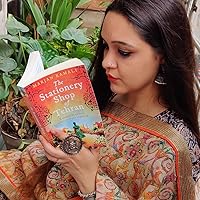
March 14, 2020
Before I start with the review I wanna say something- 'This is the most important, disturbing, powerful and well researched book about a minority group in India which is suffering everyday and the least we can do is to educate ourselves. Differences are meant to be respected. They should never become a reason for someone's lynching, death, or being beaten up. Please read this book for an insight and learn how what you share on social media, your WhatsApp forwards, Facebook posts and more can be hurtful and a cause for inciting violence. I am nowhere suggesting that you should stop sharing your views on social media and neither am I saying that being intolerant is the answer. All I'm saying is that being a little more sensitive and empathetic can be our contribution towards a more inclusive and tolerant society.
.
.
#bookreview👇 .
.
"It is often argued that dissatisfaction among Indian Muslims has been low as they are the world's most stable and well-integrated minority group. But considering that the fault lines are widening day by day, we need to take a hard look at where we are going."
.
.
Nazia Erum's 'Mothering A Muslim' is a collective account. It is a comment on the condition of Indian Muslims and how they are discriminated. The author gives accounts of her interviews with Muslim mothers across India and we get to see how religious bullying start in classes 1 or 2 these days and it has only worsened since 2014 (when Modi government came into power). She picks some of the most reputed Delhi-NCR schools and its disheartening to read about how the idea of religious 'identity' is cultivated from a very young age. Divided into 7 chapters, 'Mothering A Muslim' tells us about how its not just inter community but intra community too and how Muslims are at a receiving end from both ends. .
.
If I'm honest this book moved me in ways more than one and for once made me proud of never having any kind of stereotypes whatsoever. But today as you sit back, please reflect how many times have you stereotyped a gender, a sect of society, people for their faith and beliefs and if you can please go and apologize to them for your actions because that is the only way forward.
.
.
#bookreview👇 .
.
"It is often argued that dissatisfaction among Indian Muslims has been low as they are the world's most stable and well-integrated minority group. But considering that the fault lines are widening day by day, we need to take a hard look at where we are going."
.
.
Nazia Erum's 'Mothering A Muslim' is a collective account. It is a comment on the condition of Indian Muslims and how they are discriminated. The author gives accounts of her interviews with Muslim mothers across India and we get to see how religious bullying start in classes 1 or 2 these days and it has only worsened since 2014 (when Modi government came into power). She picks some of the most reputed Delhi-NCR schools and its disheartening to read about how the idea of religious 'identity' is cultivated from a very young age. Divided into 7 chapters, 'Mothering A Muslim' tells us about how its not just inter community but intra community too and how Muslims are at a receiving end from both ends. .
.
If I'm honest this book moved me in ways more than one and for once made me proud of never having any kind of stereotypes whatsoever. But today as you sit back, please reflect how many times have you stereotyped a gender, a sect of society, people for their faith and beliefs and if you can please go and apologize to them for your actions because that is the only way forward.
April 10, 2018
The story of the other side : The muslims of India
---------------------------------------------------------------
1) Mothering a Muslim, is a collection of stories of various Indian Muslim families and how their childrens being bullied in schools and colleges because of their religion.
2) These families shared their experiences with the author,that how their children being called as Pakistanis, terrorist and other types of communal bullying because of their religion.
3) And the families which shared their experiences with us are not from economically backward section, Infact they all belongs to the upper-middle class, and their children studied in the elite schools and still they faced the discrimination, and it's not only their classmates who called them as pakis, talibs, but there are some teachers also who shows their anti-muslim attitude in the classroom.
4) Although the writer only covered the Muslim families and shared their experiences with us, it would be better if she also talked to those non-muslim families, where someone from the family has converted to islam, and later because of this how the society treats them and their children, because the latter were also called as Pakistanis by the society.
5) But still kudos to the author for writing a book on this issue, it shows how much divided we all are, Infact we all are culprits, and education alone will not solve this problem, we all have to take collective action against this third-class mentality, where people bully anyone because of their caste, Creed, religion, language, food habits etc
6) The language of the book is very easy to read, and I will surely recommend this book to the Readers, although bakhts, pseduo-seculars, hyper-nationalist, may get offended after reading this book, but still anyone who thinks herself/himself as an Indian can go for this book.
My Ratings : ⭐⭐⭐⭐ ( 4/5 )
I hope you like the review, thanks for reading, Jai Hind
---------------------------------------------------------------
1) Mothering a Muslim, is a collection of stories of various Indian Muslim families and how their childrens being bullied in schools and colleges because of their religion.
2) These families shared their experiences with the author,that how their children being called as Pakistanis, terrorist and other types of communal bullying because of their religion.
3) And the families which shared their experiences with us are not from economically backward section, Infact they all belongs to the upper-middle class, and their children studied in the elite schools and still they faced the discrimination, and it's not only their classmates who called them as pakis, talibs, but there are some teachers also who shows their anti-muslim attitude in the classroom.
4) Although the writer only covered the Muslim families and shared their experiences with us, it would be better if she also talked to those non-muslim families, where someone from the family has converted to islam, and later because of this how the society treats them and their children, because the latter were also called as Pakistanis by the society.
5) But still kudos to the author for writing a book on this issue, it shows how much divided we all are, Infact we all are culprits, and education alone will not solve this problem, we all have to take collective action against this third-class mentality, where people bully anyone because of their caste, Creed, religion, language, food habits etc
6) The language of the book is very easy to read, and I will surely recommend this book to the Readers, although bakhts, pseduo-seculars, hyper-nationalist, may get offended after reading this book, but still anyone who thinks herself/himself as an Indian can go for this book.
My Ratings : ⭐⭐⭐⭐ ( 4/5 )
I hope you like the review, thanks for reading, Jai Hind

May 18, 2019
I wouldn't really call 'Mothering a Muslim' a parenting handbook for all the Muslim parents out there. But this book focuses on the religious intolerance existing in the schools and playgrounds of India. Note that it is limited only to India and doesn't talk about the issues persisting in other parts of the world.
It was really heartbreaking to read the candid conversations that the author had with the mothers of children who have faced such vile jibes aimed at their religious identity. Even though the book wasn't elaborate, it did shed light on the mental stress and pressure the young Muslim kids had to face every day. Some of the stories were sickening and some would make you cringe.
Although one might argue why she(the author) took an Anti-Modi stance, I completely stand by her. I have read and watched so many articles and videos about the 'one nation-one religion-one language' agenda by Modi and I have to say that having such an ideology is awful. However, this is my personal opinion which is based on the inferences I made from the information I sourced via media. (Internet, Youtube videos, etc)
In a nutshell, this book is about the various viewpoints and opinions made my Muslim parents on the religious intolerance in India during the interview with the author who herself included her own perspectives about the issue in the book.
Worth reading!! So I give it a well-deserved 4 stars.
It was really heartbreaking to read the candid conversations that the author had with the mothers of children who have faced such vile jibes aimed at their religious identity. Even though the book wasn't elaborate, it did shed light on the mental stress and pressure the young Muslim kids had to face every day. Some of the stories were sickening and some would make you cringe.
Although one might argue why she(the author) took an Anti-Modi stance, I completely stand by her. I have read and watched so many articles and videos about the 'one nation-one religion-one language' agenda by Modi and I have to say that having such an ideology is awful. However, this is my personal opinion which is based on the inferences I made from the information I sourced via media. (Internet, Youtube videos, etc)
In a nutshell, this book is about the various viewpoints and opinions made my Muslim parents on the religious intolerance in India during the interview with the author who herself included her own perspectives about the issue in the book.
Worth reading!! So I give it a well-deserved 4 stars.
February 13, 2018
I found the experiences of Muslim children and parents in schools and communities - mixed and of upper middle class - shared in this book frightening. Their testimonies left me ashamed as a citizen. If the communal tensions have invaded our schools, as they evidently have, we really need to think about they way we are going forward as a society.
This choking atmosphere which kids face today - of constantly proving their patriotism and of constantly proving their 'Muslimness' too - will stifle their lives and ours for much worse.
This choking atmosphere which kids face today - of constantly proving their patriotism and of constantly proving their 'Muslimness' too - will stifle their lives and ours for much worse.
Displaying 1 - 30 of 74 reviews