Jump to ratings and reviews
Rate this book

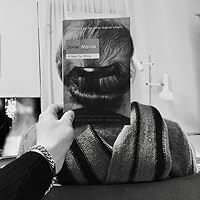
Monsieur Proust

Rate this book
Céleste Albaret was Marcel Proust's housekeeper in his last years, when he retreated from the world to devote himself to In Search of Lost Time. She could imitate his voice to perfection, and Proust himself said to her, "You know everything about me." Her reminiscences of her employer present an intimate picture of the daily life of a great writer, who was also a deeply peculiar man, while Madame Albaret herself proves to be a shrewd and engaging companion.

456 pages, Paperback

First published January 1, 1973

39 people are currently reading
6795 people want to read

About the author

Céleste Albaret

1 book7 followers

Ratings & Reviews

What do you think?
Rate this book

Friends & Following

Create a free account to discover what your friends think of this book!

Community Reviews

5 stars
449 (38%)
4 stars
369 (31%)
3 stars
245 (21%)
2 stars
65 (5%)
1 star
37 (3%)
Displaying 1 - 30 of 112 reviews
Profile Image for Fionnuala.
887 reviews
Read
February 6, 2019
When a magnum opus is born to the world, it doesn’t happen by magic. In the case of A la recherche du temps perdu, there was no instant delivery by stork and no cabbage leaves involved either. Instead, it took a long time and involved a lot of labour, the author horizontal on his bed, giving birth slowly and with huge effort to the book of his life. While he laboured, semi-propped against his pillows, determined to deliver his work onto the page perfectly formed, he had the services of an excellent midwife. She brought him warm shawls and hot water bottles. She brought him coffee and tisanes. She protected him as much as possible from disturbances. She turned unwanted visitors away at the door. She helped sort the quantities of loose notes which he kept adding to his manuscript. She wrote his words from dictation when he was too feeble to hold a pen.
Her name was Céleste Albaret.

Céleste Albaret first met Marcel Proust in April 1913, when she was twenty one and the author already forty two. It would be normal to imagine that neither of them could have realised at that moment the extent to which their lives were to be influenced by this meeting, but I suspect Proust, keen beholder of beauty that he was, may have foreseen the future a little, perhaps even desired to possess a Joconde of his very own...


Céleste, the new bride of Odilon Albaret, had just arrived in Paris from her native Languedoc when she was first introduced to Marcel Proust; her husband was a taxi driver in the city and counted the author among his most frequent clients. Within a few months of her arrival, Proust had found employment for her; she became his courrière, travelling all over Paris to deliver his letters and other missives, including dedicated copies of the newly published Du côté de chez Swann, one of which she remembers delivering to the Comtesse Greffulhe, one of the principal models for the Duchesse de Guermantes.
Before the end of the year, Céleste had been drafted in to replace Proust’s housekeeper, Céline Cottin. The more famous Félicie Fitau, the model for Françoise in the novels (along with Ernestine Gallau, his aunt Elizabeth Amiot's housekeeper), had retired in 1907 after thirty years with the Proust family.
The last months of 1913 marked the beginning of Céleste’s life in Proust’s household. She became his housekeeper, his valet, his secretary, and more or less his constant and only companion during the next nine years, the most productive in terms of writing.
She led her life to the rhythm of her employer’s, turning day into night just as he did, in order to be available during the long hours of darkness to listen to his books take shape in his mind. The fact that her husband was called up to fight during 1914 and was away for most of the next four years allowed her to devote herself exclusively to her employer under whose spell she clearly fell almost immediately on meeting him. She became a willing prisoner of his demanding schedule as she admits herself: Je n’ai rien à voir avec celui de ses livres qu’il a appelé La prisonnière, et pourtant j’en aurais bien mérité le titre. She took care of him when he suffered a malaise after visiting a Vermeer exhibition in 1921, she was by his side when he wrote ‘fin’ on his manuscript, she was still beside him when he died some weeks later in November 1922.
She was thirty and she thought her life was over.

But Céleste lived on to be ninety-two and kept her memories to herself for most of that period in spite of many requests for intimate details of her life with Marcel Proust. When she was 82, she finally agreed to share those memories, and she told her story to Georges Belmont over many hours. Her account of those years is full of echoes of the world of A la Recherche du Temps Perdu, from descriptions of Proust’s pleasure at a simple bunch of hawthorn blossoms to his bliss before the sunset in Cabourg/Balbec, to his account of the last great gala he attended among the Parisian beau monde.
Georges Belmont seems to have delivered the story to us more or less as she recounted it - he says he did little more than organise the information in a coherent way. The result is very readable and we suspect that Georges Belmont is the very best kind of ghost writer, almost invisible yet very present in a practical way.

For those who have read and revelled in Proust’s work, Céleste’s memories are the perfect way to regain a little flavour of the world of A la recherche du temps perdu.
Profile Image for Emilio Berra.
306 reviews288 followers
January 21, 2019
Tutto su Proust
Per chi ha qualche interesse verso la grandiosa opera di Proust, questo libro è imperdibile, oltre ad essere un testo affascinante e bellissimo in sé.
Celeste Albaret, donna sicuramente eccezionale e di grande dignità, è stata per anni la governante dello scrittore, giorno e notte, una presenza costante; colei che ne raccolse confidenze e su cui egli posò l'ultimo sguardo.

"Monsieur proust" è un resoconto, pur tratteggiato con molto rispetto e intelligente discrezione, meticoloso e preciso della dimensione privata del grande scrittore francese, sempre impegnato nella costruzione della propria opera letteraria, "ora vicinissimo per la sua bontà e delicatezza, ora lontanissimo nel riflesso del suo pensiero".
Nella camera di Monsieur Proust nessuna luce entrava, nessun rumore : "gli occorreva quel silenzio per udire solo le voci che voleva udire, quelle che sono nei suoi libri" ; doveva "mettersi al di fuori del tempo per ritrovarlo".
Celeste lo ricorda sempre gentilissimo, con la sua voce dolce, calda e virile : "aveva la suprema eleganza di essere quello che era, semplicemente".
Usciva pochissimo, quasi esclusivamente per verificare qualcosa che intendeva descrivere : c'era un mondo che aveva conosciuto, tutta una società e un modo di vivere che si sgretolavano (...). Lui l'aveva capito".
La notte era per Proust il momento preferito per scrivere, per evocare il 'tempo perduto' : "i ricordi, per lui, non erano mai cose morte: al contrario, erano sempre la sua esaltazione, per non dire la sua gioia".

Nonostante l'ammirazione assoluta che Madame Albaret aveva per lo scrittore, questo libro non ha nulla di agiografico, meno che mai vi alberga il sentimentalismo. L'obiettivo dell'opera è sfatare le dicerie e smentire le falsità che cominciavano a circolare sul celebre letterato.
Queste rimembranze fanno percepire la bella anima di Celeste. Una donna davvero speciale, con una dignità e un'integrità rare.
Monsieur Proust aveva ben capito che si trattava di una presenza semplicemente insostituibile.
Profile Image for sAmAnE.
1,369 reviews153 followers
August 21, 2021

حالا می‌فهمم همه‌ی تلاش و جست‌و جوی آقای پروست و همه‌ی از خودگذشتگی‌اش برای خلق اثرش برای این بود تا از سویی بتواند خودش را خارج از زمان قرار دهد و از سویی دیگر، بتواند زمان را دریابد. وقتی سکوت برقرار است، زمان وجود ندارد. او به این سکوت نیاز داشت تا فقط صداهایی را که می‌خواست بشنود، همان صداهایی که در کتابش آمده.
✍🏻
کتاب در سی فصل به بررسی خاطرات سلست آلباره، از زبان خودش پرداخته؛ در مورد خاطراتی که در مورد مارسل پروست نقل می‌کند. از خاطراتی که با پروست داشته، زمانیکه در منزلش کار میکرده و حتی زمانی‌که خاطرات پروست را از دوران کودکی و نوجوانی‌اش می‌شنود و آن ها را پذیراست. فصل عشق‌های نخستین که درباره‌ی زندگی عاطفی و رمانتیک پروست بود برام خیلی جالب بود؛ روابطش و دیدگاهش نسبت به عشق و ازدواج... سلست در این کتاب تمام وقایعی که برایش افتاده از زمان جنگ، روابط کاری و دوستانه‌ی پروست را خیلی شیوا و گیرا نقل کرده است. از کسانی گفته که برای او کار می‌کردند ولی پروست با سلست بیشتر از همه احساس راحتی میکرده و او را امین خودش میدونسته و سلست هم از عادات و رفتارهای او به خوبی آگاه بوده. طبق گفته‌ی پروست، سلست وفادارترین زنی بوده که برایش کار می‌کرده و اعتماد زیادی بهش داشته؛ زنی بوده که صادقانه و صمیمانه برای او کار می‌کرده.
✍🏻
یکی از نکات جالب پیشنهاد کتاب سه تفنگدار و رمان‌های بالزاک به سلست از طرف پروست بوده که بعد از خواندن آن‌ها در موردشان صحبت کردند...
✍🏻
به نظرم این کتاب یکی از بهترین مراجع پروست شناسی و آشنایی با شخصیت اوست چرا که از زبان کسی بیان می‌شود که با او زندگی کرده. خلاصه کتاب تاثیرگذاری برای من بود. اگر علاقمند به خواندن رمان در جستجوی زمان از دست رفته هستید، خوندن این کتاب رو برای آشنایی بیشتر با زندگی پروست بهتون پیشنهاد می‌کنم.
✍🏻
امروز، وقتی خلوت و عزلت دوروبرش را که مثل بیابان برهوتی بود تجسم می‌کنم، یاد آن دوران می‌افتم و با خودم می‌گویم: چه تنهایی‌ای!
واقعا چه نیرویی باعث شد این سبک زندگی را انتخاب و تحمل کند.
Profile Image for Eylül Görmüş.
759 reviews4,774 followers
February 5, 2025
"Bu gece 'son' sözcüğünü yazdım, Celeste. Artık ölebilirim."

Son 30 sayfasını hüngür şakır ağlamaktan ötürü bulanık bulanık gören gözlerimle zar zor tamamladım ama tamamladım. Marcel Proust'un son sekiz yılının neredeyse her anına eşlik etmiş, Kayıp Zamanın İzinde'nin yazım sürecine tanık olmuş, yalnızca yatılı hizmetkârı değil dostu ve sırdaşı da olmuş Celeste Albaret'nin anılarını sonunda okudum. Bir anlamda Proust'la vedalaşmak gibi de olacağını düşündüğümden kaç zamandır bekletiyordum kendisini. Tuhaf bir şey oldu benim için, hem bir tür kavuşma hem de bir tür veda oldu sahiden.

Proust'un ölümünden çok uzun zaman sonra, Albaret de artık epeyce yaşını almışken yazılmış bir metin bu. Yazar artık bir fenomene dönüşmüş ve hakkında asıllı asılsız bir sürü şey anlatılırken Albaret "yeter artık, onu ölmeden bir de ben anlatmalıyım" diyerek yazmış bu kitabı. Proust'a dair pek çok söylenceye yanıt veriyor, yaparken de sık sık "benim onu aklamak gibi bir maksadım yok, neden olsun, ben sadece doğruların bilinmesini istiyorum" diyor.

Sahiden de ikna edici yazdıkları ama tabii bilmiyoruz. Özellikle bir türlü aslını öğrenemediğimiz eşcinselliği konusunda çok katı bir pozisyon alıyor Albaret. Yeğenlerinin mektuplarını yayınlatırken eşcinselliğe dair kısımları sansürlediği iddialarıyla beraber düşününce bu kısımdan hala emin olamadığımı söylemem lazım.

Ama ne fark eder - bu kitap hayatımda okuduğum en sevgi dolu anlatılardan biri. Evet Proust'a, yazma pratiklerine, eseriyle kurduğu bağa, insanlara yaklaşımına, dünyayla kurduğu ilişkiye dair çok şey öğrendim ama bana asıl nüfuz eden bu iki insan arasındaki olağanüstü şefkatli ilişki oldu. Kimi zaman anne-oğul, kimi zaman baba-kız gibiler, roller değişmiş ilişki süresince ama birbirlerine duydukları sevgi hep bâki kalmış. İnsanların denkleri ya da üstleriyle değil, astlarıyla kurduğu ilişkilerin onlara dair en çok şeyi söylediğine inandım hep; Marcel Proust'un nihayetinde bir çalışanıyla böyle sahici ve sevgi dolu bir ilişki kurmuş olması da kendisine duyduğum hayranlığı katladı.

Nefis, nefis, nefis bir kitap. Teşekkürler, Madame Albaret. Her şey için!
Profile Image for Sana.
316 reviews163 followers
February 12, 2022
خیلی لذت بردم از خوندنش اگر کتاب در جستجوی زمان از دست رفته رو کامل خوندید،خوندن این کتاب رو از دست ندین.
در این کتاب به شرح زندگی پروست می‌پردازه و شاهد زندگی روزمره‌ی پروست می‌شویم.😍❤📚
Profile Image for David.
161 reviews1,752 followers
December 28, 2011
Céleste Albaret, Marcel Proust's majordomo and jacqueline-of-all-trades for the last ten years (or so) of his life, 'wrote' this memoir in the 1970s. And by 'wrote' I mean that she rattled off her memories to a ghostwriter, and then the ghostwriter's book Monsieur Proust was later translated into English. So the NYRB edition of Monsieur Proust referenced here is really twice-removed from a first-person account. But probably another layer of removal is implied by the fifty years which passed between the events of the book and Albaret's recollections. I don't know about you, but I have a difficult time remembering what I did or said last week, so (to my thinking) an account fifty years after the fact necessarily implies approximation. Albaret, ironically, weakens her case for accuracy when she insists that she remembers (quite a few) exact quotations and precise details. But nothing is more damaging to her claim of nearly exhaustive knowledge of Proust during the final years of his life than her insistence that he was not a homosexual. Her arguments seem motivated by rationalizations and perhaps by her own preference that Proust not be homosexual, but who really knows? One of Albaret's lamest attempts to buttress her case is her claim that Proust told her pretty much everything, so he would have likewise told her of his 'indiscretions.' Either this assertion overstates her intimacy with Proust or vastly understates what it meant to be a closeted gay man in the very early part of the twentieth century. Without any hint of irony, Albaret maintains that Proust several times visited a male brothel but only for purposes of research. Of course, his observations at the brothel are featured memorably in Time Regained, but one tends to raise an eyebrow at the claim that his interests were solely educational. Albaret spends one chapter itemizing the 'loves of his life' (all of them women, all of them seemingly chaste) and discusses the 'real' Gilberte Swann, Duchesse de Guermantes, Madame Verdurin, and others (although these characters were amalgams of many real people). All of this is interesting, even if it belies the true objects of his affections.

Despite all this, Albaret's book is fascinating for Proustophiles. (And make no mistake—this book is only for hardcore Proustophiles. Dabblers need not apply.) Maybe Albaret didn't know all of the particulars of Proust's sexual tastes, but she certainly knew almost everything about his reclusive lifestyle during his final decade. After having read Monsieur Proust, I have a very specific, fully fleshed-out idea of a day-to-day existence that was only hazy and trivial before. The cork-lined walls, the nocturnal life, the phobia of germs and illnesses, the ascetic diet, the ritualistic behavior... the fabled bedroom on Boulevard Haussmann... It's all here, in vivid detail. Albaret, who is one of the models for the maid Francoise in A la recherche du temps perdu, is worshipful; she adores Proust, and she has almost nothing to say that is critical of him—except on those curious occasions when she reveals things she doesn't imagine to be damning but which—in the minds of most readers—will probably seem so. Is there evidence to support the many claims of Proust's snobbishness? Yes. Is he demanding and authoritative? Yes. Do we get the sense that Proust is emotionally cold, dryly analytic, as if he stands resolutely apart from the world he observes? That his melacholy is somehow abstract and unengaged? Absolutely. But he's also charming, generous, and funny—and unfailingly loyal to Céleste Albaret. There's an absorbing chapter on the notorious dandy Count Robert de Montesquiou, who serves as the primary model for the equally notorious Baron de Charlus. Montesquiou was a frightening kind of man capable of outrageously rude and spiteful behavior. Proust warned Albaret that if he ever received chocolates from Montesquiou, they should be thrown out; they might be poisoned. There's also a great section on Proust's (and Albaret's) atttitude toward André Gide, the famed French writer who rejected the manuscript of Swann's Way and later came to regret it. All in all, Monsieur Proust, faults and all, is a must-read for any diehard Proust fan, and I'm kind of shocked only twentysome people have rated it on Goodreads. If you've devoted a significant chunk of your life to reading all of A la recherche du temps perdu, then make time for the additional four hundred pages of Monsieur Proust.
Profile Image for Hodove.
165 reviews176 followers
May 28, 2020
خب ، راوی این کتاب خانم سلست الباره، کسیه که سال های اخر زندگی مارسل پروست( وقتی پروست در خال نوشتن شاهکار در جست و جوی زمان از دست رفته بود) خدمتکار خونه و یجورایی پرستارش بوده.
قطعا خوندن خاطرات این ادم میتونه جالبه باشه امااا
یه جاهایی دیگه حس می‌کردم راوی ( خانم سلست) چندان معتمد نیست، انگار داستان بازمانده‌ی روز ایشی گورو باشه؛ دقیقا به همون سبک.
و اصرار داره که اقای پروست (که عزیزدل منم هست )، بی عیب و ایراد و با صفات عالی جلوه بده. هر شایع منفی راجع به پروست رو با ادعای اینکه من نزدیک ترین فرد بهش بودم و اینطوری نبوده رد میکنه؛ حالا من نمیگم شایعات درست بودن، اما به نظرم خاطرات ایشون در خیلی موارد جانبدرانه و توام با حفظ یاد و خاطر خوبی که از اقای پروست داشت روایت شدن.
ضمن اینکه گاهی جزییات بی اهمیت از زندگی پروست توش اومده، مثل اینکه کفششو از کدوم مغازه می خرید و سفره ماهی رو باید فلان جور
سفارش می‌دادیم و ...که به نظرم زیاده گویی بود.
صفحات اخر کتاب و توصیف لحظات مرگ مارسل پروست بی نهایت غم انگیز و ناراحت کننده بود برام.
در نهایت اینکه سبب خیر شد که مجدد برم سراغ در جست و جوی زمان از دست رفته...
Profile Image for TBV (on hiatus).
307 reviews70 followers
December 19, 2019
“So it was that evening in September 1914 when he deliberately entered into his life as a partial recluse - the last eight years of his life and of his work. And it was then, although I didn’t realize it, and although, as he said, it wasn’t proper, that I entered into that life too - to remain to the end.” (p38)


Thus spoken by Céleste Albaret (1891-1984)* in 70 hours of taped interviews with Georges Belmont who “ghost” wrote this memoir. M. Belmont assures the reader that he tested her information by repeatedly returning to various topics from different angles. These interviews took place fifty years after Marcel Proust’s death, by which time Mme. Albaret was 82-years-old. Mme. Albaret was M. Proust’s housekeeper, secretary and confidante. It had not been her intention to seek employment with M. Proust, but her husband, Odilon, was M. Proust’s chauffeur (as a result of an introduction by Jaques Bizet, son of composer Georges Bizet), and she was initially called in to help with a few small tasks which eventually stretched to full time work. And a full time job it certainly was! For starters her day became night and her night day.** By this time M. Proust, a lifelong asthma sufferer, was largely confined to bed. If M. Proust went out at all or entertained it was at night. He didn’t carry keys and she would have to wait for his return. Upon his return there might be discussions of who and what he’d seen, etc. It was not unusual for her to be sent out in the middle of the night to deliver a message.

It was also an exacting task, because everything had to be just so. There were specific suppliers for various items such as food, clothing and other items; no one else would do. Everything was arranged exactly as required. The young lady recently arrived from the country soon adapted to all these demands, and came to love (platonically) and respect her employer. She burned his notebooks when required to do so, and she was loyal and discreet. She debunks rumours and gossip about M. Proust. She frequently remarks on her employer’s acute memory and his keen perception. He observed and he used those observations and his memories in his writing. The impression is of a charming and polite man, but also a man who could use people for his own purposes and then simply discard them. He had some very close friends, particularly Reynaldo Hahn the composer, and Mme. Straus (the former wife of the composer Georges Bizet). However, his opinion of other authors was not always flattering.***

This memoir describes in detail the day to day life of an extraordinary man, but in turn Mme. Albaret must have been pretty extraordinary herself. It is the perfect companion to Marcel Proust’s famous seven volume masterpiece À la recherche du temps perdu (In Search of Lost Time) - an additional prop would of course be a madeleine and some lime tea. As luck would have it this book arrived in the mail whilst I was reading Volume I, Swann's Way. I have since progressed to the second volume. Mme. Albaret’s account of life with M. Proust has definitely enhanced my Proust reading experience, and now as I wend my way through his opus there are several “Aha” moments.
#
“The truth about life is in observation and memory. Without them, it just passes by and is gone. I have put all my memory and observation in my characters, to make them true. And to be true they have to be complete. That is why each of them is dressed in what I have noticed or remembered about people in real life.” (p252)


###
Notes and Extracts
*The film Céleste (1982) is about Mme. Albaret’s time with Marcel Proust.

**”What still astonishes me is the ease with which I submitted and adapted myself to a way of life for which I was absolutely unprepared. All my childhood had been spent in the freedom of the country and the affection of my mother. We went to bed with the hens and rose with the roosters, or nearly. And here I was, taking quite naturally to living at night as he did, as if I’d never done anything else. And I not only lived in the same rhythm as he did, but twenty-four hours a day and seven days a week I lived entirely for him. I have nothing to do with the book he called La Prisonnière, but it would have been a good name for me.” (p45)

***Of Anatole France he said: “He was selfish and supercilious He had read so much that he had left his heart in other people’s books, and all that remained was dryness.” (p153)
“It’s been said he dined with the writer James Joyce, together with others, but if he did, it didn’t leave any impression on him, and he didn’t even mention the name.” (p233)
(A Night at the Majestic tells of a supper party attended by Proust, Joyce, Stravinsky, Diaghilev and Picasso in 1922).

Author André Gide who co-founded the literary magazine La Nouvelle Revue Française handed an apparently unopened parcel containing Proust’s manuscript to him saying:
“We publish serious books. There can be no question of our bringing out something like this, the work of a fashionable dandy.” (p283)
One suspects that he might subsequently have felt somewhat sheepish.

#
“When I look back on all these things now and see them clearer than I did at the time, I realize that two things emanated from him as a man and from his life: his taste for quality, for perfection in everything - a perfection that belonged to the past, and which showed his loyalty to shops and restaurants. This attachment to the past in his everyday life is all the more strange when you realize how far, in his books, he saw into the future - when you think of all he wrote about the dissolution of a certain kind of world and society.” (p79)

“There were times when, though he kept talking, I could see from his eyes he was suddenly far away. He had a strange faculty of vanishing, while his lips went on speaking. And then suddenly his gaze would come back and light on you again as if in surprise. Then he stopped speaking for a moment, as if trying to remember, and said: “Oh yes, we were talking about…” (p128)
Profile Image for trovateOrtensia .
240 reviews269 followers
March 15, 2018
Un cuore semplice (?)
"Oggi, prima di lasciare a mia volta questo mondo, l'idea che possa rimanere un dubbio o una menzogna su tutto ciò che ho visto, e che è la verità, mi è divenuta a tal punto intollerabile che voglio dire, una volta per tutte, che le pagine che seguiranno sono l'esatta ricostruzione della mia memoria e che ho a tal punto riesaminato, controllato e riverificato i fatti da avere la certezza dell'assoluta fedeltà alla realtà di quel che accadde. E' un testamento quello che sto scrivendo, non una testimonianza."

Di biografie proustiane ne esistono a migliaia. E allora perché non leggere anche questa piccola, domestica e intima memoria, scritta dalla governante Céleste? Monsieur Proust vi è idealizzato, si è detto, Céleste non è sincera e tende a negare alcune evidenze della biografia proustiana (la sua omosessualità, in primo luogo). Probabilmente è vero, Celeste amava Monsieur Proust e, nel fornirci un resoconto degli anni trascorsi al suo servizio, ha sicuramente smussato qualche spigolo del personaggio, che di spigoli doveva averne parecchi. Ma credo che questa tendenza agiografica non tolga valore alla sua testimonianza, che resta preziosa: il libro ha un suo fascino, la narrazione procede con un ritmo delicato che comunque avvolge e trascina.
Al termine di queste pagine, qualcosa di più su Proust lo sapremo, e conosceremo anche questa donna, semplice forse ma estremamente intelligente e acuta, e pure a lei ci affezioneremo un poco.

"Monsieur Proust non mi ha mai abbandonata. Ogni volta che, nella vita, ho dovuto fare qualche passo ho trovato un suo ammiratore che appianava per me le difficoltà ed era come se, anche da morto, lui continuasse a proteggermi. Allo stesso modo, ogni volta che devo risolvere un problema personale, prendo consiglio dal suo ricordo, e la decisione mi viene facilitata. (...) Ho capito così che lui non mi lasciava, al modo stesso ch'io non potevo lasciar lui. "
Profile Image for cristina c.
58 reviews96 followers
August 18, 2017
Quando nel 1913 Céleste entra per la prima volta in casa Proust in Boulevard Haussmann, è una giovane sposa campagnola frastornata dal recente trasferimento a Parigi.
Suo marito Odilon è l'autista di Monsieur Proust e la ragazza spaesata e sola intenerisce lo scrittore che per aiutarla le affida un piccolo compito; consegnerà le copie omaggio per gli amici del primo volume della Recherche appena uscito.

Poco tempo dopo però l'inizio della guerra richiama al fronte gli uomini e il parco servitù di casa Proust perde delle colonne portanti ; sarà allora Céleste a subentrare in modo sempre più totale fino a diventare custode assoluta della casa, scudo inflessibile a difesa della tranquillità del Maestro, sua propaggine quando si aggira di notte per la città deserta alla ricerca di quel particolare tipo di birra gelata o per consegnare improvvisi inviti, richieste, omaggi agli amici.

Resteranno insieme per quasi dieci anni, fino alla morte di Proust, in un rapporto intimo e rispettoso e lei ascolterà le confidenze e i resoconti di avvenimenti nelle notti insonni, onorerà le mattinate silenziose di una casa ovattata e in perenne penombra ed una vita punteggiata di piccoli ma inderogabili rituali e tutta votata alla costruzione di quella "cattedrale" che doveva essere l'opera proustiana.

Il sentimento di Céleste è dedizione e fedeltà assolute, ammirazione, tenerezza; aderirà totalmente non solo al suo stile di vita giustificandone le stravaganze e le piccole tirannie ma anche al suo modo di guardare al mondo crescendo accanto a lui e maturando nel tempo spirito di osservazione acutezza di giudizio ed una memoria sorprendente che le permette all'età di 82 anni di rievocare con assoluta sicurezza dettagli e circostanze.
D'altra parte questa era stata la lezione di Proust che torna valida anche per tutti noi: "È tutto annotato qui Céleste" le diceva indicando gli occhi e la fronte,"la verità della vita sta tutta nell'osservazione e nella memoria, altrimenti tutto si limita a passare".

Alla morte di Proust nel Novembre del '22 Céleste ritorna alla sua vita normale, il marito, una figlia ; ma dopo aver vissuto quella che lei definisce una vita meravigliosa, tutto le sembra banale e riuscirà ad affrontare la quotidianità coltivando la memoria e sentendo sempre accanto a sé la presenza del suo antico interlocutore: "Erano il suo fascino, il suo sorriso, il suo modo di parlare, con la sua piccola mano contro la guancia. Dava il tono come una canzone. Quando la vita si è fermata per lui, s'è fermata anche per me. Ma la canzone è rimasta".

La quinta stella è un fatto personale.mi è sembrato durante la lettura che mentre mi impregnavo gradualmente dell'atmosfera di quella casa, riuscivo anche per la prima volta ad afferrare quello che di Proust mi aveva finora respinto perché non mi apparteneva e non riuscivo a vederne la ricchezza. Quella che Pontiggia chiama la capacità di usare le tessere del passato per costruire il mosaico del futuro, l'universo linguistico in cui abitare.
Osservazione e memoria. Forse la chiave di tutto è davvero lì.
Profile Image for Siti.
407 reviews166 followers
June 25, 2023
Tutta la memoria di un'esistenza speciale è stata per anni custodita gelosamente da Céleste Albaret che solo prima della sua morte, a distanza di mezzo secolo dai fatti evocati, ha concesso una lunga intervista, settanta ore di conversazione, riversate poi da Georges Belmont in questa testimonianza apparsa per la prima volta nel 1973. Céleste è stata la custode dell'antico e tramontato mondo fissato nella sua decadente agonia, quello stesso universo aristocratico che l'opera di Proust ha voluto rappresentare.  Céleste ha conosciuto tutto ciò che uno stuolo di ammiratori, di critici, di esegeti o, al contrario, di semplici curiosi avrebbe sempre voluto sapere. Era la sua governante e soprattutto una persona a lui molto cara, trascinata in un'esistenza eccezionale e fuori misura, bizzarra e perfino eccentrica, funzionale però al genio creativo che in Proust ha significato essenzialmente studio, osservazione, isolamento, recupero mnemonico, sarebbe più opportuno dire, in fin dei conti, Recherche.  Céleste ha avuto il pudore necessario, quando si rispetta profondamente una persona, di tacere mentre tutti parlavano e costruivano il mito di Proust, fatto tutto accessorio del resto, vista la fama raggiunta in vita.  La curiosità intorno alla sua esistenza ribaltata, secretata, centellinata a pochi intimi ha sicuramente contribuito ad alimentare false testimonianze, leggende e vere e proprie falsità ad opera di chi, dopo la sua morte ha voluto recuperare quel tenue filo che in vita lo aveva, in un modo o nell'altro, tenuto impercettibilmente legato a Proust. Questa testimonianza è nata quindi dall'esigenza di restituire un'immagine più veritiera del mito, più umana, più aderente alla realtà. 


È una lettura incantevole per chi conosce l'opera proustiana, ma anche per chi vorrebbe approcciarla, anzi in questo caso sarebbe propedeutica più di qualsiasi guida alla lettura, capace com'è di testimoniare l'uomo Proust e lo scrittore, distinguendo bene le due entità senza correre il rischio di leggere il suo capolavoro come un mero recupero autobiografico. Proust è ricerca, Proust è anelito all'eternità, Proust è il tentativo di superare il concetto di tempo quale dimensione fisica per ristabilire il primato della percezione individuale delle categorie spazio temporali. Lo consiglio a tutti. 
Profile Image for Narjes Dorzade.
284 reviews297 followers
February 26, 2019
بعد و یا قبل از زمان بازیافته می‌توان این کتاب سرشار را خواند.
Profile Image for ReemK10 (Paper Pills).
233 reviews90 followers
November 6, 2017
After reading The Year of Reading Proust, I remembered that I hadn't quite finished reading Celeste Albaret's Monsieur Proust. I took the book from my bookshelves and read the remaining sixty pages which opened up vast floodgates of memory of my very own year of reading Proust. It goes without saying that all of us who read In Search of Lost Time loved Celeste Albaret. It also goes without saying that this is a must read for any Proust reader. Readers will always be in debt to Celeste for this account which righted the wrongs of the many rumors that surrounded Proust's life. Monsieur Proust is a correction of the many stories told about Marcel Proust. You can't help but fall in love with Celeste and be in awe of the life she devoted to caring for her M. Proust.
We all have our memories and after reading Proust and like Celeste and her Monsieur Proust, they will always be to us "a source of happiness, almost of exaltation."
Bon nuit.
Profile Image for Haman.
270 reviews70 followers
October 18, 2014
حالا مي فهمم همه تلاش و جستجوي آقاي پروست و همه از خود گذشتگي ‌اش براي خلق اثرش، براي اين بود تا از سويي بتواند خودش را خارج از زمان قرار دهد و از سويي ديگر، بتواند زمان را دريابد. وقتي سكوت برقرار است، زمان وجود ندارد. او به اين سكوت نياز داشت تا فقط صداهايي را كه مي خواست بشنود، همان صداهايي كه در كتابش آمده
Profile Image for Matthew Ted.
1,012 reviews1,045 followers
July 19, 2023
90th book of 2023.

3.5. Albaret is here to set the record straight, as she says many times throughout the book. She insists that most of the things said and known about Proust are complete fabrications: only she, really, knew the man truly. As Angus Wilson writes in the New York Times Book Review:
The strangest story. . . It can be read, I think, only with the most continually warring emotions - admiration for Proust's courage to endure the slow suicidal routine on which he believed his great novel depended; admiration for Céleste's courage in adapting herself to such monstrous service; . . . growing horror at the way in which Proust used cold-bloodedly everyone he knew as creatures for his art; . . .

It was essentially suicide. Proust lived off two croissants and coffee most days, in the end, just the milk from his coffees. He rarely went anyway. He suffered a great affliction (Albaret is firm with this subject; Proust never played it up, never looked for pity, he was truly ill) and worked tirelessly with awful habits, just in service of his novel. There is no doubt he was also a hypochondriac. For example, if he dropped a pen whilst working, he would not have it picked up in case it stirred dust. He would simply use another. He wrote most of the novel propped up in bed. Perhaps the greatest nugget about his novel within is something he supposedly said to Albaret:
"You know Céleste, I want my work to be a sort of cathedral in literature. That is why it is never finished. Even when the construction is completed there is always some decoration to add, or a stained-glass window or a capital or another chapel to be opened, with a little statue in the corner."

I'd say this is about right. I've had enough time away from finishing the final volume now that when I look back, it is a sort of cathedral in my mind, with many echoey hallways and little chapels. Wilson talks of courage; I think there is courage, but there is also a certain madness to Proust and his life. He gave everything. Albaret was roped into it and in the end, so she claims, Proust only wanted her around for his death. I almost gave this 3-stars but the final few passages concerning Proust's death were moving, and Albaret captures it; it was like reading The Death of Ivan Ilych again. A window into the man behind one of the towering books in world literature. His opinions, his habits, his way of talking, his mannerisms. Albaret attempts to prove Proust wasn't a homosexual, which caused me to question her overall validity concerning other things. There were moments of bragging that also made me wonder, how she was the only person Proust trusted. Perhaps true, but I'm sceptical by nature.
Profile Image for Rudy.
36 reviews7 followers
August 29, 2025
4.5/5
Amazing. I thoroughly enjoyed learning about M. Proust’s life and Celeste’s addictive writing style. She’s very straightforward, which I love. She constantly mentions how Marcel was very descriptive and brought images to life through his words, but I think Celeste also achieves this, as it felt like I was also attending Proust through his recluse in writing In Search of Lost Time.
Profile Image for John.
226 reviews130 followers
May 13, 2012
I do wish Mme. Albaret had maintained the diary that her employer suggested, even insisted that she keep. After all, Proust, not one given to self-deprecation out of false modesty, was sure that, after his death, Albaret's diary, had she kept one, would bring sufficient money at auction to sustain her all of her years. As it is, however, we do have the memoir that she dictated to the Kitty Kelly of her time and place, in 1972, at age 82, fifty years after she stood by her employer's bed as he died.

What is clear in the text, at least, is that Celeste Albaret possessed an extraordinarily rare trait of personality. Without resentment, even with undiluted and undiminished affection, she would serve another human being not just in a self-forgetting way, but in complete annihilation of self. Proust must have been a demanding and exacting employer. How could he not have been, leading that "upside down life" he lead, being as fastidious, particular and perfectionistic as he was? Yet no matter what Albaret came to know what he wanted or needed before Proust knew it himself. She could wake from one of her few sleeping moments with the sense that M. Proust might call her momentarily, which he always would. Etc., etc.

I've never encountered such a person, not even a person whose portion of generosity might warrant the faintest suggestion that such persons as Celeste Albaret might ever have lived of that any mutation of the homo spaien genome could produce such a prodigy. But that's neither here nor there. Let us say that if this memoir is true even in the remotest sense, then we owe the existence of Proust's novel to Celeste Albaret. And it seems that one of the more important French academies of this, that or the other, agreed. It made her a knight commander - the only instance of its kind in the history of that ancient institution.

Of course, the memoir focuses entirely on M. Proust's writing of his novel. Albaret took up her employment just after Proust had completed Swann's Way, and remained with him until he died. And so she observed him write nearly every line of the succeeding volumes. So in very important ways, her memoir is the history of the composition of In Search of Lost Time. And this entirely engrossing story of the triumph of one man's will is not to be ignored.

I do not know of any debunking of Albaret's memoir, and I'm not sure I'd choose to acknowledge any deconstruction much less consider it. I'm grateful to have made her acquaintance.
Profile Image for Agnes.
462 reviews224 followers
July 19, 2020
Grazie Emilio del prezioso consiglio! Trovato con un colpo di fortuna nella libreria Dedalus di Trieste: libri-nuovi-a-metà-prezzo!
Finito! Rinnovo il mio grazie ad Emilio! Un finale commovente, un libro che non si può non leggere se si ama Proust : lo si amerà ancora di più.
Profile Image for Steve Middendorf.
245 reviews29 followers
Read
May 4, 2021
Celeste Alberet was 20, a fiance to Proust's trusted taxi driver and "from the country." She had never experienced city life and was in awe of those in Paris in a way unthinkable today. Imagine that a hick from the sticks would come into service to Marcel Proust the most cosmopolitan person in the world's most cosmopolitan city. Proust was 10 years from finishing his masterpiece In Search of Lost Time (ISOLT) and ten years from his death. This is the period when he went into seclusion to finish his book and Celeste was with him all the way.

In addition to being at the centre of cosmopolitan Paris, Proust was the "upper crust" of Paris in an economic, a literary AND an artistic sense. To be in service to someone so worldly, so fussy, so spoiled, so demanding, so married to his habits, must have been frightening and at least awe inspiring. And Celeste came "to worship the ground Proust walked on." This respect comes through in every page of Monsieur Proust and gives reality and meaning to the cliche.

To read ISOLT is to develop a love or hate relationship with many of its characters, especially Narrator who celebrates many unbecoming traits: spoiled, a liar, a manipulator, a cheater, a weasel. Many people mistakenly interpret this novel as autoboigraphical. But two things we see most clearly in Alberet's memoir are, first of all, the author at work, crafting a masterpiece of composite images made up of his many acquaintances in Parisian society. And secondly, Little Marcel: modest, kind, sensitive, loving, respectful, and polite; a sickly man working himself to death to finish his novel. Proust is not the man who people confuse with the Narrator in his novel. Celeste says so and proves it.

Proust died when Celeste was 30. Out of respect for her master, she waited 60 years to dictate her memoir to Georges Belmont. Perhaps it is the tone and language of a 92 year old woman that gives the memoir is air of respectfulness. Perhaps it is the person Proust was, the person Celeste was. But this is very much like being in the room, watching Proust finish his novel under the care of his loving housekeeper and confidant.

When is it best to read Monsieur Proust? In my year of reading Proust (a phrase which will have special meaning for the rest of my life) I had completed Swann's Way and Within a Budding Grove before I started reading Monsieur Proust. Then I spaced out my reading of it through Guermantes Way, Sodom and Gomorrah, and The Captive. I think this was ideal. I allowed myself to be captured by the novel and caught up in it's narrative. But there comes a time to admit that "this is a movie" to detach oneself a bit from the book and begin to appreciate it's artistic merit, the "how" it was put together. Monsieur Proust very much helps you to do that, to understand fin de siecle Paris, and most of all, to understand and love Marcel Proust as a person and as an author.

Six star rating.
Profile Image for A. Raca.
768 reviews172 followers
October 27, 2021
Tekrardan Proust evrenine dönmek güzel oldu.
Profile Image for Nelson Zagalo.
Author 15 books466 followers
June 25, 2015
Depois de ter lido “Em Busca do Tempo Perdido” fui em busca de algo mais, de saber quem era realmente Proust, o quanto se escondia dele por detrás da figura do seu narrador. Existem dezenas de livros sobre Proust, e de análise da sua obra. Muito se escreveu e continua a escrever, desde análises da pintura em Proust, à literatura, filosofia, amores, autoajuda, etc. De todos, os que me parecem reunir maior consenso são as duas biografias, ambas com mais de mil páginas cada, uma do britânico William Carter, e outra do francês Jean-Yves Tadie. A de Tadie parece ser mesmo a mais recomendada, contudo depois de perceber que Tadie tinha seguido religiosamente um outro pequeno livro chamado “Monsieur Proust”, decidi ler primeiro este. “Monsieur Proust” foi escrito por Céleste Albaret, a senhora que tratou de Proust, e viveu com ele, durante os seus últimos 9 anos de vida.

Li o livro em francês, já que não está editado em Portugal, mas apresentei alguma resistência inicialmente, já que não tinha lido a Busca em francês, o que me deixava com um certo amargo, estar agora a ler o livro da sua “governanta”, em francês. Contudo, não se pode comparar. Este é um livro com uma escrita muito simples, escrito pela própria Céleste, e organizado por Georges Belmont. Ler a "Busca" em francês seria talvez aconselhável, e talvez o faça ainda um dia, mas para primeira vez, deve ser lido na língua que melhor se domina, de outra forma abre-se caminho a deixar o livro a meio.

O livro de Céleste é uma verdadeira jóia biográfica, um relato na primeira-pessoa de alguém que viveu todos os dias dos últimos 9 anos, sem exceção, junto do escritor. Céleste foi trabalhar e viver para casa de Proust, pouco depois de ter sido lançado o primeiro livro, “O Lado de Swann”, em 1913, tendo acompanhado Proust durante todo o tempo em que escreveu os restantes 6 livros. Proust não via Céleste como um seu par, ela não tinha muita formação nem muito interesse em literatura, tendo começado por a encarar primeiro como criada, e depois, simultaneamente, como sua mãe e filha. Deste modo a relação que se estabelece entre ambos foi muito forte, o que naturalmente acaba por criar algum viés na análise dos factos. Céleste é incapaz de dizer algo de mal sobre Proust, tudo o que ele fazia era quase sagrado, e percebemos várias vezes como ela embeleza o real das suas recordações. Assim esta abordagem, carregada de respeito e sentimento, acaba contribuindo ainda mais, para elevação da imagem do autor semi-divino, que muitas vezes sentimos ao ler a obra de Proust.

Devo dizer que ler “Monsieur Proust” é uma experiência sui-generis, porque se entrelaça profundamente com a leitura da “Busca”, do mundo experienciado no romance, e que é aqui suportado por relatos de uma alegada verdade. Este livro serve quase como testamento ao romance, no sentido em que nos dá algumas provas da verdade que Proust afirmava estar à procura no seu livro. Celeste vai descrevendo o que sentia, e relata muitos diálogos tidos com Proust, que nos fazem viajar no tempo, e por vezes quase nos levam a sentir que estamos ali, no apartamento de Proust, a vê-lo e a ouvi-lo. O carinho de Celeste para com Proust é aqui fundamental para que o relato surta todo este efeito, a forma como ela nos apresenta Proust, acaba aproximando-se do modo como Proust nos vai apresentando o seu narrador no romance. No final, depois de terminar ambas as leituras, e apesar de aceitar que o mundo do romance é imaginário, ele tem tanto de Proust, que só podemos aceitar que o que Proust almejava para a sua arte, foi inteiramente conseguido.

Fecho com algumas das citações que mais me marcaram na leitura do livro, embora não cite nada da fase final do livro, dos últimos dias e horas de vida do escritor, porque foram de uma leitura extremamente intensa, além de acreditar só fazer sentido serem lidas por quem já leu a “Busca”.


As memórias, sempre as memórias.

Celeste: “Peut-être que, s’il a lutté ainsi contre le temps pour terminer au plus vite, c’était qu’il pressentait la fin de tant de choses qu’il avait aimées et qui n’étaient déjà plus que des ombres de souvenir, alors que, lui-même, il était pressé par la mort.”

Proust: “Les fleurs représentent l’amitié et l’amour qu’on porte aux vivants ; les morts n’en ont que faire. Fleurir les tombes, c’est un usage et je l’observe ; mais croyez-moi, chère Céleste, je n’ai pas la dévotion des cimetières. Ce n’est pas là que je trouve mes chers disparus. Ma dévotion est dans le souvenir.”

Proust: “Parce que, Céleste, les paradis perdus, il n’y a qu’en soi qu’on les retrouve.”
As influências assumidas por si
Celeste: “C’était en 1900 ou 1901, durant les deux ou trois années pendant lesquelles, me disait-il, il avait fait trois des découvertes qui avaient le plus marqué son esprit : l’écrivain anglais Ruskin, les cathédrales — surtout celle d’Amiens avec son ange — et Venise et sa peinture.”


A origem do método de trabalho

Proust: “Mais, Céleste, ce n’est pas un don. C’est d’abord une tournure d’esprit qui se cultive et qui devient une habitude à la longue. Comme il y avait beaucoup d’activités qui m’étaient interdites, je restais plus souvent immobile que les autres, au milieu de la vie et, ne fût-ce que pour me distraire, je les regardais s’agiter, souvent avec envie, ce qui faisait que je les regardais encore mieux. J’ai commencé tout enfant. Du jour où j’ai eu mon asthme, aussi bien aux Champs-Elysées qu’au pré Catelan d’Illiers, dans la maison de mon oncle Amiot, je ne courais pas, je me promenais. A Illiers, je pouvais rester des heures à regarder couler les eaux du Loir, puis à lire ou à écrire dans le petit pavillon avec toute la nature sous les yeux. Quand j’accompagnais mon oncle dans son tilbury, c’était la même chose ; je voyais le paysage se déployer et bouger, les clochers des villages tourner dans la plaine. La vie, les gens, c’est aussi une nature qui se déploie et qui passe ; mais, à force de regarder, d’observer, on finit par s’intéresser aux rapports et, comme les savants, des rapports, avec la réflexion, on en vient à découvrir des lois.”


O espelho emocional

Celeste: “A l’époque, je ne me rendais même pas compte de sa provocation ; je « marchais », comme on dit. C’est après sa mort seulement que j’ai compris. Et je ne m’avancerais pas jusqu’à ce genre je suis persuadée aujourd’hui que ce n’était pas tant mon jugement qu’il voulait. Plutôt ma réaction, je le répète. J’avais le tournant de l’esprit assez moqueur ; spontanément, je lui livrais le fond de mon âme et de mon cœur... pan ! — c’était cela qu’il voulait.”


O reconhecimento do privilégio que providenciou a sua obra

Proust: “Ils [os pais] m’ont gâté jusqu’au bout en me laissant une fortune, avec toute la liberté d’en jouir comme il me plaisait, sans plus avoir à demander rien à personne. Mais même cette liberté n’a jamais pu les remplacer pour moi. Et pourtant elle existe, Céleste, elle existe... Sans elle, je n’aurais jamais pu faire ce que je fais. Et Dieu sait cependant comme Maman pouvait s’ingénier de son vivant pour me la donner déjà !"


Apenas a obra importava, nada mais

“C’étaient toujours des petites montres tout à fait ordinaires — je les payais cinq francs d’alors, je m’en souviens. Il n’en voulait pas d’autres. — Comme cela, disait-il, si je les casse, elles sont bonnes à jeter sans remords. Une montre, pour la faire réparer, il en coûte plus cher que d’en acheter une neuve. (..) Cela faisait partie de sa conception pratique des choses, qui était très personnelle, il faut le reconnaître (..) - Et prenez-moi un modèle tout ce qu’il y a de plus ordinaire... cerclé d’acier, simplement.”


A percepção da qualidade do seu trabalho

Proust: “Voyez-vous, Céleste, je veux que, dans la littérature, mon œuvre représente une cathédrale. Voilà pourquoi ce n’est jamais fini. Même bâtie, il faut toujours l’orner d’une chose ou d’une autre, un vitrail, un chapiteau, une petite chapelle qu’on ouvre, avec sa petite statue dans un coin.”

Proust: “Et quand je serai mort, vous verrez ce que je vous dis : on me lira, oui, le monde entier me lira. Vous assisterez à l’évolution de mon œuvre aux yeux et dans l’esprit du public.”

Proust: “si, comme il est dit dans cet article, Stendhal a mis cent ans pour être connu, Marcel Proust, lui, mettra à peine cinquante ans.”


Texto presente no blog: http://virtual-illusion.blogspot.pt/2...
Profile Image for Marcel.
7 reviews7 followers
November 20, 2022
Die Erinnerungen von Prousts Haushälterin finden sich „in dem einzigen Buch […] über Monsieur Proust, das die Recherche an Seelenschönheit noch übertrifft“, so Michael Maar in seinem Essay über Céleste. Diese hat die Recherche selbst nie vollständig gelesen, sich vielmehr den Inhalt erzählen lassen und zwar zu großen Teilen vom Autor selbst, bevor dieser seine Erinnerungen verschriftlichte und den Text immer wieder korrigierte. Denn über acht Jahre lang diente Céleste Albaret als Haushälterin von Marcel Proust und wurde seine enge Vertraute, nachdem beide ihre Eltern verloren hatten und er sich zunehmend aus der Öffentlichkeit zurückzog. Céleste lernte Monsieur Proust kurz nach ihrer Hochzeit mit Odilon Albaret kennen, welcher bereits als Fahrer für Marcel Proust arbeitete. Sie war sofort fasziniert von seiner Persönlichkeit und ihre Bewunderung für diesen „Grandseigneur“ hielt ihr Leben lang, welches sie bereits nach kurzer Zeit und bis zu Prousts Tod vollständig in seinen Dienst stellte: „Und ich lebte nicht nur in seinem Rhythmus, sondern man kann auch sagen, von vierundzwanzig Stunden lebte ich vierundzwanzig Stunden und von sieben Tagen sieben nur für ihn. Sein Buch, das er Die Gefangene nannte, hat nichts mit mir zu tun, und dennoch hätte ich diesen Titel durchaus verdient.“ (S.80)
Für mich war es schon manchmal befremdlich, mit welcher Aufopferungsbereitschaft sie Proust, ihrem geliebten „Tyrannen“, diente, der keinesfalls einfach war, sondern vielmehr extrem ungeduldig, misstrauisch und teilweise auch verletzend. Auf der anderen Seite verhielt er sich auch sehr fürsorglich und anerkennend gegenüber Céleste. Niemals löste sich die Hierarchie zwischen dem Monsieur und seiner Dienerin auf. Trotzdem entstand etwas wie ein Freundschaft oder gar eine platonische Liebe, wie die zwischen Mutter und Kind, wobei Céleste und ihr Monsieur hier permanent die Rollen wechselten. Dazu erinnert sich Céleste: „In einem nach dem Tod von Monsieur Proust erschienenen Artikel schrieb der Fürst Antoine Bibesco … Monsieur Proust habe seiner Ansicht nach nur zwei Menschen auf der Welt wirklich geliebt: seine Mutter und mich.“ (S. 319)
Profile Image for Julien L..
264 reviews51 followers
September 27, 2022
Nous sommes en septembre 2022, il est 22:22 quand je referme ce livre. Proust est décédé le 18 novembre puis enterré le 22 novembre 1922.

L’émotion me gagne sur les dernières pages de cette adaptation en roman-graphique des memoirs de la dame de chambre de Marcel Proust, Céleste.
« Monsieur Proust » sorti chez Robert Laffont en 1973 retrace une période de 10ans, les 10 dernières années de l’auteur durant lesquelles Céleste est entrée à son service. Il ne pourra jamais se séparer d’elle et de ses soins.

L’adaptation de Corinne Maier aux éditions Seghers, dont les textes sont choisis au scalpel, et les dessins de Stéphane Manel, qui sont de véritables beautés, fonctionnent avec brio. Céleste et Proust nous embarquent dans une nostalgie d’une vie passée, dans le Paris de la Belle Époque.
Au delà de ça, c’est sa fidélité, son amour et son abnégation la plus totale qu’elle lui offrira en se dédiant entièrement à lui, à ses soins mais également en prenant place dans le processus d’écriture de la Recherche.

C’est un bel ouvrage que voici. Une porte d’entrée dans l’intimité de l’auteur et de Céleste pour celles et ceux qui, comme moi, auraient peut-être un peu peur de franchir la porte de la Recherche.
Quoi qu’il en soit, pour le centenaire de la mort de Proust, c’est maintenant que je décide d’ouvrir cette porte!
Merci Céleste 💜
Profile Image for William Dearth.
129 reviews7 followers
June 15, 2014
This is not really a review, but I would like to add a few comments. As others have stated, it is a shame that 50 years went by before Celeste felt the need to tell her story. It is also unfortunate that she did not keep the requested diary. The fact that she was 80 years old should not necessarily be an issue as I have met a few folks that are still very lucid at that age i.e., long-term memory is not the issue that short-term memory is.

There are others that have written some things that are not in agreement with Celeste, but she was in a position to know.

Marcel was definitely an unusual character, but in my mind not an odd-ball as some suggest:especially considering his chosen line of work.

I found myself actually choked up as this book came to an end. I have read over 5,000 pages on or by Marcel Proust in 2013 and it makes me somewhat melancholy for this odyssey to come to an end though I am still looking forward to reading Harold Pinter's screenplay starting tomorrow.

If you are a Marcel Proust devotee, it is essential that you read this book. It is informative, enlightening, sometimes comical, enjoyable but ultimately sad.
Profile Image for Ayşe.
124 reviews53 followers
August 27, 2018
Kayıp zamanın izinde serisinin yazarı kibar, çekici, gereğinden fazla tutkulu ve naif Marcel Proust. Céleste ise onun sadık hizmetkârı, annesi, kardeşi, arkadaşı her şeyi olmuş. Eserini yazarken de çok yardımı dokunmuş ve ondan izler taşıyor. 1913 yılından ölümüne kadar 9 yıllık süreçte, Proust’a dair aklında ne varsa, ne biliyorsa ve yaşadıysa hepsini aktarmaya çalışmış.
Proust’un annesinin yerine koyduğu, hayatının son yıllarında ve eserini yazarken her anında yanında olan ve her isteğini yerine getiren Céleste. Aralarındaki bağ muhteşemmiş. Sanki Proust’un yanındaymışçasına okudum tüm kitabı. Kahvesini nasıl içtiğini, ne zaman uyuduğunu, nasıl yazdığını, sohbetini...
Bence Kayıp Zamanın İzinde serisini okuduktan sonra okunmalı. Çünkü öyle güzel detaylar var ki, bunları eserini bilerek okumak daha verimli olacaktır.
Profile Image for Sarah.
Author 11 books370 followers
June 30, 2015
Proust liked sole, served on a napkin, if he ate at all.
Sometimes he drank one coffee, sometimes two.
Proust did not use soap, only dabbed his face with a towel.
He brushed with tooth powder, which on occasion sifted down to his tie.
But, as he remarked, no one saw him for his ties.
Proust kept the hours of a vampire.
He should have left his housekeeper some money.
Profile Image for SilveryTongue.
423 reviews68 followers
February 21, 2021
0,5 estrellas

Para los que admiramos a Proust, una joya de principio a fin.

Hay que decir que, durante mucho tiempo, él había sido para la mayoría de las personas a las que frecuentaba "el pequeño Proust" o "El pequeño Marcel", siempre muy educado, encantador, casi demasiado ferviente y delicado. Y, de repente, por su obra, pareció encontrarse por encima de ellos. Pero él nunca había dejado de verse en ese lugar: solo los demás estaban sorprendidos.

Céleste Albert Trabajó en casa de Proust los últimos nueve años de su vida, en los que, ya gravemente enfermo, escribiría En busca del tiempo perdido. Pero fue mucho más que una mera sirvienta: su sensibilidad, su innata inteligencia y el enorme cariño y devoción que sintió por él la hicieron su única confidente, su acompañante más próxima -"Proust sólo amó de verdad a dos personas en el mundo: a su madre y a Céleste", afirmaría el príncipe Antoine Bibesco fue una testigo de excepción.

Celeste Albaret es en el mundo proustiano, el eslabón perdido entre la fabula y la realidad. Celeste, una joven inteligente y perspicaz a pesar de su juventud, aclara, rectifica y desmiente el sinnúmero de calumnias y fábulas que se crearon en torno al escritor durante, y luego de su muerte. Una testigo presencial, que convivió con el enigmático escritor durante nueve largos años, tiempo en el cual ningún respetado o celebrado experto o erudito puede dar alcance; aunque les incomode. Es mujer y sirvienta a los ojos de los expertos; pero sólo ella tenía la llave de la intimidad y la confianza absoluta del pequeño Marcel.
Profile Image for diario_de_um_leitor_pjv .
784 reviews145 followers
March 28, 2023
A empregada doméstica /governanta/assistente pessoal de Marcel Proust escreveu, já idosa, um volume de memórias dos tempos que viveu com este escritor.

Como documento é um volume muito interessante porque nos dá um olhar bastante interessante sobre o quotidiano do escritor na fase em que escreveu quase toda a obra "Em busca do tempo perdido".

Para quem como adora a obra e figura de Proust foi uma delícia ler estas páginas.
Displaying 1 - 30 of 112 reviews

Can't find what you're looking for?

Get help and learn more about the design.