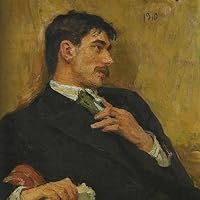
مارون عبود (1889 - 1962)، كاتب وأديب لبناني كبير. . ولد في عين كفاع (من قرى جبيل). في سنواته في المدرسة أبدا ميولا أدبية وتفوق في مجال اللغة العربية كما أصدر في عامه الدراسي الأخير مجلة أدبية أسماها الصاعقة. كان قد بدأ بكتابة القصائد ونشر بعضها في جريدة الروضة. أدخله إلى مدرسة مار يوحنا مارون. التي أمضى فيها أربعة أعوام ولكنه رفض الأستمرار فيها لأن أباه كان يقصد بإلحاقه بها أن يهيأه للحياة الكهنوتية ما رغب عنه مارون ورفضه رفضا قاطعا. بعد ذلك التحق بمدرسة الحكمة حيث أمضى فيها سنتين. وقد وجد مارون في هذه المدرسة الجو المؤاتي لتفتح مواهبه الأدبية كما احتك بعدد من الطلاب المولعين بالشعر أمثلا: رشيد تقي الدين وأحمد تقي الدين وسعيد عقل وغيرهم. أثرى مارون عبود المكتبة العربية بستين مفؤلفا منها ما طبع و منها ما هو مخطوط:
1909: العواطف اللبنانية إلى الجالس على السدّة الرسولية. 1910: كريستوف كولومب. ، أتالا ورينه. 1912: الإكليروس في لبنان. ، مجنون ليلى. 1914: ربّة العود.، تذكار الصّبا.، رواية الحمل.، أصدق الثناء على قدوة الرؤساء. 1924: أشباح القرن الثامن عشر ، المحفوظات العربية 1925: الأخرس المتكلّم ، توادوسيوس قيصر 1927: مغاور الجنّ 1928: كتاب الشعب 1945: وجوه وحكايات ، زوبعة الدّهور 1946: على المحكّ ، الرّؤوس، زوابع 1948: مجدّدون ومجترّون ، أقزام جبابرة، أشباح ورموز 1949: بيروت ولبنان منذ قرن ونصف قرن (الجزء الأول) 1950: بيروت ولبنان منذ قرن ونصف قرن ( الجزء الثاني)، الشيخ بشارة الخوري صقر لبنان 1952: روّاد النهضة الحديثة ، دمقس وأرجوان، في المختبر 1953: الأمير الأحمر ، أمين الريحاني، من الجراب، جواهر الأميرة 1954: بديع الزمان الهمداني ، جدد وقدماء 1955: سبل ومناهج 1957: أحاديث القرية ، حبر على ورق، على الطائر 1958: قبل أنفجار البركان 1959: نقدات عابر 1960: أدب العرب 1964: فارس آغا 1968: الشعر العامي 1974: آخر حجر 1975: مناوشات 1977: رسائل مارون عبود 1978: مارون عبود والصحافة 1980: من كل واد عصا
ترجمت قصصه وأقاصيصه إلى الروسية وبعضها إلى الفرنسية
مؤلفاته المخطوطة
العجول المسمّنة، الشبح الأبيض، الإنتقام الرهيب، الأسيران، علوم اللغة العربية، التاريخ الطبيعي،علم الكيمياء، علم الجيولوجيا، علم الزراعة الحديثة، التقشّف والبذخ، كتاب المخدّة.
في امريكا يا جدتي يلبس رجل بالاحمر يرمز للمسيح ويوزع على الاطفال لعبا واحذية .هكذا احتفالاتهم
يا بيييييييي صار المسيح بياع إسكربينة؟!!؛
عن الماضي وذكرياته من زمن اواخر ال1890 حتى منتصف 1900 حياة الكاتب بقرية مسيحية وذكرياته مع اجداده وكفاحهم بقرية نائية
هنا ترى الفرق المهول بين الماضي والحاضر والقفزة في اسلوب الحياة و حتى في المعتقد المسيحي نفسه كتابة موغلة في العرقية و محلية جدااا حتى ليصعب علي فهم ما يقول وخصوصا حين يخوض في الحديث عن امور حياتية مسيحية معقدة كصلاة لا اعلم ماذا وترانيم غريبة لا معنى لها بالنسبة لي
تعاني قرى السعودية من جفاء أحبتها، رحلوا ولم يعودوا، لا ساعي بريد، ولا باقة ورد، هجروها وارتموا في أحضان المدينة البعيدة، لا يوجد عند القرية حقيبة «مكياج» ولا فساتين باريس.
يتسع ثقب الوجد في قلب القرية، ويزداد اتساعاً عندما يعود الحبيب بعد الـ60 من عمره، رمته المدينة، يبحث عن قبر في قرية لم يك لها إلا دمع الفراق والثكل، كذلك عتاب غير مسموع تجاه سنوات غياب الحبيب، وموجات عودته الشحيحة في مواسم عزاء أو فرح، وهي مواطن لا أحد يستطيع فيها بناء خيمة عتاب.
يوصف السعوديون بأنهم يمتلكون حساً رومانسياً عالياً، خصوصاً في أسفارهم، الرحيل عن القرية سفر، وإمكان ممارسة غزل بريء مع القرية قابل للتحقيق من خلال إرسال مكتبة متنقلة، قطع آثاث مستعملة، أو أكوام من الكتب المستعملة، حتى أن تقديم دورات تدريبية قصيرة يعتبر بمثابة الجلوس مع الحبيبة وأسرتها في ليل صيف وقمر.
يتنصل عشاق بنات الهوى بعد الانفصال عنهن من ربط سيرهم الذاتية بأسمائهن، كذلك يفعل بعض أهل القرى عندما يوغلون في الهجران، فلا طلاب الجامعات يضعون قراهم في قلب بحوثهم، ولا العاملون في الشركات، أو الوزارات يعلقون صورها على جدران مكاتبهم، كما أن العودة الى القرية يأتي فقط ضمن سياق العبور في لعبة المتاهة، مدخل واحد، ومخرج واحد، القرية هنا طريق مسدود، نتورط به لأننا لم نجد مخرجاً آخر.
يذبل جسد القرية، كما يفعل جسد المريض، أمصال الحياة تكمن في عون المهاجرين من أهلها بزاد معرفي وحضاري، تماماً كذبول العاشقة جسداً وروحاً إلى حين تأتيها قصاصة ورق مكتوباً عليها أحبك، ولن أنساك، عدم وجود قصاصة يعني غياب الحب.
يلعب الباقون في القرية من أهلها أدواراً عدوانية ضد المهاجر العائد، ينظرون له بعين التشكيك في محبته لقريته، يهمسون في شرايين قلبها «كان هاجر وماكر»، يرفضون اقتراب المهاجر من قلبها، ولا يتحدثون معه بقلب مفتوح خوفاً من قدرته على استعطافهم، إبهارهم، وإقناعهم بأنه الأكثر استحقاقاً لقلب القرية وجسدها.
ينسل هذا المقال من دردشة مع صديقي الحميم موسى الحسين الخريصي وحديثه عن قريته الجنوبية «قنا» جارة محايل عسير، فمحبوبته تتمنع، تسمع أصوات الواشين أكثر من نبضات قلب يصحو كل صباح وبيده باقة ورد من حقل تأرق أفكار الليلة المنصرمة، يمدها برغبته في تنمية البشر والحجر، أيتامها، أراملها، وكذلك شباب يجوبون طرقات للأمل غير منصوب على جوانبها لوحات إرشادية.
يوجد لكل قرية موسى خريصي آخر، يؤرقه عدم رغبة المقيمين فيها بمساهمة المهاجرين العائدين بتزيين فساتين القرية، أو «أخذها بيدها» إلى مصمم أزياء، سيدة مكياج، ومدرب يعلمها المشي نحو مربع يحتوي قرى ذات سمة اقتصادية، إجتماعية أكثر نمواً وتحضراً.
رمتني قريتي ذات زيارة بطوبها، شمرت ثوبها، وركضت بعيداً مني، لم أك أريد من زيارتي لها إلا الوقوف على قبر أبي، والبحث عن مساحة لقبر بجواره، لم أنل حظاً طيباً بمعاشرته في حياته، ولعل مماتنا يجمعنا، خرجت من قريتي مجدداً، كتبت وصيتي، أقبروني بجوار أبي، على صدر حبيبته، لأنني خفت من عدم العودة إليها إلا ماشياً على نعش.
يستوجب التفاف المهاجرين إلى قراهم قدرات نفسية ومالية قد لا تكون متاحة لنا جميعاً، لكن مغازلتها «ولو من بعيد» حق مشروع للحبيب والمحبوبة، هذا المقال هو بطاقة غزل لقريتي، فغازلوا قراكم ولا تيأسوا.
« فكنت كلّما قطفت زهرة التفت صوب العقبة، ولكنني لا أرى أمي مهرولة فأعود إلى انتقاء زهراتي، ثم اتلفت فلا أراها. »
It pains me to say that as much as I strive to keep my literary Arabic alive, it is fatally destined to dissolve au profit de cette littérature française, because the only time before this novel when I had heard of Maroun Abboud and his easy language to realistically portray authentic Lebanese village life was in a cherished, enlightening grade ten class with possibly the greatest teacher whom I vividly respect and revere to this day. However, the only thing that I would remember for many years was the ominous omen of an owl in a poem of his studied in that class. Though there is more to his storytelling and writing than these stubborn Gothic illusions I never seem to stop carrying around: there is comedy, there is dialect, there is religion, there is realism, all for the sake of the countryside's survival, or at least for the survival of its memory. That is why he shooes the owl away in the poem: to protect the sacredness of such a small side of land scattered in the mountains.
Perhaps realism lies most in characterisation, in some plot progression, since the latter can be impregnated by the miraculous and the absurd, which do not necessarily disserve, in their contrast, this « واقعية » that Abboud is known for. Instead, they work reciprocally to influence one another, as village life in its simplicity and in its incessant gossiping strives upon tensions of superstition, of evolution, of loyalty, of generations: it all goes up against the city and its drowning news of change and inventions, too far in distance, seemingly close with oncoming travellers and bearers of rumours and journals and newpapers, distanced again with the infamous evolution of hearsays like some téléphone cassé, and with the absence of that famous fast progress. Nonetheless, wouldn't a calm, ignorant life in the mountains be greater than dominant rampant progress?
Maybe this novel can only be relevant to an Arab reader, and funny to a Lebanese reader, and brilliant to a Maronite reader, given that, beyond the literary allusions and the main gist of the tales, the experience, the language, the wit of adages can be fully understood by none other than those who live in these secluded areas — even more specifically by those who lived in that specific time of late colonisation and early independence: I didn't fully get such a life, I didn't fully get such an education, I didn't fully get such an experience, yet there must be something that binds sometime and somwhere.
الأقاصيص
I ponder and wonder about the placement of these short stories before the recounting of the author's own memories, for at first glance, the two parts seem quite apart; yet these tales are most probably there to give out a general view of stereotypical Lebanese villagers, or to serve as a prelude for the specific intimacy of remembrance.
بابا نويل Already, it struck me from the first short story that « الواقعية » is mingled with a miraculous event. Besides, the more important lesson to be learnt is the triumph of a simple rural life over vain expatriation for some Dream in the West, and Santa Claus fails to fulfill what these modest miracles — from a generous priest to the eclipse at the time of the deacon's death — fulfilled in such an exiguous yet humble place.
الأرملة مارينا I might have sensed something strange, and also evident: the heavy Christian symbolism may, at the end of the story, bring it back, in some way, to the older time of Christ's arrival. Consequently, « الواقعية » is not only mingled with miracles, but with some sort of fixed time travel, and, as a 21st-century reader, there would be an enchâssement of travelling.
ركّبوه العجل I am very conflicted about the protagonist's portrayal, for is he a naive benêt, or is he a smart حربوق? Perhaps it is best to qualify him as a giggling manchild or a dreaming shepherd.
وعظة بونا اسطفان There is probably nothing funnier than such preaching in this collection because using معلّقة عنترة to talk about St. George and his horse and his spear and his sword against the dragon needs a huge amount of wit and cunning and brave blasphemy, especially coming from a priest reciting a جاهلية poem. If هلّون supposedly had morphed St. Barbara's legend, which I know by heart, then she might have deserved the poetic ruse of that awaited sermon. And here, my soul yearns for that December night where we would disguise ourselves and run around the neighbourhood for candies like Jesus's shoes and sweet, hot wheat, singing هاشلي بربارة childishly!
طبيب امرأته The typical old village parents who expect their son, on whom they spent a fortune for his education, to fund them in return to all their service and sacrifice, though he would rather birth a new family in the city with his wife who becomes the dreadful despicable « كنةّ » and « بنت الحرام » in their eyes. Therefore, a possibly unanswerable and unattainable question sparked in me: how can one, without starting a family feud of envy and greed, balance between helping their parents from old age and poverty and forgetfulness, and aspiring for well-being and stable life conditions in a new family?
البهائم تفكّر في مصيرها After witnessing the sentiments, the thoughts, and the folly of humans, it was time to discover what the animals are up to at the village through such a traditional Fables-de-la-Fontaine-like story: Man is criticised by the means of a different perspective, as well as likened to animals in their instinctive nature. Moreover, « الأحاديث » pass on to them to showcase that this custom contaminatingly prevails in the village, for they hear and talk of everything and nothing like women at the furn.
قصصي وأخباري
The reader is guided here to a more private and more personal timeline about the author himself amidst the tumultuous mountain life in the village. Although the memories don't flow haphazardly like some Proustian remembrance, the madeleines become dates of Christian celebrations, and the descriptions! the description of these days in عين كفاع are of utmost majesty and miracle. Soon though, that wonder would turn into exasperation and frustration in regards to that damned discarded road, and that telephone line, and that water piping, demands that would stay unacknowledged for decades with the sole hearing of vain promises: the pinnacle of political problems in this poor country. Subsequently, to remember is to cement the occurrence of an unheard-of, endless fight, to document it, to avoid other obstacles and obstructions — yet alas! a writer dies and with him fades the memory, as no one — or few — is there to read and not repeat.
هي عبارة عن قصص قصيرة تؤلف في مجملها مقتطفات من سيرة ذاتية للمؤلف ولحكايت القرية التي ينتمي اليها " عين كفاع في جبيل في لبنان " ما اعجبني في هذه القصص هي الحكايات التي يحكيها الكاتب عن تطور الاحوال في القرية ابتداء من ادخال الخدمات وشق الطريق وفي الحقيقة ما شد انتباهي هو ما كانت عليه احوال المسيحيين اللبنانيين من شدة تدينهم وتمسكهم بالتقاليد المسيحية المارونية الشرقية وهو ما اختلف كثيرا في هذه الايام لغة الكاتب بسيطة ومتميزة وهو ما ميز ذلك الجيل من اهتمام باللغة المكتوبة وجمالها