

What do you think?

Into the Hands of the Soldiers: Freedom and Chaos in Egypt and the Middle East
A candid narrative of how and why the Arab Spring sparked, then failed, and the truth about America's role in that failure and the subsequent military coup that put Sisi in power--from the Middle East correspondent of the New York Times.
In 2011, Egyptians of all sects, ages, and social classes shook off millennia of autocracy, then elected a Muslim Brother as president. The 2013 military coup replaced him with a new strongman, Abdel Fattah el-Sisi, who has cracked down on any dissent or opposition with a degree of ferocity Mubarak never dared. New York Times correspondent David D. Kirkpatrick arrived in Egypt with his family less than six months before the uprising first broke out in 2011, looking for a change from life in Washington, D.C. As revolution and violence engulfed the country, he received an unexpected and immersive education in the Arab world.
For centuries, Egypt has set in motion every major trend in politics and culture across the Middle East, from independence and Arab nationalism to Islamic modernism, political Islam, and the jihadist thought that led to Al Qaeda and ISIS. The Arab Spring revolts of 2011 spread from Cairo, and now Americans understandably look with cynical exasperation at the disastrous Egyptian experiment with democracy. They fail to understand the dynamic of the uprising, the hidden story of its failure, and Washington's part in that tragedy. In this candid narrative, Kirkpatrick lives through Cairo's hopeful days and crushing disappointments alongside the diverse population of his new city: the liberal yuppies who first gathered in Tahrir Square; the persecuted Coptic Christians standing guard around Muslims at prayer during the protests; and the women of a grassroots feminism movement that tried to seize its moment. Juxtaposing his on-the-ground experience in Cairo with new reporting on the conflicts within the Obama administration, Kirkpatrick traces how authoritarianism was allowed to reclaim Egypt after thirty months of turmoil.
Into the Hands of the Soldiers is a heartbreaking story with a simple message: The failings of decades of autocracy are the reason for the chaos we see today across the Arab world. Because autocracy is the problem, more autocracy is unlikely to provide a durable solution. Egypt, home to one in four Arabs, is always a bellwether. Understanding its recent history is essential to understanding everything taking place across the region today--from the terrorist attacks in the North Sinai and Egypt's new partnership with Israel to the bedlam in Syria and Libya.
In 2011, Egyptians of all sects, ages, and social classes shook off millennia of autocracy, then elected a Muslim Brother as president. The 2013 military coup replaced him with a new strongman, Abdel Fattah el-Sisi, who has cracked down on any dissent or opposition with a degree of ferocity Mubarak never dared. New York Times correspondent David D. Kirkpatrick arrived in Egypt with his family less than six months before the uprising first broke out in 2011, looking for a change from life in Washington, D.C. As revolution and violence engulfed the country, he received an unexpected and immersive education in the Arab world.
For centuries, Egypt has set in motion every major trend in politics and culture across the Middle East, from independence and Arab nationalism to Islamic modernism, political Islam, and the jihadist thought that led to Al Qaeda and ISIS. The Arab Spring revolts of 2011 spread from Cairo, and now Americans understandably look with cynical exasperation at the disastrous Egyptian experiment with democracy. They fail to understand the dynamic of the uprising, the hidden story of its failure, and Washington's part in that tragedy. In this candid narrative, Kirkpatrick lives through Cairo's hopeful days and crushing disappointments alongside the diverse population of his new city: the liberal yuppies who first gathered in Tahrir Square; the persecuted Coptic Christians standing guard around Muslims at prayer during the protests; and the women of a grassroots feminism movement that tried to seize its moment. Juxtaposing his on-the-ground experience in Cairo with new reporting on the conflicts within the Obama administration, Kirkpatrick traces how authoritarianism was allowed to reclaim Egypt after thirty months of turmoil.
Into the Hands of the Soldiers is a heartbreaking story with a simple message: The failings of decades of autocracy are the reason for the chaos we see today across the Arab world. Because autocracy is the problem, more autocracy is unlikely to provide a durable solution. Egypt, home to one in four Arabs, is always a bellwether. Understanding its recent history is essential to understanding everything taking place across the region today--from the terrorist attacks in the North Sinai and Egypt's new partnership with Israel to the bedlam in Syria and Libya.
384 pages, Hardcover
First published August 7, 2018
About the author
David D. Kirkpatrick
2 books33 followersDavid D. Kirkpatrick is an American, London-based international correspondent for The New York Times. From 2011 through 2015, he served as its Cairo bureau chief and a Middle East correspondent.
Ratings & Reviews
Friends & Following
Create a free account to discover what your friends think of this book!
Community Reviews
Displaying 1 - 30 of 84 reviews

August 21, 2018
The 2011 Egyptian Revolution was probably the most captivating political spectacle of a generation. Seven years later, after watching the revolution rise, try to steady itself and then collapse in the face of a brutal counterrevolution, David Kirkpatrick has written what is perhaps the best history of this period to date. Based on his own on-the-ground reporting as a New York Times correspondent in Egypt as well as access to top officials in D.C. and Cairo, Kirkpatrick has reconstructed the events of the revolution and its fraught aftermath. The book tells the story of the street movement as well as the backroom dealings that helped snuff it out. His reporting as a whole helps dispel the cloud of miasma that has settled over Egypt's tragic recent history, which remains unclear and contested to most.
On the U.S. side the book provides access to John Kerry, Ben Rhodes and a host of military officials who had dealings with the Egyptians. It is clear above all else that despite some dissensions, the U.S. government absolutely green-lighted the 2013 coup against an elected government that, despite its flaws, had not crossed any line that warranted this extreme step. The U.S. government scarcely blinked in the face of Egypt's return to militaristic fascism, standing by to watch wholesale massacres of unarmed demonstrators, as well as mass torture and disappearances. U.S. officials both implicitly and explicitly cheered Sisi on and continue to do so, providing billions in military aid to his regime. Reading Kirkpatrick's account of what his regime really represents shows how monstrous American policy has been in this regard and how drastically it diverges from its soaring rhetoric.
Its clear that the Egyptian military and "deep state" never for a moment intended to hand over real power to any elected government, let alone a Brotherhood one. From the moment that Mubarak fell they did everything they could to divide the revolutionaries, constrain the new government's ability to function and set the stage for their own violent reassertion of power. Under Sisi the police state is now back with a vengeance, annihilating everyone in its path, whether they be Islamists, liberals, leftists, Christians or even nationalists who speak out against the obvious mismanagement and brutality of the regime. Above all his military regime and its Western backers share a paternalistic, neocolonial attitude towards the Egyptian people. Despite their heroic fight for democracy, witnessed by the entire world, the Egyptian military, Washington D.C., and Sisi's Gulf Arab patrons have all worked to make the ultimately racist case that the Egyptian people need to be harshly repressed by military force, as they are unfit to govern themselves. I saw very differently myself during my brief time in Egypt after the revolution, where people were very eager to engage in real grassroots democracy and meaningful free speech, even at the risk of their lives. It was a vibrant contrast to older democracies where most people have long ago tired of civic life, preferring instead to pass their time in entertainment. The fact that Egyptian civilians were killed en masse within a year of elections for making what the world deemed to be the wrong choice it is a sad commentary on the brutalities that the liberal international order is willing to countenance against those it considers the Other.
Kirkpatrick tells the story of Egypt's tragedy through the lives of its people from all strata of society, and he does so with a refreshing amount of humility. The book eschews almost all the cliches that tend to color writing on the region, and he is very self-aware about his own perspective as an American with a privileged vantage point on events. He doesn't fall into the trap of portraying any side uncritically, but one thing that comes across clearly is how fundamentally wrong the coup was. It was an act of pure barbarity waged under the banner of enlightenment, and its gruesome apex, the Raba'a Massacre, was the trigger that turned the entire region into a vicious zero-sum game between totalitarian militaries and nihilist-Islamist groups. One imagines how the world would've reacted if it had been the Morsi government that carried out such a massacre.
Egypt is perhaps the most important Arab country culturally and politically in the Middle East. The tragedy of its defeated revolution is the story of the region as a whole. If you want to understand how colonialism continues to persist, in ways that, behind the scenes, are every bit as brutal and cynical as they were a century ago, this is the book to read.
On the U.S. side the book provides access to John Kerry, Ben Rhodes and a host of military officials who had dealings with the Egyptians. It is clear above all else that despite some dissensions, the U.S. government absolutely green-lighted the 2013 coup against an elected government that, despite its flaws, had not crossed any line that warranted this extreme step. The U.S. government scarcely blinked in the face of Egypt's return to militaristic fascism, standing by to watch wholesale massacres of unarmed demonstrators, as well as mass torture and disappearances. U.S. officials both implicitly and explicitly cheered Sisi on and continue to do so, providing billions in military aid to his regime. Reading Kirkpatrick's account of what his regime really represents shows how monstrous American policy has been in this regard and how drastically it diverges from its soaring rhetoric.
Its clear that the Egyptian military and "deep state" never for a moment intended to hand over real power to any elected government, let alone a Brotherhood one. From the moment that Mubarak fell they did everything they could to divide the revolutionaries, constrain the new government's ability to function and set the stage for their own violent reassertion of power. Under Sisi the police state is now back with a vengeance, annihilating everyone in its path, whether they be Islamists, liberals, leftists, Christians or even nationalists who speak out against the obvious mismanagement and brutality of the regime. Above all his military regime and its Western backers share a paternalistic, neocolonial attitude towards the Egyptian people. Despite their heroic fight for democracy, witnessed by the entire world, the Egyptian military, Washington D.C., and Sisi's Gulf Arab patrons have all worked to make the ultimately racist case that the Egyptian people need to be harshly repressed by military force, as they are unfit to govern themselves. I saw very differently myself during my brief time in Egypt after the revolution, where people were very eager to engage in real grassroots democracy and meaningful free speech, even at the risk of their lives. It was a vibrant contrast to older democracies where most people have long ago tired of civic life, preferring instead to pass their time in entertainment. The fact that Egyptian civilians were killed en masse within a year of elections for making what the world deemed to be the wrong choice it is a sad commentary on the brutalities that the liberal international order is willing to countenance against those it considers the Other.
Kirkpatrick tells the story of Egypt's tragedy through the lives of its people from all strata of society, and he does so with a refreshing amount of humility. The book eschews almost all the cliches that tend to color writing on the region, and he is very self-aware about his own perspective as an American with a privileged vantage point on events. He doesn't fall into the trap of portraying any side uncritically, but one thing that comes across clearly is how fundamentally wrong the coup was. It was an act of pure barbarity waged under the banner of enlightenment, and its gruesome apex, the Raba'a Massacre, was the trigger that turned the entire region into a vicious zero-sum game between totalitarian militaries and nihilist-Islamist groups. One imagines how the world would've reacted if it had been the Morsi government that carried out such a massacre.
Egypt is perhaps the most important Arab country culturally and politically in the Middle East. The tragedy of its defeated revolution is the story of the region as a whole. If you want to understand how colonialism continues to persist, in ways that, behind the scenes, are every bit as brutal and cynical as they were a century ago, this is the book to read.

June 6, 2021
كتاب سحري. الكتاب فعلا عاد بكل دقة كل أفكاري وذكرياتي من أما كنت لسه 13 سنة والسياسة بالنسبالي مجرد معلومات عشوائية عن وقفات احتجاجية لنصرة فلسطين.
الريڤيوهات بالنسبة ليا لازم تكون من متخصصين وعشان كده عادة مش بعمل ريڤيو لأي كتاب، لكن الكتاب ده غير منتشر وهو يستحق ينتشر فعشان كده عملت الريڤيو ده.
رحلة مش سهلة خالص على النفس من اول انتخابات 2010 اللي على صعوبتها وقتها كانت أبسط بكتير من معظم اللي حصل في باقي الكتاب، لفترة الثورة وكل ذكريات التحرير بتفاصيل يشكره عليها كل ثائر لتخليدها لأنها بدونه كانت هتضيع..
لفترة المجلس العسكري اللي أدان فيها كل من يستحق الإدانة وأشاد فيها بكل من يستحق الإشادة عن طريق التأريخ دون أحكام منه ولكن التأريخ كافي ويزيد..
لفترة حكم مرسي -الله يرحمه- بكل تقلباتها بين أعلى نقط وبين قرارات -لا يمكن أن توصف بغير ما هي عليه- غبية..
ومرورا بأصعب فترة تأكد لكل الشباب اللي عاصروا الفترة دي كشباب انهم يبقوا تروماتايزد لو كانوا لسه سلام يعني من الفترة اللي قبلها، فترة -سموا الأشياء بمسمياتها- الإنقلاب العسكري، لفترة العنف العسكري ضد الإسلاميين وتمكين السيسي لنفسه من الحكم بكل الوسائل المتاحة اللي تضمنت بالطبع دم ناس كتير، الكتاب برده صور تحول السيسي اللي كنت حاسس اني مجنون لاني حاسس اني الوحيد اللي شايفه، من تناقضات السيسي مع نفسه، لحاجات كتير في الفترة دي فعلا تستحق التأريخ.
الكتاب طبعا من ملاحظات كاتب واحد. كاتب أجنبي عايش في مصر مهما كانت ملاحظاته دقيقة فهي ملاحظات كاتب أجنبي مايعرفش كل حاجة عن مصر وإن كان يعرف كتير. والشخصيات اللي اتكلم عن إدانتها وأحكامها هي الشخصيات اللي هو يعرفها.. الشخصيات اللي الكل يعرفها واللي كل كلمة عليهم وكل يوم بيعدي عليهم في السجن بيترصد، وفي كتير حصل وبيحصل وهيحصل مش موجود ومش هيتأرخ، لكني شايف أنه عمل كل اللي يقدر عليه. أتمنى في يوم من الأيام تأثير الفترة دي يروح، ولما أقرأ عنها تاني تكون حالتي أحسن مش كده ومش كل فصل يخليني في حالة أسوأ من اللي قبله.
لو فاكر ان تجاهلك للتاريخ هيلغي تأثيره فأنت غلطان، ولو فاكر أن هروبك من الفترة دي على صعوبتها على اي حد فينا هيريحك فأنت غلطان تاني. لو مش متشجع تقرأ كتاب زي لمجرد انك حاسس انك مش هتقدم ولا هتأخر وهتتعب عالفاضي فكفاية انك تقرأه لنفسك عشان تشوف كل اللي حصل بعين محايدة مش بعين الدولة اللي كلنا بنشوف كل حاجة بعينها غصب عننا، أو بعين معارضة 100% اللي بمجرد ما بنحاول نخرج من ظل الدولة بنشوف كل حاجة بعينها، وانما بعين محايدة تماما ملهاش أي مصلحة في تأييد طرف من الطرفين.
تحيا مصر.. بس مصر اللي بجد.
الريڤيوهات بالنسبة ليا لازم تكون من متخصصين وعشان كده عادة مش بعمل ريڤيو لأي كتاب، لكن الكتاب ده غير منتشر وهو يستحق ينتشر فعشان كده عملت الريڤيو ده.
رحلة مش سهلة خالص على النفس من اول انتخابات 2010 اللي على صعوبتها وقتها كانت أبسط بكتير من معظم اللي حصل في باقي الكتاب، لفترة الثورة وكل ذكريات التحرير بتفاصيل يشكره عليها كل ثائر لتخليدها لأنها بدونه كانت هتضيع..
لفترة المجلس العسكري اللي أدان فيها كل من يستحق الإدانة وأشاد فيها بكل من يستحق الإشادة عن طريق التأريخ دون أحكام منه ولكن التأريخ كافي ويزيد..
لفترة حكم مرسي -الله يرحمه- بكل تقلباتها بين أعلى نقط وبين قرارات -لا يمكن أن توصف بغير ما هي عليه- غبية..
ومرورا بأصعب فترة تأكد لكل الشباب اللي عاصروا الفترة دي كشباب انهم يبقوا تروماتايزد لو كانوا لسه سلام يعني من الفترة اللي قبلها، فترة -سموا الأشياء بمسمياتها- الإنقلاب العسكري، لفترة العنف العسكري ضد الإسلاميين وتمكين السيسي لنفسه من الحكم بكل الوسائل المتاحة اللي تضمنت بالطبع دم ناس كتير، الكتاب برده صور تحول السيسي اللي كنت حاسس اني مجنون لاني حاسس اني الوحيد اللي شايفه، من تناقضات السيسي مع نفسه، لحاجات كتير في الفترة دي فعلا تستحق التأريخ.
الكتاب طبعا من ملاحظات كاتب واحد. كاتب أجنبي عايش في مصر مهما كانت ملاحظاته دقيقة فهي ملاحظات كاتب أجنبي مايعرفش كل حاجة عن مصر وإن كان يعرف كتير. والشخصيات اللي اتكلم عن إدانتها وأحكامها هي الشخصيات اللي هو يعرفها.. الشخصيات اللي الكل يعرفها واللي كل كلمة عليهم وكل يوم بيعدي عليهم في السجن بيترصد، وفي كتير حصل وبيحصل وهيحصل مش موجود ومش هيتأرخ، لكني شايف أنه عمل كل اللي يقدر عليه. أتمنى في يوم من الأيام تأثير الفترة دي يروح، ولما أقرأ عنها تاني تكون حالتي أحسن مش كده ومش كل فصل يخليني في حالة أسوأ من اللي قبله.
لو فاكر ان تجاهلك للتاريخ هيلغي تأثيره فأنت غلطان، ولو فاكر أن هروبك من الفترة دي على صعوبتها على اي حد فينا هيريحك فأنت غلطان تاني. لو مش متشجع تقرأ كتاب زي لمجرد انك حاسس انك مش هتقدم ولا هتأخر وهتتعب عالفاضي فكفاية انك تقرأه لنفسك عشان تشوف كل اللي حصل بعين محايدة مش بعين الدولة اللي كلنا بنشوف كل حاجة بعينها غصب عننا، أو بعين معارضة 100% اللي بمجرد ما بنحاول نخرج من ظل الدولة بنشوف كل حاجة بعينها، وانما بعين محايدة تماما ملهاش أي مصلحة في تأييد طرف من الطرفين.
تحيا مصر.. بس مصر اللي بجد.

August 10, 2018
one of the sad truth in this book is that even Islamist who believed in democracy were failed by the West, and it only strengthened ISIS point view that through explicit violence not demonstration that you will able to take control of your country
another book which made me disillusioned
another book which made me disillusioned

September 6, 2018
Since this book clearly was a personal narrative rather than a footnoted historical work, several dangers related to the Western journalist's narrative perspective were apparent. Kirkpatrick, while a talented domestic New York Times correspondent, was a neophyte to foreign reporting in general and the Middle East in particular. His family took advantage of classic instances of white and Western privilege. Given the heavy propaganda barrage Gen. Abdel Fattah al-Sisi had engaged in since seizing power (yes, a 'coup') in June 2013, was there any way Kirkpatrick could get it right? The answer is a resounding yes, and then some. This book not only accurately describes the brutal demise of the Arab Spring, it serves as a template as to how authoritarian populism spreads in many countries worldwide, egged on by the stupidity of The People.
But before we get to the errors of the masses, let's be clear that no one comes away looking good in KIrkpatrick's tale. Mohamed Morsi appears as a well-meaning but bumbling fool, Obama as the would-be good Samaritan who tries (and often fails) to keep consistency amid a cabinet that values order over justice. But Hillary Clinton and John Kerry come off looking like defenders of fascism. Mohamed ElBaradei, as much as he renounced the coup later on, comes across as a toady for al-Sisi. The second-generation protesters in Tahrir Square, the 2013 Facebook-oriented Tamarrod movement, come off as a project of the mukhabarat. And our old pals Michael Flynn and James Mattis (who at that time worked for Obama) were nothing less than orchestrators of the coup. In short, everyone is evil. As we all look to the devastation caused by Trump and wish for a better outcome for HRC, it is useful to remember that the grumbling Western left got one thing right: everyone who is part of the global bipartisan elite or the new populist authoritarians is evil. There are no good guys, period.
Kirkpatrick is enamored of the 2011 protesters in Tahrir Square, yet is realistic as to their limitations. Thugs working for the "deep state" (and the slogan carries meaning here) were everywhere, while Mubarak was still in power, and during the brief interregnum when Morsi was elected. In fact, the thugs took care to not enforce too heavily under Morsi, so that the people would beg for less chaos in their lives, and al-Sisi could ride in as their savior. Remember, and this cannot be repeated often enough, Morsi was inept, but the Muslim Brotherhood did not try to instigate a police state. It advocated nonviolence until long after the massacre of thousands of unarmed protesters in Rabaa in August 2013. The fault lay with the middle-class people who could not stand the fact that the Muslim Brotherhood won a free and fair election, and who thereby threw their lot in with the army, an army that later jailed tens of thousands and executed scores of people daily - far worse than anything under Mubarak.
Kirkpatrick is right to spend a good deal of time studying the Egyptian media and bureaucratic forces behind the army and police, the ones that truly allowed al-Sisi's horror to spread. Egyptian propagandists are like the Saudi liars who tried to turn the war on Yemen into a patriotic crusade. Even the mildest skepticism or critique of al-Sisi led to shouts of "Traitor!" from talk-show hosts and celebrities in the 2013-2018 period. In short, the people of Egypt created their own authoritarian fascist state by mutual acclaim, a pattern repeated in Turkey, Poland, The Philippines, Hungary, et. al. The United States does not belong fully in this camp because resistance is strong, and because Trump is far too narcissistic and incompetent to be a good dictator.
The most tragic part of the book comes in the last 50 pages, in the last half of the "Deep State" chapter and in the epilogue. Kirkpatrick sincerely wonders how erstwhile Westernized liberals in Egypt could have been so blind as to put their faith in the military. We know that the people live in fear, and that many have retreated into private hobbies so that they don't have to think how their society has collapsed. But Kirkpatrick talks to one woman about how former protesters in Tahrir Square have turned to discussing their depression and panic attacks on Facebook, on a daily basis. There is trolling and mutual recrimination on Facebook, to be sure, but there is also a reticence among many to simply say out loud "Wow, we were really stupid, weren't we?" But becoming an activist for the long haul demands that we look in the mirror every so often and admit to ourselves how dumbass we were to engage in this or that campaign. The people of Egypt are still far from that self-reckoning.
In the epilogue, Kirkpatrick talks about Trump's first months in office, and explicitly talks about Egypt as a template for global authoritarianism. The lesson I take away from this book can be summarized by a discussion I had with a so-called progressive activist who talked about her admiration for Putin, because Russia after all needed "a firm hand." I told her that no one calling themselves a progressive should ever favor a firm hand under any circumstances, even if the alternative is chaos and disorder. Since most people prefer safety, security and predictability to democracy, such a vision is highly unpopular these days. Yet Kirkpatrick adheres to such a view, and argues that there is never any reason for citizens who have engaged in protest to be snookered by the call for a "firm hand."
But before we get to the errors of the masses, let's be clear that no one comes away looking good in KIrkpatrick's tale. Mohamed Morsi appears as a well-meaning but bumbling fool, Obama as the would-be good Samaritan who tries (and often fails) to keep consistency amid a cabinet that values order over justice. But Hillary Clinton and John Kerry come off looking like defenders of fascism. Mohamed ElBaradei, as much as he renounced the coup later on, comes across as a toady for al-Sisi. The second-generation protesters in Tahrir Square, the 2013 Facebook-oriented Tamarrod movement, come off as a project of the mukhabarat. And our old pals Michael Flynn and James Mattis (who at that time worked for Obama) were nothing less than orchestrators of the coup. In short, everyone is evil. As we all look to the devastation caused by Trump and wish for a better outcome for HRC, it is useful to remember that the grumbling Western left got one thing right: everyone who is part of the global bipartisan elite or the new populist authoritarians is evil. There are no good guys, period.
Kirkpatrick is enamored of the 2011 protesters in Tahrir Square, yet is realistic as to their limitations. Thugs working for the "deep state" (and the slogan carries meaning here) were everywhere, while Mubarak was still in power, and during the brief interregnum when Morsi was elected. In fact, the thugs took care to not enforce too heavily under Morsi, so that the people would beg for less chaos in their lives, and al-Sisi could ride in as their savior. Remember, and this cannot be repeated often enough, Morsi was inept, but the Muslim Brotherhood did not try to instigate a police state. It advocated nonviolence until long after the massacre of thousands of unarmed protesters in Rabaa in August 2013. The fault lay with the middle-class people who could not stand the fact that the Muslim Brotherhood won a free and fair election, and who thereby threw their lot in with the army, an army that later jailed tens of thousands and executed scores of people daily - far worse than anything under Mubarak.
Kirkpatrick is right to spend a good deal of time studying the Egyptian media and bureaucratic forces behind the army and police, the ones that truly allowed al-Sisi's horror to spread. Egyptian propagandists are like the Saudi liars who tried to turn the war on Yemen into a patriotic crusade. Even the mildest skepticism or critique of al-Sisi led to shouts of "Traitor!" from talk-show hosts and celebrities in the 2013-2018 period. In short, the people of Egypt created their own authoritarian fascist state by mutual acclaim, a pattern repeated in Turkey, Poland, The Philippines, Hungary, et. al. The United States does not belong fully in this camp because resistance is strong, and because Trump is far too narcissistic and incompetent to be a good dictator.
The most tragic part of the book comes in the last 50 pages, in the last half of the "Deep State" chapter and in the epilogue. Kirkpatrick sincerely wonders how erstwhile Westernized liberals in Egypt could have been so blind as to put their faith in the military. We know that the people live in fear, and that many have retreated into private hobbies so that they don't have to think how their society has collapsed. But Kirkpatrick talks to one woman about how former protesters in Tahrir Square have turned to discussing their depression and panic attacks on Facebook, on a daily basis. There is trolling and mutual recrimination on Facebook, to be sure, but there is also a reticence among many to simply say out loud "Wow, we were really stupid, weren't we?" But becoming an activist for the long haul demands that we look in the mirror every so often and admit to ourselves how dumbass we were to engage in this or that campaign. The people of Egypt are still far from that self-reckoning.
In the epilogue, Kirkpatrick talks about Trump's first months in office, and explicitly talks about Egypt as a template for global authoritarianism. The lesson I take away from this book can be summarized by a discussion I had with a so-called progressive activist who talked about her admiration for Putin, because Russia after all needed "a firm hand." I told her that no one calling themselves a progressive should ever favor a firm hand under any circumstances, even if the alternative is chaos and disorder. Since most people prefer safety, security and predictability to democracy, such a vision is highly unpopular these days. Yet Kirkpatrick adheres to such a view, and argues that there is never any reason for citizens who have engaged in protest to be snookered by the call for a "firm hand."

May 18, 2021
Interesting book from David D. Kirkpatrick, correspondent for The New York Times and eyewitness of the Egyptian Revolution. He gives a convincing as-it-happened account of his personal experiences during all the events leading up to and after the Tahrir square revolution. Surprisingly, he is pretty mild about Morsi's rule during the Moslim Brotherhood, and even confesses that this government, the only democratic elected Egyptian government to this day, should have been given a fair chance. Alas, in the end the Egyptians got rid of Mubarak, only to be confronted with Sisi. Nothing has changed. A real tragedy.

July 19, 2019
Kirkpatrick, an NYTIMES reporter in the Middle East for about 5 years, brings us the undeniably tragic story of the Egyptian revolution of 2011 and its regression into tyranny. This is a great book for people who haven't really followed Egyptian politics since the ARab spring and need a refresher. Here are some of the major themes/ideas:
Kirkpatrick frames the story largely as a liberal declension. You start with this stunning, hopeful moment in 2011, when Egyptians toppled their autocrat and appeared poised to elect a new leadership, open the press, and reform the country. However, the liberals (or what qualifies as a liberal in Egypt) were isolated and disunited, so the Muslim Brotherhood and other Islamists and nationalists seized the moment and took power in elections. The post-election moment was crucial: liberals faced a moderate Islamist government that they detested and never really gave a chance. The deep state (a real thing in Egypt) did everything it could to weaken and delegitimize Morsi: continuing corruption, intimidating Muslim Brothers, and refusing to police large parts of the country to create a sense of chaos. Of course, the Muslim Brothers were short-sighted and incompetent, especially Morsi, who is a bit of a Rohrscharch test figure: some people saw a Westernized Muslim, some saw a budding Khomeini, others just saw an underwhelming and incompetent man. For the most part, Kirkpatrick is easy on Morsi, whom he convincingly shows was not the real problem in Egypt. Morsi undermined himself with his decree that his laws were unreviewable by the court system, but even without this the state institutions and the army would have tried to delegitimize him. The liberals chose political expediency and an outsized fear of the Brothers over a commitment to constitutionalism and the rule of law when they backed and celebrated the Sisi coup in 2013. What followed was a horrific wave of violence against Islamists and Sisi's steady takeover of the country. Morsi didn't kill the democratic experiment in Egypt, Sisi did, and the liberals for the most part excused him or cheered him on. This was a catastrophic failure about which I argued with Egyptian expats at the time. I was freakin right.
The lesson of this book is probably that liberal democracy and constitutional rule cannot take hold in societies with the following conditions: a small, disunited middle class willing to tolerate autocracy because of its fear of chaos or Islamist rule, a hugely uneducated and impoverished lower class (1/4 of the country is illiterate) that backs either Islamists or nationalist authoritarians, an entrenched, venal, and brutal elite that controls state institutions and deploys them for partisan ends and self-enrichment, and a society that has still not accepted the equal rights and citizenship of women. On this last point: don't tell me it has. It has not. America hasn't even, but sexism doesn't even describe the attitudes toward women in this book. They are pre-modern and dehumanizing. Women were effectively barred from the public square by the threat of violence from the police (remember the abhorrent "finger test?"), the fetishization of female purity, and the threat of mob assault, whether from Islamists or nationalist thugs. The public assaults on women in this book are things that I believe simply do not happen in the United States-in public. This book convinces me that most of the Arab world needs a massive reformation of the role of women and views about them before democracy really has a chance.
Lastly, I disagreed with Kirkpatrick's criticism of the Obama admin's Egypt policy. Obama lurched back and forth on Egypt, ultimately refusing to condemn Sisi's coup because of the importance of Egypt to US foreign policy in the region. Of course, the US has reaped enormous hatred for backing such dictators, and the process is ongoing as Sisi continues to radicalize Islamists. But what option did Obama really have? The US maybe shouldn't give EG as much aid as it does, but Egypt will get that aid from somewhere else: Saudis, Russians, Chinese, all countries that don't attach moral strings other than serving their national interests. Kirkpatrick seems to believe that the US should be pro-democracy in Egypt, but on what foundation? On a tiny liberal middle class that bailed on constitutionalism anyway and exerts little real power? The pieces are not there, and jeopardizing the national interest for these vain hopes would not be responsible foreign policy. It is wishful thinking about a tragic situation, but that's why international politics is a form of tragedy.
Kirkpatrick frames the story largely as a liberal declension. You start with this stunning, hopeful moment in 2011, when Egyptians toppled their autocrat and appeared poised to elect a new leadership, open the press, and reform the country. However, the liberals (or what qualifies as a liberal in Egypt) were isolated and disunited, so the Muslim Brotherhood and other Islamists and nationalists seized the moment and took power in elections. The post-election moment was crucial: liberals faced a moderate Islamist government that they detested and never really gave a chance. The deep state (a real thing in Egypt) did everything it could to weaken and delegitimize Morsi: continuing corruption, intimidating Muslim Brothers, and refusing to police large parts of the country to create a sense of chaos. Of course, the Muslim Brothers were short-sighted and incompetent, especially Morsi, who is a bit of a Rohrscharch test figure: some people saw a Westernized Muslim, some saw a budding Khomeini, others just saw an underwhelming and incompetent man. For the most part, Kirkpatrick is easy on Morsi, whom he convincingly shows was not the real problem in Egypt. Morsi undermined himself with his decree that his laws were unreviewable by the court system, but even without this the state institutions and the army would have tried to delegitimize him. The liberals chose political expediency and an outsized fear of the Brothers over a commitment to constitutionalism and the rule of law when they backed and celebrated the Sisi coup in 2013. What followed was a horrific wave of violence against Islamists and Sisi's steady takeover of the country. Morsi didn't kill the democratic experiment in Egypt, Sisi did, and the liberals for the most part excused him or cheered him on. This was a catastrophic failure about which I argued with Egyptian expats at the time. I was freakin right.
The lesson of this book is probably that liberal democracy and constitutional rule cannot take hold in societies with the following conditions: a small, disunited middle class willing to tolerate autocracy because of its fear of chaos or Islamist rule, a hugely uneducated and impoverished lower class (1/4 of the country is illiterate) that backs either Islamists or nationalist authoritarians, an entrenched, venal, and brutal elite that controls state institutions and deploys them for partisan ends and self-enrichment, and a society that has still not accepted the equal rights and citizenship of women. On this last point: don't tell me it has. It has not. America hasn't even, but sexism doesn't even describe the attitudes toward women in this book. They are pre-modern and dehumanizing. Women were effectively barred from the public square by the threat of violence from the police (remember the abhorrent "finger test?"), the fetishization of female purity, and the threat of mob assault, whether from Islamists or nationalist thugs. The public assaults on women in this book are things that I believe simply do not happen in the United States-in public. This book convinces me that most of the Arab world needs a massive reformation of the role of women and views about them before democracy really has a chance.
Lastly, I disagreed with Kirkpatrick's criticism of the Obama admin's Egypt policy. Obama lurched back and forth on Egypt, ultimately refusing to condemn Sisi's coup because of the importance of Egypt to US foreign policy in the region. Of course, the US has reaped enormous hatred for backing such dictators, and the process is ongoing as Sisi continues to radicalize Islamists. But what option did Obama really have? The US maybe shouldn't give EG as much aid as it does, but Egypt will get that aid from somewhere else: Saudis, Russians, Chinese, all countries that don't attach moral strings other than serving their national interests. Kirkpatrick seems to believe that the US should be pro-democracy in Egypt, but on what foundation? On a tiny liberal middle class that bailed on constitutionalism anyway and exerts little real power? The pieces are not there, and jeopardizing the national interest for these vain hopes would not be responsible foreign policy. It is wishful thinking about a tragic situation, but that's why international politics is a form of tragedy.
June 3, 2026
هذا الكتاب قنبلة موقوتة سرعان ما تنفجر
لو استطعت أن تتجاوز عن خلفية الكاتب الليبرالية وارائه العنصرية احيانا ف هيكون افضل
لو استطعت أن تتجاوز عن خلفية الكاتب الليبرالية وارائه العنصرية احيانا ف هيكون افضل

December 4, 2022
Good rundown of the events of the Egyptian Uprisings of 2011-13 and their aftermath. Its best points are when it sheds a light on the dysfunctional Obama administration’s “Team of Rivals” strategy, the class dynamics of Egypt and the utter stupidity of the Muslim Brotherhood.
December 21, 2018
This book tells the story of how the Egyptian revolution fell apart, how far can prejudice throw away months and months of protests and sacrifices, and how fucked up this world is.
This will give you a great account of what happened there and then, but be warned, it is quite depressing
This will give you a great account of what happened there and then, but be warned, it is quite depressing

January 5, 2025
التاريخ يسطره الأقوياء لكن الحقيقة تأبى أن تندثر.
أفضل كتاب عن الثورة المصرية
أفضل كتاب عن الثورة المصرية

February 9, 2026
في ايدي العسكر لديفيد كيرك باتريك كتاب يوثق فيه الصحفي الامريكي شهادته على ما رآه اثناء عمله كمراسل للنيوريوك تايمز من اواخر 2010 حتى 2014 في مصر وهي فترة ثورة يناير وما تلاها من احداث عصيبة انتهت إلى كل البؤس الذي نعيش فيه وغادر كيركباتريك مصر مع اسرته في 2015
الكتاب موجه بالاساس للقارىء الامريكي اللبيرالي المهتم بالشرق الاوسط وبالتحديد مصر ولكن هذا الكتاب اثار الجدل عندما ترجم بالعربية رغم ان كثير من الاحداث التي يذكرها يعرفها المصريون من قبل لكنه يقدم وجهة نظر صحفي غربي امريكي عن الثورة المصرية والتجربة الديمقراطية التي فشلت وانتهت ، قد يبدو لمعارضي الاخوان ان الكاتب متعاطف معهم لكنه في الحقيقة يرى ان مرسي لم يكن مؤهلا لحكم مصر وفي الوقت نفسه يرى ان طريقة عزله بالانقلاب عليه بهذا الشكل كانت خاطئة وادت الى الكوارث والدماء التي سالت فيما بعد ، على العكس ارى ان الكاتب كان متحيزا للبيرالين المصريين وقد احبهم وتمنى لو نجحوا ولكنه في الوقت نفسه تعاطف مع المأساة التي وقعت للاخوان بعد الانقلاب عليهم ، هناك معلومات هامة وتفاصيل ذكرها الكاتب عن دور المجلس العسكري بعد الثورة وعن وجهة نظر ادارة اوباما في الثورة وموقفهم من المجلس العسكري ومرسي والسيسي تبين ان الموقف الامريكي كان اكثر تعقيدا مما يتصور البعض كما ان الموقف الاسرائيلي حسم كثير من الامور ضد الثورة
الكتاب طويل وقراءته مرهقة كما انه يستدعي ذكريات مؤلمة لكنه يحتوي على معلومات وملاحظات هامة عن ما حدث
الكتاب موجه بالاساس للقارىء الامريكي اللبيرالي المهتم بالشرق الاوسط وبالتحديد مصر ولكن هذا الكتاب اثار الجدل عندما ترجم بالعربية رغم ان كثير من الاحداث التي يذكرها يعرفها المصريون من قبل لكنه يقدم وجهة نظر صحفي غربي امريكي عن الثورة المصرية والتجربة الديمقراطية التي فشلت وانتهت ، قد يبدو لمعارضي الاخوان ان الكاتب متعاطف معهم لكنه في الحقيقة يرى ان مرسي لم يكن مؤهلا لحكم مصر وفي الوقت نفسه يرى ان طريقة عزله بالانقلاب عليه بهذا الشكل كانت خاطئة وادت الى الكوارث والدماء التي سالت فيما بعد ، على العكس ارى ان الكاتب كان متحيزا للبيرالين المصريين وقد احبهم وتمنى لو نجحوا ولكنه في الوقت نفسه تعاطف مع المأساة التي وقعت للاخوان بعد الانقلاب عليهم ، هناك معلومات هامة وتفاصيل ذكرها الكاتب عن دور المجلس العسكري بعد الثورة وعن وجهة نظر ادارة اوباما في الثورة وموقفهم من المجلس العسكري ومرسي والسيسي تبين ان الموقف الامريكي كان اكثر تعقيدا مما يتصور البعض كما ان الموقف الاسرائيلي حسم كثير من الامور ضد الثورة
الكتاب طويل وقراءته مرهقة كما انه يستدعي ذكريات مؤلمة لكنه يحتوي على معلومات وملاحظات هامة عن ما حدث
May 30, 2021
I started reading this book because I know embarrasingly little about what actually happened during the Arab spring, not even to mention my non existing knowledge about the underlying structural patterns that involved the uprising.
This book discusses a sequence of events before, during and after the uprising and is highly recommendable to everbody who wants to make sense of what was and is going on in the arab world. It gives an excellent overview of the parties involved in the uprising in Egypt: the army, the police, muslim brothers, copts, librals, mukhabarat (intelligence agency). It also discusses a wide array of topics that caused (and still cause) tension in Egypt: police violence, corruption, womens rights, class inequality, religious conflict, but mainly the failings of decades of authocracy.
There were two unexpected things that I particularly liked about this book. First, it offers a perspective of the role of the USA in the conflict and the role of Israel. Something I never thought about before and which, at times, was crucial. Second, I very much appreciated the personal story of the author, who lived in Cairo with his family as a western journalist, trying to make sense of what was happening around him.
This book discusses a sequence of events before, during and after the uprising and is highly recommendable to everbody who wants to make sense of what was and is going on in the arab world. It gives an excellent overview of the parties involved in the uprising in Egypt: the army, the police, muslim brothers, copts, librals, mukhabarat (intelligence agency). It also discusses a wide array of topics that caused (and still cause) tension in Egypt: police violence, corruption, womens rights, class inequality, religious conflict, but mainly the failings of decades of authocracy.
There were two unexpected things that I particularly liked about this book. First, it offers a perspective of the role of the USA in the conflict and the role of Israel. Something I never thought about before and which, at times, was crucial. Second, I very much appreciated the personal story of the author, who lived in Cairo with his family as a western journalist, trying to make sense of what was happening around him.
December 28, 2025
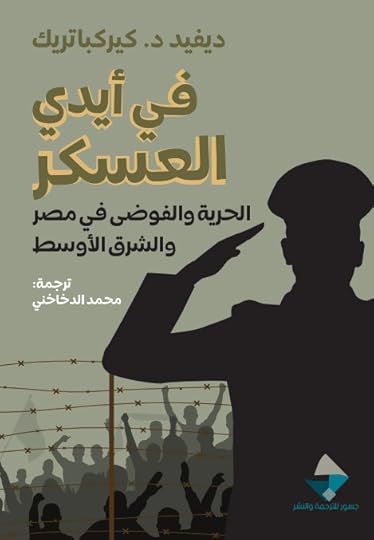
كتاب: في أيدي العسكر ، ترجمة: محمد الدخاخني، طبعة جسور للترجمة والنشر.
ضروري ومهم لكل من هو مهتم بالثورة المصرية وما تلاها من أحداث.
يعيب الكتاب شيء واحد فقط، وهو وجهة نظر الكاتب تجاه أمريكا أو تجاه الإسلام بوصفه دينًا ونظامَ حكم، فالكاتب ليبرالي متعصب وهو لا يتنصل من ذلك ولا ينكره.
على كل حال هو كاتب غربي له معتقداته وأراؤه التي لا تهمني البتة، فالمهمّ هو توثيق الأحداث وتأريخها، ومحاربة التشويه المتعمد للتاريخ وتزييف الحقائق.
ضروري ومهم لكل من هو مهتم بالثورة المصرية وما تلاها من أحداث.
يعيب الكتاب شيء واحد فقط، وهو وجهة نظر الكاتب تجاه أمريكا أو تجاه الإسلام بوصفه دينًا ونظامَ حكم، فالكاتب ليبرالي متعصب وهو لا يتنصل من ذلك ولا ينكره.
على كل حال هو كاتب غربي له معتقداته وأراؤه التي لا تهمني البتة، فالمهمّ هو توثيق الأحداث وتأريخها، ومحاربة التشويه المتعمد للتاريخ وتزييف الحقائق.

December 31, 2019
Gripping firsthand account of the political upheaval, protests, and eventually failed revolution of the Arab Spring in Egypt as experienced by a NY Times reporter stationed in Cairo during those tumultuous years. The narrative offers plenty of detail that makes for interesting reading.
June 4, 2019
Enjoyable first hand account of the Arab Speing and its aftermath in Egypt. The details and analysis helped me envision a the sit-ins and demonstrations and I felt the emotion of the successes and setbacks of the resignation of Mubarak, the election of Morsi, and the coup d’etat of Sisi. The deep state is real and not limited to the Middle East. The secret combinations that prevail in national politics and governance is rooted strongly throughout the world and veiled by the promises of security and stability.

January 29, 2021
A very well-written and informative book. The writer is a very good reporter and this was evident whenever he discussed political developments and events. However, I hated his eastern-western analogies and constant comparisons between the US and Egypt. It was really annoying and frustrating and it made me feel that the book was written in a way that would make it relevant to US audience in a typical journalistic fashion rather than being focused on the historic event itself.
January 27, 2019
Excellent Book that does a good job of capturing the day-to-day drama of the Arab Spring in Egypt. Although the beginning of the book is a bit cringey (the author admits that he came to Egypt with fairly racist views of Arabs), the book quickly becomes engaging. Three things I think the book highlighted well
1. The role of Christians and women in the revolution. These groups tend to get ignored in most mainstream tellings of the revolution except as brief asides, but Kirkpatrick devotes several chapters discussing the roles of both the Christian/feminist elite and the rank and file in the Revolution
2. The role of secularists, liberals, and leftists in destroying Egypt's democratic moment. I'm not a fan of Islamist ideology, but its undeniable that they were on the biggest group on the side of democracy. On the other hand, the liberal/secular elite basically sold out to a military dictator, in many cases because they were afraid of losing their petty privileges
3. The sheer anarchy that gripped Egypt, especially Cairo, in 2011-2013. The constant political back-and-forth, the breakdown of civil order, and the level of mob rule was unbelievable. The police wavered between being a violent gang and being non-existent.
1. The role of Christians and women in the revolution. These groups tend to get ignored in most mainstream tellings of the revolution except as brief asides, but Kirkpatrick devotes several chapters discussing the roles of both the Christian/feminist elite and the rank and file in the Revolution
2. The role of secularists, liberals, and leftists in destroying Egypt's democratic moment. I'm not a fan of Islamist ideology, but its undeniable that they were on the biggest group on the side of democracy. On the other hand, the liberal/secular elite basically sold out to a military dictator, in many cases because they were afraid of losing their petty privileges
3. The sheer anarchy that gripped Egypt, especially Cairo, in 2011-2013. The constant political back-and-forth, the breakdown of civil order, and the level of mob rule was unbelievable. The police wavered between being a violent gang and being non-existent.

May 29, 2021
Into The Hands Of The Soldiers
Freedom And Chaos In Egypt And The Middle East
David D. Kirkpatrick
New York Times correspondent & Cairo bureau chief between 2011 - 2015, he was banned from Egypt after writing this book.
I came across it during a discussion on Clubhouse, promising it was a well-written narrative of how it all failed and the rise of the current president to power plus the foreign influence during these years.
I was not surprised by what is in the book, and for me, there was nothing new, I lived through these events and I read most of the report and articles about them;
I came to realize it was bound to happen, after the step down of Mubarak we all mishandled the situation, we left the square and all we did was just talk, we had no plan nor foresight and we did not learn from our past... maybe next time!
Egypt now politically is not that different from Mubarak's era, one voice, one party... as of freedom of the speech we are during Nasser's era it's all controlled by the state, but we are building like crazy everywhere, cement blocks are rising, new walled cities are being installed for the elite and we are heading to the unknown!
The part about who is controlling Sinai is very interesting! and even if they did not need us to protect their security from the west and they had the free hand in dealing with the potential threat, the events in the past few weeks in Gaza, I think has proven that it is not the military might that sustains a peace!
It is a good book, a good narrative, a bit of a tragic story, and a lost opportunity. We are not the US and we do not have the same idealogy the constant comparison between the situation or the events is a bit :/
Freedom And Chaos In Egypt And The Middle East
David D. Kirkpatrick
New York Times correspondent & Cairo bureau chief between 2011 - 2015, he was banned from Egypt after writing this book.
I came across it during a discussion on Clubhouse, promising it was a well-written narrative of how it all failed and the rise of the current president to power plus the foreign influence during these years.
I was not surprised by what is in the book, and for me, there was nothing new, I lived through these events and I read most of the report and articles about them;
I came to realize it was bound to happen, after the step down of Mubarak we all mishandled the situation, we left the square and all we did was just talk, we had no plan nor foresight and we did not learn from our past... maybe next time!
Egypt now politically is not that different from Mubarak's era, one voice, one party... as of freedom of the speech we are during Nasser's era it's all controlled by the state, but we are building like crazy everywhere, cement blocks are rising, new walled cities are being installed for the elite and we are heading to the unknown!
The part about who is controlling Sinai is very interesting! and even if they did not need us to protect their security from the west and they had the free hand in dealing with the potential threat, the events in the past few weeks in Gaza, I think has proven that it is not the military might that sustains a peace!
It is a good book, a good narrative, a bit of a tragic story, and a lost opportunity. We are not the US and we do not have the same idealogy the constant comparison between the situation or the events is a bit :/
Islam fused religion and politics, mosque and state could never be separated, and so Arabs were all but doomed to choose between secular strongmen and religious extremists.
We set ourselves up for disappointment. Where did it go? I was often asked later, in New York or London. What happened to the nonviolent, secular-minded, Western-friendly, Silicon Valley uprising that we cheered in Tahrir Square? Who stole that revolution? That image of the revolution was as much about Western narcissism as it was about Egypt.
A council of generals had taken power from a president. One might call that a coup. But Arabs everywhere saw a revolution in Egypt.
Egyptian leaders put on a performance of hostility for their citizens at home, and, intentionally or not, that stage show helped convince American policymakers that the peace was so fragile that it demanded constant attention and payoffs—the $1.3 billion a year in aid. In truth, the Egyptian military had no hostile neighbors or, for that matter, known enemies.
The Maspero massacre was the deadliest episode of sectarian violence in the modern history of Egypt.
I have often heard Westerners talk about the need for a Muslim Martin Luther. I realized in Egypt that it is far too late for that: Abduh came and went a century ago. But Abduh’s ideas never went far. Abdel Nasser nationalized Al Azhar in the middle of the last century, and the institution became more hidebound and authoritarian than ever. Without freedom of speech and assembly, there was little hope for religious freedom either.
The parliament of beards was noisy but impotent.
Sisi had won the trust of the president by warning him of an assassination attempt that awaited him at a military funeral for those killed in the attack. (Morsi skipped it.) These close Morsi allies also said that Sisi brought evidence of corruption by Tantawi’s second in command, General Sami Anan.
Israel flew unmarked drones, jets, and helicopters. The jets and helicopters covered up their markings and flew circuitous routes to give the impression they took off from the Egyptian mainland. Sisi hid the strikes from all but a small circle of senior military and intelligence officers. No journalists were allowed in the area, and the state-dominated news media never asked questions. Israeli military censors restricted public reports of the strikes there as well.
But by the end of 2017, Israel had carried out far more than a hundred secret strikes inside Egypt: a covert air war.
Amazed British and American government officials had hinted to me for two years about the growing scale of the attacks that Israel had carried out over the Egyptian Sinai with Sisi’s blessing. By 2017, several American officials told me that Israel deserved much of the credit for the Egyptian government’s limited success in containing the Islamic State (even though more vicious jihadists sprang up to replace each leader killed, one diplomat noted). Israeli military officials griped to the Americans that Egyptians were not doing enough on their end, sometimes failing to send in ground forces after an airstrike when the Israelis had asked for a coordinated sequence of operations. But for more than two years, under two American administrations, all sides kept it quiet, afraid of the potential for unrest in Egypt if Israel’s role became known.
Egypt’s reliance on Israel, though, altered the dynamics of the region. On February 21, 2016, Secretary of State Kerry convened a secret summit in Aqaba, Jordan, with Sisi, King Abdullah, and Israeli prime minister Benjamin Netanyahu. Part of Kerry’s agenda was a regional agreement for Egypt to guarantee Israel’s security as part of a deal for a Palestinian state.
Netanyahu scoffed. What could Sisi offer Israel? Netanyahu asked, according to two Americans involved in the talks. Sisi depended on Israel to control his own territory, for his own survival. Sisi needed Netanyahu; Netanyahu did not need Sisi.

August 22, 2024
مثّلت الثورة المصرية في عام 2011 حدثًا سياسيًا فارقًا في عصرها. وبعد مرور سنوات على محاولاتها للنهوض والتثبت قبل أن تسقط تحت وطأة ثورة مضادة عنيفة، قدّم ديفيد كيركباتريك تحليلًا شاملاً يُعتبر من أبرز الروايات التاريخية عن تلك المرحلة. قد لا نُبالغ في القول بأنّ هذا الكتاب هو أهم كتاب تم تأليفه على الإطلاق عن تحولات الثورة المصرية من الديمقراطية إلى الاستبداد حتى بعد أكثر من عشر سنوات من الإطاحة بالرئيس محمد مرسي أول رئيس مصري منتخب ديمقراطيًا في عهدها الحديث.
يبدأ الكتاب من نقطة الحالة المصرية الساخطة على فكرة تولّى جمال مبارك الحكم بعد أبيه، وكيف قدّم السيسي وهو رئيس المخابرات الحربية في عام ٢٠١٠ توقعاته بتولية مبارك لابنه بعد انتهاء مدة رئاسته وأنّ الشعب سيثور بسبب ذلك، ثم قدّم توصياته للجنرالات بالوقوف ضد مبارك.
في الواقع السنوات التي عشناها منذ ٢٠٠٦ إلى ٢٠١٠ كنّا تحت ضغط توجيه الصحف المعارضة التي كانت تتناول مسألة توريث جمال مبارك بشكل شبه يومي. كثيرون من قادة تلك المعارضة في تلك الفترة أصبحوا أبواقًا للعسكر بعد ٢٠١٣.
كان من البدهي أنّ يقلق الجنرالات من قدوم جمال مبارك لأسباب لها تعلق بمصالحهم الخاصة، لكن بعد كلّ تلك السنوات أسأل نفسي لماذا كنّا قلقين فعلًا من قدوم جمال؟! كانت كلمة التوريث بشعة، لكن تاريخ مصر الحديث تحت حكم العسكر منذ ناصر، ما هو إلا توريث، الفرق بين توريث مبارك وتوريث العسكر، أنّ الأول توريث عرق أو سلالة على غرار العصور الوسطى، بينما الثاني توريث مؤسسة.
يبدو أنّ المصريين في تلك الفترة كانوا يرون فقط التوريث في شكله العرقي، حتى أنّ جريدة الدستور المعارضة في أحد أعدادها قبل ٢٠١٠ اقترحت الجنرال أحمد شفيق كبديل لمبارك، وكأنها كانت تهرب من التوريث العرقي إلى التوريث الذي ألفوه لأكثر من نصف قرن و الذي بدأ مع ناصر، توريث المؤسسة العسكرية .
يُمكن لك أن تُعجَب بشجاعة كيركباتريك وزميلته مي الشيخ بقدر ما تُعجَب بمادة الكتاب، فقد كانا حاضرين في أغلب المواقف والتظاهرات، في التحرير وفي ماسبيرو وفي الاتحادية وكذلك وهما منبطحين على الأرض في " رابعة" والرصاص ينهمر من فوقهما، وغير ذلك من المواقف التي جعلت رؤية كيركباتريك رؤية شاهد عيان تحدّت مع المتظاهرين والغاضبين بنفس القدر الذي تحدّث به مع الفلول والدول العميقة والجنرالات والمسؤولين الأمريكان.
قصة " في أيدي العسكر" هي قصة أعداء جدد بوجوه قديمة، قصة يمكن رؤيتها تاريخيًا في تاريخ العالم كله، في سيرة عدنان مندريس و سلفادور الليندي ورئيس الوزراء المنتخب في الكونغو لوموبا. نفس قصة العسكر الذي يطيح بالآمال الديمقراطية .
لم ينتهِ الاستبداد بعد ثورة يناير، لقد كانت الدولة العميقة تعمل تحت الأرض، وبقدر ما نجح الكتاب في رصد التمزّق في المشهد المصري، بقدر ما نجح في إبراز صورة المشهد الأمريكي الممزق أيضًا، انقسام إدارة أوباما حيال مبارك في ٢٠١١ هو نفسه الانقسام – وربما بدرجة أقل- حيال مرسي في ٢٠١٣.
في المشهد المصري ترى القتل والقدماء في الفترة الانتقالية، كنت يمكن أن تجد ببساطة هتافات ضد العسكر وضد المشير طنطاوي فاقد الشعبية والكاريزما معًا، وخرجت المظاهرات القبطية التي قُبِلت بالعنف، وخرجت التظاهرات المدنية التي تم سحل فيها الرجال والنساء معًا ( حكاية سميرة إبراهيم صاحبة الحمّالة الزرقاء التي تم سحلها)، كانت فترة من الفوضى، كان بديلها هو انتقال السلطة من الشارع إلى حكومة يمكن للعسكر التعامل معها .
وجاءت حكومة الإخوان المسلمين، الفئة الأكثر تنظيمًا، التي تم رفض مرشحها " خيرت الشاطر"، ليتم الدفع ب " محمد مرسي"، ويرصد كيركباتريك سخرية بعض المصريين من ذلك عندما أطلقوا عليه " الاستبن" التي تُطلق عادة على إطار السيارة البديل. ويفرد كيركباتريك صفحات لحديثه مع المرشح الإخواني سابقًا " عبد المنعم أبو الفتوح" الذي يظهر في آراءه بمظهر الليبرالي صاحب الأفق الواسع في كل شئ إلا فيما يخص قضايا المثليين .
نجح كيركباتريك في إظهار آلية عمل الدولة العميقة ضد مرسي، فالكل كانوا ضده، الجيش، الشرطة، القضاء، العلمانيون، حزب النور، الأقباط. ومن خلف هؤلاء دولة الإمارات العربية وأميرها " محمد بن زايد" ودولة السعودية. هل كان مرسي مدركًا لعمل كل هؤلاء؟ نعم، ولذلك كان الإعلان الدستوري الذي نظر إليه البعض كنوع من صناعة طاغية جديد، كان يهدف على الأخص إلى مجابهة الدولة العميقة، خشية من حل المحكمة الدستورية وقاضيتها " تهاني الجبالي" للبرلمان. ويظهر الكتاب اعتراض خيرت الشاطر على الإعلان الدستوري.
لقد كانت المؤامرة ضد مرسي ظاهرة، البرادعي، السيد البدوي، جبهة الانقاذ، كلهم كانوا يتكلمون في حواراتهم واجتماعاتهم عن الجيش الذي يؤيدهم في الإطاحة بمرسي، يذكر كيركباتريك أنّ بعض هذه الاجتماعات كانت تُعقد في " حزب الوفد" الذي كان يرأسه السيد البدوي. إذن لماذا لم يشعر مرسي بالخطر؟ الإجابة الحاسمة في الكتاب أنّ مرسي كان يثق في السيسي، وقد بالغ السيسي في نفاق مرسي، فيما بعد سيقول السيسي لأحد الأمريكان " لقد قلل من شأني كثيرًا" .
كان خطاب السيسي مع المسؤولين الأمريكان مختلف عن خطابه لمرسي، فقد أخبر المسؤولون الأمريكان كيركباتريك بعد ذلك عن طبيعة خطاب السيسي لهم الرافض لحكم مرسي، كانت خطابات السيسي مع " هاجل" و آن باترسون" و " كيري" وغيرهم أنه سيطيح بمرسي، وكان كيري وهاجل وكثير من المسؤولين الأمريكان والإسرائيليين مع الإطاحة بحكم الإخوان المسلمين، وكان أوباما لا يحبذ انقلاب عسكري، لكنه تحبيذ العاجز، فقد تعرّض لضغوط من السعودية والإمارات وإسرائيل مع وجود ميل قوي في المجموعة حوله باستثناء بن رودس إلى الإطاحة بمرسي.
يصف كيركباتريك لحظات الإطاحة الأخيرة الذي بدا فيها مرسي مغيّب تمامًا عما يدبّره له السيسي الذي قام بتمويل حملة تمرد عبر أرصدة وأموال إماراتية. يصف ما حدث من مذابح مروعة في " رابعة" للأطفال والنساء والرجال وعدم وجود مخرج آمن كما زعمت الشرطة، لقد كانت لحظات مروعة، صفق لها المصريون المغيّبون مع أغنية " تسلم الأيادي". فرحت إسرائيل بعودة العسكر، وتعاونت معهم ضد الدواعش في سيناء، فقد انطلقت الطائرات الإسرائيلية إلى سيناء لحصد الدواعش كما يقول الكتاب.
عاد الاستبداد من جديد في شكل وحشي شرس، لكن حتى أولئك الذين تعاونوا مع العسكر من الليبراليين يلقون بتبعة ذلك على الإخوان، بكت داليا عبد الحميد وهي تخبر كيركباتريك أنّ كره الإخوان أعماهم عن البديل وهو حكم العسكر.
لقد بدا الأمريكان في سردية كيركباتريك ضعفاء أمام العسكر، لقد خشوا من إدانة الانقلاب، وخشوا من التنديد بما حدث في رابعة، بالنهاية أخذ السيسي من أوباما كل شيء . تبقى نقطة أنه مع حرص كيركباتريك على مقابلة العديد من الأشخاص فإنه لم يقابل حازم صلاح أبو إسماعيل، ولم يتم الإشارة إليه في الكتاب إلا في موضع واحد رغم الدور البارز لحازم أبو إسماعيل في تلك الفترة .
يبدأ الكتاب من نقطة الحالة المصرية الساخطة على فكرة تولّى جمال مبارك الحكم بعد أبيه، وكيف قدّم السيسي وهو رئيس المخابرات الحربية في عام ٢٠١٠ توقعاته بتولية مبارك لابنه بعد انتهاء مدة رئاسته وأنّ الشعب سيثور بسبب ذلك، ثم قدّم توصياته للجنرالات بالوقوف ضد مبارك.
في الواقع السنوات التي عشناها منذ ٢٠٠٦ إلى ٢٠١٠ كنّا تحت ضغط توجيه الصحف المعارضة التي كانت تتناول مسألة توريث جمال مبارك بشكل شبه يومي. كثيرون من قادة تلك المعارضة في تلك الفترة أصبحوا أبواقًا للعسكر بعد ٢٠١٣.
كان من البدهي أنّ يقلق الجنرالات من قدوم جمال مبارك لأسباب لها تعلق بمصالحهم الخاصة، لكن بعد كلّ تلك السنوات أسأل نفسي لماذا كنّا قلقين فعلًا من قدوم جمال؟! كانت كلمة التوريث بشعة، لكن تاريخ مصر الحديث تحت حكم العسكر منذ ناصر، ما هو إلا توريث، الفرق بين توريث مبارك وتوريث العسكر، أنّ الأول توريث عرق أو سلالة على غرار العصور الوسطى، بينما الثاني توريث مؤسسة.
يبدو أنّ المصريين في تلك الفترة كانوا يرون فقط التوريث في شكله العرقي، حتى أنّ جريدة الدستور المعارضة في أحد أعدادها قبل ٢٠١٠ اقترحت الجنرال أحمد شفيق كبديل لمبارك، وكأنها كانت تهرب من التوريث العرقي إلى التوريث الذي ألفوه لأكثر من نصف قرن و الذي بدأ مع ناصر، توريث المؤسسة العسكرية .
يُمكن لك أن تُعجَب بشجاعة كيركباتريك وزميلته مي الشيخ بقدر ما تُعجَب بمادة الكتاب، فقد كانا حاضرين في أغلب المواقف والتظاهرات، في التحرير وفي ماسبيرو وفي الاتحادية وكذلك وهما منبطحين على الأرض في " رابعة" والرصاص ينهمر من فوقهما، وغير ذلك من المواقف التي جعلت رؤية كيركباتريك رؤية شاهد عيان تحدّت مع المتظاهرين والغاضبين بنفس القدر الذي تحدّث به مع الفلول والدول العميقة والجنرالات والمسؤولين الأمريكان.
قصة " في أيدي العسكر" هي قصة أعداء جدد بوجوه قديمة، قصة يمكن رؤيتها تاريخيًا في تاريخ العالم كله، في سيرة عدنان مندريس و سلفادور الليندي ورئيس الوزراء المنتخب في الكونغو لوموبا. نفس قصة العسكر الذي يطيح بالآمال الديمقراطية .
لم ينتهِ الاستبداد بعد ثورة يناير، لقد كانت الدولة العميقة تعمل تحت الأرض، وبقدر ما نجح الكتاب في رصد التمزّق في المشهد المصري، بقدر ما نجح في إبراز صورة المشهد الأمريكي الممزق أيضًا، انقسام إدارة أوباما حيال مبارك في ٢٠١١ هو نفسه الانقسام – وربما بدرجة أقل- حيال مرسي في ٢٠١٣.
في المشهد المصري ترى القتل والقدماء في الفترة الانتقالية، كنت يمكن أن تجد ببساطة هتافات ضد العسكر وضد المشير طنطاوي فاقد الشعبية والكاريزما معًا، وخرجت المظاهرات القبطية التي قُبِلت بالعنف، وخرجت التظاهرات المدنية التي تم سحل فيها الرجال والنساء معًا ( حكاية سميرة إبراهيم صاحبة الحمّالة الزرقاء التي تم سحلها)، كانت فترة من الفوضى، كان بديلها هو انتقال السلطة من الشارع إلى حكومة يمكن للعسكر التعامل معها .
وجاءت حكومة الإخوان المسلمين، الفئة الأكثر تنظيمًا، التي تم رفض مرشحها " خيرت الشاطر"، ليتم الدفع ب " محمد مرسي"، ويرصد كيركباتريك سخرية بعض المصريين من ذلك عندما أطلقوا عليه " الاستبن" التي تُطلق عادة على إطار السيارة البديل. ويفرد كيركباتريك صفحات لحديثه مع المرشح الإخواني سابقًا " عبد المنعم أبو الفتوح" الذي يظهر في آراءه بمظهر الليبرالي صاحب الأفق الواسع في كل شئ إلا فيما يخص قضايا المثليين .
نجح كيركباتريك في إظهار آلية عمل الدولة العميقة ضد مرسي، فالكل كانوا ضده، الجيش، الشرطة، القضاء، العلمانيون، حزب النور، الأقباط. ومن خلف هؤلاء دولة الإمارات العربية وأميرها " محمد بن زايد" ودولة السعودية. هل كان مرسي مدركًا لعمل كل هؤلاء؟ نعم، ولذلك كان الإعلان الدستوري الذي نظر إليه البعض كنوع من صناعة طاغية جديد، كان يهدف على الأخص إلى مجابهة الدولة العميقة، خشية من حل المحكمة الدستورية وقاضيتها " تهاني الجبالي" للبرلمان. ويظهر الكتاب اعتراض خيرت الشاطر على الإعلان الدستوري.
لقد كانت المؤامرة ضد مرسي ظاهرة، البرادعي، السيد البدوي، جبهة الانقاذ، كلهم كانوا يتكلمون في حواراتهم واجتماعاتهم عن الجيش الذي يؤيدهم في الإطاحة بمرسي، يذكر كيركباتريك أنّ بعض هذه الاجتماعات كانت تُعقد في " حزب الوفد" الذي كان يرأسه السيد البدوي. إذن لماذا لم يشعر مرسي بالخطر؟ الإجابة الحاسمة في الكتاب أنّ مرسي كان يثق في السيسي، وقد بالغ السيسي في نفاق مرسي، فيما بعد سيقول السيسي لأحد الأمريكان " لقد قلل من شأني كثيرًا" .
كان خطاب السيسي مع المسؤولين الأمريكان مختلف عن خطابه لمرسي، فقد أخبر المسؤولون الأمريكان كيركباتريك بعد ذلك عن طبيعة خطاب السيسي لهم الرافض لحكم مرسي، كانت خطابات السيسي مع " هاجل" و آن باترسون" و " كيري" وغيرهم أنه سيطيح بمرسي، وكان كيري وهاجل وكثير من المسؤولين الأمريكان والإسرائيليين مع الإطاحة بحكم الإخوان المسلمين، وكان أوباما لا يحبذ انقلاب عسكري، لكنه تحبيذ العاجز، فقد تعرّض لضغوط من السعودية والإمارات وإسرائيل مع وجود ميل قوي في المجموعة حوله باستثناء بن رودس إلى الإطاحة بمرسي.
يصف كيركباتريك لحظات الإطاحة الأخيرة الذي بدا فيها مرسي مغيّب تمامًا عما يدبّره له السيسي الذي قام بتمويل حملة تمرد عبر أرصدة وأموال إماراتية. يصف ما حدث من مذابح مروعة في " رابعة" للأطفال والنساء والرجال وعدم وجود مخرج آمن كما زعمت الشرطة، لقد كانت لحظات مروعة، صفق لها المصريون المغيّبون مع أغنية " تسلم الأيادي". فرحت إسرائيل بعودة العسكر، وتعاونت معهم ضد الدواعش في سيناء، فقد انطلقت الطائرات الإسرائيلية إلى سيناء لحصد الدواعش كما يقول الكتاب.
عاد الاستبداد من جديد في شكل وحشي شرس، لكن حتى أولئك الذين تعاونوا مع العسكر من الليبراليين يلقون بتبعة ذلك على الإخوان، بكت داليا عبد الحميد وهي تخبر كيركباتريك أنّ كره الإخوان أعماهم عن البديل وهو حكم العسكر.
لقد بدا الأمريكان في سردية كيركباتريك ضعفاء أمام العسكر، لقد خشوا من إدانة الانقلاب، وخشوا من التنديد بما حدث في رابعة، بالنهاية أخذ السيسي من أوباما كل شيء . تبقى نقطة أنه مع حرص كيركباتريك على مقابلة العديد من الأشخاص فإنه لم يقابل حازم صلاح أبو إسماعيل، ولم يتم الإشارة إليه في الكتاب إلا في موضع واحد رغم الدور البارز لحازم أبو إسماعيل في تلك الفترة .

August 1, 2019
I well remember following the Egyptian revolution as it unfolded, thrilling to the successes of the demonstrators in Tahrir Square and advent of the country's first freely elected government. It was so distressing to see everything crumble and Egypt fall back into the hands of the generals. David Kirkpatrick's book brings it all vividly, and poignantly, to life. Morsi was the wrong man to lead his country, but he didn't deserve to die in gaol for his failings. Neither did Egyptians deserve to be crushed by another brutal dictator.
September 11, 2018
A very well written and comprehensive book. There has been many books about this period but this is the only one that covers how surprised and unprepared the US has been and how divided the Obama administration was, about how to deal with every development. It also covered a lot of blank areas of my knowledge and questions about some events. The writer is objective and deeply caring about Egypt and the Egyptians. His ability to gain so much knowledge of Egypt in a short period is remarkable.

September 2, 2018
A true tale from an outsider’s perspective
I could rarely find any text (in any form) that presented a true, unbiased, and professional encounter of the tragic events that happened in Egypt from late 2010 till early 2018. This is one of the few titles that did this. It did it well.
I could rarely find any text (in any form) that presented a true, unbiased, and professional encounter of the tragic events that happened in Egypt from late 2010 till early 2018. This is one of the few titles that did this. It did it well.

June 14, 2019
Sad but true
This book provides insight of what was going on in the middle east during the Arab uprisings in 2011. Although I was in Egypt then, however, there were too many things that I didn't know about the Egyptian Revolution.
This book provides insight of what was going on in the middle east during the Arab uprisings in 2011. Although I was in Egypt then, however, there were too many things that I didn't know about the Egyptian Revolution.

August 20, 2019
I have been following the Arab uprisings since their eruption in 2011-- with some vague intention to write about them somehow. Actually, I have been following many of the global revolts since their emergence during the Great Recession of 2007 as my scholarship and general bent towards social justice compels me, but the Arab uprisings gripped me slightly more in the rapidity of their spread, their greatly differing manifestations they took, and the impacts they had. Egypt in particular, probably in part because of its wide news coverage, was compelling in the ways labor unions helped incite the general upheaval (along with bloggers) and the configurations of diasporic youth flooded the country to ally with relatives and friends. The fusion of on-the-ground organizing with the savvy use of digital technology was reminiscent of almost twenty years prior with the Zapatistas' emergence from the Lacandon Jungle and over the web with a poetic dazzling brilliance. Despite proclamations of a Twitter revolution, Arab youth, like the Zapatistas, from various countries realized the limits of technology despite its importance and the need to forge face-to-face relations to maintain their revolutions.
Egypt, out of many of the uprisings, is one of the most tragic in the way it backslid into military rule and complete despotism. How did it get there from such promising origins? One of the great fictional stories about the rise and fall of the Egyptian revolution is Omar Robert Hamilton's *The City Always Wins*, a barely masked novel about his work with the video activist group the Mosireen Collective. Countless other books analyze and dissect the revolution from multiple view points. Yet there is always a certain level of abstraction in understanding what is exactly going on unlike Hamilton's novel. The exception to this is David D. Kirkpatrick's book, *In the Hands of the Soldiers* (2018).
On assignment in Egypt before the uprisings occur, Kirkpatick is an observant journalist who not only immerses himself into the fray and befriends the more liberal and radical youth demanding complete change, but he also remains highly attuned to the Islamophobic tendencies of the West and journalists' interpretation of the MENA region. Kirkpatrick's sympathies are clear, so it is particularly troubling as he witnesses many of those he allied with supporting a military-backed coup against Mohamed Morsi. Unlike most accounts that portray Morsi as simply a corrupt stooge of the Muslim Brotherhood, Kirkpatrick makes a more nuanced case of how the Muslim Brotherhood fits into Egyptian politics and U.S. international politics as a boogeyman used to bolster already repressive regimes. Kirkpatrick doesn't let the Brotherhood off the hook or excuse the multiple missteps Morsi takes. But he provides a much more mixed and contextualized evaluation of Morsi's problematic actions like anointing himself with dictatorial powers. This is often portrayed as a simple power-grab by the Muslim Brotherhood. Yet Kirkpatrick shows how it was a particular inept reaction to the rumors and likelihood of the military stripping away his presidential powers and shredding liberal constitutional changes. Nuances such as these help a reader understand the complex socio-political relations occurring at the time that dictated some of the seemingly more incomprehensible actions made by the elite. Kirkpatrck situates the reader in the messiness that some of the best documentary films like *The Square* (2014) and various Mosireen videos of the moment can only do.
Despite Egypt's failure at overthrowing its authoritarian state, Kirkpatrick does not feel that the revolution was failed from the start. He reflects near the book's end, "Thirty months of imperfect steps towards democracy in Egypt had offered at least a chance at an alternative." Similarly, it leaves an imprint on all those who participated for both better and worse. Trauma strikes a defining note by the book's end as activists grapple with their failure to enact permanent change and, worse, support of el-Sisi the military dictator gnawing at the bit to assume power. But, also, things cannot return back to the way they were since youth, the poor, women, and many sectors of Egyptian society had briefly tasted in Tahrir Square what momentary freedom felt like, what bleeding into something larger than yourself can cause the fear and paranoia to temporarily wash away as joy and anticipation overtake one like twin drugs. The book is a riveting account of four or so years in Egypt that we must all still grapple with from its temporary victories and the innovative ways youth employed digital media and social media in innovative directions to assist a society to revolt. Walter Benjamin, one of the greatest revolutionary Marxist philosophers, recognized that revolutionary failures have as much to tell us as victories. It is those failures, trapped in time under historical conditions that led to their demise, that can serve as divining rods forward as we shake them out from the past and re-examine their meanings under the light of present concerns to perhaps discover future paths previously unknown to us. The Arab uprisings, I believe, provide particularly salient keys to the future.
Egypt, out of many of the uprisings, is one of the most tragic in the way it backslid into military rule and complete despotism. How did it get there from such promising origins? One of the great fictional stories about the rise and fall of the Egyptian revolution is Omar Robert Hamilton's *The City Always Wins*, a barely masked novel about his work with the video activist group the Mosireen Collective. Countless other books analyze and dissect the revolution from multiple view points. Yet there is always a certain level of abstraction in understanding what is exactly going on unlike Hamilton's novel. The exception to this is David D. Kirkpatrick's book, *In the Hands of the Soldiers* (2018).
On assignment in Egypt before the uprisings occur, Kirkpatick is an observant journalist who not only immerses himself into the fray and befriends the more liberal and radical youth demanding complete change, but he also remains highly attuned to the Islamophobic tendencies of the West and journalists' interpretation of the MENA region. Kirkpatrick's sympathies are clear, so it is particularly troubling as he witnesses many of those he allied with supporting a military-backed coup against Mohamed Morsi. Unlike most accounts that portray Morsi as simply a corrupt stooge of the Muslim Brotherhood, Kirkpatrick makes a more nuanced case of how the Muslim Brotherhood fits into Egyptian politics and U.S. international politics as a boogeyman used to bolster already repressive regimes. Kirkpatrick doesn't let the Brotherhood off the hook or excuse the multiple missteps Morsi takes. But he provides a much more mixed and contextualized evaluation of Morsi's problematic actions like anointing himself with dictatorial powers. This is often portrayed as a simple power-grab by the Muslim Brotherhood. Yet Kirkpatrick shows how it was a particular inept reaction to the rumors and likelihood of the military stripping away his presidential powers and shredding liberal constitutional changes. Nuances such as these help a reader understand the complex socio-political relations occurring at the time that dictated some of the seemingly more incomprehensible actions made by the elite. Kirkpatrck situates the reader in the messiness that some of the best documentary films like *The Square* (2014) and various Mosireen videos of the moment can only do.
Despite Egypt's failure at overthrowing its authoritarian state, Kirkpatrick does not feel that the revolution was failed from the start. He reflects near the book's end, "Thirty months of imperfect steps towards democracy in Egypt had offered at least a chance at an alternative." Similarly, it leaves an imprint on all those who participated for both better and worse. Trauma strikes a defining note by the book's end as activists grapple with their failure to enact permanent change and, worse, support of el-Sisi the military dictator gnawing at the bit to assume power. But, also, things cannot return back to the way they were since youth, the poor, women, and many sectors of Egyptian society had briefly tasted in Tahrir Square what momentary freedom felt like, what bleeding into something larger than yourself can cause the fear and paranoia to temporarily wash away as joy and anticipation overtake one like twin drugs. The book is a riveting account of four or so years in Egypt that we must all still grapple with from its temporary victories and the innovative ways youth employed digital media and social media in innovative directions to assist a society to revolt. Walter Benjamin, one of the greatest revolutionary Marxist philosophers, recognized that revolutionary failures have as much to tell us as victories. It is those failures, trapped in time under historical conditions that led to their demise, that can serve as divining rods forward as we shake them out from the past and re-examine their meanings under the light of present concerns to perhaps discover future paths previously unknown to us. The Arab uprisings, I believe, provide particularly salient keys to the future.

September 24, 2018
Excellent primer/refresher on the Egypt revolution.

April 1, 2019
David D. Kirkpatrick, jornalista do New York Times, esteve em Cairo, de 2011 a 2015, com a sua esposa Laura e os seus dois filhos.
O livro é escrito num estilo claro e informativo, como se esperaria de um jornalista, e lê-se como uma grande reportagem.
Ele começa o relato ainda na época de Mubarak, quando as coisas já não corriam bem, com relatos de feitos de glória duvidável, como o de uma barragem no Nilo:
Daí dá-nos um panorama geral da vida no Egipto de hoje, com algum relevo para a condição das forças de segurança e das forças armadas, que mantinham-se independentes do líder do país, e que viam-se como guardiãs do povo egípcio, reservando-se o direito de intervir ou não, contra o chefe de estado ou qualquer outro órgão de soberania, caso achasse que se justificasse, e a deplorável condição das mulheres naquele país (incluindo relato de vidas de mártires feministas esquecidas).
Depois, cronologicamente, cobre a Revolução Árabe (Arab Spring), queda de Mubarak e o período de instabilidade que se seguiu:
Chegamos então à eleição de Mohamed Morsi, pela Muslim Brotherhood. Esta Muslim Brotherhood (que tinha grande influência no meio rural), em si, era problemática, uma vez que era mal vista por todos os outros sectores da sociedade egípcia, principalmente no centro de poder, o Cairo, e também pelos maiores aliados estrangeiros, incluindo os EUA. De facto, a Muslim Brotherhood, argumenta o autor, apesar de transmitir uma mensagem de paz, era vista e tratada pelos seus detratores como uma organização terrorista.
Cobre também o período (1 ano) da presidência de Morsi, uma presidência fraca mas democrática e de tolerância, e o golpe de estado que o afastou do poder, colocando em seu lugar o general Sisi (que sempre negou que tinha havido golpe):
Iniciou-se assim uma época de violência e intolerância que se vive até hoje, incluindo o massacre de Rabaa:
O livro é escrito num estilo claro e informativo, como se esperaria de um jornalista, e lê-se como uma grande reportagem.
Ele começa o relato ainda na época de Mubarak, quando as coisas já não corriam bem, com relatos de feitos de glória duvidável, como o de uma barragem no Nilo:
The dam became a monument to Stalinist engineering. Its construction displaced one hundred twenty thousand Nubians, the dark.skinned Egyptians indigenous to the area. The lake formed by the dam nearly demolished the breathtaking Pharaonic temples at Abu Simbel; UNESCO saved them by paying Western European contractors to relocate the complex, stone by stone, on dried ground. The finished dam stopped the flow of silt and nutrients that had kept much of the Nile Valley so fertile for centuries.The depletion of the water devastated the farmlands downstream and the fishing around the mouth of the Nile. The slowing of the current led to an explosion in waterborne diseases like schistosomiasis.
Daí dá-nos um panorama geral da vida no Egipto de hoje, com algum relevo para a condição das forças de segurança e das forças armadas, que mantinham-se independentes do líder do país, e que viam-se como guardiãs do povo egípcio, reservando-se o direito de intervir ou não, contra o chefe de estado ou qualquer outro órgão de soberania, caso achasse que se justificasse, e a deplorável condição das mulheres naquele país (incluindo relato de vidas de mártires feministas esquecidas).
Depois, cronologicamente, cobre a Revolução Árabe (Arab Spring), queda de Mubarak e o período de instabilidade que se seguiu:
Westerners may expect chaos in the Middle East. But Egyptians think of themselves as citizens of the world’s oldest nation, the cradle of civilization. Wild, amateur armies had stained the streets with the blood of their countrymen, in violence reminiscent of the last days of the monarchy. It felt like Syria, Libya, or Iraq, some failed state - not Egypt.
Chegamos então à eleição de Mohamed Morsi, pela Muslim Brotherhood. Esta Muslim Brotherhood (que tinha grande influência no meio rural), em si, era problemática, uma vez que era mal vista por todos os outros sectores da sociedade egípcia, principalmente no centro de poder, o Cairo, e também pelos maiores aliados estrangeiros, incluindo os EUA. De facto, a Muslim Brotherhood, argumenta o autor, apesar de transmitir uma mensagem de paz, era vista e tratada pelos seus detratores como uma organização terrorista.
Cobre também o período (1 ano) da presidência de Morsi, uma presidência fraca mas democrática e de tolerância, e o golpe de estado que o afastou do poder, colocando em seu lugar o general Sisi (que sempre negou que tinha havido golpe):
I met Carter in Cairo, and he said he understood Egyptian complaints about that arrangement: Washington was supporting a dictatorship in Cairo for the well-being of Israel. “I think that is true, we were,” he told me. “And I can’t say I wasn’t doing that as well.”
Iniciou-se assim uma época de violência e intolerância que se vive até hoje, incluindo o massacre de Rabaa:
The interim prime minister later said that “close to a thousand” civilians had died that day at Rabaa. A yearlong study by Human Rights Watch released in 2014 determined that the deaths almost certainly exceeded that number and confirmed the names of at leat 817 of the dead. “The indiscriminate and deliberate use of lethal force resulted in one of the world’s largest killings of demonstrators in a single day in recent history,” the study concluded. Rabaa surpassed the Tiananmen Square massacre in China in 1989 and the Andijan massacre in Uzbekistan in 2005.
March 30, 2019
Kirkpatrick spent much of the 2010s serving as a foreign correspondent to Egypt for The New York Times and this has some reflections on the rise and fall of the Arab Spring in that country. (While the title says "Egypt and the Middle East" - it's almost entirely focused on Egypt, which just very rare looks beyond that nation's borders.
One theme here is how the western media/public often misperceived what occurred there. A google employee is involved in the initial demonstrations, and some hopes he becomes a new leader in the land - but he's barely more than a 15-minute wonder. An Egyptian woman receives accolades from the west for her work on women's rights - there's hope she can be a western-style feminist leader. Then she makes comments about Jews that favorable quote Adolf Hitler. Kirkpatrick notes that he learned over time how the military didn't control sectarian tensions, they deliberately provoked them to make them worse - so people would rely more on the military and police. At one point some Americans hope that Gen. Sisi can be a Muslim Martin Luther - man, that is just wishcasting.
The general course of events is easy to follow. Popular protest against Gen. Mubarak rose up and to everyone's surprise threw him out of power. Then there was a chaotic period that included violence as people tried to figure out what would happen next. In elections, Islamists won by sizable margins, shocking much of secular Cairo. The new president didn't seem to be very effective, but he had his moments. But many still didn't trust him and the generals launched a coup of their own, and then cracked down on Islamist opponents, killing several hundred in one massacre (and probably more). The old liberal critics of Mubarak's regime were largely silent over this, as they decided they were more scared of an Islamist regime than a new military regime. But the ensuing regime has been harsher and engaged on more crackdowns than the Muslim Brotherhood ever did, or even than Mubarak did. And it's not just Islamists they crack down on. They'll go after anyone who criticizes them.
Kirkpatrick notes how most people in Egypt and in the US view the failure of the Arab Spring as inevitable, but he doesn't buy it. He thinks that there was so much effort made to build a new Egypt that it could've been done. And he thinks the failure of Egypt's revolution spurred on failure across the region Only after Gen. Sisi took power did hope sour across the region, allowing for the return of Islamic rebels and jihadists. With religious dissent banished, it went underground, where it fed off radicalism. In this, I think he's being naive, but he does make a solid case. He believes that for all the concerns over what a Muslim Brotherhood-led government would be like, you actually had less repression then than before or after. Both the Brotherhood and liberals made the same mistake - they both thought they could trust the military. Oh, and throughout the process the Obama administration was all over the map. There were times Obama, Sec. of Defense Hagel, and Sec. of State Kerry were all pursuing different ends.
You get a very interesting overview, and you also get nice side points along the way, discussing the circumstances of Egyptian's Coptic Christians, or the women's movement, or of conservative Salafis (who are often funded by Saudi Arabia). Overall, it was a very enlightening book.
One theme here is how the western media/public often misperceived what occurred there. A google employee is involved in the initial demonstrations, and some hopes he becomes a new leader in the land - but he's barely more than a 15-minute wonder. An Egyptian woman receives accolades from the west for her work on women's rights - there's hope she can be a western-style feminist leader. Then she makes comments about Jews that favorable quote Adolf Hitler. Kirkpatrick notes that he learned over time how the military didn't control sectarian tensions, they deliberately provoked them to make them worse - so people would rely more on the military and police. At one point some Americans hope that Gen. Sisi can be a Muslim Martin Luther - man, that is just wishcasting.
The general course of events is easy to follow. Popular protest against Gen. Mubarak rose up and to everyone's surprise threw him out of power. Then there was a chaotic period that included violence as people tried to figure out what would happen next. In elections, Islamists won by sizable margins, shocking much of secular Cairo. The new president didn't seem to be very effective, but he had his moments. But many still didn't trust him and the generals launched a coup of their own, and then cracked down on Islamist opponents, killing several hundred in one massacre (and probably more). The old liberal critics of Mubarak's regime were largely silent over this, as they decided they were more scared of an Islamist regime than a new military regime. But the ensuing regime has been harsher and engaged on more crackdowns than the Muslim Brotherhood ever did, or even than Mubarak did. And it's not just Islamists they crack down on. They'll go after anyone who criticizes them.
Kirkpatrick notes how most people in Egypt and in the US view the failure of the Arab Spring as inevitable, but he doesn't buy it. He thinks that there was so much effort made to build a new Egypt that it could've been done. And he thinks the failure of Egypt's revolution spurred on failure across the region Only after Gen. Sisi took power did hope sour across the region, allowing for the return of Islamic rebels and jihadists. With religious dissent banished, it went underground, where it fed off radicalism. In this, I think he's being naive, but he does make a solid case. He believes that for all the concerns over what a Muslim Brotherhood-led government would be like, you actually had less repression then than before or after. Both the Brotherhood and liberals made the same mistake - they both thought they could trust the military. Oh, and throughout the process the Obama administration was all over the map. There were times Obama, Sec. of Defense Hagel, and Sec. of State Kerry were all pursuing different ends.
You get a very interesting overview, and you also get nice side points along the way, discussing the circumstances of Egyptian's Coptic Christians, or the women's movement, or of conservative Salafis (who are often funded by Saudi Arabia). Overall, it was a very enlightening book.

December 7, 2022
David Kirkpatrick provides an eye opening and visceral personal narrative of the Arab Spring that will at once fills the reader with both hope and despair, which is probably the exact feelings that Kirkpatrick encountered as he covered Egypt's 30 month revolution and experiment in democratic self-governance as a journalist for the New York Times.
The book immerses the reader in life in Egypt: the local sayings and customs, the attitudes to religion, the views of police and military. Kirkpatrick does an impressive job of bringing the reader with him into his life covering the revolution, and that means making the reader understand the critical cultural tidbits that a typical American would not be aware of. He does a good job of making sure international context is provided as he includes sections covering US concerns in Egypt mostly during the Obama administration.
Revolutions are messy affairs, modern ones even more so. Kirkpatrick takes the reader through the tangled mess of political, social, religious, and institutional webs that held the autocratic Mubarak regime together and explores how if all fell apart. From the ashes rose the great hope that the Arab world would finally experience it's own democratic renaissance, starting with Egypt. The mix of liberals, leftists, Muslim Brotherhood members, and other generally anti-Mubarak entities that started the protests in Tahrir Square in Cairo were a representation of the hope for self-rule across the entire Middle East.
What is perhaps most important in this book, however, is Kirkpatrick's observations on how the revolution fell apart. The citizens turned on each other due to ideological differences. Additional pressure to revert back to autocracy was applied when many other Arab Spring revolutions from Libya to Syria failed and even provided the power vacuum for ISIS and other extremist organizations to come to power.
The details of how each Arab Spring revolt failed are of course going to be different across each nation, but the story in Egypt is fascinating and important for future democracy-oriented people in the Middle East to study and understand. At present, Iranian women are conducting massive protests across their country against the theocracy which rules over them. These are the most massive protests in years, perhaps decades. Will these protest turn into revolution? Will that revolution succeed where Egypt and so many others failed? That will come down the differences in the culture and peoples of the pro-democracy movement in Iran vs those in Egypt in 2011.
A high recommend from me for anyone interested in Middle East history and policy, as well as those who are curious about what the Arab Spring was all about, now 11 years in the past.
The book immerses the reader in life in Egypt: the local sayings and customs, the attitudes to religion, the views of police and military. Kirkpatrick does an impressive job of bringing the reader with him into his life covering the revolution, and that means making the reader understand the critical cultural tidbits that a typical American would not be aware of. He does a good job of making sure international context is provided as he includes sections covering US concerns in Egypt mostly during the Obama administration.
Revolutions are messy affairs, modern ones even more so. Kirkpatrick takes the reader through the tangled mess of political, social, religious, and institutional webs that held the autocratic Mubarak regime together and explores how if all fell apart. From the ashes rose the great hope that the Arab world would finally experience it's own democratic renaissance, starting with Egypt. The mix of liberals, leftists, Muslim Brotherhood members, and other generally anti-Mubarak entities that started the protests in Tahrir Square in Cairo were a representation of the hope for self-rule across the entire Middle East.
What is perhaps most important in this book, however, is Kirkpatrick's observations on how the revolution fell apart. The citizens turned on each other due to ideological differences. Additional pressure to revert back to autocracy was applied when many other Arab Spring revolutions from Libya to Syria failed and even provided the power vacuum for ISIS and other extremist organizations to come to power.
The details of how each Arab Spring revolt failed are of course going to be different across each nation, but the story in Egypt is fascinating and important for future democracy-oriented people in the Middle East to study and understand. At present, Iranian women are conducting massive protests across their country against the theocracy which rules over them. These are the most massive protests in years, perhaps decades. Will these protest turn into revolution? Will that revolution succeed where Egypt and so many others failed? That will come down the differences in the culture and peoples of the pro-democracy movement in Iran vs those in Egypt in 2011.
A high recommend from me for anyone interested in Middle East history and policy, as well as those who are curious about what the Arab Spring was all about, now 11 years in the past.

February 8, 2026
This was an enjoyable and at times exciting narrative of the years between the end of Mubarak and the return of military under Sisi. As a former long-term expat myself, I also appreciated hearing what life was like for Kirkpatrick and his family in Cairo.
The book is impeccably sourced, and Kirkpatrick seems like a courageous man. I imagine based on the stories he tells in the book that he's also a great dinner companion and storyteller.
The book is dominated by an understandable sense of frustration with the Egyptian military, and with the US government for tolerating them. You can tell that although he is not a fan of the Brothers per se, he does wish they had had more of a chance to make things work.
Especially towards the end of the book, it becomes clear that Kirkpatrick has impeccable liberal internationalist opinions about democracy, human rights, foreign policy and Trump. If I were to crudely summarize, he more or less seems to believe that everyone in the world could, and should adopt parliamentary liberal democracy, and that they only don't do so because they are being held back by corrupt or self-serving elites. A corollary to this is the idea that if only the US had a more enlightened and principled foreign policy, we could encourage other countries along this path towards Jeffersonian democracy. He sometimes throws out doubtful claims, like suggesting that ISIS kicked off in the Sinai largely because Sisi's government took power, and quotes liberally from some heavily ideological actors like Ben Rhodes, whose opinions about how the world works have become noticeably less believable over the last 10 years.
I tend to be more sympathetic to some of the answers given by Kirkpatrick's regime-friendly interview subjects towards the end of the book: "the state itself is as fragile and precious as a sarcophagus under glass in the Egyptian Museum. At the slightest jolt, savagery would prevail. The prestige of the state ... was the only bulwark against chaos."
Put differently, I'm not sure it makes sense to compare the obviously flawed military regime against a hypothetical just and democratic state, and say what we have today is a failure. Instead, I'd argue that comparing the Egyptian regime against what the people have endured in Libya, Syria, Iraq and Iran, as Kirkpatrick does briefly do, really probably is the right frame of reference. And in the meantime, one can hope for incremental improvements.
Still, a great book and a must read for anyone interested in how modern Egypt functions. Many of the names in this book are still relevant today.
The book is impeccably sourced, and Kirkpatrick seems like a courageous man. I imagine based on the stories he tells in the book that he's also a great dinner companion and storyteller.
The book is dominated by an understandable sense of frustration with the Egyptian military, and with the US government for tolerating them. You can tell that although he is not a fan of the Brothers per se, he does wish they had had more of a chance to make things work.
Especially towards the end of the book, it becomes clear that Kirkpatrick has impeccable liberal internationalist opinions about democracy, human rights, foreign policy and Trump. If I were to crudely summarize, he more or less seems to believe that everyone in the world could, and should adopt parliamentary liberal democracy, and that they only don't do so because they are being held back by corrupt or self-serving elites. A corollary to this is the idea that if only the US had a more enlightened and principled foreign policy, we could encourage other countries along this path towards Jeffersonian democracy. He sometimes throws out doubtful claims, like suggesting that ISIS kicked off in the Sinai largely because Sisi's government took power, and quotes liberally from some heavily ideological actors like Ben Rhodes, whose opinions about how the world works have become noticeably less believable over the last 10 years.
I tend to be more sympathetic to some of the answers given by Kirkpatrick's regime-friendly interview subjects towards the end of the book: "the state itself is as fragile and precious as a sarcophagus under glass in the Egyptian Museum. At the slightest jolt, savagery would prevail. The prestige of the state ... was the only bulwark against chaos."
Put differently, I'm not sure it makes sense to compare the obviously flawed military regime against a hypothetical just and democratic state, and say what we have today is a failure. Instead, I'd argue that comparing the Egyptian regime against what the people have endured in Libya, Syria, Iraq and Iran, as Kirkpatrick does briefly do, really probably is the right frame of reference. And in the meantime, one can hope for incremental improvements.
Still, a great book and a must read for anyone interested in how modern Egypt functions. Many of the names in this book are still relevant today.

November 16, 2024
An excellent history of the events leading to the 2011 Arab Spring, Tahrir Square Uprising, Morsi's government, all the way to how General Sisi took power, crushed the Muslim Brotherhood and brought to heal the liberals.
There's always the risk that such political events are generally described in a dry and factual voice. David Kirkpatrick has instead written in a very easy and elegant manner, making politics read like a story. He also writes a brief history about important events and personalities involved in creating contemporary Egypt. This helped a novice like me feel grounded in the place.
What I took away from this history was that the liberal activists and intelligentsia of Egypt (whom David rightly refers to as anti-Islamists since they were'nt really liberal at all, and were preaching freedom, tolerance and democracy only for groups they approved of) were the ones responsible for bringing down Morsi's Government and asking the military to step in--only because the people of Egypt chose the Muslim Brotherhood over them. This allowed the military to remove Morsi. Morsi never did anything that was so egregious as to inflame liberal sentimentalities to the extent of supporting the Rabaa Massacre.]. For the liberals simply the idea of a religious party taking power and its symbolism was distasteful. Later on it was General Sisi who actually did everything that the liberals feared the Brotherhood would do. Had the liberals accepted the election results, it would have been more difficult (not impossible) for the military to step in. Plus they would have received more support from the US.
Also interesting is the US politics and reactions on the Egypt crisis.
As a Pakistani, where we have a situation similar to what Egyptians find themselves in ie we have a powerful military running a business empire and fully involved in politics, (even now they have jailed Pakistan's most popular politician on trumped up charges) I found this an important book. The similarities with Pakistan are so eerie. Military rule in both countries has created so many social and political contradictions that are weakening the countries day by day. The tragedy is that the Western governments instead of supporting democracy, support Generals , who keep the terrorism djinn alive and kicking to prove that only theGenerals can keep the State togather. In reality it is military rule which is weakening these countries.
Excellent stuff
There's always the risk that such political events are generally described in a dry and factual voice. David Kirkpatrick has instead written in a very easy and elegant manner, making politics read like a story. He also writes a brief history about important events and personalities involved in creating contemporary Egypt. This helped a novice like me feel grounded in the place.
What I took away from this history was that the liberal activists and intelligentsia of Egypt (whom David rightly refers to as anti-Islamists since they were'nt really liberal at all, and were preaching freedom, tolerance and democracy only for groups they approved of) were the ones responsible for bringing down Morsi's Government and asking the military to step in--only because the people of Egypt chose the Muslim Brotherhood over them. This allowed the military to remove Morsi. Morsi never did anything that was so egregious as to inflame liberal sentimentalities to the extent of supporting the Rabaa Massacre.]. For the liberals simply the idea of a religious party taking power and its symbolism was distasteful. Later on it was General Sisi who actually did everything that the liberals feared the Brotherhood would do. Had the liberals accepted the election results, it would have been more difficult (not impossible) for the military to step in. Plus they would have received more support from the US.
Also interesting is the US politics and reactions on the Egypt crisis.
As a Pakistani, where we have a situation similar to what Egyptians find themselves in ie we have a powerful military running a business empire and fully involved in politics, (even now they have jailed Pakistan's most popular politician on trumped up charges) I found this an important book. The similarities with Pakistan are so eerie. Military rule in both countries has created so many social and political contradictions that are weakening the countries day by day. The tragedy is that the Western governments instead of supporting democracy, support Generals , who keep the terrorism djinn alive and kicking to prove that only theGenerals can keep the State togather. In reality it is military rule which is weakening these countries.
Excellent stuff
Displaying 1 - 30 of 84 reviews