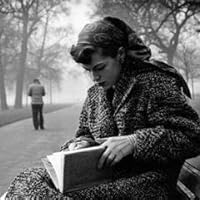
Emilia Pardo Bazán was a Galician author and scholar from Galicia. She is known for bringing naturalism to Spanish literature, for her detailed descriptions of reality, and for her role in feminist literature of her era. Her first novel, Pascual López (1879), is a simple exercise in fantasy of no remarkable promise, though it contains good descriptive passages of romance. It was followed by a more striking story, Un viaje de novios (1881), in which a discreet attempt was made to introduce into Spain the methods of French realism. The book caused a sensation among the literary cliques, and this sensation was increased by the appearance of another naturalistic tale, La tribuna (1885), wherein the influence of Émile Zola is unmistakable. Meanwhile, the writer's reply to her critics was issued under the title of La cuestion palpitante (1883), a clever piece of rhetoric, but of no special value as regards criticism or dialectics. The best of Emilia Pardo Bazán's work is embodied in Los pazos de Ulloa (1886), the painfully exact history of a decadent aristocratic family. A sequel, with the significant title of La madre naturaleza (1887), marks a further advance in the path of naturalism. She was also a journalist, essayist and critic. She died in Madrid.
I had been interested in this author for a long time. This novella is a gothic story, not representative of the Naturalism the author promoted in Spain. But I found the read gives evidence of the writer's versatility and talent as well as showing her delicious recreation of the Spanish language.
63 páginas de relato y han sido perfectas. Ya había leído a Doña Emilia, pero en otro género más policíaco. No estuvo mal, pero no me captó del todo. Esta novelita sin embargo me ha encantado y ha hecho que me postre definitivamente a sus pies. Me ha reconociliado con las novelas cortas (o super cortas) porque después de las 100 páginas de nada de Noches blancas, estaba yo desencantada. Solo Doña Emilia podía librarme de ese conjuro, 🙏. Si os apetece algo cortito, español, me atrevería a decir seudoromántico (del Romanticismo), autoconclusivo y, eso sí, con un vocabulario quizás más enarbolado y elevado, os recomiendo Belcebú al 100%.
"Y la parodia del pecado, más repugnante que el pecado mismo, hacía de la rueda endemoniada un cuadro de El Bosco, una comedia satánica, juego de bufones sardescos que quieren distraer el aburrimiento del pecado."
Brujas y brujos, todos, invocando al Demonio; conjuros y brebajes malditos. Robo del alma. Y el contrapunto: los curas de la Inquisición.
Emilia Pardo Bazán en esta novela corta se corona como la gran escritora de lo oscuro.