Bag Lady . . . is the poignant true story of a woman's struggle with the chronic, debilitating disease of ulcerative colitis. It chronicles how she coped with it before and after making the momentous decision to have an ileostomy and commit to wearing a plastic bag on her stomach for the rest of her life.
Bag Lady . . . runs deep. It is more than the story of a woman and her disease. It is the story of a life buffeted by adversity, by a mind-boggling series of profound downers, any one of which would defeat most of us. It is a metaphor for the physical and emotional "baggage" that encumbers every person's life. It reads like page-turning fiction, but it is all true.
Bag Lady . . . speaks to the millions of victims of ulcerative colitis, Crohn's disease and colon cancer, and to the family and friends who live their illnesses with them. It trades frankness and understanding for the euphemisms and misconceptions of diseases that, for too long, have been consigned to the shadows of polite discussion. Bag Lady . . . an antidote to fear. p
The doctor's words to the IBD patient are chosen carefully: "Maybe it's time to consider surgery." The rationale and explanation follow. And the patient's tension mounts . . . the apprehension is clearly visible. Doctors see it all the time at this critical moment. Fear of the unknown, of a radically changed life: the wondering: what will become of me after the surgery? How can I possibly cope with this for the rest of my life? p Sandra Ben�tez confronted that fear and asked those questions. And in Ibag lady/I, she answers them. And she does it in a way that can provide understanding and reassurance not only to the tens of thousands who each year make a decision to have, or not have, surgery, but to the millions who live with managed IBD. p In this sense, Bag Lady is an antidote to fear. As such it is required reading for IBD patients and their families. And it is highly recommended to the doctors, nurses and therapists who provide them with care.
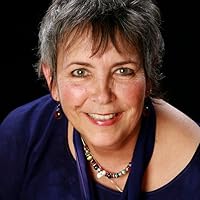
Sandra Benitez was born in Sandy Ables, Washington D.C. and spent ten years of her childhood in El Salvador while her father was based there as a diplomat. She attended high school in Missouri from aged 14 and subsequently graduated with a B.S. (1962) and M.A. (1974) from Northeast Missouri State University.
In 1997 she was selected as the University of Minnesota Edelstein-Keller Distinguished Writer in Residence. In 1998 she did the Writers Community Residency for the YMCA National Writer’s Voice program. In the spring of 2001 she held the Knapp Chair in Humanities as Associate Professor of Creative Writing at the University of San Diego. (from Wikipedia)
I picked up a copy of this physical book, referred to in some other read, which reference was long forgotten but still in my tags on a TBR list. So it was a SURPRISE to find otherwise. . . .as I assumed from the title of the book that I would be reading within the topic of homeless people - a la "lady in the van." Um. This ain't that.
This is a thoughtful, compelling, hit-your-heart memoir, and part medical guide, part nuts-and-bolts, from-the-trenches guide book on dealing with all things Ostomy. How to live with the life changing fix that sews your backend up, and gives you the gift of a stoma. This author pulls no punches, leaves no question unanswered, nor process undescribed.
Once I realized she was not just giving this reader backstory as she told her childhood story and we were getting deeper into her adult years, that we were headed to a medical event, there was that moment in every read that creates a pause, and an interrupted look away from the page. To read or not to read? To continue or move on to another different read. I couldn't leave. Even when the serious, difficult parts presented - I couldn't leave. She needed me to hear her fear and pain, and most of all to see her courage. And that's the way it was through to the very end. I was honored to read this book - a witness of survival of a condition that I think would kill me. Yet here she is saying, nope, you're not dying, and it isn't killing others. It is weird, awkward, inconvenient, and embarrassing from time to time - but here's where her generosity is stellar and brilliant! She shares her tips, tricks and recoveries - which carry no small part of pure performance. Act as If All Is As It Should Be. . .
I haven't read her other books of fiction. But there's no way you can keep me from them now. All because of the brave, empathetic spirit with which she has filled this unexpected book I pulled off the shelf and took my time reading slowly.
This memoir explores the remarkable life of a unique write with bi-cultural roots. She grew up in Cuba, El Salvador and Missouri, experiencing the rarefied atmospheres of an ambassador's diplomatic housing with servants in Cuba and El Salvador to the back country farm life in Missouri without plumbing or even running water.
Through it all Benitez details her growing intestinal illnesses and some remarkable surgeries she endure in the midst of her effort to become a novelist.
The book has been a god-send to those facing ostomy surgeries that end up with intestinal amputation and rerouted bowels that empty into plastic bags worn beneath the clothing. Benitez's ability to convey such intimate and sometimes shocking surgical healing with a sense of humor is amazing. The book is routinely used to help others prepare, endure and recover full lives after decades of secret pain and misery.
This was recommended by a coworker who told me it was excellent. It only took me a few hours to read because it was so engaging. She is very descriptive and you could see what her homes looked like. I thought she was very brave to put her whole life out there for everyone to see. She tells the good with the bad.
I read this book to understand what my dad will be/is experiencing with a colostomy bag. I was expecting more nitty-gritty and less personal history, but it was still an interesting and informative read. Not a page turner, but I still recommended it to my mother.