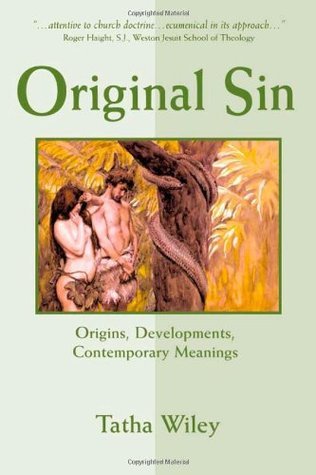
In a clear and methodical manner Tatha Wiley explores the many dimensions of the conflicting yet fundamental concept of original sin. She explores the Christian origins, patristic developments and medieval interpretations of original sin, then traces the emergence of the idea of original sin, the questions the idea answered, and the development of original sin as a Christian doctrine in the early centuries of Christianity. Finally, she brings the discussion to the present with the modern scientific, historical, and philosophical challenges posed to the doctrine along with contemporary reinterpretations of it. This book is valuable reading ―theologians. ―university and seminary graduate students. ―nonprofessionals who may be intrigued by this subject. †
Writer and educator Tatha Wiley has written three texts within her field of religious and theological studies. Wiley focuses on interpretations of biblical texts in relation to a modern audience.
It took me 5 years to finish this book. Well, to start it, quit for 4.5 years, then pick it up and read it again. It's not a good book, though I learned some things. Not because of the writing, but because of the author's persistent use of anachronistic reasoning. Questions are put to classical and medieval theologians that weren't formulated, and they are analyzed using post-modern frameworks, which conceals at least as much of the original author's thought as it reveals. The topic is interesting and deserves a monologue, but we need a more objective scholar who will allow the past to speak for itself.
"Original Sin: Origins, Developments, Contemporary Meanings" by Tatha Wiley is very readable book about a pretty inscrutable topic. Author Wiley is erudite and even-handed in her examination of topics Christians have killed each other over. She takes a pretty serious detour in Chapter 8, to make a rather densely detailed analysis of the work of modern theologian Bernard Lonergan. It doesn't derail the accessibility of the book as a whole, but not for lack of trying... Overall, an excellent and informative read.
Very thorough treatment of original sin. The first half focuses on the classical development of the doctrine, highlighting the various scriptural and theological concerns of the early church. The chapter on the modern period has an excellent summary of the general movement of ideas. The feminist section is interesting but felt a little forced to me. Wiley ultimately focuses on a solution from Bernard Lonergan and gives a more detailed analysis here than any other section. The book is academic and I wouldn't consider it light reading.