

What do you think?
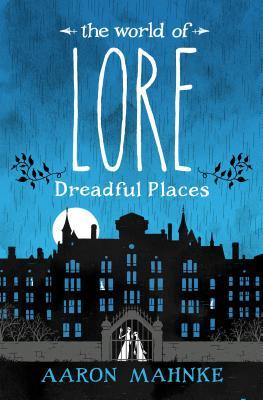
The World of Lore #3
The World of Lore: Dreadful Places
Captivating stories of the places where human evil has left a nefarious mark, featuring stories from the podcast Lore--now a streaming television series--including "Echoes," "Withering Heights," and "Behind Closed Doors" as well as rare material.
Sometimes you walk into a room, a building, or even a town, and you feel it. Something seems off--an atmosphere that leaves you oddly unsettled, with a sense of lingering darkness. Join Aaron Mahnke, the host of the popular podcast Lore, as he explores some of these dreadful places and the history that haunts them.
Mahnke takes us to Colorado and the palatial Stanley Hotel, where wealthy guests enjoyed views of the Rocky Mountains at the turn of the twentieth century--and where, decades later, a restless author would awaken from a nightmare, inspired to write one of the most revered horror novels of all time. Mahnke also crosses land and sea to visit frightful sites--from New Orleans to Richmond, Virginia, to the brooding, ancient castles of England--each with its own echoes of dark deeds, horrible tragedies, and shocking evil still resounding.
Filled with evocative illustrations, this eerie tour of lurid landmarks and doomed destinations is just the ticket to take armchair travelers with a taste for the macabre to places they never thought they'd visit in their wildest, scariest dreams.
The World of Lore series includes:
MONSTROUS CREATURES - WICKED MORTALS - DREADFUL PLACES
Praise for World of Lore: Dreadful Places
"Well-written, rooted in deep historical research, and ridiculously entertaining . . . Each chapter brings a creepy story from folklore to life. . . . Hair-raising stuff."--SyFy Wire
"Fans of the Lore podcast won't want to miss this latest volume in the creator's series, a collection of illustrated versions of both rare and well-known stories about 'lurid landmarks and doomed destinations.'"--io9
"Dreadful Places is a delight for Lore fans and newbies alike. In the book, [Aaron] Mahnke visits places around the world that are steeped in a supernatural legacy."--Refinery29
Sometimes you walk into a room, a building, or even a town, and you feel it. Something seems off--an atmosphere that leaves you oddly unsettled, with a sense of lingering darkness. Join Aaron Mahnke, the host of the popular podcast Lore, as he explores some of these dreadful places and the history that haunts them.
Mahnke takes us to Colorado and the palatial Stanley Hotel, where wealthy guests enjoyed views of the Rocky Mountains at the turn of the twentieth century--and where, decades later, a restless author would awaken from a nightmare, inspired to write one of the most revered horror novels of all time. Mahnke also crosses land and sea to visit frightful sites--from New Orleans to Richmond, Virginia, to the brooding, ancient castles of England--each with its own echoes of dark deeds, horrible tragedies, and shocking evil still resounding.
Filled with evocative illustrations, this eerie tour of lurid landmarks and doomed destinations is just the ticket to take armchair travelers with a taste for the macabre to places they never thought they'd visit in their wildest, scariest dreams.
The World of Lore series includes:
MONSTROUS CREATURES - WICKED MORTALS - DREADFUL PLACES
Praise for World of Lore: Dreadful Places
"Well-written, rooted in deep historical research, and ridiculously entertaining . . . Each chapter brings a creepy story from folklore to life. . . . Hair-raising stuff."--SyFy Wire
"Fans of the Lore podcast won't want to miss this latest volume in the creator's series, a collection of illustrated versions of both rare and well-known stories about 'lurid landmarks and doomed destinations.'"--io9
"Dreadful Places is a delight for Lore fans and newbies alike. In the book, [Aaron] Mahnke visits places around the world that are steeped in a supernatural legacy."--Refinery29
335 pages, Hardcover
First published October 9, 2018
About the author
Aaron Mahnke
27 books1,405 followersOne of the most successful podcast producers in the world, Aaron Mahnke began his career in 2015 with the launch of Lore, which went on to become a breakout hit.
Aside from racking up over 450-million downloads to date, Lore was adapted for two seasons of television on Amazon, and as a three-book set from Penguin Random House. Aaron has also toured extensively, delivering his trademark storytelling experience to thousands of people across the country.
In 2019, Aaron also published his first comic book series, Wellington, through IDW. And in 2021, he launched the first of a new slate of fiction podcasts, beginning with the breakout hit Bridgewater, starring Misha Collins, Melissa Ponzia, Karan Soni, Alan Tudyk, and Tricia Helfer.
Aside from racking up over 450-million downloads to date, Lore was adapted for two seasons of television on Amazon, and as a three-book set from Penguin Random House. Aaron has also toured extensively, delivering his trademark storytelling experience to thousands of people across the country.
In 2019, Aaron also published his first comic book series, Wellington, through IDW. And in 2021, he launched the first of a new slate of fiction podcasts, beginning with the breakout hit Bridgewater, starring Misha Collins, Melissa Ponzia, Karan Soni, Alan Tudyk, and Tricia Helfer.
Ratings & Reviews
Friends & Following
Create a free account to discover what your friends think of this book!
Community Reviews
Displaying 1 - 30 of 354 reviews

October 3, 2018
I received a copy of this book in exchange for an honest review.
The latest instalment in the ‘Lore’ series, this follows the stories that surround the dark and sinister places in our lore. As usual it’s easy to read, with a friendly and familiar writing style that lends itself well to these types of stories. It’s as though the writer is talking around a camping fire with old friends, relaying spooky stories - which is exactly how these tales should be told.
The stories and places covered range from New Orleans, Scottish castles, the American colonies and ghost ships and it’s very good at dipping the readers toe into this range of stories and folklore that can then be followed up in greater depth by the reader if they want to. It never lingers too long on one story or subject, offering an introduction and background to the tale and a brief outline before moving on. This meant that if one story didn’t intrigue me, I was quickly swept up into the next one, and the next. I was particularly taken with the sections on New Orleans and ghost ships. These areas were deeply atmospheric and creepy, with unexplained tales that were genuinely chilling.
The first section is very ‘America’ centric, and I was a little less interested in these stories because of their lack of richness and history. America itself is a relatively new country in my eyes, and somewhat lacks the magical and ethereal elements that more ancient cultures have in abundance. I also found it was quite flippant at times in its portrayal of slavery and the associated atrocities.
However, the later chapters do branch out into the wider world and this is where the book came into its own as it allowed for a broader scope in stories. Folklore is so fascinating, and so unique to each culture and local area that I felt it was necessary to do this. It’s an organic thing, that evolves and changes with the people, as well as helping to join a community together through socialisation and the author does well to get this across here. It’s evident he has a passion for the subject, and a need to spread these stories like our ancestors did. It’s a way of keeping the tales alive.
Another great addition to the ‘Lorek series. I really enjoy these books, and this is perfect to read at this time of year for a creepy little night in.
The latest instalment in the ‘Lore’ series, this follows the stories that surround the dark and sinister places in our lore. As usual it’s easy to read, with a friendly and familiar writing style that lends itself well to these types of stories. It’s as though the writer is talking around a camping fire with old friends, relaying spooky stories - which is exactly how these tales should be told.
The stories and places covered range from New Orleans, Scottish castles, the American colonies and ghost ships and it’s very good at dipping the readers toe into this range of stories and folklore that can then be followed up in greater depth by the reader if they want to. It never lingers too long on one story or subject, offering an introduction and background to the tale and a brief outline before moving on. This meant that if one story didn’t intrigue me, I was quickly swept up into the next one, and the next. I was particularly taken with the sections on New Orleans and ghost ships. These areas were deeply atmospheric and creepy, with unexplained tales that were genuinely chilling.
The first section is very ‘America’ centric, and I was a little less interested in these stories because of their lack of richness and history. America itself is a relatively new country in my eyes, and somewhat lacks the magical and ethereal elements that more ancient cultures have in abundance. I also found it was quite flippant at times in its portrayal of slavery and the associated atrocities.
However, the later chapters do branch out into the wider world and this is where the book came into its own as it allowed for a broader scope in stories. Folklore is so fascinating, and so unique to each culture and local area that I felt it was necessary to do this. It’s an organic thing, that evolves and changes with the people, as well as helping to join a community together through socialisation and the author does well to get this across here. It’s evident he has a passion for the subject, and a need to spread these stories like our ancestors did. It’s a way of keeping the tales alive.
Another great addition to the ‘Lorek series. I really enjoy these books, and this is perfect to read at this time of year for a creepy little night in.

June 10, 2025
3.5 stars. It's been an interesting journey through history and legends in this series, but I confess that I'm a little glad to be done! There was so much darkness and evil discussed that I'm well overdue for a lighter read.

February 12, 2019
Re-read 2019
Finally got it from the library. Again I am a huge fan of books on the paranormal, they are a huge guilty pleasure. Even though this isn't my favorite in the series, I do recommend it because he mentions multiple places and things that I have never heard of before.
I'm on a waiting list at my library so I can re-read this one as well. I love books like this. I had listed to Aaron Mahnke's podcast a few times prior to finding out about the books he was writing and I really enjoyed what I had heard, but for some reason, I have really loved the books he's been released based on what he's discussed on the podcasts. This one had less new subject material for me, I have been a huge fan of books on the paranormal focusing on haunted places for years, so I went into this one expecting to know most of what he would be discussing, and that is how it was. However, I liked hearing his take on the stories, so that made him going over the same old things more interesting. While this isn't my favorite of the series, I did still appreciate his writing about the areas that were well known to me. I'm hoping he writes more in this series.
Re read 2024
Reread for spooky season
Finally got it from the library. Again I am a huge fan of books on the paranormal, they are a huge guilty pleasure. Even though this isn't my favorite in the series, I do recommend it because he mentions multiple places and things that I have never heard of before.
I'm on a waiting list at my library so I can re-read this one as well. I love books like this. I had listed to Aaron Mahnke's podcast a few times prior to finding out about the books he was writing and I really enjoyed what I had heard, but for some reason, I have really loved the books he's been released based on what he's discussed on the podcasts. This one had less new subject material for me, I have been a huge fan of books on the paranormal focusing on haunted places for years, so I went into this one expecting to know most of what he would be discussing, and that is how it was. However, I liked hearing his take on the stories, so that made him going over the same old things more interesting. While this isn't my favorite of the series, I did still appreciate his writing about the areas that were well known to me. I'm hoping he writes more in this series.
Re read 2024
Reread for spooky season
January 21, 2022
Kolekcjonuję mroczne historie. Te pełne tajemnic. Te, w których pełno grozy. Spędzając zimne wieczory w wielkiej bibliotece, czytam o legendach oraz nawiedzonych domach. Jestem jak ten duch z opowieści. Przechadzający się między drewnianymi regałami, przepełnionymi zakurzonymi książkami. Jestem starą duszą, która oddała serce jeszcze starszym historiom.

May 26, 2023
Delving into the dreadful places of the world, well-researched and scary and tongue-in-cheek, this book explores some infamous and not-so-notorious sites of tragedy and terror, where disappearances, murders, and bizarre accidents have occurred. New Orleans, Peoria, cemeteries, castles, lighthouses, ships, and forests . . . all have their strange horror stories.
Edinburgh's Greyfriars Cemetery, the Bell Witch, a murdered sultan in New Orleans, a red dwarf, an Irish monster, and poltergeists make appearances here. It's a fascinating read, revealing that, sometimes, truth is stranger than fiction.
Edinburgh's Greyfriars Cemetery, the Bell Witch, a murdered sultan in New Orleans, a red dwarf, an Irish monster, and poltergeists make appearances here. It's a fascinating read, revealing that, sometimes, truth is stranger than fiction.

February 2, 2019
The third book in the series, and it's still going strong. I still haven't listened to any of the podcasts, but with these books I feel like I can hear Aaron's voice anyway. All the stories are well researched and interesting, some of which are more well known but others were fresh to me. This book is about dreadful places, so ships, graveyards and lighthouses are the focus. There are heaps of older stories too, which I really loved.
A great book in an awesome series, can we get another? :D Five stars.
A great book in an awesome series, can we get another? :D Five stars.

January 15, 2020
Meh. A lot of it I had read before . 2.5 rounded up.

August 1, 2019
Loved reading about creepy places that go bump in the night.

August 24, 2023
Again, the research done by the author to put this book together was interesting, and so were most of the stories, but I eventually lost interest. Reading those three books back to back wasn’t such a great idea.

June 11, 2026
I really liked the third instalment of this series! I learned a lot about different locations, some of which I knew nothing about.

December 3, 2018
So disclosure: I have yet to find a podcast that doesn't annoy me. I just don't like most people's voices. So I've never listened to Lore, nor will I likely ever.
Here's how this went: I started reading, realized this guy's writing voice sounds exactly like a bad podcast voice, and just couldn't do it. I made myself struggle through about 15 pages before I reminded myself, hey, life is short, and I don't have to read anything I don't want to.
[1 star for the premise. I think it could have been decent had it been done by someone else or better edited.]
Here's how this went: I started reading, realized this guy's writing voice sounds exactly like a bad podcast voice, and just couldn't do it. I made myself struggle through about 15 pages before I reminded myself, hey, life is short, and I don't have to read anything I don't want to.
[1 star for the premise. I think it could have been decent had it been done by someone else or better edited.]

January 30, 2022
4,75. Są takie miejsca, które omijamy szerokim łukiem i sami nigdy byśmy do nich nie zawędrowali. Ludzie, których nigdy nie chcielibyśmy spotkać na swojej drodze. Historie i zjawy z nimi związane, które lepiej, żeby były tylko wytworami ludzkiej wyobraźni. Ile prawdy mają w sobie opowieści o duchach, nawiedzeniach i opętaniach? Można w nie wierzyć lub nie. Czy warto brać na poważnie ludzi których to spotkało czy też bezpieczniej uważać ich za wariatów. Kto ma rację, opowiadający czy słuchacz? Na te pytania próbuje odpowiedzieć autor "Lore. Straszne miejsca". Oczywiście nie bezpośrednio, zostawia nam nutkę niepewności. Pole do popisu dla naszej wyobraźni. Można nieźle się przestraszyć. Czytanie w nocy już nie sprawia tyle przyjemności jak podczas czytania innych książek. Ciarki na plecach, chowanie nóg pod koc, rozglądanie się po pokoju i ten dziki strach podczas chodzenia w nocy do toalety bez włączonego światła. Adrenalina zapewniona.
Styl pisania jest bardzo przyjemny, osnuwa tajemniczością i mrokiem. Opowieści są podparte realiami historycznymi, rozmowami z osobami, których dotyczą. Miejsca o których mowa istnieją naprawdę, ale czy to co mówi się o nich? Nie wiadomo. Możliwe, że jest to czysta manipulacja i podkoloryzowanie faktów. Ja już nie raz przekonałam się, że wszystko to co nadprzyrodzone i w żaden sposób niewytłumaczalne fascynuje mnie. Lubię o tym czytać i na swój sposób to interpretować. Wierzyć lub nie.
Fantastyczna lektura z ciekawymi ilustracjami wykonanymi z nutką fantazji i czarnego humoru.
Styl pisania jest bardzo przyjemny, osnuwa tajemniczością i mrokiem. Opowieści są podparte realiami historycznymi, rozmowami z osobami, których dotyczą. Miejsca o których mowa istnieją naprawdę, ale czy to co mówi się o nich? Nie wiadomo. Możliwe, że jest to czysta manipulacja i podkoloryzowanie faktów. Ja już nie raz przekonałam się, że wszystko to co nadprzyrodzone i w żaden sposób niewytłumaczalne fascynuje mnie. Lubię o tym czytać i na swój sposób to interpretować. Wierzyć lub nie.
Fantastyczna lektura z ciekawymi ilustracjami wykonanymi z nutką fantazji i czarnego humoru.
February 22, 2022
Still just ghost stories, and not much to differentiate it from the previous book

October 10, 2018
The World of Lore: Dreadful Places
is the 3rd book in a companion series of books to the podcast, Lore. This book explores cities, towns, states, hotels, buildings, etc where 'dreadful' things have happened or occur. For example, we have hotels haunted by past residents, and towns cursed to fall.
So this is the first Lore book I've picked up, (and I've never actually listened to the podcast), but it was a fun read. I loved the little snippets about the various places in this book, and it would definitely be a great book for horror fans to flick through every now and then, or as a spooky read this October. The illustrations in my e-arc were cute and I imagine they look even better in the finished copy. I didn't have any issues with the book so to speak, but I think if I had been a fan of the original podcast, I might have enjoyed this a bit more.
So this is the first Lore book I've picked up, (and I've never actually listened to the podcast), but it was a fun read. I loved the little snippets about the various places in this book, and it would definitely be a great book for horror fans to flick through every now and then, or as a spooky read this October. The illustrations in my e-arc were cute and I imagine they look even better in the finished copy. I didn't have any issues with the book so to speak, but I think if I had been a fan of the original podcast, I might have enjoyed this a bit more.

June 9, 2019
Took me a bit to get into but once I did, I couldn't put it down. Lots of good creepy places and stories.

October 10, 2018
Thanks to Del Rey for the free copy in exchange for my honest review.
Since picking up Slenderman recently, I have been absolutely fascinated with folklore, specifically the new generation of digital folklore. However, it was nice going back to the folklore that brought us the monsters and places that we would scary each other with in campfire stories.
Both of these editions in The World of Lore series were very engrossing to read. For Dreadful Places we are brought all over the world to examine different stories involving New Orleans, ghost ships, the American colonies, and even out to Scotland. These are broken up into smaller sections for each location – so the readers get a good introduction and brief history on all of them. Of course with any kind of book like this there will be some stories that hold the interest of readers more than others, so the short sections make it easy to fly through them.
I think the creepiest ones for me were the ones in New Orleans. I’ve visited family there many times and had no idea. I will definitely be thinking of these the next time I’m in the area. Mahnke does an incredible job setting the scene with some spine chilling tales.
After reading Dreadful Places I picked up Monstrous Creatures (which had been hanging out on my shelves for awhile). This one I was really excited for because the folklore surrounding the monsters we grew up hearing about is something I didn’t know much about. Vampires, ghosts, dolls, and more are covered in this book. Each has a detailed background and some were more unsettling than others.
Overall, if you’re looking for something that reads like fiction then this might be on the dry side for you. From what I’ve heard, if you’ve been an avid listener of the podcast some of these stories are recycled from there. As someone that hasn’t listened to the Lore podcast, these were all new to me! I may have to start listening to some of the podcast – I’ve never really been a podcast listener. With the layout of these stories it is incredibly easy to pick this one up and put it down without getting lost. I would highly recommend this to anyone that is curious about the topic of folklore.
Since picking up Slenderman recently, I have been absolutely fascinated with folklore, specifically the new generation of digital folklore. However, it was nice going back to the folklore that brought us the monsters and places that we would scary each other with in campfire stories.
Both of these editions in The World of Lore series were very engrossing to read. For Dreadful Places we are brought all over the world to examine different stories involving New Orleans, ghost ships, the American colonies, and even out to Scotland. These are broken up into smaller sections for each location – so the readers get a good introduction and brief history on all of them. Of course with any kind of book like this there will be some stories that hold the interest of readers more than others, so the short sections make it easy to fly through them.
I think the creepiest ones for me were the ones in New Orleans. I’ve visited family there many times and had no idea. I will definitely be thinking of these the next time I’m in the area. Mahnke does an incredible job setting the scene with some spine chilling tales.
After reading Dreadful Places I picked up Monstrous Creatures (which had been hanging out on my shelves for awhile). This one I was really excited for because the folklore surrounding the monsters we grew up hearing about is something I didn’t know much about. Vampires, ghosts, dolls, and more are covered in this book. Each has a detailed background and some were more unsettling than others.
Overall, if you’re looking for something that reads like fiction then this might be on the dry side for you. From what I’ve heard, if you’ve been an avid listener of the podcast some of these stories are recycled from there. As someone that hasn’t listened to the Lore podcast, these were all new to me! I may have to start listening to some of the podcast – I’ve never really been a podcast listener. With the layout of these stories it is incredibly easy to pick this one up and put it down without getting lost. I would highly recommend this to anyone that is curious about the topic of folklore.

December 8, 2018
I admittedly picked this book up from our local library because I thought the cover art was fantastic (and it is), not because I'd ever listened to the podcast on which this book is based (Lore). And while certain stories were new to me and definitely piqued my interest, this book felt like an uncomfortable regurgitation of podcast content.
I can forgive repetitive content when it's well-written, but this just wasn't. And I'm not saying that to be snarky or unfairly judgmental. Bad writing is bad writing, and this was not only terribly written (replete with ill-timed and clunky attempts at humor, including a clichéd and strangely placed "dying to get in there" cemetery joke), it was terribly organized and sloppily edited, too. I kept reading because (I'm an eternal optimist, and really did believe it would get better, yes, and), like aforementioned, some of the stories themselves are just bizarre/horrifying/unexplained enough to be interesting.
If you're into dark places and why they feel dark (anyone who has ever stepped foot in New Orleans knows what I'm talking about), you might find parts of this book as interesting as I did. But more than reading every page, I'd recommend using that time to find more research and better books on the strange places made strange by horrible human behavior.
(Speaking of strange, I find it odd that a book about eerie and haunted places, especially with so many chapters centered on unexplained/unsolved mysteries, doesn't include any mention of the lost colony of Roanoke.)
[One star for the cover art and internal illustrations.]
I can forgive repetitive content when it's well-written, but this just wasn't. And I'm not saying that to be snarky or unfairly judgmental. Bad writing is bad writing, and this was not only terribly written (replete with ill-timed and clunky attempts at humor, including a clichéd and strangely placed "dying to get in there" cemetery joke), it was terribly organized and sloppily edited, too. I kept reading because (I'm an eternal optimist, and really did believe it would get better, yes, and), like aforementioned, some of the stories themselves are just bizarre/horrifying/unexplained enough to be interesting.
If you're into dark places and why they feel dark (anyone who has ever stepped foot in New Orleans knows what I'm talking about), you might find parts of this book as interesting as I did. But more than reading every page, I'd recommend using that time to find more research and better books on the strange places made strange by horrible human behavior.
(Speaking of strange, I find it odd that a book about eerie and haunted places, especially with so many chapters centered on unexplained/unsolved mysteries, doesn't include any mention of the lost colony of Roanoke.)
[One star for the cover art and internal illustrations.]
January 3, 2023
Its been over a week now since I came to know about the "Dyatlov Pass incident" from this book and its still freaking me out.

November 2, 2018
Not quite as good as the previous two...
Admittedly, I've never listened to the Lore Podcast. But I have read all three books!
The third installment lacked fluidity, the stories flitted about briefly and quickly dissolved into the next chapter perhaps too quickly after their climax. It did even out after around 100 pages, but though less so, it was still noticeable.
Also of note, this book is filled with a great deal of history notes and descriptions, much more so than books one and two.
All in all it was an enjoyable enough read for Halloween.
VERDICT:
Borrow it
Admittedly, I've never listened to the Lore Podcast. But I have read all three books!
The third installment lacked fluidity, the stories flitted about briefly and quickly dissolved into the next chapter perhaps too quickly after their climax. It did even out after around 100 pages, but though less so, it was still noticeable.
Also of note, this book is filled with a great deal of history notes and descriptions, much more so than books one and two.
All in all it was an enjoyable enough read for Halloween.
VERDICT:
Borrow it

December 17, 2020
Much like the previous 2 books in this series, if you are a fan of the podcast and are looking for new content, you won't get it. But if you like spooky stories and well researched folklore, you will get that.
Aaron Mahnke does a great job telling stories, even short ones. He has a way with words that really drew me in, even if sometimes it can seem a little cliché or overdone. My ideal version of this book has the same stories as the podcast, but more research or science. (What causes those cold spots?) But I think Lore has demonstrated its affinity for the unscientific at this point. They are still great, bite sized ghost stories, even if I often find myself wishing for a little bit more information.
Aaron Mahnke does a great job telling stories, even short ones. He has a way with words that really drew me in, even if sometimes it can seem a little cliché or overdone. My ideal version of this book has the same stories as the podcast, but more research or science. (What causes those cold spots?) But I think Lore has demonstrated its affinity for the unscientific at this point. They are still great, bite sized ghost stories, even if I often find myself wishing for a little bit more information.

May 31, 2020
I quite enjoyed this book more than the last because I feel like this was more like the first with a smattering of stories from all over, yet kept me quite intrigued. I have never listened to his podcast but I loved season 1 of Lore, was not a fan of the extreme changes for season 2 and stopped after two or three episodes. Go back to the original format which was so much better! I loved this book though and would be excited to read his next installment!

February 1, 2019
A great overview of a series of enthralling mystery stories. Just enough to whet your appetite for more!
May 14, 2019
I absolutely adore Aaron Mahnke and his podcast/show but when I found this book, I felt like I discovered him all over again!
A must read for anyone interested in folklore!
A must read for anyone interested in folklore!

July 3, 2022
Głupiutko-milutkie, ale czyta się super, przyznaję.
March 29, 2024
The storytelling was so great and that’s what kept me engaged. An easy read, but not a ton of new content. Just the same topics that every other book about creepy places covers.

December 8, 2024
Najsłabsza z serii - nie daletego, że autor gorzej opowiada historie, ale po prostu... nie trafiły one do mnie aż tak, jak te z poprzednich dwóch tomów. Ich tematyka. Mimo to bawiłam się bardzo dobrze, wciąż jest to świetna książka, polecam.

January 8, 2024
Not a very engrossing read but some stories were pretty interesting. I liked how he weaved stories into each other. Wish most of the stories went into more depth.

June 29, 2026
there's something deeply comforting about the way aaron mahnke writes.
his books don't feel like traditional non-fiction so much as they feel like sitting around a campfire while someone who has spent years collecting strange stories decides to share their favorites. the writing is incredibly approachable, never overly academic, and carries that same rhythm that made the lore podcast so successful. even when i already knew where a story was going, i still wanted to keep reading simply because he's very good at telling stories. or perhaps more accurately, very good at making you feel like you're being told one.
that's what i enjoyed the most about dreadful places. it is a remarkably easy book to read. each chapter is short enough that you can pick it up for fifteen minutes before bed, read about a haunted lighthouse or an abandoned castle, and then convince yourself that the strange noise you just heard in your hallway is probably just your house settling. probably.
i also appreciated that mahnke never feels like he's trying to convince you that ghosts are real. instead, he approaches these places with genuine curiosity. he's interested in the stories people tell, the folklore that develops around certain locations, the tragedies that become legends, and the way communities keep these stories alive across generations. whether you believe in the supernatural or not almost becomes irrelevant because the real subject is the stories themselves and why people continue telling them.
that being said, i could not ignore one issue that became more glaring with every chapter.
this series is called world of lore. not english-speaking countries of lore. not mostly america, with occasional visits to the united kingdom.
world.
and yet the world represented here feels incredibly small.
unless i somehow missed something in the description stating that this volume would focus specifically on american folklore, i genuinely don't understand why the geographical scope is this limited. the overwhelming majority of the stories come from the united states, with the united kingdom making frequent appearances as well. every now and then another european country shows up, but huge portions of the world might as well not exist.
and that's such a shame because haunted places are one of the few subjects where literally every culture has something fascinating to contribute.
south america alone could have filled an entire volume.
growing up in brazil, you don't exactly have to go looking for ghost stories. they simply exist around you. every city seems to have that abandoned building nobody wants to enter, that road everyone swears is haunted, that hospital with strange stories attached to it, or that local tragedy that slowly transformed into folklore.
even in my own city, i can immediately think of at least two places that would've fit perfectly in this book.
there's the joelma building, one of the most infamous haunted locations in brazil after the devastating fire that killed nearly two hundred people. to this day, stories continue circulating about unexplained noises, apparitions, elevators behaving strangely, and paranormal investigators who insist the building never truly became quiet again.
then there's the old carandiru prison, the site of one of the worst prison massacres in brazilian history. the prison no longer stands, but stories surrounding the location certainly do. i remember hearing about mediums visiting the site after its demolition and describing overwhelming feelings, claiming they were surrounded by countless spirits who had never truly left.
if i can think of multiple examples without leaving my own country, imagine what could have been included from the rest of south america. or asia. or africa. or oceania. or indigenous folklore from places that are almost completely ignored here.
history and folklore are so much richer than the handful of countries that western publishing tends to revisit over and over again, and this book unfortunately falls into that same pattern.
it isn't just a missed opportunity. it actively contradicts the promise made by the title of the series.
another issue i had was with the organization of the stories.
interestingly enough, i'm actually perfectly fine with the overall structure of the book. i like that each chapter feels like opening another drawer in an old cabinet of curiosities and finding something completely unexpected inside. in fact, that's probably why i enjoyed cabinet of curiosities, another one of mahnke's books, so much.
randomness isn't the problem, the internal organization is.
there were several moments where the book seemed determined to make following its own stories more difficult than necessary.
one chapter about haunted lighthouses, for example, constantly jumped between different locations, different centuries, and completely different stories without any clear thread connecting them beyond "this happened near a lighthouse." instead of building momentum, it often felt like constantly changing television channels just as you were beginning to understand what was happening.
where this became particularly frustrating, though, was whenever the chapter focused on one specific location.
if you're writing about a single lake, town, castle, forest, or abandoned building, the most intuitive structure seems obvious to me: start with the earliest recorded stories and move forward through time. doing that allows readers to see how the mythology evolves.
did the sightings become more frequent?
did later witnesses build upon earlier legends?
did the story change over the centuries?
did people reinterpret old events through new beliefs?
those are incredibly interesting questions.
instead, the chronology often feels almost randomized. you'll read about something that supposedly happened in the sixteenth century, jump to the eighteenth, return to the fifteenth, skip ahead to the nineteenth, and then somehow end with an event from the seventeenth century.
it's entirely possible that there was a reason behind this choice, but if there was, i certainly couldn't figure it out.
all it accomplished for me was making stories harder to follow than they needed to be, which is unfortunate, because these stories are compelling enough on their own. they don't need artificial complexity.
overall, though, i still had a genuinely good time with this book.
aaron mahnke has a gift for making folklore feel approachable without stripping away its mystery, and his writing remains engaging from beginning to end. i just wish the series had embraced the first word in its own title a little more seriously.
his books don't feel like traditional non-fiction so much as they feel like sitting around a campfire while someone who has spent years collecting strange stories decides to share their favorites. the writing is incredibly approachable, never overly academic, and carries that same rhythm that made the lore podcast so successful. even when i already knew where a story was going, i still wanted to keep reading simply because he's very good at telling stories. or perhaps more accurately, very good at making you feel like you're being told one.
that's what i enjoyed the most about dreadful places. it is a remarkably easy book to read. each chapter is short enough that you can pick it up for fifteen minutes before bed, read about a haunted lighthouse or an abandoned castle, and then convince yourself that the strange noise you just heard in your hallway is probably just your house settling. probably.
i also appreciated that mahnke never feels like he's trying to convince you that ghosts are real. instead, he approaches these places with genuine curiosity. he's interested in the stories people tell, the folklore that develops around certain locations, the tragedies that become legends, and the way communities keep these stories alive across generations. whether you believe in the supernatural or not almost becomes irrelevant because the real subject is the stories themselves and why people continue telling them.
that being said, i could not ignore one issue that became more glaring with every chapter.
this series is called world of lore. not english-speaking countries of lore. not mostly america, with occasional visits to the united kingdom.
world.
and yet the world represented here feels incredibly small.
unless i somehow missed something in the description stating that this volume would focus specifically on american folklore, i genuinely don't understand why the geographical scope is this limited. the overwhelming majority of the stories come from the united states, with the united kingdom making frequent appearances as well. every now and then another european country shows up, but huge portions of the world might as well not exist.
and that's such a shame because haunted places are one of the few subjects where literally every culture has something fascinating to contribute.
south america alone could have filled an entire volume.
growing up in brazil, you don't exactly have to go looking for ghost stories. they simply exist around you. every city seems to have that abandoned building nobody wants to enter, that road everyone swears is haunted, that hospital with strange stories attached to it, or that local tragedy that slowly transformed into folklore.
even in my own city, i can immediately think of at least two places that would've fit perfectly in this book.
there's the joelma building, one of the most infamous haunted locations in brazil after the devastating fire that killed nearly two hundred people. to this day, stories continue circulating about unexplained noises, apparitions, elevators behaving strangely, and paranormal investigators who insist the building never truly became quiet again.
then there's the old carandiru prison, the site of one of the worst prison massacres in brazilian history. the prison no longer stands, but stories surrounding the location certainly do. i remember hearing about mediums visiting the site after its demolition and describing overwhelming feelings, claiming they were surrounded by countless spirits who had never truly left.
if i can think of multiple examples without leaving my own country, imagine what could have been included from the rest of south america. or asia. or africa. or oceania. or indigenous folklore from places that are almost completely ignored here.
history and folklore are so much richer than the handful of countries that western publishing tends to revisit over and over again, and this book unfortunately falls into that same pattern.
it isn't just a missed opportunity. it actively contradicts the promise made by the title of the series.
another issue i had was with the organization of the stories.
interestingly enough, i'm actually perfectly fine with the overall structure of the book. i like that each chapter feels like opening another drawer in an old cabinet of curiosities and finding something completely unexpected inside. in fact, that's probably why i enjoyed cabinet of curiosities, another one of mahnke's books, so much.
randomness isn't the problem, the internal organization is.
there were several moments where the book seemed determined to make following its own stories more difficult than necessary.
one chapter about haunted lighthouses, for example, constantly jumped between different locations, different centuries, and completely different stories without any clear thread connecting them beyond "this happened near a lighthouse." instead of building momentum, it often felt like constantly changing television channels just as you were beginning to understand what was happening.
where this became particularly frustrating, though, was whenever the chapter focused on one specific location.
if you're writing about a single lake, town, castle, forest, or abandoned building, the most intuitive structure seems obvious to me: start with the earliest recorded stories and move forward through time. doing that allows readers to see how the mythology evolves.
did the sightings become more frequent?
did later witnesses build upon earlier legends?
did the story change over the centuries?
did people reinterpret old events through new beliefs?
those are incredibly interesting questions.
instead, the chronology often feels almost randomized. you'll read about something that supposedly happened in the sixteenth century, jump to the eighteenth, return to the fifteenth, skip ahead to the nineteenth, and then somehow end with an event from the seventeenth century.
it's entirely possible that there was a reason behind this choice, but if there was, i certainly couldn't figure it out.
all it accomplished for me was making stories harder to follow than they needed to be, which is unfortunate, because these stories are compelling enough on their own. they don't need artificial complexity.
overall, though, i still had a genuinely good time with this book.
aaron mahnke has a gift for making folklore feel approachable without stripping away its mystery, and his writing remains engaging from beginning to end. i just wish the series had embraced the first word in its own title a little more seriously.

November 26, 2018
"In one aspect, yes, I believe in ghosts, but we create them. We haunt ourselves."
Puckwedgies rise again because he made an appearance here. I can't seem to get away from them, can I?
I'll always love anything and everything Lore, but for some reason, this one didn't grab my attention as much as the first book did (or as much as I think the third one will). I guess I'm not as fascinated with haunted places and cities as I am with creatures and people. Nonetheless, Aaron Mahnke delivered more tales of the supernatural, and begs the question: What are monsters really made of?
Puckwedgies rise again because he made an appearance here. I can't seem to get away from them, can I?
I'll always love anything and everything Lore, but for some reason, this one didn't grab my attention as much as the first book did (or as much as I think the third one will). I guess I'm not as fascinated with haunted places and cities as I am with creatures and people. Nonetheless, Aaron Mahnke delivered more tales of the supernatural, and begs the question: What are monsters really made of?

December 12, 2018
To be completely honest this volume and the preceding volume blurred together. Though each of the three installments in this series have a general theme, I feel like only the first volume truly kept to the plot being centered around monsters of folklore and history. The following two volume seem to overlap quite a bit in their content with even some elements being recurring. That's not to say it's bad. It was still very enjoyable and I still love Mahnke's delivery, but I think three was definitely a good place to call it.
Displaying 1 - 30 of 354 reviews