

What do you think?

Brutti incontri al chiaro di luna
Creta, 26 aprile 1944. Due ufficiali inglesi travestiti da tedeschi e tre partigiani cretesi rapiscono il generale Kreipe nei pressi di Villa Ariadne, la sua residenza ufficiale, e a bordo della sua automobile, come in un sogno, riescono a superare ventidue posti di blocco e a raggiungere le pendici del Monte Ida. Là si scatenerà una delle più epiche e rocambolesche cacce all'uomo di tutta la seconda guerra mondiale: venti giorni in fuga, braccati da migliaia di soldati, al termine dei quali, grazie all'aiuto della resistenza cretese, il commando lascerà miracolosamente l'isola alla volta del Cairo.
Quei due ufficiali inglesi erano il capitano William Stanley Moss, detto Billy, un ragazzone di ventidue anni dai modi non proprio cordiali e che non sapeva una parola di tedesco, e il maggiore Patrick Leigh Fermor, detto Paddy, solo di qualche anno più vecchio, ma che già aveva attraversato a piedi l'Europa come un cavaliere errante e presto sarebbe diventato uno dei grandi scrittori di viaggio del Novecento. Molte storie sono state raccontate su questa impresa leggendaria – e Fermor stesso scrisse sull'episodio alcune pagine memorabili –, ma soltanto il libro di Moss permette di ricostruire dall'interno come siano andate veramente le cose: un resoconto asciutto e dettagliato dei fatti, annotati in forma di diario mentre stavano accadendo, che ancora oggi non ha perso nulla della sua forza romanzesca.
Quei due ufficiali inglesi erano il capitano William Stanley Moss, detto Billy, un ragazzone di ventidue anni dai modi non proprio cordiali e che non sapeva una parola di tedesco, e il maggiore Patrick Leigh Fermor, detto Paddy, solo di qualche anno più vecchio, ma che già aveva attraversato a piedi l'Europa come un cavaliere errante e presto sarebbe diventato uno dei grandi scrittori di viaggio del Novecento. Molte storie sono state raccontate su questa impresa leggendaria – e Fermor stesso scrisse sull'episodio alcune pagine memorabili –, ma soltanto il libro di Moss permette di ricostruire dall'interno come siano andate veramente le cose: un resoconto asciutto e dettagliato dei fatti, annotati in forma di diario mentre stavano accadendo, che ancora oggi non ha perso nulla della sua forza romanzesca.
212 pages, Paperback
First published January 1, 1950
About the author
W. Stanley Moss
13 books13 followersMajor Ivan William Stanley "Billy" Moss, MC was a British army officer in World War II, and later a successful writer, broadcaster, journalist and traveller. He served with the Coldstream Guards and the Special Operations Executive (SOE) and is best known for the Kidnap of General Kreipe. He was a best-selling author in the 1950s, based both on his novels and books about his wartime service.
Ratings & Reviews
Friends & Following
Create a free account to discover what your friends think of this book!
Community Reviews
Displaying 1 - 30 of 127 reviews

December 16, 2023
True Story of Two British Officers Kidnapping a Nazi General
During World War II, two British Officers (with the help of many people) kidnapped a Nazi General from Crete and brought him to Egypt. This is the story of their daring kidnap and escape through enemy territory.
Although this book is unique and hilarious at times and highlights the bravery of the mission, this book desperately needed a ghostwriter. You see…..the author was one of the two British officers, and the book is relayed through his journal entries at the time. Although Moss knew the characters intimately, the reader does not.
“Lord Gort once said that war-time is divided into short periods of intense fear and long periods of intense boredom.” - Quote from Introduction
Has anyone else seen Indiana Jones and the Raiders of the Lost Ark? Or am I the only one on GoodReads old enough to remember this movie? It featured Cairo. But how the author handled the setting in this book…..it was just underwhelming. It wasn’t written in such a way as to excite mystery, suspense, or imagination. Ugh….what a missed opportunity!
Overall, if you enjoy World War II and don’t mind the story dragging a bit, this is a hit.
How much I spent:
Softcover text – Free through Mel-Cat (Michigan Library System)
Connect With Me!
Blog Twitter BookTube Facebook Insta
During World War II, two British Officers (with the help of many people) kidnapped a Nazi General from Crete and brought him to Egypt. This is the story of their daring kidnap and escape through enemy territory.
Although this book is unique and hilarious at times and highlights the bravery of the mission, this book desperately needed a ghostwriter. You see…..the author was one of the two British officers, and the book is relayed through his journal entries at the time. Although Moss knew the characters intimately, the reader does not.
“Lord Gort once said that war-time is divided into short periods of intense fear and long periods of intense boredom.” - Quote from Introduction
Has anyone else seen Indiana Jones and the Raiders of the Lost Ark? Or am I the only one on GoodReads old enough to remember this movie? It featured Cairo. But how the author handled the setting in this book…..it was just underwhelming. It wasn’t written in such a way as to excite mystery, suspense, or imagination. Ugh….what a missed opportunity!
Overall, if you enjoy World War II and don’t mind the story dragging a bit, this is a hit.
How much I spent:
Softcover text – Free through Mel-Cat (Michigan Library System)
Connect With Me!
Blog Twitter BookTube Facebook Insta
March 7, 2018
tutto il rapimento minuto per minuto
il tempo di guerra si divide tra brevi periodi di intensa paura e lunghi periodi di intensa noia.
Durante questi lunghi periodi di noia, nascosto con i compagni in una grotta, in un ovile, nella casa di qualche partigiano cretese, Moss scrisse un puntiglioso diario raccontando il leggendario rapimento del generale Kreipe, avvenuto sotto il naso dei tedeschi, da parte di due ufficiali inglesi con la collaborazione della resistenza dell'isola. E la seguente caccia all'uomo, le marce estenuanti, la paura e il coraggio, pioggia, freddo, fame, cameratismo, gran bevute, gran cantate. I due ufficiali, poco più che ventenni! erano W. Stanley Moss e Patrik L. Fermor.
Il libro è la trascrizione puntuale del diario. Quindi, chi l'ha trovato letterariamente poco valido, rilegga la frase trascrizione del diario. Direi che a vent'anni, con la gestapo attaccata al culo, nascosto in una grotta, l'autore abbia scritto un capolavoro. Veloce, brillante, simpatico, borioso (lo dice l'autore di sé stesso), adrenalinico e a tratti anche divertente.
E a quell'altro che ne lamenta la scarsa collocazione storica, torno a dire: diario, cribbio.
L'introduzione della figlia di Moss e soprattutto la postfazione di Fermor sono lì apposta, collocano.
E il fatto che io di Fermor sia innamorata cotta e abbia letto tutto il leggibile (edit: ehm. quasi!), sì forse attribuisce al libro la quinta stella, ma 4 se le è guadagnate a prescindere.
Ettore, leggilo! Ti piacerà.
il tempo di guerra si divide tra brevi periodi di intensa paura e lunghi periodi di intensa noia.
Durante questi lunghi periodi di noia, nascosto con i compagni in una grotta, in un ovile, nella casa di qualche partigiano cretese, Moss scrisse un puntiglioso diario raccontando il leggendario rapimento del generale Kreipe, avvenuto sotto il naso dei tedeschi, da parte di due ufficiali inglesi con la collaborazione della resistenza dell'isola. E la seguente caccia all'uomo, le marce estenuanti, la paura e il coraggio, pioggia, freddo, fame, cameratismo, gran bevute, gran cantate. I due ufficiali, poco più che ventenni! erano W. Stanley Moss e Patrik L. Fermor.
Il libro è la trascrizione puntuale del diario. Quindi, chi l'ha trovato letterariamente poco valido, rilegga la frase trascrizione del diario. Direi che a vent'anni, con la gestapo attaccata al culo, nascosto in una grotta, l'autore abbia scritto un capolavoro. Veloce, brillante, simpatico, borioso (lo dice l'autore di sé stesso), adrenalinico e a tratti anche divertente.
E a quell'altro che ne lamenta la scarsa collocazione storica, torno a dire: diario, cribbio.
L'introduzione della figlia di Moss e soprattutto la postfazione di Fermor sono lì apposta, collocano.
E il fatto che io di Fermor sia innamorata cotta e abbia letto tutto il leggibile (edit: ehm. quasi!), sì forse attribuisce al libro la quinta stella, ma 4 se le è guadagnate a prescindere.
Ettore, leggilo! Ti piacerà.

Read
November 3, 2011I wonder what the Russians think of World War II stories like this. I can guess based on the description Moss gives of an escaped Soviet prisoner of war who joins the band of British SOE irregulars and Cretan partisans on their hike across the island, fleeing German search parties. The "Bolshevik" they pick up is a sourpuss who doesn't instantly become friends with everybody in the gang, and who isn't really impressed with their efforts, which Moss finds perplexing. I'd imagine that after fighting on the Russian front, the harassing efforts of the British on the Mediterranean might look like a waste of time. I love adventure stories like this that involve fellows of All Souls hiding in caves with wireless sets communicating with Cairo, and raiding parties parachuting in or being dropped off my motor launches in the dark, and leaving signed notes for the Germans stamped with the signet rings of British agents taking responsibility for kidnapping Generals so that the Germans don't murder whole villages of Cretans in reprisals...but I think the luxury of this kind of derring-do was paid for by brutal sieges and huge tank battles and scortched-earth retreats by the Russians, tying down hundreds of thousands of German soldiers thousands of miles away from the western allies.
Patrick Leigh Fermor's Afterword addresses this issue, saying that the main narrative can make the operation sound like more of a "jape" than it actually was. The context PLF describes makes the operation even more interesting: At the time, there was some reason to think that the Allies might follow up the landings in Italy with an invasion of Greece and the Balkans (and Crete). I remember reading somewhere that Churchill was pushing for that invasion so that the Soviets wouldn't have the chance to overrun the Balkans. Anyway, the British were interested in at least convincing the Germans that such an invasion was a real possibility. The activities of the SOE on Crete were part of that project. And there was a very active Cretan resistance, that the Germans were punishing brutally, by razing whole villages to the ground and machine-gunning their inhabitants. The German commander in charge of the brutal reprisals, General Müller, was the original target of the planned kidnapping. But he left before the operation was conducted, and so the sad sack Kreipe became the de facto target.
All of that said, the whole story is a blast:
1. Consider Moss's description of one of the Cretan partisans eating dinner:
"There is something of Falstaff about Bourdzalis. Before embarking on his luncheon he crossed himself and gave an enormous belch at the same moment; and then, disdaining to use a fork, he stuck his formidable dagger into a piece of meat and started to eat from it. He saw that I was watching him with curiosity, and promptly spiked a sheep's eyeball and thrust this gelatinous titbit towards me, with such an expression of persuasion on his features as might well have suited Jenkins when he produced his bottled ear in the House of commons [this is reference to the English sea Captain who had his ear cut off, supposedly in combat with the Spanish, had it pickled, was asked to show it to the house of commons, which he did, and which contributed to the starting of the War of Jenkins' Ear]. A sheep's eye, like its genitals, is considered in Crete to be the greatest of delicacies; but, whereas I can sometimes enjoy the latter, I find the visual horror of the former quite insurmountable. Bourdzalis seemed to understand. He gave a sympathetic though disappointed shrug and popped the eye into his mouth. I could see its shape, like a skinned golf-ball, riding in his cheek" (42--43).
2. Moss and PLF picked out a bunch of books to bring on the operation from Cairo: "Cellini, Donne, Sir Thomas Browne, Tolstoi, and Marco Polo, while in lighter vein there are Les Fleurs du Mal, Les Yeux d'Elsa, and Alice in Wonderland. Then there are The Oxford Book of Verse and the collected Shakespeare..." And they make it through all of this reading material in the month and a half that they are hiding out on Crete.
3. The Cretan partisans (andartes) are tough. At one point, Moss describes them playing a game of "buzz-buzz", a game that Moss says "consists of little more than seeing who can hit his neighbor's face the hardest" (119 n.1).
Patrick Leigh Fermor's Afterword addresses this issue, saying that the main narrative can make the operation sound like more of a "jape" than it actually was. The context PLF describes makes the operation even more interesting: At the time, there was some reason to think that the Allies might follow up the landings in Italy with an invasion of Greece and the Balkans (and Crete). I remember reading somewhere that Churchill was pushing for that invasion so that the Soviets wouldn't have the chance to overrun the Balkans. Anyway, the British were interested in at least convincing the Germans that such an invasion was a real possibility. The activities of the SOE on Crete were part of that project. And there was a very active Cretan resistance, that the Germans were punishing brutally, by razing whole villages to the ground and machine-gunning their inhabitants. The German commander in charge of the brutal reprisals, General Müller, was the original target of the planned kidnapping. But he left before the operation was conducted, and so the sad sack Kreipe became the de facto target.
All of that said, the whole story is a blast:
1. Consider Moss's description of one of the Cretan partisans eating dinner:
"There is something of Falstaff about Bourdzalis. Before embarking on his luncheon he crossed himself and gave an enormous belch at the same moment; and then, disdaining to use a fork, he stuck his formidable dagger into a piece of meat and started to eat from it. He saw that I was watching him with curiosity, and promptly spiked a sheep's eyeball and thrust this gelatinous titbit towards me, with such an expression of persuasion on his features as might well have suited Jenkins when he produced his bottled ear in the House of commons [this is reference to the English sea Captain who had his ear cut off, supposedly in combat with the Spanish, had it pickled, was asked to show it to the house of commons, which he did, and which contributed to the starting of the War of Jenkins' Ear]. A sheep's eye, like its genitals, is considered in Crete to be the greatest of delicacies; but, whereas I can sometimes enjoy the latter, I find the visual horror of the former quite insurmountable. Bourdzalis seemed to understand. He gave a sympathetic though disappointed shrug and popped the eye into his mouth. I could see its shape, like a skinned golf-ball, riding in his cheek" (42--43).
2. Moss and PLF picked out a bunch of books to bring on the operation from Cairo: "Cellini, Donne, Sir Thomas Browne, Tolstoi, and Marco Polo, while in lighter vein there are Les Fleurs du Mal, Les Yeux d'Elsa, and Alice in Wonderland. Then there are The Oxford Book of Verse and the collected Shakespeare..." And they make it through all of this reading material in the month and a half that they are hiding out on Crete.
3. The Cretan partisans (andartes) are tough. At one point, Moss describes them playing a game of "buzz-buzz", a game that Moss says "consists of little more than seeing who can hit his neighbor's face the hardest" (119 n.1).

November 25, 2015
Continuing further my recent theme of reading about SOE (the Special Operations Executive), having finished reading The Cretan Runner by George Psychoundakis, a man who delivered messages for the British officers organising Cretan resistance to the German and Italian Occupation in Crete, 1941-1945 (highly recommended), I decided to re-read this book, Ill Met by Moonlight, which is the full story of one of their most important (and certainly most famous) missions: the capture/kidnapping of Generalleutnant Karl Kreipe, Commander of the 22nd Panzer Grenadier Division, and spiriting him away to Cairo and captivity.
Their initial intention was to kidnap General Müller (known as ‘The Butcher of Crete’ because of the extensive and vicious reprisals he had carried out against the Cretan civilian population in response to ‘terrorist’ (guerrilla) actions against German troops). He had been Kreipe’s predecessor but left Crete before they could execute the mission, so they decided to carry it out with Kreipe the new target. They did not have to change their plans because he took over the Villa Ariadne, which had also been Müller’s home in Crete.
The book is basically Bill Stanley Moss’ diary of the mission, which he wrote almost daily while the group lay low and rested in mountain caves and sheepfolds while trying to escape from the hundreds of German troops scouring the area for them. They were helped extensively by brave local people, who had almost nothing but gave what they had to keep the British agents and resistance fighters alive and safe.
The Germans shot hundreds of civilians out of hand and burned and dynamited their villages in reprisal for the help they afforded the British during the period of occupation, so this mission was carefully planned to try to make the Germans believe that it had been carried out by a British Commando force, landed from the sea without Cretan help and that they had taken General Kreipe off the island the same night he was captured. They even left a letter stating this in the general’s abandoned car, which they left near a cove deep enough that a submarine could have approached the coast at that point. They also left butts from British cigarette brands around the car and a British greatcoat inside it for good measure – SOE thought of everything!
When Billy Moss published the book in 1950 (and after SOE had removed some sixty pages they felt were still too sensitive to reveal), he did not revise it because he wanted it to stand on its own merits, i.e. the diary of a young and well-educated soldier putting his immediate thoughts on paper for posterity. This was a wise move because the book feels fresh and authentic and is an exciting and fascinating insight into both the thought processes and strategic and tactical planning of the British officers and also their mode of living, which was hard and austere. They often had to live in caves with walls running with water or infested with fleas, or outside in narrow mountain gullies with only bushes and stunted trees to keep off the rain and cold winds. The local villagers fed them but did not have much themselves, so they lived on watery cheese, yoghurt, olives, rough bread and sometimes roast lamb or goat - plus lots of wine and raki, a Cretan spirit similar to the Italian grappa.
I recommend that you read The Cretan Runner before or immediately after reading Ill Met by Moonlight – before would probably be best - because although it only mentions this mission in passing it goes into much more detail about the characters involved in the Resistance and the layout of the terrain the mission was carried out in. Ill Met by Moonlight (Folio Society edition) has a very basic map of Crete which gives a rough idea of the group’s route through the country but The Cretan Runner (Folio Society edition) has a much more detailed map with many of the village names on it, which is far more useful in understanding what happened.
A great read full of adventure and ‘derring-do’, and one that I heartily recommend. Four and a half stars.
Their initial intention was to kidnap General Müller (known as ‘The Butcher of Crete’ because of the extensive and vicious reprisals he had carried out against the Cretan civilian population in response to ‘terrorist’ (guerrilla) actions against German troops). He had been Kreipe’s predecessor but left Crete before they could execute the mission, so they decided to carry it out with Kreipe the new target. They did not have to change their plans because he took over the Villa Ariadne, which had also been Müller’s home in Crete.
The book is basically Bill Stanley Moss’ diary of the mission, which he wrote almost daily while the group lay low and rested in mountain caves and sheepfolds while trying to escape from the hundreds of German troops scouring the area for them. They were helped extensively by brave local people, who had almost nothing but gave what they had to keep the British agents and resistance fighters alive and safe.
The Germans shot hundreds of civilians out of hand and burned and dynamited their villages in reprisal for the help they afforded the British during the period of occupation, so this mission was carefully planned to try to make the Germans believe that it had been carried out by a British Commando force, landed from the sea without Cretan help and that they had taken General Kreipe off the island the same night he was captured. They even left a letter stating this in the general’s abandoned car, which they left near a cove deep enough that a submarine could have approached the coast at that point. They also left butts from British cigarette brands around the car and a British greatcoat inside it for good measure – SOE thought of everything!
When Billy Moss published the book in 1950 (and after SOE had removed some sixty pages they felt were still too sensitive to reveal), he did not revise it because he wanted it to stand on its own merits, i.e. the diary of a young and well-educated soldier putting his immediate thoughts on paper for posterity. This was a wise move because the book feels fresh and authentic and is an exciting and fascinating insight into both the thought processes and strategic and tactical planning of the British officers and also their mode of living, which was hard and austere. They often had to live in caves with walls running with water or infested with fleas, or outside in narrow mountain gullies with only bushes and stunted trees to keep off the rain and cold winds. The local villagers fed them but did not have much themselves, so they lived on watery cheese, yoghurt, olives, rough bread and sometimes roast lamb or goat - plus lots of wine and raki, a Cretan spirit similar to the Italian grappa.
I recommend that you read The Cretan Runner before or immediately after reading Ill Met by Moonlight – before would probably be best - because although it only mentions this mission in passing it goes into much more detail about the characters involved in the Resistance and the layout of the terrain the mission was carried out in. Ill Met by Moonlight (Folio Society edition) has a very basic map of Crete which gives a rough idea of the group’s route through the country but The Cretan Runner (Folio Society edition) has a much more detailed map with many of the village names on it, which is far more useful in understanding what happened.
A great read full of adventure and ‘derring-do’, and one that I heartily recommend. Four and a half stars.

May 9, 2016
Έχουμε να κάνουμε με το ημερολόγιο του Γουίλιαμ Στάνλεϊ Μος, που έγραψε κατά την διάρκεια της επιχείρησης για την απαγωγή του Γερμανού στρατηγού Κράιπε στην Κρήτη, μέσα στην Άνοιξη του 1944. Ο Μος, ο Πάτρικ Λι Φέρμορ (που αναφέρεται ως Πάντι), δυο-τρεις άλλοι Βρετανοί αξιωματικοί, καθώς και πολλοί λεβέντες Κρητικοί αντάρτες, συμμετείχαν με τον έναν ή τον άλλο τρόπο στην πασίγνωστη αυτή απαγωγή. Στα αρχικά σχέδια ήταν να απαχθεί ο μέγας αλήτης Φρίντριχ-Βίλχελμ Μιούλερ, γνωστός και ως "Χασάπης της Κρήτης", όμως εκείνη την εποχή έτυχε να αντικατασταθεί από τον Κράιπε. Το σχέδιο όμως προχώρησε έτσι και αλλιώς, μιας και ο Κράιπε ήταν και αυτός μεγάλος στρατηγός, αν και όχι τόσο μισητός στους Κρητικούς, μιας και ήταν καινούργιος ακόμα. Στο βιβλίο διαβάζουμε όλη την πορεία της αποστολής, από την στιγμή που η βασική ομάδα κατάφερε να πατήσει στην Κρήτη μετά από πολλές αποτυχίες, μέχρι την απαγωγή και τον αγώνα στα βουνά για να ξεφύγουν οι βασικότεροι συντελεστές της επιχείρησης από την Κρήτη με προορισμό το Κάιρο.
Το βιβλίο είναι γραμμένο με απλό (αλλά όχι απλοϊκό) τρόπο, διαβάζεται πολύ εύκολα και γρήγορα, και είναι γεμάτο με ωραίες και έντονα ρεαλιστικές περιγραφές των τοπίων, των ανθρώπων και των καταστάσεων. Πραγματικά, ήταν σαν να έβλεπα με τα ίδια μου τα μάτια τα βουνά, τα μονοπάτια, τους κατσικόδρομους και τα χωριά της Κρήτης, όπως και τους λεβέντες Κρητικούς με τα μουστάκια τους και την αστείρευτη ενέργειά τους. Φυσικά δεν λείπει και το κλασικό φλεγματικό χιούμορ για το οποίο φημίζονται οι Άγγλοι, που στην περίπτωση μας έδειχνε την αγάπη του Μος για την Κρήτη και τους γενναίους Κρητικούς, χωρίς καμία διάθεση για υποτίμηση ή κοροϊδία. Γενικά πρόκειται για ένα καλογραμμένο, ενδιαφέρον και αρκετά συναρπαστικό αληθινό χρονικό μιας άκρως επικίνδυνης αποστολής. Το βιβλίο στάθηκε αφορμή για να ψάξω περισσότερα πράγματα γύρω από την όλη ιστορία, έμαθα πολλές ενδιαφέρουσες λεπτομέρειες, ενώ βρήκα και μια εκπομπή του 1972 στην ελληνική τηλεόραση, όπου συναντήθηκαν πολλοί από τους πρωταγωνιστές της απαγωγής, ανάμεσα στους οποίους ο Πάτρικ Λι Φέρμορ (ο οποίος μίλαγε ελληνικά με βρετανική προφορά) αλλά και ο ίδιος ο Γερμανός στρατηγός Κράιπε. Δεν υπάρχει περίπτωση να μην συγκινηθείτε λιγάκι αν έχετε διαβάσει το βιβλίο και δείτε αυτούς τους ανθρώπους να βλέπει ο ένας τον άλλο μετά από χρόνια...
Υ.Γ. 1. Αρκετά πριν την μέση του βιβλίου, υπάρχουν 16 σελίδες με φωτογραφίες των περισσότερων από τους άντρες που συμμετείχαν στην απαγωγή του Κράιπε. Ωραίες οι περιγραφές, είναι αλλιώς όμως να βλέπεις τα πρόσωπα αυτά.
Υ.Γ. 2. Λίαν συντόμως θα προμηθευτώ και το "Η απαγωγή του στρατηγού Κράιπε", του Πάτρικ Λι Φέρμορ...
Το βιβλίο είναι γραμμένο με απλό (αλλά όχι απλοϊκό) τρόπο, διαβάζεται πολύ εύκολα και γρήγορα, και είναι γεμάτο με ωραίες και έντονα ρεαλιστικές περιγραφές των τοπίων, των ανθρώπων και των καταστάσεων. Πραγματικά, ήταν σαν να έβλεπα με τα ίδια μου τα μάτια τα βουνά, τα μονοπάτια, τους κατσικόδρομους και τα χωριά της Κρήτης, όπως και τους λεβέντες Κρητικούς με τα μουστάκια τους και την αστείρευτη ενέργειά τους. Φυσικά δεν λείπει και το κλασικό φλεγματικό χιούμορ για το οποίο φημίζονται οι Άγγλοι, που στην περίπτωση μας έδειχνε την αγάπη του Μος για την Κρήτη και τους γενναίους Κρητικούς, χωρίς καμία διάθεση για υποτίμηση ή κοροϊδία. Γενικά πρόκειται για ένα καλογραμμένο, ενδιαφέρον και αρκετά συναρπαστικό αληθινό χρονικό μιας άκρως επικίνδυνης αποστολής. Το βιβλίο στάθηκε αφορμή για να ψάξω περισσότερα πράγματα γύρω από την όλη ιστορία, έμαθα πολλές ενδιαφέρουσες λεπτομέρειες, ενώ βρήκα και μια εκπομπή του 1972 στην ελληνική τηλεόραση, όπου συναντήθηκαν πολλοί από τους πρωταγωνιστές της απαγωγής, ανάμεσα στους οποίους ο Πάτρικ Λι Φέρμορ (ο οποίος μίλαγε ελληνικά με βρετανική προφορά) αλλά και ο ίδιος ο Γερμανός στρατηγός Κράιπε. Δεν υπάρχει περίπτωση να μην συγκινηθείτε λιγάκι αν έχετε διαβάσει το βιβλίο και δείτε αυτούς τους ανθρώπους να βλέπει ο ένας τον άλλο μετά από χρόνια...
Υ.Γ. 1. Αρκετά πριν την μέση του βιβλίου, υπάρχουν 16 σελίδες με φωτογραφίες των περισσότερων από τους άντρες που συμμετείχαν στην απαγωγή του Κράιπε. Ωραίες οι περιγραφές, είναι αλλιώς όμως να βλέπεις τα πρόσωπα αυτά.
Υ.Γ. 2. Λίαν συντόμως θα προμηθευτώ και το "Η απαγωγή του στρατηγού Κράιπε", του Πάτρικ Λι Φέρμορ...

May 16, 2014
2 Stars for the book although the mission to Crete to capture a German general is quite bold and hazardous. The book is a diary written at the time (the author had plenty of down time hiding out to write extensively) plus some clarifications added later to explain various parts. It is a lot of traveling with the partisans, eating, hiding, chatting with various people along the way. Very much written in unassuming "Brit": "Good show, old chap", "Jolly good wasn't it?". A very quick read.

July 15, 2023
This was an interesting, exciting story. For me it was notable for two reasons. First, it demonstrated that war is different than I often picture it; rather than two armies facing each other along a clear front line, there can be much more complexity and ambiguity. Second, the author was 22 when he wrote this, and I can't think of any 22-year-old I've ever met that would write in this style. I'm not saying that this is either the best writing any 22-year-old has ever done, or that he didn't actually write it; rather, it's interesting how many changes have occurred to linguistic style and education in less than 80 years.

March 13, 2017
A surprisingly lighthearted story, less traditionally exciting than I'd expected (though of course I shouldn't have expected that, really) and handled softly.
The afterword by Patrick Leigh-Fermor addresses this lightness, writing that the book makes the event out to be more of a jape than it truly was, and giving fascinating context for the plan to abduct the General - the only retaliatory move possible that would not provoke further violence from the Germans after the surrender of Italy and the escape of one of their Generals from that very same island.
Billy Moss wrote honey-smooth, earnestly and genuinely; the book was a pleasure to read. But the experiences of this story are undoubtedly those of a 22-year-old playing at spies. He is having an adventure amongst the cold rocky caves and the tree-filled gullies, the grassy hills and the goat-herds of Crete, taken in by any Cretan who comes across him, accepting hospitality as the due of the marauding British forces. His description of food are delightful, and undoubtedly richer than whatever his counterparts back in Britain or in the regular forces were enjoying: butter, eggs, cheese, olive oil, roasted pig, wine and spirits in abundance. Fruit from orchards was plentiful, and the poorest of families still rustled up a small feast for the glorious resistance.
For the Cretans doing the hiding and feeding, the leaving of homes and farms and families, this would have been a very different experience, and it somehow palls a little to see someone having a boy's own adventure amongst such deprivation and hardships as any society under the German heel. Many of the people Moss encountered would later be killed by Germans, many of their villages burned to the ground, and though he does make mention of these facts, it is in such a lighthearted manner that the shock of it is dull and far-removed.
The book itself was handed in to publishers even before the war was over: suppressed by the head of SOE because characters in it were still in danger. When it was published in 1950, Somerset Maugham described it as "more thrilling than any detective story I can remember". The film, starring Dirk Bogarde, is an important post-war war movie. I think all of these things together tell an interesting story: that the stories of war were incredibly important, both to the people living through it and those living through the aftermath. It was important for people to hear the adventures, the successes, the wildly unlikely wins, for morale and spirit and victory and war bonds and rations, for the knowledge that what they did was right. It was important to see British soldiers doing British things for Britain and freedom and the cause, be that at the expense of the occupied nations or not.
This book itself does not interrogate any of that, and I suppose it's unfair of a modern reader to ask it to. But I do think it's fair to point out that many other war diaries written and published - at the time or later - do not treat the writer's experiences as a finite, concrete, exciting adventure, tailor-made for publishing, and for that I believe we can critique it.
The afterword by Patrick Leigh-Fermor addresses this lightness, writing that the book makes the event out to be more of a jape than it truly was, and giving fascinating context for the plan to abduct the General - the only retaliatory move possible that would not provoke further violence from the Germans after the surrender of Italy and the escape of one of their Generals from that very same island.
Billy Moss wrote honey-smooth, earnestly and genuinely; the book was a pleasure to read. But the experiences of this story are undoubtedly those of a 22-year-old playing at spies. He is having an adventure amongst the cold rocky caves and the tree-filled gullies, the grassy hills and the goat-herds of Crete, taken in by any Cretan who comes across him, accepting hospitality as the due of the marauding British forces. His description of food are delightful, and undoubtedly richer than whatever his counterparts back in Britain or in the regular forces were enjoying: butter, eggs, cheese, olive oil, roasted pig, wine and spirits in abundance. Fruit from orchards was plentiful, and the poorest of families still rustled up a small feast for the glorious resistance.
For the Cretans doing the hiding and feeding, the leaving of homes and farms and families, this would have been a very different experience, and it somehow palls a little to see someone having a boy's own adventure amongst such deprivation and hardships as any society under the German heel. Many of the people Moss encountered would later be killed by Germans, many of their villages burned to the ground, and though he does make mention of these facts, it is in such a lighthearted manner that the shock of it is dull and far-removed.
The book itself was handed in to publishers even before the war was over: suppressed by the head of SOE because characters in it were still in danger. When it was published in 1950, Somerset Maugham described it as "more thrilling than any detective story I can remember". The film, starring Dirk Bogarde, is an important post-war war movie. I think all of these things together tell an interesting story: that the stories of war were incredibly important, both to the people living through it and those living through the aftermath. It was important for people to hear the adventures, the successes, the wildly unlikely wins, for morale and spirit and victory and war bonds and rations, for the knowledge that what they did was right. It was important to see British soldiers doing British things for Britain and freedom and the cause, be that at the expense of the occupied nations or not.
This book itself does not interrogate any of that, and I suppose it's unfair of a modern reader to ask it to. But I do think it's fair to point out that many other war diaries written and published - at the time or later - do not treat the writer's experiences as a finite, concrete, exciting adventure, tailor-made for publishing, and for that I believe we can critique it.

December 26, 2025
A review in two parts. Actual opinions about the book are expressed in the second part.
Part one
The War of Jenkins’ Ear.
You read that correctly.
The War of Jenkins’ Ear.
This is the most ludicrous name for a genuine historical event that I’ve ever heard of. It made me smile.
A reference to it appears on page 42 of this book.
The world is in a bad way now, so when possible I like to lead my reviews with something that may generate, if not a laugh, at least a smile. However, the fact that the War of Jenkins’ Ear was, in the words of the Warfare History Network, a “deadly serious conflict” should, I guess, wipe smiles, if any, off our faces.
Gemini AI suggests there were “up to 30,000” total casualties in the War of Jenkins’ Ear (1739 - 1748), mostly from disease, so I guess, in spite of its entertainingly silly name, it will only achieve the status of second-most-favorite war in my mind. (I am the sort of nerd who keeps a mental list of favorite wars.) My favorite war remains the Pig War of the mid-1800s, between the United States and Great Britain, partially because there were no human casualties (and only one porcine casualty) and also because the dispute was perhaps the first international conflict to be settled by international arbitration, officiated by Kaiser Wilhelm I.
I will digress further. While I was browsing for an appropriate link for the above-mentioned Pig War, I found out that, unbeknownst to me, there was a completely other Pig War, also in the mid-1800s, here where I live in Austin, Texas, according to the Texas State Historical Association. It was not even as big as the other Pig War, which is unusual for Texas. If for some reason Texans are in possession of a thing which is smaller than a similar thing elsewhere, they labor heroically to change that state of things. See, for example: the State Capital (deliberately constructed so it is taller than the US Capitol), the tallest cowboy boot, the biggest Bowie knife, and so on.
Part two
This book is a short interesting read, a first-person account by the author, a British commando who undertook a successful 1944 operation to kidnap a Nazi general and smuggle him off the island of Crete. Much of the book is the text of the diary that the commando kept as the events took place, with occasional interpolations, in italics, to explain, amplify, or fill in information left out in the original diary for fear that it would fall into Nazi hands.
I recently wrote a grumpy review of a book in which I was very cross at an author because, I felt, the author referred to frequently to names, places, etc., that the average reader was unlikely to know. I opined that the average well-informed reader should not have to depart from a book that he or she is reading more frequently than once every 25 pages, at most, to research a reference made in the book.
This book also exceeds that quota, but I feel that it can be excused. Here’s why. The previous grumpily-reviewed-by-me book was, I felt, a recent book trying to persuade the reader to take an action (specifically, be more interested in the environment and the fate of the world), whereas this one was just one man’s record of something that happened. The author of this book decided, I think, to print his diary as written to preserve the sense of immediacy. He was there and he saw X and Y, you can take it or leave it. Also, he had an English public school education which was very different from my own, and the events described are now 80 years old, so I felt the author could be given a free pass on the unexplained references. However, I have certain obsessive-compulsive characteristics, so I recorded the things that I didn’t understand. I then researched them and will preserve the fruits of my research below.
p. 42 – “... his features might have suited Jenkins when he produced his bottled ear in the House of Commons”. You may have thought that I had exhausted the War of Jenkins’ Ear as a topic, but no, sorry. Here’s what happened: A ship, captained by Jenkins, ran into some antagonistic Spaniards in the Caribbean, with the eventual loss of the body part now immortalized by history. Somehow, the dismembered organ made its way to the British Parliament, where it was produced in mid-session. My reaction: One feels bad about the state of democracy today, but at least we have not been reduced – so far – to the presence of pickled body parts on the floor of the legislature.
p. 43 – Circassian hat – see picture here.
p. 44 – Elsa Maxwell – society hostess and gossip columnist
p. 52 – Lumpers – the 1st Regiment of Life Guards, a cavalry regiment in the British Army
p. 53 – quinquereme of Nineveh, image here. Also, the first words of a well-known (but not to me) poem, see here.
p. 70 – W.G. Grace and Lord’s Pavilion – a top Victorian-era Cricket player and the place where he played, respectively.
p. 74 – Henri Gaudier – French sculptor, active in the early 20th century.
p. 85 – Madame Schiaparelli – a flamboyant 20th century fashion designer.
p. 122 – Krak des Chevaliers – Crusader-built castle in present-day Syria, now a UNESCO site.
p. 126 – Royal Danieli – a still-operating luxury hotel of long and fabled history in Venice.
p. 147 – L’inconnue de la Seine – purported death mask of a young woman who was found drowned in the Seine in the 1880’s, perhaps a suicide, with a long and creepy history, see here.
p. 151 – “The General must have felt like Queen Victoria witnessing the Durbar.” A strange reference that I don’t completely understand. A “durbar” was a mass assembling which marked the ascension of the British Monarch as Emperor/-ess of India. Victoria’s took place in 1877. See did not attend. Maybe it means something like: seeing something that he/she shouldn’t have seen? Maybe it is: felt out of place?
p. 156 – Last Duchess – a poem by Robert Browning, see text and subsequent analysis here.
p. 158 – Francois Villon – the “best-known French poet of the Middle Ages”, per The Poetry Foundation.
p. 190 – untranslated Greek which are the final words of the Epilogue = “Enjoy!”, per Google Lens
Part one
The War of Jenkins’ Ear.
You read that correctly.
The War of Jenkins’ Ear.
This is the most ludicrous name for a genuine historical event that I’ve ever heard of. It made me smile.
A reference to it appears on page 42 of this book.
The world is in a bad way now, so when possible I like to lead my reviews with something that may generate, if not a laugh, at least a smile. However, the fact that the War of Jenkins’ Ear was, in the words of the Warfare History Network, a “deadly serious conflict” should, I guess, wipe smiles, if any, off our faces.
Gemini AI suggests there were “up to 30,000” total casualties in the War of Jenkins’ Ear (1739 - 1748), mostly from disease, so I guess, in spite of its entertainingly silly name, it will only achieve the status of second-most-favorite war in my mind. (I am the sort of nerd who keeps a mental list of favorite wars.) My favorite war remains the Pig War of the mid-1800s, between the United States and Great Britain, partially because there were no human casualties (and only one porcine casualty) and also because the dispute was perhaps the first international conflict to be settled by international arbitration, officiated by Kaiser Wilhelm I.
I will digress further. While I was browsing for an appropriate link for the above-mentioned Pig War, I found out that, unbeknownst to me, there was a completely other Pig War, also in the mid-1800s, here where I live in Austin, Texas, according to the Texas State Historical Association. It was not even as big as the other Pig War, which is unusual for Texas. If for some reason Texans are in possession of a thing which is smaller than a similar thing elsewhere, they labor heroically to change that state of things. See, for example: the State Capital (deliberately constructed so it is taller than the US Capitol), the tallest cowboy boot, the biggest Bowie knife, and so on.
Part two
This book is a short interesting read, a first-person account by the author, a British commando who undertook a successful 1944 operation to kidnap a Nazi general and smuggle him off the island of Crete. Much of the book is the text of the diary that the commando kept as the events took place, with occasional interpolations, in italics, to explain, amplify, or fill in information left out in the original diary for fear that it would fall into Nazi hands.
I recently wrote a grumpy review of a book in which I was very cross at an author because, I felt, the author referred to frequently to names, places, etc., that the average reader was unlikely to know. I opined that the average well-informed reader should not have to depart from a book that he or she is reading more frequently than once every 25 pages, at most, to research a reference made in the book.
This book also exceeds that quota, but I feel that it can be excused. Here’s why. The previous grumpily-reviewed-by-me book was, I felt, a recent book trying to persuade the reader to take an action (specifically, be more interested in the environment and the fate of the world), whereas this one was just one man’s record of something that happened. The author of this book decided, I think, to print his diary as written to preserve the sense of immediacy. He was there and he saw X and Y, you can take it or leave it. Also, he had an English public school education which was very different from my own, and the events described are now 80 years old, so I felt the author could be given a free pass on the unexplained references. However, I have certain obsessive-compulsive characteristics, so I recorded the things that I didn’t understand. I then researched them and will preserve the fruits of my research below.
p. 42 – “... his features might have suited Jenkins when he produced his bottled ear in the House of Commons”. You may have thought that I had exhausted the War of Jenkins’ Ear as a topic, but no, sorry. Here’s what happened: A ship, captained by Jenkins, ran into some antagonistic Spaniards in the Caribbean, with the eventual loss of the body part now immortalized by history. Somehow, the dismembered organ made its way to the British Parliament, where it was produced in mid-session. My reaction: One feels bad about the state of democracy today, but at least we have not been reduced – so far – to the presence of pickled body parts on the floor of the legislature.
p. 43 – Circassian hat – see picture here.
p. 44 – Elsa Maxwell – society hostess and gossip columnist
p. 52 – Lumpers – the 1st Regiment of Life Guards, a cavalry regiment in the British Army
p. 53 – quinquereme of Nineveh, image here. Also, the first words of a well-known (but not to me) poem, see here.
p. 70 – W.G. Grace and Lord’s Pavilion – a top Victorian-era Cricket player and the place where he played, respectively.
p. 74 – Henri Gaudier – French sculptor, active in the early 20th century.
p. 85 – Madame Schiaparelli – a flamboyant 20th century fashion designer.
p. 122 – Krak des Chevaliers – Crusader-built castle in present-day Syria, now a UNESCO site.
p. 126 – Royal Danieli – a still-operating luxury hotel of long and fabled history in Venice.
p. 147 – L’inconnue de la Seine – purported death mask of a young woman who was found drowned in the Seine in the 1880’s, perhaps a suicide, with a long and creepy history, see here.
p. 151 – “The General must have felt like Queen Victoria witnessing the Durbar.” A strange reference that I don’t completely understand. A “durbar” was a mass assembling which marked the ascension of the British Monarch as Emperor/-ess of India. Victoria’s took place in 1877. See did not attend. Maybe it means something like: seeing something that he/she shouldn’t have seen? Maybe it is: felt out of place?
p. 156 – Last Duchess – a poem by Robert Browning, see text and subsequent analysis here.
p. 158 – Francois Villon – the “best-known French poet of the Middle Ages”, per The Poetry Foundation.
p. 190 – untranslated Greek which are the final words of the Epilogue = “Enjoy!”, per Google Lens

June 18, 2022
Both the author and one of the book's main characters, Patrick Leigh Fermor, bemoaned the fact that, in the original preface by Iain Moncrieff this true story was depicted too much like a 'boy's own' story. However, that's just what it is, and that's one of the strengths of this tale of derring-do! (Whoops - Now I'm at it!)
It's the tale of a group of British 'special operatives', Cretan partisans and escaped Russian POWs and their heroic mission to capture a German general in 1944.
The description of the climate and terrain of Crete is excellent and it really reinforces your respect for this courageous generation of young men who took on the challenge of going to war against a ruthless enemy yet remained relatively cheerful and positive in the face of such danger.
OK, so the language and tone is very old fashioned, there are examples of racial stereotyping throughout, and reference is made to Asia Minor, Rumania and other archaic geographical names, but you have to remember that this is a historical document and is very much of its time.
Overall, an enjoyable tale which really makes me want to finally see the Powell and Pressburger film version.
Recommended for those with an open mind!
It's the tale of a group of British 'special operatives', Cretan partisans and escaped Russian POWs and their heroic mission to capture a German general in 1944.
The description of the climate and terrain of Crete is excellent and it really reinforces your respect for this courageous generation of young men who took on the challenge of going to war against a ruthless enemy yet remained relatively cheerful and positive in the face of such danger.
OK, so the language and tone is very old fashioned, there are examples of racial stereotyping throughout, and reference is made to Asia Minor, Rumania and other archaic geographical names, but you have to remember that this is a historical document and is very much of its time.
Overall, an enjoyable tale which really makes me want to finally see the Powell and Pressburger film version.
Recommended for those with an open mind!

June 4, 2015
There are so many aspects to the war, different missions and operations outside of the trenches which are always interesting to read about. However, it was difficult to place this story, for a diary it was incredibly descriptive. I was often wondering how the author found the time to give such an in depth account.

April 27, 2018
Bello, molto british, personaggi (WSM e PLF) quasi da leggenda. Dove si impara con immenso sconcerto che il generale tedesco catturato viene intrattenuto a cena dal generale di brigata britannico in una piacevole discussione sulla guerra in corso (IIWW) e sulla precedente (IWW).

March 24, 2017
It's a good straight-forward read. Although the outcome is known, the writer has the skill to bring up the pulse.

April 13, 2023
This book still holds up after all these years… Much like my brother Dave still holds up all of the second place ribbons he won from a race that he ran at the Halifax town Fourth of July celebration in 2002, when he entered into the rally race solo, in the 6 to 8 year old division. Dave, aged 18 years old and a lethargic 4 foot 2, was dressed like a child, in his Levi Vintage Baggy Silvertab Overalls, managed to fool the race officials, who are comprised of 15 year old temporary Dairy Queen seasonal employees and 7 juvenile delinquents, obviously supervised by correctional officers from the Walpole state prison; into believing that he was young enough to join their youngest competitors. Dave immediately took the lead in the first of the races, stiff arming Johnny Spinelli, the son of a local restaurant owner and meth addict named Josh Spineelli whose father owned “Spanellis meats and ibuprofen” which shut down in 2004 due to the recent crackdown on human trafficking in the ibuprofen and meat distribution industry. Dave nearly secured first place until Roarin’ Razerback Ricky Tangatelli took the lead in his Electra 7 High Speed HD Wide Foldable wheelchair, made of a high strength aircraft quality aluminum alloy that provides high strength yet is extremely light weight allowing the The Electra 7 HD - Wide to provide a weight capacity of 400 lbs while only weighing 50 lbs without the batteries. Razerback Ricky Tangatelli - who weighed in at a mere 41 pounds, due to his age and striking disabilities, was immensely more aerodynamic than 18 year old Dave, so he easily beat 18 year old Dave in all 3 matches at the Halifax 4th of July celebration. But Dave still proudly took 2nd place in each of these races and still holds these silver medals up to this day… 5 stars to this book. ⭐️⭐️⭐️⭐️⭐️

October 15, 2019
Lettura esaltante degna dei Spereroica che leggevo da bambino o di un James Bond in tempo di guerra...
Grande amore per i Cretesi uno dei più indomiti popoli che si conoscano
Lettura incalzante e coinvolgente dall'inizio alla fine
Grande amore per i Cretesi uno dei più indomiti popoli che si conoscano
Lettura incalzante e coinvolgente dall'inizio alla fine

September 5, 2023
Brilliant true story of Stanley Moss and his men who went to Crete and kidnapped a German General in one of the most daring raids of WWII, written by Moss himself, highly recommended.

April 9, 2017
This is a very simple, workman-like and plain account of a daring British operation to abduct a German General from the occupied island of Crete.
I suppose what ruined it for me, was that one of the participants was Patrick Leigh Fermor. If you aren't familiar with Fermor, he was a formidable writer- and all I could think as I read this book, was how much better than Moss he would've told the tale. (I know that he has- but it was written late in his life, and lacks his usual vitality.) Having read some of Fermor's passionate memoir of post-war Greece, "Mani", everything Moss describes seems to be a shallow, lost opportunity. (Fermor was very much enamored and significantly more emotionally invested with the Greek people than Moss.) I could easily imagine the millions of cultural details that Fermor would've included. In my edition, there is an afterword by Fermor, and it provides a great deal of important context that Moss neglected.
Good (not great) book to kill some time with. Left me thirsting for more.
I suppose what ruined it for me, was that one of the participants was Patrick Leigh Fermor. If you aren't familiar with Fermor, he was a formidable writer- and all I could think as I read this book, was how much better than Moss he would've told the tale. (I know that he has- but it was written late in his life, and lacks his usual vitality.) Having read some of Fermor's passionate memoir of post-war Greece, "Mani", everything Moss describes seems to be a shallow, lost opportunity. (Fermor was very much enamored and significantly more emotionally invested with the Greek people than Moss.) I could easily imagine the millions of cultural details that Fermor would've included. In my edition, there is an afterword by Fermor, and it provides a great deal of important context that Moss neglected.
Good (not great) book to kill some time with. Left me thirsting for more.

Read
February 11, 2013My travel book (in my bag for when I had to stand in lines or wait in waiting rooms) finally finished yesterday. It's based on the diary by W. Stanley Moss, confined to a commando operation by the British late in the war. The goal (which began half as a joke, according to Moss) was to capture the German commander, General Kreipe--who was, unfortunately, new to his position, the previous commander, Mueller, being a real nasty piece of work.
Because there was a great deal of travel at night and hiding up during the day, Moss and his companions (which includes Patrick Leigh Fermor) had lots of down time. When they ran out of books, they sang songs, talked, and Moss kept up the diary.
The operation itself was a snatch, involving dressing as German sentries to halt the general's vehicle on the way back from his HQ to the villa the German's had taken over for quarters. Patrick Leigh Fermor was to drive the General's car off and dump it, the chauffeur was entrusted to some Cretans (who most likely murdered him), and Moss and company, including sheep thieves and guerrillas, bundled the general up over the mountains, hiding from cordon searches, until they could be picked up by boat.
Strategically it was pretty much a useless gesture, even stupid--Kreipe was a plodder who followed orders, so his removal from the theatre of war did little for the war effort beside piss off the Germans even more. Then the Germans promptly burned whole villages in retaliation.
But the Germans were burning villages anyway, on the least excuse, so this generlnapping didn't alter the situation much either way. What's clear is how much the commandos enjoyed 'the game'--and it really seems to have been a game, with their lives at stake. There is a lot of sudden death in this book, which is told so engagingly, it feels like fiction. It left me quite curious about Moss, though, who, Fermor says in the epilogue, was apparently up there with Jason Bourne (or maybe Stalky) in his sabotage abilities.
Because there was a great deal of travel at night and hiding up during the day, Moss and his companions (which includes Patrick Leigh Fermor) had lots of down time. When they ran out of books, they sang songs, talked, and Moss kept up the diary.
The operation itself was a snatch, involving dressing as German sentries to halt the general's vehicle on the way back from his HQ to the villa the German's had taken over for quarters. Patrick Leigh Fermor was to drive the General's car off and dump it, the chauffeur was entrusted to some Cretans (who most likely murdered him), and Moss and company, including sheep thieves and guerrillas, bundled the general up over the mountains, hiding from cordon searches, until they could be picked up by boat.
Strategically it was pretty much a useless gesture, even stupid--Kreipe was a plodder who followed orders, so his removal from the theatre of war did little for the war effort beside piss off the Germans even more. Then the Germans promptly burned whole villages in retaliation.
But the Germans were burning villages anyway, on the least excuse, so this generlnapping didn't alter the situation much either way. What's clear is how much the commandos enjoyed 'the game'--and it really seems to have been a game, with their lives at stake. There is a lot of sudden death in this book, which is told so engagingly, it feels like fiction. It left me quite curious about Moss, though, who, Fermor says in the epilogue, was apparently up there with Jason Bourne (or maybe Stalky) in his sabotage abilities.

November 24, 2020
En el magnífico libro "El tiempo de los regalos", Patrick Leigh Fermor comentaba varias veces su estancia en Creta durante la IIGM y cómo secuestraron al general alemán que dirigía la isla. Yo tenía la esperanza de que en ese libro (o en su continuación) lo haría. Pero no. Me quedé con las ganas en su momento.
Hasta que di por casualidad con este que reseño ahora, de su amigo Stanley Moss, coautor de aquella aventura, y amigo de Leigh Fermor, donde sí detalla lo que allí pasó.
Lo hace de un modo sencillo y muy vivo (de hecho es casi una copia de lo escribía al final de cada día, escondido en cualquier cueva, choza o grieta en la montaña cretense). Al leerlo casi resulta una especie de juego carente de maldad. Donde las risas, la camaradería o las buenas gentes cretenses que les ayudaron se llevan toda la narración. Y nada más alejado de la realidad. En el marco de la crudeza de la IIGM, la represión nazi en la isla fue especialmente intensa. Y tan pronto pasaban a fuego a un pueblo entero como fusilaban a un pastor por el mero hecho de que sus ovejas les entorpecían la marcha.
Un relato épico protagonizado por personas extraordinarias. Los dos ingleses, los arquetipos de jóvenes de buena familia educados en colegios de renombre, que tan pronto te declaman a Homero en Griego en lo alto del monte Ida, como te organizan una célula de inteligencia militar en El Cairo. Y que su vida parece sacada de películas de espías y aventuras, que es a lo que se dedicaron durante toda su vida.
Y los cretenses, tipos muy básicos, pero valientes y leales hasta decir basta, que se mueven como peces en el agua en las montañas helenas para enfrentarse a una ocupación que les ha trastocado su vida sin comerlo ni beberlo.
Un libro que agradará a los fanáticos de las contiendas bélicas, pero que emocionará a cualquiera.
Y ahora que está anocheciendo dejo de escribir para seguir mi camino por la montaña. Que algo tendré que contar dentro de 30 años.
Hasta que di por casualidad con este que reseño ahora, de su amigo Stanley Moss, coautor de aquella aventura, y amigo de Leigh Fermor, donde sí detalla lo que allí pasó.
Lo hace de un modo sencillo y muy vivo (de hecho es casi una copia de lo escribía al final de cada día, escondido en cualquier cueva, choza o grieta en la montaña cretense). Al leerlo casi resulta una especie de juego carente de maldad. Donde las risas, la camaradería o las buenas gentes cretenses que les ayudaron se llevan toda la narración. Y nada más alejado de la realidad. En el marco de la crudeza de la IIGM, la represión nazi en la isla fue especialmente intensa. Y tan pronto pasaban a fuego a un pueblo entero como fusilaban a un pastor por el mero hecho de que sus ovejas les entorpecían la marcha.
Un relato épico protagonizado por personas extraordinarias. Los dos ingleses, los arquetipos de jóvenes de buena familia educados en colegios de renombre, que tan pronto te declaman a Homero en Griego en lo alto del monte Ida, como te organizan una célula de inteligencia militar en El Cairo. Y que su vida parece sacada de películas de espías y aventuras, que es a lo que se dedicaron durante toda su vida.
Y los cretenses, tipos muy básicos, pero valientes y leales hasta decir basta, que se mueven como peces en el agua en las montañas helenas para enfrentarse a una ocupación que les ha trastocado su vida sin comerlo ni beberlo.
Un libro que agradará a los fanáticos de las contiendas bélicas, pero que emocionará a cualquiera.
Y ahora que está anocheciendo dejo de escribir para seguir mi camino por la montaña. Que algo tendré que contar dentro de 30 años.
May 22, 2017
Truly enjoyed reading this book, diary actually, about the exploits of British officers along with Cretans and their guerrillas on the then-German occupied island of Crete during WWII. Their mission: to capture a German general, which they did. Hiding in caves and scrabbling over the rocky terrain, night time marches evading capture, and a beach evacuation, they were able to deliver the general to Headquarters in Cairo.
It is astonishing that this was written while hiding out in Crete and the text not changed or edited. There are only a few notes that have been added. It is a little stitch in the fabric of the war wherein the author is still delighted by the sky at night, "the Milky Way looking like a scarf of sequins," despite all the hardships.
It is astonishing that this was written while hiding out in Crete and the text not changed or edited. There are only a few notes that have been added. It is a little stitch in the fabric of the war wherein the author is still delighted by the sky at night, "the Milky Way looking like a scarf of sequins," despite all the hardships.
This entire review has been hidden because of spoilers.
September 24, 2019
Las memorias sobre el secuestro del General Kreipe narradas por Stanley Moss recuerdan más a un relato clásico de aventuras que una misión secreta del conflicto bélico que todos conocemos. Como novela resulta entretenida, así como por la contextualización de la segunda guerra mundial en la isla de Creta y el frente de Grecia.

December 2, 2012
A few years ago I read a German novel that was a fictionalized account of this. This is an annotated diary of the real events and just as suspenseful if less comprehensive in describing the full story and its circumstances.

January 6, 2018
A tremendously good wheeze, and so very British!
January 13, 2021
Cracking yarn.....

Read
October 16, 2022Because I'd not long since read Jacquetta Hawkes' beautiful Dawn Of The Gods, this seemed the most appropriate book I had handy for a trip to Crete, detailing the daring capture of a Nazi general on the island by the author (here Billy) and the great Patrick Leigh Fermor, AKA Paddy. Even if you didn't know it had been adapted into a Powell & Pressburger film, it could hardly be more Ripping Yarns, right down to the pair of them leaving a signed note taking responsibility for the raid in an effort to ensure no reprisals fell on the Cretan population. Who, as it happened, were very much in favour of the whole idea - you never saw a high-stakes undercover mission with so minimal a concession to operational security, with seemingly the entire island wanting to get involved, despite which nobody let anything slip to the occupiers except, quelle surprise, the Communists. Much of that local support taking the form of furnishing the Brits with copious amounts of alcohol, which made me feel a bit better about reading accounts of their hiding out in the mountains while I reclined on the beach. What stops it from feeling too dated is that they're poets as well as men of action, trading classical quotes with their captive even as they try not to let it show how much his self-pity is starting to grind their gears, doing Noel Coward bits, and gazing out soulfully over the ocean when they're not running rings around the Germans. Notwithstanding the fleas, the cold and the illness which would subsequently lay Paddy low there's a feeling that for once this is what boys think of when they first read about war, before the mud and slaughter of the usual reality intrude.
Alas, while Fermor's new afterword for the Folio Society copy I brought is superficially correct in calling it a "fine edition" - that cover is gorgeous - said afterword then cuts off halfway through, a repeat of the first 20 pages following. So I had to get an ebook version for the rest - and while that had all of Paddy, plus a new introduction by Billy's daughter Gabriella Bullock*, it only has "distilled" versions of the original prologue and epilogue by Sir Iain Moncreiffe, which is hardly the word I'd choose when they lose the most powerful passages of the latter. So it's apparently impossible to get a single copy of Ill Met By Moonlight which has all of the various adjuncts in full, even before you consider the fact that 70+ years on, the 60 pages of the account proper which were cut before its original publication have still yet to be reinstated, though Bullock does offer a few tantalising hints. If only I could still feel hope for the future, the notion that one day we might be able to read the whole thing would definitely be on the list.
*A brilliant name given the Cretan connection.
Alas, while Fermor's new afterword for the Folio Society copy I brought is superficially correct in calling it a "fine edition" - that cover is gorgeous - said afterword then cuts off halfway through, a repeat of the first 20 pages following. So I had to get an ebook version for the rest - and while that had all of Paddy, plus a new introduction by Billy's daughter Gabriella Bullock*, it only has "distilled" versions of the original prologue and epilogue by Sir Iain Moncreiffe, which is hardly the word I'd choose when they lose the most powerful passages of the latter. So it's apparently impossible to get a single copy of Ill Met By Moonlight which has all of the various adjuncts in full, even before you consider the fact that 70+ years on, the 60 pages of the account proper which were cut before its original publication have still yet to be reinstated, though Bullock does offer a few tantalising hints. If only I could still feel hope for the future, the notion that one day we might be able to read the whole thing would definitely be on the list.
*A brilliant name given the Cretan connection.

July 3, 2023
It reads like a Boys Own Adventure but the derring do recounted with laconic humour is all true. Extraordinarily it was written by Stanley Moss during his trek with Patrick Leigh Fermor along with a varied cast of Cretans across Crete to first kidnap German general Karl Kreipe and then make their rendezvous to get off the island. Both his and Leigh Fermor's sangfroid is remarkable. Here is one such instance with L-F recounting how he spent Easter as he did a recce of how they would snare their prey: "I spent German Easter Sunday in the Cretan version of a country villa, with three German sergeants who thought I was the best thing, etc. We danced together, and they embraced me drunkenly when I had to leave. They were very nice." Even out in the mountains Stanley Moss and his band of Cretans largely eat well and drink copiously -- he regretfully recounts at one point how the bottle of Kummel he had brought from Cairo has been finished -- and sometimes one scratches one's head at times as to how they were able to operate effectively. He is very admirative of the Cretans in many respects.."Once upon a time, he (an elderly Cretan evicted from his house by the Germans) had spent four years as a waiter in a Los Angeles restaurant. Nor was there any reason to disbelieve this last statement, for his conversation was liberally punctuated by two well worn Americanisms. Everything was 'hot dog'." This is a wonderful read not without its moments of danger and misery -- what happens to some of their acquaintances at the hands of the Communists is unpardonable -- and leaves one in awe of their heroism. Kreipe himself comes across as a decent enough character though distraught to have lost his Knights Cross of the Iron Cross in the kidnapping. Stanley Moss died aged 44 in 1965 but Leigh Fermor, Kreipe and the others who were still alive were to meet one more time on a Greek TV chat show in 1972...LF speaking in fluent Greek and German and doing the translating (you can catch it on You tube) and him and the others warmly shaking hands with the man whose war they had ended prematurely. Kreipe died in 1976 but LF lived on till 2011 dying aged 96. This is a truly wonderful book, beautifully written and liberally sprinkled with splendid British humour even if Stanley Moss was born in Japan!!

September 1, 2025
La lettura di "Brutti incontri al chiaro di luna" di W.S. Moss mi ha obbligato ad un confronto con "Napoli '44" di Norman Lewis.
Il libro di Moss spicca per un approccio ottimistico e un'attenzione particolare a dettagli che vanno oltre la cruda realtà della guerra. L'autore, pur vivendo in prima persona le difficoltà, riesce a cogliere la bellezza del paesaggio cretese e la generosità dei suoi abitanti. Nonostante la povertà del popolo cretese, essa non diventa il focus principale della narrazione.
Al contrario, in "Napoli '44" di Norman Lewis, l'esperienza della guerra è filtrata attraverso una prospettiva molto diversa. L'autore si sofferma sugli aspetti più scabrosi e drammatici della vita quotidiana, evidenziando la povertà dilagante, la fame e la disperazione della popolazione napoletana. Qui, la povertà non è un dato di fatto, ma una condizione scioccante e inaccettabile che emerge con forza nel contesto della guerra, diventando il fulcro della sua testimonianza.
La domanda che mi sono posto leggendo questi due libri ambientati nello stesso anno durante la seconda guerra mondiale è: questa differenza di narrazione dipende dalla sensibilità personale dello scrittore o dalle condizioni sociali e ambientali dei luoghi che descrivono?
La risposta probabilmente sta in una combinazione di entrambi i fattori. Sebbene l'occhio dell'autore giochi un ruolo cruciale – la sua sensibilità, cultura e personalità influenzano inevitabilmente ciò che sceglie di notare e come lo racconta – non si può ignorare il contesto.
Contesto sociale: La povertà in una grande città come Napoli, con milioni di persone ammassate e la totale mancanza di risorse, ha una natura e una visibilità molto diverse rispetto alla povertà, per quanto reale, di un contesto rurale o insulare come quello cretese.
Sensibilità personale: Moss, con il suo spirito avventuroso, sembra essere interessato all'aspetto umano (prova compassione anche per i nazisti) ed è quasi divertito dalle stranezze dei local, cogliendo i dettagli curiosi e il lato "pieno" del bicchiere.
In conclusione, entrambi i libri offrono uno spaccato unico della Seconda Guerra Mondiale, dimostrando come la verità storica non sia un'entità monolitica, ma un mosaico di esperienze individuali, filtrate dalla sensibilità e dal contesto di chi le vive e le racconta.
Il libro di Moss spicca per un approccio ottimistico e un'attenzione particolare a dettagli che vanno oltre la cruda realtà della guerra. L'autore, pur vivendo in prima persona le difficoltà, riesce a cogliere la bellezza del paesaggio cretese e la generosità dei suoi abitanti. Nonostante la povertà del popolo cretese, essa non diventa il focus principale della narrazione.
Al contrario, in "Napoli '44" di Norman Lewis, l'esperienza della guerra è filtrata attraverso una prospettiva molto diversa. L'autore si sofferma sugli aspetti più scabrosi e drammatici della vita quotidiana, evidenziando la povertà dilagante, la fame e la disperazione della popolazione napoletana. Qui, la povertà non è un dato di fatto, ma una condizione scioccante e inaccettabile che emerge con forza nel contesto della guerra, diventando il fulcro della sua testimonianza.
La domanda che mi sono posto leggendo questi due libri ambientati nello stesso anno durante la seconda guerra mondiale è: questa differenza di narrazione dipende dalla sensibilità personale dello scrittore o dalle condizioni sociali e ambientali dei luoghi che descrivono?
La risposta probabilmente sta in una combinazione di entrambi i fattori. Sebbene l'occhio dell'autore giochi un ruolo cruciale – la sua sensibilità, cultura e personalità influenzano inevitabilmente ciò che sceglie di notare e come lo racconta – non si può ignorare il contesto.
Contesto sociale: La povertà in una grande città come Napoli, con milioni di persone ammassate e la totale mancanza di risorse, ha una natura e una visibilità molto diverse rispetto alla povertà, per quanto reale, di un contesto rurale o insulare come quello cretese.
Sensibilità personale: Moss, con il suo spirito avventuroso, sembra essere interessato all'aspetto umano (prova compassione anche per i nazisti) ed è quasi divertito dalle stranezze dei local, cogliendo i dettagli curiosi e il lato "pieno" del bicchiere.
In conclusione, entrambi i libri offrono uno spaccato unico della Seconda Guerra Mondiale, dimostrando come la verità storica non sia un'entità monolitica, ma un mosaico di esperienze individuali, filtrate dalla sensibilità e dal contesto di chi le vive e le racconta.

February 14, 2022
If this is not on the all-time-great list of guerrilla warfare books, it should be. In World War II Germans invaded Greece in support of Mussolini's ill-conceived operation and occupied Crete by the use of paratroopers. This insertion marked the first mass use of paratroopers in warfare.
This book is written in a straightforward expository style, an easy to read 192 pages. It is generally understood that because the Allies were successful in tying down the Germans in Greece this in turn delayed their Operation Barbarossa on the Russian front, which eventually failed as it lasted too long into the teeth of the Russian winter. One of the nicest surprises found in this book is the use of many photographs of actual operations during the movements through the mountains.
As you might expect the Cretans despised the Germans, so they were all too willing to support a British special operations team working out of the mountains using irregular warfare tactics despite the risk of horrendous Nazi reprisals; wherein entire villages were razed and men, women, and children were machine gunned (and by the way, two Nazi's were eventually executed for this as an outcome of the Nuremberg war crimes trials).
This account gives one good idea of what it was like to survive and remain concealed in mountain caves and hideouts in all seasons under rain, snow, and heat, only occasionally relieved by a chance to rest and eat in some flea bitten sheepherder's shack or in a poor villager's loft. It gives great credit to the poor Cretan villagers, showing how they lived in poverty, and how resilient they remained in the face of the inhuman tactics used by the Germans.
The endurance, verve, skill, and cunning of the British team and the Cretan irregulars were constantly on display as they concocted and executed a plan to kidnap a German general and haul him across the Mediterranean to British-run Cairo. The idea was straight forward enough although difficult to execute. But it was successful after tremendous effort, risk, and hardship. This story was of course made into a movie. How could it not be?
My own interest in this story comes from the fact that I too was a special operations soldier at one time in my life and have a natural interest in the subject, plus I have developed a great admiration for one of the principals in this story, Patrick Leigh Fermor, who later became a great writer himself. The now famous"Paddy" Fermor (RIP) built a long history of associations in Greece, in the Balkans, and in Eastern Europe, and he became a favorite travel writer and author in Great Britain, and he today has a cult following, including me.
This book is written in a straightforward expository style, an easy to read 192 pages. It is generally understood that because the Allies were successful in tying down the Germans in Greece this in turn delayed their Operation Barbarossa on the Russian front, which eventually failed as it lasted too long into the teeth of the Russian winter. One of the nicest surprises found in this book is the use of many photographs of actual operations during the movements through the mountains.
As you might expect the Cretans despised the Germans, so they were all too willing to support a British special operations team working out of the mountains using irregular warfare tactics despite the risk of horrendous Nazi reprisals; wherein entire villages were razed and men, women, and children were machine gunned (and by the way, two Nazi's were eventually executed for this as an outcome of the Nuremberg war crimes trials).
This account gives one good idea of what it was like to survive and remain concealed in mountain caves and hideouts in all seasons under rain, snow, and heat, only occasionally relieved by a chance to rest and eat in some flea bitten sheepherder's shack or in a poor villager's loft. It gives great credit to the poor Cretan villagers, showing how they lived in poverty, and how resilient they remained in the face of the inhuman tactics used by the Germans.
The endurance, verve, skill, and cunning of the British team and the Cretan irregulars were constantly on display as they concocted and executed a plan to kidnap a German general and haul him across the Mediterranean to British-run Cairo. The idea was straight forward enough although difficult to execute. But it was successful after tremendous effort, risk, and hardship. This story was of course made into a movie. How could it not be?
My own interest in this story comes from the fact that I too was a special operations soldier at one time in my life and have a natural interest in the subject, plus I have developed a great admiration for one of the principals in this story, Patrick Leigh Fermor, who later became a great writer himself. The now famous"Paddy" Fermor (RIP) built a long history of associations in Greece, in the Balkans, and in Eastern Europe, and he became a favorite travel writer and author in Great Britain, and he today has a cult following, including me.

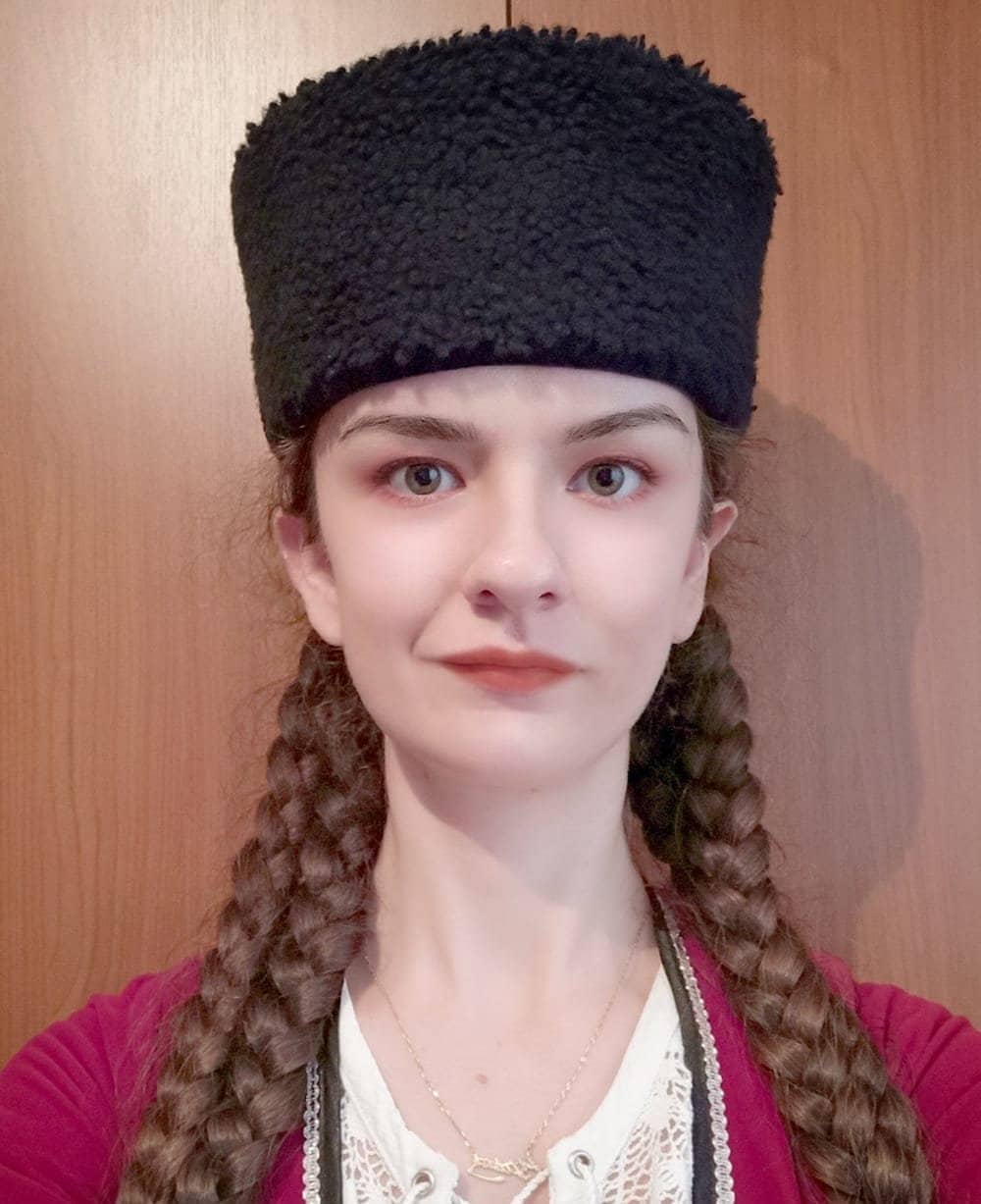
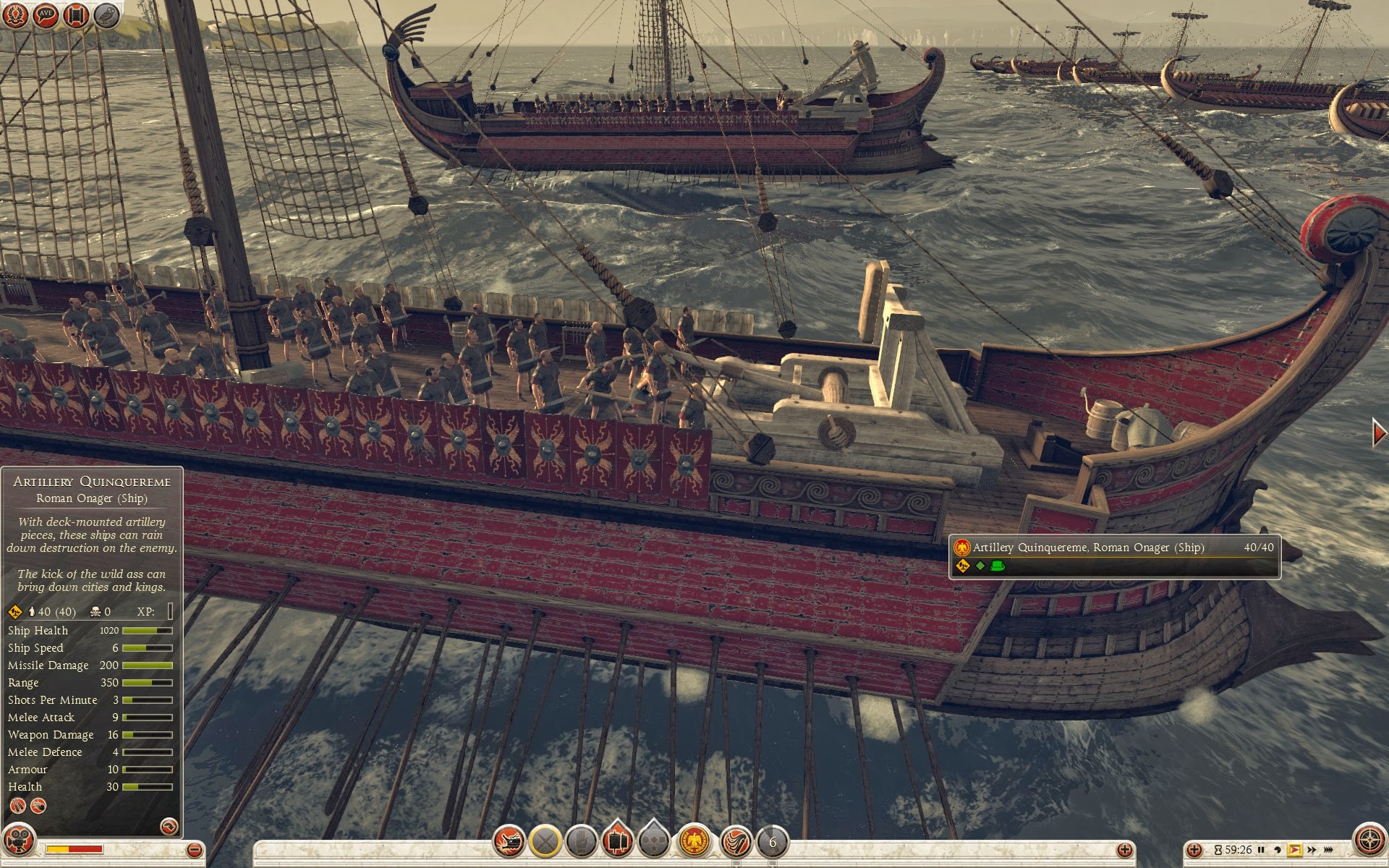
June 17, 2019
Wonderful, "boys' own adventure"-style story--but true!--of the kidnapping of a German general in WWII Crete. The plot was masterminded by Moss, Patrick Leigh Fermor, and some of their other British Special Forces pals from their home base--a house in Cairo called Tara--and they enlisted the aid of Cretan revolutionaries, escaped Russian prisoners of war, undercover British wireless operators, petty thieves, and townspeople. Many were quite colorful characters.
It really is a ripping yarn. Moss based the book on his unedited diaries (with some interstitial updates and context), and he was 22 at the time. He obviously thrived on the adversity and adrenaline. He's an extraordinarily good writer, grounded in the classics. (I love the list of books he brought with him to read when they were hiding out in the mountains.) And he doesn't stint when describing the difficulties and discomforts. But the sense of wartime danger is often subsumed by the sheer excitement of the undertaking and a British public schoolboy sense of derring-do.
The general they initially meant to kidnap was monstrous, but he left Crete before the plot got under way. The one they kidnapped in his stead, General Kreipe seems more passive, almost hapless, than evil. Moss certainly does describe the cruelty of the Germans in Crete. Not all German generals were Nazi sympathizers, I suppose, but it's kind of odd. Kreipe was mostly no trouble, except for some complaining. At one point he joined Fermor in reciting Greek poetry, and he and Moss talked about literature.
I would like to read Patrick Leigh Fermor's description of the kidnapping, as well. (I think some later editions of this book include Fermor's version as an afterword.) He is the more famous participant, but this book indicates that Moss actually spent more time on the lam, climbing, walking, and hiding, with the General in tow. Moss wrote books about some of his other wartime exploits, and I would like to read them.
It really is a ripping yarn. Moss based the book on his unedited diaries (with some interstitial updates and context), and he was 22 at the time. He obviously thrived on the adversity and adrenaline. He's an extraordinarily good writer, grounded in the classics. (I love the list of books he brought with him to read when they were hiding out in the mountains.) And he doesn't stint when describing the difficulties and discomforts. But the sense of wartime danger is often subsumed by the sheer excitement of the undertaking and a British public schoolboy sense of derring-do.
The general they initially meant to kidnap was monstrous, but he left Crete before the plot got under way. The one they kidnapped in his stead, General Kreipe seems more passive, almost hapless, than evil. Moss certainly does describe the cruelty of the Germans in Crete. Not all German generals were Nazi sympathizers, I suppose, but it's kind of odd. Kreipe was mostly no trouble, except for some complaining. At one point he joined Fermor in reciting Greek poetry, and he and Moss talked about literature.
I would like to read Patrick Leigh Fermor's description of the kidnapping, as well. (I think some later editions of this book include Fermor's version as an afterword.) He is the more famous participant, but this book indicates that Moss actually spent more time on the lam, climbing, walking, and hiding, with the General in tow. Moss wrote books about some of his other wartime exploits, and I would like to read them.
Displaying 1 - 30 of 127 reviews