

What do you think?

33⅓ Main Series #52
Let's Talk About Love: A Journey to the End of Taste
Non-fans regard Céline Dion as ersatz and plastic, yet to those who love her, no one could be more real, with her impoverished childhood, her (creepy) manager-husband's struggle with cancer, her knack for howling out raw emotion. There's nothing cool about Céline Dion, and nothing clever. That's part of her appeal as an object of love or hatred - with most critics and committed music fans taking pleasure (or at least geeky solace) in their lofty contempt. This book documents Carl Wilson's brave and unprecedented year-long quest to find his inner Céline Dion fan, and explores how we define ourselves in the light of what we call good and bad, what we love and what we hate.
176 pages, Paperback
First published November 23, 2007
About the author
Carl Wilson
52 books20 followersLibrarian Note: There is more than one author in the GoodReads database with this name. See this thread for more information.
Carl Wilson is Slate's music critic.
Carl Wilson is Slate's music critic.
Ratings & Reviews
Friends & Following
Create a free account to discover what your friends think of this book!
Community Reviews
Displaying 1 - 30 of 533 reviews

September 16, 2009
In Let’s Talk About Love, Carl Wilson does something brave and—alright, I’ll say it—noble. He takes Céline Dion seriously. Yeah, that’s right, Céline Dion: for many of us, the biggest block of cheese in the pop culture fromagerie. If this book doesn’t make you feel thoroughly ashamed of yourself for ever having put down Céline—and you know you have, you heartless snobs—then you’re beyond help and deserve to die under a huge pile of John Cage records.
Wilson’s bracing little pamphlet is part of the 33⅓ series of books, in which prominent rock critics get to analyze an album of their choice. Not surprisingly, most of the other contributors opted for safely canonical works—think Trout Mask Replica and the like—but Wilson purposely chose the most uncool album he could think of: Dion’s 1997 classic, Let’s Talk About Love.
This could very easily have degenerated into an exercise in condescension, with the smarty-pants writer coming on like some trust-fund kid sashaying through Wal-Mart. But Wilson’s sincerity is disarming: he really does want to understand Céline on her own terms, and he treats her with the same respect he would give the Pitchfork-friendly artistes he normally traffics in.
One sign of this respect: he works hard to contextualize Dion, doing the scholarly legwork on her that nobody else has seen fit to do. If middle-class American critics don’t get Dion, Wilson suggests, it may be because they lack the cultural competence to ‘read’ her correctly. As a blue-collar francophone girl from insular, backwoods Quebec, Dion is so far off the ethno-cultural map of American society that she might as well be from Moldova. Consequently, her big, inclusive gestures are routinely misinterpreted as hubris:
When Céline talks in the first-person plural—we achieved this, we hoped for that, we decided to make this record—she is speaking of herself, Rene, her producers...and all of what’s called “Team Céline”, but symbolically it includes Quebec’s extended family. Where she comes from, collectivity counts, and her gains are the gains of a people. It is a recognizable trait in an African-American star, but in Céline it doesn’t read: she represents an opaque referent, rendering her meaning illegible.
That’s a heaping plate of insight right there, if you ask me. (Wilson is equally perceptive—and sympathetic—about Dion’s 'meltdown' on Larry King in the aftermath of Hurricane Katrina, when she appeared to condone the looting of New Orleans with the infamous phrase, ‘Let them touch those things.’ Wilson’s verdict: ‘every second was quintessentially québecois’).
Chances are, if you spend a lot of time on this site, you have what you consider to be good taste in music. If not Satie and Debussy, then Pavement and The Mekons, or Coleman Hawkins and Albert Ayler. At any rate, you like things that are difficult, original or sophisticated rather than simple, formulaic and sentimental. So do I. So does Wilson. The difference between him and me is that he doesn’t passively accept his own standards as some Mosaic Code of coolness; he questions them, honestly and relentlessly, until he (and the reader) starts to see how narrow and shrivelled and odious these criteria really are. To do this, he draws heavily on the work of the French sociologist, Pierre Bourdieu, who basically argues that tastes are counters in an elaborate game of social one-upmanship. Your principled enjoyment of Fassbinder movies and DeLillo novels may be genuine enough, but it’s also a way to distinguish yourself from the white-trash rube you’d rather not be mistaken for; at the same time, it helps smooth your entry into the social class you aspire to (and, by the by, potentially gives you access to a higher order of pussy or dick).
For anyone who loves art, this is a pretty depressing theory, but that doesn’t mean it’s wrong. For his part, Wilson doesn’t swallow it whole, but he concedes its broad validity. Don’t worry, though: he’s not out to rub your nose in your own class prejudice. He just wants to expand your sympathies a bit (and that’s always a good thing, no?) You may never come around to Dion’s music—Wilson doesn’t quite, either, though he’s a gamer—but with a little openness and imagination, you can certainly understand how it could mean so much to millions of people not all that different from you.
The key word in the later chapters of the book is ‘democracy’. I don’t know about you, but this is one of those abstract nouns that get me all choked up sometimes. Like ‘love’ or ‘faith’ or ‘customer service’, it points to an elusive ideal, or (more often) gestures helplessly towards it. I guess that’s what makes it so poignant.
Anyway, I’d better not reveal too much of Wilson’s argument, but I can tell you it’s more moving than criticism has any right to be. If you’re not careful, he’ll have you blubbering uncontrollably, like the innocent creature you were when you first watched Titanic—or like that Filipino lady Wilson saw at Dion’s show in Vegas, ‘who sat beside me whispering, “Wow. Oh, wow,” and occasionally weeping behind the sunglasses that she wore.’ Ridiculous, I know, but then we’re all ridiculous, and maybe that’s part of democracy too: being ridiculous together. So go ahead and cry. Nobody should be too cool for that.
Wilson’s bracing little pamphlet is part of the 33⅓ series of books, in which prominent rock critics get to analyze an album of their choice. Not surprisingly, most of the other contributors opted for safely canonical works—think Trout Mask Replica and the like—but Wilson purposely chose the most uncool album he could think of: Dion’s 1997 classic, Let’s Talk About Love.
This could very easily have degenerated into an exercise in condescension, with the smarty-pants writer coming on like some trust-fund kid sashaying through Wal-Mart. But Wilson’s sincerity is disarming: he really does want to understand Céline on her own terms, and he treats her with the same respect he would give the Pitchfork-friendly artistes he normally traffics in.
One sign of this respect: he works hard to contextualize Dion, doing the scholarly legwork on her that nobody else has seen fit to do. If middle-class American critics don’t get Dion, Wilson suggests, it may be because they lack the cultural competence to ‘read’ her correctly. As a blue-collar francophone girl from insular, backwoods Quebec, Dion is so far off the ethno-cultural map of American society that she might as well be from Moldova. Consequently, her big, inclusive gestures are routinely misinterpreted as hubris:
When Céline talks in the first-person plural—we achieved this, we hoped for that, we decided to make this record—she is speaking of herself, Rene, her producers...and all of what’s called “Team Céline”, but symbolically it includes Quebec’s extended family. Where she comes from, collectivity counts, and her gains are the gains of a people. It is a recognizable trait in an African-American star, but in Céline it doesn’t read: she represents an opaque referent, rendering her meaning illegible.
That’s a heaping plate of insight right there, if you ask me. (Wilson is equally perceptive—and sympathetic—about Dion’s 'meltdown' on Larry King in the aftermath of Hurricane Katrina, when she appeared to condone the looting of New Orleans with the infamous phrase, ‘Let them touch those things.’ Wilson’s verdict: ‘every second was quintessentially québecois’).
Chances are, if you spend a lot of time on this site, you have what you consider to be good taste in music. If not Satie and Debussy, then Pavement and The Mekons, or Coleman Hawkins and Albert Ayler. At any rate, you like things that are difficult, original or sophisticated rather than simple, formulaic and sentimental. So do I. So does Wilson. The difference between him and me is that he doesn’t passively accept his own standards as some Mosaic Code of coolness; he questions them, honestly and relentlessly, until he (and the reader) starts to see how narrow and shrivelled and odious these criteria really are. To do this, he draws heavily on the work of the French sociologist, Pierre Bourdieu, who basically argues that tastes are counters in an elaborate game of social one-upmanship. Your principled enjoyment of Fassbinder movies and DeLillo novels may be genuine enough, but it’s also a way to distinguish yourself from the white-trash rube you’d rather not be mistaken for; at the same time, it helps smooth your entry into the social class you aspire to (and, by the by, potentially gives you access to a higher order of pussy or dick).
For anyone who loves art, this is a pretty depressing theory, but that doesn’t mean it’s wrong. For his part, Wilson doesn’t swallow it whole, but he concedes its broad validity. Don’t worry, though: he’s not out to rub your nose in your own class prejudice. He just wants to expand your sympathies a bit (and that’s always a good thing, no?) You may never come around to Dion’s music—Wilson doesn’t quite, either, though he’s a gamer—but with a little openness and imagination, you can certainly understand how it could mean so much to millions of people not all that different from you.
The key word in the later chapters of the book is ‘democracy’. I don’t know about you, but this is one of those abstract nouns that get me all choked up sometimes. Like ‘love’ or ‘faith’ or ‘customer service’, it points to an elusive ideal, or (more often) gestures helplessly towards it. I guess that’s what makes it so poignant.
Anyway, I’d better not reveal too much of Wilson’s argument, but I can tell you it’s more moving than criticism has any right to be. If you’re not careful, he’ll have you blubbering uncontrollably, like the innocent creature you were when you first watched Titanic—or like that Filipino lady Wilson saw at Dion’s show in Vegas, ‘who sat beside me whispering, “Wow. Oh, wow,” and occasionally weeping behind the sunglasses that she wore.’ Ridiculous, I know, but then we’re all ridiculous, and maybe that’s part of democracy too: being ridiculous together. So go ahead and cry. Nobody should be too cool for that.
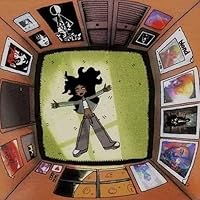
July 17, 2022
Con la música yo tengo un montón de anécdotas, no de esas que te hacen ser cool, sino de esas que se recuerdan con una sonrisa y un poco de vergüenza. Una de ellas es que pasé por mi etapa de superioridad en la que creía que yo tenía la respuesta a la pregunta de «¿cuál es el mejor género musical de todos?» y no aceptaba que me dijeran lo contrario. En aquel entonces escribía canciones para el grupo local de mi expareja y soñaba con convertirme en productora musical (nunca me ha llamado la atención cantar). Más tarde me olvidé de eso, seguí escribiendo canciones y rondando el ambiente musical pero ya no me interesaba ser nada más que parte del público, fue durante esa época que escuché a Forest Swords y descubrí que la música electrónica era mucho más que el house y el dubstep, que de hecho tenía una cantidad impresionante de subgéneros y estilos. Por desgracia, mi círculo social de aquel entonces no consideraba que la electrónica fuera música de verdad, la consideraban un cúmulo de ruidos estridentes y efectos sucios que arruinaba su definición de arte, por lo que me vi relegada al puesto de la chica de gustos malos. A día de hoy escucho música sin tomar en cuenta el género o la fama, pero no hay una sola canción de Michael Jackson o Freddie Mercury que me guste y no creo que eso me haga tener malos gustos (aunque bromee con ello a menudo), porque ni siquiera creo necesitar la aprobación de nadie.
En este libro no se defiende ni a los progresistas ni a los conservadores, sino que se alienta a aceptar que todos tenemos gustos diferentes y que la guerra de «yo tengo mejor gusto que tú» es absurda; puedes odiar un producto con base a tu perspectiva, pero es inútil enojarse porque la mayoría no lo odien también. Yo, por ejemplo, odio los corridos, no me gusta cómo glorifican el hecho de ser uno de los países con mayor crímen organizado, pero reconozco que es un género musical que ya forma parte de la cultura mexicana y refleja una realidad que vivimos día a día. Sin olvidar que me encanta el heavy metal con letras violentas e incluso escucho a SKYND (este sí es un gusto culposo), así que ¿con qué cara voy a juzgar a quienes escuchan a Calibre 50? Lo mismo aplica con la literatura, no me gustan los libros que romantizan el estar en una relación tóxica, pero luego leo libros donde el villano gana y me alegro por él, o libros turbios donde todo lo que pasa está MAL con mayúsculas y yo disfruto esos libros igualmente, es por eso que he dejado de juzgar a quienes consumen libros de romance así. Seguramente todos tenemos una respuesta para por qué nos gusta esto y por qué odiamos eso otro, poco importa si los demás están de acuerdo con nosotros o no.
Según Carl Wilson, nuestros gustos musicales están entrelazados con las experiencias que vivimos, por lo que no hay nadie en este mundo que pueda comprendernos al 100 %, ni siquiera aquellos que comparten nuestras aficiones. Pero que nos guste escuchar música cursi no significa que nuestra vida haya sido color de rosa, es más complejo que eso, es un conjunto de opiniones que vamos formando con el paso de los años y muchas veces escapan al sentido común. No recuerdo la época en la que Céline Dion causó impacto, nací en el 2000, cuando su fama comenzó a decaer yo apenas empezaba a tener criterio propio, pero lo curioso de este libro es que pese a girar entorno a Dion, puede ser leído como si hablara de cualquier otro cantante famoso, incluyendo a los que solían ser desconocidos décadas atrás y ahora son tema de debate en toda internet. Música de mierda es un ensayo escrito con lenguaje sencillo y de lectura ágil, más que una guía para entender el gusto personal y el de las masas (que al fin y al cabo, parte del gusto personal), es un libro que te introduce al mundillo de la música de forma práctica y amena. El autor es un crítico musical, no es alguien random que se sentó a escribir este libro solo porque quería expresar su descontento con la forma en la que las personas consumen la música, sino que es alguien que ha estado años nadando entre diversas críticas y cuenta con los conocimientos necesarios para ser "objetivo". Es un libro que resalta las contradicciones y plantea teorías más que explicaciones definitivas. También es el primer ensayo que leo por elección propia, así que me alegra que no me haya aburrido.
Si no le doy cinco estrellas es porque, con toda sinceridad, me cuesta dar cinco estrellas a los libros que no me hacen chillar de emoción, fuera de eso este libro me parece perfecto, incluso cuando no estoy de acuerdo con alguna idea del autor siento que eso, el desacuerdo, contribuye a lo que se plantea.
En conclusión, este ensayo es ideal para quienes estén interesados en la música, ya sea como aficionados o como músicos, pero mucho de lo que se lee aquí puede ser aplicado a cualquier tipo de arte sin problema.
La popularidad de Céline Dion, lo mismo que la predilección por Dan Brown, J. K. Rowling y Jack Vettriano, provoca desconcierto y consternación entre quienes tienen la suerte de poseer lo que ellos mismos consideran un buen gusto educado.
En este libro no se defiende ni a los progresistas ni a los conservadores, sino que se alienta a aceptar que todos tenemos gustos diferentes y que la guerra de «yo tengo mejor gusto que tú» es absurda; puedes odiar un producto con base a tu perspectiva, pero es inútil enojarse porque la mayoría no lo odien también. Yo, por ejemplo, odio los corridos, no me gusta cómo glorifican el hecho de ser uno de los países con mayor crímen organizado, pero reconozco que es un género musical que ya forma parte de la cultura mexicana y refleja una realidad que vivimos día a día. Sin olvidar que me encanta el heavy metal con letras violentas e incluso escucho a SKYND (este sí es un gusto culposo), así que ¿con qué cara voy a juzgar a quienes escuchan a Calibre 50? Lo mismo aplica con la literatura, no me gustan los libros que romantizan el estar en una relación tóxica, pero luego leo libros donde el villano gana y me alegro por él, o libros turbios donde todo lo que pasa está MAL con mayúsculas y yo disfruto esos libros igualmente, es por eso que he dejado de juzgar a quienes consumen libros de romance así. Seguramente todos tenemos una respuesta para por qué nos gusta esto y por qué odiamos eso otro, poco importa si los demás están de acuerdo con nosotros o no.
Con la retórica inconsciente del rechazo («eso es pop quinceañero», «eso solo les gusta a los hippies», «eso es música para violadores») cerramos las puertas de los clubes de los que no queremos formar parte.
Según Carl Wilson, nuestros gustos musicales están entrelazados con las experiencias que vivimos, por lo que no hay nadie en este mundo que pueda comprendernos al 100 %, ni siquiera aquellos que comparten nuestras aficiones. Pero que nos guste escuchar música cursi no significa que nuestra vida haya sido color de rosa, es más complejo que eso, es un conjunto de opiniones que vamos formando con el paso de los años y muchas veces escapan al sentido común. No recuerdo la época en la que Céline Dion causó impacto, nací en el 2000, cuando su fama comenzó a decaer yo apenas empezaba a tener criterio propio, pero lo curioso de este libro es que pese a girar entorno a Dion, puede ser leído como si hablara de cualquier otro cantante famoso, incluyendo a los que solían ser desconocidos décadas atrás y ahora son tema de debate en toda internet. Música de mierda es un ensayo escrito con lenguaje sencillo y de lectura ágil, más que una guía para entender el gusto personal y el de las masas (que al fin y al cabo, parte del gusto personal), es un libro que te introduce al mundillo de la música de forma práctica y amena. El autor es un crítico musical, no es alguien random que se sentó a escribir este libro solo porque quería expresar su descontento con la forma en la que las personas consumen la música, sino que es alguien que ha estado años nadando entre diversas críticas y cuenta con los conocimientos necesarios para ser "objetivo". Es un libro que resalta las contradicciones y plantea teorías más que explicaciones definitivas. También es el primer ensayo que leo por elección propia, así que me alegra que no me haya aburrido.
Si no le doy cinco estrellas es porque, con toda sinceridad, me cuesta dar cinco estrellas a los libros que no me hacen chillar de emoción, fuera de eso este libro me parece perfecto, incluso cuando no estoy de acuerdo con alguna idea del autor siento que eso, el desacuerdo, contribuye a lo que se plantea.
A la pregunta: «¿Esto es una obra de arte?» […] hoy solo se puede responder: «Sí, si tú crees que lo es; y no, si crees que no». Y si eso parece sumirnos en el abismo del relativismo, solo puedo decir que en realidad el abismo del relativismo es donde siempre hemos estado, si es que se trata de un abismo.
—John Carey
En conclusión, este ensayo es ideal para quienes estén interesados en la música, ya sea como aficionados o como músicos, pero mucho de lo que se lee aquí puede ser aplicado a cualquier tipo de arte sin problema.

August 31, 2011
This is a beautiful meditation on art, one of the best I’ve ever read. Why do people like this kind of stuff and not that kind of stuff? Why do they then go further and say “My kind of stuff [be it novels, movies or pop music] is actually better than your kind of stuff – because I, you see, have really good taste, and you, well, now, I’m never going to tell you to your face, you understand, but your taste is... not the best, shall I say. I mean, you think The Shawshank Redemption is the best movie ever made, and you refuse to watch anything in black and white, you think that Maria Carey is a good singer, you’ve never even heard of Jacques Brel, and when I come round to your place I have to avert my gaze from your bookshelves, the sight of so many Clive Cussler, Robert Harris and John Grisham hardbacks nearly makes me go blind. Darling I love you and all, but really, you’re hopeless.”
The peg this mediation is hung upon is Celine Dion, who apparently is much reviled by some and much loved by others, and who I had heard of but never heard, except the Titanic song.
I’ve now checked up some Celine love on youtube. Okay, she’s a belter. Is she worse than all the other contemporary divabelters? She tends to come across as a person who has forgotten there’s a microphone in front of her and who is trying to reach the 100th row. The only time she dials it down is when she’s lying in bed in a Parisian nightie whispering a few lines about how her lover has been killed or maimed, but then quickly she bounds forth from the four-poster and lets rip with some mighty howling about eternity and forever and things more important than death.
The issues you get into when you think about taste are profound and confusing. Carl Wilson has read up some high faluting theoreticians – Daniel Levitin, Hume, Kant, Clement Greenberg, Adorno, Pierre Bourdieu to name only the main ones. He dissects the great question of taste through the great throat of Celine Dion in the following chapters – you have to love this :
1. Let’s talk About Hate : “Hell is other people’s music” said Momus in 2006 in Wired magazine. How Celine Dion and Elliott Smith collided on Oscar night and how she was really nice to Elliott.
2. Let’s Talk About Pop (and its Critics) : why did our author grow up hating country and disco?
3. Let’s Talk in French : Celine’s odd background (poor white French Quebecois trash).
4. Let’s Talk About World Conquest : Celine eats the world country by country (except Germany).
5. Let’s Talk About Schmaltz : yes, I do want to talk about schmaltz. See below.
6. Let’s Sing Really Loud : power ballads and Phil Spector recordings.
7. Let’s Talk About Taste : the belly of the beast.
8. Let’s Talk About Who’s Got Bad Taste : the second belly of the beast.
9. Let’s Talk with some Fans : our author surveys online Celine geeks and goes to a Celine show (and is overawed and slinks away).
10. Let’s Do a Punk Version of My Heart Will Go On (or, Let’s Talk about our Feelings) : ironic metal versions of Celine. Nooo!
11. Let’s talk About Let’s Talk About Love : he finally sits down and reviews the album.
12. Let’s Talk About Love : the wrapup.
*
EVERY TIME I PUT MY FINGER ON IT, IT SLIPS AWAY (or, A Few Random Points to Ponder)
Critical taste in rock music remains fairly stable. A canon has been created. Rolling Stone did an all time album list in 1987 and again in 2003 – 12 0f the top thirty were the same. You couldn’t call them elitist lists either – aside from Velvet Underground & Nico and Astral Weeks, they were all big sellers. Compare this to a poll of polls listing greatest ever movies – most of the top 30 were classic film buff stuff like 8 ½, Battleship Potemkin, Sunrise and Tokyo Story – yes, elitist if you will. I had never thought of this before, but the fanboy critics of music who I had thought of as impossibly sneery are a whole lot more democratic than their movie (and book) equivalents.
Celine’s main audience is : older females. Surprise!
Now me, I like Dusty Springfield. (And a host of other great female singers that aren’t around anymore.) But once I got round to listening to a little bit of Celine I thought : what’s the difference between Dusty and Celine? Why is Dusty beloved by many critics and Celine despised (I don’t think that’s too strong a word)? They’re very similar, except that Celine made a giant success of her career and Dusty imploded and crashed and burned horribly. Is that it?
When Carl Wilson goes to Vegas to see a Celine show he found he was just a little outside of his comfort zone :
I was a stray member of the cultural-capital tribedeported to a gaudy prison colony run by a phalanx of showgirls who held hourly re-education sessions to hammer me into feeling insignificant and micro-penised.
At the concert :
The songs of devotion began to probe at the open sore of my own recent marital separation, and even coaxed a few tears. For a few moments, I got it. Of course, then Celine would do something unforgiveable, like a duet with an enormous projection of the head of the late Frank Sinatra.
Sometimes you read a sequence of books that connect together brilliantly, and you didn’t plan it, it just happened – serendipity. From a recent consideration of my dodgy relationship with experimental novels, to an actual experimental novel (10.01) which I disliked, to an experimental graphic novel (Acme Novelty Company 20, which I loved) to this long essay about the nature of taste.
Well, do I have good taste? I mean, I think I do, but I seem to like an awful lot of kitschy music. All that doo wop, it’s not Schoenberg you know. Then all that syrupy 50s stuff I’ve been whistling along to recently – Memories are Made of This, Shrimp Boats are A-Comin’, Little Things Mean A Lot – there’s tons of it! Is this me enjoying kitschy music as others collect kitsch art like black velvet paintings, Elvisiana and early girly mags? Or is this me wishing to rehabilitate Kitty Kallen, Jo Stafford and Manuel and His Music of the Mountains and elevate them to the level of folk art? Or is this me agreeing that yes, it’s bad all right, but bad kitchy songs can still be done well and artfully? E.g. Art and Dotty Todd’s original version of Chanson D’Amour?
Well, we could rabbit all day about the fascinating issues Carl Wilson’s little book drags into the white heat of our frontal lobes. I haven't even mentioned the whole argument which says that your taste is what you use to distance yourself from your class inferiors and cuddle up to those your aspire to be. So I'll stop now and just say : wonderful stuff! Recommended for everyone who knows what bad music is when they hear it.
The peg this mediation is hung upon is Celine Dion, who apparently is much reviled by some and much loved by others, and who I had heard of but never heard, except the Titanic song.
I’ve now checked up some Celine love on youtube. Okay, she’s a belter. Is she worse than all the other contemporary divabelters? She tends to come across as a person who has forgotten there’s a microphone in front of her and who is trying to reach the 100th row. The only time she dials it down is when she’s lying in bed in a Parisian nightie whispering a few lines about how her lover has been killed or maimed, but then quickly she bounds forth from the four-poster and lets rip with some mighty howling about eternity and forever and things more important than death.
The issues you get into when you think about taste are profound and confusing. Carl Wilson has read up some high faluting theoreticians – Daniel Levitin, Hume, Kant, Clement Greenberg, Adorno, Pierre Bourdieu to name only the main ones. He dissects the great question of taste through the great throat of Celine Dion in the following chapters – you have to love this :
1. Let’s talk About Hate : “Hell is other people’s music” said Momus in 2006 in Wired magazine. How Celine Dion and Elliott Smith collided on Oscar night and how she was really nice to Elliott.
2. Let’s Talk About Pop (and its Critics) : why did our author grow up hating country and disco?
3. Let’s Talk in French : Celine’s odd background (poor white French Quebecois trash).
4. Let’s Talk About World Conquest : Celine eats the world country by country (except Germany).
5. Let’s Talk About Schmaltz : yes, I do want to talk about schmaltz. See below.
6. Let’s Sing Really Loud : power ballads and Phil Spector recordings.
7. Let’s Talk About Taste : the belly of the beast.
8. Let’s Talk About Who’s Got Bad Taste : the second belly of the beast.
9. Let’s Talk with some Fans : our author surveys online Celine geeks and goes to a Celine show (and is overawed and slinks away).
10. Let’s Do a Punk Version of My Heart Will Go On (or, Let’s Talk about our Feelings) : ironic metal versions of Celine. Nooo!
11. Let’s talk About Let’s Talk About Love : he finally sits down and reviews the album.
12. Let’s Talk About Love : the wrapup.
*
EVERY TIME I PUT MY FINGER ON IT, IT SLIPS AWAY (or, A Few Random Points to Ponder)
Critical taste in rock music remains fairly stable. A canon has been created. Rolling Stone did an all time album list in 1987 and again in 2003 – 12 0f the top thirty were the same. You couldn’t call them elitist lists either – aside from Velvet Underground & Nico and Astral Weeks, they were all big sellers. Compare this to a poll of polls listing greatest ever movies – most of the top 30 were classic film buff stuff like 8 ½, Battleship Potemkin, Sunrise and Tokyo Story – yes, elitist if you will. I had never thought of this before, but the fanboy critics of music who I had thought of as impossibly sneery are a whole lot more democratic than their movie (and book) equivalents.
Celine’s main audience is : older females. Surprise!
Now me, I like Dusty Springfield. (And a host of other great female singers that aren’t around anymore.) But once I got round to listening to a little bit of Celine I thought : what’s the difference between Dusty and Celine? Why is Dusty beloved by many critics and Celine despised (I don’t think that’s too strong a word)? They’re very similar, except that Celine made a giant success of her career and Dusty imploded and crashed and burned horribly. Is that it?
When Carl Wilson goes to Vegas to see a Celine show he found he was just a little outside of his comfort zone :
I was a stray member of the cultural-capital tribedeported to a gaudy prison colony run by a phalanx of showgirls who held hourly re-education sessions to hammer me into feeling insignificant and micro-penised.
At the concert :
The songs of devotion began to probe at the open sore of my own recent marital separation, and even coaxed a few tears. For a few moments, I got it. Of course, then Celine would do something unforgiveable, like a duet with an enormous projection of the head of the late Frank Sinatra.
Sometimes you read a sequence of books that connect together brilliantly, and you didn’t plan it, it just happened – serendipity. From a recent consideration of my dodgy relationship with experimental novels, to an actual experimental novel (10.01) which I disliked, to an experimental graphic novel (Acme Novelty Company 20, which I loved) to this long essay about the nature of taste.
Well, do I have good taste? I mean, I think I do, but I seem to like an awful lot of kitschy music. All that doo wop, it’s not Schoenberg you know. Then all that syrupy 50s stuff I’ve been whistling along to recently – Memories are Made of This, Shrimp Boats are A-Comin’, Little Things Mean A Lot – there’s tons of it! Is this me enjoying kitschy music as others collect kitsch art like black velvet paintings, Elvisiana and early girly mags? Or is this me wishing to rehabilitate Kitty Kallen, Jo Stafford and Manuel and His Music of the Mountains and elevate them to the level of folk art? Or is this me agreeing that yes, it’s bad all right, but bad kitchy songs can still be done well and artfully? E.g. Art and Dotty Todd’s original version of Chanson D’Amour?
Well, we could rabbit all day about the fascinating issues Carl Wilson’s little book drags into the white heat of our frontal lobes. I haven't even mentioned the whole argument which says that your taste is what you use to distance yourself from your class inferiors and cuddle up to those your aspire to be. So I'll stop now and just say : wonderful stuff! Recommended for everyone who knows what bad music is when they hear it.

December 18, 2018
Videorecensione: https://youtu.be/nV1Z8-OgOtw
Un libro che "dormiva" nella mia libreria da anni, ormai. Ho deciso di ritirarlo fuori e, finalmente, di leggerlo. FIGHISSIMO.
Attraverso le domande, apparentemente senza risposta "Perché pensiamo che i nostri gusti musicali siano sempre migliori di quelli degli altri?" e, soprattutto, "Perché la musica di merda vende e piace così tanto?", Carl Wilson snoda riflessioni sociologiche, antropologiche, di musica e di ascolto. Tutto questo analizzando, per filo e per segno, l'immaginario e il linguaggio heartwarming/kitsch di Céline Dion.
Divertentissimo, illuminante, esplosivo.
Un libro che "dormiva" nella mia libreria da anni, ormai. Ho deciso di ritirarlo fuori e, finalmente, di leggerlo. FIGHISSIMO.
Attraverso le domande, apparentemente senza risposta "Perché pensiamo che i nostri gusti musicali siano sempre migliori di quelli degli altri?" e, soprattutto, "Perché la musica di merda vende e piace così tanto?", Carl Wilson snoda riflessioni sociologiche, antropologiche, di musica e di ascolto. Tutto questo analizzando, per filo e per segno, l'immaginario e il linguaggio heartwarming/kitsch di Céline Dion.
Divertentissimo, illuminante, esplosivo.

October 16, 2020
Me parece buenísimo lo que plantea este libro, porque parte de Celine Dion, pero podría cambiar el nombre de Dion y pensar en muchísimos nombres para preguntarse lo mismo ¿Qué demonios es el gusto? y lo que expresamos sobre nuestra vida, o sobre lo que queremos mostrar en lo que escuchamos. En algunas cuestiones creo que se nota el paso del tiempo, es un libro escrito en los 90 y muchas cosas han cambiado en la forma en como escuchamos música ahora.
Igual parte de una idea que a mi me parece graciosa, esto de que se puede odiar cierta música y eso lo marcas para marcar tu distancia con lo que escuchan las demás personas.
Lo que quiero decir es que me parece que eso del gusto es algo tan personal, que decir la música que me gusta a mi es mejor que la tuya, es un poco adolescente.
Pero igual habla sobre cosas que me dejan pensando, como la diferencia entre una música sentimental, y música más cool.
Es divertido eso de buscar en donde está la línea, y lo que dice sobre cada persona en dónde pone esa línea.
Igual parte de una idea que a mi me parece graciosa, esto de que se puede odiar cierta música y eso lo marcas para marcar tu distancia con lo que escuchan las demás personas.
Lo que quiero decir es que me parece que eso del gusto es algo tan personal, que decir la música que me gusta a mi es mejor que la tuya, es un poco adolescente.
Pero igual habla sobre cosas que me dejan pensando, como la diferencia entre una música sentimental, y música más cool.
Es divertido eso de buscar en donde está la línea, y lo que dice sobre cada persona en dónde pone esa línea.

May 9, 2026
La verdad es que: total. Tener prejuicios con la musica pop y con la gente que la hace es bastante snob e inmaduro, a mi parecer... unas aburridas en vez de ser unas disfrutonas. Muchas críticas (siempre ha habido(???) que en mi opinión siguen siendo clasistas, además de faltonas y sin un estudio de la historia tanto personal como contextual del/la artista (por eso lo de no separarlos!!!!! , ya que estamos, puntualizarlo, que si no se separa se debe conocer y para eso hay que escuchar.... mucho...) No sé desde dónde se hacen, un oído crítico es bastante difícil de encontrar porque supone que se tiene un tiempo, crucial y complicado de conseguir. En resumen, no suelo hacer mucho caso, la verdad... Hay que escuchar también lo contemporáneo, ver cómo cambia y la reticencia hacia ello (más allá del gusto) viene de una especie de necesidad de identidad a través del gusto musical, cuando la identidad también atiende a lo justa que eres con lo que se te presenta delante desde una escucha activa. Y la línea sobre el gusto bueno y el gusto malo que se abarca muy interesante y necesario de recordar. Chulo.
December 3, 2008
Have you ever laughed at someone who claimed to actually enjoy Celine Dion's music? Have you ever felt like you were better than those people who love The Kite Runner or Mitch Albom's books? Have you ever forced all of your friends and family to watch a movie you loved because you were convinced that they needed to see it for their own good? My answers a few weeks ago would have been absolutely, of course, and who hasn't? but after reading this book, I would most likely nod sheepishly.
Wilson decided to write a book about Celine Dion after watching the Academy Awards the year that Celine and the Titanic juggernaut steamrolled over one of Wilson's favorite singers, Elliott Smith (who sang "Miss Misery" from Good Will Hunting). What started as an attempt to grasp how human beings could actually like Celine ("her music struck me as bland monotony raised to a pitch of obnoxious bombast -- R&B with the sex and slyness surgically removed ... Oprah Winfrey–approved chicken soup for the consumerist soul, a neverending crescendo of personal affirmation deaf to social conflict and context.") turned into a interesting exploration of the nature of taste, "coolness," cultural capital, sentimentality, and musical criticism without devolving into some ironic hipster switcheroo where Wilson (a music critic) becomes even more hip by championing the cause of someone as unhip as Celine Dion.
My former self would have been inclined to guarantee that this is the best book about Celine Dion that you'll ever read, but now I'm hesitant. Maybe one of Celine's fans has written (or will write) a wonderful biography about her life. Maybe Celine herself will write a moving memoir. Who knows, right? I guess, for now, I'm hesitant to declare that anything is better than anything else. I'm sure I'll get over it soon enough, but for now I'll just say that this was a delightful little book that at least belongs on the same shelf as the best books about Celine Dion.
Wilson decided to write a book about Celine Dion after watching the Academy Awards the year that Celine and the Titanic juggernaut steamrolled over one of Wilson's favorite singers, Elliott Smith (who sang "Miss Misery" from Good Will Hunting). What started as an attempt to grasp how human beings could actually like Celine ("her music struck me as bland monotony raised to a pitch of obnoxious bombast -- R&B with the sex and slyness surgically removed ... Oprah Winfrey–approved chicken soup for the consumerist soul, a neverending crescendo of personal affirmation deaf to social conflict and context.") turned into a interesting exploration of the nature of taste, "coolness," cultural capital, sentimentality, and musical criticism without devolving into some ironic hipster switcheroo where Wilson (a music critic) becomes even more hip by championing the cause of someone as unhip as Celine Dion.
My former self would have been inclined to guarantee that this is the best book about Celine Dion that you'll ever read, but now I'm hesitant. Maybe one of Celine's fans has written (or will write) a wonderful biography about her life. Maybe Celine herself will write a moving memoir. Who knows, right? I guess, for now, I'm hesitant to declare that anything is better than anything else. I'm sure I'll get over it soon enough, but for now I'll just say that this was a delightful little book that at least belongs on the same shelf as the best books about Celine Dion.

October 21, 2023
¿Mi gusto musical es superior al tuyo? Lo puse entre signos de interrogación porque mis padres se han esforzado en educarme bien. Pero, obviamente, pienso en esa frase como una rotunda afirmación (¿Acaso ustedes no?) En este libro el autor cuestiona la proyección del "honesto" criterio propio y se une parcialmente a la opinión de sociólogos como Bourdieu que consideran que los gustos son un producto de nuestras vivencias y una forma de alianza social. Básicamente nos hacen pertenecer o dejar de pertenecer a ciertos grupos. Y no hay engaño en esto. Nos gusta, en parte, lo que se supone que debe gustarnos. Hay toda una declaración de principios cuando alguien te dice que escucha a X pero, además, que Y es basura. O que antes escuchaba a Z "hasta que se hizo masivo" (traducción: hasta que comenzó a escucharlo gentuza como vos)
Una interesante reflexión antropológica, sociológica y humorística con Céline Dion como estandarte de lo kitsch y lo desabrido. Y un valeroso intento de explicar por qué hay tanta gente que, sin embargo, adora a la intensa quebequesa.
Para eclécticos, para fanáticos, para los que gustan leer sobre los gustos y, claro, para todos los que aman la música...aunque no tengan remedio y escuchen música de mierda.
Una interesante reflexión antropológica, sociológica y humorística con Céline Dion como estandarte de lo kitsch y lo desabrido. Y un valeroso intento de explicar por qué hay tanta gente que, sin embargo, adora a la intensa quebequesa.
Para eclécticos, para fanáticos, para los que gustan leer sobre los gustos y, claro, para todos los que aman la música...aunque no tengan remedio y escuchen música de mierda.

March 15, 2018
¿En serio? ¿Un ensayo entero dedicado a Céline Dion?
Sigo sin ver la relación entre la portada y contraportada de la edición española y el contenido del libro, sinceramente. Me siento un poco estafada. Y ojiplática.
Sobre todo ojiplática.
Sigo sin ver la relación entre la portada y contraportada de la edición española y el contenido del libro, sinceramente. Me siento un poco estafada. Y ojiplática.
Sobre todo ojiplática.

July 22, 2018
(1) C’è qualcosa di fuori moda in questo libro, perché la parola «gusto» ormai non la usa praticamente più nessuno. Siamo usciti dal XX secolo senza nessuno dei fondamenti estetici con cui ci siamo entrati, perciò aggiriamo il problema.
(2) Carl Wilson cerca di investigare il fenomeno Céline Dion attraverso analisi, recensioni, interviste. Si sofferma sull’impatto globale, il sentimentalismo del personaggio, l’identikit del fan medio.
(3) Più che un libro strettamente musicale quella che ne esce è un’opera riconducibile ai cosiddetti Cultural Studies. Si parla di teorie della comunicazione, di relazioni tra gusto, interessi e classe sociale, cultura alta e di massa. Si citano Kant e Hume per identificare un’evoluzione della critica sociale del gusto.
(4) Siamo curiosi di sentire quello che tutti gli altri ascoltano, desideriamo un’appartenenza, vogliamo avere cose in comune di cui parlare. Siamo anche insicuri dei nostri giudizi, e vogliamo metterli a confronto con quelli degli altri.
(5) Sappiamo che esiste un gusto oggettivo perché, nel corso del tempo, si è raggiunto un consenso sulle grandi opere del passato.
(6) Quando si parla di gusti non riesco a non pensare a quella scena in Alta Fedeltà in cui Rob, dopo essere appena tornato con Laura, una sera va a cena a casa di amici di lei. E dopo aver passato con loro una serata piacevole a parlare e ridere, dà un’occhiata alla loro collezione di dischi e scopre che è un disastro. E non si aspettava che gente con gusti pessimi - a suo dire - potesse anche essere simpatica.
(7) È tutto molto interessante e il concetto è trasferibile ai pareri che ognuno di noi ha rispetto a qualsiasi forma d’arte (libri, musica, cinema, arti visive). A volte ancora mi sorprendo su come si possano avere giudizi così distanti, ma alla fine mi rendo conto che è molto più divertente la discussione critica della piena condivisione.
(8) La seconda parte, più o meno il 45% del libro, è un insieme di saggi di autori vari, tra cui Hornby e Novoselic. In buona parte sono interventi piacevoli ma non indispensabili.
(9) Riprendendo il saggio di Hornby, che cita il testo Psychology Of The Arts, scritto da Hans e Shulamith Kreitler, si arriva alla conclusione che la spiegazione del motivo per cui persone diverse reagiscono in maniera diversa alla stessa opera d’arte dovrebbe «abbracciare uno spettro smisurato di variabili, che comprenda non solo le peculiarità percettive, cognitive, emotive e di altro genere di una personalità, ma anche i dati biografici, le esperienze di vita, gli incontri precedenti con l’arte e i legami personali». In altre parole: non provateci nemmeno.
(10) Ma se di un libro, col tempo, si dimenticano diversi pezzi e forse anche il senso, la cosa che credo non dimenticherò qui sarà il racconto della notte degli Oscar 1998. Oltre a Céline Dion, che stravincerà, a cantare c’è Elliott Smith. Che va solo perché altrimenti lo avevano minacciato di far cantare il suo pezzo (dalla colonna sonora di Will Hunting) a qualcun altro.
Smith arrivò sul palco strascicando i piedi, in un completo bianco smagliante prestatogli da Prada – gli unici indumenti di sua proprietà che indossava erano la biancheria intima (…). I produttori degli Oscar non gli avevano permesso di sedere su uno sgabello, lasciandolo sperduto a stringere la chitarra tra le mani sull’ampio palcoscenico vuoto. La canzone sembrò piccola e incantevole come una miniatura persiana del XVI secolo.
E cosa avvenne dopo? Céline Dion sbucò fuori da nuvole di finta nebbia, indossando una gonna nera svasata, su un palco in cui un’orchestra in frac bianco era disposta come se fosse sul ponte del Titanic. Si era esibita agli Oscar già diverse volte, e portò tutto il suo repertorio di mimiche e smorfie, battendosi a un certo punto il petto con tanta forza da rischiare di rompere la catena della collana di diamanti, riproduzione multimilionaria del «Cuore dell’Oceano» che appare nel film.
Tutto gioca contro Céline. Ma c’è il colpo di coda che non ti aspetti. Smith, in un’intervista, parla della Dion così:
Anche se non posso sopportare la sua musica – con tutto il rispetto, non mi piace per niente – lei di persona è stata molto, molto gentile. Mi ha chiesto se ero nervoso, le ho risposto “Sì”, e lei: “Va benissimo, perché ti farà entrare in circolo adrenalina che renderà migliore la tua canzone. È una bella canzone”. Poi mi ha dato un grande abbraccio. È stato troppo. È stata troppo umana per disprezzarla solo perché la sua musica mi sembra banale.
Marc Swanson, un artista visivo amico di Smith, ha riferito al biografo Nugent il seguente resoconto di ciò che accadde dopo: «In seguito continuavamo a incontrare gente che veniva a parlare con noi, che non conosceva Elliott, e diceva: “Ehi, come va, ti ho visto agli Oscar, come è andata?” e poi faceva qualche commento offensivo su Céline Dion. E ogni volta a lui veniva un lampo di rabbia negli occhi, e diceva cose tipo: “Sai in realtà lei è davvero una bella persona”. E loro facevano sempre marcia indietro, “Oh, certo, sono sicuro che lo sia…”. Pensai che era molto tenero da parte sua. Passava il suo tempo a difendere Céline Dion».
Ciao Elliott.
[74/100]
(2) Carl Wilson cerca di investigare il fenomeno Céline Dion attraverso analisi, recensioni, interviste. Si sofferma sull’impatto globale, il sentimentalismo del personaggio, l’identikit del fan medio.
(3) Più che un libro strettamente musicale quella che ne esce è un’opera riconducibile ai cosiddetti Cultural Studies. Si parla di teorie della comunicazione, di relazioni tra gusto, interessi e classe sociale, cultura alta e di massa. Si citano Kant e Hume per identificare un’evoluzione della critica sociale del gusto.
(4) Siamo curiosi di sentire quello che tutti gli altri ascoltano, desideriamo un’appartenenza, vogliamo avere cose in comune di cui parlare. Siamo anche insicuri dei nostri giudizi, e vogliamo metterli a confronto con quelli degli altri.
(5) Sappiamo che esiste un gusto oggettivo perché, nel corso del tempo, si è raggiunto un consenso sulle grandi opere del passato.
(6) Quando si parla di gusti non riesco a non pensare a quella scena in Alta Fedeltà in cui Rob, dopo essere appena tornato con Laura, una sera va a cena a casa di amici di lei. E dopo aver passato con loro una serata piacevole a parlare e ridere, dà un’occhiata alla loro collezione di dischi e scopre che è un disastro. E non si aspettava che gente con gusti pessimi - a suo dire - potesse anche essere simpatica.
(7) È tutto molto interessante e il concetto è trasferibile ai pareri che ognuno di noi ha rispetto a qualsiasi forma d’arte (libri, musica, cinema, arti visive). A volte ancora mi sorprendo su come si possano avere giudizi così distanti, ma alla fine mi rendo conto che è molto più divertente la discussione critica della piena condivisione.
(8) La seconda parte, più o meno il 45% del libro, è un insieme di saggi di autori vari, tra cui Hornby e Novoselic. In buona parte sono interventi piacevoli ma non indispensabili.
(9) Riprendendo il saggio di Hornby, che cita il testo Psychology Of The Arts, scritto da Hans e Shulamith Kreitler, si arriva alla conclusione che la spiegazione del motivo per cui persone diverse reagiscono in maniera diversa alla stessa opera d’arte dovrebbe «abbracciare uno spettro smisurato di variabili, che comprenda non solo le peculiarità percettive, cognitive, emotive e di altro genere di una personalità, ma anche i dati biografici, le esperienze di vita, gli incontri precedenti con l’arte e i legami personali». In altre parole: non provateci nemmeno.
(10) Ma se di un libro, col tempo, si dimenticano diversi pezzi e forse anche il senso, la cosa che credo non dimenticherò qui sarà il racconto della notte degli Oscar 1998. Oltre a Céline Dion, che stravincerà, a cantare c’è Elliott Smith. Che va solo perché altrimenti lo avevano minacciato di far cantare il suo pezzo (dalla colonna sonora di Will Hunting) a qualcun altro.
Smith arrivò sul palco strascicando i piedi, in un completo bianco smagliante prestatogli da Prada – gli unici indumenti di sua proprietà che indossava erano la biancheria intima (…). I produttori degli Oscar non gli avevano permesso di sedere su uno sgabello, lasciandolo sperduto a stringere la chitarra tra le mani sull’ampio palcoscenico vuoto. La canzone sembrò piccola e incantevole come una miniatura persiana del XVI secolo.
E cosa avvenne dopo? Céline Dion sbucò fuori da nuvole di finta nebbia, indossando una gonna nera svasata, su un palco in cui un’orchestra in frac bianco era disposta come se fosse sul ponte del Titanic. Si era esibita agli Oscar già diverse volte, e portò tutto il suo repertorio di mimiche e smorfie, battendosi a un certo punto il petto con tanta forza da rischiare di rompere la catena della collana di diamanti, riproduzione multimilionaria del «Cuore dell’Oceano» che appare nel film.
Tutto gioca contro Céline. Ma c’è il colpo di coda che non ti aspetti. Smith, in un’intervista, parla della Dion così:
Anche se non posso sopportare la sua musica – con tutto il rispetto, non mi piace per niente – lei di persona è stata molto, molto gentile. Mi ha chiesto se ero nervoso, le ho risposto “Sì”, e lei: “Va benissimo, perché ti farà entrare in circolo adrenalina che renderà migliore la tua canzone. È una bella canzone”. Poi mi ha dato un grande abbraccio. È stato troppo. È stata troppo umana per disprezzarla solo perché la sua musica mi sembra banale.
Marc Swanson, un artista visivo amico di Smith, ha riferito al biografo Nugent il seguente resoconto di ciò che accadde dopo: «In seguito continuavamo a incontrare gente che veniva a parlare con noi, che non conosceva Elliott, e diceva: “Ehi, come va, ti ho visto agli Oscar, come è andata?” e poi faceva qualche commento offensivo su Céline Dion. E ogni volta a lui veniva un lampo di rabbia negli occhi, e diceva cose tipo: “Sai in realtà lei è davvero una bella persona”. E loro facevano sempre marcia indietro, “Oh, certo, sono sicuro che lo sia…”. Pensai che era molto tenero da parte sua. Passava il suo tempo a difendere Céline Dion».
Ciao Elliott.
[74/100]

June 26, 2020
Senyru Review:
Canuck critic comes
to conclusion that Céline
is sort of okay
Canuck critic comes
to conclusion that Céline
is sort of okay

April 7, 2008
The 33 1/3 series would seem to be pretty much bulletproof in terms of hipster cred. In the Aeroplane Over The Sea, OK Computer, Pink Moon, Rid of Me, Paul’s Boutique, Loveless, Meat is Murder… even if your own choices for an “essential/seminal albums” list are different, these titles all have a lot going for them. Older albums covered — Music From Big Pink, Forever Changes, Court and Spark, Dusty in Memphis — have for years been hailed by the new kids on the indie block as favorites. If Conor Oberst loves The Band and Calexico is covering Love, consider them vetted - and safe for display on your shelf. Even the 33 1/3 titles that would seem plum targets for the irony game — ABBA Gold, for one — have passed through the karaoke vortex and been certified cool. Stephin Merritt loves ABBA, so it’s okay. No need to call it a guilty pleasure anymore — that reflexive defense can be retired and you can just call it pleasure.
But Celine Dion? And, more specifically, Let’s Talk About Love, her plutonium-selling mega release that has “that Titanic song” on it, the one that clobbered Elliott Smith at the Oscars? I can’t recall anyone name-checking Celine as an influence, likely because there isn’t anything to be influenced by in her music. It’s melodrama to the nth power, delivered by a voice so powerful it’s almost a freak of nature; the songs are without a shred of subtlety and slickly produced by a large committee of hitmakers. “Music critics” ignore her; with nothing to disassemble and examine, and nothing inventive to shed light on, she’s simply of no use to them.
But here she is selling scads of CDs; her fans are devoted and there sure are a lot of them. Obviousness? The experience for her fans is much simpler, and they don’t worry such things; they just love the music. If you took an exit poll outside Dion’s recently wrapped four-year residency in Vegas (four years of sold out shows, by the way), it’s a fair guess not many of them know who Robert Christgau is, or why he might recommend they listen to a Pavement/Ornette Coleman/Daniel Johnston mixtape instead.
Whether you do or don’t like Celine Dion’s music, Carl Wilson’s book is a terrific read; the subtitle on the cover (a nice pun on that “other” Celine), A Journey to the End of Taste, pretty much sums it up. Why do we like what we like? We all want to believe we have good taste, and to have our pals recognize that. “Taste,” writes Wilson, “is a means of distinguishing ourselves from others, the pursuit of distinction. In early twenty-first-century terms, for most people under fifty, distinction boils down to cool.” He’s drawing from a lot of sources here — Pierre Bourdieu, Immanuel Kant, Walt Whitman and Naomi Klein are just a few of the high profile eggheads he brings into the mix.
To Wilson’s credit, he’s much more interested in the people who love Celine Dion’s music than the people who hate it, and that’s what drives the book. He’s not calling anyone wrong, just trying to get a bead on why we like what we like. What social factors reinforce it? Studies show that males keep sentimentalism at bay, we’re told, which is one reason why Dion’s bombastic heartstring-tuggers appeal to a predominantly female audience; she also has a large gay following.
When Wilson attends a Celine Dion concert himself as part of his research, he admits the power and beauty of the music made him a bit misty eyed (”What was the point again of all that nasty, life-negating crap I like?” he wonders), and the fans he talks to aren’t nearly as culturally “limited” as he might have supposed. They just like what they like, and they don’t sweat the details. Come to think of it, that sounds pretty nice.
But Celine Dion? And, more specifically, Let’s Talk About Love, her plutonium-selling mega release that has “that Titanic song” on it, the one that clobbered Elliott Smith at the Oscars? I can’t recall anyone name-checking Celine as an influence, likely because there isn’t anything to be influenced by in her music. It’s melodrama to the nth power, delivered by a voice so powerful it’s almost a freak of nature; the songs are without a shred of subtlety and slickly produced by a large committee of hitmakers. “Music critics” ignore her; with nothing to disassemble and examine, and nothing inventive to shed light on, she’s simply of no use to them.
But here she is selling scads of CDs; her fans are devoted and there sure are a lot of them. Obviousness? The experience for her fans is much simpler, and they don’t worry such things; they just love the music. If you took an exit poll outside Dion’s recently wrapped four-year residency in Vegas (four years of sold out shows, by the way), it’s a fair guess not many of them know who Robert Christgau is, or why he might recommend they listen to a Pavement/Ornette Coleman/Daniel Johnston mixtape instead.
Whether you do or don’t like Celine Dion’s music, Carl Wilson’s book is a terrific read; the subtitle on the cover (a nice pun on that “other” Celine), A Journey to the End of Taste, pretty much sums it up. Why do we like what we like? We all want to believe we have good taste, and to have our pals recognize that. “Taste,” writes Wilson, “is a means of distinguishing ourselves from others, the pursuit of distinction. In early twenty-first-century terms, for most people under fifty, distinction boils down to cool.” He’s drawing from a lot of sources here — Pierre Bourdieu, Immanuel Kant, Walt Whitman and Naomi Klein are just a few of the high profile eggheads he brings into the mix.
To Wilson’s credit, he’s much more interested in the people who love Celine Dion’s music than the people who hate it, and that’s what drives the book. He’s not calling anyone wrong, just trying to get a bead on why we like what we like. What social factors reinforce it? Studies show that males keep sentimentalism at bay, we’re told, which is one reason why Dion’s bombastic heartstring-tuggers appeal to a predominantly female audience; she also has a large gay following.
When Wilson attends a Celine Dion concert himself as part of his research, he admits the power and beauty of the music made him a bit misty eyed (”What was the point again of all that nasty, life-negating crap I like?” he wonders), and the fans he talks to aren’t nearly as culturally “limited” as he might have supposed. They just like what they like, and they don’t sweat the details. Come to think of it, that sounds pretty nice.

September 15, 2009
I'm sorry, but no. Please please please leave this book on the shelf and instead seek out the 33-1/3 volume on ABBA Gold, one of my all-time favorite books. THAT is where you will find a whip-smart hipster critic using schmaltzy pop as the springboard for funny, impeccably argued, stunning intellectual flights of fancy about aesthetics, music, and society, all wrapped up with a bow of unapologetic love for all things pop culture (high and low).
What you will find here is the opposite -- an utterly specious, rambling, unreadable piece of crap that reads like that time your stoner freshman-year roommate sat up all night raining Doritos dust all over the place thinking he finally had it all figured out because he sat through the first lecture of Intro Philosophy and learned how to spell "Adorno." An insult to the reader, 33-1/3, Celine Dion, Canada, the publishing industry, and humanity at large.
What you will find here is the opposite -- an utterly specious, rambling, unreadable piece of crap that reads like that time your stoner freshman-year roommate sat up all night raining Doritos dust all over the place thinking he finally had it all figured out because he sat through the first lecture of Intro Philosophy and learned how to spell "Adorno." An insult to the reader, 33-1/3, Celine Dion, Canada, the publishing industry, and humanity at large.

December 31, 2009
“Let's Talk About Love” is a studious, A-plus paper on the topic of “taste,” but it's also very dry, very quote-heavy, and very resistant (to use one of the author's, Carl Wilson's, own key words) to its own innate charms -- those charms being its personal touches: the book sparks to life in moments (like when Wilson flashes back to his ex-wife's performance of Buddy Holly's “Oh Boy” to express her feelings for her then-beau while in the throes of their infatuation; or when the author is besides himself during a Celine Dion concert, next to a weeping fan behind sunglasses). The author is well-read; the book feels impeccably-researched – but, for all the sourced quotations being thrown at the wall, sometimes it feels like a “whatever sticks” approach – Wilson's own opinion gets lost amidst his citations. His sojourn to Las Vegas is promising – how he plans to interview Dion fans but finds himself too cowed to do so – but it never resolves itself in any dramatically satisfying way. At the end, he finds himself in a “can't we all just get along?” posture that is heartening, but not nearly as fun as the early stages of his argument, when he is demarcating the boundaries of why certain groups take exception to certain other groups' definitions of what defines “good taste” -- or, at least, “good times.”

September 24, 2021
excelso 10/10 maravilloso
Un buen ensayo sobre qué hace que el arte sea bueno o no. Una guía para aprender a disfrutar de lo que te gusta en vez de cohibirte por lo que puedan pensar los demás. Ser guay es hacer lo que te da la gana, no lo que te dicen cuatro modernos de Malasaña.
Y lo único que le ha faltado al libro es meterse un poquito más en el tema de que las canciones ñoñas se consideran peores porque se asocian a las emociones femeninas - ¡el patriarcado está hasta en spotify amigos!
Un buen ensayo sobre qué hace que el arte sea bueno o no. Una guía para aprender a disfrutar de lo que te gusta en vez de cohibirte por lo que puedan pensar los demás. Ser guay es hacer lo que te da la gana, no lo que te dicen cuatro modernos de Malasaña.
Y lo único que le ha faltado al libro es meterse un poquito más en el tema de que las canciones ñoñas se consideran peores porque se asocian a las emociones femeninas - ¡el patriarcado está hasta en spotify amigos!

August 28, 2018
Lo que más me ha gustado de este libro es lo que escribió Bourdieu en 1979 y el epílogo de Manolo Martínez. Quizás lo demás me la refanfinfla porque Céline Dion me resulta indiferente y no participo en ese juego de amor-odio que parece despertar en el resto del mundo. Si participas en esa dicotomía (si eres muy fan u odias a muerte a Céline Dion) o si te apetece leer una reflexión medianamente interesante sobre el gusto y por qué pensamos que algo es bueno o malo (en tal caso lee el capítulo 8 y el último, lo demás igual no te cunde), este libro es para ti.
Como decía un trabalenguas que me enseñaron de pequeño: ¿¡Cómo!? ¿Que tu gusto no gusta del gusto que gusta mi gusto? Pues que disgusto se lleva mi gusto al saber que tu gusto no gusta del gusto que gusta mi gusto.
Como decía un trabalenguas que me enseñaron de pequeño: ¿¡Cómo!? ¿Que tu gusto no gusta del gusto que gusta mi gusto? Pues que disgusto se lleva mi gusto al saber que tu gusto no gusta del gusto que gusta mi gusto.

June 17, 2008
Holy Crap. Have I really just spent the last 3 days convincing my friends, loved ones and neighborhood shop keepers how misunderstood and really amazing Celine Dion is?.Thanks to this fantastic book, I have. I have touched those things and they felt so good! This may be my favorite book ever written about music, at least one of my favorites. Carl Wilson manages to drop Fanon and Kant all over the place and not be remotely pretentious! His writing style and perspective about taste and perception are spot on for me. I truly believe that Wilson loves music and I feel his love in this book about something he hates.

July 10, 2021
Sería un 3,5 en realidad porque reconozco que el libro ahonda en un tema interesantísimo, pero a mí se me ha hecho algo pesado por momentos. Lo mejor: la reflexión, bien fundamentada, sobre por qué nos gustan unas expresiones artísticas o por qué algunas tienen un mayor prestigio social que otras.

December 9, 2012
I don’t like talking about my taste in music very much. Not in conversation, anyway. The same goes for books and video games. I always feel as though I’ve been given a brief moment in which to explain myself, to justify my own choices in a kind of secret language which ends up revealing far more about my personality than I might wish other people to know. And perhaps I do want to reveal something, from time to time, but for the most part I want to express an opinion peculiar to the person to whom I am talking. If a colleague at work asks what I’m listening to on my iPod, how can I possibly respond by telling them I’m listening to Ice Cube or Jethro Tull or Nine Inch Nails without them getting certain ideas about the kind of person I am? Granted, all of those make for relatively acceptable listening, but what about Céline Dion?
Céline (whose name I will forever carefully accent after reading this book) makes for an interesting example of an immensely successful artist who has never been favoured by critics. To begin with, the author doesn’t even know anyone who likes her music, though he soon resolves that in a series of encounters both charming and slightly odd. One highlight is the fellow music journalist who points out that it was so common to hear Céline Dion blasting in the roughest parts of Jamaica that he knew to start running if he ever heard her ‘mawking over the airwaves’. The reason given? ‘“Bad man have fi play love tune fi show ‘dat them a lova too.”’
I found it hard while reading this to bring any of Dion’s hit songs to mind – beyond ‘My Heart Will Go On’, of course – and yet I felt like I knew her stuff pretty well, as though I’d absorbed it through the aether via some kind of osmosis. This might have been a bit unfair of me, like I’d allowed her to become a sort of pastiche of herself even before I’d actually listened to very much of the music. After all, this is supposedly a book about one of her albums (‘Let’s Talk About Love’) but the record itself barely gets a look in until relatively late in the text. The author is far more interested in Céline as a kind of cipher for everything the intended audience of his book would normally hate in pop music.
He has a number of theories as to why she is so popular around the world. An early chapter describes her early career as a child star in Quebec where even then she was subject to much the same kinds of critical derision that would shadow her later and current career. He suggests that Dion comes to the world pop markets as a kind of aspirational outsider-upstart, going so far as to say that:
‘Céline Dion’s music and career are more understandable if she is added to the long line of ethnic “outsiders” who expressed emotions too outsized for most white American performers but in non-African-American codes, letting white audiences loosen up without crossing the “color line”.’
Is this going too far? It seems doubtful whether Dion ever encountered the same kinds of prejudice as the ‘outsiders’ the author cites. I wondered why it was necessary to establish the singer as an ‘outsider’ at all; perhaps this is the author’s old music critic training kicking in by re-positioning the ‘neglected’ artist as one unfairly forlorn by society. How can one be an outcast when they’ve made quite so much money? At what point does Dion become too popular to be a plausible representation of anything other than her own immense popularity?
The book is at its best as a meditation on what defines our tastes. The author is that rare thing: a music critic dissatisfied with the force of his own convictions. The whole thing reeks of self-consciousness in a way that’s mostly good, though the author’s restless attempt to explain the origins of cultural taste do end up leading him down one or two blind alleyways (and at the end of one of them, with a wearying inevitability, lurks Jonah Lehrer and his squirting dopamine).
In the end, what it seems to come down to is: we like what we like because of what we’re like. The whole notion of taste as something which arrives independently in our brains via some kind of abstract poetic inspiration – even the very idea that we can choose what we like to listen to – is broken down almost to the point of disintegration. This didn’t come as a particular surprise to me, but I was impressed by the extent to which the author seemed willing to question himself and implicate his profession in a kind of conspiracy against the public which intentionally divides audiences into marketable tribes which can be defined to an unsettling degree by class, income and race.
The book only really began to lose me again very late on when it begins to try and wrap itself up in a kind of absolution for the author by developing an odd preoccupation with the word ‘democracy’:
‘For me, adulthood is turning out to be about becoming democratic…(Dion) stinks of democracy, mingled with the odors of designer perfumes and of dollars, Euros and Yen. Far more than most celebrities, she is plausible as a common person catapulted into uncommon status…’
Really? Even if one accepts that Dion is a common person catapulted into uncommon status, what part of her status exemplifies democracy? If all that’s meant is that she is democratic because she is popular, one could say the same of many other stars. But the author’s definition of ‘democracy’ turns out to be a rather odd one:
‘This is what I mean by democracy – not a limp open-mindedness, but actively grappling with people and things not like me, which brings with it the perilous question of what I am like. Democracy, that dangerous, paradoxical and mostly unattempted ideal, sees that the self is insufficient, dependent for definition on otherness, and chooses not to accept that but to celebrate it, to stake everything on it. Through democracy, which depends we meet strangers as equals, we perhaps become less strangers to ourselves.’
I wonder which democracies the author had in mind when he wrote the above, which countries where the electorate are encouraged to grapple with the unfamiliar people and concepts, or even to question their own beliefs in the manner described. Does America really meet strangers as equals – and if not, is that a failure of democracy or something else? If the individual self is inconsequential, doesn’t democracy end up enforcing tribalism rather than a relentless drive towards happy cooperation?
***
One last confession: through the wonders of streaming music online, I listened to ‘Let’s Talk About Love’ while writing this review. I don’t know whether it was the book or what but I enjoyed it more than I was expecting. (And of course it turned out that I had heard a few of those songs before.) Sure, there’s schmaltz aplenty, but in retrospect I feel like once the author had decided to set Dion up as an archetype of ‘Bad Art’, they felt they had to give her music a real drubbing in order to justify that. But to be honest, I’ve heard worse. It’s totally fine to like Céline Dion! Probably.
Céline (whose name I will forever carefully accent after reading this book) makes for an interesting example of an immensely successful artist who has never been favoured by critics. To begin with, the author doesn’t even know anyone who likes her music, though he soon resolves that in a series of encounters both charming and slightly odd. One highlight is the fellow music journalist who points out that it was so common to hear Céline Dion blasting in the roughest parts of Jamaica that he knew to start running if he ever heard her ‘mawking over the airwaves’. The reason given? ‘“Bad man have fi play love tune fi show ‘dat them a lova too.”’
I found it hard while reading this to bring any of Dion’s hit songs to mind – beyond ‘My Heart Will Go On’, of course – and yet I felt like I knew her stuff pretty well, as though I’d absorbed it through the aether via some kind of osmosis. This might have been a bit unfair of me, like I’d allowed her to become a sort of pastiche of herself even before I’d actually listened to very much of the music. After all, this is supposedly a book about one of her albums (‘Let’s Talk About Love’) but the record itself barely gets a look in until relatively late in the text. The author is far more interested in Céline as a kind of cipher for everything the intended audience of his book would normally hate in pop music.
He has a number of theories as to why she is so popular around the world. An early chapter describes her early career as a child star in Quebec where even then she was subject to much the same kinds of critical derision that would shadow her later and current career. He suggests that Dion comes to the world pop markets as a kind of aspirational outsider-upstart, going so far as to say that:
‘Céline Dion’s music and career are more understandable if she is added to the long line of ethnic “outsiders” who expressed emotions too outsized for most white American performers but in non-African-American codes, letting white audiences loosen up without crossing the “color line”.’
Is this going too far? It seems doubtful whether Dion ever encountered the same kinds of prejudice as the ‘outsiders’ the author cites. I wondered why it was necessary to establish the singer as an ‘outsider’ at all; perhaps this is the author’s old music critic training kicking in by re-positioning the ‘neglected’ artist as one unfairly forlorn by society. How can one be an outcast when they’ve made quite so much money? At what point does Dion become too popular to be a plausible representation of anything other than her own immense popularity?
The book is at its best as a meditation on what defines our tastes. The author is that rare thing: a music critic dissatisfied with the force of his own convictions. The whole thing reeks of self-consciousness in a way that’s mostly good, though the author’s restless attempt to explain the origins of cultural taste do end up leading him down one or two blind alleyways (and at the end of one of them, with a wearying inevitability, lurks Jonah Lehrer and his squirting dopamine).
In the end, what it seems to come down to is: we like what we like because of what we’re like. The whole notion of taste as something which arrives independently in our brains via some kind of abstract poetic inspiration – even the very idea that we can choose what we like to listen to – is broken down almost to the point of disintegration. This didn’t come as a particular surprise to me, but I was impressed by the extent to which the author seemed willing to question himself and implicate his profession in a kind of conspiracy against the public which intentionally divides audiences into marketable tribes which can be defined to an unsettling degree by class, income and race.
The book only really began to lose me again very late on when it begins to try and wrap itself up in a kind of absolution for the author by developing an odd preoccupation with the word ‘democracy’:
‘For me, adulthood is turning out to be about becoming democratic…(Dion) stinks of democracy, mingled with the odors of designer perfumes and of dollars, Euros and Yen. Far more than most celebrities, she is plausible as a common person catapulted into uncommon status…’
Really? Even if one accepts that Dion is a common person catapulted into uncommon status, what part of her status exemplifies democracy? If all that’s meant is that she is democratic because she is popular, one could say the same of many other stars. But the author’s definition of ‘democracy’ turns out to be a rather odd one:
‘This is what I mean by democracy – not a limp open-mindedness, but actively grappling with people and things not like me, which brings with it the perilous question of what I am like. Democracy, that dangerous, paradoxical and mostly unattempted ideal, sees that the self is insufficient, dependent for definition on otherness, and chooses not to accept that but to celebrate it, to stake everything on it. Through democracy, which depends we meet strangers as equals, we perhaps become less strangers to ourselves.’
I wonder which democracies the author had in mind when he wrote the above, which countries where the electorate are encouraged to grapple with the unfamiliar people and concepts, or even to question their own beliefs in the manner described. Does America really meet strangers as equals – and if not, is that a failure of democracy or something else? If the individual self is inconsequential, doesn’t democracy end up enforcing tribalism rather than a relentless drive towards happy cooperation?
***
One last confession: through the wonders of streaming music online, I listened to ‘Let’s Talk About Love’ while writing this review. I don’t know whether it was the book or what but I enjoyed it more than I was expecting. (And of course it turned out that I had heard a few of those songs before.) Sure, there’s schmaltz aplenty, but in retrospect I feel like once the author had decided to set Dion up as an archetype of ‘Bad Art’, they felt they had to give her music a real drubbing in order to justify that. But to be honest, I’ve heard worse. It’s totally fine to like Céline Dion! Probably.

March 24, 2014
Celine Dion.
What’s your response? Like me, it’s probably: ick. Right?
Well, you’re not alone as nearly everyone seems to have this response to Dion mostly thanks to her obnoxious monster hit, My Heart Will Go On, from James Cameron’s Titanic that won an Oscar and sold bazillions of copies worldwide. But chances are you won’t have heard much of her music beyond that song, or know much about her as a person, and yet the response to Dion is still: ick. Why?
That’s what Carl Wilson sets out to discover in his look at Dion’s album Let’s Talk About Love. But unlike the other books in the 33 ⅓ series, Dion’s album is barely touched upon as Wilson chooses instead to examine what “taste” is and how people form critical opinions in culture.
What Wilson does in the book is definitely interesting and laudable but I found his conclusions to be a little obvious and his approach a bit too academic at times. He basically comes to chastise himself for being too much of a snob to exclude Dion and pop music in general because he perceives it to be schmaltzy and decides to be more inclusive of his cultural intake - which is fine, but isn’t an eye-opening revelation (not to me anyway as this is already my own personal approach to all things cultural) especially when that’s what you’d expect in a book that sets itself up the way it has.
I appreciate the extensive research Wilson’s put into his book like informing the reader of Dion’s life and background, and putting her personality into the context of her Quebec upbringing - if nothing else, you’ll come away knowing a lot about Dion as a person. But did we really need an entire chapter on schmaltz? I understand why it was included but some of the topics here have only the most tenuous connection to the basic thesis that my attention was strained at times throughout. As relatively short as the book is - 160 pages - I feel if Wilson had tightened it up a bit, it’d be a more satisfying read that’d be as informative.
But I did enjoy many sections of the book. I liked Wilson’s autobiographical notes such as his trip to Las Vegas to watch one of Dion’s last shows when she was a resident there and feeling momentarily touched by her singing, and that he wore headphones when listening to her music at home so his neighbours wouldn’t know he was listening to Celine Dion. Also as a huge Elliott Smith fan, I appreciated his anecdote about how Smith always defended Dion after meeting her at the Oscars (his song Miss Misery was nominated the same year as My Heart Will Go On and Smith performed it before Dion came out) saying that he may not like her music but he respected her as a person for coming up to him pre-show and showing him a basic level of courtesy that no-one else did at the ceremony.
I think Wilson hit upon a really great idea with this book: take an album you have zero personal connection to and use it to examine music criticism itself, and for that alone it’s a standout in the excellent 33 ⅓ series. It’s just that at times it’s a little long-winded and it’s conclusions aren’t as inspired as the premise. If you want a thoughtful book that takes a nuanced look at music criticism and its faults, or an intellectual review of Dion’s seemingly bland songs, Let’s Talk About Love: A Journey to the End of Taste is worth a look.
What’s your response? Like me, it’s probably: ick. Right?
Well, you’re not alone as nearly everyone seems to have this response to Dion mostly thanks to her obnoxious monster hit, My Heart Will Go On, from James Cameron’s Titanic that won an Oscar and sold bazillions of copies worldwide. But chances are you won’t have heard much of her music beyond that song, or know much about her as a person, and yet the response to Dion is still: ick. Why?
That’s what Carl Wilson sets out to discover in his look at Dion’s album Let’s Talk About Love. But unlike the other books in the 33 ⅓ series, Dion’s album is barely touched upon as Wilson chooses instead to examine what “taste” is and how people form critical opinions in culture.
What Wilson does in the book is definitely interesting and laudable but I found his conclusions to be a little obvious and his approach a bit too academic at times. He basically comes to chastise himself for being too much of a snob to exclude Dion and pop music in general because he perceives it to be schmaltzy and decides to be more inclusive of his cultural intake - which is fine, but isn’t an eye-opening revelation (not to me anyway as this is already my own personal approach to all things cultural) especially when that’s what you’d expect in a book that sets itself up the way it has.
I appreciate the extensive research Wilson’s put into his book like informing the reader of Dion’s life and background, and putting her personality into the context of her Quebec upbringing - if nothing else, you’ll come away knowing a lot about Dion as a person. But did we really need an entire chapter on schmaltz? I understand why it was included but some of the topics here have only the most tenuous connection to the basic thesis that my attention was strained at times throughout. As relatively short as the book is - 160 pages - I feel if Wilson had tightened it up a bit, it’d be a more satisfying read that’d be as informative.
But I did enjoy many sections of the book. I liked Wilson’s autobiographical notes such as his trip to Las Vegas to watch one of Dion’s last shows when she was a resident there and feeling momentarily touched by her singing, and that he wore headphones when listening to her music at home so his neighbours wouldn’t know he was listening to Celine Dion. Also as a huge Elliott Smith fan, I appreciated his anecdote about how Smith always defended Dion after meeting her at the Oscars (his song Miss Misery was nominated the same year as My Heart Will Go On and Smith performed it before Dion came out) saying that he may not like her music but he respected her as a person for coming up to him pre-show and showing him a basic level of courtesy that no-one else did at the ceremony.
I think Wilson hit upon a really great idea with this book: take an album you have zero personal connection to and use it to examine music criticism itself, and for that alone it’s a standout in the excellent 33 ⅓ series. It’s just that at times it’s a little long-winded and it’s conclusions aren’t as inspired as the premise. If you want a thoughtful book that takes a nuanced look at music criticism and its faults, or an intellectual review of Dion’s seemingly bland songs, Let’s Talk About Love: A Journey to the End of Taste is worth a look.

January 16, 2017
Difícil de puntuar. ¿Lo dejamos en 2,5?
El caso es que 'Música de mierda' es por momentos un ensayo muy divertido en el que el bueno de Carl Wilson trata de encontrarle algo de sentido a ese (aparente) atentado estético que es el que alguien se decida a escuchar a Cèline Dion sin que haya violencia de por medio. Pero a medida que avanzan las páginas a uno le empieza a entrar la sensación de que se puede justificar cualquier cosa sobre el papel, aunque esas afirmaciones luego no se sostengan en el mundo real.
De algún modo, y aunque no tenga nada que ver en su temática, me recordó al libro 'Filosofía zombi' de Jorge Fernández Gonzalo. Aquel era un ensayo muy bien trabado, interesante y con conclusiones bien justificadas, pero que tenía un pequeño problema: el autor parecía tener clara la que iba a ser su conclusión desde la página 1 e interpretaba las diferentes fuentes a las que iba recurriendo del modo que más pudiera favorecer a esa conclusión tomada a priori.
Me parece que Carl Wilson hace lo mismo, pero de forma mucho menos fluida. Me recuerda a esos críticos (esos críticos que también puedo ser yo, esos críticos que también he sido yo) que, tratando de hacer de la iconoclastia virtud, dicen que el mejor disco del año ha sido el del folclórico de turno antes de hablar de la música que más atrae a sus lectores.
Tampoco hay nada de malo en ello, pero esos últimos capítulos en los que Wilson trata de cerrar todas las costuras del ensayo se me han terminado por hacer bastante cuesta arriba. Tal vez por artificiales, quién sabe.
El caso es que 'Música de mierda' es por momentos un ensayo muy divertido en el que el bueno de Carl Wilson trata de encontrarle algo de sentido a ese (aparente) atentado estético que es el que alguien se decida a escuchar a Cèline Dion sin que haya violencia de por medio. Pero a medida que avanzan las páginas a uno le empieza a entrar la sensación de que se puede justificar cualquier cosa sobre el papel, aunque esas afirmaciones luego no se sostengan en el mundo real.
De algún modo, y aunque no tenga nada que ver en su temática, me recordó al libro 'Filosofía zombi' de Jorge Fernández Gonzalo. Aquel era un ensayo muy bien trabado, interesante y con conclusiones bien justificadas, pero que tenía un pequeño problema: el autor parecía tener clara la que iba a ser su conclusión desde la página 1 e interpretaba las diferentes fuentes a las que iba recurriendo del modo que más pudiera favorecer a esa conclusión tomada a priori.
Me parece que Carl Wilson hace lo mismo, pero de forma mucho menos fluida. Me recuerda a esos críticos (esos críticos que también puedo ser yo, esos críticos que también he sido yo) que, tratando de hacer de la iconoclastia virtud, dicen que el mejor disco del año ha sido el del folclórico de turno antes de hablar de la música que más atrae a sus lectores.
Tampoco hay nada de malo en ello, pero esos últimos capítulos en los que Wilson trata de cerrar todas las costuras del ensayo se me han terminado por hacer bastante cuesta arriba. Tal vez por artificiales, quién sabe.

March 19, 2024
At risk of falling into the critically dangerous realm of "relatability," I really saw myself in this book. Wilson's constant struggle not to be snobby, pitted against the inherent snobbiness of people who try really hard not be snobby, felt like a book-length analysis of exactly how I feel every time I tell someone about a band that I liked before it was cool, before feeling like an asshole for even saying that. I appreciated Wilson's good faith approach - he knew exactly the traps he might fall into, but went ahead listening to and learning from Celine, her fans, and his own journey away from a certain type of music criticism.

July 17, 2011
I haven't read any of the other selections in the 33 1/3 series, but have picked them up occasionally while browsing at bookstores. And from what I have glanced through generally seem like close readings of various canonical (or at least critic-approved) albums, some taking a more serious and scholarly approach, others with a bit more whimsy, but they always seem brimming with much enthusiasm, passion and love. Which is why Carl Wilson's entry on Let's Talk About Love, Céline Dion's massive, "My Heart Will Go On" adorned album that was practically ubiquitous in the late 1990's, stand out. Because as Wilson bluntly states about starting the process of writing this study: "as far as I knew, I had never even met anybody who liked Céline Dion" (emphasis his).
This could have quite easily turned into an exercise in attempting to out-hipster the hipster, a "well, I see the value in this even though it has been practically branded as the definition of uncool" apologia, particularly as such a stance has become pretty common since the internet has supposedly democratized criticism and generally made hash of traditional lowbrow/highbrow distinctions (these are all topics Wilson analyzes at length). What I appreciated is that Wilson started out feeling utter "disdain" (his word, not mine) for the French-Canadian superstar, and in the last chapter he still can't really stand the album he has selected to write on, but his overwhelming reservations have taken on much more precision and nuance. What Wilson proves is that sometimes understanding what one doesn't like can be just as enlightening as knowing the things that makes one passionate.
By embarking on this "journey to the end of taste," Wilson makes a number of really wonderful and unexpected observations along the way, particularly in his brief meditation on the history of sentimental and/or "schmaltzy" music, and about the adoration Céline elicits on an international scale, and how Céline's music has been re-appropriated in a wide variety of surprising contexts (ie: the female music critic in Jamaica tells Wilson that she always heard Dion "blasting at high volume whenever I passed through volatile and dangerous neighborhoods, so much so that it became a cue to me to walk, run or drive faster").
He also reveals how, of all things, Dion seems to inspire some really fascinating conversations about race and ethnicity. He discusses at length how a widely-reported verbal gaffe by the Magnetic Fields's Stephen Merritt when making a (incredibly problematic) distinction between the "'authentic'" sound expected from a white "'indie'" singer such as himself and the more studio-manipulated sound expected from "black music, like Céline Dion" (!!!) actually can be read as much more than an unfortunate slip of the tongue. In fact, the most memorable section of the entire study for me was actually Wilson's reading of Dion's infamous, unbelievable Hurricane Katrina breakdown on Larry King, and that it might not in fact be merely the jaw-dropping display of white privilege it at first appears to be, but actually something infinitely more complex in regards to identity, race, identification, sympathy and empathy.
Wilson includes a lot of heavy-hitters in his analysis (Adorno, Kant, a number of sociologists and historians), and a chapter that provides the most accessible crash-course on Bourdieu I could ever hope to encounter. And it's just a lot of fun to read. For a deceptively small book (holding it in one's hands it's hard to believe it's actually over 150 pages long), it brings out infinite implications, many of which I'm now interested in ferreting out myself.
This could have quite easily turned into an exercise in attempting to out-hipster the hipster, a "well, I see the value in this even though it has been practically branded as the definition of uncool" apologia, particularly as such a stance has become pretty common since the internet has supposedly democratized criticism and generally made hash of traditional lowbrow/highbrow distinctions (these are all topics Wilson analyzes at length). What I appreciated is that Wilson started out feeling utter "disdain" (his word, not mine) for the French-Canadian superstar, and in the last chapter he still can't really stand the album he has selected to write on, but his overwhelming reservations have taken on much more precision and nuance. What Wilson proves is that sometimes understanding what one doesn't like can be just as enlightening as knowing the things that makes one passionate.
By embarking on this "journey to the end of taste," Wilson makes a number of really wonderful and unexpected observations along the way, particularly in his brief meditation on the history of sentimental and/or "schmaltzy" music, and about the adoration Céline elicits on an international scale, and how Céline's music has been re-appropriated in a wide variety of surprising contexts (ie: the female music critic in Jamaica tells Wilson that she always heard Dion "blasting at high volume whenever I passed through volatile and dangerous neighborhoods, so much so that it became a cue to me to walk, run or drive faster").
He also reveals how, of all things, Dion seems to inspire some really fascinating conversations about race and ethnicity. He discusses at length how a widely-reported verbal gaffe by the Magnetic Fields's Stephen Merritt when making a (incredibly problematic) distinction between the "'authentic'" sound expected from a white "'indie'" singer such as himself and the more studio-manipulated sound expected from "black music, like Céline Dion" (!!!) actually can be read as much more than an unfortunate slip of the tongue. In fact, the most memorable section of the entire study for me was actually Wilson's reading of Dion's infamous, unbelievable Hurricane Katrina breakdown on Larry King, and that it might not in fact be merely the jaw-dropping display of white privilege it at first appears to be, but actually something infinitely more complex in regards to identity, race, identification, sympathy and empathy.
Wilson includes a lot of heavy-hitters in his analysis (Adorno, Kant, a number of sociologists and historians), and a chapter that provides the most accessible crash-course on Bourdieu I could ever hope to encounter. And it's just a lot of fun to read. For a deceptively small book (holding it in one's hands it's hard to believe it's actually over 150 pages long), it brings out infinite implications, many of which I'm now interested in ferreting out myself.

January 16, 2021
Aparte de algunos problemas que expone Manolo Martínez en su epílogo de forma brillante (como siempre), se hace raro leer esto en 2021 siendo yo una persona a la que le gusta Céline Dion, no como un fan exhaustivo sino como alguien que disfruta en ocasiones las power ballads barrocas y ostentosamente sentimentales.
Pero claro, yo nací en 1997, el año de Titanic, el año en el que la curva de popularidad de Céline Dion empezó a descender. No tengo ninguna clase de relación biográfica con su música y no está apenas presente en la vida de nadie o casi nadie con quien me relacione y por tanto mis opiniones no son fuertes ni débiles, no tengo que defenderme ni defenderla de nada. De hecho, me produce una gran extrañeza la vehemencia con la que se la coloca como epítome del mal gusto, jamás hubiese pensado en ella si me preguntasen cuáles creo que son los 30 peores artistas musicales.
Pero más allá de esto, sí, es didáctico y estimulante, el autor peca de autoindulgencia "perdonando" a esta artista pero también es divertido verle atacarse a sí mismo!
Pero claro, yo nací en 1997, el año de Titanic, el año en el que la curva de popularidad de Céline Dion empezó a descender. No tengo ninguna clase de relación biográfica con su música y no está apenas presente en la vida de nadie o casi nadie con quien me relacione y por tanto mis opiniones no son fuertes ni débiles, no tengo que defenderme ni defenderla de nada. De hecho, me produce una gran extrañeza la vehemencia con la que se la coloca como epítome del mal gusto, jamás hubiese pensado en ella si me preguntasen cuáles creo que son los 30 peores artistas musicales.
Pero más allá de esto, sí, es didáctico y estimulante, el autor peca de autoindulgencia "perdonando" a esta artista pero también es divertido verle atacarse a sí mismo!

December 9, 2010
ATTENTION EVERYONE THIS IS NOT A JOKE: Please read this book. It is completely excellent in every way, and is possibly the best thing I have read since "Dave Barry's Book of Bad Songs" and "Anna Karenina." (That was also not a joke.) Everything I believe about what it means to have musical opinions is talked about in here, with great intelligence, humor, and heart. DO IT! BUY IT! It makes an excellent holiday gift for hipster d-bags and also normal people.

Read
May 9, 2022“a melody is a like a pretty girl… who cares if it’s the dumbest in the world” canta stephin merritt en A Pretty Girl Is Like…(yo siempre canto, “a pretty boy…” porque me me encanta una objetivizizacion de la belleza masculina). stephen merrit, personaje icónico de les indies, aparece más de una vez en este libro, que tiene, por cierto, uno de los mejores principios de ensayos jamas escritos: “el infierno es la música de los otros”… ¿¿verdad?? cuando más me gusta el libro es cuando se meta más en la relación entre la vergüenza y la configuración de la personalidad, entre el gusto, el yo social, el pudor, el rechazo y la incomodidad. aunque esta punto a nadie les sorprenderá las conclusiones a las que se llega en el texto (ojalá la Lola del 2015 hubiese leído este libro), sí que he sentido que del libro siguen brotando preguntas muy interesantes y todavía relavntes. ¿hay algo más allá de la auto conciencia de los gustos? (yes we got some hegelian shit going on) ¿qué limite hay en los gustos? ¿es posible el eclecticismo total? ¿es deseable? estas preguntas, que sólo se resuelven parcialmente, me tienen ahí, engachsdisima a esta obsesión. me flipa este tema y tener la sensación de estar en una novela abierta a escribir me pone contentísima!! qué pasaráaaa, qué pasaráaaaa. un clásico que todo el mundo interesado en los gustos debería leer 🤍

June 21, 2024
"This is what I mean by democracy—not a limp open-mindedness, but actively grappling with people and things not like me, which brings with it the perilous question of what I am like. Democracy, that dangerous, paradoxical and mostly unattempted ideal, sees that the self is insufficient, dependent for definition on otherness, and chooses not only to accept that but to celebrate it, to stake everything on it. Through democracy, which demands we meet strangers as equals, we perhaps become less strangers to ourselves."
I read a chapter of this gem for a class titled "What is Good Taste?" Just a small excerpt of Wilson had me reaching for the whole thing. He proved he was indeed a worthy spiritual guide of this Journey to the End of Taste. I love how just this one album, Let's Talk About Love, is the handle he picks up to unroot a new understanding of himself and himself in the world (and of course, Céline Dion). He's done his research and it's fascinating. Wilson is pure candor from start to end, and I was moved by his testimony to art and what it actually means for humanity (one human).
I read a chapter of this gem for a class titled "What is Good Taste?" Just a small excerpt of Wilson had me reaching for the whole thing. He proved he was indeed a worthy spiritual guide of this Journey to the End of Taste. I love how just this one album, Let's Talk About Love, is the handle he picks up to unroot a new understanding of himself and himself in the world (and of course, Céline Dion). He's done his research and it's fascinating. Wilson is pure candor from start to end, and I was moved by his testimony to art and what it actually means for humanity (one human).

June 4, 2026
Menos mal que se ha acabado. Vaya bodrio de ensayo, en realidad es un libro que se dedica a criticar a Celine Dion (en las primeras 60 páginas la nombra 233 veces para rajar de ella).
No vale la pena.
No vale la pena.

February 1, 2008
It can be but not really tailored made for the Celine Dion fan, but this book is really about the nature of taste in pop(ular) music and it's a fascinating read because of it. Basically Wilson hates this particular album, but he wants to know why. So with that in thought and with an open mind he goes into the world of Dion as well as the fans and of course fellow music lovers who hate her music.
The big moment for him was the Oscars where she won an award for the Titanic theme song. The author is a big fan of Elliott Smith, and the combination of seeing somehone he admires and a world (Celine Dion) that seemed so horrible in contrast made him write this particular book. One of the touching aspects of the book is when fans of Smith commented on him being on the same stage as a showbiz hack as Dion - but according to Smith, she was really a nice person who spoke to him before his performance and gave him encouragment and actually an emotional hug. So he was pissed off whenever he heard anyone putting down Celine Dion.
And that is one of the great things about this book - it keeps an open mind about popular culture and the nature of taste and where that leads someone. One of the better 33 1/3 series books - that's for sure. And no, I don't want to buy a Celine Dion album, but I respect her for making her recordings. That's something!
Down below are comments before I read the book.
I think like most of the world, when the always interesting 33 1/3 series announced that they will be publishing something in their series on Celine Dion's "Let's Talk About Love" most rawk fans of the press probably went 'huh?' Which is an ok thing to do because things need to be shaked up - and this is for sure one of those moments of great 'huh?" But saying that this book has been getting great reviews, because the book is not only about the album and it's artist but also the nature of 'taste' in contemporary music. I looked at it quite quickly and it looks like it will be a great read. More longer (and real) review shortly.
The big moment for him was the Oscars where she won an award for the Titanic theme song. The author is a big fan of Elliott Smith, and the combination of seeing somehone he admires and a world (Celine Dion) that seemed so horrible in contrast made him write this particular book. One of the touching aspects of the book is when fans of Smith commented on him being on the same stage as a showbiz hack as Dion - but according to Smith, she was really a nice person who spoke to him before his performance and gave him encouragment and actually an emotional hug. So he was pissed off whenever he heard anyone putting down Celine Dion.
And that is one of the great things about this book - it keeps an open mind about popular culture and the nature of taste and where that leads someone. One of the better 33 1/3 series books - that's for sure. And no, I don't want to buy a Celine Dion album, but I respect her for making her recordings. That's something!
Down below are comments before I read the book.
I think like most of the world, when the always interesting 33 1/3 series announced that they will be publishing something in their series on Celine Dion's "Let's Talk About Love" most rawk fans of the press probably went 'huh?' Which is an ok thing to do because things need to be shaked up - and this is for sure one of those moments of great 'huh?" But saying that this book has been getting great reviews, because the book is not only about the album and it's artist but also the nature of 'taste' in contemporary music. I looked at it quite quickly and it looks like it will be a great read. More longer (and real) review shortly.

November 22, 2014
Not merely a great 33 1/3 book, but a great and delightfully original work of criticism, period.
How can we actually come to grips with this; the schmaltziest of albums from the most generally perceived tackiest of singers? Why do we hate music like this? What does that hatred say bout us? About our own insecurities of class, status and coolness?
Wilson is brilliantly self-aware, ably explaining not merely his own aversion to Dion's music but also why her global appeal (she has sold 100,000,000 albums world-wide to date, let's talk about CASH) and impoverished Quebecois upbringing don't really register with or resonate to an American musical culture that has essentially no way of identifying or even really grasping french-canadian identity.
Beyond that, he just does a wonderful, erudite job of tearing into the entire concept of musical taste and distinction, and showing how fundamentally tenuous (and often ridiculous) our own musical preferences are, and how easily they play into our conceptions of ourselves as insiders/outsiders. This is a wonderfully original inquiry into the most intractable, most personal part of our own artistic sensibilities. Highly recommended.
How can we actually come to grips with this; the schmaltziest of albums from the most generally perceived tackiest of singers? Why do we hate music like this? What does that hatred say bout us? About our own insecurities of class, status and coolness?
Wilson is brilliantly self-aware, ably explaining not merely his own aversion to Dion's music but also why her global appeal (she has sold 100,000,000 albums world-wide to date, let's talk about CASH) and impoverished Quebecois upbringing don't really register with or resonate to an American musical culture that has essentially no way of identifying or even really grasping french-canadian identity.
Beyond that, he just does a wonderful, erudite job of tearing into the entire concept of musical taste and distinction, and showing how fundamentally tenuous (and often ridiculous) our own musical preferences are, and how easily they play into our conceptions of ourselves as insiders/outsiders. This is a wonderfully original inquiry into the most intractable, most personal part of our own artistic sensibilities. Highly recommended.
Displaying 1 - 30 of 533 reviews