A landmark assessment of Turkish culpability in the Armenian genocide, the first history of its kind by a Turkish historian In 1915, under the cover of a world war, some one million Armenians were killed through starvation, forced marches, forced exile, and mass acts of slaughter. Although Armenians and world opinion have held the Ottoman powers responsible, Turkey has consistently rejected any claim of intentional genocide. Now, in a pioneering work of excavation, Turkish historian Taner Akçam has made extensive and unprecedented use of Ottoman and other sources to produce a scrupulous charge sheet against the Turkish authorities. The first scholar of any nationality to have mined the significant evidence--in Turkish military and court records, parliamentary minutes, letters, and eyewitness accounts--Akçam follows the chain of events leading up to the killing and then reconstructs its systematic orchestration by coordinated departments of the Ottoman state, the ruling political parties, and the military. He also probes the crucial question of how Turkey succeeded in evading responsibility, pointing to competing international interests in the region, the priorities of Turkish nationalists, and the international community's inadequate attempts to bring the perpetrators to justice. As Turkey lobbies to enter the European Union, Akçam's work becomes ever more important and relevant. Beyond its timeliness, A Shameful Act is sure to take its lasting place as a classic and necessary work on the subject.
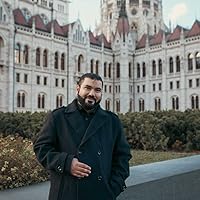
Altuğ Taner Akçam is a Turkish historian and sociologist, recognized as a "leading international authority on the Armenian genocide". He is one of the first Turkish academics to acknowledge and openly discuss the Armenian Genocide.
First of all, I would like to whisper this to those potential members who are Armenian or come from Armenian background: I am a Turk and I can tell you safely that the number of us who know about this barbaric act in our national history and feel utterly ashamed about it is increasing. Please do not think that Taner Akcam is alone.
Understandably, this book is quite challenging for those of you who are not familiar with Turkish history -not surprising that some of the members' reviews mentioned the difficulty in reading the book. As one member said, the author focuses on 'little' events on great lengths. I think we need to understand that it was inevitable for Taner Akcam to focus on facts in great details rather than the tragic story of the Armenian Genocide itself. The main reason is that the book aims to be an academic work directed against the denial of the genocide by the Turkish State and its quasi-historians. Secondly, since the establishment of so-called "Modern Turkey", the ruling power has always been careful enough to destroy evidence of their atrocities inflicted upon the Armenian, the Kurd, and the Greek. So, something which may seem to be insignificant for us like a telegram is crucial for the historian.
I think the book is immensely worth to read for those of us in particular, who are not willing to let this "shameful act" to be forgotten.
I did not know that a book like this on the Armenian Genocide written by a Turk existed so when I found it I knew I had to read it. I was completely blown away. I understand the complaint that I've read in other reviews that the author's almost obsessive need to document every detail about the lead up to and cover up of the Genocide was off putting. For me as a Master's in History student with a thesis topic of the Genocide this book proved immensely valuable. I am deeply indebted to the author's courage in writing such a thorough accusation of the CUP (Young Turks) and their role in the Armenian Genocide.
That it was necessary for anyone to prove that the Armenian massacre(s) happened is clearly bizarre - but then Hitler said with the confidence of the moral free monster he was 'who remembers the Armenians?' well actually there always were plenty who did, and the evidence was there - there were war crime trials in Istanbul of government ministers responsible (disgracefully long forgotten trails) - the men responsible were hunted down and assassinated by Armenians after WWI (see Eric Bogosian's Operation Nemesis), there were masses of newspaper and diplomatic reports from Americans (who were there throughout the war since America never went to war against the Ottoman Empire) and from Germans - military, diplomatic and engineers working on the Berlin to Baghdad railway (the Germans were shocked and appalled and did all they could to stop alleviate or help the Armenian survivors. And of course it was well enough known that even a really ill educated person like Hitler could make stupid remarks like the one quoted above.
Yet by the late 20th century most Turks did not know of it and the Turkish government loudly denounced the massacre's as a fiction. That is why this book, by a Turkish author, doing archival research was and is so important because he blew away the lies and frauds that had allowed Turkey for so long to pretend ignorance of what happened. Google the attacks that the author earned for stating truth. It was a brave thing to do.
This is an important book and one that needs to be read.
The Armenian Genocide: an attempted annihilation of a people, a culture, and a religion, the impetus for the term “crimes against humanity.” Today, it remains little known in the Western world and is still widely denied by its perpetrators.
Despite extensive efforts by the Ottomans to destroy evidence, I commend the author for his meticulous research. One can only imagine the disdain and vitriol he has likely received from some of his countrymen. I urge them to read this book and free themselves from government propaganda.
Չնայած հենց առաջաբանում հեղինակն ասում է՝ «Սույն աշխատանքը չի հավակնում ներկայանալ որպես համապարփակ, Ցեղասպանության բոլոր շերտերը ներառող ուսումնասիրություն», այնուամենայնիվ, իմ տպավորությամբ, այս աշխատությունը հավակնում է ներկայանալ որպես Հայոց ցեղասպանության ժխտման քաղաքականության դեմ պայքարելու համապարփակ ուսումնասիրություն։
Թաներ Աքչամը հսկայական և մանրակրկիտ աշխատանք է կատարել, աշխատությունն ունի ավելի քան 1800 ծանոթագրություն (գրքի միայն 84! էջ զբաղեցնում են ծանոթագրությունները)։ Հեղինակը հղումներ է անում օսմանյան, բրիտանական, ֆրանսիական և իտալական բազմաթիվ գաղտնի փաստաթղթերի, ինչն է՛լ ավելի է ընդգծում գործի հավաստիությունը և լրջություն հաղորդում։
Պիտի խոստովանեմ, որ կարդալը բավականին բարդ էր՝ սուբյեկտիվ և օբյեկտիվ մի շարք պատճառներով։ Առաջինը՝ գրքում կան ահռելի քանակությամբ պատմական կերպարների միմյանց շատ նման անուններ, որոնց հիշելը ոչ միայն դժվար է, այլև անհնար՝ հաշվի առնելով, որ օսմանյան կոչումները (բեյ, փաշա և այլն) կցվում են գրեթե բոլոր անվանումներին։ Իսկ սուբյեկտիվ պատճառը պատմագիտական գրականության ժանրի յուրահատկությունն է, պետք է կարողանալ և սիրել կարդալ այս ժանրի ստեղծագործությունները. ինձ մոտ մի փոքր դժվար է ստացվում։
Անկախ վերը նշվածից, այս գործը, իմ կարծիքով, պարտադիր ընթերցանության ցանկում պետք է լինի առնվազն հանրակրթական համակարգում, որի թուլությանը վերստին կհամոզվեք գործը կարդալուց հետո։
Много сериозна книга от много отговорен и съвестен историк. Всъщност я прочетох понеже попаднах на "Младотурците пред съда на историята" на Джон Киракосян в една антикварница. От там се сетих за тази, която стои в "to read" от години.
Смея да кажа, че съм сравнително запозната с историята на КЕП (Комитет за Единство и Прогрес) още от самото му създаване до края. Чела съм и за арменския геноцид и то не от кой да е, а от спомените на Грегори Балакиан, книга, която препоръчвам на всеки с поне малко интерес по темата. В този смисъл е интересно да се сравнят спомени на жертва на геноцида с академична литература, писана от турчин. Припокриват се.
Танер Акчам конструира книгата си брилиантно, засягайки не само развитието на идеята за генерално решение на "арменския въпрос", а и психологическите фактори, които влияят на членовете на КЕП и на турското общество. Друга интересна част от книгата е въвеждането на термина "престъпление против човечеството" от Антантата и пълната неспособност на Великобритания и Франция да осъществят трибунал, който да осъди виновните по какъвто и да е международен закон. Не го прави и Ататюрк, а напротив, в турската република, те заемат доста високи позиции като министри, та дори и президент. Нещо, което Акчам изследва в детайли.
Липсваше ми само една глава за съвременното обществено мнение по въпроса в Турция, учебниците по история и пр., но предполагам, че няма какво ново да се каже. Отричане докрай, а историци като него вън от страната.
П.П Талат е забравеният (даже по - скоро непознатият) Хитлер преди Хитлер и колкото повече хора научат това име, толкова по - добре за историческата съвест.
Many books and much of the writing concerning the Armenian question claim that the Armenians under Ottoman rule lived in a state of peace and tranquility until the nineteenth century.
Այս գիրքն արդեն պարտադիր ընթերցանություն է պատմության ֆակուլտետի ուսանողների և ապագա ցեղասպանագետների համար։
Առաջին անգամ Աքչամին հանդիպել եմ 2007 թվականին, Լոս-Անջելերսում։ Գլենդելի հանրային գրադարանում նա հատուկ դասախոսություն էր կարդում, որը նվիրված էր հենց այս գրքի լույսընծայմանը։
Սկզբում իհարկե տարակուսանքով մոտեցա Աքչամին։ Ինձ թվում էր ուղղակի հերթական գիտնականն է, որ օգտվում է ամերիկահայկական ֆոնդերից։ Շնորհանդեսից հետո կարդացի գիրքը։ Ինձ առաջինն ապշեցրեց այն գիտական, ապացուցողական մոտեցումը, որով Աքչամը շարադրել է գիրքը։
Մեզ՝ հայերիս համար, կասկածից վեր է, որ 1915-ին եղել է ցեղասպանություն, և մեր գիտական նախահիմքում այդ աներկբա ճշմարտությունն է։ Մինչդեռ համաշխարհային հանրության համար այն այդքան էլ այդպես չէ։ ԵՎ ամեն անգամ դա պնդելուց, պետք է ներկայացնել փաստեր, ապացույցներ, վկայություններ։ Ներկայացնել առանց հոգնելու, առանց կրկնվելու վախի, հակափաստարկ ներկայացնելով ամեն անգամ։
Եվ այդ իմաստով Աքչամը ահռելի մեծ բացատրական աշխատանք է կատարել։ Այս գրքից հետո նա գրել է բազմաթիվները, բայց հենց «Խայտառակ արարքն» է համարվում նրա ամենագլխավոր գիրքը Ցեղասպանության մասին։
I have only partially read this book. I use it as a reference. The writing has the syntax of a non-English speaker. The topic is one that I take in small doses only. The highly-esteemed author is a hero to descendants of the Armenian genocide survivors. A Turkish scholar and academician, Akçam has researched the evidence and presents sound documentation of the premeditated, government-sponsored plan to carry out a mass genocide against the Armenians living in the Ottoman Empire during World War One. He was a visiting professor at the University of Minnesota and is a friend of the Armenian Cultural Organization of Minnesota.
3.5 stars. I'll be honest--I skimmed this one. It's dense reading, and I was sort of done with the whole topic. But, from what I read, I'm VERY impressed. Very clearly written, very well supported. And the fact that he's a Turk: the first one to speak out about what happened to the Armenians (obviously he's no longer living there). It's a brilliant rebuttal to all the Turkish propaganda about the Armenians starting it all.
San important work, especially in the case of the Armenian genocide, which lacks a lot of documents and information.
The downside of this is that this book can get a little boring or stuck because of this archival work, the endless quotes from speeches, and the language which doesn’t flow that well. I've found myself out of focus a lot in this book. But it’s ok since this book is serving a purpose.
This is not a book explaining the events and scenarios in the classic meaning of it, but a book that comes to anchor the genocide in documents and facts while dealing mostly with the Turkish administration.
A painful book to read. I found myself saddened by every page. But essential reading to understand how such a series of disgusting acts took the lives of so many innocent people.
This was more thorough than I needed for a layperson trying to understand the timeline and actors before reading survivor testimonials.
In all cases, genocide never starts with gas chambers and mass graves. It starts with political policies of terrorism by the ruling class. It starts with the State not prosecuting and convicting the In Group for crimes against the Other. It continues with performative nationalism, compulsory belief systems, and increasing violence.
But how does it end? Especially if the oppression force denies any wrong doing, even 100 years later.
هذا الكتاب هو دراسة الظروف التي أدت إلى تهجير الأرمن من أراضيهم في ظروف شديدة القسوة تسببت في وفاة الكثيرين منهم، ونتيجة لهذا التهجير، اعتبر الأرمن أن ما قام به الأتراك هو ابادة جماعية وساهم في رواج هذه الرواية حلفائهم الروس والانجليز والفرنسيين، وترفض الدولة التركية الحديثة هذا التصنيف وتجرم القائل به، لذلك تعرض الكاتب للملاحقة القضائية. . ينقسم الكتاب إلى ثلاثة اقسام وفي كل قسم يحتوي على عدة فصول وهي كالتالي:- . ١. المسألة الأرمنية وقرار الإبادة: وفيها تكلم عن علاقة الدولة العثمانية بغير المسلمين والظروف التي ساهمت في صعود جمعية الاتحاد والترقي القومية للحكم بعد الانقلاب على السلطان عبد الحميد الثاني رحمه الله. . ٢. قرار الابادة وتطورات اللاحقة: وفيها تكلم عن الأسباب التي دفعت الاتحاديين إلى اتخاذ قرار التهجير القسري وتبعاته. . ٣. التحقيقات والملاحقة القضائية لمرتكبين الإبادة ما بعد الحرب: وفيها يشرح الكاتب فتح التحقيق في اسطنبول لتقصي الحقائق وكيف تم التعامل مع الحدث من قبل الدولة التركية بعد إلغاء الخلافة. . كم يحزنني حين أرى بروفيسور متمكن من مادته ويستخرج الوثائق والمعلومات بكفاءة شديدة أن يتبنى النتائج التي روجها العدو رغم أنه من أسرة هاربة من مجازر ارتكبت في حقهم من قبل روسيا وحلفائها في جورجيا وعانوا من التهجير ويعترف الكاتب بأمرين في غاية الأهمية: . ١. تعاون الأرمن مع الروس في الحرب الروسية العثمانية عام ١٨٧٧-١٨٧٨ ارتكابهم مجازر في حق المسلمين. . ٢. أن القرار الاتحاديين هو التهجير وليس الإبادة وكل ما يقال أنه إبادة مبني على تأويلات قد تتفق معها أو تختلف وليست حقيقة مطلقة، فقد عرض الكاتب في فصل كامل مجموعة من الوثائق تأمر بالتهجير وفي كل وثيقة يسرد بعض الأحداث التي تدل من وجهة نظره أن القرار في حقيقته قرار إبادة . كذلك حكم الكاتب على الدولة العثمانية في علاقتها مع غير المسلمين تدل على أن الكاتب تشرب الفكر الغربي بالكامل وصار يقيس العسف والجرم بمقاييس الدولة الحديثة دون مراعاة لظروف زمن الامبراطوريات وشكل الحكم فيها وهذا فايروس يصيب معظم الاكادميين حتى المتمكنين مثل كاتب هذا الكتاب. . ليس غريبا أن يستقبل بالحفاوة من المجتمع الغربي، فالاعتراف بالابادة الارمنية عند الاتراك تجعل التركي مقدرا في الوسط الغربي مثل المثقف العربي المطبع مع الصها. ينة
Un acte honteux. Sous ce titre l historien turc Taner Akçam a réalisé un travail lucide et courageux. Si il défend le caractère génocidaire des massacres, et leur préparation au sommet de l'état ottaman par une partie de l appareil gouvernemental, il repose aussi bien les responsabilités dans le cadre historique complexe de l'époque, et en particulier des cycles de massacres et vengeances entre communautés turques, grecques, kurdes et arméniennes à partir de 1878, des doubles jeux des puissances européennes continuant leur stratégie de dépecage de l homme malade de l Europe, et du réveil du nationalisme turc. A l heure où les hommes politiques veulent se donner le droit d'écrire eux mêmes l histoire, le travail solide et sérieux de l auteur sera d'un apport autrement important à la reconnaissance du génocide arménien.
I appreciate the amount of research conducted by the author. This book really brought insights to me to better understand the subject in wider scope. It gives a good count of many events that took place during the period. I cannot fact-check it all, so I chose to believe the documents referred in this book are genuine.
One problem I had is that the book gives the feeling that the research was conducted to prove a point rather than entirely revealing all aspects of the tragedy. I do not think it is one-sided, but I sensed bias in the direction that the research was conducted. Ilber Ortayli had told "can a historian be a surgeon? No. In the same way an economist cannot be an authentic historian." for Taner Akcam's work. I believe the research could be diversified to enrich the book further.
This book is very important for acknowledging and addressing the Armenian genocide of 1915. Akcam is very thorough in his research and presents readers with a clear understanding of the social and political climate leading up to 1915, as well as the years following and why nothing ever came of efforts to prosecute those responsible. Unfortunately, this issue remains a toxic subject in Turkey and Akcam's book, while very important, is unlikely to help stimulate any real discussion of the events.
"The Turkish killing of the Armenians is not simply persecution of the Christians. On the contrary, it is part of the life-and-death struggle of an old and great empire not willing to die without exerting one last, bloody effort to save itself." In such an environment, it was easy to spread the idea that the Armenians were simply an internal extension of external enemies. More and more, the Armenian question came to be seen as a question of the empire's very survival. Solidarity among the empire's Muslims, no matter what, was the psychological product of decline and disintegration coupled with the belief of being surrounded by hostile forces desiring the state's elimination.
If it is not possible to draw a clear line of division between humanitarian goals, on the one hand, and a state's economic and political interests, on the other, then how are we to come to a consensus about ethical norms? And on what legal and theoretical grounds shall we justify international interventions? These questions remain unanswered.
Akçam's book about the Armenian Genocide was a very informative, and at times, an infuriating read. I hadn't known that much about it before reading, other than that it took place during WWI and was the inspiration for Hitler to start the Holocaust. The parallels between this genocide and the Holocaust were very unnerving and eerie to read about, knowing what this event inspired. The way that the CUP government legalized the slaughtering of an entire people was reminiscent of the Nazis. But the Holocaust shouldn't be thought of as an overshadowing of the Armenian Genocide because the one thing that this book presses home about is the fact that the Armenian Genocide was forgotten; forgotten by the Turks, by the West, and really by the whole world so it was doomed to repeat itself.
I was infuriated by the lack of response and lack of urgency of the Allied powers throughout this book as they always had an ulterior motive behind their supposed "humanitarian" motives. They wanted to first figure out, when they split up the Ottoman Empire after WWI, who's getting what part so they had to solve that first before they could even get to the punishing of war crimes (which they never got to). This doesn't even factor the whole issue of how do you punish war crimes while also respecting a nation's sovereignty which was another obstacle in the path of bringing to justice the perpetrators.
But the thing that pissed me off the most, was the denial of the genocide by various nationalist Turks at the time. Their constant arguing that the Armenians brought it on themselves by being prosperous and constantly talking to the West was insane to me because why would they be trying to get the help of the West if they didn't feel like the Ottoman Empire/Turkey was willing to work with them? With the rise of the nationalistic rhetoric especially, the Armenians felt increasingly more vulnerable to an attack by the Turks which is what happened so why would they work with them? But then the Turks had the audacity to say that it was deserved because the Armenians returned the attack after being slaughtered?! They initiated the massacres first and on a much larger scale than the Armenians did to the Turks, but I really appreciated that Akçam mentioned this, as the conflict was much more grey than I first thought (though decidedly more black on the Turkish side).
Overall, this book was a very informative and well-argued read that is very important to know the history of. This is literally the most prime example of the saying that if we don't study history, we are doomed to repeat it, and sadly events just like the Armenian Genocide have happened multiple times in the decades since. But if more people are aware of it and read books like Akçam's, maybe things might be different.
In 2016, on our last day in Istanbul, my wife and I visited the Military Museum. I loved it and took about a hundred pictures, but there was one galley we didn't enter. That was the one that was dedicated to denying the Armenian Genocide.
In this astounding and terrifying book, Taner Akçam traces the campaign against the Armenians and other Christian minorities in the Ottoman Empire from the late 19th century dreams of expanding the Sultan's rule to ethnically Turkish states in Central Asia, through the rise of the nationalist movement, WWI, and finally to the aborted attempts to try those responsible for the atrocity and the eventual cover-up and denials.
Akçam details, using copious first-hand sources and documentation, every step of the process and shows that the CUP knew from the start that their goal was genocide. Naming names, he shows how officials marked people for removal, often pre-selecting Muslim families to take over properties or seizing it for themselves. How Areminans from one province were forced across a border into another province, where they were killed, allowing the officials in the first province to say they just moved the victims. It's disgusting.
Much of the information comes from the Extraordinary Court Martials held after the Turkish defeat in WWI. Reading how the disgraced and disbanded CUP reformed as the Nationalist Party, and then simply took in men who had been fingered as active participants in the genocide made my blood boil.
One thing I came away with was a greatly diminished view of Mustafa Kemal Atatürk, Turkey's greatest national hero and first president of the Republic. Lionized as a great leader and modernizer, he turned a blind eye to the genocide and actively worked to bury it.
This is a book anyone interested in history should read. And the Turkish government needs to admit that under their orders, even if it was still the Ottoman Empire, about one million Armenians and Greeks were systematically stripped of their rights and property, driven out of their homes, and murdered.
I usually read 2-3 WWI books a year as it is my thing. One subject I have found difficult to find a good book on was the Armenian genocide committed by the Turks. This book was an excellent resource. The book can be broken into three parts. The decline of the Ottoman Empire, Genocide and RIse of Turkish nationalism. As the Ottoman empire declined Turkey was struggling and the hints of what would come were laid. Armenians were Christian which as history has shown religious conflict is fertile ground for human atrocities. Then as the Ottoman empire entered WWI it provided the basis for genocide as other countries were caught up in war and not Ottoman internal affairs. It is estimated 800,000 Armenians were slaughtered from 1915-1917 (500,000 Greeks met the same fate) . Following the end of WWI - there wee calls by foreign powers for trials and accountability for what happened to the Armenians. But this was just one issue in many foreign powers were dealing with and the Turkish nationalists (led by Mustafa Kemel) were pleased to side step. Though there were some who were tried and executed, not surprising many survived and joined the new government. Timely read as President Biden has acknowledged the Armenian genocide this week.
If you've read "Conspiracy to Murder: The Rwandan Genocide", you might appreciate this. Both books are heavy going, but A Shameful Act is a little lighter on the acronyms.
Since this book has been written, the United States has finally recognized the Armenian Genocide as a real event in history (for what it's worth - I'm still not sure). It's estimated at least 1 million Christian Armenians and several hundred thousand Greeks and likely more were murdered at the hands of Muslim Turks roughly 100 years ago.
This genocide has not been covered as extensively as the likes of the Jewish Holocaust, or even the Genocides of the 1990s in Rwanda and Serbia.
For a long time this was the genocide that history forgot, but it needs to be remembered. It is not convenient. It is not nice and yes, it is a Shameful Act from history, but not to be forgotten, as the Turks of old would have preferred. The Germans had to face up to their history, as did the Hutu.
Genocides continue to this day. But now we have at least laws and guidelines for punishing crimes against humanity. We didn't have that kind of thing when Armenians were being wiped out. Maybe that is what their horror story gave us - a reason to bring such laws into being.
Not having read any history about the Armenian genocide before (and only knowing what I was taught at school) I was looking for a book that would provide me with a general outlook on the events, people and ideologies at play. However I found this fairly poorly written, confusing, much too opiniated for a piece of historical work, and was unable to finish it.
A 'must read' for history buffs. A lot of unfamiliar territory covered.
I would recommend a notebook as there are a lot of names and a lot of very similar names to keep track of, but it is one of those purposefully forgotten stories from history that the public should be more aware of .
Ik vond het een prachtig boek. Geschiedenis interesseert mij. Ik vind het interessant om Armeense geschiedenis te bestuderen. Het is ook wel zielig. Heel groot boek.