Jump to ratings and reviews
Rate this book

The Son

Rate this book
Si ahora, ya al final de la relación, dudaba si había amado, si la vida se le pasaba en buscar y agradar al hombre de turno, si la vida se le pasaba en la necesidad de que alguien la necesitara, entonces ¿el amor no era más que una desesperación disfrazada de amor? Entonces, ¿el amor de su hijo era el único libre de engaño?

En esta novela no hay una palabra de más. La trama se mueve entre zonas de luz y sombra, y Berriault es una maestra en esa gama de grises que nunca son explícitos: primero anuncian y luego desenmascaran los mecanismos que desencadenan un final que, aunque previsible, no deja de ser estremecedor.

Una mirada radicalmente honesta al corazón de una mujer incapaz de
autodeterminarse y una novela difícil de olvidar.

164 pages, Paperback

First published January 1, 1966

Loading...
Loading...

About the author

Gina Berriault

30 books46 followers
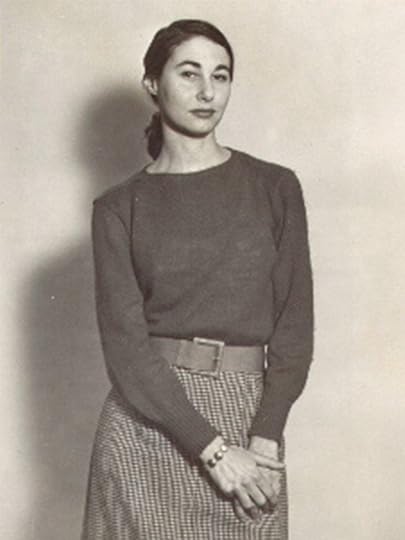
Berriault was born in Long Beach, California, to Russian-Jewish immigrant parents. Her father was a freelance writer and Berriault took her inspiration from him, using his stand-up typewriter to write her first stories while still in grammar school.

Berriault had a prolific writing career, which included stories, novels and screenplays. Her writing tended to focus on life in and around San Francisco. She published four novels and three collections of short stories, including Women in Their Beds: New & Selected Stories (1996), which won the PEN/Faulkner Award, the National Book Critics Circle Award and the Bay Area Book Reviewers Award. In 1997 Berriault was chosen as winner of the Rea Award for the Short Story, for outstanding achievement in that genre.

Berriault taught writing at the Iowa Writers Workshop and San Francisco State University. She also received a grant from the National Endowment for the Arts, a Guggenheim Fellowship, an Ingram-Merrill Fellowship, a Commonwealth Gold Medal for Literature, the Pushcart Prize and several O'Henry prizes.

She adapted her short story "The Stone Boy" for a film of the same title, released in 1984.[2] The same story had previously been adapted by another writer for a 1960 television presentation.[

Ratings & Reviews

What do you think?
Rate this book

Friends & Following

Create a free account to discover what your friends think of this book!

Community Reviews

5 stars
25 (26%)
4 stars
32 (33%)
3 stars
27 (28%)
2 stars
8 (8%)
1 star
4 (4%)
Displaying 1 - 23 of 23 reviews
Profile Image for Orsodimondo.
2,494 reviews2,472 followers
September 3, 2024
SOFFIO AL CUORE


Copertina

La notte del giorno in cui si laureò all’istituto femminile insieme a ventitré altre ragazze – tutte con gli stessi abiti di un bianco virginale fluttuanti sotto gli alberi, con in mano i diplomi avvolti con un nastro – domandò ai suoi genitori il consenso per sposare il fratello dell’amante del padre.
Inizia così.


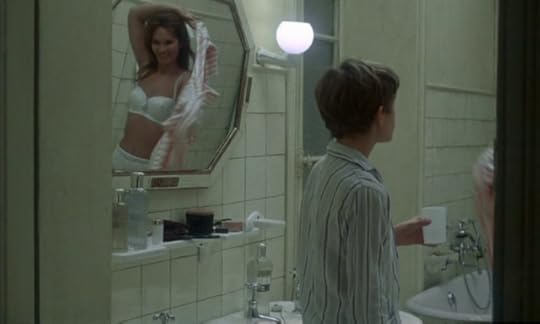
”Le souffle au coeur” il capolavoro di Louis Malle (1971) interpretato dalla splendida Lea Massari.

Può capitare di dire che in un racconto o anche in un romanzo non c’è una parola di troppo.
Ecco, credo che a me non sia mai capitato prima di poterlo dire con maggiore consapevolezza. In Il figlio non solo non c’è una parola di troppo: ma ognuna è un cesello, ogni frase una gemma, ogni momento un pietra preziosa che Berriault ha tagliato, sagomato, limato, levigato, curato. Puro cristallo.
No, puro diamante.


Chissà mai perché questa “scrittrice per scrittori”, perlopiù ignorata dal pubblico dei lettori (grazie Mattioli, grazie davvero: dopo Dubus padre, un’altra fantastica scoperta), è considerata soprattutto scrittrice di racconti: ho letto due sue raccolte, però mi sono innamorato di questa novella, di questo breve romanzo.
Follemente innamorato.


Talmente preso e rapito che fino a un certo punto ho percepito Vivian come rediviva Emma Bovary. Si da il caso che io sia cotto di Mme Bovary, di lei e della sua storia. Non potevo non innamorarmi di Vivian.
Altra donna - giovane donna – persa e smarrita dietro i suoi desideri, nei quali s’immerge, e pressoché s'annega.
Per Vivian come per Emma il desiderio numero uno è l’uomo: nell’uomo è inizio e fine, una vita spesa nel ‘bisogno’ che lui avesse ‘bisogno’ di lei, il piacere di piacere agli uomini:
In mezzo a loro sentì tutta la ricchezza della propria femminilità – nei gesti, nella facilità con cui scoppiava a ridere, nel modo in cui i suoi occhi e il suo corpo rispondevano a ciò che loro dicevano per interessarla o divertirla.


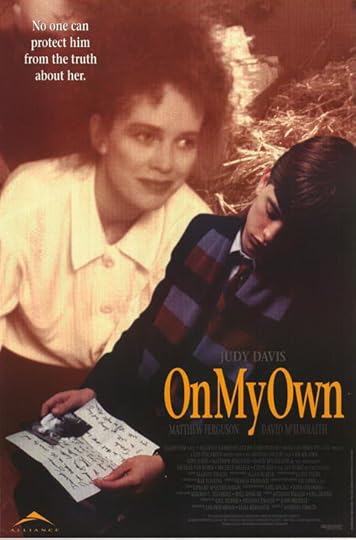
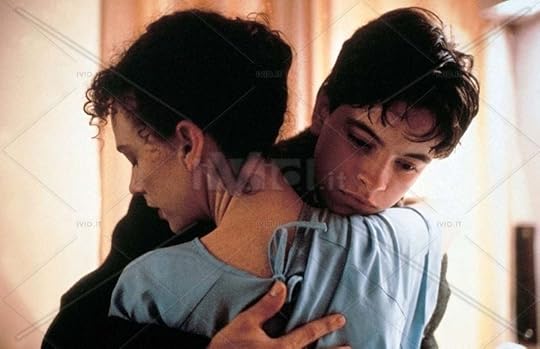
”On My Own – Il colore dei suoi occhi” di Antonio Tibaldi (1991).

Poi, man mano, il senso del titolo si chiarisce. E suo figlio, quel David che Vivian ha avuto quando era giovanissima, nel suo primo breve matrimonio, quel bimbo che abbiamo visto crescere durante la seconda guerra mondiale e gli anni Quaranta, poi attraverso il decennio seguente, fin quasi alla sua maggiore età, si chiarisce che è la figura maschile che assorbe e riflette tutti gli uomini della vita di sua madre. Se da piccolo Viv a volte lo ha percepito come un fardello, un intralcio tra lei e gli altri uomini, quando lui diventa adolescente assume e interpreta il ruolo dell’isola della salvezza per il naufrago.

Profile Image for piperitapitta.
1,062 reviews475 followers
October 31, 2020
«Voglio che tu muoia»


Sì, ho sperato anche io alle ultime pagine, alle ultime righe, che Vivian, questa donna bella e seducente, ma anaffettiva, egotica e interamente ripiegata su se stessa, esclusivamente in cerca del riflesso di sé nello sguardo e nel desiderio degli altri - persino in quello di suo figlio, il frutto del matrimonio sbagliato contratto da giovane (contratto, proprio come si contrae una malattia), che manipola e strumentalizza, come fosse solo l’ultimo (o il primo) dei suoi amanti - finalmente prendesse in mano la sua vita e si levasse di torno.
Distruttiva, così piena di possesso nei confronti del suo (possessivo) David, da incarnare la negazione della maternità.
Disturbante, è vero, ma il senso di antipatia profonda nei confronti di questa donna, matura nell’arco delle poco meno di centocinquanta pagine in maniera impressionante, e nemmeno la scrittura elegante di Gina Berriault, che leviga forme e luce con un taglio obliquo che la illumina come una lama, riesce a far provare un briciolo di tenerezza nei suoi confronti.


Profile Image for Laubythesea.
608 reviews2,215 followers
November 15, 2022
Hoy en: Novelas que te absorben, perturban y no se te salen de la cabeza: ‘El hijo’ de Gina Berriault. @muñecainfinita juega muy bien sus cartas y presenta una edición sin sinopsis. Si, en la contracubierta hay un fragmento de la novela y unas frases dedicadas principalmente al estilo de la autora, que brilla en cada frase, pero nada sobre la trama. Así, puedes meterte a ella completamente en blanco. Un libro crudísimo, brutalmente sincero y, sobre todo, muy original. No puedo podría decir ningún libro “parecido”.
 
En las primeras páginas, Vivian, perteneciente a una familia acomodada, se casa muy joven y muy enamorada. Al poco tiempo, se queda embarazada. Antes de dar a luz, su marido la abandona y ella regresa a casa de sus padres. Todo esto en EEUU en las primeras décadas del siglo XX. A partir de ahí, seguiremos a la vida de Vivian. Y su hijo. Porque mientras el resto cambia, ellos dos serán la constante.
 
Por supuesto trata la relación entre madre e hijo, pero va mucho más allá. Un libro sobre aprendizaje, fracasos, obligaciones y sacrificios, errores, amor. Sobre la soledad, la impuesta y la deseada. Verdaderamente es también una novela sobre las consecuencias de ese abandono, como marcan la vida y, sobre todo, la personalidad, de la protagonista. Alguien a quien habían educado para ser esposa, madre, sonriente, elegante… ¿qué pasa cuando esa identidad otorgada se resquebraja? Evidentemente, Vivian queda descolocada y aunque seguirá hacia delante, vivirá en constante conflicto sobre su papel en el mundo, en sus relaciones y en su casa.
 
En ese ‘men’s world’, Vivian comprende cuales son los roles de la mujer y se amolda a ellos, pero también, todo lo contrario. La vemos una y otra vez poner el foco de su vida en hombres (tanto parejas y amantes como su hijo), antes que en sí misma, como si solo existiera ante la mirada masculina. Al mismo tiempo, nunca parece haber un equilibrio (como no lo hay en el interior de Vivian) en esas relaciones, solo extremos: pasión o indiferencia, obsesión o silencio,… así se crean ambientes angustiantes, llenas de tensión y con luchas por el dominio que Vivian no está dispuesta a perder. También eso tendrá sus consecuencias.
 
Insatisfacción e inseguridad, inquietudes y aspiraciones, querer llegar a todo y ser el centro de la vida de los suyos, hacen de Vivian un personaje lleno de sombras, con escenas absolutamente perturbadoras, trabajado en extremo por la autora y absolutamente coherente dentro de su arco. De hecho, leyendo entre líneas, te das cuenta como una y otra vez, se iba creando el camino que lleva a la conclusión. Un personaje al que es imposible odiar, porque la entiendes. Además, el uso de un narrador semi-omnisciente es una elección genial, puesto que describe los sucesos de forma objetiva, sin guiar tu opinión, ni someter a juicio lo que sucede.
 
Mientras las décadas pasan en la vida de Vivian, veremos también un retrato del momento. Veremos lo mejor y lo peor en los matrimonios, la hipocresía de la sociedad,  la segunda guerra mundial empezar y acabar…
 
La prosa de Gina Berriault me ha fascinado. También os digo que no me ha resultado sencilla, pero toda la atención que requiere, merece la pena porque no hay una frase que no tenga su sentido en el conjunto de la novela.
 
Un libro que dejo subrayado de arriba abajo y al que se que volveré. Me quedo con mucho en el tintero y con la rabia de no haberla puesto para mi club de lectura porque es el tipo de novela al que le sacamos mucho partido.
Profile Image for Gianni.
408 reviews52 followers
July 14, 2020
”Se adesso, alla fine di una relazione, dubitava di averlo amato [il figlio], se la sua vita era stata spesa nel tentativo di compiacere qualche uomo, se la sua vita era stata spesa nel bisogno che lui avesse bisogno di lei, forse allora l’amore non era altro che disperazione fatta passare per amore? E l’unico che non era un’illusione era il suo amore per il figlio?”
Vivian Carpentier è la giovane donna madre di David con il quale instaura una relazione affettiva ambigua; probabilmente arriva a conoscersi e a sentirsi viva solo attraverso relazioni amorose complicate dai risvolti drammatici, che spesso si fa piacere e in cui si annulla completamente, ”Ogni volta che un uomo scompariva dalla sua vita, era come se il tempo con lui l’avesse privata della possibilità di trovare altro tempo per altre persone. Una sua possibile vita era andata perduta.”
La figura di Vivian, borghese agiata e di buona cultura, sembra mostrare connotati patologici, la modalità di relazione con gli altri si basa perlopiù sulla seduzione e il sesso diventa ossessivamente necessario e, in questo, il libro ha delle assonanze con Julie , di Don Robertson. Il rapporto tra Vivian e il figlio David non sembra sfuggire a tale dinamica, spesso tesa tra indifferenza e dominio, capace di sfociare in morbosità sino alla disintegrazione.
Ne viene fuori un quadro francamente disturbante che non lascia indifferenti.
236 reviews13 followers
June 16, 2025
well, an incomplete, complex mother, who seeks an intimacy that she never fully achieves with several men, but deep down, they are reflections of her desires for her son... Jocasta Complex
her taste for the beauty of youth is notorious...I loved the complexity of the FC.
Author 5 books6 followers
July 13, 2024
A brutally honest look into the heart of a woman unsure of her value beyond intimacies with men, and in the end, its horrific effect on her son.
490 reviews3 followers
June 5, 2020
I am a huge fan of the works of Gina Berriault. Who can not be intrigued by these opening pages? "On the night of the day she was graduated from a girls' school with twenty-three other girls in the same kind of virginal white gown, all floating under the trees with their ribboned diplomas in their hands, she demanded that her parents consent to her marriage to the brother of father's mistress. Her father swayed by his daughter's threats to accompany the young man anyway and bear a child to make matters worse consented, and the wedding of Vivian Carpentier and Paul Cardoni took place in the Episcopal cathedral witnessed by many guests." Pregnancy happened in the first month of marriage and it lasted longer than the marriage.
I want to give her writing and her insight into her characters a 5, but Vivian's story is too sad. When Vivian's son David is born, she transfers all of her love and her dreams that she felt for her husband to her son. Her life as a single mother is not bad. She lives in her parents affluent house, and servants allow her to roam the nightclubs with her father's mistress. Eventually she becomes a lounge singer and the affluent clientele are enthralled with her. She finally divorces Paul and falls for her brother's colleague, Dr. George Gustafsen. George is drafted and dies in WWII. She takes several lovers and an eventual husband Russell Maddox, a real estate developer and future nightclub owner. As each male figure loves and leaves her, she realizes that the love her son has for her is unconditional and the one person who will never desert her or cause her emotional pain. Although men adore her, she is unfulfilled. Her Jocasta-like obsession with her son leads her to a catastrophic decision. Throughout the book Berriault makes the reader feel Vivian's emptiness, but she also creates a picture of how others see her. Vivian's story is told in the decades of the 30s, 40s, and 50s long before women were realizing their identities did not need to be tied to their husbands. It is one of those books that will not let you forget it. Even as I finish this review, I can feel her loneliness.
Profile Image for Bin Userkaf.
Author 1 book140 followers
August 16, 2020
I really cannot believe this book was published in 1998 and took place in the 1940s. It seemed old but I wasn't sure how old- the whole book had a vintage, hazy quality to it that really worked and I found myself flying through it. I was very intrigued just from the blurb - a woman who is never satisfied, and whose only constant in her life is her son. Vivian - the main character- reminded me a lot of Norma Bates, from Bates Motel, my favorite show, minus the abuse and trauma in childhood. They are both very charming women and always looking for the next man to keep them company - it's as if they can't truly live without a man at front and center in their lives and yet, it is these two women that men seem so likely to disappoint. And both women have a son that is the constant in their lives, that has seen them through their best and worst times.

Now on to talking about this book - I loved the theme that she could not be without a man and exploring the reason the character had for this. The book talked so much about womanhood and motherhood both things I know nothing about, but is always interesting to read - motherhood especially and the way that it relates to the other things in her life. One of the quotes to describe the main character is "wanting something more, as if something more had been promised her that was not yet given" and throughout the novel, we see her constantly wanting more and more despite the things she has at any given time; it's like her desires, whatever they may be, can never be satiated.

And it was doubly as interesting the way her son related to these things and how she saw him as the only one capable of making it out of this wasted life everyone around her appeared to be living which she wanted for him, while also not wanting him to leave her alone - dang I wish there were more books like this. A shame this book has so little reviews and just exposure, if it had just a tad more I would have read this much sooner. Books like these intrigue me mostly in the way that there are almost no other books like them and I think that's the real reason I liked it so much.
Profile Image for Virginia.
313 reviews64 followers
November 4, 2022
3,5

No me esperaba leerme esta novela tan rápido, pero esta historia te sacude por dentro y, aunque te va desvelando con distintas pistas cuál será el final, quieres saber cómo desembocará todo y cómo cambian los personajes por el camino.

'El hijo' empieza con la premisa de una mujer, a principios del siglo XX, que se casa muy joven y es abandonada por su marido al poco tiempo, dejándola sola con el bebé de ambos. Esto marca el tema principal de la novela, la soledad y el abandono, y la personalidad de la protagonista y su comportamiento.

Una mujer que se da cuenta de que vive por y para los hombres que la rodean desde su infancia y con los que se encuentra a medida que crece. Y que trata constantemente de buscarse a sí misma en el papel de esposa, madre, hija o hermana, pero no de manera individual como mujer con sueños, aspiraciones y miedos propios. Aunque me ha encantado que les dé lugar e importancia a lo largo de la narración, que su voz sea potente e importe.

Quizá el tema de la maternidad, a pesar del título, no sea el eje central de la novela, aunque sí juega un papel muy importante en la construcción de la identidad de la protagonista y los miedos y deseos que esto le despierta (no comento más sobre este punto para hacer ningún spoiler).

Esta novela me ha hecho reflexionar sobre el papel de la mujer y su identidad en una sociedad que no hace tanto tiempo que dejamos atrás. De cómo la educación recibida y lo que podían observar en su entorno más cercano llevaba a la mujer a vivir una vida subordinada a los hombres de su vida (padres, hermanos, esposos e hijos), ya sea cuidándolos, seduciéndolos, amándolos o haciéndoles sentir únicos y especiales. Es decir, ellas siempre en un segundo plano.

Y, entendiendo la novela desde este punto, es donde comprendes por qué la protagonista podía sentirse perdida y no encontrarse a sí misma. Cuando entiendes realmente por qué actúa cómo actúa a lo largo de la novela. Aunque se lea rápido, es una lectura compleja pero la recomiendo mucho.
Profile Image for Vincent Scarpa.
678 reviews187 followers
May 3, 2025
“Someday, some year, somebody was to be left out of her last dream, no matter how much she might love that person, even more than her life.”
Profile Image for Danielle | Dogmombookworm.
381 reviews
April 17, 2023
Vivian is an upper class woman, whose first marriage was so short-lived it was over before she gave birth to her son. She meets and has flings with many men, what feels at many times like she's filling an emptiness but also just luxuriating in the temporality of the physical, something for which men are never blamed for. This was based in the 40s so for that it seems remarkable to have this sort of portrayal of a woman as unmarried and scandalously so sexually wanton.

But she's also trying to claim what she instinctually knows they hold and she does not and the only way she can touch it is through wielding what she's been given. Meanwhile, the men she does carry on short relationships with themselves feel useless and without power.

"Was love nothing but desperation passing for love? Was the only love that was not a delusion her love for her son?"

Until there's a breaking point and she falls back on seeking validation and love in the only way she knows how, regardless of which man it is in front of her.

I personally didn't really enjoy this one. It's a very short 150 pages, where either nothing seemed to be really going on or everything all at once elapses within a few short pages. It could've also been my headspace while reading this one because typically this does seem to fit what I typically like. There were parts where the writing was very beautiful, but it also felt very detached and numb.

Profile Image for Margherita.
121 reviews10 followers
January 20, 2021
“Quel desiderio di qualcosa in più, come se le fosse stato promesso e non le fosse ancora stato dato”
La scrittrice sa tracciare in modo impeccabile la solitudine, la tristezza, la rabbia, l’ossessione di possesso del figlio e quel bisogno di piacere a tutti e nonostante ciò Vivian da subito mi è risultata sgradevole per quel suo continuo bisogno di qualcosa d’altro.
Profile Image for Frabe.
1,204 reviews57 followers
December 31, 2020
Vivian evita la solitudine accanto a vari uomini, in successione; ha un unico punto fermo nella vita, il figlio David, fino a che...
E qui semmai occorre leggere, ma con l'avvertenza - se utile - che il mio gradimento è stato ben sotto la media di GR.
Profile Image for Kallie.
647 reviews
September 30, 2022
This book is devastating. I consider Berriault one of the best writers of short fiction ever, but I doubt that I will every re-read this. Just too sad.
Profile Image for Miguel Blanco Herreros.
732 reviews59 followers
July 29, 2023
4,5*

Vivian apagó la lamparita con pantalla de papel de la mesilla que separaba las camas y se desvistió en la penumbra, bajo la tenue luz del patio. Se acostó dándole la espalda, con la mirada fija en la enredadera enmarañada de lo alto de la mosquitera, temerosa de cualquier movimiento, temerosa de que el rumor de su cuerpo al volverse bastara para despertarlo.


Una novela brillante, en la que no cabe esperar sorpresa alguna: todo lo que sucede es previsible casi desde el minuto uno. Básicamente, asistimos al descenso en picado y sin paracaídas de Vivian, con su hijo David y las demás personas que la rodean como invitadas a esa caída, ya sea como colaboradoras o como víctimas. O como ambas cosas.

La vida de Vivian no es algo nuevo, la hemos visto en mil ocasiones y desde mil perspectivas distintas. Lo que logra Gina Berriault es presentarnos una narración tan dolorosamente sincera, tan visceral; una mirada a la mente y el alma de una mujer doliente, incapaz de gestionar el peso de su propia vida, tan afilada y precisa como un cuchillo. Y todo ello, envuelto en una escritura hermosa y delicada, que acentúa por contraste el drama in crescendo al que asistimos.

Bellísima novela en su horridez; maravilla traducción de Blanca Gago, que te arrulla a lo largo de todo el libro; impecable edición de Muñeca Infinita. A veces los libros sólo tienen que ser eso: una buena historia bien contada, y ésta lo es.
Profile Image for Nuria Carreras.
494 reviews1 follower
May 6, 2023
Una novela corta, narrada de forma clara, honesta y desapasionada. Con las palabras y silencios necesarios, ni una más, ni uno menos.

Una historia aparentemente cotidiana, inocua, como la de miles de mujeres, abrumadas por el difícil equilibrio entre maternidad y la búsqueda de un sentido vital propio, ajeno a su versión materna.

Vivian Carpenter es una mujer aterrada por la sensación de sentirse sola y olvidada. En su búsqueda desesperada de amor, de admiración, de validación, plagada de desengaños y naufragios, sólo existe una constante, su hijo, David.

Pero esos dos papeles en la vida de Vivian, madre y mujer se enfrentan y se repelen entre sí, no hay posibilidad de coexistir y el campo de batalla es su hijo, ese amor inmutable y duradero frente al desfile de hombres y amantes que vienen y van.

A medida que avanzamos en la historia de Vivian y David, el relato se vuelve más turbio, crudo y asfixiante, hacia un desenlace que no por menos anticipado, deja de ser desgarrador.

Ha sido una lectura intensa y abrumadora.
Gracias a @babelioenespanol

Autora leída por primera vez para #retomujeresautoras

#theson #elhijo #ginaberriault #leoautoras
Profile Image for Jessica.
698 reviews138 followers
December 21, 2023
I was enjoying this book immensely, and then this morning was reading the last 30 or so pages with breakfast and at one plot point my eggs fell out of my mouth? I had to reread because... OH. From there, the book continues to be a page turner but in a most depressing way. There's so much to unpack within this book, though it's only 150 pages. And while usually my answer to that is that I'll be rereading it many times in the future... I'm not sure I can take this one on again, it was so depressing by the end.

At turns Vivian reminds me of Undine Spragg but less calculating, though that son from a previous marriage is there for them both to manipulate when needed. Berriault's writing doesn't mimic Wharton's, but there's a similar flourish as I was reading. It's also a very Hitchcockian book in a way? Again, much to unpack.

Okay, 4.5 stars. I'm not sure how I feel about it but I know I feel a great deal.
Profile Image for Bob.
489 reviews5 followers
August 23, 2023
Yeesh. The writing has a hypnotic Richard Yates esque bleak beauty to it, but the protagonist doesn’t manage to escape her own very dark black hole. And the, um, culmination here is just gross/not fun for me personally.
Profile Image for Blanca Madrigal.
30 reviews4 followers
June 28, 2023
The writing at times is confusing, but the story keeps pulling one in. Quick read.
Profile Image for Anto.
96 reviews
May 26, 2025
"No bastaba con haberlo parido, no bastaba con ser su madre, ese vínculo no era suficiente. Las madres siempre forman parte del pasado, nunca del futuro"

'El hijo', un título que sugiere pensar que la maternidad es el eje central, y si bien tiene un peso importante —especialmente en cómo Vivian modela sus temores, sus decisiones y su deseo de protección— no lo es todo. Es más bien un punto de partida para abordar temas más complejos que van surgiendo a lo largo la lectura.

'El hijo' fue un lectura que hice hace algún tiempo y apenas hoy me siento a escribir un poco sobre ella. Y es que fue un recorrido difícil, incluso perturbador a pesar de su brevedad e intuyo que el hecho de ser madre me llevó a recibir este libro de la manera en que lo hizo.

A medida que avanzaba presentía algo oscuro...presentía un desenlace al que me rehusaba llegar. Entonces comenzó a acompañarme esa sensación del querer y no querer seguir leyendo, pausar porque sentía que me faltaba el aire, cerrar el libro por un día o dos y luego preguntarme si bien merecía la pena seguir y sí...claro que sí! - La autora hizo un trabajo extraordinario y lo logra en pocas páginas con una potencia en la historia que difícilmente olvidarás.-

- Vivian yo quise acompañarte...quise creer que a medida que leía algo te traería paz, algo surgiría...pero que difícil fue estar -

"Lo esperaba aterrorizada, y las pocas veces que salió esperaba encontrarlo a la vuelta, en algún lugar de la casa. Al despertar por la mañana, a mediodía o de noche, de inmediato se ponía en guardia ante la posibilidad de su presencia en la cama, a su lado. Aunque deseaba irse muy lejos, no podía abandonar la casa porque él no tenía a ninguna otra persona a la que regresar, nadie más de quien hubiera obtenido sustento y amor."
Profile Image for ☮️⚧️ Pioggia d'estate Sole d'inverno '62 .
188 reviews14 followers
August 16, 2021
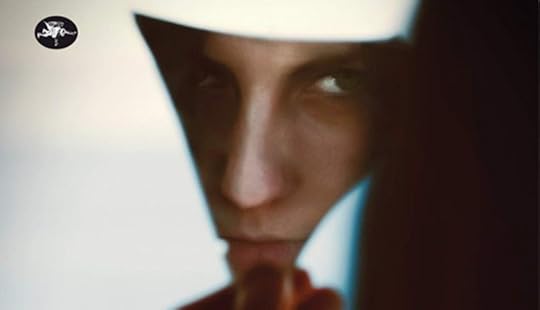
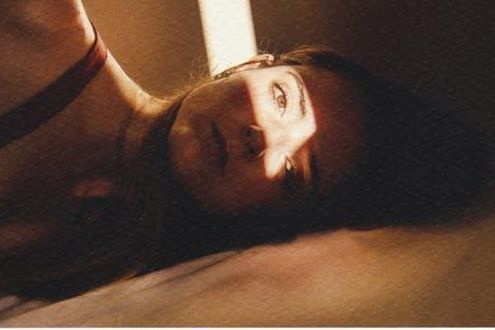
L’immagine di copertina spiega già che il romanzo si muove tra zone di luce e di ombra, tra le pieghe psicologiche. Mostra la superficie di eventi tutti simili. Ma è proprio questa ripetitività seriale a rivelare il mistero impenetrabile della personalità irrisolta di Vivian.
Tanto la trama è scarna, tanto la Berriault è maestra nel raccontarcela con l’intera gamma di grigi, di toni freddi che non sono mai veramente espliciti, ma prima annunciano e poi smascherano i meccanismi innescati verso il finale. Un finale che, sebbene prevedibile, non è meno disturbante. Ci turba una donna incapace di autodeterminazione e una vita priva di emozioni profonde; ci turba la sacralità violata e il sentirci, come lettori, lasciati soli sul confine, senza soluzione tra espiazione e catarsi.
Profile Image for Nancy I.
631 reviews
March 15, 2021
Vivian Carpentier has difficulty with life. No, she does not have a difficult life, but has a hard time understanding or realizing that there is more to life than bed-hopping. Her marriages fail, but the son from her first marriage is her one constant. She loves him dearly, but ignores him most of the time and so it's easy to expect that their relationship will falter.
If the book had continued beyond the ending, I think Berriault would have had Vivian either committed to an institution or that she would have had her commit suicide. But that's just my take on the whole thing. One minute I felt sorry for Vivian and the next I couldn't stand her and the way she treated her son.
Profile Image for Silvia.
256 reviews36 followers
March 21, 2023
Vivian è un personaggio caratterizzato in maniera sfaccettata e dettagliata. Ricca, egotica, disturbata, passiva, anaffettiva. Tutta la sua vita ruota attorno all'approvazione maschile, lei stessa esiste solo se e quando lo sguardo di un uomo si posa su di lei e la rende reale. E di uomini nella sua vita ce ne sono molti. L'unica costante è il figlio, in un rapporto all'insegna della gelosia e della morbosità.
Gina Berriault tratteggia un personaggio che in qualche modo affascina, nonostante sia così estremamente disturbante.
Displaying 1 - 23 of 23 reviews