

What do you think?

American Islamophobia: Understanding the Roots and Rise of Fear
On Forbes list of "10 Books To Help You Foster A More Diverse And Inclusive Workplace"How law, policy, and official state rhetoric have fueled the resurgence of Islamophobia—with a call to action on how to combat it.“I remember the four words that repeatedly scrolled across my mind after the first plane crashed into the World Trade Center in New York City. ‘Please don’t be Muslims, please don’t be Muslims.’ The four words I whispered to myself on 9/11 reverberated through the mind of every Muslim American that day and every day after.… Our fear, and the collective breath or brace for the hateful backlash that ensued, symbolize the existential tightrope that defines Muslim American identity today.” The term “Islamophobia” may be fairly new, but irrational fear and hatred of Islam and Muslims is anything but. Though many speak of Islamophobia’s roots in racism, have we considered how anti-Muslim rhetoric is rooted in our legal system? Using his unique lens as a critical race theorist and law professor, Khaled A. Beydoun captures the many ways in which law, policy, and official state rhetoric have fueled the frightening resurgence of Islamophobia in the United States. Beydoun charts its long and terrible history, from the plight of enslaved African Muslims in the antebellum South and the laws prohibiting Muslim immigrants from becoming citizens to the ways the war on terror assigns blame for any terrorist act to Islam and the myriad trials Muslim Americans face in the Trump era. He passionately argues that by failing to frame Islamophobia as a system of bigotry endorsed and emboldened by law and carried out by government actors, U.S. society ignores the injury it inflicts on both Muslims and non-Muslims. Through the stories of Muslim Americans who have experienced Islamophobia across various racial, ethnic, and socioeconomic lines, Beydoun shares how U.S. laws shatter lives, whether directly or inadvertently. And with an eye toward benefiting society as a whole, he recommends ways for Muslim Americans and their allies to build coalitions with other groups. Like no book before it, American Islamophobia offers a robust and genuine portrait of Muslim America then and now.
270 pages, Kindle Edition
First published April 3, 2018
About the author
Khaled A. Beydoun
6 books62 followersKhaled A. Beydoun is a leading voice on Arab, Middle Eastern and Muslim identity, and he is widely regarded as one of the leading experts on Islamophobia globally.
He is an Associate Professor of Law at the Arizona State University Sandra Day O’Connor College of Law; he also serves as an Extraordinary Professor at the University of Western Cape Desmond Tutu Center for Religion and Social Justice (Cape Town, South Africa).
He is the author of the acclaimed books American Islamophobia: Understanding the Roots and Rise of Fear and The New Crusades: Islamophobia and the Global War on Muslims, which are considered foundational works in the study of Islamophobia.
He is an Associate Professor of Law at the Arizona State University Sandra Day O’Connor College of Law; he also serves as an Extraordinary Professor at the University of Western Cape Desmond Tutu Center for Religion and Social Justice (Cape Town, South Africa).
He is the author of the acclaimed books American Islamophobia: Understanding the Roots and Rise of Fear and The New Crusades: Islamophobia and the Global War on Muslims, which are considered foundational works in the study of Islamophobia.
Ratings & Reviews
Friends & Following
Create a free account to discover what your friends think of this book!
Community Reviews
Displaying 1 - 30 of 39 reviews

January 25, 2021
Khaled Beydoun is one of my favorite activists and this is a highly important piece of American literature for a multitude of reasons. Islamophobia is so deeply entrenched within American culture, media, foreign policies, political campaigns, immigration, laws, and so many other areas where it is widely accepted and condoned. Islamophbia runs so deep in the US that within American vernacular aspects of terrorism, oppression, and violence have become synonymous with Islam. On the night of the Aurora theater shooting one of the very first things the news anchors reported was; "As far as we know this is not an act of terrorism." as if going into a theater and opening fire on innocent people watching a movie is not terrorism. What the news anchors were plainly saying was that James Holmes, a white man who just murdered 12 people and injured several others, could not be a terrorist because he wasn't Muslim. Every instance of terrorism done by a white man gets reported the same way prior to the anchors going into long-winded speeches of the white terrorist being a victim and therefore being unable to help himself and how he is highly misunderstood.
Every American Muslim has their stories and scars of xenophobia, discrimination, hate crimes, and prejudice that they've faced, especially when those of us that wear hijabs or have an "Islamic look" to us are easier targets than others for hate crimes and discrimination. Every time there is a terrorist attack somewhere in the world we Muslims fear for our lives and the ones we love if the perpetrator claims to be Muslim because the hate crimes always ensue. Muslims are the only group that has always been forced to condemn the actions of terrorist groups and be responsible for crimes we didn't commit and have nothing to do with us or our religion despite the nonsense the perpetrators claim. Yet, the prominent terrorist groups in the country are white supremacist groups and white Americans are not awarded the same responsibility and moral obligation every time a white man commits terrorism.
This book was as familiar to me as the lines of my palm and felt like Khaled plucked the words right out of my mind. The recounting of some of the more well-known hate crimes and brutal murders of Muslims and Sikhs across the US by white supremacists and other hate groups was at times very difficult to read as it reopened old wounds.
Khaled covered a myriad of topics ranging from the first Muslims of America being 15-20% of enslaved Africans who were forced to hide their religion to the multiple migrations of Muslims and Arabs from the Middle East during the industrial revolution and American-waged wars to how Islamophobia has affected other minority groups within America. American Islamophobia discusses extremely important topics like how our brothers and sisters that exist at the intersections of being Muslim while also being Black, and/or immigrants, and/or members of the lgbtq+ community can have even more extreme experiences when facing Islamophobia. The three waves of Islamophobia inflicted by the last three presidents is also explained in great detail from Bush's "War on Terror" to Obama's CVE police program to Trump's Muslim ban. Khaled discusses the three waves and the many ways they have been extremely detrimental to Muslims across the United States and abroad due to the profiling of Muslims as terrorists despite white men being the leading cause of homegrown domestic terrorism within this country. The CVE program is especially harmful to Muslim immigrants and black Muslims who are already a higher target for police brutality. In America Muslims are vilified and guilty of terrorism until proven innocent. Khaled also discusses the erasure of Muslims from American history and how the first Muslim ban put in place in the US lasted from 1790-1944.
So many Islamophobic and completely inaccurate books, journals, and studies have been written about Islam and are studied by several organizations in America for various professionals from the FBI to the military to the police to better "understand" our religion. These expert accounts are primarily written by white Americans who are proudly bigoted and xenophobic and are somehow experts on the matter. You would not read a book about Judaism written by a Nazi in order to better understand the religion and its practices. This book would be a perfect introductory course for people to try and understand how deep Islamophobia is seeped into the fabric of this nation and everyday life, and the history of how Muslims helped play a part in building this country.
Every American Muslim has their stories and scars of xenophobia, discrimination, hate crimes, and prejudice that they've faced, especially when those of us that wear hijabs or have an "Islamic look" to us are easier targets than others for hate crimes and discrimination. Every time there is a terrorist attack somewhere in the world we Muslims fear for our lives and the ones we love if the perpetrator claims to be Muslim because the hate crimes always ensue. Muslims are the only group that has always been forced to condemn the actions of terrorist groups and be responsible for crimes we didn't commit and have nothing to do with us or our religion despite the nonsense the perpetrators claim. Yet, the prominent terrorist groups in the country are white supremacist groups and white Americans are not awarded the same responsibility and moral obligation every time a white man commits terrorism.
This book was as familiar to me as the lines of my palm and felt like Khaled plucked the words right out of my mind. The recounting of some of the more well-known hate crimes and brutal murders of Muslims and Sikhs across the US by white supremacists and other hate groups was at times very difficult to read as it reopened old wounds.
Khaled covered a myriad of topics ranging from the first Muslims of America being 15-20% of enslaved Africans who were forced to hide their religion to the multiple migrations of Muslims and Arabs from the Middle East during the industrial revolution and American-waged wars to how Islamophobia has affected other minority groups within America. American Islamophobia discusses extremely important topics like how our brothers and sisters that exist at the intersections of being Muslim while also being Black, and/or immigrants, and/or members of the lgbtq+ community can have even more extreme experiences when facing Islamophobia. The three waves of Islamophobia inflicted by the last three presidents is also explained in great detail from Bush's "War on Terror" to Obama's CVE police program to Trump's Muslim ban. Khaled discusses the three waves and the many ways they have been extremely detrimental to Muslims across the United States and abroad due to the profiling of Muslims as terrorists despite white men being the leading cause of homegrown domestic terrorism within this country. The CVE program is especially harmful to Muslim immigrants and black Muslims who are already a higher target for police brutality. In America Muslims are vilified and guilty of terrorism until proven innocent. Khaled also discusses the erasure of Muslims from American history and how the first Muslim ban put in place in the US lasted from 1790-1944.
So many Islamophobic and completely inaccurate books, journals, and studies have been written about Islam and are studied by several organizations in America for various professionals from the FBI to the military to the police to better "understand" our religion. These expert accounts are primarily written by white Americans who are proudly bigoted and xenophobic and are somehow experts on the matter. You would not read a book about Judaism written by a Nazi in order to better understand the religion and its practices. This book would be a perfect introductory course for people to try and understand how deep Islamophobia is seeped into the fabric of this nation and everyday life, and the history of how Muslims helped play a part in building this country.

May 17, 2018
Khaled Beydoun definitely provides a deep, narrative-style exploration of Islamophobia in the U.S. He utilizes select stories to weave together the history of Islamophobia from the far past to the present, and how the beast has never gone away but transformed and been strengthened by sometimes seemingly unrelated events.
It's well-written, and much easier to work through than I had originally expected coming from a Law professor. It's not an all-encompassing lesson book, but a narrative that gives hint to how to carry forward in the face of adversity.
It's well-written, and much easier to work through than I had originally expected coming from a Law professor. It's not an all-encompassing lesson book, but a narrative that gives hint to how to carry forward in the face of adversity.

June 13, 2018
Very interesting read that I completed for a summer course. I loved learning about the rich history of the Middle East, Islam, and Muslims. I think it is important to be aware of the bias and hatred in our country, especially present in Western media, and this book is very helpful and raising that awareness. If you have the chance to pick up this quick read, I highly recommend it!

October 27, 2019
Had this book on my "to read" list for quite awhile and finally picked it up. In the post-9/11 era and the current Trump administration, it seemed like a good pick to read more about Islamophobia in the very specific US-context.
Author Beydoun takes the reader through the history of Islamophobia in the US, from times such as slavery to the modern day. Events such as 9/11 and the current administration are covered, peppered with stories, anecdotes, reporting and more. It's a sad, but perhaps not unsurprising undercurrent that rears its head in the occasional terrible news while running in the background of the US.
Have to agree with a lot of the negative reviews: although there's a lot of information there, the people who read this will likely fall into two camps of those who already know and agree with the author and those who will freak out and say this is completely made up, exaggerated, sensationalist, etc. And that will be unfortunate because there's a lot to chew on and consider, if only those who don't want to listen would actually try to have an open mind.
I actually thought the book wasn't very well-written, either. It can be repetitive, the text really uninteresting. I didn't feel particularly interested in reading further and thought the book felt really disjointed in some way. The best parts I thought were his introduction where he's talking to his driver and at the end where he discusses the death of his father. But I also thought the end as he discusses his dad was actually not really fitting for this book but meant for another one.
I bought this and somewhat regret not waiting until the library had it. Recommend this as a library borrow, as I think other books likely cover this topic better.
Author Beydoun takes the reader through the history of Islamophobia in the US, from times such as slavery to the modern day. Events such as 9/11 and the current administration are covered, peppered with stories, anecdotes, reporting and more. It's a sad, but perhaps not unsurprising undercurrent that rears its head in the occasional terrible news while running in the background of the US.
Have to agree with a lot of the negative reviews: although there's a lot of information there, the people who read this will likely fall into two camps of those who already know and agree with the author and those who will freak out and say this is completely made up, exaggerated, sensationalist, etc. And that will be unfortunate because there's a lot to chew on and consider, if only those who don't want to listen would actually try to have an open mind.
I actually thought the book wasn't very well-written, either. It can be repetitive, the text really uninteresting. I didn't feel particularly interested in reading further and thought the book felt really disjointed in some way. The best parts I thought were his introduction where he's talking to his driver and at the end where he discusses the death of his father. But I also thought the end as he discusses his dad was actually not really fitting for this book but meant for another one.
I bought this and somewhat regret not waiting until the library had it. Recommend this as a library borrow, as I think other books likely cover this topic better.
April 29, 2019
While Beydoun is clearly passionate and well-versed in the subject of Islamophobia and the Muslim experience in America, I found the writing to be repetitive and the content painted its perspective with a broad brush: The book spoke generally about Muslim fears and attitudes throughout centuries of Islamophobic hate in America. I wanted to get specific details about causes, roots and progress of Islamophobia. I did not learn as much from this book as I had hoped, but I am glad I have learned a little bit more about the fraught Muslim-American perspective.

April 14, 2018
This book is preaching to the choir and is somewhat sensationalist. But I suspect he's not wrong, but I'm not sure how I walk around not scared with that knowledge. Basically, this book bummed me out.
December 14, 2018
I felt that this book did a good job explaining how institutional Islamophobia has motivated and exacerbated acts of individual Islamophobia. A greater focus on the individual stories of those who deal with both manifestations of Islamophobia would have made the book more impactful as it would’ve had more emotional appeal to supplement the intellectual appeal.

April 22, 2018
In his new book, American Islamophobia: Understanding the Roots and Rise of Fear, law professor and activist Khaled Beydoun speaks truth to power and encourages empowerment and liberation from subjugation.
American Islamophobia is a critical examination and explication of the multifaceted endeavor to dehumanize a diverse population of people based on their faith as well as its historical connections to the country’s tenacious racial oppression systems.
Read more at http://www.patheos.com/blogs/nbamusli...
American Islamophobia is a critical examination and explication of the multifaceted endeavor to dehumanize a diverse population of people based on their faith as well as its historical connections to the country’s tenacious racial oppression systems.
Read more at http://www.patheos.com/blogs/nbamusli...

October 16, 2022
In my rating system 3 stars translates to "recommendable" (4 = impeccable; 5 = transformational). And that's how I would describe this book at this particular point in history at this particular point in my life: recommendable.
I think if I'd come across this book when it first came out in 2018 I would have given it 5-stars, at that point in my life I would have felt my worldview transformed by its content. In the intervening 4 years, I've grown a lot and the conversations that the world is having shifted a lot.
Where this book continues to resonate is its strongly intersectional analysis of racial, ethnic, and religious identity. Where I feel the book could go further is in an insufficient critique of American myths around exceptionalism and pluralistic inclusion.
I think if I'd come across this book when it first came out in 2018 I would have given it 5-stars, at that point in my life I would have felt my worldview transformed by its content. In the intervening 4 years, I've grown a lot and the conversations that the world is having shifted a lot.
Where this book continues to resonate is its strongly intersectional analysis of racial, ethnic, and religious identity. Where I feel the book could go further is in an insufficient critique of American myths around exceptionalism and pluralistic inclusion.

December 30, 2021
This book is great to understand the mechanisms of 'private and structural' (American) Islamophobia, as the author calls it. There are some very insightful parts and the personal stories throughout the book moved me. However, I really had to struggle my way through this book because of the amount of repetition. It made it unnecessarily long-winded and tedious. It kind of ruined the reading experience for me... But because of the educational value this book has and the focus on intersectionality and anti-black racism (beyond and within the Muslim community), I would still recommend it.

December 23, 2019
Both the best and only book I’ve read on the topic which is an indictment on me really.
The bits that (of course) I found most interesting were the way islamophobia is embedded in law and policy and the discussions of the intersection of anti-black racism, islamophobia and xenophobia.
There is an interesting/ questionable use of the term indigenous (ie indigenous black muslims) in the context of the US - but because this was an audiobook (not actually recommended wished I had the paper copy) it was hard to go back and check what he might have actually meant.
The bits that (of course) I found most interesting were the way islamophobia is embedded in law and policy and the discussions of the intersection of anti-black racism, islamophobia and xenophobia.
There is an interesting/ questionable use of the term indigenous (ie indigenous black muslims) in the context of the US - but because this was an audiobook (not actually recommended wished I had the paper copy) it was hard to go back and check what he might have actually meant.

August 25, 2018
I'd segment the review of this books for two audiences:
For non-Muslims it's a must read. It paints a really valid picture of what the life of a Muslim is like and educates the read about all of the destructive policies that led to the world we're in today.
For Muslims, it's a fascinating look into how we got here. I personally related to everything in the book but hadn't ever experienced something that tied so many causes, policies, and ideologies together in such a nice way.
For non-Muslims it's a must read. It paints a really valid picture of what the life of a Muslim is like and educates the read about all of the destructive policies that led to the world we're in today.
For Muslims, it's a fascinating look into how we got here. I personally related to everything in the book but hadn't ever experienced something that tied so many causes, policies, and ideologies together in such a nice way.

August 17, 2019
Beydoun does an amazing job of bringing light to the struggles of being Muslim in America, and explaining challenging concepts very clearly. I found his explanation of the various types of Islamophobia (personal, structural, and dialectical) very valuable, especially his exploration of how they all connect. It's a short, powerful, and enlightening read. I would certainly recommend it to anyone.
December 12, 2019
Beydoun has contributed a vital piece of scholarship in the struggle to confront the growing dilemma of hatred and intolerance directed towards Muslims and Islam. His research and studies show how the government and society view Islam with a stigma of “otherness” that has caused Muslims and Islam to be branded as enemies of the state.
War-on-terror policies were instituted with a bias against Muslim identity, which has been stereotyped as exclusively Arab, brown-skinned, bearded, and turbaned. Beydoun dissects these troubling realities and explains how defining Islamophobia must include the state’s complicity as a “potent collaborator” that fuels the hatred of individuals who then carry out violence. He traces the historical dilemma of Islamophobia and how the courts prohibited Muslim immigrants from becoming citizens from 1790-1944 because the law stigmatized Muslim identity as contradictory to American values.
With Trump occupying the White House, his MAGA policies have never reflected a forward-looking vision. Instead, he has abused his power using a White supremacist platform to look backwards with every intent to destroy multiculturism as a threat to American national identity. The contradiction of these policies, starting with Trump’s Muslim ban, is that they deny how Muslims have been in integral part of America since the beginning of the republic with a significant percentage of slaves having been Muslim. Over the centuries, Blackness and Muslim identity have continued to be viewed as inferior and threatening.
After the horror of 9/11, the War on Terror made Arab, Middle Eastern, and Muslim identity a tangent for identifying terrorism. Accusations that Obama was a covert Muslim forced him to distance his administration from the Islamic community for reasons of political expediency. As forward-looking and progressive as Obama was, even he fell into the trap of Islamophobia by resorting to asking Muslims to take responsibility for rejecting extremist ideologies, as if somehow every Muslim sided with terrorism.
Furthermore, Islamophobia wishes to obligate Muslims in participating in the profiling and surveillance of their religion. This has created an injustice whereby Muslim religious identity has meant a scrutiny of their citizenship and their patriotism and an unjust expectation that Muslims must prove their loyalty and goodness as American citizens by somehow mitigating devotion to their religion.
Unjust laws and CVE policing have only worsened the fearful perception of many Americans towards Muslims and Islam. With his committed activism and legal expertise, Beydoun’s book is both informative and empowering in helping us understand, confront, and overcome the dilemma of Islamophobia in America.
War-on-terror policies were instituted with a bias against Muslim identity, which has been stereotyped as exclusively Arab, brown-skinned, bearded, and turbaned. Beydoun dissects these troubling realities and explains how defining Islamophobia must include the state’s complicity as a “potent collaborator” that fuels the hatred of individuals who then carry out violence. He traces the historical dilemma of Islamophobia and how the courts prohibited Muslim immigrants from becoming citizens from 1790-1944 because the law stigmatized Muslim identity as contradictory to American values.
With Trump occupying the White House, his MAGA policies have never reflected a forward-looking vision. Instead, he has abused his power using a White supremacist platform to look backwards with every intent to destroy multiculturism as a threat to American national identity. The contradiction of these policies, starting with Trump’s Muslim ban, is that they deny how Muslims have been in integral part of America since the beginning of the republic with a significant percentage of slaves having been Muslim. Over the centuries, Blackness and Muslim identity have continued to be viewed as inferior and threatening.
After the horror of 9/11, the War on Terror made Arab, Middle Eastern, and Muslim identity a tangent for identifying terrorism. Accusations that Obama was a covert Muslim forced him to distance his administration from the Islamic community for reasons of political expediency. As forward-looking and progressive as Obama was, even he fell into the trap of Islamophobia by resorting to asking Muslims to take responsibility for rejecting extremist ideologies, as if somehow every Muslim sided with terrorism.
Furthermore, Islamophobia wishes to obligate Muslims in participating in the profiling and surveillance of their religion. This has created an injustice whereby Muslim religious identity has meant a scrutiny of their citizenship and their patriotism and an unjust expectation that Muslims must prove their loyalty and goodness as American citizens by somehow mitigating devotion to their religion.
Unjust laws and CVE policing have only worsened the fearful perception of many Americans towards Muslims and Islam. With his committed activism and legal expertise, Beydoun’s book is both informative and empowering in helping us understand, confront, and overcome the dilemma of Islamophobia in America.

May 15, 2018
Where does hate begin? Can we change and understand rather than perceive a threat?
Only the one who hates you is truly cut off from heaven.
Beydoun begins with a Hispanic Uber driver who reads the Quran. Beydoun expresses worry over the young man making a choice of faith, but the story doesn't read right to me, I don't feel it was the place to start the First Chapter.
He takes us back to his own experience of 9/11 and the wish the terrorists are not Muslim. Muslim is not merely "Arab" but yes Americans read a man who wears the beard or woman under a hijab as a terrorist.
Trump hate in 2018 is dangerous, cancerous.
Beydoun goes back further in time to enslaved Muslims brought here in chains to pick cotton and tobacco and demonstrates the timeline. Along the way he adds news stories of hate crimes and evidence of this intense distrust, fear, and hate of Muslims; thus, Islamophobia.
"The United States is clearly at a crossroads," Beydoun tells us. He warns of the protests; but, I must tell him so many Americans don't read. They don't check the youtube or Facebook story and hold on to hate. Protests on college campuses are true ( my son at UC stays there is a protest in the morning and one in the afternoon, to the blinking red light at the crossroads where students become dulled down by the signs and screaming). Its different at UCLA in academia to research the history, the facts and tell them as exact but I wanted a call to answers to live by to make the change. Is this possible to include Muslim Americans and Black Americans and Native Americans in this change of heart that we need to walk the right path?
Only the one who hates you is truly cut off from heaven.
Beydoun begins with a Hispanic Uber driver who reads the Quran. Beydoun expresses worry over the young man making a choice of faith, but the story doesn't read right to me, I don't feel it was the place to start the First Chapter.
He takes us back to his own experience of 9/11 and the wish the terrorists are not Muslim. Muslim is not merely "Arab" but yes Americans read a man who wears the beard or woman under a hijab as a terrorist.
Trump hate in 2018 is dangerous, cancerous.
Beydoun goes back further in time to enslaved Muslims brought here in chains to pick cotton and tobacco and demonstrates the timeline. Along the way he adds news stories of hate crimes and evidence of this intense distrust, fear, and hate of Muslims; thus, Islamophobia.
"The United States is clearly at a crossroads," Beydoun tells us. He warns of the protests; but, I must tell him so many Americans don't read. They don't check the youtube or Facebook story and hold on to hate. Protests on college campuses are true ( my son at UC stays there is a protest in the morning and one in the afternoon, to the blinking red light at the crossroads where students become dulled down by the signs and screaming). Its different at UCLA in academia to research the history, the facts and tell them as exact but I wanted a call to answers to live by to make the change. Is this possible to include Muslim Americans and Black Americans and Native Americans in this change of heart that we need to walk the right path?

October 31, 2024
If you are looking for a book that looks at Islamophobia from the perspective of a Muslim American, I would highly recommend this book. I read this book as a part of a class on antisemitism and Islamophobia and had the opportunity to meet with Dr. Beydoun twice to talk about both this book as well as his article "Faith in Whiteness: Free Exercise of Religion as Racial Expression." Dr. Beydoun has a tangible understanding of the way Islamophobia functions in the United States, and how that intersects with law and politics. He is able to talk about how being Muslim has been racialized throughout history, and how Orientalist ideals have been perpetuated and institutionalized using personal experience. His voice shines through his writing, anyone who has spoken to him about his scholarship will agree that he communicates his ideas in ways that are easy to understand. Not only this, but his criticisms of politics in the US, hold both the right and the left accountable for the way that Muslims have been treated by policy decisions in recent years. Especially in the current political climate, pieces such as these make complicated social, religious, historical, and political theories palatable to help all of us, not just scholars, learn more about how Islamophobia functions within our society.
February 13, 2025
Khaled Beydoun scrive di come l'islamofobia sia ormai pervasiva nella società americana (nella cultura, nei media, nella politica, nelle leggi sull'immigrazione, ecc.) e di come sia largamente condonata.
L'autore fa una distinzione importante tra "structural and private Islamophobia" e di come i media diano ampio spazio alla seconda ma ignorino la prima. "Structural Islamophobia" sarebbe il sospetto delle istituzione verso manifestato attraverso politiche che associano l'identità di musulmano a una minaccia alla sicurezza pubblica. Invece, "private Islamophobia" sarebbe il sospetto e l'odio manifestato da altri privati cittadini.
Questa distinzione perversa in tutte le analisi fatte nel libro.
Porta diversi esempi di crimini d'odio commessi solo perché la vittima sembrava musulmana, esclusivamente basandosi sul suo aspetto. A questo proposito, porta l'esempio di Balbir Singh Sodhi, un uomo di origini indiane e di religione Sikh (cristiana) ucciso nel suo negozio solo perché per il colore della sua pelle e il suo vestiario assomigliava allo stereotipo del musulmano.
Parla anche di come quando qualcuno compie nel mondo un atto terroristico, ai musulmani venga chiesto di condannare l'accaduto. Al punto che l'amministrazione Obama, ha chiesto loro di partecipare ad azioni di sorveglianza dei membri della loro attività.
Parla anche del fatto che 15%-20% degli schiavi negli Stati Uniti fossero musulmani e di come venisse loro impedito di praticare la propria religione.
In fine, parla di come islamofobia abbia effetti anche su altre minoranze e di come l'aiuto della comunità LGBT e il movimento "Black Lives Matter" siano diventati fondamentali alla lotta contro l'islamofobia.
Libro consigliatissimo a tutti.
L'autore fa una distinzione importante tra "structural and private Islamophobia" e di come i media diano ampio spazio alla seconda ma ignorino la prima. "Structural Islamophobia" sarebbe il sospetto delle istituzione verso manifestato attraverso politiche che associano l'identità di musulmano a una minaccia alla sicurezza pubblica. Invece, "private Islamophobia" sarebbe il sospetto e l'odio manifestato da altri privati cittadini.
Questa distinzione perversa in tutte le analisi fatte nel libro.
Porta diversi esempi di crimini d'odio commessi solo perché la vittima sembrava musulmana, esclusivamente basandosi sul suo aspetto. A questo proposito, porta l'esempio di Balbir Singh Sodhi, un uomo di origini indiane e di religione Sikh (cristiana) ucciso nel suo negozio solo perché per il colore della sua pelle e il suo vestiario assomigliava allo stereotipo del musulmano.
Parla anche di come quando qualcuno compie nel mondo un atto terroristico, ai musulmani venga chiesto di condannare l'accaduto. Al punto che l'amministrazione Obama, ha chiesto loro di partecipare ad azioni di sorveglianza dei membri della loro attività.
Parla anche del fatto che 15%-20% degli schiavi negli Stati Uniti fossero musulmani e di come venisse loro impedito di praticare la propria religione.
In fine, parla di come islamofobia abbia effetti anche su altre minoranze e di come l'aiuto della comunità LGBT e il movimento "Black Lives Matter" siano diventati fondamentali alla lotta contro l'islamofobia.
Libro consigliatissimo a tutti.
April 18, 2018
At the end of American Islamophobia the author quotes, “You think your pain and your heartbreak are unprecedented in the history of the world, but then you read” (J. Baldwin)- this articulates one of the many reasons why American Islamophobia is not only a necessary read but a transformative one. Not only will you realize that the struggle of immigrant, muslim, black, LGBQT, poor communities face today are ripples from pain sewn into society so very long ago, but you also learn of the renegades who are changing that. Khaled’s book not only instilled a grounded perspective of social historical context of islamophobia in me but reminded me exactly why I read, why I juggle- struggle academia and activism. He reminds me not only that it is possible but that it does lead to transformative change.
This book is both informative and well written, accessible to all regardless of their context of Islamophobia in the United States. It provides solace and stimulation at an intersectional junction so many movements need today. A must read.
This book is both informative and well written, accessible to all regardless of their context of Islamophobia in the United States. It provides solace and stimulation at an intersectional junction so many movements need today. A must read.
May 30, 2024
This was a very good read after The Ethnic Cleansing of Palestine! That was the what, and this book was the WHY?
Muslims are seen as inherently suspicious and unassimilable at odds with American values, society and national identity. They have been deterred from relocating to America and when they did they were expected to overcompensate for their Arabness (not synonymous!) with performative patriotism and by squishing their Muslim identity. This got worse the less assimilated a person was, the more they embraced being Muslim, and more they were seen as collective rather than as individuals.
Reading this book was difficult because I remember so many of these events and how I felt about Muslims. I did what they told me to do. And I thought that I was more of a critical thinker than that.
Muslims are seen as inherently suspicious and unassimilable at odds with American values, society and national identity. They have been deterred from relocating to America and when they did they were expected to overcompensate for their Arabness (not synonymous!) with performative patriotism and by squishing their Muslim identity. This got worse the less assimilated a person was, the more they embraced being Muslim, and more they were seen as collective rather than as individuals.
Reading this book was difficult because I remember so many of these events and how I felt about Muslims. I did what they told me to do. And I thought that I was more of a critical thinker than that.

November 23, 2021
This book is a good general overview of the history of institutional Islamophobia in the US, and provides a good, clear definition of critical race theory in legal studies, which is especially useful in the current moment (fall, 2021). I would have liked a more detailed discussion of how Islamophobia was central to earlier U.S. law in the 18th century as well as more about Islam and slavery, but he does have up-to-date citations for those who want to read more scholarly works.
February 12, 2019
Great connections
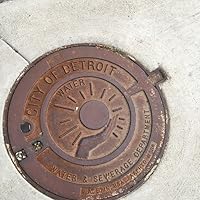
Interesting read that opened my eyes to the connections and disassociations between marginalized communities in the US and the Muslim American experience. Drawn in by Beydoun’s honest reflections on his own upbringing and experience in Detroit and how this shaped his perspective in his professional life.
Interesting read that opened my eyes to the connections and disassociations between marginalized communities in the US and the Muslim American experience. Drawn in by Beydoun’s honest reflections on his own upbringing and experience in Detroit and how this shaped his perspective in his professional life.

March 11, 2025
If you run an antiracism discussion group, as I do, this is a good basic text for understanding the root causes and effects of Islamophobia in the United States. If you're just a general interested reader, this book will inform you without lapsing into pedantic long quotes. Overall worth the time. My group read slowly, a chapter a week, giving us ample time for discussions.

May 9, 2025
4.5 stars, i found the discussion about orientalism, cve policing, and black muslim struggle to be particularly important and illuminating. did a thorough job of including the intersectional factors of islamophobia and muslim identity. also wove in personal perspective and individual stories really well.
December 9, 2025
Very well researched and beautifully written. A must read to understand how Islamophobia affects Muslim Americans and how the same method used against other minorities. Love how Khalid brilliantly links Edward Said master piece orientalism work to the events that started in the 1990s and continues today.
April 29, 2018
Very thoughtful, first hand account of Islamophobia in America and around the world. I loved the history lesson Beydoun gave us. I highly recommend this book and would love to sit down and talk with him soon.
May 28, 2018
This is a really good book that examines the recent history around Islamophobia. Beydoun does a great job providing specific examples of how it is present in our country, and provides some thoughtful ways to rethink how language shapes our understanding of Islam in America.
July 21, 2025
sushi and fatherless, everything suddenly makes sense. he also mentions my opp and he likes them 😒 some informative stuff, would not waste time with it. very repetitive. could've been a long essay, is a cash grab book.
April 6, 2026
I started this book many years ago because I believed the author stood for what is right. But after recent events, I’ve decided not to finish it, despite my original plans. It’s not just that his perspective feels distorted. And honestly, the writing itself doesn’t hold up either.

May 25, 2018
Fascinating book on Islamophobia. Will post my interview with the author.
February 2, 2019
Absolutely fascinating!
Displaying 1 - 30 of 39 reviews