Jump to ratings and reviews
Rate this book

Tales of the Alhambra

Rate this book
Tales of the Alhambra is a collection of essays, verbal sketches, and stories by Washington Irving.

Shortly after completing a biography of Christopher Columbus in 1828, Washington Irving traveled from Madrid, where he had been staying, to Granada, Spain. At first sight, he described it as "a most picturesque and beautiful city, situated in one of the loveliest landscapes that I have ever seen." Irving was preparing a book called A Chronicle of the Conquest of Granada, a history of the years 1478–1492, and was continuing his research on the topic. He immediately asked the then-governor of the historic Alhambra Palace as well as the archbishop of Granada for access to the palace, which was granted because of Irving's celebrity status. Aided by a 17-year old guide named Mateo Ximenes, Irving was inspired by his experience to write Tales of the Alhambra. Throughout his trip, he filled his notebooks and journals with descriptions and observations though he did not believe his writing would ever do it justice. He wrote, "How unworthy is my scribbling of the place." Irving continued to travel through Spain until he was appointed as secretary of legation at the United States Embassy in London, serving under the incoming minister Louis McLane. He arrived in London by late September 1829. -- from Wikipedia

345 pages, Hardcover

First published January 1, 1832

1277 people are currently reading
6864 people want to read

About the author

Washington Irving

5,553 books1,048 followers
People remember American writer Washington Irving for the stories " Rip Van Winkle " and " The Legend of Sleepy Hollow ," contained in The Sketch Book (1820).

This author, essayist, biographer and historian of the early 19th century wrote newspaper articles under the pseudonym Jonathan Oldstyle to begin his literary career at the age of nineteen years.

In 1809, he published The History of New York under his most popular public persona, Diedrich Knickerbocker.

Historical works of Irving include a five volume biography of George Washington (after whom he was named) as well as biographies of Oliver Goldsmith, Muhammad, and several histories, dealing with subjects, such as Christopher Columbus, the Moors, and the Alhambra, of 15th-century Spain. John Tyler, president, appointed Irving to serve as the first Spanish speaking United States minister to Spain from 1842 to 1846.

Ratings & Reviews

What do you think?
Rate this book

Friends & Following

Create a free account to discover what your friends think of this book!

Community Reviews

5 stars
1,296 (22%)
4 stars
2,164 (38%)
3 stars
1,753 (30%)
2 stars
360 (6%)
1 star
106 (1%)
Displaying 1 - 30 of 696 reviews
Profile Image for Henry Avila.
559 reviews3,368 followers
June 25, 2024
In the spring of 1829 Washington Irving America's first great writer, with an unnamed low - ranking Russian diplomat, a new friend begins a leisurely expedition on horseback from Seville to Granada, a young guide takes them through the Andalusian mountains. He boasts the Spaniard nicknamed Sancho, an alias he enjoys ( this is the land of the renowned Don Quixote), his rifle raised high above his head that no bandits will threaten them in their journey, but keeps it safely unloaded and behind his back. The mostly deserted territory has a beautiful ambiance, but melancholic mood too the travelers take siestas on the ground, the people are respectful of strangers and Sancho tells all that these foreign men are very important, which amuses Mr. Irving who speaks Spanish. Stopping at an inn, watching pretty girl dancers move around skillfully, later playing their ubiquitous guitars and singing wonderfully, the crowd eating, drinking everyone showing the "grandees" a good time, the two buy liquor for all. The magical party comes to a much too quick end, the whole village had watched but they have to leave in the morning ... Arriving in Granada, the governor of the fabulous Moorish Palace of the Alhambra lets them stay there (Irving is a celebrity and later becomes the American ambassador to Spain), yet duty soon compels the Russian diplomat to go back to Madrid...An old man Mateo Jimenez, " a son of the Alhambra", he has lived there always with a few others, tells stories of buried lost treasure underneath the buildings, secret chambers, the three princesses imprisoned by their father the King in a lonely tower, countless legends and myths the guide knows and recites them , believes too. Soon appoints himself Mr. Irving's ciceroni, showing him the reddish towers, pools full of fish, balconies where the Sultana looked down at her subjects, elegant gardens right out of an Arabian Nights Fable the huge Ambassadors Hall, where receptions were held in the Court of the Lions, the Royal Baths, the numerous other attractions. Still this was all falling into ruin, crumbling neglected unappreciated a foreign structure that has no merit in Spain. Yet this is an unique palace, overlooking exotic Granada. The towering remote edifices dominating the fortress, the gloomy formerly dazzling rooms where once happy residents lived and loved, the peaceful fountains spreading their waters in the air, ( where once titillated by...
spicy news, the harem lazily gossiped) cooling the area, the Sultan is not around anymore and the oppressive darkness comes as the Sun goes down, the inhabitants have gone the deserted palace is a sad building, quiet except for the unknown noises Mr. Irving on his first night there heard, bravely with just a lamp walked alone through the empty, eerie, rooms expecting goblins to strike at any second and the illumination does not help stop the vengeful ghosts of the past from returning, imagination ? Or reality, the skittish writer of "The Legend of Sleepy Hollow," hastily goes back to his room and locks the door... This book saved the incomparable Alhambra from becoming just another pile of rocks from ancient days, soon to be forgotten.
Profile Image for Algernon.
1,839 reviews1,163 followers
April 8, 2016
[9/10]
I understand now why this Alhambra book is sold at every news stand and souvenir boutique in the city of Granada, translated in every major tourist language. Washington Irving account of his visit to the palatial complex around 1830 is almost single handedly responsible for reviving interest in the almost ruined 'pile' of masonry, in its chivalrous histories and spooky legends. It is both a blessing and curse. A blessing because it allowed the palace to be restored and maintained. A curse because it marks the start of the 'tourist' age, of the Western World turning its eye towards the monuments of the past and turning them into profitable enterprises (and robbing the natives - Greeks, Egyptians, etc - of their cultural artefacts as a side venture).

alhambra 01

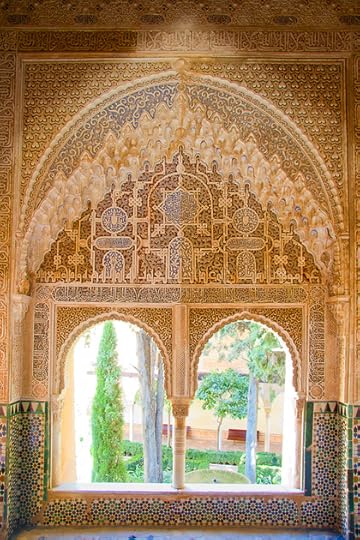
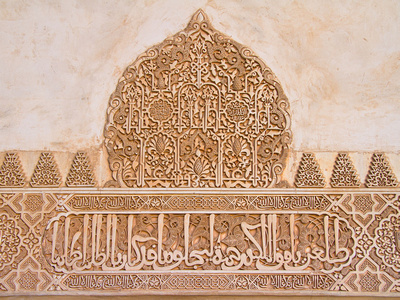
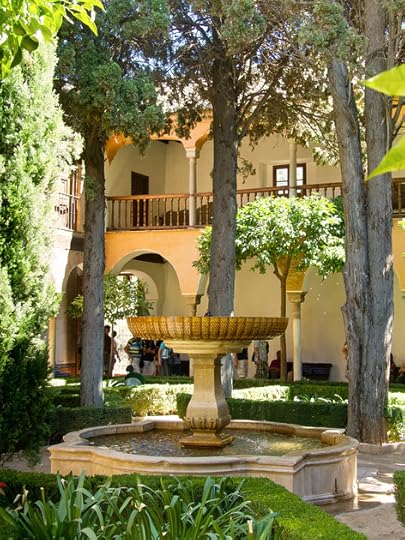
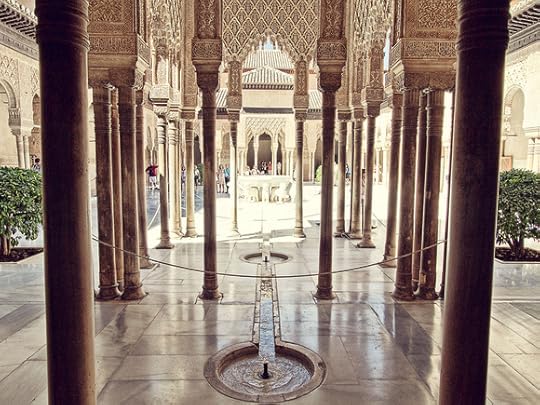
Reading through the essays and journal entries the first sentiment I experienced is one of envy: Mr Irving had the whole palace to himself, for a months long visit, sleeping in the royal chambers, strolling through the gardens under the moonlight, taking his lunches by the lions fountain, daydreaming about warrior kings and Arabian princesses secluded in ancient towers. I had to share my visit with a few thousand fellow tourists, always pushed from behind to make room for the next batch, waiting in vain for long minutes to capture an image of the arabesques on the walls without anyone photobombing me, always with with an eye on the clock to see how much I have left before the closing time. Even so, the place worked its magic on me, its poetry written in intricate stone paterns, slim collonades and airy halls, everywhere accompanied by the sussuration of water from alabaster fountains. A visit to the Alhambra is not complete in my opinion without Mr. Irving's book in the pocket, retracing his steps in the gardens of Generalife or gazing out El Mirador de Lindaraja.

mirador

The book starts with a chapter on Andaluzia, the southernmost province of Spain and the one that remained longest under Moorish occupation. As Irving journeys towards the fabled palace of the Nasrid caliphs, we get the first taste of his romantic sensibilities, of his extensive research into past events for the places in his path, of his keen observations of present people and their customs, of his amiable sense of humour. Here's a passage that explains the Arab passion for water:

Many are apt to picture Spain to their imaginations as a soft southern region, decked out with the luxuriant charms of voluptuous Italy. On the contrary, though there are exceptions in some of the maritime provinces, yet, for the greater part, it is a stern, melancholy country, with rugged mountains, and long sweeping plains, destitute of trees, and indescribably silent and lonesome, partaking of the savage and solitary character of Africa.

As a proto-professional tourist and guide book writer, Irving is not fussy about food or accommodation, makes easy friends with the locals, and is genuinely interested in everything around him:

Let others repine at the lack of turnpike roads and sumptuous hotels, and all the elaborate comforts of a country cultivated and civilized into tameness and commonplace; but give me the rude mountain scramble; the roving, haphazard, wayfaring; the half wild, yet frank and hospitable manners, which impart such a true game flavor to dear old romantic Spain!

Once he gets to his destination, it is love at first sight for Irving, discovering the delicate arabesques hidden behind stern exterior walls. He decides on the spot to extend his visit and is enthusiastic when he is offered residence inside the palace grounds.

evening

To the traveller imbued with a feeling for the historical and poetical, so inseparably intertwined in the annals of romantic Spain, the Alhambra is as much an object of devotion as is the Caaba to all true Moslems.

History and poetry is what it comes down to for the rest of the book, often the whimsical fancy of the author is difficult to discern form the historical accurate fact. Irving the scholar who reads carefully through dusty archives is inseparable from Irving the dreamer who eats up every yarn about ghosts and buried treasure and knightly exploits. Looking across the Vega (plain) of Granada from the top of the Torre de Comares, he sees the armies of Christians and Muslims kings fighting for control of the richest province in Southern Spain. He knows the story behind every tower and mountain peak and potentate that passed through here centuries ago.

The present times are not ignored, and some chapters deal with the current conditions inside the palace, with the presentation of the ragged band of squatters and administrators in the site, with the occasional noble guest and his entourage. Some passages illustrate the talent of the author to find the quirky and the funny side of day to day trivia, like The Truant , a short piece about an adulterous pidgeon, or this sketch about fishing:

It seems that the pure and airy situation of this fortress has rendered it, like the castle of Macbeth, a prolific breeding-place for swallows and martlets, who sport about its towers in myriads, with the holiday glee of urchins just let loose from school. To entrap these birds in their giddy circlings, with hooks baited with flies, is one of the favorite amusements of the ragged “sons of the Alhambra,” who, with the good-for-nothing ingenuity of arrant idlers, have thus invented the art of angling in the sky.

Some observations are well ahead of their time, as this quote about graffity and the lack of respect from a certain category of visitor:

The walls had evidently in ancient times been hung with damask; but now were naked, and scrawled over by that class of aspiring travellers who defile noble monuments with their worthless names.

Of particular interest in the presentation is Washington Irving's unbiased report, even admiration, for the superiority of Arab civilization over their less developed at the time Northern neighbours, acknowledging the economic, scientific, cultural and social achievements of a people who have often been maliciously slandered for their different religion. History shows though that the Moorish domination of the Peninsula marks the longest period of civil cohabitation (about 8 centuries) between the three major monotheistic religions: christians, muslims and jews. Cordoba, Seville, Granada were centers of learning famous the world over, well before Sorbonne and Cambridge.

arabesque

Among the visitors of medieval Alhambra, Irving makes a special note for Ibn Battuta, a Moroccan explorer. He is known for his extensive travels, accounts of which were published in the Rihla (lit. "Journey"). Over a period of thirty years, Battuta visited most of the known Islamic world as well as many non-Muslim lands. His journeys included trips to North Africa, the Horn of Africa, West Africa and Eastern Europe in the West, and to the Middle East, South Asia, Central Asia, Southeast Asia and China in the East, a distance surpassing threefold his near-contemporary Marco Polo. (source wikipedia)

from the book: Laying the foundations of their power in a system of wise and equitable laws, diligently cultivating the arts and sciences, and promoting agriculture, manufactures, and commerce; they gradually formed an empire unrivalled for its prosperity by any of the empires of Christendom; and diligently drawing round them the graces and refinements which marked the Arabian empire in the East, at the time of its greatest civilization, they diffused the light of Oriental knowledge, through the Western regions of benighted Europe.

Regarding the journal and the historical notes, I have only one small complaint: I would have loved to have more examples of Arabian poetry translated

How beauteous is this garden,
where the flowers of the earth
vie with the stars of the heaven!
What can compare with the vase
of yon alabaster fountain
filled with crystal water?
Nothing but the moon in her fulness,
shining in the midst of an unclouded sky!


fountain

Let's say the reader is not as interested as me in travel journals or in historical trivia. I would still recommend reading the book for its fictional stories, some of the best examples of Gothic / Romantic prose , here in a serendipitous cohabitation with the oral storytelling techniques of the Arabian Nights.

A mason is waken up in the middle of the night by a ghost from the past and then led blindfolded to a secret court with a fountain, where he is paid to bury a treasure. An astrologer learns the secrets of the book of the dead inside an Egyptian pyramid and later performs miracles for a king of Granada. A Celtic enchantress puts same wizard to sleep with her harp music. Prince Ahmed Al Kamel, The Pilgrim of Love, learns the language of birds and goes on a quest for his lovely Christian virgin, in the company of a wise owl and a socialite parrot. A poor laborer is rewarded for his kindness to a stranger with the key to another buried treasure, and later uses his wits to outsmart a greedy governor. His best friend is a donkey, which reminds me of the popular Turkish folk tales featuring Nasreddin Hoca. Three beautiful princesses, Zayda, Zorayda and Zorahayda, are locked in a tower by their father. They too, outwit the plans of their king and master: There is an admirable intrepidity in the female will, particularly when about the marriageable age, which is not to be deterred by dangers and prohibitions . A poor student earns his keep by singing serenades at street corners, while a lecherous priest keeps a nubile pet lamb with smouldering eyes around to warm his aged bones.

These are just a few examples of my favorite stories in the book. Ghosts, ancient treasure, beautiful and unavailable princesses, wise alchemists, proud warriors and wily commoners are recurrent themes in all of them. The prose is beautiful (sometimes florid), often humorous, informative and respectful of past glories. Who cares if the tales are true or the product of Irving's imagination?

If any thing in these legends should shock the faith of the over-scrupulous reader, he must remember the nature of the place, and make due allowances. He must not expect here the same laws of probability that govern commonplace scenes and everyday life; he must remember that he treads the halls of an enchanted palace, and that all is “haunted ground.”

In one of the final essays, the author touches on the function of literature as more than entertainment, in providing role models and wisdom and beauty:

In the present day, when popular literature is running into the low levels of life, and luxuriating on the vices and follies of mankind; and when the universal pursuit of gain is trampling down the early growth of poetic feeling, and wearing out the verdure of the soul, I question whether it would not be of service for the reader occasionally to turn to these records of prouder times and loftier modes of thinking; and to steep himself to the very lips in old Spanish romance.

The call of duty will cut short Irving's sejour, and with him, I would now say goodbye to the place:

colonades

My serene and happy reign in the Alhambra was suddenly brought to a close by letters which reached me, while indulging in Oriental luxury in the cool hall of the baths, summoning me away from my Moslem Elysium to mingle once more in the bustle and business of the dusty world. How was I to encounter its toils and turmoils, after such a life of repose and reverie! How was I to endure its common-place, after the poetry of the Alhambra!

Soundtrack selection:
- Loreena McKennit - Nights in the Alhambra (live from Palacio de Carlos V)
- Paco de Lucia - Fuente y Caudal
- Camaron de la Isla - Best of
- Ottmar Liebert - Nouveau Flamenco


edit 2015: something happened to the image links, and I'm trying to get them back
Profile Image for Jan-Maat.
1,686 reviews2,493 followers
Read
January 17, 2020
The edition I read, and have somewhere, tucked away and hidden from my own greedy fingers is a lovely little book illustrated with reproductions of contemporary lithographs.

In 1829 when Irving visited the Alhambra, it housed a small garrison of Spanish soldiers and wasn't a major tourist destination. Tourism in those days being an eccentric pass-time reserved for the wealthy, Irving stayed in the Alhambra itself, sleeping more or less where he wanted in different parts of the palace, observing forgotten courtyards by moonlight and wandering about by day taking note of the life of the garrison which included using fishing rods to catch passing birds, much no doubt to their relief as the alternatives would have included being shipped off to the Americas to fight the armies of Simon Bolivar and friends, however the description suggests that Spain was a Quixotic backwater rather than a major empire convulsed with political turbulence, a dream country of the imagination in which windmilling giants or buried treasure is just a siesta away , and I suppose it is in the nature of a travel book not to uncover or expose foreign lands and exotic places to its readers but actually to create them in their minds.

Interspersed with his recollections are Spanish folktales involving either the Alhambra, the Moors, buried and forgotten treasures or combinations of all three. Though I suppose given that Irving was something of a writer himself, he might just have made them up, not that it matters, he makes the Alhambra a liminal space where past and present touch, sliding past each other, shadows of the author's consciousness that return to life in his pages, here again life is a dream .
Profile Image for Daren.
1,568 reviews4,571 followers
December 22, 2024
Partly written by Irving in 1829 while living in the Alhambra, after travelling to Grenada to rest after writing his biography of Christopher Columbus, and eventually finished when he was Secretary to the American Legation in London. It was published in 1832.

It is a hard book to shelve, being a combination of non-fiction essays on history, on Irving's travels and explorations in the Alhambra, and of people he meets and interacts with; intermingled with retellings of Spanish folktales and legends of Moorish occupation of the Alhambra. The folktales are particularly Arabian Nights-esque, in that they often have moral outcomes based on the behaviour of the characters, and the stories are often interlinked.

Making it all the better, the edition I have contains thirty two "contemporary engravings" which have been colorised, all showing scenes of the Alhambra. They contribute a huge amount to the descriptions within the writing (although do not attempt to align in any specific way with the text).

For Irving to have been permitted to reside in the Alhambra itself, was somewhat an honour. A modern suite, intended for the use of the Governor was made available to him, but in the course of his wanderings he came across a locked door. Obtaining entry from the housekeeper (I suppose this is the best short description of her work) an apartment was discovered, previously fitted out for a planned royal visit (which it seems didn't occur). Irving undertook to move into this apartment to the dismay of those responsible for attending on him.

Upon his arrival in Grenada, literally at the gate of the fortress of Alhambra, Irving was approached by Mateo Jimmenez, who offered to guide him. After their initial meeting, Mateo becomes Irvings "valet, cicerone, guide, guard and historiographic squire" who ably assists him on his investigations and, of course, with introductions.

As the book flits from chapter to chapter we are introduced to the aspects of his stay, his explorations around the Alhambra and his meeting with various people who inhabit the slowly crumbling towers. It is their stories and folktales he captures in the fictional chapters.

A book of such appeal, in print for so long (mine is a 1994 copy printed in Granada itself - no doubt for the tourist trade) must have, over its years had a huge influence on tourism, and itself be responsible for the huge numbers of people who traipse through Grenada in search of the magic Irving writes about.

My first five star book of the year. *****
Profile Image for Warwick.
Author 1 book15.4k followers
September 20, 2015
This was the book that cemented the Alhambra's romantic reputation in the minds of the Anglophone reading public. Based on Irving's three-month stay in the palace in 1829, Tales of the Alhambra is presented as a series of traveloguish essays and historical sketches, although they really have more to do with his grand ideas about lost Moorish glories than any realities of medieval Andalusia. Irving finds it impossible to

contemplate this once favourite abode of Oriental manners without feeling the early associations of Arabian romance, and almost expecting to see the white arm of some mysterious princess beckoning from the balcony or some dark eye sparkling through the lattice. The abode of beauty is here, as if it had been inhabited but yesterday…


Crucial to this ‘Moslem elysium’ is the fact that it's in ruins (otherwise, presumably, he'd have been writing about contemporary Islamic cities). The crumbling stonework and chipped stucco allow Irving to view the Alhambra as a potent symbol of ‘that mutability which is the irrevocable lot of man and all his works’.

Such is the Alhambra—a Moslem pile in the midst of a Christian land, an Oriental palace amidst the Gothic edifices of the West, an elegant memento of a brave, intelligent, and graceful people who conquered, ruled and passed away.


The stories Irving tells are a mixture of traveller's anecdotes about the Spaniards he encountered during his stay at the Alhambra, and legends about the palace's original Moorish inhabitants. Robert Irwin, in The Alhambra, suspects that many of the former were fabricated in the service of Irving's grandstanding, but the latter are quite interesting if you like fairy-stories and folklore as a genre. Most of them involve djinns, spectral warriors, sequestered princesses and that sort of thing, and in these crypto-mythical tales Irving's rather over-egged prose style is shown to its best effect.

If an imagined and mostly fictional Moorish past is one subject of the book, ‘present-day’ Spain, as the site of this glorious history, is a close second. Thanks to its lost Muslim overlords, Spanish culture and people, Irving suggests, ‘have something of the Arabian character’ to them. Consequently, as one of his fantastic characters relates,

all Spain is a country under the power of enchantment. There is not a mountain cave, not a lonely watch-tower in the plains nor ruined castle on the hills, but has some spellbound warriors sleeping from age to age within its vaults, until the sins are expiated for which Allah permitted the dominion to pass for a time out of the hands of the faithful.


This is quite good fun if you like this sort of thing (I do), but it is probably of minor interest to those who are not planning a visit to the actual place themselves. This particular edition is one of at least three that are sold in gift-shops within the Alhambra grounds; it's clearly been translated from Spanish, as there are several odd typos and all the speech is given in guillemets. The editorial notes do not inspire confidence (on the first page, Scottish artist David Wilkie is glossed as an ‘English painter’), but then again, I found in a weird way that it added to the pleasingly alien effect of the whole ensemble.
Profile Image for Roy Lotz.
Author 2 books9,054 followers
June 15, 2016
To the traveler imbued with a feeling for the historical and poetical, so inseparably intertwined in the annals of romantic Spain, the Alhambra is as much an object of devotion as is the Caaba to all true Moslems.

The name “Washington Irving” has haunted me since I was a boy. I went to a school named after him. We visited his beautiful house, Sunnyside, on a field trip. My childhood home is just 500 feet from Irving’s grave in the Sleepy Hollow Cemetery—quite a modest grave. My high school football team were the Headless Horsemen.

So imagine how it felt, after moving across an ocean, to see the name “Washington Irving” hanging above a door in the Alhambra: “Washington Irving wrote in this room his Tales of the Alhambra.” It was as if some circuit had been closed, some cycle had been completed. I’d spent the previous week racing through the book in preparation for my visit. And now, here I was, face to face with the same literary giant who hung over my childhood, who had also managed to cast his spell over this magnificent palace.

That’s my tale; what of the book?

The Tales of the Alhambra is something of a hodgepodge. It begins as a travelogue and ends as a collection of fables. In 1829, Irving travelled from Seville to Granada, apparently out of simple curiosity. Once he arrived, he fell under the enchanting influence of the Alhambra, and ended up residing there for several months. At the time, the Alhambra was in a sorry state. Several centuries of vandalism and neglect had reduced it to a ruin, and dozens of poor squatters were its only residents.

Probably its derelict condition added to the romantic wonder with which Irving beheld it. The book is written in a high-flown, almost mystical tone, with fact and fantasy woven into a vibrant fabric. His own observations and experiences are interspersed with historical sketches and old legends, which he purports to have learned from the residents. The final impression is of supernatural beauty. If you’ve seen the Alhambra, this is forgivable; it’s hard to exaggerate its splendor.

As Warwick points out, Irving is most fascinated with the Moors of Spain. The fact that a people with enough culture and power to create the Alhambra could totally vanish beguiles him. Who were they? How did they live? His vigorous imagination fills in the continent-sized gaps in his knowledge, allowing his fancy to run rampant. It’s obvious that he considers the lost civilization of the Moors to be a kind of forgotten paradise; he has nothing but praise for the nobility and sophistication of Spain’s erstwhile inhabitants.

While he stayed there, he grasped at whatever trace of this civilization remained, in architecture, history, and in the people. Irving does his best to convince himself and the reader that the monumental dignity of the Moors of Spain can be seen still in the Spanish peasants of Andalusia. He praises these people almost as highly as their predecessors, saying “with all their faults, and they are many, the Spaniards, even at the present day, are, on many points, the most high-minded and proud-spirited people of Europe.”

The book is enjoyable in short doses but gets tiresome in big chunks. Irving’s tone, though compelling, is monotonous. You can only tolerate breathless wonder for so long without craving something else. His stories, too, are quite repetitive. Hidden treasures, enchanted warriors, princesses in castles, forbidden love between Christians and Muslims—these make an appearance in nearly every tale.

Still, this book is well worth reading, not only because Irving is a skillful and charming writer, but also because it's a window into the cultural history of the Alhambra, how it has been interpreted and understood by Western writers. For me, of course, this book has a personal significance that extends beyond the boundaries of its pages. Irving’s stories may not have been real, but his name is real enough, which for me has taken on the semblance of a ghost.

As for you, I hope you too get a chance to read this book, and to visit the Alhambra: “A Moslem pile in the midst of a Christian land; an Oriental palace amidst the Gothic edifices of the West; an elegant memento of a brave, intelligent, and graceful people, who conquered, ruled, flourished, and passed away.”
Profile Image for Arlenne.
133 reviews42 followers
December 12, 2019
Dos amigas me recomendaron este libro, y la verdad es que jamás pensé que lo leería.
Lo compré en mi visita a Granada y la Alhambra el año pasado (2017), una edición que incluía unas bonitas fotos del palacio y sus jardines, ¡y miren qué sorpresa me he llevado!
Es un libro absolutamente mágico, romántico (a la antigua usanza del s XIX), la forma en que está escrito es muy amena, repleto de leyendas e historia, con la peculiar visión que tiene el autor de los españoles y musulmanes. Te lleva a esas habitaciones de la Alambra y la imaginas como sería en su época de esplendor: con sus tapices, incienso, fuentes, todo brillo y esplendor; y a la vez se muestra el estado ruinoso y dejado en el que estaba cuando Irving se alojaba en ella, repleta de moradores que se juntaban de noche para contar esas leyendas locales de las que luego se sirvió el autor para darnos esta joya.

Y ya de paso, os digo mis capítulos fav:
-El salón de Embajadores.
-Panorama desde la torre de Comares.
-El patio de los Leones.
-Recuerdos de Boabdil.
-Leyenda del príncipe Ahmed al Kamel, o El Peregrino de Amor.
-Leyenda de las Tres Hermosas Princesas.

Mejor no sigo nombrando. Pero son bastantes las partes que me han gustado muchísimo.
Y por todo ello, le he dado 5 estrellazas.

Muchas gracias, Mr. Irving.
Y muchas gracias, amigas, por esta gran recomendación.

P.D: Me parece muy "triste" y curioso, que el libro donde más se habla de Andalucía y sus leyendas, el más conocido, sea por obra de un extranjero y no de un español. Lo que me plantea el hecho de que no valoramos lo que tenemos, ya que yo soy la prueba viviente de que hasta hace muy poquito no tenía ni idea de la existencia de este mágico libro. Debería ser obligatorio leerlo en el instituto, creo que gustaría bastante.
Profile Image for Jon Nakapalau.
6,490 reviews1,022 followers
March 8, 2024
A wonderful glimpse into a time and place that most of us were never aware of. I would have loved to have read this book while traveling in Spain. You are transported into places of almost surreal beauty that take you by the hand and lead you deeper and deeper into a world that no longer exists. If you are going to Spain read this book the year before you go!
Profile Image for Enas.
91 reviews100 followers
August 17, 2013
من أجمل وامتع الكتب التى قرأتها عن قصر الحمراء ومدينة غرناطة وبلادالاندلس كتاب مسلى يحمل اسم ( حكايات قصر الحمراء ) لكاتب امريكى اسمه واشنطن أيروفنج .

قرأت الكتاب للمرة الاولى فى العام 1999 عندما عثرت عليه صدفة على أحد أرفف المكتبة المركزية ضمن جولاتى الاستكشافية فى غابة الكتب الممتدة على مساحات كبيرة بالطابق الاول بالمكتبة ، لم انسى ذلك المساء بالمكتبة المركزية بجامعة بنغزى حينما كنت استعد للمغادرة للبيت بعد قضاء يوم طويل فى البحث وجمع المعلومات والقراءة حول موضوع بحثى للماجستير ، وكعادتى فى قضاء النصف ساعة الاخيرة فى التجول بين الارفف والعناوين باحثاً عن شىء يشدنى وينقلنى الى عوالم مختلفة حيث كنت احرص طوال سنواتى الدراسية الجامعية العادية او العليا على اختيار كتاب للقراءة الحرة بعيدا عن الدراسة الاكاديمية الرسمية ،و كانت تلك النصف ساعة اقضيها فى جولة ممتعة احتار فيها بين مجموعة عناوين ، ذلك اليوم تحديدا كنت ارغب فى الحصول على كتاب محتواه مختلف فيه مسحة رومانسية بسبب احساسى بملل ورتابة اجواء الدراسة بالقسم ، فوقع الكتاب بين يداى صدفة ، جلست بين الارفف اقرا الصفحات الاولى التى شدتنى بقوة ولم اغادر للبيت الا بعد استعارته ، ولم يطلع فجر اليوم التالى الا وانا اتمم قراءته محبوسة الانفاس من المتعة والدهشة و السرور إذ أخذنى الكتاب فى جولة مجانية فى اروقة الحمراء وازقة غرناطة وضواحيها عبرعيناى المؤلف الامريكى أيرفنج صاحب الاسلوب المميز .

أيروفنج هو دبلوماسي أميركي، قرر الانتقال الى اوربا بعد وفاة خطيبته فجأة ، حيث عمل فى السفارات الامريكية بالقارة الاوربية طوال سبعة عشر عاما ً قضى العامين الأخيرين من سنوات الخدمة فى رحلة طويلة بصحبة دبلوماسياً روسياً عبر القيام بجولات على ظهور البغال بين الآثار والمدن الأندلسية، وفى غرناطة سكن في شقة كانت مقراً لحاكم المدينة، وتقع إلى جانب قصر الحمراء المسكوناً بخليط من العائلات الفقيرة والمتشردين في غرناطة ، كان أيرفنغ يبحث عن كنوز الآثار والحكايات العربية في الأندلس في مصادرها القديمة والجديدة فجمع مادة غنية صاغها في كتاب ،صُنف ضمن أفضل كتب الرحلات التي صدرت في القرن التاسع عشر.

ويتميز كتاب أيروفنج عن الأندلس والحمراء بنفس رومانسى يحمل الكثير من الحرارة والشغف والحنين إلى الماضى يمكن تلمسها من بعض فصول الكتاب الذى يحمل عناوين مثل : في داخل الحمراء، برج قمارش، الحمراء في ضوء القمر، سكان الحمراء، قصة وردة الحمراء .

وقد استعمل أيروفنج الكتب والمخطوطات والوثائق التي وُضعت تحت تصرفه، ويقارن بين ما كانت عليه وما آلت إليه فى زمن اقامته فى القصر، وفى جولاته بالاماكن والمواقع التى قرأ عنها، كما يقوم بتدوين الحكايات الشعبية عن الشخصيات العربية، والكنوز المدفونة حيث لعب الخيال الشعبي دور مؤثرفى اضافة مسحة من الغرابة والأجواء السحرية القريبة من حكايات ألف ليلة وليلة على محتويات الكتاب ، ماجعل الكاتب يستعمل اسلوب السرد الروائى بدل اسلوب المؤرخ المقيد بالوثيقة المكتوبة او السجلات الرسمية ، وقد حاول إيروفنغ تخيل الأحداث التي مرت في القصر، حيث قدم وصف دقيق للقصر بأبراجه وحدائقه ، فجاء كتابه تحفى أدبية تاريخية تحتفى بالتراث المعمارى الاسلامى وتقدر الدور الحضارى الذى لعبه العرب المسلمين فى الاندلس لثمانى قرون .

وقد حقق الكتاب شهرة عالمية واسعة، كما لعب دوركبير في لفت الانتباه لأهمية قصر الحمراء المهمل تماما فى وقت الزيارة، فسعت بعدها السلطات المحلية الاسبانية للاهتمام بترميم وتنظيف القصر واعادة الحدائق الى جمالها ورونقها القديم .
Profile Image for Marta Luján.
Author 28 books200 followers
July 18, 2019
Se trata de una serie de cuentos, ambientados generalmente en Granada, que contienen una enseñanza moral.

Washington Irving (1783-1859) vivió en la Alhambra -algo realmente excepcional- mientras escribía sus cuentos. Recopiló las leyendas que andaban de boca en boca entre los habitantes del lugar, y las complementó con exhaustivas investigaciones en la biblioteca de la universidad de Granada. Así creó esta obra maestra de la literatura de habla inglesa.

Todas las leyendas giran en torno a las vicisitudes que ciertos personajes, a veces cristianos, a veces moros, vivieron en aquellas tierras andaluzas. Son historias que hablan de las más nobles pasiones del hombre, y de los más viles vicios y defectos. La generosidad y la ambición; la confianza y la traición; el amor y el odio... Por más que estén ambientados en otra época, sus enseñanzas son actuales, porque el hombre siempre será hombre, en cualquier época y en cualquier lugar.

Los cuentos de la Alhambra tienen el encanto de los cuentos de Perrault, de los hermanos Grimm, e incluso, de las fábulas de Esopo. Se leen con facilidad, y te sumergen en el mundo mágico de las mil y una noches, porque en muchas de las historias hay cierta magia; y, al mismo tiempo, te enseñan historia y cultura de la época en que en Granada convivían varias culturas: musulmanes, judíos y cristianos.

Creo que este es un libro para leer poco a poco y saborear cada historia, aprendiendo de sus personajes las enseñanzas que quieren transmitirnos con un lenguaje sencillo y elegante al mismo tiempo.
Profile Image for Ted.
242 reviews26 followers
June 10, 2024
Published in 1832, this is the book that brought Granada and the Alhambra to the English speaking world and helped make the Alhambra the most important tourist attraction in Spain. In 1829 Washington Irving travelled to Granada and lived in the Alhambra for several months while conducting research for a book he was writing on the final years of the Muslim occupation of Al-Andalus and the conquest of Granada by the allied Christian kingdoms of Spain.

Tales of the Alhambra is a blend of fiction and non-fiction, a mixture of Irving's reminiscences of his journey to Granada and his time there; the history of the Alhambra and the surrounding area; descriptions of the people he met there; the local culture and traditions; and a number of Moorish and Spanish legends about people, places and events in the history of Granada and Al-Andalus.

The book is written in the literary style of the early 19th century - at times florid, with numerous words and expressions that may require the help of a dictionary. That said, it is altogether an interesting and engaging read and has been in print for almost 200 years. Above all else, what stands out for me is Irving's respect and admiration for everything about Andalucia, from the landscape and climate to the history, art and poetry, architecture, customs and folklore. He loves this part of Spain and consciously or unconsciously this emotion is passed on to the reader. It's all good.
Profile Image for dianne b..
699 reviews178 followers
April 4, 2021
Such a storyteller. I want to sit at Washington Irving’s knee, with a warm toddy, and listen forever. This is a delightful collection, sprinkled with Irving’s signature wit, and unpredictability.

“He was a retired conqueror...and desired nothing more than to live at peace with all the world, and to husband his laurels and to enjoy in quiet the possessions he had wrested from his neighbors.”

“It could not be denied, however, that he set a high value upon justice, for he sold it at its weight in gold.”

“But let that pass. The domestic affairs of these mighty potentates of the earth should not be too narrowly scrutinized.”


A sweet trip through time to a magical place. The only safe way to travel in our new world.
Profile Image for Nei.
198 reviews17 followers
August 11, 2021
Even though I do not use to normally do it, I caught myself scrolling through the reviews of others to try to understand if it is just me that cannot seem to focus to actually get something out of this book or the book is just bad. Most of the reviews are good, so it could be just me, but still, I decided to stop it. Second fiction book in a row that I stop, but there are so many books out there and so little time, that I said to myself why not?!

DNF 50%
Profile Image for Osama Siddique.
Author 10 books347 followers
May 6, 2020
I picked up this beautiful volume on a lazy Sunday afternoon from The Strand - the old one in mid-town in Manhattan - when I was pretending to be a lawyer in that beguiling city of tall structures and sky scapes that appeared and disappeared through the clouds and the mist . Published in Granada and with multiple exquisite engravings it is a paperback but has the heft and feel of a hardback. I must have browsed through it several times but never read it cover to cover for it is a book meant to be savored intermittently. However, I am glad that I finally read it through after I had actually visited Granada and the Alhambra as I feel that it is only then that you truly understand why Washington Irving was so enthralled by the place and why what he wrote continues to enthrall us.

Few experiences in my life surpass my first glimpse of Generalife - or the much more poetic and impactful جَنَّة الْعَرِيف‎ Jannat al-‘Arīf gardens - on a late summer early morning at the Alhambra. The terraced gardens with their lush hedges, trellises, fruit trees and water-channeled courtyards overlook the palace buildings and the fort. They were still unlit by the sun but far below the terraced slopes of the hill - on which Alhambra perches - going down to the city of Granada, were awash in mellow morning sunlight. As my spouse and I breathed in the fragrant air and looked upon the variety of flowers we came across a stone stairway with bannisters that had narrow runnels on the top with fresh cool water flowing down. One couldn't possibly get more aesthetic than this - here on display was that Islamic fascination with running water in gardens of citron, orange, olive, pomegranate, cypresses, myrtle and so much more, which is how the paradise is also imagined.

Washington Irving - an incurable romantic and a pioneer of that movement in American literature - found himself at this location in 1829 when it was even more idyllic and secure from the deluge of tourists. What resulted is a book someone with a romantic eye and a sense of the picturesque would truly enjoy. And if you have seen the landscape and architecture he swoons over, than more the better. He describes with loving detail the rough country that surrounds the oasis like Granada - full of images of muleteers, bandoleros, contrabandistas, and migueletes that infest the dry, ravine filled, rough country. And then in the midst of it lays Granada with its tree lined glens, dales and brooks, springs and waterways. And the Alhambra, changing its color from yellow-gold to ochre to orange to rust and pink-red as the day progresses, perched on its hill. With exquisite detail Irving paints for us a lonely, crumbling, Moorish tower, a beautiful part of the palace with its exquisite tiles, alabaster fountains, stucco work, frescoes, and various other architectural features, and indeed the simple but charming people who dwell in this faded glory.

But it is not just in the realm of the physical that he roams for Irving is a great teller of local tales - full of buried Moorish gold, phantom armies, hobgoblins, enchanted Boabdil (the last Moor to rule Alhambra) and his enchanted army beneath the mountains surrounding Alhambra, pining lovers, great fantastical journeys across the gorgeous Anadalusian landscape to Seville, Cordova, Malaga and then further to even Toledo. He has an eye for the dark-eyed damsel, and ear for the notes of the guitar in the perfumed evening air and a sharp wit for all types of characters representing law and authority.

The stories have a distinct Arabian Nights feel to them and while Irving dwells on the centuries old conflict between Moorish Islam and Iberian Christandom he is fair, philosophical and ultimately an admirer of beauty and the human spirit. It doesn't come therefore as a surprise that he has a barely concealed admiration for various aspects of Moorish Spain and the sense of beauty and architecture as well as engineering that its rulers bequeathed to the region. As a matter of fact apart from his fascination for all things Moorish throughout the book - showing that a man of taste and learning has a heart capable of embracing beauty beyond parochial and prejudiced boundaries - he ends the books with rich tributes to two men. One is Muhamed Abu AlAhmar the founder of Alhambra and the other Yusuf Abul Hagig the Finisher of Alhambra. Though some of his depiction may appear Orientalist he goes far beyond that and acknowledge just, equitable and humane governance on part of many Moorish rulers as well as their great love of knowledge and superior aesthetics.

Part travel part lore part social and architectural observations this is a gem of a book if you are the kind of person who loves times gone by, an age of chivalry and adventure, a landscape of dry, craggy landscapes and small paradises with groves and streams, and life at a gentler, more romantic, more civilized pace.
Profile Image for Silvia.
419 reviews
July 23, 2018
‘Si hay algo en estas leyendas que lastime la credulidad del escrupuloso lector, debe mostrarse indulgente recordando la naturaleza de estos lugares. No cabe que espere encontrar aquí las mismas leyes de probabilidad que rigen los comunes escenarios de la vida diaria. Sólo ha de recordar que camina por los salones de un palacio encantado y que todo es terreno hechizado.’

Libro que relata el tiempo que el autor vivió en Granada, y más concretamente en la misma Alhambra, complementado con diversos cuentos sobre el palacio que Irving fue recopilando durante su viaje.

El escritor destina los primeros capítulos para contarnos como fue su viaje por España hasta llegar a Granada y para describirnos con su estilo poético y evocador las estancias de la Alhambra. Washington Irving estaba maravillado con España y su cultura, sentía fascinación por la Alhambra, estaba enamorado del lugar y es algo que transmite en cada página de este libro.

Va intercalando los relatos sobre su estancia en el pueblo andaluz con un conjunto de leyendas y tradiciones que le llegan de boca de los lugareños con los que entabla una sincera amistad. Estos cuentos llenos de magia, de reyes y princesas, de bandidos y truhanes me resultaron una delicia, son leyendas que forman parte de nuestra cultura y son bellísimamente contadas por el escritor. Las descripciones que hace de Granada y de la preciosa fortaleza transportan al lector a la ciudad andaluza, es una lectura totalmente evocadora que recomendaría a todo el mundo sin dudar.

Los cuentos que más me han gustado han sido ‘La leyenda de las tres hermosas princesas’, ‘La rosa de la Alhambra’, ‘La leyenda del príncipe Ahmed Al Kamel o el peregrino de amor’, ‘La leyenda del legado del moro’ y ‘La leyenda del astrólogo árabe’ entre otras, porque me han gustado casi todos los cuentos a excepción de unos pocos con los que he disfrutado un poco menos. Es una lectura que a mí me parece de lo más veraniega, tal vez porque la relaciono con la primera vez que visité Granada y la hermosa Alhambra.

‘La naturaleza bondadosa, consuela con las sombras de la fantasía la carencia de realidades. El sediento sueña con el dulce murmullo de las fuentes y los ríos, el hambriento, con suntuosos banquetes, y el pobre, con montones de oro escondido, porque no hay en verdad nada tan rico como la imaginación de un pobre.’
Profile Image for Lisa.
225 reviews
May 10, 2012
Charming. This book is sort of a mix between travelogue and mythical tales. While in Grenada working on another book, Irving became enchanted with the Alhambra and penned this book in tribute: “Such is the Alhambra;--a Moslem pile in the midst of a Christian land; an Oriental palace amidst the Gothic edifices of the West; an elegant memento of a brave, intelligent, and graceful people, who conquered, ruled, flourished, and passed away.”

First published in 1832 then later revised in 1851, this book can be somewhat of a challenge to read and fully appreciate. This copy was laced with sketches/watercolors of surrounding landscapes, architecture, and gardens. It really was like entering another world. I would not recommend reading it without the illustrations; they are essential for the full allure.

Excerpt from chapter 1: “Such were our minor preparations for the journey, but above all we laid in an ample stock of good-humour, and a genuine disposition to be pleased; determining to travel in true contrabandista style; taking things as we found them, rough or smooth, and mingling with all classes and conditions in a kind of vagabond companionship. It is the true way to travel in Spain. With such disposition and determination, what a country is it for a traveller, where the most miserable inn is as full of adventure as an enchanted castle, and every meal is in itself an achievement! Let others repine at the lack of turnpike roads and sumptuous hotels, and all the elaborate comforts of a country cultivated and civilized into tameness and commonplace; but give me the rude mountain scramble; the roving, hap-hazard, wayfaring; the half wild, yet frank and hospitable manners, which impart such a true game-flavour to dear old romantic Spain!”
Profile Image for فهد الفهد.
Author 1 book5,608 followers
February 10, 2017
الحمراء

في 1829 م غادر المؤرخ الأمريكي واشنطن ايرفينغ إشبيلية متوجهاً إلى غرناطة، كان قد فرغ لتوه من كتاب عن كريستوفر كولومبس، وفي ذهنه فكرة أخرى لكتاب عن سقوط غرناطة، ولكنه بين هذين المشروعين وضع مشروعه الصغير هذا (حكايات من الحمراء)، والذي للأسف اختصرته الترجمة العربية إلى (الحمراء)، وهو اختصار مخل برأيي، لأنه يجعل القارئ يتوقع كتاباً تاريخياً ليفاجئ بعد القراءة بكتاب له مذاق ألف ليلة وليلة، ولكن بدلاً من عفاريت الشرق، وأزقة بغداد، وأقاصيص الرشيد ومولاه الشهير مسرور – الذي ربما لا يفوقه شهرة في عالم العبيد إلا سبارتاكوس -، نجد أقاصيص الملوك النصريين، ومقاتلي البربر الصحراويين، والكنوز الهائلة التي يحرسها جنود مسحورون، ولا يكشف سرها إلا بسطاء من الناس يتحولون بغمضة عين إلى أثرياء، وهذا يدلنا على منشأ هذه القصص، وأي عقل سبكها تحت خميلة أندلسية وبوحي من منظر قصر الحمراء الشاهق.

رحلة ايرفينغ من إشبيلية إلى غرناطة لم تكن يسيرة، فنحن نتكلم عن 180 عاماً مضت، حيث لا يشق جبال الأندلس حينها إلا البغال، ولا يعمرها إلا قطاع الطرق، فلذا يفتتح الكتاب بهذه الرحلة ووصف الطريق المتعرج الذي يقطعه المؤلف برفقة دبلوماسي روسي، حتى الوصول إلى غرناطة.

كان قصر الحمراء وقتها شبه مهمل، تديره سيدة أسبانية، ولا يسكنه حاكم غرناطة لبعده عن مقر عمله، فلذا طلب ايرفينغ النزول به، وعاش فيه طيلة مدة إقامته هناك، وهو ما منحه فرصة نادرة للتعرف على كل محتويات القصر، والتجول في غرفه كيفما شاء، مصحوباً بشاب أسباني فرض نفسه عليه، وأعلن أنه سيكون دليله من أول لقاء، ملقباً نفسه (ابن الحمراء).

ما يتعرف عليه ايرفينغ هناك ليس فقط الفن المعماري الأندلسي، كما هو حال أي سائح يزور المكان، وإنما يتعرف بإقامته هناك على روح الشعب الأسباني، أقاصيصهم وخرافاتهم عن العرب والمسلمين، أحلامهم بالكنوز العربية المدفونة والتي ستنقل من يجدها من حال إلى حال، فلذا يمزج المؤلف في كتابه ما بين مشاهداته، وما سمعه من قصص، وعلاقاته بهؤلاء الذين يشاركونه العيش في الحمراء، بحيث يتحول الكتاب إلى تراث أدبي وتاريخي جميل، يجب أن يقرأه كل زائر للحمراء.

وسأورد هنا باختصار أجمل القصص الغرناطية التي نقلها لنا المؤلف:

وهي قصة (المنجم العربي) وهي عن منجم عجوز يقدم غرناطة من مصر ويخدم ملكها ابن الحبوس – وهو باديس بن الحبوس من الأمازيغ، حكم غرناطة في القرن الخامس الهجري -، ولأن الملك منهك من الدفاع عن مدينته يخبره المنجم بقصة حصوله على أسرار سحرية انتزعها من يد مومياء فرعونية تقبع في الهرم الأكبر، يمكن للمنجم بهذه الأسرار صناعة آلة تحذر الملك من أي هجوم وشيك، يفرح الملك بذلك، فيبني له المنجم برجاً قلعت حجارته من الهرم، وفي أعلى البرج رقعة شطرنج عليها جنود، بحيث يمكن للملك أن يدير منها معاركه، متحكماً بأعدائه بهذه الوسيلة الشيطانية، وفوق البرج ينتصب تمثال لفارس عربي، وجهه لغرناطة وكأنما هو يحميها، ولكن عندما يقترب عدو يستدير الفارس ويوجه رمحه إلى اتجاه الخطر، بحيث يمكن للملك من خلال الرقعة السحرية شن هجوم مفاجئ على مهاجميه، بهذه الوسيلة قضى الملك على منافسيه وهزمهم جميعاً، ولكن في أحد الأيام استدار الفارس وأشار إلى جهة الجبال، هرع الملك ابن الحبوس إلى رقعة الشطرنج ولكن لا شيء كان يتحرك عليها، لا فرسان ولا خيول، فلذا قام بإرسال كتيبة من الجنود للاستطلاع، بعد ثلاثة أيام عاد الجنود ليخبروه أنهم لم يجدوا في تلك الجهة شيئاً، فقط فتاة مسيحية جميلة، وقد جاءوا بها أسيرة، يحذره المنجم عندها من هذه الفتاة ولكن ابن الحبوس لا يستمع له، ويحاول التقرب منها ولكنها لا تلقي له بالاً، ومن كثرة انشغاله بها تثور عليه غرناطة، فيخمد الثورة ومن ثم يطلب من المنجم مساعدته، بأن يوفر له معتزلاً يخلد فيه إلى الراحة مع فاتنته المسيحية، عندها يخبره المنجم عن إرم ذات العماد، وأنه يمكنه أن يظهره له فوق جبل، ولكنه يشترط لنفسه أن يحصل على أول دابة تعبر البوابة بحملها، يوافق ابن الحبوس، وعندما يظهر المكان الموعود تكون أول دابة هي دابة الفاتنة المسيحية، فيرفض ابن الحبوس بالطبع الوفاء وعده، وتسليم فاتنته للمنجم العجوز، عندها يدق المنجم الأرض بعصاه فيختفي تحت الأرض هو الفاتنة المسيحية، ويبقى ابن الحبوس وحيداً، بلا حسناء ولا تعاويذ، أما الفارس البرونزي فلم يعد نافعاً، ولا رقعة الشطرنج المذهلة.
Profile Image for Sanabel Atya.
279 reviews125 followers
December 11, 2013

العنوان الاصلي للكتاب "قصص الحمراء" ، في الترجمة العربية سُمي الكتاب ب"الحمراء" وكعنوان فرعي أُضيفت الجملة " أثر الحضارة العربية الثقافي والاجتماعي على الأندلس واسبانيا".

لماذا أُضيفت هذه الجملة؟
أعتقد أنّ الإجابة تكمن في أن كل القصص التي وردت في الكتاب،حتى الإسبانية بتصرف،تؤول بشكل أو بآخر للعرب وسيرهم قبل الحكم الاسباني..كلها فيها نكهة عربية. لذلك يبدو أن المترجمين قد ارتأوا وضع تلك الجملة، للبيان ما كان للحضارة العربية من تأثير بالغ حتى في ثقافة الاسبان الذين يأبوا إلا أن يمقتوا العرب مقتاً.

غريبٌ مقتُ الإسبان للعرب، رغم أن اسبانيا اليوم تقوم على أندلس الأمس.كيف بهم أن يمقتوا حضارة، هي عماد حضراتهم اليوم، حتى في لغتهم، قصصهم الخيالية تعود إلى الأمر. وأستغربُ لِمَ سعت قشتالة إلى استرداد تلك البلاد، رغم أنهم على ما يبدو لا يملكون فيها حضارة،وإلا لما كانت اسبانيتهم اليوم متجذرة من اللغة العربية! لما كانت عمارتهم عربية ... أين حضارتهم الغابرة التي سعوا لاستردادها من المسلمين إذن؟!! لا أعلم.. وإني غير متعمقة في هذا الأمر أصلاً.

بالعودة إلى محتويات الكتاب، يبداً المترجم "د. هاني يحى نصري" بسرد كيف تم له الحصول على الكتاب، ولِمَ قد استساغ ترجمته.
ويبدو أن "واشنطن ايرفينغ" من الكتاب القلائل إن لم يكن الوحيد، الذي أعاد المجد للعرب والحضارة الإسلامية قبل أن يتأثر الفكر الأمريكي بالنظرة الصهيونية للعرب والمسلمين.فلذلك نراه في كتابه كثيراً ما مجد العرب والإسلام حتى أن له مؤلفاً كاملاً اسمه " محمد وخلفاؤه" !!

في الكتاب وصف ل قصر الحمراء الذي يقول عنه الكاتب
" كعبة زوار إسبانيا"
وصفٌ له ولقاعاته، ولسكانه في ذاك التاريخ "عام1829" الذي كانوا من البُؤس والشقاء والفقر الحد الذي يجعل المرء يُقارن بين القصور إبان عزها، والقصور بعد هجرانها.
في تلك الفترة كانت الدولة الإسبانية قد أهملت قصر الحمراء كلياً، وكان من الممكن أن يختفي من الوجود لولا الفرنسيين إبان الاحتلال الفرنسي لإسبانيا

"فسكن القصر قادة فرنسيون،حافظوا على هذا الأثر العربي من الزوال النهائي الذي بدا شبه محتم، حسب طريقتهم المعهودة في الأماكن التي يحتلونها..... فعلى إسبانيا أن تشكر غزاتها، لأنهم حفظوا لها أجمل وأهم أثر من آثارها. "


ثم يتحدث قليلاً عن بعض الحكام العرب للحمراء من مؤؤس القصر إلى مستكمل البناء، وبعض القصص التاريخة التي حدث إبان الحكم العربي لتلك البلاد.
طريقته في السرد كانت في الغالب، سرد تفاصيل عن إحدى قاعات القصر، ومن ثم سرد حكاية قد تكون خرافية أن قد حدثت بالفعل، تتعلق بهذه القاعة أو تلك. كل الحكايا تعود بشكل او بآخر لأيام حكم العرب،حتى الخيالية منها، فقد ربط الإسبان البناء الهائل وما وجوده من كنوز في الأطلال العربية بالسحر والشعوذة التي كان يمارسها العرب. وأغلب حكاياهم بخصوص الحمراء تقوم على أنه في مكان كذا وكذا هنالك جندي مسحور، أميرة مسحورة، بل إنّ أبو عبد الله الصغير وفرسانه مسحورون في أحد كهوف الجبال بانتظار أن تزول عنهم الآثام ليعودوا ويستردوا الحمراء وغرناطة،كما تقول إحدى هذه الحكايا. :D
فيبدو أنهم قد خلطوا الحقيقة بالخيال بالتاريخ العربي في قصصهم هؤلاء الإسبان!
//////
في الكتاب ورد ذكر لما يقوله باشا "تطوان" في تلك الفترة الزمنية فيقول:

"لو ظل العرب على إيمانهم لما كان لهذه العظمة أن تزول.إنني على قناعة أن القوة الإسبانية والأمة الإسبانية بانحدار،لذلك لن يمضي وقت طويل على المغاربة الذين لا زالوا يسمون اسبانيا بإسمها القديم: الأندلس،ويعتبرونها إرثاً شرعياً لقهم فقدوه نتيجة الغدر والخيانة والعنف."

ممممم منذ الطرد الاسباني للأندلسيين إلى اليوم ومازالت الديباجة هي نفسها. وفلسطين التي عانت طرداً في العصر الحديث وليس قبل قرون ما زالت تغني نفس الديباجة...!! ولم ينل أحد شيئاً أبداً حتى اللحظة. إلى متى سنبقى نتغنى بأوهام وقوة ضائعة كلياً وبمجدٍ ضائع.. لا أدري، فما زلنا غير مؤمنين كما يبدو من أيام عرب الأندلس.!!! (:

يقول الكاتب عن أبو عبد الله :

إنَ اسماُ في التاريخ لم يُفترَ عليه كما افترى على هذا الاسم.

فيبدو أن الكاتب بعد كل ما جمعه من وثائق تاريخية وكاثوليك ممن عاصر هذا الرجل،مع ذلك لم يجد ما يبرر هذا الجانب الإداني الأسود المظلم للرجل وذاك الكره لأبي عبد الله. على حد قول الكاتب.
////
وها قد عدنا لروايات تُنفد روايات مشهورة،وهاهنا تذكرت الروايات المتضاربة عن ماري انطوانيت!، يبدو أن التاريخ كله متضارب،وروايات التاريخ وإن تعارضت كلها قابلة للتصديق..!
وتباً لي، فقد قلتُ أني لن اقرأ تاريخاً بعد اليوم، ولكن ...يبدو أن الأمر "مجبر أخاك لا بطل" وسأبقى أحاول الحيلولة دون الوصول لكتب التاريخ..يكفي وجعاً للرأس!


الحقيقة أن اسبانيا،حتى في الوقت الراهن،هي بلاد منفصلة،مقطوعة تاريخياً،عادات،أعرافاً ونمط تفكير عن بقية أوروبا.إنها بلاد رومانسية لكن ليس لرومانسيتها عاطفة الرومانسية في اوروبا المعاصرة.إنها مستمدة بصورة رئيسية من مناطق الشرق بكل ما فيها من إشراق وألق،مستمدة من المدرسة العالية التفكير للفروسية العربية الشرقية

وأيضاً، الإسبان مغرمون بالرقص والغناء وما أكثر أعيادهم وإجازاتهم الاحتفالية التي قد تزيد عن عدد أيام الأسبوع كما يقول الكاتب :D
العرق العربي فيهم..WOW !!


تلك الأناشيد التي ما تزال تشكل فخر الأدب الاسباني وبهجته إن هي إلا أصداء لقصائد الفروسية والغزل التي كانت في الماضي تبهج بلاط الملوك في الأندلس،وتبعث في قلوبهم المسرة.

على إحدى مرتفعات "البقصارا" ألقى أبو عبد الله نظرته الأخيرة على غرناطة،وهذه التلة لازالت تحمل اسم"تلة الدموع" والصخرة التي وقف عليها أبو عبد الله،وعلى وجهه نظرات التساول الحزينة تسمى"آخر ما راه العرب"

كم من السهل على من هم في قمة السلطة الوعظ بالبطولة ونقد سابقيهم،وكم قليلة معرفتهم بقيمة الحياة لتعساء الحظعندما لا يبقى لديهم سواها؟!

هذا ما علقه الكاتب على ما قاله المطران "غيفارا"حين أخبر الملك "شارل الخامس"بحادثة بكاء أبو عبد الله على ملكه،فيقول المطران:"لو كنت مكانه لجعلت من الحمراء مدفناً لي بدل العيش بدون ملك في ا"البقصارا". // إنه لتعليقٌ حكيم من هذا الكاتب صراحة يعني..لقد أنصف العرب !

ختاماً أقول.. تاريخ الأندلس السياسي سيء جداً يشبه تاريخ العرب اليوم إن لم يكن أسوأ،، لكنه من ناحية العمارة والفن والأدب والشعر والعلم و..الخ مثالاً يحتذى به حتى اليوم وإلى آخر الزمان. فلنرَ الأندلس الثقافية ونعمي الأبصار عن الأندلس السياسية بلا وجع قلب !

ملحوظة// الغيتار الآلة المُفضلة لدى الإسبان. والعود هي آلة عربية، ويُقال أن الغيتار تحوير للعود.. معقول الغيتار الاسباني أجا من العود العربي كمان !!
~~~~~
نسيتُ أن أقول أنني ولأول مرة لم أقرأ فصلاً من كتاب بأكمله... :/ ربما مللتُ الخيال الجامح،، جدير بالذكر أن قراءتي أصلاً جاءت في فترة ذات معنوية جداً منخفضة ولعل هذا السبب في تركي لحكاية كاملة!
~~~~~
هاهنا رقصة اسبانية شعبية من الرقصات التي وردت في الكتاب
Fandango Dance

http://www.youtube.com/watch?v=x-uxa9...
Profile Image for Laura.
7,132 reviews606 followers
October 21, 2022
A splendd book!! Quite interesting to know many details about Alhambra after a recent visit to Andaluzia.

Free download available at Project Gutenberg.

CONTENTS
PAGE
The Journey 1
Palace of the Alhambra 33
Important Negotiations 47
Inhabitants of the Alhambra 54
The Hall of Ambassadors 58
The Jesuits’ Library 64
Alhamar, the Founder of the Alhambra 65
Yusef Abul Hagig 72
The Mysterious Chambers 76
Panorama from the Tower of Comares 85
The Truant 92
The Balcony 95
The Adventure of the Mason 101
The Court of Lions 105
The Abencerrages 112
Mementos of Boabdil 124
Public Fêtes of Granada 129
Local Traditions 137
The House of the Weathercock 139
Legend of the Arabian Astrologer 142
Visitors to the Alhambra 162
Relics and Genealogies 167
The Generalife 170
Legend of Prince Ahmed Al Kamel 172
A Ramble Among the Hills 205
Legend of the Moor’s Legacy 214
The Tower of Las Infantas 236
Legend of the Three Beautiful Princesses 237
Legend of the Rose of the Alhambra 262
The Veteran 279
The Governor and the Notary 281
Governor Manco and the Soldier 288
A Fête In the Alhambra 306
Legend of the Two Discreet Statues 311
The Crusade of the Grand Master of Alcántara 330
Spanish Romance 338
Legend of Don Munio Sancho De Hinojosa 341
Poets and Poetry of Moslem Andalus 347
An Expedition In Quest of A Diploma 355
The Legend of the Enchanted Soldier 358
The Author’s Farewell to Granada 373
Profile Image for Omaira .
324 reviews177 followers
April 7, 2020
Cuentos de la Alhambra (The Alhambra;1832) es un compendio nada desdeñable de leyendas españolas ambientadas en las regiones andaluzas, la mayoría en las inmediaciones o en la propia Alhambra de Granada. Lo cierto es que Washington Irving era un declarado hispanista y no desperdició la oportunidad de hablar sobre esta tierra y sus gentes. Para el escritor yanqui no solo Andalucía sino toda España era una tierra muy especial, pues a Irving le causaba una gran fascinación este lugar para cuyos habitantes las barreras entre la fantasía y la realidad siempre han sido inexactas y difusas; lo sobrenatural vive dentro de cada español, según Irving.

A pesar de que ha trascurrido casi doscientos años desde la publicación de esta antología, lo cierto es que se está manteniendo bastante bien en el tiempo principalmente por el acertado tono de los relatos y temas de los mismos. En esta obra, Irving adopta el tono de un historiador o un recopilador de narraciones populares, y esto es lo que a mi parecer ha mantenido la antología bajo cierta atemporalidad. En ningún momento Irving trata de convencernos de que estas historias han nacido de su imaginación, es más, recalca en un par de ocasiones que su labor con esta publicación solo ha consistido en pulir los relatos para que el lector pueda disfrutar más cada historia. Es por eso que las palabras escogidas y la forma de expresarse de los personajes nos son muy cercanas.

Los temas escogidos son los grandes temas universales: amor, sabiduría, guerra y muerte, y se abordan en distintos periodos de la historia de España y con una marcada presencia de elementos sobrenaturales. Así tenemos relatos de temática amorosa como El príncipe Ahmed, el Perfecto, o el peregrino del amor (mi relato favorito de toda la antología), La leyenda de las tres princesas y La rosa de la Alhambra; relatos de temática bélica, como La cruzada del Gran Maestre, El guerrero de los vientos, El gobernador y el escribano y El gobernador y el soldado; otros con mayor prevalencia de hechos históricos como Leyenda del astrólogo árabe, Mohamed Abdu al Ahmer fundó la Alhambra y Yusef Abul Hagig concluyó la Alhambra; y otros más cercanos al cuento popular típico español como Las dos estatuas indiscretas o Leyenda del legado del rey moro. La gran variedad de temas que se abordan hacen que la antología sea variada, rica en matices y tratamiento de los temas, cercana por sus personajes y dinámica por la extensión de los relatos. Mi sensaciones generales han sido positivas, aunque alguna cosa inevitablemente chirríe (después de ciento ochenta y ocho años es normal).

Recomiendo este libro a aquellos que sientan cierta fascinación por las estéticas orientales, pues en Cuentos de la Alhambra aprenderán y hallarán un sinfín de referencias interesantes para sus propias historias o ensoñaciones, como ha sido mi propio caso. Y también recomiendo este libro a aquellos que planeen en un futuro visitar estas regiones andaluzas. Deleitaros con las mismas estampas que doscientos años atrás aceleraron el corazón del gran Washington Irving, uno de los padres de las letras norteamericanas.
Profile Image for Sandra.
858 reviews21 followers
August 25, 2015
My copy of this classic was bought in the gift shop at the Alhambra in Granada and has a beautiful aubergine-coloured cover. It is a special edition to mark the 175th anniversary of the first publication of the American writer’s stories. Irving was a writer and diplomat, lodging in rooms at the beautiful Moorish palace. This book is a collection of stories and folklore that he collected during his time at the Alhambra, delightful tales of lost treasure, lovelorn princesses and brave soldiers. Irving wrote at the time of his fears that his writing was insubstantial: "How unworthy is my scribbling of the place." My favourite tale is that of the mason, who is taken blindfold by a priest in the middle of the night to build a vault underneath a fountain at a secret destination. He labours for a number of nights to build the vault, finally helping the priest to load heavy urns into the secret space. He is paid each night with a piece of gold. The mason keeps the secret for many years, until one day he is asked by a curmudgeonly old man to do some repair work on an old property previously inhabited by a miserly priest who died suddenly. There are rumours of ghosts and the clinking of coins at night, and no new tenant can be found. The mason recognises the fountain, offers to live in the house rent-free and repair it for the owner. The mason becomes one of the richest men in Granada, and the clinking of coins is only heard in daylight from that time on.
For more about our life in Andalucía, see www.notesonaspanishvalley.com
Profile Image for Selenita.
397 reviews6 followers
March 1, 2017
Me encanta este libro, quizá porque tengo debilidad por los cuentos y leyendas tradicionales y, lo reconozco, forma parte de mi infancia y por eso le tengo cariño.

Vaya por delante que, como no podía ser de otra manera teniendo en cuenta el momento y mentalidad desde la que se escribe, es una obra machista (reproduce y justifica muy claramente roles tradicionales), racista (carga con más o menos violencia contra toda cultura que no sea cristiana) y LGTBfóba (ni cuestionar la cishéteronormatividad).

No obstante, como recopilación de cuentos y leyendas de la tradición oral de Granada resulta muy evocador. No sólo ayuda a vislumbrar algo de la mentalidad y situación de la época sino que construye magistralmente un ambiente místico sobre aquellos lugares a los que se refiere. Una vez que lo has leído no puedes dejar de sentirte en un cuento y esperar encontrar un fantasma o tesoro oculto en algunas partes de la ciudad de Granada, ni evitar acordarte de historias fantásticas cada vez que visitas la Alhambra y tener la sensación de que va a suceder algo mágico en cualquier momento. Ambiente magnifico y absorbente al que ayuda una escritura que resulta bella sin llegar a ser ampulosa, por lo que ninguna parte se hace realmente pesada de leer aunque a veces se meta en descripciones arquitectónicas o paisajistas.
Profile Image for Jean Gill.
Author 45 books239 followers
March 19, 2011
I'm visiting the Alhambra for the first time in April and thought this would fire my imagination beforehand - it certainly did that. This mix of myth and anecdote from the author, who was actually staying in the run-down, mostly ruined Alhambra Palace of the early 19th Century, peoples the building with the squatters of his present-day and the Moorish ghosts of the past. What surprised me, given the period he was writing in, was Irving's open-minded respect for the Moslem civilisation of al-Andalus, given that he had no qualms about explaining that certain European nationalities were self-evidently best suited to certain jobs, and the generalisations he makes about Spanish people are so ludicrous as to be funny.

He tells a good story though and has collected tales full of melodrama and magic, revenge, betrayal and undying love. Of its time, but that adds to its charm.
Profile Image for Pedro.
825 reviews331 followers
June 9, 2025
Un primer contacto con la España mora, a través de la mirada de un viajero americano, y que me dejó una fascinación por Andalucía, y en especial, Granada.

La edición que leí incluía La leyenda del jinete sin cabeza, que me resultó fascinante, aunque no la he vuelto a encontrar en versiones actuales. Y en cambio la he encontrado en la película, situada en EEUU, y con un argumento más estructurado de la que recuerdo haber leído.

Washington Irving, nació en EEUU en 1783. Vivió varios años en Granada, España, en los que además de recoger leyendas en torno a la Alhambra, promovió una restauración de la ciudadela, de alto valor histórico, y que se encontraba en estado de abandono. La casa en la que vivió durante su estadía en Granada, actualmente es una hostería que lleva su nombre.
Profile Image for SMLauri.
473 reviews128 followers
January 29, 2017
La versión que he leído creo que es sólo una selección de las mejores historias, espero encontrar pronto una versión completa.

Me ha parecido entretenido, son historias que se leen rápido y me han servido para despejarme y para desear ir a Granada.
Profile Image for Samuel.
315 reviews67 followers
July 9, 2024
Me tomó más tiempo del que esperaba pero me gustó más de lo que anticipé. Esperaba algo más aburrido, tal vez más académico, pero la narración de las leyendas con un tono místico y fantástico las hizo muy entretenidas. También me servirá para un trabajo de la universidad, entonces win-win.
Profile Image for Lisa - (Aussie Girl).
1,470 reviews218 followers
May 2, 2019
Bought at the Alhambra April 2019.

Classic book with beautiful 19th century illustrations of an inspiring historical monument. Part history/part tales still an easy reading and enjoyable book in 2019.
Profile Image for Claudia.
21 reviews3 followers
December 8, 2022
Justo a tiempo para ir a la Alhambra. Me ha encantado! Recomiendo muchísimo si quieren conocer Granada.
Displaying 1 - 30 of 696 reviews

Can't find what you're looking for?

Get help and learn more about the design.