

What do you think?
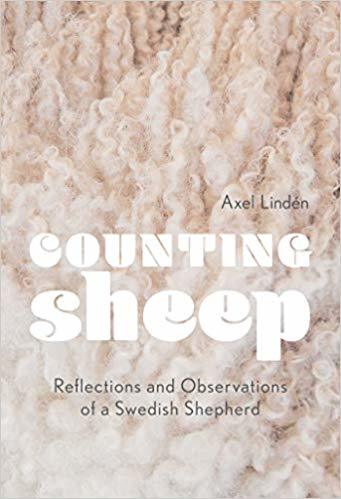
Counting Sheep: Reflections and Observations of a Swedish Shepherd
Norwegian Wood
meets The Tao of Pooh in this philosophical, witty, and heartwarming collection of daily observations from a Swedish academic-turned-sheep farmer who finds peace and meaning outside the hustle and bustle of modern, urban life.
One of the fun things about keeping sheep is that now and then it feels like something other than a job or a duty. Perhaps the feeling can best be summed up by the idea that it’s not I who keep the sheep, but the sheep who keep me.
When literary academic Axel Lindén leaves the city for the farm he unexpectedly inherits—along with the ever-escaping flock of sheep that comes with it—he has a fairly naïve notion of what farm life will be: pure drudgery.
But as time passes and Axel slowly settles into the rhythm of the farm and shepherding, his naiveté gradually fades away and is replaced with deep insight into the spiritual and emotional value of manual labor, caring for other living things, and staying connected to the earth.
Capturing his observations and thoughts in short diary entries, Counting Sheep is a meditative and irresistibly delightful book that delves into the small wonders of our world and celebrates pastoral life, demonstrating that it’s often the little things in life that mean the most.
One of the fun things about keeping sheep is that now and then it feels like something other than a job or a duty. Perhaps the feeling can best be summed up by the idea that it’s not I who keep the sheep, but the sheep who keep me.
When literary academic Axel Lindén leaves the city for the farm he unexpectedly inherits—along with the ever-escaping flock of sheep that comes with it—he has a fairly naïve notion of what farm life will be: pure drudgery.
But as time passes and Axel slowly settles into the rhythm of the farm and shepherding, his naiveté gradually fades away and is replaced with deep insight into the spiritual and emotional value of manual labor, caring for other living things, and staying connected to the earth.
Capturing his observations and thoughts in short diary entries, Counting Sheep is a meditative and irresistibly delightful book that delves into the small wonders of our world and celebrates pastoral life, demonstrating that it’s often the little things in life that mean the most.
160 pages, Hardcover
First published September 22, 2017
Ratings & Reviews
Friends & Following
Create a free account to discover what your friends think of this book!
Community Reviews
Displaying 1 - 30 of 80 reviews

November 15, 2018
Thoughts soon.

September 14, 2018
(3.5) Axel Lindén left city life behind to take on his parents’ rural collective in southeast Sweden. This documents two years in his life as a shepherd aspiring to self-sufficiency and a small-scale model of food production. Published diaries can devolve into tedium, but the brevity and selectiveness of this one prevent its accounts of everyday tasks from becoming tiresome. Instead, the rural routines are comforting, even humbling, as the shepherd practices being present with these “quiet and unpretentious and stoical” creatures. The attention paid to slaughtering and sustainability issues – especially as the business starts scaling up and streamlining activities – lends the book a wider significance. It is thus more realistic and less twee than its stocking-stuffer dimensions and jolly title font seem to suggest.
(My full review is in the October 19th issue of the Times Literary Supplement.)
(My full review is in the October 19th issue of the Times Literary Supplement.)

March 18, 2020
3.5 ⭐ Meditativ, filosofiskt och rogivande att få följa med i livet för en fårbonde. Blev förvånad att jag tyckte så mycket om boken.

August 30, 2020
This book is mostly about sheep. Which is fine.

May 25, 2019
Update: A good read for the pandemic. Great escapism. I'm thinking of rereading this week. This, and Organizing From the Inside Out, by Julie Morgenstern.
https://www.goodreads.com/book/show/2...
Much of the true meaning of Counting Sheep isn't so much in what is said that what is not.
Over the course of excerpts from his diary, Axel Lindén shows us how he feels about his experiment in the beginning, when he was just trying it on for size, in the middle, when he was doing the dance of 'will I, won't I, will I stay?' and into his finding that he hasn't left the hustle and bustle in the dust completely.
He tells about the sheep, his relationship with them, and how his life with them changes over time. Several of his entries are spare. One day he asks himself if one of the ewes is limping. The next day's entry is 'No.' The following day, 'Or is it?' and then, it's dropped. This writing is as spare and succinct as it comes. No drama, no angst. Just the thought, and on to the next problem.
His issue with one ewe at the beginning brings you to a subtle close with another, once again, showing the evolution of a sheep farmer, and his relationship to nature that results.
The fencing repeats through the book, as a bass note, a broken thread. The humor is subtle, but abundant. ('my tender childish feet trod on the ancestors of these very nettles. And that experience may live on at some very deep level in the soles of my feet'-If you know nettles, you get this. If not, look it up.)
I don't know if, in his real diary, he's a wordy bastard, but in this book, his economy of words is a relief in a time of sturm, drang, and schadenfreude, along with personal attacks and other ugliness, or overweening sentimentality. It was a delight, with several quotable days. I have many bookmarked. Here are a few:
Part 1: 5 September (weather), 20 December (the butt-er);
Part 2: 3 May (forestry), 29 June (literature), 2 July (find out for yourself).
P.S. Peter Noble did a fine job with the narration. Dry wit.
https://www.goodreads.com/book/show/2...
Much of the true meaning of Counting Sheep isn't so much in what is said that what is not.
Over the course of excerpts from his diary, Axel Lindén shows us how he feels about his experiment in the beginning, when he was just trying it on for size, in the middle, when he was doing the dance of 'will I, won't I, will I stay?' and into his finding that he hasn't left the hustle and bustle in the dust completely.
He tells about the sheep, his relationship with them, and how his life with them changes over time. Several of his entries are spare. One day he asks himself if one of the ewes is limping. The next day's entry is 'No.' The following day, 'Or is it?' and then, it's dropped. This writing is as spare and succinct as it comes. No drama, no angst. Just the thought, and on to the next problem.
His issue with one ewe at the beginning brings you to a subtle close with another, once again, showing the evolution of a sheep farmer, and his relationship to nature that results.
The fencing repeats through the book, as a bass note, a broken thread. The humor is subtle, but abundant. ('my tender childish feet trod on the ancestors of these very nettles. And that experience may live on at some very deep level in the soles of my feet'-If you know nettles, you get this. If not, look it up.)
I don't know if, in his real diary, he's a wordy bastard, but in this book, his economy of words is a relief in a time of sturm, drang, and schadenfreude, along with personal attacks and other ugliness, or overweening sentimentality. It was a delight, with several quotable days. I have many bookmarked. Here are a few:
Part 1: 5 September (weather), 20 December (the butt-er);
Part 2: 3 May (forestry), 29 June (literature), 2 July (find out for yourself).
P.S. Peter Noble did a fine job with the narration. Dry wit.

October 11, 2019
Mislio sam da ću dobiti humoristični i uvrnuti osvrt na to kako je to promijeniti si život odjednom i otići čuvati ovce...al čovjek fakat pisao dnevnik o tome šta su taj i taj dan radile ovce.

September 10, 2019
I saw this book on the new books shelf at my local library, and, having moved to sheep farming country (where a local delivery guy told me he feels uncomfortable going places where there are more humans than sheep!) I thought it was worth a read. I've really enjoyed it.
At times it's reminded me of my granddaughter's Shaun the Sheep DVD (another admirable work of art, in my opinion!); at others, given me more profound pause for thought.
I wondered if a sheep farmer friend would like it. He was born on his family's Welsh sheep farm and has lived and worked there all his life. But as he still has a (reduced) flock of 3,000 sheep, he is perhaps too busy to read much...
Some quotes:
This one, like another powerful current Swedish voice -
'The fact that the world is unsustainable is constantly making itself felt ... I don't really understand why everyone acts as though nothing is happening, as though there were any major ideas being put into practice that could make a difference.'
and
'More animals are arriving on the farm. Pigs - fun, sociable, basic much like us humans (apart from sour milk being their favourite food); horses - strong, loyal, useful, not at all like us humans (apart from a latent tendency to stark staring mad). But the sheep still feel special. There's something quite and unpretentious and stoical about them that appeals to me.'
I think my father's old friend Philip Yorke would have liked this book. He kept pet sheep at Erddig Hall in the overgrown ornamental gardens before the National Trust took over the property, and he really loved them.
At times it's reminded me of my granddaughter's Shaun the Sheep DVD (another admirable work of art, in my opinion!); at others, given me more profound pause for thought.
I wondered if a sheep farmer friend would like it. He was born on his family's Welsh sheep farm and has lived and worked there all his life. But as he still has a (reduced) flock of 3,000 sheep, he is perhaps too busy to read much...
Some quotes:
This one, like another powerful current Swedish voice -
'The fact that the world is unsustainable is constantly making itself felt ... I don't really understand why everyone acts as though nothing is happening, as though there were any major ideas being put into practice that could make a difference.'
and
'More animals are arriving on the farm. Pigs - fun, sociable, basic much like us humans (apart from sour milk being their favourite food); horses - strong, loyal, useful, not at all like us humans (apart from a latent tendency to stark staring mad). But the sheep still feel special. There's something quite and unpretentious and stoical about them that appeals to me.'
I think my father's old friend Philip Yorke would have liked this book. He kept pet sheep at Erddig Hall in the overgrown ornamental gardens before the National Trust took over the property, and he really loved them.

October 18, 2018
A rare occasion when I have strayed from my usual cow-related books. This is an amusing, brief and nicely packaged little diary covering a couple of early years in the life of Axel Linden when he decides to take on his parent's farm in Sweden and the small flock of sheep he rears. A few issues are raised to make you think deeper about animal farming but it is essentially a day-to-day diary, and as such an interesting look into the life of someone new to the world of sheep farming.

September 25, 2020
lugesin seda rootsi maalekolinud hipsteri päevikut kohe briti pärisfarmeri (James Rebanks) pärisraamatu järele ja see oli huvitav kontrast. ühest küljest muidugi ma olen Jamesi poolel, Axeli "maailmaparanduslikud" sõnavõtud kasvõi juba traktorit omava naabrimehe suunas tunduvad ikka eriti... haledad ja õhukesed. teisest küljest, kui ma ise maale koliks ja lambad võtaks (ja kas mul siis pole kiusatust olnud, muidugi on!) oleks ma täpselt Axel. teeks asju heas tahtes, aga ise aru saamata, misasja ma õieti teen, ja tunneks sellest suuremat rahuldust, kui asi globaalses mõttes väärt on, aga mis seal vahet, kuni ma ise rahul olen ja lambad ka enamvähem elus? (kuni nad ära tapetakse. selle eest ikkagi respekt, et ongi tegu taimetoitlasega, kes omaenda kasvavatud ja tapetud lammaste liha siiski sööb.)
ja see formaat, põgusad päevikukanded, mis räägivad alati lammastest (on nende kohta siis midagi öelda või ei), mulle päris meeldib. lihtsalt nii kõrini on neist, kes pikalt lobisevad, kui saab ka lühidalt.
ja see formaat, põgusad päevikukanded, mis räägivad alati lammastest (on nende kohta siis midagi öelda või ei), mulle päris meeldib. lihtsalt nii kõrini on neist, kes pikalt lobisevad, kui saab ka lühidalt.

July 29, 2026
Cotswold Life was so real when they called this "a sublime little book".

July 31, 2019
Beautiful and thought provoking read.
Entry for June 27th Page 134:
" To avoid having to justify any aspect of my life, I'd have to have a normal job, an ordinary house, ordinary friends and not do anything unexpected. And the funny thing is that's the very kind of life you ought to be questioning, because it make you an accomplice, and a grotesquely privileged one at that, to an economic and political system that, as far as the environment is concerned, can only be seen in terms of extermination, extinction even, and as apartheid pure and simple, to the poorer half of the world's population"
Entry for June 27th Page 134:
" To avoid having to justify any aspect of my life, I'd have to have a normal job, an ordinary house, ordinary friends and not do anything unexpected. And the funny thing is that's the very kind of life you ought to be questioning, because it make you an accomplice, and a grotesquely privileged one at that, to an economic and political system that, as far as the environment is concerned, can only be seen in terms of extermination, extinction even, and as apartheid pure and simple, to the poorer half of the world's population"

October 26, 2017
Kort om en vardag med får. Jag hade gärna läst mer.

February 1, 2019
This is a great book for insomnia, in fact I've listened to most of it, but never for more than 10 minutes at a time before falling asleep!

November 15, 2018
I am always interested in the different motivations that draw you to a book. It can be as simple as a glimpsed cover in a bookshop, or a complex web of coincidences with your own life. It was the latter for my links to this book.
Axel Linden, the author of On Sheep, was living in Stockholm and teaching literary studies at the university. He lived in a flat, commuted to work, and his contributions to the agricultural revolution were to dine at a vegan restaurant, write an article or start a Facebook group. When his father retired suddenly, he moved south into the country and took over the running of the family sheep farm.
I made my first trip to Sweden this year, where my father-in-law farms a hundred hectares from an old farm house surrounded by barns. We lived there for two weeks, between time in Stockholm and Oslo. There are no sheep; the only animals we saw were deer and moose grazing on his wheat and oats. But the old farm, with its muddle of outbuildings, was what I saw in my mind as I read this book. I have owned up to four sheep myself, although that was only because the family was tired of eating beef and forced me to keep them for a slight change in diet. I had been close to my cattle, but never saw eye to eye with the sheep. The four of them escaped and joined up with my neighbour’s flock of about a hundred. Four Black-Faced Suffolks among a hundred White-Faced. After chasing them around for an evening, I failed to shepherd them home. A day later they were all back, presumably through the same invisible hole I could never find, rejected by their neighbours. They never tried to escape again.
On Sheep takes the form of a diary, charting the interactions with the small but growing flock. Observations on life with sheep. Some are simple, like one is limping, then it’s not, then it is. Other passages are more profound, such as this:
“I’ve been thinking about the life I share with the sheep. In one sense it doesn’t amount to much. We stare at one another for a few minutes a day. But looking after living creatures is about more than relating to individuals. They are in my care, a state of affairs that is only partially apparent in the mutual staring. Most of the looking after takes place without the presence of those being looked after – the fencing, the winter fodder, the mucking out, the watering. Sheep are said to have been domesticated for 11,000 years. We look at one another, the sheep and me, and it feel like staring into a deep well of experience: problems and possibilities, sources of sorrow and happiness – life in all its dimensions and its inconceivably vast expanse across time and space.”
The flock, and the jobs around it, change with the seasons; there are lambs, some of whom survive and some do not, there are rams to be brought in, others to be killed, winters inside the barn. The book is a changing panorama, but looking onto a tiny microcosm of life, it has a rhythm like the passing of the seasons, gentle and familiar. Heart-warming.
Axel Linden, the author of On Sheep, was living in Stockholm and teaching literary studies at the university. He lived in a flat, commuted to work, and his contributions to the agricultural revolution were to dine at a vegan restaurant, write an article or start a Facebook group. When his father retired suddenly, he moved south into the country and took over the running of the family sheep farm.
I made my first trip to Sweden this year, where my father-in-law farms a hundred hectares from an old farm house surrounded by barns. We lived there for two weeks, between time in Stockholm and Oslo. There are no sheep; the only animals we saw were deer and moose grazing on his wheat and oats. But the old farm, with its muddle of outbuildings, was what I saw in my mind as I read this book. I have owned up to four sheep myself, although that was only because the family was tired of eating beef and forced me to keep them for a slight change in diet. I had been close to my cattle, but never saw eye to eye with the sheep. The four of them escaped and joined up with my neighbour’s flock of about a hundred. Four Black-Faced Suffolks among a hundred White-Faced. After chasing them around for an evening, I failed to shepherd them home. A day later they were all back, presumably through the same invisible hole I could never find, rejected by their neighbours. They never tried to escape again.
On Sheep takes the form of a diary, charting the interactions with the small but growing flock. Observations on life with sheep. Some are simple, like one is limping, then it’s not, then it is. Other passages are more profound, such as this:
“I’ve been thinking about the life I share with the sheep. In one sense it doesn’t amount to much. We stare at one another for a few minutes a day. But looking after living creatures is about more than relating to individuals. They are in my care, a state of affairs that is only partially apparent in the mutual staring. Most of the looking after takes place without the presence of those being looked after – the fencing, the winter fodder, the mucking out, the watering. Sheep are said to have been domesticated for 11,000 years. We look at one another, the sheep and me, and it feel like staring into a deep well of experience: problems and possibilities, sources of sorrow and happiness – life in all its dimensions and its inconceivably vast expanse across time and space.”
The flock, and the jobs around it, change with the seasons; there are lambs, some of whom survive and some do not, there are rams to be brought in, others to be killed, winters inside the barn. The book is a changing panorama, but looking onto a tiny microcosm of life, it has a rhythm like the passing of the seasons, gentle and familiar. Heart-warming.

September 29, 2017
Fårdagboken är en tänkvärd och många gånger humoristisk bok med insiktsfulla betraktelser och funderingar kring hur det känns att ha får och hur synen på livet förändras av att vara fårägare. Jag känner igen mig i så mycket av det författaren Axel Lindén skriver. Som det här:
"Jag börjar förstå lite av lantbrukets psykologi. Jag tänker exempelvis inte så mycket på vädret eller andra färger och kvaliteter i omgivningen som något estetiskt. Det är liksom inte vackert eller dåligt väder, det är bara praktiska omständigheter. Kallt och klart – kolla att vattnet inte fryser. Blåsigt – se till att stora porten är förankrad i väggen. Regnigt – ta på dig något vettigt. Löven gulnar – kanske dags för vinterfoder. Men det finns väl en inneboende skönhet i hela den här grejen."
Boken var inte planerad från början. Det började med att författaren, en akademiker som flyttat ut på landet med sin familj och fått ansvaret för skötseln av en flock får, skrev sms-anteckningar om vardagen med fåren och skickade till de andra i kooperativet som han hade fåren tillsammans med. Vardagliga saker, som att han givit fåren mat eller att ett staket var trasigt och behövde lagas. Anteckningarna lades ut på Facebook och ur dem föddes idén på en bok.
Ett smakprov till ur boken måste ni få. Från andra som inte själva har djur brukar jag ofta få kommentaren att man väl är väldigt låst med många djur. Författaren till Fårdagboken ger ett svar på den kommentaren som beskriver så precis hur det egentligen är.
"Jag har tappat den dagliga kontakten med fåren. Det har kommit nya personer till gården som vill vara med. De senaste dagarna har det varit någon annan som tittar till dem, räknar lamm, ser hur de växer, ser var de betar, vilka stenar de hoppar upp på, känner av stämningen i gruppen. Det blir tomt. Man tänker gärna att det är lite jobbigt att vara bunden av ansvaret för djur, att det är stressande att känna att man måste vara där varje dag, att man inte är helt fri. Det är faktiskt precis tvärtom. Jag sitter i köket och glor. Det finns inget fritt med det."
Rättigheterna till boken hade redan sålts till Storbritannien innan den hunnit ges ut här i Sverige, och fler länder står på tur. Jag är inte förvånad. Det ligger i tiden med det som är jordnära, påtagligt och konkret, sådant man inte kan läsa sig till utan måste uppleva själv. Som hur man verkar fårens klövar och med tiden lär sig hur man klipper lagom mycket. Eller hur man genom daglig kontakt med sina får lär sig deras normala beteende, och märker när någon är sjuk. Det är ingenting man kan läsa sig till. Inte heller hur man förändras som person av att vara den som är ansvarig för djurens liv och död, eller hur man med tiden får starkare band till flocken och blir mer och mer ett med både djuren, gården och årstiderna.
"Jag börjar förstå lite av lantbrukets psykologi. Jag tänker exempelvis inte så mycket på vädret eller andra färger och kvaliteter i omgivningen som något estetiskt. Det är liksom inte vackert eller dåligt väder, det är bara praktiska omständigheter. Kallt och klart – kolla att vattnet inte fryser. Blåsigt – se till att stora porten är förankrad i väggen. Regnigt – ta på dig något vettigt. Löven gulnar – kanske dags för vinterfoder. Men det finns väl en inneboende skönhet i hela den här grejen."
Boken var inte planerad från början. Det började med att författaren, en akademiker som flyttat ut på landet med sin familj och fått ansvaret för skötseln av en flock får, skrev sms-anteckningar om vardagen med fåren och skickade till de andra i kooperativet som han hade fåren tillsammans med. Vardagliga saker, som att han givit fåren mat eller att ett staket var trasigt och behövde lagas. Anteckningarna lades ut på Facebook och ur dem föddes idén på en bok.
Ett smakprov till ur boken måste ni få. Från andra som inte själva har djur brukar jag ofta få kommentaren att man väl är väldigt låst med många djur. Författaren till Fårdagboken ger ett svar på den kommentaren som beskriver så precis hur det egentligen är.
"Jag har tappat den dagliga kontakten med fåren. Det har kommit nya personer till gården som vill vara med. De senaste dagarna har det varit någon annan som tittar till dem, räknar lamm, ser hur de växer, ser var de betar, vilka stenar de hoppar upp på, känner av stämningen i gruppen. Det blir tomt. Man tänker gärna att det är lite jobbigt att vara bunden av ansvaret för djur, att det är stressande att känna att man måste vara där varje dag, att man inte är helt fri. Det är faktiskt precis tvärtom. Jag sitter i köket och glor. Det finns inget fritt med det."
Rättigheterna till boken hade redan sålts till Storbritannien innan den hunnit ges ut här i Sverige, och fler länder står på tur. Jag är inte förvånad. Det ligger i tiden med det som är jordnära, påtagligt och konkret, sådant man inte kan läsa sig till utan måste uppleva själv. Som hur man verkar fårens klövar och med tiden lär sig hur man klipper lagom mycket. Eller hur man genom daglig kontakt med sina får lär sig deras normala beteende, och märker när någon är sjuk. Det är ingenting man kan läsa sig till. Inte heller hur man förändras som person av att vara den som är ansvarig för djurens liv och död, eller hur man med tiden får starkare band till flocken och blir mer och mer ett med både djuren, gården och årstiderna.

March 21, 2022
16: Counting Sheep: Reflections and Observations of a Swedish Shepherd by Axel Lindén (translated from Swedish)
So, this ended up in my cart as its title was confused with something similar in my search for Ukrainian literature and literature from countries near Ukraine. While my geography has gotten a workout the last couple of weeks, I am not confused: Sweden is not very close to Ukraine by my measurements.
However, I did enjoy this very pastoral pondering of sheep herding--and shearing, feeding, breeding, and more...and in journal/diary format for effect of time and how little the news or development some days.
It caused me to reminisce about lots of things and connect some other dots as well--the actual life of Thomas Hardy's shepherds in Far From the Madding Crowd, for instance, as modernity hasn't really done anything much for true shepherd's work, very little having changed from Hardy's fictitious flock to Lindén's factual...from that perspective, anyway. And the sheep having personalities. And Swedish sheep still...you know, it never came up! Do they "baa" or make a different, translated sound?!
This was a fairly fast read but still caused my breath and heart to slow. And I appreciated that...needed that.
So, this ended up in my cart as its title was confused with something similar in my search for Ukrainian literature and literature from countries near Ukraine. While my geography has gotten a workout the last couple of weeks, I am not confused: Sweden is not very close to Ukraine by my measurements.
However, I did enjoy this very pastoral pondering of sheep herding--and shearing, feeding, breeding, and more...and in journal/diary format for effect of time and how little the news or development some days.
It caused me to reminisce about lots of things and connect some other dots as well--the actual life of Thomas Hardy's shepherds in Far From the Madding Crowd, for instance, as modernity hasn't really done anything much for true shepherd's work, very little having changed from Hardy's fictitious flock to Lindén's factual...from that perspective, anyway. And the sheep having personalities. And Swedish sheep still...you know, it never came up! Do they "baa" or make a different, translated sound?!
This was a fairly fast read but still caused my breath and heart to slow. And I appreciated that...needed that.

Read
March 3, 2019A Swedish man moves back to the farm he grew up on: 'my tender childish feet trod on the ancestors of these very nettles. And that experience may live on at some very deep level in the soles of my feet'. He describes the process of his turning from an idealistic man who overthinks his existence into a sheepfarmer, present in the flock. The book is anticlimactic in the sense that is a diary, which seems to stop midway. But it is journey I found it worth while to follow. After a timehe finds literature in everything that happens: 'this spontaneous literature of the natural world needs no appreciation of approval, it belongs to no one, neither writer nor reader. It lives a life of its own, allowing words and ideas to come and go.' There was a certain sadness in one of the later entries: 'It's much more like a job these days. That doesn't seem to be a process you can stop happening.'

September 25, 2024
I’m beguiled by Axel the sheep farmer and his diary. I read this while sitting in the members’ room at the Natural History Museum and for a couple of hours lived among the sheep far away from London where life is as simple (and unprofitable) as the sheep. I was inclined to drop a star for the shortness of the book but it seems the way of the world now, as though people don’t have time for depth and depravity any more. I accepted its brevity on picking it up and can’t complain. I would have liked to spend more time with it, as indeed Axel would with his sheep, but there’s a living to be made unfortunately.

October 28, 2017
Dagboksanteckningar om fårskötseln. Jag gillade blandningen av praktiska anteckningar (ny ensilagebal, drog nytt stängsel) och reflektioner som livet med fåren gett upphov till. För mig som lever stadsliv till vardags men ofta saknar det lantliga var det här precis rätt bok om får: Just den här sorten som funkar att läsa även på avstånd från den verkliga fårhagen.

December 31, 2018
An amusing and realistic look into the life of a shepherd in Sweden.

April 9, 2020
Så himla lugn och härlig!

December 17, 2024
3,5 Príjemné čítanie, keď sa zaujímate o ovce a vzťah človeka a stáda.

September 8, 2019
A strange and slightly disjointed series of entries detailing daily life on a sheep farm. The content is not particularly groundbreaking in terms of revelations on animal husbandry, and not overly indepth when discussing the biggest changes from moving from the city to farm life.
A few of the entrie were quite humorous and I wish there'd been more like this, scattered throughout the book to keep a nice even pace. As it is, the first half is mostly lighter and I enjoyed reading it but the second half changes to descriptions of daily farm life and was not as enjoyable.
Observations on sheep movements and possible theories behind sheep behaviour is where the real gold lies, unfortunately, there was not enough writing like this in the book and I feel this was an opportunity missed.
A few of the entrie were quite humorous and I wish there'd been more like this, scattered throughout the book to keep a nice even pace. As it is, the first half is mostly lighter and I enjoyed reading it but the second half changes to descriptions of daily farm life and was not as enjoyable.
Observations on sheep movements and possible theories behind sheep behaviour is where the real gold lies, unfortunately, there was not enough writing like this in the book and I feel this was an opportunity missed.

April 16, 2019
A fascinating rumination and one which is worth hearing. I'm glad that I got to hear it read to me rather than seeing it on the page. Lindén's writing takes me to the same place in my own mind - the place where I, like the sheep, spend the days wandering and grazing. It is a place most of us humans spend far too little time and there is a small bit of envy involved in my listening to the author's passage into groundedness.
Tack för det.
Tack för det.

February 5, 2019
A surprisingly calm - and calming - book that offers no tricks, is literally a diary of looking after sheep. There's something philosophically enchanting about this.

April 29, 2019
Erhofft hatte ich ein Sachbuch mit Einblick in die (stationäre) Schafhaltung. Das war es nicht. Stattdessen waren es Axel Lindens Reflexionen und ein paar Anektdoten zu seinen Schafen. Das ist nicht schlechter, nur anders. Manche Geschichten sind sehr unterhaltsam. Anfangs hat es mich ein wenig an Bonanaza erinnert (er muss andauernd Zäune kontrollieren oder flicken) und ich musste schmunzeln. Der Schreibstil ist unterhaltsam und oft lustig. Die Überlegungen zum "modernen Leben" und der drohenden Rohstoffknappheit (Öl) sind dann aber doch irgendwie zu oberflächlich.
Das Buch ist sehr kurzweilig und nett zu lesen, mehr Unterhaltung als Sachbuch. Aber im Endeffekt hat mir etwas gefehlt. Es wurden zu viele gesellschaftskritische Punkte angesprochen, um es als reine lustige Lektüre zu betrachten, gleichzeitig wurden diese Punkte aber zu wenig weiter geführt um wirklich etwas anzustoßen.
*Ich habe dieses Buch kostenlos zur Verfügung stellt bekommen*
Das Buch ist sehr kurzweilig und nett zu lesen, mehr Unterhaltung als Sachbuch. Aber im Endeffekt hat mir etwas gefehlt. Es wurden zu viele gesellschaftskritische Punkte angesprochen, um es als reine lustige Lektüre zu betrachten, gleichzeitig wurden diese Punkte aber zu wenig weiter geführt um wirklich etwas anzustoßen.
*Ich habe dieses Buch kostenlos zur Verfügung stellt bekommen*

September 27, 2018
This is a daily diary of sheep farming. It starts out with finding out the wholes that the sheep have found and fixing the fence. Then it goes into rams and ewe's later into slaughtering the animals and finding out you were not just a vegetarian but a meat eater. It goes into feeding the sheep during the winter months and then the lambing season. I like the way he talks to the sheep in the end because it seems to make him likable. It was a short story.

February 20, 2019
I happened on this book at Green Apple Books in San Francisco. I think I was meant to read it; it hopped onto the pile of books in my arms without my even hardly noticing. It's more than the observations of a Swedish shepherd and farmer.
It's funny, strangely moving, and has lingered with me, making me think about presence, silence, life and death. I loved the descriptions of the sights and smells of the farm and the sheep.
I have a feeling it will be one of those books that I buy over and over again as a gift.
“It sounds very strange, and it was very hard for me to grasp in the first year. I couldn’t take part in the slaughter. I instinctively walked away. But over the years, I have learned to integrate this into the relationship. You learn that life and death go hand in hand.”
It's funny, strangely moving, and has lingered with me, making me think about presence, silence, life and death. I loved the descriptions of the sights and smells of the farm and the sheep.
I have a feeling it will be one of those books that I buy over and over again as a gift.
“It sounds very strange, and it was very hard for me to grasp in the first year. I couldn’t take part in the slaughter. I instinctively walked away. But over the years, I have learned to integrate this into the relationship. You learn that life and death go hand in hand.”

April 4, 2018
A delightful read celebrating the little things in life, the life of a shepherd, farming, and caring for other living beings. A beautifully written reminder of how the world works.

March 7, 2019
My wife knits so I find myself at a lot of sheep and wool festivals. I don’t wear sweaters or really like the feel of wool. I’m a vegetarian and love animals so the best part of these festivals is looking at and petting the sheep and alpacas. Despite the dizzying crowd of people pushing pass their pens, each animal looks out watching and observing and most love some individual attention. When I saw Counting Sheep on the shelves of our local library I pointed it out for my wife as it was right up her alley. Of course, I decided I really had to read it as well.
Axel Lindén has written a very interesting book. It consists of excerpts from his diary about how he was affected by moving out the city, onto a farm, and learning to raise sheep. I don’t have any experience with diaries. The closest I come is my Apple Calendar and iPhone programs which I use to remember what I did the previous year so that I can write our holiday letter.
I enjoyed reading Counting Sheep. It is a book that is hard to describe, it is something you need to experience yourself. Lindén shares his thoughts and feelings about becoming a sheep farmer in a very open and transparent manner. He talks about his ignorance, his inexperience, and his lack of drive. Most of all, though, he talks about his sheep and how they affect him.
Sheep, like most animals, are very similar yet they have real differences in personality. Each season Lindén seems to have one or two sheep that stand out and gain his interest. Overall, Lindén focuses on flock behavior, how the group organizes itself, how they respond to threat, the order at the feeding trough, and how they break out through the fences. Mostly he talks about how he responds to them. How he observes, how he interacts, and how he uses his sheep as a way to slow down his life and focus.
Lindén is an amateur farmer. He bumbles along learning as he goes; keeping the sheep from wandering off, feeding, shearing, and butchering. Despite describing himself throughout the book as a vegetarian, he “makes an exception” for the meat of the animals he raises. This is a mindset that is beyond me.
I won’t reveal how the book progresses or how the story comes out. It is a tale of learning; learning about sheep, learning about farming, and learning about himself.
Axel Lindén has written a very interesting book. It consists of excerpts from his diary about how he was affected by moving out the city, onto a farm, and learning to raise sheep. I don’t have any experience with diaries. The closest I come is my Apple Calendar and iPhone programs which I use to remember what I did the previous year so that I can write our holiday letter.
I enjoyed reading Counting Sheep. It is a book that is hard to describe, it is something you need to experience yourself. Lindén shares his thoughts and feelings about becoming a sheep farmer in a very open and transparent manner. He talks about his ignorance, his inexperience, and his lack of drive. Most of all, though, he talks about his sheep and how they affect him.
Sheep, like most animals, are very similar yet they have real differences in personality. Each season Lindén seems to have one or two sheep that stand out and gain his interest. Overall, Lindén focuses on flock behavior, how the group organizes itself, how they respond to threat, the order at the feeding trough, and how they break out through the fences. Mostly he talks about how he responds to them. How he observes, how he interacts, and how he uses his sheep as a way to slow down his life and focus.
Lindén is an amateur farmer. He bumbles along learning as he goes; keeping the sheep from wandering off, feeding, shearing, and butchering. Despite describing himself throughout the book as a vegetarian, he “makes an exception” for the meat of the animals he raises. This is a mindset that is beyond me.
I won’t reveal how the book progresses or how the story comes out. It is a tale of learning; learning about sheep, learning about farming, and learning about himself.
Displaying 1 - 30 of 80 reviews