தங்கத்திற்குச் சமூகம் கொடுக்கும் மதிப்பு, ஒரு மாபெரும் பொருளாதாரப் புதிர். நவீன பயன்பாட்டுப் பொருள்கள் நிறைந்திருக்கும் பரந்த உலகில் தங்கம் மிகச் சிறப்பான ஓர் இடத்தைப் பிடித்து வைத்திருக்கிறது. தங்கம் எப்போது, எவ்வாறு மனித உலகத்திற்குள் நுழைந்து பணமாக மாறியது? பேராசிரியர் அனிக்கின் இந்தப் புத்தகத்தில் தங்கம் என்னும் மஞ்சள் உலோகம் எவ்வாறு தோண்டி எடுக்கப்படுகிறது என்பதில் தொடங்கி, உலகத்திலுள்ள தங்கம் அனைத்தும் எங்கே செல்கிறது என்று படம்போட்டுக் காட்டுவது மூலம் நம்மை ஒரு புதிய உலகத்திற்கு அழைத்துச் செல்கிறார். மேலும் தங்கத்திற்காக நடந்த இனப்படுகொலை பற்றியும் தேசங்களின் வரலாறு, பொருளாதாரம், அரசியல் ஆகியவற்றின் மீது தங்கம் வைத்திருக்கும் கடுமையான பிடி என்ன என்பது பற்றியும் விவரிக்கிறார். இதன் மூலம் இந்த நூல் பன்னாட்டுப் பணவியல் முறையில் தங்கம் என்ன பங்கு வகித்தது, வகிக்கிறது, தங்கத்தின் ஆதரவு இல்லாமல் பணத்திற்கு மதிப்பு இருக்குமா, இந்தப் பணவியல் முறையில் தங்கத்தின் தரம் என்ன வேலை செய்கிறது போன்றவை பற்றிய தெளிவான விளக்கம், வாசகருக்கு நாணயமுறையின் நெருக்கடிகளையும் அவற்றின் பரிணாமங்களையும் புரிந்துகொள்ள உதவுகிறது. இரசவாதம் பற்றிய சில ஆர்வமூட்டும் விவரிப்புகளும் இடம் பெறுகின்றன. தங்கத்தின் 'உண்மையான மதிப்பு’ உறித்து எடுக்கப்பட்டப் பிறகு பணத்தின் பங்கு என்ன? புகழ்பெற்ற பொருளாதார வல்லுநர் எழுதிய மஞ்சள் பிசாசு என்னும் இந்த நூலின் ஒவ்வொரு பக்கத்திலும் வியப்புகள் ஒளிந்திருக்கின்றன.படிக்கும் போது எவ்வளவு 'அற்புதமான புத்தகம்” என்பதைப் புரிந்துகொள்வீர்கள்! இதனால்தான் நீங்கள் இந்தப் புத்தகத்தைப் பிறரிடம் படிக்கக் கொடுத்தால் திரும்ப வராது!
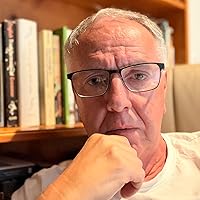
Andrei Vladimirovich Anikin (Cyrillic: Андрей Владимирович Аникин) - Russian Soviet economist and lexicographer, science fiction writer.
In 1949 he graduated from the Institute of Foreign Trade in Moscow , in 1953 he completed postgraduate studies at the Moscow Financial Institute . Candidate of Economic Sciences since 1953, Doctor of Economic Sciences since 1964. Subject of doctoral dissertation: “The credit system of modern capitalism. Research based on the materials of the USA. It was published under the same title as a scientific monograph in 1964.
In 1949-1957 he worked at the USSR Ministry of Foreign Trade and the State Committee for Foreign Economic Relations. Since 1957 he worked at the Institute of World Economy and International Relations as a senior researcher, head. sector, chief department, chief researcher - head of the group. In 1965-92. worked part-time at the Department of Political Economy , Faculty of Economics, Moscow State University. M. V. Lomonosov . Since 1970 he has the academic title of professor.
Main areas of scientific research and publications: monetary circulation, credit, banks, international currency relations; US economy; history of economic doctrines ; problems of financial institutions in a transitional economy. He wrote and published a lot in the popular science and science fiction genre, is the author of the book of memoirs “People of Science. Meetings with Eminent Economists (1995), as well as two books of fiction.
He was invited to give lectures and conduct research work at a number of universities and research centers of the former USSR and other countries, including Novosibirsk and Saratov universities, the Higher School of Economics in Berlin (at that time - the GDR), the Institute for Advanced Studies of the Soviet Union under Columbia University (New York, USA), University of Toronto (Canada). He was a consultant for the USSR and Russia of the investment bank Morgan Stanley and Company (New York and London, 1990-1994).
He was buried in Moscow at the Khovansky cemetery.
Just one of a number of books published in the USSR on monetary matters after the breakdown of the Bretton Woods system (others include Aleksei - Monetary crisis of capitalism: origin, development, Borisov - Gold in the Economy of Modern Capitalism, Bogdanov - The Monetary System of Modern Capitalism, Smyslov - The Crisis of the Modern Capitalist Monetary System and Bourgeois Political Economy, Matyukhin - Problems of Credit Currency Under Capitalism), this one's targeted for a popular audience. There's notting especially profound in here and it's largly really about the situation in international monetary affairs in the late 1970s more generally not just gold. It briefly touches on the use of forced labour for mining in ancient Egypt, the bodies killed per oz of gold extracted in the conquests of South America, Nazi policy of public disdain for gold but their secret theft and hoarding... it predicted the further demonetization of gold but that any full demonetization would never be a real possibility as long as capitalism exists.
I lent this to someone and never got it back. The title comes from Maxim Gorki's visit to America - which he also called the yellow devil.
This is the first of the books that I had ever read that takes something - in this case gold - and expands it to explain many social and historical issues along the way. It was written in the Soviet Union about 5 years before the Soviet Union was no more, which is a bit of a problem, I guess, but a fascinating book, all the same.
He explains how the gold standard was set at Brenton Woods after the war so that an ounce of gold was fixed at $US35 and how Nixon unlinked this and sold off America's gold supplies.
There is also some interesting discussion on alchemy and the role of money after it was stripped of any 'real' value and how money has value if it is not backed by gold. I remember thinking this was a fantastic book at the time - which explains why I handed it on to people to read...
It was one of the earliest book that I have read. The explanation about the gold and paper money and evolution of currency exchange are broadly discussed and covered. This books deeply talks about the evolution of money and more about it's history. Book was written in the times of soviet union during that time itself author is able to predict the in future the currency is going to be only in accounts and the need for physical paper money will no longer be required.
I don't know why many people dislike it, but this book is my foundation in learning economics.