Jump to ratings and reviews
Rate this book

Kudüs Günlükleri

Rate this book
Usta çizer Guy Delisle, en güçlü işlerinden biriyle karşımızda.

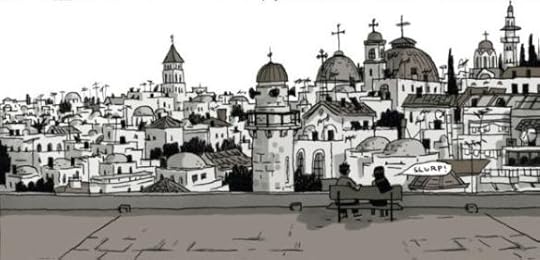
Pek az insanın gidebildiği ülkelere dair gezi günlükleriyle adından söz ettiren Guy Delisle, günümüz Kudüs’üne dair kültürel bir yol haritasını ustaca göz önüne seriyor.

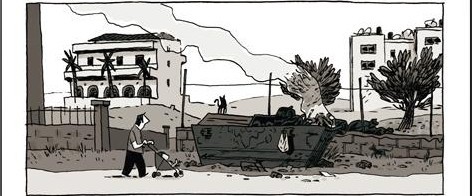
Pyongyang, Shenzhen ve Burma Günlükleri’nde yaptığı gibi, dışa kapalı ülkelerde gündelik hayatın neye benzediğini, tipik bir yabancının bakış açısından yola çıkarak anlatıyor. Delisle, Kudüs Günlükleri’nde pek çok insan için farklı şeyleri temsil eden şehrin zorluklarını keşfediyor. Kudüs’te yaşayan Hıristiyan, Yahudi ve Müslüman toplulukları incelerken hiçbir topluluğu kayırmıyor. İnce bir mizahi anlatımla gördüğü her şeyi çiziyor.

“Şimdiye kadar İsrail-Filistin çatışmasının çözümsüz çetrefilliğini bu kadar canlı ve açıklayıcı biçimde anlatan bir şey karşımıza çıkmamıştı.”

- Telegraph

“Karanlık fakat zarif bir komedi. Trajedinin kıyısında sendeleyen absürtlük...”

- New York Times

“Hem Ortadoğu’daki çatışmaya dair mükemmel bir giriş, hem de dünyanın en kutsal şehrinde yaşamanın neye benzediğine dair hayranlık uyandıran bir yakın plan çalışması.”

- National Post

“Kudüs Günlükleri, küçük bir mucize. Özlü, adil ve son derece teferruatlı.”

– Guardian

344 pages, Paperback

First published November 16, 2011

364 people are currently reading
11038 people want to read

About the author

Guy Delisle

38 books1,806 followers
Born in Quebec, Canada, Guy Delisle studied animation at Sheridan College. Delisle has worked for numerous animation studios around the world, including CinéGroupe in Montreal.

Drawing from his experience at animation studios in China and North Korea, Delisle's graphic novels Shenzen and Pyongyang depict these two countries from a Westerner's perspective. A third graphic novel, Chroniques Birmanes, recounts his time spent in Myanmar with his wife, a Médecins Sans Frontières administrator.

Ratings & Reviews

What do you think?
Rate this book

Friends & Following

Create a free account to discover what your friends think of this book!

Community Reviews

5 stars
7,362 (42%)
4 stars
6,970 (40%)
3 stars
2,347 (13%)
2 stars
409 (2%)
1 star
153 (<1%)
Displaying 1 - 30 of 1,342 reviews
Profile Image for Orsodimondo.
2,451 reviews2,424 followers
February 5, 2022
BREAKING THE SILENCE

description
Il disegno sulla copertina.

La prima cosa che colpisce in Guy Delisle è l’altezza dello sguardo: altezza strada – o, forse, come direbbe lui, altezza asfalto.
È il punto di vista dell’uomo qualunque, del visitatore occasionale.
Solo in apparenza però: perché in realtà, è uno sguardo ben diverso da chi va in giro per il mondo con una guida Lonely Planet in mano.
È in questa specie di contraddizione che risiede l’essenza della sua arte, secondo me.


Per quanto Delisle tenti di camuffare il suo sguardo, di tenerlo basso, a livello stradale, di renderlo qualunque, è invece uno sguardo privilegiato: il suo mestiere, il suo talento, le circostanze dei suoi viaggi sotto forma di soggiorni prolungati, lo rendono osservatore molto speciale, in grado di aprire porte che a volte neppure si mostrano al turista per caso, al viaggiatore accidentale.
Quei turisti che noleggiano grandi croci di legno per ripetere il cammino di Gesù verso il Golgota sicuramente non si accorgono dell’inserviente che deve riportare le croci al punto di partenza, tre alla volta, per poterle riaffittare – particolare che invece non sfugge all’occhio di Delisle.

description
Il punto di vista “basso” di Delisle.

Per raggiungere il suo obiettivo, Delisle racconta la vita di tutti i giorni, con le sue incombenze e difficoltà e seccature pratiche, la vita di un uomo sposato con una moglie che lavora per MSF, due bambini piccoli da accudire, un uomo che sembra lasciare al disegno e all’arte solo qualche ritaglio di tempo libero, troppo preso dalle incombenze di padre e guardiano del nido domestico.

Cala questo quadretto, però, in luoghi insoliti, per lo più sconosciuti, difficili da penetrare (Birmania, Corea del Nord, Gerusalemme…): la miscela che ne viene fuori è unica e, probabilmente, irripetibile.
Grazie anche al suo tipo d’ironia, costante, senza mai scivolare nel cinismo, asciutta, secca, garbatamente tagliente, l’effetto è di grande divertimento anche in situazioni descritte così:
…con la vita quotidiana che continua come se non stesse accadendo nulla di anormale, la tensione diminuisce e la paura scompare più in fretta di quanto ci si potrebbe immaginare…È insieme terribile e indecente.
Delisle sa renderlo anche esilarante tenero struggente avvincente.

description

Pagine piene di disegni, piccoli, anche molto piccoli - e dialogo pensieri didascalie parole: all’improvviso, ogni scritta sparisce, rimane solo il disegno, o più disegni, una pausa, una sospensione, il più profondo silenzio.
Le piccole scritte diagonali, sbilenche, a mo’ di spiegazione, a volte accompagnate da una piccola freccia, che mi riportano a un altro disegnatore amatissimo, Altan.
L’uso di cartine e mappe tracciate per spiegare in poco quello che richiederebbe ore: se lo si facesse in un documentario sembrerebbe una brutta presentazione in PowerPoint, nel fumetto di Delisle è genialità.

description

I lettori appannati dalla distorsione ideologica e dal dogma penseranno che Delisle è indecente perché non si schiera, non prende campo, neppure di fronte alle atrocità che sappiamo molto bene il governo israeliano compie dalla sua nascita nei confronti dei palestinesi.
Il fatto è che il racconto di Delisle procede per sottrazione e sospensione, è lontano anni luce dallo spiattellamento, dallo strillo, dallo tono propagandistico di altri suoi colleghi.

A me sembra molto facile capire da che parte sta il nostro graphic journalist: sempre da quella dell'uomo, del rispetto, della giustizia, della libertà.

Dio mio, grazie per avermi fatto ateo.

description
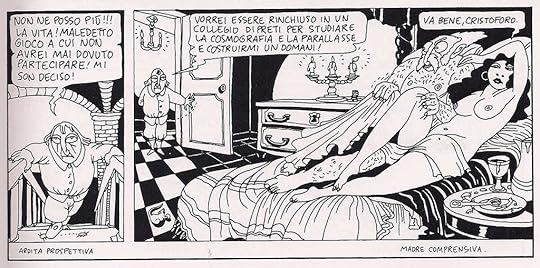
L’insuperabile “Colombo” di Altan, con gli esilaranti commenti dell’autore fuori campo.
Profile Image for Paul Bryant.
2,407 reviews12.5k followers
June 11, 2016

I love these graphic autobiographers and their concentration on the miniscule humdrum realities of their ordinary lives. ( On Thursday I tried to find a playgroup for my kids. On Friday I went to this really dull party.) I would buy all of them, every one, except that these are the least value-for-money books ever, they're always really pricey and you can read them in a couple of hours. But they're soooo nice.

This one is an account of a year as a "trailing spouse" in Jerusalem. Mr Delisle's missus works as an administrator for MSF so she spends a year here, a year there, and he trails along, as do the kids.
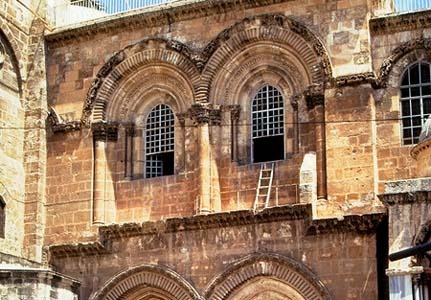
Jerusalem is surely the prickliest place on earth – I haven't checked in the Guinness Book of World Records but can anywhere match its fantastic interconnected four-dimensional jigsaw webs of crossbraided Gordian-knotted undisentanglable multiple overlaid and palimpsested political, religious, geographical and psychological complexities? I don't think so. Jerusalem makes Gormenghast look like a late Mondrian painting. Come to think of it, Gormenghast might be based on the Church of the Holy Sepulchre, you know, the one where they haven't been able to move that ladder since 1923 because thirteen Christian sects are competing for ownership of the ledge the ladder in standing on and the window its top is resting on.

There is a very fierce one-star review of this book on GR, which portrays Guy Delisle as a typically crass blundering North American who has nothing but contempt for the many religious and cultural rules and regulations he meets. I did not see him like that at all. I thought he was rueful, curious and always self-mocking, acutely aware of being a non-believing outsider and keen to hoover up an much of Jerusalem as he could in his year. For instance, he notices a party going on next door :

There are people, music and coloured lights…looks like a wedding…hey, but there's only men!...I dunno how much beer I'd need to dance with one of these mustachioed men. Except they don't even serve booze, so you'd have to work up the nerve with mint tea or Fanta…what a strange party… not a girl in sight…just like a comics festival.

The tone of the book is progressively pro-Palestinian, meaning that he presents the facts as he discovers them by actually living in an East Jerusalem Palestinian neighbourhood. But in one of the final mini-chapters he goes on a tour of a settlement conducted by an actual settler to get their point of view included. So the politics of this political book are implied, rather than stated, or howled in your face as Joe Sacco would do.

There are so many really quite odd things to be noted in Jerusalem and GD encounters some interesting ones. There are ultra-orthodox anti-Zionists, for instance. These guys live in Jerusalem but believe the state of Israel should be abolished (because it was man-made and not made by the coming of the Messiah). Then there are ultra-Orthodox who believe Jesus actually WAS the Messiah (they keep a very low profile). There are religious Israeli Jews who wouldn't be caught dead in Jerusalem because it's full of nutcases.

Quite a lot of this book it taken up with detailing how difficult it is to travel between the West Bank and Jerusalem or between Gaza and Israel. You get a very strong sense of how a tense, potentially violent situation can flare up at the drop of hat. You also get the sense that you have to be pretty lucky to visit the Al-Aqsa mosque – he tries three times and makes it once, it's always being closed for some random reason. So I count myself lucky, I got in at the first attempt when I visited Jerusalem some years ago. It was one of the three times in my life when someone pointed a real gun with real bullets at me – we had missed the bell denoting chucking out time, and a guard came over to remind us to leave – NOW!!

I did think that sometimes Mr Delisle's straightfaced humour, or what I took to be straightfaced humour, could be horribly misread. One introductory panel says

PASSOVER (JEWISH EASTER)

Well, that could be construed as idiotic. But I think it's supposed to be a bit of self-satire (along the lines of "I'm just an oafish atheist, I know, and I don't know the Tomb of Lazarus from a hole in the ground")

But mostly I thought this was a truthful, gently self-deprecating tour of the outer visible edges of this strange geographical expression of the impossible nature of this poor benighted human race we belong to.


Profile Image for Michael Finocchiaro.
Author 3 books6,247 followers
May 24, 2018
Guy Delisle has moved around a lot with his animation job and nearly each place he goes, he leaves us his impressions and experiences in a comic book. Chronicles of Jerusalem is his 3rd and is a wonderful and pertinent tale of his experiences working in that crucial and controversial city. The artwork is beautifully understated and the storyline captivating and compelling. I really enjoyed this one.
24 reviews
June 24, 2012
This book would be more accurately titled "a bunch of random journal entries by an Ugly American in East Jerusalem." Delisle spends a year in East Jerusalem with his girlfriend and their children while she works for Doctors without Borders. The book is his travelogue of that time, but Delisle manages to spend a year in an incredibly diverse and vibrant city and not be changed in the least by it. He shows contempt for almost everyone he meets and seems continually surprised when things are different from a North American City. He never asks why people do what they do, just is surprised by their actions.

A few examples:
He gives several presentations and workshops on cartooning to Palestinians throughout the year. During the first one, he "accidentally" shows a cartoon of a naked woman and man. One might think that he could figure out that in a society where women dress modestly and often go veiled, they might be a little offended by the nudity. In fact, a third of his audience leave immediately. At the next presentation, he shows the same images to "see what would happen." One might expect that he would learn from his first experience and be more sensitive to the Muslim culture, but he doesn't. He does it again and again.

During passover (which he bizarrely calls the "Jewish Easter" which shows a major misunderstanding of both holidays), when Jews are forbidden to eat products with yeast in them, he gets annoyed that many of his regular foods are hidden behind plastic sheeting. Instead of asking why this is or is it's ok to buy them, he pushes the plastic aside and takes what he wants (p. 241). What he doesn't realize is that by doing so, he could be making many foods in the store unkosher and if someone saw what he was doing, possibly cost the store time and money to clean up his mess.

He is especially critical of Israeli Jews in the book, seeming to have no understanding of Judaism and no desire to learn. He repeatedly comments on the prevalence of weapons among Israeli Jews, but never seems to ask why. He eats in a cafe where people are remembering those who died at a suicide bombing at the same cafe a few years earlier, but gets continually surprised that there is security guard at the door who checks his bag. He never connects the dots and understands that the check is to make sure he isn't a suicide bomber. He looks at a guard with a gun at Masada and comments that "you see weapons even in the most peaceful places" (p. 157). But never asks the guard why she is there or why she carries a gun.

He goes to the ultra-orthodox neighborhood of Mea-Shearim a lot. He draws a sign he saw on the wall that asks tour groups not to pass through the neighborhood. I was in Jerusalem at the same time as he was and know that the sign continues and asks tourists to dress modestly and respect the beliefs of the residents (though this part of the sign is not in the book). He seems to think that the residents just don't like tourists, and ignores the fact that the tourists may act in ways that are offensive to the residents. I'm not sure he understands that some of his behavior is offensive, though clearly he doesn't care when it is.

The most shocking frame of the book is when he compares ultra-orthodox Jews to monkeys on page 107. I didn't get the impression that he is overtly anti-Semitic, but I think the last people to make such a comparison were the Germans in the 1930's.

The books reads like the journal of a man who walks through life untouched by any of it. It's a random collection of images and tells no coherent story. Many of the images and stories contain no explanation or if they do, it is often incomplete or incorrect. He generally cares only about doing his drawing but has no care to learn what or who he is drawing. He's an ugly American (though he is from Canada) and it's a shame he wasted the opportunity of spending a year in Jerusalem.
Profile Image for Emily May.
2,221 reviews321k followers
October 17, 2025
Definitely much lighter than Sacco's Palestine. Delisle approaches this book about Israel/Palestine as more of a tourist than a journalist, casually observing and recording his observations in a lighthearted, sometimes funny, manner. It doesn't contain as much depth as Palestine, but I suppose it presents a more balanced view of the conflict and showcases what everyday life is like for foreign residents.

The artwork is simpler, too, though this is not necessarily a bad thing.

Blog | Facebook | Twitter | Instagram | Youtube
Profile Image for Greta G.
337 reviews318 followers
July 28, 2017
"Thank you God that I'm an atheist". That's what Guy Delisle thinks when he witnesses the spectacle of the religions in the region of Jerusalem.
His character in the book is a rather silly guy. At least, he wants you to think he's an idiot who is surprised with everything and everyone he encounters in this Holy Land. His observations are down-to-earthish and unjudgmental. He's like a curious child discovering new things, asking a lot of questions and making remarks like a child would do. Questions adults would answer with "because" and remarks that make adults blush. Sometimes this is very funny.
Some readers find some of these funny cartoons respectless. I would highly recommend them to try a bit harder to laugh with it. Because isn't it normal that for an outsider, another culture can be very weird ?
There is some controversy about an introductory panel in the book that says "Passover (Jewish Easter)". By no means this is idiotic or respectless. In fact those religious festivals are linked. Easter is related to Passover, of which it is regarded the Christian fulfillment (https://en.m.wikipedia.org/wiki/Easter). This "translation" is not uncommon, I've heard it before.
Other reviewers said that the author is pro-palestinian. I don't agree with that. Because I read the reviews before I started to read, I was very attentive and at no time did I find the author judgmental. He only described the things he experienced, saw and heard from other people he encountered. Also one must not forget his wife worked for doctors without borders in Gaza and they lived in East-Jerusalem for a year, and had regular contacts with other expats, most of them also working in Palestine. If we bear this in mind, we have to conclude he did his very best not to be judgmental. Respect!
No wonder he won the prize for the best book at the international comic book festival in Angoulême (2012).

Also do read the review of Paul Bryant (I have to admit his is a lot better than mine).
Profile Image for Nnedi.
Author 153 books17.8k followers
August 14, 2012
REALLY enjoyed this. It was a particular perspective and attitude that I found simultaneously annoying and refreshing. I also learned a lot about the area in a way that I would NOT have learned it if I'd read a history book. The art was simple yet had this way of conveying so much. A good good read.
Profile Image for Chadi Raheb.
528 reviews431 followers
June 7, 2024
درباره ترجمه فارسی:
عنوان این کتاب به احمقانه‌ترین شکل به "فلسطین" در نسخه فارسی ترجمه شده.
در عنوان اصلی کتاب هم حتی خیلی واضح داریم اسم اورشلیم رو می‌بینیم.
زیباست که چطور حتی یک اسم میتونه بعضی‌ها رو تا این حد وحشت‌زده کنه اما طبق معمول این دستکاری اطلاعات و همه‌چیز رو به فرمت عقاید نامحبوب و پوسیده در آوردن، هرچند باعث تاسف، اما چیز جدیدی نیست.
اگر ترجمه فارسی انتخابتونه، در ذهن داشته باشین که این کتاب درباره اورشلیمه.
Profile Image for Trish.
1,418 reviews2,710 followers
May 23, 2017
This is an appropriate time to take another look at Jerusalem, and Guy Delisle’s book can explain to you the in and outs of what U.S. President Trump is seeing while he is visiting.

Guy Delisle is a graphic artist who accompanies his wife, a Médecins Sans Frontières physician, to hotspots around the world. While in the past he has been able to work as an artist while overseas on assignment, every posting is different, and the one in Jerusalem did not lend itself as easily to sketching outside, teaching in universities, giving shows on his work, and concentrating on finishing his drawings in a systematic way.

The very thing that makes Delisle effective in his role as graphic artist and stay-at-home husband and dad also makes him a frustrating on-the-ground observer. He is almost resolutely non-partisan and non-political. When bombs start to fly in Operation Cast Lead over the holiday period Dec 27, 2008-January 16, 2009 he tells what he heard from his position at home, but he wasn’t interested in being an observer. He also wasn’t interested in interviewing settlers in Hebron when he was asked to do graphic reportage there.

By the end, however, I could see the value in his distanced, uninvolved view. He drew what he observed, without much editorializing. He drew the extreme care some security guards took in checkpoint and airport security work, the difficulties Palestinians had in getting around, working, living, and planning for the future, he drew the wall, and the odd situation of Palestinians being pushed of their homes by settlers in the West Bank. The denial from the Israeli state sounds like the U.S. finding ways around giving African Americans voting rights, or rights to decent education.

Delisle saw the sights Jerusalem had to offer, always on the lookout for interesting or peaceful places to bring his wife and children, or somewhere he could work uninterrupted. Eight months into a twelve-month tour the pastor of a Lutheran church Augusta Victoria, on the Mount of Olives, offered Delisle a room in which to work. It was quiet and the only distractions were Delisle’s own thoughts, and a large organ which sent vibrations through his space. He found that he’d accustomed himself to grabbing the in-between moments in his hectic daily life, and the peacefulness of the church paradoxically made it more difficult for him to complete his projects.

Delisle spent many frames drawing the wall: “It’s graphically interesting,” he would explain. The wall through Jerusalem cut Palestinians off, in some cases, from their school, from their work, from their own land. What I particularly liked was his dividing the chapters by months of the year. Some months had considerable drama, but others reflected his dawning understanding about the situation and his learning to make up his own mind about what might be excusable behavior and what seemed like taking advantage.

Throughout the black-and-white book, a map of Israel with the West Bank and Gaza drawn in chartreuse served to remind Delisle and readers that the amount of space allocated to Palestinians in Israel is very small, and Israeli settlers are pushing them away even still. The violent tactics and language the settlers use, the virulent criticism heaped upon the government and activists by the press, can be shocking to those of us who are not used to such extreme positions. “The vast majority of Israelis vigorously disapprove of the extreme behavior of the Hebron settlers.” It is hard not to respond with derision to statements like these, and it is hard to see that restraint is working to underline the urgency of the situation for Palestinians.

The currents of daily life are portrayed effectively by the end of this thick graphic novel (336 pages), and Delisle’s tone and lack of interest serve his purposes well. Despite his occasional missteps (when discussing Hasidic Jews, for instance), his intentional ignorance gives us and him the opportunity to look at the situation anew.

I ended up ordering Delisle’s Pyongyang: A Journey in North Korea series and also his book Burma Chronicles. He has another, called Hostage, which debuted in English in 2017, translated from the French. Hostage tells the story of MSF employee Christophe André, who was captured in Russia’s North Caucasus in 1997 until he managed to escape months later. Public Radio International has a description here. From that link, we learn
”And the truly surprising end of the story is this: Just six months after he escaped, André showed up at Doctors Without Borders and asked for a new assignment. He stayed on with them for another 20 years.”
Profile Image for Mohammad reza khorasanizadeh.
775 reviews65 followers
April 25, 2022
همسر نویسنده از اعضای پزشکان بدون مرز است و به سفری یک ساله به فلسطین اعزام می شود و در این سفر شوهر و دو فرزندش نیز همراهش می شوند.
گی دولیل که نویسنده و طراح است، از این فرصت استفاده می کند و طی دوران انجام وظیفه همسرش، در مناطق مختلف فلسطین به گردش و طراحی می پردازد و عصاره ای از این زندگی حدود یک ساله خود و خانواده اش را به صورت سفرنامه ای کمیک منتشر می کند
آن ها در قدس شرقی ساکن می شوند و دولیل زاویه ای بی طرفانه و حتی تا حدی ناآگاهانه نسبت به ریز اوضاع فلسطین و اسرائیل و تاریخ این سرزمین دارد و در طی سفر به شهرها و روستاها و مناطق مختلف تحت سرپرستی چه اسرائیلچه فلسطین، با مسائل بسیار زیاد و عجیبی مواجه می شود که گاه در عین همان روایت بی طرفانه اش، به مظلومیت فلسطینیان و ظلمی که توسط صهیونیسم به آن ها می شود، اعتراف میکند
کتاب بسیار به جزئیات زندگی مردم در شهرهای مختلف فلسطین پرداخته است. مسائلی که در حالت عادی اصلا به گوش ما نمی رسد
Profile Image for Kamil.
226 reviews1,117 followers
December 4, 2016
I started this book over a year ago and put it back on shelf... don't know why. For me it was a great reminder of why I find Israel and Palestine so fascinating and scary as well.
If you're in need of easy but very informative introduction to life/history of Israel and Palestine, pick it up. It's served with a bit of humour and even the most drastic elements are left to imagination rather than exhibitionistically display on pages... Great and very informative graphic journal...
Profile Image for Ferdy.
944 reviews1,289 followers
July 19, 2013
Spoilers

-Disappointing, but not without merit. I was expecting something more emotional, thought provoking and impactful but sadly that wasn't the case — mainly because the author/illustrator/narrator (Guy Delisle) was an utterly charmless character who didn't seem to care about anything but his own little problems.

-I only picked this up because I wanted to know more about Jerusalem and Palestine. I thought a graphic novel would be a quick and easy way to 'educate' myself on the struggles in Israel/Palestine - and I guess I was somewhat enlightened by the end.

-I really disliked Guy and his mostly boring day-to-day experiences in Jerusalem. I would have thought someone who's a comic book artist would be ecstatic to be in a foreign country — surely all that history and culture would be exciting? Alas, Guy was only in Jerusalem because he had to be as his wife was working for MSF for a year — it was obvious he wasn't at all interested in immersing himself in anything (he just did the occasional tourist thing), and it really showed in his narrative.
Reading about a foreign country that's written by someone who doesn't give a shit about said foreign country, doesn't exactly endear me to the novel/story. I want to read about someone who enjoys experiencing new cultures or someone who's passionate about the people or the place. Guy had no enthusiasm or interest in his new environment whatsoever.
All he did was complain about 1. How he had to look after the kids on his own 2. His living situation 3. His comic book and 4. The tricky commutes he had to go on.
It was ridiculous — he was surrounded by so much culture and politics yet none of that awed or troubled him.
He was around people with real problems, and he wasn't bothered about them at all. He was faced with all sorts of atrocities, and he was so blase about it. Where was his empathy? Where was his understanding? Where was his emotion? His feelings? Where was his cry for change?
He saw Palestinians who were being thrown out of their homes, he saw them being treated like rubbish, he saw them having guns pointed at them for no reason, he met Palestinians that were effectively in a prison because they couldn't move around their own country. He saw the unfair treatment first hand and he didn't care. Well, he probably did but only because it gave him material for this graphic novel. It was off putting seeing/reading his non-reaction to the crazy things going on.

-Despite the rubbish narrator, I appreciated the highlighting of the Palestinian struggle. I had no idea of the level of suffering they endured, it was eye opening.
I was disgusted at the treatment of the Palestinians - they couldn't move around freely, their livelihoods were destroyed, they were constantly under threat, they were treated with disdain, they paid their taxes yet their rubbish wasn't collected and they didn't always have water. It was depressing to read about their situation.

-I wasn't surprised at one of the scenes at the end where an Israeli tried to portray the Palestinians as the bad guys and themselves as good… When in reality it was more the other way around.

-The illustration were good and easy to follow.

All in all, it was a decent read. But it would have been far better if the narrator had actually cared about the struggles he witnessed, instead of being an uncaring, insensitive outsider.
Profile Image for Alireza.
198 reviews39 followers
July 22, 2023
دوستش داشتم، زیاد هم دوستش داشتم
کتاب کمیک به این سبک (یه جورایی رئال و سفرنامه‌طور) نخونده بودم.
داستان کتاب در مورد یک سال از زندگی نویسنده و خانواده‌ش در فلسطین و اسرائیل هستش.
سفر به این منطقه موضوع خیلی هیجان‌انگیز و بکری هستش که شاید هیچوقت نصیب ماها نشه برای همین خیلی موارد برای من جذاب و جالب توجه بود
خود نویسنده با ذهنیت یک فرد غربی وارد این کشور میشه و یواش یواش، برداشت‌ها و داستان‌های خودش رو میگه.
جالبه که اول رفتارها و مسایل مسلمان‌ها براش عجیب و غریب بوده (مثل صدای اذان صبح، عروسی مردونه، حجاب یا ایشالا گفتن)، بعدش نظرش به رفتارهای مسیحی‌ها و یهودی‌های اونجا جلب میشه و تا اواخر کتاب حتی به انتقاد و مسخره کردن رفتار صهیونیست‌ها و یهودی‌های ارتدوکس هم میرسه
نویسنده طنز جالبی داره و وسط یه سری صفحات جدی، اتفاقات روزمره خیلی بانمک رو تعریف میکنه
در کل به نظرم موضوع کتاب خیلی خاصه و سبک کمیک‌ این کتاب، خاص‌ترش هم کرده (کیفیت تصاویر کشیده شده بالا و همراه جزئیات قابل توجهی هستش).
Profile Image for Brown Girl Reading.
386 reviews1,503 followers
July 5, 2014
This graphic novel is about a man who narrates his time living in Israel. He follows his wife over who is a doctor with MSF(Médecins sans Frontières = Doctors without Borders) This man basically becomes the house husband taking care of the kids and the house, while trying to go out and draw what he sees around him in this country full of complexities and paradoxes. This graphic novel will have you laughing, shaking your head, and reflecting over all that you will learn. The artwork is simple but efficient explaining all about Israel. It's a must for those that don't understand the Middle East conflict. Since it's told from an outsider living in Israel the story rings true from his reaction and to the adventures he is barely ready to experience. I highly recommend this one! I have to thank Kim for suggesting this one to me.
Profile Image for Dave Schaafsma.
Author 6 books32.1k followers
August 15, 2013
The best work I have read from Delisle yet. He is no Joe Sacco; in other words, someone withe deliberate intent to political journalism. And I prefer Sacco. Delisle eschews direct commentary; he does subtle critiques, he is doing travel comics. Something about his tone annoys me, but less so in this book than on previous ones, and I admit my liking this book may have something to do with my liking his parenting book quite a bit. His art is terrific, as always.
Profile Image for Marsha Altman.
Author 18 books135 followers
August 17, 2014
Such a well-traveled author should have known better than to portray Muslim women as ridiculous prudes and Hasidim as monkeys. Extremely disappointed in a formerly favorite author.
Profile Image for Niyousha.
615 reviews70 followers
May 25, 2022
یه روزی میاد که من میشینم واسه همه کتابهایی که میخونم ریویو مینویسم... یه روزی که روز خوشمونه و حالمون از امروز بهتره... نترسیم... نترسیم اینقدر از گفتن نظرمون و بازخورد بقیه... خیلی وقته احساس میکنم لال شدم از شدت این ترس و همه اینها از کسی سرچشمه نمیگیره جز والد درونم که همه جوره تلاش میکنه ادمو توی فضای مجازی ساکت کنه...ولی میخوام نظرمو بگم... میخوام حرفمو بزنم... ارزش ازادی وقتی خفه باشی چیه... ارزش صدای شنیده بهتر از خاموشیه...
این کتابو خیلی دوست دارم... کلا خوندن در مورد خاورمیانه و اسراییل و مسایلش واقعا برام جذابه...فکر میکنم مشکلاتی که ماها توی اخبار میخونیم بین مردمی که سالها کنار هم دارن زندگی میکنن خیلی کمرنگ تره و شاید اصلا وجود نداشته باشه... مثلا برای شما چه فرقی میکنه همسایه ات به چه خدایی اعتقاد داره تا وقتی نصفه شبها سروصدا راه نمیندازه و اشغالهارو توی راهرو نمیریزه... میخوام بگم دنیای امروزی به دین احتیاجی نداره... ما ادمهای معمولی با خودمون کنار اومدیم... کی از جنگها و اختلافها داره سود میبره؟ منعفت کی توی ادامه این درگیریهاست؟ ادمهایی که پول میگیرن تا ارامش منطقه رو برهم بزنن از کجا تغذیه میشن؟ ادمی که زن و بچه وشغل داره کی وقت داره واسه اعتقادات 1400 سال پیش بذاره....این کتاب هم همینو نشون میده... ادمهای واقعی که به جایی وصل نیستن دارن در صلح و صفا کنار هم زندگی میکنن ولی هرچندوقت یه بار یه اشوبی میشه... که باعثش انسانهای عادی نیستن... ولی اونها دارن زجر و دردشو میکشن
Profile Image for Xandra.
297 reviews275 followers
May 23, 2020
If you asked me a year ago what I wanted from the graphic novel world I would have said: a more colorful Guy Delisle travelogue. And here it is! A fantastic book with more color, more humour and more depth than his previous ones and big enough that I didn’t feel it went by too fast or that it wasn’t worth the money. It left me with a feeling of completion and the satisfaction that I got a solid and visually appealing account of a year in Jerusalem.


Jerusalem is Guy Delisle’s fourth travelogue and, in my opinion, his best. It blends travel (he travels more than in his previous books, including two short trips to Europe), self-deprecating humor (his funniest book yet), religion (always a fascinating topic) and great artwork. It’s obvious that a lot of work went into this.


Delisle lives in East Jerusalem with his wife and two kids and coveys what it’s like to live in a bizarre city torn apart by political unrest and deep-seated religious beliefs. A place where the Israeli/Palestinian conflict is a never-ending concern. A place where followers of three major religions (Judaism, Christianity, Islam) have yet to learn how to live together in peace. A place of social and geographical segregation. Starting 2002, a separation wall was built to control the entry of Palestinian West Bank residents into Israel and was defended by the Israeli government as a security measure designed to prevent terrorist attacks. The barrier is still under construction and its length upon completion is estimated to be approximately 700 kilometers.

It’s a complicated reality which Delisle manages to present in understandable terms, always keeping an open mind and a perpetually fascinated attitude as one would expect from a foreigner in a strange place or an atheist confronted with religion. He is cynical and ignorant, but also curious, interested, observant, funny, questioning, he tackles a wide variety of topics ranging from peculiar religious practices to the 2008-2009 Gaza War and, all the while, he immortalizes in his drawings a year of his life.


So what makes Jerusalem and its surrounding areas so different? To name a few oddities: Samaritans adamant in their belief that prayers must be placed over and not on the doorframe (like Jews wrongly think), ultra-orthodox families averaging 7 children and living below poverty line because the husbands don’t work and are exempt from military service (they study sacred texts instead), parallel transportation systems (Israeli buses that go everywhere except the Arab quarters and Arab minivans that operate nowhere but the Arab quarters), the omnipresence of guns, Spiderman kippas, an Arab family renting crosses to people who want to reenact Christ’s Passion, stores being closed on either Friday, Saturday or Sunday according to their owners’ religious affiliation. No farther than Tel Aviv coffee shops are open on the Sabbath and girls in bikinis are smoking hookahs on the beach.

All in all, a wonderful book and highly recommended if you like graphic novels, travel, humour or you're interested in religion. Sadly, according to this interview, we won't be seeing any more travelogues from him anytime soon.
Profile Image for Sam Quixote.
4,794 reviews13.4k followers
May 13, 2012
Guy Delisle travels to Jerusalem with his partner and their two kids for a year. His partner is an administrator for "Doctors Without Borders" and Delisle spends the year working on his comics, looking after the kids, and exploring/trying to understand the city of Jerusalem and its peoples.

If you've read Delisle's work before you'll know he goes to hard-to-reach places and reports on his time there (North Korea, China, Burma) and that the resulting travelogues are always entertaining and enlightening - just like this latest book.

The book isn't a polemic nor is it meant to explain the region or the history, it's really just a memoir/travelogue of his time there. So there is equal parts of his time describing his everyday duties looking after the kids and going to parties, making friends, as much as there is encountering and observing violence from bombings in Gaza, to the numerous checkpoints and outright chaos of this area.

The reader gets to see how bizarre Jerusalem is. The city is divided into Christian quarters, Jewish quarters, and Muslim quarters, where literally one side of the street a woman can wear what she likes and on the other she must be covered head to foot. The constant military presence and day to day reminders of violence - everyone carries a gun, not just soldiers. The shrillness of the piercing calls to prayer echo throughout the city whether you are religious or not. The ridiculously high number of checkpoints everywhere, the constant traffic jams...

As an atheist myself, it's hard to believe that this troubled region is because of one group believing one thing over another leading to literally millennia of conflict. As such, it's incredibly shocking how people will be so petty over everything. One contested house becomes demolished, another goes up - years pass, the house is demolished/taken over, another goes up. And on and on. And the bizarre behaviour of Orthodox Jews who are just flat out racist and violent toward anybody who isn't an Orthodox Jew themselves, is just terrifying.

Delisle doesn't take sides on whether he believes one side is right over another, he's an atheist himself and does his best to present all sides of the argument. Through his fresh eyes the reader sees the area as if they were visiting it themselves. It's a fascinating look at a troubled region, told memorably and filled with excellent artwork throughout all by Delisle, who has once again written/drawn a wonderful book on a strange part of our world with characteristic good humour and intelligence.
Profile Image for Fahime.
329 reviews256 followers
July 30, 2020
این کتاب روایت مصوری از تجربیات گی دولیل در طول اقامت یکساله‌ش در اورشلیم یا قدسه. گی دولیل به خاطر ماموریت همسرش که یکی از اعضای پزشکان بدون مرزه، راهی فلسطین میشه و در طی این مدت علاوه بر نگهداری از دو فرزندش و انجام پروژه‌های شخصی، چندین نمایشگاه و کارگاه در شهرهای مختلف فلسطین برگزار می‌کنه.
گی دولیل آدم بی‌طرفی نیست. همیشه تاریخ، وقایع و اخبار رو از اسرائیلی‌ها شنیده و نظر خوبی نسبت به مسلمان‌ها نداره. به همین خاطر از تمیزی و زیبایی تل‌آویو ذوق‌زده می‌شه، از خرابی و کثیفی قدس خوشش نمیاد، حجاب و مراسم عروسی مسلمان‌ها رو مسخره می‌کنه، انتقاد از عملکرد دولت اسرائیل از طرف روزنامه‌های خود اسرائیل براش عجیبه و خیلی موارد دیگه. اما آش انقدر شور هست که گیل دولیل هم متوجه‌ش بشه. کم کم پست‌های بازرسی و سخت‌گیری‌های بیش از حد، بستن راه‌ها، اذیت و آزار مسلمان‌ها به دست یهودی‌ها در محلات مختلف، خراب کردن خانه‌های مسلمان‌ها، اشغال تپه‌ها و به دنبالش شهرک‌سازی‌های غیرمجاز و از همه مهم‌تر شرایط اسفناک مردم غزه و بمباران‌های پشت سر هم، به چشمش میاد. گرچه دولیل سعی می‌کنه سطحی به این موارد اشاره کنه و با شوخی از کنارشون رد بشه، اما باز هم تکان‌دهنده هستن.
در کل کتاب بسیار جالب و ارزشمندیه و توصیه می‌کنم حتما بخونیدش. برای ما که همیشه فلسطین رو از نگاه جمهوری اسلامی و اسرائیل رو از نگاه آمریکا شناختیم، شنیدن روایت یک آدم غربی نه چندان بی‌طرف غنیمته؛ هم در مورد وقایع فلسطین و هم در مورد حقیقت اسرائیل.

آپدیت: الان که ریویوها رو میخوندم دیدم بیشتر امتیازهای یک ستاره‌ای متعلق به یهودی‌هاییه که کتاب رو ضد اسرائیل و به نفع فلسطینی‌ها می‌دونن. جالبه واقعا! از نظر من بی‌طرف متمایل به اسرائیل به نظر می‌رسید!!!
Profile Image for LeeAnne.
295 reviews205 followers
September 10, 2016
This book is disturbingly pro-Palestinian and anti-Israeli. The author makes zero effort to learn about his host country's rich culture and history. He shows contempt for Israel and seems continually shocked when things in Israel are different from his hometown. He simply shrugs with apathy as helpless dog is chained up in a cage for days and probably abused by one of his neighbors.

When the author learns about the thousands of deadly rockets Hamas fired onto the houses of Israeli civilians, he responds with, "Cool." He compares ultra-orthodox Jews to monkeys. He gives no background information to inform his readers about various altercations. He portrays Israeli Jews as a angry, hostile villains and Palestinians are all depicted as helpless victims.

Let’s not ignore the 800 pound elephant in the room: Many people hate Jews – and that will probably never change. There is a disgusting double standard of bias against Israel from people like this author who constantly blast and attack Israel out of hate.

This author was unafraid to write openly about North Korea, it's dictators and brutal regimes in his first graphic novel. This author may loath totalitarianism, but he seems to loathe free Jews in Israel even more.

For a more detailed explanation, please read Aeron's insightful review at the link:

https://www.goodreads.com/review/show...
Profile Image for piperitapitta.
1,049 reviews462 followers
February 27, 2015
Gerusalemme (ma anche Israele-Palestina-Cisgiordania-Striscia-di-Gaza-Alture-del-Golan) for dummies.

…E quando nell'ultimo disegno in campo scuro vedi l'aereo decollare e riportare Delisle e la moglie Nadège (in missione con Medici Senza Frontiere) e le loro due bambine, a casa dopo aver trascorso un anno a Gerusalemme Est, non puoi far altro che pensare a quanto sarebbe stato bello se Guy Delisle fosse potuto rimanere là ancora per un po'; almeno un altro anno, come dice, per lui, più semplice per continuare a vivere, dopo aver capito come funziona, a Gerusalemme-Israele-Palestina-Cisgiordania-Striscia-di-Gaza-Alture-del-Golan, ma anche e soprattutto per me, per noi, per continuare a raccontarcene ancora un po', con la certezza che ogni giorno in più, in quelle terre, avrebbe saputo regalare anche a noi qualcosa di più: perché quello che non sono stati capaci di fare i romanzi e gli articoli di giornale che ho letto nel tempo sulla situazione israelo-palestinese, è riuscito a farlo, con estrema sintesi e chiarezza, una graphic novel, che attraverso il racconto di un anno di vita quotidiana, il tratto semplice e pulito e le osservazioni sempre piene di garbo, di humor e di profondità di un 'disegnatore di fumetti', come spesso si definisce, mi ha fatto vedere un mondo che prima, nonostante tutto, comprese le immagini dei telegiornali e degli speciali in tv, non ero ancora riuscita a 'vedere'.
E allora Gerusalemme per dummies, sì, per tutti quelli che finora hanno scelto di continuare a esserlo, di non vedere un muro enorme che divide, una linea verde che tratteggia, reti che riparano le persone dal cielo e dai lanci di sassi, giri immensi per poter semplicemente attraversare la strada, checkpoint e cubi di cemento ovunque, marciapiedi per gli uni e marciapiedi in direzione opposta per gli altri, tre religioni che si ostacolano e che si moltiplicano, dividendosi, così come i loro adepti, in fazioni, comunità, colonie, frange, estranei, nemici… tre religioni che sono capaci di perdere di vista quella che dovrebbe essere la loro funzione principale, ad esempio in luoghi di culto come il Santo Sepolcro, dove sei diverse comunità di cristiani (etiopi ortodossi, armeni apostolici, cattolici romani, greci ortodossi, copto ortodossi e siriani ortodossi) dovrebbero occuparsi della gestione dello stesso, mentre invece dissidi e dissapori sono all'ordine del giorno, come dimostra la rissa fra preti di comunità diverse alla quale Delisle assiste in TV, che osserva, dopo aver assistito confuso allo spettacolo, ma non senza una certa presenza di spirito, «Dio mio, grazie per avermi fatto ateo.»

«Sarà sempre più facile combattere il proprio vicino se lo si riassume in una sola parola e lo si rappresenta in una sola immagine», scrive Delisle riflettendo sull'atteggiamento equivoco di una guida locale che in visita al cimitero di Hebron ricorda le sessantasette vittime ebree del massacro del 1929 dimenticando di menzionare le ventinove a opera di Goldenstein nel 1994 sulle Tombe dei Patriarchi, un tentativo, di quelli che avvengono, non manca di sottolineare, da ambo le parti, di voler far apparire l'altro, evocando solo un lato delle vicende, come 'l'incarnazione del male'.
Eppure, in visita a Mea Shearim (Gerusalemme Occidentale), non può far altro che notare che anche gli ebrei, come gli arabi, «non buttano il pane nell'immondizia», perché lo considerano sacro, ma che se ne trovano pezzi infilati un po' dappertutto, lungo le strade, fra i mattoni delle case.
«Ah sì, ho pensato, gli arabi fanno lo stesso», scrive «per tutto l'anno ho visto sacchetti pieni di pane appesi al lato dei bidoni dell'immondizia. La si potrà aggiungere alla lunga lista di cose che gli ebrei i e gli arabi hanno in comune», e che nonostante tutto, ci sono stati periodi in cui sono stati capaci di vivere gli uni al fianco degli altri.
E non può fare a meno di stupirsi nello scoprire che Ramallah è una città viva e vivace, che a Tel Aviv il mare sembra far dimenticare che altrove, a Gaza, si è rinchiusi come animali allo zoo, anche quando vedi passare gli F-16 che solcano i cieli per andare a bombardare i territori, che Breaking the Silence è un'organizzazione di vecchi soldati israeliani che hanno deciso di rompere il silenzio dell'esercito per far conoscere al mondo la situazione dei territori occupati, che le Masoch Watch sono un'organizzazione israeliana di 'donne che osservano/sorvegliano', cioè che si recano ai checkpoint disseminati lungo il muro e controllano, perché contrarie alla repressione e al fatto che non possano circolare liberamente per il loro paese, come gli israeliani trattano i palestinesi, che tutto ovunque, in Israele-Palestina-Cisgiordania-Striscia-di-Gaza-Alture-del-Golan, conserva e protegge tesori, ricchezze artistiche e tradizioni popolari dal valore inestimabile, enclavi nascoste e custodite dalla geografia (forse affatto casuale), che consente loro di continuare a esistere, usanze nate molto lontane nel tempo e nello spazio, e in luoghi ove ormai sono scomparse da tempo, ma che qui, in questa terra frantumata dall'odio, continuano a vivere.
Sarà mai possibile ricomporre tutto questo, rimettere insieme tutte le tessere di questo preziosissimo mosaico, sarà mai possibile che una volta per tutte la comunità internazionale decida di volgere a questa terra martoriata il proprio interesse umanitario per restituire a tutti la dignità di esistere e di vivere da persone libere?

http://www.rizzoli-lizard.com/wp-cont...
Profile Image for Louise.
1,839 reviews381 followers
December 26, 2016
Guy Delisle spent a year in East Jerusalem and found it nerve wracking and infuriating.

Because he lived in the Muslim quarter, buses that serve Jewish communities will not go there and routes aren’t connected. Road blocks and check points add to the difficulty of getting around. Water, garbage collection and electrical services are not reliable; They are fine in other areas despite the equal taxes paid by all residents.

Delise notes the unusual religious customs. For the Jews it is a sin to throw out bread, so you see it in plastic bags on dumpsters; on the Sabbath (announced by a horn blowing), elevators stop at every floor, so that (work) buttons need not be pushed; Muslim students with arts degrees are not allowed to make images of people. Samaritans, who claim to have the oldest Torah, hang fruit and vegetables from the ceiling for Sukkot.

There are short pieces of the many sects of Judaism such as those who believe Jesus is the Messiah and the Samaritans who are not accepted as Jewish by the ultra- orthodox despite being a Jewish sect that never left the area hold Palestinian and Jordanian passports.

The author describes his harassment upon two entries into Israel with questions such as “Why does your wife work in Gaza” and “Did you speak to any Palestinians in Norway” and long detentions. Internal interrogations are frequent. Cities, settlements, and sections have blockades. Interrogations can be long and create lines are so long that many cannot cross to other areas of their own country. When Delisle tries to sketch a wall he is told to move.

The Delisle baby sitter’s family has notice that the house they have owned for a generation (or more) will be bulldozed for a settlement. They have all the paperwork, but if they hire a lawyer and lose, they will have to pay for the demolition of their house. Delisle meets another family living this nightmare and loses their home.

Through all this, Delisle has a somewhat normal life. In Israel, he can blend in like a resident. He gets the kids to school, sketches for his books goes to cafes and meets interesting people. He has workshops in different areas of Israel and students have varied reactions to his very western-style material (why did he do this?). His wife does not have a normal life, working for with Doctors without Borders she has to live with the border crossings (ironic) and serve a clientele suffering the from poverty, violence and the stress of their precarious existence.

The tone of the book is detached, sometimes he’s like an “as shucks” observer surprised at an all male wedding party without beer, or at Muslims with art degrees who will not make a rendering of a person. As he watches religious strife/harassment, from stone throwing to bombing and shelling, he affirms his atheism.

Overall you get the feel for living in Israel . The plight of the Palestinians is clear.
Profile Image for Chava.
517 reviews
November 10, 2012
I read the book in English. My kids read it, and they thought it was weird, mostly because they couldn't understand why he was living in Bet Hanina when he kept complaining about living there. For me, a recent immigrant to Israel with strong opinions about what goes on here, it was good to see a different perspective on "the situation," and it emphasized that things are not black and white, to the point where he does not want to shop in the stores in the nearby Jewish community, but then he sees a Muslim woman with multiple bags coming out. For his sake, I wish that Guy had seen more of this beautiful country than his neighborhood and the Tel Aviv beaches. As someone else mentioned in their review, and something that I truly believe, you cannot live here, especially in Jerusalem, and not be changed by the experience. I don't think that came out in the book, while at the same time, it was not an impartial "reporting" of events. It seemed the situation in Gaza had an impact, but most people only know what they read in the headlines, so a little background may have been helpful to readers.

Love the graphic novel format, love the illustration style, especially Alice's eyes, even love the depictions of Jerusalem, but, expected a lot more passion (either love or hate) than came across in the book.
Profile Image for Julie Ehlers.
1,117 reviews1,598 followers
February 8, 2017
I’m not gonna lie to you, my high-school education in history and current events was really terrible, and then I went off to college where the professors kind of expected you to already know what had happened and when, and I just kind of faked my way through my two required courses and left it all behind. So now, of course, I’m always playing catch-up, trying to stuff as many facts as possible into my aging brain. When it comes to the whole Israel/Palestine situation, I try to read as much as possible and hope that eventually the accumulation of facts will reach critical mass and I will feel well-versed. Jerusalem was a successful part of that project. What I liked about it: (1) It was geared toward dummies like me, so I learned a lot without feeling overtaxed. (2) The art was really beautiful. (3) The storytelling was mostly quite entertaining. What I didn’t like: As others have mentioned, about this book and Delisle’s others, the author/narrator himself comes off as kind of a jerk. I don’t know if it’s intentional or not on his part, but either way, the annoyance I felt at his portrayal of himself was probably the biggest drawback of this book. I would still recommend Jerusalem if you’re interested in the subject matter or just enjoy well-done graphic memoirs.
Profile Image for Gorab.
840 reviews151 followers
December 18, 2023
★★★★☆
After reading a couple of graphics leaning on either side of the Israel Palestine conflict, this was refreshing.
A casual take depicting his day to day living experience in Jerusalem.
Felt irked in the beginning because of a lot of non-trivial strips with no relevance whatsoever.
Got a hang of it eventually, and those "irrelevant" pieces might be the reason for liking this book more than I thought of :)

============== Edit: =================
Highlight: Offering simplicity on a complex topic.

Unbiased. Honest and unpretentious. Insightful. Dark humour.
Like all his signature works, this one also has minimalistic (yet elegant) artwork, combined with deeply observant narration.
Its a travelogue. He has portrayed exactly what he saw and experienced without favoring any particular side.
Having said that, teh book has nicely captured the history and current polictical situation well.

First 100 pages - day to day life. Getting a hang of Jerusalem and its surrounding regions.
Middle pages - Learning the customs and religious beliefs.
Last pages - Recounting conversations with a diverse set of persons - pretty insightful.

Highly recommended.

P.S.: Read it for the 2nd time. Read in this order:
Palestine => Jerusalem => How to Understand Israel in 60 Days Or Less => Jerusalem

Up next: Footnotes in Gaza
Profile Image for Introverticheart.
319 reviews229 followers
November 19, 2024
Znakomita powieść graficzna, zniuansowana, w odpowiednich dawkach humorystyczna, dość przenikliwa, szczera.
Dobrze oddaje absurdy życia na pograniczu izrealsko-palestyńskim, nie ocenia, żadnej ze stron konfliktu nie faworyzuje.
Jeśli komuś nie po drodze, by zobaczyć Jerozolimę, równie dobrze może przeczytać powieść Delisle'a, w dużej mierze oddaje atmosferę świętego miasta, serio
Profile Image for Diane.
1,116 reviews3,190 followers
July 17, 2013
This is another excellent graphic travelogue from Guy Delisle. He and his family spent a year living in Jerusalem while his wife worked for Doctors Without Borders. I liked seeing his drawings from the region, and he did a nice job explaining the history of each site he visited. Delisle says early on that he isn't religious, so he has an outsider's perspective of the ongoing conflict. At times he gets disgusted by the violence and the never-ending irritation between Jews and Muslims, in addition to some petty politics of Christians.

"I swear, when you see the spectacle religion puts on around here, you don't feel like being a believer. Thanks, God, for making me an atheist."

Previously I had read Delisle's book Pyongyang, which was also very good. I'm looking forward to reading more of his graphic novels.
Profile Image for Eva.
14 reviews5 followers
June 5, 2012
Beautifully drawn, well-observed travelogue from Delisle who details his year spent in Jerusalem. If you've read his other travelogues, you will know what to expect - but Jerusalem goes further - a step up in the quality of drawing, writing and anecdote material.

Drawing upon a year's experience of Jerusalem life, it would have been easy for Delisle to have used the political as the narrative for this travelogue - but that is not his style, instead pointing out similarities between different groups and steering clear of over-bearing political comment.

As always, Delisle's strengths are in highlighting absurdities that he comes across during his stays - what particularly comes to mind is the horror-loving Lutheran pastor who offers Delisle space in a church to use as a studio.

Jerusalem is a refreshing book - being primarily a travelogue, any assumptions to be drawn from the book are most likely to have arisen from the reader's preconceptions. When there is commentary on anything political, Delisle's skill in not allowing the political to dominate in this travelogue is shown. For that reason, this book will have wide appeal.
Profile Image for Mahatab Rashid.
107 reviews118 followers
May 15, 2021
a slow burn Graphic Memoir (definitely not a novel), The most sacred and crucial place on earth in the eye of a stranger. Delisle's exploration of Palestine/Israel as a comic artist is honest, witty and quite thought-provoking.
Displaying 1 - 30 of 1,342 reviews

Can't find what you're looking for?

Get help and learn more about the design.