
What do you think?
Rate this book

240 pages, Paperback
First published January 1, 1999


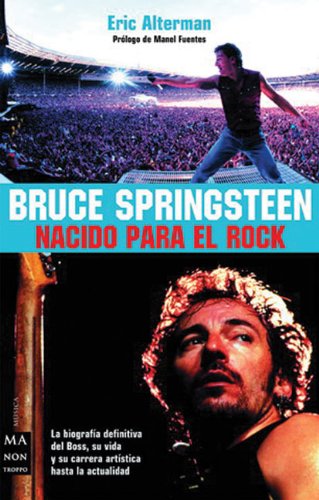
the poetry and power of born to run lie in its unwillingness to compromise, in the refusal of its protagonists to accept passively the hand dealt to them by circumstance. they lie in the passion brought to common struggles, a passion that is mirrored by the ferocious roar of the music. mary, terry, wendy, and the magic rat are consistently searching within themselves, hoping to find the emotional resources — the love, the hope, the faith — to become their own heroes, to go on dreaming in the face of broken dreams. the album's stories are internal monologues and dramatic renderings of springsteen's own personal struggles with his parents, with authority, with women, and with the expectations of the world, universalized and ennobled through the language of the radio on top of his mother's refrigerator. it is an album about the unsung heroism of everyday life, the quiet glory of unflinching personal integrity in a world where virtue is deemed to be its own reward.published in 1999 (just following bruce's reunion with his e street bandmates), eric alterman's it ain't no sin to be glad you're alive offers the usual biographical details of springsteen's personal life, professional dealings, and musical output. longtime fans, surely familiar with springsteen's background, may find scant novelty, but, as a rock bio, it's as good a place to begin as peter carlin's bruce for the uninitiated. where alterman's book shines brightest is in his situating of bruce's music and lyrics within their social context and cultural milieu. when alterman applies reasoned analysis and critical thought (benefiting from decades elapsed) to the success of bruce's songwriting and global fandom, his perspective brings great depth and understanding. as much a love letter to springsteen as it is a proper bio or critique, it ain't no sin to be glad you're alive is a strong entry in the canon of literature venerating, who may well be, the finest american songwriter of the past half-century.
the songs on darkness [on the edge of town] are about the characters born to run left behind. the record turns on an axis of anger; each song focuses on the desire to break bonds that have become chains, while lamenting the losses such a break necessitates. it is about recognizing that anger and hatred and the turning away of one's heart are the logical responses to the forces that claw away at your soul, but not the only possible ones. it is an album about the power of individual faith, of perseverance, of heart (but not, quite clearly, of love), to find a place to make a stand, however small and unlikely to succeed.


