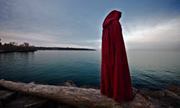
هذا الكتاب هو الحلقة الثالثة من سلسلة "مواقف" الشهيرة التي ألفها الفيلسوف الوجودي الكبير جان بول سارتر وجمع فيها طائفة من أبحاثه العميقة ودراساته في الأدب والفن والحياة.
Jean-Paul Charles Aymard Sartre was a French philosopher, playwright, novelist, screenwriter, political activist, biographer, and literary critic, considered a leading figure in 20th-century French philosophy and Marxism. Sartre was one of the key figures in the philosophy of existentialism (and phenomenology). His work has influenced sociology, critical theory, post-colonial theory, and literary studies. He was awarded the 1964 Nobel Prize in Literature despite attempting to refuse it, saying that he always declined official honors and that "a writer should not allow himself to be turned into an institution." Sartre held an open relationship with prominent feminist and fellow existentialist philosopher Simone de Beauvoir. Together, Sartre and de Beauvoir challenged the cultural and social assumptions and expectations of their upbringings, which they considered bourgeois, in both lifestyles and thought. The conflict between oppressive, spiritually destructive conformity (mauvaise foi, literally, 'bad faith') and an "authentic" way of "being" became the dominant theme of Sartre's early work, a theme embodied in his principal philosophical work Being and Nothingness (L'Être et le Néant, 1943). Sartre's introduction to his philosophy is his work Existentialism Is a Humanism (L'existentialisme est un humanisme, 1946), originally presented as a lecture.
سارتر مقاله جمهوری سکوت را پس از آزادسازی فرانسه در جنگ جهانی دوم که تحت اشغال آلمان نازی بود، نوشت. وی در این نوشته به تامل درباره وضعیت فرانسویان در زمان اشغال کشورشان می پردازد. او معتقد است با وجود آنکه دوران اشغال فرانسه از سخت ترین دوران ها برای مردم فرانسه بود و آن ها به شکل های مختلفی تحقیر می شدند و مورد آزار و اذیت قرار می گرفتند، اما این فرصت برایشان فراهم شده بود که به سطح عمیق تری از آگاهی نسبت وضع بشری و مخصوصاً آزادی فردی دست یابند. در شرایط دشوار است که پرسش های دشوار هم در برابر انسان قرار می گیرد و او را به پاسخگویی فرا می خواند. تمرکز سارتر بر مسئله آزادی و مسئولیت انسان نسبت به وضعیت خویش است. وی یکی از جملات معروفش را در ابتدای این مقاله بیان می کند :« ما هیچ گاه به اندازه زمانی که تحت اشغال آلمان بودیم، آزاد نبودیم.» این جمله کاملاً آیرونیک و کنایه دار است و به حقیقتی مهم در خصوص انسان اشاره می کند، اینکه آزادی انسان که مترادف با وجود اوست، قابلیت آن را دارد که در بالاترین سطح، در سخت ترین شرایط، همچون حقیقتی روشن تجربه شود. آیا آن هایی که به نهضت مقاومت فرانسه پیوسته بودند در راهی که انتخاب کرده بودند، استمرار و مداومت نشان می دادند یا اینکه زیر شکنجه وا می دادند و به همرزمان خود خیانت می کردند؟ آیا تحت فشار شکنجه سکوت می کردند و از این طریق به مقاومت خود ادامه می دادند؟ از نظر سارتر آگاهی هرچه بیشتر از آزادی فردی، سبب می شد تا افراد در برابر خود انتخاب هایی را ببینند حتی در بدترین شرایط ممکن و از این طریق خود را قربانیان صِرف آن وضع نپندارند. سارتر معتقد است مشارکت فرانسویان در نوعی جمهوری سکوت و مقاومت در برابر اشغالگران سبب اتحاد آن ها در سطحی وسیع شده بود و این نتیجه ی دست یابی به سطح بالایی از آگاهی نسبت به آزادی فردی و مسئولیت در قبال جامعه خویش بود. سارتر امیدوار بود از این آزادی فردی برای ساختن جامعه ای بهتر در فرانسه ی پس از جنگ بهره گیرد.
I have a work-in-progress, a manuscript of anti-war, pro-revolution poems, started when the U.S. invaded Iraq. I wrote one poem or more each day and sort of stopped late last year. So I have more than 400-500 poems, collages, paintings, and mini-essays, which I have been slowly typing out.
when I started this project, I began reading and re-reading everything I had on war: by journalists, painters, poets, theoriticians, concentration camp survivors, photographers, war-time journalists and soldiers, analysts, futurists, Marxists, dead or alive. That's why i picked up this book by Sartre. He gives insights about iiving under occupation, visiting the industrial empire of the U.S., coming from a WWII France; while some of these latter observations are limited (lacking any sense of the race/class/gender dynamics) it shows how much more capitalist development took off in the U.S. fueled by war, empire-building/world domination projections and how the new world center of power shifted to the U.S. Just insights, but beautiful, aesthetic, felt and necessary reportage for those back in Europe rebuilding from the firestorm bombings and fascist ravage of eurocentric culture and civilization.
Der französische Philosoph und Intellektueller verfasste in seiner Schaffenszeit die meisten Werke nach der sehr prägenden Zäsur des zweiten Weltkriegs. Nun gibt es diese schöne Ausgabe gesammelter Artikel und Essays Sartres aus seiner produktivsten Arbeitszeit. Er beschreibt das Gefühl der Besetzung Paris' durch die Nationalsozialisten, die amerikanische Kultur, die Städte und das Attribut der unbegrenzten Freiheit. Denkt über das Wesen der (kommunistischen) Revolution nach, äußert sich zur Dekolonisierung und schreibt über die Besonderheit Giacomettis. Hier eine Zusammenfassung der (für mich) wichtigsten und interessantesten Aspekte:
Ich habe das Buch - auf den Spuren Sartres, Hemingways, Joyces und Co. - in Paris bei Shakespeare and Co. gekauft.
📌Das belastende an der deutschen Okkupation Paris' war, das ständige - wenn auch friedliche - Anwesen des Feindes, der sich der französischen Kultur nicht annimmt und ihre Wesenszüge und Sprache vollständig ignoriert. Die psychische Belastung und drohende Gefahr und daraus resultierende Unfreiheit machten einem das Leben in Paris zur Hölle.
📌Sartre denkt, dass die Amerikaner gar nicht vollständig frei seien. Denn um sich persönlich entfalten zu können, müssen sie erst in den gesellschaftlichen konventionellen Rahmen eines Amerikaners passen (conformism). Sie seien also in ihrer Unfreiheit frei.
📌Das Wesen der Revolution sei die Aktion der Masse, die einen raschen Wechsel der derzeitigen Situation verlangt. Die Maße müsse daher derzeitig in einer nachteiligen, unterdrückten Situation sein. Die Wechsel die sie fordere, zielten allerdings nicht darauf ab, dass sie (die Revolutionäre) die Herrscher werden. Das System solle sich einfach ändern.
📌Das Interessante an Giacomettis Skulpturen ist, dass er in ihnen eine natürliche Distanz zwischen dargestelltem Objekt und Betrachter nachahmt. Seine Figuren sehen so aus, wie die Vorlagen aus der Distanz betrachtet. Doch bleibt diese Distanz hier auch bei geringster räumlicher Entfernung zur Skulptur bestehen.
This entire review has been hidden because of spoilers.
آنها، همچون سربازان، آشکارا جنگ نمیکردند؛ بلکه در تنهایی مورد تعقیب قرار میگرفتند، در تنهایی بازداشت میشدند، و در تنهایی مطلق در برابر شکنجه به مقاومت میپرداختند: تنها و عریان، در برابر جلادانی خوش بنیه، تروتمیز، و با البسهیی پر زرق و برق که بر پوست و گوشت نکبتزدهی آنها میخندیدند، و آنها با وجدانی پاک و قدرتی بیپایان نشان میدادند که حق را به جانب خود میدانند.
۱۲ فروردین، ۱۴۰۳
This entire review has been hidden because of spoilers.
I'm not sure some of Sartre's observations about the United States, or even revolution, are accurate, but each essay was incredibly thought-provoking in its own way.