Jump to ratings and reviews
Rate this book

El arte de la ficción

Rate this book
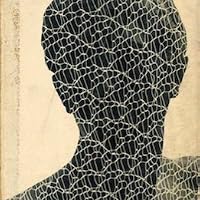
En estas tres conferencias dictadas en la Universidad de Virginia a los ochenta y nueve años, pocos meses antes de morir, James Salter desmenuza los aspectos esenciales de su oficio con el mismo tono íntimo y directo tan apreciado por los amantes de la buena literatura. Rememorando sus libros y autores predilectos —entre ellos, Madame Bovary, los cuentos de Bábel, Céline o Faulkner—, Salter desgrana los desafíos que invariablemente balizan la carrera de todo escritor: las cartas de rechazo, las reseñas desfavorables o los desvelos económicos. Asimismo, como narrador de vocación tardía, se interroga con acerada lucidez sobre los motivos que lo impulsaron a escribir: ¿fue sólo por dinero? ¿O también en busca de reconocimiento o admiración? Ante las innumerables posibilidades que ofrece la hoja en blanco, Salter nos confía su meditada respuesta: elaborar un estilo que logre captar la experiencia real ante la certeza de que lo que no queda escrito se desvanece.

La elegancia, la claridad y la agudeza de estas páginas deleitarán tanto a los fieles seguidores de James Salter como a los que se acerquen a su obra por primera vez. En ellas el gran novelista norteamericano expone los misteriosos engranajes que consiguen transformar e intensificar nuestra percepción de la realidad, así como revela cuáles son, a su juicio, las lecturas imprescindibles.

112 pages, Paperback

First published January 1, 2016

30 people are currently reading
510 people want to read

About the author

James Salter

75 books727 followers
James Salter (1925 - 2015) was a novelist, short story writer, and screenwriter. Salter grew up in New York City and was a career officer and Air Force pilot until his mid-thirties, when the success of his first novel (The Hunters, 1957) led to a fulltime writing career. Salter’s potent, lyrical prose earned him acclaim from critics, readers, and fellow novelists. His novel A Sport and a Pastime (1967) was hailed by the New York Times as “nearly perfect as any American fiction.”

Ratings & Reviews

What do you think?
Rate this book

Friends & Following

Create a free account to discover what your friends think of this book!

Community Reviews

5 stars
104 (25%)
4 stars
173 (42%)
3 stars
108 (26%)
2 stars
24 (5%)
1 star
1 (<1%)
Displaying 1 - 30 of 79 reviews
Profile Image for Cheryl.
524 reviews844 followers
May 8, 2025
Of course, not every word can be the perfect word...But there should not be wrong words or words that degrade the sentence or page. You have to have a taste for what you're writing. You have to be able to recognize when it's gone bad.

Did you know that "there are forty-five hundred pages of draft for the three hundred" that made it to Madame Bovary? It also took Flaubert four and a half years to write it, as he "weighed each sentence." James Salter tells this to his students in the lecture, "The Art of Fiction." There are many anecdotal references to famous writers and their craft, but what stuck with me the most is that I must read Balzac, and that I've owned a copy of The Makioka Sisters for years and still haven't read it.

Anyway, call me crazy but sometimes I feel the urge to return to the literary seminars. I still enjoy the occasional literary lecture because what I find alluring about books is this craving to absorb more about language and the world; literary writing tends to underscore this duality in an artistic way by bringing the human condition to the forefront.

So I settled in with this purse-size book of three lectures given by Salter while he was The Kapnick Distinguished Writer-in-Residence at the University of Virginia. Salter agreed to do this at age eighty-nine, only months before he passed. The lectures are both theoretical and casual and show how his writing life was shaped by so many unique experiences.

Initially, Salter received bad reviews for his book, Light Years, reviews that many of his peers considered "dismissive and ignorant" (first reviews really do change the course of a writer's career). You can tell that it bothered him, but he doesn't dwell on it. One of my favorite moments of the lectures is when he describes his novel:

I had a novel that I was writing then. It was Light Years, which I once described as being like the worn stones of conjugal life: everything ordinary, everything marvelous, everything that makes it full or makes it embittered—it goes on for years, decades, and in the end seems to have passed like things seen from a train, a meadow there, trees, houses, darkened towns, a station going by.
Profile Image for Mike.
113 reviews241 followers
October 10, 2016
A slim, elegant collection of three lectures on the art of fiction, worthless as a guide to writing, but precious beyond rubies as a final testament to James Salter's extraordinary life and career. To have just a little more of Salter's voice, to get to hear a few more stories--all that makes this a useful, even necessary book. The Art of James Salter would be a more accurate title.
Profile Image for Brady Billiot.
153 reviews1,063 followers
April 16, 2025
Nice and short and informative and relatable
Profile Image for Kokelector.
1,085 reviews105 followers
September 6, 2018
Lo leí como una recomendación de la gran MJ Navia en nuestro club de lectura. Bueno y por algo es seca en lo que hace.
Salter en poco más de 100 páginas, y en base a tres conferencias dictadas por él, muestra lo que es ser un artista maravilloso. Nos cuenta alrededor de saber contar historias, porqué es motivante hacerlo y cómo piensa qué debe ser. El trabajo en el cual consiste decirse escritor y con ello el escribir novelas, para terminar hablándonos de forma directa en torno a la vida que se debe ir gestando al dedicar tu vida al arte. Es una lectura que encanta, sobre todo si gustas de escribir, debe ser parte de tu anaquel de lecturas necesarias. Es una recomendación que siempre estará conmigo para ser compartida.
Profile Image for Fabio Luís Pérez Candelier.
300 reviews19 followers
May 29, 2024
"El arte de la ficción" de James Salter, Ensayos-conferencias dictadas por Salter en la Universidad de Virginia sobre su concepción de la escritura, del oficio de escribir y de su formación como escritor; con reflexiones de autores que él considera como imprescindibles (Flaubert, Balzac, Maupassant, Faulkner, Céline, Hemingway, etc.), de su propia obra y consejos de escritura (construcción de una trama, de la dificultad que acecha en el primer párrafo, de por qué escribir, de cómo surgen los personajes).
Profile Image for Charles White.
Author 13 books230 followers
June 17, 2019
A slight but elegant look at the mind of this writer, who is my favorite.
Profile Image for Albert GB.
44 reviews
July 12, 2018
El libro va rodeando, como cercando,y acercándose a los diferentes ingredientes de la receta secreta que sirve al oficio de escribir novelas. Aporta apuntes interesantes pero uno se queda con la sensación que se podría decir un poco más; y es que quizá la escritura sea una cosa muy personal.

La idea de oficio sobre arte o mejor dicho de arte que precisa de oficio, de organización, de rutina subyace constante a lo largo del libro.


Diria que está muy bien escrito si no fuera porque se trata de tres conferencias transcritas; en todo caso pues todas las palabras en su sitio; unas conferencias que tuvieron que ser una delicia

Personalmente la que más me ha interesado y la que considero da más elementos relevantes a tener en cuenta para ponerse a escribir es la primera de ellas (el arte de la ficción) que da titulo a la edición española del libro.

Leyendo estos breves textos te entran muchas ganas de leer libros, libros del autor y de demás; y de escribir; como cuando hojeas libros en una librería y te comprarías cinco y ninguno: y pierdes media hora sin rumbo fijo y la mirada pérdida entre lomos y contraportadas. Es un libro plancentero en este sentido.
This entire review has been hidden because of spoilers.
Profile Image for Johan Wilbur.
Author 1 book32 followers
March 29, 2019
Me ha encantado ver, una vez más, lo mucho que parecen tener en comun los escritores siendo de donde sean o viviendo en los años que vivan. Este tipo de libros te hacen verlo claramente.

Si tuviera que quedarme con una cita de las tres estupendas conferencias de las que consta este título de Salter, lo tendría dificil, pero voy a poner una que me ha llamado especialmente la atención:

"Nunca he llegado a tener afinidad ni a sentirme realmente cómodo con personas que no leen o que nunca han leído. Para mí es un requisito esencial. De lo contrario echo en falta algo, amplitud de miras, noción de la historia, una sintonía compartida. Los libros son contraseñas. El cine es demasiado simple. Quizá me equivoque. Una vez estaba en un bar ruidos, en mi ciudad, y un hombre se acercó y me dijo algo que no alcancé a oír, así que se inclinó un poco más y repitió: <<¿Qué le parece Neruda?>> La verdad es que yo no tenía una opinión sobre Neruda, pero me resultó simpático aquel intento llano de entablar amistad. Leí a Neruda después, algo que tal vez no habría hecho, o apenas."
Profile Image for Jim Coughenour.
Author 4 books227 followers
August 16, 2016
A modest, engaging set of lectures, with a fine introduction by John Casey. I was surprised to learn (but I know very little about Salter) that his worst-received book was the one I liked the most – Light Years in its 1983 North Point Press incarnation. I'm almost persuaded by Casey to hunt down the short story collections.
Profile Image for Lou.
925 reviews
December 2, 2020
Empecé a leer este libro pensando que sería una guía de escritura, pero me topé con reflexiones sobre la escritura, el arte y la vida.
Profile Image for Emilia.
612 reviews137 followers
October 17, 2018
Me gustó harto porque lo sentí como una oda a los libros. Me volvió mucho el gusto por querer agarrar hartos libros y lo hice (sin haber terminado muchos). Para amantes de la lectura que están en un reading slump puede ser una buena alternativa.
Profile Image for Fernando.
253 reviews26 followers
June 25, 2018
Pequena regalo gratamente disfrutable.
Profile Image for Facu Lorca.
9 reviews
August 13, 2023
Un poco un viaje que hace el autor sobre la estructura y forma, el estilo y narrativa, autores y obras que construyeron quien fue. Lectura sencilla, rápida y útil. Rescato por sobre todo la primera parte, en la que habla de el estilo y la voz de cada autor.
Profile Image for sònia montserrat.
175 reviews2 followers
April 18, 2024
m'encanten els llibres que parlen sobre escripturat i literatura en general i et provoquen ganes de posar-te a escriure tu <3
el pròleg i l'assaig de "l'art de la ficció" boníssims 🤌🏻🤌🏻🤌🏻🤌🏻
Profile Image for Isabelle.
Author 4 books30 followers
February 6, 2017
Meegepikt aan de kassa bij Barboek, deze minibundel (111 p.) van drie conferences over fictie, die een mengeling zijn van inzichten over schrijven en over het belang van fictie enerzijds en literaire roddel anderzijds. Eentje om met een potlood te lezen. De meest gedenkwaardige zin, voor mij, stond al heel in het begin: ‘Het boek ging deel uitmaken van mijn geschiedenis van de wereld.’ Salter heeft het hier over L’Amant van Marguerite Duras. Maar hij zou het over elk belangwekkend fictiewerk kunnen hebben. Ik vind het een prachtig inzicht: dat goede verhalen in staat zijn deel te gaan uitmaken van onze geschiedenis, even belangrijk als wat echt is gebeurd. Het voorwoord van John Casey, duidelijk bedoeld om het boek vooral meer bladzijden te geven, is totaal redundant en naar het einde worden de conferences echt een beetje teveel zomaar wat voor de vuist weg babbelen en meer roddel dan inzicht, maar het geeft me wel zin om een van ’s mans verhalen te lezen.
Profile Image for Jonathan.
1,070 reviews27 followers
May 27, 2017
Lovely to read, but too mystical for my tastes--perhaps the issue is that I approached the book misunderstanding what it was. I didn't realize this was just a collection of lectures he gave; they're conversational, filled to bursting with anecdotes, but oddly empty of what I would define as real insights. There's something--and I haven't quite put my finger on it--about these lectures and Salter's attitude toward writing that suggest the takeaway is the idea of writing as a divine art. The day the myth of writing as a magical, muse-driven act dies is the day I will be reborn. Probably.
17 reviews6 followers
January 9, 2020
I love Salter, this is hardly a book on the art of fiction, though, so I found it disappointing. It’s a collection of three lectures, some good insights, yes, but lots of namedropping too, not enough on craft. Final four pages of book were most valuable.
Profile Image for Sigrun Hodne.
394 reviews57 followers
May 16, 2016
The first essay in this book is great! The two to follow ... not quite the same level; too much on the author, not enough on writing.
Profile Image for Guillermo.
848 reviews33 followers
April 15, 2020
Está bien para fans. Apuntes o conferencias sobre sus libros y su manera de escribir.
Profile Image for Román  Cerisuelo.
42 reviews
May 5, 2025
Aquest llibret de James Salter (1925-2015) és el recull de tres conferències que va fer a la Universitat de Virginia (hi ha edició en català), poc abans de morir, als 89 anys. Repassa algunes qüestions referents a l'escriptura, sobretot de la novel·la.
Estan escrites d'una manera clara i directa, i encara que no sempre aprofundeix en allò que està explicant, aporta el coneixement suficient necessari per sentir-te acompanyat en l'acte d'escriure. He extret moltes reflexions; només puc compartir ací unes poques mostres:

"Leo por el placer de leer. Ya no tengo ni siento ninguna obligación de leer nada, aunque hay ciertos libros que me gustaría leer antes de morir, por razones difíciles de expresar. Si no, de alguna manera me sentiría incompleto, no del todo preparado. Me gustaría leer Las hermanas Makioka, de Junichir Tanizaki. Quiero leer la Trilogía transilvana, de Miklós Bánffy, y Los sonámbulos, de Hermann Broch. Me veo leyendo al final como Edmund Wilson poco antes de morir aprendía hebreo con botellas de oxígeno al pie de la cama."

"Es imposible leerlo todo. Por más leída que sea una persona, siempre habrá muchos libros, tanto fundamentales como menos reconocidos, que no ha leído, que debería leer o, como dice un amigo bibliófilo, Jacques Bonnet, que leerá en algún momento. Y luego uno siempre topa con escritores que suenan interesantes y de los que no había oído hablar. Fue por Bonnet que leí a Nagai Kafū, «Una extraña historia al este del río», y a dos o tres escritores más. Hay demasiado que leer y siempre lo habrá."

"Por supuesto, no todas las palabras pueden ser la palabra perfecta. No todas las habitaciones tienen vistas al río. Hay miles de palabras ordinarias que componen un libro, igual que en un ejército hay muchos soldados de a pie y algún que otro héroe. Pero no debería haber palabras fuera de lugar o palabras que degraden la frase o la página. Has de tener paladar para lo que estás escribiendo. Has de ser capaz de reconocer cuándo se ha echado a perder."

"Has de dar mucho para recibir algo. Recibes sólo un poco, pero es algo. No hay valores establecidos; das mucho a cambio de nada; haces todo a cambio de apenas nada,"
Profile Image for Richard Becker.
Author 4 books58 followers
January 14, 2025
The Art of Fiction is an amazingly short book—only 77 pages—and includes an introduction by John Casey. The balance of the book, after the introduction, consists of three general lectures on writing that are relatively broad in scope but contain a few gems worth hanging on for a moment. One of my favorites is the last line, taken from his novel, All That Is, which he wanted to call Toda.

"There comes a time when you realize that everything is a dream, and only those things preserved in writing have any possibility of being real." — James Salter

Writing like this recognizes Salter as a lesser-known master of the craft. And it is in these lines, whether mentioned by Casey or Salter that convinced me to keep this book on my shelf. I want to read again, picking out those moments such as "a short story does the work of a novel in 15 pages."

Along with a few gems on writing, especially in the art of taking from our own lives as writers, Salter shares some of the books that influenced him and those he planned to read. I found myself adding several of them to my own TBR pile, hoping they, too, might inspire something more from my work as Salter, John Updike, and Russel Banks have done. Salter would approve, given he believed it was so important to read as a writer.

"Style. Flaubert wanted objectivity and style, the exact choice of the right word." Don't we all. Or maybe some modern authors don't care as much if they can get it down and out. I don't know.

In sum, James Salter's book on writing makes the reader want to be a better writer. Remarkably, he does it in fewer pages than anyone might think possible. I must admit, however, I wanted more.
Profile Image for Lee Wainwright.
Author 6 books1 follower
March 29, 2022
A lovely little pocket book for all lovers of the beautiful craft. A nice trilogy of lectures, in the original sense of the word (concise, to the point), because it isn't the prattle of a prissy professor; Salter lived some and published fiction. Life into art and all that.
He loves the French Realists and, of course, Hemingway. (Well, you can't have a book about fiction and no mention of him, can you.) He speaks about his rejections as an aspiring writer, rejections being as inevitable to a writer as muddy boots to a rugby player.
Why do we write? he asks. Simply put, for pleasure. Though it's bloody hard work, as he baldly admits. 'Writing novels is difficult.' But it's also 'fundamentally simple.' And you may have to sacrifice living for writing, which sounds like a tall order until you believe that 'everything is a dream, and only those things preserved in writing have any possibility of being real.'
Profile Image for asier.
100 reviews9 followers
June 24, 2024
"También está el color, el azul, el increíble azul del canapé en el retrato al pastel que Manet hizo de su madre. Está el rojo de la habitación roja de Matisse. No es que los colores evoquen o sugieran nada en particular, pero en cierto modo te predisponen. El caballo blanco de Gauguin es verde." La predisposición como motor de una idea, como halo que te envuelve y te condiciona, te sitúa un poquito más cerca de la casilla de salida. El fondo (del paisaje, el cuadro, el libro) que va indicando el camino poco a poco, sin darte cuenta. Esta analogía con los colores es tan potente y dice tanto. Es brillante lo que escribe sobre la lengua y el lenguaje. Sobre la patria. "Las circunstancias determinan las consecuencias." Sin darte cuenta (un poco sí) esboza una ayuda que resulta inmensa y que te aclara las ideas con el ligero abrazo de la experiencia.

"Llega un día en que adviertes que todo es un sueño, que sólo las cosas conservadas por escrito tienen alguna posibilidad de ser reales."
Author 2 books35 followers
January 16, 2019
James Salter is one of my favorite writers. His book "A Sport and a Pastime" was one of the most beautiful, evocative and memorable books I've read in my life. The simplicity of his language betrays the emotional complexity of his stories and characters.

This book was taken from lectures he gave to writing students and so the tone is as if he is speaking to us, personally, about his love of writing.

He writes about his successes in writing and his failures, notably the poor reaction and bad reviews of his memoir Burning the Days.

The book is short but packed with great details about his own writing as well as writers he has worked with or known personally. I still enjoy going back to this book to flip through and read the passages I've underlined. This book will be another favorite in my collection.
Profile Image for Jose Miguel.
605 reviews66 followers
April 22, 2020
¨Ciertos escritores tienen la capacidad de unir una palabras a otra o enhebrarlas en una secuencia que florece en la mente del lector, o logran describir tan bien las cosas que para éste se convierten en algo parecido o equivalente a la realidad. No depende sólo del acierto en la observación; también del modo de contar¨

Este libro reúne tres conferencias dictadas por Salter poco antes de morir y que versan sobre el oficio de escribir. El escritor y novelista estadounidense nos regala una última mirada sobre la lectura y la escritura y también sus reflexiones en torno a los autores que él considera como ¨imprescindibles¨ acompañadas de breves trozos de sus obras más emblemáticas cuidadosamente seleccionados.

Profile Image for Jota.
196 reviews
September 5, 2022
Es lo primero que leo de Salter y fue lo último que escribió. Me llamó la atención el libro, perdido en la estantería de «Otros géneros» de la biblioteca, y decidí llevármelo.
La verdad es que no me ha llamado mucho la atención. Fundamentalmente me llevo dos cosas. La primera, una cita: «Mi motivación para escribir es elaborar un estilo que logre captar la experiencia real ante la certeza de que lo que no queda escrito se desvanece». La segunda, las ganas de leerme la primera de sus novelas (Los cazadores), en la que entreteje sus experiencias como piloto de caza durante la guerra de Corea a lo largo de la historia. Para mí las historias de aviones o de submarinos suelen ser casi una apuesta segura.
Profile Image for Lee Klein .
911 reviews1,055 followers
January 26, 2024
Got this because I'm a Salter fan and in grad school a teacher handed out pages of notes from a semester of workshops. The best of the notes is something like you need to put a manuscript away for six weeks so when you return you "regain the burn of entry," a memorable phrase from Salter's pilot days. But nothing of the sort -- nothing that really struck me like that -- appears here.

A beautiful little hardback with deckled edges. Comforting, well-tempered of course, but leaves a feeling of less than it is after finishing it. Skipped the long intro (maybe a quarter of the book's total page count) until after I read the rest -- could've skipped it completely.

For completists or fervent Salter fans only.
Profile Image for Julio Reyes.
137 reviews21 followers
September 2, 2018
Empecé a leer este libro lamentando que fuera tan corto. Salter se dirige a una generación nueva, ansioso trasmitir una larga posta. Tal como Balzac, Flaubert, De Maupassant. Y recuerda cuando tenía 44 años decide dar un salto imprevisto, hacerse escritor. “Valiente idiota”. Y lo cuenta desde la sencillez: la complejidad de lo doméstico, la envidia de ver publicados a sus contemporáneos, la áspera experiencia de enfrentar críticas devastadoras. ¿Por qué escribir? Porque James amaba las historias, verlas formarse desde la cotidianeidad. Lo que me desanimó es que compara enseñar a escribir con enseñar a bailar. Cagué.
Profile Image for Maria Azpiroz.
390 reviews11 followers
March 11, 2023
Libro muy breve que incluye las conferencias de Salter en la universidad de Virginia en el 2014, cuando tenía noventa años. Salter es interesantísimo porque fue un escritor tardío que incluso no estaba rodeado de escritores y que un buen renunció a su rango en el ejército para dedicarse a escribir. Salter es todo menos arrogante y es una clase de cómo dar clase sin creerse sabio ni subestimar al principiante. Lee fragmentos de sus lecturas preferidas y nos cuenta por qué le gustan, cuenta anécdotas divertidas de escritores, nos habla de sus fracasos e inseguridades personales y hasta de su matrimonio y explica algunas claves de sus novelas más famosas.
Displaying 1 - 30 of 79 reviews

Can't find what you're looking for?

Get help and learn more about the design.