Jump to ratings and reviews
Rate this book

American Hero

Rate this book
Once upon a time, there was a mean, dying GOP chairman named Lee Atwater who had the most brilliant, insane, frightening and do-able idea ever concocted to assure that his man, George Bush, would retain the office of the president of the United States. And the only man on the face of the earth who could pull of such an elaborate scheme was none other than the world's most celebrated Hollywood director.
The book was the inspiration for the 1997 film, Wag the Dog.

431 pages, Hardcover

First published January 1, 1993

Loading...
Loading...

About the author

Larry Beinhart

40 books59 followers
Larry Beinhart is an Edgar Award-winning author whose American Hero became the movie Wag the Dog."

Ratings & Reviews

What do you think?
Rate this book

Friends & Following

Create a free account to discover what your friends think of this book!

Community Reviews

5 stars
48 (21%)
4 stars
83 (37%)
3 stars
58 (26%)
2 stars
23 (10%)
1 star
8 (3%)
Displaying 1 - 27 of 27 reviews
Profile Image for Alexandra .
936 reviews377 followers
July 9, 2020
Sehr gespannt war ich auf die Literaturvorlage, auf der die sehr bekannte Mediensatire Wag the dog mit Dustin Hoffmann und Robert de Niro basiert. Witzigerweise ist diese Geschichte komplett anders als der Film, aber nicht minder großartig.

Heuer wurde dieser Roman, der schon siebenundzwanzig Jahre auf dem Buckel hat und trotzdem immer noch total relevant ist, wahrscheinlich aus aktuellem Anlass neu aufgelegt und mit einem zusätzlichen zeitgemäßen Vorwort des Autors versehen, das die gesamte Geschichte zu den derzeitigen Königen der Populisten Donald Trump, Boris Johnson und Viktor Orban in Bezug setzt. Im Vergleich zum Vorwort zur Ausgabe von 2003 stellte ich dann erschreckt fest, dass sich irgendwie gar nichts geändert hat.

Wer schon irgendwann einmal etwas von Wag the dog gehört oder gesehen hat, weiß, dass es in diesem Stoff um einen Präsidenten geht, der Probleme mit seiner Promiskuität hat, was frappant an Bill Clinton erinnert, und der ob seiner sinkenden Umfrageergebnisse einen nicht existenten, nur in den Medien von einem Hollywoodregisseur inszenierten Krieg gegen Albanien führt, um sein Image wieder aufzubessern und die anstehende Wiederwahl zu gewinnen.

Im Originalstoff American Hero geht es zwar um dieselbe Ausgangsposition, nämlich sinkende Umfragewerte und eine anstehende Wiederwahl des Präsidenten, nämlich um George Bush den Älteren, aber es wird nicht ein fiktiver Krieg inszeniert, der gar nicht geführt wird, sondern ein reales Gemetzel geplant. Der Bush-Freund und Verbündete Saddam Hussein wird mit Geld und Waffenlieferungen animiert, Kuwait anzugreifen. Minutiös konzipiert wird zuerst die Vision irgendeines Krieges geboren, der die US-Nation wieder vereint hinter ihrem Präsidenten zusammenstehen lassen soll, dann werden potentielle Kriegsgebiete analysiert und die vielversprechendsten daraus ausgewählt. Anschließend wird wie bei einem Business-Plan erarbeitet, welche Vorteile und Zusicherungen man den Kriegstreibern anbieten könnte.

Dadurch fällt dann die Wahl auf Saddam Hussein, der sein Image in der arabischen Welt nach dem Iran-Irakkrieg wieder aufpolieren kann, indem er die Imperialisten angreift. Zwar nur in einem kleinen begrenzten Operationsgebiet, aber doch gleich David sich mit dem ungläubigen Goliath USA anlegt. Saddam erklärt sich ob der Vorteile, Bestechungsgelder und anderer Abmachungen bereit, wenn er nach dem Krieg Zugriff auf die Ölfelder Kuwaits behalten kann und ihm persönlich von den Amerikanern keine Gefahr droht. Dann wird das Personal für die mediale Inszenierung des Krieges, für die perfekte Propaganda ausgewählt und da fällt wie im Film die Wahl auf einen namhaften Hollywoodproduzenten. Zu guter Letzt wird zusammen mit dem Profi aus Hollywood ein Budgetplan erarbeitet, und die Idee geboren, dass man die EU für einen Großteil der Finanzierung und für die Abwicklung des Krieges mit einbinden, ergo die Kriegskosten breit umverteilen kann. Eine WIN-WIN-Situation sowohl für die USA als auch für Saddam Hussein … und so entsteht der zweite Golfkrieg.

Was auf den ersten Blick bei dieser politischen Intrige ein bisschen schräg anmutet, ist der Umstand, dass die meisten Figuren gar nicht fiktiv sind. George Bush als amtierender Präsident spielt ebenso sehr authentisch gezeichnet mit wie sein Stab, zum Beispiel Außenminister James Baker, der Politikberater Lee Atwater, Bushs Vorgänger Ronald Reagan und Jimmie Carter, Arnold Schwarzenegger als politischer Akteur, und viele andere mehr. Die Hollywoodregisseure und Schauspieler in Nebenrollen existieren auch fast alle wie Steven Seagal, eine angesprochene ehemalige Schauspielerin und Regisseurin mit lesbischen Tendenzen könnte Jodie Foster oder Angelica Huston sein. Als politisch informierte Leser*in mit ein bisschen Hollywood Know-How ist es wirklich schwer auszumachen, wo die Grenzen zwischen den Fakten und der Fiktion zu ziehen sind. Das ist so perfekt verwoben.

"Präsident Bush ist selten als Rassist oder Antisemit bezeichnet worden. Aber man könnte schon sagen, dass er ethnozentrisch denkt und bestimmte Gruppen von Menschen bevorzugt. Wenn man sich kleiner werdende, konzentrische Kreise vorstellt – wie Illustrationen zu den Ringen der Hölle aus Dantes Inferno -, dann bildeten die WASPs, die weißen, von angelsächsischen Vorfahren abstammenden Protestanten, den äußersten Ring. Die nächsten Ringe bildeten Männer, die Schlips und Kragen tragen, viel Geld haben und Golf spielen, in der Wirtschaft sind, von altem Geld abstammen, zum Establishment der Ostküste gehören, auf einer der acht Universitäten der Ivy League waren, sportlich sind, Yale absolviert haben, auf Privatschulen gingen, Mitglieder von Skulls and Bones sind und deren Väter ebenfalls Yale Absolventen waren.

„Bushie“, sagte Jim [James Baker] und lehnte sich in die Kissen an der Wandseite des Betts „Ich war gerade in Houston“ … Beide liebten es, texanisch zu sprechen. Das war so eine Macho-Sache zwischen ihnen, bezeichnend für ihre Männerfreundschaft."


Im Gegensatz zum Film ist der politische Aspekt in diesem Roman aber nur die ausnehmend gut konzipierte Hintergrundgeschichte. Im Haupterzählstrang im Vordergrund serviert uns der Autor eine ganz spannende großartige recht brutale Detektivgeschichte alten Stils á la Raymond Chandler. Da gibt es eine schöne Schauspielerin, Magdalena Lazlo, und den harten, kantigen, sehr männlichen Mitarbeiter eines privaten Sicherheitsdienstes, Joe Broz, im Nebenjob auch Private Investigator P.I., die durch diese politischen Intrigen irgendwie betroffen sind und denen etwas „spanisch“ vorkommt. Sie versuchen die ganze Geschichte lang herauszubekommen, was hier überhaupt für ein Spiel gespielt wird. Nichtsahnend, in welcher Dimension hier politische Ungeheuerlichkeiten vertuscht und umgesetzt werden sollen – sie denken es sei eine ganz normale Hollywood-Intrige – stechen sie in ein Wespennest aus Politikern, Geheimdiensten, privaten Auftragsmördern, Abhörspezialisten, Geldgebern und anderen Beteiligten. Da bei den vielen Protagonisten des perfiden Plans kaum einer in die eigentliche Absicht eingeweiht ist, ist es auch sehr schwer, durch diesen Filz an Intrigen zur Wahrheit zu gelangen. Nach der zwangsläufigen Liebesromanze zwischen der Schauspielerin und ihrem Detektiv wird in einem blutigen Showdown, der auch für einige der einem ans Herz gewachsenen Figuren nicht gut ausgeht, sowohl die Intrige aufgedeckt, als auch angedeutet, wie der reale Schriftsteller Larry Beinhart zu dieser explosiven Geschichte aus politischen Ränken gekommen sein soll.

Stilistisch und sprachlich ist das ganze Werk großartig, spannend, ein echter Pageturner, mit in ihren Stärken und Schwächen liebevoll konzipierten Figuren, der Plot sehr vielschichtig und klug aufgebaut. Der ironische rasante Schreibstil hat mich frappant an Tom Wolfes beste Werke erinnert, und das ist von meiner Seite aus als höchstes Lob zu werten, denn wenn ich mich bei einem 420 Seiten langen amerikanischen Roman keine Sekunde langweile, dann ist das außergewöhnlich.

Am Ende stellt der Autor Larry Beinhart ein paar verstörende Fragen zur Realität des echten Golfkrieges in Kuwait und Irak, die mich erschaudern ließen, ob die ganze Geschichte wirklich nur Fiktion darstellt, oder nicht vielleicht doch von irgendeinem Whistleblower mit jugoslawischem Namen, verarbeitet in der Figur des Joe Broz (Pseudonym frei nach Tito), an Larry Beinhart weitergeleitet wurde und vielleicht tatsächlich so stattgefunden hat. Diese Verschwörungstheorie des American Hero ist auf jeden Fall realistischer als viele andere, weit weniger plausible Theorien, denen sehr viele Leute anhängen.

Sehr positiv herausstreichen möchte ich auch das umfassende Verzeichnis im Anhang, in dem nicht nur Quellen genannt, sondern auch politische Hintergründe sehr detailliert erläutert werden. Fast könnte man diesen Abschnitt schon als ein kleines politisches Sachbuch zum Roman bezeichnen.

Fazit: Eine rasante Mischung aus Macht, Politik, Krieg, Vertuschung, Medien, Hollywood, Agenten, Lüge, Liebe, Testosteron und Gewalt gepaart mit Humor. Detektivgeschichte, politischer Thriller, Satire und unkitschige Love-Story. Dieser Roman bedient alles zusammen. Absolute Leseempfehlung!
Profile Image for Mike.
511 reviews140 followers
November 29, 2012
Before starting this book I scrupulously avoided learning anything about it. And so, open mind in hand, I began this excellent and well-researched excursion into an alternate reality. Or is it?

This is a novel of fact and fiction. There are over 100 citations of articles and interviews that support the story. Some were familiar to me, others were not. In many there is also the author’s explanation or interpretation of a point. Many involve politicians, others US policy and actions, and still others the Hollywood entertainment/film industry. In one the author passionately explains that he is not mocking Michael Ovitz (who took his former aikido instructor and made him a movie star).

There are two main threads to the fiction: one is the “fact” line that is supported by the documentation trail and the other is a hard-boiled PI tale that has echoes of the “Continental Op” character created by Dashiell Hammett. Both work for large, professional companies and both employ a range of talent with high skill levels. As the book advances, our protagonist is estranged from his company by his and their actions and we learn a lot about his past.

The title of the book is perfect. It reflects both the cynicism about what makes a hero (in the “fact” plot line) as well as what has been considered one in past wars. The PI himself is both a war hero and a war criminal/mutineer. He was just smart enough to learn how to survive in the Vietnam War. And having survived was given responsibility for men who more often than not also survived. But in Vietnam, we learn, sometimes that wasn’t enough. It was a war of green, young officers who made tragic mistakes.

Fundamentally this is a book about war. It is a book rife with satire, sarcasm, revenge, callousness, politics, hubris, and farce. Does the author twist the facts that he shows us to support his “fantasy”, or do the facts themselves naturally suggest it? Mr. Beinhart has done an excellent job of making it possible to think both dissenting thoughts simultaneously. In truth I can’t explain it eloquently enough without just giving away the whole story.

I read “The Librarian” a few years ago (accidental pickups from the library shelves) and liked it well enough that I added several others to my TBR list. It was a hilarious specimen of political/cultural farce & satire. (I gave it a higher than average ranking of “4”.) “American Hero” was written after a series of detective novels which I have not read, nor have I read (or seen) “Thank You for Smoking” (possibly the author’s best-known work.) Although I certainly laughed more at those other books, I think this is a superb example of what imagination, research, and writing can be. No matter what your political beliefs, this is an engaging story. Is it true? Could it be true? I’ll leave that exercise to the interested reader. Four (4) stars for me.

Postscript:

After writing this review I finally snooped around to see what other (not GR) readers had to say about this book. What I found was that the paperback edition (I read the hardback) has several additional chapters that “tie up” more loose threads. While I am intrigued by the thought of this new material, I was not that unhappy with the ending of the novel. (The final chapter in the edition I read is a section of “conspiracy” points that the author raises. I know several people that would be oh-so happy with just that chapter alone.) Perhaps the additional material gives the book a kinder, gentler ending for our PI and his story arc, but I wouldn’t count on it. My guess is that it feeds us more from both sides taking the story a bit further from “treatment” to “production”. Maybe I’ll check out a copy someday.

Profile Image for Bettie.
9,973 reviews8 followers
March 4, 2017
Description: mpassioned in its anger, lethal in its aim, American Hero paints a scathing portrait of the strange place this country had become in the Reagan-Bush years--and shows how only Hollywood could have taken full advantage of the demise of the Old World Order.

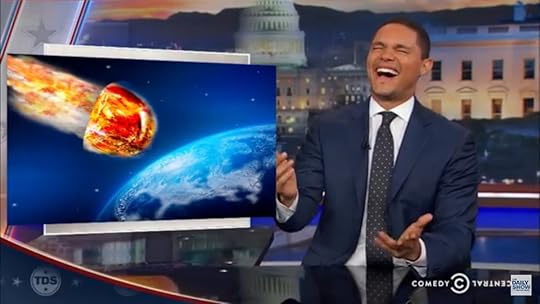
This film mirrors our current times, and as such, as scary-funny as Trevor Noah's penis shaped asteroid. Kellyanne's Bowling-Green Massacre is a direct steal from this playbook.

Knopfler - Wag The Dog
Profile Image for Kitap Yakıcı.
815 reviews36 followers
July 29, 2010
Beinhart has crafted an engaging, erudite thriller that reveals more than most folks are comfortable knowing about the spectacle of modern American "war." While the story is fictional (one would hope), the underlying premise--that power players use every medium available to manipulate the voting public and "manufacture consent"--is almost a truism these days. Consider that the book, while speculating on the origins of the first Gulf War, is frighteningly prescient in regard to the second invasion of Iraq, the War on Terror, and the radical narrowing of the American political discourse. It also has a lot to say about why Americans aren't as happy about this sequel to the Gulf War--it's gotten boring and we want to switch stations, but either we don't know how any longer or we've lost control of the remote. American Hero is definitely a provocative page-turner.

As usual, some of my favorite insights from the book follow.

From the front matter:

There are those who feel that fact and fiction are significantly less distinguishable than they used to seem to be. They might say, as ABC Television did in its introduction to The Heroes of Desert Storm: "Tonight's film is based on true stories and interweaves news footage and dramatizations with actors and actual participants. To achieve realism no distinction is made among these elements."

Do movies make us or do we make the movies? What I'm saying is, this gesture she does, leaning on my arm, slipping off her shoes, carrying them in one hand by their straps, it's got grace, and I don't know what else to call it but femininity--when I watch her do it, I'm seeing a scene from a movie. You get what I mean--did she learn it from the same movies I saw, or is this one of those quintessential feminine moves that directors and actresses, they're aware of and they set out to capture for the silver screen? (p. 14)


The military has understood only half the idea. Yet the whole of the concept stares us in the face: it is not necessary to win the war on the battlefield as well as is in the media, it is only necessary to win in the media. It is possible to lose on the battlefield, win on television--and win. War is not partially a media event. It has become completely a media event. (p.125)


What is war? To you? To me? To the American people?

War is John Wayne. It's Randolph Scott and Victory at Sea. It's Rambo, Star Wars, Apocalypse Now, it's body bags on CBS. It's Combat, The Rat Patrol, Patton. The face of war is not reality. It is television and motion pictures. Even for people who have been to war. Whatever their memories, they have been replaced by what they have seen subsequently on TV. Even if they were 'disillusioned' by Vietnam, those illusions came from the movies. As Mr. Reagan proved, people much prefer a good, solid story to an elusive and complex truth. (pp. 125-6)


It wasn't the villain, it was the villainous act, which found its most perfect expression in the sneak attack. Which was also the centerpiece of America's mythology of itself: Mr. Nice Guy gets sucker-punched. Mr. Nice Guy gets up off the floor, squares up man to man with Mr. Sneak Attack. Mr. Nice Guy turns out to have been John Wayne, Clark Kent, a Superpower--Mr. Sneak Attack wishes he'd never been born.

What America needed--or Bush needed--or Beagle needed--was someone to invade America. (pp. 239-40)


"Gone were the movies of the thirties with their screwball rich people, their fast-talking heroines, their wisecracks about banks, government, unemployment. The war canceled all criticism. A new and total wholesomeness pervaded Hollywood's America. It was decided that the true character of the nation was just--nice. There were no demonstrations, no complaints, in nice America." That's what it was really about. That's what the client wanted. The war was just a means to an end. World War II was the war that delivered the proper end. That was the America Bush wanted--where rich people were respected, banks were good guys, nobody criticized, even the darkies turned out to be nice, and women kept their goddamn mouths shut. (p. 241)


The main argument for the official story of the war is our faith that a president of the United States would not do the things suggested here. A president wouldn't hire film directors to tell him what to say and do. Presidents don't manufacture incidents to go to war. A president wouldn't make policy, life-and-death policy, just for the sake of being re-elected. Our leaders are men who put honor over expedience. (pp. 430-1)



In the words of Michael Corleone, "Who's being naive now, Kate?"
Profile Image for Heather Marie.
104 reviews14 followers
March 1, 2016
I admit that I saw the movie "Wag the Dog" first, and was originally expecting something similar. It's not the movie. At all. As a politico, I loved how the movie specifically focused on the creation of the war, whereas the book keeps politics as a subtext (albeit rather constant). I loved the sections with President Bush and Secretary Baker, and sometimes enjoyed the story line with Joe and Maggie. It was completely different, but wish that Bush and the politics of the Gulf War was a larger presence, and less about Joe and Maggie. Yawn.
Profile Image for Danielle .
1,154 reviews61 followers
June 16, 2009
The movie "Wag the Dog" was very loosely based on this novel. I liked the movie so I had to read the book. Fun, weird, thought-provoking.
Profile Image for Kaethe.
6,581 reviews536 followers
July 14, 2014
Proving once again that truth is stranger than fiction, this doesn't seem unbelievable at all.
270 reviews1 follower
April 5, 2020
As the sub-title states, this book was the basis for the movie wag the dog starring Dustin Hoffman. The book is a satire on the American political system suggesting that George Bush staged the Gulf War for television for purely political gain.

The book is thoroughly researched and contains endless footnotes. This research is indeed both the strength and weakness of the book. The length and level of the detail in the book means that it doesnt really work as a piece of comedy while the admitted satire of the work means that it doesnt satisfy as an expose of the Bush administration and its concentration on media image.

Certainly there are aspects of the book that bear reelation to reality. The fact that Bush did not proceed to Baghdad and remove Saddam could be seen by some as his acquiesence in the scheme.

The book however falls between two stools as indicated above. Further it is far too long with several sub-plots and characters that have no real need to be there.
Profile Image for Zach.
16 reviews
January 24, 2018
American Hero is an interesting novel. Honestly I think I would have enjoyed it more if I were more into conspiracy theories. A lot of the book was just filler that didn’t seem to matter to the plot at all. A lot of those irrelevant parts were also really awkward and uncomfortable to read. Honestly, my favorite parts were the footnotes that Beinhart put in to show what was a recognized as a fact. It isn’t a good thing when the history portion is the most interesting part of a novel.
Profile Image for Alla.
87 reviews9 followers
January 4, 2018
Очаровательный образец теории заговора: книга о том, как киношники якобы создали американскую войну в Ираке.
Рассуждениями об идеологии, о том, как нужно показывать войну обывателю, я просто зачитывалась. Пиар-технологии такие пиар.
Чудесно. И множество отсылок для тех, кто хочет почитать нон-фикшн о войнах в Заливе и Вьетнаме.
Profile Image for Antoine Dumas.
110 reviews3 followers
January 20, 2019
The last few lines of this book are (and this is not a spoiler):
"Presidents (of the United States) don't manufacture incidents to go to war. A president wouldn't make policy, life-and-death policy just for the sake of being reelected. Our leaders are men who put honor over expedience."

This is not naivete on the part of the writer. This is cutting prescience wrapped up in irony.
Profile Image for Sirush.
32 reviews1 follower
March 30, 2019
Մե հրաշք ցինիկ գիրք, որի մի ահագին մասը և բայց այնուամենայնիվ տրամադրված էր սիրային հարաբերությունների նկարագրությանը։ Ամերիկայի մասին ահագին բան իմացա, ինչպես նաև Վիետնամի, կար ինչ-որ կինեմատոգրաֆիզմ ամբողջ գրքի մեջ, բայց միևնույն է լավ ընթերցանություն էր։ Էլ չասեմ որ վերջաբանը ինձ շատ դուր եկավ։
Profile Image for Houda Hartii.
1 review
October 19, 2022
I like the book
This entire review has been hidden because of spoilers.
Profile Image for Michael.
Author 2 books92 followers
April 30, 2013
There are two parallel stories in this novel.

In the political part, President George Bush and Jim Baker are given an idea from a man on his deathbed. If there is ever a need to boost the President's popularity, stage a winnable war.

In the other portion of the story, a young Hollywood actress comes to see investigator, Joe Broz. She tells him that she was promised a part in a movie but the director disappeared. She wants Joe to find him.

The political segment of the story is reminiscent of Capote's "In Cold Blood," the first non-fiction novel. In this story, the political portion is laced with footnotes and true to life characters.

As the two parts merge, we see the relationship between Maggie and Joe develop while others are attempting to hinder Joe from finding out what happened to the director.

I enjoyed the lighthearted manner of the novel.
Profile Image for "Greg Adkins".
53 reviews8 followers
March 27, 2015
The basis for the movie "Wag the Dog", "American Hero" presumably takes its inspiration from philosopher Jean Baudrillard's claims that the first Gulf War wasn't "real." Rather than positing the faking of a fictional war (as in the movie), the book's ingenious conceit is that the Gulf War was in fact nothing but an elaborate hoax. Despite being exceedingly well-researched and sometimes devilishly clever in the way it integrates true events with the fake ones -- copious, detailed endnotes explain which elements are factual and which aren't -- the plot still gets a bit straight-jacketed by its need to fit within the confines of the actual events.
Profile Image for Dan O'Meara.
73 reviews11 followers
June 4, 2018
The inspiration for the far weaker Hollywood film, Wag the Dog, Beinhart's novel goes beyond mere satire to present one of the most perceptive analyses ever of the politics of the National Security industry in the US, of how so-called threats come to be constructed, and how all of this turns around an exercise of pure imagination. It is a disquisition on the history of the first Iraq War, a critique of methodology, all wrapped in the form of a gripping and comic suspense novel. I cannot recommend this book too highly.
Profile Image for Bryan Whitehead.
604 reviews7 followers
May 29, 2025
Larry Beinhart does his best James Ellroy impersonation. This one’s sort of amusing, a blend of beltway wonkage, Hollywood glam and neo-noir (not to mention the basis for the Hoffman/DeNiro vehicle Wag the Dog). It’s also one of those heartbreakers that’s going really well until the author paints himself into a corner and has to spend the last 30 pages or so coming up with a flimsy excuse for an ending (and this one’s even worse than most). It’s like they got Ellroy to write most of the book but then brought John Grisham in to finish it up. Worth reading, as long as you skip the end.
Profile Image for Zirkle.
41 reviews
February 21, 2020
American Hero is an interesting novel. Honestly, I think I would have enjoyed it more if I were more into conspiracy theories. A lot of the book was filler that didn’t seem to matter to the plot. Many of those irrelevant parts were also awkward and uncomfortable to read. My favorite parts were the footnotes that Beinhart put in to show what was recognized as a fact. It isn’t a good thing when the history is the most interesting part of a novel.

Edited for grammar and conciseness
7 reviews1 follower
June 24, 2009
I remember hearing conspiracy theories during Desert Shield and Desert Storm, which were interestingly developed in this. I liked the footnotes throughout, which gave some credence to said theories, though I don't buy into them. I particularly enjoyed the parts where a character would say one thing, and the narrator would translate its real meaning.
111 reviews3 followers
February 2, 2011
un presidente americano un po in crisi organizza una guerra finta per poter rialzare il suo rating...
qualcuno ha voluto vederci gli echi della prima guerra del golfo ... ma a bush sr non era andato molto bene il trucchetto.
un interessante viaggio dentro alla macchina decisionale degli usa ...
Profile Image for Apryl Anderson.
882 reviews26 followers
January 7, 2016
This was brilliant! It's really nothing like one of the best movies ever: Wag the Dog...or is it? The dance between reality and conspiracy theory was so cleverly constructed, but dang what a crass tale! Not that it should be anything less—that would destroy the whole story, but it wasn't a fun read for me. I was looking for an escapist novel, I suppose...
Profile Image for Andrew.
122 reviews17 followers
March 5, 2009
Supposedly the origin of the movie "Wag the Dog", the novel mixes political satire/conspiracy with more mundane and rather silly action/romance. I learned about Michael Ovitz and Steven Seagal in the real world though.
1 review
Read
April 14, 2018
Frighteningly contemporary. Born at the end of a turbulent time, prescient about the following time.
Profile Image for Heather Henderson.
25 reviews1 follower
April 14, 2018
I read this years ago and really liked it. Never saw Wag the Dog. News commentators keep referring to "wag the dog" so I googled the author and have taken out The Librarian. Really enjoying it!
Displaying 1 - 27 of 27 reviews