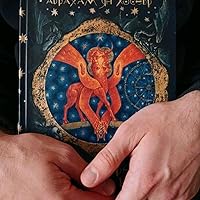
Gnosticism developed alongside Judeo-Christianity over two thousand years ago, but with an important difference: It emphasizes, not faith, but direct perception of God--Gnosticism being derived from the Greek word gnosis, meaning "knowledge." Given the controversial premise that one can know God directly, the history of Gnosticism is an unfolding drama of passion, political intrigue, martyrdom, and mystery. Dr. Hoeller traces this fascinating story throughout time and shows how Gnosticism has inspired such great thinkers as Voltaire, Blake, Yeats, Hesse, Melville, and Jung.
I wanted to like this book, I really did. Hoeller explains at the beginning that this will not be a book for "experts" or theologians; instead it is a book for the educated, intelligent, but not professional individual. I understand that the book is not a work of academic scholarship, but throughout its pages, it purports to be informed by the latest developments in scholarship. With an undergraduate degree in religious studies, I am not the target audience of this book. I thought I understood this going in, and was limited by what my public library made available. I had hoped this book would be a relatively evenhanded look at a misunderstood tradition. I have read some of the early Church Fathers' (such as Irenaeus') diatribes against Gnosticism and was looking for some less biased information. Instead, what I seem to have gotten is a diatribe against the orthodox Christian church, the modern world, and earth based religions. Hoeller's book seems to attempt to serve as a Gnostic recruitment tool.
The book started off promisingly, but this may have been because I am not well versed in classical Gnosticism and cannot tell whether or not the author's descriptions are accurate. I started to worry when he described the Essenes and the Dead Sea Scrolls, with which I am somewhat familiar, as "Gnostic" in nature, but as this was only mentioned briefly, I decided to ignore it. I was comfortable with Hoeller's treatment of the early Church Fathers because I've some of the more famous heresiologists, and understand that the information they gave about Gnosticism is incredibly biased and based on their particular, orthodox perspective. I was, however, uncomfortable with Hoeller's explanations of what "the true" Gnostic teachings were. Frankly, if you're going to spend half a book protesting that the Church Fathers are wrong, you need to be able to back up these claims with your own evidence. I found that Hoeller called into question the motives of detractors without defending the early Gnostics themselves.
For example, Irenaeus argues that according to the school of Carpocrates, human souls are reincarnated again and again, until they have pased through every kind of activity and condition. The followers of Carpocrates believe they can conclude this process in only one lifetime. From this teaching, Irenaeus argued that since to be liberated, one had to pass through all possible experiences, the followers of Carpocrates had to commit all manner of heinous acts, including sexual deviancy. Irenaeus didn't actually believe the Carpocratians actually did these hienous things, but he thought that, according to their own teachings, they "should" (Hoeller, p. 103-104). Instead of offering a different exegesis of the teaching and text in question, Hoeller insults both Irenaeus' interpretation and his motives. I understand that Irenaeus was out to discredit the Gnostics, now tell me how the Carpocratians interpreted this teaching.
Some of Hoeller's early history and mythology seems to be accurate, or at least I cannot tell whether it is inaccurate or not, but when he comes to the modern era, his complete lack of rigor, evidence or balance made me put the book down. I cannot take seriously an academic who raves about H.P. Blavatsky's wonderful contributions to Western spirituality without mentioning her many detractors, petty squabbles, and questionable practices. I have read Blavatsky. I have studied (academically) Theosophy. I have also read the many histories that assert Blavatsky's autobiography is invented, and that she was caught red handed writing and placing messages from the "Tibetan Masters" who ave supposedly ascended to a higher plane of being. This is a controversial figure whom Hoeller gives 3 pages of glowing praise and absolutely no context. I realize the book is not about Blavatsky, but if Hoeller gets so many things wrong, or at least twisted, in these three pages, what does he leave out in the rest of the book? How does he misinform the reader in the other 220 pages?
This book is indeed a sympathetic introduction to Gnostic teachings, emphasis on the sympathetic. If you're interested in converting, and don't mind the complete lack of critical analysis or scholarly rigor, this may be the book for you. If you're looking for something more balanced, however, give this book a pass.
A very cerebral and interesting read on Gnosticism.
Ever since I’ve been getting into Goth culture and music, I’ve been interesting Esoterica, the Occult, Mysticism, Astrology, and Mythology. I recently had a very bad experience with Catholicism, and I’ve left the church for political and dogmatic reasons. I consider myself a believer in Jesus still and in God, but I question things. I took a world religions class a few years ago, and it made me question: how can my belief by the one true belief when there’s thousands of other religions?
So my study of esoterica, and my recent experiences with faith have led me on a journey of questioning and searching for enlightenment. I had a conversation with a woman who told me she was a Gnostic and it interested me because I remember hearing about the sect during a faith formation class I took on the early Catholic Church. I did a little digging and decided I wanted to read about Gnosticism and I wanted to read these Gnostic gospels that I’d heard of. I bought this book.
This book basically explains what Gnosticism is, and I will say it’s definitely leaning towards Gnosticism in terms of its bias, but the information in this book is so enlightening for me, that I feel like I better understand Gnosticism. It’s all about enlightenment, and the idea of a demiurge, the story about Sofia, and the Gnostic version of Jesus were all fascinating to me.
The case the author makes is definitely convincing for me, but I would say I am still questioning and skeptical about it.
Dr Hoeller explains the basic tennets of the modern Gnostic movement with reference to the historical Gnostics. Much of what is known about Gnosticism is through stories, myths, and criticism which can make explaining the tradition a bit difficult. In a nation founded on Orthodox Christian beliefs, shifting your viewpoint to understand the Gnostic world view can be hard. Dr Hoeller does a decent job showing this worldview, though I found his approach a little haphazard. Many of the chapters can be read stand alone as they don't form a consistent and building viewpoint. I especially enjoy the Gnostic Adam and Eve myth which seems more reasoned and less accusatory. I consider myself a Gnostic and have for many years; with that in mind I think this is a good starting point for someone checking out Gnosticism for the first time, but definitely not an authoratative voice for the whole of the religion.
A thorough introduction to the history and thought of Gnosticism. Well written and easily read, Hoeller’s book explores the major mythological teachings of the ancient wisdom tradition, the Gnostic Christ, Sophia, and a historical overview of Gnostic movements (Manichaeans, Mandeans, Cathers). But the best part of this quick and concise introduction is the glossary of terms and suggested reading at the end of the book. This helps any neophyte continue his or her study of the Gnostic tradition.
This book is an indispensable introduction to the subject of Gnosticism--its history, and principles. The book is concise and sympathetic presentation of the teachings and spiritual ambience of the Gnostic tradition. The author states in the introduction that the book is not really a work of academic scholarship. I think this is rather a good thing, as most of the books I have read so far on the subject were academic scholarship with a disgusting bias towards the Roman Catholic Church and Orthodox Christianity. With that said, I enjoyed the author's rather free-thinking approach to the subject. If you liked Elaine Pagel's: Gnostic Gospels then I believe you will like this book as well. The difference is this author rather defends Gnosticism and the Gnostics. Elaine Pagels on the other hand defended the corrupt child molesting Roman Catholic Church as if Orthodox Christianity's bloody history justified the end. The author tried to limit references and documentation to an irreducible minimum while expanding the list of recommended reading and annotating it for the readers convenience. The format and style of this book are rather simple than those of his other books. For this reason, the book aspires to serve as an introduction to the subject. Gnosticism is not only for the learned or the pious. Like other esoteric systems of teaching, it might be likened to an ocean, wherein a small child may wade in the shallows while a deep-sea diver may penetrate into the depths. Still, it is impossible to write a book that could bear the title Gnosticism for Dummies. The subject is not one that lends itself to an all too elementary treatment; rather, it requires a certain subtle of thinking and a proclivity for an intuitive perception. The title of the book describes it as containing insights into a tradition. This is intended not as a mere figure of speech, for Gnosticism is truly a tradition and not a mere collection of ideas, myths, and symbols that may be interpreted according to any whim or opinion. Gnosticism is a philosophy geared towards spirituality and those who are on the spiritual path and/or spiritually awakened. Gnosis is knowledge from experience; transcendental experience to be precise. Seeing beyond the five senses and leaving-the-body. This is why Gnosticism requires intuitive perception to truly appreciate it's philosophy and scriptures. Anyhow, upon reading this book you will learn:
1. The Gnostic view of the divine and the manifest world, good and evil, and the essence of the human soul.
2. The Gnostic Christ as the messenger of light and the guide to sacred mysteries.
3. Sophia, the Gnostic archetype of Feminine Wisdom.
4. The scriptures, sacraments, and rituals of Gnostic religions such as the Mandaean, holding secret wisdom traced back to John the Baptist; the Manichaen, founded by the Great third-century Persian prophet, Mani; and the Cathar, the glorious and persecuted movement in medieval southern France.
5. Gnostic literature and its influence on cultural giants such Voltaire, Blake, Yeats, Hesse, Melville, and Jung.
6. Gnosticism west and east, what constitutes a Gnostic, and how Gnosticism can guide us into the twenty-first century.
Now I know a lot more about these mystic Christians whose beliefs the early church fathers found so upsetting. One does not find salvation through faith said the Gnostics, but through the knowledge of one’s true identity, the knowledge that one is a divine spark separated from the cosmic consciousness otherwise known as God. Jesus was not sent to die for our sins, but to show us the means by which we can rejoin that consciousness. The author also provides an overview of the complex mythology of the Gnostics which, according to the author, should be viewed through the lens of depth psychology as well as theology. Overall, a very interesting and readable book.
By no means is this a book for theologians. Neither do you have to be of a 'religious' disposition to find this book insightful. A fantastic introduction to this, often misunderstood, sect of Christianity. It provides information on theological origins, its evolution throughout the changes in history, right up to how it has influenced many well known philosophers, psychologists and writers of fiction. Easy to follow and understand, the only downside is a rather preachy last chapter, albeit short.
You may resignate or not with Gnosticism, but this book is as clear as it can be about it. I didn't feel any proselytizing attitude, on the contrary; a very honest exposition of this spiritual path that removes many of the prejudices we may have about it.
“Заголовок цієї книги описує її як таку, що містить розуміння традиції. Це не просто слова, адже гностицизм — це дійсно традиція, а не просто набір ідей, міфів і символів, які можуть бути витлумачені за будь-якою примхою чи чиєюсь думкою. Тут ми маємо повномасштабну традицію з певним світоглядом, своїм священним писанням, таємними обрядами, духовенством і релігійним походженням. Якби гностицизм був лише формою спонтанно спонуканої духовності, не опосередкованої традицією, тоді не було б жодної необхідності в книзі, подібній до цієї. Однак це не так, і тому увазі читача пропонується ця робота.”
Далі десь в середині книги читач натрапляє на так званий Гностичний Акт.
Ранній нормативний Гностичний акт визначає зміст і наслідки гнозису:
Те, що робить нас вільними, є гнозис
Про те, ким ми були
Про те, чим ми стали
Про те, де ми були
Про те, куди нас закинуло
Про те, куди ми поспішаємо
Про те, від чого ми зараз звільнені
Про те, чим насправді є народження
Про те, що в дійсності є відродження.
Той, хто інтуїтивно отримує точні відповіді на ці запитання, здобуває визвольний гнозис. Поєднання цих запитань із відповідями, становить Гностичну доктрину і є головною серцевиною не лише гнозису, а й Гностицизму.
А під кінець книги на такі постулати гностицизму:
Існує первинна і трансцендентна духовна єдність, з якої виходить нескінченна маніфестація множинності.
Проявлений всесвіт матерії та розуму створений не первинною єдністю, а духовними істотами, що володіють нижчими силами.
Однією з цілей цих творців є вічне відокремлення людини від єдності (Бога).
Людина складається з мішаних елементів: зовнішній її аспект – творіння рук нижчих творців, тоді як вищий аспект є упалою іскрою кінцевої божественної єдності.
Іскри трансцендентної святості сплять у своїх матеріальних та ментальних в’язницях, їхнє самоусвідомлення притуплене силами матерії та розуму.
Дрімаючі іскри не були залишені кінцевою єдністю; навпаки, до їхнього пробудження та звільнення докладаються постійні зусилля, що виходять із цієї єдності.
Пробудження сокровенної божественної сутності в людині відбувається через спасительне знання, що називається «гнозис».
Гнозис не здобувається завдяки вірі, чи виконанню доброчинних вчинків, чи послуху заповідям. усе це в найкращому разі слугує лише підготовкою для отримання визвольного знання.
Серед тих, хто здійснює пособництво дрімаючим іскрам, особливо почесну та важливу позицію посідає жіноча еманація єдності, Софія (Мудрість). Вона брала участь у створенні світу і відтоді залишається провідником сиріт людських.
З найдавніших часів історії посланці Світла вирушають із кінцевої єдності з метою просування гнозису в людських душах.
Найвеличнішим із цих посланців у нашій історичній та географічній матриці був низхідний Логос Божий, проявлений в Ісусі Христі.
Ісус здійснював подвійне служіння: він був учителем, який повідомляє інструкції щодо шляху гнозису, а також ієрофантом, який передає містерії.
Містерії, даровані Ісусом (які також відомі як таїнства), є потужними засобами осягнення гнозису і були покладені ним на його апостолів та їхніх наступників.
Через духовну практику містерій (таїнств), а також невтомне і стійке прагнення до гнозису люди поступово можуть просуватися до звільнення від усіх обмежень, матеріальних та інших. Кінцевою метою цього процесу звільнення є досягнення спасительного знання і, разом із цим, свободи від втіленого існування, а також повернення в кінцеву єдність.
На цьому, в принципі можна було б і закінчити огляд основних ідей даної книги, але, як відомо гностицизм явище дуже багатоголосе і багатоідейне, тому Геллер в розділах дає описи різних шкіл та течій цього явища аж від валентиніан і до катарів. Є розділ присвячений сучасному гностицизму. Багато місця відведено впливу гностицизму на Юнґа та те, як ідеї архетипів, індивідуації та Самості можна пов’язати із гностичними фігурами Софії, Деміурга, Ісуса та архонтів.
Книга написана дуже доступно, інколи аж занадто, тому відразу ж беруся за маґнум опус Ганса Йонаса.
ВИБРАНІ ЦИТАТИ
Таємниця нічного неба — одна з найдавніших і найвеличніших спонук до філософських роздумів та містичного досвіду. Задовго до астрономії люди угледіли простори Космосу, бурштиновий блиск народження нової зірки та зловісні поглинаючі чорні дири. Чоловіки й жінки дивилися на темний, вкритий зірками небесний звід і черпали з цього видовища натхнення. Один із образів, породжуваних спогляданням нічного неба, — це контраст незліченних світлових точок із похмурою темрявою, на якій вони немов підвішені. Темна чаша чи ковпак ніби покривають наш світ, вміщуючи нас у щільну, гнітючу темряву. Крім того, ця перевернута сфера багата на світлові плями, які легко можна собі уявити як отвори в чорній вуалі, і це ніби натякає нам на те, звідки це світло виливається.
«Є тріщина у всьому; так проникає світло», — співав Леонард Коен у своєму «Псалмі». Його проста метафора могла легко бути сказана дві з невеликим тисячі років тому незвичайними та вічно здивованими людьми, які стали відомі як гностики. Осміяні й переслідувані як єретики, гностики були доведені до стану бідняцького існування після перших трьох чи чотирьох століть Християнства, але їхнє вчення та практики виринали на поверхню протягом усієї історії Західної культури. Та не встигали гностиків і гностицизм оголосити зниклими, як вони з’являлися знову, змінившись за формою, але незмінними в суті. Поки опоненти послідовно представляли традицію як якусь історичну «химеру», яка має чисто антикварний інтерес, вона, тим не менш, приваблювала на свій бік послідовників у особі Вольтера, Вільяма Блейка, В.Б.Єйтса, Германа Гессе, К.Ґ.Юнґа — і це тільки деякі з них. Серед філософських течій екзистенціалізм багатим зобов’язаний гностицизму, і сьогодні все більша кількість людей у різних сферах життя дотримуються цього вчення. Здається, на початку третього тисячоліття християнської ери гностики нарешті повертаються і цього разу мають намір залишитися.
Терміни «гностик» і «гностицизм» походять від грецького слова «гнозис», яке зазвичай (хоча й дещо помилково) перекладається як «знання». Довгий час більшості людей був більш знайомий антонім слова «гностик», а саме — «агностик» — тобто «той, хто стверджує, що нічого не знає про кінцеву реальність і все подібне». З іншого боку, гностик зазвичай визначається як людина, яка шукає спасіння за допомогою знання. Шукане гностичне знання, однак, не є пізнанням раціональним і тим більше не може визначатися як просто накопичена інформація. Грецька мова розрізняє теоретичне знання та знання, накопичене завдяки особистому досвіду. Останнє і є гнозис, а особа, яка володіє цим знанням (або прагне до нього), є гностиком. Елейн Пейджелс у своїй знаменитій праці «Гностичні євангелія» показує, що в тому сенсі, у якому гностики самі використовують цей термін, його, можливо, слід перекладати як «розуміння», бо гнозис передбачає інтуїтивний процес, що включає самопізнання та знання про кінцеву, божественну реальність. Стійка виживаність і привабливість гностичних послань насамперед ґрунтується на їхній близькості з глибокими шарами людського розуму. Багато серйозних науковців, таких як Р. Доддс, Жиль Кіспель і Гершом Шолем, припустили, що гностицизм бере початок у психічних переживаннях, де архетипова психологія зустрічається з релігійним містицизмом. Неудивно, що такі великі дослідники глибин психологічних аспектів міфу, як К.Ґ.Юнґ, Карл Кереньї, Мірча Еліаде та Джозеф Кемпбелл, виявили до гностицизму великий інтерес.
Багато людей в останні десятиліття (і навіть із другої половини дев’ятнадцятого століття) звернулися до східних релігій у пошуку вчень і практик із меншою догматичністю та більшим натхненням. Вони, ймовірно, не підозрювали, що така альтернатива існує зовсім поруч, і що вона називається Гностицизм. Ніхто з них не був обізнаний про паралелі між гностичним і східним розумінням реальності, душі та потреби в просвітленні. Деякі з цих людей відповідальні за принесення східних ідей в уми гностиків. Інші припустили, з однаковою ймовірністю, що деякі східні школи думки, зокрема Буддизм Махаяни, могли перебувати під впливом гностичних ідей. Знову ж таки, найважливішим спільним елементом, що об’єднує Схід і Захід у цьому відношенні, є досвід гнозису. Подібність була помічена ще близько 225 р. н.е. іншим ортодоксальним християнином, противником гностиків, Іполітом, який у своїх спростуваннях єресей писав про індійських брахманів наступне: «Вони кажуть, що Бог є світло, несхоже на світло видиме, яке не сонце і не вогонь, але для них Бог є міркуванням, і не тим, що знаходить своє вираження у вимовлених звуках, але знанням (гнозисом), за допомогою якого таємниця таємниць природи сприймається мудрими». Гнозис на Сході чи Заході — це все ще гнозис, і в найпрямішому сенсі це те, що дійсно має значення. Всупереч думці деяких, термін «гностицизм» — це не просто порожня коробка, у яку можна покласти що завгодно. Швидше, гностична традиція заснована на переживанні гностичного досвіду, вона характеризується певним ставленням до життя й дійсності, і деякі міфи вкупі з вченнями про походження та природу Космосу й людини є результатом цього ж переживання. Усе це характеризує Гностицизм як відокремлену, окрему й цілісну традицію, яку ми можемо визначити й простежити протягом століть у багатьох культурах.
Термін «Gnostikos», що означає «гностик» або «той, хто пізнає», використовувався нечасто в перших століттях н.е. Більшість гностиків називали себе просто християнами, хоча існували і нехристиянські школи Гнозису, відомі як Герметизм. Загальновідомо, однак, що люди, про яких йде мова, є здатними до навчання кандидатами і співучасниками досвіду, який привів їх до визвольного знайомства з Божественністю та із скрутним становищем людини. Ми не в змозі сказати, якими конкретно засобами вони здобули ці знання. Юнґ неодноразово заявляв, що гностичні писання свідчать про містико-психологічний досвід вражаючого ступеня, і що те, що ми називаємо гнозисом, є, безсумнівно, психологічним знанням, отриманим за допомогою одкровень архетипічної психіки. Гершом Шолем, великий дослідник єврейської містики, говорить про цей досвід, як про містичну езотерику, засновану на набутті вищого священного пізнання речей і божественності. Шолем був також сильно вражений захопленістю гностиків другого і третього століття сходженням через сфери планет до реальності за межами Землі і Космосу. Таким чином, гностики повертаються у свідомості до їхнього споконвічного духовного дому в повноті Божественного Світла — що в гностичній традиції називалося викуплення. Ці «небесні польоти», мабуть, є головною метафорою визволення і освячення знання, до якого ці люди прагнули.
Монотеїстичні релігії — юдаїзм, християнство і іслам — у своїй основі робили великий акцент на вірі. «Вірую» (Символ Віри) є головним твердженням більшої частини звичайного релігійного свідоцтва. На відміну від них, гностичний розум прагне (і врешті-решт досягає своєї мети) не до віри, але до внутрішньої сутності знання, яке звільняє його від несвідомого і, зрештою, переносить за межі оцінок самого існування. Цей стан, вельми ймовірно, має велику перевагу порівняно з простою вірою чи переконанням. Вільям Джеймс, великий американський філософ-психолог, зауважив, що віра для більшості людей означає віру в чужу віру. В умах багатьох релігійних народів, віра передається в переконанні, отриманому з других рук від інших віруючих, ніхто з яких, ймовірно, не мав ніякого переживання об’єкта своєї віри.
Віра, як метод, надто відмінна від знання, тому так легко зрозуміти, чому звичайні релігії настільки різняться з гностицизмом. Один із видів віри (пістіс) визнається дієвим у гностицизмі, але це віра в свій досвід, дотримання вірності тому, що відчуваєш своїм внутрішнім досвідом, звільненим знанням. Гностична божественна жіноча фігура, Софія, називається Пістіс (Віра), оскільки у всіх своїх негараздах вона залишається вірною своєму баченню світла.
Перестаньте шукати сліди Бога у творіннях, таких як всесвіт і подібні до нього; шукайте Його всередині себе та пізнайте Того, Хто завжди містить у собі всі речі, промовляючи:
І пізнайте, звідки походять горе і радість, любов і ненависть, і як проти волі пробуджуються, і проти волі засинають, і проти волі закохуються.
І якщо ви уважно дослідите це, то знайдете Його в собі, єдиного чи множинного, як атом; таким чином, ви знайдете в собі вихід за межі себе.
Моноїмус
Стародавні гностики жили переважно в монотеїстичному середовищі. Юдеї та християни, і навіть язичницькі герметики вірили в єдиного Бога. Монотеїсти уявляють Бога як творця, а зазвичай також як наглядача, законодавця і поліцейського Всесвіту. Оскільки гностики не могли повірити, що грішна пара людських прародителів здатна породити незліченні вади й негаразди світу, вони вказували лише на одного винного: Творця, самого Бога. Світ не впав, твердять гностики. Він був недосконалим від самого початку.
Твердження про те, що світ був створений недосконалим божеством через його власні вади, набуває сенсу, коли індивід розуміє гностичну концепцію Бога, яка є витонченішою за більшість інших. Бог для гностиків – це кінцева реальність, що перебуває поза межами створеної реальності й, у певному сенсі, є абсолютно чужою до неї. Подібно до кабалістів разом із більшістю езотериків усього світу, гностики замінюють ідею творіння ідеєю еманації Божественного начала. Трансцендентний Бог не творить. Божественна сутність протікає, проявляється з не проявленого стану, що створює можливість для віддаленішого, конкретнішого творіння. Справжній Бог завжди залишається першопричиною, а інші об’єкти стають підпорядкованими (або вторинними) причинами творіння.
Скористаймося вдалою аналогією: фінансист чи землевласник може вирішити обробити велику ділянку землі. Найімовірніше, ця людина не братиме безпосередньої участі в розчищенні та підготовці земельної ділянки, проєктуванні й будівництві споруд. Архітектори, інженери, будівельники та інші виконуватимуть цю роботу. Хіба нелогічно припустити, що світ був створений у подібний спосіб? Гностики завжди дотримувалися цієї точки зору. Наступна аналогія: якщо землевласник бере дедалі меншу участь у процесі, тоді як головний архітектор виявляється невмілим, а його робітники – нехлюями, то попри добрі наміри власника кінцевий результат буде зовсім не ідеальним.
Архітектор відомий у давньому гностицизмі як Деміург – від грецького “demiurgos” (“напівтворець”), оскільки він створив лише зовнішні форми, але не духовні енергії світу. Робітники та майбутні керівники називалися архонтами, використовуючи грецьке слово, що означає “дрібні правителі”. Зрозуміло, що більшість справ і слів Старого Заповіту узгоджується з характером Деміурга. Зневага до Ягве в гностицизмі походить саме з цієї обставини.
“Гностицизм: Новий погляд на Древню Традицію Внутрішнього Знання”
Стефан Геллер
Серцевиною гностицизму є особливий духовний досвід, що базується на баченні та єднанні, який не піддається мові богослов’я та філософії, але натомість має близьку спорідненість із міфом і виражає себе через нього. У цьому контексті термін «міф» означає не історії, що не відповідають дійсності, а радше розповіді, які вміщують істини іншого порядку, ніж богословські догмати чи теорії філософії. Міфи високо шанувалися в античному світі. Хоча вони втратили повагу в дев’ятнадцятому та на початку двадцятого століть, вони все більше й більше відроджуються в наші дні. Невелике містичне відродження відбулося в останні десятиліття двадцятого століття, значною мірою за сприяння К. Ґ. Юнґа, Мірчі Еліаде, Джозефа Кемпбелла. Їхня діяльність сприяла широкому розумінню того, що значення справжньої міфології (античної чи іншої) здатне допомогти позбутися відчуження та втрати відчуття вкоріненості, широко поширених в індивідуальній та колективній психіці нашої культури. Таким чином, сьогодні ми перебуваємо у значно кращому становищі, ніж сто років тому, щоб оцінити містичні послання гностиків.
Низка висловлювань у Євангелії від Хоми показує Ісуса як учителя, який наполегливо прагне до пізнання гнозису у своїх учнів. Він докоряє послідовникам за спроби звернення до його ролі та особистості на підставі минулих пророцтв:
57. Учні його сказали йому: Двадцять чотири пророки висловилися в Ізраїлі, і всі вони сказали про тебе. Він сказав їм: Ви залишили того, хто живий перед вами, і ви сказали про тих, хто мертвий.
Він ніби каже: не оцінюйте мене з точки зору минулого, не пов’язуйте мене з пророцтвами, писаннями та надіями. Дивіться на мене разом із гнозисом і здобудете розуміння. У тому ж джерелі ми знаходимо:
64. Ісус сказав: Подивіться на того, хто живий, поки ви живете, щоб ви не померли, — шукайте побачити його!
А також:
95. Вони сказали йому: Скажи нам, хто ти, щоб ми повірили в тебе. Він сказав їм: Ви випробовуєте лице неба і землі; і того, хто (що?) перед вами, — (як) випробувати його.
Усі ці заяви — заклик до безпосереднього інтуїтивного розуміння екзистенційної сутності та відкидання концептуальних, інтелектуальних пояснень.
Гностичні писання показують, що, принаймні в деяких випадках, Ісус насправді пробудив гнозис у послідовниках. У 14 вірші Євангелія від Хоми він просить учнів розповісти, на кого він схожий. Петро порівнює його з ангелом справедливим. Матвій уподібнює його мудрому філософу. Тільки Хома відмовляється робити будь-які порівняння і каже, що його вуста не можуть сказати, на кого схожий його учитель. Тоді Ісус відповідає Хомі:
Я не твій господар, бо ти випив, ти напився з джерела киплячого, яке я виміряв.
Потім Ісус відводить Хому вбік і шепоче три слова на вухо. Після цього інші апостоли запитують у Хоми, що це були за слова. Хома ж відмовляється казати їм, пояснюючи:
Якщо я скажу вам одне зі слів, які він сказав мені, ви візьмете каміння, кинете (його) в мене, вогонь вийде з каміння (і) спалить вас.
Існує більш мирська версія цього випадку, яка не враховує роль Хоми, у Євангелії від Матвія (16.13).
Хома став «сп’янілим», тобто пережив неординарний стан свідомості, і в цьому стані він пізнав Ісуса через гнозис. Раскриття цього гнозису тим, хто не мав досвіду такої глибини, було б фатальною помилкою. Сумна доля багатьох гностиків протягом усієї історії свідчить про те, що сліпа лють того, хто не знає, може вилитися на того, хто пізнав.
Одне з головних заперечень мусульман проти християн щодо Ісуса — те, що він називається сином Бога. У очах мусульман непристойно казати, що Бог має сина, бо для продовження роду необхідна діяльність плоті, а це було б нижче за божественну гідність. Хоча гностичні писання вільно ставляться до Отця, Сина і Святого Духа, вони не ототожнюють Ісуса з іншою особою Трійці у вигляді будь-якої конкретної форми. Питання «синівства» не було для них важливим. Подібно до мусульман, вони, можливо, ухилялися від нього. Ісус помазаний (Христос) був для них таємничою еонічною істотою, великою духовною силою, яка зійшла у формі посланця до людства. Мандейська Гінза (389 рр.) представляє саморозкриття саме такої істоти, хоча її ім’я не згадується:
З місця світла я вийшов від тебе, світла оселе.
Я прийшов відчути серця, вимірювати та піддавати випробуванню розуми, угледіти, у чиєму серці я живу, у чиєму розумі я ляжу відпочити.
Хто думає про мене, про того я клопочуся; хто називає моє ім’я, ім’я того кличу я.
Хто підносить мені молитву з дна падіння, його молитвою я молюся з місця світла.
Я прийшов і виявив правдиві та віруючі серця. Коли я не жив серед них, уже моє ім’я було на їхніх устах.
Я взяв їх і направив угору, у світ світла.
Отець церкви Іпполіт надає нам думку про гностичного Спасителя, що збереглася у гностичній школі ператів: «Я є голос пробудження в Еоні вічної ночі». У «Псалмах душі» наасенської школи ми знаходимо небесного, духовного Христа, який благає Отця направити його для виконання своєї спокутної місії:
On one hand, this book was precisely what I wanted: it is a quick and easy read, and it lays out many of the tenets of the Gnostic faith, presented within a strong framework of history. After reading it, I feel qualified to discuss Gnosticism with other individuals on the basis of what Gnostics believe, how they view the world, their sacred texts, and their method of living. It also fulfilled my primary purpose of researching Gnosticism: I now know enough to play with the basic precepts to use the ideas and forms presented in a fictional world if I so choose.
On the other, this book fails to be a good, objective view on the subject. I will grant that books on religion written by practitioners of that religion are unequivicably biased. But maybe Bart Ehrman raised the bar for me in what I expect from critical religious literature. There were many assumptions in the text that were faulty, either due to poor research, or a desire to oversimplify the world. In Hoeller's book, there are only three paths being pursued in today's world: the Judeo-Christian-Muslum monotheistic outlook, the elevation of science and technology to a religion, or a New-Age jumble of philosophies dressed in ritual that lack discipline. As an adherent of none of these, I found his regular - and voiciferous - condemnation of such philosophies to be tiring.
It also made some basic assumptions about Christianity that are false - such as the fact that Christianity as a whole believes in "original sin," or that everyone interprets the creation story of Genesis in the same way. Since Hoeller does mention a Mormon scholar at one point, one must wonder how he is so ignorant of the breadth of practices and beliefs present in those who proclaim to follow Christ. Indeed, half of this book read as a diatribe against the early Catholic Church and the writers like Iraeneus who penned tractates against the Gnostics in the first two centuries A.D. In that way, it is no better than those who did it the disservice in the first place. The other half of the book reads as a diatribe against "modernism," "rationalism," and other such philosophies. The true nuggets are in the middle of the book where Hoeller briefly relates the tale of the creation of the universe through the fall and redemption of Sophia, and the view of the role and nature of Jesus. However, this is weakened by the bookends of diatribe and condemnation that open and close the work.
lovely intro to gnostic cosmology and history, appropriate for the layman to esotericism. Makes abundant references to Jung and deep psychology, which results in an introduction well cemented in relatively recent works as well as the Nag Hammadi Library and other manuscripts. My one misgiving is the somewhat ambiguous references it makes to hermetic philosophy, as it does not attempt to characterize the relationship between the two in any satisfactory way. All in all, I would absolutely recommend this to others who may be new to Gnosticism and wish to learn more without stopping at the wikipedia article.
There is so much of the Christian past that I didn't know. Coming across the Gnostic teachings with the recent discoveries of the Nag Hamaddi texts as well as the Dead Sea Scrolls has really helped spark the resurgence of the Gnostic views and teachings. I am fascinated by what has been "decided" upon to be put in the Bible from the Orthodox Church and what was extracted from the scriptures. If you want some great perspective on the Gnostic faith as well as why perhaps some of the teachings were kept from the Bible, then I suggest you give this book a read.
Heady, insightful and properly eye-opening. I'll have more to say once I've digested this a bit because, while blessedly accessible, the amount and variety of information presented here is tremendous. It did reaffirm that Gnosticism appeals to me far more than mainstream Christianity, as well as my suspicion that a lot of people who read and reviewed this book did so neither carefully nor with open minds.
A great primer on the lost teachings of old. Recommend to anybody who's looking to reframe their thinking on spirituality and our place in the universe. A slightly less urgent, but still important recommendation for those who would be interested in the "alternative" development of religion, that existed in defiance of the patriarchal and oppressive institutions that have shaped the world we live in today.
A rather nice primer regarding the nature and history of Gnosticism. Hoeller's prose is very easily readable and explains the more central beliefs and tenants of the religious tradition rather well, containing quotations from many sacred texts. The further reading section also contains a wealth of extremely worthwhile books on Gnosticism.
He doesn't paint a clear enough picture to call it an introduction to Gnosticism and he doesn't go very deep. Wikipedia does a better job because you can follow hyperlinks to get more info.
The purpose is to give Gnosticism a 'good name'. Clean up misunderstanding, establish a valid pedigree among recognized religions.
So it proceeds historically. Documents from ancient sources are negative, but suggest why gnostic ideas were spurned. Hoeller prefers to follow Nag Hammadi texts to establish an alternative, positive case. He finds a trail of ideas through suggestive connections with Mandaean and Manichean traditions, with Templars, with Cathars, with Theosophists, up to Jung.
Let the scholars handle that.
What the book might do, what it should do, in order to vindicate the value of gnostic ideas, is show how it operates?
If the found world is indeed corrupt -- evil -- why gloss over how a gnostic practitioner might still delight over a warm, sunny day, over the pleasure of a bird's song, over any touching music? Over laughter among friends, over friendship itself? Hoeller seems to suggest a gnostic believer doesn't reject such things.
And if ceremonial, canonical, Gnostic practice brings one to the prime spiritual release -- akin to Eastern elimination of suffering -- to the point that book-understanding, rationality, cannot reach, then why not try describing how ritual behaviors transmute a disciple?
Jung may try to use 'unorthodox' ideas, religious ones, but his goal is to find its unconscious source in order to provide psychological balance. Hoeller thinks Jung stops short, is too rationalistic, too focused on 'psyche' rather than 'spirit' -- a distinction Hoeller makes often.
The book seems to leave us sitting at the temple entrance, knowing something goes on inside, but barely getting a glimpse of the accoutrements, hardly hearing the speech, not being included.
To earn Gnostic initiation would be as it would with any religious commitment -- faith first, willingness to accept teachings as true, following accepted ritual.
A good life may be attained that way, but what's left open is which of dozens of "ways" is the one to give allegiance to. And if life itself -- even what we consider 'good' -- is actually part of a grand scheme of 'evil', then . . . what sort of spiritual release is being sought?
This is an interesting overview what it means to be Gnostic, and presents as well as the history of a variety of Gnostic endeavors and personages. Many different gospels are discussed, most of which are from the Nag Hammadi trove, but others are presented as well. Much attention is given to how the theological conceptions of these gospels differ from each other, but most importantly, how they differ from mainstream conceptions of Jesus and his relationship to 'God'.
Although the treatment of this appears late in the book, it was interesting to see considerations given to more modern Gnostics such as Blake and Goethe. The book also repeatedly brings Carl Jung into discussion, although the treatment of Jung's connection to Gnosticism never gets adequately covered.
One of the things that surprised me in the book was the dualistic nature of Gnosticism. I had thought that Gnosticism was strictly oriented around experiential personal unification (without a mediator) with the divine, which indeed it is, but apparently Gnosticism still strongly presupposes active divine agent/forces of "good" and "evil" in the world. These spirits are ranked differently by Gnostics, as is what is considered to be "good" and "evil". The consideration given to the Manicheans and Cathars as Gnostics is in line with this dualism.
An outstanding introduction to the topic of Gnosticism with a great amount of further paths to follow. I've been really interested in the topic of Gnosticism recently. It is all wrapped up in that notion of knowing oneself. Whatever the self is. And what the self is, turns out to be a Jungian mix of different elements that come together and in their discordance, seem to generate the conscious state.
A really interesting topic anyway. A look at the Abrahamic religion from another angle. With wide ranging influences on culture throughout its history. Blake. Jung. Several dubious organisations. But particularly inside popular culture today. Everything from Dune to Anne Rice, The Matrix to my main man Cormac McCarthy in Blood Meridian.
The influence is wide-ranging and really interesting and revitalises a topic (Christianity) that I've always had a great interest in. This was a perfect introduction that went beyond initial
General overview. The main man is not the main man. He is a Morgoth. (Tolkien was inspired by this). A false god that traps us in the world, separate from the true god and heaven. Once we realise this, we have an opportunity to escape. This was the mission of Christ. To wake us.
Very very simple expression. Well worth a look at. For anyone who loves narrative, it is a doozy.
In Gnosticism, Stephan A. Hoeller invites the reader into a quiet and reverent meditation on the ancient hunger for God. He writes not as a distant scholar peering through the glass of history, but as a fellow pilgrim, one whose steps have wandered deep into the mysteries of inner knowing.
The book offers a beautiful vision of Gnosticism as a living path: a call to seek the Divine not through rigid laws, but through the lamp of the soul, flickering and alive. Hoeller's voice is warm, patient, and filled with a kind of holy longing--a spirit that those familiar with the contemplative way will recognize as kin.
Yet in his devotion, Hoeller sometimes smooths the rough and broken edges of history, weaving a seamless cloth from what ancient times left as frayed and tangled threads. True Gnosticism, in all its strange and varied forms, was far less unified than this account might suggest. Those seeking a purely historical reckoning may find this telling too soft, too whole, too luminous.
But perhaps that is part of its grace. History divides and forgets; love gathers and remembers.
For those who long to touch the heart of the mystery, for those who believe that knowledge begins not in certainty, but in wonder, this book will feel like coming home.
Hoeller seeks to introduce the Gnostic Christian tradition with an emphasis on presenting them in their own terms. He goes through their history, theology (reasonably briefly), and their historiography (particularly the damage done by their critics in the winning side of the heretical debates). He shows the context of their world view, their present day descendants, and the fascinating aspect of the recovery of their practices through the work of courageous philosophers and writers. He presents everything in terms completely understandable to the lay reader and with clear acknowledgment of the diverse views of Gnostic thought. His concluding remarks show a prescient reading of what the world culture would learn to demand of their spiritual practices. A fascinating and rewarding reading experience.
The author is overly inclined to equate ancient Gnosticism with too many other spiritual traditions including his own form of contemporary Gnosticism and does not acknowledge the differences between them, but he has many other valuable insights that redeem the book and make it a very worthwhile read. He also does not cite to the passages in the ancient Gnostic texts that he is talking about, which is frustrating when you are doing research.
This is a concise overview of gnosticism. The author's bias in favor of gnosticism is very evident throughout the book— often in the form taking umbrage against those who express negative sentiments against the belief system. I would have favored a more balanced view but don't hold the author's opinions against the book itself. The prose is competent, nothing more.
Good but at a point it just focused on history and complex theological sentences rather than inquiring more about what Gnosticism stands for even though it was covered at the first chapters still History took most of its content but overall good as a historical study of Gnosticism and how it came to light
A great introductory book that gets bogged down in surface-level history about a third of the way through. Then again, that’s the point: to deliver information. My rating only reflects my general enjoyment, low at the point mentioned, of time spent, boosted by the actual information, which, to my knowledge, is extensive for my myth research. Then again, maybe I should have read Jung.
An okay intro to a misunderstood tradition. The jungian aspects and how it presents history are frankly embarrassing. The only value I would say this book offers is in the earlier chapters. The different sects of gnosticism and the basic explaining of core beliefs is acceptable. Otherwise stay away.
It’s a good book and accurate, but it can really only tell you that either it happens to you and you gain gnosis or it doesn’t and you live in darkness, asleep. I’m talking about (and so is the book) a profound spiritual awakening.