A remarkable portrait of the Ganges, India’s most sacred and important river and a potent symbol across South Asia.
"Indisputably the single best text on the Ganges and its history.”— Wall Street Journal
Originating in the Himalayas and flowing into the Bay of Bengal, the Ganges is India’s most important and sacred river. In this unprecedented work, historian Sudipta Sen tells the story of the Ganges, from the communities that arose on its banks to the merchants that navigated its waters, and the way it came to occupy center stage in the history and culture of the subcontinent.
Sen begins his chronicle in prehistoric India, tracing the river’s first settlers, its myths of origin in the Hindu tradition, and its significance during the ascendancy of popular Buddhism. In the following centuries, Indian empires, Central Asian regimes, European merchants, the British Empire, and the Indian nation-state all shaped the identity and ecology of the river. Weaving together geography, environmental politics, and religious history, Sen offers in this lavishly illustrated volume a remarkable portrait of one of the world’s largest and most densely populated river basins.
Quite a detail account on Ganga river. So many information is there. I wish i had ample amount of time to make notes. I will re read it again. Scholarly work and well researched work done by the writer.
Published by Yale University Press, this book has an academic tone that makes it a bit of a slog. At times, I am absolutely enthralled, and at other times, I just want to be done with it. I think it is too ambitious and could have been better focused. Is it about the Ganges, or is it about Buddhism, Hinduism, Jainism or Islam, or is it about India? Of course, nothing is inseparable, but …. By the way, it is obvious that the author is erudite and passionate about all things India. That is a good thing.
Visiting with Sudipta Sen is a privalege, but not one to be taken lightly.
I picked this book up on a whim - browsing through the new releases at the library I thought learning about the Ganges through the mythology, art, and history would be fun.
Sudipta Sen pulls together a variety of sources to show how the River developed, not just geologically but through human interaction and conflict. He documents some of the miraculous elements of the water's properties, and also shows representation through visual and material culture.
All of these pieces together provide a glimpse of the complex history of a river that means so much to so many.
Fascinating reading the story of a river folded in mythology and history. Throughout the pages, I kept thinking about whether we can come across a comparable scholarship on rivers like the Indus. Dr Sudipta Sen has added meaning to the story of the Ganges. Mostly, one comes across river stories in a scientific, hydrological or in an environmental setting. The author instead dipped his readers into the Ganges alongside the trails of history. These trails originate from Kali Gandaki River Nepal to the Bay of Bengal.
The narration is so captivating that the reader goes back to a millennium and takes a ride on yak caravans, talks to Buddhist monks, and bargains with the ancient salt traders. It is so intriguing how the Ganges became a reverent reference for Hindus and Buddhists at the same time.
The book is both a historic pilgrimage to the Himalayas and a return journey along the Ganges river. A fascinating tale about the dynasties found on the banks of the river. A tragic story about invaders, traders and industrial polluters who have turned the most revered river into an effluent repository.
A snapshot of how the East India Company’s engineering conquests changed the topographical landscape of the Sundarban forever.
They say the next great war would be fought for water. Geography and History—the eternally conjoined twins—tell us that this is not news. Rivers, seas, and oceans have determined the fate of empires and continue to shape and upend millions of lives every day.
Ganga—the divinity, the trade route, the nurturer, the destroyer—is known to sustain mortal life and believed to ensure the life after. Its place in the hearts and heartland of India is as deeply entrenched as the river itself.
This book is a meticulous study of the past encompassing the mythological arrival of Ganga, the empires warring to dominate it, its bridling during the Industrial Revolution, and what it is up to today. If you are an admirer of Charles Allen's works, you would find this book enjoyable and enriching.
Book: Ganges – The Many Pasts of an Indian River Author: Sudipta Sen Publisher: Yale University Press; Illustrated edition (1 February 2019) Language: English Hardcover: 384 pages Item Weight: 789 g Dimensions: 24.13 x 16.26 x 3.05 cm Price: 1893/-
ভাগীরথীর উৎস সন্ধানে। লিখছেন আচার্য জগদীশ চন্দ্র বসু “…..ছোট ছোট তরঙ্গগুলি তীর্থভূমিতে আছড়াইয়া পড়িয়া কুলুকুলু গীত গাহিয়া অবিশ্রান্ত চলিয়া যাইত। যখন অন্ধকার গাঢ়তর হইয়া আসিত এবং বাহিরের কোলাহল একে একে নীরব হইয়া যাইত তখন নদীর সেই কুলুকুলু ধ্বনির মধ্যে কত কথাই শুনিতে পাইতাম । কখনও মনে হইত এই যে অজস্র জলধারা প্রতিদিন চলিয়া যাইতেছে ইহা তো কখনও ফিরে না ; ইহার কি শেষ নাই ? নদীকে জিজ্ঞাসা করিতাম ”তুমি কোথা হইতে আসিয়াছ ” ? নদী উত্তর করিত – ” মহাদেবের জটা হইতে ” তখন ভগীরথের গঙ্গা আনয়নের বৃতান্ত স্মৃতিপথে উদিত হইত।”
নদীর গল্প তো নয়, যেন একটি জাতির ইতিহাস।
এ দেশে গঙ্গা তো নিছক একটা নদী নয়। ধনী-নির্ধন, রাজা-উজির, সন্ন্যাসী-গৃহী নির্বিশেষে সকলের লোকবিশ্বাস।
লেখক বলছেন, 'Across the body of Indian myths known as the Puranas, the waters of the Ganges are described as indispensable for the deliverance of both the virtuous and the sinful.
The Kashi Khanda of the Skanda Purana (attributed to Agastya, a sage from ancient times), a Sanskrit text that most likely acquired its present form during the thirteenth century, contains one of the earliest and most extensive descriptions of the spiritual value of the city of Varanasi on the Ganges.
The Kashi Khanda offers some striking passages on the powers of the Ganges to wash away the sins of the most wretched among humankind.
According to this text, true pilgrimage resides not just in traveling to holy places such as Kurukshetra, Ayodhya, Mathura, or Dwarka but in the journey that lies within (mānasatīrtha) and guides a seeker toward the path of kindness, sacrifice, and purity.'
হিন্দু বিশ্বাস, আমরা নদীতে স্নান করে পাপমুক্ত হই। ফলে নদী আমাদের সঞ্চিত পাপে ভরে যায়। নদীগুলি তাই মাঘ মাসে প্রয়াগের গঙ্গাযমুনা-সঙ্গমে স্নান করে পাপমুক্ত হতে যায়।
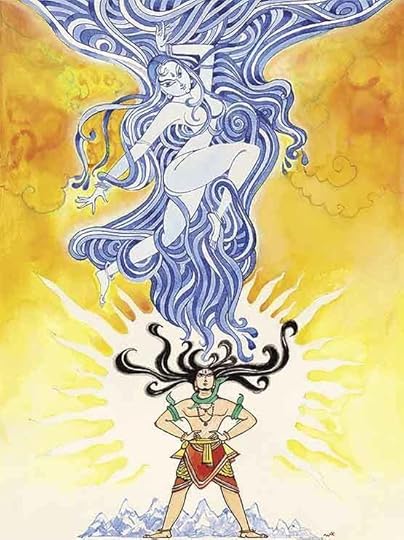
অযোধ্যার রঘুবংশীয় মহাপ্রভাবশালী মহারাজ ভগীরথ কপিল মুনির অভিশাপ থেকে তাঁর পূর্বপুরুষদের মোক্ষপ্রাপ্তির উদ্দেশ্যে গঙ্গানদীকে স্বর্গ থেকে মর্ত্যে অবতরণের জন্য আহবান করলেন। এই অভিলাষা নিয়ে তিনি বিষ্ণুদেবের কঠিন তপস্যা করেন।
বিষ্ণুদেব তপে সন্তুষ্ঠ হয়ে গঙ্গানদীকে মর্ত্যে গমনের জন্য উপদেশ দিলেন।
কিন্ত্ত সমস্যা হলো গঙ্গার গতিবেগ এতটাই প্রবল যে তা ধারণ করার ক্ষমতা জীবধাত্রী বসুধার ছিলনা। প্রলয় ছিল অবশ্যম্ভাবী।
তখন বিষ্ণুদেবের অনুরোধেই দেবাদিদেব মহেশ্বর গঙ্গানদীকে নিজ মস্তকে ধারণ করে গঙ্গার গতি নিয়ন্ত্রণ করলেন। তারপর শিব জটা থেকে এক সরু জলধারা হিসাবে গঙ্গা যদি মর্ত্যে নেমে এলেন। স্থানটা হলো হিমালয়ের গঙ্গোত্রী হিমবাহের গোমুখ অঞ্চল।
তারপর গঙ্গানদী মহারাজ ভগীরথকে অনুসরণ করে প্রায় ২৫২৫ কি.মি. পথ অতিক্রম করে অবশেষে গঙ্গাসাগরে এসে বঙ্গোপসাগরে মিলিত হলেন।
পথে কপিল মুনির আশ্রমে মহারাজ ভাগীরথীর পূর্বপুরুষদের অস্থি গঙ্গা জলের পুন্য স্পর্শে প্রেত যোনি থেকে মুক্তি পেয়ে মোক্ষলাভ করলো।
বইয়ের লেখক বলছেন, 'Veneration of the Ganges has remained a perennial feature across the diverse cultural landscape of the Indian subcontinent. Her imagined form as a female deity, the idea of her permanent abode in the celestial heights of the Himalayas, and a transcendent sense of space expressed in the idea of pilgrimage, discussed in the previous chapter, are universally shared.
In such an exalted conception, the physical distance from the channel of the Ganges in the north is secondary.
As I have argued, most rivers are seen as sacred in the primal image of the Ganges, and in the wider world of the devotee, pilgrimages far and near are intrinsically connected.'
গঙ্গা নদীর এইসব ঐতিহাসিক ও পুরানাশ্রিত ঘটনাবলী যেমন চিত্তাকর্ষক,সেই রকম আধুনিক বিজ্ঞানের কষ্টিপাথরেও গঙ্গানদীর আলৌকিক গুণাবলী সমান ভাবে সমাদৃত এবং বিজ্ঞানীদের মনে বিস্ময়ের উদ্রেক করে। আধুনিক বিজ্ঞান এ কথা স্বীকার করতে বাধ্য হয়েছে যে গঙ্গা নদীর জলে এমন কিছু গুন্ রয়েছে যা পৃথিবীর আর অন্য কোনো জল, জলাধার বা জলের উৎসে নেই।
গঙ্গা জলে রয়েছে স্ব -পরিশোধক ক্ষমতা (Self Cleansing Property ) এবং গঙ্গাজলের এই অভাবনীয় ক্ষমতা ও জীবাণুনাশক গুন্ প্রথম আবিস্কার করার চেষ্টা করেন বিখ্যাত ইংরেজ বিজ্ঞানী E. Hangry Hankin, ১৮৯৬ খ্রিস্টাব্দে। তিনি একটি পাত্রে বিশুদ্ধ জল নিয়ে তাতে প্রচুর পরিমানে কলেরা রোগের ব্যাক্টেরিয়া “ভিব্রিও কলেরি (Vibrio cholerae ) মিশিয়ে দিলেন।অন্যদিকে অপর পাত্রে পর্যাপ্ত পরিমান গঙ্গা জল নিয়ে তাতেও সমপরিমাণ কলেরার ব্যাকটেরিয়া মিশিয়ে দিলেন।
তিনি অবাক হয়ে দেখলেন গঙ্গাজলে মেশানো সব ব্যাকটেরিয়া মাত্র তিন ঘন্টার মধ্যেই মরে গিয়েছে।
অথচ বিশুদ্ধ সাধারণ জলে দুই দিন পরেও ব্যাকটেরিয়া গুলি বহাল তবিয়তে বেঁচে রয়েছে এবং”বাইনারি ফিশন”(Binary Fission )পদ্ধতিতে তাদের সংখ্যা বহুগুন বৃদ্ধি পেয়েছে।
লরক্ষক বলছেন, 'Water analysts, soil chemists, and environmental scientists are still debating whether Ganges water can destroy E. coli and other harmful bacteria. Many reasons are given for this potential.
Some scientists have pointed out the effect of long exposure of the water surface to ultraviolet radiation.
One plausible explanation, studied in great detail by the eminent Indian hydrologist Devendra Bhargava, is that the Ganges has chemical and biological properties that help the river rapidly absorb prodigious quantities of organic waste.
It seems to be able to reoxygenate itself almost miraculously.
Author Julian Hollick, who has pursued this question with many Indian scientists, is convinced that the purifying qualities of the Ganges are due to the large concentration of the bacteriophage virus that is present in superabundance by the mud banks of the river and in shallow pools, and the virus is activated as soon as bacterial concentration reaches a certain threshold. The bacteria-killing properties of the phage virus have been scientifically proven.'
তামিলনাড়ুতে গঙ্গা নেই, কিন্তু সেখানকার মমল্লাপুরমে আজও আছে পল্লব রাজাদের তৈরি পাথরে খোদাই ৯০ ফুট উঁচু গঙ্গাবতরণ দৃশ্য।
লেখক বলছেন, 'The relief is known most commonly as the “Descent of the Ganges.” Making clever use of a natural cleft between the two adjoining and jutting outcrops of granite as the focal point of the entire panorama, the sculptors have told the story of the tumultuous plunge of the river-goddess from her heavenly abode through the matted locks of Shiva, flanked on either side as she falls by gods, ascetics, and life-size elephants.
About halfway down this replica of the river, poised between the two boulders, are figures of two Nagas, mythic creatures of the underworld with human torsos and snake bodies, with their crowns crested by hooded cobras.
In Indian Puranic lore, they are creatures associated with Shiva, water, and serpents. During the monsoon rains, water that collects on top of the hilly outcrop cascades down through this channel between the sculpted rocks.
With a little bit of imagination, they bring back to life stories about the sacred river that have been retold by Hindus of all manners and persuasions, generation after generation, across the entire Indian subcontinent....'
কর্নাটকের চালুক্য রাজাদের বাদামি, আইহোল, পট্টডাকাল শহরের ধ্বংসাবশেষ আজও জনপ্রিয় টুরিস্ট সার্কিট। সেই বাদামির মন্দিরগাত্রেও আছে গঙ্গা-যমুনার মূর্তি। সোজা কথায় ডায়মন্ড হারবার, কাকদ্বীপ, কচুবেড়িয়া পেরিয়ে যে নদীটা সাগরে গিয়ে মেশে, তার স্রোতে আসলে সর্বভারতীয় লোকবিশ্বাস।
রামায়ণে গঙ্গাবতরণের যে অংশটি রয়েছে, তা রামানুজনের অনুবাদে একটু পড়ুন পাঠক --- 'The cloudless sky was shining with the hosts of hastening gods and the splendor of their ornaments, so that it was illumined by a hundred suns. Filled with masses of twisting snakes, crocodiles and fish, the sky seemed shot with scattered lightning.
Now white with a thousand shreds of flying foam and flocks of snowy geese, the sky seemed suddenly filled with autumn clouds. At some points the river flowed swiftly, at others slowly. In some places it moved tortuously or broadened out; at others, it narrowed and sank between its banks only to rise elsewhere.
Here and there the water dashed back upon itself, momentarily hurled up into the air, only to fall to earth once more...' --- অসামান্য না?
নয়টি অনুচ্ছেদে বিভক্ত বইটি :
1. The World of Pilgrims 2. Ganga Descends 3. Digging Out of Prehistory 4. Rise of the Warring Kingdoms 5. Guardians of the Middle Country 6. The Goddess of Fortune 7. Crucible of Empires 8. The Making of the Agrarian Heartland 9. The Ganges in the Age of Empire
উপনিষদের ঋষি বলছেন, “যথেমা নদ্যঃ সন্দমানাঃ সমুদ্রায়ণাঃ সমুদ্রং প্রাপ্যান্তং গছতি।” মানে নদীগুলি যেমন সমুদ্রে প্রবেশ করে অদৃশ্য হয়ে যায়, নাম ও রূপের বিভিন্নতা লোপ পেয়ে সমুদ্র নামেই কথিত হয়, সে রকম পুরুষকে লাভ করার পর বাকি সবই অন্তর্হিত হয়। পুণ্যতোয়া গঙ্গা যেখানে সমুদ্রে পড়বে, সেখানে পৌষ-সংক্রান্তির মেলায় স্নান করলেই মুক্তি।
বইয়ের ছত্রে ছত্রে একে একে ঘুরেফিরে এসেছে ভারতের ভৌগোলিক বৈচিত্র। গিরিরাজ হিমালয়ের বুকে যেমন আছে একের পর এক পবিত্র ধাম, তেমনি এই পর্বত শৃঙ্গের বিভিন্ন গুহা থেকে বেরিয়ে আসছে একের পর এক জলধারা। একদিকে গঙ্গোত্রি, অন্যদিকে পিন্ডারি গ্লেসিয়ার। একদিকে কেদারনাথ। আর একদিকে বদ্রিনাথ। একাধিক জলধারার মিলন থেকেই সৃষ্টি হচ্ছেন মা গঙ্গা।
বদ্রিনাথ -- এখান থেকেই উৎপত্তি হচ্ছে বিষ্ণুগঙ্গার। মন্দিরের সামনেই নীলকন্ঠ পাহাড়। দুপাশে প্রহরীর মতো দাঁড়িয়ে নর ও নারায়ণ দুই পর্বত।
এসেছে পিন্ডারি গ্লেসিয়ারের প্রসঙ্গ। নন্দাকোট ও নন্দাখাত পাহাড়ের পাদদেশে প্রায় সাড়ে তিন কিলোমিটার দূরত্ব জুড়ে ছড়িয়ে আছে এই গ্লেসিয়ার। এর ডাইনে বাঁয়ে ডিম্বাকারে দাঁড়িয়ে আটটি শৃঙ্গ।কাছেই সুন্দরডিঙ্গা হিমবাহ। এই হিমবাহ গলে তৈরি হচ্ছে পিন্ডার নদী। কর্ণপ্রয়াগে এই নদী মিশছে নন্দাকিনী নদীর সঙ্গে। এই জলের প্রবাহ আরও নীচে নেমে রুদ্রপ্রয়াগে মিশছে মন্দাকিনী নদীর সঙ্গে।
আর মন্দাকিনী নদী কোথা থেকে আসছে? এই নদীর সৃষ্টি হচ্ছে কেদারনাথের কাছে। কেদারনাথ ধাম হিন্দুদের কাছে অন্যতম পবিত্র তীর্থ ক্ষেত্র। পুরাণে আছে হিমালয় কন্যা দেবী গৌরী শিবকে পতি রূপে পেতে এখানে তপস্যা করেন।
পাণ্ডবদের হাতেই নাকি তৈরি গ্রানাইট পাথরে তৈরি এই মন্দির। যা দ্বাদশ জ্যোতির্লিঙ্গের অন্যতম। এখানেই দুধগঙ্গা, মধুগঙ্গা, স্বর্গদুয়ারী ও সরস্বতী - স্বর্গের এই চার নদী এসে মিলে সৃষ্টি হচ্ছে মন্দাকিনী নদীর।
রুদ্রপ্রয়াগে এই মন্দাকিনী নদী মিশছে অলকানন্দার প্রবাহের সঙ্গে। বিপুল জলরাশি নিয়ে ধেয়ে যাচ্ছে দেবপ্রয়াগের দিকে। এই দেবপ্রয়াগেই মিশছে ভাগিরথী। ভাগিরথী নদী আবার সৃষ্টি হচ্ছে গঙ্গোত্রী থেকে। সবমিলিয়ে রূপ নিচ্ছেন মা গঙ্গা।
আলোচনার শেষাংশে লেখক বর্ণিত বেনারসের একটি উপাখ্যানের একাংশ দিলাম, পাঠক। পড়ুন :
'In Varanasi, the haunt of some of the oldest monastic orders in the world, countless such virtual funerals have taken place on the steps leading to the waters of the Ganges.
Viennese anthropologist and scholar of Sanskrit Leopold Fischer, known as the monk Swami Agehananda Bharati, has left an eloquent account of his initiation into the Dasanami ascetic order in Banaras, performed by his guru Swami Visvananda.
The ceremony took place at the cremation grounds of the Manikarnika ghat, where a platform was set up next to the blazing funeral pyre of a young woman and her stillborn child.
Agehananda recalls the muted chants of his guru offering black and white sesame seeds to the heavens as tokens of the removal of all earthly blemishes, propitiations for the goddess of fortune proclaiming the initiate free from all ties of the world, liberated from the pangs of grief, hunger, and death.
The oblation was followed by the symbolic act of cremation, where he recited his own funerary rites and his body was touched by a smoldering charcoal from the pyre in seven places, commencing his death and integrating his consciousness with the ambient unity of the cosmos. He was then asked to disrobe, walk down the steps, and immerse his newly anointed body in the water.
As soon as he “emerged from Gaṅgā’s womb,” Agehananda writes, he was given an ocher robe and the name agehānanda (“homeless bliss”).
The guru handed him a wooden staff to be flung into the middle of the holy river, a reminder of the order of human society for which he now had no use.
The sanctity of Ganges water in the mind of the dying soldier facing death in battle and the ritual funeral of a sannyasi are affective examples of ancient life-cycle rituals that have defied the passage of time and history, where the river, fashioned from the primordial bodies of earth and water, survives as a visible reminder of human transience...'
শঙ্খ বাজিয়ে ভগীরথ চলেছেন , পিছনে গঙ্গাধারা চলেছে পিছনে কিন্তু গঙ্গার এত বেগ ধারণ করবে কে ? ভগীরথের প্রার্থনায় শিব পেতে দিলেন মাথা । জটাজালের ভাঁজে প্রবাহিত হলেন । নিজের জটাজাল ছিন্ন করে বিন্দু -সরোবরে ছুঁড়ে দিলেন গঙ্গাকে । সৃষ্টি হল সাতটি ধারা — হ্লাদিনী ,পাবনী , নলিনী তিনটি ধারা পূর্ব দিকে প্রবাহিত হল , সু চক্ষু , সীতা , সিন্ধু তিনটি ধারা পশ্চিমদিকে প্রবাহিত হল ।
গঙ্গার ধারা বয়ে গেল জহ্নু মুনির আশ্রমের দিকে ।আশ্রম ভেসে যায় দেখে জহ্নু মুনি পান করে নিলেন গঙ্গার ধারা । ভক্ত ভগীরথ আবার মুনিকে সন্তুষ্ট করলেন ।নিজের জানু ছিদ্র করে বার করে দিলেন গঙ্গাধারাকে গঙ্গাকে মুক্ত করলেন ।দেবী হলেন জাহ্নবী ।
এদিকে ঋষি কন্যা পদ্মা গঙ্গার সাথে মিশে গেলেন এক অংশে । পদ্মাধারা পুবমুখে প্রবাহিত হয়ে আবার দক্ষিণে এসে মিশে গেল সাগরে । আর একটি ধারা দক্ষিণে প্রবাহিত হয়ে কপিল মুনির আশ্রমে এসে মুক্ত করল সেই ভস্মীভুত সন্তানদের । লীলায়িত ছন্দে মিশে গেল সাগরে । খ্যাত হল সাগরসঙ্গম নামে , তীর্থের নাম গঙ্গাসাগর ।
গঙ্গোত্রী থেকে ধেয়ে আসা ভাগীরথী রুদ্রপ্রয়াগে এসে যখন মন্দাকিনী ও অলকানন্দার জলধারার সঙ্গে মিশছে, তখন তা রূপ পাচ্ছে গঙ্গা নদীর।
এই বিপুল জলরাশিই দীর্ঘ পথ পাড়ি দিয়ে মিশছে আমাদের গঙ্গাসাগরের কাছে। নদীর জলে যেমন দু কূলকে শস্য শ্যামলা করছেন মা গঙ্গা, তেমনি পূজিত হচ্ছেন যুগ যুগ ধরে।
देवि सुरेश्वरि भगवति गंगे त्रिभुवनतारिणि तरल तरंगे। शंकर मौलिविहारिणि विमले मम मति रास्तां तव पद कमले ॥
সুরেশ্বরী, ভগবতী, ত্রিভুবনতারিণী, তরলতরঙ্গযুক্তা, শংকর-মৌলি-বিহারিণী (মহাদেবের মস্তকে বিহারিণী), নির্মলা, দেবী গঙ্গা, তোমার পাদপদ্মে আমার সুমতি হোক
As is on the cover, this book is history of the most sacred river of India(or world) viewed from all the possible lenses- cultural, economic, political and others. Prof. Sen's book has massive amount of research behind it and hence comes out as a bit academic in the middle. This book cannot be digested by everyone but for few of you who are interested in the history of Ganga and India as a whole, this is a must read.
A fine history of the great Ganges River of India. Personally, I guess I didn't love it, and would have preferred a little more natural history, rather than a human-centric account, but all the same there is no real faulting the book as well-researched and well-executed. Let's say a high three, for me.
Sen traces the history of the Ganges from prehistoric times to the contemporary period, detailing the rise and fall of empires along its banks, the various communities it nurtured, and its profound role in religious and cultural imagination. He balances the archaeological record with mythological and textual traditions, providing readers with a nuanced understanding of how the river shaped Indian civilization across millennia.
The book delves deeply into the mythic and sacred dimensions of the river, portraying the Ganges as both a life-sustaining force and a divine presence integral to Hindu, Buddhist, and Jain traditions. Sen pays particular attention to the river’s role in rituals, pilgrimage, and the collective memory of India, highlighting the paradox of the Ganges as simultaneously pure and polluted, life-giving and deadly.
Sen also addresses modern challenges facing the Ganges, including pollution, industrial encroachment, and dam construction, situating these issues within the broader political history of colonial and postcolonial India. This environmental perspective emphasizes the river’s vulnerability amidst growing human pressures, making the book relevant for contemporary ecological debates.
Sudipta Sen’s Ganges is a monumental and authoritative text that captures the enduring centrality of the river in India’s past and present. Its rich interdisciplinary approach reveals the Ganges as a dynamic cultural and spiritual symbol that continues to shape identities and inspire devotion. The book is essential for anyone seeking a profound understanding of the river’s many layered histories and its pressing contemporary realities.
Sudipta's Ganga tells the cultural history of the Ganga river. To most Indians, all the waters that inhabit the subcontinent could be called Ganga. In such a scape how has the river played in political articulation? Also what did the river simply witness? The book has a lovely review by Pranay Lal who has written one of the best Indian books. He calls it a huge undertaking and that the author pulled the feat off with charm. Huge undertaking sure it was. The book begins at an excellent note. The author looks at writings and depictions - several foreign - of Ganga, to locate the river exactly in Indian imaginings. And then he goes on to do a survey of the mythology of origin of Ganga. This is arguably the author at his best. He looks at multiple Puranas and their various declensions. Here is perhaps where the charm truly is - in the nuances and slight differences between the tales. And sometimes radical differences. The early sections on the history of the Ganges valley seems fresh and engaging until the book becomes a rough political history of India. Sometimes it is difficult to trace the presence of the river in the dense and long passages. Also - the second portion of the book feels rushed. The author spends much longer talking about empires and kings up till the Guptas but after that too much history is crammed in too little space. Before one even realises one has made a jump from the Kanauj tripartite struggle to the exploits of the Sultans of Delhi. Clearly Sudipta's editors at Penguin were on his back at that time.
This is a really good book but I struggle to see who it is for. I am a Sanskritologist by education, and I wrote my dissertation on the Narmada, though I haven't worked in the field for years. So, to me, this book was great - it covers the history of the Ganges basin in great detail. That said, it is full of Sanskrit words and terms like 'stupa' or ' tirtha'. It might be hard to read for someone who has no idea of Indian culture. I assume thus this is for people who do. If you dont, it is still a great introduction to the key moments in the Indian civilisation, BUT you will probably find yourself check things on wikipedia. The only problem I have with this book is that it does not explore the ordinary lives of the people who have lived along the Ganges. The author does admit in the introduction that there isnt much historical data on this, but there could be more drawn from anthropological and archeological sources.
I do not understand the objectives of this book. The first chapter seems like a travelogue. The second chapter is the river's geology, and the third and subsequent chapters are religious history, war history, mythology, art, politics, environmentalism, and whatnot. The writer is writing on Ganga, a vast section of Bangladesh, and the main channel is still flowing. But there is not a single line on the river that flows through Bangladesh, though she spent considerable time on the Deccan dynasties. She is worried that Ganga might become dead, but did she not realize it is already dead after Farrakah's point except in the rainy season? I am giving a single star, but that is for the effort she put into writing the book. Reading the book was simply a waste of time
"This book explores the evolution of this image of a cosmic river at the intersection of myth, history, and ecology." 13
"As Richard White has eloquently states in his study of the Columba River, rivers are the most dynamic symbols of nature: "They absorb and emit energy, they rearrange the world." 33
Listened to the audiobook over a month or so. Very detailed history of the many peoples that thrived around the Ganges back a thousand years. You have to be very interested in the history of India to appreciate the research that went into this book Audiobook narration was good.
Sudipta Sen's Ganges is a densely packed adventure story. He explores the evolution of Indian society around the banks of the Ganga. It's a confluence of religions, politics, nature, and civilization.
"O King divine Ganga will be called Tripathaga as well as Bhagirathi. Since she flows in the three worlds (heaven, earth, and the lower world: Patala), she will be known as Tripathaga." - Courtesy IITK
It starts with the mythological story of King Bhagiratha(the Bengali version is fascinating) and then progresses to pre-civilization human settlement. We then descend from its Glacial beginnings to the murky waters of the religions & dynasties.
He explores the deep philosophical roots of Nirvana through the religious practices of ablution. Some of the practices might shock western readers but Sudipta is gentle & considerate while explaining them. Along the way, we lament the erosion of its flora & fauna from human activity. Finally, the river shifts direction along with time and branches out as it reaches the Bay of Bengal. Ending near the dense mangrove forest in the far East, Sundarbans of Bengal.
"From this hillside, where it abates its rise, a sun was born into the world, much like this Sun when it is climbing from the Ganges." - Dante