

What do you think?

På Kanaanexpressen
För den enskilda människan gäller det att våga språnget vilket Hagar Olsson skildrar i På Kanaanexpressen från 1929. Romangestalternas symboliska tågresa mot det nya samhället innebär ett uppvaknande från förlegade ideal; ett självmord blir den smärtsamma insikten om det mod som krävs för att bryta med det förflutna, att börja om från början och att acceptera att det inte är ”människans öde att vara olycklig på jorden”.
232 pages, Hardcover
Published January 1, 1929
About the author
Hagar Olsson
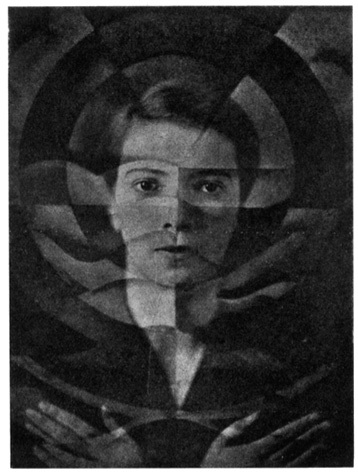
29 books3 followersHagar Olsson (born 16 September 1893 in Kustavi, dead 21 February 1978 in Helsinki) was a Swedish-speaking Finnish writer, literary critic, playwright and translator.
In 1965 she received the Eino Leino Prize.
In 1965 she received the Eino Leino Prize.
Ratings & Reviews
Friends & Following
Create a free account to discover what your friends think of this book!
Community Reviews
Displaying 1 - 2 of 2 reviews

September 18, 2020
Verdict: 67,5%
A half point away from four stars. I feel tempted to cheat my own system, but I'm not going to. I will do the next best thing though - write a review.
"He did not seem like one of those who must take advantage of the time -
time probably took advantage of him."
In this novel from 1929 everything and anything can be turned into politics. And should. Life, as an extension, is art. When someone kills themselves in real life it's an event for the whole world to become involved with - as co-killers as well as on-lookers for when the sad accident hits the big screen. Such is the collective nature of these socialistic ideas during this time of technical advances.
"Newspapers throw themselves over crimes, murders and accidents like vultures over corpses, but not a single one of them took up the fight against the mud of ignorance, pessimism and prejudice, in which the living corpses were sunk to their necks."
Without a doubt the language of Hagar Olsson is something else. I felt the gravity but also the playfulness of her experimentation with style. This novel is Modernism in a nutshell, combining lyrical chapters with regular prose and internal stream of consciousness with message driven dialogues. As for the message itself, I'm usually not one to dive into very outspoken political or ideological topics in fiction. However, this was a beautiful exception. And Olsson's enthralling and symbolic way of progressing a story had me hooked. The journey she took me on (both literally and metaphorically speaking) surprised me again and again. That said, I think I was the most happy with the ambivalent ending, and the start of it all.
"Reluctantly interested, a passenger looked at the peculiar bird profile of the young girl signed against the window in the express compartment. It seemed created for wings - for high air - and loneliness."
It begins with a train and a destination unknown. Two people learn a little about each other. They then disappear from each others lives, seemingly, although in a sense they carry the other person around until they meet again a hundred pages later. The reunion is long awaited and a bit too short lived for my satisfaction.
I wish that I could have gotten some more character build on Örnungen, the young woman described as a bird. Her role of this narrative is that of a teacher. She was the first one to lay eyes on Peter, the protagonist, in the beginning and the one who stirred his heart, who set an alarm clock to his life so that he would be brave enough to finally take the leap, to transform into a person who acts, who doesn't let fear hold them back.
I would have enjoyed to get more acquainted with her arc. Instead the author present two other female characters important to the plot. Their respective faiths moved me, albeit I found their characteristics slightly one-sided.
"His walk had this effortless ease associated with the habit of moving on foreign grounds... She followed the slightest movement he made with her eyes, looked openly and unabashedly at him, as if he was her playmate and not a "stranger." In fact, she was already playing with him, the play of the moment, beautiful and serious."
This book is highly recommended for those who are curious about the ideas and features of Modernism and doesn't mind reading a story with a purpose to enlighten and a somewhat melodramatic language. But for the rest of you - don't be discouraged! This tale is in my opinion more than that. It's an interesting ride with its ups and downs to self-actualization and the sacrifices that comes with it, which I believe everyone can relate to.
A half point away from four stars. I feel tempted to cheat my own system, but I'm not going to. I will do the next best thing though - write a review.
"He did not seem like one of those who must take advantage of the time -
time probably took advantage of him."
In this novel from 1929 everything and anything can be turned into politics. And should. Life, as an extension, is art. When someone kills themselves in real life it's an event for the whole world to become involved with - as co-killers as well as on-lookers for when the sad accident hits the big screen. Such is the collective nature of these socialistic ideas during this time of technical advances.
"Newspapers throw themselves over crimes, murders and accidents like vultures over corpses, but not a single one of them took up the fight against the mud of ignorance, pessimism and prejudice, in which the living corpses were sunk to their necks."
Without a doubt the language of Hagar Olsson is something else. I felt the gravity but also the playfulness of her experimentation with style. This novel is Modernism in a nutshell, combining lyrical chapters with regular prose and internal stream of consciousness with message driven dialogues. As for the message itself, I'm usually not one to dive into very outspoken political or ideological topics in fiction. However, this was a beautiful exception. And Olsson's enthralling and symbolic way of progressing a story had me hooked. The journey she took me on (both literally and metaphorically speaking) surprised me again and again. That said, I think I was the most happy with the ambivalent ending, and the start of it all.
"Reluctantly interested, a passenger looked at the peculiar bird profile of the young girl signed against the window in the express compartment. It seemed created for wings - for high air - and loneliness."
It begins with a train and a destination unknown. Two people learn a little about each other. They then disappear from each others lives, seemingly, although in a sense they carry the other person around until they meet again a hundred pages later. The reunion is long awaited and a bit too short lived for my satisfaction.
I wish that I could have gotten some more character build on Örnungen, the young woman described as a bird. Her role of this narrative is that of a teacher. She was the first one to lay eyes on Peter, the protagonist, in the beginning and the one who stirred his heart, who set an alarm clock to his life so that he would be brave enough to finally take the leap, to transform into a person who acts, who doesn't let fear hold them back.
I would have enjoyed to get more acquainted with her arc. Instead the author present two other female characters important to the plot. Their respective faiths moved me, albeit I found their characteristics slightly one-sided.
"His walk had this effortless ease associated with the habit of moving on foreign grounds... She followed the slightest movement he made with her eyes, looked openly and unabashedly at him, as if he was her playmate and not a "stranger." In fact, she was already playing with him, the play of the moment, beautiful and serious."
This book is highly recommended for those who are curious about the ideas and features of Modernism and doesn't mind reading a story with a purpose to enlighten and a somewhat melodramatic language. But for the rest of you - don't be discouraged! This tale is in my opinion more than that. It's an interesting ride with its ups and downs to self-actualization and the sacrifices that comes with it, which I believe everyone can relate to.
June 18, 2026
Mycket vackert skriven och finns flera citat att hämta. Berättelsen är gripande men kan emellanåt kännas svår att få tag i ordentligt då händelseförloppet kan förflytta sig i tid och rum ganska snabbt utan större förvarning.
Displaying 1 - 2 of 2 reviews