

What do you think?

ז'קוב, ז'קוב
ז'קוֹבּ, ז'קוֹבּ הוא רומן מרגש על חיי משפחה יהודית באלג'יריה בזמן מלחמת העולם השנייה. ז'קוֹבּ, האח הצעיר במשפחה, מגויס ביוני 1944 לצבא צרפת ומפליג לפרובנס עם עוד חיילים אלג'יראיים – יהודים ומוסלמים. בני משפחתו, שמאבדים עמו כל קשר, מחכים בקוצר רוח לשובו.
הרומן מבוסס על סיפורו של ז'קוב, אחי סבהּ של ולרי זנאטי. בלב אוהב ורגיש היא מעירה לחיים את דמויות העבר במשפחתה, כמו גם את העיר קונסטנטין שבאלג'יריה, בה הן מתגוררות; ביופי רב היא מתארת את מרקם היחסים בתוך המשפחה היהודית ומחוצה לה. סיפורה החי של זנאטי כמוהו כגשר אל העבר, כגשר בין בני האדם, כאותו גשר סידי מ'סיד – סמלה של העיר קונסטנטין – התלוי בין שני מצוקים ומחבר ביניהם.
הרומן מבוסס על סיפורו של ז'קוב, אחי סבהּ של ולרי זנאטי. בלב אוהב ורגיש היא מעירה לחיים את דמויות העבר במשפחתה, כמו גם את העיר קונסטנטין שבאלג'יריה, בה הן מתגוררות; ביופי רב היא מתארת את מרקם היחסים בתוך המשפחה היהודית ומחוצה לה. סיפורה החי של זנאטי כמוהו כגשר אל העבר, כגשר בין בני האדם, כאותו גשר סידי מ'סיד – סמלה של העיר קונסטנטין – התלוי בין שני מצוקים ומחבר ביניהם.
142 pages, ebook
First published August 21, 2014
About the author
Valérie Zenatti
49 books25 followersValérie Zenatti was born in Nice on April Fool’s Day 1970. When she was thirteen she went to live with her parents in Israel, where she did her national service, which inspired her memoir, When I was a Soldier. Even now she doesn’t go out without her survival kit — these days of a book, a notepad and a pen. Valérie now lives in Paris, where she works as a translator of Hebrew. She is also writing screenplays based on two of her books, Late for War and Message in a Bottle. Valérie is continually surprised and delighted at seeing Lucas, aged eight, and Nina, nearly two, grow up.
Ratings & Reviews
Friends & Following
Create a free account to discover what your friends think of this book!
Community Reviews
Displaying 1 - 15 of 15 reviews

March 7, 2020
נובלה נפלאה ומרגשת של ולרי זינאטי. ספר מומלץ ביותר.
April 13, 2019
I discovered the author Valerie Zenatti during a litterature TV show " La grande librairie".
I really loved her charisma, her warmth and also the openness and optimism that she was conveying during the interview. She comes across a real humanist and that convinced me to read her books.
Jacob, Jacob described the life of an Algerian Jewish Family towards the end of the WW2 and after.
Valerie the author has a very soft and poetic way to describe dark topic such as lack of love, violence, war, desire ,the sadness, repression, innocence...
My only reserve is that the book was too short as I would have loved to dig deeper into the characters.
Will definately read more from her.
I really loved her charisma, her warmth and also the openness and optimism that she was conveying during the interview. She comes across a real humanist and that convinced me to read her books.
Jacob, Jacob described the life of an Algerian Jewish Family towards the end of the WW2 and after.
Valerie the author has a very soft and poetic way to describe dark topic such as lack of love, violence, war, desire ,the sadness, repression, innocence...
My only reserve is that the book was too short as I would have loved to dig deeper into the characters.
Will definately read more from her.

February 5, 2017
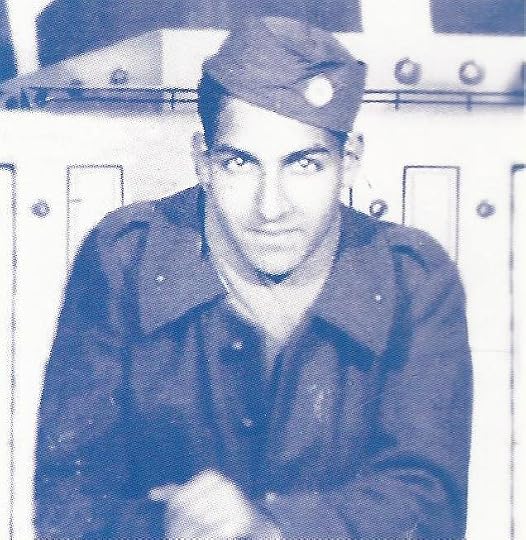
Jacob a dix-neuf ans, il habite avec sa famille dans le quartier juif et arabe de Constantine, en Algérie. Il est le dernier enfant d’une famille d’artisans, des cordonniers très pauvres. Il est né tardivement après ses frères et contrairement à eux, il a pu poursuivre ses études. Il vient de passer le baccalauréat, il est bon élève, aime la lecture. En ce mois de juin 1944, Jacob doit partir faire son service militaire, et après de brèves classes, il est enrôlé dans l’armée du général de Lattre de Tassigny et va participer au débarquement de Provence. Occasion pour lui de découvrir la France, qu’il ne connait qu’à travers les livres et l’enseignement qu’il a reçu, occasion de sortir brutalement de l’enfance, confronté à la violence des combats, à l’horreur de la guerre qui décime petit à petit ses camarades venus comme lui d’Algérie. Lui-même n’en réchappera pas, fauché par une rafale en Alsace en décembre 44.
A Constantine, la vie continue. La mort de Jacob ne sera connue de sa famille qu’un mois après et sa dépouille ne sera rapatriée qu’au bout de trois années. Mais Jacob survivra dans la mémoire de ceux et de celles qui l’ont connu et sa photo de soldat aux côtés de ses camarades suscitera longtemps après la curiosité de sa petite-nièce et aboutira à l’écriture de ce magnifique hommage.
C’est un court roman mais pourtant, il porte une émotion et une force telles que j’ai l'impression d'avoir lu une saga familiale. La prose de Valérie Zenatti est belle, fluide, elle se déroule comme une mélopée au travers de phrases très longues, que l’on lit comme l’on regarderait un plan-séquence au cinéma, et que l’on termine presque à bout de souffle.
J’ai été aussi touchée par les personnages de ce livre : Jacob, bien sûr, dont le destin est si injuste, mais aussi les figures féminines de son entourage. Il y a Rachel la mère, vieille femme usée par la vie, dévouée à ses fils et soumise à l’autorité du père ; Madeleine, la belle-sœur, mal-aimée par son mari, fatiguée par les enfants et les tâches ménagères ; Lucette la lycéenne qui rêve en secret de Jacob ; Camille, l’une de ses nièces, que Jacob fait quelquefois voler comme un avion et qui voudrait tant pouvoir faire les mêmes choses que les garçons. Et puis j’ai aimé aussi les descriptions de Valérie Zanetti qui trouve toujours les mots justes, que ce soit pour évoquer les couleurs de Constantine, l’enfer des combats, l’espoir d’une mère ou l’histoire familiale.
Plus sur mon blog
A Constantine, la vie continue. La mort de Jacob ne sera connue de sa famille qu’un mois après et sa dépouille ne sera rapatriée qu’au bout de trois années. Mais Jacob survivra dans la mémoire de ceux et de celles qui l’ont connu et sa photo de soldat aux côtés de ses camarades suscitera longtemps après la curiosité de sa petite-nièce et aboutira à l’écriture de ce magnifique hommage.
C’est un court roman mais pourtant, il porte une émotion et une force telles que j’ai l'impression d'avoir lu une saga familiale. La prose de Valérie Zenatti est belle, fluide, elle se déroule comme une mélopée au travers de phrases très longues, que l’on lit comme l’on regarderait un plan-séquence au cinéma, et que l’on termine presque à bout de souffle.
J’ai été aussi touchée par les personnages de ce livre : Jacob, bien sûr, dont le destin est si injuste, mais aussi les figures féminines de son entourage. Il y a Rachel la mère, vieille femme usée par la vie, dévouée à ses fils et soumise à l’autorité du père ; Madeleine, la belle-sœur, mal-aimée par son mari, fatiguée par les enfants et les tâches ménagères ; Lucette la lycéenne qui rêve en secret de Jacob ; Camille, l’une de ses nièces, que Jacob fait quelquefois voler comme un avion et qui voudrait tant pouvoir faire les mêmes choses que les garçons. Et puis j’ai aimé aussi les descriptions de Valérie Zanetti qui trouve toujours les mots justes, que ce soit pour évoquer les couleurs de Constantine, l’enfer des combats, l’espoir d’une mère ou l’histoire familiale.
Plus sur mon blog

July 24, 2016
Theme intéressant sur les juifs d Algérie qui ont combattu pour la France dans la 2eme guerre mondiale. Très poétique, Avec peu d action mais intéressant du point de vue culturel, par le mélange de cultures que represente la famille de Jacob. Intéressant mais pas un chef d œuvre.

June 13, 2018
Schwierig dieses Buch zu beurteilen, denn bereits die ersten 2 Seiten musste ich 3mal lesen, nicht weil sie kompliziert waren oder zuviel Inhalt hatten, sondern weil alles immer in einem elendslangen Satz verpackt wird, du kannst niemals sagen ich lese nur noch diesen Satz fertig, weil dann bist du schon 3 Seiten weiter und man langweilt sich dann schon, obwohl die Handlung manchmal sehr traurig ist, war ich irgendwann nur noch genervt, wollte das der Satz aufhört und diese Monotonie endet, wahrscheinlich sowie du, der du das hier liest und hoffst, dass jetzt endlich Schluss ist, ist es eh gleich, wer also mit diesem Satz hier kein Problem hat und diesen Stil gut findet, der sollte unbedingt reinlesen, ich selbst musste immer wieder etwas anderes zur Hand nehmen, ansonsten hätte ich dieses Buch nie fertig gelesen, aber der Inhalt hat mir schon gefallen.

Read
April 4, 2018Jacob, Jacob fait le portrait d'un jeune juif algérien appelé en juin 1944 à servir dans l'armée française.
Dernier né d'une famille modeste, Jacob est couvert d'amour par sa mère Rachel. Car il est né après un autre Jacob, mort bien trop jeune, il est doublement aimé. Il est deux fois son fils, deux fois Jacob : Jacob, Jacob.
Et tandis que sa famille attend son retour, Jacob remonte vers l'Alsace et voit ses amis mourir les uns après les autres.
Avec une écriture précise et un style à la beauté grave, Valérie Zenatti nous offre un livre bouleversant.
*read for work
Dernier né d'une famille modeste, Jacob est couvert d'amour par sa mère Rachel. Car il est né après un autre Jacob, mort bien trop jeune, il est doublement aimé. Il est deux fois son fils, deux fois Jacob : Jacob, Jacob.
Et tandis que sa famille attend son retour, Jacob remonte vers l'Alsace et voit ses amis mourir les uns après les autres.
Avec une écriture précise et un style à la beauté grave, Valérie Zenatti nous offre un livre bouleversant.
*read for work

July 14, 2018
Je suis un peu déçue par ce livre dans lequel il manque quelque chose pour moi.
Nous avons un récit de toutes les peines et douleurs d'une famille juive pied - noir à Constantine de l'avant guerre jusqu'au départ pour la France et les quelques années post déracinement.
C'est un récit sans aucun dialogue et qui manque de souffle.
On a l'impression d'une suite de descriptions d'événements familiaux pour la plupart dramatiques mais sans âme.
Voilà c'est un livre sans âme.
Nous avons un récit de toutes les peines et douleurs d'une famille juive pied - noir à Constantine de l'avant guerre jusqu'au départ pour la France et les quelques années post déracinement.
C'est un récit sans aucun dialogue et qui manque de souffle.
On a l'impression d'une suite de descriptions d'événements familiaux pour la plupart dramatiques mais sans âme.
Voilà c'est un livre sans âme.
August 12, 2026
Valérie Zenatti's Jacob, Jacob begins in the crowded, bruising alleys of Constantine, Algeria, where the Melki family scrapes by in a cramped flat and lives under the boom of patriarchal voices and the muffled sobs of women who know better than to protest.
Into this chaos grows Jacob, the youngest son, bright, charming, and dangerously full of promise. His Jewish family regards him as both treasure and burden: the boy with a head full of Latin declensions, Hugo and Balzac, and dreams too large for the cobbled streets of their quarter.
His world is stitched from rival textures: Arabic lullabies, French grammar lessons, the stink of poverty, the grandeur of mountain gorges. Jacob stands at a literal and figurative bridge, gazing at the suspended walkway over the Rhumel gorge, convinced he might rise above his origins.
[image error]
Of course, history has other plans. It is the 1940s, and Europe is clawing itself apart. The French army, hungry for bodies, finds Jacob, stuffs him into khaki, and ships him off to the desert, then to Europe, where the absurd machinery of war grinds down the illusions of young conscripts.
The novel lingers on both fronts. In Constantine, the family waits, quarrels, bargains with God, and nurses unspoken terrors while rationing beans and dignity. In the barracks and on the march, Jacob and his fellow soldiers - Jews, Muslims, French settlers - become cannon fodder dressed up in patriotic rhetoric.
[image error]
The story moves between domestic claustrophobia and the anonymity of military life, between mothers who scrub pots to gleaming perfection and commanders who bark insults in place of language.
At its core, the book is about a Jewish boy whose tenderness, wit, and intellectual hunger mark him for something beyond the fate that history is shoving into his hands. It is about how a family projects all its hopes onto one fragile spine, and how war, with its cheerless efficiency, sees only a uniform and a number. The novel builds with the dreadful inevitability of a train schedule, but I'll stop short of revealing where that train arrives.
This is a novel that pretends to be about a single young man but is actually a biography of a family, a city, and a doomed historical arrangement masquerading as colonial harmony. Zenatti writes with velvet gloves while twisting the knife, piling sensory detail until the kitchen smells, the spices, the sweat of barracks, and the mildew of stairwells practically seep into the paper. The writing is gorgeous, but also merciless.
"...רָשֶל לובשת חצאית לבנה וחצאית תכולה, מסדרת את השרוולים, מתקינה מִטפחת על השיער שלא משחה בחינה מאז לכתו של ז'קוב, טומנת את תכשיטיה בתיבה קטנה, נוטלת מתוכה כסף ומנשקת את מדלן, ששופכת מים על מפתן הדלת. רָשֶל צועדת בתוך השלולית, חוזרת לדירה ויוצאת שוב, לא יעלה על הדעת לפסוח על הטקס, לצאת בשלום, לחזור בשלום, לגרש את השדים האורבים בפתח וכל מבוקשם הוא לזנק בדחףשל מבט, עין רעה קוראים לזה, היא יודעת שמתקנאים בה על בן זקוניה, מוטב לדקדק בכל מה שעשוי להגן עליהם, עליו ועליה.
בכיכר בְּרֶש היא נכנסת לכרכרה הלוקחת אותה לתחנה ושם קונה כרטיס לטוּגוּרְט. ברכבת היא לופתת את סליה כפי שהייתה מאמצת אל חיקה את ילדיה כדי לחממם. אבל ילדים של ממש, לא גברים הגבוהים ממנה בכמה ראשים, בעלי כפות ידיים גדולות, קול מחמיר, צעדים כבדים. תינוקות שבריריים שבשבילם יש לה כל התנועות: לחלוץ שד, לחתל, לעטוף, לעסות את הגוף בשמן זית, כך נהגה עם כולם, אברהם, איזאק, אלפרד, ז'קוב, ז'קוב. ז'קוב הראשון, שהתאריכים הקוצבים את גיחתו לעולם ואת היעלמותו ממנו חקוקים על מצבה בבית הקברות היהודי החולש על תחנת הרכבת, בחלקת הילדים, שקבריהם דומים לעריסות. 1923-1920. פעוט שלֵו באופן מעורר השתאות שעיניו פקוחות לרווחה, שאכל מעט ונעץ בפני האנשים מבטים שעזוּת מבעם הפילה עליהם מבוכה. בוקר אחד הוא התעורר בבכי שדבר לא הצליח לשכך. הוא סירב לשתות ולאכול, חבט בזרועותיו, וכל אותו זמן נזעקה מפניו אימה ששיתקה אותה. היא פיזרה סוכר ופולים מתחת למיטתו, הניחה רטיות על חזהו הקטן, ניסתה לשדלו לגמוע חלב חם ודבש, שרפה זרעי אזוביון בקעריות ולבסוף הלכה למרפאה, ומשם לבית החולים. זרועותיה חפנו בגומותיהן את הגוף הרועד והקודח שהרופאים עתירי הידע לא ידעו להציל. מול ארון המתים הזעיר אמרה לה שכנה, הוא היה מלאך, אלוהים רצה אותו לצִדו. לא אבתה להישמע לגורל שעליו אומרים כי הוא מֶכְּתוּבּ, והעניקה את השם ז'קוב לילוד שהגיע כעבור שנתיים, בהפתעה, כמעט בחרפה. היו לה כבר שערות לבנות וקמטים של גיל ארבעים כששדיה שבו ותפחו, מאותתים לה שהיא נושאת ברחמה חיים חדשים. היא הסוותה את הריונה כל זמן שיכלה, הסתירה את בטנה מתחת לחצאיות רחבות, אנשים ידברו, יגידו מאחורי גבה שהיא עדיין עושה את זה עם חיים. היא ייחלה לבת, הביטחון הטמון בבת לוויה עד ימיה האחרונים, אבל נדמה שנוצרה ללדת רק בנים, שפתיה מתנועעות לתפילה בערבית שתביא עליהם ברכה..."

❤️ 🇮🇱
Into this chaos grows Jacob, the youngest son, bright, charming, and dangerously full of promise. His Jewish family regards him as both treasure and burden: the boy with a head full of Latin declensions, Hugo and Balzac, and dreams too large for the cobbled streets of their quarter.
His world is stitched from rival textures: Arabic lullabies, French grammar lessons, the stink of poverty, the grandeur of mountain gorges. Jacob stands at a literal and figurative bridge, gazing at the suspended walkway over the Rhumel gorge, convinced he might rise above his origins.
[image error]
Of course, history has other plans. It is the 1940s, and Europe is clawing itself apart. The French army, hungry for bodies, finds Jacob, stuffs him into khaki, and ships him off to the desert, then to Europe, where the absurd machinery of war grinds down the illusions of young conscripts.
The novel lingers on both fronts. In Constantine, the family waits, quarrels, bargains with God, and nurses unspoken terrors while rationing beans and dignity. In the barracks and on the march, Jacob and his fellow soldiers - Jews, Muslims, French settlers - become cannon fodder dressed up in patriotic rhetoric.
[image error]
The story moves between domestic claustrophobia and the anonymity of military life, between mothers who scrub pots to gleaming perfection and commanders who bark insults in place of language.
At its core, the book is about a Jewish boy whose tenderness, wit, and intellectual hunger mark him for something beyond the fate that history is shoving into his hands. It is about how a family projects all its hopes onto one fragile spine, and how war, with its cheerless efficiency, sees only a uniform and a number. The novel builds with the dreadful inevitability of a train schedule, but I'll stop short of revealing where that train arrives.
This is a novel that pretends to be about a single young man but is actually a biography of a family, a city, and a doomed historical arrangement masquerading as colonial harmony. Zenatti writes with velvet gloves while twisting the knife, piling sensory detail until the kitchen smells, the spices, the sweat of barracks, and the mildew of stairwells practically seep into the paper. The writing is gorgeous, but also merciless.
"...רָשֶל לובשת חצאית לבנה וחצאית תכולה, מסדרת את השרוולים, מתקינה מִטפחת על השיער שלא משחה בחינה מאז לכתו של ז'קוב, טומנת את תכשיטיה בתיבה קטנה, נוטלת מתוכה כסף ומנשקת את מדלן, ששופכת מים על מפתן הדלת. רָשֶל צועדת בתוך השלולית, חוזרת לדירה ויוצאת שוב, לא יעלה על הדעת לפסוח על הטקס, לצאת בשלום, לחזור בשלום, לגרש את השדים האורבים בפתח וכל מבוקשם הוא לזנק בדחףשל מבט, עין רעה קוראים לזה, היא יודעת שמתקנאים בה על בן זקוניה, מוטב לדקדק בכל מה שעשוי להגן עליהם, עליו ועליה.
בכיכר בְּרֶש היא נכנסת לכרכרה הלוקחת אותה לתחנה ושם קונה כרטיס לטוּגוּרְט. ברכבת היא לופתת את סליה כפי שהייתה מאמצת אל חיקה את ילדיה כדי לחממם. אבל ילדים של ממש, לא גברים הגבוהים ממנה בכמה ראשים, בעלי כפות ידיים גדולות, קול מחמיר, צעדים כבדים. תינוקות שבריריים שבשבילם יש לה כל התנועות: לחלוץ שד, לחתל, לעטוף, לעסות את הגוף בשמן זית, כך נהגה עם כולם, אברהם, איזאק, אלפרד, ז'קוב, ז'קוב. ז'קוב הראשון, שהתאריכים הקוצבים את גיחתו לעולם ואת היעלמותו ממנו חקוקים על מצבה בבית הקברות היהודי החולש על תחנת הרכבת, בחלקת הילדים, שקבריהם דומים לעריסות. 1923-1920. פעוט שלֵו באופן מעורר השתאות שעיניו פקוחות לרווחה, שאכל מעט ונעץ בפני האנשים מבטים שעזוּת מבעם הפילה עליהם מבוכה. בוקר אחד הוא התעורר בבכי שדבר לא הצליח לשכך. הוא סירב לשתות ולאכול, חבט בזרועותיו, וכל אותו זמן נזעקה מפניו אימה ששיתקה אותה. היא פיזרה סוכר ופולים מתחת למיטתו, הניחה רטיות על חזהו הקטן, ניסתה לשדלו לגמוע חלב חם ודבש, שרפה זרעי אזוביון בקעריות ולבסוף הלכה למרפאה, ומשם לבית החולים. זרועותיה חפנו בגומותיהן את הגוף הרועד והקודח שהרופאים עתירי הידע לא ידעו להציל. מול ארון המתים הזעיר אמרה לה שכנה, הוא היה מלאך, אלוהים רצה אותו לצִדו. לא אבתה להישמע לגורל שעליו אומרים כי הוא מֶכְּתוּבּ, והעניקה את השם ז'קוב לילוד שהגיע כעבור שנתיים, בהפתעה, כמעט בחרפה. היו לה כבר שערות לבנות וקמטים של גיל ארבעים כששדיה שבו ותפחו, מאותתים לה שהיא נושאת ברחמה חיים חדשים. היא הסוותה את הריונה כל זמן שיכלה, הסתירה את בטנה מתחת לחצאיות רחבות, אנשים ידברו, יגידו מאחורי גבה שהיא עדיין עושה את זה עם חיים. היא ייחלה לבת, הביטחון הטמון בבת לוויה עד ימיה האחרונים, אבל נדמה שנוצרה ללדת רק בנים, שפתיה מתנועעות לתפילה בערבית שתביא עליהם ברכה..."
❤️ 🇮🇱
July 29, 2020
סיפור מרגש מאוד, כתוב טוב, אם כי לפעמים מרגיש קצת מסורבל. מומלץ

December 8, 2025
Comment ce livre est-il arrivé entre mes mains ? Mystère…Il était là à m’attendre sur une étagère de ma bibliothèque, sans doute depuis des mois, voire des années.
Dans tous les cas, quelle bonne intuition que d’avoir choisi de l’ouvrir car il m’a emportée ! Je suis restée scotchée à cette lecture, tournant les pages les unes derrière les autres, impatiente de connaître la suite et l’histoire de Jacob.
Jacob est un jeune garçon juif qui vit en Algérie dans les années 40. Petit dernier d’une fratrie, il vient tout juste de passer son bac alors que ses deux frères, bien plus âgés, sont déjà installés dans leurs vies. Rêveur et sensible, il se distingue des autres membres de sa famille par son caractère réfléchi.
Mobilisé en 44, il va participer, avec ses camarades du même âge, au débarquement de Provence et à la libération du territoire. Rachel, sa mère, accepte mal son départ et tente de lui rendre visite à la caserne sans savoir qu’il est déjà sur un bateau en route vers le continent.
Le roman accompagne Jacob et son régiment dans le chaos de la fin de la guerre et met en lumière le caractère lumineux et innocent de Jacob.
Valérie Zenatti offre un regard particulier sur la guerre : celui d’un jeune envoyé libérer une métropole qui ne l’a jamais pleinement reconnu comme sien. Ce roman aborde des thèmes tels que l’identité, la mémoire, le deuil, et la fragilité des destins emportés par des événements qui les dépassent.
Je vous conseille vivement de le lire. L’image que vous vous ferez de Jacob vous accompagnera au-delà du moment passé à lire ce roman.
Dans tous les cas, quelle bonne intuition que d’avoir choisi de l’ouvrir car il m’a emportée ! Je suis restée scotchée à cette lecture, tournant les pages les unes derrière les autres, impatiente de connaître la suite et l’histoire de Jacob.
Jacob est un jeune garçon juif qui vit en Algérie dans les années 40. Petit dernier d’une fratrie, il vient tout juste de passer son bac alors que ses deux frères, bien plus âgés, sont déjà installés dans leurs vies. Rêveur et sensible, il se distingue des autres membres de sa famille par son caractère réfléchi.
Mobilisé en 44, il va participer, avec ses camarades du même âge, au débarquement de Provence et à la libération du territoire. Rachel, sa mère, accepte mal son départ et tente de lui rendre visite à la caserne sans savoir qu’il est déjà sur un bateau en route vers le continent.
Le roman accompagne Jacob et son régiment dans le chaos de la fin de la guerre et met en lumière le caractère lumineux et innocent de Jacob.
Valérie Zenatti offre un regard particulier sur la guerre : celui d’un jeune envoyé libérer une métropole qui ne l’a jamais pleinement reconnu comme sien. Ce roman aborde des thèmes tels que l’identité, la mémoire, le deuil, et la fragilité des destins emportés par des événements qui les dépassent.
Je vous conseille vivement de le lire. L’image que vous vous ferez de Jacob vous accompagnera au-delà du moment passé à lire ce roman.

August 5, 2024
Jacob, c'est un jeune homme juif parti de son Algérie natale pour combattre sous le drapeau français.
Dans ce court roman, on y suit son exil, les conditions de vie qu'il rencontre en tant que soldat, mais aussi les premiers émois qu'il va connaître pendant cette mission. On ressent qu'en bravant la mort, Jacob se découvre lui-même.
Ce roman a une part d'histoire vraie, et même il résonne souvent comme un récit biographique. Est-ce qui m'a en partie dérangée ? Je ne crois pas.
J'ai eu énormément de mal à accrocher au style de l'auteure. J'ai été perturbée par l'enchaînement de phrases longues, très longues même, mais aussi des dialogues non distingués et inclus directement dans les phrases narratives sans guillemets ni tirets.
Et enfin, alors que je pensais l'histoire terminée, elle continue sans Jacob. Et j'avoue que là, j'ai décroché et je n'ai pas compris l'idée de continuer sans lui.
En bref, une lecture très mitigée alors qu'elle avait beaucoup d'éléments pour me plaire, et qui confirme que les livres primés sont souvent ceux auxquels je n'accroche pas.
Dans ce court roman, on y suit son exil, les conditions de vie qu'il rencontre en tant que soldat, mais aussi les premiers émois qu'il va connaître pendant cette mission. On ressent qu'en bravant la mort, Jacob se découvre lui-même.
Ce roman a une part d'histoire vraie, et même il résonne souvent comme un récit biographique. Est-ce qui m'a en partie dérangée ? Je ne crois pas.
J'ai eu énormément de mal à accrocher au style de l'auteure. J'ai été perturbée par l'enchaînement de phrases longues, très longues même, mais aussi des dialogues non distingués et inclus directement dans les phrases narratives sans guillemets ni tirets.
Et enfin, alors que je pensais l'histoire terminée, elle continue sans Jacob. Et j'avoue que là, j'ai décroché et je n'ai pas compris l'idée de continuer sans lui.
En bref, une lecture très mitigée alors qu'elle avait beaucoup d'éléments pour me plaire, et qui confirme que les livres primés sont souvent ceux auxquels je n'accroche pas.
April 16, 2021
Un livre incroyable qui traite dans un premier temps des juifs d’Algerie lors de la 2nd Guerre Mondiale. Puis de cette même communauté lors de la guerre d’indépendance d’Algerie. Une réelle immersion dans les combats ainsi que dans la vie au quotidien d’une famille de soldat.

February 28, 2022
J’ai eu du mal à me accrocher au début : les phrases sont à rallonge, avec de nombreuses virgules. Cependant l’histoire m’a intéressée et j’étais ensuite plongée dans le livre. Le temps qui passe est particulièrement bien illustré. Lecture sympa.

April 6, 2026
Krigsskildring om soldat som slåss för Frankrike från Algeriet. Tragiskt bra.
August 23, 2016
Jacob, jeune Juif de Constantine, est la fierté de sa mère Rachel. Par son sourire, ses chants, sa générosité, lui seul apporte de la gaîté au sein de la famille Melki, où trop souvent résonne la fureur du père. Mais Jacob est enrôlé en juin 1944. Comme lui, des juifs et des musulmans se battent sur le sol français pour libérer un pays qui n'est pas toujours juste envers eux. La famille de Jacob attend son retour avec impatience. Mais la nouvelle de la mort du jeune homme ouvrira une blessure impossible à refermer. Née en 1970 à Nice dans une famille juive, Valérie Zenatti part en Israël à l'âge de treize ans. Quelques années plus tard, elle revient en France et se met à l'écriture : d'abord journaliste, elle écrit pour la jeunesse avant de se consacrer à la traduction en français de l'oeuvre d'Aharon Appelfeld.
Displaying 1 - 15 of 15 reviews