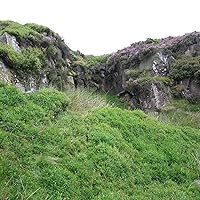
Ellernklipp spielt von 1767 bis 1781,kurz nach dem Siebenjährigen Krieg am Nordrand des Harzes. Der Forstaufseher und "Heidereiter" Baltzer Bocholt lebt mit seinem Sohn Martin und der Pflegetochter Hilde Rochussen, der unehelichen Tochter des ortsansässigen Grafen, im Dorf Emmerode. Bocholt kann recht schnell handeln, was sich zeigt, als er einen Wilderer kurzerhand erschießt. Sowohl Vater als auch Sohn sind an Hilde interessiert, die auf eine eigentümliche Art anziehend ist. Als Bocholt erkennt, dass sich Martin und Hilde lieben, kommt es aus Eifersucht am Ellernklipp, Erlen-bewachsenen Klippen, zum Kampf, und Bocholt stößt seinen Sohn in die Tiefe. Er kehrt nach Hause zurück und verschweigt seine Tat. Drei Jahre später heiratet er Hilde. Sie bekommen ein Kind, das jedoch krank ist. Theodor Fontane (1819-1898) war ein deutscher Schriftsteller. Er gilt als literarischer Spiegel Preußens und als bedeutendster deutscher Vertreter des Realismus.
Theodor Fontane, novelist, critic, poet, and travel writer, was one of the most celebrated nineteenth-century German men of letters. He was born into a French Huguenot family in the Prussian town of Neuruppin, where his father owned a small pharmacy. His father’s gambling debts forced the family to move repeatedly, and eventually his temperamentally mismatched parents separated.
Though Fontane showed early interest in history and literature - jotting down stories in his school notebooks - he could not afford to attend university; instead he apprenticed as a pharmacist and eventually settled in Berlin. There he joined the influential literary society Tunnel über der Spree, which included among its members Theodor Storm and Gottfried Keller, and turned to writing. In 1850 Fontane’s first published books, two volumes of ballads, appeared; they would prove to be his most successful books during his lifetime. He spent the next four decades working as a critic, journalist, and war correspondent while producing some fifty works of history, travel narrative, and fiction. His early novels, the first of which was published in 1878, when Fontane was nearly sixty, concerned recent historical events.
It was not until the late 1880s that he turned to his great novels of modern society, remarkable for their psychological insight: Trials and Tribulations (1888), Irretrievable (1891), Frau Jenny Treibel (1892), and Effi Briest (1895). During his last years, Fontane returned to writing poetry, and, while recovering from a severe illness, wrote an autobiographical novel that would prove to be a late commercial success. He is buried in the French section of the Friedhof II cemetery in Berlin.
Set in the mid 18th century Ellernklipp like Grete Minde uses family tensions to drive the plot, here the eventual rivalry between Father and Son over the orphan Hilde. So this is a patriarchal story in the purest sense, as the patriarch asserts his dominance even to the point of contesting against his son like, rutting deer, to win the girl, who to add an element of incest is by adoption their daughter/sister - the kind of Ultra Victorianism which would have appealed no doubt to Edward Barrett. Appropriately the patriarch is the gamekeeper and the whole family lives in his game keepers house deep in the forest. The characters are deep in the woods, we are in the zone of primordial emotion, not the civilised refinement of town life, rutting deer indeed maybe too orderly an image for what might happen once the tension snaps.
Set in a fictionalised Wernigerode and surrounding area the text makes use of topolect and local traditions such as the pietism of the ruling family and the legend of Herzog Heinrich to enrich the simple story.
The use of spoken language and descriptions of gesture to betray the inner state of the character is particularly striking in chapter thirteen.
Eternal and immutable: a severe warning to those who might transgress the law.
Fontane tended to take a real-life incident to seed his imagination. The rather dry Afterword in this edition informs me that it was Fontane's niece, Anna von Below as well as Ilsenburg church records that supplied the idea. A dusty dry detail, which, in turn, seeded my imagination. How Anna must have delighted in this juicy little tale, ideal material for her somewhat elderly, but sprightly uncle, who, late in life had turned away from his successful career as journalist, editor and critic to become a novelist. His first novel, Vor dem Sturm: Roman aus dem Winter 1812 auf 13 was not a runaway success, so he was looking to write novellas, less of a commitment for the publisher.
In less capable hands this tale could have become mawkish, sentimental, sensationalist. Fontane gives us a dignified and severe morality tale. Eternal and immutable, and ever so slightly shocking - what a delicious mixture. And even if you have read the synopsis and know what is bound to happen, the omens and foreshadowing, the dark maelstrom of guilt, the awful inevitability of the tragedy will draw you in. The only thing that tossed this reader back onto dry shore were the passages of dialect: annotations can be such a help with obscure names of coins or explanations of obsolete vocations. I'd have appreciated a translation of the Plattdeutsch as well.
Elernklip je, baš kao i Pod kruškom, "slabiji Fontane", i baš kao i ta novela, i ovo je u suštini povest o zločinu koji sam rađa i kaznu. Ali je psihološka motivacija zločinca sprovedena kompleksnije, doslednije i do kraja; slede detalji o radnji i raspletu knjige od pre gotovo sto pedeset godina, ko ne želi nek ne čita dalje. Zaplet se svodi na sledeće: udovac šumar u malom mestu usvoji devojčicu za koju svi znaju da je vanbračno unuče lokalne matore grofice i odgaja je zajedno sa svojim sinčićem. Desetak godina kasnije, to dobro delo dovešće do višestruke tragedije jer će se i strogi, zatvoreni otac i nežni, potlačeni sin zaljubiti u lepu usvojenicu.
Fontane nakon silesije nagoveštaja i predskazanja, nimalo suptilnih (sin je npr. tek onako prespavao na kamenu na kome su u pagansko doba prinošene žrtve), dovodi čitaoce do kulminacije: otac, na pustom mestu usred planine, bez svedoka, ubija sina. Naizgled bez imalo griže savesti, zatajiće zločin, vratiti se među ljude i uskoro oženiti svojom usvojenom ćerkom. Međutim, ono što izdvaja ovu pripovetku od drugih sličnih jeste to što zločin nikad ne bude rasvetljen. Jedina fizička indicija propadne, leš nikad ne bude pronađen, šumar do smrti ne prizna šta je učinio. Mnogi ga sumnjiče, o čemu svedoči i glasina da planinom luta avet koja doziva oca - ali zapravo, sve do pred sam kraj, deluje kao da se šumar srećno izvukao, ignoriše i to što ga nebo kažnjava bolešljivošću novog deteta ("ako treba da umre, neka umre") i to što se žena udala za njega iz mešavine zahvalnosti i straha. Tek posle njegove smrti - koja ostaje neobjašnjena izuzev par mračnih aluzija, i čitaoci samo mogu da nagađaju da je u pitanju samoubistvo izazvano susretom sa sinovljevim duhom - odjednom kao da svi prećutno prihvataju neizrečenu istinu. Bogobojažljivi kraj u kome još tri ličnosti na brzinu pomru ostavlja čitaoca s pomešanim osećanjima. Ali zanimljivo je kako je Fontane započeo s namerom da iskoristi tradicionalni motiv nečiste krvi - vanbračno dete! žensko! riđe kose! odano sanjarenju! - i onda se to postepeno pretvorilo u priču o prvobitno dobrom iako strogom, ali tmurnom, tvrdom, decoubilačkom ocu porodice koji u zametku guši svaku radost i svaki nov život oko sebe. (Ovo mi je valjda peti Fontane i peti koji se završi smrću glavnih junaka, bilo da se ubiju bilo da onako uvenu sami od sebe i griže savesti. Istinski je neobično što i pored toga ne ostavlja utisak pesimiste već, onako, vedrog čoveka koji život posmatra otvorenih očiju.)
Ellernklipp è uno dei primi racconti scritti da Fontane; pubblicato dapprima a puntate in una rivista letteraria nel giugno 1881 e poi in volume nell'ottobre dello stesso anno. Questo racconto come il precedente Grete Minde è un racconto storico perché tratto dalle cronache comunali o dalle ballate popolari tedesche. Fontane che negli anni giovanili è stato un giornalista, corrispondente di viaggi e critico teatrale, in tarda età si dedicò alla stesura di romanzi e amava visitare le parrocchie da cui poteva trarre spunto o materiale utile a scrivere i suoi racconti. Questo in particolare è un fatto di sangue tratto dal registro comunale di un villaggio di Ilsenburg, vicino al fiume Harz, una zona montana della Germania meridionale molto cara all'autore, dove per anni ha trascorso le vacanze; la vicenda che gli fu segnalata dalla nipote Anna. Il racconto è ambientato nella metà del 1700 e ci racconta la vicenda della famiglia Bocholt. Il capofamiglia Baltzer, vedovo con un figlio di nome Martin e guardaboschi della contessa di Emmerode, accetta di prendersi cura di una bambina, Hilde, figlia “senza padre” e ora rimasta orfana dopo la morte della madre; la bambina è soggetta delle maldicenze della gente di una terra luterana e bigotta (in quanto figlia di una donna cattolica) che la vede come l'incarnazione del male. Passano gli anni e i due bambini, Martin e Hilde, crescono e tra i due nasce un dolce sentimento; fatalmente però proprio in quel periodo Baltzer vede per la prima volta la figlia adottiva Hilde con occhi diversi, quelli di un uomo che vede una bella ragazza come una donna e da quel giorno diviene tremendamente geloso del figlio Martin.
Ellernklipp è un racconto oscuro, un dramma familiare ben scritto; una tragedia classica in cui il padre si contrappone al figlio. Theodor Fontane con il suo realismo romantico nelle sue opere ci offre sempre una contrapposizione tra l'amore per la natura e la critica verso la vecchia società prussiana, così bigotta e legata alle convenzioni sociali. Fontane ha la capacità di creare atmosfere, descrivere luoghi e delineare personaggi con l'uso di poche parole. L'ambientazione storica offre al lettore un'impressione vivida della vita del periodo, di una regione luterana tremendamente bigotta e superstiziosa; infatti la vita dei personaggi (come sempre ben delineati da Fontane attraverso l'uso del linguaggio e dei gesti compiuti che rivelano il loro stato d'animo) è determinata dalla chiesa, dalla società e dalla tradizione. Ellernklipp (letteralmente Roccia degli ontani, il nome della roccia che sovrasta la valle ed in cui in età pagana si compivano sacrifici) è una ballata raccontata con stile elegante e senza fronzoli; in cui un crescendo di tensione, ossessione, tormento, cupidigia, senso di colpa, la vicenda è narrata con tatto, delicatezza ed elusività, come sempre accade nei romanzi dello scrittore tedesco. Come in “Grete Minde” (altro romanzo storico di Fontane) l'autore usa le tensioni familiari per guidare la trama, in questo caso l'ancestrale rivalità padre-figlio per l'orfana Hilde, una creatura languida, pallida e aristocratica, dal fascino misterioso che, inconsapevolmente ed incolpevolmente, si insinua tra i due Bocholt come un cuneo tra due assi di legno.
«Chi ubbidisce sempre è un servo pigro e non prova piacere né amore e non ha forza né coraggio. Ma chi possiede il vero piacere e il vero amore possiede anche una sua volontà. E chi possiede una volontà vuole cose diverse da quelle che vogliono gli altri.»
Mir hat an dem Roman vor allem der historische Hintergrund gefallen. Man bekommt einen guten Eindruck davon, wie die Menschen früher gelebt haben und welche Regeln und Erwartungen es damals gab. Auch die Sprache fand ich sehr schön. Sie ist zwar etwas ungewohnt, wirkt aber gerade dadurch besonders und macht die Geschichte dichter und stimmungsvoller.
Die Personen sind klar und eindrucksvoll dargestellt. Man versteht ihre Gefühle, ihre Eifersucht und ihre Konflikte sehr gut, auch wenn sie manchmal hart wirken. Interessant fand ich außerdem, wie stark die Figuren von den historischen Umständen geprägt sind. Man merkt, wie sehr das Leben damals von Kirche, Gesellschaft und Tradition bestimmt wurde.
Insgesamt hat mir Ellernklipp gefallen, weil es die Menschen, ihre Zeit und die Landschaft so eindringlich beschreibt.
Persönlich mag ich Fontanes Stil sehr, gerade seine Kunst, mit oft so wenigen Worten Atmosphäre zu schaffen, Orte zu beschreiben und Figuren zu schaffen. Das kommt auch in dieser Novelle zum Tragen. Weniger gefiel mir die doch sehr häufige Einbindung einer Mundart, die wirklich kaum verständlich lesbar ist und schon zeitgenössischen Lesern Probleme gemacht haben muss. Das ist umso bedauerlicher, da die Geschichte um eine unglückliches junges Liebespaar, zwei Ziehgeschwister, wirklich zuerst ganz liebevoll und später mitleiderregend geschildert wird. Das Problem ist hier der Vater, der wie eine knorrige alte Eiche zwischen den beiden steht, da der alte Betonkopf sich ausgerechnet auch in die hübsche Pflegetochter verliebt anstatt sie seinem Sohn zu gönnen (und sich an den Enkeln zu erfreuen). Es kommt zu einer dramatischen Auseinandersetzung am "Ellernklipp" (= Bäumlers Klippe bei Ilsenburg), bei der nur einer überlebt und von nun an die Schuld sein kurzes, restliches Leben zersetzend in sich trägt. Eine großartige Geschichte, eine klassische Tragödie.
ziemlich gutes Buch! ich schwanke zwischen drei und vier Punkten. und runde auf ;-)
Spoiler! Waise muss zum Heidereiter ziehen. circa 11 Jahre ist sie, die Hilde. Martin ist ihr neuer "Bruder". Verlieben sich nach etlichen Jahren. Halten es geheim. der alte Heidereiter will Hilde nun aber zur Frau und wirft seinen Sohn Martin von Ellernklipp. Hilde wird schwanger, das Kind lebt nicht lange. Eines Abends wird der Heidereiter nahe Ellernklipp erschossen. Am gleichen Abend stirbt auch noch das Kind. Einige Monate drauf dann natürlich auch Hilde. Die Gräber liegen nicht zusammen, denn Hilde wollte dies nicht. Hilde liegt mit Kind und Exfrau des Heide Reiters zusammen.