

What do you think?

Stiller
L'americano mister White viene fermato al confine svizzero: la polizia lo identifica come Anatol Stiller, noto scultore scomparso da anni. Incarcerato in attesa di chiarimenti, l'uomo appunta su una serie di quaderni la sua verità. I destini di un individuo in apparenza comune e di un artista di successo vengono così a incrociarsi. Ma White è o non è Stiller?
434 pages, Paperback
First published January 1, 1954
About the author
Max Frisch
277 books806 followersMax Rudolph Frisch was born in 1911 in Zurich; the son of Franz Bruno Frisch (an architect) and Karolina Bettina Frisch (née Wildermuth). After studying at the Realgymnasium in Zurich, he enrolled at the University of Zurich in 1930 and began studying German literature, but had to abandon due to financial problems after the death of his father in 1932. Instead, he started working as a journalist and columnist for the Neue Zürcher Zeitung (NZZ), one of the major newspapers in Switzerland. With the NZZ he would entertain a lifelong ambivalent love-hate relationship, for his own views were in stark contrast to the conservative views promulgated by this newspaper. In 1933 he travelled through eastern and south-eastern Europe, and in 1935 he visited Germany for the first time.
Some of the major themes in his work are the search or loss of one's identity; guilt and innocence (the spiritual crisis of the modern world after Nietzsche proclaimed that "God is dead"); technological omnipotence (the human belief that everything was possible and technology allowed humans to control everything) versus fate (especially in Homo faber); and also Switzerland's idealized self-image as a tolerant democracy based on consensus — criticizing that as illusion and portraying people (and especially the Swiss) as being scared by their own liberty and being preoccupied mainly with controlling every part of their life.
Max Frisch was a political man, and many of his works make reference to (or, as in Jonas und sein Veteran, are centered around) political issues of the time.
information was taken from
http://en.wikipedia.org/wiki/Max_Frisch
Some of the major themes in his work are the search or loss of one's identity; guilt and innocence (the spiritual crisis of the modern world after Nietzsche proclaimed that "God is dead"); technological omnipotence (the human belief that everything was possible and technology allowed humans to control everything) versus fate (especially in Homo faber); and also Switzerland's idealized self-image as a tolerant democracy based on consensus — criticizing that as illusion and portraying people (and especially the Swiss) as being scared by their own liberty and being preoccupied mainly with controlling every part of their life.
Max Frisch was a political man, and many of his works make reference to (or, as in Jonas und sein Veteran, are centered around) political issues of the time.
information was taken from
http://en.wikipedia.org/wiki/Max_Frisch
Ratings & Reviews
Friends & Following
Create a free account to discover what your friends think of this book!
Community Reviews
Displaying 1 - 30 of 446 reviews

July 29, 2013
Stiller or not Stiller? A narrator is a prisoner claiming that he has a different identity than that all others assume he has…
Soon he is introduced to Stiller’s wife and she earnestly considers the prisoner to be her husband who has been absent for the last six years… She tells him about her married life with Stiller…
How can the narrator know such intimate details? Or does he just make them up?
Stiller vanished when she was in the tuberculosis sanatorium…
If the narrator isn’t Stiller then he is his reproduction… If he is Stiller then he has turned into a reproduction of himself…
Some persons live through their entire life and never manage to find their true identity.
‘So you admit, Herr Stiller, that your American passport was a fake?’
‘My name’s not Stiller!’
‘I have been informed,’ he said quietly, as though I had not shouted, ‘that you are presumed – I say presumed – to be none other than Anatol Ludwig Stiller, born in Zürich, sculptor, married to Frau Julika Stiller-Tschudy, disappeared six years ago…’
Soon he is introduced to Stiller’s wife and she earnestly considers the prisoner to be her husband who has been absent for the last six years… She tells him about her married life with Stiller…
Stiller is reported to have once told a group of friends when he was slightly drunk: ‘I’ve got a wonderful wife, I’m delighted every time I see her again, and whenever she’s there I feel like a greasy, sweaty, stinking fisherman with a crystal water-fairy.’ And this was shortly after his marriage… One gets the impression that there was something about this woman which the vanished Stiller, fascinated as he was by Julika, had simply not taken into account, had probably not even noticed, and this was her frigidity.
How can the narrator know such intimate details? Or does he just make them up?
Stiller vanished when she was in the tuberculosis sanatorium…
We live in an age of reproduction. Most of what makes up our personal picture of the world we have never seen with our own eyes – or rather, we’ve seen it with our own eyes, but not on the spot: our knowledge comes to us from a distance, we are televiewers, telehearers, teleknowers.
If the narrator isn’t Stiller then he is his reproduction… If he is Stiller then he has turned into a reproduction of himself…
Some persons live through their entire life and never manage to find their true identity.

December 3, 2015
Many know themselves, only a few also manage to accept themselves. Nothing is harder than to accept oneself!
To which degree can we master and reconstruct our own identity? Can we deliberately shed off a undesirable, hardly bearable identity like a snake’s skin and choose to restage another one to change our life? This is one of the central themes of I am not Stiller, the third novel published by the Swiss author Max Frisch which eventually got him general international acclaim.
A man, arrested and imprisoned at the moment he enters Swiss territory, denies vehemently to be the one everyone seems to think he is, claiming to be an American citizen, James Larkin White, instead of the Swiss sculptor Anatol Stiller, who vanished 7 years ago, even though all evidence points to the contrary. This is the basic premise enabling Frisch to weave a magisterial existential novel out of exploring fundamental life questions and essential themes and issues like alienation, self-delusion, identity, self-choice, freedom, authenticity, conscience and accountability.
This multi-layered novel about the fluidity of identity, existential loneliness and human failures and shortcomings is brilliant and probingly intense in several respects. The broad range of philosophical, psychological, political, sociological topics is impressive; Frisch intersperses the story with astute insights in human nature, love and relationships and shows great portrayal skills as to the the main characters, particularly of his admirable strong female protagonists. His jittery style is alternately (at times deceptively ) lucid, vivacious, aphoristic, lyrical when it comes to nature, ironic; the skillfully shifting of narrative perspectives, playfully use of various techniques like the insertion of stories in the story, confabulation, colorful adventure stories, mystery, parables, accounts of conversations and dreams all add to the ingenuity of its structure. The protagonist is a unreliable narrator par excellence, merrily putting the reader on the wrong track by various masks and roles, but the other characters also have their own truths.
One of the supernatant layers handles marriage. According to Frisch, marriage is not the central theme, but his observations on this social institution are poignant and razor-sharp. Marriage can bring out the best and the worst in people, as Frisch demonstrates by aptly contrasting the marriage of Julika and Stiller on the one side with Sybille and Rolf’s on the other side. Authentic love assumes self-acceptance to conquer afflictions like adultery and severe illness. Marriage is used a vehicle to speak out on existential loneliness and as illustration of the inadequacy of words to express the self or the Other. The impossibility of communication, of drawing up closer to each other in love, suffering and illness culminates in a harrowing taciturnity:
The protagonist, feeling harassed by society and its refusal to acknowledge his development and change, actually also is his own pookah: self-delusion and vanity incite us to misdirected endeavors, alienating us from our true self"the overwhelming majority of human lives are ruined by the fact that people make excessive demands on themselves".
He refuses to conform himself to the image that others have of him, he disowns this unchangeable identity to which society wants to pin hem down, feeling trapped by this image. The key question that evidently rises is why would that external truth be so inconvenient he does not want to be fastened down to it? What crimes did Stiller, the "inward murderer", commit? Did Stiller’s relationships with his spouse Julika and his mistress Sibylle contribute to his identity problem? I will not reveal the rationes causa to his mysterious behavior or its effects on his further life.
Probably a massive amount of affinities with the works and thoughts of other writers and philosophers can be found when one delves deeper into the writing: I am not Stiller itself refers to amongst others Kierkegaard, Proust, Hemingway, Kafka and Mann. Having finished the book, Nietzche’s imperative "Become who you are" kept haunting me. Glancing through the book attempting to write down some impressions on it, lingering on another great passage, striking thought or truth all the more convinced me this is the kind of book definitely worth a reread – and there they were, Nietzche’s infamous words, which I overlooked while reading the novel:
As Paul Verhaeghe states in his book What about Me? The Struggle for Identity in a Market-based Society, our identity more than ever almost coincides with our economical and professional role in a neoliberal, meritocratic society, individualist success seems the only life goal and the only moral standard, the only filter through which to judge a life, manipulating one’s ideas about oneself and others, failure becomes immoral, causing impotence, shame, humiliation, depression, feelings of guilt, social phobias. Our freedom to choose for another form of self-realisation, apart from the usual professional success story, seems very limited. [By the way, Frisch states that moralists are people who cannot accept themselves. Touché.]
Therefore, although written 62 years ago in a totally different social and political context, the questions Frisch’ s novel raises are not outdated. Its questioning of the effects of failure on one’s identity and the relevance of the ideas on personal freedom in this novel are still pregnant in our time:
Freedom and a clear conscience are only possible if we can reach the superlative degree of self-knowledge and self-acceptance, the foregoing of recognition by our environment.
As Stiller falls short in every regard, in his profession as well as in marriage and in love, a certain sense of the impact on failure on one’s life, helps to empathize with the fate of this anti-hero; depending on the issues the reader has to deal with in his life, the reading of this novel could be highly unsettling, provoking disconcerting self-questioning.
Notwithstanding the tragic ending of Stiller’s story, the voice of Rolf, Stiller’s only friend, in the last section soothingly offers some incisive and comforting reflections that are worth remembering. Apart from through love, the only road to personal freedom and an authentic relationship with one’s self and significant others goes by the stages of self-knowledge, self-acceptance and the renunciation of the need for recognition.
Many motives, metaphors and references, like the role of art and the Pygmalion motive of the sculptor Stiller trying to mould and transform his wife Julika, a great amount of symbolism, e.g. in the names of the characters, or the social critism on capitalism are also worth a closer look.

To which degree can we master and reconstruct our own identity? Can we deliberately shed off a undesirable, hardly bearable identity like a snake’s skin and choose to restage another one to change our life? This is one of the central themes of I am not Stiller, the third novel published by the Swiss author Max Frisch which eventually got him general international acclaim.
A man, arrested and imprisoned at the moment he enters Swiss territory, denies vehemently to be the one everyone seems to think he is, claiming to be an American citizen, James Larkin White, instead of the Swiss sculptor Anatol Stiller, who vanished 7 years ago, even though all evidence points to the contrary. This is the basic premise enabling Frisch to weave a magisterial existential novel out of exploring fundamental life questions and essential themes and issues like alienation, self-delusion, identity, self-choice, freedom, authenticity, conscience and accountability.
This multi-layered novel about the fluidity of identity, existential loneliness and human failures and shortcomings is brilliant and probingly intense in several respects. The broad range of philosophical, psychological, political, sociological topics is impressive; Frisch intersperses the story with astute insights in human nature, love and relationships and shows great portrayal skills as to the the main characters, particularly of his admirable strong female protagonists. His jittery style is alternately (at times deceptively ) lucid, vivacious, aphoristic, lyrical when it comes to nature, ironic; the skillfully shifting of narrative perspectives, playfully use of various techniques like the insertion of stories in the story, confabulation, colorful adventure stories, mystery, parables, accounts of conversations and dreams all add to the ingenuity of its structure. The protagonist is a unreliable narrator par excellence, merrily putting the reader on the wrong track by various masks and roles, but the other characters also have their own truths.
One of the supernatant layers handles marriage. According to Frisch, marriage is not the central theme, but his observations on this social institution are poignant and razor-sharp. Marriage can bring out the best and the worst in people, as Frisch demonstrates by aptly contrasting the marriage of Julika and Stiller on the one side with Sybille and Rolf’s on the other side. Authentic love assumes self-acceptance to conquer afflictions like adultery and severe illness. Marriage is used a vehicle to speak out on existential loneliness and as illustration of the inadequacy of words to express the self or the Other. The impossibility of communication, of drawing up closer to each other in love, suffering and illness culminates in a harrowing taciturnity:
"And the silence proliferated, a silence that was worse than quarrelling".
The protagonist, feeling harassed by society and its refusal to acknowledge his development and change, actually also is his own pookah: self-delusion and vanity incite us to misdirected endeavors, alienating us from our true self"the overwhelming majority of human lives are ruined by the fact that people make excessive demands on themselves".
He refuses to conform himself to the image that others have of him, he disowns this unchangeable identity to which society wants to pin hem down, feeling trapped by this image. The key question that evidently rises is why would that external truth be so inconvenient he does not want to be fastened down to it? What crimes did Stiller, the "inward murderer", commit? Did Stiller’s relationships with his spouse Julika and his mistress Sibylle contribute to his identity problem? I will not reveal the rationes causa to his mysterious behavior or its effects on his further life.
Probably a massive amount of affinities with the works and thoughts of other writers and philosophers can be found when one delves deeper into the writing: I am not Stiller itself refers to amongst others Kierkegaard, Proust, Hemingway, Kafka and Mann. Having finished the book, Nietzche’s imperative "Become who you are" kept haunting me. Glancing through the book attempting to write down some impressions on it, lingering on another great passage, striking thought or truth all the more convinced me this is the kind of book definitely worth a reread – and there they were, Nietzche’s infamous words, which I overlooked while reading the novel:
"The self knowledge that gradually or abruptly alienates a person from his previous life is merely the first step, indispensable but by no means sufficient in itself. How many people we know who come to a halt after this first step, who are satisfied with the melancholy that comes of mere self-knowledge and who make this melancholy look like maturity! Stiller, I believe, had already passed beyond this stage (..) and was in the process of taking the second and much more difficult step, of emerging from resigned regret that one is not what one would so much have liked to be and of becoming what one is".
As Paul Verhaeghe states in his book What about Me? The Struggle for Identity in a Market-based Society, our identity more than ever almost coincides with our economical and professional role in a neoliberal, meritocratic society, individualist success seems the only life goal and the only moral standard, the only filter through which to judge a life, manipulating one’s ideas about oneself and others, failure becomes immoral, causing impotence, shame, humiliation, depression, feelings of guilt, social phobias. Our freedom to choose for another form of self-realisation, apart from the usual professional success story, seems very limited. [By the way, Frisch states that moralists are people who cannot accept themselves. Touché.]
Therefore, although written 62 years ago in a totally different social and political context, the questions Frisch’ s novel raises are not outdated. Its questioning of the effects of failure on one’s identity and the relevance of the ideas on personal freedom in this novel are still pregnant in our time:
"Stiller had already achieved this painful self-acceptance to a pronounced degree (…) In spite of all his self-acceptance, in spite of all his will to self-acceptance, there was one thing our friend had failed to achieve, he had not been able to forego recognition by those around him".
Freedom and a clear conscience are only possible if we can reach the superlative degree of self-knowledge and self-acceptance, the foregoing of recognition by our environment.
As Stiller falls short in every regard, in his profession as well as in marriage and in love, a certain sense of the impact on failure on one’s life, helps to empathize with the fate of this anti-hero; depending on the issues the reader has to deal with in his life, the reading of this novel could be highly unsettling, provoking disconcerting self-questioning.
Notwithstanding the tragic ending of Stiller’s story, the voice of Rolf, Stiller’s only friend, in the last section soothingly offers some incisive and comforting reflections that are worth remembering. Apart from through love, the only road to personal freedom and an authentic relationship with one’s self and significant others goes by the stages of self-knowledge, self-acceptance and the renunciation of the need for recognition.
Many motives, metaphors and references, like the role of art and the Pygmalion motive of the sculptor Stiller trying to mould and transform his wife Julika, a great amount of symbolism, e.g. in the names of the characters, or the social critism on capitalism are also worth a closer look.


June 8, 2023
Read in Romanian and listened in English
Audiobook seamlessly narrated by Jonathan Davis (on Scribd).
Another one of those: “I read this four months ago, how am I going to review this now?”
Books like “I'm Not Stiller” land me into depression. Not because of the subject matter but because I realise that there are so many masterpieces that I will miss, books that are beautifully written and plotted but are somewhat forgotten. Some are on my TBR and I will never get to them because of others that I might not enjoy as much. I got a serious case of FOMO here and I have no solution.
Max Frisch was a Swiss writer, probably the best known of his time. In I'm Not Stiller the writer tackles two of his favourite themes: loss/found of identity and guilt
“Many know themselves, only a few also manage to accept themselves. Nothing is harder than to accept oneself!”
A man is arrested in Zurich for uncertain reasons. He is believed to be Stiller, a sculptor who was absent for 9 years. However, the man tells everyone that he is an American and has the passport to prove it. He also has a very complex and grand life story to present. While he refuses to admit his identity, his wife, brother and authorities treat him as Stiller and try to convince him to give up his assumed persona. The book is structured in seven notebooks Stiller writes in prison and ends with report from the public prosecutor.
It is valuable work of literature, which touches a variety of philosophical and psychological themes. Plot wise, it sometimes be slow but the writing and character study compensates.
Audiobook seamlessly narrated by Jonathan Davis (on Scribd).
Another one of those: “I read this four months ago, how am I going to review this now?”
Books like “I'm Not Stiller” land me into depression. Not because of the subject matter but because I realise that there are so many masterpieces that I will miss, books that are beautifully written and plotted but are somewhat forgotten. Some are on my TBR and I will never get to them because of others that I might not enjoy as much. I got a serious case of FOMO here and I have no solution.
Max Frisch was a Swiss writer, probably the best known of his time. In I'm Not Stiller the writer tackles two of his favourite themes: loss/found of identity and guilt
“Many know themselves, only a few also manage to accept themselves. Nothing is harder than to accept oneself!”
A man is arrested in Zurich for uncertain reasons. He is believed to be Stiller, a sculptor who was absent for 9 years. However, the man tells everyone that he is an American and has the passport to prove it. He also has a very complex and grand life story to present. While he refuses to admit his identity, his wife, brother and authorities treat him as Stiller and try to convince him to give up his assumed persona. The book is structured in seven notebooks Stiller writes in prison and ends with report from the public prosecutor.
It is valuable work of literature, which touches a variety of philosophical and psychological themes. Plot wise, it sometimes be slow but the writing and character study compensates.

June 4, 2016
"this lifelong striving to be different from the way one is created this great difficulty in accepting oneself, I knew it and saw only my own longing from outside, saw the absurdity of our yearning to be different from what we are...”

Max Frisch’s I’m Not Stiller begins with the protagonist’s (White/Stiller’s) declaration that he is not Stiller. Then to prove his point, he begins confessing to unsolved murders. He is not trying to escape justice or take the blame for someone else’s crimes; he is trying to escape his former self. The fact that no one believes him—including Stiller’s wife, brother and friends—only spurs the protagonist to weave more elaborate tales.
Following Nietzsche’s dictate to become who you are doesn’t necessarily seem overly-complicated; however, the protagonist shows just how difficult this abstract concept is to attain in real life where one’s identity is trapped in a myriad of relationships. The pull of relationships also competes with the voices of writers and philosophers in the text (including Proust, Kafka, Mann, Kierkagaard, Nietzsche and a Hemingway concerned with bull fighting!). Sometimes the details of White/Stiller’s competing lives seems a bit much, but this is a compelling novel which forces us to think about who we are and whether we are capable of change. 4.5 Stars.
Max Frisch’s I’m Not Stiller begins with the protagonist’s (White/Stiller’s) declaration that he is not Stiller. Then to prove his point, he begins confessing to unsolved murders. He is not trying to escape justice or take the blame for someone else’s crimes; he is trying to escape his former self. The fact that no one believes him—including Stiller’s wife, brother and friends—only spurs the protagonist to weave more elaborate tales.
Following Nietzsche’s dictate to become who you are doesn’t necessarily seem overly-complicated; however, the protagonist shows just how difficult this abstract concept is to attain in real life where one’s identity is trapped in a myriad of relationships. The pull of relationships also competes with the voices of writers and philosophers in the text (including Proust, Kafka, Mann, Kierkagaard, Nietzsche and a Hemingway concerned with bull fighting!). Sometimes the details of White/Stiller’s competing lives seems a bit much, but this is a compelling novel which forces us to think about who we are and whether we are capable of change. 4.5 Stars.

August 1, 2017
There are a lot of excellent reviews, so I’ll make this one fairly short.
A man believed to be Stiller, a missing sculptor, is in a Swiss prison for vague reasons unknown to the reader at first. He has returned to Switzerland after an absence of nine years. He says he’s an American and has a passport to prove it. But his wife, brother and mistress all call him Stiller to his face. The police say the passport is fake. Yet he insists he’s not Stiller.

The book is structured as seven notebooks Stiller wrote in prison and a summary report from the public prosecutor. (The latter happens to be a friend of Stiller and the husband of one of his mistresses – I guess this happens in small countries!)
SPOILERS FOLLOW
The notebooks also contain elaborate descriptions and stories from Mexico; cowboys discovering and exploring a cave; Rip Van Winkle; Zurich, California docks, and a nature trip. These are reminiscences of his trips during his years away although it’s not clear to me how they tie into the main story. He even claims to have murdered people. And, as Stiller himself asks, what’s the point of telling all these stories? “It doesn’t mean you’ve been there.”
So it’s a book about identity and self-acceptance. “Know thyself” is only good for starters. Suppose you get to know yourself and you don’t like what you find? After all, Stiller is a kind of crazy alcoholic artist who had been striving for top awards and first-rate art shows but not making it.
He feels he was a coward in the Spanish Civil War because he couldn’t do his duty, even though that would have meant shooting unarmed men he was supposed to be guarding when they escaped.
When he leaves Switzerland, thinking he is running off with his latest lover, he abandons his wife in a TB sanitarium.
In the report from the prosecutor at the end of the book, we get a summary of some of Stiller’s ideas: People ruin their lives by making excessive demands on themselves. Consciousness has evolved more than emotions; hence a discrepancy between intellect and feelings. You can lose contact with your personality. A sarcastic attitude toward emotion is a symptom of this. You can’t love your neighbor until you love yourself; that self-acceptance is the hardest. Self-acceptance does not automatically come with age.
After self-acceptance, can this would-be great artist truly find fulfillment selling ceramic pots to American tourists?
By the way, Swiss prison is a country club by American standards. Stiller’s meals are served by his jailer who also cleans his cell. He gets to go out lunch with his wife or friends once a week. Despite this good treatment (or maybe because of it?) Stiller never misses an opportunity to run down the Swiss for their smugness and good fortune … "so clean one can hardly breathe for hygiene." For whatever reason, Stiller reflects the author’s attitude toward his native country as you can read on the entries on Frisch on the web - he wouldn’t even live there.
Some passages I liked:
“That was quite right, just as everything my counsel says is right in a way that never convinces me and yet always puts me in the wrong.”
“At that time Julika had a dog, a fox terrier, of the sort that goes with childless couples.”
“Nobody likes visiting a married couple in a state of crisis, it’s in the air, even if you know nothing about it, and the visitor has the feeling of being present at an armistice, he feels himself somehow misused, employed for a purpose; conversation becomes dangerous…”
A work of great literary value and a pretty good story, if a little slow in places.
Here’s a link to a review of another book I read by Max Frisch:
Homo Faber

Top photo of a jail cell in Bern, Switzerland from horizonte-magazin.ch
The author, Max Frisch (1911-1991), from neustadtprize.org
A man believed to be Stiller, a missing sculptor, is in a Swiss prison for vague reasons unknown to the reader at first. He has returned to Switzerland after an absence of nine years. He says he’s an American and has a passport to prove it. But his wife, brother and mistress all call him Stiller to his face. The police say the passport is fake. Yet he insists he’s not Stiller.
The book is structured as seven notebooks Stiller wrote in prison and a summary report from the public prosecutor. (The latter happens to be a friend of Stiller and the husband of one of his mistresses – I guess this happens in small countries!)
SPOILERS FOLLOW
The notebooks also contain elaborate descriptions and stories from Mexico; cowboys discovering and exploring a cave; Rip Van Winkle; Zurich, California docks, and a nature trip. These are reminiscences of his trips during his years away although it’s not clear to me how they tie into the main story. He even claims to have murdered people. And, as Stiller himself asks, what’s the point of telling all these stories? “It doesn’t mean you’ve been there.”
So it’s a book about identity and self-acceptance. “Know thyself” is only good for starters. Suppose you get to know yourself and you don’t like what you find? After all, Stiller is a kind of crazy alcoholic artist who had been striving for top awards and first-rate art shows but not making it.
He feels he was a coward in the Spanish Civil War because he couldn’t do his duty, even though that would have meant shooting unarmed men he was supposed to be guarding when they escaped.
When he leaves Switzerland, thinking he is running off with his latest lover, he abandons his wife in a TB sanitarium.
In the report from the prosecutor at the end of the book, we get a summary of some of Stiller’s ideas: People ruin their lives by making excessive demands on themselves. Consciousness has evolved more than emotions; hence a discrepancy between intellect and feelings. You can lose contact with your personality. A sarcastic attitude toward emotion is a symptom of this. You can’t love your neighbor until you love yourself; that self-acceptance is the hardest. Self-acceptance does not automatically come with age.
After self-acceptance, can this would-be great artist truly find fulfillment selling ceramic pots to American tourists?
By the way, Swiss prison is a country club by American standards. Stiller’s meals are served by his jailer who also cleans his cell. He gets to go out lunch with his wife or friends once a week. Despite this good treatment (or maybe because of it?) Stiller never misses an opportunity to run down the Swiss for their smugness and good fortune … "so clean one can hardly breathe for hygiene." For whatever reason, Stiller reflects the author’s attitude toward his native country as you can read on the entries on Frisch on the web - he wouldn’t even live there.
Some passages I liked:
“That was quite right, just as everything my counsel says is right in a way that never convinces me and yet always puts me in the wrong.”
“At that time Julika had a dog, a fox terrier, of the sort that goes with childless couples.”
“Nobody likes visiting a married couple in a state of crisis, it’s in the air, even if you know nothing about it, and the visitor has the feeling of being present at an armistice, he feels himself somehow misused, employed for a purpose; conversation becomes dangerous…”
A work of great literary value and a pretty good story, if a little slow in places.
Here’s a link to a review of another book I read by Max Frisch:
Homo Faber
Top photo of a jail cell in Bern, Switzerland from horizonte-magazin.ch
The author, Max Frisch (1911-1991), from neustadtprize.org

December 5, 2017
Ο Μαξ Φρις δεν είναι πραγματικά ένας μυθιστοριογράφος ιδεών. Είναι σπουδαίος δραματουργός ιδεών.
Ζούμε και εξακολουθούμε να βιώνουμε τις ιδέες μας μέσα απο την καθημερινότητα μας προσπαθώντας να κατανοήσουμε κάθε νόημα αυτών των καθημερινών συνηθειών και καταναγκασμών.
Η ανθρώπινη τάση που αποτυπώνεται καθαρά και περίτεχνα μεταξύ της λεπτομέρειας της κάθε στιγμής και της φαντασιώσης των μεγαλύτερων φιλοδοξιών μας, σοφές και παράλογες, κάνουν αυτό το μυθιστόρημα έργο αυτογνωσίας.
Δεν είμαι ο Στίλερ... γράφει, και μας οδηγεί σε πολλά συμπεράσματα και βαθιές σκέψεις.
Η περίεργη ιστορία ζωής του Ανατόλ Λούντβιχ Στίλερ ως γλύπτης, σύζυγος, εραστής, αιχμάλωτος, ξένος, ενοχικά απενοχοποιημένος.
Είναι κομμάτι ψυχικής μελωδίας και έχει γεύση απο Καμύ, άρωμα απο Κάφκα, αίσθηση απο Ντοστογιέφσκι και λίγο αδιανόητη πικρία απο Μπέκετ.
Έτσι, γίνεται αξιόλογο κείμενο, απαράμιλλα κλασικό της σύγχρονης λογοτεχνίας.
Καλύπτει όλα τα θέματα του σύγχρονου ανθρώπου, κυρίως τον αγώνα για την προσωπική ταυτότητα και την αλλοτρίωση της ψυχής που οι περισσότεροι στην εποχή μας έχουν εγκαταλείψει σε μεγάλο βαθμό πλήρως.
Ο Φρις, σαν ψυχίατρος και καλλιτέχνης μας παρουσιάζει το χαρακτήρα του Στίλερ αξέχαστο και καταστροφικό. Διεισδυτικό και τόσο έντονα γνώστη της ψυχικής φρίκης που πονάει βαθιά αναζητώντας τη λήθη.
Ειναι εγκληματίας, όχι κοινός, κενός, στυγνός, αμείλικτος δολοφόνος συνείδησης και μακελάρης συναισθημάτων.
Είναι ένας αντιρρησίας ζωής με στόχο την απόλυτη αποδοχή του εαυτού του - όχι κατ’ανάγκη με θετικό τρόπο.
Αυτοεπιβεβαίωση όχι ως ικανοποιητική εξέλιξη αλλά σαν ενα είδος παραίτησης σε μια απελπισμένη σοφία. Μια καταξίωση ατομική που είναι τόσο ειλικρινής και θλιβερή όσο και απαραίτητη.
Ένα μακρινό ταξίδι τελειώνει και με έκπληξη δυσαρέσκειας ανακαλύπτουμε πως μας περιμένει το άτομο που θέλαμε. Το πρόσωπο που δεν μπορούμε να του ξεφύγουμε όσο σκληρά προσπαθούμε και αγωνιζόμαστε, ο αληθινός μας εαυτός. Καταδίκη να είσαι αυτός που είσαι.
Απο άποψη πλοκής είναι ένα πολυ πλούσιο έργο και πολυεπίπεδο.
Εξ αρχής ο αναγνώστης καλείται να ανασκευάσει θεωρητικά ολόκληρη την ιστορία αναζητώντας την αλήθεια.
Υπάρχουν μικρότερες ιστοριούλες ονειρικές οι οποίες με την πρώτη ματιά φαντάζουν αποκομμένες απο το κεντρικό θέμα. Όταν ανακαλύπτεις πως πρόκειται για παραβολές κατανοείς ότι απεικονίζουν το συναισθηματικό υπόβαθρο του Στίλερ, ο οποίος άμεσα ή έμμεσα αναφέρεται πάντα στον εαυτό του.
Ένας κρατούμενος στις Ελβετικές φυλακές που αρνείται την ταυτότητα που το προσδίδουν και υποφέρει με οποιονδήποτε πνευματικό συμβιβασμό.
Προσπαθεί μέσα από τα σημειωματάρια που γράφει να πείσει και να πειστεί πως δεν είναι ο αποτυχημένος καλλιτέχνης Στίλερ που εξαφανίστηκε για έξι χρονια αφήνοντας πίσω του μια σύζυγο που αγαπούσε μέχρι μίσους, μια ερωμένη, και μερικά πολιτικά σκάνδαλα.
Δεν πολέμησε πότε στον Ισπανικό εμφύλιο, δεν δολοφόνησε -μεταφορικά- αγαπημένα πρόσωπα, δεν έζησε το κενό της σχέσης του ως γεγονός, που συμπερασματικά καταλήγει πως δεν ήταν ποτέ ευτυχισμένοι μεταξύ τους, δεν γνωρίστηκαν ποτέ, επομένως είναι για πάντα ενωμένοι.
Ο Στίλερ εξοργισμένος, παραπλανητικός και επιθετικός ουρλιάζει το όνειρο του.
Είναι κάποιος άλλος. Ένας αμερικανός αγρότης, καουμπόη και δολοφόνος. Ανάμεσα σε Μεξικό, Τέξας και Β. Καλιφόρνια επιλέγει τον άλλο του εαυτό και αναζητά ευτυχία.
Το θέμα της αλήθειας σε σχέση με την αγάπη, την εμπιστοσύνη, την προσδοκία, την ενοχή και την ίδια την ύπαρξη μέσα απο τις προσωπικές σχέσεις κυριαρχεί.
Ο αναγνώστης καλείται να ανακαλύψει αφού πρώτα κρίνει σωστά ή λάθος απο ποια πλευρά είναι η αλήθεια.
Ομολογουμένως δεν γίνεται να υπάρχουν περισσότερες απο μία αλήθειες, ή μήπως γίνεται...;
🔆🆘❌❓❌‼️🆘🔆
Καλή ανάγνωση
Πολλούς ασπασμούς.
Ζούμε και εξακολουθούμε να βιώνουμε τις ιδέες μας μέσα απο την καθημερινότητα μας προσπαθώντας να κατανοήσουμε κάθε νόημα αυτών των καθημερινών συνηθειών και καταναγκασμών.
Η ανθρώπινη τάση που αποτυπώνεται καθαρά και περίτεχνα μεταξύ της λεπτομέρειας της κάθε στιγμής και της φαντασιώσης των μεγαλύτερων φιλοδοξιών μας, σοφές και παράλογες, κάνουν αυτό το μυθιστόρημα έργο αυτογνωσίας.
Δεν είμαι ο Στίλερ... γράφει, και μας οδηγεί σε πολλά συμπεράσματα και βαθιές σκέψεις.
Η περίεργη ιστορία ζωής του Ανατόλ Λούντβιχ Στίλερ ως γλύπτης, σύζυγος, εραστής, αιχμάλωτος, ξένος, ενοχικά απενοχοποιημένος.
Είναι κομμάτι ψυχικής μελωδίας και έχει γεύση απο Καμύ, άρωμα απο Κάφκα, αίσθηση απο Ντοστογιέφσκι και λίγο αδιανόητη πικρία απο Μπέκετ.
Έτσι, γίνεται αξιόλογο κείμενο, απαράμιλλα κλασικό της σύγχρονης λογοτεχνίας.
Καλύπτει όλα τα θέματα του σύγχρονου ανθρώπου, κυρίως τον αγώνα για την προσωπική ταυτότητα και την αλλοτρίωση της ψυχής που οι περισσότεροι στην εποχή μας έχουν εγκαταλείψει σε μεγάλο βαθμό πλήρως.
Ο Φρις, σαν ψυχίατρος και καλλιτέχνης μας παρουσιάζει το χαρακτήρα του Στίλερ αξέχαστο και καταστροφικό. Διεισδυτικό και τόσο έντονα γνώστη της ψυχικής φρίκης που πονάει βαθιά αναζητώντας τη λήθη.
Ειναι εγκληματίας, όχι κοινός, κενός, στυγνός, αμείλικτος δολοφόνος συνείδησης και μακελάρης συναισθημάτων.
Είναι ένας αντιρρησίας ζωής με στόχο την απόλυτη αποδοχή του εαυτού του - όχι κατ’ανάγκη με θετικό τρόπο.
Αυτοεπιβεβαίωση όχι ως ικανοποιητική εξέλιξη αλλά σαν ενα είδος παραίτησης σε μια απελπισμένη σοφία. Μια καταξίωση ατομική που είναι τόσο ειλικρινής και θλιβερή όσο και απαραίτητη.
Ένα μακρινό ταξίδι τελειώνει και με έκπληξη δυσαρέσκειας ανακαλύπτουμε πως μας περιμένει το άτομο που θέλαμε. Το πρόσωπο που δεν μπορούμε να του ξεφύγουμε όσο σκληρά προσπαθούμε και αγωνιζόμαστε, ο αληθινός μας εαυτός. Καταδίκη να είσαι αυτός που είσαι.
Απο άποψη πλοκής είναι ένα πολυ πλούσιο έργο και πολυεπίπεδο.
Εξ αρχής ο αναγνώστης καλείται να ανασκευάσει θεωρητικά ολόκληρη την ιστορία αναζητώντας την αλήθεια.
Υπάρχουν μικρότερες ιστοριούλες ονειρικές οι οποίες με την πρώτη ματιά φαντάζουν αποκομμένες απο το κεντρικό θέμα. Όταν ανακαλύπτεις πως πρόκειται για παραβολές κατανοείς ότι απεικονίζουν το συναισθηματικό υπόβαθρο του Στίλερ, ο οποίος άμεσα ή έμμεσα αναφέρεται πάντα στον εαυτό του.
Ένας κρατούμενος στις Ελβετικές φυλακές που αρνείται την ταυτότητα που το προσδίδουν και υποφέρει με οποιονδήποτε πνευματικό συμβιβασμό.
Προσπαθεί μέσα από τα σημειωματάρια που γράφει να πείσει και να πειστεί πως δεν είναι ο αποτυχημένος καλλιτέχνης Στίλερ που εξαφανίστηκε για έξι χρονια αφήνοντας πίσω του μια σύζυγο που αγαπούσε μέχρι μίσους, μια ερωμένη, και μερικά πολιτικά σκάνδαλα.
Δεν πολέμησε πότε στον Ισπανικό εμφύλιο, δεν δολοφόνησε -μεταφορικά- αγαπημένα πρόσωπα, δεν έζησε το κενό της σχέσης του ως γεγονός, που συμπερασματικά καταλήγει πως δεν ήταν ποτέ ευτυχισμένοι μεταξύ τους, δεν γνωρίστηκαν ποτέ, επομένως είναι για πάντα ενωμένοι.
Ο Στίλερ εξοργισμένος, παραπλανητικός και επιθετικός ουρλιάζει το όνειρο του.
Είναι κάποιος άλλος. Ένας αμερικανός αγρότης, καουμπόη και δολοφόνος. Ανάμεσα σε Μεξικό, Τέξας και Β. Καλιφόρνια επιλέγει τον άλλο του εαυτό και αναζητά ευτυχία.
Το θέμα της αλήθειας σε σχέση με την αγάπη, την εμπιστοσύνη, την προσδοκία, την ενοχή και την ίδια την ύπαρξη μέσα απο τις προσωπικές σχέσεις κυριαρχεί.
Ο αναγνώστης καλείται να ανακαλύψει αφού πρώτα κρίνει σωστά ή λάθος απο ποια πλευρά είναι η αλήθεια.
Ομολογουμένως δεν γίνεται να υπάρχουν περισσότερες απο μία αλήθειες, ή μήπως γίνεται...;
🔆🆘❌❓❌‼️🆘🔆
Καλή ανάγνωση
Πολλούς ασπασμούς.

January 20, 2022
حكاية رجل يتم القبض عليه على حدود سويسرا يرى نفسه وايت ويراه الآخرون شتيلر
يكتب ماكس فريش عن الهوية النفسية والشخصية.. كيف نرى أنفسنا وكيف يرانا الآخرين
ويتناول العلاقات الانسانية المعقدة وصور الحب المختلفة في عيون المُحبين
شتيلر يرفض أن يكون نفسه وتتملكه الرغبة في الهروب والخلاص من هويته القديمة
وعندما يضطر للعودة رغما عن إرادته يعود مصطحبا ماضيه وأخطاؤه وخساراته
فكرة الرواية ممتازة والأسلوب جميل لكن السرد مُطول بحكايات الراوي الحقيقية والمُتخيلة
يكتب ماكس فريش عن الهوية النفسية والشخصية.. كيف نرى أنفسنا وكيف يرانا الآخرين
ويتناول العلاقات الانسانية المعقدة وصور الحب المختلفة في عيون المُحبين
شتيلر يرفض أن يكون نفسه وتتملكه الرغبة في الهروب والخلاص من هويته القديمة
وعندما يضطر للعودة رغما عن إرادته يعود مصطحبا ماضيه وأخطاؤه وخساراته
فكرة الرواية ممتازة والأسلوب جميل لكن السرد مُطول بحكايات الراوي الحقيقية والمُتخيلة

June 20, 2019
کتاب خوبی بود فقط یک مقدار کند پیش میرفت. بخشی از یادداشت مترجم برایم جالب بود: (ترجمه برایم "کار" نیست، وظیفه نیست که باید بد یا خوب به پایان برسانم تا با دریافت وجهی (کم یا زیاد) روزگار بگذرانم. از ترجمه لذت میبرم، کتابی را که انتخاب کردهام با جان و دل، با همهی توان ترجمه میکنم)
********************************************************************************
انسان هر چیزی را میتواند بازگو کند، مگر زندگی واقعی خودش؛ همین امر غیر ممکن است که محکوممان میکند آن چیزی باشیم که همراهانمان میبینند و باز میتابانند. ص66 کتاب
تکرار! در حالی که میدانم: همه چیز وابسته به این است که آیا میتوان توقع زندگیای خارج از تکرار را از سر بیرون کرد، و تکرار را، تکرار ناگزیر را، از سر اراده (به رغم اجبار) به زندگی خود بدل کرد و پذیرفت که: من اینم! ص71 کتاب
برای از بین بردن دیگری، یا دست کم کشتن روح او، راههای گوناگونی وجود دارد، و در سراسر دنیا پلیسی نیست که از این جور قتلها سر در بیاورد. برای این طور قتلها یک کلمه کافی است، فقط کافی است به موقع صراحت کلام داشته باشی یا لبخند بزنی. کسی نیست که نشود با لبخند یا با سکوت نابودش کرد. مسلما همهی این قتلها به کندی صورت میگیرند. کنوبل عزیز، تا به حال فکر کردهاید ببینید چرا اکثریت مردم این قدر دوست دارند از قتلهای درست و حسابی، قتلهای ملموس و قابل اثبات سر در بیاورند؟ خب معلوم است چرا: چون ما معمولا قتلهای هر روزهی خودمان را نمیبینیم. ص125-126 کتاب
مگر نه اینکه اشتیلر یک وقتی علیه فرانکو جنگیده است؟ به واقع مخالفت با فاشیسم یک وقتی در سوییس جزو فضایل محسوب میشد، ولی امروزه روز کافی است تا شخص به نوکری برای شوروی متهم شود. ص 194 کتاب
خیلیها خود را میشناسند، ولی فقط عدهی کمی موفق میشوند خود را بپذیرند. ص320 کتاب
هر نوشتهای با این تصور روی کاغذ میآید که کسی آن را خواهد خواند، حتی اگر آن کس فقط خود نویسنده باشد... گاهی احساس میکنم نوشتن به پوست انداختن مار میماند. بله همین است. آدم نمیتواند خودش را بنویسد، فقط میتواند پوست بیندازد... نوشتن گفت و شنود با خواننده نیست، گفت و شنود با خود هم نیست، گفت و شنودی است با چیزی وصف ناشدنی. ص 328 کتاب
سخت است خسته نشدن در برابر دنیا، در برابر اکثریت آن، در برابر برتریاش که به ناچار باید اعتراف کنم، سخت است دانستن آنچه در ساعت تنهایی، بی حضور شاهدی، دریافتهام، سخت است به دوش کشیدن بار معرفتی که هرگز توان اثبات یا حتی بازگوییاش را ندارم. ص331 کتاب
همه چیز همان گونه است که بود، فضا سرشار هستی، چیزی به سوی ما بر نمیگردد، همه چیز در کار تکرار است، هستی ما مثل یک لحظه بالای سر ما ایستاده است، و روزی میرسد که دیگر پاییزها را شمارش نکنیم. ص348 کتاب
نوعی نفرت هست که هرگز پایان نمیگیرد، نفرتی که به اصطلاح مجازات محتوم فکر کردن به چیزهایی به حساب میآید که به ما مربوط نمیشوند. ص 360 کتاب
سوئیس هنوز هم کشور ایده آلی بهحساب میآید و با فرانسهی نابسامان که مدام گرفتار اعتصاب است قابل مقایسه نیست، پس بهتر است سر را بالا بگیری، بگذریم. دوست عزیز، بالأخره همه چیز درست میشود، واقعاً درست میشود، کشور قانونمدار هم چارهای ندارد جز اینکه مدام از نو شروع کند، سرنوشت این طور میخواهد، ولی باکمی اعتقاد به خدا هر کاری شدنی است، البته نه اعتقاد آمیخته به تعصب، بلکه همراه با عقل سلیم سوئیسی. ص 368 کتاب.
********************************************************************************
انسان هر چیزی را میتواند بازگو کند، مگر زندگی واقعی خودش؛ همین امر غیر ممکن است که محکوممان میکند آن چیزی باشیم که همراهانمان میبینند و باز میتابانند. ص66 کتاب
تکرار! در حالی که میدانم: همه چیز وابسته به این است که آیا میتوان توقع زندگیای خارج از تکرار را از سر بیرون کرد، و تکرار را، تکرار ناگزیر را، از سر اراده (به رغم اجبار) به زندگی خود بدل کرد و پذیرفت که: من اینم! ص71 کتاب
برای از بین بردن دیگری، یا دست کم کشتن روح او، راههای گوناگونی وجود دارد، و در سراسر دنیا پلیسی نیست که از این جور قتلها سر در بیاورد. برای این طور قتلها یک کلمه کافی است، فقط کافی است به موقع صراحت کلام داشته باشی یا لبخند بزنی. کسی نیست که نشود با لبخند یا با سکوت نابودش کرد. مسلما همهی این قتلها به کندی صورت میگیرند. کنوبل عزیز، تا به حال فکر کردهاید ببینید چرا اکثریت مردم این قدر دوست دارند از قتلهای درست و حسابی، قتلهای ملموس و قابل اثبات سر در بیاورند؟ خب معلوم است چرا: چون ما معمولا قتلهای هر روزهی خودمان را نمیبینیم. ص125-126 کتاب
مگر نه اینکه اشتیلر یک وقتی علیه فرانکو جنگیده است؟ به واقع مخالفت با فاشیسم یک وقتی در سوییس جزو فضایل محسوب میشد، ولی امروزه روز کافی است تا شخص به نوکری برای شوروی متهم شود. ص 194 کتاب
خیلیها خود را میشناسند، ولی فقط عدهی کمی موفق میشوند خود را بپذیرند. ص320 کتاب
هر نوشتهای با این تصور روی کاغذ میآید که کسی آن را خواهد خواند، حتی اگر آن کس فقط خود نویسنده باشد... گاهی احساس میکنم نوشتن به پوست انداختن مار میماند. بله همین است. آدم نمیتواند خودش را بنویسد، فقط میتواند پوست بیندازد... نوشتن گفت و شنود با خواننده نیست، گفت و شنود با خود هم نیست، گفت و شنودی است با چیزی وصف ناشدنی. ص 328 کتاب
سخت است خسته نشدن در برابر دنیا، در برابر اکثریت آن، در برابر برتریاش که به ناچار باید اعتراف کنم، سخت است دانستن آنچه در ساعت تنهایی، بی حضور شاهدی، دریافتهام، سخت است به دوش کشیدن بار معرفتی که هرگز توان اثبات یا حتی بازگوییاش را ندارم. ص331 کتاب
همه چیز همان گونه است که بود، فضا سرشار هستی، چیزی به سوی ما بر نمیگردد، همه چیز در کار تکرار است، هستی ما مثل یک لحظه بالای سر ما ایستاده است، و روزی میرسد که دیگر پاییزها را شمارش نکنیم. ص348 کتاب
نوعی نفرت هست که هرگز پایان نمیگیرد، نفرتی که به اصطلاح مجازات محتوم فکر کردن به چیزهایی به حساب میآید که به ما مربوط نمیشوند. ص 360 کتاب
سوئیس هنوز هم کشور ایده آلی بهحساب میآید و با فرانسهی نابسامان که مدام گرفتار اعتصاب است قابل مقایسه نیست، پس بهتر است سر را بالا بگیری، بگذریم. دوست عزیز، بالأخره همه چیز درست میشود، واقعاً درست میشود، کشور قانونمدار هم چارهای ندارد جز اینکه مدام از نو شروع کند، سرنوشت این طور میخواهد، ولی باکمی اعتقاد به خدا هر کاری شدنی است، البته نه اعتقاد آمیخته به تعصب، بلکه همراه با عقل سلیم سوئیسی. ص 368 کتاب.

June 17, 2018
Was ja in der Literaturwelt offensichtlich hinlänglich bekannt sein dürfte, ist der Umstand, dass Max Frisch in diesem Roman einen Kunstgriff - für mich aber quasi eine verlogene Finte - gewählt hat, um über sich selbst zu schreiben und sich selbst von außen zu analysieren, indem er den Protagonisten dem Verdacht aussetzt, die Identität des Herrn Stillers aufzuweisen. Dies weist die Hauptfigur des Romans aber ganz entschieden von sich und geht ihrerseits nun heran, diesen Herrn Stiller, für den er fälschlicherweise beziehungsweise nicht fälschlicherweise gehalten wird, aus der Perspektive des externen Beobachters zu betrachten, allmählich zu erforschen und zu analysieren.
Diesen Kunstgriff mag man genial finden, muss man aber nicht. Mir stößt so etwas aus mehreren Gründen sehr sauer auf. Erstens finde ich es extrem eitel, sich selbst zu analysieren, ohne seine eigene Person ins Spiel zu bringen. Natürlich haben oft Figuren von Autoren autobiografische Züge, dann werden sie aber entweder von Innen- oder von der Außenansicht her beschrieben, aber in diesem Fall spielt Frisch gleichzeitig Patient der leidet, Therapeut der interpretiert und versucht zu heilen und Videokamera, die beobachtet (man kann als Analogie auch nicht, Gesetzgeber, Staatsanwalt, Verteidiger, Richter und Exekutive gleichzeitig sein, auch in der Psychologie sollte es sinnvollerweise eine Gewaltenteilung geben). So etwas ist erstens nicht zielführend, kann nicht funktionieren und ist auch ethisch recht verwerflich, deshalb ist es ja auch Therapeuten untersagt, sich selbst zu analysieren, im Gegenteil, sie sind verpflichtet, in regelmäßigen Abständen einen anderen professionellen Therapeuten aufzusuchen. Was also bei dieser sogenannten "Analyse" sinnvollerweise herauskommen kann, ist nie eine richtige Analyse sondern nur eine eitle larmoyante, selbstverliebte peinliche Rechtfertigung des Charakters und der Taten ohne einen Millimeter Weiterentwicklung, die ja bei einer derartigen Selbstzentrierung gar nicht stattfinden kann. Ach ja die gemeinhin oftmals hineininterpretierte Identitätsfindung kann ich nicht finden.
Selbst bei einem relativ normalen Menschen funktioniert das nicht, bei einem egozentrischen selbstverliebten Menschen wie dem Herrn Frisch-Stiller, ich will nun nicht das Wort Narzissmus in den Mund nehmen, denn das ist eindeutig eine Persönlichkeitsstörung, die ich mir nicht anmaße zu treffen (aber 6 meiner wirklich guten Freundinnen könnten das, wenn Sie das Buch gelesen hätten), ist die ganze hier ausgebreitete therapeutische Geschichte nur ein gähnend langweiliges Kreisen von Rechtfertigungen um eine nicht gerade spannende Persönlichkeit auf Grund ihrer atemberaubenden Egozentrik.
Da kommen wir nun zu einem weiteren Ärgerfaktor. Wenn ich mir überlege, wieviele junge Burschen diese Hauptfigur (Stiller - bzw. Nicht Stiller) und auch den Staatsanwalt Rolf, der so ein bisschen aus der NLP-Ecke (die es ja damals als NLP noch nicht gab sondern nur die psychoanalytischen Grundlagen) zu stammen scheint, weil er permanent als krasses Gegenteil zu "Stiller" soviel seiner Partnerin spiegelt und doch soviel manipuliert, als zwei wesentliche männliche Role-Models in den schwierigen Zeiten der Pubertät vorgesetzt bekommen haben, dann steigen mir wirklich die Grausbirnen auf. Ich wundere mich dann wirklich nicht, dass auch noch in so vielen Köpfen ein derart arges unrealistisches duldendes Frauenbild der Frau Julika, die auch noch selbst schuld ist, wenn sie krank am Boden liegt und der man natürlich auch jede Hilfe verwehren muss. Oh ja, da sind wir wieder bei einem grausamen menschenverachtenden Charakterzug, der hier ganz ordentlich bis fast auf die letzten Seiten ausgewalzt und glorifiziert wird, dass man einer Partnerin nicht helfen will, denn erstens hat sie die Kalamitäten durch was auch immer - Gott oder was anderes - selbst verdient, zweitens ist man ja selbst der Leidende, weil man mit der Schwäche des Partners belästigt wird und drittens wenn man hilft, erniedrigt man sich selbst und wird unmännlich. Was für ein Scheißdreck.
Das ganze gipfelt sogar in ernstgemeinten nicht widersprochenen Aussagen wie zum Beispiel der Umstand, dass sich eine Frau, die sich intensiv um ihr Kind kümmert, das aus purem Narzissmus tut? WTF für ein egozentrischer MUMPITZ. Hier wird wie vieles andere ein Männerbild propagiert von Typen, die auch in Kauf nehmen würden, dass ihr Baby stirbt, nur weil sie die Nr. 1 Position bei der Frau auch nach der Geburt des Kindes nicht aufgeben wollen. Im Roman das dreißigste Jahr habe ich die Kurz-Geschichten von Ingeborg Bachmann um derartige zahlreiche Figuren stark kritisiert, da ich ein solches allgemeines Männerbild bei all meinen feministischen Ansichten einfach nicht für zulässig halte und Bachmann vier oder fünf unterschiedliche Figuren ausschließlich mit solchen Charakterzügen konzipiert hat. Wäre sie ehrlich gewesen und hätte nur über eine Figur, respektive Max-Frisch oder ein Pseudonym seiner Person geschrieben, dessen charakterliche Einzelaspekte offensichtlich in nahezu alle Figuren im dreißigsten Jahr einflossen, dann hätte ich dieses Werk für viel wahrhaftiger gehalten, denn ein bis zwei faule Äpfel im Meer der männlichen Achetypen sind doch zulässig und realistisch und vernadern nicht die gesamte restliche Männerwelt.
So nun komme ich von meiner persönlichen Meinung wieder mal weg in weit objektivere Gefilde. Durch diese stilistische Konstruktion, quasi eine autobiografische Rechtfertigung getarnt als Analyse schreiben zu wollen, ohne sich selbst ins Spiel zu bringen, ist der Plot des Romans total unglaubwürdig und komplett verhunzt - so ein richtiger Schwachsinn. Da ich manisch plotorientiert bin und logische Fehler mich zur Weißglut treiben, kann mich mir folgende Anklagen an den Autor nicht verkneifen: Warum wird Stiller von allen in Untersuchungshaft derart hofiert? Warum hat in der Schweiz ein Untersuchungshäftling Freigang? Wenn kein Kapitalverbrechen oder Verdunkelungsgefahr vorliegt, muss er entweder völlig enthaftet werden und sich regelmäßig melden oder er sitzt rund um die Uhr in Einzelhaft - etwas dazwischen ist komplett unlogisch. Einen Freigang unter Tags gibt es nicht vor einer Gerichtsverhandlung, sondern nur danach bei leichteren unbedingten Delikten oder bei schweren Delikten kurz vor der Entlassung mit Reststrafe auf Bewährung. Ich kenne mich da wirklich gut aus. Habe doch fast 35 Jahre in Krems und Steyr gleich neben Justizanstalten für Schwerverbrecher gelebt und gearbeitet.
Frisch erzählt also nicht wirklich eine konsistente Geschichte, was für mich aber in einem Roman unabdingbar ist - tut aber so als ob- und das kann ich gar nicht leiden. Gewürzt ist der Plot noch mit abstrusen münchhausischen Abenteuergeschichtln, die nichts mit der eigentlichen Handlung zu tun haben, die auch das männliche junge Publikum, das offensichtlich noch nicht aus seiner Karl May-Phase herausgewachsen ist, adressiert und verleiten soll, den Roman zu mögen und gnädig zu beurteilen.
Die Vierecks-Beziehungsgeschichte ist auf Grund der verkappten und sehr gestörten Persönlichkeiten auch eher mühsam und alles andere als spannend.
Das einzige, was Stiller für mich persönlich den zweiten Stern eingebracht hat, ist die brilliante Gesellschaftskritik am Wesen des Schweizers- des Schweizer-Seins. Wenn Max Frisch nach außen analysiert, kann er das plötzlich extrem glaubwürdig, mit spitzer Feder, etwas boshaftem Humor und gnadenloser Brillanz. Ich habe vier Saisonen also insgesamt 12 Monate in diesem Land gelebt und gearbeitet und musste oft herzlich lachen. Zu jeder Aussage des Autors kann ich mehrere Gschichtln aus eigener Erfahrung dazusteuern. Da wird beispielsweise die Affenliebe zum Militär, das überhebliche selbstüberschätzende Großmannstum (quasi wird dem Ausländer [Uslanda] immer die inkompetente kleine Maus, die brüllte vorgeführt, alles ist am besten am schönsten und am intelligentesten in der Schweiz), die Unfähigkeit zur Selbstkritik, der Nationalismus, und die Fiktion von unendlicher nationaler Freiheit in einer total unfreien Gesellschaft voller Konventionen. Alles wird sehr treffend zerlegt oder auch der Umstand thematisiert, dass die Körperpflege der Schweizer in bemerkenswertem Widerspruch zur sonstigen Reinemacherei steht. Wie gesagt, zu jedem dieser Gesellschaftskritikpunkte habe ich mindestens ein eigenes kurioses Erfahrungs-Gschichtl.
Was mich auch noch schockiert hat, sind tatsächlich kapitale Deutschfehler des Surkamp-Verlages, so etwas muss ich nicht dem Autor ankreiden, denn wozu gibt es denn Lektoren. Ich versteh das wirklich nicht🤔, die Erstausgabe ist auf Deutsch erschienen, ergo fallen Übersetzungsfehler weg. z.B.
-Wir [Hier] können wir nicht stehenbleiben S.80,
- Daß Ostern waren [war], zeigte sich hier, nach dem Verstummen der [des]morgendlichen Kirchengeläute[s], nur noch an einem übermäßigen Verkehr auf der Überlandstraße. S.414
Ihr seht schon, in den eckigen Klammern habe ich gleich den Rotstift angesetzt. Das sind nur zwei krasse Beispiele, andere habe ich nicht angezeichnet, aber noch ein paar Fallfehler und falsche Präpositionen gefunden. Ich bin ja die erste, die drüberliest, weil mein Hirn gern und recht gut antizipiert, aber wenn es sogar mir auffällt, ist es ein gravierendes Problem....
Uff! Das war jetzt leider ein bisschen lang - ich hoffe, Ihr habt Euch noch nicht gelangweilt.
Fazit: Dieser Klassiker ist für mich für die Tonne. Jetzt stellt sich nun aber die Frage, ob dieses Buch wirklich im Vergleich zu anderen von Frischs Werken wie Andorra oder Homo Faber, die ich in der Pubertät begeistert gelesen habe, so abstinkt, oder ich mich vielleicht weiterentwickelt habe. Das ist hier nämlich die Einserfrage. Wiewohl ich mir schenke, Andorra und Homo Faber erneut zu lesen und einer aktuellen Bewertung zu unterziehen. Dazu ist mir einfach meine Lebens- bzw. Lesezeit zu schade, und mein SUB ist auch noch bei 280 real verfügbaren Büchern, die gelesen werden wollen. Es einfach gibt zu viele Werke, die so brilliant sind und sehnsüchtig auf meine Endeckungsreise warten. Deshalb schließe ich mit einer Aussage, die ich sicher tätigen kann. Jede Zeit hat auch ihr Buch und ihre spezifische Bewertung. Das kann ich eindeutig sagen. 🙂
Diesen Kunstgriff mag man genial finden, muss man aber nicht. Mir stößt so etwas aus mehreren Gründen sehr sauer auf. Erstens finde ich es extrem eitel, sich selbst zu analysieren, ohne seine eigene Person ins Spiel zu bringen. Natürlich haben oft Figuren von Autoren autobiografische Züge, dann werden sie aber entweder von Innen- oder von der Außenansicht her beschrieben, aber in diesem Fall spielt Frisch gleichzeitig Patient der leidet, Therapeut der interpretiert und versucht zu heilen und Videokamera, die beobachtet (man kann als Analogie auch nicht, Gesetzgeber, Staatsanwalt, Verteidiger, Richter und Exekutive gleichzeitig sein, auch in der Psychologie sollte es sinnvollerweise eine Gewaltenteilung geben). So etwas ist erstens nicht zielführend, kann nicht funktionieren und ist auch ethisch recht verwerflich, deshalb ist es ja auch Therapeuten untersagt, sich selbst zu analysieren, im Gegenteil, sie sind verpflichtet, in regelmäßigen Abständen einen anderen professionellen Therapeuten aufzusuchen. Was also bei dieser sogenannten "Analyse" sinnvollerweise herauskommen kann, ist nie eine richtige Analyse sondern nur eine eitle larmoyante, selbstverliebte peinliche Rechtfertigung des Charakters und der Taten ohne einen Millimeter Weiterentwicklung, die ja bei einer derartigen Selbstzentrierung gar nicht stattfinden kann. Ach ja die gemeinhin oftmals hineininterpretierte Identitätsfindung kann ich nicht finden.
Selbst bei einem relativ normalen Menschen funktioniert das nicht, bei einem egozentrischen selbstverliebten Menschen wie dem Herrn Frisch-Stiller, ich will nun nicht das Wort Narzissmus in den Mund nehmen, denn das ist eindeutig eine Persönlichkeitsstörung, die ich mir nicht anmaße zu treffen (aber 6 meiner wirklich guten Freundinnen könnten das, wenn Sie das Buch gelesen hätten), ist die ganze hier ausgebreitete therapeutische Geschichte nur ein gähnend langweiliges Kreisen von Rechtfertigungen um eine nicht gerade spannende Persönlichkeit auf Grund ihrer atemberaubenden Egozentrik.
Da kommen wir nun zu einem weiteren Ärgerfaktor. Wenn ich mir überlege, wieviele junge Burschen diese Hauptfigur (Stiller - bzw. Nicht Stiller) und auch den Staatsanwalt Rolf, der so ein bisschen aus der NLP-Ecke (die es ja damals als NLP noch nicht gab sondern nur die psychoanalytischen Grundlagen) zu stammen scheint, weil er permanent als krasses Gegenteil zu "Stiller" soviel seiner Partnerin spiegelt und doch soviel manipuliert, als zwei wesentliche männliche Role-Models in den schwierigen Zeiten der Pubertät vorgesetzt bekommen haben, dann steigen mir wirklich die Grausbirnen auf. Ich wundere mich dann wirklich nicht, dass auch noch in so vielen Köpfen ein derart arges unrealistisches duldendes Frauenbild der Frau Julika, die auch noch selbst schuld ist, wenn sie krank am Boden liegt und der man natürlich auch jede Hilfe verwehren muss. Oh ja, da sind wir wieder bei einem grausamen menschenverachtenden Charakterzug, der hier ganz ordentlich bis fast auf die letzten Seiten ausgewalzt und glorifiziert wird, dass man einer Partnerin nicht helfen will, denn erstens hat sie die Kalamitäten durch was auch immer - Gott oder was anderes - selbst verdient, zweitens ist man ja selbst der Leidende, weil man mit der Schwäche des Partners belästigt wird und drittens wenn man hilft, erniedrigt man sich selbst und wird unmännlich. Was für ein Scheißdreck.
Das ganze gipfelt sogar in ernstgemeinten nicht widersprochenen Aussagen wie zum Beispiel der Umstand, dass sich eine Frau, die sich intensiv um ihr Kind kümmert, das aus purem Narzissmus tut? WTF für ein egozentrischer MUMPITZ. Hier wird wie vieles andere ein Männerbild propagiert von Typen, die auch in Kauf nehmen würden, dass ihr Baby stirbt, nur weil sie die Nr. 1 Position bei der Frau auch nach der Geburt des Kindes nicht aufgeben wollen. Im Roman das dreißigste Jahr habe ich die Kurz-Geschichten von Ingeborg Bachmann um derartige zahlreiche Figuren stark kritisiert, da ich ein solches allgemeines Männerbild bei all meinen feministischen Ansichten einfach nicht für zulässig halte und Bachmann vier oder fünf unterschiedliche Figuren ausschließlich mit solchen Charakterzügen konzipiert hat. Wäre sie ehrlich gewesen und hätte nur über eine Figur, respektive Max-Frisch oder ein Pseudonym seiner Person geschrieben, dessen charakterliche Einzelaspekte offensichtlich in nahezu alle Figuren im dreißigsten Jahr einflossen, dann hätte ich dieses Werk für viel wahrhaftiger gehalten, denn ein bis zwei faule Äpfel im Meer der männlichen Achetypen sind doch zulässig und realistisch und vernadern nicht die gesamte restliche Männerwelt.
So nun komme ich von meiner persönlichen Meinung wieder mal weg in weit objektivere Gefilde. Durch diese stilistische Konstruktion, quasi eine autobiografische Rechtfertigung getarnt als Analyse schreiben zu wollen, ohne sich selbst ins Spiel zu bringen, ist der Plot des Romans total unglaubwürdig und komplett verhunzt - so ein richtiger Schwachsinn. Da ich manisch plotorientiert bin und logische Fehler mich zur Weißglut treiben, kann mich mir folgende Anklagen an den Autor nicht verkneifen: Warum wird Stiller von allen in Untersuchungshaft derart hofiert? Warum hat in der Schweiz ein Untersuchungshäftling Freigang? Wenn kein Kapitalverbrechen oder Verdunkelungsgefahr vorliegt, muss er entweder völlig enthaftet werden und sich regelmäßig melden oder er sitzt rund um die Uhr in Einzelhaft - etwas dazwischen ist komplett unlogisch. Einen Freigang unter Tags gibt es nicht vor einer Gerichtsverhandlung, sondern nur danach bei leichteren unbedingten Delikten oder bei schweren Delikten kurz vor der Entlassung mit Reststrafe auf Bewährung. Ich kenne mich da wirklich gut aus. Habe doch fast 35 Jahre in Krems und Steyr gleich neben Justizanstalten für Schwerverbrecher gelebt und gearbeitet.
Frisch erzählt also nicht wirklich eine konsistente Geschichte, was für mich aber in einem Roman unabdingbar ist - tut aber so als ob- und das kann ich gar nicht leiden. Gewürzt ist der Plot noch mit abstrusen münchhausischen Abenteuergeschichtln, die nichts mit der eigentlichen Handlung zu tun haben, die auch das männliche junge Publikum, das offensichtlich noch nicht aus seiner Karl May-Phase herausgewachsen ist, adressiert und verleiten soll, den Roman zu mögen und gnädig zu beurteilen.
Die Vierecks-Beziehungsgeschichte ist auf Grund der verkappten und sehr gestörten Persönlichkeiten auch eher mühsam und alles andere als spannend.
Das einzige, was Stiller für mich persönlich den zweiten Stern eingebracht hat, ist die brilliante Gesellschaftskritik am Wesen des Schweizers- des Schweizer-Seins. Wenn Max Frisch nach außen analysiert, kann er das plötzlich extrem glaubwürdig, mit spitzer Feder, etwas boshaftem Humor und gnadenloser Brillanz. Ich habe vier Saisonen also insgesamt 12 Monate in diesem Land gelebt und gearbeitet und musste oft herzlich lachen. Zu jeder Aussage des Autors kann ich mehrere Gschichtln aus eigener Erfahrung dazusteuern. Da wird beispielsweise die Affenliebe zum Militär, das überhebliche selbstüberschätzende Großmannstum (quasi wird dem Ausländer [Uslanda] immer die inkompetente kleine Maus, die brüllte vorgeführt, alles ist am besten am schönsten und am intelligentesten in der Schweiz), die Unfähigkeit zur Selbstkritik, der Nationalismus, und die Fiktion von unendlicher nationaler Freiheit in einer total unfreien Gesellschaft voller Konventionen. Alles wird sehr treffend zerlegt oder auch der Umstand thematisiert, dass die Körperpflege der Schweizer in bemerkenswertem Widerspruch zur sonstigen Reinemacherei steht. Wie gesagt, zu jedem dieser Gesellschaftskritikpunkte habe ich mindestens ein eigenes kurioses Erfahrungs-Gschichtl.
Was mich auch noch schockiert hat, sind tatsächlich kapitale Deutschfehler des Surkamp-Verlages, so etwas muss ich nicht dem Autor ankreiden, denn wozu gibt es denn Lektoren. Ich versteh das wirklich nicht🤔, die Erstausgabe ist auf Deutsch erschienen, ergo fallen Übersetzungsfehler weg. z.B.
-Wir [Hier] können wir nicht stehenbleiben S.80,
- Daß Ostern waren [war], zeigte sich hier, nach dem Verstummen der [des]morgendlichen Kirchengeläute[s], nur noch an einem übermäßigen Verkehr auf der Überlandstraße. S.414
Ihr seht schon, in den eckigen Klammern habe ich gleich den Rotstift angesetzt. Das sind nur zwei krasse Beispiele, andere habe ich nicht angezeichnet, aber noch ein paar Fallfehler und falsche Präpositionen gefunden. Ich bin ja die erste, die drüberliest, weil mein Hirn gern und recht gut antizipiert, aber wenn es sogar mir auffällt, ist es ein gravierendes Problem....
Uff! Das war jetzt leider ein bisschen lang - ich hoffe, Ihr habt Euch noch nicht gelangweilt.
Fazit: Dieser Klassiker ist für mich für die Tonne. Jetzt stellt sich nun aber die Frage, ob dieses Buch wirklich im Vergleich zu anderen von Frischs Werken wie Andorra oder Homo Faber, die ich in der Pubertät begeistert gelesen habe, so abstinkt, oder ich mich vielleicht weiterentwickelt habe. Das ist hier nämlich die Einserfrage. Wiewohl ich mir schenke, Andorra und Homo Faber erneut zu lesen und einer aktuellen Bewertung zu unterziehen. Dazu ist mir einfach meine Lebens- bzw. Lesezeit zu schade, und mein SUB ist auch noch bei 280 real verfügbaren Büchern, die gelesen werden wollen. Es einfach gibt zu viele Werke, die so brilliant sind und sehnsüchtig auf meine Endeckungsreise warten. Deshalb schließe ich mit einer Aussage, die ich sicher tätigen kann. Jede Zeit hat auch ihr Buch und ihre spezifische Bewertung. Das kann ich eindeutig sagen. 🙂

Read
April 3, 2017Sometimes you choose a book, sometimes the book chooses you, sometimes you read the book sometimes the book reads you, spits with disgust, throws you across the room and calls out for a new reader.
A review in two halves with self assessment score, please keep a pencil handy
First Half
So the first time I picked the book up and then I laid it aside after a few pages, this time I read it through until I received an email from Goodreads. I notice there are enough reviews already that thoroughly and sensibly discuss the themes of the novel, a novel I have so far only read once, and I noticed with Frisch's Homo Faber that it made the strongest impression on me the third time I read it.
A reader may well sniff and wonder why they ought to spend the limited amount of time before their death reading a Swiss novel from the 1950s particularly when fresh novels are popping out of the publishing houses like diarrhoea from a laxative addicted rabbit, novels whose authors might appear in the Sunday supplements or at least on social media rather than be limited to the graveyard or bookshelf.
And here I find myself at an age when I might know better, on the brink of making an appeal to eternal relevance and big human themes. I apologise.
Well essentially, man is not dragged off screaming from a train and filmed by gawking fellow passengers, but instead is escorted off to media indifference and locked up in prison. The Swiss authorities claim he is a certain Anatol Stiller, sculptor. The man claims that he is a citizen of the USA by the name of White, something of an adventurer perhaps and a murderer for certain of maybe five or three or no people. The man is asked to write his recollections in exercise books as evidence these exercise books plus an afterword constitute the novel. The technique reminded me of the german lesson, which was written a few years later and also addresses the need to explain the past and how bizarre behaviour in the present is the reasonable and unsurprising fruit of wartime experience.
Half time score
award yourself up to ten points for each of the following
* the suspicion that questions of identity will be a major theme of the novel
* noticing that denial of intrinsic Swissness is considered a serious crime in Switzerland
* the novel may well have something to do with uncovering the narrator's past
* suspecting there is no prize for getting the top score
Second half
Feeling as sick as a parrot after a disappointing first half I really have to raise my game, recalling that for once and very luckily this is a review of two halves. I think Frisch knocked me out on the reread ofHomo Faber because of how he fabricates his novels, really one can plunder him, there is I feel almost too much going on, towards the end of reading I wished this book had been a hundred or so pages shorter, but I suspect that after enough rereadings this is the kind of novel that wouldn't be long enough, it is as much a seed catalogue as a garden. In part this is because it is a recursive book. The narrator (who does not want to be known as Stiller) complains that we are isolated from experience, we live vicariously we know the world through media reports and novels. Then in his exercise books he imagines his wife's life in a TB sanatorium in the Swiss Alps - well he doesn't imagine, perhaps nobody can any more, he simply slices and dices from The Magic Mountain his wife he recalls, tells him he's a sinner specifically Thou shalt not make unto thee any graven image, the Bible, it seems, brings bad news as significantly the alleged Stiller was a sculptor, his trade is making graven images . To get back to Thomas Mann (as if one could ever get away) the more we experience the world vicariously, the more we live in a world of our own creation, the images and understandings we form may not be literally graven and so we may not experience this as sinful but our potential remoteness from experience leads us into trouble. Other people then can only be objects, objects that we have created, not people that we accept, in a striking example of this the mother that he and his brother share is for him two distinct people, this strikes me as both true and problematic while making perfect (non)sense within the context of the novel, can we then love? Can we even know ourselves? No surprise then if one argues that one is not oneself. Amusingly the better companion for the character previously known as Stiller is not the Bible with its grim check list of self condemnation but is Wherever you go, there you are. In another way the character previously known as Stiller is entirely right he's been away from the homeland for six years, he can hardly be the same man any-more, if Penelope had said, 'no, I don't know this veteran of the Trojan war, this wide wanderer who tastes of salt and foreign parts, my husband was a different man' would she not have been right as well as wrong, irrespective of his scar on his leg?
There you go, that was Stiller, sorry to report that things haven't moved on much in human consciousness from the 50s although I imagine your chances of surviving TB are somewhat improved.
some minutes of extra time
I wonder if there is significance in the meal of snails - food you need to prise out of the shell and which I've herd doesn't have much intrinsic flavour and requires a strong sauce.
post Match commentary for those not as sick as parrots On reflection I notice the divergence between the German title and it's translation into English: Stiller:I am not Stiller. Identity as fact and the fact of the denial of identity. There are grave images in the world vs I will not be the image that you have, I am a different creature altogether! Vanitas vanitatum.
reading notes
A review in two halves with self assessment score, please keep a pencil handy
First Half
So the first time I picked the book up and then I laid it aside after a few pages, this time I read it through until I received an email from Goodreads. I notice there are enough reviews already that thoroughly and sensibly discuss the themes of the novel, a novel I have so far only read once, and I noticed with Frisch's Homo Faber that it made the strongest impression on me the third time I read it.
A reader may well sniff and wonder why they ought to spend the limited amount of time before their death reading a Swiss novel from the 1950s particularly when fresh novels are popping out of the publishing houses like diarrhoea from a laxative addicted rabbit, novels whose authors might appear in the Sunday supplements or at least on social media rather than be limited to the graveyard or bookshelf.
And here I find myself at an age when I might know better, on the brink of making an appeal to eternal relevance and big human themes. I apologise.
Well essentially, man is not dragged off screaming from a train and filmed by gawking fellow passengers, but instead is escorted off to media indifference and locked up in prison. The Swiss authorities claim he is a certain Anatol Stiller, sculptor. The man claims that he is a citizen of the USA by the name of White, something of an adventurer perhaps and a murderer for certain of maybe five or three or no people. The man is asked to write his recollections in exercise books as evidence these exercise books plus an afterword constitute the novel. The technique reminded me of the german lesson, which was written a few years later and also addresses the need to explain the past and how bizarre behaviour in the present is the reasonable and unsurprising fruit of wartime experience.
Half time score
award yourself up to ten points for each of the following
* the suspicion that questions of identity will be a major theme of the novel
* noticing that denial of intrinsic Swissness is considered a serious crime in Switzerland
* the novel may well have something to do with uncovering the narrator's past
* suspecting there is no prize for getting the top score
Second half
Feeling as sick as a parrot after a disappointing first half I really have to raise my game, recalling that for once and very luckily this is a review of two halves. I think Frisch knocked me out on the reread ofHomo Faber because of how he fabricates his novels, really one can plunder him, there is I feel almost too much going on, towards the end of reading I wished this book had been a hundred or so pages shorter, but I suspect that after enough rereadings this is the kind of novel that wouldn't be long enough, it is as much a seed catalogue as a garden. In part this is because it is a recursive book. The narrator (who does not want to be known as Stiller) complains that we are isolated from experience, we live vicariously we know the world through media reports and novels. Then in his exercise books he imagines his wife's life in a TB sanatorium in the Swiss Alps - well he doesn't imagine, perhaps nobody can any more, he simply slices and dices from The Magic Mountain his wife he recalls, tells him he's a sinner specifically Thou shalt not make unto thee any graven image, the Bible, it seems, brings bad news as significantly the alleged Stiller was a sculptor, his trade is making graven images . To get back to Thomas Mann (as if one could ever get away) the more we experience the world vicariously, the more we live in a world of our own creation, the images and understandings we form may not be literally graven and so we may not experience this as sinful but our potential remoteness from experience leads us into trouble. Other people then can only be objects, objects that we have created, not people that we accept, in a striking example of this the mother that he and his brother share is for him two distinct people, this strikes me as both true and problematic while making perfect (non)sense within the context of the novel, can we then love? Can we even know ourselves? No surprise then if one argues that one is not oneself. Amusingly the better companion for the character previously known as Stiller is not the Bible with its grim check list of self condemnation but is Wherever you go, there you are. In another way the character previously known as Stiller is entirely right he's been away from the homeland for six years, he can hardly be the same man any-more, if Penelope had said, 'no, I don't know this veteran of the Trojan war, this wide wanderer who tastes of salt and foreign parts, my husband was a different man' would she not have been right as well as wrong, irrespective of his scar on his leg?
There you go, that was Stiller, sorry to report that things haven't moved on much in human consciousness from the 50s although I imagine your chances of surviving TB are somewhat improved.
some minutes of extra time
I wonder if there is significance in the meal of snails - food you need to prise out of the shell and which I've herd doesn't have much intrinsic flavour and requires a strong sauce.
post Match commentary for those not as sick as parrots On reflection I notice the divergence between the German title and it's translation into English: Stiller:I am not Stiller. Identity as fact and the fact of the denial of identity. There are grave images in the world vs I will not be the image that you have, I am a different creature altogether! Vanitas vanitatum.
reading notes

September 19, 2026
🌟 امتیاز اصلی : 3/5
داریم راجع به «اشتیلر» از «ماکس فریش» حرف میزنیم. کتابی که اصلا بد نیست. ولی خوب هم نیست.
تجربه مطالعه «اشتیلر» از «ماکس فریش» تجربهای در عین عمیق بودن ، بشدت دشوار بود. تعداد صفحات رو که دیدم خودم رو برای یه کتاب 430 صفحهای آماده کرده بودم. ولی این فونت ریز و این کندی عجیب و غریب داستان ، این ها تجربه رو سخت میکنن. اما مسئله داستان مهمه : یا خودت انتخاب میکنی یا جامعه برات یه هویت انتخاب میکنه. حتی اگر این هویت هیچ چیزش مال تو نبوده باشه. خب پس ایده خوبه. اما چه چیزی واقعا «اشتیلر» رو دشوار میکنه؟ اول که اضافه زیاد داره. من تابستونی رو پشت سر گذاشتم که غیر از یکی دوتا ، همه کتاب هام اضافه زیاد داشتن. به هر حال ، اضافات عجیبن. نه به داستان کمک میکنن. نه به فهم ما از داستان ، نه به پیشبرد داستان کمک میکنن.
«فریش» انگار پیش خودش گفته «کتابی که مینویسم باید به این تعداد صفحه برسه» این بده. فرم رو نابود میکنه. اما پاسخ «فریش» به مسئله «اشتیلر» و مسائل پیرامونش از جمله : آزادی ، انتخاب ، قدرت ، تسلط دولت بر مردم ، مدینه فاضله از منظر انسان مدرن و... مسائل جدی و مهمی هستن. حیف شد. میتونست این طرح داستانی رو با این شروع قدرتمندش ، یه داستان جذاب پر کشش براش بسازه و در اون داستان به مسئله هاش پاسخ بده. «مستاجر» از «رولان توپور» تقریبا طرح داستانیش همینه ، ولی اون خیلی جلوتره چون هم حجم کمتری داره ، هم پرکشش تره ولی اون دوتا مشکل داره : 1.پاسخ هاش به مسئله های کتاب خیلی استعاری هستن. 2.پاسخ هاش به مسئله ها اسیر شده در دنیای ابزوردیسم هستن. اما «اشتیلر» پاسخ هاش زیبا تره ولی فرم اثر غیر از خسته کننده بودن ، بشدت حجیمه.
پی نوشت : بین خودمون بمونه ولی انقدر تموم نمی شد که هر از گاهی فکر می کردم انگار دارن به حجم کتاب اضافه میکنن.
ترجمه جناب «حداد» عزیز ، بی نظیر بود. واقعا تبحر ایشون در ادبیات آلمانی زبان بی بدیله ولی انتخاب کتابشون رو (بر اساس چیزهایی که تا الان ازشون خوندم) چندان نمی پسندم.
در مجموع «اشتیلر» از «ماکس فریش» اثری سخت خوان ، خاص پسند ولی جذاب برای عشاق فلسفه های انسانی هست.
امیدوارم اگر میخونیدش ، ازش لذت ببرید.
داریم راجع به «اشتیلر» از «ماکس فریش» حرف میزنیم. کتابی که اصلا بد نیست. ولی خوب هم نیست.
تجربه مطالعه «اشتیلر» از «ماکس فریش» تجربهای در عین عمیق بودن ، بشدت دشوار بود. تعداد صفحات رو که دیدم خودم رو برای یه کتاب 430 صفحهای آماده کرده بودم. ولی این فونت ریز و این کندی عجیب و غریب داستان ، این ها تجربه رو سخت میکنن. اما مسئله داستان مهمه : یا خودت انتخاب میکنی یا جامعه برات یه هویت انتخاب میکنه. حتی اگر این هویت هیچ چیزش مال تو نبوده باشه. خب پس ایده خوبه. اما چه چیزی واقعا «اشتیلر» رو دشوار میکنه؟ اول که اضافه زیاد داره. من تابستونی رو پشت سر گذاشتم که غیر از یکی دوتا ، همه کتاب هام اضافه زیاد داشتن. به هر حال ، اضافات عجیبن. نه به داستان کمک میکنن. نه به فهم ما از داستان ، نه به پیشبرد داستان کمک میکنن.
«فریش» انگار پیش خودش گفته «کتابی که مینویسم باید به این تعداد صفحه برسه» این بده. فرم رو نابود میکنه. اما پاسخ «فریش» به مسئله «اشتیلر» و مسائل پیرامونش از جمله : آزادی ، انتخاب ، قدرت ، تسلط دولت بر مردم ، مدینه فاضله از منظر انسان مدرن و... مسائل جدی و مهمی هستن. حیف شد. میتونست این طرح داستانی رو با این شروع قدرتمندش ، یه داستان جذاب پر کشش براش بسازه و در اون داستان به مسئله هاش پاسخ بده. «مستاجر» از «رولان توپور» تقریبا طرح داستانیش همینه ، ولی اون خیلی جلوتره چون هم حجم کمتری داره ، هم پرکشش تره ولی اون دوتا مشکل داره : 1.پاسخ هاش به مسئله های کتاب خیلی استعاری هستن. 2.پاسخ هاش به مسئله ها اسیر شده در دنیای ابزوردیسم هستن. اما «اشتیلر» پاسخ هاش زیبا تره ولی فرم اثر غیر از خسته کننده بودن ، بشدت حجیمه.
پی نوشت : بین خودمون بمونه ولی انقدر تموم نمی شد که هر از گاهی فکر می کردم انگار دارن به حجم کتاب اضافه میکنن.
ترجمه جناب «حداد» عزیز ، بی نظیر بود. واقعا تبحر ایشون در ادبیات آلمانی زبان بی بدیله ولی انتخاب کتابشون رو (بر اساس چیزهایی که تا الان ازشون خوندم) چندان نمی پسندم.
در مجموع «اشتیلر» از «ماکس فریش» اثری سخت خوان ، خاص پسند ولی جذاب برای عشاق فلسفه های انسانی هست.
امیدوارم اگر میخونیدش ، ازش لذت ببرید.

July 28, 2023
Eine harte, alles mit sich reißende, schonungslose Selbstzerfleischung
Erschienen ist Max Frischs „Stiller“ 1954 und verhalf ihm zum Durchbruch. Es ist sein umfänglichster und am stärksten ausgearbeiteter Roman mit vielen Ebenen, narrativen Brüchen, Zeit- und Ort- und Perspektivwechseln, vor allem aber ein Dokument eines vollumfänglichen Scheiterns, seinem Leben einen Sinn zu geben:
„Warum ich zurückgegangen bin? Aus Besoffenheit, mein Lieber, aus Trotz. Du mit deinen noblen Meinungen! Geh in ein Kasino, schau sie dir an, wie sie weiterspielen, wenn sie verlieren, immer weitersetzen. Genau so! Weil's einen Punkt gibt, wo sich das Aufgeben nicht mehr lohnt. Aus Trotz, ja, aus Eifersucht!“
Der Spieler, der um die Gunst seiner eigenen Ehefrau buhlt, ist Stiller. Nach unglücklichen Affären verschwindet Stiller aus dem Leben seiner Frau, Julika, die zu diesem Zeitpunkt, an Tuberkulose erkrankt, in einem Sanatorium in Davos weilt, und kehrt nach sechs Jahren unter falschen Namen zurück. Er wird in Untersuchungshaft genommen, leugnet aber er selbst zu sein.
„Ich bin nicht Stiller! - Tag für Tag, seit meiner Einlieferung in dieses Gefängnis, das noch zu beschreiben sein wird, sage ich es, schwöre ich es und fordere Whisky, ansonst ich jede weitere Aussage verweigere.“
Mit diesen Passagen beginnt eine furiose Flucht vor sich selbst und den Erwartungen, Ansprüchen, den Hoffnungen seiner Mitmenschen zu entsprechen. Stiller will einfach kein ordentliches, bürgerliches Leben in Zürich zu führen. Er hetzt über die Schweiz. Er hetzt über die Ehe. Er hetzt über sich selbst. Er lässt keinen Stein auf dem anderen und reißt alles mit sich, seine Frau Julika eingeschlossen. Max Frischs „Stiller“ lässt sich am besten als konsequent durchgeführte Selbstbeschimpfung beschreiben, die Wut über sich, der Zorn, nicht mehr zu sein, mehr zu können, die vollendete Desillusion, verurteilt zu bleiben, mit diesen und keinen anderen Gefühlen, mit diesen und keinen anderen Süchten und Schwächen leben zu müssen:
„Stiller gefiel sich (so sagt sie) in seiner Verwundung; er wollte nicht damit fertig werden. Er verschanzte sich. Er wollte nicht geliebt werden. Er hatte Angst davor. »Nun weißt du's«, schloss er und räumte die Gläser weg, »warum ich [damals im Spanischen Bürgerkrieg] nicht geschossen habe. Wozu diese Anekdote! Ich bin kein Mann. Jahrelang habe ich noch davon geträumt: ich möchte schießen, aber es schießt nicht - ich brauche dir nicht zu sagen, was das heißt, es ist der typische Traum der Impotenz.«“
Max Frisch inszeniert erbarmungslos die Geschlechteridentitäten und -stereotypen der 1950er Jahre, das Gefängnis, den Kerker, die leblosen, gespenster- und spukhaften Gespräche zwischen Menschen, die frei sein wollen, aber nicht können, und statt dessen trinken und rauchen und rauchen und trinken, um im Leiden und im Leiden-Lassen einen Existenzgrund zu finden und zu etablieren. Am Ende, in der völligen Desillusion, bleibt nichts vom Leben mehr übrig. „Stiller“ endet in der ethisch-moralischen Diaspora einer sinn- und glückentleerten Existenz.
Dynamisch, abwechslungsreich dekliniert Frisch männliche Selbstallüren bis zum Stierkämpfer und Revolutionär, Weltenbummler, Ehegatten, Künstler und Trinker durch. Sprachlich nüchtern, aber voller narrativer Ideen stürzt sich der Roman in die philosophischen Untiefen, weshalb Existenzialismus, ob Kierkegaardscher oder Sartrerscher Provenienz, nicht ausreicht und Intellektualismus zum Scheitern verurteilt ist.
Eine harte, alles mit sich reißende Selbstzerfleischung, die darin noch einen Nachweis von Ausgewähltheit sucht, bis auch diese Hoffnung im Nichts verpufft. Vergleichbar mit beispielsweise J.M. Coetzees „Schande“ und Michel Houellebecqs „Vernichten“, nur philosophischer, etwas verklärter, weniger sexuell als romantisch aufgeladen.
Erschienen ist Max Frischs „Stiller“ 1954 und verhalf ihm zum Durchbruch. Es ist sein umfänglichster und am stärksten ausgearbeiteter Roman mit vielen Ebenen, narrativen Brüchen, Zeit- und Ort- und Perspektivwechseln, vor allem aber ein Dokument eines vollumfänglichen Scheiterns, seinem Leben einen Sinn zu geben:
„Warum ich zurückgegangen bin? Aus Besoffenheit, mein Lieber, aus Trotz. Du mit deinen noblen Meinungen! Geh in ein Kasino, schau sie dir an, wie sie weiterspielen, wenn sie verlieren, immer weitersetzen. Genau so! Weil's einen Punkt gibt, wo sich das Aufgeben nicht mehr lohnt. Aus Trotz, ja, aus Eifersucht!“
Der Spieler, der um die Gunst seiner eigenen Ehefrau buhlt, ist Stiller. Nach unglücklichen Affären verschwindet Stiller aus dem Leben seiner Frau, Julika, die zu diesem Zeitpunkt, an Tuberkulose erkrankt, in einem Sanatorium in Davos weilt, und kehrt nach sechs Jahren unter falschen Namen zurück. Er wird in Untersuchungshaft genommen, leugnet aber er selbst zu sein.
„Ich bin nicht Stiller! - Tag für Tag, seit meiner Einlieferung in dieses Gefängnis, das noch zu beschreiben sein wird, sage ich es, schwöre ich es und fordere Whisky, ansonst ich jede weitere Aussage verweigere.“
Mit diesen Passagen beginnt eine furiose Flucht vor sich selbst und den Erwartungen, Ansprüchen, den Hoffnungen seiner Mitmenschen zu entsprechen. Stiller will einfach kein ordentliches, bürgerliches Leben in Zürich zu führen. Er hetzt über die Schweiz. Er hetzt über die Ehe. Er hetzt über sich selbst. Er lässt keinen Stein auf dem anderen und reißt alles mit sich, seine Frau Julika eingeschlossen. Max Frischs „Stiller“ lässt sich am besten als konsequent durchgeführte Selbstbeschimpfung beschreiben, die Wut über sich, der Zorn, nicht mehr zu sein, mehr zu können, die vollendete Desillusion, verurteilt zu bleiben, mit diesen und keinen anderen Gefühlen, mit diesen und keinen anderen Süchten und Schwächen leben zu müssen:
„Stiller gefiel sich (so sagt sie) in seiner Verwundung; er wollte nicht damit fertig werden. Er verschanzte sich. Er wollte nicht geliebt werden. Er hatte Angst davor. »Nun weißt du's«, schloss er und räumte die Gläser weg, »warum ich [damals im Spanischen Bürgerkrieg] nicht geschossen habe. Wozu diese Anekdote! Ich bin kein Mann. Jahrelang habe ich noch davon geträumt: ich möchte schießen, aber es schießt nicht - ich brauche dir nicht zu sagen, was das heißt, es ist der typische Traum der Impotenz.«“
Max Frisch inszeniert erbarmungslos die Geschlechteridentitäten und -stereotypen der 1950er Jahre, das Gefängnis, den Kerker, die leblosen, gespenster- und spukhaften Gespräche zwischen Menschen, die frei sein wollen, aber nicht können, und statt dessen trinken und rauchen und rauchen und trinken, um im Leiden und im Leiden-Lassen einen Existenzgrund zu finden und zu etablieren. Am Ende, in der völligen Desillusion, bleibt nichts vom Leben mehr übrig. „Stiller“ endet in der ethisch-moralischen Diaspora einer sinn- und glückentleerten Existenz.
Dynamisch, abwechslungsreich dekliniert Frisch männliche Selbstallüren bis zum Stierkämpfer und Revolutionär, Weltenbummler, Ehegatten, Künstler und Trinker durch. Sprachlich nüchtern, aber voller narrativer Ideen stürzt sich der Roman in die philosophischen Untiefen, weshalb Existenzialismus, ob Kierkegaardscher oder Sartrerscher Provenienz, nicht ausreicht und Intellektualismus zum Scheitern verurteilt ist.
Eine harte, alles mit sich reißende Selbstzerfleischung, die darin noch einen Nachweis von Ausgewähltheit sucht, bis auch diese Hoffnung im Nichts verpufft. Vergleichbar mit beispielsweise J.M. Coetzees „Schande“ und Michel Houellebecqs „Vernichten“, nur philosophischer, etwas verklärter, weniger sexuell als romantisch aufgeladen.

March 27, 2021
- What’s all this, officer?
- Anatol Stiller, I am arresting you for tax evasion, unpaid parking tickets, voting ironically and travelling with a fake passport.
- Officer this is a big mistake – I am not this guy Stiller, my name is Paul Bryant, look, just like it says there.
- But sir, your passport is sooo fake. It says “Umited Kingdom of Great Britian” on the front – see?
- Damn that rogue! Well, anyway, I’m not Stiller.
***
- Good morning, I am your court appointed defence attorney, Mr er Bryant.
- Ah great, let me tell you a lot of boring stories about my life in Spain, Mexico and Nottingham which will prove that I am not this Stiller guy.
- Oh, must you?
***
- Hello Stiller.
- Hello Miss …er, Mrs?
- Come on, stop playing dumb, it’s me, your wife.
- Wife?
- Yes, your neurotic quarter-Hungarian teensy ballerina with the tuberculosis, the plucked eyebrows and the wild red hair. That wife.
- For some reason I can’t quite place you. That must be because I never met you before because I am not the person you and everyone else seems to think.
- Oh don’t give me that.
- Look, I can prove it – remember I had a wart here on my neck? Well, I don’t have one any more. See?
- Yes, I can see you have had it removed. Not a very professional job either. But the fact that you knew you used to have a wart on your neck is rather a giveaway, mon cher Stiller.
- Damn, you are too quick for me.
***
- Good morning, I am the public prosecutor. I will prove to the world you are Stiller and the fact that you had an affair with my wife and I had an affair with your wife is immaterial.
- Not only am I not Stiller, who is to say who I am or anyone else, hmm? Never mind me, who are you?
- Hem hem, don’t play the slippery eel with me, Herr Stiller.
- But I am not Stiller, who was a sculptor. Here, give me some clay. I won’t be able to do a thing with it. But if you give me a moment I will write you a review of this rather dubious, prolix and rather aggravating novel I just finished called I’m Not Stiller by Max Frisch. By the way, I’m not Max Frisch either.
- And what would that prove, dear sir?
- It would prove that I am Paul Bryant, Goodreads reviewer!
- But Herr Stiller, that would not prove anything, anyone can write a review of a novel, you know. I could do it myself.
- Ah, you think you could, but just try, cher public prosecutor.
- All right, I will try…. One moment… I happen to have read I’m Not Stiller myself, so wait…. Here, what about this :
- What’s all this, officer?
- Anatol Stiller, I am arresting you for tax evasion, unpaid parking tickets, voting ironically and travelling with a fake passport.
- Officer this is a big mistake – I am not this guy Stiller, my name is Paul Bryant, look, just like it says there.
- What? That’s…. an accurate version of exactly what I had in mind…. This is disturbing. Perhaps…. Perhaps YOU are Paul Bryant.
- Ha ha, guess what – I AM! So what would that make you then?
- All right, you got me. It’s a fair cop.
- Anatol Stiller, I am arresting you for tax evasion, unpaid parking tickets, voting ironically and travelling with a fake passport.
- Officer this is a big mistake – I am not this guy Stiller, my name is Paul Bryant, look, just like it says there.
- But sir, your passport is sooo fake. It says “Umited Kingdom of Great Britian” on the front – see?
- Damn that rogue! Well, anyway, I’m not Stiller.
***
- Good morning, I am your court appointed defence attorney, Mr er Bryant.
- Ah great, let me tell you a lot of boring stories about my life in Spain, Mexico and Nottingham which will prove that I am not this Stiller guy.
- Oh, must you?
***
- Hello Stiller.
- Hello Miss …er, Mrs?
- Come on, stop playing dumb, it’s me, your wife.
- Wife?
- Yes, your neurotic quarter-Hungarian teensy ballerina with the tuberculosis, the plucked eyebrows and the wild red hair. That wife.
- For some reason I can’t quite place you. That must be because I never met you before because I am not the person you and everyone else seems to think.
- Oh don’t give me that.
- Look, I can prove it – remember I had a wart here on my neck? Well, I don’t have one any more. See?
- Yes, I can see you have had it removed. Not a very professional job either. But the fact that you knew you used to have a wart on your neck is rather a giveaway, mon cher Stiller.
- Damn, you are too quick for me.
***
- Good morning, I am the public prosecutor. I will prove to the world you are Stiller and the fact that you had an affair with my wife and I had an affair with your wife is immaterial.
- Not only am I not Stiller, who is to say who I am or anyone else, hmm? Never mind me, who are you?
- Hem hem, don’t play the slippery eel with me, Herr Stiller.
- But I am not Stiller, who was a sculptor. Here, give me some clay. I won’t be able to do a thing with it. But if you give me a moment I will write you a review of this rather dubious, prolix and rather aggravating novel I just finished called I’m Not Stiller by Max Frisch. By the way, I’m not Max Frisch either.
- And what would that prove, dear sir?
- It would prove that I am Paul Bryant, Goodreads reviewer!
- But Herr Stiller, that would not prove anything, anyone can write a review of a novel, you know. I could do it myself.
- Ah, you think you could, but just try, cher public prosecutor.
- All right, I will try…. One moment… I happen to have read I’m Not Stiller myself, so wait…. Here, what about this :
- What’s all this, officer?
- Anatol Stiller, I am arresting you for tax evasion, unpaid parking tickets, voting ironically and travelling with a fake passport.
- Officer this is a big mistake – I am not this guy Stiller, my name is Paul Bryant, look, just like it says there.
- What? That’s…. an accurate version of exactly what I had in mind…. This is disturbing. Perhaps…. Perhaps YOU are Paul Bryant.
- Ha ha, guess what – I AM! So what would that make you then?
- All right, you got me. It’s a fair cop.

May 16, 2026
It is a striking reality of existential literature that I'm Not Stiller functions less like a standard psychological novel and more like a clinical interrogation of the human ego. The premise is engineered as a bureaucratic trap: a man holding an American passport under the name of James Larkin White is arrested upon entering Switzerland, thrown into a prison cell, and ordered by the state to prove he is not Anatol Stiller, a missing Swiss sculptor. Forced to keep notebooks to defend his anonymity, the narrator embarks on a desperate, adversarial siege against his own alleged past. The conventional reading of the novel positions this as a masterclass in psychological denial. Stiller’s frantic exclamation—"I am not Stiller!"—is not a literal truth, but a violent revolt against the calcified version of himself that lives in the minds of others. This is most devastatingly illustrated in his relationship with his wife, Julika. Their marriage is a mutual hostage situation of the soul; Julika wrapped in the fragile, icy martyrdom of her past illness, and Stiller paralyzed by her rigid perception of him. Frisch uses their friction to expose a brutal truth: society does not demand that we be authentic; it merely demands that we remain consistent with the templates it has already drawn for us.
This claustrophobic dilemma places the novel squarely within the mid-century existential matrix, drawing heavy inspiration from Franz Kafka and Albert Camus to critique bourgeois society through a profound exploration of alienation. The legal entanglement immediately invokes Kafka’s The Trial, opening with an inexplicable arrest that thrusts the protagonist into a rigid legal apparatus. However, Frisch introduces a sharp contrast in execution: where Kafka’s system is a surreal, faceless, and soot-stained nightmare, Frisch’s Swiss prison is hyper-rational, polite, and literal—the bars are meticulously washed with soap. Furthermore, while Josef K.’s trial is an external force crushing him for an unnamed crime, Stiller’s trial is fundamentally internal. His "crime" is the refusal to accept the official, documented identity society has filed away for him. Both authors utilize isolated, deeply unreliable protagonists who document their experiences in a desperate bid to construct meaning within a world that refuses to understand them.
Simultaneously, Frisch shares a deep philosophical affinity with Albert Camus’s The Stranger. Much like Meursault, who becomes an alienated outsider because he refuses to perform society's expected emotional rituals, Frisch’s protagonist is alienated because he rejects his designated social roles as husband, citizen, and artist. The courtroom dynamics in both novels function as narrative factories; just as Meursault’s prosecutors construct a fictional, monstrous version of him to justify his execution, Stiller’s defense attorney, prosecutor, and wife collaborate to erect a rigid, historical "Stiller" that they force the protagonist to inhabit. Yet, in a striking parallel to The Stranger, the prison cell becomes the only space where a strange sense of freedom can exist. Stripped of past expectations and social duties, both protagonists find that confinement offers the clarity required to truly observe the world.
However, to push Frisch’s narrative mechanics to their most radical limit, one must entertain an alternative, philosophically absurd layer: What if the narrator is telling the absolute truth? If we accept at face value that this man is genuinely James Larkin White, an American tourist who happens to bear an uncanny resemblance to a missing citizen, the novel mutates into an unsettling study of systemic erasure. Under this lens, the Swiss legal system and the old acquaintances operate as a collective campaign of institutional gaslighting. The tragedy of the final chapters ceases to be a story of self-acceptance and becomes instead a stark allegory for how a state apparatus can systematically dismantle an individual's autonomy. It echoes the mechanism of totalitarian structures, where a human being is worn down by isolation and the suffocating projections of others until their original identity is entirely overwritten by a state-sanctioned persona.
Ultimately, Frisch refuses to provide a neat, objective resolution to this mystery, because the true genius of I'm Not Stiller lies within an impossible, mixed reality. The book suggests that identity is not a mathematical equation to be solved, but a forced paradox. Therefore, the conclusion doesn’t sound like a liberating moment of self-actualization. It feels like a defeat—the exact moment the crushing weight of outside expectations finally breaks his spirit. He might accept the identity, but it kills his vitality; he becomes a ghost living out a role written for him by others. Worn down into quiet submission, the narrator is compressed into an impossible compromise—neither purely Stiller nor purely White, but a forced hybrid of the two, compelled to live a life that is simultaneously a complete fabrication and his only surviving reality.
This claustrophobic dilemma places the novel squarely within the mid-century existential matrix, drawing heavy inspiration from Franz Kafka and Albert Camus to critique bourgeois society through a profound exploration of alienation. The legal entanglement immediately invokes Kafka’s The Trial, opening with an inexplicable arrest that thrusts the protagonist into a rigid legal apparatus. However, Frisch introduces a sharp contrast in execution: where Kafka’s system is a surreal, faceless, and soot-stained nightmare, Frisch’s Swiss prison is hyper-rational, polite, and literal—the bars are meticulously washed with soap. Furthermore, while Josef K.’s trial is an external force crushing him for an unnamed crime, Stiller’s trial is fundamentally internal. His "crime" is the refusal to accept the official, documented identity society has filed away for him. Both authors utilize isolated, deeply unreliable protagonists who document their experiences in a desperate bid to construct meaning within a world that refuses to understand them.
Simultaneously, Frisch shares a deep philosophical affinity with Albert Camus’s The Stranger. Much like Meursault, who becomes an alienated outsider because he refuses to perform society's expected emotional rituals, Frisch’s protagonist is alienated because he rejects his designated social roles as husband, citizen, and artist. The courtroom dynamics in both novels function as narrative factories; just as Meursault’s prosecutors construct a fictional, monstrous version of him to justify his execution, Stiller’s defense attorney, prosecutor, and wife collaborate to erect a rigid, historical "Stiller" that they force the protagonist to inhabit. Yet, in a striking parallel to The Stranger, the prison cell becomes the only space where a strange sense of freedom can exist. Stripped of past expectations and social duties, both protagonists find that confinement offers the clarity required to truly observe the world.
However, to push Frisch’s narrative mechanics to their most radical limit, one must entertain an alternative, philosophically absurd layer: What if the narrator is telling the absolute truth? If we accept at face value that this man is genuinely James Larkin White, an American tourist who happens to bear an uncanny resemblance to a missing citizen, the novel mutates into an unsettling study of systemic erasure. Under this lens, the Swiss legal system and the old acquaintances operate as a collective campaign of institutional gaslighting. The tragedy of the final chapters ceases to be a story of self-acceptance and becomes instead a stark allegory for how a state apparatus can systematically dismantle an individual's autonomy. It echoes the mechanism of totalitarian structures, where a human being is worn down by isolation and the suffocating projections of others until their original identity is entirely overwritten by a state-sanctioned persona.
Ultimately, Frisch refuses to provide a neat, objective resolution to this mystery, because the true genius of I'm Not Stiller lies within an impossible, mixed reality. The book suggests that identity is not a mathematical equation to be solved, but a forced paradox. Therefore, the conclusion doesn’t sound like a liberating moment of self-actualization. It feels like a defeat—the exact moment the crushing weight of outside expectations finally breaks his spirit. He might accept the identity, but it kills his vitality; he becomes a ghost living out a role written for him by others. Worn down into quiet submission, the narrator is compressed into an impossible compromise—neither purely Stiller nor purely White, but a forced hybrid of the two, compelled to live a life that is simultaneously a complete fabrication and his only surviving reality.

February 14, 2017
Eigentlich eine Riesensauerei, was Frisch hier seiner Leserschaft zumutet. Fast den ganzen Roman über kann man keiner Aussage trauen, wird hin- und hergerissen zwischen subjektiver und tatsächlicher Wirklichkeit und ist sich noch nicht mal sicher, ob nicht alles gelogen ist, was aus Stillers Mund kommt. Der Roman heißt Stiller, der erste Teil ist mit Stillers Aufzeichnungen aus dem Gefängnis benannt und dann der erste Satz, der einem schon umhaut. „Ich bin nicht Stiller!“. Und so taumelt man durch die vehemente Tirade des Protagonisten und seinen Fluchen auf die Schweiz, die Gesellschaft im Allgemeinen und diesem Stiller im Besonderen, dass man gar nicht weiß, in was für einem Genre man sich befindet. Kriminalgeschichte oder Gesellschaftsroman. Zunächst hat dieser Mr. White, der nicht Stiller sein will, unsere Sympathie. Immerhin wird der Ich-Erzähler doch wissen wer er ist und wer nicht. Aber irgendwann bröckelt diese Gewissheit und man steckt mitten in einem Vierecksbeziehung Stiller-Julika-Rolf-Sibylle, bekommt Sachverhalte aus unterschiedlichen Sichtweisen erzählt und merkt, dass alles nur subjektive Wirklichkeit ist.
Kann man seine Vergangenheit einfach verleugnen, einfach ein Anderer sein, die eigene Vita neu erfinden? Was ist, wenn man merkt, dass man nicht so gelebt hat, wie man eigentlich wollte, wie es authentisch gewesen wäre? Stiller will diese Radikalität für sich in Anspruch nehmen, aber die Gesellschaft vergisst nicht. Herrlich, wie Stillers Verteidiger vor Gericht ihm ins Gewissen redet, auch mal an die Anderen zu denken, nicht nur an sich.
Es gibt viele Romane zum Thema Vergangenheitsauseinandersetzung und Identitätssuche. Gerade in heutiger Zeit ist dieser Roman meines Erachtens aktueller denn je. Alle Menschen, die aus dem Korsett der zugewiesenen Identität ausbrechen und sich eine Neue erschaffen, sind quasi Stillers. Oder besser gesagt: Lauters. Denn sie bleiben ja in ihrer Identität, während Stiller still wird mit dem Urteilsspruch der Gesellschaft. Er zieht sich in die alte Identität zurück, innerlich wie äußerlich und scheitert tragisch. Ganz große Literatur für mich.
Kann man seine Vergangenheit einfach verleugnen, einfach ein Anderer sein, die eigene Vita neu erfinden? Was ist, wenn man merkt, dass man nicht so gelebt hat, wie man eigentlich wollte, wie es authentisch gewesen wäre? Stiller will diese Radikalität für sich in Anspruch nehmen, aber die Gesellschaft vergisst nicht. Herrlich, wie Stillers Verteidiger vor Gericht ihm ins Gewissen redet, auch mal an die Anderen zu denken, nicht nur an sich.
Es gibt viele Romane zum Thema Vergangenheitsauseinandersetzung und Identitätssuche. Gerade in heutiger Zeit ist dieser Roman meines Erachtens aktueller denn je. Alle Menschen, die aus dem Korsett der zugewiesenen Identität ausbrechen und sich eine Neue erschaffen, sind quasi Stillers. Oder besser gesagt: Lauters. Denn sie bleiben ja in ihrer Identität, während Stiller still wird mit dem Urteilsspruch der Gesellschaft. Er zieht sich in die alte Identität zurück, innerlich wie äußerlich und scheitert tragisch. Ganz große Literatur für mich.

August 6, 2022
《موهاش سرخ است، مطابق مد روز حتی خیلی سرخ، ولی نه مثل مربای میوهی گل سرخ، بیشتر مثل رنگی که برای جلوگیری از زنگزدگی روی فلز میمالند.》
تصور کنید که روزی توسط پلیس دستگیر شوید و از شما بخوان که ثابت کنید خودتون هستید. چه توضیحی دارید؟
حالا برای اینکه بیشتر موضوع این کتاب رو درک کنید تصور کنید که شما بازداشت شدید و قصد دارید که ثابت کنید خودتون نیستید!
پیچیده بهنظر میرسه؟ خب شاید در نگاه اول آدم حس کنه با یک محاکمه کافکا دیگه مواجه شده اما نه، اشتیلر هم در بافت خود و هم در انتها، فرسخها از محاکمه کافکا فاصله میگیره.
اشتیلر کتابیه راجعبه شناختن خود. راجعبه توضیح و شرح خود. انکار خود. یاد جمله دولتآبادی میافتم: 《و دردمندانهتر اینکه نمیتوانم خود را برای خودم توضیح بدهم.》
شخصیت اصلی داستان ما یک آدم بسیار پرحرفی(به معنای واقعی کلمه!) هستش که بهش یک مشت برگه سفید دادن تا خودش رو شرح بده اما شخصیت ما در مکافات و کُلی توضیحات و توصیفات عجیب گیر میکنه و حاصل نوشتههاش دفاتری میشه که شما به عنوان فصول کتاب اونهارو میخونین و پیش میرید.
کتاب در حین حرکت در بدنه اصلی خط داستانی خود، پُر از داستانهای فرعیه، داستانهایی که صرفا خاطرهگویی شخصیت اصلی هستن(چه مجازی چه واقعی). و جالبه که ظرافتهای خاصی در نحوه تعریف کردن این داستانها به کار بُرده شده(در نقد آخر کتاب به این ظرافتها اشاره شده و من دیگه چیزی نمیگم). شخصا در توصیفات شهرها به خصوص زوریخ و کالیفرنیا لذت خیلی بینظیری بردم و بهنظرم ماکس فریش استعداد عجیبش در توصیف رو به خوبی تو این قسمتها نشون داد. اما! این بخشهای فرعی ممکنه به مزاج همه خوش نیاد و حوصله این موارد رو نداشته باشن و باعث کسالتشون در میونه داستان بشه. اما برای من بالعکس، این بخشها به یکی از جذابیتهای کتاب تبدیل شدن.
ماکس فریش مثل یک شعبدهباز غم و طنز رو در هم تنیده بود. و کتاب حکایت نوعی رقص جانفرسا در بین لبهی تیغ شادکامی و تلخی بود. (میگویم جانفرسا چون بهنظر روند کتاب ممکنه به شدت کُند بشه و خوندنش زمان زیادی از آدم بگیره.) جملات خیلی زیبایی توی کتاب ریخته بود که بعضیهاش واقعا برای من دوستداشتنی بود. خالی از لطف نیست که بگم ماکس فریش در شرح احوال درونی و فکرهای کاراکترها به پاراگرافهای طولانی رو میآره و پر جزئیات شخصیتهای داستانش رو واکاوی میکنه.
در آخر قبل از نوشتن ریویو داشتم نظرات دیگر افراد رو بالا و پایین میکردم و برام جالب بود چرا هیچکس به بعضی نقاط رمان که از نظرم بیاندازه خوب بود اشارهای نکرده. چرا هیچکس از جایی که اشتیلر برای بار اول یولیکا رو دید و موهای قرمزش رو به رنگ مس زنگ زده تشبیه کرد چیزی نگفته، یا جایی که از خاطرات پرشورش در مکزیک میگه یا اونجایی که از شدت تنهایی و سکوت در اتاق رادیو رو روشن میکرد تا یک صدایی رو در محیط بشنوه و در سکوت مطلق فرو نره یا از اونجایی که دلتنگ یولیکا بود اما چیزی نمیگفت ولی در میون اظهارنامهش هی مینوشت: "یولیکا هنوز در پاریس."
همین شد که با خودم فکر کردم که شاید کتاب برای من بیشتر از اونچه دیگران تجربهش کردن خاص بود. و اینطوری بهتره! چون این نوع از تجربهها رو بیشتر دوست دارم. تجربههایی که مختص به خودم باشن. و من به کتاب ۵ میدم چون اکثرا چهار داده بودن و این من رو کلافه کرد. D:
و باید اضافه کنم که برای اینکه میزان غم جملهای که در ابتدای ریویو نوشتم رو درک کنید باید تا صفحه یکی مونده به آخر کتاب منتظر بمونید.
در پایان این کتاب را بخوانید، کتابی بینهایت زیباست و امیدوارم از آن خوشتان بیاید اما چه دیدی! شاید خوشتان نیامد، اگر اینطور شد هم اشکالی ندارد، با بیرحمی تمام آن را نقد کنید. نه من و نه آقای ماکس فریش هیچکدام ناراحت نمیشویم. به هم نگاه میکنیم و میگوییم: این ویسکی ما چه شد؟
پ.ن: حتما و حتما فقط با ترجمه علی اصغر حداد بخونین! علاوه بر ترجمه به شدت خوبش دو تا نقد هم در انتهای کتاب گذاشته. اگر با ترجمه فارسی دیگری خوندید لطفا زیر کتاب دیگری ریویو بنویسید.
تصور کنید که روزی توسط پلیس دستگیر شوید و از شما بخوان که ثابت کنید خودتون هستید. چه توضیحی دارید؟
حالا برای اینکه بیشتر موضوع این کتاب رو درک کنید تصور کنید که شما بازداشت شدید و قصد دارید که ثابت کنید خودتون نیستید!
پیچیده بهنظر میرسه؟ خب شاید در نگاه اول آدم حس کنه با یک محاکمه کافکا دیگه مواجه شده اما نه، اشتیلر هم در بافت خود و هم در انتها، فرسخها از محاکمه کافکا فاصله میگیره.
اشتیلر کتابیه راجعبه شناختن خود. راجعبه توضیح و شرح خود. انکار خود. یاد جمله دولتآبادی میافتم: 《و دردمندانهتر اینکه نمیتوانم خود را برای خودم توضیح بدهم.》
شخصیت اصلی داستان ما یک آدم بسیار پرحرفی(به معنای واقعی کلمه!) هستش که بهش یک مشت برگه سفید دادن تا خودش رو شرح بده اما شخصیت ما در مکافات و کُلی توضیحات و توصیفات عجیب گیر میکنه و حاصل نوشتههاش دفاتری میشه که شما به عنوان فصول کتاب اونهارو میخونین و پیش میرید.
کتاب در حین حرکت در بدنه اصلی خط داستانی خود، پُر از داستانهای فرعیه، داستانهایی که صرفا خاطرهگویی شخصیت اصلی هستن(چه مجازی چه واقعی). و جالبه که ظرافتهای خاصی در نحوه تعریف کردن این داستانها به کار بُرده شده(در نقد آخر کتاب به این ظرافتها اشاره شده و من دیگه چیزی نمیگم). شخصا در توصیفات شهرها به خصوص زوریخ و کالیفرنیا لذت خیلی بینظیری بردم و بهنظرم ماکس فریش استعداد عجیبش در توصیف رو به خوبی تو این قسمتها نشون داد. اما! این بخشهای فرعی ممکنه به مزاج همه خوش نیاد و حوصله این موارد رو نداشته باشن و باعث کسالتشون در میونه داستان بشه. اما برای من بالعکس، این بخشها به یکی از جذابیتهای کتاب تبدیل شدن.
ماکس فریش مثل یک شعبدهباز غم و طنز رو در هم تنیده بود. و کتاب حکایت نوعی رقص جانفرسا در بین لبهی تیغ شادکامی و تلخی بود. (میگویم جانفرسا چون بهنظر روند کتاب ممکنه به شدت کُند بشه و خوندنش زمان زیادی از آدم بگیره.) جملات خیلی زیبایی توی کتاب ریخته بود که بعضیهاش واقعا برای من دوستداشتنی بود. خالی از لطف نیست که بگم ماکس فریش در شرح احوال درونی و فکرهای کاراکترها به پاراگرافهای طولانی رو میآره و پر جزئیات شخصیتهای داستانش رو واکاوی میکنه.
در آخر قبل از نوشتن ریویو داشتم نظرات دیگر افراد رو بالا و پایین میکردم و برام جالب بود چرا هیچکس به بعضی نقاط رمان که از نظرم بیاندازه خوب بود اشارهای نکرده. چرا هیچکس از جایی که اشتیلر برای بار اول یولیکا رو دید و موهای قرمزش رو به رنگ مس زنگ زده تشبیه کرد چیزی نگفته، یا جایی که از خاطرات پرشورش در مکزیک میگه یا اونجایی که از شدت تنهایی و سکوت در اتاق رادیو رو روشن میکرد تا یک صدایی رو در محیط بشنوه و در سکوت مطلق فرو نره یا از اونجایی که دلتنگ یولیکا بود اما چیزی نمیگفت ولی در میون اظهارنامهش هی مینوشت: "یولیکا هنوز در پاریس."
همین شد که با خودم فکر کردم که شاید کتاب برای من بیشتر از اونچه دیگران تجربهش کردن خاص بود. و اینطوری بهتره! چون این نوع از تجربهها رو بیشتر دوست دارم. تجربههایی که مختص به خودم باشن. و من به کتاب ۵ میدم چون اکثرا چهار داده بودن و این من رو کلافه کرد. D:
و باید اضافه کنم که برای اینکه میزان غم جملهای که در ابتدای ریویو نوشتم رو درک کنید باید تا صفحه یکی مونده به آخر کتاب منتظر بمونید.
در پایان این کتاب را بخوانید، کتابی بینهایت زیباست و امیدوارم از آن خوشتان بیاید اما چه دیدی! شاید خوشتان نیامد، اگر اینطور شد هم اشکالی ندارد، با بیرحمی تمام آن را نقد کنید. نه من و نه آقای ماکس فریش هیچکدام ناراحت نمیشویم. به هم نگاه میکنیم و میگوییم: این ویسکی ما چه شد؟
پ.ن: حتما و حتما فقط با ترجمه علی اصغر حداد بخونین! علاوه بر ترجمه به شدت خوبش دو تا نقد هم در انتهای کتاب گذاشته. اگر با ترجمه فارسی دیگری خوندید لطفا زیر کتاب دیگری ریویو بنویسید.

December 25, 2019
خواندن کتاب اشتیلر اثر ماکس فریش ، برای من تجربه سخت و شاید بدون دستاوردی بود ، کتاب در همه قسمتهای خود در جست و جوی مفهومی و بیان کردن آن البته به روشهای پیچیده و سخت و کمی حوصله بر بود ، در حقیقت کتاب مرزهای ابهام را رد کرده و خواننده را با سوالات بی شمار با خود به سرزمین جدیدی می برد ، سرزمینی که شاید مقصد دل خواه خواننده کتاب نباشد .
اشتیلر در باب هویت فردی ایست ، این که مثلا اوراق شناسایی یا مدرک هویت فرد را تشکیل می دهد یا خاطره های فرد از انسان هایی که می شناخته یا مکان هایی که بوده هویت او را می سازد . مثلا اگر کسی بخواهد هویت و اسم خود را انکار کند و خود را فردی با نام جدید و با ملیت جدید اعلام کند آیا این هویت جدید برای او مثلا آزادی یا قدرت یا مزایای خاصی میاورد یا خیر ؟
کتاب به صورت کند و گاهی حوصله بر پیش می رود ، به نظر می رسد که مطلب جدیدی برای گفتن ندارد و داستان پس از چندی به نقطه شروع باز می گردد ،قدرت جذب خواننده را ندارد وکم کم مطالب تکراری شده و اصرار برای هویت اشتیلر و انکار آن اهمیت و تازگی خود را از دست می دهد ...
اشتیلر در باب هویت فردی ایست ، این که مثلا اوراق شناسایی یا مدرک هویت فرد را تشکیل می دهد یا خاطره های فرد از انسان هایی که می شناخته یا مکان هایی که بوده هویت او را می سازد . مثلا اگر کسی بخواهد هویت و اسم خود را انکار کند و خود را فردی با نام جدید و با ملیت جدید اعلام کند آیا این هویت جدید برای او مثلا آزادی یا قدرت یا مزایای خاصی میاورد یا خیر ؟
کتاب به صورت کند و گاهی حوصله بر پیش می رود ، به نظر می رسد که مطلب جدیدی برای گفتن ندارد و داستان پس از چندی به نقطه شروع باز می گردد ،قدرت جذب خواننده را ندارد وکم کم مطالب تکراری شده و اصرار برای هویت اشتیلر و انکار آن اهمیت و تازگی خود را از دست می دهد ...

July 3, 2023
There are all sorts of ways of murdering a person or at least his soul…A word is enough for that…A smile is enough. I should like to see the person who cannot be killed by a smile, or by saying nothing. All these murders, of course, take place slowly.
Jim White, who is also the narrator of this seemingly straightforward but in actuality complex story, is identified by the Swiss authorities as Anatol Stiller who has been missing for six years.
Life’s a funny thing.
In spite of White’s claims of this being a case of mistaken identity, he is arrested and imprisoned on the charges of espionage.
There are times, alone in my cell, when I have the feeling that I have only dreamed all this; that at any moment I could stand up, take my hands away from my face and look round in freedom, as though the prison were only within me.
He maintains he is not Stiller.
His wife and acquaintances insist that he is.
Is he or is he not?
As long as a person does not accept himself, he will always have this fear of being misunderstood and misconstrued by his environment; he attaches much too much importance to how we see him, and precisely because of his own obtuse fear of being pushed by us into the wrong role, he inevitably makes us obtuse as well. He wants us to set him free; but he doesn’t set us free. He doesn’t permit us to confuse him with somebody else.
Who is misrepresenting whom?
Jim White, who is also the narrator of this seemingly straightforward but in actuality complex story, is identified by the Swiss authorities as Anatol Stiller who has been missing for six years.
Life’s a funny thing.
In spite of White’s claims of this being a case of mistaken identity, he is arrested and imprisoned on the charges of espionage.
There are times, alone in my cell, when I have the feeling that I have only dreamed all this; that at any moment I could stand up, take my hands away from my face and look round in freedom, as though the prison were only within me.
He maintains he is not Stiller.
His wife and acquaintances insist that he is.
Is he or is he not?
As long as a person does not accept himself, he will always have this fear of being misunderstood and misconstrued by his environment; he attaches much too much importance to how we see him, and precisely because of his own obtuse fear of being pushed by us into the wrong role, he inevitably makes us obtuse as well. He wants us to set him free; but he doesn’t set us free. He doesn’t permit us to confuse him with somebody else.
Who is misrepresenting whom?

September 5, 2017
میتونم بگم در نوع خودش جالب و تقریبا گیرا بود. داستن خوبی در زمینه ی اینکه همه ما نیاز داریم که گاهی "نقش فرد دیگری" را بازی کنیم تا واقعیت رو بتونیم تحمل کنیم و از زیر فشار روزمره فرار کنیم، داشت و روشنگری قابل توجهی رو به خواننده ارائه میداد. نثر این اثر روان، ساده، روزمره و دوست داشتنی بود و مونولوگ های واقعا قوی ای داشت که از نکات قوت این اثر محسوب میشه. از نظر من ضعفی که داشت، روند بیش از حد خطی داستان در قالب نوشته ها و یادداشت زندان و خاطرات روزمره بود که کل داستان رو با این سبک جلو میبرد. اگر نکات قوتی که ذکر کردم وجود نداشت، این سبک نوشتاری اصلا جذبم نمیکرد و مسلما کتاب رو کنار میگذاشتم، ولی خوشبختانه قدرت قلم قوی، از کسالت آوری روند خطی داستان بیشتر بود و باعث شد این کتاب رو تا انتها بخونم. البته باید ذکر کنم که داستان حالت خطی داشت و جذابیت و کسالت آور بودنش سیر سینوسی رو طی میکرد، بنابراین بخش هایی هم بود که صرفا خود داستان، جذاب و گیرا بود. با توجه با سال چاپ این اثر، مانور نویسنده روی موضوع اصلی که در قالب داستان بیان شده، قوی و مناسب بود و باعث میشد که این کتاب ارزش خوانده شدن رو داشته باشه. ترجمه ی این اثر هم خوب و روان بود.
October 9, 2025
Nachtrag aus 2006- absolutes Lesehighlight

November 17, 2021
"لستُ شتيلر"
بهذه الجملة يبدأ ماكس فريش متتاليته الهائلة هذه. عملٌ عبقري، هائل، مذهل، ومجنون إلى أقصى درجة ممكنة. لا زلت مأخوذةً حتى هذه اللحظة بما قرأت هنا، لا زلت أحس بآثار انسحاب هذا العمل/ هذه الحيوات من روحي -وكم هذا موجع على نحوٍ ما-.
تبدأ الرواية بلغةٍ مستقلة ومتكبرة بعض الشيء للمدعو "مستر وايت"، الذي يدّعي أنه ليس المفقود "شتيلر". ينظر للمشككين به بعين الشفقة، لِكم الحمق والغباء الذي يعيشونه في محاولة إسقاط شخصية فقيدهم المعتل، عليه. تجد نفسك كقارئ متشككاً، مضطرباً "هل هو شتيلر؟ هل كلهم على خطأ؟ لم كل هذا الحقد تجاه شخصية هذا المدعو شتيلر؟"
تواصل القراءة، لتكتشف حيوات المحيطين بشتيلر عبر ذات السيناريو، زوجته يوليكا، معشوقته زيبيله، محاميه، المدعي العام، وغيرهم، وشتيلر نفسه عبر سنين حياته.
تتوالى الرواية معك عبر أبعادٍ أعمق وأعمق، وكأنك تتداخل في مناطق وعي مختلفة، وعميقة، وكلما وصلت منطقة، هِمتَ في أخرى أعمق منها، وأكثر تفتُّقاً.
الرحلة -طوال هذا كله- عبقرية!
عبقرية إلى أبعد مدى.
قدرة الكاتب على تقمّص كل شخصية، والحديث بصوتها، محافظاً على فردانيتها ومشاعرها وسيل أفكارها -الذي، وبالمناسبة، ليس سطحياً أو ساذجاً! بل عميقاً جداً- كان أشبه بقطعة فنية مجنونة من فن الفسيفساء. هذا التركيب العبقري لكل شخصية، وتفاعلها مع الشخصيات الأخرى، وقدرة الكاتب على كشف الدواخل عبر زوايا عدة، كان أشبه بالمعجزة الروائية! كل ذلك في قالب روائي مشوّق وداعٍ للاستمرار ومواصلة القراءة.
الترجمة كانت خلابة بدرجة كبيرة، كان النص لاهثاً في مواضع، ومتأنياً في أخرى، مليئاً بالمتناقضات والمترادفات والكلمات التي تصف حالة شعورية معينة ومعقدة. رغم ذلك فقد تجاوز المترجم القدير سمير جريس أقصى توقعاتي جموحاً بهذه الترجمة التي حقّ له أن يفخر بها.
هذا العمل -بلا منازع- هو الأجمل مما قرأت هذه السنة. اختياره ككتابي المفضل لهذه السنة سهلٌ جداً. إنه عمل عظيم لدرجة مخيفة، تجعل محاولة الانسلاخ منه بعد الانتهاء منه؛ أشبه بخروج الروح.
كما تقول صديقتي:"هذه الرواية ابتلعتني!"
أجل. ابتلعتني بالكامل.
بهذه الجملة يبدأ ماكس فريش متتاليته الهائلة هذه. عملٌ عبقري، هائل، مذهل، ومجنون إلى أقصى درجة ممكنة. لا زلت مأخوذةً حتى هذه اللحظة بما قرأت هنا، لا زلت أحس بآثار انسحاب هذا العمل/ هذه الحيوات من روحي -وكم هذا موجع على نحوٍ ما-.
تبدأ الرواية بلغةٍ مستقلة ومتكبرة بعض الشيء للمدعو "مستر وايت"، الذي يدّعي أنه ليس المفقود "شتيلر". ينظر للمشككين به بعين الشفقة، لِكم الحمق والغباء الذي يعيشونه في محاولة إسقاط شخصية فقيدهم المعتل، عليه. تجد نفسك كقارئ متشككاً، مضطرباً "هل هو شتيلر؟ هل كلهم على خطأ؟ لم كل هذا الحقد تجاه شخصية هذا المدعو شتيلر؟"
تواصل القراءة، لتكتشف حيوات المحيطين بشتيلر عبر ذات السيناريو، زوجته يوليكا، معشوقته زيبيله، محاميه، المدعي العام، وغيرهم، وشتيلر نفسه عبر سنين حياته.
تتوالى الرواية معك عبر أبعادٍ أعمق وأعمق، وكأنك تتداخل في مناطق وعي مختلفة، وعميقة، وكلما وصلت منطقة، هِمتَ في أخرى أعمق منها، وأكثر تفتُّقاً.
الرحلة -طوال هذا كله- عبقرية!
عبقرية إلى أبعد مدى.
قدرة الكاتب على تقمّص كل شخصية، والحديث بصوتها، محافظاً على فردانيتها ومشاعرها وسيل أفكارها -الذي، وبالمناسبة، ليس سطحياً أو ساذجاً! بل عميقاً جداً- كان أشبه بقطعة فنية مجنونة من فن الفسيفساء. هذا التركيب العبقري لكل شخصية، وتفاعلها مع الشخصيات الأخرى، وقدرة الكاتب على كشف الدواخل عبر زوايا عدة، كان أشبه بالمعجزة الروائية! كل ذلك في قالب روائي مشوّق وداعٍ للاستمرار ومواصلة القراءة.
الترجمة كانت خلابة بدرجة كبيرة، كان النص لاهثاً في مواضع، ومتأنياً في أخرى، مليئاً بالمتناقضات والمترادفات والكلمات التي تصف حالة شعورية معينة ومعقدة. رغم ذلك فقد تجاوز المترجم القدير سمير جريس أقصى توقعاتي جموحاً بهذه الترجمة التي حقّ له أن يفخر بها.
هذا العمل -بلا منازع- هو الأجمل مما قرأت هذه السنة. اختياره ككتابي المفضل لهذه السنة سهلٌ جداً. إنه عمل عظيم لدرجة مخيفة، تجعل محاولة الانسلاخ منه بعد الانتهاء منه؛ أشبه بخروج الروح.
كما تقول صديقتي:"هذه الرواية ابتلعتني!"
أجل. ابتلعتني بالكامل.

January 25, 2010
If you ever want to have a conversation with a clerk at City Lights bookstore in San Francisco (yes, home of Ginsberg, Kerouac, and so on) that doesn't leave you feeling frustrated, tell him/her that you are a big fan of Max Frisch. Their response will turn from, "Modern fiction? I am bored with modern fiction," to "I LOVE Frisch, have you read..."
Picture this: a man lands himself in jail, far from his supposed home, accused of being someone else. People from this man's past begin showing up to the jail, but he claims not to know who they are. As these people recount stories of his apparent past to him, he forms his own judgments on the man everyone believes him to be. Is he really the man who everyone thinks he is, or an identical look-alike? Has he suffered from a sudden fugue, or is he an impeccable liar?
If you are the kind of person who needs a resolution to a story, something to tie it all together in a nice little package and make sense of everything, this book is not for you. I highly recommend this book for book clubs; it's so controversial, it's not unusual for one person's conclusions to sound remarkably different from a friend's. The one thing everyone will probably agree on is that this suspenseful mystery is nevertheless exciting from beginning to end.
Picture this: a man lands himself in jail, far from his supposed home, accused of being someone else. People from this man's past begin showing up to the jail, but he claims not to know who they are. As these people recount stories of his apparent past to him, he forms his own judgments on the man everyone believes him to be. Is he really the man who everyone thinks he is, or an identical look-alike? Has he suffered from a sudden fugue, or is he an impeccable liar?
If you are the kind of person who needs a resolution to a story, something to tie it all together in a nice little package and make sense of everything, this book is not for you. I highly recommend this book for book clubs; it's so controversial, it's not unusual for one person's conclusions to sound remarkably different from a friend's. The one thing everyone will probably agree on is that this suspenseful mystery is nevertheless exciting from beginning to end.

June 7, 2015
Großartiger Roman über Selbst- und Fremdbild, wie wir selbst diesem eigenen Bild zu entkommen versuchen und andere uns mit ihrem Bild von uns beeinflussen. Die Schweiz der 50er Jahre, die hier als besonders verklemmt und ordnungsliebend beschrieben wird ist dabei den 50er Jahren in Deutschland, ja in mancher Hinsicht auch der Gegenwart gar nicht so unähnlich.

March 10, 2024
هذه ليست رواية، بل هي مثال لما أن تكون عليه عملية الكتابة ككل!

October 13, 2023
تقييمي ٢.٥ / ٥
القصص المخيبة للآمال تحديداً، القصص التي
ليس لها نهاية صحيحة، وبالتالي ليس لها مغزي حقيقي ، هي التي تبدو قريبة من الحياة.
غير ذلك لا جديد."
هذه الرواية رجاء مني لنفسي أن أستمع لحدسي بعد ذلك حين يُخبرني أن هذه الرواية ليست لي .. حين يخبرني اني سأفقد إعجابي بالرواية بعد ان أكون قد قطعت بها جزءاً كبيرا وهذا تحديداً ما حدث .
كانت مشاعري متضاربة تجاه الجزء الاول من الرواية ، ما بين انجذابي الشديد لها وبين شعوري أحيانا ان هناك شيئا ما يجعلني غير راغبة في إكمال الرواية ، فترددت في تركها فقررت ان اعطي نفسي فرصة يوم قراءة آخر . عدت خلاله مع يوليكا وشتيلر للماضي وعلاقتهم وأفكارهم فجذبني هذا الجزء وقررت إكمال الرواية ..
لكن..
حدث ما كنت خائفة منه كلما قرأت في الرواية كلما قل إعجابي بها وإندماجي معها لكن كنت قد تخطيت بالفعل نصف الرواية كما انه كانت هناك اجزاء من الرواية تتملكني وتثير إعجابي .
أعجبتني قدرة الكاتب ان يتحدث من خلال اكثر من شخصية فأري بعض المواقف من كلا الجانبين وخاصة في علاقة المدعي العام وزوجته .
لكل شخص مشاعره ووجهه نظره للأمور وكثيرا ما تضيع المشاعر ونتوه عن بعضنا البعض وربما عن أنفسنا أيضا بسبب سوء الفهم وسوء تأويل الأحداث والكلمات وايضا بسبب إختلافاتنا وإختلاف نظرتنا للأمور . وأحيانا تضيع الكثير من الاشياء وتضيع السنوات لأننا كنا صامتين حينما كان يجب أن نتحدث ونبوح بما في دواخلنا واحيانا يكون العكس هو الصحيح ..
"بإمكانك أن تحكي كل شئ، إلا حياتك الحقيقية، هذه الاستحالة هي التي تبقينا محكومين بالصورة التي يرانا عليها ويعكسها عنا رفقاؤنا، الرفاق الذين يدعون أنهم يعرفونني، الرفاق الذين يعتبرون أنفسهم أصدقاء لي، ولا يسمحون لي أبداً بأن أتغير ، ويسحقون كل معجزة ( مالا أستطيع حكايته ، ما لا يُنطق به، ما لا أستطيع البرهنة عليه) فقط حتى يستطيعوا القول : 《 إنني اعرفك 》"
لماذا لا نتقبل الآخرين دون ان نحاول تغيرهم ؟! لماذا لا ننسحب اذا كان الآخر غير ملائم لنا او وجوده في حياتنا يؤذينا او ليس ما نريد ؟
ولماذا لا نرى الاخر على حقيقته فعلا ونتعامل معه على هذا الأساس بدلا من رؤيته والحكم على تصرفاته وافعاله من خلال الصورة التي رسمناها نحن له ؟
" شعرت بسوء التفاهم من جانبهم كأنه شلل أصابني."
لماذا نجلد أنفسنا ولا نستطيع ان نتقبل أفعالنا وأفكارنا؟ لماذا ننتظر الإعجاب والحب والإهتمام وآراء الآخرين في افعالنا ؟ لماذا نطالب أنفسنا بما يفوق قدراتنا ولماذا لا نسامح انفسنا حين نخطئ او نفشل في تحقيق ما نرغب به ؟ لماذا لا نرحم أنفسنا ونتقبلها بدلا من استجداء الرحمة والتقبل من الآخرين والذي لن يكون ذو فائدة إذا بقت مشاعرنا ونظرتنا لأنفسنا كما هي !
مهما رأي الآخر اننا مثاليون لن نصبح افضل إذا ظللنا نرى انفسنا بشكل سئ .
"كثيرون يعرفون أنفسهم، لكن قليلين يستطيعون قبول أنفسهم..
المرء يحتاج إلى أقصى قدر من القوة حتى يقبل ذاته. عندما نٌطالب بأن نحب القريب كأنفسنا ، فإن ذلك يعنى انه من البديهي أن نحب أنفسنا، وأن نقبل ذاتنا كما خُلقت. ولكن قبول الذات وحده لا يعنى كل شئ! ما دمت اريد أن أقنع من حولي أنني لست شخصاً آخر سوى ما أنا عليه، اكون بالضرورة خائفاُ من سوء التفسير البشري، وأظل سجين هذا الخوف."
لا استطيع وصف دقيق لما لم يعجبني في الرواية ربما التفاصيل الجانبية الكثيرة والتفريعات التي ادخلنا بها الكاتب بلا معنى و ربما لانه قام بالتركيز اكثر على شتيلر في الحاضر وخيالاته عما حدث في الماضي بدلا من التركيز على مشاعره وأفكاره وتخبطاته وماحدث بالفعل و ربما شيئا في طريقة عرض الكاتب لفلسفته احيانا.
لكن في كل الاحوال لست نادمة على إكمالها فهناك روايات كالأشخاص والمواقف التي تحدث في حياتنا حيث نحتاج ان نصل لنهايتها وان نفعل ما بوسعنا حتى نتوقف عن التفكير بها وحتى لا نندم اننا تخلينا عنها في وقت مبكر .
ولكن ربما يجب ان نتوقف عن ذلك وان ننسحب حين نرى ما يجعلنا نعلم ان هناك شئ خاطئ وأن من الافضل ان نتخلى عن الأشياء بدلا من ان نضيع اوقاتنا ومشاعرنا وأفكارنا في اشياء لا طائل منها .
لكن ريما الامر كما قال شتيلر
" اذهب إلى كازينو القمار ، وتطلع الى الذين يواصلون اللعب عندما يخسرون ، ويواصلون.هكذا تماما! لأن ثمة نقطة إذا وصلت إليها لايعود ثمة معنى للاستسلام . بدافع من العند ."
١٣ / ١٠ / ٢٠٢٣
القصص المخيبة للآمال تحديداً، القصص التي
ليس لها نهاية صحيحة، وبالتالي ليس لها مغزي حقيقي ، هي التي تبدو قريبة من الحياة.
غير ذلك لا جديد."
هذه الرواية رجاء مني لنفسي أن أستمع لحدسي بعد ذلك حين يُخبرني أن هذه الرواية ليست لي .. حين يخبرني اني سأفقد إعجابي بالرواية بعد ان أكون قد قطعت بها جزءاً كبيرا وهذا تحديداً ما حدث .
كانت مشاعري متضاربة تجاه الجزء الاول من الرواية ، ما بين انجذابي الشديد لها وبين شعوري أحيانا ان هناك شيئا ما يجعلني غير راغبة في إكمال الرواية ، فترددت في تركها فقررت ان اعطي نفسي فرصة يوم قراءة آخر . عدت خلاله مع يوليكا وشتيلر للماضي وعلاقتهم وأفكارهم فجذبني هذا الجزء وقررت إكمال الرواية ..
لكن..
حدث ما كنت خائفة منه كلما قرأت في الرواية كلما قل إعجابي بها وإندماجي معها لكن كنت قد تخطيت بالفعل نصف الرواية كما انه كانت هناك اجزاء من الرواية تتملكني وتثير إعجابي .
أعجبتني قدرة الكاتب ان يتحدث من خلال اكثر من شخصية فأري بعض المواقف من كلا الجانبين وخاصة في علاقة المدعي العام وزوجته .
لكل شخص مشاعره ووجهه نظره للأمور وكثيرا ما تضيع المشاعر ونتوه عن بعضنا البعض وربما عن أنفسنا أيضا بسبب سوء الفهم وسوء تأويل الأحداث والكلمات وايضا بسبب إختلافاتنا وإختلاف نظرتنا للأمور . وأحيانا تضيع الكثير من الاشياء وتضيع السنوات لأننا كنا صامتين حينما كان يجب أن نتحدث ونبوح بما في دواخلنا واحيانا يكون العكس هو الصحيح ..
"بإمكانك أن تحكي كل شئ، إلا حياتك الحقيقية، هذه الاستحالة هي التي تبقينا محكومين بالصورة التي يرانا عليها ويعكسها عنا رفقاؤنا، الرفاق الذين يدعون أنهم يعرفونني، الرفاق الذين يعتبرون أنفسهم أصدقاء لي، ولا يسمحون لي أبداً بأن أتغير ، ويسحقون كل معجزة ( مالا أستطيع حكايته ، ما لا يُنطق به، ما لا أستطيع البرهنة عليه) فقط حتى يستطيعوا القول : 《 إنني اعرفك 》"
لماذا لا نتقبل الآخرين دون ان نحاول تغيرهم ؟! لماذا لا ننسحب اذا كان الآخر غير ملائم لنا او وجوده في حياتنا يؤذينا او ليس ما نريد ؟
ولماذا لا نرى الاخر على حقيقته فعلا ونتعامل معه على هذا الأساس بدلا من رؤيته والحكم على تصرفاته وافعاله من خلال الصورة التي رسمناها نحن له ؟
" شعرت بسوء التفاهم من جانبهم كأنه شلل أصابني."
لماذا نجلد أنفسنا ولا نستطيع ان نتقبل أفعالنا وأفكارنا؟ لماذا ننتظر الإعجاب والحب والإهتمام وآراء الآخرين في افعالنا ؟ لماذا نطالب أنفسنا بما يفوق قدراتنا ولماذا لا نسامح انفسنا حين نخطئ او نفشل في تحقيق ما نرغب به ؟ لماذا لا نرحم أنفسنا ونتقبلها بدلا من استجداء الرحمة والتقبل من الآخرين والذي لن يكون ذو فائدة إذا بقت مشاعرنا ونظرتنا لأنفسنا كما هي !
مهما رأي الآخر اننا مثاليون لن نصبح افضل إذا ظللنا نرى انفسنا بشكل سئ .
"كثيرون يعرفون أنفسهم، لكن قليلين يستطيعون قبول أنفسهم..
المرء يحتاج إلى أقصى قدر من القوة حتى يقبل ذاته. عندما نٌطالب بأن نحب القريب كأنفسنا ، فإن ذلك يعنى انه من البديهي أن نحب أنفسنا، وأن نقبل ذاتنا كما خُلقت. ولكن قبول الذات وحده لا يعنى كل شئ! ما دمت اريد أن أقنع من حولي أنني لست شخصاً آخر سوى ما أنا عليه، اكون بالضرورة خائفاُ من سوء التفسير البشري، وأظل سجين هذا الخوف."
لا استطيع وصف دقيق لما لم يعجبني في الرواية ربما التفاصيل الجانبية الكثيرة والتفريعات التي ادخلنا بها الكاتب بلا معنى و ربما لانه قام بالتركيز اكثر على شتيلر في الحاضر وخيالاته عما حدث في الماضي بدلا من التركيز على مشاعره وأفكاره وتخبطاته وماحدث بالفعل و ربما شيئا في طريقة عرض الكاتب لفلسفته احيانا.
لكن في كل الاحوال لست نادمة على إكمالها فهناك روايات كالأشخاص والمواقف التي تحدث في حياتنا حيث نحتاج ان نصل لنهايتها وان نفعل ما بوسعنا حتى نتوقف عن التفكير بها وحتى لا نندم اننا تخلينا عنها في وقت مبكر .
ولكن ربما يجب ان نتوقف عن ذلك وان ننسحب حين نرى ما يجعلنا نعلم ان هناك شئ خاطئ وأن من الافضل ان نتخلى عن الأشياء بدلا من ان نضيع اوقاتنا ومشاعرنا وأفكارنا في اشياء لا طائل منها .
لكن ريما الامر كما قال شتيلر
" اذهب إلى كازينو القمار ، وتطلع الى الذين يواصلون اللعب عندما يخسرون ، ويواصلون.هكذا تماما! لأن ثمة نقطة إذا وصلت إليها لايعود ثمة معنى للاستسلام . بدافع من العند ."
١٣ / ١٠ / ٢٠٢٣

Read
May 19, 2018Povremeno naiđem tako na neku knjigu poput Štilera i zdravo se najedim.
Da li je Štiler dobro napisan? Jeste, nema zbora. Da li inteligentno otvara razna pitanja o ljudskom identitetu i tome kako se menja tokom vremena, o švajcarskom mentalitetu i specifičnom odnosu Švajcaraca prema fašizmu, o savremenom društvu i životu žene u njemu, o savremenom (za 1954. savremenom) braku i tako tome? Da i da i još jednom da.
Da li treba izostaviti iz razmatranja romana svest o tome kako je npr. "finansijski uspeh Štilera omogućio autoru da ostavi ženu (koju je ionako stalno varao) i decu i posveti se umetničkom bivstvovanju", ili svest o tome kako je tokom decenija Friš stalno imao sve nove i nove i sve mlađe i mlađe žene iz kojih je crpeo što materijal za nove knjige što životnu energiju, sve dok ih ne iscrpi do kraja i pređe na sledeću? Pa u načelu, da, treba izostaviti. Al nije da sam ja uvek sposobna za to.
I onda tako dok čitam opis Štilerovog propalog braka istovremeno mogu da se divim tome kako je verodostojno i upečatljivo i autentično opisan odnos dvoje ljudi koji ne mogu da se puste a samo jedno drugo uništavaju do temelja i da škripim zubima i psujem jer mi sve čitalačko iskustvo ne pomaže da uspostavim distancu između pripovedača/lika i autora. Jer iz glasa Anatola Štilera baš toliko čujem glas Maksa Friša. I jer mi od nekih momenata krajnje nečitalački pada klapna. Sledeće preskočite ako vam nije do ženske pristrasnosti i jako ružnih reči. Ok, sad mi je lakše.
Slobodno čitajte Štilera ako ste nepristrasniji od mene ili vam samo manje smetaju nezdrave veze u književnosti; stvarno je dobro napisan roman.
Da li je Štiler dobro napisan? Jeste, nema zbora. Da li inteligentno otvara razna pitanja o ljudskom identitetu i tome kako se menja tokom vremena, o švajcarskom mentalitetu i specifičnom odnosu Švajcaraca prema fašizmu, o savremenom društvu i životu žene u njemu, o savremenom (za 1954. savremenom) braku i tako tome? Da i da i još jednom da.
Da li treba izostaviti iz razmatranja romana svest o tome kako je npr. "finansijski uspeh Štilera omogućio autoru da ostavi ženu (koju je ionako stalno varao) i decu i posveti se umetničkom bivstvovanju", ili svest o tome kako je tokom decenija Friš stalno imao sve nove i nove i sve mlađe i mlađe žene iz kojih je crpeo što materijal za nove knjige što životnu energiju, sve dok ih ne iscrpi do kraja i pređe na sledeću? Pa u načelu, da, treba izostaviti. Al nije da sam ja uvek sposobna za to.
I onda tako dok čitam opis Štilerovog propalog braka istovremeno mogu da se divim tome kako je verodostojno i upečatljivo i autentično opisan odnos dvoje ljudi koji ne mogu da se puste a samo jedno drugo uništavaju do temelja i da škripim zubima i psujem jer mi sve čitalačko iskustvo ne pomaže da uspostavim distancu između pripovedača/lika i autora. Jer iz glasa Anatola Štilera baš toliko čujem glas Maksa Friša. I jer mi od nekih momenata krajnje nečitalački pada klapna. Sledeće preskočite ako vam nije do ženske pristrasnosti i jako ružnih reči. Ok, sad mi je lakše.
Slobodno čitajte Štilera ako ste nepristrasniji od mene ili vam samo manje smetaju nezdrave veze u književnosti; stvarno je dobro napisan roman.

June 15, 2023
اشتیلر کتاب خوبی بود و خلاقانه نوشته شده بود ولی مگه تموم میشد!!! اون صفحات و فونت ریز و عدم فصل بندی و توهم بودن جملات و کلمات... واقعا کلافه کننده بود.
کتاب داستان مردی به نام اشتیلر هست که به نوعی در حال فرار از زندگی اجتماعی و عاطفی خودش هست. رابطهی عاطفی خودش رو انکار میکنه و در حال فرار از هویت واقعی خودش هست. اما بلاخره گیر میوفته...
ایدهی داستان خیلی خوبه ولی روایت خیالی و بسیار طولانی هست .
کتاب داستان مردی به نام اشتیلر هست که به نوعی در حال فرار از زندگی اجتماعی و عاطفی خودش هست. رابطهی عاطفی خودش رو انکار میکنه و در حال فرار از هویت واقعی خودش هست. اما بلاخره گیر میوفته...
ایدهی داستان خیلی خوبه ولی روایت خیالی و بسیار طولانی هست .
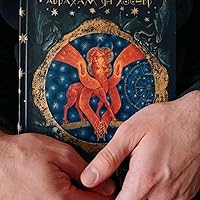
November 5, 2024
Макс Фріш
"Штіллер"
Переклад Євгена Поповича
Цей роман - своєрідний антипод іншої книжки Фріша - "Нехай мене звуть Ґантенбайн". В "Ґантенбайні" головний герой створює собі фіктивну біографію, щоб зажити у світі на вигідних для нього умовах. В "Штіллері" - маємо героя, якому намагаються нав'язати біографію іншої людини.
Антураж і мотивації персонажів обох книжок неокафкіанські. Штіллер перебуває в дуже дивній в'язниці, спілкується з людьми, які його водночас впізнають і не впізнають.
Та й сам читач не розуміє де справжня його біографія.
Ключем може послугувати Кіркеґор, тобто епіграф для роману з його книги "Або-або":
«Бачиш, вибрати себе самого тому так важко, що в цьому виборі цілковита ізоляція тотожна з найбільшою тривалістю і що, доконавши такого вибору, вже ніяк неможливо стати чимось іншим чи, радше, перетворитися на щось інше».
«...коли в ньому прокидається жадоба волі (а вона прокидається при виборі, бо вибір наперед її зумовлює), він вибирає себе самого і бореться за себе, як за своє щастя, бо то й є його щастя».
Головний герой наче вирішив бути кимось іншим і водночас цілковито став тим іншим. На це вказує наприклад сцена в стоматолога, котрий виявляє, що зуби в нього не такі, як у іншого Штіллера.
Тим не менш, остаточної відповіді читач так і не отримає. Бо оцінити справжність людських спогадів і відчуттів у наш час надзвичайно важко про це Фріш пише так:
"Пан д-р Боненблюст, мій офіційний оборонець, має, звісно, рацію: хоч би я йому й сто разів розповідав,, як виглядає пожежа на каліфорнійському тартаку в Редвуді, як фарбується американська негритянка, який мальовничий Нью-Йорк увечері під час хуртовини з бурею (таке буває) чи що треба робити в Бруклінському порту, аби висісти без паперів на берег, ще ще не доводить, що я там був. Ми живемо в добу репродукцій. Більшу частину того, що ми вкладаємо в наше уявлення про світ, ми ніколи не бачили на власні очі. Точніше: може, навіть і бачили, але не в тому місці, де воно є насправді. Ми все бачимо на відстані, чуємо на відстані, знаємо на відстані. Не треба покидати цього містечка, щоб і нині ще чути Гітлерів голос, із триметрової відстані бачити перського шаха й знати, як над Гімалаями виє мусон чи який вигляд має морське дно на глибині тисячу метрів. Сьогодні такі речі кожен може знати. Хіба з цього випливає, що я був коли-небудь на морському дні чи хоч би на Евересті (як швейцарці) ?Так само і з внутрішнім життям людини. Його сьогодні кожен може знати. Як я, в дідька, маю довести своєму оборонцеві, що я пізнав свої інстинкти вбивці не через К. Г. Юнга, ревність не через Марселя Пруста, Іспанію не через Хемінгуея, Париж не через Ернста Юнгера, Швейцарію не через Марка Твена, Мексіку не через Грема Гріна, свій страх перед смертю не через Бернаноса, свою цілковиту неможливість чогось досягти не через Кафку і решту все не через Томаса Манна? Це правда, можна цих добродіїв ніколи не читати й мати їх у собі вже від своїх знайомих, які, з свого боку, теж переживають усе те вже як плагіат. Що за доба! Взагалі вже нічого не значить, що хтось бачив меч-рибу, кохав мулатку: все це можна побачити на вранішньому сеансі науково-популярних фільмів. А мати власні думки – о боже, в нашому сторіччі вже диво здибати людину, яку можна було б убгати в якийсь певний вид плагіату. Коли хтось дивиться на світ крізь Гайдегера й тільки крізь Гайдегера, то це вже свідчить про неабияку індивідуальність. Бо ми, решта, плаваємо в якомусь коктейлі, що містить майже все, в коктейлі, що його в шляхетний спосіб змішав Еліот; про все ми дещо знаємо, і навіть наші розповіді про видимий світ, як уже сказано, нічого не важать."
Інша важлива тема - спілкування з іншими і сприйняття людини,як сукупності характеристик. Людина стає маскою:
"Я знову відчуваю щось моторошне в стосунках між людьми, якусь машинальність, звану знайомством чи навіть приязню, що відразу унеможливлює все живе, вилучає все теперішнє.
Нащо в’язневі банкнота? Що я а нею робитиму? Та все діє, наче автомат: угорі закладається прізвище, помилково мені приписане, і внизу миттю вискакує належна форма стосунків, готова вже, ready for use, кліше людських взаємин, наймиліша (так він сам каже) його серцю."
Третя важлива тема: сімейна зрада і боротьба за самість та самоцінність між чоловіком і жінкою. Тут, Фріш зображає той тип стрсунків,які я називаю "берґманіаськими". Дійсно цікаві історії кохань і відчужень,які сучасні література і кіно, вже неспроможні нам дати.
"Штіллер" - книжка велика, а моя ще і рідкісна. Це перше видання 1970 року від "Дніпра" з ілюстраціями Шейніса (культовий ілюстратор "Іліади"!) До мене книга потрапила в абсолютно нечитаному стані. Ці прекрасні пожовтілі сторінки з запахом сандалу! Тканинний корінець, вражаюча обкладинка. Тільки порівняйте цю красу з "Ґантенбайном" Фоліо і все стане зрозуміло. Це видання стане частиною моєї колекції раритетів минулого.
"Штіллер"
Переклад Євгена Поповича
Цей роман - своєрідний антипод іншої книжки Фріша - "Нехай мене звуть Ґантенбайн". В "Ґантенбайні" головний герой створює собі фіктивну біографію, щоб зажити у світі на вигідних для нього умовах. В "Штіллері" - маємо героя, якому намагаються нав'язати біографію іншої людини.
Антураж і мотивації персонажів обох книжок неокафкіанські. Штіллер перебуває в дуже дивній в'язниці, спілкується з людьми, які його водночас впізнають і не впізнають.
Та й сам читач не розуміє де справжня його біографія.
Ключем може послугувати Кіркеґор, тобто епіграф для роману з його книги "Або-або":
«Бачиш, вибрати себе самого тому так важко, що в цьому виборі цілковита ізоляція тотожна з найбільшою тривалістю і що, доконавши такого вибору, вже ніяк неможливо стати чимось іншим чи, радше, перетворитися на щось інше».
«...коли в ньому прокидається жадоба волі (а вона прокидається при виборі, бо вибір наперед її зумовлює), він вибирає себе самого і бореться за себе, як за своє щастя, бо то й є його щастя».
Головний герой наче вирішив бути кимось іншим і водночас цілковито став тим іншим. На це вказує наприклад сцена в стоматолога, котрий виявляє, що зуби в нього не такі, як у іншого Штіллера.
Тим не менш, остаточної відповіді читач так і не отримає. Бо оцінити справжність людських спогадів і відчуттів у наш час надзвичайно важко про це Фріш пише так:
"Пан д-р Боненблюст, мій офіційний оборонець, має, звісно, рацію: хоч би я йому й сто разів розповідав,, як виглядає пожежа на каліфорнійському тартаку в Редвуді, як фарбується американська негритянка, який мальовничий Нью-Йорк увечері під час хуртовини з бурею (таке буває) чи що треба робити в Бруклінському порту, аби висісти без паперів на берег, ще ще не доводить, що я там був. Ми живемо в добу репродукцій. Більшу частину того, що ми вкладаємо в наше уявлення про світ, ми ніколи не бачили на власні очі. Точніше: може, навіть і бачили, але не в тому місці, де воно є насправді. Ми все бачимо на відстані, чуємо на відстані, знаємо на відстані. Не треба покидати цього містечка, щоб і нині ще чути Гітлерів голос, із триметрової відстані бачити перського шаха й знати, як над Гімалаями виє мусон чи який вигляд має морське дно на глибині тисячу метрів. Сьогодні такі речі кожен може знати. Хіба з цього випливає, що я був коли-небудь на морському дні чи хоч би на Евересті (як швейцарці) ?Так само і з внутрішнім життям людини. Його сьогодні кожен може знати. Як я, в дідька, маю довести своєму оборонцеві, що я пізнав свої інстинкти вбивці не через К. Г. Юнга, ревність не через Марселя Пруста, Іспанію не через Хемінгуея, Париж не через Ернста Юнгера, Швейцарію не через Марка Твена, Мексіку не через Грема Гріна, свій страх перед смертю не через Бернаноса, свою цілковиту неможливість чогось досягти не через Кафку і решту все не через Томаса Манна? Це правда, можна цих добродіїв ніколи не читати й мати їх у собі вже від своїх знайомих, які, з свого боку, теж переживають усе те вже як плагіат. Що за доба! Взагалі вже нічого не значить, що хтось бачив меч-рибу, кохав мулатку: все це можна побачити на вранішньому сеансі науково-популярних фільмів. А мати власні думки – о боже, в нашому сторіччі вже диво здибати людину, яку можна було б убгати в якийсь певний вид плагіату. Коли хтось дивиться на світ крізь Гайдегера й тільки крізь Гайдегера, то це вже свідчить про неабияку індивідуальність. Бо ми, решта, плаваємо в якомусь коктейлі, що містить майже все, в коктейлі, що його в шляхетний спосіб змішав Еліот; про все ми дещо знаємо, і навіть наші розповіді про видимий світ, як уже сказано, нічого не важать."
Інша важлива тема - спілкування з іншими і сприйняття людини,як сукупності характеристик. Людина стає маскою:
"Я знову відчуваю щось моторошне в стосунках між людьми, якусь машинальність, звану знайомством чи навіть приязню, що відразу унеможливлює все живе, вилучає все теперішнє.
Нащо в’язневі банкнота? Що я а нею робитиму? Та все діє, наче автомат: угорі закладається прізвище, помилково мені приписане, і внизу миттю вискакує належна форма стосунків, готова вже, ready for use, кліше людських взаємин, наймиліша (так він сам каже) його серцю."
Третя важлива тема: сімейна зрада і боротьба за самість та самоцінність між чоловіком і жінкою. Тут, Фріш зображає той тип стрсунків,які я називаю "берґманіаськими". Дійсно цікаві історії кохань і відчужень,які сучасні література і кіно, вже неспроможні нам дати.
"Штіллер" - книжка велика, а моя ще і рідкісна. Це перше видання 1970 року від "Дніпра" з ілюстраціями Шейніса (культовий ілюстратор "Іліади"!) До мене книга потрапила в абсолютно нечитаному стані. Ці прекрасні пожовтілі сторінки з запахом сандалу! Тканинний корінець, вражаюча обкладинка. Тільки порівняйте цю красу з "Ґантенбайном" Фоліо і все стане зрозуміло. Це видання стане частиною моєї колекції раритетів минулого.

September 5, 2026
Важковаговик, написаний у старомодному стилі, тобто міцненько, але дещо виснажливо. Втім, мені було цікаво. Якщо коротко і поверхнево - про проблеми ідентичності і пошук себе (напевно, як і будь-яка інша книга).

March 5, 2015
Existenzialistisch überfrachteter Groschenroman, bissige Schweiz- und Spießbürgerkritik und vernutztes Abenteuermaterial machen die Lektüre auch nicht erträglicher, ganz im Gegenteil, es ist geradezu erschütternd mit welcher Selbstverständlichkeit ein dezidiert links positionierter Autor seiner Generation die Hauptperson mit rassistischen und absurd sexistischen Stereotypen agieren lässt.
Genauso unwahrscheinlich oder konstruiert wie die Alibigeschichten von White alias Stiller erscheint mir die Personenkonstellation dieser seltsamen doppelten Dreiecksgeschichte zwischen Stiller, Sibylle und dem Staatsanwalt, bzw. Stiller, Julika, Sibylle. Aber der Cocktail samt schicksalhaften Wendungen war vermutlich die rechte Mischung um die Drüsen des aufgeklärten Lesepublikums der 50er ausreichend mit Furcht und Mitleid zu bearbeiten um eine Millionenauflage zu generieren.
Als Abiturient war ich auch sehr gerührt, obwohl sich beim Wiederlesen auch die Erinnerung an einige Wendungen wieder eingestellt hat, die mir damals schon allzu sehr nach Erwachsenenliteratur im schlechten Sinne aufgestoßen waren. Damals bekam man dann gesagt, das verstehst du noch nicht, dafür bist du noch nicht reif genug, wenn man sich an manchem störte, was einem unecht vorkam.
Inzwischen bin ich erwachsen geworden und kann mich mit dem Schicksalsschmalz noch weniger anfreunden, dabei ist mir sogar der Abenteuerplunder zuerst unangenehm aufgestoßen. Damals waren die Mexikanerhistörchen des Mister White der ideale Anknüpfungspunkt für jemand, der noch nicht ganz über seinen Karl May hinaus war (auch wenn er es zu diesem Zeitpunkt nicht zugegeben hätte). Inzwischen kommt mir sogar der hochgelobte existenziell-spirituelle Anteil wie eine billige Spirituose vor an der sich allenfalls Ersttrinker mit Freuden berauschen. Stiller has not aged well.
Genauso unwahrscheinlich oder konstruiert wie die Alibigeschichten von White alias Stiller erscheint mir die Personenkonstellation dieser seltsamen doppelten Dreiecksgeschichte zwischen Stiller, Sibylle und dem Staatsanwalt, bzw. Stiller, Julika, Sibylle. Aber der Cocktail samt schicksalhaften Wendungen war vermutlich die rechte Mischung um die Drüsen des aufgeklärten Lesepublikums der 50er ausreichend mit Furcht und Mitleid zu bearbeiten um eine Millionenauflage zu generieren.
Als Abiturient war ich auch sehr gerührt, obwohl sich beim Wiederlesen auch die Erinnerung an einige Wendungen wieder eingestellt hat, die mir damals schon allzu sehr nach Erwachsenenliteratur im schlechten Sinne aufgestoßen waren. Damals bekam man dann gesagt, das verstehst du noch nicht, dafür bist du noch nicht reif genug, wenn man sich an manchem störte, was einem unecht vorkam.
Inzwischen bin ich erwachsen geworden und kann mich mit dem Schicksalsschmalz noch weniger anfreunden, dabei ist mir sogar der Abenteuerplunder zuerst unangenehm aufgestoßen. Damals waren die Mexikanerhistörchen des Mister White der ideale Anknüpfungspunkt für jemand, der noch nicht ganz über seinen Karl May hinaus war (auch wenn er es zu diesem Zeitpunkt nicht zugegeben hätte). Inzwischen kommt mir sogar der hochgelobte existenziell-spirituelle Anteil wie eine billige Spirituose vor an der sich allenfalls Ersttrinker mit Freuden berauschen. Stiller has not aged well.
Displaying 1 - 30 of 446 reviews