
What do you think?
Rate this book


"Being a refugee is not a choice. Our choice is to die at home or risk death trying to escape." - Yusra Mardini
Yusra Mardini fled her native Syria to the Turkish coast in 2015 and boarded a small dinghy full of refugees bound for Greece. When the small and overcrowded boat's engine cut out, it began to sink. Yusra, her sister and two others took to the water, pushing the boat for three and a half hours in open water until they eventually landed on Lesbos, saving the lives of the passengers aboard.
Butterfly is the story of that remarkable woman, whose journey started in a war-torn suburb of Damascus and took her through Europe to Berlin and from there to the 2016 Olympic Games in Rio de Janeiro.
Yusra Mardini is an athlete, one of People magazine’s twenty-five women changing the world, a UNHCR Goodwill Ambassador and one of Time Magazine’s thirty most influential teens of 2016.
288 pages, Hardcover
First published May 2, 2018


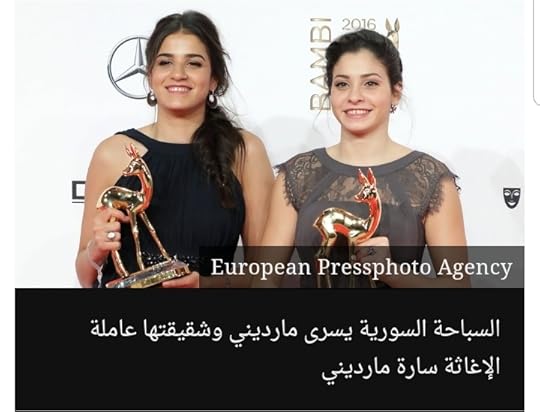


" ما الذي سيحدث لو أخبرتهم بالحقيقة الصادقة؟ إذا أخبرتهم عن شعور المرء حينما يُختذل بكلمة واحدة، وحاولت توضيح معنى هذه الكلمة بالنسبة إلى أولئك الذين أُجبروا على الانضواء تحت مسماها ، لاجئ ، قوقعة فارغة، وبالكاد إنسان ، ولامال ، ولا مأوى ، ولا مرجعية، ولا تاريخ ، ولا شخصية ، ولا طموح ، ولا مسار ، ولا شغف. ماضينا ، وحاضرنا، ومستقبلنا ، تلاشت جميعها، واستُبدلت بها تلك الكلمة المدمرة "
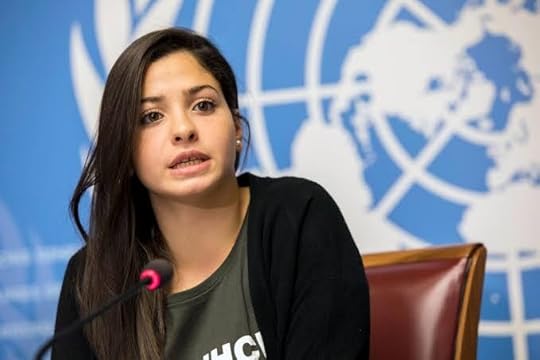
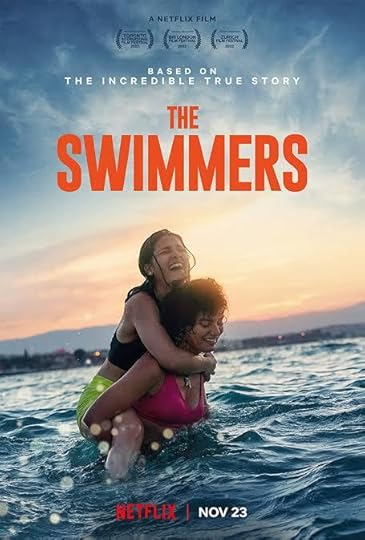
A lot of people don't understand about us swimming. They don't see the hard work and dedication it takes us to swim. They just see the swimsuit. Neighbours and parents of kids at our school tell Mum they don't approve. Some say wearing a swimsuit past a certain age is inappropriate for a young girl. Mum ignores them. The summer I'm nine, Mum even decides to learn to swim herself.
I never chose to be a swimmer. But from that moment on I'm hooked. My gut burns with ambition. I clench my fists. I no longer care what it takes. I'll follow Phelps to the top. To the Olympics. To gold. Or die trying.
Since learning to swim she's been teaching water aerobics at a hot springs spa south of Damascus, close to the city of Daraa. She's branched out into massage therapy and tries her new skills out on Sara's shoulders.
'I'm not leaving my house,' he says.
'Then get us out of here at least,' says Mum, her voice choked with panicked tears.
One by one, friends and neighbours drift away. Groups of siblings, whole friendship groups, families disappear. The majority leave for Lebanon or Turkey and then overstay their tourist visas. Some of them end up in Europe. Most of the boys my age are either planning to leave or have already gone. Once guys hit eighteen, they're eligible for compulsory military service in the army. Only students and men without brothers are exempt. In normal times, its just a fact of Syrian life. But now there's no doubt: going into the army means kill or be killed.
'Very few Syrians get this chance to speak up,' he says. 'You can be their voice. You know a big part of their story because you've been through it too. It's an opportunity for all of us to be heard.'


