

What do you think?

Kamchatka
Kamchatka è una parola stramba. Per alcuni non ha nessun significato, per altri suona come un incrociarsi di spade, per altri ancora è il paese in alto a destra nel tabellone del Risiko. Per Harry, è l’ultima parola pronunciata dal padre prima di diventare uno dei tanti desaparecidos.
1976: Harry è un bambino a cui piace inventare storie, giocare con il suo amico Bertuccio, sfidare suo padre a Risiko. Ha un fratello più piccolo, il Nano, e ama i suoi genitori.
La serena quotidianità si interrompe bruscamente: in Argentina c’è il colpo di Stato e la famiglia di Harry deve fuggire da Buenos Aires e assumere una nuova identità. Cosa vuol dire ‘giocare’ a essere qualcun altro per sopravvivere?
Divertente, ironico e toccante, Kamchatka suggerisce che l’eroismo risiede nella capacità di cambiare e che tutti hanno bisogno di un posto dove rifugiarsi e resistere prima di affrontare il mondo. Un luogo non segnato su nessuna carta, perché i luoghi veri non lo sono mai.
1976: Harry è un bambino a cui piace inventare storie, giocare con il suo amico Bertuccio, sfidare suo padre a Risiko. Ha un fratello più piccolo, il Nano, e ama i suoi genitori.
La serena quotidianità si interrompe bruscamente: in Argentina c’è il colpo di Stato e la famiglia di Harry deve fuggire da Buenos Aires e assumere una nuova identità. Cosa vuol dire ‘giocare’ a essere qualcun altro per sopravvivere?
Divertente, ironico e toccante, Kamchatka suggerisce che l’eroismo risiede nella capacità di cambiare e che tutti hanno bisogno di un posto dove rifugiarsi e resistere prima di affrontare il mondo. Un luogo non segnato su nessuna carta, perché i luoghi veri non lo sono mai.
369 pages, Paperback
First published January 1, 2003
About the author
Marcelo Figueras
21 books35 followersMarcelo Figueras (born 1962 in Buenos Aires, Argentina) is a writer and a screenwriter.
Ratings & Reviews
Friends & Following
Create a free account to discover what your friends think of this book!
Community Reviews
Displaying 1 - 30 of 177 reviews

June 4, 2011
By the end of this book, I had literally moved in. That is, felt like a part of the family, like my soul was lip-synching to the 10-year-old narrator's story, like I had renounced plot forever in favor of voice and characterization.
Yeah. I liked it that much, because although it is set in Argentina in the 70s, the allusions are ones that any American can identify with (Superman, Batman, The Saint, The Invaders, Picnic, The Bridge Over the River Kwai, Goofy, Harry Houdini, and on and on). Yes, you'd think that days of the post-Peron military junta were straight out of Peoria, not Buenos Aires, but whatever. And whenever. It was the kind of book you embrace unabashedly -- like you used to when you were a kid before your inner "literary critic voice" took over, denying you the chance to enjoy books on a more emotional, subjective level.
As for the "story," it's mostly about the kid, who adopts the assumed name of "Harry" (he wants to be an escape artist... get it?), his 5-year-old brother, "The Midget," and his dear parents. They are joined by an 18-year-old (assumed name "Lucas," and we assume his parents have been killed by the military) and they hide away in a safe house in the country outside Buenos Aires.
Here we get into the daily rhythms of life -- how the boys keep finding drowned toads in the brackish waters of a pool; how Harry and Lucas argue night and day over who is stronger, Batman or Superman; how Mom the scientist cannot cook her way out of a Spanish pan. The boys are forced to attend a new school -- a Catholic one run by brothers and fathers -- and the book rolls along with Harry's insightful, humorous, and poignant takes on the world around him.
What should be hell -- life in hiding with an ever-present danger of capture over your head -- becomes a piece of heaven, in a way. Youth will not be denied... not by politics, murders, or intrigue. And, up until the end, the reader doesn't really sense the threat of the military goons who are seeking them and others out, anyway. It's almost as if they live in a time warp, a bubble of defiant tranquility with just a patina of unease about it like the rainbow glow you see on bubbles in the sun.
The title comes from the boy's marathon games of Risk against his dad. The northeastern-most province in the old USSR is called Kamchatka, and it becomes a symbol of sorts by the end of the book. It's a perfect name for the novel, and handling of the symbolism is near-perfect, too.
By the end, you get that sad-happy (happy-sad?) glow to you, that "I- hate-to-say-good-bye-and-move-on-to-another-book" feeling. But good-bye it is and God help the act that has to follow this. It grew on me and ultimately became me by the end. But then, I'm a pessimist with a sentimental core, and if it's drawn out, I don't so much resent it as appreciate how refreshing it feels.
If you're like that, too, I suggest you pick up the dice and march on Kamchatka. It's far away from Argentina but just next door to Imagination. You know the way. Trust me.
Yeah. I liked it that much, because although it is set in Argentina in the 70s, the allusions are ones that any American can identify with (Superman, Batman, The Saint, The Invaders, Picnic, The Bridge Over the River Kwai, Goofy, Harry Houdini, and on and on). Yes, you'd think that days of the post-Peron military junta were straight out of Peoria, not Buenos Aires, but whatever. And whenever. It was the kind of book you embrace unabashedly -- like you used to when you were a kid before your inner "literary critic voice" took over, denying you the chance to enjoy books on a more emotional, subjective level.
As for the "story," it's mostly about the kid, who adopts the assumed name of "Harry" (he wants to be an escape artist... get it?), his 5-year-old brother, "The Midget," and his dear parents. They are joined by an 18-year-old (assumed name "Lucas," and we assume his parents have been killed by the military) and they hide away in a safe house in the country outside Buenos Aires.
Here we get into the daily rhythms of life -- how the boys keep finding drowned toads in the brackish waters of a pool; how Harry and Lucas argue night and day over who is stronger, Batman or Superman; how Mom the scientist cannot cook her way out of a Spanish pan. The boys are forced to attend a new school -- a Catholic one run by brothers and fathers -- and the book rolls along with Harry's insightful, humorous, and poignant takes on the world around him.
What should be hell -- life in hiding with an ever-present danger of capture over your head -- becomes a piece of heaven, in a way. Youth will not be denied... not by politics, murders, or intrigue. And, up until the end, the reader doesn't really sense the threat of the military goons who are seeking them and others out, anyway. It's almost as if they live in a time warp, a bubble of defiant tranquility with just a patina of unease about it like the rainbow glow you see on bubbles in the sun.
The title comes from the boy's marathon games of Risk against his dad. The northeastern-most province in the old USSR is called Kamchatka, and it becomes a symbol of sorts by the end of the book. It's a perfect name for the novel, and handling of the symbolism is near-perfect, too.
By the end, you get that sad-happy (happy-sad?) glow to you, that "I- hate-to-say-good-bye-and-move-on-to-another-book" feeling. But good-bye it is and God help the act that has to follow this. It grew on me and ultimately became me by the end. But then, I'm a pessimist with a sentimental core, and if it's drawn out, I don't so much resent it as appreciate how refreshing it feels.
If you're like that, too, I suggest you pick up the dice and march on Kamchatka. It's far away from Argentina but just next door to Imagination. You know the way. Trust me.

December 30, 2021
به طرز عجیبی دوستش داشتم. خیلی کتاب خاص و قشنگی بود. واقعا «قشنگ»
ولی من انتظار داشتم تو فصل آخر یه کم از چیزهایی که هنوز نگفته بود و مال زمان حالش بود بگه، که نگفت و ما رو تو خماری گذاشت. برای همین دلم میخواد از این نویسنده هرچی هست رو بخونم، بلکه بفهمم اون سالها چی گذشته برش.
چرا اینقدر ناشناختهست این کتاب آخه؟
کلا ٨٠٠تا ریت در جهان؟ :(
میخوام هی کادو بدمش. پیشنهاد بدمش. بلکه یه کم آدمهای بیشتری بخوننش.
ولی من انتظار داشتم تو فصل آخر یه کم از چیزهایی که هنوز نگفته بود و مال زمان حالش بود بگه، که نگفت و ما رو تو خماری گذاشت. برای همین دلم میخواد از این نویسنده هرچی هست رو بخونم، بلکه بفهمم اون سالها چی گذشته برش.
چرا اینقدر ناشناختهست این کتاب آخه؟
کلا ٨٠٠تا ریت در جهان؟ :(
میخوام هی کادو بدمش. پیشنهاد بدمش. بلکه یه کم آدمهای بیشتری بخوننش.

November 11, 2018
yine muhteşem bir çocukluk anlatısı, yine arka planda askeri cuntalar, darbeler, kayıplar...
en başta ne olacağını bilsek de çok güzel bir hikaye anlatıyor bize figueras. arjantin'de binlerce insanın kaybolmasıyla sonuçlanan olayları biliyoruz, plaza de mayo annelerini filan bilmeyenler öğrenirse iyi olur, işte burada da 10 yaşındaki bir çocuğun gözünden bir anda evlerinden ayrılıp bambaşka bir yerde, bambaşka bir kimlikle yaşamaları, yeni hayata, hatta yeni bir abiye adaptasyonu hem çok içten, hem çok komik, bazen de duygusal bir biçimde aktarılıyor.
filmi de varmış ama aile benim gözümde şu an tamamen canlandıkları için sanırım izlemeyi tercih etmeyeceğim.
tek sorun anlatıcının 10 yaşında olmasına rağmen olgunluğu, bilgisi ve yaptığı işlerle bazen inandırıcı olmamasıydı. küçük bir şey ama gözüme battı işte.
baskısı yok. klasik. doğan kitap. umarım basar. basmaya da bilir :/
kitabını bana emanet eden burkem cevher'ciğimi öpüyorum.
en başta ne olacağını bilsek de çok güzel bir hikaye anlatıyor bize figueras. arjantin'de binlerce insanın kaybolmasıyla sonuçlanan olayları biliyoruz, plaza de mayo annelerini filan bilmeyenler öğrenirse iyi olur, işte burada da 10 yaşındaki bir çocuğun gözünden bir anda evlerinden ayrılıp bambaşka bir yerde, bambaşka bir kimlikle yaşamaları, yeni hayata, hatta yeni bir abiye adaptasyonu hem çok içten, hem çok komik, bazen de duygusal bir biçimde aktarılıyor.
filmi de varmış ama aile benim gözümde şu an tamamen canlandıkları için sanırım izlemeyi tercih etmeyeceğim.
tek sorun anlatıcının 10 yaşında olmasına rağmen olgunluğu, bilgisi ve yaptığı işlerle bazen inandırıcı olmamasıydı. küçük bir şey ama gözüme battı işte.
baskısı yok. klasik. doğan kitap. umarım basar. basmaya da bilir :/
kitabını bana emanet eden burkem cevher'ciğimi öpüyorum.

January 5, 2019
Possono i libri essere simpatici?
Se sì, così come altri sono altezzosi (Siti), sguaiati (Busi), squilibrati (scusate…David Foster Wallace), gentili (Mansfield), antipatici (Barricco?), pesanti (troppi esempi), unici (Proust), presuntuosi (lascio a voi la scelta; le mie sono state del tutto impulsive e prive di riflessione e la lista può essere infinita), allora Kamchatka è un libro decisamente simpatico.
Simpatico per la personalità del ragazzino narrante, tra l’ingenuo e il dolente, la scelta dell’umorismo sul fenomeno straziante dei desaparecidos, una scelta un poco simile a quella di Benigni in “la vita è bella”, un libro che brulica di idee visive (nella postfazione, scopriamo che la sua origine è la sceneggiatura di un film poi realizzato).
Tra tanti capitoli brevi, quasi a sé stanti, sceglierò soltanto quello potente e delicato del rospo: allertata da invisibili amici, la famiglia Vicente (falso nome) deve scappare dalla casa dove vive clandestinamente già da mesi e la fuga precipitosa, il calore e l’abbandono di una casa abitata da due bambini partiti nella notte senza nemmeno un cappotto ci viene trasmessa dalla visione di un rospo che abita lo stagno vicino, con grazia:
Entrare lì dentro sarebbe inutile. Le cose degli uomini parlano il loro stesso linguaggio, che il rospo non capisce, e inoltre perdono di significato quando i loro proprietari se ne disinteressano, non sono più animate, diventano arzigogoli, geroglifici, quasi avessero una data di scadenza, come il Nesquik aperto, il dentifricio che si solidifica, o i libri senza lettori.. Ecco, la simpatia del rospo.
Se sì, così come altri sono altezzosi (Siti), sguaiati (Busi), squilibrati (scusate…David Foster Wallace), gentili (Mansfield), antipatici (Barricco?), pesanti (troppi esempi), unici (Proust), presuntuosi (lascio a voi la scelta; le mie sono state del tutto impulsive e prive di riflessione e la lista può essere infinita), allora Kamchatka è un libro decisamente simpatico.
Simpatico per la personalità del ragazzino narrante, tra l’ingenuo e il dolente, la scelta dell’umorismo sul fenomeno straziante dei desaparecidos, una scelta un poco simile a quella di Benigni in “la vita è bella”, un libro che brulica di idee visive (nella postfazione, scopriamo che la sua origine è la sceneggiatura di un film poi realizzato).
Tra tanti capitoli brevi, quasi a sé stanti, sceglierò soltanto quello potente e delicato del rospo: allertata da invisibili amici, la famiglia Vicente (falso nome) deve scappare dalla casa dove vive clandestinamente già da mesi e la fuga precipitosa, il calore e l’abbandono di una casa abitata da due bambini partiti nella notte senza nemmeno un cappotto ci viene trasmessa dalla visione di un rospo che abita lo stagno vicino, con grazia:
Entrare lì dentro sarebbe inutile. Le cose degli uomini parlano il loro stesso linguaggio, che il rospo non capisce, e inoltre perdono di significato quando i loro proprietari se ne disinteressano, non sono più animate, diventano arzigogoli, geroglifici, quasi avessero una data di scadenza, come il Nesquik aperto, il dentifricio che si solidifica, o i libri senza lettori.. Ecco, la simpatia del rospo.

October 8, 2021
That’s the good thing about memories. They don’t wear out from overuse! they don’t take up space. And the most important thing,’ grandma said, giving me a kiss on the ear that left me half-deaf, ‘is that no one can steal them from you!’
*
For a long time I lived in the place I call Kamchatka, a place that looks a little like the real Kamchatka (because of the cold, the volcanoes, the remoteness) but it is a place that doesn’t really exist, because some places cannot be found on any map. Now that I have learned the importance of goodbyes, I would like to say goodbye to it. I had spent all those years there before I found the empty packet of Jockeys again, but now that I have found it, now it has appeared as I told my story for the nth time,I don’t need Kamchatka any more, I no longer need the security I once felt being far from everything, unreachable, amid the eternal snows. The time has come for me to be where I am again, to be truly here, all of me, to stop surviving and start living.
*
For a long time I lived in the place I call Kamchatka, a place that looks a little like the real Kamchatka (because of the cold, the volcanoes, the remoteness) but it is a place that doesn’t really exist, because some places cannot be found on any map. Now that I have learned the importance of goodbyes, I would like to say goodbye to it. I had spent all those years there before I found the empty packet of Jockeys again, but now that I have found it, now it has appeared as I told my story for the nth time,I don’t need Kamchatka any more, I no longer need the security I once felt being far from everything, unreachable, amid the eternal snows. The time has come for me to be where I am again, to be truly here, all of me, to stop surviving and start living.

November 2, 2014
Kamchatka is a novel by the Argentinian writer Marcelo Figueras set in 1976, one year during a disturbing era of Argentinian history under military dictatorship, often referred to as The Dark Ages, a time when speaking out against the establishment gave rise to a terrible number of “Disappeared”.
Ordinary people vanished without trace, neither arrested nor imprisoned, there was no record of their detainment, they simply disappeared, believed to have been disposed off.
The author mentioned in an interview with Stu Allen that the subject has been written about by many authors and in his opinion many of those stories follow a similar trajectory of a romantic young man or woman, their involvement in politics, a kidnapping occurs, torture, death and the law courts follow.
He wanted to do something different, to write about what those who were not kidnapped endured, a different horror. By making a 10-year-old the narrator of his novel, he puts the reader right into this fearful and confusing situation of sensing being in danger and yet understanding nothing about where that fear is coming from.
Early on in the novel, our narrator and his younger brother, whom he affectionately refers to as The Midget, are pulled out of school abruptly by their mother and they go on what she describes as a holiday, to stay in a safe house.
The boys are told to choose a name for themselves, to change their identity and after finding a book about Harry Houdini on top of a cupboard, our narrator calls himself Harry and decides he wants to become an escape artist, something he goes to great lengths to tell us is very different to being a magician.
The stay doesn't feel like a holiday to Harry, however he passes his time doing the things he enjoys, playing Risk with his father, a post colonial game of strategy to take over the territories of the world. Harry wants to win but he never does, his father believes it is important he learns to win, not to have victory given to him.
Finally the match occurs where Harry begins to win, he pushes his father back, gaining all but one last territory, that last bastion of strength, Kamchatka. He fails to take it and from that moment on his fortune turns. Kamchatka is this place on the map that few have heard of, but it contains a hidden strength and it is both a figurative place Harry will return to in later years and a physical landscape of extraordinary elements that he will also visit.
Our Harry is very curious and intelligent and the book is structured into sections like lessons from a day at school. In each of these parts he reflects on some big philosophical questions, on questions that cover the subjects that the book is divided into, biology, geography, language, astronomy and history. These reflections were one of the magical parts of the book for me, I recognise that beautiful curiosity of a young mind, trying to make connections between what he knows and what he thinks might be, growing his brain on the page.
I thought this book was incredibly well told, the voice of the child narrator was so authentic and believable, his curiosity, frustrations and fear penetrate the pages and make the reader feel it all. You can't help but read the book with a certain amount of tension, not knowing what the outcome will be.
I was left wanting to read a sequel, to know how Harry coped and lived in the teenage years that would have followed, when life must have been so different to everything he and The Midget had known up until then.
A 5 star read for me, highly recommended.
The book was short listed for the Independent Foreign Fiction Prize in 2011.
My complete review here at Word by Word.
Ordinary people vanished without trace, neither arrested nor imprisoned, there was no record of their detainment, they simply disappeared, believed to have been disposed off.
The author mentioned in an interview with Stu Allen that the subject has been written about by many authors and in his opinion many of those stories follow a similar trajectory of a romantic young man or woman, their involvement in politics, a kidnapping occurs, torture, death and the law courts follow.
He wanted to do something different, to write about what those who were not kidnapped endured, a different horror. By making a 10-year-old the narrator of his novel, he puts the reader right into this fearful and confusing situation of sensing being in danger and yet understanding nothing about where that fear is coming from.
Early on in the novel, our narrator and his younger brother, whom he affectionately refers to as The Midget, are pulled out of school abruptly by their mother and they go on what she describes as a holiday, to stay in a safe house.
The boys are told to choose a name for themselves, to change their identity and after finding a book about Harry Houdini on top of a cupboard, our narrator calls himself Harry and decides he wants to become an escape artist, something he goes to great lengths to tell us is very different to being a magician.
The stay doesn't feel like a holiday to Harry, however he passes his time doing the things he enjoys, playing Risk with his father, a post colonial game of strategy to take over the territories of the world. Harry wants to win but he never does, his father believes it is important he learns to win, not to have victory given to him.
Finally the match occurs where Harry begins to win, he pushes his father back, gaining all but one last territory, that last bastion of strength, Kamchatka. He fails to take it and from that moment on his fortune turns. Kamchatka is this place on the map that few have heard of, but it contains a hidden strength and it is both a figurative place Harry will return to in later years and a physical landscape of extraordinary elements that he will also visit.
Our Harry is very curious and intelligent and the book is structured into sections like lessons from a day at school. In each of these parts he reflects on some big philosophical questions, on questions that cover the subjects that the book is divided into, biology, geography, language, astronomy and history. These reflections were one of the magical parts of the book for me, I recognise that beautiful curiosity of a young mind, trying to make connections between what he knows and what he thinks might be, growing his brain on the page.
I thought this book was incredibly well told, the voice of the child narrator was so authentic and believable, his curiosity, frustrations and fear penetrate the pages and make the reader feel it all. You can't help but read the book with a certain amount of tension, not knowing what the outcome will be.
I was left wanting to read a sequel, to know how Harry coped and lived in the teenage years that would have followed, when life must have been so different to everything he and The Midget had known up until then.
A 5 star read for me, highly recommended.
The book was short listed for the Independent Foreign Fiction Prize in 2011.
My complete review here at Word by Word.
May 6, 2022
خانمها آقایان! همین الان یکی از دوست داشتنیترین کتابای زندگیمو تموم کردم!
داستان در مورد خاطرات و ماجراهای کودکی راویه که همزمان بوده با تحولات سیاسی اجتماعی آرژانتین در خانوادهای با فعالیتهای سیاسی. اما اصلا مستقیما در مورد سیاست و اینها صحبت نمیکنه؛ از دریچهی چشمهای بچگیش زندگی رو تو اون شرایط تماشا و تعریف میکنه؛ یک زندگی شامل اسباب بازیها، جابجاییها و خانههای جدید، فیلمها، دوستها و مدرسهها، شنیسل، مامان و بابا و داداش کوچیکه، وزغها و کتابها که با وجود همهی خطرها و ترسها و تعقیب و گریزها کماکان در جریانه :) خیلی خیلی ظریف و عمیق نوشته شده بود و بسیار برام عزیز بود.
داستان در مورد خاطرات و ماجراهای کودکی راویه که همزمان بوده با تحولات سیاسی اجتماعی آرژانتین در خانوادهای با فعالیتهای سیاسی. اما اصلا مستقیما در مورد سیاست و اینها صحبت نمیکنه؛ از دریچهی چشمهای بچگیش زندگی رو تو اون شرایط تماشا و تعریف میکنه؛ یک زندگی شامل اسباب بازیها، جابجاییها و خانههای جدید، فیلمها، دوستها و مدرسهها، شنیسل، مامان و بابا و داداش کوچیکه، وزغها و کتابها که با وجود همهی خطرها و ترسها و تعقیب و گریزها کماکان در جریانه :) خیلی خیلی ظریف و عمیق نوشته شده بود و بسیار برام عزیز بود.
November 26, 2022
Bu evrende hayat olduğu sürece hiçbir canlının hikayesi sona ermeyecektir; sadece dönüşecektir. Öldüğümüz zaman hayat hikayesi tür değiştirir. Artık polisiye, komedi veya epik değilizdir. Coğrafya, biyoloji ve tarih kitabıyızdır.
//
İnanılmaz sade ama olabildiğince görkemli bir kitap; çok gerçek aynı zamanda şaka gibi. Gülerek okunan sayfalar, hüzün dolu olanlar ve diğerleri.
Okurunu gafil avlayan kitapları seviyorsanız sizin için kesinlikle doğru bir tercih. Ben çocukluk anıları okumayı sevdiğim için elime almıştım, umduğumdan fazlasını buldum. Çok şanslıyım, dolayısıyla şanslıyız derim.
//
İnanılmaz sade ama olabildiğince görkemli bir kitap; çok gerçek aynı zamanda şaka gibi. Gülerek okunan sayfalar, hüzün dolu olanlar ve diğerleri.
Okurunu gafil avlayan kitapları seviyorsanız sizin için kesinlikle doğru bir tercih. Ben çocukluk anıları okumayı sevdiğim için elime almıştım, umduğumdan fazlasını buldum. Çok şanslıyım, dolayısıyla şanslıyız derim.

December 3, 2014
«It is not down in any map; true places never are.»
*** e mezza

Kamchatka è una storia di libertà e resistenza, la storia di quegli uomini che grazie al principio di necessità, tanto ben descritto nel romanzo, anche quando tutto sembra perduto riescono ad adattarsi alle improvvise condizioni sfavorevoli e a trovare la via di fuga.
Kamchatka è il luogo dove rifugiarsi quando la vita va nella direzione opposta alla nostra: è l'arrocco, la fortezza inespugnabile, la difesa che va oltre le proprie forze: è il luogo immaginario dove nascondere e proteggere se stessi e le proprie idee, il luogo dove continuare a essere liberi e opporre resistenza a oltranza.
Kamchatka è l'ultima parola sussurrata che un padre dice al figlio di dieci anni prima di andare via, è la partita infinita giocata sul tavolo del Risiko fra la forza e la resistenza, ed è il luogo scelto molto tempo dopo da Harry, quello stesso bambino di dieci anni, per sfuggire a quanto successo nel 1976 in Argentina.
Attraverso i suoi occhi l'adulto che è diventato racconta, con la stessa meraviglia del bambino, il susseguirsi delle decisioni misteriose (prese dagli adulti, mamma e papà), della capacità di adattamento dei piccoli (Harry e il Nano, che cercano di trasformare in scoperta ogni novità) e delle conseguenze che subiranno entrambi.
Troppo laterale, secondo la mia opinione, il punto di vista sulle vicende politiche argentine dell'epoca: alla fine il dramma dei desaparecidos e la mattanza operata dalla dittatura, per quanto sia comprensibile dato il filtro dell'occhio infantile, è talmente sullo sfondo da non riuscirne a percepire l'intera drammaticità.
La seconda metà della storia, forse troppo lunga anche se caratterizzata da brevi capitoli di impostazione cinematografica (nasce nel 2003 come una sceneggiatura che poi l'autore stesso preferirà sviluppare prima come narrazione in questo romanzo), ha uno scatto di qualità e regala pagine indimenticabili e commoventi.
Uno di quei casi in cui sono sicura, visto anche il doppio ruolo dell'autore, il film avrà saputo condensare e mettere in risalto i meriti del romanzo.
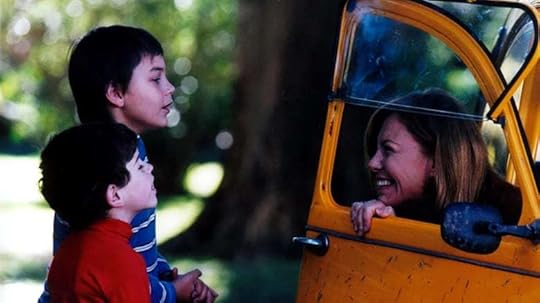
Perché la Kamchatka era dove bisognava stare. La Kamchatka era il luogo in cui resistere.
*** e mezza
Kamchatka è una storia di libertà e resistenza, la storia di quegli uomini che grazie al principio di necessità, tanto ben descritto nel romanzo, anche quando tutto sembra perduto riescono ad adattarsi alle improvvise condizioni sfavorevoli e a trovare la via di fuga.
Kamchatka è il luogo dove rifugiarsi quando la vita va nella direzione opposta alla nostra: è l'arrocco, la fortezza inespugnabile, la difesa che va oltre le proprie forze: è il luogo immaginario dove nascondere e proteggere se stessi e le proprie idee, il luogo dove continuare a essere liberi e opporre resistenza a oltranza.
Kamchatka è l'ultima parola sussurrata che un padre dice al figlio di dieci anni prima di andare via, è la partita infinita giocata sul tavolo del Risiko fra la forza e la resistenza, ed è il luogo scelto molto tempo dopo da Harry, quello stesso bambino di dieci anni, per sfuggire a quanto successo nel 1976 in Argentina.
Attraverso i suoi occhi l'adulto che è diventato racconta, con la stessa meraviglia del bambino, il susseguirsi delle decisioni misteriose (prese dagli adulti, mamma e papà), della capacità di adattamento dei piccoli (Harry e il Nano, che cercano di trasformare in scoperta ogni novità) e delle conseguenze che subiranno entrambi.
Troppo laterale, secondo la mia opinione, il punto di vista sulle vicende politiche argentine dell'epoca: alla fine il dramma dei desaparecidos e la mattanza operata dalla dittatura, per quanto sia comprensibile dato il filtro dell'occhio infantile, è talmente sullo sfondo da non riuscirne a percepire l'intera drammaticità.
La seconda metà della storia, forse troppo lunga anche se caratterizzata da brevi capitoli di impostazione cinematografica (nasce nel 2003 come una sceneggiatura che poi l'autore stesso preferirà sviluppare prima come narrazione in questo romanzo), ha uno scatto di qualità e regala pagine indimenticabili e commoventi.
Uno di quei casi in cui sono sicura, visto anche il doppio ruolo dell'autore, il film avrà saputo condensare e mettere in risalto i meriti del romanzo.
Perché la Kamchatka era dove bisognava stare. La Kamchatka era il luogo in cui resistere.

January 27, 2020
Capita spesso che un autore comunichi qualcosa di profondo e importante, qualcosa che va diritto al cuore mescolando il linguaggio delle emozioni con quello della ragione, per mezzo di protagonisti bambini. I bambini possono affrontare la vita utilizzando l’immaginazione, spesso conservando la dimensione e la creatività del gioco, e possono registrare gli eventi, anche quelli drammatici, anche se non ne comprendono la portata. Mi vengono in mente, tra i romanzi che ho letto più recentemente, La vita davanti a sè, di Romain Gary, Il libro di Emma, di Emma Reyes, L'archivio dei bambini perduti, di Valeria Luiseli o La morte dei caprioli belli, di Ota Pavel.
Kamchatka, ambientato in Argentina nel periodo del golpe dei generali del 1976, rappresenta un po’ il tentativo di resistere al corso della storia, anche nascondendosi, ma senza chinare il capo, con la consapevolezza che solo mantenendo l’impegno politico e la sete di giustizia è possibile riporre la speranza che i tempi bui possano passare. “Perchè la Kamchatka era dove bisognava stare. La Kamchatka era il luogo in cui resistere"
Kamchatka, ambientato in Argentina nel periodo del golpe dei generali del 1976, rappresenta un po’ il tentativo di resistere al corso della storia, anche nascondendosi, ma senza chinare il capo, con la consapevolezza che solo mantenendo l’impegno politico e la sete di giustizia è possibile riporre la speranza che i tempi bui possano passare. “Perchè la Kamchatka era dove bisognava stare. La Kamchatka era il luogo in cui resistere"

August 1, 2024
.
فکر میکنم داستانها پایان نمییابند،چون اگر شخصیتهای داستان حتی دیگر حضور هم نداشته باشند،افعال آنها کماکان زندهها را تحت تاثیر قرار میدهد.برای همین داستان را مثل اقیانوسی میبینم که رودخانهی تمام داستانهای منحصر به فرد به آن میریزد.ما ادامهی این داستانها هستیم چنانچه بعد از ما نیز آنها ادامه خواهند یافت.
.
همهی کسانی را که میشناسید از صمیم قلب دوست بدارید،اما بیشتر کسانی را که به عشق نیاز دارند،چون عشق یگانه امر واقعیست،عشق روشناییست،باقی تاریکیست.
.
#کامچاتکا
#مارسلو_فیگراس ترجمه #بیوک_بوداغی 📝کتاب داستان کودکی به نام هری را روایت میکند که با پدر و مادر و برادر کوچکترش به خاطر جنگ مجبور به ترک خانه میشوند.او با دریافت نشانهها از دنیای بزرگترها سعی در فهم مسائل اطرافش دارد.فضای جنگ و خفقان و نگاه سرباز ها و پلیسها او را دچار و ترس و واهمه میکند.بزرگ شدن زیر سلطههای دیکتاتوری و پیآمدهای هولناک آن به خوبی بیان شدهاند.او شاهد قتلهایی است که در دنیای واقعی میبیند و به قول خودش :"نه در سینمای مرکز شهر و یا در صفحهی تلویزیون.آنها به او در «جهان من »شلیک کرده بودند."
مارسلو فیگراس از مهمترین نویسندگان مدرن امریکای جنوبی است.آمیخته شدن فضای عشق و خانوادهدوستی با جنگ و لحن لطیف و احساسی داستان و پایان خوب بود به خصوص اینکه از زبان خود هری نوشته شده بود
فکر میکنم داستانها پایان نمییابند،چون اگر شخصیتهای داستان حتی دیگر حضور هم نداشته باشند،افعال آنها کماکان زندهها را تحت تاثیر قرار میدهد.برای همین داستان را مثل اقیانوسی میبینم که رودخانهی تمام داستانهای منحصر به فرد به آن میریزد.ما ادامهی این داستانها هستیم چنانچه بعد از ما نیز آنها ادامه خواهند یافت.
.
همهی کسانی را که میشناسید از صمیم قلب دوست بدارید،اما بیشتر کسانی را که به عشق نیاز دارند،چون عشق یگانه امر واقعیست،عشق روشناییست،باقی تاریکیست.
.
#کامچاتکا
#مارسلو_فیگراس ترجمه #بیوک_بوداغی 📝کتاب داستان کودکی به نام هری را روایت میکند که با پدر و مادر و برادر کوچکترش به خاطر جنگ مجبور به ترک خانه میشوند.او با دریافت نشانهها از دنیای بزرگترها سعی در فهم مسائل اطرافش دارد.فضای جنگ و خفقان و نگاه سرباز ها و پلیسها او را دچار و ترس و واهمه میکند.بزرگ شدن زیر سلطههای دیکتاتوری و پیآمدهای هولناک آن به خوبی بیان شدهاند.او شاهد قتلهایی است که در دنیای واقعی میبیند و به قول خودش :"نه در سینمای مرکز شهر و یا در صفحهی تلویزیون.آنها به او در «جهان من »شلیک کرده بودند."
مارسلو فیگراس از مهمترین نویسندگان مدرن امریکای جنوبی است.آمیخته شدن فضای عشق و خانوادهدوستی با جنگ و لحن لطیف و احساسی داستان و پایان خوب بود به خصوص اینکه از زبان خود هری نوشته شده بود
December 1, 2020
Una voce narrante credibile, tenera e straziante nel momento in cui non riesce a definire compiutamente i confini della tragedia che incombe, lo sguardo di un bambino in bilico tra incanto e disincanto. Una bella esperienza di lettura che potrebbe arrivare ad una stellina in più quanto a emozioni che sollecita.

April 30, 2012
I remember hearing about the 'disappeared' when I was a kid - the rumours (were they rumours?) that people were being kidnapped, thrown out of aeroplanes and never seen again. That's something that stays with you forever... I've thought about it from time to time ever since, and it only seems more ghoulish the older I get.
This is the backdrop to Kamchatka, told from the viewpoint of a small boy whose parents are in the political firing line (a poor choice of phrase, probably). He's a smart kid, more into Superman than Batman, frustrated at being uprooted as the family moves from one safe house to the next. Captivated by the concept of Houdini the escape artist, he strives to becomes one himself.
I had similar feelings reading Kamchatka than I did with The Boy in the Striped Pajamas. Although they were very different, they both discussed a repulsive subject in a way that was thoroughly charming, but ultimately and inevitably shocking and powerful. Which did a better job of it? For me, Kamchatka.
As I look back on my reviews over the past couple of years, I realise that I've been too generous with 5 star ratings. (Actually, I've secretly created a 6th star for myself by putting some of the best of best 5 star books into a favourites shelf). And then I read a book like this one, and it makes me want to retrospectively drop the rating of everything that went before it. From now on, my ratings are going to be a little tougher so that I can save the 5 stars for the books that I truly adore.
To finish with a passage that appears in the final chapter, and perfectly captures everything that went before it:
I imagine that that someone listing to me talking... might assume that I'm... telling a children't story. But it could also happen that they hear me precisely when I say: love one another madly, the people you know, but more importantly the people who need love, because love is the only thing that is real, it is the light, everything else is darkness; and maybe whoever was listening would understand completely without needing to hear the beginning, without needing to question my moral authority, without needing to know whether I have any moral authority, without needing to know what I have lost - what we all lose.
This is the backdrop to Kamchatka, told from the viewpoint of a small boy whose parents are in the political firing line (a poor choice of phrase, probably). He's a smart kid, more into Superman than Batman, frustrated at being uprooted as the family moves from one safe house to the next. Captivated by the concept of Houdini the escape artist, he strives to becomes one himself.
I had similar feelings reading Kamchatka than I did with The Boy in the Striped Pajamas. Although they were very different, they both discussed a repulsive subject in a way that was thoroughly charming, but ultimately and inevitably shocking and powerful. Which did a better job of it? For me, Kamchatka.
As I look back on my reviews over the past couple of years, I realise that I've been too generous with 5 star ratings. (Actually, I've secretly created a 6th star for myself by putting some of the best of best 5 star books into a favourites shelf). And then I read a book like this one, and it makes me want to retrospectively drop the rating of everything that went before it. From now on, my ratings are going to be a little tougher so that I can save the 5 stars for the books that I truly adore.
To finish with a passage that appears in the final chapter, and perfectly captures everything that went before it:
I imagine that that someone listing to me talking... might assume that I'm... telling a children't story. But it could also happen that they hear me precisely when I say: love one another madly, the people you know, but more importantly the people who need love, because love is the only thing that is real, it is the light, everything else is darkness; and maybe whoever was listening would understand completely without needing to hear the beginning, without needing to question my moral authority, without needing to know whether I have any moral authority, without needing to know what I have lost - what we all lose.

June 15, 2018
مارسلو فیگراس داستانی بسیار جذاب از زمانی تاریک (شاید ما هم مشابه تاریخیاش رو داریم) در دهه هشتاد میلادی را روایت میکند که خفقان سیاسی دامن فعالان مخالف رو گرفته بود. خانوادهای که پدر آن وکیل و مادر آن استاد دانشگاه است از گزند آن مجبور به فرار میشوند. این خانواده دو عضو دیگر دارد؛ دو پسر 10 و 5 ساله. راوی داستان پسر بزرگتر است و با اینکه در دنیای خود سیر میکند (و برای شما تعریف میکند) ولی ناملایمتی های روزگار نیز از چشمش پنهان نمیماند.
سبک روایی جالب آن را قبلا در خاطرات پس از مرگ براس کوباس خوانده بودم. انگار دفتر خاطرات راوی (که در برگیرنده اتفاقات جالب روزمره است) را دارید میخوانید. کتاب از 81 بخش تشکیل شده که هر کدام عنوان درخور و قابل توجهی دارند. تقسیم بندی دیگری هم وجود دارد که توسط آن داستان به پنج زنگ زیستشناسی، جغرافیا، زبان، علم نجوم و تاریخ تقسیم میشود و در خلال آن نویسنده تراوشهای علمی-فلسفی جالب کودک راوی را به صورت زیبایی برایمان به تصویر میکشد.
هری و برادرش (که جغله صداش میکنند) مجبور به ترک زندگی روتین، خانه، دوستان، اسباببازیها و هر چیز دیگری که کوکان به آن دلبستگی دارند میشوند و به همراه پدر و مادر به روستایی پناه میبرند. ضربه بعدی جایی وارد میشود که پدر و مادر سکولار، آنها را در مدرسه دینی روستا ثبتنام میکنند! آنها هیچ ایدهای از مرسومات مذهبی ندارند!
لذت داستان برای من دوچندان بود. منم برادر کوچکتری دارم و واقعا لذت کشف، فانتزی، رویاپردازی و ... دو برادر انتها ندارد. به شدت دلم برای کودکیم تنگ شد. جوری که راوی مشاهدات و تجارب روزمره خودش را تعریف میکند شما را در جریان لذیذی از خوشی همراه میکند؛ ولی با نیم نگاهی که به وجه سیاه زندگی آنها داری این لذت به راحتی از گلو پایین نمیرود.
زیبایی نام کتاب را در انتهای آن متوجه میشوید. جایی که آکنده از احساسات است و ما متوجه میشویم بزرگترین درسی که هری گرفته این است که چگونه در مقابل وحشت دوام بیاورید و فقدان را تحمل کنید. او میگوید: "همه کسانی را که میشناسید از صمیم قلب دوست بدارید، اما بیشتر کسانی را که به عشق نیاز دارند، چون عشق یگانه امر واقعیست؛ عشق روشناییست، باقی تاریکیست"
سبک روایی جالب آن را قبلا در خاطرات پس از مرگ براس کوباس خوانده بودم. انگار دفتر خاطرات راوی (که در برگیرنده اتفاقات جالب روزمره است) را دارید میخوانید. کتاب از 81 بخش تشکیل شده که هر کدام عنوان درخور و قابل توجهی دارند. تقسیم بندی دیگری هم وجود دارد که توسط آن داستان به پنج زنگ زیستشناسی، جغرافیا، زبان، علم نجوم و تاریخ تقسیم میشود و در خلال آن نویسنده تراوشهای علمی-فلسفی جالب کودک راوی را به صورت زیبایی برایمان به تصویر میکشد.
هری و برادرش (که جغله صداش میکنند) مجبور به ترک زندگی روتین، خانه، دوستان، اسباببازیها و هر چیز دیگری که کوکان به آن دلبستگی دارند میشوند و به همراه پدر و مادر به روستایی پناه میبرند. ضربه بعدی جایی وارد میشود که پدر و مادر سکولار، آنها را در مدرسه دینی روستا ثبتنام میکنند! آنها هیچ ایدهای از مرسومات مذهبی ندارند!
لذت داستان برای من دوچندان بود. منم برادر کوچکتری دارم و واقعا لذت کشف، فانتزی، رویاپردازی و ... دو برادر انتها ندارد. به شدت دلم برای کودکیم تنگ شد. جوری که راوی مشاهدات و تجارب روزمره خودش را تعریف میکند شما را در جریان لذیذی از خوشی همراه میکند؛ ولی با نیم نگاهی که به وجه سیاه زندگی آنها داری این لذت به راحتی از گلو پایین نمیرود.
زیبایی نام کتاب را در انتهای آن متوجه میشوید. جایی که آکنده از احساسات است و ما متوجه میشویم بزرگترین درسی که هری گرفته این است که چگونه در مقابل وحشت دوام بیاورید و فقدان را تحمل کنید. او میگوید: "همه کسانی را که میشناسید از صمیم قلب دوست بدارید، اما بیشتر کسانی را که به عشق نیاز دارند، چون عشق یگانه امر واقعیست؛ عشق روشناییست، باقی تاریکیست"

January 3, 2017
Наконец папа с мамой решили прилечь с дороги, дедушка закурил в гостиной «Ромео и Джульетту» (мало что так настраивает на мечтательный лад, как аромат хорошей сигары) и уселся в кресле у окна, созерцая вечерний пейзаж. Неподалеку, у камина, Гном беседовал с обоими Гуфи. Он рассказывал жесткому Гуфи – новейшему прибавлению в семье, – что на этом самом месте я съел майского жука. Эту мемуароманию Гном унаследовал от бабушки: она вечно вела себя как экскурсовод Музея Нашего Счастья и каждое место воскрешало в ней какое-нибудь воспоминание, которым она была просто обязана поделиться с окружающими, даже если те слышали эту историю уже тысячу раз.
Из тех книг, которым, на мой взгляд, не хватает волшебной пыли воображения и чуть менее тонкой ниточки сюжета -- не понять, то ли этот нон-фикшн, то ли фикшн, но автор немного поторопился.
"Камчатка" -- повесть от лица мальчика/мужчины, вынужденного в Аргентине 1976 года скрываться от диктаторского режима на конспиративной даче с родителями и младшим братом. Несмотря на печальные общественно-политические события, пацаны не унывают: играют с папой в "Стратегию", учат маму готовить обед (она не умеет, она научный сотрудник!), вылавливают жаб из подернутого тиной бассейна и ходят в новую школу под вымышленными именами. Общий тон романа скорее напоминает оду детству -- той поре, когда друзья важнее чванливой бабушки, когда каждая поездка в автомобиле превращается в приключение, когда каждый мечтает стать супергероем и перестать уже наконец смотреть с мамой сопливые мелодрамы. В эту иллюзию покоя и авантюры, правда, часто вмешивается несколько меланхоличный голос взрослого рассказчика, такое, знаете ли, про "там пердю", и вроде бы все отлично, но там пердю, здесь пердю, а сюжет-то, сюжет-то кто будет двигать.
Из тех книг, которым, на мой взгляд, не хватает волшебной пыли воображения и чуть менее тонкой ниточки сюжета -- не понять, то ли этот нон-фикшн, то ли фикшн, но автор немного поторопился.
"Камчатка" -- повесть от лица мальчика/мужчины, вынужденного в Аргентине 1976 года скрываться от диктаторского режима на конспиративной даче с родителями и младшим братом. Несмотря на печальные общественно-политические события, пацаны не унывают: играют с папой в "Стратегию", учат маму готовить обед (она не умеет, она научный сотрудник!), вылавливают жаб из подернутого тиной бассейна и ходят в новую школу под вымышленными именами. Общий тон романа скорее напоминает оду детству -- той поре, когда друзья важнее чванливой бабушки, когда каждая поездка в автомобиле превращается в приключение, когда каждый мечтает стать супергероем и перестать уже наконец смотреть с мамой сопливые мелодрамы. В эту иллюзию покоя и авантюры, правда, часто вмешивается несколько меланхоличный голос взрослого рассказчика, такое, знаете ли, про "там пердю", и вроде бы все отлично, но там пердю, здесь пердю, а сюжет-то, сюжет-то кто будет двигать.

July 1, 2026
⭐️⭐️⭐️⭐️⭐️
Kamchatka, written by Marcelo Figueras and translated by Frank Wynne was originally published in 2003. The English translation is copyrighted in 2010.
The story is set in Argentina in 1976 and “Harry” is the older 10-year-old son in the Vincente family. Harry is the narrator: he has a mama and a papa and a little brother whom he calls “Midget.”
A military coup has taken over the country. The Vincente’s move quite unexpectedly to a “quinta” in the country, not too far away from Buenos Aires. The dad is an attorney and the mom is a university professor. Some of their colleagues have disappeared. Imagine a story told from a 10-year-old point of view. The country is in turmoil and the parents are trying to keep themselves and the boys safe. A serious and tragic situation that is pretty hard for a child to comprehend. Our Harry is funny, smart and entertaining.
What I really liked was learning a tad of Argentine history without so much physical violence and bloodshed. It’s there in the background but ultimately, this is the story about a family and love.
2026 - Alphabet Challenge
Single Word Titles A to Z
K - Kamchatka by Marcelo Figueras
A Book Club Read

December 8, 2018
"Kamchatka", di M. Figueras
[...] "Kamchatka" suggerisce che l'eroismo risiede nella capacità di cambiare [...]
Capitoli brevi, d'impronta cinematografica, miscellanea di registri linguistici, emotivi e prospettici. Poliedricità dei punti di vista. E una scrittura invero magistrale nella sua apparente spontaneità e nella sua forza evocativa.
Il finale è nell'incipit. Amaro e bruciante, ma non importa.
Conta il come ci si arriva. In un modo doloroso ma struggente, bellissimo e pieno di momenti in cui il riso, liberatorio e sano, sboccia come una rosa di maggio.
Si parla del golpe argentino e dei desaparecidos. Ma. Non col dettaglio e la storia bensì attraverso l'assenza di ciò e lo scorrere della vita di un bambino di dieci anni.
Lui parla, lui narra, lui sente, lui ci introduce nel mondo dei suoi affetti, dei suoi dolori, dei suoi valori. Tutti in divenire. Fluidità e resistenza la struttura portante.
Al di là dei tanti spunti che possiede, il nocciolo del libro è il rapporto padre-figlio e quanto questo, se sano e profondo, permetta di essere sempre e comunque autentici e liberi.
Infatti riconcilia con sé stessi e il mondo leggere i pensieri del piccolo protagonista. Restituisce il senso etimologico all'abusato termine speranza. Ed è un inno alla vita. Nonostante tutto. Nonostante una devastante violenza.
La Kamchatka, piccola e apparentemente insignificante. Invero strategica.
[...] "Kamchatka" suggerisce che l'eroismo risiede nella capacità di cambiare [...]
Capitoli brevi, d'impronta cinematografica, miscellanea di registri linguistici, emotivi e prospettici. Poliedricità dei punti di vista. E una scrittura invero magistrale nella sua apparente spontaneità e nella sua forza evocativa.
Il finale è nell'incipit. Amaro e bruciante, ma non importa.
Conta il come ci si arriva. In un modo doloroso ma struggente, bellissimo e pieno di momenti in cui il riso, liberatorio e sano, sboccia come una rosa di maggio.
Si parla del golpe argentino e dei desaparecidos. Ma. Non col dettaglio e la storia bensì attraverso l'assenza di ciò e lo scorrere della vita di un bambino di dieci anni.
Lui parla, lui narra, lui sente, lui ci introduce nel mondo dei suoi affetti, dei suoi dolori, dei suoi valori. Tutti in divenire. Fluidità e resistenza la struttura portante.
Al di là dei tanti spunti che possiede, il nocciolo del libro è il rapporto padre-figlio e quanto questo, se sano e profondo, permetta di essere sempre e comunque autentici e liberi.
Infatti riconcilia con sé stessi e il mondo leggere i pensieri del piccolo protagonista. Restituisce il senso etimologico all'abusato termine speranza. Ed è un inno alla vita. Nonostante tutto. Nonostante una devastante violenza.
La Kamchatka, piccola e apparentemente insignificante. Invero strategica.

March 6, 2018
Marcelo Figueras' Kamchatka, which is set in Argentina, was the final South American book of my Around the World in 80 Books challenge. Kamchatka, which has been translated from its original Spanish by Frank Wynne, is a coming of age story which was shortlisted for the Independent Foreign Fiction Prize.
Kamchatka was a novel which I have never seen reviewed on blogs or Goodreads, and was so intrigued by the storyline that I did not consider any other books set in Argentina for my challenge. It seems to have slipped beneath the radar somewhat. Regardless, there are many positive reviews which adorn the paperback copy of the novel. In her review in The Times, for instance, Kate Saunders says that 'Figueras writes with power and insight about the ways in which a child uses imagination to make sense of a terrifying and baffling reality.' The Financial Times call it 'brilliantly observed' and 'heartbreaking'.
Kamchatka follows ten-year-old Harry, whose name is a false one he has to adopt after his family are forced to flee, calling himself after Harry Houdini, an obsession of his. Harry, whose world is made up of make-believe and superheroes, lives in Buenos Aires during the 1976 coup d'etat. His father leaves the family - Harry, his mother, and his younger brother, who calls himself Simon - at a petrol station on the outskirts of the city: 'He kissed me, his stubble scratching my cheek, then climbed into the Citroen. The car moved off along the undulating ribbon of road, a green bubble bobbing into view with every hill, getting smaller and smaller until I couldn't see it any more. I stood there for a long while, my game of Risk tucked under my arm. Until my abuelo, my grandpa, put his hand on my shoulder and said, "Let's go home."'
Figueras uses short chapters to tell Harry's story, and this structure works well. We are given a myriad of memories, which are not ordered chronologically, but which help to build a full picture, both of our protagonist and the conditions in which he is living under.
Kamchatka is often profound, particularly in those instances where Figueras discusses our growth as people in the most beautiful and thoughtful ways: 'Who I have been, who I am, who I will be are all in continual conversation, each influencing the other. That my past and my present together determine my future sounds like a fundamental truth, but I suspect that my future joins forces with the present to do the same thing to my past.' Figueras also talks at length about childhood, and the way in which young people view what is around them, and what they are familiar with, as the entire world: 'When you're a kid, the world can be bounded in a nutshell. In geographical terms, a child's universe is a space that comprises home, school and - possibly - the neighbourhood where your cousins or your grandparents live. In my case, the universe sat comfortably within a small area of Flores that ran from the junction of Bayoca and Arellaneda (my house), to the Plaza Flores (my school).'
Figueras has a wonderful way of being able to interpret different occurrences, particularly with regard to the political unrest in Argentina, through a child's eyes: 'When the coup d'etat came, in 1976, a few days before school started, I knew straight away that things were going to get ugly. The new president had a peaked cap and a huge moustache; you could tel from his face that he was a bad guy.' Kamchatka is a rich and thought-provoking novel, which offers an interesting and fully-developed perspective on one of the most defining periods of recent history in Argentina.
Kamchatka was a novel which I have never seen reviewed on blogs or Goodreads, and was so intrigued by the storyline that I did not consider any other books set in Argentina for my challenge. It seems to have slipped beneath the radar somewhat. Regardless, there are many positive reviews which adorn the paperback copy of the novel. In her review in The Times, for instance, Kate Saunders says that 'Figueras writes with power and insight about the ways in which a child uses imagination to make sense of a terrifying and baffling reality.' The Financial Times call it 'brilliantly observed' and 'heartbreaking'.
Kamchatka follows ten-year-old Harry, whose name is a false one he has to adopt after his family are forced to flee, calling himself after Harry Houdini, an obsession of his. Harry, whose world is made up of make-believe and superheroes, lives in Buenos Aires during the 1976 coup d'etat. His father leaves the family - Harry, his mother, and his younger brother, who calls himself Simon - at a petrol station on the outskirts of the city: 'He kissed me, his stubble scratching my cheek, then climbed into the Citroen. The car moved off along the undulating ribbon of road, a green bubble bobbing into view with every hill, getting smaller and smaller until I couldn't see it any more. I stood there for a long while, my game of Risk tucked under my arm. Until my abuelo, my grandpa, put his hand on my shoulder and said, "Let's go home."'
Figueras uses short chapters to tell Harry's story, and this structure works well. We are given a myriad of memories, which are not ordered chronologically, but which help to build a full picture, both of our protagonist and the conditions in which he is living under.
Kamchatka is often profound, particularly in those instances where Figueras discusses our growth as people in the most beautiful and thoughtful ways: 'Who I have been, who I am, who I will be are all in continual conversation, each influencing the other. That my past and my present together determine my future sounds like a fundamental truth, but I suspect that my future joins forces with the present to do the same thing to my past.' Figueras also talks at length about childhood, and the way in which young people view what is around them, and what they are familiar with, as the entire world: 'When you're a kid, the world can be bounded in a nutshell. In geographical terms, a child's universe is a space that comprises home, school and - possibly - the neighbourhood where your cousins or your grandparents live. In my case, the universe sat comfortably within a small area of Flores that ran from the junction of Bayoca and Arellaneda (my house), to the Plaza Flores (my school).'
Figueras has a wonderful way of being able to interpret different occurrences, particularly with regard to the political unrest in Argentina, through a child's eyes: 'When the coup d'etat came, in 1976, a few days before school started, I knew straight away that things were going to get ugly. The new president had a peaked cap and a huge moustache; you could tel from his face that he was a bad guy.' Kamchatka is a rich and thought-provoking novel, which offers an interesting and fully-developed perspective on one of the most defining periods of recent history in Argentina.

May 14, 2011
This is not a book to read when one is in a hurry. If you have a stack of things to “get through” and want to check this off the list, I urge you to put it aside until you have time to savor the language, and the languorous time of childhood when small realities intrude upon days of fantasy and play.
The time is Argentina in the 1970’s, when political disappearances are common. A new government has taken over from the Peron government and suddenly opponents of the new government find themselves unemployed, ostracized, pursued. A family senses danger closing in and escapes to a borrowed quintas, or summer house, outside of Buenos Aires to wait out the repression. But time is not on their side.
The language is simple and beautiful, and the story is told in the voice a young boy who only occasionally glimpses the real world around him. The buildup of tension is almost imperceptible. The parents tried to act normal, and the boys, aged 5 and 10, felt but did not understand the undertow of tension and uncertainty.
This would be an excellent book for young adult readers, for much of the book is seen through the eyes of a child, and is immediately accessible to teens. The descriptions of the countryside and of the actions of the parents ring true and yet there is always some bigger mystery hidden in each of the short chapters. It would be an excellent addition to a history lesson on South America or Argentina.
Some may know of the book from the 2002 movie of the same title.
The time is Argentina in the 1970’s, when political disappearances are common. A new government has taken over from the Peron government and suddenly opponents of the new government find themselves unemployed, ostracized, pursued. A family senses danger closing in and escapes to a borrowed quintas, or summer house, outside of Buenos Aires to wait out the repression. But time is not on their side.
The language is simple and beautiful, and the story is told in the voice a young boy who only occasionally glimpses the real world around him. The buildup of tension is almost imperceptible. The parents tried to act normal, and the boys, aged 5 and 10, felt but did not understand the undertow of tension and uncertainty.
This would be an excellent book for young adult readers, for much of the book is seen through the eyes of a child, and is immediately accessible to teens. The descriptions of the countryside and of the actions of the parents ring true and yet there is always some bigger mystery hidden in each of the short chapters. It would be an excellent addition to a history lesson on South America or Argentina.
Some may know of the book from the 2002 movie of the same title.

August 22, 2011
Pssssst...it's not really about Kamchatka, except as it relates to the board game of Risk. "Because Kamchatka was the place from where you fought back."
This is a rather charming novel about a very uncharming time in the history of Argentina. You witness life during the Dirty War in 1976 through the eyes of a ten-year-old boy whose family has gone into hiding. The way it ends will make you want to hold your loved ones closer than ever.
This is a rather charming novel about a very uncharming time in the history of Argentina. You witness life during the Dirty War in 1976 through the eyes of a ten-year-old boy whose family has gone into hiding. The way it ends will make you want to hold your loved ones closer than ever.

February 6, 2022
واقعا کتاب عزیز و دوستداشتنیای بود. روایت ساده و جذابی داشت. نویسنده نگاه دقیقی به مسائل مختلف داره و این داستان رو جذابتر میکنه. اما از اینکه توضیح بیشتری نداد که در چه شرایطی داره کتاب رو روایت میکنه کمی کلافهکننده بود برای من و توقع داشتم اخر کتاب به اینابهامات جواب بده که نداد.

July 1, 2010
Kamtschatka
Das Buch ist, wie schon die Süddeutsche zu berichten weiß, einfach „fabelhaft“ (auch wenn ich das Wort nicht gerne benutze: es klingt so ähnlich wie das „sagenhaft“, das deutsche Touristen so gerne verwenden, wenn das Frühstück reichhaltig war und die Eingeborenen nicht gestört haben).
Es widerlegt eine Menge Vorurteile gegen eine bestimmte Art von Büchern, die ich schon immer gerne gehegt habe:
1. Bücher, die aus der Perspektive von Kindern geschrieben werden. Hier habe ich immer den (meistens begründeten) Verdacht, dass sich der Autor ein Hintertürchen offenhalten und nicht die volle Verantwortung für seinen Text übernehmen will: Ist etwas sprachlich misslungen oder nicht durchdacht, dann wird das eben als Authentizität ausgegeben. So reden Kindern nun mal. Ganz anders Figueras. Er berichtet von den Erinnerungen eines 10-jährigen, aber aus der Perspektive des Erwachsenen, der 30 Jahre Zeit hatte, über seine damaligen Erlebnisse und Erinnerungen nachzudenken, aber auch darüber, welche Fehler er als Kind gemacht hatte. Dabei gelingt es Figueras in bewundernswerter Weise, beide Erzählperspektiven so auseinanderzuhalten, dass sie sich nicht in die Quere kommen, die Erlebnisse des Kindes und die Erinnerung des erwachsenen Erzählers. Typisch die Verwechslung von Polen und Österreich, die er im Nachhinein korrigiert.
2. Bücher, die überwiegend innerhalb von Familien spielen, in denen sich alle ganz doll lieb und lustige Kosenamen haben. Hier heißt der Bruder zwar „Zwerg“, Mama heißt Mama und Papa heißt Papa, und es kann kein Zweifel darüber bestehen, dass diese Familie wirklich „funktioniert“, aber alle haben einen glaubwürdigen Charakter, eine schlüssige Geschichte, ihre Macken und Defizite.
3. Bücher aus Kriegs-, Bürgerkriegs- und ähnlichen Katastrophenzeiten, in denen aber kein Schuss fällt, keiner foltert und keiner ernsthaft verletzt wird. Hier habe ich immer den Verdacht, es wird etwas verharmlost, und die wirklichen Opfer (ob nun in Auschwitz, Kambodscha, Srebrenica oder Ruanda) werden einfach verarscht. Nicht bei Figueras: Hier ist die Gefahr allgegenwärtig, und auch wenn keine Katastrophe dargestellt wird, ist sie überall zu spüren, und das, was man sich über das wirkliche Schicksal von Lucas, Mama und Papa vorstellt, ist vielleicht noch schlimmer, als wenn es uns in allen Einzelheiten beschrieben worden wäre.
4. Soviel zur „politischen“ Seite der Angelegenheit, aber gibt es auch eine ästhetische? Eindeutig. Entweder ist Figueras (im Original) ein ganz bedeutender Sprachkünstler oder Sabine Giersberg ist (als Übersetzer*) ein Genie. Wer nicht viel Zeit hat, sollte einfach nur Kapitel 56 (S. 197 bis 203) lesen. Das ist nach meiner Einschätzung das beste Stück Prosa, das ich seit „Everything is Illuminated“ (Safran-Foer) gelesen habe. Zwei nebeneinander laufende Gespräche, alles brüllend komisch, jede handelnde Person wird gleichzeitig entlarvt und darf sich in ihrer ganzen Größe beweisen, und in der Mitte steht der Satz: „Der Zucker knirschte zwischen den Zähnen des Zwergs, eine Form der Zustimmung.“ Keine Ahnung, wie das im Spanischen heißt, aber im Deutschen ist es schon allein wegen der Alliteration unschlagbar.
5. Ein Sonderlob gilt Lucas. Anfangs als Außerirdischer verdächtigt, wird er mehr und mehr zu dem außerirdisch sympathischen großen Bruder, den sich jeder wünscht. „Ein guter Typ“, wie man heute sagen würde, aber ohne jede Starallüren, und ohne dass erklärt werden müsste, was Lucas eigentlich auszeichnet.
6. Es gibt viele Details, die ich hervorheben könnte, aber am meisten gefallen hat mit das „Antisprungbrett“, die Erfindung eines 10-Jährigen, mit der man nicht nur Kröten vor dem Ertrinkungstod retten, sondern auch die Evolution der ganzen Spezies positiv beeinflussen kann. Und natürlich die Kurzversion der ganzen Bibel auf vier Seiten (Kapitel 45), und der Eiserne Blick.
Das Beste, was man über ein Buch sagen kann, ist, dass der Schluss am besten ist. Bei Kamtschatka ist alles richtig gut, aber der Schluss ist das Beste. Wer bei „Love-Story“ (hilfsweise „Gone with the Wind“) am Schluss heult, aber bei „Kamtschatka“ nicht, der kommt vermutlich in die Hölle. Wenn es möglich ist, mit lakonischer Geste großes Pathos zu erzeugen, dann hier. Kamtschatka ist am Schluss der Schlüsselbegriff für das, worum es in diesem Buch geht. Der Begriff taucht in dem Buch ansonsten kein einziges Mal auf, bis zur letzten Seite, bis zum letzten Wort, und der Begriff heißt: WIDERSTAND.
*Eine einzige, kritische Anmerkung zur Übersetzung: Übersetzer sollen sich mit Sprache gut auskennen und müssen keine Zocker sein. Aber manchmal ist es nicht schlecht, sich auch mit Dingen auszukennen, die normalerweise „unter Niveau“ liegen. „TEG“, das für Harry so wichtige Würfel- und Kriegsspiel, das dem Buch mittelbar auch den Namen gibt, gibt es seit 40 Jahren auch in Deutschland und heißt hier ganz anders, nämlich „Risiko“. Ich bin sicher, dass 95 % aller Menschen (außer in Russland), die Kamtschatka auf Anhieb lokalisieren können, mindestens einmal im Leben "Risiko" gespielt haben.
Das Buch ist, wie schon die Süddeutsche zu berichten weiß, einfach „fabelhaft“ (auch wenn ich das Wort nicht gerne benutze: es klingt so ähnlich wie das „sagenhaft“, das deutsche Touristen so gerne verwenden, wenn das Frühstück reichhaltig war und die Eingeborenen nicht gestört haben).
Es widerlegt eine Menge Vorurteile gegen eine bestimmte Art von Büchern, die ich schon immer gerne gehegt habe:
1. Bücher, die aus der Perspektive von Kindern geschrieben werden. Hier habe ich immer den (meistens begründeten) Verdacht, dass sich der Autor ein Hintertürchen offenhalten und nicht die volle Verantwortung für seinen Text übernehmen will: Ist etwas sprachlich misslungen oder nicht durchdacht, dann wird das eben als Authentizität ausgegeben. So reden Kindern nun mal. Ganz anders Figueras. Er berichtet von den Erinnerungen eines 10-jährigen, aber aus der Perspektive des Erwachsenen, der 30 Jahre Zeit hatte, über seine damaligen Erlebnisse und Erinnerungen nachzudenken, aber auch darüber, welche Fehler er als Kind gemacht hatte. Dabei gelingt es Figueras in bewundernswerter Weise, beide Erzählperspektiven so auseinanderzuhalten, dass sie sich nicht in die Quere kommen, die Erlebnisse des Kindes und die Erinnerung des erwachsenen Erzählers. Typisch die Verwechslung von Polen und Österreich, die er im Nachhinein korrigiert.
2. Bücher, die überwiegend innerhalb von Familien spielen, in denen sich alle ganz doll lieb und lustige Kosenamen haben. Hier heißt der Bruder zwar „Zwerg“, Mama heißt Mama und Papa heißt Papa, und es kann kein Zweifel darüber bestehen, dass diese Familie wirklich „funktioniert“, aber alle haben einen glaubwürdigen Charakter, eine schlüssige Geschichte, ihre Macken und Defizite.
3. Bücher aus Kriegs-, Bürgerkriegs- und ähnlichen Katastrophenzeiten, in denen aber kein Schuss fällt, keiner foltert und keiner ernsthaft verletzt wird. Hier habe ich immer den Verdacht, es wird etwas verharmlost, und die wirklichen Opfer (ob nun in Auschwitz, Kambodscha, Srebrenica oder Ruanda) werden einfach verarscht. Nicht bei Figueras: Hier ist die Gefahr allgegenwärtig, und auch wenn keine Katastrophe dargestellt wird, ist sie überall zu spüren, und das, was man sich über das wirkliche Schicksal von Lucas, Mama und Papa vorstellt, ist vielleicht noch schlimmer, als wenn es uns in allen Einzelheiten beschrieben worden wäre.
4. Soviel zur „politischen“ Seite der Angelegenheit, aber gibt es auch eine ästhetische? Eindeutig. Entweder ist Figueras (im Original) ein ganz bedeutender Sprachkünstler oder Sabine Giersberg ist (als Übersetzer*) ein Genie. Wer nicht viel Zeit hat, sollte einfach nur Kapitel 56 (S. 197 bis 203) lesen. Das ist nach meiner Einschätzung das beste Stück Prosa, das ich seit „Everything is Illuminated“ (Safran-Foer) gelesen habe. Zwei nebeneinander laufende Gespräche, alles brüllend komisch, jede handelnde Person wird gleichzeitig entlarvt und darf sich in ihrer ganzen Größe beweisen, und in der Mitte steht der Satz: „Der Zucker knirschte zwischen den Zähnen des Zwergs, eine Form der Zustimmung.“ Keine Ahnung, wie das im Spanischen heißt, aber im Deutschen ist es schon allein wegen der Alliteration unschlagbar.
5. Ein Sonderlob gilt Lucas. Anfangs als Außerirdischer verdächtigt, wird er mehr und mehr zu dem außerirdisch sympathischen großen Bruder, den sich jeder wünscht. „Ein guter Typ“, wie man heute sagen würde, aber ohne jede Starallüren, und ohne dass erklärt werden müsste, was Lucas eigentlich auszeichnet.
6. Es gibt viele Details, die ich hervorheben könnte, aber am meisten gefallen hat mit das „Antisprungbrett“, die Erfindung eines 10-Jährigen, mit der man nicht nur Kröten vor dem Ertrinkungstod retten, sondern auch die Evolution der ganzen Spezies positiv beeinflussen kann. Und natürlich die Kurzversion der ganzen Bibel auf vier Seiten (Kapitel 45), und der Eiserne Blick.
Das Beste, was man über ein Buch sagen kann, ist, dass der Schluss am besten ist. Bei Kamtschatka ist alles richtig gut, aber der Schluss ist das Beste. Wer bei „Love-Story“ (hilfsweise „Gone with the Wind“) am Schluss heult, aber bei „Kamtschatka“ nicht, der kommt vermutlich in die Hölle. Wenn es möglich ist, mit lakonischer Geste großes Pathos zu erzeugen, dann hier. Kamtschatka ist am Schluss der Schlüsselbegriff für das, worum es in diesem Buch geht. Der Begriff taucht in dem Buch ansonsten kein einziges Mal auf, bis zur letzten Seite, bis zum letzten Wort, und der Begriff heißt: WIDERSTAND.
*Eine einzige, kritische Anmerkung zur Übersetzung: Übersetzer sollen sich mit Sprache gut auskennen und müssen keine Zocker sein. Aber manchmal ist es nicht schlecht, sich auch mit Dingen auszukennen, die normalerweise „unter Niveau“ liegen. „TEG“, das für Harry so wichtige Würfel- und Kriegsspiel, das dem Buch mittelbar auch den Namen gibt, gibt es seit 40 Jahren auch in Deutschland und heißt hier ganz anders, nämlich „Risiko“. Ich bin sicher, dass 95 % aller Menschen (außer in Russland), die Kamtschatka auf Anhieb lokalisieren können, mindestens einmal im Leben "Risiko" gespielt haben.

December 19, 2018
گاهي فكر مي كنم، آن چه را كه بايد بدانيم گويا در كتاب هاي جغرافيا نوشته اند. آنها پديد آمدن زمين و فرآيند اوليه ي آن را توضيح مي دهند و اين را كه زمين ابتدا توده اي از مواد گدازان و نيمه مذاب بوده است كه بعد از هزاران هزار سال فروكش مي كند. اين كتابها برايمان از لايه ها و طبقات پوسته ي زمين حرف مي زنند و اينكه چگونه آنها به تناوب روي يكديگر قرار مي گيرند و الگويي از توسعه پديد مي آورند، الگويي كه مي شود آن را به تمام عرصه هاي زندگي تعميم داد.
به يك معنا ما نيز در لايه ها و طبقات شكل مي گيريم. شكل گيري من متاخر ما، من پيشين را در خود محبوس مى كند، ولي اغلب گسل ها و آتشفشان هايي پديد مى آيند كه، مثل فوران نيروهاي طبيعي، آنچه را كه مي پنداشتيم در درون خود دفن كرده ايم بيرون مي ريزند.
كامچاتكا … مارسلو فيگراس … بيوك بوداغي … ٥٨
به يك معنا ما نيز در لايه ها و طبقات شكل مي گيريم. شكل گيري من متاخر ما، من پيشين را در خود محبوس مى كند، ولي اغلب گسل ها و آتشفشان هايي پديد مى آيند كه، مثل فوران نيروهاي طبيعي، آنچه را كه مي پنداشتيم در درون خود دفن كرده ايم بيرون مي ريزند.
كامچاتكا … مارسلو فيگراس … بيوك بوداغي … ٥٨

May 27, 2011
I loved this book. Told from the point of view of a ten-year-old during Argentina's dirty war, it is gentle, moving and hard to put down.

December 12, 2016
Одна из лучших книг о взрослении. И о простых семейных ценностях и мелких радостях, от которых щемит сердце. Инна, спасибо)

June 30, 2026
Besides reading this for my ATY 2026 Reading Challenge, I read it for my book club. It was not at all what I thought it would be. The story centers around the violent change of government in Argentina in 1976 and the repression that followed the coup d'etat. The story is told from the point of view of a ten-year-old boy, as the new regime of repression targets his family. His father was a lawyer, and his mother a university professor; their political views and activity earned them the unwanted attention of the repressors. However, the parents tried to keep life as normal as possible for their two boys even though they had to hide and adopt new identities. If the government found them, they would disappear, never to be seen or heard from again. Each chapter is told from the perspective of a school subject, with the boy's memories mixed with the philosophy, history, and thoughts of the grown boy also presented. Kamchatka? Well, you will have to read the book to discover the connection. I will just say I found the book to be fascinating, very readable, well-developed, and well-written. Oh, I forgot to mention that the young boy has a delightful sense of humor, as well.

October 26, 2019
O kadar güzel ve hüzünlü, o kadar komik ve gerçekti ki, şükrediyorum Kamçatka'yla rastlaştığımız için.
Arjantin'de sular durulmazken, çocuklarının bu süreci en az hasarla atlaması için çabalayan bir çiftin öyküsü anlatılan. Ama öyküyü onların değil, on yaşındaki büyük oğullarının ağzından okuyoruz. Yazar olup biteni bir çocuk gözünden anlatmayı çok iyi becermiş, Zambra ve Eve Dönmenin Yolları'nı andım okurken sık sık; Figueras da tıpkı Zambra gibi, bazen bir eşyadan, bazen bir sözcükten, bazen bir şarkıdan kapı aralayıp geçmişe açılmayı çok iyi beceriyor.
Bu Latin Amerikalı yazarlarda var bir şey, havasından suyundan mı artık nedir, apayrı bir lezzet oluyor eserlerinde. :)
Arjantin'de sular durulmazken, çocuklarının bu süreci en az hasarla atlaması için çabalayan bir çiftin öyküsü anlatılan. Ama öyküyü onların değil, on yaşındaki büyük oğullarının ağzından okuyoruz. Yazar olup biteni bir çocuk gözünden anlatmayı çok iyi becermiş, Zambra ve Eve Dönmenin Yolları'nı andım okurken sık sık; Figueras da tıpkı Zambra gibi, bazen bir eşyadan, bazen bir sözcükten, bazen bir şarkıdan kapı aralayıp geçmişe açılmayı çok iyi beceriyor.
Bu Latin Amerikalı yazarlarda var bir şey, havasından suyundan mı artık nedir, apayrı bir lezzet oluyor eserlerinde. :)

June 15, 2011
He calls himself 'Harry' now, after his new hero, the famous escape artist, Harry Houdini, hoping that one day he, too, will be a successful escape artist. Discovering a book about Houdini, the ten-year-old boy finds a new source of inspiration. Without warning, his family had to leave their comfortable house in Buenos Aires with nothing but the bare essentials; they are now hiding in an abandoned country house, a "safe-house". Among all the things he misses, his favourite board game 'Risk' is the most important. His sense of dislocation is further heightened when he is told that he, like the rest of the family, has to take on new names and forget their former ones: it is too dangerous... Set in 1976, against the backdrop of Argentina's "Dirty War" that left thousands of people as desaparecidos - disappeared without a trace -, Marcelo Figueras takes us on a moving and intricate journey, through hope, devotion and betrayal, through human frailty and strength, through loss and perseverance.
By concentrating on the life of one family on the run, Figueras opens a narrow, intimate window into this traumatic reality. Young Harry, the primary voice in the novel, while trying to cope with the day-to-day challenges the family faces, is also living in a colourfully imagined world full of superheroes and successful battles, while he is preparing for his own, Houdini-like, "escapes" from the dangers he senses around him. His subtle depiction of his surroundings, the descriptions of his encounters with the toads in the pool, for example, are lively and endearing. These feel immediate and richly drawn; the voice of the child is totally convincing as it fluctuates between innocently funny to wisely inquisitive.
The novel opens with a decisive moment in time, before it rolls back to the beginning, prior to the events unfolding that led up to this point: Harry has to say goodbye to his beloved parents: "The last thing papá said to me, the last word from his lips, was 'Kamchatka'." Kamchatka, one of the "remotest territories waiting to be conquered" on the Risk board, represents for him a safe place he can retreat to. His father's last word will remain in his mind like a code word between father and son, a promise, a sign of eventual victory. He is a curious child, fascinated not only by Superman and famous battles and their historical heroes. His interests in the ancient philosophers, in biology, astronomy, and geography are just as strong. For as long as he can remember, he knows, for example, that the board game's Kamchatka resembles - in its remoteness and its physical profile - the actual one in the north eastern tip of what was then the Soviet Union: "a frozen peninsula, which is also the most active volcanic region on Earth. A horizon ringed by towering inaccessible peaks shrouded in sulphurous vapours". In his imagination the fictional and the real Kamchatka merge into one, a beautiful place where he will travel to when the time comes...
The adult Harry is a constant companion voice to that of the ten-year-old, recalling vivid memories, filling in what his younger self didn't know or couldn't conceive and trying to make some sort sense of his life by reflecting on memory and the passing of time. "Time is weird." He muses. "[...]Sometimes I think everything happens at once, which is anything but obvious and even weirder." Between the two voices the novel contains much more than the story of a young boy who desperately tries to maintain his playful childhood, his study, and his new-found friendship with the mysterious Lucas, while at the same time hoping to support his haunted parents by "playing his role" in the family. He observes, more than he understands, and yet senses why the "uncles" have disappeared one after the other, why his adored and adoring mamá does no longer behave like the "rock" of the family, why the psychological stresses show on his parents' faces... With great apprehension he watches them in their constant challenge to demonstrate the emotional strength needed to keep the family together as long as possible and to provide for Harry and his young brother the sense of safety and normalcy in a dangerous period of history.
Beyond the child's story, KAMCHATKA is also the adult's multifaceted meditation on history, on learning about life and the universe, on time and memory. Figueras, in fact, structures his novel along the lines of school periods: Biology, Geography, Astronomy, Language and History. In each section, young Harry learns at a child's level and through observations and practical experiences what the older Harry then places into the respective context. The two voices are so intricately intertwined that it is sometimes difficult to distinguish which voice is speaking to the reader and affording young Harry maturity he cannot have had. As Harry later describes himself: "Who I have been, who I am, who I will be are all in continual conversation, each influencing the other." For me, a few of these "scientific excursions", while interesting and valuable in their own right, can take the reader too far away from the essence of the story. They tend to turn, at times, the political and personal story more into a subtext than may be warranted given the overall direction of the narrative.
By concentrating on the life of one family on the run, Figueras opens a narrow, intimate window into this traumatic reality. Young Harry, the primary voice in the novel, while trying to cope with the day-to-day challenges the family faces, is also living in a colourfully imagined world full of superheroes and successful battles, while he is preparing for his own, Houdini-like, "escapes" from the dangers he senses around him. His subtle depiction of his surroundings, the descriptions of his encounters with the toads in the pool, for example, are lively and endearing. These feel immediate and richly drawn; the voice of the child is totally convincing as it fluctuates between innocently funny to wisely inquisitive.
The novel opens with a decisive moment in time, before it rolls back to the beginning, prior to the events unfolding that led up to this point: Harry has to say goodbye to his beloved parents: "The last thing papá said to me, the last word from his lips, was 'Kamchatka'." Kamchatka, one of the "remotest territories waiting to be conquered" on the Risk board, represents for him a safe place he can retreat to. His father's last word will remain in his mind like a code word between father and son, a promise, a sign of eventual victory. He is a curious child, fascinated not only by Superman and famous battles and their historical heroes. His interests in the ancient philosophers, in biology, astronomy, and geography are just as strong. For as long as he can remember, he knows, for example, that the board game's Kamchatka resembles - in its remoteness and its physical profile - the actual one in the north eastern tip of what was then the Soviet Union: "a frozen peninsula, which is also the most active volcanic region on Earth. A horizon ringed by towering inaccessible peaks shrouded in sulphurous vapours". In his imagination the fictional and the real Kamchatka merge into one, a beautiful place where he will travel to when the time comes...
The adult Harry is a constant companion voice to that of the ten-year-old, recalling vivid memories, filling in what his younger self didn't know or couldn't conceive and trying to make some sort sense of his life by reflecting on memory and the passing of time. "Time is weird." He muses. "[...]Sometimes I think everything happens at once, which is anything but obvious and even weirder." Between the two voices the novel contains much more than the story of a young boy who desperately tries to maintain his playful childhood, his study, and his new-found friendship with the mysterious Lucas, while at the same time hoping to support his haunted parents by "playing his role" in the family. He observes, more than he understands, and yet senses why the "uncles" have disappeared one after the other, why his adored and adoring mamá does no longer behave like the "rock" of the family, why the psychological stresses show on his parents' faces... With great apprehension he watches them in their constant challenge to demonstrate the emotional strength needed to keep the family together as long as possible and to provide for Harry and his young brother the sense of safety and normalcy in a dangerous period of history.
Beyond the child's story, KAMCHATKA is also the adult's multifaceted meditation on history, on learning about life and the universe, on time and memory. Figueras, in fact, structures his novel along the lines of school periods: Biology, Geography, Astronomy, Language and History. In each section, young Harry learns at a child's level and through observations and practical experiences what the older Harry then places into the respective context. The two voices are so intricately intertwined that it is sometimes difficult to distinguish which voice is speaking to the reader and affording young Harry maturity he cannot have had. As Harry later describes himself: "Who I have been, who I am, who I will be are all in continual conversation, each influencing the other." For me, a few of these "scientific excursions", while interesting and valuable in their own right, can take the reader too far away from the essence of the story. They tend to turn, at times, the political and personal story more into a subtext than may be warranted given the overall direction of the narrative.
January 9, 2025
Muy buen libro. Me hizo interesarme un poco más por el periodo de nuestra historia en el que transcurre.
Bastante fuerte la temática.
No vean la película. Malísima.
Gracias Teremono por la recomendación!
Bastante fuerte la temática.
No vean la película. Malísima.
Gracias Teremono por la recomendación!

October 21, 2025
Me encantó. Me hubiera gustado un poco mas de contexto político de la época pero se entiende dado que está narrado desde la perspectiva de un chico de 10. Es una novela para leer tranquilo. Recomendable 👍
Displaying 1 - 30 of 177 reviews