In this timely and essential book that offers a fresh take on the qualms of modern day life, Professor Alan Lightman investigates the creativity born from allowing our minds to freely roam, without attempting to accomplish anything and without any assigned tasks.We are all worried about wasting time. Especially in the West, we have created a frenzied lifestyle in which the twenty-four hours of each day are carved up, dissected, and reduced down to ten minute units of efficiency. We take our iPhones and laptops with us on vacation. We check email at restaurants or our brokerage accounts while walking in the park. When the school day ends, our children are overloaded with “extras.” Our university curricula are so crammed our young people don’t have time to reflect on the material they are supposed to be learning. Yet in the face of our time-driven existence, a great deal of evidence suggests there is great value in “wasting time,” of letting the mind lie fallow for some periods, of letting minutes and even hours go by without scheduled activities or intended tasks. Gustav Mahler routinely took three or four-hour walks after lunch, stopping to jot down ideas in his notebook. Carl Jung did his most creative thinking and writing when he visited his country house. In his 1949 autobiography, Albert Einstein described how his thinking involved letting his mind roam over many possibilities and making connections between concepts that were previously unconnected. With In Praise of Wasting Time, Professor Alan Lightman documents the rush and heave of the modern world, suggests the technological and cultural origins of our time-driven lives, and examines the many values of “wasting time”—for replenishing the mind, for creative thought, and for finding and solidifying the inner self. Break free from the idea that we must not waste a single second, and discover how sometimes the best thing to do is to do nothing at all.
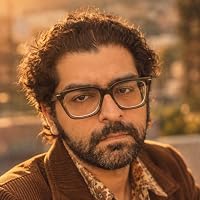
Alan Lightman is an American writer, physicist, and social entrepreneur. Born in 1948, he was educated at Princeton and at the California Institute of Technology, where he received a PhD in theoretical physics. He has received five honorary doctoral degrees. Lightman has served on the faculties of Harvard and the Massachusetts Institute of Technology (MIT) and was the first person at MIT to receive dual faculty appointments in science and in the humanities. He is currently professor of the practice of the humanities at MIT. His scientific research in astrophysics has concerned black holes, relativity theory, radiative processes, and the dynamics of systems of stars. His essays and articles have appeared in the Atlantic, Granta, Harper’s, the New Yorker, the New York Review of Books, Salon, and many other publications. His essays are often chosen by the New York Times as among the best essays of the year. He is the author of 6 novels, several collections of essays, a memoir, and a book-length narrative poem, as well as several books on science. His novel Einstein’s Dreams was an international bestseller and has been the basis for dozens of independent theatrical and musical adaptations around the world. His novel The Diagnosis was a finalist for the National Book Award. His most recent books are The Accidental Universe, which was chosen by Brain Pickings as one of the 10 best books of 2014, his memoir Screening Room, which was chosen by the Washington Post as one of the best books of the year for 2016, and Searching for Stars on an Island in Maine (2018), an extended meditation on science and religion – which was the basis for an essay on PBS Newshour. Lightman is an elected fellow of the American Academy of Arts and Sciences. He is also the founder of the Harpswell Foundation, a nonprofit organization whose mission is “to advance a new generation of women leaders in Southeast Asia.” He has received the gold medal for humanitarian service from the government of Cambodia.
چقدر کتاب خوبی بود.این ۱۰۰ صفحه دقیقا چیزیه که باید به تمام آدمای این جهان مدرن مزخرف شتاب زده یادآوری بشه.یادآوریِ اینکه آروم بگیرن. دست از دویدن بردارن.بجای نشستن و تو گوشی بودن،فقط بشینن و به اطراف نگاه کنن.به جای با ماشین و جت جابجا شدن،از طبیعت در حین پیاده روی لذت ببرن.به جای ساعت مچی بستن و روزی پنجاه هزار بار نگاه کردنش،با ساعت بدنشون هماهنگ بشن و آزادانه روزشونو بگذرونن. آره.تو این دنیای مدرن مزخرف این غیرممکنه.چون کارمون چی میشه؟قرارمون چی میشه؟درس هامون چی میشه؟کلاسمون چی میشه؟دیرمون میشه!بد میشه!وقت نمیشه! ولی حداقل میشه. میشه که روزی "نیم ساعت" گذاشت برای آروم گرفتن.برای ساکن بودن در محیط.برای فرار کردن از فرار کردن.
اولا که کسانی که کتاب رو میخونن متوجه میشن منظور از اتلاف وقت هیچکاری نکردن هست نه هدر دادن آن.
دوما که بهنظرم باید تو این آشفتهبازار امروزی، روزانه یه quality ME time خاصی برای خودمون داشته باشیم تا بهدور از غوغای جهان بتونیم اون آرامش درونی خودمون رو حفظ کنیم.
آروم بگیریم دوستان، آرومتر حرکت کنیم، غذا بخوریم، کارامون رو انجام بدیم و ...
بیشتر حواسمون بهساعت بدنمون باشه تا ساعت دیوار و گوشی و ...
کتاب مطالبی داشت که قبلا هم دیده و خونده بودم و جدید نبودن، با این حال مطالب جدیدی هم بودن که یاد گرفتم و تحقیقاتی که برای ساپورت این ادعاها میومدن هم جالب بودن. در کل کتاب کوتاهی هستش که پیشنهاد میکنم بخونید.
بهخاطر اینکه معلم هستم، یهسری پیشنهاداتی که بهمعلما میداد رو دوس داشتم و در نظر دارم اجرا کنم تو مدرسه، امیدوارم نتیجه بگیرم.
Well, it would be easy enough, evidently, for most people’s diary of reading this book to go like that. But I, and most people who are important to me, aren’t like that. We hardly ever turn on our phones, if we do, we forget that they are on, get the text message days later. Don’t have smart phones.
I suspect Alan Lightman will never have the right audience. People like me don’t live in the way he rues. The people who might get something out of it aren’t going to. In fact, he pretty much concedes that it’s a do as I say, not as I do book. He did get a smart phone, later than other people, and was addicted within days.
One of the things I love about having a proper computer, with a proper screen, is that it’s in its proper place. It isn’t part of me. It’s part of the room it sits in. Very occasionally it goes on a trip and reappears in another part of the world, part of another room. Never part of me. Going to my computer is a conscious act and this keeps addiction to a minimum. When I do go through periods of sitting there, ‘wasting time’ it’s for a purpose, pretty much that which is, after all, the message of the book. There are some things one can look at in a sort of Zen way, if you like, whilst sitting on a computer, whilst one’s brain is in the background, figuring something out. It can be calming, it can be a way of pushing stress away. I collect on Pinterest pictures of green. Perhaps for a person living in the middle of a European cityscape with no chance to take the daily meandering rural walks as a child Lightman wistfully refers to, these take the place. I hope they aren’t just an addiction.
But I spend substantial periods away from my computer too. Lightman doesn’t talk about cooking, but much of the ‘drudgery’ involved is mindless, exactly the sort of time one’s mind can transport itself. Washing up, chopping, stirring. One of the reasons I resist using machines to do the work of chopping is that it would take away that time, it would replace it with ugly noise and forced concentration. Lightman also doesn’t mention knitting, the Zen of nice white women who are wealthy enough to do knitting for the process without concern for the time taken. A privilege we have, that our mothers didn’t, who knitted furiously to get that jumper we needed ready for the moment.
I walk everywhere, unplugged. There was a period in my life when I listened to music while walking, but I seem to have left that long ago. I have never driven so the anger and stress of that appallingly wasted time has never been part of my life. On public transport I read. Or stare out the window. Or knit. Contemplate.
Time – of course it’s our enemy in the end. We will run out of it. But on a day to day basis it is not my enemy, it has little to do with my life. When walking, if presented with the shorter path which has the pollution (in every respect, especially noise) of motors or the peace of the pedestrian path, the latter is taken almost every time.
There is nothing special about any of this, they are choices we all make. Many choose to be plugged in so that they don’t hear the trees as they walk along the lake. Many choose to take a photo of their surrounds, rather than look at them. Many choose to evaluate their lives through the competition of Facebook. In the case of time, I’ve often been accused of having the time to spare, to for example, cook properly. But I make that choice. The person accusing me of it spends a lot of time watching football on TV. They don’t see the choice as they cook indifferent meals for their children, butchershop marinated meat, supermarket chopped vegetables. On the one hand, I suppose it is something I give people, cooking properly for them. On the other, for much of the process I get the possibility of the sort of time Lightman says he wants, but can’t give himself. Not really. He doesn’t even convince himself properly, let alone the rest of us.
میتونست خیلی بد باشه، ولی واقعا خوب بود. البته نه خیلی خوب یا عالی، ولی اصلا از شنیدنش ناراضی نیستم. حداقل 10 روزی هست که کارهایی که باید بکنم رو نمیکنم و یه ذره درگیر خمودی شدم :) حس میکنم دارم این پیچ حساس تاریخی رو رد میکنم، بعیده به این کتاب خیلی ربط داشته باشه که دارم رد میکنمش، ولی بیربط هم نیست.
در ضمن نسخهٔ صوتی کتاب رو گوش دادم که اجرای ساده و تقریبا قابل قبولی داشت؛ طبیعیه نباید انتظار بهروز رضوی و آرمان سلطانزاده داشته باشیم :))
As in Einstein's Dreams, time seems to be a central theme in Mr. Lightman books. And for good reason. We live in a world governed by time; we are always busy, trying to accomplish as much as possible each day, having left no free time for our inner selves. We do not see as often our friends because we have apps to keep in touch, we shop online, we are addicted to internet through all available means. The author points this out because all this daily rush brings no benefits to us.
Among the issues presented in this book are: - Depression and anxiety rising in young people due to addiction to smartphones and social media; - Increased stress overall in population due to increasingly fast-paced society; - Dramatic decrease in creativity in children and other problems, all these based on research done over the years. There are numerous studies presented here which should raise awareness toward all above problems.
Every day on my way to work I see people with the eyes in their smartphones, not even looking where they step; they write messages even when walking. But when it comes to meeting face to face, things get awkward; I think we are slowly becoming robots.
Wasting time is a metaphor, of course. The author is trying to show that having free time and spending it free from internet, news, work, is to our benefit. The brain needs this kind of relaxation. Spending time with friends and family face to face, walking in a park, having a small vacation in a remote place with no access to media is what our body and mind needs after a day/months of work.
It’s a small book but it’s sufficient to make you ponder on your daily routine. And maybe afterwards, to find some time to waste - I definitely try to waste as much as I can :D
>>> ARC received thanks to Simon & Schuster/ TED via NetGalley <<<
کتاب کوتاه و خیلی خوبی بود در ستایش اتلاف وقت. و نه اتلاف وقت شاید. در ستایش زمانی رو به هیچکاری نکردن اختصاص دادن. و این هیچ کاری نکردن رو توی کتاب میگه و میگه چه فوایدی داره و توی زندگی امروزی که هرروز هفته ۲۴ ساعته مشغولیم چه چیزهایی رو از دست دادیم.
کتابی با حجم کم و شاید با موضوعی تکراری، ولی خب به دلت می نشیند و تلنگری می شود که دارم چه می کنم؟!!!!
تصمیم گرفتم ایده 2دقیقه سکوت اول هر کلاس رو برای دانش آموزهام اجرا کنم و نتیجه رو از نزدیک ببینم. تصمیمم برای سال جدیدم شد پیاده روی بیشتر بدون گوشی، بدون ایرپاد، حتی بدون پادکست و کتاب صوتی. تصمیم گرفتم از این سرعت سرسام اوری که امسال در انجام هر کاری داشتم کمی کم کنم و ببینم آیا از چیزی جا میمونم یا حالم بهتر میشه.... نه که همه این ها نتیجه خوندن این کتاب باشه ها. فقط شاید خوندن این کتاب ضربه نهایی رو زده باشه امیدوارم سر تصمیماتم بمووونم!!
The novelist, physicist, and MIT humanities professor argues that it is only with unstructured time that we can rediscover our true identity and recover our carefree childhood creativity. This work-as-play model goes completely against the modern idea that time is money and every minute of life must be devoted to a project. Lightman’s sharp, concise treatise ruminates on the cultural forces that have enslaved us in the West to productivity. In short, he blames the internet, but specifically smartphones. He insists on the almost mystical benefits of free time and solitude, which he calls “a gift to our spirit” and an opportunity to “repair our selves.”
در ستایش اتلاف وقت به نظر من کتاب قابل قبول و پر از نکات خوب و به ظاهر درستیه ترس از دست دادن زمان و تلف شدن وقت که اقتضای دنیاییه که درش قرار داریم دنیایی که همه چیز با سرعت در حال تغییره پول در آوردن به جدی ترین ارزش تبدیل شده و زمان یعنی پول و آدمایی که به ناچار دائم در حال دویدنن این جمله مبالغه نیست همونطور که تحقیقات نشون داده، سرعت پیاده روی مردم بین سال های 95 تا 2005 ، ده درصد افزایش یافته!
و بحث مهمی که تو کتاب مطرح میشه، مسئله فناوریه که شاید اصلیترین دلیلیه که دنیای ما، به چنین دنیای سریع و متغیری بدل شده و اعتیاد به اینترنت و ادوات هوشمندی که ترس از دست دادن فرصت رو به نهایت خودش رسونده
تکراری، آبکی، شعاری و بسیار محدود به تجربههای شخصی که اونا هم به درد آدمای وایت میخورد. یه مشکل دیگهی من با کتاب این بود که وقتی داره درمورد رها کردن و استراحت کردن حرف میزنه و مثال میاره، همهی مثالها از آدمای بسیار موفق و معروفیه که آلردی چندتا موفقیت و کار بزرگ داشتند و حالا تصمیم میگیرند اون وسط چند روز به خودشون استراحت بدن. اینجور مثالها و البته تصویر غلطی که از "اتلاف وقت" ارائه میده چیزی نبود که به من کمک کنه.
The Harvard economic historian David Landes authored a magisterial work titled “Revolution in Time: Clocks and the Making of The Modern World”. The book makes a compelling and convincing case for placing the ‘timepiece’ (more than the steam engine and power looms) at the frontispiece of Western economic development. However this seemingly innocuous invention which was primarily meant to bring about a systematic praying regimen for a set of Benedictine monks, has turned out to be both an indisputable boon as well as an indispensable bane. Our lives are now dictated, compartmentalized, divided and conducted by pre-determined slices of statistical denomination.
American physicist, writer and social entrepreneur, Alan Lightman, in his book “In Praise of Wasting Time”, examines the frenzied pace that is the direct outcome of the stimulus of time on mankind. There is no more lengthy, idyllic and leisurely ‘passage’ of time. Time hurtles, careens and storms by and past us, always ensuring that we are multiple steps behind in a vain attempt to catch up with it. The book is more a soulful expression of loss than a full blown jeremiad. Lightman fascinatingly blends personal experiences with empirical studies in producing an impassionate plea to his fellow human beings to stop, reflect, and slow down.
However, due to a contrivance of circumstances and geography, there are some people who are oblivious to the demands and tensions birthed by a ticking clock. The villagers of Tramung Chrum in Cambodia inhabit one-room huts whose illumination is provided by light bulbs powered by car batteries. The women of Tramung Chrum rise along with the sun and set off on bicycles along red dirt roads for trading goods. Their destination, the nearest market, 10 miles away. When asked how long these exacting trips took, one of the women seemed positively perplexed before answering “I never thought about that.”
But we need not flee to Tramung Chrum abdicating materialism and filial responsibilities in order to liberate ourselves from the tyranny of time. Gertrude Stein wandered about the countryside looking at cows, in between her writing. Gustav Mahler was known to take off regularly on a three or four hour post prandial walk, pausing to take down notes and ideas in his notebook. Lightman himself fondly reminisces about the days when on his way back from school he used to take leisurely detours, wondering about the future of tadpoles and marveling about the ripples formed on the surface of a lake.
The disturbing phenomenon called Fear Of Missing Out (FOMO) has gripped the youth of our contemporaneous world. Gripping cell phones tight even while sleeping, an entire generation is held to ransom by the tentacles of an all pervasive technology. Every message, tweet, like and post is a trigger for a cascading flow of unceasing communication. A singularly peculiar medium of communication where there is more often than not no response from the other side. Lightman describes this singularity in gripping fashion. “A few years ago I went out to dinner with my then twenty-five year old daughter and her friends. As soon as they sat down, the young women placed their smartphones on the table, like miniature oxygen tanks carried everywhere by emphysema patients. Every minute or two, one or the other of them glanced down at her device to see what new messages had arrived and to send out other messages…the world for them has been chopped up into two-minute segments between hits on the internet.” Lightman himself succumbed to the allure of a smartphone, despite resisting its seduction for a very long time. The inspiration behind Lightman’s surrender to technology was the GPS technology embedded in his son’s smartphone. When Lightman and his family were hopelessly and dangerously lost in a cocoon of fog while on their family boat, his son’s GPS turned savior and in a matter of days, Lightman’s life underwent a sea change (no pun intended).
However, the slim volume does not take into account the compulsions and vicissitudes which necessarily ensure that there is no alternative to leading life other than by segments decided by the clock. A woman who also happens to be a single parent, and desperately working multiple jobs to provide for her children cannot even envisage taking a temporary break, let alone wallow in a state of contemplative leisure. What matters to her most are notions such as overtime and time off – which in other words may mean the difference between paying rent and getting evicted. While it might be a pipe dream to emulate the bucolic existence of the 1950s (unless one’s father happens to be named Bill Gates or Jeff Bezos), there are avenues to which recourse may be taken to cut down the frenetic pace of modern day life that threatens to transform into something dangerously preternatural. We can carefully follow Lightman’s advice of incorporating time for introspection into days and instituting a period of silence at schools as well as a device-free hour at home. “With a little determination, each of us can find a half hour a day to waste time.” Maybe we can glean a bit of inspiration from the ancient Greeks in this regard. They had two words to describe time, Chronos and Kairos. While the former is used to denote a subversive notion of time that can be measured and counted, the latter is time in a sense of being lived and experienced. Chronos is quantitative whereas Kairos is qualitative. Chronos dissects not just our activities, but life itself into hours, minutes and seconds, while Kairos demands contemplation, conduct and camaraderie without the underlying rigours of time. In fact in the year 1985, when a group of black South African theologians wrote a response to crackdowns by the Apartheid government, they called the report, “The Kairos Document”.
“In Praise of Wasting Time” is a sincere and well intentioned attempt to disengage from the Protestant Ethic that frowns on idle time. It is also a clarion call for appreciating the concept of “downtime” for what it actually represents and for obliterating the negative connotations attached to the term.
To be fair to this slender book, if I had realized that this was merely a book version of a TED talk, I would not have picked it up, as that is not a genre that appeals to me. That being said, Lightman is an appealing writer, and I like his advocacy of play as a source of creativity for children and adults. I am convinced by his suggestion that the brain needs more fallow time than our neoliberal, networked, hyper-segmented schedules generally allow. Though he gestures to capitalism's role in this reduction of time to money, his point is not really to assess the structure or source of this busy-ness but rather to urge to the individual a new sense of mindfulness, wandering, and play. I was particularly struck by his example of a psychological test where participants were given a problem, then allowed to play Tetris (or some other video game), and then were asked for answers. The participants who did this--rather than go directly to the solution--scored better on creativity than the participants who were just given the problem to solve. This seems right to me. So much of my creative thinking and problem solving goes on while I'm doing other things--from taking a shower to cooking a meal to talking to myself. Lightman laments that contemporary life allows less and less space for that kind of absent-minded ratiocination.
You're probably thinking that this is fairly obvious. And yes, basically, Lightman says what we've all thought and many op-eds have insisted: smartphones are taking over our brains and our leisure time! The pressure to make every minute count makes our brains noisier and our ideas poorer. He has some additional data and anecdotes to add but basically--and this is one of my bones to pick with the TED talk genre--he is confirming what we already sense to be true.
Finally, my biggest gripe with the book is that Lightman doesn't acknowledge how gendered this is. I mean, never mind that he's implicitly worried about privileged people who are overworked--not the stresses of poverty or systemic racism, which would also make it more difficult to daydream, wander, and play--it also doesn't seem to occur to him that "geniuses" who get to take three hour walks to let their minds run wild probably also has someone else to make their meals, keep track of their appointments, mind their children, do their laundry. And that someone else, up until very recent history (and often even now!) is usually a woman. When my mind drifts, it drifts to the several tracks of tasks that need to be accomplished at work, in my home, and for my daughter. That mental space that is supposed to lay fallow, problem-solving and day-dreaming, is occupied by the responsibilities that are unevenly accorded to women in our culture. Even Lightman's one example of the woman genius, Gertrude Stein, had her partner, Alice B. Toklas, arranging the cows for her in picturesque scenes. There always seems to be someone to take care of the domestic work, the mundane details.
Lightman's vision of mental freedom is predicated on a nostalgic fantasy of implicitly masculine autonomy. He celebrates his wife, a painter, and his granddaughter, discovering prisms, dance, and more, so I'm not saying that he's intentionally excluding women from his vision of the virtues of idleness, just that his very sense of unhemmed liberty and unfettered mobility reflects his experiences growing up and being educated as a white man. A Room of One's Own would be good companion reading (but then, it is for just about anything).
اصلا فکرش رو نمیکردم یه کتاب تقریبا صد صفحه ای کم حجم اینقدر حرف برای گفتن داشته باشه. در پایان کتاب نویسنده کلی منبع معرفی کرده که کار جالبیه به نظرم با دنیای پر از شتاب امروز خوندن این کتاب بر هر انسان قرن ۲۱امی اینستایی واجبه. از مقدمه کتاب: "منظور او از اتلاف وقت دور ریختن فرصت های زندگی نیست، بلکه به دست آوردن بخش هایی از وجودمان است که در میان شلوغی و زمان محوری دنیای مدرن گم شان کرده ایم"
It is a mess and ripetitve! A lot of words to say that you need free time to recharge yourself and to be more productive and creative in the future. Thank you Alan! He makes a lot of confusion among the concepts of creativity, productivity and resting of the mind. He correlates these concepts to the idea of wasting time but the links make no sense. And then......He starts talking about Mindfulness and a beautiful and simple concept as wasting time starts to become a bad idea.
I often feel resentful about time and how certain activities take my time away from things I feel are more important for me. As ever, it’s about trying to, as much as possible, feel as though we are saying yes to more of the right things and no to less of the wrong things and focus on the things that align more with who we want to be. I agree with Alan Lightman, in that we do have a problem with being too busy, too distracted, and in 2020 we no longer see the value in ‘wasting time’ - every minute needs to be accounted for, and as our work becomes more profitable, we reduce the amount of time we spend on activities that are purely for fun. Lightman reminds us that we need time for free thinking, that some of the smartest minds of the past 100 years spent a lot of time on their own seemingly ‘doing nothing’. “We often lack the time and space for personal reflection. We lack the metal quiet and privacy to create a necessary inner stability…without downtime, we might not physically die, but we will die psychologically, emotionally, spiritually.” Here’s a thought - we don’t really know anything anymore because we don’t make the time to understand how we feel about what we know. In other words, we do not value thinking time. That’s everything from staring out of the window, day dreaming, going for a walk, to sitting on a park bench with your thoughts.
کتابی بس مختصر و مفید است که در آن نویسنده به طرح مباحثی راجع به رسانههای ارتباطی و ارتباط آنها با دنیای مدرن امروزی میپردازد. گویی نویسنده سعی در ارائهی نگاهی جدید نسبت به زمان و طلا بودن آن دارد. از نگاه لایتمن "بیحوصلگی ناشی از قیمتگذاشتن روی زمان، توانایی افراد در کسب شادی از تجربههای لذتبخش را تضعیف میکند." نکتهی قابل تأمل کتاب نیز در همین پرداختِ متفاوت به بحث زمان میباشد که بدین طریق توانسته به خواننده ارزش وجودی وی را متذکر گرداند و بهگونهای به این موضوع بپردازد که انسان امروزی در میان هیاهوی زندگی و کار، دیگر وقتی جهت پرداخت به خود و تخیلاتش ندارد و این سرعت تکنولوژی است که انسان مدرن را اسیر خود نموده و نمیگذارد که ساعاتی را برای خودش زندگی کند و این یعنی مرگ خلاقیتها و نوآوریها. ما انسانها نیز این روزها چه بسا فرصت نشستن روی نیمکت پارک. خیره شدن به طبیعت و لذت بردن از لحظهها را نداریم.
به نظر، اسمی که برای کتاب انتخاب شده خوب نیست. چون اینجوری که من از متن دریافت کردم، اون زمان هایی که به هیچ کاری نکردن هم میگذره، تلف نمیشه. بلکه برای ما مفیده. پس با واژه اتلاف وقت براش مخالفم. بعد از خوندنش واقعا سعی میکنم در روز زمان هایی رو بذارم برای دراز کشیدن و پرواز دادن فکر، یا وقتی با نامزدم بیرونم، صرفا به حرف زدن نگذره. گاهی فقط نگاهش کنم و از لحظه ای که توش هستم لذت ببرم. کتاب واقعا جالبی بود. خیلی لذت بردم.
เหมาะสมเป็นอย่างยิ่งเลย สำหรับผู้อ่านหนังสือประเภท how to ในยุคปัจจุบัน และชื่นชอบเรื่องการ disruption ต่างๆ เพื่อเป็นภูมคุ้มกันกับความรู้ยุคใหม่ๆไว้บ้าง
A TED talk in book form. At first glance, me reading a book entitled In Praise of Wasting Time while I am busy preparing for an out-of-state move, seems like a poor choice. However, it turned out to be what I needed at this juncture of my life. Lightman writes about the human need for solitude, for peace, for getting off the grid at times in order to recharge. It's a reminder to me of how to reach mental calmness and clarity.
این جنس کتابها رو خیلی دوست دارم، اینکه به یه پدیدۀ رایج و عرفشده از زوایای دیگهای نگاه و تحلیلش کنی. کمی فلسفه، کمی توسعۀ فردی، کمی خودیاری. راحت و همهفهم.
I really liked his most recent books (looking at stars in Maine). This one is pretty shallow--you've heard it all before. We are too busy, we need down time to be more creative. Kids are stressed out and overscheduled--oh and the added "the indigenous Mongolians don't care about time." Yawn. But seriously, thoreau and many others have written this.
کتاب «در ستایش اتلاف وقت» نوشته آلن لایتمن، واکنشی است به شتاب و بیوقفگی جهان معاصر؛ جهانی که ارزش هر لحظه را با «بازدهی» میسنجد و کوچکترین وقفه را گناهی نابخشودنی میپندارد. لایتمن، فیزیکدان و نویسنده، در این جستار کوتاه اما پرمغز، روایت میکند که چگونه گرفتار شدن در «شبکه»ای از اعلانها، ایمیلها، جلسات و اخبار فوری، ما را از یکی از بنیادیترین نیازهای انسانی محروم کرده است: رها کردن ذهن و اجازه دادن به آن برای پرسهزنی.
او با ارجاع به زندگی و عادات چهرههایی چون گوستاو مالر، کارل یونگ و آلبرت انیشتین، نشان میدهد که خلاقیت و بینش اغلب در لحظات بیبرنامه و به ظاهر «هدر رفته» شکوفا میشوند. لایتمن میگوید همانطور که بدن به استراحت نیاز دارد، ذهن هم برای ترمیم و زایش ایدههای نو به «زمان بیهدف» محتاج است.
این کتاب نه یک دستورالعمل دقیق مدیریت زمان، بلکه دعوتی فلسفی و انسانی برای بازاندیشی در مفهوم «اتلاف وقت» است. نویسنده با زبان ساده و مثالهای ملموس، از خواننده میخواهد گاهی آگاهانه از تقویم و لیست کارها فاصله بگیرد و به سکوت، رؤیاپردازی یا حتی خیره شدن بیدلیل به آسمان پناه ببرد.
نکتهٔ مهم در نگاه لایتمن این است که چنین وقفههایی برخلاف تصور، بهرهوری را کاهش نمیدهند، بلکه با پرورش خلاقیت و آرامش درونی، کیفیت کار و زندگی را ارتقا میبخشند. او هشدار میدهد که اگر این لحظات را از خود دریغ کنیم، ممکن است به فردی پرکار اما تهی از تخیل و آرامش بدل شویم.
«در ستایش اتلاف وقت» کتابی است کوتاه، آرام و در عین حال رادیکال در پیامش: گاهی برای زندگی کردن واقعی، باید بیهدف باشیم.
پایان: ۱۴۰۴/۱/۹ کتاب خوبی بود، ولی به دل من ننشست😅 چند فصل اول و فصل آخر رو دوست داشتم، اما بخش های میانی برای من جذاب نبود، گفتن یکسری مطالب علمی خوبه، اصلا مشکلی نیست، ولی من معتقدم اگه بین این مطالب هم چیزهای دیگه ای گفته بشه بهتره و راحتتر خوانده میشه. از طرف دیگه من انتظار داشتم راهکارهای هم ارائه بده که من خودم راهکار خاصی ندیدم. مطالب مفیدی هست و خوندش خالی از لطف نیست.
Lightman's meditations on slowing down and allowing the brain to do its thing was probably really great and fantastic, but I felt so guilty the entire time because I was listening to the audiobook at 3.5X speed -- I just felt hypocritical.
از بچگی در گوشم میخواندند وقت طلاست، من هم که ارزش طلا را طبیعتا نمیدانستم، بزرگتر که شدم اضطراب و عذاب وجدان ناشی از تلف کردن وقتم یقهام را چسبید و لذت کارهایی که شاید خروجی چشمگیری را نداشتند کوفتم میکرد. «اتلاف وقت» در این کتاب به مفهومی که جامعه با آن آشناست به کار برده نشده است. در این کتاب اتلاف وقت به معنی پیدا کردن وقت برای تنهایی با خویشتن دور از هیاهوی عصر مدرن و تجهیزات امروزی است؛ چیزی که خیلیهامان از آن فراری هستیم. کتاب به جنبههای مثبت و منفی فناوری و ارتباطات و تاثیرات آن بر زندگی مدرن میپردازد، و آمار ارائه شده در کتاب و آشکار کردن بعضی حقایق شوکه کننده را میتوان به چشم تلنگری دید. چالشی که با آن روبهرو میشویم به عنوان انسان مدرن قرن بیستویکمی پیدا کردن وقت بدون فشار زمان و مکان برای رهایی و اجازه پرسه زدن ذهن بدون عذاب وجدان و نگرانی از نگرش جامعه است. از متن کتاب: «زمان یعنی رفاه و نیکبختی روانی خودمان را احیا کنیم. زمان یعنی خودمان را در مقام انسان بپرورانیم. زمان یعنی تخیلات خودمان را از قید و بند آزاد کنیم. زمان یعنی از سلامت عقلی خودمان دفاع کنیم. زمان یعنی بفهمیم چه کسی هستیم و میخواهیم چه کسی باشیم. «اتلاف وقت» از بیفایدگی غیراخلاقی فرسنگها فاصله دارد. اتلاف وقت شاید مهمترین اشتغال ذهن ما باشد.»
I’ll always love Lightman’s writing, but it didn’t really seem like anything new was being posited here. We spend too much time on our smartphones and now we have anxiety? Yep. Kids need more recess and playtime to build creativity? You’re right. The concept of “billable hours” is burning people out? Uh huh... and? The irony of the title is that the amount of time we waste is contributing to our unhappiness - because we’re wasting it on the wrong things - but Lightman only offers evidence, not solutions. Maybe he needs more time on the playground before that particular book is written?
در ابتدا تصور کردم که کتابی است مانند والدن هانری دیوید ثورو. رسالهای ضدمدرن و بیانیهای برای بازگشت به دوران پیشامدرن. خصوصا اینکه نویسنده هم به والدن اشاره زیادی کرده بود. اما در واقع به تندی والدن نبود. بیشتر دعوتی بود برای برقراری تعادل در استفاده از فناوری. پیشنهادهایی برای مراقبه، سهل گرفتن زندگی و محافظت از خود. پیشنهادهایی که خیلی از ما به طور مرتب به آن فکر میکنیم. اما گاهی هم لازم است که تلنگر دیگری وارد شود. این کتاب از جنس همین تلنگرها بود.