

What do you think?

L'homme qui marche
El hombre que camina es posiblemente la escultura más célebre del siglo xx, un emblema universal del ser humano en el que Giacometti trabajó incesantemente durante sus últimos años. Franck Maubert rastrea las circunstancias en las que la escultura fue concebida y nos descubre que, más allá del significado que cobró tras la devastación de la Segunda Guerra Mundial, la obra ha trascendido su época y dialoga tanto con las manifestaciones más primigenias de la civilización humana como con los hombres y las mujeres de hoy y de mañana.
- GenresArt
74 pages, Kindle Edition
Published January 13, 2016
About the author
Franck Maubert
33 books4 followersFranck Maubert, né le 24 octobre 1955 à Provins, est un essayiste et romancier français.
Passionné par l’art et la littérature, il s’est distingué par son regard aiguisé sur le monde de la peinture, notamment à travers ses écrits sur des artistes comme Francis Bacon et Nicolas de Staël. Il a également écrit plusieurs essais sur l'art contemporain, dans lesquels il explore les liens entre la création artistique et les émotions humaines, avec un style à la fois poétique et analytique.
Maubert est l'auteur de plusieurs romans et récits, dont Le Dernier Modèle (2012), qui a remporté le Prix Renaudot de l'essai. Dans cet ouvrage, il relate la relation entre un peintre vieillissant et son dernier modèle, révélant une profonde sensibilité à la beauté et à la fragilité des relations humaines. Son écriture, imprégnée d'une grande élégance, mêle souvent ses réflexions sur l’art avec des observations intimes et personnelles.
Au-delà de son œuvre littéraire, Franck Maubert est également reconnu pour ses collaborations avec de nombreux artistes contemporains et pour ses contributions régulières à des revues d'art. Son travail continue d’enrichir la réflexion sur l'art moderne et la place de l’artiste dans la société.
Passionné par l’art et la littérature, il s’est distingué par son regard aiguisé sur le monde de la peinture, notamment à travers ses écrits sur des artistes comme Francis Bacon et Nicolas de Staël. Il a également écrit plusieurs essais sur l'art contemporain, dans lesquels il explore les liens entre la création artistique et les émotions humaines, avec un style à la fois poétique et analytique.
Maubert est l'auteur de plusieurs romans et récits, dont Le Dernier Modèle (2012), qui a remporté le Prix Renaudot de l'essai. Dans cet ouvrage, il relate la relation entre un peintre vieillissant et son dernier modèle, révélant une profonde sensibilité à la beauté et à la fragilité des relations humaines. Son écriture, imprégnée d'une grande élégance, mêle souvent ses réflexions sur l’art avec des observations intimes et personnelles.
Au-delà de son œuvre littéraire, Franck Maubert est également reconnu pour ses collaborations avec de nombreux artistes contemporains et pour ses contributions régulières à des revues d'art. Son travail continue d’enrichir la réflexion sur l'art moderne et la place de l’artiste dans la société.
Ratings & Reviews
Friends & Following
Create a free account to discover what your friends think of this book!
Community Reviews
Displaying 1 - 9 of 9 reviews

August 31, 2020
A welcomed but peculiar initiative was taken by the Prado museum during the first half of 2019, when they organized an exhibition on Alberto Giacometti. . The sculptures and a couple of oils were not displayed in any of its rooms dedicated exclusively to temporary exhibitions but were placed in various halls of the permanent collection. It was a peculiar initiative on two counts.
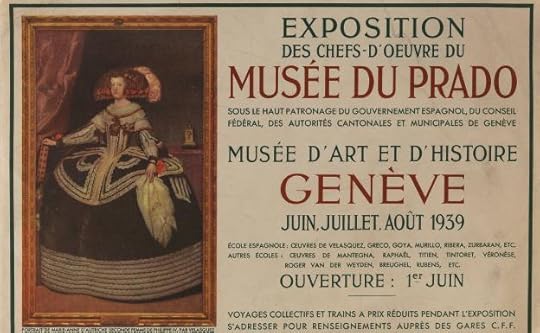
First, theoretically it is the Reina Sofia Museum that concentrates on modern (post world wars) art . And second, Giacometti never visited the Museum. Instead, one could say that the Museum had visited Giacometti. During the Spanish Civil War, a great part of the collection was taken to Switzerland for custody and an exhibition was organized. Giacometti visited it. This exhibition is therefore presented as the mirror image of that encounter.
This book is not a catalogue but an evocative account by the French writer Franck Maubert (born 1955) prompted by his visit in 1973 to the Maeght Foundation in Saint-Paul-De-Vence, for the exhibition on André Malraux’s Imaginary Museum. Maubert combines in short chapters his own musings on Giacometti’s works--concentrating on Giacometti’s most famous work, L’homme qui marche-- with a haphazard selection of biographical details. It calls for a relaxed and meditative reading.
Maubert suggests what could be understood as Giacometti’s artistic inspirations. Many of Italian origins, whether it is the Etruscans or the Venetians of the Renaissance. We cannot be sure of Giacometti visiting the Etruscan Guarnaci Museum in Volterra, but he did see in an exhibition in the Louvre one of the Volterra pieces, L’Ombra della Sera:
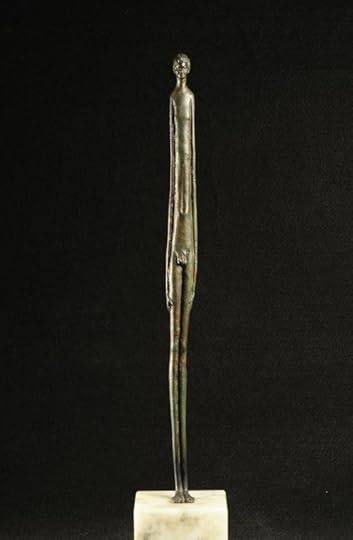
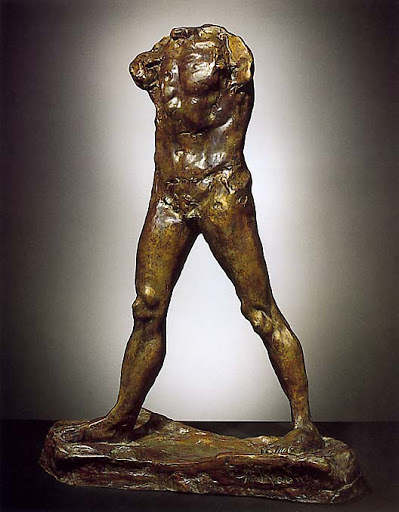
Maubert also mentions that after Giacometti’s death, in his library there was a book on Etruscan art on which Giacometti had drawn on a map a series of walking figures going from Etruria to Switzerland. Egyptian art also offers many walking figures. During his Italian visits Giacometti was also drawn, particularly in his younger periods, to Tintoretto, for his severe perspectives and distorting views. From here one has to jump and inevitably ponder on Rodin. When Giacometti was in his teens he was fascinated by a book on the French sculpture which he encountered in 1915 – Rodin was still alive; he died in 1917--, but the two artists produced and thought out their creations very differently. Rodin worked with volume, Giacometti with space. Rodin’s walking man – with or without head – are very different conceptions.

Giacometti’s figures are associated with Existentialism, and indeed he and Sartre developed a deep friendship meeting regularly in the Café de Flore. Sartre wrote the text for the 1947 exhibition that Matisse’s son, Pierre, organized in New York. Their friendship fell apart, however, when in Les Mots, Sartre included a comment on his friend which was not well received. Later Giacometti established another intriguing friendship with Francis Bacon, when their mutual friend (and possibly lover of both), the also artist Isabel Rawsthorne, introduced them. Their respective art also beguiles for their differences. If Bacon painted human flesh as a butcher treats the meat, Giacometti gives us the bones in a contained and antiseptic manner.
As could be expected from the title, the book concentrates on the four L’homme qui marche. Maubert offers a nice series of words for describing the works and the reactions they provoke. They are fragile, suggest tremors, they are nudes but are neither naked nor skinned. Their heads think and the man walks both with a purpose and lost in his reflections. Walking as living; I walk, therefore I am.
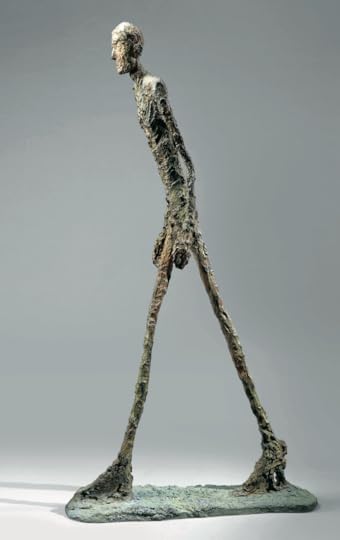
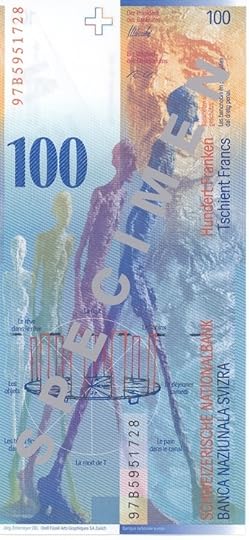
The four versions are: nº I, 1947 for the Matisse Gallery in NY; nº II and nº III were created in 1960-61for the Chase Manhattan Bank in NY; and nº IV from 1962 was for the Giacometti Foundation. The first one was offered in Southeby’s in 2010 and sold for $104,3 million. It was the most expensive sculpture until five years later another Giacomettipiece, L’Homme au doigt, sold for a higher amount. It is fitting that the sculpture has been reproduced in the 100 CHF banknote.
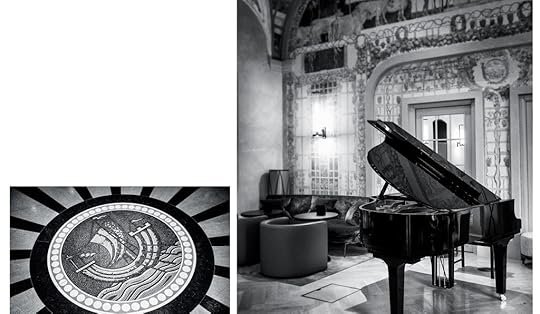
Maubert presents Giacometti as apolitical. During the German occupation, he left Paris and lived back in Geneva, although his brother Pierre remained in Paris. When the war ended, he returned. This chapter in Giacometti’s life remains somewhat hazy even if the chapter in the book is titled “It is Impossible not to Think About It”. Different from Giac, was the painter and sculptor Jean Fautrier (1898-1964), who was active during the Resistance and who was imprisoned by the Gestapo. This chapter felt like a fragmentary sample of a subject on which I would like to learn more – at least, I got acquainted with the role that the Hôtel Lutetia has played in the political and art scene during a good part of the twentieth century.
Maubert’s account helped me understand Giacometti’s work somewhat better, although it felt it was just a loose introduction. I have En el taller de Giacometti, but I wonder what the best way is to approach this very enigmatic artist and I hope more opportunities, like the one offered by the Prado, present themselves to contemplate Giacometti’s works.
February 6, 2020
Un buen libro introductorio a Giacometti. No tanto para entender la obra sino para entender al propio artista, pues él era su Hombre que camina, en cierto modo.

September 26, 2023
“Delante de una obra, hay que prestar oído, escucharla, tomarse el tiempo necesario para que se instaure un diálogo. No hay nada más personal, más íntimo, que la relación de una obra con quien la mira. Hablo de una auténtica confrontación, no de la distracción del que pasa ante un cuadro o una escultura en un museo sin saber qué hace allí, sólo para poder decir al salir «lo he visto».”

June 9, 2020
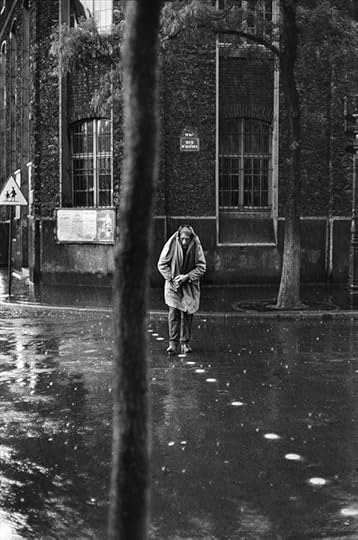
"Existe una foto de Cartier-Bresson en la que aparece Giacometti en una calle desierta bajo la lluvia, encorvado, protegiéndose de la tormenta con la gabardina por encima de la cabeza. Esta imagen define perfectamente al artista. Un hombre humilde y sin vanidad abrumado por la búsqueda de lo absoluto, siempre insatisfecho y consumido por la continua sensación de fracaso, que lo impulsa, a pesar de todo, a continuar hacia delante.
Después de transitar por varias fases creativas, y mientras los artistas de la época se lanzan a la abstracción guiados por las leyes del mercado del arte, Giacometti retorna a la figuración. En 1945, a su vuelta a Paris tras la guerra, se produce un punto de inflexión en su obra. Se aleja de las tendencias artísticas del momento y establece un estilo propio encarnado en El hombre que camina.
Vinculado a la corriente existencialista, su escultura más famosa, no solo representa al artista mismo, sino a todos nosotros. Un hombre solo y perdido que continua su marcha contra viento y marea porque una vez nacemos no nos queda más remedio que avanzar, encontrar un horizonte al que encaminar nuestros pasos y mirar siempre hacia delante, hacia el futuro aunque este sea incierto." Raquel Ungo
Después de transitar por varias fases creativas, y mientras los artistas de la época se lanzan a la abstracción guiados por las leyes del mercado del arte, Giacometti retorna a la figuración. En 1945, a su vuelta a Paris tras la guerra, se produce un punto de inflexión en su obra. Se aleja de las tendencias artísticas del momento y establece un estilo propio encarnado en El hombre que camina.
Vinculado a la corriente existencialista, su escultura más famosa, no solo representa al artista mismo, sino a todos nosotros. Un hombre solo y perdido que continua su marcha contra viento y marea porque una vez nacemos no nos queda más remedio que avanzar, encontrar un horizonte al que encaminar nuestros pasos y mirar siempre hacia delante, hacia el futuro aunque este sea incierto." Raquel Ungo

August 8, 2019
“Los hombres se juntan y se separan en todo momento, luego vuelven a acercarse para intentar juntarse de nuevo. Así forman y transformar sin cesar composiciones vivas de una increíble complejidad”
.
.
.
.
.
“El hombre que camina” es un breve ensayo que gira alrededor de la escultura que da nombre a este libro -aunque, en realidad, se trató de un conjunto de varias figuras- del gran escultor, dibujante y pintor vanguardista: Alberto Giacometti.
Su autor, Franck Maubert reflexiona sobre la trayectoria del artista, su evolución a lo largo de los años, su relación con otros artistas (Rodin, Bacon, Proust, Simone de Beauvoir,...), el proceso de creación, pero especialmente de centra en la condición del ser que está escultura tan revolucionaría inspira.
Rápido de leer (lo devoré en unas pocas horas de viaje), es un libro bastante sencillo que para aquellos que nos gusta el arte, la filosofía y la vida de esas figuras capaces de pasar a la historia. ¡Muy recomendado para quitarte el mono de libros sobre historia del arte!
.
.
.
.
.
“El hombre que camina” es un breve ensayo que gira alrededor de la escultura que da nombre a este libro -aunque, en realidad, se trató de un conjunto de varias figuras- del gran escultor, dibujante y pintor vanguardista: Alberto Giacometti.
Su autor, Franck Maubert reflexiona sobre la trayectoria del artista, su evolución a lo largo de los años, su relación con otros artistas (Rodin, Bacon, Proust, Simone de Beauvoir,...), el proceso de creación, pero especialmente de centra en la condición del ser que está escultura tan revolucionaría inspira.
Rápido de leer (lo devoré en unas pocas horas de viaje), es un libro bastante sencillo que para aquellos que nos gusta el arte, la filosofía y la vida de esas figuras capaces de pasar a la historia. ¡Muy recomendado para quitarte el mono de libros sobre historia del arte!
April 5, 2026
Decidí leer este libro después de leer Retrato de Giacometti con la intención de conocer más al artista.
El libro es corto y la lectura no es difícil. Tiene una estructura de ensayo pero también hay reflexiones y anécdotas personales del autor.
Sin duda he aprendido más sobre la figura de Giacometti, es un buen libro para iniciarse en su obra.
En el libro hay reflexiones sobre la condición vital de Giacometti y como interviene en su obra, sobre el existencialismo, también habla sobre la relación con artistas como Bacon, la admiración que tenía hacia Rodin, la importancia del vacío en sus piezas...
El escritor para hablar de estas cuestiones parte de la escultura "El hombre que camina" que representa a la sociedad del siglo XX después de la Segunda Guerra Mundial.
Pienso que a veces el autor extiende las explicaciones o descripciones, tal vez es debido a la traducción. También creo que podría tener más fotografías de las obras explicadas, muchas he tenido que buscarlas para entender la reflexión que contaba el escritor.
El libro es corto y la lectura no es difícil. Tiene una estructura de ensayo pero también hay reflexiones y anécdotas personales del autor.
Sin duda he aprendido más sobre la figura de Giacometti, es un buen libro para iniciarse en su obra.
En el libro hay reflexiones sobre la condición vital de Giacometti y como interviene en su obra, sobre el existencialismo, también habla sobre la relación con artistas como Bacon, la admiración que tenía hacia Rodin, la importancia del vacío en sus piezas...
El escritor para hablar de estas cuestiones parte de la escultura "El hombre que camina" que representa a la sociedad del siglo XX después de la Segunda Guerra Mundial.
Pienso que a veces el autor extiende las explicaciones o descripciones, tal vez es debido a la traducción. También creo que podría tener más fotografías de las obras explicadas, muchas he tenido que buscarlas para entender la reflexión que contaba el escritor.
Read
May 22, 2025aproximación de una tarde a Giacometti (no a su obra, pero de refilón). Leído en el turno nocturno de la Seat así que una lectura bastante deficiente de la que cuando me despierte mañana no me voy a acordar de mucho. Está escrito bastante como una biopic chorra que te pondrían el domingo tarde en la tele y con la que tu padre se echaría la siesta del siglo. Demasiada perifollada existencialista.

August 25, 2023
Es un buen acercamiento al artista, brinda contexto histórico y apreciaciones interesantes.
December 30, 2020
Pourquoi lit-on ce livre tout petit? J'imagine qu'il sert comme introduction au Giacometti- l'homme, artiste et le situe dans l'histoire de l'art moderne parmi d'autres grands amis-artistes comme Picasso, Genet, Bacon à Paris. Le livre raconte peut-être de plus importants événements dans la vie personale et artistique de Giacometti- fils aîné d'un peintre suisse qui avec son frère Diego ont habité un atelier à Paris, y vivant dans pauvres conditions, produisant les chefs d'oeuvres qui valaient des milliards aux ventes d'enchères. Alberto Giacometti se torturait pour capter le profond réel derrière l'apparence de ses modèles. Il dormait peu, fréquentait les bars et les prostituées, boulevardait et beaucoup travaillé toute la nuit. Il en détruisait beaucoup d' oeuvres achevés et rarement se montrai satisfait avec les achevés qui en restaient. " L'homme qui marche" est la sculpture qui mieux représente l'après guerre condition humaine en marche vers un futur imaginaire , résigné à affronter l'inconnu et imprévu. Ce sculpture restera toujours parmi des grands oeuvres d'art qui nous mène a réfléchir sur le rôle humaine au monde. Pour des lecteurs qui aimerait en apprendre de Giacometti, il ya toujours le grand livre de James Lord 'Giacometti' mais ce petit livre sera une bonne introduction.
Displaying 1 - 9 of 9 reviews