

What do you think?

The Hooligans of Kandahar: Not All War Stories are Heroic
“Not Every War Story is Heroic”
During the peak of the Afghanistan War, a group of soldiers is dropped by helicopter into the remote mountains outside of Kandahar City. Mismanaged and overlooked by command, the squad must rely on each other to survive.
Their mission is to train and advise the Afghan National Police and help rebuild the country of Afghanistan. The Afghan Police station they are assigned to live in is falling apart and disease-ridden. Many of the police officers they are supposed to train are Taliban sleeper agents or the family of Taliban fighters. The ones that aren’t are often addicted to drugs, illiterate, or smuggling child slaves.
The squad is led by Slim, a Staff Sergeant in his late twenties who has so many mental issues his insanity is his most dominant personality trait. An alcoholic with a penchant for violent outbursts against both his own soldiers and the Afghans, he is more comfortable at war than at home.
Joseph Kassabian is the youngest and most junior fire team leader in the squad. He’s charged with leading a team of soldiers not even old enough to drink. He himself is only 21 years old. As a combat veteran from previous deployments with four years in the Army, he assumes he has seen it all. But he has no idea how bad things can get in war-torn Kandahar.
In the birthplace of the Taliban, some men lose their lives, some lose their sanity, and others their humanity. They are The Hooligans.
Acclaimed for its humorous, grim, sardonic, yet honest recollection of the Afghanistan war Hooligans of Kandahar is a Jarhead, and The Hurt Locker, meets I Hope They Serve Beer in Hell, and Fear and Loathing in Las Vegas.
You’ll love The Hooligans of Kandahar if you like reading:
Military memoirs
War stories
Afghanistan war stories
Critical accounts of Afghanistan war
College or satirical humour
During the peak of the Afghanistan War, a group of soldiers is dropped by helicopter into the remote mountains outside of Kandahar City. Mismanaged and overlooked by command, the squad must rely on each other to survive.
Their mission is to train and advise the Afghan National Police and help rebuild the country of Afghanistan. The Afghan Police station they are assigned to live in is falling apart and disease-ridden. Many of the police officers they are supposed to train are Taliban sleeper agents or the family of Taliban fighters. The ones that aren’t are often addicted to drugs, illiterate, or smuggling child slaves.
The squad is led by Slim, a Staff Sergeant in his late twenties who has so many mental issues his insanity is his most dominant personality trait. An alcoholic with a penchant for violent outbursts against both his own soldiers and the Afghans, he is more comfortable at war than at home.
Joseph Kassabian is the youngest and most junior fire team leader in the squad. He’s charged with leading a team of soldiers not even old enough to drink. He himself is only 21 years old. As a combat veteran from previous deployments with four years in the Army, he assumes he has seen it all. But he has no idea how bad things can get in war-torn Kandahar.
In the birthplace of the Taliban, some men lose their lives, some lose their sanity, and others their humanity. They are The Hooligans.
Acclaimed for its humorous, grim, sardonic, yet honest recollection of the Afghanistan war Hooligans of Kandahar is a Jarhead, and The Hurt Locker, meets I Hope They Serve Beer in Hell, and Fear and Loathing in Las Vegas.
You’ll love The Hooligans of Kandahar if you like reading:
Military memoirs
War stories
Afghanistan war stories
Critical accounts of Afghanistan war
College or satirical humour
258 pages, Kindle Edition
First published June 10, 2017
About the author
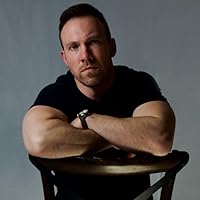
Joseph Kassabian
6 books133 followersJOE KASSABIAN was born in Detroit, Michigan and enlisted in the US Army until 2013. Afterwards, he studied European History and Genocide Studies before becoming a teacher.
He is the host and researcher of the award-winning Lions Led By Donkeys Podcast, one of the most popular independent podcasts in the world.
His literary influences include Joe Abercrombie, Daniel Abraham, Django Wexler, and Brian McClennan.
He is the host and researcher of the award-winning Lions Led By Donkeys Podcast, one of the most popular independent podcasts in the world.
His literary influences include Joe Abercrombie, Daniel Abraham, Django Wexler, and Brian McClennan.
Ratings & Reviews
Friends & Following
Create a free account to discover what your friends think of this book!
Community Reviews
Displaying 1 - 30 of 125 reviews

July 26, 2020
Joseph is a soldier in the US Army and was deployed for a tour of duty based around Kandahar in Afghanistan. Follow Joseph and learn what it is like to serve as an American soldier in a combat zone.
The Hooligans of Kandahar is a very personal memoir and as Joseph explains at the start of his book…
All stories in this book are based on events that happened between May 2011 and May 2012 in Kandahar, Afghanistan. Times, places, details and names have been altered to protect my fellow soldiers from any adverse actions due to their conduct during our deployment together.
...This book covers all aspects of Army life at the sharp end. The reader does not need to know anything about military life because everything is explained. Joseph guides you through all the jargon so you understand what all the acronyms mean and do on the ground. I learned all about EOD techs and ANFO.
I liked how this book was not glamorous but showed the US Army with all it’s faults and frustrations. I liked how Joseph ran through a long list of things that bugged him and his fellow soldiers. He moaned about management, organisation and transport. I loved how he explained the equipment and technology they were using, like biometrics, drones, night vision goggles and the Thor system.
Joseph vividly describes the smell of Kandahar with it’s ditches and sewage. He mentions in fair detail the living conditions and poverty endured by the Afghans.
I liked how Joseph told his story which enabled the reader to understand the culture within the US Army. It is not a dull story and there is a fair amount of banter and humour to enjoy, very much in the style of the popular American television series Brooklyn Nine-Nine. The attitude of the squad came through, loud and clear.
I really enjoyed reading The Hooligans of Kandahar. I found it to be enlightening, informative and a joy to read. This book is very frank and pulls no punches. I am very pleased that Joseph made a great effort and kept a diary that he has put it into the public domain.
I think that this book is an OUTSTANDING read and it gets the top score of 5 stars from me. Forget where you stand on the American invasion of Afghanistan OR Iraq - this book is such a good read. Joseph paints a very powerful picture which is nicely summed up at the end when he writes…
While my body was standing there in Texas, my mind would never leave Afghanistan. The blood-soaked mountains of that country would be with me until the day I died.
Thanks to the publisher TCK Publishing for providing me with a free copy of this book on the understanding that I publish a review.
The Hooligans of Kandahar is a very personal memoir and as Joseph explains at the start of his book…
All stories in this book are based on events that happened between May 2011 and May 2012 in Kandahar, Afghanistan. Times, places, details and names have been altered to protect my fellow soldiers from any adverse actions due to their conduct during our deployment together.
...This book covers all aspects of Army life at the sharp end. The reader does not need to know anything about military life because everything is explained. Joseph guides you through all the jargon so you understand what all the acronyms mean and do on the ground. I learned all about EOD techs and ANFO.
I liked how this book was not glamorous but showed the US Army with all it’s faults and frustrations. I liked how Joseph ran through a long list of things that bugged him and his fellow soldiers. He moaned about management, organisation and transport. I loved how he explained the equipment and technology they were using, like biometrics, drones, night vision goggles and the Thor system.
Joseph vividly describes the smell of Kandahar with it’s ditches and sewage. He mentions in fair detail the living conditions and poverty endured by the Afghans.
I liked how Joseph told his story which enabled the reader to understand the culture within the US Army. It is not a dull story and there is a fair amount of banter and humour to enjoy, very much in the style of the popular American television series Brooklyn Nine-Nine. The attitude of the squad came through, loud and clear.
I really enjoyed reading The Hooligans of Kandahar. I found it to be enlightening, informative and a joy to read. This book is very frank and pulls no punches. I am very pleased that Joseph made a great effort and kept a diary that he has put it into the public domain.
I think that this book is an OUTSTANDING read and it gets the top score of 5 stars from me. Forget where you stand on the American invasion of Afghanistan OR Iraq - this book is such a good read. Joseph paints a very powerful picture which is nicely summed up at the end when he writes…
While my body was standing there in Texas, my mind would never leave Afghanistan. The blood-soaked mountains of that country would be with me until the day I died.
Thanks to the publisher TCK Publishing for providing me with a free copy of this book on the understanding that I publish a review.

August 15, 2018
‘The Hooligans of Kandahar’ is the war story that needs to be told, but which the U.S. government doesn’t want you to see. This is a true story of the war in Afghanistan told from a grunts-eye view. It is not just a story of war. More so, it is a story of young people struggling to preserve their lives, their sanity, and their humanity.
I have read many war memoirs in my time, covering periods ranging from the Civil War up to Operation Enduring Freedom. Many of these are written by retired colonels and generals. The narrative style in most of these is the same: We moved into an area, engaged the enemy, used some sort of tactical maneuver, and resolved the situation. Sometimes the plight of the common soldier is mentioned as an afterthought, such as a Confederate officer trying to obtain boots for his men prior to some Civil War battle. Rarely, though, do we come across a war memoir written by one of those common soldiers.
When we do, we find that the term ‘common soldier‘ is a misnomer. The men and women who have fought in wars over time may or may not be heroic, but they are examples of uncommon fortitude.
The narrative in Hooligans of Kandahar is something the likes of which I have not seen since Jarhead (2003) by Anthony Swoffard. The similarities lie in that both books focus on the daily lives of the individual men and women in these challenging situations. The difference lies in while Swoffard saw little action during the Persian Gulf War, Joseph Kassabian’s book is full of tense life-and-death struggles in Kandahar; arguably one of the most dangerous cities in the modern world. The lives of Hooligan Squad are regularly placed in danger by the Taliban, their Afghan allies, and – most often – their own leaders.
From the beginning of the book, however, you can tell that the focus of the book is on the daily lives of the soldiers, not the battles they fought. The realities of how petty U.S. military officers can be is richly illustrated when, while waiting for buses that are late in arriving to take Hooligan Squad to the airport, the troops are instructed to pick up trash in the parking lot. Young people about to be sent to the other side of the world to fight and die are given busy-work.
From there, the unit takes a flight on an overcrowded commuter plane to Kandahar Airport. The reality of the harsh conditions in Afghanistan is quickly illustrated, and their first battle is against the oppressive heat and unsanitary conditions. This battle continues throughout the narrative as they either witness or are subject to heat injuries, diseases, inadequate sanitation facilities, and a rather staggering lack of any kind of plumbing anywhere in the city. (You can also read that as: There was shit everywhere.)
Hooligan Squad is dramatically shown not to be what one generally expects from soldiers stationed in a war zone. Kassabian wastes little time in pointing out that his squad consists of misfit outcasts. This group of almost a dozen men and women are quickly shown to be a family, and although they hold no heroic ideology about the war itself; every one of them would sacrifice anything for the soldier standing next to them.
It is this endearing humanity which sucks you into The Hooligans of Kandahar. As you get to know Kassabian, Slim, Cali, Grandpa, and the rest of the squad; you grow to feel like you have shared some of these experiences with them. There are plenty of relate-able moments, such as broken air conditioners, backed up toilets, and phone calls home to loved ones. Even if you’ve never been in the military, you probably understand the stress of taking a crap and not being able to find any toilet paper.
The story of Hooligan Squad traverses assignments to a variety of bases, camps, and outposts. Many of these are shared with members of the Afghan Police Force, as during this period of the war the focus was on handing the responsibility of maintaining order back to the people of Afghanistan. Through examples of corruption, immorality, and complete disregard for basic human rights, we see that this process was not working as expected.
Through the course of the story, Kassabian and his squad must deal not only with Taliban insurgents and their own oft-inept leadership, but the same Afghan police and army that are supposed to be their allies often are a major threat. On more than one occasion, these so-called allies and the Hooligans standoff in tense moments that may have resulted in a slaughter. The Afghan National Police were supposed to be helping to keep the peace, but at every turn the American soldiers had to wonder if their allies would murder them in their sleep.
Through all of this, the soldiers of Hooligan Squad all try to maintain some sense of decency. They often step in to stop the atrocities being committed by the Afghan Nationals. They even go out of their way to help the common people by rendering medical aid or even just handing out some candy to children. Often, they find that their efforts are futile. This doesn’t stop them from trying to do some good in a land full of so much suffering.
Other than being genuinely nice people, Hooligan Squad has one other redeeming factor. Despite their disregard for rules and regulations, they are a pack of fierce warriors. In several situations they prove that they are not only good at their jobs, they are all crazy enough to enjoy it. And by ‘doing their jobs‘, don’t think I mean building schools and training the locals. Although those were part of what they were sent to do, Hooligan Squad was really good at fighting.
Time and time again, the Hooligans display the ability to react and adapt to an ever-changing environment. No matter the situation they find themselves in, they manage to make it through. Often, their margin of success could be measured by a microscope. Through luck, determination, camaraderie, and the sheer refusal to give up on one another, they survive one more day in Kandahar.
Their proclivity towards violence and mayhem is mentioned towards the beginning of the book, but it is proven time and time again as the year-long deployment creeps by. After a harsh winter, things heat up both in regards to the weather and the war. Something happens that changes everybody in Hooligan Squad forever.
I didn’t realize the message that the book was really conveying until this point. Kassabian’s closing to the book is thoughtful and poignant; in stark contrast to the wild series of misadventures leading up to it. There are hilarious moments throughout the book, such as the stealing of a goat or pranks inflicted upon fellow soldiers. There are moments of humanity like sharing a meal with Afghan Nationals. There are moments of sheer terror when bullets start to fly or a grenade is thrown out of a market crowd.
In the end, though, we are reminded of the true cost of war in human lives. Blood shed, bodies forever damaged, and minds that cannot forget the horror of war. I believe that the message that Joseph is trying to convey is that no matter how much one tries to be a decent person when thrust into such a horrible environment, everybody loses something of themselves in Kandahar.
I can not stress enough how important ‘The Hooligans of Kandahar’ is. This book is a piece of history described in a level of detail not often seen. We can read many sources to see what made the headlines during the war in Afghanistan, but memoirs like these are a way for us to try to understand what these young men and women have had to live through. I say try, because you can never truly understand something like this without living it. With the help of Joseph Kassabian’s remarkable work, however, we may attempt to relate.
I have read many war memoirs in my time, covering periods ranging from the Civil War up to Operation Enduring Freedom. Many of these are written by retired colonels and generals. The narrative style in most of these is the same: We moved into an area, engaged the enemy, used some sort of tactical maneuver, and resolved the situation. Sometimes the plight of the common soldier is mentioned as an afterthought, such as a Confederate officer trying to obtain boots for his men prior to some Civil War battle. Rarely, though, do we come across a war memoir written by one of those common soldiers.
When we do, we find that the term ‘common soldier‘ is a misnomer. The men and women who have fought in wars over time may or may not be heroic, but they are examples of uncommon fortitude.
The narrative in Hooligans of Kandahar is something the likes of which I have not seen since Jarhead (2003) by Anthony Swoffard. The similarities lie in that both books focus on the daily lives of the individual men and women in these challenging situations. The difference lies in while Swoffard saw little action during the Persian Gulf War, Joseph Kassabian’s book is full of tense life-and-death struggles in Kandahar; arguably one of the most dangerous cities in the modern world. The lives of Hooligan Squad are regularly placed in danger by the Taliban, their Afghan allies, and – most often – their own leaders.
From the beginning of the book, however, you can tell that the focus of the book is on the daily lives of the soldiers, not the battles they fought. The realities of how petty U.S. military officers can be is richly illustrated when, while waiting for buses that are late in arriving to take Hooligan Squad to the airport, the troops are instructed to pick up trash in the parking lot. Young people about to be sent to the other side of the world to fight and die are given busy-work.
From there, the unit takes a flight on an overcrowded commuter plane to Kandahar Airport. The reality of the harsh conditions in Afghanistan is quickly illustrated, and their first battle is against the oppressive heat and unsanitary conditions. This battle continues throughout the narrative as they either witness or are subject to heat injuries, diseases, inadequate sanitation facilities, and a rather staggering lack of any kind of plumbing anywhere in the city. (You can also read that as: There was shit everywhere.)
Hooligan Squad is dramatically shown not to be what one generally expects from soldiers stationed in a war zone. Kassabian wastes little time in pointing out that his squad consists of misfit outcasts. This group of almost a dozen men and women are quickly shown to be a family, and although they hold no heroic ideology about the war itself; every one of them would sacrifice anything for the soldier standing next to them.
It is this endearing humanity which sucks you into The Hooligans of Kandahar. As you get to know Kassabian, Slim, Cali, Grandpa, and the rest of the squad; you grow to feel like you have shared some of these experiences with them. There are plenty of relate-able moments, such as broken air conditioners, backed up toilets, and phone calls home to loved ones. Even if you’ve never been in the military, you probably understand the stress of taking a crap and not being able to find any toilet paper.
The story of Hooligan Squad traverses assignments to a variety of bases, camps, and outposts. Many of these are shared with members of the Afghan Police Force, as during this period of the war the focus was on handing the responsibility of maintaining order back to the people of Afghanistan. Through examples of corruption, immorality, and complete disregard for basic human rights, we see that this process was not working as expected.
Through the course of the story, Kassabian and his squad must deal not only with Taliban insurgents and their own oft-inept leadership, but the same Afghan police and army that are supposed to be their allies often are a major threat. On more than one occasion, these so-called allies and the Hooligans standoff in tense moments that may have resulted in a slaughter. The Afghan National Police were supposed to be helping to keep the peace, but at every turn the American soldiers had to wonder if their allies would murder them in their sleep.
Through all of this, the soldiers of Hooligan Squad all try to maintain some sense of decency. They often step in to stop the atrocities being committed by the Afghan Nationals. They even go out of their way to help the common people by rendering medical aid or even just handing out some candy to children. Often, they find that their efforts are futile. This doesn’t stop them from trying to do some good in a land full of so much suffering.
Other than being genuinely nice people, Hooligan Squad has one other redeeming factor. Despite their disregard for rules and regulations, they are a pack of fierce warriors. In several situations they prove that they are not only good at their jobs, they are all crazy enough to enjoy it. And by ‘doing their jobs‘, don’t think I mean building schools and training the locals. Although those were part of what they were sent to do, Hooligan Squad was really good at fighting.
Time and time again, the Hooligans display the ability to react and adapt to an ever-changing environment. No matter the situation they find themselves in, they manage to make it through. Often, their margin of success could be measured by a microscope. Through luck, determination, camaraderie, and the sheer refusal to give up on one another, they survive one more day in Kandahar.
Their proclivity towards violence and mayhem is mentioned towards the beginning of the book, but it is proven time and time again as the year-long deployment creeps by. After a harsh winter, things heat up both in regards to the weather and the war. Something happens that changes everybody in Hooligan Squad forever.
I didn’t realize the message that the book was really conveying until this point. Kassabian’s closing to the book is thoughtful and poignant; in stark contrast to the wild series of misadventures leading up to it. There are hilarious moments throughout the book, such as the stealing of a goat or pranks inflicted upon fellow soldiers. There are moments of humanity like sharing a meal with Afghan Nationals. There are moments of sheer terror when bullets start to fly or a grenade is thrown out of a market crowd.
In the end, though, we are reminded of the true cost of war in human lives. Blood shed, bodies forever damaged, and minds that cannot forget the horror of war. I believe that the message that Joseph is trying to convey is that no matter how much one tries to be a decent person when thrust into such a horrible environment, everybody loses something of themselves in Kandahar.
I can not stress enough how important ‘The Hooligans of Kandahar’ is. This book is a piece of history described in a level of detail not often seen. We can read many sources to see what made the headlines during the war in Afghanistan, but memoirs like these are a way for us to try to understand what these young men and women have had to live through. I say try, because you can never truly understand something like this without living it. With the help of Joseph Kassabian’s remarkable work, however, we may attempt to relate.
December 22, 2018
A powerful indictment of the GWOT from the ground-level perspective of a U.S. Army infantryman. Often grim, though at times bleakly humorous, this memoir reads easily and gives a pleasant alternative to the sometimes bombastic accounts written by special operations veterans.

December 10, 2018
I desperately wanted to give this book 5-stars, but—
__________________________________
I don’t like writing reviews about books I don’t like.
I wanted to like this book. I wanted it to be worthy of 5-stars. I wanted it to be an eye-opening read highlighting the travesties of war. I wanted it to shout out about how insane it is to send children to another land to fight a battle against other children, to make the world a safer place—regardless of the “reality” of the causes they are protecting us for.
Anytime someone dares to share their story, to allow us into his or her lives, laying themselves bare for us to learn and feel from his or her experiences is without question: gutsy. Joseph deserves 5-stars for the courage to put pen to paper.
However, …that’s where it ends. In a nutshell, a whack of immature individuals who are expendable to society enlists to protect us from the world’s evils (perhaps to escape their mundane lives). They ship out to the Middle East where they encounter stifling boredom and a culture that maybe “our way of life” ravages under the guise of “the better good.” The book claims “not all war stories are heroic.” A tagline that piqued my interest—bringing out thoughts of a touch of civility or common humanity would grace the pages. However, instead, the pages are littered with pointless bravado, the demeaning of other humans, all Afghanistan people are painted with the same brush, not worthy of compassion or decency. Hell, even in the words of the author, if you weren’t part of the author’s troop, you to could become a target of childish name calling or worse.
I think a great opportunity was missed to humanize the gallant individuals who serve, and the people who are identified as enemies. The Hooligans of Kandahar isn’t a story about the horrors of combat or bringing humanity together. The picture it paints is it is questionable what society is inflicting on these individuals and how it destroys many of them by making it uncertain if they’ll ever be able to function in society again. There wasn’t a single character (real people) in the book that I found likeable. Joseph comes across as full of bravado and boastful to a fault. The descriptions were overblown, tiresome and at times pointless, with page-after-page filled with dribble such as; comparing the conditions of the barracks in Afghanistan to finally going to Paris only to find it smelled like (excrement). There is no context where that would make sense. I give the creative writing teacher a FAILING grade.
At the book’s midpoint, Joseph trips into a moment of tremendous vulnerability when he travels back to the States on leave and realises, he’s damaged, and fitting in outside of a combat zone may have been stripped from his cards. I loved these pages. He became relatable. His emotional walls started crumbling. Only a few pages later, the book shifted back to immaturity, bravado, and more tedious descriptions.
If you enjoy stories about soldiers masturbating, drinking heavily, and behaving like they are the saviours of our world with zero regards for the societies they are invading, you may love this book.
If you enjoy reading about how every single person the main character doesn’t like or see as human, be described as fat, stupid or ugly, you will love this book.
In the spirit of illustrating the line above, near the end of the book, over the course of less than one page, instead of turning toward a positive, uplifting message, the author chose to describe female American troopmates in the following bent: “…three short incredibly overweight women…” He motioned to the fat girls…” “…turned to the fat girls…” “The three fat girls…” “More like the Female eating team…” “I assumed the collection of fat chicks…”
I’ll stop.
“Not all war stories are heroic”—nailed it.
After reading about the “fat” —I understood no epiphany, moment of growth; or uplifting moment was forthcoming. I guess it was foolish of me to think it was; any chance of “the greater good” was lost by sending children to war to fight with other children at war.
I may be naïve. I believe most people on this spinning rock are trying to get through their days scathed as little as possible. I think regardless of where you live most people want to go home eat dinner with loved ones and try to leave the world a touch better than the day before.
I don’t believe the boogeyman is out to get us and the only way we’ll be safe is by sending our disposable youth over to—
Joseph missed an opportunity to mend the gap between cultures by choosing to drop on us another US vs. THEM story about faceless enemies who are out to get us—that is why I gave this book 1-Star.
In hindsight: if I wanted a story about divisiveness, which in my opinion: this is, I’d turn on the tube and listen to whatever the politicians are spewing on any day.
__________________________________
I don’t like writing reviews about books I don’t like.
I wanted to like this book. I wanted it to be worthy of 5-stars. I wanted it to be an eye-opening read highlighting the travesties of war. I wanted it to shout out about how insane it is to send children to another land to fight a battle against other children, to make the world a safer place—regardless of the “reality” of the causes they are protecting us for.
Anytime someone dares to share their story, to allow us into his or her lives, laying themselves bare for us to learn and feel from his or her experiences is without question: gutsy. Joseph deserves 5-stars for the courage to put pen to paper.
However, …that’s where it ends. In a nutshell, a whack of immature individuals who are expendable to society enlists to protect us from the world’s evils (perhaps to escape their mundane lives). They ship out to the Middle East where they encounter stifling boredom and a culture that maybe “our way of life” ravages under the guise of “the better good.” The book claims “not all war stories are heroic.” A tagline that piqued my interest—bringing out thoughts of a touch of civility or common humanity would grace the pages. However, instead, the pages are littered with pointless bravado, the demeaning of other humans, all Afghanistan people are painted with the same brush, not worthy of compassion or decency. Hell, even in the words of the author, if you weren’t part of the author’s troop, you to could become a target of childish name calling or worse.
I think a great opportunity was missed to humanize the gallant individuals who serve, and the people who are identified as enemies. The Hooligans of Kandahar isn’t a story about the horrors of combat or bringing humanity together. The picture it paints is it is questionable what society is inflicting on these individuals and how it destroys many of them by making it uncertain if they’ll ever be able to function in society again. There wasn’t a single character (real people) in the book that I found likeable. Joseph comes across as full of bravado and boastful to a fault. The descriptions were overblown, tiresome and at times pointless, with page-after-page filled with dribble such as; comparing the conditions of the barracks in Afghanistan to finally going to Paris only to find it smelled like (excrement). There is no context where that would make sense. I give the creative writing teacher a FAILING grade.
At the book’s midpoint, Joseph trips into a moment of tremendous vulnerability when he travels back to the States on leave and realises, he’s damaged, and fitting in outside of a combat zone may have been stripped from his cards. I loved these pages. He became relatable. His emotional walls started crumbling. Only a few pages later, the book shifted back to immaturity, bravado, and more tedious descriptions.
If you enjoy stories about soldiers masturbating, drinking heavily, and behaving like they are the saviours of our world with zero regards for the societies they are invading, you may love this book.
If you enjoy reading about how every single person the main character doesn’t like or see as human, be described as fat, stupid or ugly, you will love this book.
In the spirit of illustrating the line above, near the end of the book, over the course of less than one page, instead of turning toward a positive, uplifting message, the author chose to describe female American troopmates in the following bent: “…three short incredibly overweight women…” He motioned to the fat girls…” “…turned to the fat girls…” “The three fat girls…” “More like the Female eating team…” “I assumed the collection of fat chicks…”
I’ll stop.
“Not all war stories are heroic”—nailed it.
After reading about the “fat” —I understood no epiphany, moment of growth; or uplifting moment was forthcoming. I guess it was foolish of me to think it was; any chance of “the greater good” was lost by sending children to war to fight with other children at war.
I may be naïve. I believe most people on this spinning rock are trying to get through their days scathed as little as possible. I think regardless of where you live most people want to go home eat dinner with loved ones and try to leave the world a touch better than the day before.
I don’t believe the boogeyman is out to get us and the only way we’ll be safe is by sending our disposable youth over to—
Joseph missed an opportunity to mend the gap between cultures by choosing to drop on us another US vs. THEM story about faceless enemies who are out to get us—that is why I gave this book 1-Star.
In hindsight: if I wanted a story about divisiveness, which in my opinion: this is, I’d turn on the tube and listen to whatever the politicians are spewing on any day.

July 20, 2018
The Hooligans of Kandahar feels honest to a degree that few war novels do—even among firsthand, nonfiction accounts. It doesn’t appear to have an agenda apart from putting down the facts as seen through one soldier’s eyes. Assignments and ops play out sans the usual narrative tendency to validate the author’s notions or bend to an overarching theme. Even the author’s flaws, toxic behavior, and outright screw-ups are presented without apology or reserve. That requires a bravery of its own—perhaps not so intense as the bravery that saw him into combat, but certainly more rare.
This book was a real treat, with sizzling prose and a page-turning pace to counteract the often grinding nature of a soldier’s deployment in Afghanistan. I intend to steal copiously from it while writing my own future war novels.
This book was a real treat, with sizzling prose and a page-turning pace to counteract the often grinding nature of a soldier’s deployment in Afghanistan. I intend to steal copiously from it while writing my own future war novels.

June 2, 2022
An interesting look at the American occupation of Afghanistan. There isn't much structure to it, things just happen without rhyme or reason, that's how life is though. A decent little read.

July 11, 2017
Book Review originally published here: http://www.iheartreading.net/book-tou...
In The Hooligans of Kandahar, author Joseph Kassabian talks about his time as a soldier during the war in Afghanistan. A group of soldiers is dropped by a helicopter into the remote mountains outside of Kandahar City. Overlooked by command, and mismanaged, their survival is entirely up to them. Some lose their sanity, some their humanity, but no one leaves unscathed.
The story isn’t sensationalized, nothing like Rambo or half a dozen other action movies. It feels real and raw, and as such, holds a lot more merit. It talks about struggles, not just to survive, but to hang on to the things that make us human. It talks about finding hope when hope is lost, about being strong in the face of perils, about not giving up.
Despite the often grim subject matter, the book still manages to be humorous and witty at times, and it’s an interesting experience to read through this book. Wrong and right, good and evil, books like this one put all of that in perspective. An intriguing rollercoaster of a book that visits almost the entire emotional spectrum.
In The Hooligans of Kandahar, author Joseph Kassabian talks about his time as a soldier during the war in Afghanistan. A group of soldiers is dropped by a helicopter into the remote mountains outside of Kandahar City. Overlooked by command, and mismanaged, their survival is entirely up to them. Some lose their sanity, some their humanity, but no one leaves unscathed.
The story isn’t sensationalized, nothing like Rambo or half a dozen other action movies. It feels real and raw, and as such, holds a lot more merit. It talks about struggles, not just to survive, but to hang on to the things that make us human. It talks about finding hope when hope is lost, about being strong in the face of perils, about not giving up.
Despite the often grim subject matter, the book still manages to be humorous and witty at times, and it’s an interesting experience to read through this book. Wrong and right, good and evil, books like this one put all of that in perspective. An intriguing rollercoaster of a book that visits almost the entire emotional spectrum.

May 1, 2021
I happened across Joe Kassabian while listening to an episode of the Behind the Bastards podcast last week; specifically, the one about Pat Tillman's death. Joe was on as a guest to discuss the events leading up to and after Tillman's death by friendly fire, and how the US government sought to cover it up. I appreciated his insights and when he mentioned he'd written a book about his time in Afghanistan, I looked it up.
I tracked down The Hooligans of Kandahar on Kindle Unlimited (thanks, free trial!) and immediately found it relatable, humorous, heartbreaking, and easy to read. Joe walks the reader through the various acronyms and other military lingo, with reminders as the chapters go so you don't forget or get lost. He details a myriad of anecdotes about his time serving in Kandahar, from incidents with the local populace to the soldiers with whom he serves, and how they handle (or don't handle) their jobs. It's a very insightful, fast-paced read that gives a clear view of what it's really like to serve in the US Army.
cw: violence/gore, fatphobia
I tracked down The Hooligans of Kandahar on Kindle Unlimited (thanks, free trial!) and immediately found it relatable, humorous, heartbreaking, and easy to read. Joe walks the reader through the various acronyms and other military lingo, with reminders as the chapters go so you don't forget or get lost. He details a myriad of anecdotes about his time serving in Kandahar, from incidents with the local populace to the soldiers with whom he serves, and how they handle (or don't handle) their jobs. It's a very insightful, fast-paced read that gives a clear view of what it's really like to serve in the US Army.
cw: violence/gore, fatphobia

January 26, 2021
I was pleasantly surprised about this novel, never having heard of it before I saw it on Amazon. In many ways it reminded me of Catch 22, although not as comprehensive. But this book clearly focuses on the absurdities inherent in war and the impact it can have on those involved. While reading I kept wondering how much was fiction and how much was memoir, but all of it was believable.

July 12, 2017
Boom, baby!
Is that what you expect? Yeah, you'll have lots of explosions in this story too. The difference is that you will not find those super-soldiers glorified in movies or in adventure novels. You will not find anything glamorous or sensational, and if you expect adventures in which the heroes are like those you have been used to, such as SEAL, Rangers, Delta or others like them, I tell you: you didn’t find the right book.
Joseph Kassabian's book does not want to praise the war or the civilizing soldier, but also it’s not an anti-war manifesto. The author's stories do not want to be moralizing parables, nor do ask you to find any hidden meaning in them. J. Kassabian just wants to present you fragments of the real life of the soldiers in Afghanistan war. Life fragments presented with the good and evil that result from living in that war torn country; maybe with more evils, as it’s usually also the case in everyday civilian life. What remains at the end of the day are the comrades. Whoever served in the army knows what I'm talking about.When the bullets begin to fly around you, nothing else matters but the one next to you - your brother in arms.
But don’t worry! The Hooligans of Kandahar is not a depressing book or one that will upset you. J. Kassabian is a good storyteller. And what really matters it’s that he managed to pack whole that “indigestible product” that is the Afghanistan war into a book with humorous accents. Of course, you will not laugh at tears, he did not intend this, but a lot of stories you’ll read with a smile on your lips.
As I mentioned before, Kassabian does not want to come up in front of the readers with a new action story. The author is more concerned about the characters and relationships of the protagonists. It's a book about people not warriors, about young people waking up with a hot weapon in their hands instead of a console gamepad in a world where the cost of a human life is quite cheap and few are the ones who still put value on morality or altruism.
Another facet of Kassabian's book is the daily life in the army, starting from the stupidity of the officers and their indifference to the problems of ordinary soldiers, to the day-to-day lack of military effects or any other thing of minimal or utmost importance. All that can be obtained are just promises, so Kassabian and his comrades do what all the soldiers of all times and from all armies have done before: fill up. If you didn’t serve in the army it means that you don’t know a simple thing: in the army nobody steals... everybody fills up.
All this happens in the theater of war called Afghanistan. From Alexander the Great and till present days, someone found the reason to scuffle in the dust of Afghanistan and it seems that nobody has the intention to stop doing it.
Do you want to know another aspect of the ordinary soldier's life in Afghanistan? I recommend you, boys and girls, to read Joseph Kassabian's book. It will be a pleasant and instructive reading.
Enjoy reading!
GZM
https://mythicalbooks.blogspot.ro/201...
Is that what you expect? Yeah, you'll have lots of explosions in this story too. The difference is that you will not find those super-soldiers glorified in movies or in adventure novels. You will not find anything glamorous or sensational, and if you expect adventures in which the heroes are like those you have been used to, such as SEAL, Rangers, Delta or others like them, I tell you: you didn’t find the right book.
Joseph Kassabian's book does not want to praise the war or the civilizing soldier, but also it’s not an anti-war manifesto. The author's stories do not want to be moralizing parables, nor do ask you to find any hidden meaning in them. J. Kassabian just wants to present you fragments of the real life of the soldiers in Afghanistan war. Life fragments presented with the good and evil that result from living in that war torn country; maybe with more evils, as it’s usually also the case in everyday civilian life. What remains at the end of the day are the comrades. Whoever served in the army knows what I'm talking about.When the bullets begin to fly around you, nothing else matters but the one next to you - your brother in arms.
But don’t worry! The Hooligans of Kandahar is not a depressing book or one that will upset you. J. Kassabian is a good storyteller. And what really matters it’s that he managed to pack whole that “indigestible product” that is the Afghanistan war into a book with humorous accents. Of course, you will not laugh at tears, he did not intend this, but a lot of stories you’ll read with a smile on your lips.
As I mentioned before, Kassabian does not want to come up in front of the readers with a new action story. The author is more concerned about the characters and relationships of the protagonists. It's a book about people not warriors, about young people waking up with a hot weapon in their hands instead of a console gamepad in a world where the cost of a human life is quite cheap and few are the ones who still put value on morality or altruism.
Another facet of Kassabian's book is the daily life in the army, starting from the stupidity of the officers and their indifference to the problems of ordinary soldiers, to the day-to-day lack of military effects or any other thing of minimal or utmost importance. All that can be obtained are just promises, so Kassabian and his comrades do what all the soldiers of all times and from all armies have done before: fill up. If you didn’t serve in the army it means that you don’t know a simple thing: in the army nobody steals... everybody fills up.
All this happens in the theater of war called Afghanistan. From Alexander the Great and till present days, someone found the reason to scuffle in the dust of Afghanistan and it seems that nobody has the intention to stop doing it.
Do you want to know another aspect of the ordinary soldier's life in Afghanistan? I recommend you, boys and girls, to read Joseph Kassabian's book. It will be a pleasant and instructive reading.
Enjoy reading!
GZM
https://mythicalbooks.blogspot.ro/201...

September 16, 2018
Joe has been in the Army for five years. At twenty-two, he is deployed to Afghanistan with a squad of misfits who he loves and hates. The living conditions are squalid, the Army can do nothing right, the Afghans want them dead, the Afghan police refuse to do anything, and his squad leader is insane. The summers are blisteringly hot, the winters are numbingly cold. The sanitation in camp is deplorable, and outside, it’s worse. Second Squad is sent on endless missions with no point but to stumble onto IEDs or draw the fire of the Taliban. Rules of engagement prevent them from even shooting back. To survive in the intolerable conditions with sleep deprivation and exhaustion, the soldiers steal, fight, brutalize civilians, and cause mayhem. They live on caffeine, nicotine, and sleeping pills. The only common denominator is the unwavering devotion they bear for each other.
The Hooligans of Kandahar belongs on the same shelf as M.A.S.H. and Catch-22. Joe Kassabian has penned a memoir that is raw, raunchy, gritty, profane, and brutally honest. His report of the conditions on the ground in Afghanistan resonates with truth. This paragraph struck me viscerally:
“Unless we captured Mullah Omar himself, nothing we did on the ground would ever really matter. There would always be some other inbred, bomb-making asshole to take the last one’s place. Our only hope was to make it home before one of those guys found his mark.”
Mr. Kassabian’s prose is brutal, solid, and wonderfully readable. It will offend many, but they should read it anyway to experience if only vicariously, the nightmare of all the American and Allied troops who have been deployed in the hellholes of the Middle East. This is more than a great book. Buy it, read it, get used to it. There is a problem out there that needs to be solved.
The Hooligans of Kandahar belongs on the same shelf as M.A.S.H. and Catch-22. Joe Kassabian has penned a memoir that is raw, raunchy, gritty, profane, and brutally honest. His report of the conditions on the ground in Afghanistan resonates with truth. This paragraph struck me viscerally:
“Unless we captured Mullah Omar himself, nothing we did on the ground would ever really matter. There would always be some other inbred, bomb-making asshole to take the last one’s place. Our only hope was to make it home before one of those guys found his mark.”
Mr. Kassabian’s prose is brutal, solid, and wonderfully readable. It will offend many, but they should read it anyway to experience if only vicariously, the nightmare of all the American and Allied troops who have been deployed in the hellholes of the Middle East. This is more than a great book. Buy it, read it, get used to it. There is a problem out there that needs to be solved.

March 25, 2019
I remember watching Tour of Duty and MASH when I was young. Since then, however, I haven't really watched or read many war-based stories. I guess after 9/11 truth got stranger than fiction! Also, having lived through a 30 year old civil war in my own country of Sri Lanka, and coming from a service-family myself with both parents in the Air Force (my father died in combat), I haven't read much non-fiction on the subject. Anyway, this is my first book about the war on terror.
What prompted me to buy the book in the first place was the cynical humour that was evident from the get go. I was also surprised to realise that the colourful language that I usually avoid in books, did not trouble me at all. I think it was easy to just accept it in the context it was written.
I was also surprised to read of the many deficiencies of the US armed forces. It was almost a caricature and left me wondering how much was true and how much was embroidered to make a better tale. My only issue with the book is that the timeline jumped on and off and people were mentioned back and forth (I noted the stories about Creep and the medics, for example) in a way that was not chronological.
At the end of the day, I put down the book feeling heaps of respect for those who are in the front lines of any war, in any country. The psychological and physical trauma that runs through this narration is hidden under all the humour, but very real.
Definitely recommended to everyone (myself included) who lives a life of luxury where we can afford to complain that we have run out of ice cream! The world needs to be given the unvarnished truth now and then...
What prompted me to buy the book in the first place was the cynical humour that was evident from the get go. I was also surprised to realise that the colourful language that I usually avoid in books, did not trouble me at all. I think it was easy to just accept it in the context it was written.
I was also surprised to read of the many deficiencies of the US armed forces. It was almost a caricature and left me wondering how much was true and how much was embroidered to make a better tale. My only issue with the book is that the timeline jumped on and off and people were mentioned back and forth (I noted the stories about Creep and the medics, for example) in a way that was not chronological.
At the end of the day, I put down the book feeling heaps of respect for those who are in the front lines of any war, in any country. The psychological and physical trauma that runs through this narration is hidden under all the humour, but very real.
Definitely recommended to everyone (myself included) who lives a life of luxury where we can afford to complain that we have run out of ice cream! The world needs to be given the unvarnished truth now and then...

February 13, 2021
Rating: 3.5. Four stars for content, three for presentation.
The danger and the everyday living conditions and the lack of danger and the excessive boredom didn't surprise me. The multiple descriptions of vomit and diarrhea and masturbation didn't shock me. The varying chronology was fine because each chapter is theme-based, and the majority of the story reads chronologically. And I can easily imagine Kassabian speaking and reading his work.
It's the way certain (i.e., not white and/or not male) people are characterized. It's the repetitive writing. (Yes, they had no sewers in these parts of Afghanistan. I got that the first three times.) It's the desperate need for a better editor, who could have maintained the personality and voice of the 22-year-old from the "right" part of Detroit while making him likable.
Or perhaps not. The author acknowledges that he didn't like many of his fellow soldiers. There are a few moments -- on leave, at another base, preparing to redeploy, and in the last chapter -- that show how his service is going to impact him well after active duty. But most of the narration is about everyday living in uncertain and unpleasant conditions with no sense that one's efforts amount to anything.
Which brings me back to my rating. Kassabian joined the Army just four years after September 11th, at the age of 17. His experience is important because, while not "heroic" in his eyes, it is shared by two decades' worth of active duty military and veterans. And many of them don't feel they can share their stories.
The danger and the everyday living conditions and the lack of danger and the excessive boredom didn't surprise me. The multiple descriptions of vomit and diarrhea and masturbation didn't shock me. The varying chronology was fine because each chapter is theme-based, and the majority of the story reads chronologically. And I can easily imagine Kassabian speaking and reading his work.
It's the way certain (i.e., not white and/or not male) people are characterized. It's the repetitive writing. (Yes, they had no sewers in these parts of Afghanistan. I got that the first three times.) It's the desperate need for a better editor, who could have maintained the personality and voice of the 22-year-old from the "right" part of Detroit while making him likable.
Or perhaps not. The author acknowledges that he didn't like many of his fellow soldiers. There are a few moments -- on leave, at another base, preparing to redeploy, and in the last chapter -- that show how his service is going to impact him well after active duty. But most of the narration is about everyday living in uncertain and unpleasant conditions with no sense that one's efforts amount to anything.
Which brings me back to my rating. Kassabian joined the Army just four years after September 11th, at the age of 17. His experience is important because, while not "heroic" in his eyes, it is shared by two decades' worth of active duty military and veterans. And many of them don't feel they can share their stories.

August 18, 2017
Not your stereotypical "war memoir". It's not meant to glorify or sensationalize; but you are unlikely to get a more true and personal look in to the lives and experiences of an American Solider sent to Afghanistan for Operation Enduring Freedom. It's exceptionally well written, especially for it being this writer's first published work. It stays engaging. A certain "dark sense of humor", often attributed to that of the American Soldier, helps keep you laughing while still remaining concerned for the safety of these service members. It reminds you that these men and women who you see or hear about are still real people, with personalities and struggles as varied and real as that of you and your group of close friends. An excellent read.
September 22, 2018
Awesome
Very accurate and weirdly similar to my deployment to Afghanistan even though I was in a different branch and went 2 years before his deployment. Seems like the country didnt change after I left lol.
Very accurate and weirdly similar to my deployment to Afghanistan even though I was in a different branch and went 2 years before his deployment. Seems like the country didnt change after I left lol.
January 15, 2020
Great true account of a soldiers experience in Afghanistan
This book was a sometimes sad and sometimes humorous account of the authors experience in Afghanistan. Having served there myself in 2002/2003, the book definitely brings back some memories.
This book was a sometimes sad and sometimes humorous account of the authors experience in Afghanistan. Having served there myself in 2002/2003, the book definitely brings back some memories.

November 20, 2023
War stories aren’t my cup of tea - this is in fact my first experience with this genre. I decided to check this out because I’ve been familiar with Joe’s online presence for a few years and heard about this book through his excellent Lions Lead By Donkeys podcast, which is a must-listen for anyone interested in military history.
Joe gives us a pretty no-nonsense account of the War on Terror circa the early 2010s - a point when public opinion on the war was drastically shifting. In a narrative that is equal parts hilarious and harrowing, he gives us the honest truth about war - it fucking sucks. There is no flag-waving patriotism to be found here. You will instead get to hear about the times Joe almost shit himself in a place with no access to clean running water (it happens more than once). You will hear about all the pointless tasks his unit is ordered to carry out by their insane squad leader. You will hear about how poorly managed army logistics and resource management can be. The tagline is correct - no heroism to be found here.
Joe and his unit went through absolute hell in service of an unwinnable conflict that chewed them up and spat them back out, for the most trivial of reasons. It’s a brutal depiction of real war, with some real goofy moments along the way.
Joe gives us a pretty no-nonsense account of the War on Terror circa the early 2010s - a point when public opinion on the war was drastically shifting. In a narrative that is equal parts hilarious and harrowing, he gives us the honest truth about war - it fucking sucks. There is no flag-waving patriotism to be found here. You will instead get to hear about the times Joe almost shit himself in a place with no access to clean running water (it happens more than once). You will hear about all the pointless tasks his unit is ordered to carry out by their insane squad leader. You will hear about how poorly managed army logistics and resource management can be. The tagline is correct - no heroism to be found here.
Joe and his unit went through absolute hell in service of an unwinnable conflict that chewed them up and spat them back out, for the most trivial of reasons. It’s a brutal depiction of real war, with some real goofy moments along the way.
February 16, 2026
A good window into one man's experience as an enlisted Army soldier in Afghanistan. Often hilarious, the bravado and camaraderie of Joe and his squadmates comes through clearly.
This book very much has the raw, unfiltered grunt's perspective, which is both a great strength and in some ways a limitation. The army is treated as a vast, opaque machine led almost exclusively by morons. There may be a lot of truth to that, but obviously it's not the whole story. That said, it effectively captures what it probably felt like to be there as part of the Hooligans.
There are tons of memorable anecdotes and adventures that will stick with me. I don't know why, but I loved hearing about their living quarters, how they made do with the variety of crazy facilities they had available to them, what they ate, and how they kept up their physical fitness.
I did come away wishing the author had shared more about their upbringing, how they changed as a person and how their time in the army changed them.
This book very much has the raw, unfiltered grunt's perspective, which is both a great strength and in some ways a limitation. The army is treated as a vast, opaque machine led almost exclusively by morons. There may be a lot of truth to that, but obviously it's not the whole story. That said, it effectively captures what it probably felt like to be there as part of the Hooligans.
There are tons of memorable anecdotes and adventures that will stick with me. I don't know why, but I loved hearing about their living quarters, how they made do with the variety of crazy facilities they had available to them, what they ate, and how they kept up their physical fitness.
I did come away wishing the author had shared more about their upbringing, how they changed as a person and how their time in the army changed them.

February 20, 2025
I wouldn’t have picked this up on my own, but I read this for a book club. It’s definitely got a masculine, irreverent tone. Some of the stories are funny, some are just dumb (as expected), and many are disheartening.
I feel like this is the Walmart version of Catch-22. It shows some of the absurdity of war and the military, but in a way less classy and intentional way. I think much of the story is probably an accurate depiction of the author’s experiences, but it’s not exactly the most poetic writing and lacks a lot of insightful takeaways.
I thought I would hate this book, but I didn’t. It’s interesting, but I’d hesitate to recommend it.
litandflicks.com
I feel like this is the Walmart version of Catch-22. It shows some of the absurdity of war and the military, but in a way less classy and intentional way. I think much of the story is probably an accurate depiction of the author’s experiences, but it’s not exactly the most poetic writing and lacks a lot of insightful takeaways.
I thought I would hate this book, but I didn’t. It’s interesting, but I’d hesitate to recommend it.
litandflicks.com
January 31, 2021
Episodic and raw, Hooligans is a memoir to be read in spurts. I really appreciated Kassabian’s honest style and storytelling, it felt like hearing a friends stories at a bar. After the conclusion (?) my main takeaway is that I hope the author has found some place with this experience and himself. Solid recommend.

January 27, 2019
Probably one of the most amazing stories I have read in a long time... Joe's story telling made me feel as if I was there with his descriptions of the dust, unforgiving heat, and the bullshit. Especially the bullshit... There were times I had to put the book down, and just process the absolute stupidity of this unit's leadership. And honestly as a veteran myself, I shouldn't be surprised, but damn....

November 5, 2018
Breathtakingly accurate
Joe, outstanding depiction. Having been on the east side with Bravo Spirit, and the hearing the accounts of Grizzly soldiers back in the rear, you nailed it brother. I wasn’t there with you guys, but reading this was like being next to you and the other Hooligans. Well done!
Joe, outstanding depiction. Having been on the east side with Bravo Spirit, and the hearing the accounts of Grizzly soldiers back in the rear, you nailed it brother. I wasn’t there with you guys, but reading this was like being next to you and the other Hooligans. Well done!

November 6, 2019
Probably the most authentic account of life at a smaller patrol base in Afghanistan from the perspective of a young enlisted soldier. Not unbelievably heroic, not sterile and sanitized, and not full of the kind of inauthentic speculation about life, war, etc. that some people (who have never been to a place like that) would expect, but facts, first-hand experiences, interpersonal drama, and the minor and major challenges which are life when deployed. (I worked as a contractor for years in Iraq and Afghanistan, usually on the nicer big bases and with equivalent rank/housing/etc. to a fairly senior officer, but I also got to go on trips to smaller sites like this to meet with customers; the contrast between basically-America on the huge bases to stone age with high tech post apocalyptic insanity on the smaller bases was striking every time -- the people with the hardest jobs getting paid the least and treated the worst.)
March 10, 2019
The Hooligans of Kandahar is the best war memoir I've ever read. It succeeds where some many others fail. It tells the truth of what war is in this modern day world. Confusing, drudgery, and forever changing. But it also tells of the military truthful. Not as some noble collection of battle harden brothers in arms, but as well people. Some you hate. Some you like. Some you love. It shows the oftentimes lack of sense or reason, but also the glimpses of true leadership. Hooligans succeeds because it offers no grand truth or judgement in relation to life. The war is a different subject. This is no Bildungsroman. There are no lesson learnt. No illusions lost. It's simply a war story and it needs to be nothing more.
February 28, 2019
Excellent!
The realism of this book hooked me early and kept me reading til it was done. I wish it could have gone on. I think that people sometimes think that a military story has to be non-stop action with bullets flying and shit blowing up in order to keep readers interested. But sometimes it's those quiet moments that are the most meaningful. The times that are spent clowning and getting shit-faced and acting a fool and leaving the violence behind if only for a little while.
Kudos on this work, I'm looking forward to reading more. Take care and thanks.
The realism of this book hooked me early and kept me reading til it was done. I wish it could have gone on. I think that people sometimes think that a military story has to be non-stop action with bullets flying and shit blowing up in order to keep readers interested. But sometimes it's those quiet moments that are the most meaningful. The times that are spent clowning and getting shit-faced and acting a fool and leaving the violence behind if only for a little while.
Kudos on this work, I'm looking forward to reading more. Take care and thanks.

August 16, 2018
Want to read a war book? Forget all of those flavor-of-the-month SEAL kill memoirs, they're as disposable as they are vacuous. Check out Hooligans of Kandahar, full of dark humor, pain, and hard truths. A serious self reflection of war and his role in it, Joe doesn't hold back and he sure as hell isn't trying to gain your sympathy or respect. Read this book if you want to see an honest take on the Forever War.
May 25, 2019
No recent book has made me cry or laugh as hard as thus
The raw emotions and brutal honesty stand in stark contrast to most war stories you will read. This isn't a hero's story about saving Afghanistan, killing the Taliban, or a heroic firefight. This is about dick drawings, jerking off in guard towers, getting dysentery, barely hanging onto sanity, the abject misery and finding joy in the smallest of port-o-johns.
The raw emotions and brutal honesty stand in stark contrast to most war stories you will read. This isn't a hero's story about saving Afghanistan, killing the Taliban, or a heroic firefight. This is about dick drawings, jerking off in guard towers, getting dysentery, barely hanging onto sanity, the abject misery and finding joy in the smallest of port-o-johns.
August 28, 2019
Reality hurts!
Joe Kassabian has done for the Soldier Grunt in Afghanistan what Bob Leckie (Helmet for my Pillow) and Eugene Sledge (With the Old Breed) did for the Marine Grunt in the Pacific. May be a 70 year difference, but the God awful environment is the same. Great narrative. Profane and obscene, but the language is real and unfiltered.
Tony Latorre
Col USMC (Ret)
Joe Kassabian has done for the Soldier Grunt in Afghanistan what Bob Leckie (Helmet for my Pillow) and Eugene Sledge (With the Old Breed) did for the Marine Grunt in the Pacific. May be a 70 year difference, but the God awful environment is the same. Great narrative. Profane and obscene, but the language is real and unfiltered.
Tony Latorre
Col USMC (Ret)
May 27, 2023
This book shows you exactly how the war on terror has no real winners. Joe does a great job of showing us what it is really like on the ground in Afghanistan and that while none of these stories will make it to the silver screen, they all still happened. I'm looking forward to reading the rest of Joe's books and listening to more of his podcast.

August 22, 2018
Very earnest and honest account of the Afghanistan war that pretty much illustrates the futility of the whole thing. Honestly it does remind me of some of the Vietnam-related stuff I have been reading lately.
Displaying 1 - 30 of 125 reviews