

What do you think?

Russian Library
Necropolis
Necropolis is an unconventional literary memoir by Vladislav Khodasevich, hailed by Vladimir Nabokov as "the greatest Russian poet of our time." In each of the book's nine chapters, Khodasevich memorializes a significant figure of Russia's literary Silver Age, and in the process writes an insightful obituary of the era.
Written at various times throughout the 1920s and 1930s following the deaths of its subjects, Necropolis is a literary graveyard in which an entire movement, Russian Symbolism, is buried. Recalling figures including Alexander Blok, Sergey Esenin, Fyodor Sologub, and the socialist realist Maxim Gorky, Khodasevich tells the story of how their lives and artworks intertwined, including a notoriously tempestuous love triangle among Nina Petrovskaya, Valery Bryusov, and Andrei Bely. He testifies to the seductive and often devastating power of the Symbolist attempt to turn one's life into a work of art and, ultimately, how one man was left with the task of memorializing his fellow artists after their deaths. Khodasevich's portraits deal with revolution, disillusionment, emigration, suicide, the vocation of the poet, and the place of the artist in society. One of the greatest memoirs in Russian literature, Necropolis is a compelling work from an overlooked writer whose gifts for observation and irony show the early twentieth-century Russian literary scene in a new and more intimate light.
Written at various times throughout the 1920s and 1930s following the deaths of its subjects, Necropolis is a literary graveyard in which an entire movement, Russian Symbolism, is buried. Recalling figures including Alexander Blok, Sergey Esenin, Fyodor Sologub, and the socialist realist Maxim Gorky, Khodasevich tells the story of how their lives and artworks intertwined, including a notoriously tempestuous love triangle among Nina Petrovskaya, Valery Bryusov, and Andrei Bely. He testifies to the seductive and often devastating power of the Symbolist attempt to turn one's life into a work of art and, ultimately, how one man was left with the task of memorializing his fellow artists after their deaths. Khodasevich's portraits deal with revolution, disillusionment, emigration, suicide, the vocation of the poet, and the place of the artist in society. One of the greatest memoirs in Russian literature, Necropolis is a compelling work from an overlooked writer whose gifts for observation and irony show the early twentieth-century Russian literary scene in a new and more intimate light.
304 pages, Hardcover
First published January 1, 1938
About the author
Vladislav Khodasevich
46 books24 followersVladislav Felitsianovich Khodasevich (Russian: Владислав Фелицианович Ходасевич; May 28, 1886 – June 14, 1939) was an influential Russian poet and literary critic who presided over the Berlin circle of Russian emigre litterateurs.
Khodasevich was born in Moscow into a family of Felitsian Khodasevich, a Polish nobleman, and Sofiia Iakovlevna (née Brafman), a Jewish woman who converted to Christianity. His cousin Nadia Khodasevich married Fernand Leger. He left the Moscow University after understanding that poetry was his true vocation. Khodasevich's first collections of poems, Youth (1907) and A Happy Little House (1914), were subsequently discarded by him as immature.
In the year 1917, Khodasevich gained wider renown by writing a superb short piece The Way of Corn, a reflection on the biblical image of wheat as a plant that cannot live if it does not first die. This poem is eponymous with Khodasevich's best known collection of verse, first published in 1920 and revised in 1922.
Patronized by Maxim Gorky, Khodasevich and his wife Nina Berberova (herself a distinguished littérateur, 1901–1993) left Russia for Gorky's villa in Sorrento, Italy. Later they moved to Berlin, where they took up with Andrei Bely. Khodasevich's complicated relationship with this maverick genius ended with a scandalous rupture, followed by the latter's return to Moscow. In his memoirs, Bely presented an unforgettable, expressionistic, and very partial portrayal of Khodasevich.
During his first years in Berlin, Khodasevich wrote his two last and most metaphysical collections of verse, Heavy Lyre (1923) and European Night (1927). The former contained the most important rendition of Orpheus theme in the Russian poetry, the esoteric Ballad. Khodasevich didn't align himself with any of the aesthetic movements of the day, claiming Pushkin to be his only model. He even penned several scholarly articles exploring the master-stroke of the great Russian poet.
In the mid-1920s, Khodasevich switched his literary activities from poetry to criticism. He joined Mark Aldanov and Alexander Kerensky as the co-editor of the Berlin periodical Days, in which he would publish his penetrating analyses of the contemporary Soviet literature. He also indulged in a prolonged controversy with the Parisian emigre pundits, such as Georgy Adamovich and Georgy Ivanov, on various issues of literary theory. As an influential critic, Khodasevich did his best to encourage the career of Vladimir Nabokov, who would always cherish his memory.
Despite a physical infirmity that gradually took hold of him, Khodasevich worked relentlessly during the last decade of his life. Most notably, he wrote an important biography of Gavrila Derzhavin (translated into English and published by University of Wisconsin Press in 2007) in 1931, which he attempted to style in the language of Pushkin's epoch. Several weeks before Khodasevich's death his brilliant book of memoirs, Necropolis, was published. Although severely partisan, the book is invaluable for its ingenious characterizations of Maxim Gorky, Andrei Bely, and Mikhail Gershenzon.
Khodasevich was born in Moscow into a family of Felitsian Khodasevich, a Polish nobleman, and Sofiia Iakovlevna (née Brafman), a Jewish woman who converted to Christianity. His cousin Nadia Khodasevich married Fernand Leger. He left the Moscow University after understanding that poetry was his true vocation. Khodasevich's first collections of poems, Youth (1907) and A Happy Little House (1914), were subsequently discarded by him as immature.
In the year 1917, Khodasevich gained wider renown by writing a superb short piece The Way of Corn, a reflection on the biblical image of wheat as a plant that cannot live if it does not first die. This poem is eponymous with Khodasevich's best known collection of verse, first published in 1920 and revised in 1922.
Patronized by Maxim Gorky, Khodasevich and his wife Nina Berberova (herself a distinguished littérateur, 1901–1993) left Russia for Gorky's villa in Sorrento, Italy. Later they moved to Berlin, where they took up with Andrei Bely. Khodasevich's complicated relationship with this maverick genius ended with a scandalous rupture, followed by the latter's return to Moscow. In his memoirs, Bely presented an unforgettable, expressionistic, and very partial portrayal of Khodasevich.
During his first years in Berlin, Khodasevich wrote his two last and most metaphysical collections of verse, Heavy Lyre (1923) and European Night (1927). The former contained the most important rendition of Orpheus theme in the Russian poetry, the esoteric Ballad. Khodasevich didn't align himself with any of the aesthetic movements of the day, claiming Pushkin to be his only model. He even penned several scholarly articles exploring the master-stroke of the great Russian poet.
In the mid-1920s, Khodasevich switched his literary activities from poetry to criticism. He joined Mark Aldanov and Alexander Kerensky as the co-editor of the Berlin periodical Days, in which he would publish his penetrating analyses of the contemporary Soviet literature. He also indulged in a prolonged controversy with the Parisian emigre pundits, such as Georgy Adamovich and Georgy Ivanov, on various issues of literary theory. As an influential critic, Khodasevich did his best to encourage the career of Vladimir Nabokov, who would always cherish his memory.
Despite a physical infirmity that gradually took hold of him, Khodasevich worked relentlessly during the last decade of his life. Most notably, he wrote an important biography of Gavrila Derzhavin (translated into English and published by University of Wisconsin Press in 2007) in 1931, which he attempted to style in the language of Pushkin's epoch. Several weeks before Khodasevich's death his brilliant book of memoirs, Necropolis, was published. Although severely partisan, the book is invaluable for its ingenious characterizations of Maxim Gorky, Andrei Bely, and Mikhail Gershenzon.
Ratings & Reviews
Friends & Following
Create a free account to discover what your friends think of this book!
Community Reviews
Displaying 1 - 29 of 29 reviews

May 12, 2022
Это сборник посмертных биографических очерков, написанных Ходасевичем в разное время в разных местах, о разных писателях или просто окололитературных деятелей, воплощавших своей жизнью саму эпоху. Это не полноценные биографии, о ком-то он пишет с указанием биографических деталей, о ком-то очерки не столько биографические, сколько воспоминания. От обычных биографий, эта книга отличается пристрастностью автора, которую тот не скрывает. Видно, что некоторых литературных деятелей он на дух не выносит или испытывает не самые лучшие чувства, например, Брюсова он открыто критикует и явно терпеть не может, Андрея Белого он явно недолюбливает, Гумилева тоже, Блока побаивается открыто критиковать, но тоже, с ним у него были трения, а к Горькому, который его облагодетельствовал, он питает самые теплые чувства. Эта пристрастность с одной стороны, раскрывает нам личность самого Ходасевича – с кем дружил, кого не любил – а с другой стороны, через эту пристрастность мы видим те мутные воды, в которых зарождался символизм, акмеизм, декадентство, соцреализм.
Совершенно справедливо сборник очерков начинается с Нины Петровской, совсем не талантливой, но чья жизнь воплощала собой символизм. Нина Петровская покончила собой. Чтобы понять ее историю, нужно понять дух эпохи.
Символисты не хотели отделять писателя от человека, символизм не хотел быть только художественной школой, все время он порывался стать жизненно-творческим методом. В том была его правда. Попытки найти сплав жизни и творчества, своего рода «философский камень искусства». История символистов превратилась в историю разбитых жизней. Дар писать и дар жить расценивались почти одинаково. Создание поэмы из своей личности не были пустыми словами. Художник, создающий произведение из своей жизни, был не ординарным явлением. В кругу символистов пытались превратить жизнь в искусство, а искусство в жизнь. И действительность, и литература создавались усилиями всех, кто попал в круг литераторов. Жили в неистовом напряжении, в лихорадке. Были запутаны в сложнейшую сеть любовных и литературных отношений. От символистов требовалось одно - непрестанное горение. Можно было прославлять и Бога, и Дьявола. Требовалась лишь полнота переживаний. Термин декадентство по отношению к раннему символизму неприменим. Петровская хотела сыграть свою жизнь, и она была жертвой декадентства. Все и всегда были влюблены, они чувствовали себя обязанными извлечь из любви максимум эмоций, внутренних трагедий и мироощущений.
Интересные биографические сведения из жизни Брюсова дает Ходасевич. Оказывается, он был антисемит, и в молодости следовал самым низменным идеям черносотенцев. Но каким-то непостижимым образом стал коммунистом. К коммунизму он относился, как к новому самодержавию, ему хотелось командовать писателями, единым окриком. Ему нравилось администрирование. Личные интересы совпадали с идеями. Мечта не осуществилась, коммунисты предпочли сохранить диктатуру за собой, а не предоставлять власть Брюсову. В конце жизни Брюсов стал морфинистом. Одинокий, измученный, под конец жизни, он взял на воспитание племянника. Сорренто 1924
Далее идет очерк об Андрее Белом. Ходасевич отмечает, что отец Белого был внешне страшный человек, а мать была отмечена редкой красотой, которая угадывалась даже в пожилом возрасте. Через все творчество Белого проходит тема отцеубийства, в меньшей степени в романе «Петербург». Как и Брюсов, Белый посвящал стихи Нине Петровской, вот уж действительно она была символом символизма. Он упоминает о трениях Белого с Александром Блоком. В общем, много плохого и мало хорошего. Париж 1934-1938
Самуил Викторович Кисин. Ничего не сделал в литературе, но его знала вся литературная Москва. Он был симптом, а не тип. Писал стихи и печатался под псевдонимом Муни. Был женат на сестре Брюсова. Все, за что ни брался, ему не удавалось, ибо начинал он дело со страхом и отвращением. Результатом стала постоянная череда неприятностей. Он покончил собой во время Первой мировой войны.
Гумилев и Блок. Они оба умерли примерно в одно время. Они были людьми разных поэтических поколений. Блок был символистом. Гумилев, как пишет Ходасевич, «воображал себя врагом символизма». Блок был мистик, Гумилев не забывал креститься на все церкви. Блок был поэтом всегда, каждую минуту, Гумилев лишь тогда, когда писал стихи. Они очень не любили дуг друга. В Гумилеве было много хорошего, в механику стиха он проникал как никто другой, в суждениях старался быть беспристрастным, он был удивительно молод душой, было что-то ребяческое в его внешности, в напускной важности. Он любил играть в мэтра. Поэтическая «детвора», «гумилята» его очень любила. Удивительно, что Блок забыл, что он имел в виду, сочиняя свои более ранние стихи. Правдивость и простота – вот, что запомнилось о Блоке.
Причина вражды этих двух великих поэтов – резко противоположные литературные задачи. Их миросозерцания были враждебны. Блока должна была раздражать «пустоватость», «ненужность», «внешность» в поэзии Гумилева. Для Гумилева был чужд духовный смысл поэзии Блока. Акмеизм казались Блоку разложением Брюсовщины. Вражда пробилась наружу. Еще года за 4 до войны появился Цех Поэтов – «Блок, Сергей Городецкий, Георгий Чулков, Юрий Верховский, Николай Клюев, Гумилев и даже Алексей Толстой, в ту пору еще писавший стихи. Из молодежи - Осип Мандельштам, Георгий Нарбут и Анна Ахматова.» Первоначально, это было беспартийное объединение, но потом инциативой завладели акмеисты. Во время войны и военного коммунизма акмеизм заглох. Далее пошли интриги по возрождению Цеха, созданию Всероссийского Союза Поэтов.
Блок умирал медленно. «Он умер как-то "вообще", оттого что был болен весь, оттого что не мог больше жить. Он умер от смерти.» Ходасевич рассказал о некоем подосланном властями человеке, представившегося молодым поэтом, чьи доносы фигурировали в деле против Гумилева. Ходасевич был последним, кто видел Гумилева до его ареста. Гумилев, предчувствуя свою смерть, уверял, что проживет долго, непременно до 90 лет.
В начале сентября Ходасевич узнал, что Гумилев убит. Париж 1931 год
Гершензон -историк. Он с супругой в голодные революционные годы отказывался от еды в пользу детей. Ходил хлопотать за арестованного писателя в Кремль. В его самоограничении был подлинный аскетизм. Он был хорошим товарищем. Глубокое и тонкое толкование поэзии Пушкина, Дельвига, старался найти хорошее в писателях внутренне ему чуждых. Сорренто 1925
Сологуб. Его происхождение создавало препятствия, чтобы пробиться в люди, но он отучился, вышел в люди. Никто не видел его молодым. Точно откуда-то вдруг появился. Критика видела в Передонове его самого, но он ответил: «Нет, мои милые современники, это о Вас». Две женщины, которых он любил – сестра, умершая от чахотки и Анастасия Чеботаревская, на которой он женился после смерти сестры. Мечтой семьи Сологуба было уехать из Советской России, которую он не принял. Его жена приходилась двоюродной сестрой Луначарского, который ходатайствовал о том, чтобы выпустить Сологуба и Блока. После отказа по Блоку, Луначарский назвал Сологуба ненавистником Советов, заграничный паспорт ему то давали, то отбирали. Из-за этих волнений его жена бросилась в реку. После гибели жены, он уже не захотел уезжать. Париж 1928
Есенин. Том стихов 1920-1924 годов – итог его жизни, тот болезненный перелом, тяжелая драма в творчестве Есенина. Настроения переходные нарастали давно и достигли большой остроты. Он родился в крестьянской семье, Рязанской области. С двух лет был отдал на воспитание деду. Первый из поэтов, кого он увидел, был Блок, второй Городецкий, который свел его с Клюевым. В основе ранней поэзии лежит к родной земле, именно крестьянской земле. Для него родина – это деревня, избяная Русь, не страна. Бытовое, а не страновое и географическое, не города, не фабрики, не окраины России. Начинающий Есенин – полуязычник, христианство для него больше форма. Мужик – единственный носитель истинно русской религиозной и общественной идеей, эксплуатируем всеми. Все это должно сметено, и мужик построит новую Русь. Такова была клюевщина. У Есенина меняются акценты, установление иной крепи, звездный шум, который несут мужицкие пророки. Освобожденная Русь – нечто неопределенно светлое, не знает он, что путь через революцию, через бури. Когда началась война, Городецкий и Клюев явно ориентировались направо. Еще неоперившийся Есенин был послужным спутником Городецкого и Клюева. Есенин удостоился чтения стихов императрице. Это чтение ему устроили. Ходасевич подвергает сомнению некоторые факты из жизни Есенина, например, нахождение в дисциплинарном батальоне. Есенину было безразлично, откуда пойдет революция – сверху или снизу, он знал, что взметнется мужицкая революция в любом случае. Он сказал, что революция – это «ворон, которого мы выпускаем из своей головы на разведку». Он говорил, что в РКП никогда не состоял, потому что чувствовал гораздо левее. В его творчестве возникает образ телка, связи «земля-корова». Россия для Есенина – Русь, плодородящая земля, на которой работали его прадеды. Если земля – корова, то все признаки этого понятия переносятся на Родину. О Родина, «нет красивее твоих коровьих глаз.» Псевдохристианская терминология Есенина, который произвольно вкладывает свое содержание, появляется в его творчестве: Приснодева = земля = корова = Русь мужицкая. Бог Отец = небо = истина Христос= сын неба и земли = урожай = телок = Русь грядущая. Для Есенинского Христа распятие – случайный эпизод, которому лучше бы не быть и могло бы не быть, если бы не контрреволюция. Есенинский Христос и не распят, распятие – для художественной ценности. Есенин был приятен в общении, правдив. Есенин запил, и ему казалось, что вся Русь запила от того же – разочарования. Он отстал от деревни и не пристал ни к кому. В литературе он примкнул к литературному босячеству. Падая все ниже, он женился. Свадебное путешествие превратилось в хулиганское турне по Европе и закончилось разводом. Ему захотелось очиститься от грязи и мысли его обратились, конечно же, к деревне. Весь пафос Есенинской поэзии основывался на вере в народ. Посетив родимые места, он с ужасом делает открытия – не узнает в прохожем своего деда, не может найти дом матери, узнает, что с церкви сняли крест, а сестры стали комсомолками. Прекрасно в его творчестве то, что он был правдив перед людьми и своей совестью. Правда - в ее великой любви к родине, пусть незрячей, пусть даже в облике хулигана. Он воспевал и бревенчатую Русь, и мужицкую, и социалистическую Иннонию, и азиатскую Русь. Шевиль 1926
Горький. Горький помогал всем и просил прощения, если не мог помочь. Вражда Горького с Зиновьевым закончилось тем, что он был вынужден покинуть Родину. Все россказни о роскошной жизни была порождена литературной завистью. Это Шкловский назвал сына Максима советским принцем, и от этого пошли легенды. Круг людей на его постоянном иждивении был велик – человек 15. Целые семьи жили за его счет гораздо привольнее, чем он сам. Горький раздавал деньги, не считаясь с действительной нуждой просителя. Некоторые лица из его окружения занимались вымогательством или зорко следили, чтобы его поведение было прибыльным. Он долго жил среди всякой скверны. Люди, которые его окружали, были либо виновниками, либо жертвами этой скверны. Развивая этот тип, он получил полублагородный типаж босяка. Своих малореальных героев он показывал на фоне реалистичных декораций. Горький наделял или мечтой о лучшей жизни. Горьковские герои не знали, в чем заключается эта правда жизни. Горький принял марксизм, как личную религию. Горький любил молодых писателей, их надежды на славу. Мастистых писателей, таких как Бунина, он любил, но недолюбливал «средних» писателей. Он любил всех творческих людей. Его воображение волновали и писатели, и изобретатели, диапазон этой любви простирался от шулеров до великих социальных преобразователей. Любил он их одним и тем же участком души. У благотворительности Горького была особенность – чем более уныл был проситель, тем меньше он хотел помогать, он требовал надежды. Горький не любил людей, приносящих плохие вести.
Совершенно справедливо сборник очерков начинается с Нины Петровской, совсем не талантливой, но чья жизнь воплощала собой символизм. Нина Петровская покончила собой. Чтобы понять ее историю, нужно понять дух эпохи.
Символисты не хотели отделять писателя от человека, символизм не хотел быть только художественной школой, все время он порывался стать жизненно-творческим методом. В том была его правда. Попытки найти сплав жизни и творчества, своего рода «философский камень искусства». История символистов превратилась в историю разбитых жизней. Дар писать и дар жить расценивались почти одинаково. Создание поэмы из своей личности не были пустыми словами. Художник, создающий произведение из своей жизни, был не ординарным явлением. В кругу символистов пытались превратить жизнь в искусство, а искусство в жизнь. И действительность, и литература создавались усилиями всех, кто попал в круг литераторов. Жили в неистовом напряжении, в лихорадке. Были запутаны в сложнейшую сеть любовных и литературных отношений. От символистов требовалось одно - непрестанное горение. Можно было прославлять и Бога, и Дьявола. Требовалась лишь полнота переживаний. Термин декадентство по отношению к раннему символизму неприменим. Петровская хотела сыграть свою жизнь, и она была жертвой декадентства. Все и всегда были влюблены, они чувствовали себя обязанными извлечь из любви максимум эмоций, внутренних трагедий и мироощущений.
Интересные биографические сведения из жизни Брюсова дает Ходасевич. Оказывается, он был антисемит, и в молодости следовал самым низменным идеям черносотенцев. Но каким-то непостижимым образом стал коммунистом. К коммунизму он относился, как к новому самодержавию, ему хотелось командовать писателями, единым окриком. Ему нравилось администрирование. Личные интересы совпадали с идеями. Мечта не осуществилась, коммунисты предпочли сохранить диктатуру за собой, а не предоставлять власть Брюсову. В конце жизни Брюсов стал морфинистом. Одинокий, измученный, под конец жизни, он взял на воспитание племянника. Сорренто 1924
Далее идет очерк об Андрее Белом. Ходасевич отмечает, что отец Белого был внешне страшный человек, а мать была отмечена редкой красотой, которая угадывалась даже в пожилом возрасте. Через все творчество Белого проходит тема отцеубийства, в меньшей степени в романе «Петербург». Как и Брюсов, Белый посвящал стихи Нине Петровской, вот уж действительно она была символом символизма. Он упоминает о трениях Белого с Александром Блоком. В общем, много плохого и мало хорошего. Париж 1934-1938
Самуил Викторович Кисин. Ничего не сделал в литературе, но его знала вся литературная Москва. Он был симптом, а не тип. Писал стихи и печатался под псевдонимом Муни. Был женат на сестре Брюсова. Все, за что ни брался, ему не удавалось, ибо начинал он дело со страхом и отвращением. Результатом стала постоянная череда неприятностей. Он покончил собой во время Первой мировой войны.
Гумилев и Блок. Они оба умерли примерно в одно время. Они были людьми разных поэтических поколений. Блок был символистом. Гумилев, как пишет Ходасевич, «воображал себя врагом символизма». Блок был мистик, Гумилев не забывал креститься на все церкви. Блок был поэтом всегда, каждую минуту, Гумилев лишь тогда, когда писал стихи. Они очень не любили дуг друга. В Гумилеве было много хорошего, в механику стиха он проникал как никто другой, в суждениях старался быть беспристрастным, он был удивительно молод душой, было что-то ребяческое в его внешности, в напускной важности. Он любил играть в мэтра. Поэтическая «детвора», «гумилята» его очень любила. Удивительно, что Блок забыл, что он имел в виду, сочиняя свои более ранние стихи. Правдивость и простота – вот, что запомнилось о Блоке.
Причина вражды этих двух великих поэтов – резко противоположные литературные задачи. Их миросозерцания были враждебны. Блока должна была раздражать «пустоватость», «ненужность», «внешность» в поэзии Гумилева. Для Гумилева был чужд духовный смысл поэзии Блока. Акмеизм казались Блоку разложением Брюсовщины. Вражда пробилась наружу. Еще года за 4 до войны появился Цех Поэтов – «Блок, Сергей Городецкий, Георгий Чулков, Юрий Верховский, Николай Клюев, Гумилев и даже Алексей Толстой, в ту пору еще писавший стихи. Из молодежи - Осип Мандельштам, Георгий Нарбут и Анна Ахматова.» Первоначально, это было беспартийное объединение, но потом инциативой завладели акмеисты. Во время войны и военного коммунизма акмеизм заглох. Далее пошли интриги по возрождению Цеха, созданию Всероссийского Союза Поэтов.
Блок умирал медленно. «Он умер как-то "вообще", оттого что был болен весь, оттого что не мог больше жить. Он умер от смерти.» Ходасевич рассказал о некоем подосланном властями человеке, представившегося молодым поэтом, чьи доносы фигурировали в деле против Гумилева. Ходасевич был последним, кто видел Гумилева до его ареста. Гумилев, предчувствуя свою смерть, уверял, что проживет долго, непременно до 90 лет.
В начале сентября Ходасевич узнал, что Гумилев убит. Париж 1931 год
Гершензон -историк. Он с супругой в голодные революционные годы отказывался от еды в пользу детей. Ходил хлопотать за арестованного писателя в Кремль. В его самоограничении был подлинный аскетизм. Он был хорошим товарищем. Глубокое и тонкое толкование поэзии Пушкина, Дельвига, старался найти хорошее в писателях внутренне ему чуждых. Сорренто 1925
Сологуб. Его происхождение создавало препятствия, чтобы пробиться в люди, но он отучился, вышел в люди. Никто не видел его молодым. Точно откуда-то вдруг появился. Критика видела в Передонове его самого, но он ответил: «Нет, мои милые современники, это о Вас». Две женщины, которых он любил – сестра, умершая от чахотки и Анастасия Чеботаревская, на которой он женился после смерти сестры. Мечтой семьи Сологуба было уехать из Советской России, которую он не принял. Его жена приходилась двоюродной сестрой Луначарского, который ходатайствовал о том, чтобы выпустить Сологуба и Блока. После отказа по Блоку, Луначарский назвал Сологуба ненавистником Советов, заграничный паспорт ему то давали, то отбирали. Из-за этих волнений его жена бросилась в реку. После гибели жены, он уже не захотел уезжать. Париж 1928
Есенин. Том стихов 1920-1924 годов – итог его жизни, тот болезненный перелом, тяжелая драма в творчестве Есенина. Настроения переходные нарастали давно и достигли большой остроты. Он родился в крестьянской семье, Рязанской области. С двух лет был отдал на воспитание деду. Первый из поэтов, кого он увидел, был Блок, второй Городецкий, который свел его с Клюевым. В основе ранней поэзии лежит к родной земле, именно крестьянской земле. Для него родина – это деревня, избяная Русь, не страна. Бытовое, а не страновое и географическое, не города, не фабрики, не окраины России. Начинающий Есенин – полуязычник, христианство для него больше форма. Мужик – единственный носитель истинно русской религиозной и общественной идеей, эксплуатируем всеми. Все это должно сметено, и мужик построит новую Русь. Такова была клюевщина. У Есенина меняются акценты, установление иной крепи, звездный шум, который несут мужицкие пророки. Освобожденная Русь – нечто неопределенно светлое, не знает он, что путь через революцию, через бури. Когда началась война, Городецкий и Клюев явно ориентировались направо. Еще неоперившийся Есенин был послужным спутником Городецкого и Клюева. Есенин удостоился чтения стихов императрице. Это чтение ему устроили. Ходасевич подвергает сомнению некоторые факты из жизни Есенина, например, нахождение в дисциплинарном батальоне. Есенину было безразлично, откуда пойдет революция – сверху или снизу, он знал, что взметнется мужицкая революция в любом случае. Он сказал, что революция – это «ворон, которого мы выпускаем из своей головы на разведку». Он говорил, что в РКП никогда не состоял, потому что чувствовал гораздо левее. В его творчестве возникает образ телка, связи «земля-корова». Россия для Есенина – Русь, плодородящая земля, на которой работали его прадеды. Если земля – корова, то все признаки этого понятия переносятся на Родину. О Родина, «нет красивее твоих коровьих глаз.» Псевдохристианская терминология Есенина, который произвольно вкладывает свое содержание, появляется в его творчестве: Приснодева = земля = корова = Русь мужицкая. Бог Отец = небо = истина Христос= сын неба и земли = урожай = телок = Русь грядущая. Для Есенинского Христа распятие – случайный эпизод, которому лучше бы не быть и могло бы не быть, если бы не контрреволюция. Есенинский Христос и не распят, распятие – для художественной ценности. Есенин был приятен в общении, правдив. Есенин запил, и ему казалось, что вся Русь запила от того же – разочарования. Он отстал от деревни и не пристал ни к кому. В литературе он примкнул к литературному босячеству. Падая все ниже, он женился. Свадебное путешествие превратилось в хулиганское турне по Европе и закончилось разводом. Ему захотелось очиститься от грязи и мысли его обратились, конечно же, к деревне. Весь пафос Есенинской поэзии основывался на вере в народ. Посетив родимые места, он с ужасом делает открытия – не узнает в прохожем своего деда, не может найти дом матери, узнает, что с церкви сняли крест, а сестры стали комсомолками. Прекрасно в его творчестве то, что он был правдив перед людьми и своей совестью. Правда - в ее великой любви к родине, пусть незрячей, пусть даже в облике хулигана. Он воспевал и бревенчатую Русь, и мужицкую, и социалистическую Иннонию, и азиатскую Русь. Шевиль 1926
Горький. Горький помогал всем и просил прощения, если не мог помочь. Вражда Горького с Зиновьевым закончилось тем, что он был вынужден покинуть Родину. Все россказни о роскошной жизни была порождена литературной завистью. Это Шкловский назвал сына Максима советским принцем, и от этого пошли легенды. Круг людей на его постоянном иждивении был велик – человек 15. Целые семьи жили за его счет гораздо привольнее, чем он сам. Горький раздавал деньги, не считаясь с действительной нуждой просителя. Некоторые лица из его окружения занимались вымогательством или зорко следили, чтобы его поведение было прибыльным. Он долго жил среди всякой скверны. Люди, которые его окружали, были либо виновниками, либо жертвами этой скверны. Развивая этот тип, он получил полублагородный типаж босяка. Своих малореальных героев он показывал на фоне реалистичных декораций. Горький наделял или мечтой о лучшей жизни. Горьковские герои не знали, в чем заключается эта правда жизни. Горький принял марксизм, как личную религию. Горький любил молодых писателей, их надежды на славу. Мастистых писателей, таких как Бунина, он любил, но недолюбливал «средних» писателей. Он любил всех творческих людей. Его воображение волновали и писатели, и изобретатели, диапазон этой любви простирался от шулеров до великих социальных преобразователей. Любил он их одним и тем же участком души. У благотворительности Горького была особенность – чем более уныл был проситель, тем меньше он хотел помогать, он требовал надежды. Горький не любил людей, приносящих плохие вести.

Read
May 12, 2024Memoarska proza živi na preseku književnog talenta autora, zanimljivosti njegovog života, spremnosti da podeli s nama ono što zna, nagađa ili pretpostavlja, i naše pripravnosti da mu poverujemo (ili pak da sumnjamo u njega).
Vladislav Hodasevič po prve dve stavke nosi čistu peticu, treću pošteno i eksplicitno ograniči tu i tamo, a ponegde samo implicitno (recimo, o svojim burnim vezama i brakovima mahom džentlmenski ćuti kao da ih nije ni bilo). Četvrta, e četvrta može biti problem, jer o svojim nekadašnjim prijateljima piše istinski uverljivo i strasno, ne krijući šta u trenutku pisanja oseća prema njima. Prvi deo ovog izdanja Nekropolja uglavnom se sastoji od nekroloških eseja, što kraćih što dužih, koji su kod nas tu i tamo prevođeni, ali najčešće rasuti po periodici.
"Nekrološki esej" treba shvatiti kao "nikako klasični nekrolog". Prva tri teksta, "Renatin kraj", "Brjusov" i "Andrej Beli", sa sve tri tačke osvetljavaju zloglasni ljubavni trougao Nina Petrovska-Valerij Brjusov - Andrej Beli (uz mnogo suzdržanije napomene o drugom i jednako zloglasnom trouglu Beli - Blok - Ljubov Mendeljejeva) i čitaju se kao retko uzbudljiva trač-hronika o ruskim simbolistima ali i izuzetno temeljno ocrnjivanje Brjusova kao čoveka (njegovi umetnički kvaliteti procenjuju se znatno povoljnije). Da li je sve ovo tačno i istinito? Eh. Ponajpre bih rekla da je iskreno. Potonji eseji su uglavnom manje izraziti iako i dalje dragocena svedočanstva o savremenicima i barem u slučaju Jesenjina vrlo zanimljiv i neočekivan spoj književne analize i biografske studije koja izbegava sve one standardne masne detalje o Jesenjinu i umesto toga se bavi razvojem njegovih književnih i filozofskih ideja.
Poslednji dugi esej o Gorkom je takođe neočekivan. Hodasevič (koji je emigrirao iz SSSR-a dok je to još bilo moguće jer nije mogao da podnese boljševike) ni po političkim sklonostima ni po poetici nije bio blizak Gorkom, ali ga je voleo i poštovao kao čoveka, i ovde često govori o tome koliko je njega i razne druge ljude Gorki zadužio svojom beskrajnom dobrotom i spremnošću da pomogne na svaki način; ali ne prećutkuje ni sve ono što ih razdvaja, a ni mane Gorkog koje su - s njegove tačke gledišta - dovele i do povratka u Rusiju i smrti koja ni do danas nije u potpunosti razjašnjena.
Zbog toga i ovaj veliki završni esej treba čitati u kombinaciji s drugim člancima iz drugog dela knjige, Beli koridor, koji su više memoarski a manje nekrološki, u kojima Hodasevič detaljnije i s više imena opisuje okolnosti pod kojima je Gorki živeo i radio u Sorentu, otvorenije osuđujući pojedine osobe iz njegovog okruženja, i (opet, uz mnogo ograda) iznosi svoje pretpostavke o smrti Gorkog i strašnom uvodu u čistke tridesetih koje je ona najavila. U Belom koridoru postaju vidljivije i praznine u Hodasevičevom životnom iskustvu - odrastao kao maženo i paženo najmlađe dete u bogatoj i uglednoj porodici, on se slabo zanima za tzv. narod i društvene probleme i doživljava revoluciju kao čisti bezrazložni smak sveta; ali čak i s vremenske i prostorne distance, može se reći da o rađanju i uspostavljanju staljinizma i njegovih užasa piše jasno i pronicljivo, ne lišavajući se nikad svoje jetke duhovitosti, tako da je lako poverovati u to da mu je celoživotna navika i običaj bilo "ničemu se ne čuditi".
Vladislav Hodasevič po prve dve stavke nosi čistu peticu, treću pošteno i eksplicitno ograniči tu i tamo, a ponegde samo implicitno (recimo, o svojim burnim vezama i brakovima mahom džentlmenski ćuti kao da ih nije ni bilo). Četvrta, e četvrta može biti problem, jer o svojim nekadašnjim prijateljima piše istinski uverljivo i strasno, ne krijući šta u trenutku pisanja oseća prema njima. Prvi deo ovog izdanja Nekropolja uglavnom se sastoji od nekroloških eseja, što kraćih što dužih, koji su kod nas tu i tamo prevođeni, ali najčešće rasuti po periodici.
"Nekrološki esej" treba shvatiti kao "nikako klasični nekrolog". Prva tri teksta, "Renatin kraj", "Brjusov" i "Andrej Beli", sa sve tri tačke osvetljavaju zloglasni ljubavni trougao Nina Petrovska-Valerij Brjusov - Andrej Beli (uz mnogo suzdržanije napomene o drugom i jednako zloglasnom trouglu Beli - Blok - Ljubov Mendeljejeva) i čitaju se kao retko uzbudljiva trač-hronika o ruskim simbolistima ali i izuzetno temeljno ocrnjivanje Brjusova kao čoveka (njegovi umetnički kvaliteti procenjuju se znatno povoljnije). Da li je sve ovo tačno i istinito? Eh. Ponajpre bih rekla da je iskreno. Potonji eseji su uglavnom manje izraziti iako i dalje dragocena svedočanstva o savremenicima i barem u slučaju Jesenjina vrlo zanimljiv i neočekivan spoj književne analize i biografske studije koja izbegava sve one standardne masne detalje o Jesenjinu i umesto toga se bavi razvojem njegovih književnih i filozofskih ideja.
Poslednji dugi esej o Gorkom je takođe neočekivan. Hodasevič (koji je emigrirao iz SSSR-a dok je to još bilo moguće jer nije mogao da podnese boljševike) ni po političkim sklonostima ni po poetici nije bio blizak Gorkom, ali ga je voleo i poštovao kao čoveka, i ovde često govori o tome koliko je njega i razne druge ljude Gorki zadužio svojom beskrajnom dobrotom i spremnošću da pomogne na svaki način; ali ne prećutkuje ni sve ono što ih razdvaja, a ni mane Gorkog koje su - s njegove tačke gledišta - dovele i do povratka u Rusiju i smrti koja ni do danas nije u potpunosti razjašnjena.
Zbog toga i ovaj veliki završni esej treba čitati u kombinaciji s drugim člancima iz drugog dela knjige, Beli koridor, koji su više memoarski a manje nekrološki, u kojima Hodasevič detaljnije i s više imena opisuje okolnosti pod kojima je Gorki živeo i radio u Sorentu, otvorenije osuđujući pojedine osobe iz njegovog okruženja, i (opet, uz mnogo ograda) iznosi svoje pretpostavke o smrti Gorkog i strašnom uvodu u čistke tridesetih koje je ona najavila. U Belom koridoru postaju vidljivije i praznine u Hodasevičevom životnom iskustvu - odrastao kao maženo i paženo najmlađe dete u bogatoj i uglednoj porodici, on se slabo zanima za tzv. narod i društvene probleme i doživljava revoluciju kao čisti bezrazložni smak sveta; ali čak i s vremenske i prostorne distance, može se reći da o rađanju i uspostavljanju staljinizma i njegovih užasa piše jasno i pronicljivo, ne lišavajući se nikad svoje jetke duhovitosti, tako da je lako poverovati u to da mu je celoživotna navika i običaj bilo "ničemu se ne čuditi".

June 11, 2019
What a delight this book was! In each of the nine chapters, poet Vladislav Khodasevich talks about one of the seminal figures from Russia’s Silver Age of the 1920s and 1930s, from Esenin to Gorky, Blok to Bely and others. He knew all of these writers, associated with them frequently and brings them to life on the page. The early 20s were a vibrant and exciting time in Russia but also a very challenging tone, and sometimes it was a challenge simply to survive. Hunger and poverty affected them all. Khodasevich writes with insight and honesty, never flattering his subjects and is quite sharp at times. He felt free to express himself openly as he wrote after his subjects’ death. I found the book a brilliantly evocative portrait of the time and place and it’s a fascinating literary memoir which will appeal to any lover of Russian literature.

January 12, 2019
Τα κείμενα της συλλογής μνημονεύουν μια σειρά σημαντικών Ρώσων λογοτεχνών, από την Petrovskaya και τον Bely ως τον Esenin και τον Gorky, προσφέροντας μια τύποις νεκρολογία όχι μόνο των συγγραφέων που διαμόρφωσαν τη ρώσικη λογοτεχνική συνείδηση μα και της ίδιας της εποχής, της επονομαζόμενης literary Silver Age.

March 29, 2019
'Necropolis' is a morbid title and may mislead; it seems so-named mainly because he wrote his sketches of people after their deaths, so it's a set of obituaries. Honest memoirs. Gorky, after reading a previous that isn't too flattering, urged the author to do him, too, when he's gone. Gorky comes out of the treatment rather splendidly, although his devotion to lies is portrayed both in its ideal aspects -- where dreams of betterment are too rare and precious to kill with a truth -- and in its quotidian inexplicable outcomes. There are a few wonderful character studies. It didn't much affect my interest whether I'd heard of the figure or whether they were minor writers or failed attempters. Their lives intersect in the first two decades of the Russian 20th century. Symbolists, most of them, poets and prose. The memoirist can be sharp but not bitchy, and is often poignant on his friends and acquaintance.
Content note: suicides. But I thought the same when I read Tchaikovsky: The Quest for the Inner Man, which ended about when this book began: this society needs suicide prevention.
I read an ARC from NetGalley. Unfortunately the Introduction wasn't yet in place; I'll want to catch up with that when the book is published.
Content note: suicides. But I thought the same when I read Tchaikovsky: The Quest for the Inner Man, which ended about when this book began: this society needs suicide prevention.
I read an ARC from NetGalley. Unfortunately the Introduction wasn't yet in place; I'll want to catch up with that when the book is published.

March 1, 2024
Che dire? Se ti incuriosisce l'età d'argento della poesia russa, questo è il libro per te.
Nove articoli molto personali, che hanno poco del saggio critico e molti ricordi e aneddoti, che aiutano a delineare l'uomo che sta dietro l'artista. La scrittura è pulita, elegante. L'autore sta dietro le quinte e lascia spazio ai protagonisti (al contrario di Carrere nel suo Limonov. Si, lo so, c'entra un cazzo, ma quel libro mi torna in mente continuamente. Lo farei leggere agli aspiranti scrittori spiegando che quello è il modo sbagliato di scrivere una biografia. Carrere, fottuto egocentrico, stai parlando di Limonov, non di te. Ok, sto meglio, ho finito).
Chodasevic ha conosciuto personalmente tutti gli autori di cui scrive (anche lui è stato un poeta, legato ai simbolisti) e la sua intelligenza nel dosare le parole, nel guardarsi bene dalle chiacchiere, scrivendo solo ciò che ha visto coi suoi occhi, è ciò che fa la differenza.
Libro assolutamente consigliato.
Nove articoli molto personali, che hanno poco del saggio critico e molti ricordi e aneddoti, che aiutano a delineare l'uomo che sta dietro l'artista. La scrittura è pulita, elegante. L'autore sta dietro le quinte e lascia spazio ai protagonisti (al contrario di Carrere nel suo Limonov. Si, lo so, c'entra un cazzo, ma quel libro mi torna in mente continuamente. Lo farei leggere agli aspiranti scrittori spiegando che quello è il modo sbagliato di scrivere una biografia. Carrere, fottuto egocentrico, stai parlando di Limonov, non di te. Ok, sto meglio, ho finito).
Chodasevic ha conosciuto personalmente tutti gli autori di cui scrive (anche lui è stato un poeta, legato ai simbolisti) e la sua intelligenza nel dosare le parole, nel guardarsi bene dalle chiacchiere, scrivendo solo ciò che ha visto coi suoi occhi, è ciò che fa la differenza.
Libro assolutamente consigliato.

April 15, 2022
Wonderful to get a glimpse of the great Russian poet via this prose memoir, and to get his sketches of other Silver Age figures. Love this Russian Library series!

May 2, 2015
Классика мемуаристики по 1910-м - 1920-м годам. От многих очерков о том золотом времени отечественной литературы отличается двумя вещами: во-первых, всех описываемых людей Ходасевич знал лично. Он и сам в общем литератор, хотя конечно такого следа не оставил. Его след - именно эта книга. Во-вторых, основная ценность (да и наверное цель) книги - портрет эпохи, настроений, чаяний людей, а не литературная критика.
Я бы поделил книгу на две части. В первой части почти чистый портрет эпохи. В том числе есть рассказы о людях, сейчас совсем неизвестных, но истории их отлично иллюстрировали именно само время, общество, в которых зарождалась литература. Во второй части (последние три истории) больше уклон уже в литературный анализ, хотя всё равно дан он не с точки зрения каких-то канонов, правил и разбора строф, а со стороны самого автора, его жизненной истории и идеалов. И то, и другое крайне ценно для понимания той самой литературы, и даёт в разы больше, чем то, что пишут в школьных учебниках.
Я бы поделил книгу на две части. В первой части почти чистый портрет эпохи. В том числе есть рассказы о людях, сейчас совсем неизвестных, но истории их отлично иллюстрировали именно само время, общество, в которых зарождалась литература. Во второй части (последние три истории) больше уклон уже в литературный анализ, хотя всё равно дан он не с точки зрения каких-то канонов, правил и разбора строф, а со стороны самого автора, его жизненной истории и идеалов. И то, и другое крайне ценно для понимания той самой литературы, и даёт в разы больше, чем то, что пишут в школьных учебниках.

March 27, 2020
Tra due rivoluzioni, quadri perfetti, che sembrano immobili.

February 22, 2021
«Permettetemi: che ci fate allora voi nella "Gilda"?», chiesi io con stizza. Mandel'štam fece un viso assai serio: «Prendo il tè con i dolci».
February 25, 2019
Three and a half stars.
This publishing strand has either frustrated me or made me really quite pleased, depending on the results from its expeditions into the depths of long-tail Russian literature. Certainly even the more audience-friendly pieces in their output aren't exactly going to rush off the shelves. But here they would appear to have excelled themselves, and plumbed even further, for we have a collection of essays, by a bloke we've never heard of, all in response and in memoriam to the lives of Russian and Soviet authors we've mostly never heard of, all of whom were connected by one artistic style, which – yup, you guessed it. But actually in getting the pieces in this order, we almost get a novelistic narrative. Certainly the book reads as if it might as well be a novel, so little do we know of these characters before finding them here. We open with a woman who suffered a lot of tragedy, partly at least a result of two men – and we then encounter those each in turn, with their own lives to be conveyed. Yes, I had heard of Blok, and of course Gorky, but what we get from our ignorance is a kind of construction of linked short stories, and as a result the book is actually a lot more readable by the average audience member than it would at first appear. No, not all the chapters completely fit my theory, and no novel would have as many people top themselves as here. But still, likes and dislikes, affairs, publishing or rubbishing, these authors did a lot in concert or in opposition with each another, and the details of those here may be dry, and intended to be academic and educative, but I also found them to be woven together just as tightly as any fictional iteration of the same contents. For that surprise I think this is one of the more intriguing volumes from this imprint, even if it will still never appeal to many.
This publishing strand has either frustrated me or made me really quite pleased, depending on the results from its expeditions into the depths of long-tail Russian literature. Certainly even the more audience-friendly pieces in their output aren't exactly going to rush off the shelves. But here they would appear to have excelled themselves, and plumbed even further, for we have a collection of essays, by a bloke we've never heard of, all in response and in memoriam to the lives of Russian and Soviet authors we've mostly never heard of, all of whom were connected by one artistic style, which – yup, you guessed it. But actually in getting the pieces in this order, we almost get a novelistic narrative. Certainly the book reads as if it might as well be a novel, so little do we know of these characters before finding them here. We open with a woman who suffered a lot of tragedy, partly at least a result of two men – and we then encounter those each in turn, with their own lives to be conveyed. Yes, I had heard of Blok, and of course Gorky, but what we get from our ignorance is a kind of construction of linked short stories, and as a result the book is actually a lot more readable by the average audience member than it would at first appear. No, not all the chapters completely fit my theory, and no novel would have as many people top themselves as here. But still, likes and dislikes, affairs, publishing or rubbishing, these authors did a lot in concert or in opposition with each another, and the details of those here may be dry, and intended to be academic and educative, but I also found them to be woven together just as tightly as any fictional iteration of the same contents. For that surprise I think this is one of the more intriguing volumes from this imprint, even if it will still never appeal to many.

February 8, 2022
Khodasevich was an early 20th century poet and Necropolis serves as his remembrance for the vanguard of the Russian symbolist movement, a movement he himself was embedded in and ultimately disillusioned by. It’s a nine chapter book and each chapter is dedicated to sifting through the life of one notable figure part of (or adjacent) to the movement, like a sort of long-form epitaph. The initial stated artistic goal of the Russian symbolists was to fuse life and art into a harmonious, all encompassing one, real feeling being pushed to its limits until impurity is removed and you’re left with ineffable creation. As Khodasevich laments in the opening, how this ended up playing out is you have a loose grouping of artists of varying levels of sincerity and dysfunction stumbling and reaching for enlightenment/transcendence all the while sliding down into despair.
This can be a tragic read at times as some of these people are just completely broken-hearted though later subjects aren’t quite as dark. Also at times has a sort of bleak, ironic wit on the part of the chronicler. Khodasevich comes across as wistful but determined in his attempts to capture in writing these people he knew and why the movement was alluring. It’s a book with a lot on it’s mind. An examination of poetic form, the art life, classicism vs modernity etc. but, it also has the simple yet eternal task of existing as an echo that is being flung into the future as far as Khodasevich and his subjects can hope.
This can be a tragic read at times as some of these people are just completely broken-hearted though later subjects aren’t quite as dark. Also at times has a sort of bleak, ironic wit on the part of the chronicler. Khodasevich comes across as wistful but determined in his attempts to capture in writing these people he knew and why the movement was alluring. It’s a book with a lot on it’s mind. An examination of poetic form, the art life, classicism vs modernity etc. but, it also has the simple yet eternal task of existing as an echo that is being flung into the future as far as Khodasevich and his subjects can hope.

April 29, 2019
This is an important Russian text memorializing Russian literary figures within the movement of Russian symbolism. I found some parts interesting, and other parts dry. It did inspire me to learn more about the Russian Symbolism.
This book is not ideal for the layman. People familiar with the Russian Symbolism, and the literary figures this book is about will best appreciate this book.
*ARC received from Netgalley
This book is not ideal for the layman. People familiar with the Russian Symbolism, and the literary figures this book is about will best appreciate this book.
*ARC received from Netgalley

March 20, 2021
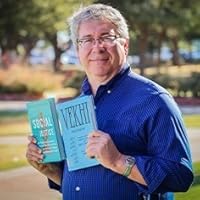
In a juvenile verse Khodasevich saw himself walking under the sign of Saturn, among the “broken urns” of “Empress Catherine’s days,” browsing the mouldy libraries of the “Richardson-reading” women, and looking from the “high windows” of their abandoned houses. Necropolis is that vision fulfilled, for his generation, but written in prose, in exile. He climbs to the high windows of his dead contemporaries, and tries to see what they thought they saw.
April 10, 2025
Finished NECROPOLIS (1939), “city of the dead,” a series of biographic essays about noteworthy Symbolist Russian poets and authors of the early 20th century by Vladislav Khodasevich (1886-1939), an influential poet and literary critic. As defined by Khodasevich, the Symbolists strove to communicate authentic feelings, especially love in all its forms, so that one’s life would be artistic and one’s art would be enlivened: “The Symbolists had no desire to separate the writer from the human being, the literary from the personal biography” (p. 3). Such an approach to life not grounded in some physical or transcendent reality would often lead to despair and self-deception, like a mirror facing another mirror.
Khodasevich’s “reminiscences” humanize the authors who were close friends and professional colleagues, pointing out their alluring passions, peccadillos, and idiosyncrasies. The final essay on Maxim Gorky (1868-1936) portrays an internationally famous yet modest author who generously supported many family members and acquaintances yet would frequently lie to others and to himself to sustain a feeling of optimism. Better to lie than to disappoint. Another essay describes the tragic idealism of Sergey Esenin (1895-1925) who “believed that the Bolshevik Revolution was the path to something ‘greater than revolution,’ but it turned out to be the path to the worst abomination possible” (p. 193). Esenin “turned his back on God for the sake of his love of Man, but all Man did was take the cross down from the church, hang Lenin up in place of the icons, and open Marx up like the Bible” (p. 193). Other reminiscences include Symbolist luminaries such as Andrei Bely (1880-1934), Valery Bryusov (1873-1924), Aleksander Blok (1880-1921), and Fyodor Sologub (1863-1927) (authors I’ve read in my Russian Literature Project).
NECROPOLIS, acclaimed as “One of the greatest memoirs in Russian literature,” reminds the reader that a worthwhile literary work contains a representation of the soul of that writer. My process of writing an accurate summary of that work reflects my own attempt to sympathize with that soul so that, whether I liked or agreed with the work itself, the author’s ghost would say, yes, that’s a fair synopsis.
Khodasevich’s “reminiscences” humanize the authors who were close friends and professional colleagues, pointing out their alluring passions, peccadillos, and idiosyncrasies. The final essay on Maxim Gorky (1868-1936) portrays an internationally famous yet modest author who generously supported many family members and acquaintances yet would frequently lie to others and to himself to sustain a feeling of optimism. Better to lie than to disappoint. Another essay describes the tragic idealism of Sergey Esenin (1895-1925) who “believed that the Bolshevik Revolution was the path to something ‘greater than revolution,’ but it turned out to be the path to the worst abomination possible” (p. 193). Esenin “turned his back on God for the sake of his love of Man, but all Man did was take the cross down from the church, hang Lenin up in place of the icons, and open Marx up like the Bible” (p. 193). Other reminiscences include Symbolist luminaries such as Andrei Bely (1880-1934), Valery Bryusov (1873-1924), Aleksander Blok (1880-1921), and Fyodor Sologub (1863-1927) (authors I’ve read in my Russian Literature Project).
NECROPOLIS, acclaimed as “One of the greatest memoirs in Russian literature,” reminds the reader that a worthwhile literary work contains a representation of the soul of that writer. My process of writing an accurate summary of that work reflects my own attempt to sympathize with that soul so that, whether I liked or agreed with the work itself, the author’s ghost would say, yes, that’s a fair synopsis.
September 8, 2025
Vladimir Khodasevich was one of the lesser-known but evidently talented poets (respected by Nabokov, no less) who came of age during Tsar Nicholas II's blundering and lived to witness both the Revolution and the jockeying that came after it. This book is a series of essays written after the deaths of writers he knew during the period, not all of them those who are best remembered. Mandelshtam and Tsvetaeva have cameos, and even Blok shares a chapter with Akhmatova's husband Gumilyov.
The focus is greatest on the performance of writing that at least the most famous of these writers put on. Valery Bryusov, one of the Symbolists (along with Bely and Blok) comes off as one of the ultimate poseurs, as manipulative in pursuit of literary power under the Soviets as he was during the poetic salon days at the twilight of the Russian Empire. That's fine with me; all the Symbolist pining after the beautiful unapproachable lady (as an abstract; it didn't stop them from approaching all the women with in easy reach) has always sounded tinny to my ear. The exception to that rule may be Bely's "Petersburg" (the only novel of his that I confess to having read) and Blok's final poetry, but Khodasevich's Bely was a manic fool and his Blok a man who used diffidence as a shield. Their weird triangle with Blok's wife adds a bit of further clownishness to all the literary posing, along with the shot fired at Bely by Nina Petrovskaya (who also merits a chapter in this book) with a gun given her by Bryusov.
Sergei Yesenin, the lauded peasant-poet (who went on to a brief marriage to Isadora Duncan) was also in Khodasevich's view, a literary performer, and his suicide was a result of his failure to find another compelling role. Aside from Bryusov and Bely, the most interesting chapter is the one on Gorky, with whom Khodasevich lived in exile in Italy. As for Gorky, in the view of Khodasevich (and many others), his later prose suffered and there's an interesting analysis of "The Lower Depths". The great man read all that was sent to him, wept over it whether it was any good or not, and lied copiously. Khodasevich does not address the rumor that Stalin ordered him poisoned.
The focus is greatest on the performance of writing that at least the most famous of these writers put on. Valery Bryusov, one of the Symbolists (along with Bely and Blok) comes off as one of the ultimate poseurs, as manipulative in pursuit of literary power under the Soviets as he was during the poetic salon days at the twilight of the Russian Empire. That's fine with me; all the Symbolist pining after the beautiful unapproachable lady (as an abstract; it didn't stop them from approaching all the women with in easy reach) has always sounded tinny to my ear. The exception to that rule may be Bely's "Petersburg" (the only novel of his that I confess to having read) and Blok's final poetry, but Khodasevich's Bely was a manic fool and his Blok a man who used diffidence as a shield. Their weird triangle with Blok's wife adds a bit of further clownishness to all the literary posing, along with the shot fired at Bely by Nina Petrovskaya (who also merits a chapter in this book) with a gun given her by Bryusov.
Sergei Yesenin, the lauded peasant-poet (who went on to a brief marriage to Isadora Duncan) was also in Khodasevich's view, a literary performer, and his suicide was a result of his failure to find another compelling role. Aside from Bryusov and Bely, the most interesting chapter is the one on Gorky, with whom Khodasevich lived in exile in Italy. As for Gorky, in the view of Khodasevich (and many others), his later prose suffered and there's an interesting analysis of "The Lower Depths". The great man read all that was sent to him, wept over it whether it was any good or not, and lied copiously. Khodasevich does not address the rumor that Stalin ordered him poisoned.

September 2, 2020
Как бы к Ходасевичу ни относиться (например, за любовь к большевикам), если есть интерес хоть к одному из упомянутых персонажей, прочесть книгу несомненно стоит. Некоторые портреты более эскизны и менее точны (Сологуб, Гумилев), некоторые выписаны куда детальней. Мне особенно интересны были две последние главы (Есенин, Горький) и -- для понимания личности самого Ходасевича -- глава о неком Муни. Последний, очевидно, никто и звать никак, но с Ходасевичем их связывали узы любви-дружбы.
Ходасевич после начала войны в 1914м году писал, что теперь ему "дышится в известном смысле приятней и легче, чем до войны". Самому, разумеется, на войне делать совершенно нечего (описан эпизод, как его случайно было оформили годным и какое требовалось вмешательство, чтобы невозможную ошибку исправить). Но любимого Муни, находившегося в тылу в Минске непременно хотелось вызволить: "лазаретная жизнь для него оказалась не легче, чем была бы окопная. Приезжая иногда в отпуск, он старался не особенно жаловаться. Но его письма «оттуда» были полны отчаяния. «Реальность» насела на него самою страшной формой. Все попытки высвободить его, добиться хотя бы перевода в Москву оказались тщетны. Начальство отвечало: «Ведь он в тылу. Чего же еще?» – и по-своему было право." Вот такой честный и принципиальный Ходасевич.
Ходасевич после начала войны в 1914м году писал, что теперь ему "дышится в известном смысле приятней и легче, чем до войны". Самому, разумеется, на войне делать совершенно нечего (описан эпизод, как его случайно было оформили годным и какое требовалось вмешательство, чтобы невозможную ошибку исправить). Но любимого Муни, находившегося в тылу в Минске непременно хотелось вызволить: "лазаретная жизнь для него оказалась не легче, чем была бы окопная. Приезжая иногда в отпуск, он старался не особенно жаловаться. Но его письма «оттуда» были полны отчаяния. «Реальность» насела на него самою страшной формой. Все попытки высвободить его, добиться хотя бы перевода в Москву оказались тщетны. Начальство отвечало: «Ведь он в тылу. Чего же еще?» – и по-своему было право." Вот такой честный и принципиальный Ходасевич.

November 21, 2021
Поэты Серебряного века жгли свечи своей жизни с двух сторон. Изумляясь их поведению и бесшабашностью окружения, я как-то упустил тот факт (и Ходасевич его обходит стороной): богема плотно сидела на морфии и кокаине, и этот флёр безумия, неврастеничности, ухарства и дебоша — плоть и кровь того века, который подарил нам тома поэзии. Каждый портрет — изумителен, очень горько было наблюдать распад Есенина, изучать повадки Горького и в очередной раз сокрушаться гибели Гумилёва (смешной анекдот, выдуманный Одоевцевой, вполне ложится в канву характера), особенно после его хвастливых слов о том, что он-де, проживёт лет до девяноста.. Ещё хочется добавить такт автора, который удаляется со страниц, не выпячивает себя, хотя имеет полное право.

July 20, 2018
Очень понравилось про Горького.

May 3, 2022
Ходасевича я люблю. Мемуары умны и сердечны, правда для тех кто знает всех участников событий.

Read
June 15, 2025– Позвольте, а сами-то вы что же делаете в таком «Цехе»? – спросил я с досадой.
Мандельштам сделал очень серьезное лицо:
– Я там пью чай с конфетами.
Мандельштам сделал очень серьезное лицо:
– Я там пью чай с конфетами.
May 28, 2024
Очень обаятельная книжка, внимательно и зло рассказывающая деятелях движения символистов (и Горьком) и их судьбах.
"По советскому времени было уже почти восемь часов, по настоящему пять."
"По советскому времени было уже почти восемь часов, по настоящему пять."

March 26, 2016
В знаменитом "списке Бродского" среди русских поэтов упомянуты Мандельштам, Цветаева, Ахматова, Пастернак - все великие, действительно "звёзды", которых нельзя не назвать, говоря о ХХ веке. Странно между ними выглядит малоизвестное, так редко встречающееся в школьных хрестоматиях имя Владислава Ходасевича.
Он был не только поэтом, "Орфеем с тяжёлой лирой", но и литературным критиком, исследователем-пушкинистом, переводчиком с польского и иврита. Ещё одна сторона - мемуарист, автор воспоминаний о Серебряном веке, который он увидел практически целиком: от брюсовских кружков в середине 1900-х до смерти Блока в 1921, и ещё почти 20 лет в эмиграции среди всё тех же лиц, которые когда-то были "поэтами Серебряного века".
И вот "Некрополь", 10 надгробий, вместивших в себя всю эпоху, - это очень точные, очень яркие мемуары о тех, кто жил и умер практически на глазах у Ходасевича. Каждая глава - это концентрированная жизнь человека, а затем его неизбежная смерть. Исковерканные судьбы, морфинистки и самоубийцы, люди, загубленные новой властью, и те, кто смог с ней договориться, но не смог сохранить при этом достоинства. О каждом Ходасевич пишет непредвзято, вспоминая не слова, но поступки, отбрасывая "сведения из вторых или третьих рук". Один из признаков достоверности - это отсутствие диалогов и прямой речи, поскольку прямая речь почти никогда в воспоминаниях не звучит так, как это произносил человек в действительности. В отличие от сходных по времени мемуаров Одоевцевой и "Алмазного венца" Катаева, самого Ходасевича в книге очень мало, это не воспоминания о себе в ХХ веке, а воспоминания о других, близких и далёких. Конечно, без личного отношения мемуары были бы сухой хроникой, поэтому проглядывает между строк и дружеская нежность к Муни, и признательность Горькому, и скрытое презрение к Брюсову. Не знаю, было ли всё так на самом деле, но "всезнающему, как змея" взгляду Ходасевича, его беспристрастности и горькой диагностике судьбы целого поколения хочется верить. Больше хочется только оплакивать эти судьбы и самого Ходасевича, о котором никто не напишет главы для литературного Некрополя.
Из всех прочитанных мной книг о жизни в Серебряном веке, которые не являются научными исследованиями, "Некрополь" оставляет впечатление самой точной и живописной в то же время, это рентгеновский снимок, на котором можно увидеть перелом в судьбе страны и общества. Можно найти ещё множество причин, но даже одной этой достаточно, чтобы поставить 5 из 5.
Он был не только поэтом, "Орфеем с тяжёлой лирой", но и литературным критиком, исследователем-пушкинистом, переводчиком с польского и иврита. Ещё одна сторона - мемуарист, автор воспоминаний о Серебряном веке, который он увидел практически целиком: от брюсовских кружков в середине 1900-х до смерти Блока в 1921, и ещё почти 20 лет в эмиграции среди всё тех же лиц, которые когда-то были "поэтами Серебряного века".
И вот "Некрополь", 10 надгробий, вместивших в себя всю эпоху, - это очень точные, очень яркие мемуары о тех, кто жил и умер практически на глазах у Ходасевича. Каждая глава - это концентрированная жизнь человека, а затем его неизбежная смерть. Исковерканные судьбы, морфинистки и самоубийцы, люди, загубленные новой властью, и те, кто смог с ней договориться, но не смог сохранить при этом достоинства. О каждом Ходасевич пишет непредвзято, вспоминая не слова, но поступки, отбрасывая "сведения из вторых или третьих рук". Один из признаков достоверности - это отсутствие диалогов и прямой речи, поскольку прямая речь почти никогда в воспоминаниях не звучит так, как это произносил человек в действительности. В отличие от сходных по времени мемуаров Одоевцевой и "Алмазного венца" Катаева, самого Ходасевича в книге очень мало, это не воспоминания о себе в ХХ веке, а воспоминания о других, близких и далёких. Конечно, без личного отношения мемуары были бы сухой хроникой, поэтому проглядывает между строк и дружеская нежность к Муни, и признательность Горькому, и скрытое презрение к Брюсову. Не знаю, было ли всё так на самом деле, но "всезнающему, как змея" взгляду Ходасевича, его беспристрастности и горькой диагностике судьбы целого поколения хочется верить. Больше хочется только оплакивать эти судьбы и самого Ходасевича, о котором никто не напишет главы для литературного Некрополя.
Из всех прочитанных мной книг о жизни в Серебряном веке, которые не являются научными исследованиями, "Некрополь" оставляет впечатление самой точной и живописной в то же время, это рентгеновский снимок, на котором можно увидеть перелом в судьбе страны и общества. Можно найти ещё множество причин, но даже одной этой достаточно, чтобы поставить 5 из 5.

June 10, 2019
i picked up this book after an evening i spent hanging out with adesh and reading at a bar near my house. i told him that i don’t think i’ve really ever read non-fiction outside of things i had to read for school and he said that he’s been reading and enjoying non-fiction way more than fiction these days, so i felt like it was maybe time for me to get more into reading non-fiction too.
when i went to the bookstore the next day, i was stuck between whether i should buy this or a didion book and i chose this purely because i had never seen it before and i wasn’t sure if i would ever see it again, unlike the didion. i had no previous experience with or really interest in the subject matter (russian poets) but that didn’t much concern me.
i honestly enjoyed this book a lot more than i expected to going in. some of the portraits painted by khodasevich feel so grand and dreamy and i loved that it was about so many symbolist poets because i really do love french symbolist poetry and this made me understand what draws me to it so much.
still, some parts of the book were quite boring to me. when khodasevich talked about the qualities within these people’s poetry, i sort of tuned out because i’m not very well-versed in poetry, let alone these writers’ bodies of work in specific, and i certainly didn’t feel like i was gaining much by seeing excerpts of these people’s work in translation.
overall i do think i quite liked it and i especially enjoyed gaining a clearer sense of who, exactly khodasevich himself is by reading through his interactions with other poets. it definitely made me interested in keeping on reading more non-fiction in the future. i’m not sure i would recommend this book to someone else, though, unless they had a keen interest in and understanding of russian literature/poetry and maybe knew how to read russian as well.
idk i think i also rated this lower than i maybe should have because i am feeling insecure about giving too consistently high ratings and i want people to see me as a discriminating consumer but also because rn i am really craving a book that will really knock me off my feet and keep me up all night and unfortunately this book was in the wrong place at the wrong time and did not deliver.
when i went to the bookstore the next day, i was stuck between whether i should buy this or a didion book and i chose this purely because i had never seen it before and i wasn’t sure if i would ever see it again, unlike the didion. i had no previous experience with or really interest in the subject matter (russian poets) but that didn’t much concern me.
i honestly enjoyed this book a lot more than i expected to going in. some of the portraits painted by khodasevich feel so grand and dreamy and i loved that it was about so many symbolist poets because i really do love french symbolist poetry and this made me understand what draws me to it so much.
still, some parts of the book were quite boring to me. when khodasevich talked about the qualities within these people’s poetry, i sort of tuned out because i’m not very well-versed in poetry, let alone these writers’ bodies of work in specific, and i certainly didn’t feel like i was gaining much by seeing excerpts of these people’s work in translation.
overall i do think i quite liked it and i especially enjoyed gaining a clearer sense of who, exactly khodasevich himself is by reading through his interactions with other poets. it definitely made me interested in keeping on reading more non-fiction in the future. i’m not sure i would recommend this book to someone else, though, unless they had a keen interest in and understanding of russian literature/poetry and maybe knew how to read russian as well.
idk i think i also rated this lower than i maybe should have because i am feeling insecure about giving too consistently high ratings and i want people to see me as a discriminating consumer but also because rn i am really craving a book that will really knock me off my feet and keep me up all night and unfortunately this book was in the wrong place at the wrong time and did not deliver.

November 10, 2020
I received a free copy from NetGalley in exchange for an honest review.
What fun! This book looks at nine different Russian authors from the Silver Age.
It’s dense, and quite challenging if you aren’t familiar with the author and their styles. I certainly hadn’t heard of any of them prior to this, and so it led to a lot of wider reading, but that’s something that I relish in.
I think I’d have provided a higher rating if I’d have been familiar with the authors, or if there was a short anthology/analysis contained within the book to make this a more accessible read.
What fun! This book looks at nine different Russian authors from the Silver Age.
It’s dense, and quite challenging if you aren’t familiar with the author and their styles. I certainly hadn’t heard of any of them prior to this, and so it led to a lot of wider reading, but that’s something that I relish in.
I think I’d have provided a higher rating if I’d have been familiar with the authors, or if there was a short anthology/analysis contained within the book to make this a more accessible read.
Read
February 4, 2020Bely:
«но всем импонировал Ходасевич: умом, вкусом, критическою остротой, источающей уксус и желчь, пониманием Пушкина; трудолюбивостью даже внушал уважение он; и увы, - во всех смыслах пошел далеко Ходасевич; капризный, издерганный, самоядущий и загрызающий ум развивался за счет разложения этики.»
«но всем импонировал Ходасевич: умом, вкусом, критическою остротой, источающей уксус и желчь, пониманием Пушкина; трудолюбивостью даже внушал уважение он; и увы, - во всех смыслах пошел далеко Ходасевич; капризный, издерганный, самоядущий и загрызающий ум развивался за счет разложения этики.»

January 18, 2015
Брюсов. Андрей Белый. Гумилев. Блок. Гершензон. Сологуб. Есенин. Горький.
Всем, кому эти имена не чужды, стоит прочесть "Некрополь" Ходасевича. В какой-то степени книга является слепком эпохи. Хотя, если исходить из названия, я бы назвал это посмертной маской.
Всем, кому эти имена не чужды, стоит прочесть "Некрополь" Ходасевича. В какой-то степени книга является слепком эпохи. Хотя, если исходить из названия, я бы назвал это посмертной маской.

September 29, 2019
Part memoir, part biographical sketch, Khodasevich offers profiles of 10 Russian literary figures he knew during the early decades of the 20th century.

December 19, 2011
лучше всего две последние истории - про есенина и про горького
Displaying 1 - 29 of 29 reviews