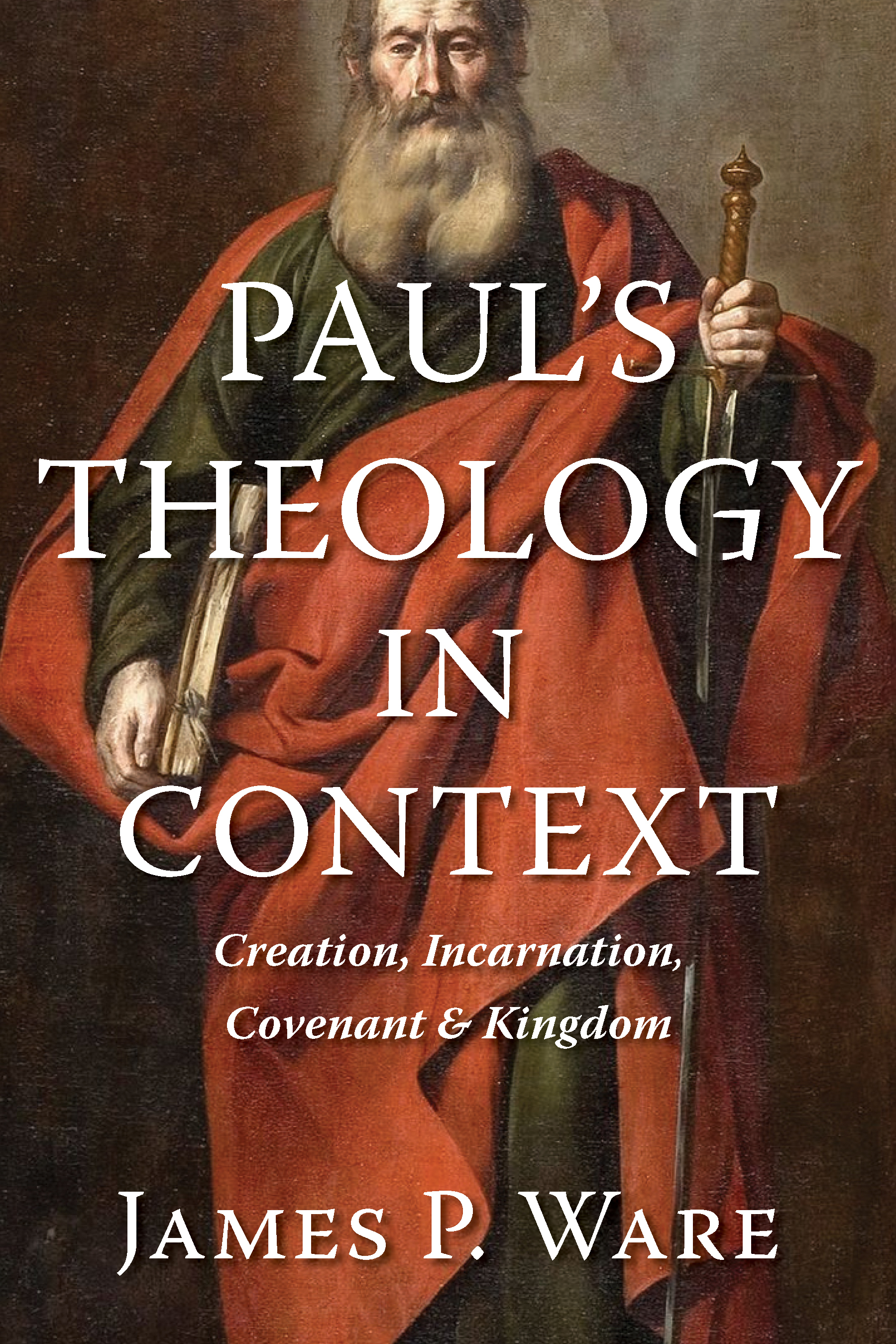
This accessible text by James P. Ware provides both a concise guide to Paul’s theology and a general introduction to the key issues and debates in the contemporary study of Paul.
Examining Paul’s message in the context of the ancient world, Ware identifies what would have struck Paul’s original audience as startling or unique. By comparing Paul’s teaching to the other religions and philosophies of that day, Ware presents a fresh perspective on Paul’s theology, revealing four pillars of his thought: creation, incarnation, covenant, and kingdom. After examining each of these dimensions of Paul’s gospel, Ware explores the historical role of Paul within Christian origins and the astounding evidence embedded in his letters regarding the beginnings of Christianity and the eyewitness origins of the gospels.
Clergy, students, and laypeople will find that this guide to the big picture of Paul’s theology will illumine and enliven the study, preaching, and teaching of all the Pauline letters.
I read this book for my BIBL 332 class. I found it very enlightening and informative. I believe that every serious Christian who wishes to know more about God's Word should give this book a once over. Dr. Ware puts Paul's teaching in the context of its first-century Judeo-Roman context.
Ware did an excellent job, early on, of finding a way to navigate and reconcile the problems addressed by The New Perspective on Paul with a coherent reading of the biblical material. Even more importantly, Ware accurately highlighted the centrality of the Incarnation to Pauline theology, providing compelling biblical evidence within a well-developed first-century sociological context. Equally as compelling is the way Ware addresses Paul's gospel as historically consistent with the Gospel presented by the 12 apostles rather than as a secondary evolution or extreme innovation within early Christian thought. Where he falters some is in the last portion of the book where he makes significant claims about Paul as one of the four apostles considered to be pillars of the first-century church, a claim which I think has significant merit based on the biblical text and Ware's earlier arguments, but he overstates the conclusiveness of the evidence a bit.