

What do you think?

At the Mind's Limits: Contemplations by a Survivor on Auschwitz and its Realities
"These are pages that one reads with almost physical pain. . .all the way to its stoic conclusion." ―Primo Levi
"The testimony of a profoundly serious man. . . . In its every turn and crease, it bears the marks of the true." ―Irving Howe, New Republic
"This remarkable memoir. . .is the autobiography of an extraordinarily acute conscience. With the ear of a poet and the eye of a novelist, Amery vividly communicates the wonder of a philosopher―a wonder here aroused by the 'dark riddle' of the Nazi regime and its systematic sadism." ―Jim Miller, Newsweek
"Whoever has succumbed to torture can no longer feel at home in the world. The shame of destruction cannot be erased. Trust in the world, which already collapsed in part at the first blow, but in the end, under torture, fully, will not be regained. That one's fellow man was experienced as the antiman remains in the tortured person as accumulated horror. It blocks the view into a world in which the principle of hope rules. One who was martyred is a defenseless prisoner of fear. It is fear that henceforth reigns over him." ―Jean Amery
At the Mind's Limits is the story of one man's incredible struggle to understand the reality of horror. In five autobiographical essays, Amery describes his survival―mental, moral, and physical―through the enormity of the Holocaust. Above all, this masterful record of introspection tells of a young Viennese intellectual's fervent vision of human nature and the betrayal of that vision.
"The testimony of a profoundly serious man. . . . In its every turn and crease, it bears the marks of the true." ―Irving Howe, New Republic
"This remarkable memoir. . .is the autobiography of an extraordinarily acute conscience. With the ear of a poet and the eye of a novelist, Amery vividly communicates the wonder of a philosopher―a wonder here aroused by the 'dark riddle' of the Nazi regime and its systematic sadism." ―Jim Miller, Newsweek
"Whoever has succumbed to torture can no longer feel at home in the world. The shame of destruction cannot be erased. Trust in the world, which already collapsed in part at the first blow, but in the end, under torture, fully, will not be regained. That one's fellow man was experienced as the antiman remains in the tortured person as accumulated horror. It blocks the view into a world in which the principle of hope rules. One who was martyred is a defenseless prisoner of fear. It is fear that henceforth reigns over him." ―Jean Amery
At the Mind's Limits is the story of one man's incredible struggle to understand the reality of horror. In five autobiographical essays, Amery describes his survival―mental, moral, and physical―through the enormity of the Holocaust. Above all, this masterful record of introspection tells of a young Viennese intellectual's fervent vision of human nature and the betrayal of that vision.
128 pages, Paperback
First published January 1, 1966
About the author
Jean Améry
55 books95 followersJean Améry (October 31, 1912 – October 17, 1978), born Hanns Chaim Mayer, was an Austrian essayist whose work was often informed by his experiences during World War II.
Formerly a philosophy and literature student in Vienna, Améry's participation in organized resistance against the Nazi occupation of Belgium resulted in his detainment and torture by the German Gestapo, and several years of imprisonment in concentration camps. Améry survived internments in Auschwitz and Buchenwald, and was finally liberated at Bergen-Belsen in 1945. After the war he settled in Belgium.
His most celebrated work, At the Mind's Limits: Contemplations by a Survivor on Auschwitz and Its Realities (1966), suggests that torture was "the essence" of the Third Reich. Other notable works included On Aging (1968) and On Suicide: A Discourse on Voluntary Death (1976). Améry killed himself in 1978.
Formerly a philosophy and literature student in Vienna, Améry's participation in organized resistance against the Nazi occupation of Belgium resulted in his detainment and torture by the German Gestapo, and several years of imprisonment in concentration camps. Améry survived internments in Auschwitz and Buchenwald, and was finally liberated at Bergen-Belsen in 1945. After the war he settled in Belgium.
His most celebrated work, At the Mind's Limits: Contemplations by a Survivor on Auschwitz and Its Realities (1966), suggests that torture was "the essence" of the Third Reich. Other notable works included On Aging (1968) and On Suicide: A Discourse on Voluntary Death (1976). Améry killed himself in 1978.
Ratings & Reviews
Friends & Following
Create a free account to discover what your friends think of this book!
Community Reviews
Displaying 1 - 30 of 120 reviews

June 30, 2012
FINE PENA MAI
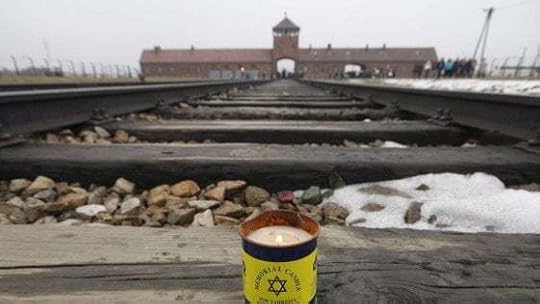
Una strana sensazione nasce dalla lettura di questo straordinario libro, che in situazione ‘normale’ potrebbe essere molto bella: essere lettore, o spettatore in sala, e allo stesso tempo essere anche protagonista nelle pagine (o sullo schermo).
Lo si deve alla qualità del pensiero e del punto di vista di Améry, guerrigliero della ragione, come lo definisce Claudio Magris nella presentazione di questa breve opera densa e potente, che alla luce dell’imperativo categorico kantiano, nella sua laconica e impavida solitudine, con logica e chiarezza, affronta un momento del passato di immensa eterna attualità, quei dodici anni del dominio nazista che in pratica durarono un millennio.
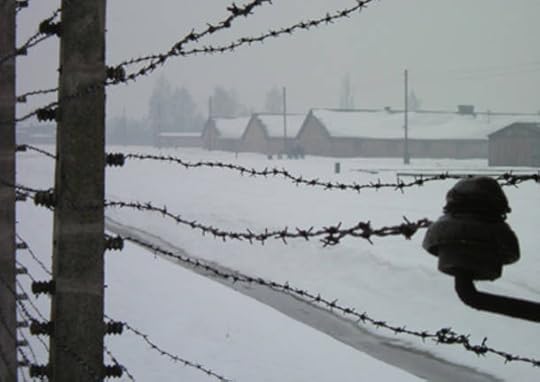
Sensazione che potrebbe essere bella, dicevo prima: se non fosse che si finisce con l’essere protagonisti ad Auschwitz, o in altri lager – durante sessioni di tortura – durante la resistenza, la fuga, la latitanza – nella perdita della casa, della terra, della patria – nel rapporto difficile con la propria razza e religione.
Se alle prime righe avevo ancora ritenuto di poter assumere un atteggiamento prudente e distaccato, e affrontare il lettore con signorile oggettività, adesso devo rendermi conto che ciò è semplicemente impossibile.
Un "io" che parla di sé e qui più che mai racconta l'universale.
Si tratta di una confessione personale, interrotta da meditazioni, che testimonia l’esistenza della vittima.
Le vittime, non gli oppressori, sono rimaste bloccate nell’angosciosa spirale di delitto e castigo.
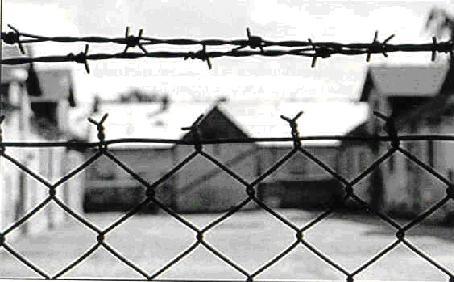
Améry aggiunge in modo che solo superficialmente può risultare paradossale:
Far luce in modo definitivo significherebbe anche liquidare, archiviare i fatti per poterli allegare agli atti della storia. Il mio libro vuole essere un contributo affinché ciò non avvenga. Nulla si è ancora risolto, nessun conflitto si è composto, non vi è richiamo alla memoria che si sia trasformato in semplice ricordo. Quanto è avvenuto, è avvenuto. Ma il fatto che sia avvenuto non è facile da accettare.

Un intellettuale disorganico e non allineato qual è stato Jean Améry, che in pratica scopre di essere ebreo solo quando il nazismo lo incolpa di esserlo, e per questo lo condanna (la condanna a una mancata autorizzazione a esistere), arriva presto a capire (bastano poche settimane di campo di concentramento) che un umanesimo scettico e autocritico, privo di certezze assolute, in un luogo come Auschwitz rende più indifesi rispetto a chi, come i credenti religiosi e i militanti marxisti ortodossi, possiede una fede incrollabile e una spiegazione inoppugnabile, che aiutano a sopportare torture, privazioni, umiliazione e morte:
l’umanità, essendosi allontanata da Dio, doveva arrivare al punto di commettere e subire le atrocità di Auschwitz, dicevano i cristiani e gli ebrei credenti. Giunto al suo ultimo stadio, quello del fascismo, il capitalismo doveva necessariamente sterminare l’umanità, affermavano i marxisti. Nel campo non avveniva nulla di inaudito, solo ciò che gli uomini ideologicamente preparati o credenti, da sempre si aspettavano o avevano ritenuto possibile.
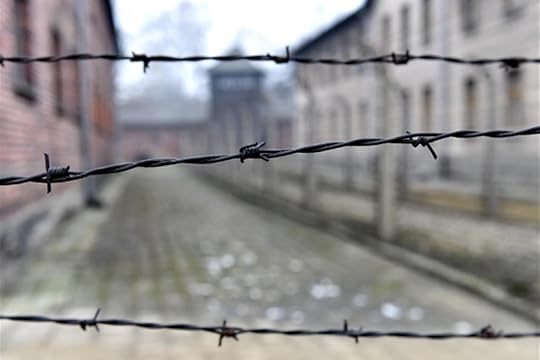
Quando la vita si riduce a dimensione meramente fisica – quando l’essere umano diventa solo corpo, tanto più quando il corpo appartiene disperatamente al dolore – quando si calpesta il principio del diritto naturale secondo il quale ogni individuo ha una sua inviolabile dignità – l’assenza di speranza è completa, l'essere umano è scarnificato e altrettanto completa è la sconfitta dello spirito.
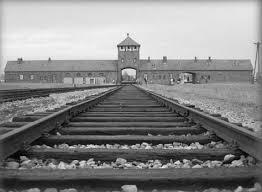
Ad Auschwitz non siamo divenuti più saggi, se per saggezza si intende una conoscenza positiva del mondo: nulla di quanto comprendemmo nel Lager non avremmo potuto comprenderlo anche fuori; nulla si trasformò in un’utile guida. Nel campo non siamo neanche diventati più ‘profondi’, ammesso che la fatale profondità sia una dimensione spiritualmente definibile. Non siamo nemmeno divenuti migliori, più umani, più benevoli nei confronti dell’uomo e più maturi moralmente. Non si assiste a fatti e misfatti dell’uomo disumanizzato senza che vengano messe in discussione tutte le idee circa l’innata dignità dell’uomo. Dal Lager uscimmo denudati, derubati, svuotati, disorientati e ci volle molto tempo prima che riapprendessimo il linguaggio quotidiano della libertà. Ancora oggi del resto nel parlarlo siamo a disagio e senza un’autentica fiducia nella sua validità.
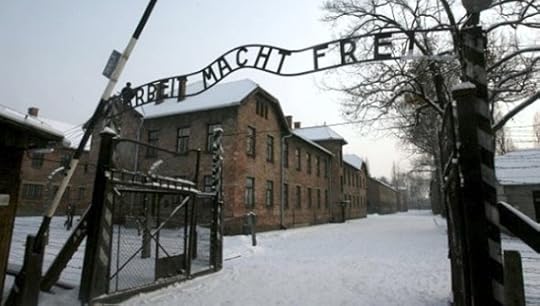
Dov’è scritto che l’illuminismo deve essere privo di emozioni? Ogni pagina di questo libro è la testimonianza del contrario.
Ed è anche prova e testimonianza che la banalità del male è una bella espressione usata impropriamente, perché la banalità del male non esiste.
Sul mio avambraccio sinistro ho tatuato il numero di Auschwitz: si legge più in fretta del Pentateuco o del Talmud, eppure è più esaustivo.
Fine pena, mai.
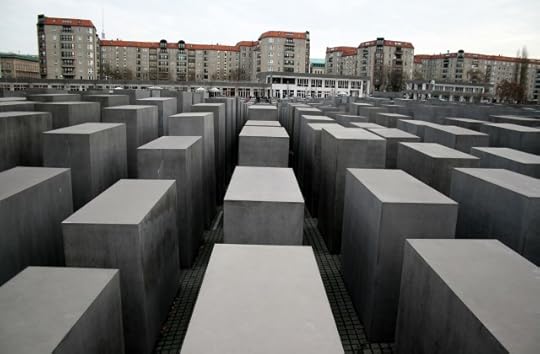
Una strana sensazione nasce dalla lettura di questo straordinario libro, che in situazione ‘normale’ potrebbe essere molto bella: essere lettore, o spettatore in sala, e allo stesso tempo essere anche protagonista nelle pagine (o sullo schermo).
Lo si deve alla qualità del pensiero e del punto di vista di Améry, guerrigliero della ragione, come lo definisce Claudio Magris nella presentazione di questa breve opera densa e potente, che alla luce dell’imperativo categorico kantiano, nella sua laconica e impavida solitudine, con logica e chiarezza, affronta un momento del passato di immensa eterna attualità, quei dodici anni del dominio nazista che in pratica durarono un millennio.
Sensazione che potrebbe essere bella, dicevo prima: se non fosse che si finisce con l’essere protagonisti ad Auschwitz, o in altri lager – durante sessioni di tortura – durante la resistenza, la fuga, la latitanza – nella perdita della casa, della terra, della patria – nel rapporto difficile con la propria razza e religione.
Se alle prime righe avevo ancora ritenuto di poter assumere un atteggiamento prudente e distaccato, e affrontare il lettore con signorile oggettività, adesso devo rendermi conto che ciò è semplicemente impossibile.
Un "io" che parla di sé e qui più che mai racconta l'universale.
Si tratta di una confessione personale, interrotta da meditazioni, che testimonia l’esistenza della vittima.
Le vittime, non gli oppressori, sono rimaste bloccate nell’angosciosa spirale di delitto e castigo.
Améry aggiunge in modo che solo superficialmente può risultare paradossale:
Far luce in modo definitivo significherebbe anche liquidare, archiviare i fatti per poterli allegare agli atti della storia. Il mio libro vuole essere un contributo affinché ciò non avvenga. Nulla si è ancora risolto, nessun conflitto si è composto, non vi è richiamo alla memoria che si sia trasformato in semplice ricordo. Quanto è avvenuto, è avvenuto. Ma il fatto che sia avvenuto non è facile da accettare.
Un intellettuale disorganico e non allineato qual è stato Jean Améry, che in pratica scopre di essere ebreo solo quando il nazismo lo incolpa di esserlo, e per questo lo condanna (la condanna a una mancata autorizzazione a esistere), arriva presto a capire (bastano poche settimane di campo di concentramento) che un umanesimo scettico e autocritico, privo di certezze assolute, in un luogo come Auschwitz rende più indifesi rispetto a chi, come i credenti religiosi e i militanti marxisti ortodossi, possiede una fede incrollabile e una spiegazione inoppugnabile, che aiutano a sopportare torture, privazioni, umiliazione e morte:
l’umanità, essendosi allontanata da Dio, doveva arrivare al punto di commettere e subire le atrocità di Auschwitz, dicevano i cristiani e gli ebrei credenti. Giunto al suo ultimo stadio, quello del fascismo, il capitalismo doveva necessariamente sterminare l’umanità, affermavano i marxisti. Nel campo non avveniva nulla di inaudito, solo ciò che gli uomini ideologicamente preparati o credenti, da sempre si aspettavano o avevano ritenuto possibile.
Quando la vita si riduce a dimensione meramente fisica – quando l’essere umano diventa solo corpo, tanto più quando il corpo appartiene disperatamente al dolore – quando si calpesta il principio del diritto naturale secondo il quale ogni individuo ha una sua inviolabile dignità – l’assenza di speranza è completa, l'essere umano è scarnificato e altrettanto completa è la sconfitta dello spirito.
Ad Auschwitz non siamo divenuti più saggi, se per saggezza si intende una conoscenza positiva del mondo: nulla di quanto comprendemmo nel Lager non avremmo potuto comprenderlo anche fuori; nulla si trasformò in un’utile guida. Nel campo non siamo neanche diventati più ‘profondi’, ammesso che la fatale profondità sia una dimensione spiritualmente definibile. Non siamo nemmeno divenuti migliori, più umani, più benevoli nei confronti dell’uomo e più maturi moralmente. Non si assiste a fatti e misfatti dell’uomo disumanizzato senza che vengano messe in discussione tutte le idee circa l’innata dignità dell’uomo. Dal Lager uscimmo denudati, derubati, svuotati, disorientati e ci volle molto tempo prima che riapprendessimo il linguaggio quotidiano della libertà. Ancora oggi del resto nel parlarlo siamo a disagio e senza un’autentica fiducia nella sua validità.
Dov’è scritto che l’illuminismo deve essere privo di emozioni? Ogni pagina di questo libro è la testimonianza del contrario.
Ed è anche prova e testimonianza che la banalità del male è una bella espressione usata impropriamente, perché la banalità del male non esiste.
Sul mio avambraccio sinistro ho tatuato il numero di Auschwitz: si legge più in fretta del Pentateuco o del Talmud, eppure è più esaustivo.
Fine pena, mai.

November 4, 2021
When Contradiction Reigns
As Jean Améry says in the discussion of his own torture by the SS, it is not possible to communicate one’s pain accurately without becoming an inflictor of pain. Only by becoming the torturer’s victim can one comprehend the pain of another victim. Thus he establishes both the inadequacy of language and the essential isolation of that which we call the mind, which can be penetrated by words but not by the real experience of others. There is a truth to Cartesian solipsism that is confirmed only by the human body in extreme distress.
But words can penetrate to the mind, which is constituted by words. Or perhaps more accurately, the mind demands one’s experiences have some kind of explanation. It is this demand that exceeds the mind’s limits so that Améry doesn’t hope to achieve it. Even in his preface to the second edition (in 1976, 30 years after the events described), he admits to being unable to make sense of his experiences:
Others, Améry recounts, did have an explanation. Christians could cite the apocalypse and subsequent redemption. Communists might revel in the destructive evidence of late stage capitalism. Fervent Jews saw the hand of a protecting God even in their abject misery. But there was no explanatory comfort available in Plato, Kant, or Hegel, much less the Nazi-intellectual Heidegger. Even the cultural heritage of Goethe, Beethoven, and Nietzsche had been usurped by the torturers. For the person of intellect not centred around a religious or political belief there was nothing. “In the camp the intellect in its totality declared itself to be incompetent.”
And yet Améry finds a reason for the lack of explanation, which is in a sense an explanation. The fundamental, mind-numbing contradiction of not just the camp but of all of National Socialism was expressible: “… the state did not order him to die, but to survive. The final duty of the prisoner, however, was death.” The prisoner was committed to dying, for as long and as painfully as economically feasible. The misery of dying destroyed all thought, metaphysics most particularly, and with that the thought of death itself was obliterated. The prisoner feared not death but the possibility of dying in an even more wretched way. “Dying was omnipresent, death vanished from sight.”
The camps, therefore, were a microcosm of National Socialist society. This was a society intent on destroying itself as its only objective. This society tortured itself because it was not just led by but also composed of torturers. “Torture was not an accidental quality of this Third Reich, but its essence.” Its only legacy is the victim:
I find it impossible not to compare this nihilism with the politics of the Right demonstrated today in many places throughout the world, especially in America. It is clear that as I write Republicans have adopted a strategy of national destruction. Anything that inhibits or threatens their power - lost elections, black people, immigration, vaccination, intellectual argument, law itself - are deemed fraudulent, immoral, anti-American, and are resisted with violence as required. But it is also clear that achievement of power will destroy their own destructive achievement. They have no other objective and they take pride in that. Améry provides the only sort of explanation that makes sense to me.
As Jean Améry says in the discussion of his own torture by the SS, it is not possible to communicate one’s pain accurately without becoming an inflictor of pain. Only by becoming the torturer’s victim can one comprehend the pain of another victim. Thus he establishes both the inadequacy of language and the essential isolation of that which we call the mind, which can be penetrated by words but not by the real experience of others. There is a truth to Cartesian solipsism that is confirmed only by the human body in extreme distress.
But words can penetrate to the mind, which is constituted by words. Or perhaps more accurately, the mind demands one’s experiences have some kind of explanation. It is this demand that exceeds the mind’s limits so that Améry doesn’t hope to achieve it. Even in his preface to the second edition (in 1976, 30 years after the events described), he admits to being unable to make sense of his experiences:
“I did not strive for an explicative account at that time, thirteen years ago, and in the same way now too, I can do no more than give testimony… I had no clarity when I was writing this little book, I do not have it today, and I hope that I never will. Clarification would also amount to disposal, settlement of the case, which can then be placed in the files of history. My book is meant to aid in preventing precisely this. For nothing is resolved, no conflict is settled, no remembering has become a mere memory. What happened, happened. But that it happened cannot be so easily accepted.”
Others, Améry recounts, did have an explanation. Christians could cite the apocalypse and subsequent redemption. Communists might revel in the destructive evidence of late stage capitalism. Fervent Jews saw the hand of a protecting God even in their abject misery. But there was no explanatory comfort available in Plato, Kant, or Hegel, much less the Nazi-intellectual Heidegger. Even the cultural heritage of Goethe, Beethoven, and Nietzsche had been usurped by the torturers. For the person of intellect not centred around a religious or political belief there was nothing. “In the camp the intellect in its totality declared itself to be incompetent.”
And yet Améry finds a reason for the lack of explanation, which is in a sense an explanation. The fundamental, mind-numbing contradiction of not just the camp but of all of National Socialism was expressible: “… the state did not order him to die, but to survive. The final duty of the prisoner, however, was death.” The prisoner was committed to dying, for as long and as painfully as economically feasible. The misery of dying destroyed all thought, metaphysics most particularly, and with that the thought of death itself was obliterated. The prisoner feared not death but the possibility of dying in an even more wretched way. “Dying was omnipresent, death vanished from sight.”
The camps, therefore, were a microcosm of National Socialist society. This was a society intent on destroying itself as its only objective. This society tortured itself because it was not just led by but also composed of torturers. “Torture was not an accidental quality of this Third Reich, but its essence.” Its only legacy is the victim:
“Whoever was tortured, stays tortured. Torture is ineradicably burned into him, even when no clinically objective traces can be detected… Whoever has succumbed to torture can no longer feel at home in the world.”
I find it impossible not to compare this nihilism with the politics of the Right demonstrated today in many places throughout the world, especially in America. It is clear that as I write Republicans have adopted a strategy of national destruction. Anything that inhibits or threatens their power - lost elections, black people, immigration, vaccination, intellectual argument, law itself - are deemed fraudulent, immoral, anti-American, and are resisted with violence as required. But it is also clear that achievement of power will destroy their own destructive achievement. They have no other objective and they take pride in that. Améry provides the only sort of explanation that makes sense to me.

October 28, 2021
How naive was I to think that with Primo Levi's If This Is a Man the definitive holocaust book was written? That the most essential testimony of that horrible and unique experience was presented? This book by Jean Améry (1912-1978) has thoroughly destroyed that intuitive feeling. And I don't mean that the author has more aptly described the horrors of Auschwitz and other hellish places. No, Améry only talks to a limited extent about his camp experiences. His unique contribution, is his lucid self-analysis about what that experience has done to him, and still does after 20 years, how it lives on in him, and has come to define his identity.
I was particularly touched by the authentic way he put his feelings into words, very much aware of their ‘unreasonableness’ (his enduring resentment towards Germans, for example), but still sticking to them, even claiming the right to stick to them. Moreover, Améry is lucid enough to see that the Holocaust experience "will be buried under the formula 'a barbaric age'" along with so many other misdeeds of modern humanity, and that is indeed what happened. I know it sounds strange, as if there is a hierarchy in Holocaust testimonials, but with this book Améry - in my honest opinion - has greatly outshone other fellow sufferers such as Elie Wiesel and Victor Frankl, however meritorious they may be.
I was particularly touched by the authentic way he put his feelings into words, very much aware of their ‘unreasonableness’ (his enduring resentment towards Germans, for example), but still sticking to them, even claiming the right to stick to them. Moreover, Améry is lucid enough to see that the Holocaust experience "will be buried under the formula 'a barbaric age'" along with so many other misdeeds of modern humanity, and that is indeed what happened. I know it sounds strange, as if there is a hierarchy in Holocaust testimonials, but with this book Améry - in my honest opinion - has greatly outshone other fellow sufferers such as Elie Wiesel and Victor Frankl, however meritorious they may be.

September 10, 2024
Bu kitap çok sayıda romana, belgesele, anı ve filme konu olmuş Hitler faşizminin yaptıklarını, toplama kamplarını, cephe savaşlarını, çıkartma ve savunmalardaki insan kayıplarını, gaz odalarını, Yahudi gettolarındaki zulmü anlatmıyor. Çok farklı bir düşünceyle, bir Avusturya’lı entellektüelin yaşadıklarını, tüm kötülükleri aşıp hayatta kalmasını, savaş sonrası toplumun ona bakışını anlatırken, işkence ve baskı gören kişilerin hakkını toplumdan ısrarla sormaktadır.
İngiliz Karaliyet Hava Kuvvetlerinin 1941-1945 arasında, zaman zaman Amerikan Hava Kuvvetlerinin de desteğiyle Almanya’ya karşı uyguladıkları “halı bombardımanı” denilen öldürücü-tahrip edici bombalar ve yangın bombalarıyla yapılan hava saldırılarının, askeri hedeflerden çok sivil hedeflere yönelmesi, bu nedenle yüzbinlerce insanın ölmesi, milyonlarca evsiz kalan insanın oluşturduğu büyük bir yıkımı ve trajediiyi sorguluyan W.G. Sebald’ın “Hava Savaşı ve Edebiyat” adlı, II. Dünya Savaşının bir başka yüzünü anlatan kitabından çok etkilenmiştim. Şimdi Jean Amery’nin “Suç ve Kefaretin Ötesinde” kitabını okuyunca zihnimde başka bir pencere açıldı.
Kitabı ezici çoğunluğuyla, III. Reich’ın alabildiğince karanlık ve bir o kadar yokedici eylemlerinin kendilerini bağlamadığını düşünen Almanlara yönelik yazdığını belirtiyor Amery. Agnostik bir hümanist, hiçbir din ve ideolojiye bağlı değil, ancak Nurmberg Yasaları’nın 1935’de kabulüyle artık zorunlu bir Yahudi. Dünya, bu insanlar Viyana’da, Berlin’de, Amsterdam’da, Warşova’da, Brüksel’de geceyarısı evlerinden alınıp götürülürken susmuş, görmemiş, duymamış, konuşmamış ve Hitler Almanyasındaki Almanların onlara tahsis edilen yeri ve rolü onayladıklarını ileri sürüyor yazar. Ne Yahudi dini, ne folklorü ne de gelenekleri konusunda hiç bilgisi ve ilgisi olmamasına rağmen, kolundaki “Auschwitz” numarası ona “sen bir Yahudisin” demektedir. Sürgüne ve kamplara girerken bir ideolojiye bağlı değilken savaş sonrası 20 yıl onu sol düşünceye yakınlaştırmış.
Kitapta “işkence” bölümünü yüreğine güvenenler okusun. Jean Amery’nin çok sert ve keskin düşünceleri var bazılarına katılmıyorum, ancak Hannah Arendt’in A. Eichmann’ın yargılanması için yazdığı “Kötülüğün Sıradanlığı” kitabındaki düşüncelerine kesin bir şekilde karşı çıkmasına katılıyorum. Arendt’in o insanlık düşmanını sadece kulaktan dolma bilgilerle tanıdığını, onu yalnızca cam kafes ardında gördüğünü ileri sürerek, onlardan büyük bir bölümünün savaş sonrasında yine memuriyetlere döndüklerini, bir kısmının güvenlik güçlerinde yer aldıklarını söylüyor. Yolda karşılaştığı herhangi bir insanın eski bir “kapo” olma oladılığını düşünmek bile onu çileden çıkarıyor.
Sonuşta Alman toplumunun büyük bir çoğunluğunun, 1933’de III. Reich’i kabul eden tüm dünya devletlerini, kendi çıkarları uğruna katliamlarda üç maymumu oynayan ABD, İngiltere, Rusya gibi dünya güçlerinin, babalarının, amcalarının veya dedelerinin, anneannelerinin, teyzelerinin SS ile işbirliğini sorgulamayan Alman genç neslinin bubüyük felakette sorumluk taşıdıklarını, toplumu bu konuda ayıltmak için bu kirabı yazdığını belirrtiyor Jean Amery.
Amery düşüncelerinde Nietzsche için de çok olumsuz örneklere yer vermiştir. Onun zebani-insan karışımı “üstinsan” görüşünün Hitler’in önemli dayanaklarından birini oluşturduğunu vurgulamaktadır, her ne kadar Nietzsche uzmanları bunu kabul etmeselerde filozofun söylemlerinden bu sonuca varmaktadır Jean Amery. II. Dünya Savaşı ile ilgili okunması çok yararlı olacak iki kitabın, WG Sebald’ın “Hava Savaşı ve Edebiyat” ile Jean Amery’nin “Suç ve Kefaretin Ötesinde” olduklarını bir kez daha vurgulamak istedim. Bu arada MUBİ’de seyretme fırsatı bulursanız “Sis ve Gece” kısa filmi de Amery’i doğruluyor.
İngiliz Karaliyet Hava Kuvvetlerinin 1941-1945 arasında, zaman zaman Amerikan Hava Kuvvetlerinin de desteğiyle Almanya’ya karşı uyguladıkları “halı bombardımanı” denilen öldürücü-tahrip edici bombalar ve yangın bombalarıyla yapılan hava saldırılarının, askeri hedeflerden çok sivil hedeflere yönelmesi, bu nedenle yüzbinlerce insanın ölmesi, milyonlarca evsiz kalan insanın oluşturduğu büyük bir yıkımı ve trajediiyi sorguluyan W.G. Sebald’ın “Hava Savaşı ve Edebiyat” adlı, II. Dünya Savaşının bir başka yüzünü anlatan kitabından çok etkilenmiştim. Şimdi Jean Amery’nin “Suç ve Kefaretin Ötesinde” kitabını okuyunca zihnimde başka bir pencere açıldı.
Kitabı ezici çoğunluğuyla, III. Reich’ın alabildiğince karanlık ve bir o kadar yokedici eylemlerinin kendilerini bağlamadığını düşünen Almanlara yönelik yazdığını belirtiyor Amery. Agnostik bir hümanist, hiçbir din ve ideolojiye bağlı değil, ancak Nurmberg Yasaları’nın 1935’de kabulüyle artık zorunlu bir Yahudi. Dünya, bu insanlar Viyana’da, Berlin’de, Amsterdam’da, Warşova’da, Brüksel’de geceyarısı evlerinden alınıp götürülürken susmuş, görmemiş, duymamış, konuşmamış ve Hitler Almanyasındaki Almanların onlara tahsis edilen yeri ve rolü onayladıklarını ileri sürüyor yazar. Ne Yahudi dini, ne folklorü ne de gelenekleri konusunda hiç bilgisi ve ilgisi olmamasına rağmen, kolundaki “Auschwitz” numarası ona “sen bir Yahudisin” demektedir. Sürgüne ve kamplara girerken bir ideolojiye bağlı değilken savaş sonrası 20 yıl onu sol düşünceye yakınlaştırmış.
Kitapta “işkence” bölümünü yüreğine güvenenler okusun. Jean Amery’nin çok sert ve keskin düşünceleri var bazılarına katılmıyorum, ancak Hannah Arendt’in A. Eichmann’ın yargılanması için yazdığı “Kötülüğün Sıradanlığı” kitabındaki düşüncelerine kesin bir şekilde karşı çıkmasına katılıyorum. Arendt’in o insanlık düşmanını sadece kulaktan dolma bilgilerle tanıdığını, onu yalnızca cam kafes ardında gördüğünü ileri sürerek, onlardan büyük bir bölümünün savaş sonrasında yine memuriyetlere döndüklerini, bir kısmının güvenlik güçlerinde yer aldıklarını söylüyor. Yolda karşılaştığı herhangi bir insanın eski bir “kapo” olma oladılığını düşünmek bile onu çileden çıkarıyor.
Sonuşta Alman toplumunun büyük bir çoğunluğunun, 1933’de III. Reich’i kabul eden tüm dünya devletlerini, kendi çıkarları uğruna katliamlarda üç maymumu oynayan ABD, İngiltere, Rusya gibi dünya güçlerinin, babalarının, amcalarının veya dedelerinin, anneannelerinin, teyzelerinin SS ile işbirliğini sorgulamayan Alman genç neslinin bubüyük felakette sorumluk taşıdıklarını, toplumu bu konuda ayıltmak için bu kirabı yazdığını belirrtiyor Jean Amery.
Amery düşüncelerinde Nietzsche için de çok olumsuz örneklere yer vermiştir. Onun zebani-insan karışımı “üstinsan” görüşünün Hitler’in önemli dayanaklarından birini oluşturduğunu vurgulamaktadır, her ne kadar Nietzsche uzmanları bunu kabul etmeselerde filozofun söylemlerinden bu sonuca varmaktadır Jean Amery. II. Dünya Savaşı ile ilgili okunması çok yararlı olacak iki kitabın, WG Sebald’ın “Hava Savaşı ve Edebiyat” ile Jean Amery’nin “Suç ve Kefaretin Ötesinde” olduklarını bir kez daha vurgulamak istedim. Bu arada MUBİ’de seyretme fırsatı bulursanız “Sis ve Gece” kısa filmi de Amery’i doğruluyor.

September 21, 2015
In Austria, Jean Améry is still remembered and quoted as the country’s most authentic commentator on the Holocaust and on the moral implications of Jewishness for Jews and non-Jews alike. Outside Austria he seems to be read only by a smaller audience. This is regrettable.
In part it is due to his deliberate avoidance of a position in the literary mainstream. He lived in Belgian exile and used a French version of his original name (Hans Meyer) because of the inner pain he associated with his home, his family, his society and his language. His purpose was not to deceive his readers: on the contrary, he was a scrupulously honest writer of partly autobiographical essays in German. He made his living after the war by writing for Swiss publishers, never publishing in Germany or Austria. His role was determined by an estrangement dating from his flight to Brussels in 1938 and his return there in 1945, after his term in Bergen-Belsen. He was originally inspired by Jean-Paul Sartre and later by Structuralism, but he later rejected both, calling the latter the most extreme form of dehumanization, and he assumed a position which has been called “militant humanism”, distrusting all forms of universalism and ideology. The autobiographical references in his essays are not motivated by self-regard but by their value as an individual experience of self-liberation.
At the Mind’s Limits is a collection of five interlinked essays. The first, which shares the title of the book, examines the position of intellectuals in the concentration-camp system. One might imagine that a person with intellectual “inner resources” could deal more successfully with imprisonment, starvation and labour than a person without them, but Améry argues that there was no way to apply those resources to the situation. One might be tempted to use Primo Levi as a contrast to this, but while he was able to find a function for his skills as an industrial chemist the literary-humanist intellectual had no such function in the camps and his awareness of history and humanist values could actually be a disadvantage to him. The argument is too complex to repeat here but it might be exemplified by what the author calls “the total collapse of the esthetic view of death”.
The second describes the physical and moral breakdown of a man under torture. In the first years of the war Améry worked in the Belgian Resistance, but he was discovered, arrested by the Gestapo and subjected to torture. The conclusion to this essay is that “whoever has succumbed to torture can no longer feel at home in the world” and this sense of extreme alienation is a ground-tone to all Améry’s writing up to his suicide in 1978.
Under the heading “How Much Home Does a Person Need?” the third essay provides the exiled Améry’s thoughts on a concept central to much German literature: Heimat. In what geographic and social context we belong is a question all humans ask and this thinker’s complex ideas about the question and its answers are relevant to all of us. The next essay is headed “Resentments” and discusses the human need for reconciliation and its frustration when the sources of resentment remain unresolved. The book concludes with thoughts on a similar contradiction between need and its frustration, in a different context: “The Necessity and Impossibility of Being a Jew”. Until the Nazis declared him Jewish in 1933 Améry had simply shared the life of the Austrians around him. It was impossible to accept the brutal Nazi definition of Jewishness yet equally impossible to live in any other role, in spite of his lack of religious belief and the absence of Jewish customs from his childhood experience.
Compared with Primo Levi (whom I use as a measure of concentration-camp literature), Jean Améry’s writing is literally tortured, his style cramped and marked by a failure to continue with post-camp life because of his awareness that the attitudes of the camp persisted in some form in the Europe of the fifties, sixties and seventies. Those who share Socrates’ belief that we must know ourselves and that the unexamined life is not worth living will have to deal in our own ways with the powerful truths of Jean Amery’s bold essays.
In part it is due to his deliberate avoidance of a position in the literary mainstream. He lived in Belgian exile and used a French version of his original name (Hans Meyer) because of the inner pain he associated with his home, his family, his society and his language. His purpose was not to deceive his readers: on the contrary, he was a scrupulously honest writer of partly autobiographical essays in German. He made his living after the war by writing for Swiss publishers, never publishing in Germany or Austria. His role was determined by an estrangement dating from his flight to Brussels in 1938 and his return there in 1945, after his term in Bergen-Belsen. He was originally inspired by Jean-Paul Sartre and later by Structuralism, but he later rejected both, calling the latter the most extreme form of dehumanization, and he assumed a position which has been called “militant humanism”, distrusting all forms of universalism and ideology. The autobiographical references in his essays are not motivated by self-regard but by their value as an individual experience of self-liberation.
At the Mind’s Limits is a collection of five interlinked essays. The first, which shares the title of the book, examines the position of intellectuals in the concentration-camp system. One might imagine that a person with intellectual “inner resources” could deal more successfully with imprisonment, starvation and labour than a person without them, but Améry argues that there was no way to apply those resources to the situation. One might be tempted to use Primo Levi as a contrast to this, but while he was able to find a function for his skills as an industrial chemist the literary-humanist intellectual had no such function in the camps and his awareness of history and humanist values could actually be a disadvantage to him. The argument is too complex to repeat here but it might be exemplified by what the author calls “the total collapse of the esthetic view of death”.
The second describes the physical and moral breakdown of a man under torture. In the first years of the war Améry worked in the Belgian Resistance, but he was discovered, arrested by the Gestapo and subjected to torture. The conclusion to this essay is that “whoever has succumbed to torture can no longer feel at home in the world” and this sense of extreme alienation is a ground-tone to all Améry’s writing up to his suicide in 1978.
Under the heading “How Much Home Does a Person Need?” the third essay provides the exiled Améry’s thoughts on a concept central to much German literature: Heimat. In what geographic and social context we belong is a question all humans ask and this thinker’s complex ideas about the question and its answers are relevant to all of us. The next essay is headed “Resentments” and discusses the human need for reconciliation and its frustration when the sources of resentment remain unresolved. The book concludes with thoughts on a similar contradiction between need and its frustration, in a different context: “The Necessity and Impossibility of Being a Jew”. Until the Nazis declared him Jewish in 1933 Améry had simply shared the life of the Austrians around him. It was impossible to accept the brutal Nazi definition of Jewishness yet equally impossible to live in any other role, in spite of his lack of religious belief and the absence of Jewish customs from his childhood experience.
Compared with Primo Levi (whom I use as a measure of concentration-camp literature), Jean Améry’s writing is literally tortured, his style cramped and marked by a failure to continue with post-camp life because of his awareness that the attitudes of the camp persisted in some form in the Europe of the fifties, sixties and seventies. Those who share Socrates’ belief that we must know ourselves and that the unexamined life is not worth living will have to deal in our own ways with the powerful truths of Jean Amery’s bold essays.

May 25, 2020
«Όποιος υπέκυψε σε βασανιστήρια παραμένει παντοτινά ξένος στον κόσμο. Το όνειδος της συντριβής δεν εξαλείφεται». Η παραπάνω φράση είναι η απάντηση σε πολλά ερωτήματα που απορρέουν από το διάβασμα του βιβλίου. Ο συγγραφέας καταθέτει την εμπειρία του ως θύμα και ως επιζών του Άουσβιτς με τη μορφή 5 δοκιμίων.
Με δυσκόλεψε απίστευτα το οξύ του ύφος, ο διάχυτος κυνισμός, η πικρία και μια απαίτηση μνησικακίας ως λύση λύτρωσης στην οποία επανέρχεται συχνά. Εξηγεί ότι έχει καθήκον να κάνει ορατή τη μνησικακία του σ’ αυτούς τους οποίους εναντιώνεται. Πιστεύει «ότι όσο η μνησικακία παραμένει ζωντανή στο ένα στρατόπεδο, υπάρχει ελπίδα να ξυπνήσει στο άλλο στρατόπεδο ένα αίσθημα αυτοδυσπιστίας»
Από την πρώτη στιγμή σκεφτόμουν το «Εάν αυτό είναι ο άνθρωπος» και έκανα συγκρίσεις μαζί του. Ένοιωθα μονίμως ότι τα 2 έργα βρίσκονται σε μια αντιπαράθεση στην οποία συμμετείχα προσωπικά και έπαιρνα το μέρος του Πρίμο Λέβι. Διάβασα πολλές φορές κάποια κομμάτια του βιβλίου για να κατανοήσω καλύτερα … Ευτυχώς στο επίμετρο συμπεριλαμβάνονται 2 δοκίμια του Sebald το ένα εκ των οποίων εξετάζει τη σχέση των δύο συγγραφέων. Με βοήθησε κι αυτό αρκετά, έψαξα και τη βιογραφία του Αμερύ και κάπως κατάλαβα όσα η ταύτισή μου με ένα άλλο βιβλίο μ’ εμπόδιζε να κατανοήσω.
Στο δοκίμιο για τα βασανιστήρια, ο Αμερύ δηλώνει ότι υπήρχαν στιγμές που το σώμα του ήταν όλο του το είναι και όλη του η μοίρα. Το θάρρος και η τιμή ουδόλως συνεισέφεραν εκείνες τις στιγμές. Και ενώ ο Πρίμο Λέβι θέτει την ανθρώπινη αξιοπρέπεια ως απαραίτητη προϋπόθεση για την επιβίωση, ο Αμερύ ξεκαθαρίζει ότι «η εκχώρηση όσο και η αφαίρεση της αξιοπρέπειας είναι πράξεις που απορρέουν από την κοινωνική συναίνεση» και καμία σχέση δεν έχουν με προσωπική επιλογή. Η κοινωνία είναι υπεύθυνη για τη διαταραχή της υπαρξιακής ανησυχίας που τον συνοδεύει. Δεν υπάρχουν μεταφυσικά αίτια, η κοινωνία, αυτή και μόνο του στέρησε την εμπιστοσύνη στον κόσμο.
Καθοριστική για την ιδιαίτερη και ασύμβατη ύπαρξη του Αμερύ στάθηκε η βιογραφία του. Γεννήθηκε στη Βιέννη από πατέρα Αυστροεβραίο και μητέρα Αυστριακή καθολική. Δεν μοιράστηκε ποτέ την εβραϊκή πίστη και παράδοση, το 1938 ήταν ένας ενήλικας διανοούμενος, συνειδητά άθεος και άθρησκος. Το 1939 είδε την Αυστρία να προσαρτάται στο Γ΄ Ράιχ , συνελήφθη στο Βέλγιο(όπου είχε αυτοεξοριστεί, συμμετέχοντας στην βέλγικη αντίσταση κατά των Γερμανών) ως ανεπιθύμητος Γερμανός, παραδόθηκε στη Γερμανία και έζησε σε γερμανικά στρατόπεδα συγκέντρωσης ως Εβραίος, μέχρι την απελευθέρωσή του τον Απρίλιο του ’45. Δεν επέστρεψε ποτέ στην Αυστρία, ακόμη κι όταν του προτάθηκε. Επέλεξε να ζήσει στο Βέλγιο, κρύβοντας την ταυτότητά του και αλλάζοντας το όνομα του. Στο εξαιρετικό δοκίμιο «πόση πατρίδα χρειάζεται ο άνθρωπος;» περιγράφει το τυραννικό συναίσθημα της νοσταλγίας με όρους υπαρξιακούς και συγχρόνως χειροπιαστούς, για να καταλήξει και να συνοψίσει τη σχέση του με την πατρίδα του: «Ποτέ δεν ξαναπερνάς το κατώφλι μιας ταβέρνας απ’ όπου σε πέταξαν κλοτσηδόν»
Μια άλλη ασυμβατότητα στην ύπαρξη του Αμερύ απορρέει από τον τρόπο που βίωσε την εβραιοσύνη του. Στο δοκίμιο «Η αναγκαιότητα και η αδυνατότητα να είσαι Εβραίος» εξηγεί γιατί δε μπορεί να αισθανθεί απόλυτα Εβραίος , αλλά επίσης ότι όλη του η ύπαρξη συμπυκνώνεται στον αριθμό που διαβάζει στον πήχη του χεριού του αλλά και στην αλληλεγγύη προς κάθε απειλούμενο Εβραίο αυτού του κόσμου.
Τι έχει να προτείνει ο Αμερύ; Το γερμανικό έθνος πρέπει να ενσωματώσει στην ιστορική του ταυτότητα την αποδοχή του εγκλήματος που διέπραξε. Πρέπει να διδάσκεται στα σχολεία το ανεπιθύμητο κομμάτι της ιστορίας. Έτσι μόνο θ’ ακυρωθεί ο Χίτλερ και «δαμαστές και δαμασμένοι ίσως κατορθώσουν να τιθασεύσουν ένα παρελθόν που αν και αντίθετο για τον καθένα, είναι κοινό και για τους δύο».
Με δυσκόλεψε απίστευτα το οξύ του ύφος, ο διάχυτος κυνισμός, η πικρία και μια απαίτηση μνησικακίας ως λύση λύτρωσης στην οποία επανέρχεται συχνά. Εξηγεί ότι έχει καθήκον να κάνει ορατή τη μνησικακία του σ’ αυτούς τους οποίους εναντιώνεται. Πιστεύει «ότι όσο η μνησικακία παραμένει ζωντανή στο ένα στρατόπεδο, υπάρχει ελπίδα να ξυπνήσει στο άλλο στρατόπεδο ένα αίσθημα αυτοδυσπιστίας»
Από την πρώτη στιγμή σκεφτόμουν το «Εάν αυτό είναι ο άνθρωπος» και έκανα συγκρίσεις μαζί του. Ένοιωθα μονίμως ότι τα 2 έργα βρίσκονται σε μια αντιπαράθεση στην οποία συμμετείχα προσωπικά και έπαιρνα το μέρος του Πρίμο Λέβι. Διάβασα πολλές φορές κάποια κομμάτια του βιβλίου για να κατανοήσω καλύτερα … Ευτυχώς στο επίμετρο συμπεριλαμβάνονται 2 δοκίμια του Sebald το ένα εκ των οποίων εξετάζει τη σχέση των δύο συγγραφέων. Με βοήθησε κι αυτό αρκετά, έψαξα και τη βιογραφία του Αμερύ και κάπως κατάλαβα όσα η ταύτισή μου με ένα άλλο βιβλίο μ’ εμπόδιζε να κατανοήσω.
Στο δοκίμιο για τα βασανιστήρια, ο Αμερύ δηλώνει ότι υπήρχαν στιγμές που το σώμα του ήταν όλο του το είναι και όλη του η μοίρα. Το θάρρος και η τιμή ουδόλως συνεισέφεραν εκείνες τις στιγμές. Και ενώ ο Πρίμο Λέβι θέτει την ανθρώπινη αξιοπρέπεια ως απαραίτητη προϋπόθεση για την επιβίωση, ο Αμερύ ξεκαθαρίζει ότι «η εκχώρηση όσο και η αφαίρεση της αξιοπρέπειας είναι πράξεις που απορρέουν από την κοινωνική συναίνεση» και καμία σχέση δεν έχουν με προσωπική επιλογή. Η κοινωνία είναι υπεύθυνη για τη διαταραχή της υπαρξιακής ανησυχίας που τον συνοδεύει. Δεν υπάρχουν μεταφυσικά αίτια, η κοινωνία, αυτή και μόνο του στέρησε την εμπιστοσύνη στον κόσμο.
Καθοριστική για την ιδιαίτερη και ασύμβατη ύπαρξη του Αμερύ στάθηκε η βιογραφία του. Γεννήθηκε στη Βιέννη από πατέρα Αυστροεβραίο και μητέρα Αυστριακή καθολική. Δεν μοιράστηκε ποτέ την εβραϊκή πίστη και παράδοση, το 1938 ήταν ένας ενήλικας διανοούμενος, συνειδητά άθεος και άθρησκος. Το 1939 είδε την Αυστρία να προσαρτάται στο Γ΄ Ράιχ , συνελήφθη στο Βέλγιο(όπου είχε αυτοεξοριστεί, συμμετέχοντας στην βέλγικη αντίσταση κατά των Γερμανών) ως ανεπιθύμητος Γερμανός, παραδόθηκε στη Γερμανία και έζησε σε γερμανικά στρατόπεδα συγκέντρωσης ως Εβραίος, μέχρι την απελευθέρωσή του τον Απρίλιο του ’45. Δεν επέστρεψε ποτέ στην Αυστρία, ακόμη κι όταν του προτάθηκε. Επέλεξε να ζήσει στο Βέλγιο, κρύβοντας την ταυτότητά του και αλλάζοντας το όνομα του. Στο εξαιρετικό δοκίμιο «πόση πατρίδα χρειάζεται ο άνθρωπος;» περιγράφει το τυραννικό συναίσθημα της νοσταλγίας με όρους υπαρξιακούς και συγχρόνως χειροπιαστούς, για να καταλήξει και να συνοψίσει τη σχέση του με την πατρίδα του: «Ποτέ δεν ξαναπερνάς το κατώφλι μιας ταβέρνας απ’ όπου σε πέταξαν κλοτσηδόν»
Μια άλλη ασυμβατότητα στην ύπαρξη του Αμερύ απορρέει από τον τρόπο που βίωσε την εβραιοσύνη του. Στο δοκίμιο «Η αναγκαιότητα και η αδυνατότητα να είσαι Εβραίος» εξηγεί γιατί δε μπορεί να αισθανθεί απόλυτα Εβραίος , αλλά επίσης ότι όλη του η ύπαρξη συμπυκνώνεται στον αριθμό που διαβάζει στον πήχη του χεριού του αλλά και στην αλληλεγγύη προς κάθε απειλούμενο Εβραίο αυτού του κόσμου.
Τι έχει να προτείνει ο Αμερύ; Το γερμανικό έθνος πρέπει να ενσωματώσει στην ιστορική του ταυτότητα την αποδοχή του εγκλήματος που διέπραξε. Πρέπει να διδάσκεται στα σχολεία το ανεπιθύμητο κομμάτι της ιστορίας. Έτσι μόνο θ’ ακυρωθεί ο Χίτλερ και «δαμαστές και δαμασμένοι ίσως κατορθώσουν να τιθασεύσουν ένα παρελθόν που αν και αντίθετο για τον καθένα, είναι κοινό και για τους δύο».

Read
January 26, 2024. . .

October 12, 2019
לסקירה מפורטת בעברית, קישור לבלוג שלי -
https://sivi-the-avid-reader.com/מעבר...
https://sivi-the-avid-reader.com/מעבר...

September 17, 2016
Though I know the basic historical facts, I've not read any of the literature of Holocaust survivors (such as Elie Wiesel and Primo Levi). I was not sure I wanted to. After reading this brief text, I'm still not sure I want to. It was as difficult and harrowing a read as you can imagine. But my sister sent this as a birthday present and, though initially somewhat mystified by her choice, I'm glad she did. In fact, I think I may have absorbed all I need to know about the lasting emotional and psychological effects of having lived through that experience and it's larger social and philosophical implications. But on a more universal level, this is probably the definitive account of the lasting effects of torture upon the victim. In an era when, post 9/11, you actually have some people, including presidential candidates, advocating and trying to justify the use of torture in the so-called "War on Terror", I think every person in the USA should be required to read at least Amery's essay on torture and this book should be a mandatory part of the curriculum of every high school in the country. No human being worthy of the name should ever want such an act committed in their name or for their sake, regardless of the circumstances. If you do, you are no longer human. Period.

Read
January 31, 2019deep powerful thoughts ... very difficult to follow ... but still moving

April 17, 2015
This is an incredibly difficult book. Despite it being fairly short, it took me about a month to complete because of the breaks I had to take between essays. Améry brings deep philosophical insight, literary precision, and unflinching honesty to these essays about his experiences under the Third Reich. His discussion of torture is truly dreadful, and should be required reading for all Americans, especially now that we've decided to re-open the debate and approach the practice with a dispassionate, open mind. His essay on the perpetual homelessness of the survivor is difficult to bear. The essay on the moral virtue of resentment is so jagged and bitter that it feels like swallowing broken glass. If the book was not painful enough in its own right, it transforms itself into something else when one realizes that Améry is a pseudonym taken by a man so robbed of his sense of self and history that he refused even his own, "plain German" name. The further fact that Améry chose not to survive in 1978 completes the logic of the book in a shattering way.

June 2, 2021
Que coisa. Um livro provocador que pretende desmentir Adorno e Hannah Arendt em 130 páginas; como? Narrando sua própria experiência, em uma mescla de narrativa de testemunho e ensaio filosófico. Se eu concordo completamente com Améry? Não, mas nada disso importa, pois o que ele defende é a lucidez da vivência e da impossibilidade de perdoar.
Grande livro.
Grande livro.

March 23, 2023
oldukça ufuk açıcı, yoğun bir çözümlemeydi, affedemediğim ve bir türlü kabullenemediğim gizli bir hıncım olduğu da ortaya çıktı, muhatabı olmasam da kötülüğü affetmeyi reddediyorum...

January 19, 2019
Avevo sentito nominare Jean Améry (interessante anche solo leggere la breve biografia su Wikipedia) perchè visto citato da altri autori, libri, documentazione. Ora mi chiedo perchè ancora non avessi letto niente di suo.
...Non ho dubbi: tutte le atrocità di cui siamo stati testimoni non annullano il dato di fatto — che sino ad oggi mi è rimasto oscuro e, nonostante i diligenti studi di ordine storico, psicologico, sociologico, politico già apparsi e che ancora appariranno, in fondo impossibile da chiarire — che tra il 1933 e il 1945 nel popolo tedesco, un popolo di elevata intelligenza, forza produttiva e ricchezza culturale -nel popolo dei «poeti e pensatori» appunto! — si compì proprio ciò di cui parlo nelle mie riflessioni.
Tanti temi analizzati in questo saggio, dove esamina, esprime (con forza!) e rielabora il suo trascorso da non-non ebreo sotto il Terzo Reich
L'inizio fu solo nel 1935 quando, in un caffè di Vienna, sfogliando un giornale iniziai a studiare le leggi di Norimberga appena emanate laggiù, in Germania. Mi bastò scorrerle per rendermi conto che riguardavano anche me. La società, che si riconosceva nello stato tedesco nazionalsocialista, che il mondo a sua volta accettava come legittimo rappresentante del popolo tedesco, mi aveva formalmente e senza mezzi termini, trasformato in ebreo; o meglio aveva dato una dimensione inedita alla mia coscienza di essere ebreo, che senza gravi conseguenze era esistita anche in passato.
...con la perdita d’identità, dignità, lo spaesamento per l‘allontanamento forzato dalla terra natia ("di quanta Heimat ha bisogno l’uomo?"), passando dalla resistenza e cattura, poi tortura e lager, al risentimento, alle colpa collettiva.
Riporto altri due scorci dal testo, fra i tanti che mi hanno colpito
Rispetto all'autore della lettera succitata, le si può tuttavia chiedere di fare un uso un po' meno vivace e impertinente della propria incolpevolezza. Infatti sino a quando il popolo tedesco, comprese le ultime e ultimissime generazioni, non deciderà di vivere completamente affrancato dalla storia — e non vi sono cenni che la comunità nazionale in assoluto più consapevole della propria storia possa d'un tratto schierarsi su queste posizioni — sino ad allora esso deve assumersi la responsabilità di quei dodici anni, al quale del resto non fu lui a mettere fine. La gioventù tedesca non può appellarsi a Goethe, Mörike, a Freiherr von Stein, ed eliminare Blunck, Wilhelm Schäfer, Heinrich Himmler. Non si può reclamare per sé la tradizione nazionale quando è onorevole, e rifiutarla quando, dimentica di ogni senso dell'onore, espelle dalla comunità umana un avversario probabilmente immaginario e sicuramente inerme. Se essere tedeschi significa essere discendenti di Matthias Claudius, allora implicherà avere fra i propri antenati anche Hermann Claudius, il poeta ufficiale del nazionalsocialismo. Thomas Mann conosceva questa problematica quando nel suo saggio La Germania e i tedeschi scriveva: «A uno spirito nato tedesco non è possibile affermare: io sono la Germania buona, giusta, nobile, dalla candida veste... nulla di quanto ho scritto sulla Germania è frutto di una cognizione estranea, fredda, distaccata; ho tutto anche in me, ho sperimentato tutto su me medesimo.»
Ho citato queste righe da un'antologia scolastica. Non so se i saggi di Thomas Mann siano effettivamente letti nelle scuole tedesche e in che termini siano commentati dagli insegnanti. Voglio solo sperare che alla gioventù tedesca non risulti troppo ostico riallacciarsi a Thomas Mann, e che la maggioranza dei giovani non condivida l'indignazione del giovane autore della lettera succitata. Una cosa è certa: in futuro anche Hitler e le sue azioni faranno parte della storia e della tradizione tedesche.
e questa
Per loro, per me, essere ebrei significa sentire in sé il pondo della tragedia di ieri. Sul mio avambraccio sinistro ho tatuato il numero di Auschwitz; si legge più in fretta del Pentateuco o del Talmud, eppure è più esaustivo. È anche più vincolante come espressione tipica dell'esistenza ebraica. Se a me stesso e al mondo, compresi gli ebrei religiosi o di tendenze nazionali che non mi annoverano fra i loro, dico: io sono ebreo, mi riferisco alle realtà e potenzialità sintetizzate del numero di Auschwitz.
...Non ho dubbi: tutte le atrocità di cui siamo stati testimoni non annullano il dato di fatto — che sino ad oggi mi è rimasto oscuro e, nonostante i diligenti studi di ordine storico, psicologico, sociologico, politico già apparsi e che ancora appariranno, in fondo impossibile da chiarire — che tra il 1933 e il 1945 nel popolo tedesco, un popolo di elevata intelligenza, forza produttiva e ricchezza culturale -nel popolo dei «poeti e pensatori» appunto! — si compì proprio ciò di cui parlo nelle mie riflessioni.
Tanti temi analizzati in questo saggio, dove esamina, esprime (con forza!) e rielabora il suo trascorso da non-non ebreo sotto il Terzo Reich
L'inizio fu solo nel 1935 quando, in un caffè di Vienna, sfogliando un giornale iniziai a studiare le leggi di Norimberga appena emanate laggiù, in Germania. Mi bastò scorrerle per rendermi conto che riguardavano anche me. La società, che si riconosceva nello stato tedesco nazionalsocialista, che il mondo a sua volta accettava come legittimo rappresentante del popolo tedesco, mi aveva formalmente e senza mezzi termini, trasformato in ebreo; o meglio aveva dato una dimensione inedita alla mia coscienza di essere ebreo, che senza gravi conseguenze era esistita anche in passato.
...con la perdita d’identità, dignità, lo spaesamento per l‘allontanamento forzato dalla terra natia ("di quanta Heimat ha bisogno l’uomo?"), passando dalla resistenza e cattura, poi tortura e lager, al risentimento, alle colpa collettiva.
Riporto altri due scorci dal testo, fra i tanti che mi hanno colpito
Rispetto all'autore della lettera succitata, le si può tuttavia chiedere di fare un uso un po' meno vivace e impertinente della propria incolpevolezza. Infatti sino a quando il popolo tedesco, comprese le ultime e ultimissime generazioni, non deciderà di vivere completamente affrancato dalla storia — e non vi sono cenni che la comunità nazionale in assoluto più consapevole della propria storia possa d'un tratto schierarsi su queste posizioni — sino ad allora esso deve assumersi la responsabilità di quei dodici anni, al quale del resto non fu lui a mettere fine. La gioventù tedesca non può appellarsi a Goethe, Mörike, a Freiherr von Stein, ed eliminare Blunck, Wilhelm Schäfer, Heinrich Himmler. Non si può reclamare per sé la tradizione nazionale quando è onorevole, e rifiutarla quando, dimentica di ogni senso dell'onore, espelle dalla comunità umana un avversario probabilmente immaginario e sicuramente inerme. Se essere tedeschi significa essere discendenti di Matthias Claudius, allora implicherà avere fra i propri antenati anche Hermann Claudius, il poeta ufficiale del nazionalsocialismo. Thomas Mann conosceva questa problematica quando nel suo saggio La Germania e i tedeschi scriveva: «A uno spirito nato tedesco non è possibile affermare: io sono la Germania buona, giusta, nobile, dalla candida veste... nulla di quanto ho scritto sulla Germania è frutto di una cognizione estranea, fredda, distaccata; ho tutto anche in me, ho sperimentato tutto su me medesimo.»
Ho citato queste righe da un'antologia scolastica. Non so se i saggi di Thomas Mann siano effettivamente letti nelle scuole tedesche e in che termini siano commentati dagli insegnanti. Voglio solo sperare che alla gioventù tedesca non risulti troppo ostico riallacciarsi a Thomas Mann, e che la maggioranza dei giovani non condivida l'indignazione del giovane autore della lettera succitata. Una cosa è certa: in futuro anche Hitler e le sue azioni faranno parte della storia e della tradizione tedesche.
e questa
Per loro, per me, essere ebrei significa sentire in sé il pondo della tragedia di ieri. Sul mio avambraccio sinistro ho tatuato il numero di Auschwitz; si legge più in fretta del Pentateuco o del Talmud, eppure è più esaustivo. È anche più vincolante come espressione tipica dell'esistenza ebraica. Se a me stesso e al mondo, compresi gli ebrei religiosi o di tendenze nazionali che non mi annoverano fra i loro, dico: io sono ebreo, mi riferisco alle realtà e potenzialità sintetizzate del numero di Auschwitz.

August 17, 2026
Hab das Buch zufällig im Badi Tiefenbrunnen im Bücherschrank gefunden und während meiner Zürichreise gelesen. Eine Analyse was die Inhaftierung im KZ Ausschwitz mit einem intellektuellen Juden gemacht hat. Dadurch teilweise etwas verkopft, aber dennoch philosophisch-analytisch. Also sehr klar in den Aussagen und man konnte Amérys Argumentationsstruktur einfach folgen. Mochte vor allem, dass er seine Ressentiments so offen dargelegt und nichts beschönigt hat. Das letzte Kapitel ("Vom Zwang und der Unmöglichkeit, Jude zu sein") war das Stärkste!

Read
January 16, 2016
When he crossed the border into exile in Belgium, and had to take on himself the Jewish quality of homelessness, of being elsewhere, être ailleurs, he did not yet know how hard it would be to endure the tension between his native land as it became ever more foreign and the land of his foreign exile as it became ever more familiar. Seen in this light, Améry's suicide in Salzburg resolved the insoluble conflict between being both at home and in exile, "entre le foyer et le lontain."
- W. G. Sebald, On the Natural History of Destruction
Sebald's claim of the inadequacy of postwar German literature extended not only to the subject of destruction from air bombings but to the entire postwar experience. For him, the literary world then was characterized by a "huge moral deficit" that was gradually being addressed by a handful of writers slowly emerging from their labyrinths of silence. One of these writers was Jean Améry (1912-1978), the subject of Sebald's third essay in On the Natural History of Destruction. Améry started late into writing about his personal experiences of the war. He entered the literary debate in the 1960s when his essays on "exile, resistance, torture, and genocide" appeared. He wrote from the perspective of the victim, which is to say "the guilty one," guilty for being tortured and silenced and for having the memory to remember it all. Sebald's analysis of Améry's works often relied on role-playing and on the findings of William Niederland, a psychoanalyst. Sebald detected in Améry the "anguish of memory which is partly vague, partly full of a still acute fear of death." One could detect in Sebald's essay sympathy for a writer trying to come to terms with his own failure to memorialize (rationalize) what happened to him in the torture chamber. The attempt to articulate unspeakable emotions through language, Sebald observed, possibly led Améry to adopt the genre of essay in order to embrace the freedom of exposition. This was perhaps the only freedom one can enjoy when expressing the pain of suffering. Sebald quoted a passage of Améry's that exemplified the strategy of understatement (and irony) that the writer used to avoid "pity and self-pity." (Niederland found such avoidance to be typical of the accounts of torture victims.) Because the reconstruction of memory required a set of language which can dislocate the shoulders, the passage had to end in linguistic perversity: "... I had to give up rather quickly. And now there was a cracking and splintering in my shoulders that my body has not forgotten to this hour. The balls sprang from their sockets. My own body weight caused luxation; I fell into a void and now hung by my dislocated arms which had been torn high from behind and were now twisted over my head. Torture, from Latin torquere, to twist. What visual instruction in etymology!" This passage Sebald saw as reaching the breaking point of composure, as consciously "operating on the borders of what language can convey." When writing about the physicality of pain, the writer had to become the torturer himself. Torture has "an indelible character," Sebald quoted Améry: "Whoever was tortured, stays tortured." Whoever was killed in spirit, died ever after. And the long delayed terminus was never slow in coming. After writing the essays, which include At the Mind's Limits (1966) and On Suicide (1976), Améry's voluntary death was no twist of fate.

June 12, 2020
Pp. 1-41 are the key pages, a profound meditation on the nature of evil and a refutation of Hannah Arendt’s thesis of “banality”. For Améry, it is “gratuitous cruelty” — and not simply the banalization of following orders. Martin Amis’ Zone of Interest reflects this view as well; see, esp., the epilogue (299ff.).

August 6, 2022
ترجمة سيئة جدا جدا

February 8, 2024
Το πνεύμα δήλωνε στο σύνολό του αναρμόδιο….
Μετά τον Primo Levi έρχεται ο Amery. Δεν πρόκειται για μια ακόμη καταγραφή των εμπειριών κάποιου από τα Στρατόπεδα συγκέντρωσης, αλλά για κάτι πολύ παραπάνω. Πρόκειται για μια ιστόρηση μιας σχεδόν συνειδητής πορείας προς το απονενοημένο διάβημα. Θέλοντας κάτι να αφήσει πίσω επιχειρεί μια χαρτογράφηση ενός νου που προσπαθεί να επιβιώσει από την ενοχή και την επιβεβλημένη εξιλέωση. 5 δοκίμια που φιλοδοξούν να ανατρέψουν οποιοδήποτε γραπτό πόνημα έχει προσπαθήσει ή θα προσπαθήσει στο μέλλον να έρθει εις πέρας χωρίς την συνεπικουρία του βιώματος. Οποιοδήποτε κείμενο αξιώνει μια συνέπεια των λόγων του θα πρέπει να λάβει στα σοβαρά τα λόγια αυτού του ανθρώπου, ειδικά αν αυτό το κείμενο καταπιάνεται με ζητήματα πνεύματος, ψυχής, ταυτότητας και ηθικής. Προσπαθώντας να "σημάνει συναγερμό για να σβήσει τη φωτιά" που έρχεται μας παίρνει από το χέρι και μας οδηγεί μπροστά στο έρεβος. Τις συνέπειες της θέασης οφείλουμε να τις αναλάβουμε εμείς. Αφετηρία του βιβλίου αποτέλεσε η ανάγκη να καταδείξει τη θέση του διανοούμενου στο στρατόπεδο συγκέντρωσης. Από εκεί όμως οδηγήθηκε στην εξερεύνηση των ορίων του πνεύματος. Μιλά για την ανικανότητα του πνεύματος να αποτελέσει έστω και το ελάχιστο εργαλείο επιβίωσης σε τέτοιες συνθήκες. Παρέμεινε εξαναγκαστικά με ανοικτό το βλέμμα για να παρατηρεί όλες τις εκτροπές του πνεύματος, τις ενδορήξεις, τις συστροφές που κατέληγαν σε αυτοκαταστροφικές τάσεις. Περνώντας από όλες τις πιθανές ατραπούς συσχετισμού με τον εαυτό του, τους άλλους, και την εξουσία οδηγήθηκε πάντα σε αδιέξοδα. Ανίκανος να εφεύρει μια πίστη σε κάποιο θρησκευτικό δόγμα ή σε κάποιο ιδεολόγημα, παρέμενε χωρίς κανένα σταθερό σημείο εκτός του εαυτού του. Ενός εαυτού όμως που έχασε για πάντα οτιδήποτε μπορούσε να στηρίξει την ομοιογένεια και αυτοτέλεια του. Έκπτωτος από παντού.
Ξεφυλλίζω τις σελίδες για να ξαναδώ τις σημειώσεις μου και παρατηρώ μια τάση να ανασαίνω όταν ξεφυλλίζοντας συναντώ (μετά από έντονες και συνεχείς υπογραμμίσεις) σελίδες χωρίς σημείωση. Μετά το παρακάτω απόσπασμα πως να αξιώσω ότι "κέρδισα" κάτι από αυτό το βιβλίο: “Στο Άουσβιτς δεν γίναμε ούτε καλύτεροι ούτε πιο ανθρώπινοι ούτε πιο φιλάνθρωποι και ηθικά ωριμότεροι". Χρειάζομαι να συλλογιστώ ξανά επάνω στην έννοια του τραύματος-μήτρα αναγέννησης. Μάλλον χρειάζεται να το παραμετροποιήσω για να μπορέσω να ανακτήσω τα οφέλη του. Κι επειδή όπως λέει ο ίδιος “ο λόγος ξεψυχά πάντα όταν κάποια πραγματικότητα θέτει ολοκληρωτικές αξιώσεις” δεν νιώθω ότι μπορώ να μεταφέρω κάποιο ιδιαίτερο μήνυμα στο παραπάνω κείμενο. Το μόνο που μπορώ να ενημερώσω είναι ότι ο αναγνώστης δεν θα βρει ένα οδηγό για την επανεκτίμηση της ζωής του που ίσως θα συναντούσε στο βιβλίο του Levi. Δεν θα βρει απαντήσεις για την ενοχή του απ’ όπου κι αν προέρχεται αυτή, τουναντίον μάλλον θα γεμίσει με ακόμη περισσότερες ενοχές. Ακούστε τι λέει: “Εκείνος που θα επεδίωκε να καταστήσει κατανοητό τον σωματικό του πόνο, θα ήταν αναγκασμένος να προξενήσει πόνο στους άλλους, με αποτέλεσμα να γίνει ο ίδιος βασανιστής”. Άρα μόνο ως βασανιστήριο μπορείτε να δείτε την ανάγνωση αυτού του βιβλίου.
Μετά τον Primo Levi έρχεται ο Amery. Δεν πρόκειται για μια ακόμη καταγραφή των εμπειριών κάποιου από τα Στρατόπεδα συγκέντρωσης, αλλά για κάτι πολύ παραπάνω. Πρόκειται για μια ιστόρηση μιας σχεδόν συνειδητής πορείας προς το απονενοημένο διάβημα. Θέλοντας κάτι να αφήσει πίσω επιχειρεί μια χαρτογράφηση ενός νου που προσπαθεί να επιβιώσει από την ενοχή και την επιβεβλημένη εξιλέωση. 5 δοκίμια που φιλοδοξούν να ανατρέψουν οποιοδήποτε γραπτό πόνημα έχει προσπαθήσει ή θα προσπαθήσει στο μέλλον να έρθει εις πέρας χωρίς την συνεπικουρία του βιώματος. Οποιοδήποτε κείμενο αξιώνει μια συνέπεια των λόγων του θα πρέπει να λάβει στα σοβαρά τα λόγια αυτού του ανθρώπου, ειδικά αν αυτό το κείμενο καταπιάνεται με ζητήματα πνεύματος, ψυχής, ταυτότητας και ηθικής. Προσπαθώντας να "σημάνει συναγερμό για να σβήσει τη φωτιά" που έρχεται μας παίρνει από το χέρι και μας οδηγεί μπροστά στο έρεβος. Τις συνέπειες της θέασης οφείλουμε να τις αναλάβουμε εμείς. Αφετηρία του βιβλίου αποτέλεσε η ανάγκη να καταδείξει τη θέση του διανοούμενου στο στρατόπεδο συγκέντρωσης. Από εκεί όμως οδηγήθηκε στην εξερεύνηση των ορίων του πνεύματος. Μιλά για την ανικανότητα του πνεύματος να αποτελέσει έστω και το ελάχιστο εργαλείο επιβίωσης σε τέτοιες συνθήκες. Παρέμεινε εξαναγκαστικά με ανοικτό το βλέμμα για να παρατηρεί όλες τις εκτροπές του πνεύματος, τις ενδορήξεις, τις συστροφές που κατέληγαν σε αυτοκαταστροφικές τάσεις. Περνώντας από όλες τις πιθανές ατραπούς συσχετισμού με τον εαυτό του, τους άλλους, και την εξουσία οδηγήθηκε πάντα σε αδιέξοδα. Ανίκανος να εφεύρει μια πίστη σε κάποιο θρησκευτικό δόγμα ή σε κάποιο ιδεολόγημα, παρέμενε χωρίς κανένα σταθερό σημείο εκτός του εαυτού του. Ενός εαυτού όμως που έχασε για πάντα οτιδήποτε μπορούσε να στηρίξει την ομοιογένεια και αυτοτέλεια του. Έκπτωτος από παντού.
Ξεφυλλίζω τις σελίδες για να ξαναδώ τις σημειώσεις μου και παρατηρώ μια τάση να ανασαίνω όταν ξεφυλλίζοντας συναντώ (μετά από έντονες και συνεχείς υπογραμμίσεις) σελίδες χωρίς σημείωση. Μετά το παρακάτω απόσπασμα πως να αξιώσω ότι "κέρδισα" κάτι από αυτό το βιβλίο: “Στο Άουσβιτς δεν γίναμε ούτε καλύτεροι ούτε πιο ανθρώπινοι ούτε πιο φιλάνθρωποι και ηθικά ωριμότεροι". Χρειάζομαι να συλλογιστώ ξανά επάνω στην έννοια του τραύματος-μήτρα αναγέννησης. Μάλλον χρειάζεται να το παραμετροποιήσω για να μπορέσω να ανακτήσω τα οφέλη του. Κι επειδή όπως λέει ο ίδιος “ο λόγος ξεψυχά πάντα όταν κάποια πραγματικότητα θέτει ολοκληρωτικές αξιώσεις” δεν νιώθω ότι μπορώ να μεταφέρω κάποιο ιδιαίτερο μήνυμα στο παραπάνω κείμενο. Το μόνο που μπορώ να ενημερώσω είναι ότι ο αναγνώστης δεν θα βρει ένα οδηγό για την επανεκτίμηση της ζωής του που ίσως θα συναντούσε στο βιβλίο του Levi. Δεν θα βρει απαντήσεις για την ενοχή του απ’ όπου κι αν προέρχεται αυτή, τουναντίον μάλλον θα γεμίσει με ακόμη περισσότερες ενοχές. Ακούστε τι λέει: “Εκείνος που θα επεδίωκε να καταστήσει κατανοητό τον σωματικό του πόνο, θα ήταν αναγκασμένος να προξενήσει πόνο στους άλλους, με αποτέλεσμα να γίνει ο ίδιος βασανιστής”. Άρα μόνο ως βασανιστήριο μπορείτε να δείτε την ανάγνωση αυτού του βιβλίου.

March 9, 2025
Amery muses on language, dispossession, the relation of humans to one another and to vengeance during and after the Holocaust. His figuration of resentment as moral imperative or as a way of reconciling past conflicts, a kind of moral duty of the victimised, was fascinating - retribution as remembrance. I found his comments on language really interesting, especially the idea that the German language was fundamentally altered by and thus reproduces to this day the rhetoric of the Third Reich. I can only scantily recap what Amery writes because the entirety of this short book was so philosophically dense and so moving and thought-provoking it's impossible to really put into words. To write with such clarity and philosophical distance about his own torture - what an exceptional person he must have been.
I found his perspective on the "everyday evil" of Nazis so fascinating that I have to quote it below.
I couldn't presume to weigh in on whether Amery is more or less right than Arendt but both perspectives are so chilling and interesting. I suppose it is a little unhelpful to tell someone that the man someone has been brutalised by is "banal" in his sadism. But I wonder if Amery and Arendt do not differ in their viewpoints as much as they might think. Is sinking into such "banal" dismissal of past atrocities not what Amery criticises postwar Germany for doing? I'm not sure, but I will be thinking of this book for a long, long time.
I found his perspective on the "everyday evil" of Nazis so fascinating that I have to quote it below.
I couldn't presume to weigh in on whether Amery is more or less right than Arendt but both perspectives are so chilling and interesting. I suppose it is a little unhelpful to tell someone that the man someone has been brutalised by is "banal" in his sadism. But I wonder if Amery and Arendt do not differ in their viewpoints as much as they might think. Is sinking into such "banal" dismissal of past atrocities not what Amery criticises postwar Germany for doing? I'm not sure, but I will be thinking of this book for a long, long time.

July 26, 2023
The narrative is somewhat at a remove from the actual atrocities the author endured. In a more indirect manner, Amery reflects on his experiences in Nazi concentration (and death-) camps trying to convey the impossibility of distilling a meaning out of it all. Rather his focus is on his own reactions and resentments (non reactions) as a result of what happend to him, hoping the reader can relate, affiliate and contemplate the harrowing events for his- or herself. One of my favorite quotes: "The word always dies where the claim of some reality is total."

August 17, 2018
It hurts when you realise that you will never have the opportunity to talk with a kindred spirit in person. How I wish that Améry were alive.

November 21, 2023
At the Mind's Limits consists of 5 essays by Jean Amery, who the back cover proclaims to be "one of Europe's most profound intellectuals," in which he reflects upon his experiences as a Holocaust victim and survivor.
When I was in my twenties, I was quite taken with my own intellect, and frequently wrote essays that strove to display said intellect for all to see. But before too long I realized that writing in that manner was annoying and tiresome and off-putting as fuck, so I stopped. It does not appear that Jean Amery ever came to this realization. Though I wouldn’t begrudge anyone from telling his/her personal tale of woe, these essays are suffused with the haughtiness of presumed intellectualism/superiority, and with truly singular self-pity (despite the fact that literally millions of fellow European Jews suffered similarly).
I do think Amery shares some really interesting observations and insights in this book, particularly in the essays "Torture" and "Resentments". But on the whole, I didn't like it—Amery's voice is overbearingly pompous, and a major turnoff for This Reader.
When I was in my twenties, I was quite taken with my own intellect, and frequently wrote essays that strove to display said intellect for all to see. But before too long I realized that writing in that manner was annoying and tiresome and off-putting as fuck, so I stopped. It does not appear that Jean Amery ever came to this realization. Though I wouldn’t begrudge anyone from telling his/her personal tale of woe, these essays are suffused with the haughtiness of presumed intellectualism/superiority, and with truly singular self-pity (despite the fact that literally millions of fellow European Jews suffered similarly).
I do think Amery shares some really interesting observations and insights in this book, particularly in the essays "Torture" and "Resentments". But on the whole, I didn't like it—Amery's voice is overbearingly pompous, and a major turnoff for This Reader.

June 27, 2025
Immer noch erstaunlich aktuell und es steckt wirklich viel in den Essays.
Überraschend und besonders spannend fand ich, dass die eigene Arbeit als Zeitzeuge kritisch diskutiert wird und die impliziten und expliziten Bezüge auf Frantz Fanon
Überraschend und besonders spannend fand ich, dass die eigene Arbeit als Zeitzeuge kritisch diskutiert wird und die impliziten und expliziten Bezüge auf Frantz Fanon

March 29, 2020
Jean Amery'ninki içeriye, sarsıcı deneyime olağanüstü bir bakış. Tanıklık mümkün mü? Bu soruya ancak bu kitapla "Evet" denebilir. Mutlaka okunması gerekir, özellikle çağını düşünen ve yazan herkese öneririm.

September 12, 2010
It's hard to quantify At The Mind's Limits. It's a terribly intellectual work - not in the sense of some high-handed cultural definition, but in the sense that it is cerebral; one man's wrestling with what the Holocaust means for him and the mental structures, ideas, and processes that have defined him at some point or another in his life. The text is stripped of most emotion - anger and despair linger, but there is little positive emotion in the book; most pointedly Améry never expresses compassion toward himself or toward others targeted by the Nazis. It's that lack of kindness toward the self that glared off the page at me - and which left me feeling so discomfited by Améry's struggle to understand himself.
Améry concerns himself with the fate of the intellectual in the first chapter of the text, and there I felt no connection to his words, to his need to figure out what his mind has - and has not - offered to him. There is a reification of the intellectual in that chapter that I cannot share - do not share - and it left me unable to really enter into his contemplation of intellectual life in a Nazi camp. But I did find his final chapter immensely moving - a reflection on what it means to be Jewish when what makes you Jewish is having been identified as such by the Nazis, and having survived their attempts to murder you. Améry has no religious, cultural, or tradition-observing connection to Judaism - and yet he was Jewish to those who lived around him in Austria, and to the Nazis, and continues to be Jewish (and yet not, by his own definition) because of those things. His search for meaning amid this contradiction is eloquent and stirring - and I felt his emotions, at last, as enormous, creative, subversive, encompassing things.
Améry concerns himself with the fate of the intellectual in the first chapter of the text, and there I felt no connection to his words, to his need to figure out what his mind has - and has not - offered to him. There is a reification of the intellectual in that chapter that I cannot share - do not share - and it left me unable to really enter into his contemplation of intellectual life in a Nazi camp. But I did find his final chapter immensely moving - a reflection on what it means to be Jewish when what makes you Jewish is having been identified as such by the Nazis, and having survived their attempts to murder you. Améry has no religious, cultural, or tradition-observing connection to Judaism - and yet he was Jewish to those who lived around him in Austria, and to the Nazis, and continues to be Jewish (and yet not, by his own definition) because of those things. His search for meaning amid this contradiction is eloquent and stirring - and I felt his emotions, at last, as enormous, creative, subversive, encompassing things.
November 12, 2020
Wow, what a masterpiece!
This book was quite the poignant-yet-sometimes-humorous literary work of art.
There was this specific kind of an epistemic (or metaphysical) texture to the perspectives laid out in the book - on human dignity, on self-identity, on religious identity, on a person's identity that the society perceives, on the things a person calls a home (one's language, one's country), among so many other such aspects that are, above everything, an inextricable part of the human condition.
I find it quite fascinating how deeply profound and beautifully articulated those lamentations and general resentments against the world were, of a man who was wronged in rather horrifying, wretched, and unpardonable ways, for no fault of his.
This is a book that i feel everyone must read. It is one of those books that makes me want to learn the original language in which it was written, just so that I could read this book to feel the general ethos and pathos that the writer set in motion, in its native natural habitat.
This book was quite the poignant-yet-sometimes-humorous literary work of art.
There was this specific kind of an epistemic (or metaphysical) texture to the perspectives laid out in the book - on human dignity, on self-identity, on religious identity, on a person's identity that the society perceives, on the things a person calls a home (one's language, one's country), among so many other such aspects that are, above everything, an inextricable part of the human condition.
I find it quite fascinating how deeply profound and beautifully articulated those lamentations and general resentments against the world were, of a man who was wronged in rather horrifying, wretched, and unpardonable ways, for no fault of his.
This is a book that i feel everyone must read. It is one of those books that makes me want to learn the original language in which it was written, just so that I could read this book to feel the general ethos and pathos that the writer set in motion, in its native natural habitat.

December 25, 2024
This is not really a memoir, in fact, the author spares the reader most of the horror. These are five essays in which he intellectually examines the meaning and meaninglessness he has derived from his experience, the torture that broke his soul, and the warning for the future. It is not a book with much hope, his loss of trust in the world and man can only be respected by those who weren't there, but its message is immeasurably important and ever-relevant.
Remarkably, his introduction to the second edition in 1976 almost predicts the future.
-
update: a while after reading Jean Améry, I have to admit that eventually he changed my political views to the core.
Remarkably, his introduction to the second edition in 1976 almost predicts the future.
-
update: a while after reading Jean Améry, I have to admit that eventually he changed my political views to the core.

August 25, 2015
Sophisticated and brilliant narrative. The refusal of a superficial forgiveness, the right to feel resentment, the insistence on the specificity and the uniqueness of the experience were extremely powerful. A must read for everyone, but especially for people working on reconciliation, in the sense that it shows the inherent limits, aporias and contradictions of the task.

February 16, 2021
Un'analisi lucidissima di una tortura che diventa come marchio. Una tortura che diventa eco. Una tortura che non lascia scampo alla vita che verrà.
Con un lessico arguto, la descrizione non lascia scampo all'immaginazione, poiché ogni singola parola diventa realtà davanti ai propri occhi.
Con un lessico arguto, la descrizione non lascia scampo all'immaginazione, poiché ogni singola parola diventa realtà davanti ai propri occhi.
Displaying 1 - 30 of 120 reviews