الحرب العظمى (1914- 1918) كانت حقبة مفصلية في انقطاع التواصل بين الحاضر العثماني للمجتمع الشامي وبين مستقبله الإنتابي. كما تجلت فيه آثار الهزات العنيفة التي أحدثتها الحرب و تعبئة الدولة لعشرات الآلاف من أبناء المدن والأرياف في المشرق العربي للقتال في جبهات الأناضول والعراق والسويس. سمي "بعام الجراد" لأن هجمة الجراد الكارثية على أراضي فلسطين وسوريا عام 1915 اختزلت في الذاكرة الجماعية ارتباط قسوة الطبيعة بالمجاعة والأوبئة وهمجية الحرب والتهجير في لحظة واحدة من الزمن.
لو يوجد عدد نجوم اكثر لوضعت.. فخمس نجوم قليلة على هذه اليوميات التوثيقية لسنوات مهمة من تاريخ فلسطين الذي ستتغير خارطتها بعد وتسمى اجزاء كبيرة منها باسرائيل.. انها يوميات ذهبية تبين عصر فلسطين تحت نير الدولة العثمانية..
هذه المذكرات جعلتني اعيش داخل حياة الترجمان كاتبها الذي قتل بعد تاريخ هذه المذكرات بسنة واحدة وعلى يد ضابط عثماني اثناء انسحابهم مهزومين من الانجليز.
اليوميات تمثل وثيقة معاصرة وحية للحرب العالمية الاولى وتاثيراتها على القدس من فقر وجوع ومرض وشتات اجتماعي.
اهات الترجمان وامنياته واحلامه في الحب وفي الحرية والخلاص لم يكتب له العمر ليرى مالذي سيحدث.. فقد قتله الضابط العثماني وعمره لم يتجاوز ال٢٤ سنة.
امنيته بالزواج من معشوقته ثريا.. ودعاءه بانتهاء الحرب العالمية الاولى.. كلها امنيات تعبر عن ألم قد تم كتابته في يوميات سرية وقد اصبحت في مخزن المتروكات العربية لدى مجيء اسرائيل واحتلالها للاراضي الفلسطينية.. وبقيت هناك هذه المذكرات حتى العام ٢٠٠٦ تقريباً عندما قام الناشرون لهذا الكتاب بجهد كبير في استفراغها وتحريرها ومراجعتها وترجمة بعض كلماتها التركية للعربية لتخرجها كتاباً توثيقياً لمرحلة حرجة من تاريخ فلسطين.
اليوم الأحد، 21 يونيو 2021 حسب التقويم الهجري، 11 ذو القعدة 1442 حسب التقويم الهجري، لكني أجهل التاريخ حسب التقويم العثماني كما جرت العادة مع الشاب إحسان ترجمان حين كان يكتب يومياته.
بداية يجب أن نُقدم عظيم شُكرنا وامتناننا ومحبتنا للباحث وعالم الاجتماع الفلسطيني القدير سليم تماري والمتخصص في تاريخ فلسطين العثماني. لا يمكنني تخيل المجهود الهائل الذي تم بذله من أجل إتمام مشروع مميز كهذا. شكر عميق من القلب لكل القائمين على هذه المشروع العلمي التاريخي القيّم.
ربما هذا المذكرات من أقيم ما يمكن أن يطّلع عليه القارئ، بجانب مذكرات أخرى مثل مذكرات خليل السكاكيني، من أجل استيعاب ودراسة تاريخ فلسطين ما قبل الانتداب البريطاني وتحت حكم العثمانيين. تختلف هذه المذكرات عن غيرها لأن كاتبها هو شخص عادي وبسيط، صغير السن جمع ما بين الخدمة العسكرية في الجيش العثماني وما بين تفاصيل حياته اليومية في مدينة القدس التي كانت ذو أهمية بالغة. لم يتلق إحسان أي تعليم غير التعليم الثانوي في بيروت وكان يراوده حلم دراسة الزراعة في سويسرا، لكن نشوب الحرب العالمية لم يسمح له بذلك واضطر مجبراً للخدمة في الجيش العثماني كغيره من أقرانه. لكن من خلال كتاباته وجرأته في الانتقاد يمكن أن نستشف أنه كان من الممكن أن يكون ذو شأن لو قُدر له الحياة.
ما يميز هذه اليوميات أنها تنقل القارئ إلى الماضي ليعيش الفترة ما بين 1915 و1916 ويجاري الأحداث اليومية التي كانت تتسارع من حين لآخر. يستطيع القارئ أن يتخيل شوارع القدس وبوابات المسجد الأقصى، حيث كان يقطن إحسان مع عائلته بالقرب من باب السلسلة. كذلك يستطيع القارئ أن يصل إلى العديد من الاستنتاجات من خلال تحليل هذه اليوميات. كان إحسان ناقماً وناقداً بشدة للدولة العثمانية خصوصاً من كانوا يحكمون فلسطين وسوريا لمعايشته لهم. لم يعجبه إطلاقاً دخول العثمانيين في الحرب لمناصرة حليفهم الألماني لأنه الإمبراطورية العثمانية لم تكن في أفضل فصولها، بل كانت تسير نحو الهاوية. غامرت الدولة مغامرة لم تخطط لها بدقة ولم تحسب حسابها فكانت النتيجة كارثية وهلك مئات الآلاف من الجنود، من ضمنهم آلاف العرب الذين أجبروا على خوض معارك وحروب جلبت المزيد من الفقر والهلاك لهذه الدولة والبؤس لعائلات هؤلاء الجنود. خلفت هذه الحرب آثاراً عميقة ما زالت تُلقى بظلالها على المنطقة بأسرها وكذلك على السياسة العالمية. يمكن التخمين بأن دول الحلفاء كانوا سوف يهاجمون الدولة العثمانية بعد القضاء على ألمانيا وحلفاءها في النمسا وبلغاريا، لكن كان من الممكن أن تكون النتائج مختلفة لو جنحت الدولة العثمانية للسلام أو حتى لو اختارت الحرب مع هذه الدول المنهكة. إحدى النتائج الكبرى لهذه الحرب بحسب تماري هي محو الماضي العثماني في فلسطين.
يبدأ إحسان يومياته دائما بذهابه إلى المنزل العسكري الذي كان قريباً من بيته في القدس. يشتكي إحسان من ذهابه يومياً للعمل حيث لم يُكلف فعلياً بعمل أي شيء، ولكنه كان يحضر يومياً ويُضيع وقته هباءً حسبما يقول. من المثير للاهتمام أن ساعات العمل كانت مختلفة عما نألفه اليوم، ربما السبب أن الحرب كانت قائمة. ولكن لا أعتقد أن الحرب هي السبب لأنه لم يكن يعمل في أي جبهة قتال وأن المنزل العسكري كان يُغلق بعد الساعة التاسعة أو الحادية عشر ليلاً. فيمكن أن نستدل أنه لم يكن هناك ساعات عمل محددة مثل ثماني ساعات يومياً. كان إحسان يستيقظ مبكراً ويصل عمل الساعة الثامنة أو التاسعة، يرجع للبيت الساعة الحادية عشر ثم يعود للمنزل العسكري الساعة الثانية، ويبقى هناك حتى الساعة التاسعة مساءً. مما يدل على أن ساعات العمل في الدولة العثمانية كان طويلة للغاية. أضف أن إحسان لم يُكلف بأي عمل رسمي داخل المنزل العسكري في السنة الأولى تقريباً. خلال استراحة الظهيرة كان إحسان يتناول غداؤه في البيت وفي كثير من الأحيان كان يلتقي أصدقائه ويتمشى معهم، وأحياناً يزورهم في المدرسة الإصلاحية حيث كان يعمل السكاكيني وبعض أصدقاؤه. كانوا دائماً ما يناقشون أوضاع الدولة العثمانية وأخبار الحرب وشؤون الناس. كان معظمهم يتذمر من معاملة العسكر المُذلة والمهينة للجنود. يشرح إحسان أن العلاقة التي كانت تجمعه بالكثير من الضباط هي علاقة يشوبها الخوف والقلق من العقاب بغير وجه حق. كان إحسان يكره الخدمة في الجيش العثماني بسبب المهانة والذل الذي كان الجند يلاقيه من الضباط. اللافت أيضاً أن إحسان كان يكتب هذه المذكرات في ساع متأخرة من الليل على ضوء الشمعة، مما يدل على أن الكهرباء لم تكن متوفرة.
تطرق إحسان إلى الفساد المستشري في مؤسسات الدولة العلية وخصوصاً حالة البذخ والإسراف التي سادت بين الضباط رفيعي الرتبة في حين أن الأقاليم الشامية كانت تعاني من غلاء المعيشة بسبب ظروف الحرب وانتشار الأوبئة، وحرمان وفقر تسبب في انحلال أخلاقي بين الكثير من أفراد المجتمع الشامي وكذلك الجنود الذين كانوا يتلقون 85 قرشاً في الشهر. ذكر إحسان أن هؤلاء الضباط كانوا يغالون في مظاهر الاحتفال عند الانتصار في بعض المعارك أو عند تنصيب شخصيات جديدة. كان يتم إنفاق عشرات الليرات العثمانية على زينة الشوارع بينما كان الجندي يقبض 85 قرشاً تكاد تكفيه لعدة أيام. كان واضحاً أن إحسان يعتمد على والده الذي كان ميسور الحال في المأكل والمشرب. كذلك استخدمت الدولة المسيحيين واليهود في جمع القمامة وكانت تنظر إليهم نظرة مقيتة غير إنسانية. هذا إن دل فإنما يدل على مستوى الانحطاط والانحلال التي وصلت له هذه الدولة ومؤسساتها العسكرية.
أقام العديد من الضباط علاقات غير شرعية مع مومسات ونذكر على وجه الخصوص قائد جيش الشام جمال باشا. كذلك انتشرت دور البغاء وكان يتم استدعاء هؤلاء الفتيات في الحفلات حيث كُنّ يحتسين الخمر مع الضباط وكان يرجع هؤلاء الضباط سكارى إلى منازلهم. كذلك تم استغلال الدين والاستشهاد بآيات قرآنية في الكثير من المواقف لتعبئة الجماهير وتجنيدهم وإرسالهم لجبهات القتال. تذمر إحسان من ذلك كثيراً بسبب فساد الضباط وحالة البذخ والنفاق التي كانت سائدة بينما يتم إرسال المساكين والفقراء إلى جبهات القتال ليهلكوا.
تطرق إحسان للكثير من الأمور الاجتماعية مثل العلاقات التي كانت تجمعه بأقرانه والتقارب بين الأهالي والجيران. لفت انتباهي أنه ذكر أكلهم ورق العنب والمحاشي في الكثير من يومياته ولم يذكر ولو لمرة واحدة أكل المقلوبة المتعارفة عليها كطبق رئيسي بين الفلسطينيين. كذلك كان إحسان يقرأ كتباً تتعلق بالجنس والزواج مما يُوحي أن البث في هذه المواضيع من المحرمات المجتمعية، علماً أنه كان يفعل ذلك بعيداً عن الأعين. أيضاً جمعت إحسان علاقة حُب بفتاة لم يتحدث معها إطلاقاً ولم ير وجهها إلا صدفةً مما يشير أن النساء كُنّ يستعملن النقاب لتغطية وجوههن بالكامل، مما يوحي أيضاً أن مواعدة فتاة كان من ضروب المستحيل، لكن ذلك تغير بشكل كبير في عهد الانتداب البريطاني وهذا إحدى علامات التغيير الجذري حيث انفتحت المرأة وتخلص الكثير منهن من الحجاب.
كان إحسان من المنتقدين للحجاب، لست أدري إن كان يقصد خلعه بالكامل أم كشف الوجه. جادل إحسان أن الحجاب كان سبباً في استعباد المرأة، واهانتها، وإذلالها، وتخلفها. ربما استشف ذلك من المعاملة الأبوية التي كانت تتلقاها النساء من أزواجهم المتأسلمين، ولو رأى خلاف ذلك لما طالب بخلع الحجاب. المثير للإعجاب أنه كتب عن هذا الموضع الاجتماعي الحساس في ذلك الوقت وطالب بالمساواة بين المرأة والرجل وكذلك دافع عن تعليم المرأة لأن المجتمع لا يمكن أن يرقى بدون دور فعال لها. هذا بحد ذاته يمثل ثورة اجتماعية لو لاقت مثل هذه الأفكار صدىً شعبياً آنذاك.
إحدى النقاط المهمة التي ذكرها تماري في تحليله في القسم الأول من الكتاب هو دور الجنود العرب الفعال في انتصارات الدولة العثمانية. بالرغم من قتال العرب واسهاماتهم في العديد من الانتصار المهمة للدولة العثمانية والدولة التركية إلا أن الكثير يُنكر هذا الدور ويُحقر من شأن العرب ويتهمهم بالخيانة. الغريب أن التركيز ينصب على انتقاد فئة صغيرة جداً من العرب كان لها الحق أن تثور على فساد كان ينخر ويستشري في مؤسسات دولة الرجل المريض وترك هؤلاء انتقاد هذا الفساد الذي كان يقوده أتراك بالدرجة الأولى مثل جمال باشا. بعد قراءة هذه المذكرات بدأت أنظر نظرة مغايرة للقوميين العرب الذين حاولوا الثورة ضد الحكومة العثمانية في الشام والحجاز، فلو كنت مكانهم لم أكن أعلم ماذا عساي أن أفعل للتخلص من نير هذا الظلم. أقول لكل من ينتقد القوميين أن يتصور نفسه لو كان في محل إحسان والظلم الذي عايشه أهالي القدس، والفقر والحرمان والانحلال الأخلاقي وتعالي الضباط وسرقة جزء من أرض أبو إحسان والقائمة تطول. لا أقول أن الصواب كان التعاون مع المستعمر الإنجليزي أو الفرنسي ولكن أنا مؤمن بالثورة ضد الظلم أينما كان وأياً كان مسؤولاً عنه. لقد كان جلياً أن ضباط الدولة العثمانية كانوا فاسدين لا يعنيهم وحدة الدولة أو العدل بين الأفراد أكثر مما كانوا يهتمون لملئ بطونهم وجيوبهم وإشباع شهواتهم.
كنت أتمنى لو عاش إحسان فترة أطول ليدون الفترة الانتقالية والتغيير الذي طرأ عندما رحل العثمانيون وحل محلهم الانتداب البريطاني. في آخر مدوناته كان يشتكي إحسان من مضايقات جنسية كان يتعرض لها من ضابطه الأرناؤوطي الذي تبين أنه كان مثلياً. كان هذا المنحرف يطلب من إحسان تكراراً الكشف عن شعره واستمر في مضايقاته إلى أن فكّر إحسان في إنهاء حياته بالانتحار لكنه لم يفعل. أباح ذلك لخاله، ولكنه منعه من أن يفعل شيئاً إزاء ذلك خوفاً من العواقب التي يمكن أن تنتج. مات إحسان غدراً حيث اغتيل من قبل ضابط عثماني قبل الهزيمة والهروب من القدس حيث لا يذكر الكاتب من المسؤول عن مقتله. لكني أحسب أن ضابطه المثلي هو من قتله.
"I spoke with Hilmi Effendi about the status of the Muslim woman. I told him that education is the key to her emancipation. I mentioned that the veil is an obstacle to her advancement, but it should not be removed all at once since this would harm the movement to improve her condition. I said, “ How can we progress when half of our nation is ignorant ? How can we live when half our bodies are paralyzed ? We need to teach her, then teach her and teach her. It is impossible for us to reach the status of civilized nations if only our men go to school. Before teaching our children, we need to teach our women." - Private Ihsan Hasan Turjman (1893-1917), a diary entry of Wednesday, April 28, 1915
"The idea of joining Palestine to Syria is spreading powerfully those days, People say: Palestine and Syria are two sisters visited together by catastrophes so far, and by a common thirst for freedom and independence. Now they must have the same fate, and under no circumstance should one be amputated from the other. At the same time the notion of ‘Palestine for the Palestinians’ and full independence is retreating, and you have many people who are against the idea [of independence] altogether" - Khalil al-Sakakini. a diary entry of January 20, 1919
"… we came across a prostitute loitering by the Austrian Hospice. I said to Hasan, “This poor woman, waiting for her deliverance.” He said, “What can she do ? She has to live. She makes a majidi per trick to survive.” What miserable creatures, selling their bodies for pennies to satisfy the bestial needs of men. I am sure that most prostitutes would not practice their professions except for their [financial] need. Some may have enslaved themselves to men who promised them marriage and then deserted them. Then they found that they could not survive without prostituting themselves. Women’s misery is caused only by men." - Private Ihsan Hasan Turjman (1893-1917), a diary entry of Thursday, April 29, 1915
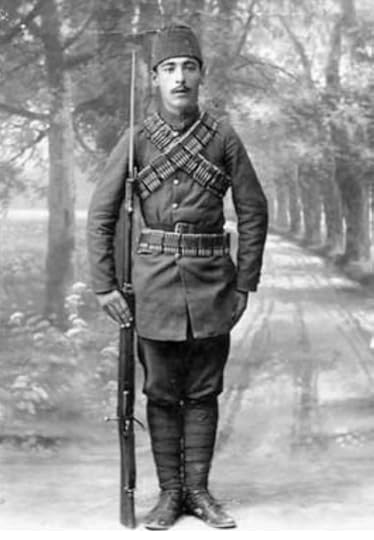
Ihsan Hasan Turjman (1893-1917), private, in Ottoman army uniform, Jerusalem, 1915. age 22, when he was conscripted in the Fourth Army.
"I went back late at night and found my mother still awake. We sat down and discussed the question of polygamy. She brought up the example set by the Prophet. My view was that he practiced polygamy as a way to bring together various groups and consolidate their alliance. We also discussed the Prophet’s promoting the status of women in Islam and the example of the Ethiopian wife he brought from Abyssinia to Medina." - Private Ihsan Hasan Turjman (1893-1917), a diary entry of Sunday, May 23, 1915
“We more or less agreed that the days of the [Ottoman] state are numbered, and that its dismemberment is imminent. But what will be the fate of Palestine ?” - Private Ihsan Hasan Turjman (1893-1917), a diary entry of March 28, 1915
"I cannot imagine myself fighting in the desert front. And why should I go ? To fight for my country ? I am Ottoman by name only, for my country is the whole of humanity. Even if I am told that by going to fight, we will conquer Egypt [liberating it from the British], I will refuse to go. What does this barbaric state want from us ? To liberate Egypt on our backs ? Our leaders promised us and other fellow Arabs that we would be partners in this government and that they seek to advance the interests and conditions of the Arab nation. But what have we actually seen from these promises ? Had they treated us as equals, I would not hesitate to give my blood and my life—but as things stand, I hold a drop of my blood to be more precious than the entire Turkish state." - Private Ihsan Hasan Turjman (1893-1917), a diary entry of Friday, September 10, 1915
"They say that July is the best month of the year, since it witnessed the liberation of nations. For me it has been the ugliest and vilest of months. I have not seen more difficult days in my life. I have thought often of taking my life. I even have begun praying to God to take me away from this world, so that I will be freed from the miserable life of soldiering. When I became depressed, I asked my pharmacist friend to give me a treatment to help me get discharged. I insisted, but he refused. I needed a medicine that would make me so sick that they would be compelled to give me a leave for few months. My life is very valuable, but my honor is more precious—for I would rather die than dishonor myself." - Private Ihsan Hasan Turjman (1893-1917), a diary entry of Monday, August 17, 1916
"Two days ago we ran out of flour at home, and we had nothing to eat. I never thought we would lack flour in our country, when we are the source of wheat. And I never in my life imagined that we would run out of flour at home. Who is responsible but this wretched government ? If these conditions persist, the people will rebel and bring down this government—and then it will be too late for the leaders to atone for their sins. We have so far tolerated living without rice, sugar, and kerosene. But how can we live without bread ?" - Private Ihsan Hasan Turjman (1893-1917), a diary entry of December 17, 1915
"Diseases are taking their terrible toll in Aleppo and Homs. Sixty to seventy deaths a day, mostly Armenians … I haven’t seen darker days in my life. Flour and bread have basically disappeared since last Saturday. Many people have not eaten bread for days now. As I was going to the Commissariat this morning, I saw a throng of men, women, and boys fighting each other to buy flour near Damascus Gate. When I passed this place again in midday, their numbers had multiplied. Most of the newcomers were peasants. I became very depressed and said to myself, “Pity the poor”—and then I said, “No, pity all of us, for we are all poor nowadays.”" - Private Ihsan Hasan Turjman (1893-1917), diary entries of October 25 and December 17, 1915
"I fought the English troops at Gallipoli for an Ottoman country that no longer exists — even though I continued living on the same land." - Onbası (Umbashi) Muhammad Ali Awad, Palestinian officer in the Ottoman army from the village of Anabta who fought in Suez and in Gallipoli
"All the time I think of T. and imagine her in front of me. Whenever I remember Jurgi’s words to me last week — that she loved me — I am in seventh heaven. But will I ever get to marry her ? I want to know about her every movement. I often pass in front of her house in the hope that I will catch a glimpse of her. She can always see me in my portrait, which I left with her brother, but how will I get her picture ?" - Private Ihsan Hasan Turjman (1893-1917), a diary entry of Friday, April 23, 1915
"I am completely in love, but I cannot talk to anybody about it, although I have a feeling people around me know the situation. She is the source of my happiness and misery at present. For I am unable to marry her, knowing her father’s opposition. I go to bed tonight with a heavy heart." - Private Ihsan Hasan Turjman (1893-1917), a diary entry of May 20, 1915
[ Hasan Turjman will be fatally shot by an Ottoman officer of the withdrawing Ottoman army just before Allenby troops enter Jerusalem in December 1917. He will never see his twenty-fifth birthday.]
"تنفرد يوميات الترجمان، بأنها وحيدة زمانها . فهي مشاهدات عسكري بسيط ورؤيته الحميمية لمدينته المحاصرة، دونها بأمانة ومتوخياً ألا يراها أحد بهذا تصبح هذه اليوميات سجلاً نادراً للأصوات الشعبية المهمشة - أصوات التابع - التي وصلتنا من الحقبة العثمانية. وما يزيد في أهمية هذه الشهادة أنها تجمع بين عالمين انتقل بينهما الكاتب في حياته اليومية: عالم الدوائر العسكرية التي عمل فيها خلال دوامه الوظيفي، وعالم الشارع المقدسي الذي كان يعود إليه في نهاية كل يوم. وهي تحوي سجلاً غنياً من الملاحظات والمشاهدات التي عاشتها فلسطين في فترة ۱۹۱۵ - ۱۹۱٦ : أوضاع العوز التي عاشها فقراء المدن خلال الحرب والمصائب والمجاعات التي رافقت غزو الجراد، والحرمان الذي نجم عن مصادرة الجيش المحاصيل والدواب ووسائل النقل"
مذكرات شاب من الطبقة الوسطى توفي رحمه ولم يبلغ ال ٢٧ من عمره، تحكي قصة الشارع والعمل في المقر العسكري في القدس وتحكي عن وعيه بهويته العربية المختلفة عن التركي تحكي عن بدايات الوعي لدى العرب عن تحول الأتراك إلى مستعمرين بدل من شركاء في الحكم
ومن يقرأ مذكرات حوادث دمشق اليومية مذكرات احسان يجد الفرق في الوعي والحس العروبي لدى كلا منهما، وكيف غيرت ثورة ١٩٠٨م تركيا الفتاة الوضع الاجتماعي والسياسي في المنطقة
وتكمن اهيمة هذا التغيير في فهم ما حدث من ثورة الشريف وفترة الانتدابات التي تلتها
Ihsan Salih Turjman was a Palestinian-Muslim who was conscripted by the Fourth Army of Imperial Ottoman Army when the World War One broke out. He served as a clerk in Logistic Department and later as a foot soldier for a short period of time. He was born in 1893 and died in 1917, before the end of the war, with a very short and quiet life. What makes his name known is his diary he used to write when he was in military service between March 15th, 1915 to August 8th, 1916. His short testimony to World War One as a conscripted soldier in the Fourth Army is a very valuable source to understand material conditions, psychologies and mentality of Ottoman soldiers at that time.
A book containing both a background on the period which its subject lived, and the diary of its subject, Ihsan Turjman. The background is well done, utilizing Turjman’s and two other diaries in order to shine light on the nature of pre-Arab revolt Palestine and Greater Syria. Since most scholarship tends to be fascinated with the Arab Revolt as a watershed moment for that respective nationalism- it is interesting to see the interplay between Arab nationalism, the revolt, Ottomanism and the sort of late Ottoman nihilism present in Turjman’s diary. Rather than the idea of an always unified Arabia (including the northern Arab countries and those of Africa,) or of an independent Palestine separate from Syria, Turjman and the others decidedly show that the question of Palestine was not always certain- even though it was doubtlessly a distinct identity amongst Arab peoples. At one point he even speculates (with some certainty) as to whether Palestine will be merged into Egypt. The introduction by Salim Tamari has a certian pro-Ottomanist stint, choosing to portray the Empire as ultimately merely failing to deliver on its benevolent promises rather than being an Imperial and oppressive project from the start, even during the Ottomanist period. Turjman proves to be a rather fascinating figure - an avowed feminist, who is killed by his officer after he refuses to return the his love:
A very valuable dairy and book, of mainly the Arab/Maqdsi solider Ihsan Al-Turjman in Ottoman times amid WWI. The dairy reflects the status quo and the residual anti-ottoman agenda of the Arabs due to the treatment of the Pashas towards them.
Important as it somehow presents why arabs across Seriya/Palestine/Hijaz and Mount Lebanon had a sense residual frustration from the turks and sparked the arab national aspiration. Even if that aspiration could lead to a collaboration with the English.
Ihsan is a bright person, by foreseeing some of the future implications of the Ottomans collapse and the replacement of the English. Very compassionate to other and to the poor in his notes. Sarcastic with pseudo glorification of his Turk patrons. However, very fair and gives credit where its due. And crazy in love with T.
particularly loved the passage about the failure of cemal pasha’s attack on the suez
« The idiot Cemal thought that our soldiers could make it quietly to the other side and then establish a temporary bridge that could accommodate the heavy guns, the camels, and the rest of the platoon before they could be detected by the enemy. His ignorance is limitless. […]
When the railroads were extended toward the canal, the last post was named after Cemal Pasha. I said to myself, Subhanallah, how appropriate to name the most desolate corner on earth after Cemal »
directly followed by an entry titled « The insolence of Cemal Pasha - Thursday, May 6, 1915 »
otherwise super interesting book, very digestible and helpful introduction
The Arab world has three major political metropolites: Baghdad, Damascus, Cairo. And three major religious civilizations: Meccah, Median and Holy Mosque in Jerusalem. Regionals such as Iran and Turkey should understand that once and for all. The Arab world is their centre, faith, strategic depth and their salvation...not just understand, also appreciate.