Jump to ratings and reviews
Rate this book

De lemlestede

Rate this book
Set in Prague, The Maimed relates the story of a highly neurotic, socially inept bank clerk who is eventually impelled by his widowed landlady into servicing her sexual appetites. At the same time he must witness the steady physical and mental deterioration of his lifelong friend who is suffering from an unnamed disease. Part psychological farce, Ungar tells a dark, ironic tale of chaos overtaking one's meticulously ordered life.

One of only two novels Ungar wrote, this translation marks the first time this important novel and any of his work has been translated into English. Ungar's novellas and short stories are collected in Boys & Murderers .

First published January 1, 1922

25 people are currently reading
2514 people want to read

About the author

Hermann Ungar

38 books34 followers
Hermann Ungar was a Bohemian writer (in the German language) and an officer in Czechoslovakia's Ministry of Foreign Affairs. His novels were influenced by expressionism and psychoanalysis. He was praised by Thomas Mann as a great writer.

Ratings & Reviews

What do you think?
Rate this book

Friends & Following

Create a free account to discover what your friends think of this book!

Community Reviews

5 stars
234 (25%)
4 stars
399 (43%)
3 stars
221 (23%)
2 stars
63 (6%)
1 star
9 (<1%)
Displaying 1 - 30 of 130 reviews
Profile Image for Vit Babenco.
1,776 reviews5,728 followers
January 21, 2025
The protagonist of The Maimed lives in the Kafkian world of drab routine… He is an ant among ants…
Around him in the room and in the cubicles many other men and women sat at desks that looked exactly like his. The smell of these men and women, the sound of their monotonous occupation and conversations, pervaded the whole building. Franz Polzer was completely suited to his occupation. It offered no occasion for distinction, and thus also no opportunity for attracting the attention of his superiors.

Growing up without mother, held in disdain by his father and aunt he had a miserable childhood so now he possessed neither willpower nor persistence… He was shyer than a mouse… He was afraid of everything… He was afraid of being robbed or murdered… He was fearful of colleagues, passersby and strangers… He was terrified of women and sex… He was horribly afraid of his widowed landlady but he was scared of being evicted even more… He never could be a master so he became a slave…
She stepped close to him. He saw that she had become broad and heavy. Her breasts hung down. He saw the dark hairs on her cheeks. He felt her warm breath.
The breasts beneath her loose blouse were already touching his body. He lifted his hands to push her away, but his fingers only grasped the heavy mass of flesh.
That evening he was able to do it.
She had put out the light and was sleeping beside him. Her arm was around his shoulders.

The only friend he had was incurably ill, rotting alive… Disease turned his friend cynical, abhorring his wife and the entire world… His friend horrified him… But most of all he dreaded changes…
Franz Polzer didn’t turn into a cockroach similar to Gregor Zamza but mentally he was nothing but an insect…
“I’m going to have to move to another section,” he said. “The day after tomorrow. But I can’t! Things should stay as they are… years of work… everything as it should be. Every line in the proper place.”

Some individuals aren’t able to endure freedom so they can exist only in the cage.
Profile Image for Guille.
1,000 reviews3,241 followers
July 22, 2021
Otro de esos libros que muerden y pican, que diría Kafka. Novela perturbadora por la fría exposición de nuestras debilidades, de nuestras crueldades, por la continua sensación de drama inminente. Personas atormentadas y atormentadoras, mutiladas física y/o mentalmente. Traumas familiares (mucho Freud), sentimientos patológicos, cobardías enfermizas que incitan al sometimiento y a la humillación, violencia, sexo, fanatismo religioso.

Dice Ricardo Menéndez Salmón en el prólogo que el libro debe leerse de una sola vez, como en estado de apnea. No es que se deba, es que da rabia tener que dejar de leer, un placer malsano y morboso te empuja hasta poder descubrir cuál será el fin de este ser hipocondríaco de la maldad ajena que es su protagonista.

Un protagonista que, marcado por su niñez en la que fue víctima de malos tratos, origen de un serio trauma sexual (hay incesto aunque él no es el protagonista), se va desdibujando poco a poco en un trabajo anodino, en una monotonía estricta y en una soledad obsesiva. Un protagonista débil y cobarde hasta extremos patéticos que, cuando no consigue la invisibilidad ansiada, es manejado y humillado por todos, en un mundo intrínsecamente perverso y enfermo. Una vida automanejada como si de un feo y pesado reloj se tratara y en cuya maquinaria se va a introducir un mínimo grano de arena que lo desajustará por completo.

El estilo de Ungar es sobrio; el ritmo, in crescendo; el ambiente, sórdido; el efecto que produce, desagradable; su conclusión:
“Nada se arregla, nada ha quedado atrás.”
Muy recomendable.
Profile Image for Φώτης Καραμπεσίνης.
430 reviews220 followers
July 29, 2020
Οι εκδόσεις Ροές διακρίνονται για τις ποιοτικές κυκλοφορίες τους από κάθε άποψη (κυρίως αισθητική), αλλά και για τις επιλογές τους ιδίως στη γερμανόφωνη λογοτεχνία. Εντούτοις, πόσα αριστουργήματα, έστω άνω του μετρίου βιβλία, να ανακαλύψει κάποιος; Εκ των πραγμάτων, από ένα σημείο και μετά θα πρέπει να ανασκαλέψει τις γκρίζες, αμφιλεγόμενες ζώνες των έργων που επιχείρησαν να καινοτομήσουν, να προκαλέσουν ή και τα δύο. Τώρα, το πόσο τα κατάφεραν ή όχι είναι θέμα οπτικής γωνίας.

Θεωρώ πως "Οι ακρωτηριασμένοι" είναι ένα τέτοιο βιβλίο. Προσπαθεί να διαφοροποιηθεί, να προκαλέσει (και στη εποχή του το πέτυχε), αλλά αυτό που εγώ εισέπραξα είναι σαφώς κατώτερο του μετρίου - ένας δευτεροκλασάτος Κάφκα, ας πούμε, ο οποίος παίζει συχνά με το θέμα των διαστροφών για να στηρίξει ένα θέμα που έχει εξαντληθεί μέχρι τη μέση του έργου. Προφανώς αυτό δεν θα είχε τη παραμικρή σημασία για μένα, εάν το αφηγηματικό ύφος ήταν όντως αξιόλογο και ξεχωριστό – όμως δεν διέκρινα κάτι τέτοιο.

Από την άλλη, οι κριτικές είναι γενικά θετικές για το βιβλίο αυτό, οπότε περί ορέξεως…
Profile Image for  amapola.
282 reviews32 followers
September 20, 2018
“bisogna amare questo libro con terrore” (Stefan Zweig)

Avete presente la celeberrima citazione di Kafka: ”Un libro dev'essere un'ascia. per il mare ghiacciato che è dentro di noi”? Ecco, con I mutilati Hermann Ungar assesta un colpo tale da mandare in frantumi un bel po’ di quel ghiaccio.
Qualcuno ha detto che questo romanzo psicologicamente inquietante fa sembrare le opere di Kafka una piacevole passeggiata nel parco. Chiunque fosse, aveva ragione. La Praga magica dei primi anni del Novecento era anche questo.

Per chi fosse interessato all'autore, in rete ho trovato questo articolo su Hermann Ungar:

https://cafegolem.wordpress.com/2012/...
Profile Image for Paula Mota.
1,642 reviews564 followers
June 2, 2020
“Caminhava lentamente e via como os seus sapatos brilhavam ao sol. Andava com cuidado para não os sujar. Com medo dos ladrões, cruzava as mãos nas costas, sobre o bolso onde estava a carteira. Quando lhe parecia estar a ser observado, sentia-se incomodado. Rapidamente olhava para o fato para se certificar de que tinha todos os botões abotoados."

É como assistir ao descarrilamento de um comboio cheio de loucos e tarados e não conseguir deixar de espreitar por entre os dedos. Não iria tão longe como Thomas Mann, que classificou "Os Mutilados" como uma obra-prima, nem como aqueles que comparam Hermann Ungar a Kafka, mas julgo que esta obra daria um filme bastante grotesco nas mãos de David Cronenberg. Uma leitura interessante, ainda que escabrosa.

“Não se conseguia terminar o dia de trabalho, este amontoava-se pendente sobre a secretária, desassossego por todo o lado, vinham pessoas, traziam arquivos, faziam perguntas, tudo se acumulava, tudo se emaranhava. (...) Não conseguia dormir só de pensar na perigosa insegurança de ter de estar preparado para milhentas coisas inesperadas e imprevisíveis.
Profile Image for Mariel.
667 reviews1,210 followers
January 12, 2012
I don't know if anyone else on goodreads is a fan of Canadian sketch comedy show Kids in the Hall? If you were this would be the easiest review ever to write. My favorite Kid, Bruce McCulloch, wrote and starred in some bits that I consider to be inspired. He has a dark and twisted mind that I adore. It could have gone anywhere and those guys let them go in all these different places in those years. Anyway, I love the "Huh" feeling at the end and all uncomfortable laughter in the dark. The kids would dress up as women and they had this great sexless thing going on. Because they weren't really women they were a distorted idea of women (best of all was when they'd transcend that. I particularly like Dave Foley in this skit). There was another side of Bruce too. I remember coming home from work as a teenager to watch reruns on Comedy Central during my lunch breaks. It was a bad day if it was the "Bar fight" episodes. "Oh, fuck. Bar fight again. This thing goes on forever and ever!" I would sit there and watch Bar Fight and wish it would end already because I didn't feel like it could go anywhere. (I guess they could take it inside or outside, like men or women.) Hermann Ungar's The Maimed is like that. It starts out with me feeling at home in this deeply paranoid mind. Ungar has chairs to sit in and watch the wallpaper fade. I bet I would know every crack in that ceiling given enough time. The paintings would have eyes that seem to follow your every move. Polzer is twisted up inside to where he's sexless because he doesn't leave that room for anyone else. He doesn't touch himself. He doesn't even know it any better than when he first got there (too scared of the eyes). It's the kind of sexless that thinks about sex all of the time (and missing the point). What a nightmare! The widowed landlady could have been played by a man in my mind. Predatory and not about sex either. I bet I would be able to feel the sweat on the collar. Days old perspiration. Not strong enough for a woman. But it is not the worn in feeling at home but it couldn't go anywhere (or at least would not be afraid to if it was going to go that way). Polzer meets his childhood companion, a richie Karl, when he is fat and abscessed into an early death bed. This part reminded me soooo much of a great short story in the Edogawa Rampo short story collection that I read in 2011. The story was about a wife who takes begrudging care of her impotent amputee of a husband (I'd wonder if he read The Maimed but that's gotta be one of those timeless things). I was worn down too, of the en passe. Fear is hard to sustain before it turns into something else. Like the stale odor of an old dog fart. This was like a combination of the short effects of being scared or horny and taken waaaay too long. It became being tired. Polzer never sleeps but I do. But when it was good it was good. (My favorite part was the longing that Polzer felt for the childhood kisses from Karl. How he notices that Karl's innocent son Franz looks as his father used to. The way he had to cry and look confused to get them. This guy doesn't get any love he can ask for.)

It is really too bad if no one knows what I'm talking about. That could have been the best ever comparison I've ever made on goodreads. (I'm gonna look so dumb! Everyone else probably said Kafka. Fuck!) There was a murder and someone was beaten to death. Fight! Fight!
Profile Image for Javier Avilés.
Author 9 books142 followers
May 25, 2018
Indiscutible obra maestra eclipsada por las obras de sus coetáneos.
Todavía estoy dándole vueltas al abrupto final.
Hay algo en los personajes de Ungar (junto a los de Kafka, Musil, Broch...incluso Walser) que muestran el signo de un tiempo, cuyas consecuencias han conformado nuestro presente. Se puede pensar que son avisos que preludian el advenimiento del nazismo, pero son un reflejo de los que se ha convertido nuestra sociedad occidental. Hay algo de preclaro en todos esos escritores en lengua alemana que han sido más certeros que la mayor parte del pensamiento razonado, filosófico, para mostrar nuestra condición. Y no es nada halagüeña.
Somos carne en un matadero a punto de ser despiezados... o algo así.
No, nuestra sociedad no tiene sentido.

Esta novela de Unger es una clara influencia para Canetti a la hora de escribir Auto de fe. Pero creo que su influencia va mucho más allá. La infidencia del relato, la forma en que conocemos los hechos a través de los comentarios de los personajes implicados en la trama, la forma en que el narrador permanece sabiamente al margen únicamente plasmando acontecimientos y conversaciones, la irracionalidad de los personajes y el apocamiento del principal, convierten a Los mutilados en una especie de pesadilla literaria que nos arrastra al patetismo carnal del ser humano.
Una maravilla.
223 reviews189 followers
November 18, 2013
At first I thought Ungar had been to see Tod Browning’s Freaks, and directly plagerised modelled ‘The Maimed’ on it. But no: he wrote it in 1923 and Freaks came out in 1932. Lynch’s Boxing Helena came out in 1993, one big massive nod to Ungar as well.

The centrefold here is a Karl, and he has Aspergers. Ungar doesn’t say so, not least because Aspergers wasn’t identified til 1944, but nevertheless, what we have here is a portrait of the artist as an Aspergers man. Like Sheldon in the Big Bang Theory only more so. It is extremely well rendered. So meticulously laid out I began acquiring neurotic baggage as the book went along: towards the end I was a pulsing vibrating hive of all kinds of neurosis, phobias and tics.

Writing simulataneously during this period, and in German as well, was Elias Canetti, another Jewish author, crafting Kien in Auto-Da-Fe: the similarities are astonishing. Both protags are socially inept recluses who fall sexual prey to malevolent fat older women housekeepers.

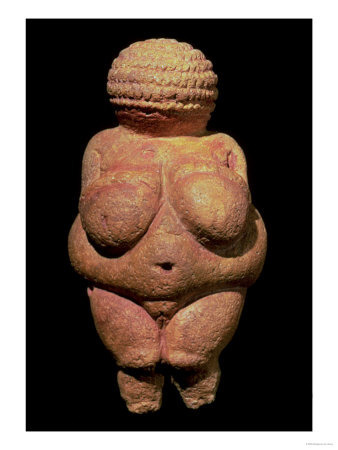
What is this with the fat evil women? It doesn’t tally. Cognitive association gives us ‘jolly’ to go with ‘fat woman’, (and hag or witch goes with dried up stick thin old women).

Now the rounded woman has been a goddess associated with fertility and life since the Babylonians (at least).
description


I suppose if one has to become a sexual slave it might as well be to a fat woman. Or, alternatively, if one hates women (and Karl does,), then maybe on a scale of one to ten where ten is the most hideous prospect, the fat woman scores. But what do I know? I’m only semi-fat and semi-old and semi-evil so my point of reference is skewed.

So, this kooky book is about freaks. Everyone is ‘maimed’ in some way: physical or psychological. The narrative crests on a wave of building paranoia (echoes of Kraznakohai to be found ), with multiple layers of symbolism, expressionism and dreamworks in the spanner, revolving, of course, around Karl, the Aspergers sexual slave. Everything hangs together with mesmerising glue: I couldn’t put the rummy thing down.
Profile Image for Cheryl Anne Gardner.
Author 10 books40 followers
March 14, 2010
I read the Maimed two years ago, and it's one of those rare books that I return to over and over again. This is from my Amazon review:

Franz Polzer, a pitiable, wretched man, lives out his ordinary days in solitude and poverty ... the mundane tasks carving out his time and his life. Tortured by sick and demented hallucinations of his father and aunt, Polzer suffers an immense sense of self-loathing as well as a loathing of women and children. He also suffers endless nights in cold sweat, paralyzed by the death grip of imaginary thieves and murderers, only to suffer the hours of his days in ceaseless toil, a slave, mercilessly at the beck and call of his obsessive compulsive disorder - everything must be counted and counted again ... and again.

Yes, Herr Polzer is a sad soul, desperately trying to live his life the way he wishes. But an easy mark, even his paranoia and compulsive behaviour cannot save him from the evil of others, who wish nothing more than to take advantage of any situation that might come along. And where one feels empathy for Polzer, there is nothing to feel but revulsion for the other characters in the story ... even his crippled childhood friend whose mind has been devoured by leprosy invokes no sense of pity.

This is a masterful piece of work. As we read the confessions of Polzer's twisted mind, Unger leaves more than enough to the imagination, and yet, without telling every gory detail, he still manages to set your flesh crawling. Polzer's entire identity is in turmoil throughout most of the book: his abusive childhood, his own sexual ambiguity, and his religious prejudices and superstitions fill every terror filled thought in his mind. I couldn't put this book down. In twenty-four hours, I read it cover to cover, on the edge of my seat. And even after finishing, the story continued to claw at my mind.

And kudos to the translator for finding it appropriate to include the final chapter, which was omitted in the original version. It in now way ruined the intentional ambiguous ending that the author desired. It only made me wonder more.

This book was put out by a small press in Prague, and their focus is on translations, specifically of Czech writers. Being a Kafka fan, I was instantly drawn to Hermann Ungar's writing style, which leans more towards the ambiguous. I like to wonder. I like to guess my way through a story. I don't like to be bludgeoned with character motivations, and Ungar is so subtle in this work, it's terrifying. Even the moments of exposition are beautifully done. I noticed as I was preparing to post that the book is out of print. If you can find a copy, I highly recommend it for anyone who likes macabre psychological stories.

Profile Image for Kobe Bryant.
1,040 reviews183 followers
June 18, 2014
If Mann thought this was a 'sexual hell' then what would he think about my search history haha
Profile Image for George K..
2,754 reviews368 followers
July 12, 2020
Τι το ήθελα καλοκαιριάτικα να διαβάσω κάτι τόσο σκοτεινό και καταθλιπτικό, σε σημεία μάλιστα αρκετά φρικιαστικό, με όλη την κοινωνική και σεξουαλική ταπείνωση και την παράνοια στην οποία οδηγούνται σιγά-σιγά οι περισσότεροι εκ των χαρακτήρων της ιστορίας. Εντάξει, πρόκειται σαφώς για ένα καλογραμμένο, ενδιαφέρον και ιδιαίτερο μυθιστόρημα, από αυτά που έχουν κάποια βαθύτερα μηνύματα να περάσουν και ίσως αντανακλούν τα συναισθήματα και την ψυχολογική κατάσταση των συγγραφέων τους, όμως το άτιμο μου μαύρισε την ψυχή. Φυσικά, αυτό δεν είναι απαραίτητα κάτι αρνητικό -με την έννοια ότι έτσι κι αλλιώς σκοπός του Ούνγκαρ δεν ήταν να φτιάξει το κέφι των αναγνωστών του-, το ότι μου δημιούργησε διάφορα συναισθήματα, το ότι με καθήλωσε και με έκανε ένα με τους χαρακτήρες και τη μαυρίλα της καθημερινότητάς τους, είναι σαφώς πάντα κάτι θετικό για ένα δραματικό μυθιστόρημα. Οπότε, ναι, σαν βιβλίο προτείνεται, μπορεί να πει κανείς ότι είναι ένα από τα σχετικά άγνωστα διαμαντάκια της γερμανόφωνης λογοτεχνίας που αξίζει να διαβάσει κανείς, όμως χρειάζεται η απαραίτητη όρεξη για τέτοιου είδους ιστορίες, αλλά ίσως και γερό στομάχι.
Profile Image for Armin.
1,192 reviews35 followers
October 27, 2018
Schwere literarische Kost, wollte das Buch schon seit über 30 Jahren lesen, im Anschluss an die enthusiastischen Schilderungen einer Komilitonin. Seinerzeit waren die Verstümmelten schwer aufzutreiben und hätten mich vermutlich mehr beeindruckt. Inzwischen erscheint mir das ganze Geschehen, trotz etlicher verdienstvoller Passagen doch ziemlich derbe zusammen gefügt.
Lebensuntüchtiger Bankbeamter, den die kleinste Verletzung seiner Ordnung aus dem Konzept bringt, gerät in einen psychopathischen Abwärtsstrudel mit blutigem Finale. Seine promiskuitive dicke Vermieterin zwingt Franz Polzer ins Bett und verprügelt ihn auch immer wieder wie einst der Vater und die Tante in dunklen Kinderzeiten. Nächtilche Eindrücke von Vater und Tante erwecken beim kleinen Polzer inzestuöse Eindrücke und einen Ekel vor Sexualität.
Als Frau Porges hochschwanger ist, eskaliert die Situation. Bis dahin ziehen sein Invalider Jugendfreund Karl Fanta und dessen sektiererischer Pfleger Sonntag in seine Wohnung ein, Fantas ständig gedemütigte Frau und der Sohn Franz spielen in der Geschichte ebenso eine Rolle. Es gibt zahlreiche Elemente aus dem Bereich des Sadismus und Masochismus: Polzer und Fantas Frau Dora, müssen klaglos ziemlich viel physische und psychische Grausamkeiten einstecken, der verkrüppelte, aber intellektuell weit überlegene Karl Fanta und Frau Porges übernehmen dominante Rollen.
Ein wenig erinnert der Erstling des Anwalts aus dem Kafka-Umkreis an einen Cocktail aus Dostojewskis Armen Leuten (Polzer), den religiösen Gesprächen aus den Brüdern Karamasow und den Idioten (Sonntags Reflexionen über Jesus und das eigene Erweckungserlebnis bzw. den Anspruch des früheren Metzgers als Prediger) mit kakfaesker-grotesken Partien bei der Schilderung des Zusammenbruchs der bürgerlichen Ordnung nach dem ersten Weltkrieg.
Ich kann nicht sagen, dass mir die Lektüre wirklich Spaß gemacht hat, Dostojewskis Arme Leute sind auch in Sachen Lesevergnügen die die ideale Vergleichsgröße, aber die Verstümmelten sind ein interessantes literarisches Dokument aus einer Umbruchszeit.
Profile Image for Teresa.
1,492 reviews
November 22, 2015
A propósito do que escreveu Thomas Mann sobre esta obra: "Um inferno sexual, pleno de depravação", há uma opinião no Goodreads que diz, mais ou menos, assim: "Se Mann pensava que isto é um inferno sexual, que pensaria ele se tivesse conhecido a minha história, ahahah!". Esta opinião (a do Kobe Bryant, não a de Mann) foi o que mais gostei nesta leitura, ahahah!
Profile Image for Monica Carter.
75 reviews11 followers
June 23, 2009


The Maimed by Hermann Ungar wonderfully terrifying descent into paranoia, perversity and the power of abuse. Well-written and captivating from the opening sentence, this novel tells the depressing story of Franz Polzer. Ungar leads us with a perfect narrative through a tale that offers no lasting happiness for the tortured soul of Franz or those around him.Thematically, we are dealing with repression, abuse, madness, homosexuality and sadism.

Doesn't that sound like fun? Read on, brave ones.

Franz Polzer's life starts off badly and never quite recovers even though for a time, he learns to maintain a routine through his systematic organization and superstitions. After losing his mother and being repeatedly beaten at the hands of his father while his aunt held him down, Franz becomes a timid and withdrawn fellow fearing most everything and everyone. Then one night he sees his father leaving his aunt's room and believes that they are having an affair. Franz develops an intense aversion to her which is impressed upon his memory the part in her black hair contrasted with the whiteness of her scalp. This imagery sticks with him and shows up later in the book causing him paralyzing anxiety as he thinks of his landlady, Frau Porges:

As soon as the shadow of his aunt fell across the lighted door, Polzer had known that a woman's nakedness was something horrid. Even before seeing his aunt's shadow, he was tormented by the horrible thought that her naked body was not closed. He felt the same way in the presence of Frau Porges--like he was plunging endlessly into a terrible slit. Like open flesh, like the folds as the edge of a wound. In galleries, he never wanted to see the pictures and statues of naked women. He wanted to touch the body of a naked woman. He felt it was the locus of impurity and a disgusting smell. He only saw Frau Porges during the day, when she was fully clothed. Yet he was tormented by the thought of her fat, naked body.


The one thing that saves Franz from his miserable existence is his success in his studies and the meeting of Karl Fanta, a rich boy who attends the Gymnasium with him. Ungar describes a homosexual relationship between Karl and Franz even from the beginning, "Karl Fanta saw that Polzer was unhappy, and often both boys embraced, kissing each other while they cried." In 1923, this was quite a daring work and when Ungar submitted it to Kafka's publisher at the time, although liking it, thought he would be brought up on obscenity charges if he published it. Interestingly, the relationship between Franz and Karl is the only relationship, at least for Franz, where physical intimacy is an expression of love not a an act of compliance stemming from fear. Of course, in true Eastern European style, any happiness derived from his relationship with Karl is thwarted. Karl becomes ill and is sent away for treatment. Karl's father had agreed to pay Franz's way through his University studies, but once Karl is sick, Franz is forced to leave his studies and take a clerk position in a bank.

Due to his meager finances, he is forced to rent a room from Klara Porges, the fat and 'hairy' widow. He is frightened of her and repulsed by her. He consistently obsesses over her fat and the part in her black hair that reminds him of his aunt. Even though he avoids her, she manipulates him into spending more time with her as well as sleeping with her which turns out to be a humiliating and disgusting experience:

The breasts beneath her loose blouse were already touching his body. He lifted his hands to push her away, but his fingers only grasped th heavy mass of flesh.

That evening he was able to do it.

She had put out the light and was sleeping beside him. Her arm was around his shoulders.

That night Franz Polzer was seized by a great, incomprehensible and horrible thought.

It happened suddenly. The white line made by the part in her hair shimmered palely. Her body seemed soft and dark He longed for this body, and suddenly her remembered it was the body of his sister.

He knew the thought had no foundation. He had never had a sister. But the idea was too powerful and immediate for him to dispel it.

Franz Polzer rose and wrapped himself in his coat. He sat down at the table. It was as though he had slept with his sister. He remembered the nights at home when his father's heavy steps would creak over the rotten floorboards, and he would lie in bed, overcome by horror as he listened.


As his relationship with Frau Porges progresses, it becomes more humiliating. Karl, who is now married and has a teenage son, becomes prominent once more in Franz's life. Now a paraplegic and rotting away from some unknown disease, he has become a hostile and paranoid man He confides in only in Franz and the weight of this is unpleasant and intimidating for Franz. But because of his feelings and loyalty to Karl, Franz never questions or objects. He does what is asked of him. At one point, Karl becomes so verbally abusive to his wife and son that the son, also named Franz, confides in Polzer providing another sexually confusing moment:

Polzer pulled him close. He pressed the boy's head to his chest. Franz Fanta's question had touched him For a moment his hand lay on Franz's soft hair. He pulled quickly away struck by indistinct memories of the boy' father, of the work from the assignment book, of tears of distant affection.

"I'm sure you won't get sick," he said.

"It bothers us," said Franz, "me and my mother. Mother thinks you could help us."

Polzer held Franz Fanta tight. He felt his thin limbs against his body, felt the way Franz's chest rose and fell as he breathed.

The boy looked at Franz Polzer.

Polzer avoided his eyes. He felt the boy's heartbeat. It was a face he had seen before. Dora was right. Forgotten similarities filled Polzer with consternation and anguish.

Franz Fanta said:

"Do you love me, Polzer?"

Shocked, Polzer let go of the boy.

Ungar gives us such a repressed story of homosexuality that it's difficult for the reader to ever think that Franz will find happiness. An infusion of oppression and desperation leads us from page to page, hoping that relief is soon to be found. But each of the characters in this book is truly tragic. Polzer is the ultimate victim--abuse brought on by others and fueled by his own defense mechanisms. But the others are sorrowful victims of their own self-imposed cages grasping for quickest way to feel powerful in hopes of garnering even the smallest moment of happiness. Abuse begets abuse and it was never more true than in this twisted and tragic tale of Franz Polzer.

What adds to this tragedy, are the eerily exquisite drawings by Pavel Rut. It's as if Rut has given us pencil drawings of all the people who are from the same town as the figure in Edvard Munch's The Scream. These illustrations merely enhance the sorrowful aesthetic. Hermann Ungar should be better known than he is and thanks to Twisted Spoon Press for putting this novel back in print. I am for sure going to check out the Ungar's other book, Boys and Murderers.

Profile Image for Andy .
447 reviews91 followers
June 13, 2018
This was a unique, weird read. This book has a deep sense of helplessness and sexual and social humiliation, it's queasily gross at times and by the end almost every character seems to have gone insane. Combining all of that with unpredictability and a potent mood, I was quite impressed.

Franz Polzer is a meek bank clerk, who allows himself to be sexually abused by his domineering landlady because he is so socially inept and neurotic that he cannot venture outside of his daily routine. While this is happening Franz must also contend with his oldest friend Karl who is slowly dying of a disease that is wasting away both his body and mind. Karl suspects his wife of having affairs and planning his murder.

The feel of this novel is very unique, but other authors did come to mind. Early on the mood of this book reminded me somewhat of Dostoevsky or Kafka, but by the end things get so surreal that the works of Meyrink came to mind. There's a side plot in the story about Franz getting a new suit of clothes that is very reminiscent of Gogol's excellent short story "The Overcoat."

Few characters here seem entirely sane. Franz is paranoid about having his possessions stolen, so much so that he often counts his sheets of paper to ensure no one has stolen one. He also fears something being stolen which he will later not even realize he's missed. It is obvious early on that Franz is almost certainly homosexual. It's hinted that this was explored with Karl at one time, but now Franz can only watch as Karl raves, suffers and slowly dies.

I found this book darkly, and intensely funny at times, even though it felt really strange to laugh at what was happening. For example, an attendant named Sonntag is hired to take care of Karl. The paranoid Karl fears that Sonntag is in a conspiracy with various other people and plans to murder him in his sleep. Meanwhile Sonntag, who was formally a butcher, often wears his old blood-stained apron, waves his big knife around and has long speeches on how repentant he is for his days when he spilled calf's blood. The scenes are quite funny in their ironic effect of horrifying Karl. Karl himself is a cruel character, driven half-mad by his disease, and yet several of his rambling, paranoid or sexually obsessed monologues are quite funny as well.

That said, this is certainly a grim, bleak book. Franz seems to dread everything in life so intensely, and often his worst suspicions come true. And the madness and paranoia of each character feeds off of one another into a shocking climax.
Profile Image for AJ.
178 reviews24 followers
July 28, 2023
If you suffer from social anxiety, whether crippling or manageable, then much of this book will be recognizable if not directly relatable. I like the religious message Ungar was sending and his boldness in the delivery. The overall (let’s avoid the adjective form of his contemporary and say oppressive) atmosphere was the most effective element in this short novel. Quite a fun read.
Profile Image for Bogdan.
130 reviews77 followers
Read
March 11, 2025
Der kleine Mensch ist ein großes Thema in der modernen Literatur. Sie ist dicht bevölkert von winzigen, scheinbar unbedeutenden Figuren. Um eine Rangordnung zu erstellen, würde ich sagen, dass Ungar mit Die Verstümmelte zwar nicht zur allerersten Klasse der genialsten Kleinmensch-Schöpfer – Gogol, Flaubert, Tschechow und Kafka – gehört, noch zur hohen zweiten Klasse der Meister des Verschwindens in Büros und in der Menge – Pessoa, Walser und Bove –, aber er nimmt in der dritten Klasse einen sehr ehrenwerten Platz neben Süskind ein. Wie dieser entwickelt Ungar das Thema des kleinen Menschen ein wenig zu bewusst und beabsichtigt, fast programmatisch:

Von seinem zwanzigsten Lebensjahr an war Franz Polzer Beamter einer Bank. Täglich um dreiviertel acht Uhr morgens ging er in sein Bureau, niemals um eine Minute früher oder später. Wenn er aus der Seitengasse, in der er wohnte, hinaustrat, schlug die Uhr vom Turm dreimal.
Franz Polzer hatte in der ganzen Zeit, in der er Beamter war, weder jemals seine Stellung noch die Wohnung gewechselt.


Doch diese Geschichte und sein klarer, griffiger Stil haben mir mehr gefallen als Die Taube von Süskind, die ein bisschen zu trocken und vorhersehbar als eine Parabel wirkt.
Profile Image for Beatriz V..
420 reviews
February 26, 2021
Valoración: 4,5/5
“Los mutilados” es una novela cruda con un ambiente angustioso y opresor donde el subconsciente reprimido es el gran protagonista de la historia, el que aprisiona y anula a través de sus traumas y obsesiones convirtiendo a sus protagonistas en mutilados emocionales.
Una novela agria y descarnada con una prosa directa, sin tapujos y con un halo onírico angustioso.
Un autor eclipsado en su época y que quiero seguir descubriendo su obra.
Una advertencia a futuros lectores, si la edición que se disponen a leer contiene el Prólogo “La raya del pelo de Frau Porges’ de Ricardo Menéndez Salmón, les recomiendo encarecidamente que se lo salten y lo lean al finalizar la novela debido a que hace un spoiler brutal del momento clave del final del libro. Un grave error y todo un despropósito por parte de la editorial por no advertirlo al lector.
Profile Image for WillemC.
591 reviews25 followers
July 12, 2022
Ik heb nu al het in het Nederlands vertaalde proza van Ungar gelezen en "De Verminkten" is mijn favoriet. Net als in "De Klas" volgen we hier een zwakkeling die passief de tegenwerkingen van het leven incasseert, verschrikkelijk onzeker is en het slachtoffer denkt te zijn van allerhande complotten. Toch daalt "De Verminkten" nog wat dieper af in de krochten van de menselijke ziel: de meeste hoofdpersonages zijn mentaal of fysiek verminkt, soms allebei, een concept dat waarschijnlijk een verwijzing is naar Ungars WOI-trauma. De roman legt ook Ungars angst of afkeer voor het menselijk lichaam bloot: etterende zweren, vetkwabben, beharing, geamputeerde ledematen, ... komen uitgebreid aan bod. Toch heeft "De Verminkten" bij momenten ook een zwart-komische ondertoon en doet het einde, net zoals in "De Klas", afbreuk aan wat ervoor komt. Voor fans van Kafka, Walser, ... 4.25/5
Profile Image for Stephen Rowland.
1,359 reviews69 followers
September 22, 2022
An effortlessly grotesque, neurotic nightmare, its contents shocking for the era in which it was written. It's also often hilarious, and I found myself sometimes moved by the Polzer's travails, having many of the same psychological hangups as were written into him. This was an incredible find for me! Only two (or three?) other novels by Ungar are available in English and I must get them. This is one of the best things I've read this year.
Profile Image for Rafa .
538 reviews30 followers
May 20, 2012
Con una escritura intachable nos muestra un conjunto de seres humanos socialmente al límite. Todo un descubrimiento gracias a Offuscatio.
Profile Image for Jorge Maia.
127 reviews6 followers
January 29, 2021
Hermann Ungar (1893 – 1929) foi um escritor checoslovaco, de origem judaica e que escreveu a em língua alemã. Os Mutilados (1923) é o primeiro dos seus dois romances. Ungar faz parte de um grupo de escritores judeus checos organizado em torno da figura de Max Brod e do qual também fez parte Franz Kafka. A morte prematura do escritor e a natureza tensa e obsessiva das suas obras, bem como a acção de algumas pessoas influentes nos meios literários, como o próprio Brod e Willy Haas, terão conduzido ao esquecimento da sua obra durante largas décadas. Isto, apesar da grande admiração de Thomas Mann – padrinho do filho de Ungar – e da obra Os Mutilados ter tido a honra de ser uma das primeiras a ser queimada pelos nazis, como exemplo de arte degenerada. Influenciado pelo expressionismo alemão e pela psicanálise, o romance é uma descida ao inferno, isto é, às obsessões e nevroses que habitam as pessoas e as mutilam.

Continuar a ler em: https://kyrieeleison-jcm.blogspot.com...
Profile Image for Yuri Sharon.
270 reviews29 followers
December 26, 2020
A neurotic bank clerk, Franz Polzer’s life has a trajectory going from dull bad to murderous worst. It is a disaster with the inevitable momentum of gravity. Written in the early 1920s, set in Prague, it depicts a society that has no other course than self-destruction. A grim read, it is enlivened by sexual content that must have interested the censors of the 1920s. The characters may seem to be caricatures, but we need to understand that such people did – and do – exist. All the characters in this novel are maimed some physically, all psychologically. They are all busy maiming one another, which their society apparently expected them to do. You can hear the Nazis coming.
A contemporary of Kafka, although the two never met, Ungar also wrote in German, died young and was then forgotten for several generations.
Profile Image for João.
Author 5 books67 followers
December 1, 2015
Franz Polzer é um obstinado com a ordem, os seus papéis no banco têm de estar arrumados, faz um inventário do seu quarto todas as noites, evita tudo o que perturbe a "normalidade" do seu mundo, o que se vem a provar uma tarefa impossível, face à ambição da sua senhoria, Klara Porges, que o transforma num escravo sexual, e à degradação física e mental do seu maior e talvez único amigo, Karl Fanta, por quem terá tido uma ligeira paixão de adolescente.

Trata-se de um romance quase kafkiano, muito subtil, expondo sem descobrir nem explicar completamente, que acaba com um crime que fica por desvendar, ou fica para cada leitor desvendar.
Profile Image for Ben Arzate.
Author 34 books132 followers
November 6, 2016
Full Review

Ungar is not a well remembered author. He was a contemporary of Kafka and is often compared to him. They were both Jewish writers from Prague who wrote dark fiction, but Ungar is quite distinct from Kafka. Ungar finds horror in the every day and in the repressed psyches of the people around him. While his body of work is not large, this book makes it clear that Ungar deserves to be more well-known than he is.
Profile Image for pchvsk.
85 reviews1 follower
June 10, 2020
Una novela caótica, grotesca y por lo tanto grandiosa. Crea entornos que huelen a carne podrida y a humores humanos. La descripción y los motivos de los actos de los personajes están muy bien diseñados. El final es magistral: el último quiebre, la última mutilación que corta el destino de todos sus personajes.

Bravo.
Profile Image for Offuscatio.
163 reviews
May 13, 2012
Un perturbador escaparate de seres desfigurados por la inmoralidad, la codicia, el apetito sexual,...
Profile Image for Katrinka.
762 reviews31 followers
September 4, 2024
Engrossingly disturbing in the way only the modernists could do it.
Displaying 1 - 30 of 130 reviews

Can't find what you're looking for?

Get help and learn more about the design.