Jump to ratings and reviews
Rate this book

Scenes from Village Life

Rate this book
Publisher's Summary

Strange things are happening in Tel Ilan, a century-old pioneer village. A disgruntled retired politician complains to his daughter that he hears the sound of digging at night. Could it be their tenant, that young Arab? But then the young Arab hears the digging sounds, too. Where has the mayor's wife gone, vanished without a trace, her note saying "don't worry about me"? Around the village, the veneer of new wealth - gourmet restaurants, art galleries, a winery - barely conceals the scars of war and of past generations: disused air raid shelters, rusting farm tools, and trucks left wherever they stopped. Scenes from Village Life is a memorable novel in stories by the inimitable Amos Oz: a brilliant, unsettling glimpse of what goes on beneath the surface of everyday life.

©2011 Amos Oz (P)2017 Blackstone Audio, Inc.

Audiobook

First published January 1, 2009

108 people are currently reading
1236 people want to read

About the author

Amos Oz

188 books1,649 followers
Amos Oz (Hebrew: עמוס עוז‎; born Amos Klausner) was an Israeli writer, novelist, journalist and intellectual. He was also a professor of literature at Ben-Gurion University in Beersheba. He was regarded as Israel's most famous living author.

Oz's work has been published in 42 languages in 43 countries, and has received many honours and awards, among them the Legion of Honour of France, the Goethe Prize, the Prince of Asturias Award in Literature, the Heinrich Heine Prize and the Israel Prize. In 2007, a selection from the Chinese translation of A Tale of Love and Darkness was the first work of modern Hebrew literature to appear in an official Chinese textbook.

Since 1967, Oz had been a prominent advocate of a two-state solution to the Israeli–Palestinian conflict.

Ratings & Reviews

What do you think?
Rate this book

Friends & Following

Create a free account to discover what your friends think of this book!

Community Reviews

5 stars
380 (19%)
4 stars
819 (41%)
3 stars
593 (30%)
2 stars
142 (7%)
1 star
23 (1%)
Displaying 1 - 30 of 265 reviews
Profile Image for Orsodimondo.
2,458 reviews2,431 followers
May 30, 2025
UN PO’ DI ANNI DI SOLITUDINE


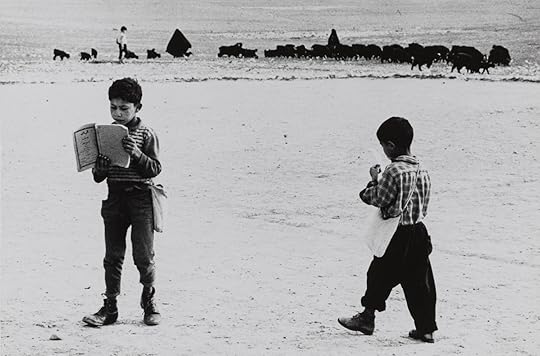
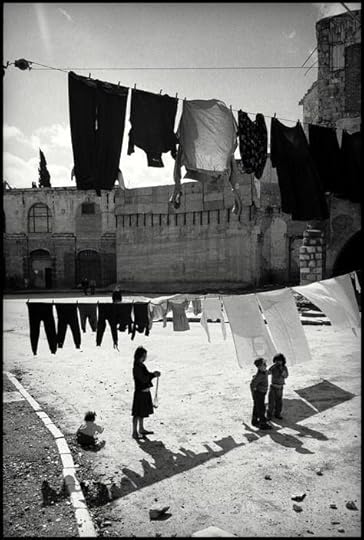
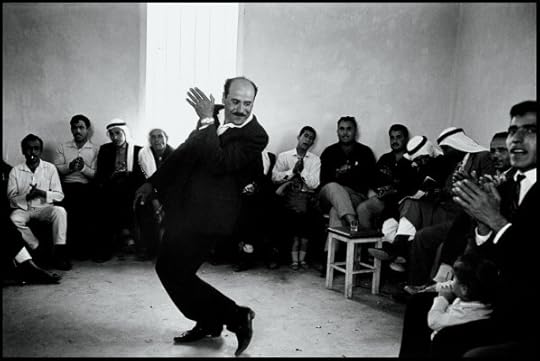
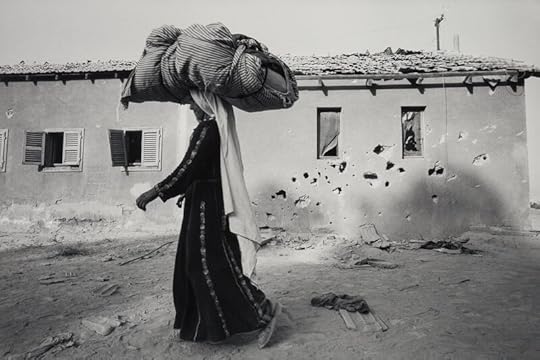
Sono tutte fotografie di Leonard Freed.

Apparso due anni prima di Tra amici (2010 questo, 2012 l’altro), anche questo è un romanzo costruito su racconti. Oppure una raccolta di racconti – sempre otto – che può comporre un romanzo.
Anche qui c’è unità di luogo: un villaggio molto frequentato da turisti, inclusi stranieri, spesso paragonato alla Provenza o al Chianti.
Anche qui personaggi e situazioni si ripetono, si incrociano, sono sviscerate in un racconto e poi riappaiono in un altro successivo.
Anche qui la voce del narratore è talvolta un “noi”, chi scrive appartiene al villaggio. In un paio di occasioni si fa io-narrante, una volta è il locale agente immobiliare – data la bellezza del luogo, l’immobiliare è attività redditizia – un’altra inviato “dell’agenzia per lo sviluppo delle regioni arretrate”.


Ha ragione Susanna Nirenstein, questi racconti si tingono tutti di elementi kafkiani, prendono svolte d’assurdo, e surreale.
Aspetto insolito per la conoscenza che ho di Oz (sono arrivato a leggere quasi metà della sua narrativa). Aspetto che può spingere a leggere in filigrana, ad andare troppo oltre le parole scritte, e, per esempio, identificare la mefitica palude dell’ultimo breve racconto con l’oggi di Israele. Ma credo sarebbe un errore scatenarsi nel simbolismo, nei rimandi esasperati. Come ogni scrittore di valore, Oz parla e scrive di questo e quello, dell’Israele che conosce e del mondo intero, di quei personaggi e dell’intera umanità.


E forse è vero anche che questo villaggio ambito dagli immobiliaristi, dove le vecchie case vengono demolite per far spazio a ville con fontane, dove i turisti arrivano a frotte ad acquistare formaggi, vino, olive, miele, ha qualcosa di Macondo: anche questo ha alle spalle ormai un secolo di storia, e anche per questo si può parlare di “cent’anni di solitudine”.


Profile Image for Carlos.
143 reviews123 followers
February 1, 2025
Un libro escrito como historias cortas basadas en una ciudad ficticia de Israel. Le pongo solamente 2 estrellas porque jamás me atrajo, no me atrapó y no llegué a decir "Y qué pasará ahora?". También debo agregar que no vi mucha conexión entre las historias ni por qué están incluídas en el mismo libro. Si tienen algo en común, desgraciadamente no pude ver qué era. Le pongo 2 estrellas y no 1 solamente porque creo entender que todas las historias eran basadas en una ciudad (ficticia) pequeña y la vida de los personajes se basaba en asuntos no terminados, ya sean personales o laborales. Muchas veces me perdí en las historias y simplemente no sabía en qué dirección iba. Una pena.
Profile Image for Owlseyes .
1,805 reviews304 followers
September 21, 2018
This is a collection of stories of people in a small village called Tel Ilan, Israel. Stories, which stand on their own; with little interconnectedness.

As I was reading the book I got cozier and cozier, with this small village life. There was a climax, I would say, with fifty (plus) year olds gathering at a place for singing. But then the last “chapter” blew it all, because it’s no more in Tel Ilan: but in another time, and in another place.

But, first some of the characters of Tel Ilan.

She was known in the village for her “glacial, intense glaring of her glasses lenses”. She never married. She’s been anxiously waiting for the arrival of her nephew Gideon at her place. Yet he never arrives.

Gideon, an almost-autistic child, who ran from home at 12, managed somehow to connect with Doctor Gili Steiner. It was fun when he had to prepare for 12th grade exams and he spent some days at Gili’s; she never helped him getting prepared; they played checkers, instead. Gideon had to stop his military service due to a renal infection.

Arié Zelnik, a big, strong man, living with his sick 90 year-old deaf mother. Arié left his apartment in the Carmel Mountains. He wanted “total quietness”; Naama, his wife, left for San Diego, USA; he’s got a daughter and a son.

Arié was once a navy commando; now he wants to “erase” all family memories; he wants to build airplanes miniatures. Until the day he receives a strange real-estate agent…

And there’s Rachel, living with father Pessach: an avenge-full 88 year-old former MP in the Knesset; of a political party, which has been dissolved (the MAPAI).


Rachel is a 45 year old widow; her husband died of cardiac arrest.

Pessach has got a big white moustache; roams the house with his black beret; and, most important, has a daily routine: to insult the International Socialist and…to look for chocolates. Rachel wonders sometimes: what do I do here? Meanwhile, she allows a young intellectual Arab called Adel to live in her place,… in the back yard.

Adel talks in Arabic with the cats; he would like to write a book: about “us”. The differences and similarities between Arabs and Jews, it’s implied. Pessach doesn’t like Adel, at all. But they manage to talk. Adel says about those differences: our (Arabs) unhappiness stems from the soul; or even the heart. Is it deeper? Yet they both agree: at night they both hear noises; someone is excavating the underground, beneath their homes.

Pessach told Rachel: we’re like a shadow passing by. Pessach dislikes the man trying to date Rachel: he’s a Vet with a pony tail and wearing an earring.

And other stories.

Things get cozier when some of the characters get together for singing; but after this episode, something very surrealistic (?) happens; the above mentioned “chapter”: on another time and place.

It’s a place plagued by mosquitoes and poverty and promiscuity….; women upon seeing a healthy man start saying: let’s kill him.

This last chapter aroused in me questions: is it the Tel Ilan of the future? But, all those previous chapters had been so realistic, so historically stamped, I would say, by the real Israel's History, since its founding fathers.

Why this change?.


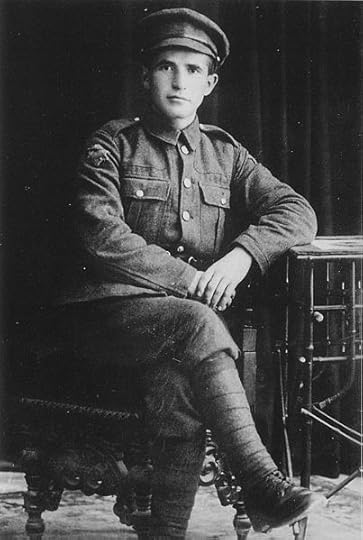
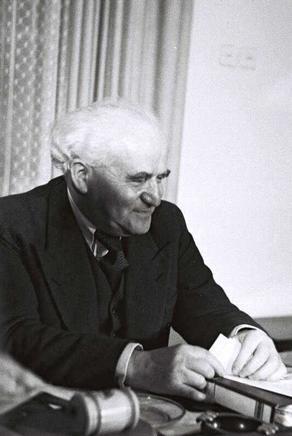
(Ben Gurion)

(Ben Gurion)

I thought of 4 stars, but due to this style (?) and content change I am prone to 3,… stars.
Profile Image for Elena Papadopol.
710 reviews70 followers
May 11, 2024
Plasate intr-un sat aparent banal, povestirile sunt interconectate, insa fiecare este diferita si surprinzatoare. Personajele par foarte vii, perfect conturate.

,,[...] Inauntrul fiecarui om, ma gandeam eu, sta chircit copilul care a fost odata. La unii poti vedea ca acel copil traieste inca, in timp ce altii cara dupa ei un copil mort."
Profile Image for Lyudmila Spasova.
178 reviews58 followers
August 12, 2023

“Тел Илан, едно от първите ни селища, вече на повече от сто години, беше заобиколено отвсякъде с градини и ниви. По източните склонове се простираха лозя. По пътя към селото се издигаха редица бадемови дървета. Керемидите на покривите се криеха в гъсти зелени корони на стари дървета. Много от жителите все още се занимаваха със земеделие, като наемаха работници от чужбина, които живееха в бараки из селскостопанските дворове. Други бяха дали земята си под аренда и изкарваха прехраната си със стаи под наем, галерии за произведения на изкуството или малки бутици, или пък работеха в града. В центъра на селото бяха отворили врати два ресторанта, освен това имаше винарна и магазин за тропически риби. Един местен предприемач беше направил цех за производство на старинни мебели. През почивните дни селото се пълнеше с туристи, които идваха да похапнат или да си купят нещо на сметка. Но в петък следобед улиците се отдаваха на следобедна почивка зад спуснатите кепенци.”

На този фон, замиращо село в Израел, близо до голям град, което има функции по-скоро на вилна зона, зърваме сцени от живота на малцината постоянно обитаващи го и на някои пришълци с неясно минало и още по-неясно бъдеще. Книгата е разделена на части с многозначителни заглавия, които могат да бъдат четени и като самостоятелни разкази. Това, което ги свързва, е мястото и атмосферата на безпътица. Ако мога да обобщя най-важните от тези заглавия, пресъздаващи основните послания, така както аз ги видях, това са “Дълбаене”, “Изгубен” и основно “Чакане”. Всички герои в това “място” очакват някого или нещо, което не идва, не се случва, изчезва внезапно или мистериозно.
След много години съвместен живот съпругата на Бени Авни все едно се изпарява, като оставя единствено бележка с “Не се тревожи за мен.”
Чакане, дирене без резултат, обикаляне по празни пътеки, където обикновено броди по някое бездомно куче, може би едно и също, дълбаене из бездните на паметта, из която неомъжената Гили Щайнер тършува, докато очаква единствения си племенник да я посети, или из която Песах Кедем, някога влиятелен политик, вече отдавна се е изгубил.
Усещането, че е трябвало отдавна да си тръгнат и че безвъзвратно са пропуснали живота си, терзае някои от героите, докато ежедневието не го заглуши временно. В мазето си Песах Кедем чува постоянно дълбаене и дъщеря му, неомъжена учителка без личен живот и мечти, го отдава на деменцията му, но се оказва, че влюбеният в нея арабски студент, обитаващ барака в двора им, чува същия звук.

Дали това е метафора на съвестта на възрастния партиен функционер или израз на общото неспокойство зад притихналата фасада? Къщата е до гробищата, може би мъртвите се опитват да прекрачат прага към живите? Някои от историите съдържат свръхестествени, дори готически по характер елементи и ни оставят напълно озадачени. Харесах тази неопределеност, но бях смутена от пълната безнадеждно, излъчваща се от всяка индивидуална история и акумулирана като усещане за опастност и заплаха. То ескалира и достига кулминацията си в “Пеене”.
На фона на звуци от бомбардировки и начеващи с недомлъвки, но недовършени спорове за това, какво може да се направи за държавата Израел с толкова несигурно бъдеще, се случва нещо, което никога не бихме свързали със сбирка, организирана, за да може жителите на селото да попеят и да си поприказват. А последната глава е извънредно смущаваща, апокалиптична картина, която може да е от миналото на селището, може да принадлежи на бъдещето, а навярно нито едното от двете.

Най-тревожна за мен не беше липсата на дори един оптимистично настроен и изпълнен с живот възрастен, а фрустрираните тинейджъри, самотни, аутистични, неспособни да изразят себе си. Несподелената, неосъществена любов изглежда е важна тема за автора,защото я виждам във втора негова книга. В “Юда” също беше една от централните и създаваше неразрешимо напрежение в повествованието. Аз я свързах с внушението, че животът е някъде другаде и в друго време.

Голяма скръб вее от тази книга, природата е съзвучна с нея. От друга страна има някаква красота и магнетичност в застиналото в неосъщественост селце, приглушен писък. Силно обезпокояващ роман, доста време ме преследваше и даже ме отвращаваше, но сега си спомних за него като за лек кошмар, в който има някаква красота и ми навява носталгия.

Някои книги ни вълнуват и стават част от нас, други ни оставят безразлични, а има и такива, които лично мен силно ме отблъскват. Тази е от третия вид. Но понякога ми се случва точно тези, така недолюбвани от мен книги, по-късно да ми напомнят за себе си, като сцени от тях неочаквано излизат на повърхността на паметта ми и насищат настоящето. Така осъзнавам, че всъщност са ме докоснали по-дълбоко, отколкото съм предполагала, до степан дори да пожелая да пиша и говоря за тях.

Езикът е много красив и евокативен. Преводът звучи прекрасно!
Като цяло не мога еднозначно да кажа дали препоръчвам. Озадачаваща и смущаваща книга. Доста хора преминават през живото си точно така, колкото и това да ме натъжава. Що се отнася до бъдещето на Израел, кой би могъл да предскаже как и кога този възел би могъл да се разплете? Не можах да свържа изображението от корицата със съдържанието на романа. Съвсем различно интерпретирам посланието му.

Profile Image for Mark Staniforth.
Author 4 books26 followers
March 7, 2012
It is for others with a surer grasp of the subject to decide the extent to which 'Scenes From Village Life' by Amos Oz is an allegory for the parlous, fragile state of modern Israel.
Certainly, there are broad hints in that direction: the characters who people the majority of Oz's eight stories live tentative, uncertain lives; Tel Ilan, their rural village in question, itself seems to exist in a state of perpetual unease.
Yet conflict of the political kind is only once overtly addressed, in 'Singing', in which the story's narrator expresses his ambivalence over the latest bombing raid, and the roar of fighter planes overhead is drowned out by a resolute and gutsy community choir.
Oz, it seems, is determined to illustrate the afflictions of his nation by much more delicate means.
'Scenes From Village Life' is a strange book in every respect, oozing general unease, sprinkled with imponderables and actions devoid of answers. If, early in the book, it is so nuanced as to not so much miss a beat, as lack percussion entirely, it soon lures you in, like taking a walk in a new neighborhood which appears entirely unremarkable until you begin to scratch at its surface.
Many of Oz's characters are gently propelled by the allure of abandonment: most comfortable curled up in abandoned water towers, left alone in dark cellars or drawn to dim, empty bedrooms with the stale scent of long-gone tragedy.
Their wider motives are left unexplained: the mysterious stranger who turns up on an old man's porch and proceeds not only to cajole him into selling half his house, but to climb into bed with him and his ancient mother; the scratching, digging sounds from the cellar which torment a teacher and her ageing father; a wife's unexplained departure; a tour of an old house's subterranean passageways.
Oz's prose is simple and achingly poetic. The sixth story, 'Strangers', starts: 'It was evening. A bird called twice. What it meant there was no way of telling.'
In 'Lost', the narrator, a property prospector, takes a circuitous twilight walk towards a bleak old house for which he hopes to put in an offer:

'A smallish package wrapped in brown paper and tied up with black cord was lying on a shady bench at the end of Tarpat Street. I paused and bent over to see what was written on it. There was nothing written on it. I picked it up cautiously and turned it over but the brown paper was smooth and unmarked. After a moment's hesitation I decided not to open the package, but felt I ought to let someone know I had found it. I didn't know whom I should tell. I held it in both my hands and it seemed heavier than its size would have suggested, heavier than a packet of books, as if it contained stones or metal. Now the object aroused my suspicion, and so I replaced it gently on the bench. I ought to have reported the discovery of a suspicious package to the police, but my mobile phone was on my desk at the office because I had only gone out for a short walk and didn't want to be interrupted by my office business.'

The package is never mentioned again. And in this mildly ghostly world, there are other, unexplained apparitions. It is a world of sad hearts, in which 'the distance from pity to love was like the distance from the moon reflected in a puddle to the moon itself.' Yet the community which Oz chronicles in these intriguing overlapping stories appears eerily content.
Only the last story shatters the soporific atmosphere: 'In a Faraway Place at Another Time' is a brief orgy of depravity set in a stinking, fetid swamp: is it what Tel Ilan has been, or will become? Like the rest of Oz's fascinating collection, it poses plenty more questions than answers.
Profile Image for Dimitri.
176 reviews72 followers
November 5, 2023
Verso le dieci Ghili si disse che Ghideon ormai non sarebbe più arrivato, per quella sera, e che pertanto non le restava altro da fare che scaldarsi il pasto e mangiare tutta sola il pesce e le patate, poi andare a letto e alzarsi l’indomani mattina prime delle sette per andare all’ambulatorio a star dietro a quei noiosi di pazienti. Si alzò e si piegò sul forno, tirò fuori il pesce e le patate, e buttò tutto nell’immondizia. Poi spense la stufetta, si sedette in cucina, si tolse gli occhiali quadrati con la montatura a giorno e pianse un poco. Qualche secondo appena. Nascose nel cassetto il logoro canguro di lana, andò a tirar fuori il bucato dall’asciugabiancheria e fin quasi a mezzanotte continuò a stirare e piegare tutto, mettendo ogni cosa al suo posto. Infine si spogliò e andò a dormire. A Tel Ilan continuò a piovere a intermittenza per tutta la notte.

In questi racconti i singoli protagonisti, che vivono un presente di solitudine e nascondono eventi più o meno traumatici del passato, ci lasciano senza farci intravedere la soluzione del mistero e senza farci intuire cosa riserverà per loro il futuro.

Parlarono un po’ di Virginia Woolf che si era affogata durante la Seconda Guerra Mondiale. Ada disse che trovava davvero strano suicidarsi durante la guerra, che era quasi inconcepibile il fatto che non avesse neanche un briciolo di partecipazione, un’ombra di curiosità per quel che sarebbe successo, l’ansia di sapere chi avrebbe vinto quella guerra tremenda in cui in un modo o nell’altro tutto il mondo era coinvolto.

Una lettura non così coinvolgente. Tuttavia sono molte le frasi che mi sono segnato.

Parlavano tutti contemporaneamente, alcuni a voce molto alta. Dentro ogni uomo, pensai, sta sempre acquattato il bambino ch’era una volta. In alcuni si capisce che è ancora vivo e vegeto, mentre altri si portano in seno un cucciolo morto.

“Scene” incastrate tra il mistero del passato e l’incognita del futuro. Alla fine domina la palude del presente.

Il sole è ormai sorto, l’uomo bianco che c’era o che pensavamo ci fosse è sparito dietro la palude, i discorsi non servono a niente, comincia un altro giorno torrido e bisogna andare a lavorare. Chi può lavorare, lavori, fatichi e taccia. Chi non ce la fa più, per favore, che si degni di morire. Chiusa la faccenda.
Profile Image for Jessica.
Author 6 books211 followers
May 16, 2012
Just as the title states, Scenes from Village Life, is neither a collection of stories nor a novel but eight stories which together make a portrait of the life of the century-old village, Tel Ilan. Oz's characters, whether male or female, adolescent, middle-aged or elderly, are so very real, nothing generic about them. His writing is always engaging, often surprising in its apt description and turn of phrase:

Her shoes grated on the gravel path as though they had picked up some tiny creature that was letting out truncated shrieks. (26)

He would go down to the old farmyard, his head thrust forward almost at a right angle, which gave him the look of an inverted hoe, frantically searching for some pamphlet or letter in the abandoned incubator, the fertilizer store, the toolshed, then forgetting what he had come for, picking up a discarded hoe with both hands and starting to dig an unnecessary channel between two beds, cursing himself for his own stupidity, cursing the Arab student who hadn't cleared the piles of dead leaves, dropping the hoe and reentering the house by the kitchen door. (46-7)

I love how nothing is resolved in these stories, the characters continue with the absorbingly familiar and unfamiliar puzzle of their lives. At least two of the stories are really stunning: "Waiting" and "Strangers." But all of them are riveting.
I had thought I'd recommend this book to my mother for her book group, but I'm afraid she'll find it depressing. I suspect the lack of resolution together with the sometimes darker place the stories take us and leave us might make her (and others) find it so. But it's beautiful in its mysterious sadness.
Profile Image for Ravi Gangwani.
211 reviews108 followers
July 14, 2017
"I need a piece of chocolate every now and then, to bring some sweetness into my dark life. I need chocolate because my body has stopped producing sweetness of its own."
'You are a happy person. Despair is alien to you.'

So Amos Oz is my new love. I don't know why I picked this book. Just because its name was similar to JM Coetzee's Scenes from Provincial life (that I have read multiple times by now). This was my second Amos Oz's book after Judas and my next book is definitely going to be his Tale of Love and Darkness.
A very beautiful book showcasing normal lives of normal people of Tel Ilan village of Israel. A man living with his 90 years old mother, a couple whose son has shot down himself with the bullet under the bed, a lonely lady waiting for her nephew, an old mayor who is looking for his wife who one day suddenly went somewhere handling him a letter saying 'Don't worry about me', a senile old man who is suspicious of somebody digging the floor beneath where he is staying and a 17 year old man is infatuation with 37 year old lady.

What makes this book as a winner and a very big refreshing mood changing experience for me is its simplicity.
So I am definitely purchasing Amos OZ's other books after reading this.
Profile Image for Susan.
464 reviews23 followers
January 8, 2012
When I started Oz's latest, I thought, I would be so content to live in a small village in the north of Israel. Yet in these scenes everyone is unhappy, unhappy, but deeply aware of their connection to others, whether family members or acquaintances. A son will not leave his old mother, nor will a daughter leave her volcanic old father; a veterinarian makes unbidden house calls; a librarian weeps for not having been more sympathetic to an adolescent boy; an aunt waits for her beloved nephew. In the end as they all join together in communal singing a mysterious narrator seeks to attach himself to his hosts' sorrow. The style is oral, with frequent repetitions of epithets or facts known by the community, and, often, a ghostly sense that something important cannot be explained. The dystopic epilogue of people living mindlessly in a swamp tells us what we already know, that to be fully conscious is to bear our sorrows and the sorrows of others. Yes, I would be content to live in a small Israeli village in the north of Israel.
Profile Image for Dagio_maya .
1,107 reviews350 followers
October 26, 2017
Quando un titolo non tradisce le premesse.

Israele.
Nel centenario villaggio di Tel Ilan – fondato dai primi coloni- si alternano sulla scena differenti protagonisti di storie dominate da un forte senso di incompiutezza.
Non si tratta solo dei finali aperti che caratterizzano ogni racconto ma anche di una palpabile atmosfera mistereriosa che lascia tutto in sospeso.
Serpeggia un persistente richiamo ad un passato che rassicura mentre ci si trova in un "qui e ora" disturbante:
un villaggio dove aleggia un silenzioso malessere che mette in dubbio ogni certezza.

"Non aveva idea di quel che si dicevano, nemmeno gli interessava saperlo. Adesso se lo chiese, senza trovare risposta. Aveva l’impressione di dover prendere una decisione, ma nonostante fosse abituato a farlo più volte al giorno, questa volta era in preda ai dubbi, e in fondo non sapeva nemmeno che cosa gli fosse richiesto "

"In quel momento ebbi l’impressione che qualcosa stesse accadendo chissà dove, ma che mi riguardasse, mi coinvolgesse. Però non avevo la minima idea di che cosa
Profile Image for Luke.
1,627 reviews1,195 followers
September 2, 2019
The stranger was not quite a stranger.
Comparing this to Barabbas may be unfair, but I'm at risk for making a lot of unfair statements in this review, or at least contentious ones. The US news conflates anti-Zionism with antisemitism while worshipers are gunned down in their US synagogues, and all I know about Israel is that every single European country and its Neo-Euro offspring was more than happy to fill in the socioeconomic/infrastructural gap in the wake of the trains carrying their infamous cargo away. As such, while I'm going to discuss horror, it's not the exact breed of settler state that the US indulges in, nor the Gothic type that 17th-19th c. Anglo protestant literature is chock full of, part propaganda, part genuine ill ease. Instead, I think about where the displaced European Jewish population was supposed to go, what imperial powers they were supposed to turn to, who they were supposed to hate, and how Amos Oz and so many others, past and present, have chosen to deal with all this and more. I don't know anything about two-state solutions. I do know that, even in translation, there are beautifully, eerily crafted stories whose largely disturbing, final resolutions fit in exactly with what I expected, even if I don't understand them. I'm not the person to tell you what it means, but it is a juicy thing to contemplate, and the fact that I enjoyed these almost purely for language and atmosphere is a nice change from all the over analyzing I usually have to perform to squeeze the last drop of evaluation out of me.

Neither short stories nor mysteries typically greatly appeal to me, and yet I delight in both when they are presented in the mix that is termed a short story cycle. Something about slowly but surely filling in the blanks of various names and mental states fulfills in a way that other styles of writing do not achieve, and I should probably make the effort of tracking down more examples amongst my current library. Anyways, Oz's writing has a pleasing lilt to it that conveys itself in English but can hardly be broken down into components, for upon attempting such I found myself inadvertently correcting the grammar until I gave up on myself for my refusal to delineate stable boundaries between personal and professional and just let myself enjoy. The creepy twists were just an added bonus, and slowly but surely I began to think of wartime, peacetime, and transgenerational PTSD, a topic I'd recently seen argued over and saw represented here so assuredly, so subtly, so plaintively, that I believe Israel is blessed to have had such an author writer her stories all the way into the 21st century. I suppose in terms of ranking, "Relations" is where the overarching theme started to come together and "Digging" and "Singing" confirmed that my sense of the political was not unfounded. The concluding "In a Faraway Place in Another Time" is when my recollections of 'Barabbas' became strongest, although I found bits and pieces of "Lost" and "Strangers" too hamfisted to take the pieces as a whole seriously. The first story "Heirs" was a shock, and "Waiting" brought the battlefield closest to the frontier farmland turned tourist trap turned Florida-style rich people retreat. Altogether intriguing, and Oz's more famous novels intrigue even more, so I'm hoping A Tale of Love and Darkness comes my way sooner rather than later, if nothing else. It's pleasurable looking forward to an author I've long heard of but only recently personally experienced and found to be an author worth pursuing. There's no point wishing I'd got to it sooner, as I can't deny that I need the feel of a rewarding reading these days.

These are uneasy times we live in if one's been paying attention, and it's rather revelatory to read about similarly uneasy conditions for vastly different yet comparable reasons roiling on the other side of the world from mine. Not comforting in the slightest, but definitely familiar, and sometimes the acknowledgement that not everything's alright and no one has any idea what 'alright' will eventually look like is the most closure anyone can expect from the literature they consume. For potential readers, it is vital that you acknowledge Israel's contested history, as this collection is not founded on the bliss of peace, and even if I'm wildly off the mark in terms of my interpretations, Oz is not setting out to tell anyone a bedtime story. Even if the reader ignores such in every story, the final narrative will leave them no avenue of escape. I'd like to draw some comparisons to the Old Testament for the last section, but honestly, the Torah's been bastardized enough without me putting my grubby fingers into it. All in all, the stories commit to nothing, but damn if they don't make for a fine-tuned, razor edge of a feeling.
And the old gravedigger said: "What's the good of all this chatter? The sun is up, the white man who was there, or who we imagined was there, has disappeared behind the bog. Words won't help. Another hot day is beginning and it's time to go to work. Whoever can work, let him work, put up or shut up. And whoever can't work anymore, let him die. And that's all there is to it."
Profile Image for Кремена Михайлова.
630 reviews209 followers
December 24, 2014
След “Между приятели” исках още нещо подобно – почти отделни разкази, които биха загубили от дълбочината си, ако се разглеждат като самостоятелни. Защото свързващо и в двата случая е мястото.

Очаквах, че „Сцени от живота на село“ ще е по-ведра в сравнение с „Между приятели“. Все пак във втората се разказва за кибуц, където има много ограничения и правила. А тук е „свободно“ село. Но настроението, което усетих, може да се обобщи с думата „сумрак“. И една особена тишина, забуленост, застоял въздух; сякаш в кибуца беше по-оживено и самите случки по-силно изявени. Тук хората са още повече „вътре в себе си“. И още по-силно се вижда акцентът „двойки“ – фокусиране върху отношенията между двама души (не съпрузи, а всякакви видове двойки). Хората ми изглеждаха толкова самотни, че се изненадах, когато към края на книгата имаше много старци на едно място (да гледат минувачите разбира се…). Предпоследният разказ също е за група събрани хора, но пак всеки изглежда затворен в неудовлетвореността си, макар че са се събрали да пеят.

Харесвам такъв тип „сцени“ – отделни фрагменти от даден период в живота на хората. Затова разказите са с отворен край. Важното не е „какво се случва накрая“ (всеки читател го определя според фантазията си и това дали е „оптимист“ и „песимист“). Тук има и нов, сякаш нетипичен за Амос Оз елемент – загадъчност, понякога дори thrill. Животът на хората не е това, което изглежда, че е. Има и доста липсващи хора, в различни варианти на „липса“. Всичко в разказите е много лично, но неизбежно (и съвсем ненатрапчиво) авторът пръсва капчици от познатите в района политически проблеми.

Ако читателят не е запознат с книгите на Амос Оз, може да възприеме честите повторения за недостатък. Но аз мисля, че авторът „си знае работата“. Подхвърля нещо малко за страничен герой, а в следваща част той се превръща в главен герой и тогава описанието се разширява.

Описанията в тази книга са многобройни. Най-често за селото са такива:

„Светлината гаснеше. Пред вратите на къщите все още се виждаха насядали старци, дремеха или се взираха унесено пред себе си, но повечето вече бяха сгънали платнените столове и се бяха прибрали. Улицата се опразваше. Из лозята по склоновете виеха чакали, селските псета им отговаряха с яростен лай. Един самотен изстрел разбуни мрака, последва го френетично цвърчене на щурци.“

Описание има за почти всяка къща, двор, помещение, където се развиват сцените:

„Библиотеката се осветяваше от ярки неонови лампи. Ада включи климатика и от него се разнесе меко бръмчене. Помещението не беше голямо, с метални, боядисани в бяло шкафове, между които имаше три успоредни пътеки с открити рафтове, окъпани в бялата светлина на неоновите лампи. До входа стоеше бюро с компютър, телефон, разпилени брошури и периодични издания, две купчини с книги и старо радио.“

Всеки герой също се въвежда с описание:

„Бени Авни , кметът на селото, беше висок, слаб, небрежно облечен мъж със смъкнати рамене. Навикът му да носи големи провиснали пуловери му придаваше леко гаменски вид. Походката му беше целеустремена и когато ходеше, тялото му се накланяше напред, сякаш се бореше с насрещния вятър. Бени беше с приятни черти, високо чело, деликатни устни и внимателни, любознателни кафяви очи, които сякаш казваха: „Харесвам те и искам да знам повече за теб.“ Въпреки това той умееше да отказва на различните просители, без да ги обиди или разсърди.“

Свикнах с еврейските имена от толкова четени книги на израелски писатели. Преди ми звучаха малко грубо; с фамилиите все още е така, но личните имена вече ми звучат по-меко. Амос може би има и любими, щом ги повтаря в книгите си – Ярдена, Оснат…

Елементът „храна“ го има и в тази книга. Все една и съща и семпла - салата, омлет, маслини, сирене, черен хляб, чай. Изненадващо за мен беше да видя компютри и мобилни телефони. Чела съм и други книги на Амос Оз от 21-ви век, но не съм забелязала да се споменават, сега са стигнали и до селото…

Но то си остава „…едно далечно място в друго време“ (част от заглавието на последния разказ). Както по принцип не обичам селото, тази книга няма как да ме накара да се доближа до този начин на живот. Няма я онази привлекателност, заради която хората все повече искат да се оттеглят на тишина и спокойствие. И не че селото е съвсем малко - има поща, библиотека, училище, Културен дом, парк (дори се развиват нови дейности с цел привличане на туристи). Но пак изглежда тясно за поривите на героите.

След прочита на „Сцени от живота на село“ забелязах, че вече съм видяла трите вида места, на които е живял Амос Оз – град, кибуц и село. Тогава се замислих, че навсякъде има мъки и радости за хората. Но тази ми се видя най-мрачна от всички книги на Оз. Дори повече от „История за любов и мрак“ и „Черна кутия“ (или пък съм забравила…)

Profile Image for Darryl.
416 reviews1 follower
November 2, 2011
This collection of short stories by Amos Oz is set in an apparently fictional historical village in Israel that has been populated by Jews for roughly a century. The characters in the first seven stories all know each other, and those who are the center of one story will often appear in a minor role in one or more other ones. The stories are about the lives of the characters within their families and community, and focus on the loneliness and barely hidden frustration and despair that plague each of them. Each character is in a search for something, often without knowing what it is they are looking for or why, and the stories are dreamlike, haunting, and often mildly uncomfortable and menacing.

In the longest story, "Digging", a middle-aged widow lives with her cantakerous and difficult elderly widowed father, along with a shy and introspective Arab university student who lives in a shed on their land in exchange for performing household chores. The elderly man is awakened each night by the sound of digging underneath the house, yet no one else seems to hear it. Other stories feature a single doctor who expectantly waits for her ill nephew; a divorced woman pursued by a lovestruck and lonely teenager; an older man who lives in peace with his infirm mother at the edge of the village, until an intrusive stranger who claims to be a relative urges him to sell his mother's property; and the town's mayor, who receives a mysterious note from his wife. Oz does not provide the reader or his characters with straightforward resolutions to their dilemmas or searches, which made the stories that much more memorable and powerful.

The last story is quite unlike the others, as it is set in a different place at another time (past? present?), in a town whose structures are decaying and whose citizens are dying despite the best efforts of the official who is charged with their welfare.

The stories are wonderfully written, with simple yet evocative language, and I slowly savored each passage, such as this one from the elderly man in "Digging", as the Arab student plays a haunting Russian melody on his harmonica on one summer evening:

'That's a lovely tune,' the old man said. 'Heart-rending. It reminds us of a time when there was still some fleeting affection between people. There's no point in playing tunes like that today: they are an anachronism, because nobody cares any more. That's all over. Now our hearts are blocked. All feelings are dead. Nobody turns to anyone else except from self-interested motives. What is left? Maybe only this melancholy tune, as a kind of reminder of the destruction of our hearts.'

Scenes from Village Life is an unforgettable book, which is one of my favorite reads of the year, and one I look forward to returning to in the near future.

Profile Image for Resh (The Book Satchel).
526 reviews545 followers
October 31, 2016
Scenes from Village Life is a collection of short stories set in a fictional village in Israel named Tel Ilan. Each story is a stand alone with the characters making a short appearance in other stories.

My favourite story is Lost. A man wants to buy a particular house and demolish it for business profits. the granddaughter in the house offers to lead him on a tour of the place. As they go deeper into the house the lifeless structure seems to come alive with the memories and stories of the people who lived there.

If you like quiet, descriptive prose, you will adore this read. I loved Amos Oz's eye for details. Inspite of the scenic cover of the book and serene setting, most stories leave you with a certain uneasiness.

You can read the full review at http://www.thebooksatchel.com/book-re...
Profile Image for Kecia.
911 reviews
February 8, 2012
Maybe I need to be more familar with life in Israel to understand these stories. Each one really grabbed my attention, but then left me flat. Hanging. These stories with no resolution made me frustrated.

I enjoyed the way Oz set the scene for each story. I read the opening paragraphs several times because I liked them so much. I enjoyed seeing the same characters in each of the stories. By the end of the book I felt like I knew this village. Still I was frustrated that the stories had no endings. What was that digging sound??? Ack! Perhaps this village only exists in the twilight zone. I don't know but it made me crazy.

Quick easy read but ultimately, sad to say, forgetable.

Postscript to review: Perhaps Oz was trying to say that Israelis live in a state of anxiety...because certain situations there are never resolved. Maybe. I don't know but writing this p.s. means I was wrong when I said this collection of stories is forgetable because I've been mulling them over for a few days now.
Profile Image for Michale.
1,012 reviews14 followers
June 16, 2016
Only Oz could create a Gothic atmosphere in a small Israeli town.
Profile Image for Eldred Buck.
Author 2 books13 followers
July 31, 2014
This compelling novel drew me in from the outset. Given the recent appalling events that are filling our screens from Gaza, I simply wanted to read about ordinary life in Israel, a place that I have myself lived, very happily, as a student many years ago. I was not disappointed.
The book is both harrowing and powerfully empathetic, taking the form of a series of touching and acutely observed vignettes, centered on quite disparate and lonely characters that are linked together by delightfully tenuous plotlines, that are both thought provoking and allegorical.
The tale of old man Pesach Kedem, a curmudgeonly misanthrope, was particularly poignant: a young Arab student Adel, who lives in a shed at the bottom of the old man’s garden, responds to a question posed by the cantankerous ex-politician. Pesach asks Adel what is he doing and why he lives and works with them?
The young Arab says he is writing a book, comparing Arabs and Israelis and goes on with his explanation.
“Our unhappiness, is partly our fault, and partly your fault. But your unhappiness comes from your soul,” responds Adel.
“Our soul?” Pesach asks.
“Or from your heart, it’s hard to know. It comes from you. From inside. The unhappiness. It comes from deep inside you.”
This seems to be the kernel of the theme that runs throughout this moving novel, exposing the dashed hopes of the Pioneers and the angst and the paradox of being that is modern day Israel.
Enlightening, informative, sadly apocalyptic and profoundly humane. It is a provocative and compelling read.
Profile Image for Sorin Hadârcă.
Author 3 books259 followers
August 3, 2014
Proză scurtă, emoție lungă... Amos Oz te obligă să gândești povestea până la capăt. Spune puțin, lasă să se înțeleagă multe.
Profile Image for Sana Abdulla.
541 reviews20 followers
April 8, 2019
This is a story in many voices, each chapter is a short story in itself. It is in my opinion about the feeble attempts of the village inhabitants to hold on to their dying way of life. Almost all the characters are middle aged or getting there. Lumbered by geriatric parents, suffering personal tragedies and loneliness. There is a weirdness that terminates every story and makes the point obscure to me.
It is easy reading and good writing but I was a little disappointed.
Profile Image for Amabilis.
114 reviews14 followers
June 22, 2019
Nakon "Priče o ljubavi i tmini" meni najbolje Ozovo djelo. Zadnje dvije rečenice "Tko može radit, nek radi, trpi i šuti. A tko ne može, molim lijepo nek krepa" jasno prikazuju svu surovost života na selu. Kroz isprepletene priče o ljudima i njihovim životima, ocrtavaju se svi problemi izraelskog društva.
Profile Image for Tadzio Koelb.
Author 3 books32 followers
July 27, 2012
From my review in the Times Literary Supplement:

"Such strange moments invite a sharp awareness of the author and his choices. Stories which break with traditional realism – especially if they are open-ended – tend to ambiguity, meaning readers will be especially receptive to any perceived subtextual clues. Given the book’s setting, those they find will easily be understood as relating to the on-going crisis of the Middle East, although Oz, a vocal and energetic essayist who is not shy about voicing his opinions, has been emphatic in interviews that his fiction is never political, arguing that only the circumstance of writing in a “trouble spot” encourages political interpretation.

Considering Scenes from Village Life, however, such claims appear disingenuous: the text is full of details suggesting a clear intention to invoke difficult issues, as well as blanks the reader will feel entitled to fill. Nicholas de Lange, Oz’s prize-winning translator, has been working with the author (who himself speaks impeccable English) since the 1970s, so we can be confident that there is no misrepresentation. “Lost” is easily interpreted as a message about Israel’s changing relationship to the Holocaust and the “pioneer” past. When, in “Waiting”, Mayor Benny Avni is unable to accept the Dear John letter he receives, he searches unsuccessfully for his wife in “Founders’ Street and Tribes of Israel Street, … the Memorial Garden”, places in “a pioneer village” named for the national founding myths. Oz cannot be unaware of having linked these in the reader’s mind to Avni’s personal circumstances, just as he cannot be unaware of the temptation to see a political parable in “Digging”. Pesach Kedem, an old man retired from the Knesset, is convinced there is a sound of someone tunnelling under his house. His daughter thinks he’s making it up. Only Adel, the Arab tenant – whom Kedem distrusts on racial grounds – hears the noises which suggest the disused farm where they live is literally being undermined by hidden forces.

If Oz is using this intimation of the political as a tactic to build tension, it is effective: the book develops a feeling of dread that might have been less forceful without it. “Singing”, the last story set in Tel Ilan, brings together some of the characters and many of the themes and images from the preceding stories, and puts them to good use, while advancing the impression of an ambiguous allegory of contemporary Israel."
Profile Image for hans.
1,156 reviews152 followers
June 4, 2018
Been visiting Tel Ilan in this reading journey and experiencing various life from people living in a community-- how it was related at certain point making me curious at every bits. I love the story telling structure, segregation of each characters and how each sometimes popped up in other stories. It was relating to various narratives-- each on their own survival kits and stories. Quite melancholy and realistic, sometimes leaving me with this curious and uncertain feeling.

It gripped me at a point, but few stories ended so unexplained, but in a good way. That unfinished feeling-- enthralling but interesting. Had few as my favorite-- 'Waiting' especially, 'Digging', 'Stranger' and 'Singing' (that mysterious narrator and the story of that dying son though quite disturbing still, I think it was great).

This was my first from Amos Oz and it was not that bad after all. Gonna read his other books as well.
3 reviews3 followers
April 2, 2012
This was my first book by Oz and definitely won't be my last. What I enjoyed most was the point in each story where the ordinary and fully believable melted away, revealing a bizarre and grotesque alternative reality underneath. The prose is squeaky clean, tight and clear as a winter night. His eye for detail is one of the best I've had the pleasure to see through in a long while. The unresolved tension and strange morphings are, on my first reading anyway, delightfully, chest-poundingly caught up in the final story, the shortest and most surreal of them all. I couldn't help thinking that I was reading a Jewish James Joyce writing a Dubliners for small town Israel. I look forward to checking in on his Tel Ilan again in the future to see what undiscovered treasures it has retained and how well it's denizens age in this uniquely realistic imaginary world.
Profile Image for Lina.
453 reviews71 followers
July 5, 2015
A big bunch of people, one worse than the other, all searching for something without quite knowing what it is.

But I think it's nice as a character study and interesting in it's anti-climactic plots. Can't say that I loved it like crazy, but it does make me want to read more of his books.

Not recommended for people who get bored easily and/or who prefer strong plots. Recommended for people who like interesting but not-nice characters.

Although I have to say, it oftentimes read as if Oz wrote this bit by bit and not in that order and then crammed it all together, that's how often he repeats himself. Luckily, I didn't find the tone of it to be patronising, rather the tone of a confused intellectual without any order on his desk, so it didn't detrimentally affect my enjoyment, but others could feel different, of course.
Profile Image for Lisa Lieberman.
Author 13 books186 followers
May 30, 2012
What a strange little book. Considering that it was written in 1998, the disquieting portrait it presents of Israeli society (as viewed through the microcosm of a small village) is quite striking. I'm haunted by some of the vignettes: the sound of digging that two -- eventually three -- characters in one of the stories hear beneath their house in the wee hours of the morning. The observation the unnamed narrator makes, in the final story: "Inside everyone, I thought, there is the child they once were. In some you can see it's still a living child; others carry around a dead child inside of them."

Kafka-esque in its best moments.
Profile Image for Mirela Petalli .
6 reviews32 followers
July 2, 2017
"Inside everyone, I thought, there is the child they once were. In some you can see that it’s still a living child; others carry around a dead child inside them."

I love the descriptive power of Oz. I am left with images, sensations, feelings of closeness and confusion at the same time. This is an example of a writer who tells universal stories about people, and while opening a tiny window into his own countrymen life for us to take a peak, he is actually showing us in a subtle yet powerful way, how similar we actually are.
Profile Image for Bookmaniac70.
601 reviews113 followers
December 12, 2011
Амос Оз е неповторим в обрисуването на делничните картини от живота в Израел. В тази книга чрез умело нахвърляни скици на отделни моменти от ежедневието на жителите на Тел Илан той създава усещане за скрито напрежение и безнадеждност. В привидно спокойното селце има някаква обреченост, защото няма развитие, няма перспектива. Искаше ми се книгата да е по-дълга, за да се насладя на майсторски преплетените съдби, представени както винаги с много човечност.
Displaying 1 - 30 of 265 reviews

Can't find what you're looking for?

Get help and learn more about the design.