What do you think?
Rate this book

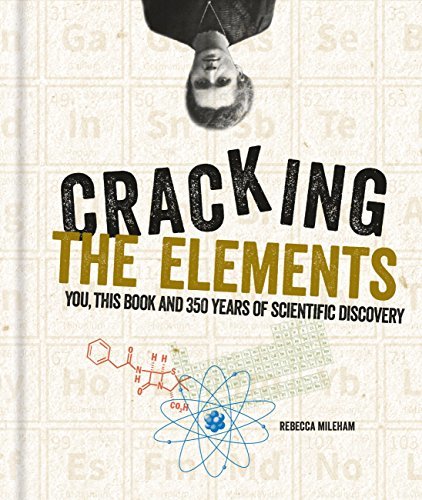
From the earliest-known elements to those named in 2016, this book takes a comprehensive look at the development of the periodic table - and reveals untold stories, unsung pioneers and plenty of fascinating science along the way.
In twelve illustrated chapters, the book makes sense of the patterns and groups within the periodic table, introducing each of the 118 known elements individually and exploring questions including:
- Why did the history of fizzy water give early chemistry a sparkle?
- How did hydrogen reveal the structure of the atom?
- What was the Bunsen burner's role in discovering new elements?
- Which of the alkaline earth metals accounts for a kilogramme of your weight?
- Why is Marie Curie such a scientific star?
- How do tungsten and vanadium explain the secret of super-sharp Syrian swords?
- Who discovered the most elements in the periodic table?
- What made nihonium, element 113, such a wonderful new year's gift for Japan?
- Is glass a liquid or a solid?
- How did nitrogen fulfill the alchemists' dream?
- Would you have smeared antimony on your face if you'd lived in ancient Egypt?
- Why might naked mole rats have clues for surviving a heart attack?
- How did the Haya people of Tanzania make steel 1500 years ago?
- What makes xenon a great anaesthetic - and why can't all patients use it?
- Might there be a pattern in yet undiscovered elements beyond number 118?
702 pages, Kindle Edition
Published September 6, 2018