Produced to honour the centenary of Sir Arthur C. Clarke’s birth, this anthology acts as a fund raiser for the Arthur C. Clarke Award. Original SF stories of precisely 2001 words from some of the biggest names in science fiction, including 10 winners of the Clarke Award and 13 authors who have been shortlisted, as well as non-fiction from thrice-winner China Miéville and former judge Neil Gaiman. Contents: Introduction Golgotha – Dave Hutchinson The Monoliths of Mars – Paul McAuley Murmuration – Jane Rogers Ouroboros – Ian R MacLeod The Escape Hatch – Matthew De Abaitua Childhood’s Friend – Rachel Pollack Takes from the White Hart – Bruce Sterling Your Death, Your Way, 100% Satisfaction Guaranteed! – Emma Newman Distraction – Gwyneth Jones Dancers – Allen Stroud Entropy War – Yoon Ha Lee The Ontologist – Liz Williams Waiting in the Sky – Tom Hunter The Collectors – Adrian Tchaikovsky I Saw Three Ships – Phillip Mann Before They Left – Colin Greenland Drawn From the Eye – Jeff Noon Roads of Silver, Paths of Gold – Emmi Itäranta The Fugue – Stephanie Holman Memories of a Table – Chris Beckett Child of Ours – Claire North Would-Be A.I., Tell Us a Tale! #241: Sell ’em Back in Time! by Hali Hallison – Ian Watson Last Contact – Becky Chambers The Final Fable – Ian Whates Ten Landscapes of Nili Fossae – Ian McDonald Child – Adam Roberts Providence – Alastair Reynolds 2001: A Space Prosthesis – The Extensions of Man – Andrew M. Butler (non-fiction) On Judging The Clarke Award – Neil Gaiman (non-fiction) Once More on the 3rd Law – China Miéville (non-fiction)
Ian Whates lives in a comfortable home down a quiet cul-de-sac in an idyllic Cambridgeshire village, which he shares with his partner Helen and their pets – Honey the golden cocker spaniel, Calvin the tailless black cat and Inky the goldfish (sadly, Binky died a few years ago).
Ian’s earliest memories of science fiction are fragmented. He remembers loving Dr Who from an early age and other TV shows such as Lost in Space and Star Trek, but a defining moment came when he heard a radio adaptation of John Wyndham’s The Chrysalids. From that moment on he was hooked and became a frequent haunter of the local library, voraciously devouring the contents of their SF section.
This early love of science fiction manifested most tellingly during his school days, when he produced an SF murder mystery as homework after being set the essay title “The Language of Shakespeare”, much to the bemusement of his English teacher.
Ian’s first published stories appeared in the late 1980s in small press magazines such as Dream and New Moon Quarterly, after which he took a break from writing in order to research his chosen fields of science fiction and fantasy. In other words, he read copious amounts of both. Clearly the research was extensive, because he published nothing further for some seventeen years. In the early 2000s he made the decision to pursue writing seriously, joining the Northampton SF Writers Group in 2004 after being introduced to its chairman, Ian Watson.
In 2006 he started submitting stories again, and has subsequently been surprised at how many otherwise eminently sensible people have chosen to publish him. A couple have even appeared in the science journal Nature, and one, “The Gift of Joy”, even found its way onto the five-strong shortlist for best short story in the British Science Fiction Association Awards. And it didn’t come last! Ironically, the award was actually won by Ken MacLeod’s “Lighting Out”, a piece Ian had commissioned, edited and published in the NewCon Press anthology disLOCATIONS (2007).
In 2006 Ian launched independent publisher NewCon Press, quite by accident (buy him a pint sometime and he’ll tell you about it). Through NewCon he has been privileged to publish original stories from some of the biggest names in genre fiction, as well as provide debuts to some genuinely talented newcomers. The books, their covers and contents have racked up an impressive array of credits – four BSFA Awards, one BSF Award to date, inclusion in ‘Year’s Best’ anthologies and recommendations and honourable mentions from the likes of Gardner Dozios and Locus magazine.
In addition to his publishing and writing, Ian is currently a director of both the Science Fiction Writers of America (SFWA) and the British Science Fiction Association (BSFA), editing Matrix, the online news and media reviews magazine, for the latter.
His first two completed novels are both due to appear in early 2010: City of Dreams and Nightmare via Harper Collins’ imprint Angry Robot, and The Noise Within from Rebellion imprint Solaris, with sequels to follow. When not pinching himself to make sure this is all really happening, Ian is currently beavering away at the sequels… honest!
This collection was funded through Kickstarter, and has succeeded very nicely as a collection. Each story is exactly 2,001 words long, in homage to the 100th Anniversary of Arthur C. Clarke's birth.
This collection represents good value, overall. Reviews presented here in order of my praise.
Child of Ours by Claire North. 5 stars! Best of the collection. Surprisingly profound. ❤️ An exquisite treasure, at first seemingly a calculation, and then more. And we find that the gift of love is really the gift of self-determination and personal freedom, best created as loving parents for the possibilities of new life, new consciousness. Extraordinary in 2,001 words.
I'm not sure if it's just me, but Ms North always cuts deep into the heart of me, into that part which wonders at being human. A joy, a blessing so simple yet so profound.
Last Contact by Becky Chambers. 5 stars! Again, Chambers shows her extraordinary heart. ❤️ Would you have known, two hundred thousand years prior, what those walking leopard snacks were capable of? Another superb tale from Ms Chambers. She continues to amaze me with the exquisite beauty of her prose of heart and life and being. Here we see the last contact between humans and a yet-to-be intelligent species. Wonderful.
The Ontologist by Liz Williams. 5 stars! A clever, fun surprise! 😊 Some delicious vocabulary here! Quiddity, haeccity, monism, dichotomous, and hypokeimenon all appearing within just a few sentences. Wow! This is the right way to do word salad! Wooohoooo!
What a delightful, clever exploration of existence through words. The sad pretender, Yoon Ha Lee, abuses words to trick the reader, solely for self-aggrandisement, a shameful disguise of Lee's own failure in mathematics and composition.
Williams exults in the power of words, in their joyous utility, and wraps this celebration inside a cute story full of gentle self-awareness and delight. Utterly wonderful. A gem, a treasure, a triumph in exactly 2,001 words. Awesome!
The Landscape of Nili Fossae by Ian MacDonald. 4.5 stars. Starts slow, grows on you, especially if you know Rothko Wonderful, painterly, god of war, red sand, Rothko's fear and fate. This one will stick with me a long time.
Memories of a Table by Chris Beckett. 4.5 stars. Poignant, especially at my age. A lovely tale of a remembered love lost, and relived poignantly. A small, perfect gem.
Providence by Alastair Reynolds. 4 stars. Familiar solid Reynolds here. Delicious but too short. A terrific little gem from Reynolds, beautifully crafted into 2,001 words of his wonderful prose and plotting. The rescue of a failed mission to first colonise a new world. Very nice.
Your Death, Your Way, 100% Satisfaction Guaranteed by Emma Newman. 4 stars. Clever, nicely presented extension of our digital lifestyles on into the moments of our deaths, with a fun twist at the end.
Dancers by Allen Stroud. 4 stars. A prelude HAL 6000 is investigated. Nice clean sci-fi prelude.
Before They Left by Colin Greenland. 4 stars A lovely small homage to Childhood's End. Warm and in tune. Very nice.
Fugue by Stephanie Holman. 4 stars A nice little "lost lifetime" horror story.
The Escape Hatch by Matthew De Abaiu. 3.5 stars An interesting story, a bit more than trifling, with a nice puzzling feeling.
Childhood's Friend by Rachel Pollock. 3.5 stars "Darwin's Helpers" make genetic improvements, add knobs. Fun story.
The Final Fable by Ian Whates. 3.5 stars A "Tales from the White Hart" homage. Cute, clean and fun.
Monoliths of Mars by Paul McAuley. 3 stars A minor homage to monoliths and 2001, with a bit more expanded science and human nature
Mumuration by Jane Rogers. 3 stars A tale of meddlesome self-centered humans in an exoplanet Eden. No monoliths in sight.
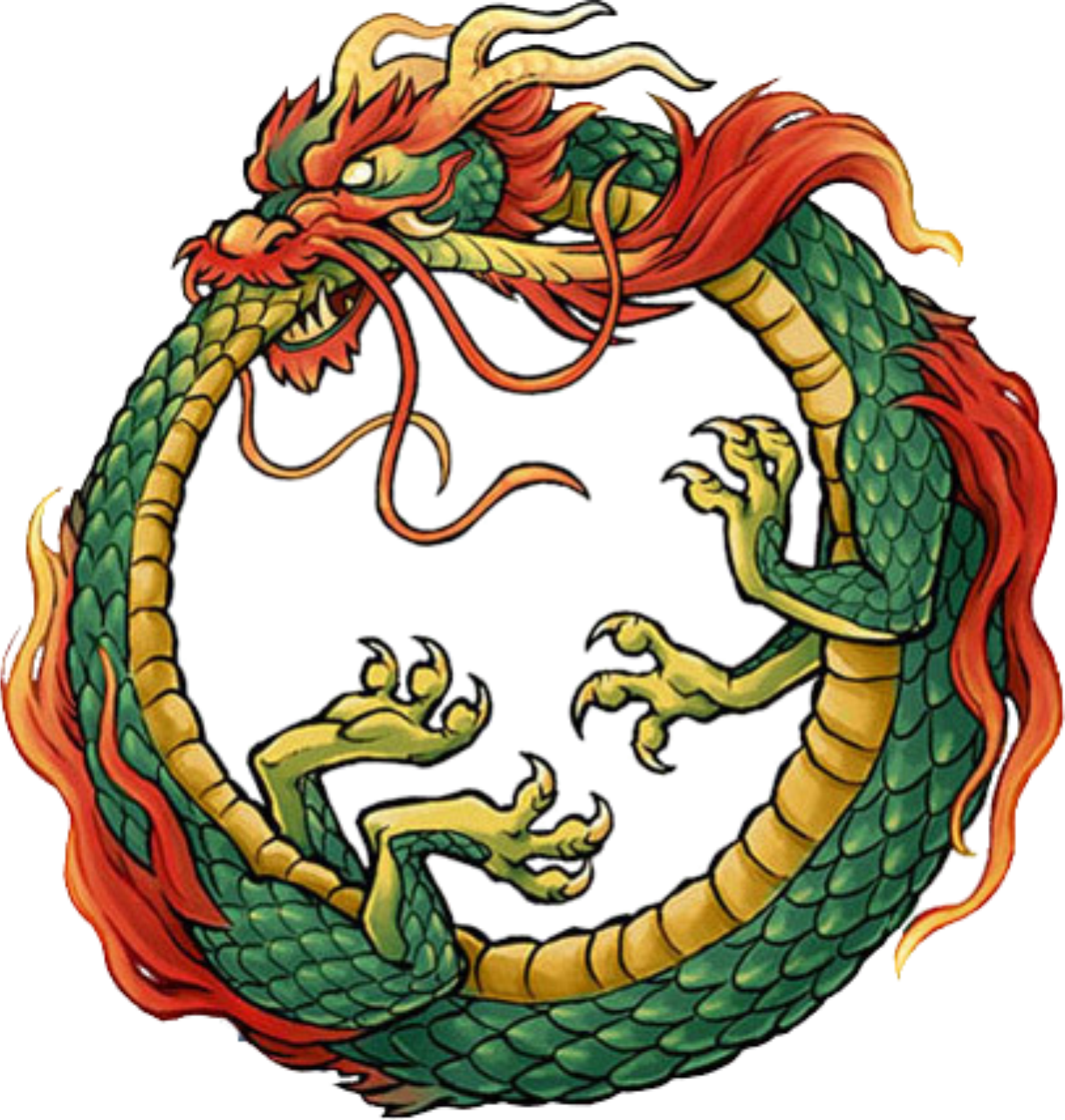
Ouroboros by Ian R. MacLeod. 3 stars A trifling biscuit of a story. Brings to mind "The Nine Billion Names of God", to which number we humans draw perilously close. No matter how clever and vast the machine, it turns out that it's impossible to replicate whatever that odd glimmer is we all have going on inside our heads. Full size image
Roads of Silver, Paths of Gold by Emmi Itäranta. 3 stars A sort-of ghost story. Not bad, some nice imagery. Too short.
Child by Adam Roberts. 2 stars A continuation from the end of the movie 2001, but nothing like Clarke. A clumsy homage at best.
Waiting in the Sky by Tom Hunter. 2 stars Pretty dull and uncompelling story about the unconvincing dreams of some to colonise Mars.
I Saw a Three Ships Philip Mann, 2 stars Vaguely interesting, like the missing early chapter of a real novel.
Drawn from the Eye by Jeff Noon. 1 star Very slight, motionless after the first few paragraphs.
Takes from the White Hart by Bruce Sterling. 0.5 stars I was once a hard-working journalist on a the environmental beat, back when smart people still pretended that the Earth would get saved.... Almost complete rubbish, a wandering, undisciplined conceit, an insult to the other authors in this book. "Takes" is the right word, as in "stolen" from Clarke's "White Hart pub"
Sell 'em Back in Time... by Ian Watson. 0 stars Drivel. Don't bother with this one.
Entropy War by Yoon Ha Lee. 0 stars I despised Ninefox Gambit, but I'll start this.... More pretentious crap from Lee. Boring, pedantic, apparently complex but in reality, just chaotic, self-congratulatory fakery as always. Ugh ugh ugh. Yoon Ha Lee Word-salad machine gun
To finish off the collection, some (mostly rambling, tiresome) essays:
On Judging the Clarke Award Neil Gaiman, 1 star
Once More on the Third Law China Miéville, 1 star
2001 A Space Prosthesis - The Extensions of Man by Andrew M. Butler, 1 star
An anthology commissioned to commemorate the centenary of Arthur C. Clarke's birthday with the quirk that each story should be exactly 2001 words long. This was commissioned by the Arthur C. Clarke award and NewCon press (independent SF publisher in the UK) and authors who had previously been shortlisted for or won the Arthur C Clarke award were asked to contribute new fiction.
I initially wondered whether the strict word requirement would mean the quality of the stories would suffer but on reading I really couldn't see that this was the case and this was a very strong anthology.
Of particular note were:
Golgotha by Dave Hutchinson where a priest gets involved with first contact. Murmuration by Jane Rogers - another first contact story but this time with a tragic end. Dancers by Allen Stroud where an AI called HAL seems to be going wrong. The Ontologist by Liz Williams - would struggle to explain what this one was about but it was beautiful. The Collectors by Adrian Tchaikovsky where the remains of an ancient alien civilisation are discovered. Roads of Silver, Paths of Gold by Emmi Itaranta - where ancient myth and aliens meet. Last Contact by Becky Chambers (I think the title is explanation enough) Ten Landscapes of Nili Fossae by Ian McDonald - art on Mars Providence by Alastair Reynolds - a final sacrifice made to save the human race.
Some great stories by authors I knew I already liked and some new authors to look out for too (Jane Rogers, Allen Stroud and Liz Williams were new to me).
This was a book I have seen reference to a number of times and finally thought about giving it a go.
Basically it is a series of short stories celebrating the world of Arthur C Clarke - the challenge being rich story had to be 2001 words long.
Now unlike sister volume (which were related to an existing setting in his works - this book had to be inspired by Mr Clarke so as you can imagine there was a massive range of subject and styles - which meant as you can imagine there was a huge variety.
Now in books like this I will admit that there are stories I love and stories I struggle with and as is always the case its hard to spot one from the other.
So I love the concept and I think it is a unique and fun project though the stories do not always hit the spot for me. What also Impressed me was the range of authors who had contributed to this book it is truly impress and is another sign of how much his work touched us all.
Fun collection of short stories 2001 words long, plus a couple commentary type pieces, celebrating the 100th anniversary of Arthur C. Clark’s birth. A good range of styles, some funny, some poignant, some a bit creepy. Of 30 authors 9 are women and 4 were named Ian, for what it’s worth.
An anthology of stories with the premise that each one must be 2001 words long. The resulting stories are mostly average with some interesting ones by Emma Newman, Yoon Ha Lee, Liz Williams, Jeff Noon, Emmi Itaranta, Chris Beckett, Claire North, Becky Chambers and Alastair Reynolds.
- "Golgotha" by Dave Hutchinson: an alien who 'swims' in methane goes to meet a special creature from the sea who gives a message we may not like to hear.
- "The Monoliths of Mars" by Paul McAuley: a recommend tour of various Monoliths on Mars created in the image of the original Monolith.
- "Murmuration" by Jane Rogers: two returning space ships in quarantine tell stories about a perfect alien world, with only one imperfection that was, depending on the ships' point of view, was eliminated or created.
- "Ouroboros" by Ian R MacLeod: a former hacker gets a visit from a monk who gives him a task: to hack the reality that underlies the universe.
- "The Escape Hatch" by Matthew De Abaitua: a gateway to another world unexpectedly opens and a video blogger is one of the first to go through and return and to encourage others to follow her.
- "Childhood's Friend" by Rachel Pollack: children enhanced by neural 'knobs' inserted into their heads begin to act much with more intelligence than should be expected.
- "Takes from the White Hart" by Bruce Sterling: a meandering story set on a ship about a familiar looking man who lacks the time to tell a fantastical tale to a reporter.
- "Your Death, Your Way, 100% Satisfaction Guaranteed!" by Emma Newman: an old man prepares to die with the help of a paid for, and expensive, virtual angel. But in the real final moments, the unexpected happens and he sees what the real world really thinks of him.
- "Distraction" by Gwyneth Jones: two people return from a long space mission to a world that has changed so much that they experience discomforts that have long vanished from the world.
- "Dancers" by Allen Stroud: an investigation on why some people react violently in space would reveal the hidden agenda of the computer in change of the station, whose name happens to be HAL.
- "Entropy War" by Yoon Ha Lee: posed as a series of questions to the reader on warfare, the story concerns a conquering alien race who at the height of their powers retreats into an ark. The reason behind it would be because the alien race wants to win the ultimate war in the only way they can.
- "The Ontologist" by Liz Williams: a person who classifies all that is real, not real and may be real is asked to classify an unknown object. After much effort, he succeeds but at a high cost to himself.
- "Waiting in the Sky" by Tom Hunter: two tales intertwine with one story about family events around the announced death of David Bowie, the other from Curiosity's point of view on Mars.
- "The Collectors" by Adrian Tchaikovsky: an expedition to a distant solar system finds it full of artificial objects and recordings, but no life. The expedition would have to learn to decipher the signal and then wait.
- "I Saw Three Ships" by Phillip Mann: a medical section is to be set up on the International Space Station. At it's opening, two momentous events would occur: one a surprise, one unexpected.
- "Before They Left" by Colin Greenland: a tale set in Clarke's book, "Childhood's End", about a girl who wishes to go to Mars. But then a visiting Overlord tells her that she won't go for a good reason.
- "Drawn From the Eye" by Jeff Noon: a story about a collector of tears, which appear to hold secrets that the collector decides to explore one day.
- "Roads of Silver, Paths of Gold" by Emmi Itaranta: a faraway being is attracted by a human chant and becomes attached to our world, affecting it in various ways. But time passes by, and it may be time for it to move on.
- "The Fugue" by Stephanie Holman: an alien being on our world wakes up and discovers she has been here too long. But what is keeping her here and is she willing to give up the life she has lived to return to her world.
- "Memories of a Table" by Chris Beckett: in a museum that contains memories of events that happened in the past, one man comes to explore a certain memory from the recent past.
- "Child of Ours" by Claire North: an intelligent machine decides to have a child. But when her fellow machines on the network begin to argue about the characteristic of a child, the machine has to go with what it knows about human children; and act like a human itself.
- "Would-Be A.I., Tell Us a Tale! #241: Sell 'em Back in Time! by Hali Hallison" by Ian Watson: when a burger company has saturated the world with its burger products, there is only one way it can sell more burgers; sell them to people from the past.
- "Last Contact" by Becky Chambers: a researcher makes one last effort to contact an alien race she has been monitoring for many years before her mission is recalled.
- "The Final Fable" by Ian Whates: a professor speculates that aliens are already among us and is hiding among the portion of the population indulges in a particular activity.
- "Ten Landscapes of Nili Fossae" by Ian McDonald: an artist paints a landscape on Mars as they await a rescue mission to get them off Mars that may or may not succeed.
- "Child" by Adam Roberts: as in "2001: A Space Odyssey", the Star Child appears above the Earth. But other than that, the tale told here tells a very different story as to what happens to the Earth after that.
- "Providence" by Alastair Reynolds: an expedition to a habitable planet goes wrong and all the expedition can do is return data to Earth for any future expedition to comes. But one man who ventures out alone makes an astonishing discovery and he has to decide what to do with the secret he has found.
I blame it on the pandemic. That was what was happening in the world while I was reading this. Oh, sure the first year I spent reading it was pre-pandemic and the last half year most of the population of the US was trying desperately to live like the pandemic was over (when in reality we’re lucky if we’re half way through. The second year was that first year of the pandemic and, to be honest, I read very little of this book during the that year of the pandemic). One would think that the effect the pandemic would have on me would be that I’d read more. I thought it would, but that was not the case. What I did more of was listening to audiobooks (although technically, I’d call them audio-dramas). In any case. There were a lot of really good stories included here. But not all of them, worked for me.
Es un libro de cuentos de ciencia ficción, inspirado en el 100° aniversario del nacimiento de Sir Arthur C. Clarke. Todos los cuentos son cortos, puesto que se puso la condición de que tuvieran exactamente 2001 palabras. La gran mayoría de los autores son cienciaficcioñeros ya reconocidos; de hecho, el libro incluye a 10 ganadores del premio Arthur C. Clarke. También hay 3 ensayos acerca de Clarke y su obra. Como los autores son profesionales, el nivel de la obra está bastante parejo, y sin embargo, hay algunos cuentos destacados y otros bastante intrascendentes; eso depende del gusto de cada quien. He aquí mis apreciaciones personales:
1. Golgotha (Gólgota) de Dave Hutchinson. Es un cuento bastante original que mezcla la religión y el contacto extraterrestre, con un sorprendente final de expiación ecologista. Este cuento se uso para uno de los capítulos de la 4ª temporada de la serie Love Death + Robots. Bastante bueno. **** (4/5)
2. The Monoliths of Mars (Los monolitos de Marte) de Paul McAuley. A diferencia del primer cuento, la gran mayoría de las narraciones se basan en algún tema que tocaron los escritos de Arthur C. Clarke. En este caso habla de los monolitos que describió Clarke para sus "Odiseas del Espacio", solamente que aquí los situa en Marte, y tal como Clarke hizo en muchos de sus escritos, el cuento se basa en describir el terreno marciano donde están semienterrados los monolitos. No es malo, pero tampoco destacable. *** (3/5)
3. Murmuration (Murmuración) de Jane Rogers. A Clarke le encantaba hablar de otros mundos, sus habitantes y su ecología. En el cuento se hace una descripción pormenorizada de la exploración de algunos planetas colonizables y sus habitantes insecto con inteligencia colmenar. Igual que el anterior, entretenido si más. *** (3/5)
4. Ouroboros (Uróboro), de Ian R. MacLeod. Un ouroboro es un símbolo antiguo que imboliza a una serpiente o dragón que se muerde la cola formando un círculo. Simboliza la unidad, lo eterno, el infinito.Y este símbolo tan espiritual es el que Ian R. MacLeod le pone a un monje que le hace un encargo a un hacker: hackear el universo, hallar alguna forma de brincarse las reglas del universo: hacer que la constante pi sea diferente, o usar otras fuerzas fundamentales (por ejemplo, que la gravedad sea repulsiva en vez de atractiva)…, en fin, hackear la obra de Dios. Un claro homenaje al cuento "Los nueve billones de nombres de Dios" y con un argumento con notas agridulces de "The Matrix". Desgraciadamente, la limitación de las 2001 palabras hace que el final del cuento sea filosófico-chorero y nos deje babeando ante una idea tan brillante. **** (4/5)
5. The Escape Hatch (Compuerta de escape) de Matthew de Abaitua. Un portal tipo agujero de gusano aparece repentinamente en la campiña británica, tiene semejanza a la boca de un tunel. Como está junto a una carretera, algunos autos lo cruzan. El portl conduce a otro planeta, no muy diferente a la Tierra. El autor se la pasa dando palos de ciego, sin definir alguna trama, historia o anécdota. Aún tomando en cuenta la limitación de 2001 palabras, es bastante decepcionante. ** (2/5)
6. Childhood's Friend (Amigo de la infancia) de Rachel Pollack. Cuento basado en la trama de "Childhood's End", solamente aue aquí narra la existencia de niños superdotados con habilidades que casi se podrían describir como "superhabilidades" (más que "superpoderes"). Narra su impacto social, sicológico y cómo es tomado por el resto de los humanos. En algunos puntos confuso, breve por obligación, interesante al fin y al cabo. **** (4/5)
7. Takes from the White Hart (Tomas del Ciervo Blanco) de Bruce Sterling. Apoyado obviamente en "Cuentos de la taberna del Ciervo Blanco" (Tales from the White Hart), Sterling juega mucho con los conceptos del libro original. Está medio raro y confuso, pero en una segunda lectura, me quedó más claro que, más que cuento, creo que es un ensayo relajiento y relajado acerca de los conceptos e influencias que tuvo Arthur C. Clarke al escribir la novela (que a su vez consiste en muchos de sus cuentos ya publicados hasta 1957). Desgraciadamente, es un chorote hecho con la excusa de cumplir con las 2001 palabras y la fecha de entrega. ** (2/5)
8. Your Death, Your Way, 100% Satisfaction Guaranteed! (Tu muerte, a tu manera, ¡100% satisfacción garantizada!) de Emma Newman. En un futuro más o menos cercano, un anciano contrata un paquete de neurosoftware, "Muerte Manejada Digitalmente", así que al momento de perder el control de su cuerpo, la IA encargada se encarga de que una imagen de ángel se le aparezca, se le presentan algunos videos filmados por miembros de su familia despidiéndose, recibe y le lee emails de familiares lejanos que no pudieron estar físicamente junto a él. La autora deja el regusto que no puede manejar una narración corta y deja al aire algunas cosas que parecen interesantes, pero no están desarrolladas. En fin, el cuento es bueno, aunque se beneficia del hecho de que "en tierra de ciegos, el tuerto es rey". **** (4/5)
9. Distraction (Distracción) de Gwyneth Jones. El cuento está basado en un pasaje bastante machista y misógino del propio Arthur C. Clarke en su novela "Rendezvous with Rama". Este pasaje es un memorandum que hace el capitán Norton donde dice que a algunas mujeres no se les debería permitir abordar la nave porque (así lo escribe Clarke) "la falta de peso les hace cosas a sus pechos que son endiabladamente distrayentes", creo que se refiere a que la falta de gravedad hace que sus senos se vean como unas chichotas grado porno. A la autora se le hizo muy chistoso armar un cuento alrededor de este hecho, y darle un nuevo sentido. Desgraciadamente, Gwyneth Jones se la pasa dando palos de ciego, nunca le encontré forma o sentido a lo que describe, todo lo que narra queda muy disperso, sin orden, con descripciones confusas…, apenas hay dos o tres párrafos que cobran sentido por el pasaje de Clarke. Más que coraje, me dio lástima, a mi parecer, es claro que no supo cómo escribir un cuento corto. * (1/5)
10. Dancers (Danzantes) de Allen Stroud. El cuento habla de la nueva Estación Espacial I, el primer hábitat humano en el espacio con gravedad artificial gracias a su rotación. Lo más interesante es que está totalmente administrada por el sistema inteligente HAL 6000. Desgraciadamente, todo el nuevo personal asignado a la estación enloquecen de una forma u otra en cuanto llegan a la estación y pasan un par de horas ahí. El autor desarrolla y resuelve muy bien este pequeño misterio dentro de los límites de las 2001 palabras. Tal como lo sugería Cortazar, el cuento es "rápido, directo y a la cabeza", de lo mejor del compilado. ***** (5/5)
11. Enthropy War (Guerra entrópica) de Yoon Ha Lee. Cuento muy, MUY raro escrito en forma de manual de juego (parece de un juego de mesa, pero podría ser un videojuego, no estoy seguro), pero más narrativo. Habla de una especie alienígena llamados los ktho, y describe cómo hacer una guerra entrópica (guerra de entropía). No puedo decir que está muy mal, porque ni siquiera es un cuento (aunque es una narrativa cienciaficcioñera), pero tampoco que está muy bien, dado que no sigue ninguna lógica, ni argumento, ni nada. *** (3/5)
12. The Ontologist (El ontologista) de Liz Williams. Para empezar, una definición circular o semicircular: un ontologista es aquel que practica la filosofía de la ontología. Y la ontología es la teoría según la cual, en todo conocimiento subyace la intuición de un ser fundamental del cual deriva la legitimidad de ese conocimiento. En este cuento, el ontologista es el que conoce y clasifica TODO: lo que existe y lo que no existe; lo que se piensa, se cree o se sueña, etc. Un día lo visita el aprendiz de un monasterio donde tienen una cosa, y no saben qué es. El oncologista lo acompaña a ver la cosa y queda igual de confundido, ni siquiera sabe si es algo que existe o no. Narración más de fantasía que de ciencia ficción, llena de palabritas filosófico-domingueras y reflexiones, pero sin conclusión al final. Interesante, por lo menos. **** (4/5)
13. Waiting in the Sky (Esperando en el cielo) de Tom Hunter. Narración que es mitad reflexiones acerca de David Bowie y su obra, el rover Curiosity en su exploración marciana. En ambos extremos (el de Bowie y el de Marte), el autor rellena datos para cumplir con las 2001 palabras. El cuento termina cuando el primer astronauta (o cosmonauta o taikonauta, en estos tiempos ya no se sabe) llega a Marte, busca al rover y lo recoge. Bastante anticlimático. *** (3/5)
14. The Collectors (Los coleccionistas) de Adrian Tchaikovsky. La humanidad al fin ha recibido una señal claramente de origen extraterrestre, así quemandan una misión con tres naves, aunque solamente llegan dos, una se quedó a medio camino por fallas de potencia. Al llegar al punto, en que se registró la señal, empiezan a mandar y a recibir muchas señales de saludo que sus sistemas de análisis empiezan a decifrar. De rewpente reciben una señal con una cantidad masiva de datos. Al igual que "Contacto" de Carl Sagan, son datos humanos: señales de televisión, radio, comunicaciones telefónicas, información celular, etc. Al investigar un poco más, se dan cuenta que toda la civilización estraterrestre consiste en puras máquinas del tamaño de un planeta, solamente con el objetivo de recolectar información y enviar señales. Cuento muy bien desarrollado y acabado literariamente dentro de los límites de las 2001 palabras, con una trama que enorgullecería a Clarke. Él solo hace que valga la pena el libro. ***** (5/5)
15. I Saw Three Ships (Vi tres naves) de Philip Mann. El 90% del cuento es bastante lineal y bobo. Un hombre está trabajando en el desarrollo de cultivos a baja gravedad en el ISS y una mujer es la encargada principal del módulo médico anexo que se está construyendo en la ISS. Hacia el final del cuento, se relata que nace un bebe, surge una nave del lado oculto de la Luna, otra nave surge del fondo del mar terrestre y se hace visible otra nave en uno de los puntos LaGrange (equivalencia gravitacional) del sistema Tierra-Luna. El cuento termina: "Están esperando una invitación a unirse". Infantil y confuso, creo que con ínfulas sicodélicas tipo "2001: Odisea del Espacio". Léanlo bajo su responsabilidad. * (1/5)
16. Before They Left (Antes de que se fueran) de Coli Greenland. Una niña de segundo año queda muy impresionada con imágenes del Monte Olimpo de Marte, y por lo tanto quiere ir ahí. Poco a poco nos vamos enterando que este es la Tierra dirigida por los benignos Señores de "Childhood's End", y que organizan excursiones escolares a la Luna y a Marte, por lo que la niña le pide alSeñor de su localidad que la lleve a Marte, pero el Señor le dice que no y después le entrega una nota: "porque estás destinada a un mejor lugar". También medio infantil, y que solamente tiene sentido para aquellos familiares con la trama de "El fin de la infancia". *** (3/5)
17. Drawn from the Eye (Dibujado con el ojo) de Jeff Noon. Este es un cuento muy extraño acerca de lágrimas. Hay un coleccionista que recolecta lágrimas. Él piensa que su colección vale la pena porque ha colectado muchas lágrimas a la largo de los años. Ya es todo. Les dije que el cuento es muy extraño. Más extraño es que lo hayan publicado. * (1/3)
18. Roads of Silver, Paths of Gold (Carreteras de plata, rutas de oro) de Emmi Itäranta. Ni siquiera estoy seguro si el autor o autora es Finlandés o de qué trata este cuento. Uno puede imaginárselo como descripciones de ideas e imágenes sueltas vagamente relacionadas. Buena confirmación de que no solamente Confucio inventó la confusión. ** (2/3)
19. The Fugue (La Fuga) de Stephanie Holman. Cuentito bastante ingenioso y creativo. Se trata de una mujer que contacta a alguien a través de enlace remoto. Por medio de la conversación nos enteramos que es una extraterrestre de la especie Crepit y cuyo nombre es Geia y está en una misión de exploración, pero la misión ya terminó y no han pasado a recogerla. Su contacto, Hage, le contesta que sí han pasado, pero que por razones culturales tienen que modificar su apariencia y ella los ha ignorado, y cuando él pasó, ella le contestó que no quería irse, que la dejaran en paz. Al final del cuento nos enteramos de que es humana y que lo de los Crepit y la misión es una alucinación. Cuento muy bien llevado, aunque no muy original: este tema ya ha sido tratado dos o tres veces. De cualquier manera es divertido y está bien escrito. **** (4/5)
20. Memories of a Table (Recuerdos de una mesa) de Chris Beckett. Relato que narra los detalles y pormenores de una técnica arqueológica llamada Chronotrónica. Con ella se pueden recuperar objetos y hasta fragmentos de objetos de una época anterior. Con técnicas modernas, se puede analizar las piezas a nivel molecular, atómico y hasta cuántico para que cada objeto o fragmento cuente una parte de la historia del mundo. Bastante interesante, pero, al parecer, le ganó la mano el límite de palabras. *** (3/5)
21. Child of Ours (Niño nuestro) de Claire Noth. Narración bastante cretativa acerca de un grupo de robots que deciden hacer un hijo. Todo el cuento se va en narrar sus puntos de vista, sus debates, la forma en que se refieren a su propio funcionamiento. Muy creativo también. **** (4/5)
22. Would-Be A.I., Tell Us a Tale! #241 (La que serías I.A., ¡cuéntanos un cuento! #241
Sell'em Back in Time! by Hali Hallison ¡Véndelos de regreso al tiempo! por Hali Hallison) de Ian Watson [sí, así está el título, en dos renglones a doble espacio]. Sí, así como el título está sacado de onda, también la narración es un sinsentido, sin estructura, lleno de cinismo y al final reconoce que el objetivo era completar 2001 palabras. Léanlo solamente si están de humor de perder el tiempo. * (1/5)
23. Last Contact (Último contacto) de Becky Chambers. Ya se han encontrado muchas muestras de vida en el universo, pero ninguna de ellas ha dado muestras de civilización. Una estación espacial lleva más de 20 años orbitando un planeta y estudiando la especie dominante, llamada "Gribbets", que muestran rasgos claros de inteligencia, al nivel de las termitas o las hormigas, pero no dan ninguna señal de civilización. Debido a esto, las autoridades en la Tierra deciden cancelar esta misión y dejar al planeta en paz. Pero una investigadora no quiere suspender sus estudios. Rompe todas las reglas y protocolos de la estación, utiliza una cápsula para rovers (dado que está prohibido que los humanos bajen a la superficie, no hay cápsulas para humanos) para bajar a la superficie, sin posibilidad de regresar. Cuento bien escrito (que necesita una relectura, por lo menos, para entenderse bien), pero no muy brillante. **** (4/5)
24. The Final Fable (La fábula final) de Ian Whates. Cuento basado en la idea de la novela "Cuentos de la taberna del Ciervo Blanco", aunque no muy imaginativo. Un tipo empieza contar su teoría conspirativa de que el proyecto SETI es inútil porque los extraterrestres ya están aquí, entre nosotros. Bastante plano e inconsecuente, aunque lo hace sonreír a uno. *** (3/5)
25. Ten Landscapes of Nili Fossae (Diez panoramas de Nili Fossae) de Ian McDonald. En una misión de exploración marciana, uno de los astronautas se obsesiona con el paisaje de Nili Fossae, así que pinta el paisaje de muchas maneras: acuarelas, óleo, puntillismo, etc. (Todo en su tableta, por supuesto). Desgraciadamente, hay una emergencia y todos deben evacuar hacia la estación en órbita y dejar todo atrás. Incluyendo la tableta. Cuento corto bien hecho dentro de sus límites. Entretenido. **** (4/5)
26. Child (Niño) de Adam Roberts. Cuento que utiliza la imagen del "Starchild" que hizo popular Kubrick (también Clarke utilizó el concepto en su novela, pero lo imaginó muy diferente). Simplemente se la pasa describiéndolo y cómo toda la humanidad se la pasa tratando de figurarse qué es. Por los límites de 2001 palabras, casi ningún cuento presenta un objetivo claro, pero está bien hecho. *** (3/5)
25. Providence de Alastair Raynolds. Cuento que hace paralelismos entre el viaje del "Mayflower" y una nave espacial para colonizar nuevas tierras. Ni muy original, ni muy entretenido, pero bien escrito. *** (3/5)
Los ultimos tres escritos son ensayos, no cuentos. 26. 2001: A Space Prothesis - The Extensions of Man (2001: Una prótesis espacial - Las extensiones del hombre) de Andrew M. Butler. Ensayo acerca del argumento de la película "2001: Odisea del espacio", aunque también tiene en cuenta lo que dice el libro. No gran cosa, no argumenta nada, no concluye nada…, es un ensayo de mmmh… ** (2/5)
27. On Judging the Clarke Award (Acerca de juzgar el premio Clarke) de Neil Gaiman. Ensayo acerca de la ideología, idiosincracias y las dificultades de ser juez para el premio "Arthur C. Clarke". Interesante y bien escrito, aunque, igual al anterior, sin objetivo. *** (3/5)
28. Once More On the 3rd Law (Una vez más, acerca de la 3a ley) de China Miéville. Arthur C. Clarke tiene muchos dichos, observaciones, apotegmas y autopercepciones (él fue el que dijo "a veces pienso que estamos solos en el universo, y a veces pienso que no. En cualquier caso, la idea es bastante abrumadora"), pero la más famosa es su tercera ley: "Cualquier tecnología suficientemente avanzada es indistinguible de la magia". En este ensayo, Miéville hace más acrobacias y machincuepas literarias usando esa sola frase como soporte. Entretenido sin más. *** (3/5)
I read a lot of short story collections and it isn’t often that I find one where I enjoy all the stories (the only thing I didn’t enjoy was China mieville’s non-fiction at the end. But I never do. Love his fiction but his nonfiction style just annoys me)
“Murmuration” and “the ontologist”were particularly standout stories for me
Whilst the theme of the collection is sf in 2001 words (rather than being specifically based on Clarke’s own works), most of the authors have taken some inspiration from various Clarke stories - with a few obviously targeting 2001
Recent Reads: 2001 An Odyssey In Words. Ian Whates and Tom Hunter put together an anthology in honour of the Clarke Award. The rule? Each story has to be 2001 words. The result? Concise snippets of SF in the mould of Clarke's own shorts. Recommended.
I was a Kickstarter backer of this book, and I'm not disappointed. The writers live up to their prestige, but I do have one complaint: many of the short stories did not feel self contained, but like a prelude to some larger work. The self-imposed limitation of 2001 words is a constraint that makes for some true creativity. If Rachel Pollack happens to read this, please give me more. Also, the non-fiction meditations on sf at the end are worth the cost on its own.
2001 An odyssey in words Edited by Ian Whates and Tom Hunger
The theme of this anthology is the commemoration of the birth of Sir Arthur C. Clarke.. While some of these stories directly refer to Clarke’s work, others do it in a way that I probably missed. But the important thing is that they all written to word counts of 2001 words. This makes a useful reference for people who want to get into writing short stories as it provides them with examples by experienced writers of what you can do with the format. There are also a couple of interesting non-fiction essays by Neil Gaiman and China Mieville. Definitely worth checking out for fans of science-fiction and short stories
This is an anthology, and unsurprisingly I found it uneven. One notable thing is I thought a lot of the stories felt half-baked - like they were incomplete despite the short-story format. They seemed to end a few paragraphs before I felt like they should. But I do love short stories. Note that I read this specifically because it had a Becky Chambers story in it (but I did recognize a lot of the other authors - Entropy War by Yoon Ha Lee was a standout fun one).
This entire review has been hidden because of spoilers.
The haunting line from '2001: A Space Odyssey', along with the stunning visuals and the cryptic vision of a future which never existed serves as the inspiration for some of science fiction's most intriguing writers.
By no coincidence, each story is two thousand and one words long.
Several good stories - just look at the line-up. But if there's a stand-out, it has to be Ian McDonald's powerful "Ten Landscapes of Nili Fossae". McDonald describes an ill-fated expedition to Mars through by comparing the landscapes painted by one of the astronauts to the styles of artists such as Turner, Blake, Monet and Rothko. Beautiful and haunting.
[Disclaimer: I got this book via LibraryThing's Early Reviewer program] To honor the 100th anniversary of the birth of sir Arthur Clarke, Newcon Press asked many SF authors to contribute to this anthology with a short story. The only constraint was that the story should have been exactly 2001 words long. As Oulipo studied, a constraint too weak does not help people write interesting works, even if many authors decided to stick with Clarkean themes to narrow the possibilities. Among the stories I only found a handful I really appreciate: Ouroburos by Ian R. McLeod, The Escape Hatch by Matthew De Abaitua, Dancers by Allen Stroud, The Ontologist by Liz Williams, Roads of Silver, Paths of Gold by Emmi Itäranta, Last Contact by Becky Chambers, Providence by Alastair Reynolds. In a nutshell, the book is interesting and it is a nice tribute, also thanks to the three short essays at the end (I did not check their lenghts, but Neil Gaiman definitely wrote much less than 2001 words); but is could have been a bit better.
An interesting collection of essays, each of 2001 words, as a tribute. A lot of great SF ideas explored very briefly. I'm not a big fan of short stories in general and I found most of these far too short. As a collection of SF ideas I think it works, but as entertainment I think the form is too brief.
This is a decent short story collection written to commemorate the centenary of the birth of Arthur C. Clarke. Each story had to be exactly 2001 words in length, as a nod to Clarke's '2001: A Space Odyssey.' As in any collection, I enjoyed some more than others, but there was only one that I didn't like that much, which is pretty good for a collection like this.
Loved the concept (each story is 2001 words). As with almost all short story collections, not every story worked or resonated with me, but there are some great ones in here. I think someone who has read more Clarke than me would appreciate it even more.
Came for the Becky chambers short story, which didn’t disappoint. However, I didn’t really love any of the other stories. 2001 words just isn’t much to work with in sci fi. Laudable effort though!!
This is a Kickstarted anthology celebrating the centenary of the birth of Sir Arthur C. Clarke. There's no specific theme to the collection, but the gimmick is that each story in it is exactly 2001 words long. This is a fairly short length for a short story, so there's quite a number of stories here, from many authors, most of whom are past winners or nominees of the Clarke Award. The list of names is very impressive and includes Becky Chambers, Jeff Noon, Alistair Reynolds and many more (twenty four more, to be precise).
With a collection as large and as varied as this, quality is bound to vary. There are some cracking stories here, and some that made me scratch my head but none that I outright hated. Some reference Sir Arthur's work (such as Paul McAuley's Monoliths of Mars or Bruce Sterling's Takes from the White Hart; and then there's editor Ian Whates' The Last Fable which is goes meta in referencing his other anthology Fables From the Fountain, which was itself a take on Clarke's Tales From the White Hart).
There were a few pieces of non-fiction at the end, none of which really grabbed me. Andrew M. Butler discusses how Man has adapted through the use of tools; Neil Gaiman talks about being a past judge of the Clarke Award; and China Miéville rambled... something... about the state of SF today (I think).
So a good collection, but I can't help thinking the word limit kept stories too short to really develop into anything memorable. Still, at least the less interesting ones were over sooner too and there was another one along pretty quickly.



 Full size image