

What do you think?

Master of War: The Life of General George H. Thomas
In this revelatory, dynamic biography, one of our finest historians, Benson Bobrick, profiles George H. Thomas, arguing that he was the greatest and most successful general of the Civil War. Because Thomas didn't live to write his memoirs, his reputation has been largely shaped by others, most notably Ulysses S. Grant and William Tecumseh Sherman, two generals with whom Thomas served and who, Bobrick says, diminished his successes in their favor in their own memoirs.Born in Virginia, Thomas survived Nat Turner's rebellion as a boy, then studied at West Point, where Sherman was a classmate. Thomas distinguished himself in the Mexican War and then returned to West Point as an instructor. When the Civil War broke out, Thomas remained loyal to the Union, unlike fellow Virginia-born officer Robert E. Lee (among others). He compiled an outstanding record as an officer in battles at Mill Springs, Perryville, and Stones River. At the Battle of Chickamauga, Thomas, at the time a corps commander, held the center of the Union line under a ferocious assault, then rallied the troops on Horseshoe Ridge to prevent a Confederate rout of the Union army. His extraordinary performance there earned him the nickname "The Rock of Chickamauga."
Promoted to command of the Army of the Cumberland, he led his army in a stunning Union victory at the Battle of Chattanooga. Thomas supported Sherman on his march through Georgia in the spring of 1864, winning an important victory at the Battle of Peachtree Creek. As Sherman continued on his March to the Sea, Thomas returned to Tennessee and in the battle of Nashville destroyed the army of Confederate General John Bell Hood. It was one of the most decisive victories of the war, and Thomas won it even as Grant was on his way to remove Thomas from his command. (When Grant discovered the magnitude of Thomas's victory, he quickly changed his mind.) Thomas died of a stroke in 1870 while still on active duty. In the entire Civil War, he never lost a battle or a movement.
Throughout his career, Thomas was methodical and careful, and always prepared. Unlike Grant at Shiloh, he was never surprised by an enemy. Unlike Sherman, he never panicked in battle but always remained calm and focused. He was derided by both men as "Slow Trot Thomas," but as Bobrick shows in this brilliant biography, he was quick to analyze every situation and always knew what to do and when to do it. He was not colorful like Grant and Sherman, but he was widely admired by his peers, and some, such as Grant's favorite cavalry commander, General James H. Wilson, thought Thomas the peer of any general in either army. He was the only Union commander to destroy two Confederate armies in the field.
Although historians of the Civil War have always regarded Thomas highly, he has never captured the public imagination, perhaps because he has lacked an outstanding biographer -- until now. This informed, judicious, and lucid biography at last gives Thomas his due.
Promoted to command of the Army of the Cumberland, he led his army in a stunning Union victory at the Battle of Chattanooga. Thomas supported Sherman on his march through Georgia in the spring of 1864, winning an important victory at the Battle of Peachtree Creek. As Sherman continued on his March to the Sea, Thomas returned to Tennessee and in the battle of Nashville destroyed the army of Confederate General John Bell Hood. It was one of the most decisive victories of the war, and Thomas won it even as Grant was on his way to remove Thomas from his command. (When Grant discovered the magnitude of Thomas's victory, he quickly changed his mind.) Thomas died of a stroke in 1870 while still on active duty. In the entire Civil War, he never lost a battle or a movement.
Throughout his career, Thomas was methodical and careful, and always prepared. Unlike Grant at Shiloh, he was never surprised by an enemy. Unlike Sherman, he never panicked in battle but always remained calm and focused. He was derided by both men as "Slow Trot Thomas," but as Bobrick shows in this brilliant biography, he was quick to analyze every situation and always knew what to do and when to do it. He was not colorful like Grant and Sherman, but he was widely admired by his peers, and some, such as Grant's favorite cavalry commander, General James H. Wilson, thought Thomas the peer of any general in either army. He was the only Union commander to destroy two Confederate armies in the field.
Although historians of the Civil War have always regarded Thomas highly, he has never captured the public imagination, perhaps because he has lacked an outstanding biographer -- until now. This informed, judicious, and lucid biography at last gives Thomas his due.
432 pages, Hardcover
First published January 1, 2009
About the author
Benson Bobrick
22 books30 followersBenson Bobrick earned his doctorate from Columbia University and is the author of several critically acclaimed works. In 2002, he received the Literature Award of the American Academy and Institute of Arts and Letters. He and his wife, Hilary, live in Vermont.
Ratings & Reviews
Friends & Following
Create a free account to discover what your friends think of this book!
Community Reviews
Displaying 1 - 30 of 71 reviews

February 2, 2018
An Adulatory Biography Of General George Thomas
Some time ago, a friend and I were driving home from an event and went through Thomas Circle, in downtown Washington D.C. Thomas Circle is dominated by a large equestrian statue of General George Thomas constructed in 1879 by the Society of the Army of the Cumberland and cast from captured Confederate guns. My friend has lived in Washington, D.C. for many years, is well-educated and has an excellent knowledge of political United States history. "Who was General Thomas?", he asked as we drove through the Circle. I explained that General George Thomas was a Union Civil war hero who fought mostly in the western theatre and was best-known as the "Rock of Chickamauga" for his grand defense during the course of a Union retreat.
Many people with only a cursory knowledge of the Civil War or of American history, will not know anything about General George Thomas (1816 -- 1870). This is a pity. Thomas was a remarkable person and general whose accomplishments and character deserve recognition. Thomas was born in Virginia to a slaveholding family. In his youth, he and his family narrowly escaped murder in Nat Turner's slave rebellion. Thomas attended West Point where he was a solid if not outstanding student and served in the U.S. Military all his life. He earned a reputation for military skill and judgment in the Mexican War, Indian wars, and in participating on courts-martial panels.
When Thomas's home state of Virginia left the Union in 1861, Thomas without hesitation or reserve cast his lot with the Union, for which his family disowned him. Thomas achieved an early and important military success in the Battle of Mill Springs, Kentucky, an important predecessor to the Union victories at Forts Henry and Donelson. In the early stages of the war, Thomas twice declined promotions because he did not wish to be seen as conspiring against generals under whom he was serving at the time. Serving for the duration of the Civil War, Thomas had many achievements. His most brilliant accomplishments were his defense of the Union Army at Chickamauga, mentioned above, which saved the Army from a total rout, and his victory over General Hood late in the war at the Battle of Nashville. This battle was the only occasion during the Civil War in which a major army suffered total destruction. Among many other things, the battle is important for the large role that Thomas gave to African American troops who performed heroically on Nashville's second day. Thomas was beloved by his troops and fought his battles to avoid wanton loss of life. After the War, Thomas fought to halt the spread of the Ku Klux Klan. An individual of considerable reserve, Thomas had his personal papers, including letters to his family in Virginia and to his wife, destroyed. He wanted to be remembered for his public accomplishments.
Benson Bobrick's new biography, "Master of War: the Life of George H. Thomas (2009)" amply explains why Thomas deserves to be remembered. As such, the book is valuable. Unfortunately, the book is marred by a great deal of polemic and derogation of other leaders. Bobrick writes as if, in order to establish Thomas's stature for the reader, it is necessary to tear down the accomplishments of other persons. Thus, much of the book appears to be at least as much a vendetta against Grant and Sherman as it is a consideration of George Thomas. Bobrick is highly critical of the generalship of Grant and Sherman even when the activities of these commanders had little relationship to any activity of Thomas. He seems to have forgotten the complexity of military engagements and the limitations of a single point of view. Thus, his book appears more as a brief than as a historical study. He tends to find sources that support his preconceived position. These sources he too often accepts uncritically while ignoring differing interpretations. He denigrates Grant and Sherman unduly, with the apparent belief that in so doing he elevates Thomas. I don't think General Thomas would have had much sympathy for such an approach. Thomas deserves better.
Bobrick also argues that Grant and Sherman in their postwar Memoirs tended to downplay Thomas's achievements in favor of each other. Here Bobrick is on firmer ground. Grant and Sherman were closer to each other professionally and personally than either man was to Thomas. And Thomas sometimes was passed-over so that the two could work as a team. Yet both generals acknowledged the importance of Thomas's accomplishments. Bobrick is correct to point out that Grant and Sherman undervalued Thomas. But he does not show either leader deserves the vitriol he pours on them. Bobrick's book is also full of quirky and unsupported judgments about other Civil War leaders. Beyond an effort to be provocative, some of his assessments add little to his account of Thomas.
There is a great deal in the book about the battle of Chattanooga which followed Thomas's great defense at Chickamauga. Grant and Thomas had an uneasy relationship at Chattanooga. The most famous event of this battle was the storming of Missionary Ridge by the troops without direction from either Grant or Thomas. Bobrick seems to accept that neither Grant nor Thomas ordered the charge. He finds the victory at Chattanooga due to Thomas's efforts exclusively and occurred in spite of the efforts of Grant. Students of Chattanooga have long differed about the respective roles of Grant and Thomas in the outcome of the battle. Both leaders contributed. It is not plausible to read out one leader's contribution, as Bobrick does with Grant, to elevate the contributions of the other.
Readers who study the Civil War seriously frequently develop strong opinions early about leadership in the conflict. Grant, Sherman, McClellan for the Union, Lee, Jackson, Stuart, Joe Johnston, Albert Sidney Johnston for the Confederacy all have strong admirers and detractors. Among the benefits of continued study of the conflict is that readers frequently learn to put aside their initial biases, through reading and reflection, and to either form a more balanced view of the conflict or at least to recognize that views other than the reader's own may be plausible and consistent with the evidence. The problem with this book is that Bobrick does not get much beyond the early stage. He wants to show that Thomas was the greatest general of the War, and the greatest general since George Washington. His book is geared to making an overly and unnecessarily strong case to establish Thomas's merit.
Even though Thomas may be unknown to many Americans, students of the Civil War have long recognized his importance. At the outset of his book, Bobrick acknowledges that Thomas is generally ranked as one of the three great Union generals of the Civil War, together with Grant and Sherman. (pp 1-2) This acknowledgement is itself worthy recognition of Thomas. It is unclear about the value of insisting that Thomas should be rated first among these three generals, as Bobrick tries to do. (In the world of classical music, for example, Bach, Mozart and Beethoven have claim to be among the three greatest composers. How much is to be learned to insisting on the superiority of one or the other of these figures at the expense of belittling the two others?) Bobrick has performed a worthy service by bringing Thomas's high military and personal accomplishments to a wide readership. But he has performed a disservice, with questionable historical basis, by trying to elevate Thomas's accomplishments by denigrating those of others.
Robin Friedman
Some time ago, a friend and I were driving home from an event and went through Thomas Circle, in downtown Washington D.C. Thomas Circle is dominated by a large equestrian statue of General George Thomas constructed in 1879 by the Society of the Army of the Cumberland and cast from captured Confederate guns. My friend has lived in Washington, D.C. for many years, is well-educated and has an excellent knowledge of political United States history. "Who was General Thomas?", he asked as we drove through the Circle. I explained that General George Thomas was a Union Civil war hero who fought mostly in the western theatre and was best-known as the "Rock of Chickamauga" for his grand defense during the course of a Union retreat.
Many people with only a cursory knowledge of the Civil War or of American history, will not know anything about General George Thomas (1816 -- 1870). This is a pity. Thomas was a remarkable person and general whose accomplishments and character deserve recognition. Thomas was born in Virginia to a slaveholding family. In his youth, he and his family narrowly escaped murder in Nat Turner's slave rebellion. Thomas attended West Point where he was a solid if not outstanding student and served in the U.S. Military all his life. He earned a reputation for military skill and judgment in the Mexican War, Indian wars, and in participating on courts-martial panels.
When Thomas's home state of Virginia left the Union in 1861, Thomas without hesitation or reserve cast his lot with the Union, for which his family disowned him. Thomas achieved an early and important military success in the Battle of Mill Springs, Kentucky, an important predecessor to the Union victories at Forts Henry and Donelson. In the early stages of the war, Thomas twice declined promotions because he did not wish to be seen as conspiring against generals under whom he was serving at the time. Serving for the duration of the Civil War, Thomas had many achievements. His most brilliant accomplishments were his defense of the Union Army at Chickamauga, mentioned above, which saved the Army from a total rout, and his victory over General Hood late in the war at the Battle of Nashville. This battle was the only occasion during the Civil War in which a major army suffered total destruction. Among many other things, the battle is important for the large role that Thomas gave to African American troops who performed heroically on Nashville's second day. Thomas was beloved by his troops and fought his battles to avoid wanton loss of life. After the War, Thomas fought to halt the spread of the Ku Klux Klan. An individual of considerable reserve, Thomas had his personal papers, including letters to his family in Virginia and to his wife, destroyed. He wanted to be remembered for his public accomplishments.
Benson Bobrick's new biography, "Master of War: the Life of George H. Thomas (2009)" amply explains why Thomas deserves to be remembered. As such, the book is valuable. Unfortunately, the book is marred by a great deal of polemic and derogation of other leaders. Bobrick writes as if, in order to establish Thomas's stature for the reader, it is necessary to tear down the accomplishments of other persons. Thus, much of the book appears to be at least as much a vendetta against Grant and Sherman as it is a consideration of George Thomas. Bobrick is highly critical of the generalship of Grant and Sherman even when the activities of these commanders had little relationship to any activity of Thomas. He seems to have forgotten the complexity of military engagements and the limitations of a single point of view. Thus, his book appears more as a brief than as a historical study. He tends to find sources that support his preconceived position. These sources he too often accepts uncritically while ignoring differing interpretations. He denigrates Grant and Sherman unduly, with the apparent belief that in so doing he elevates Thomas. I don't think General Thomas would have had much sympathy for such an approach. Thomas deserves better.
Bobrick also argues that Grant and Sherman in their postwar Memoirs tended to downplay Thomas's achievements in favor of each other. Here Bobrick is on firmer ground. Grant and Sherman were closer to each other professionally and personally than either man was to Thomas. And Thomas sometimes was passed-over so that the two could work as a team. Yet both generals acknowledged the importance of Thomas's accomplishments. Bobrick is correct to point out that Grant and Sherman undervalued Thomas. But he does not show either leader deserves the vitriol he pours on them. Bobrick's book is also full of quirky and unsupported judgments about other Civil War leaders. Beyond an effort to be provocative, some of his assessments add little to his account of Thomas.
There is a great deal in the book about the battle of Chattanooga which followed Thomas's great defense at Chickamauga. Grant and Thomas had an uneasy relationship at Chattanooga. The most famous event of this battle was the storming of Missionary Ridge by the troops without direction from either Grant or Thomas. Bobrick seems to accept that neither Grant nor Thomas ordered the charge. He finds the victory at Chattanooga due to Thomas's efforts exclusively and occurred in spite of the efforts of Grant. Students of Chattanooga have long differed about the respective roles of Grant and Thomas in the outcome of the battle. Both leaders contributed. It is not plausible to read out one leader's contribution, as Bobrick does with Grant, to elevate the contributions of the other.
Readers who study the Civil War seriously frequently develop strong opinions early about leadership in the conflict. Grant, Sherman, McClellan for the Union, Lee, Jackson, Stuart, Joe Johnston, Albert Sidney Johnston for the Confederacy all have strong admirers and detractors. Among the benefits of continued study of the conflict is that readers frequently learn to put aside their initial biases, through reading and reflection, and to either form a more balanced view of the conflict or at least to recognize that views other than the reader's own may be plausible and consistent with the evidence. The problem with this book is that Bobrick does not get much beyond the early stage. He wants to show that Thomas was the greatest general of the War, and the greatest general since George Washington. His book is geared to making an overly and unnecessarily strong case to establish Thomas's merit.
Even though Thomas may be unknown to many Americans, students of the Civil War have long recognized his importance. At the outset of his book, Bobrick acknowledges that Thomas is generally ranked as one of the three great Union generals of the Civil War, together with Grant and Sherman. (pp 1-2) This acknowledgement is itself worthy recognition of Thomas. It is unclear about the value of insisting that Thomas should be rated first among these three generals, as Bobrick tries to do. (In the world of classical music, for example, Bach, Mozart and Beethoven have claim to be among the three greatest composers. How much is to be learned to insisting on the superiority of one or the other of these figures at the expense of belittling the two others?) Bobrick has performed a worthy service by bringing Thomas's high military and personal accomplishments to a wide readership. But he has performed a disservice, with questionable historical basis, by trying to elevate Thomas's accomplishments by denigrating those of others.
Robin Friedman

June 2, 2012
General George Thomas is the most under-rated great general of the Civil War. For a variety of reasons he has never obtained his rightful place in the pantheon of Civil War heroes. Those of us who appreciate him and his contributions to the preservation of the Union are eager to see that wrong righted. Master of War attempts to address this problem, but instead ends up illustrating the complications that caused it in the first place, without significantly changing the existing situation.
Master of War: The Life of General George H. Thomas is a well written, extremely readable and interesting book, and clearly illustrates the writing skill of its author, Benson Bobrick. If it were a work of fiction, it would rate five stars. Unfortunately, as a biography, it falls far short of capturing its subject, provides no new information or insight, and occasionally gets its history glaringly wrong.
Its most glaring flaw is that it tells us nothing about the general that is not already well known. The most obvious audience for this book is the Civil War historian or enthusiast who has already gained a keen interest in General Thomas because of their familiarity with the events in which he was a major player. There is nothing in this book that one who is already familiar with the campaigns in which Thomas fought does not already know. That is largely because of the telescopic perspective that the author uses to explain Thomas. The General died just a few years after the war, leaving no memoirs. He requested that his personal letters not be published, and it is believed that they were destroyed. Lacking these sources, the author draws mainly on the General's campaigns to sketch out the man. This, together with accolades from some of Thomas' peers who reverenced him next to Washington is about all we get of substance in this biography. It is good stuff, but if you are interested in Thomas, it is almost certainly stuff you already knew. Of course, this lack of the General's own voice was one of the major reasons that he fell into undeserved obscurity in the first place. It has always been a problem, and one that this author failed to adequately solve.
Lacking new insights on Thomas, what the author does spend a great deal of time addressing is the feud between Thomas and General Grant, and the way in which Grant, Sherman, and other of their allies purposely slighted and downplayed Thomas in their memoirs and words. There is little doubt that Thomas and Grant had a difficult relationship, and that this, together with Thomas' own lack of memoirs, was a significant factor in painting Thomas out of the popular imagination of the war. Yet, with nothing new to say about Thomas the author spends an inordinate amount of time vilifying Grant and Sherman. He questions their war records, casts doubt on their accomplishments, and paints them as petty glory hounds, willing to systematically smear and misrepresent a hero and fellow general for their own benefit and advancement. While there are certainly seeds of truth in the arguments that Bobrick provides, the picture is too lopsided to ring true - Grant and Sherman appear almost as cartoon villains, while Thomas is practically beatified, presented with no flaws, and never in the wrong. As presented, this case taxes my credulity beyond its breaking point, despite the fact that I am predisposed toward favoring Thomas. It is simply too pat to appear true - life is nearly always much more complicated and messy than this.
Finally, when reading biography or history, I am wary when an author gets bits of well known history glaringly wrong. Bobrick, when speaking of the capture of Jefferson Davis after the war, presents as unquestioned fact the old canard that the Confederate president was captured while trying to escape in a woman's petticoat and bonnet. This was a piece of war propaganda, and has been recognized as such nearly from the time it was first released over 150 years ago. Yet Bobrick presents it without question or discussion of any kind as simple fact and moves on without further comment. Such an error raises question of just how superficial the research behind this book may be, and how many other historical errors that are not so blatantly obvious hide in its pages.
Despite all of my reservations, I did enjoy Master of War. It was a fun read, and, while reading it, I actually enjoyed the author's rants attacking Grant and Sherman to build up Thomas - they are well constructed, contain more than a little truth, and favor my personal hero. But this was not a work of fiction, and the story as presented, lacked the balance and complexity that is the mark of a truly great biography. I learned nothing new, and have reason to suspect the solidity of the historical research. I cannot recommend it for serious students of history.
Master of War: The Life of General George H. Thomas is a well written, extremely readable and interesting book, and clearly illustrates the writing skill of its author, Benson Bobrick. If it were a work of fiction, it would rate five stars. Unfortunately, as a biography, it falls far short of capturing its subject, provides no new information or insight, and occasionally gets its history glaringly wrong.
Its most glaring flaw is that it tells us nothing about the general that is not already well known. The most obvious audience for this book is the Civil War historian or enthusiast who has already gained a keen interest in General Thomas because of their familiarity with the events in which he was a major player. There is nothing in this book that one who is already familiar with the campaigns in which Thomas fought does not already know. That is largely because of the telescopic perspective that the author uses to explain Thomas. The General died just a few years after the war, leaving no memoirs. He requested that his personal letters not be published, and it is believed that they were destroyed. Lacking these sources, the author draws mainly on the General's campaigns to sketch out the man. This, together with accolades from some of Thomas' peers who reverenced him next to Washington is about all we get of substance in this biography. It is good stuff, but if you are interested in Thomas, it is almost certainly stuff you already knew. Of course, this lack of the General's own voice was one of the major reasons that he fell into undeserved obscurity in the first place. It has always been a problem, and one that this author failed to adequately solve.
Lacking new insights on Thomas, what the author does spend a great deal of time addressing is the feud between Thomas and General Grant, and the way in which Grant, Sherman, and other of their allies purposely slighted and downplayed Thomas in their memoirs and words. There is little doubt that Thomas and Grant had a difficult relationship, and that this, together with Thomas' own lack of memoirs, was a significant factor in painting Thomas out of the popular imagination of the war. Yet, with nothing new to say about Thomas the author spends an inordinate amount of time vilifying Grant and Sherman. He questions their war records, casts doubt on their accomplishments, and paints them as petty glory hounds, willing to systematically smear and misrepresent a hero and fellow general for their own benefit and advancement. While there are certainly seeds of truth in the arguments that Bobrick provides, the picture is too lopsided to ring true - Grant and Sherman appear almost as cartoon villains, while Thomas is practically beatified, presented with no flaws, and never in the wrong. As presented, this case taxes my credulity beyond its breaking point, despite the fact that I am predisposed toward favoring Thomas. It is simply too pat to appear true - life is nearly always much more complicated and messy than this.
Finally, when reading biography or history, I am wary when an author gets bits of well known history glaringly wrong. Bobrick, when speaking of the capture of Jefferson Davis after the war, presents as unquestioned fact the old canard that the Confederate president was captured while trying to escape in a woman's petticoat and bonnet. This was a piece of war propaganda, and has been recognized as such nearly from the time it was first released over 150 years ago. Yet Bobrick presents it without question or discussion of any kind as simple fact and moves on without further comment. Such an error raises question of just how superficial the research behind this book may be, and how many other historical errors that are not so blatantly obvious hide in its pages.
Despite all of my reservations, I did enjoy Master of War. It was a fun read, and, while reading it, I actually enjoyed the author's rants attacking Grant and Sherman to build up Thomas - they are well constructed, contain more than a little truth, and favor my personal hero. But this was not a work of fiction, and the story as presented, lacked the balance and complexity that is the mark of a truly great biography. I learned nothing new, and have reason to suspect the solidity of the historical research. I cannot recommend it for serious students of history.

July 21, 2011
This is the most disturbingly one-sided biography I have read of a Civil War general, and that includes Joseph Johnston's self-serving "Narrative of Operations..." There are several factual inaccuracies, and the author often slants those facts that are accurately reported in order not just to praise Thomas's abilities and record (as they certainly deserve) but also to make US Grant and WT Sherman look like sneaky manipulators or incompetent boobs. Every time Thomas has a setback, it is someone else's fault, and every time someone succeeds with Thomas's involvement, it is due solely to his foresight and genius. Events are removed from context when it suits the author, and explained in context when that suits him. While I am an admirer of Thomas, who truly has been neglected by history despite a stunning record, his reputation does not require that his peers be dragged down. Authors can and regularly do criticize Grant and Sherman when it is deserved, without feeling obliged to make them into caricatures. Though this work provides a much-needed review of Thomas's career, it is not the work of serious and even-handed scholarship that the general fully deserves.

March 22, 2016
Known mostly for his works on the history of the English Bible as well as a history of astrology, in this book historian Benson Bobrick writes about an unjustly obscure Union General [1] whose cause the author unstintingly takes, General George Thomas, best known as “Slow Trot” or the “Rock Of Chickamuga,” where he is known at all, but often considered below the popular triumvirate of Grant, Sherman, and Sheridan [2] among successful Union generals. On the whole, I find the author’s case to be quite persuasive, and as a fellow partisan of Thomas and firm believer in his greatness as a general and as a professional with no interest in interfering with political matters, the biggest criticism I can make of this work is that the author feels it necessary to do to Grant and Sherman and Schofield, for example, what those men often did to him, belittle his excellence and demean his glory. I do not think such efforts are necessary to defend the honor or promote the skill of Thomas, whose excellence is such that the sniping of others against him can be refuted from the facts alone—the reality of the course of battle, the dispatches sent through the war office, the damning with faint praise found in carefully manicured memoirs, and the like.
As might be expected from a book with the title Master of War, it is to be expected that the author focuses mainly on Thomas’ experience in war, and this is an accurate perception. The vast majority of the book’s almost 350 pages of text are devoted to Thomas’ experience in the Civil War. The first chapter of the book examines Thomas’ childhood in Southeastern Virginia, the site of Nat Turner’s notorious slave rebellion. After this, the author explores Thomas’ courtship and marriage in his thirties, his experiences in the military from West Point to the Civil War, including conspicuous service as an artilleryman during the Mexican War, and the experience he gained of the wider world. The last chapter examines Thomas’ postwar experience in Reconstruction and his death from a stroke in 1870 while writing a fierce letter in defense of his reputation while leading the District of the Pacific in San Francisco. The other nine chapters of the book are devoted to Thomas’ Civil War experience, from initial distrust about his loyalty among many Union leaders, glory at Mill Springs, capable service as a subordinate to Buell from Shiloh to Perryville, his able defense of Hell’s half acre at Stones River, his conspicuous efforts in the Tullahoma campaign and at Chickamuga, his indomitable spirit at Chattanooga, where his troops successfully stormed Missionary Ridge in anger at the slights their army had suffered from compatriots, his able service alongside Sherman during the Atlanta campaign, and two chapters devoted to his near-miraculous efforts to first stop Hood’s quixotic invasion of Tennessee and then to utterly destroy his army at Nashville. This last battle was one of the most notable military achievements in the Civil War, or any other war, given the wide disparity in casualties, the fact that Thomas’ army was an ill-assorted group of widely disparate and often second-rate parts, and that it involved two consecutive days of victory against prepared positions in winter followed by a vigorous pursuit that lasted for weeks and led to the Confederate Army of Tennessee ceasing to exist as a recognizable force. For that alone, Thomas deserves immortal fame as a master of war.
The author notes strikingly that Thomas was uniformly successful as a general. None of his attacks were repulsed and none of his defenses were breached, including when outnumbered more than two to one on the second day of Chickamuga, or when desperately holding off the onslaught of Bragg’s attack at Stones River. His successful attacks at Mill Springs, Chattanooga, and Nashville were decisive and purchased victory without a great cost to his men. Little wonder his men held him in such high esteem, for they knew that under his care they would win and live. Yet for all his obvious talent, he was a man who suffered from political matters. This makes sense when we understand that Thomas, as a native Southerner, lacked a great deal of possible mentors among the Union leadership, and that as a professional who sought to fight professionally rather than politically, he left himself open to charges of having McClellan’s notable and terminal illness, “the slows,” such as after Chattanooga and before Nashville. He was also rather diffident, twice excusing himself from taking over from the general in charge over him, which in an army of ambitious graspers was likely incomprehensible. Yet despite his notable political deficits, his graciousness and flamboyant competence, in the absence of other flamboyant qualities, made him well respected even by those who cut him down in their private missives. This is a brave and spirited book in defense of a courageous man. One only wishes the author had not felt it necessary to defend such a great men by demeaning others.
[1] See, for example:
https://edgeinducedcohesion.wordpress...
https://edgeinducedcohesion.wordpress...
https://edgeinducedcohesion.wordpress...
[2] See, for example:
https://edgeinducedcohesion.wordpress...
https://edgeinducedcohesion.wordpress...
https://edgeinducedcohesion.wordpress...
https://edgeinducedcohesion.wordpress...
https://edgeinducedcohesion.wordpress...
https://edgeinducedcohesion.wordpress...
https://edgeinducedcohesion.wordpress...
https://edgeinducedcohesion.wordpress...
As might be expected from a book with the title Master of War, it is to be expected that the author focuses mainly on Thomas’ experience in war, and this is an accurate perception. The vast majority of the book’s almost 350 pages of text are devoted to Thomas’ experience in the Civil War. The first chapter of the book examines Thomas’ childhood in Southeastern Virginia, the site of Nat Turner’s notorious slave rebellion. After this, the author explores Thomas’ courtship and marriage in his thirties, his experiences in the military from West Point to the Civil War, including conspicuous service as an artilleryman during the Mexican War, and the experience he gained of the wider world. The last chapter examines Thomas’ postwar experience in Reconstruction and his death from a stroke in 1870 while writing a fierce letter in defense of his reputation while leading the District of the Pacific in San Francisco. The other nine chapters of the book are devoted to Thomas’ Civil War experience, from initial distrust about his loyalty among many Union leaders, glory at Mill Springs, capable service as a subordinate to Buell from Shiloh to Perryville, his able defense of Hell’s half acre at Stones River, his conspicuous efforts in the Tullahoma campaign and at Chickamuga, his indomitable spirit at Chattanooga, where his troops successfully stormed Missionary Ridge in anger at the slights their army had suffered from compatriots, his able service alongside Sherman during the Atlanta campaign, and two chapters devoted to his near-miraculous efforts to first stop Hood’s quixotic invasion of Tennessee and then to utterly destroy his army at Nashville. This last battle was one of the most notable military achievements in the Civil War, or any other war, given the wide disparity in casualties, the fact that Thomas’ army was an ill-assorted group of widely disparate and often second-rate parts, and that it involved two consecutive days of victory against prepared positions in winter followed by a vigorous pursuit that lasted for weeks and led to the Confederate Army of Tennessee ceasing to exist as a recognizable force. For that alone, Thomas deserves immortal fame as a master of war.
The author notes strikingly that Thomas was uniformly successful as a general. None of his attacks were repulsed and none of his defenses were breached, including when outnumbered more than two to one on the second day of Chickamuga, or when desperately holding off the onslaught of Bragg’s attack at Stones River. His successful attacks at Mill Springs, Chattanooga, and Nashville were decisive and purchased victory without a great cost to his men. Little wonder his men held him in such high esteem, for they knew that under his care they would win and live. Yet for all his obvious talent, he was a man who suffered from political matters. This makes sense when we understand that Thomas, as a native Southerner, lacked a great deal of possible mentors among the Union leadership, and that as a professional who sought to fight professionally rather than politically, he left himself open to charges of having McClellan’s notable and terminal illness, “the slows,” such as after Chattanooga and before Nashville. He was also rather diffident, twice excusing himself from taking over from the general in charge over him, which in an army of ambitious graspers was likely incomprehensible. Yet despite his notable political deficits, his graciousness and flamboyant competence, in the absence of other flamboyant qualities, made him well respected even by those who cut him down in their private missives. This is a brave and spirited book in defense of a courageous man. One only wishes the author had not felt it necessary to defend such a great men by demeaning others.
[1] See, for example:
https://edgeinducedcohesion.wordpress...
https://edgeinducedcohesion.wordpress...
https://edgeinducedcohesion.wordpress...
[2] See, for example:
https://edgeinducedcohesion.wordpress...
https://edgeinducedcohesion.wordpress...
https://edgeinducedcohesion.wordpress...
https://edgeinducedcohesion.wordpress...
https://edgeinducedcohesion.wordpress...
https://edgeinducedcohesion.wordpress...
https://edgeinducedcohesion.wordpress...
https://edgeinducedcohesion.wordpress...
June 17, 2009
Bobrick goes a bit out of his way to take digs at Thomas' famous commander in chief, but it's hard not to forgive him when you see the Union military leadership through the experiences of George H. Thomas and the army of the Cumberland. An unparalleled commander, Thomas never lost a movement during his career as a professional soldier in two wars. He was beloved by his troops, maligned by Sherman and Grant, and respected by his southern counterparts for the skill as a leader and almost unbelievable personal courage. Bobrick makes a creditable case that he not only should be considered among the first rank of American Generals, but based on his stand at Chickamauga and triumph at Nashville, as an architect of military achievements on par with Thermopylae and Austerlitz.
In the end, however, the martial aspect is just a setting for the real story: one of leadership and character tested to the limit by events, and proving equal to them. Of triumphs won not by rage, or obstinacy in the face of overwhelming odds, but by unerring competence and integrity; thoughtfulness, kindness, humility in the face indifference, intolerance of selfishness, and timeless virtue. If those seem like grand claims about a man you may never have heard of, it's worth getting to know Gen'l Thomas.
In the end, however, the martial aspect is just a setting for the real story: one of leadership and character tested to the limit by events, and proving equal to them. Of triumphs won not by rage, or obstinacy in the face of overwhelming odds, but by unerring competence and integrity; thoughtfulness, kindness, humility in the face indifference, intolerance of selfishness, and timeless virtue. If those seem like grand claims about a man you may never have heard of, it's worth getting to know Gen'l Thomas.

August 14, 2014
The author makes a strong case that George H. Thomas was the finest general on the Union side and perhaps even better than Lee or Jackson. Thomas never lost a battle and was beloved of his men because he refused to waste their lives on fruitless assaults. That he did not advance higher in the ranks is mainly due to his lack of political patrons. He was from Virginia, so he had no politicians pulling strings for him in Washington to get promotions. He served in the Kentucky Tennessee theater that gets less attention than the war in Virginia.
Both Grant and Sherman disliked Thomas, they were jealous of his abilities. Grant tried to get rid of him, but he kept winning battles, making it impossible. Sherman took credit for some of Thomas's achievements. Grant and Sherman wrote their memoirs soon after the war and many historians have treated them as accurate. However, the author used official army records which were not made public until the 1890s and they clearly show that Sherman and Grant's version of things was not right.
Without Thomas, the war would have gone much worse for the North. Had Thomas been promoted as he deserved and taken Grant's place to take on Lee, the author believes he would have beat him sooner and with fewer loses. The author mentions that before he died, the eminent civil war historian Bruce Catton regretted that he did not give Thomas more credit for his achievements.
This book should be a must read for any civil war buffs.
Both Grant and Sherman disliked Thomas, they were jealous of his abilities. Grant tried to get rid of him, but he kept winning battles, making it impossible. Sherman took credit for some of Thomas's achievements. Grant and Sherman wrote their memoirs soon after the war and many historians have treated them as accurate. However, the author used official army records which were not made public until the 1890s and they clearly show that Sherman and Grant's version of things was not right.
Without Thomas, the war would have gone much worse for the North. Had Thomas been promoted as he deserved and taken Grant's place to take on Lee, the author believes he would have beat him sooner and with fewer loses. The author mentions that before he died, the eminent civil war historian Bruce Catton regretted that he did not give Thomas more credit for his achievements.
This book should be a must read for any civil war buffs.

November 12, 2019
The sad thing about this book is that it could have been really good. If Mr. Bobrick has used his energies to write a book about General George Thomas it would have been good because I feel that this is an interesting person who gave a great deal of effort in fighting the Civil War. But alas, the author steers wildly of course and spends much of his time maligning Generals Grant and Sherman. It seems as if the author holds a personal grudge against the two Generals and instead of writing about Thomas' life, he spends the book comparing the three. It is highly possible that all three were remarkable and extraordinary leaders of men. This author doesn't thing so though. He apparently feels that only one of the three can be esteemed. Too bad!

October 30, 2023
This was not a biography. This was a hagiography.
This books makes some shocking arguments and comes to some wild conclusions, and at times I could not believe what I was reading. I understand what the author was attempting, to write the modern biography on George Thomas and try to rehabilitate his reputation. This has been a general theme for a lot of 21st century Civil War scholarship (especially regarding Union generals) and the author is attempting to do that with this book. He fails badly.
Instead of focusing on General Thomas’ accomplishments, the author is more content with comparing Thomas to his contemporaries (most notably Grant and Sherman) and telling the reader how Thomas was a better man and general than both. This book seems more interested in times at disparaging Grant and Sherman than it does in telling Thomas’ story. It’s gets so bad that it was hard to read at points. The part of the book where Grant is promoted to Lieutenant General was utterly insane, with the author arguing that the only person who was qualified was Thomas, while Grant only got the promotion through political intrigue. While there was certainly some politics involved, this argument is just insane. No other Civil War scholar has come to this conclusion. And the author just continues one with arguments such as these, each one as eye-rolling as the next. Every time something goes right, the author praises Thomas’ foresight and genius, but whenever he suffers a defeat or setback, it’s never Thomas’ fault and is in fact the fault of someone else, usually Grant or Sherman.
I was excited to start this book and learn about an important and often forgotten Civil War general. This book just left a bad taste in my mouth. It has potential, but it’s blind devotion to the subject matter at the expense of others is just off-putting and inaccurate. Thomas does deserve to have a modern reexamination of his life, and while this book attempts to fill that gap, it fails.
This books makes some shocking arguments and comes to some wild conclusions, and at times I could not believe what I was reading. I understand what the author was attempting, to write the modern biography on George Thomas and try to rehabilitate his reputation. This has been a general theme for a lot of 21st century Civil War scholarship (especially regarding Union generals) and the author is attempting to do that with this book. He fails badly.
Instead of focusing on General Thomas’ accomplishments, the author is more content with comparing Thomas to his contemporaries (most notably Grant and Sherman) and telling the reader how Thomas was a better man and general than both. This book seems more interested in times at disparaging Grant and Sherman than it does in telling Thomas’ story. It’s gets so bad that it was hard to read at points. The part of the book where Grant is promoted to Lieutenant General was utterly insane, with the author arguing that the only person who was qualified was Thomas, while Grant only got the promotion through political intrigue. While there was certainly some politics involved, this argument is just insane. No other Civil War scholar has come to this conclusion. And the author just continues one with arguments such as these, each one as eye-rolling as the next. Every time something goes right, the author praises Thomas’ foresight and genius, but whenever he suffers a defeat or setback, it’s never Thomas’ fault and is in fact the fault of someone else, usually Grant or Sherman.
I was excited to start this book and learn about an important and often forgotten Civil War general. This book just left a bad taste in my mouth. It has potential, but it’s blind devotion to the subject matter at the expense of others is just off-putting and inaccurate. Thomas does deserve to have a modern reexamination of his life, and while this book attempts to fill that gap, it fails.

March 14, 2019
This is a great biography of the great General George H Thomas, "The Rock of Chickamauga"
Through my growing up years, Generals Grant and Lee were household names. Grant was the general who "won" the civil war with President Abraham Lincoln at the helm. He accepted Lee's surrender at the Appomattox Courthouse in Virginia, and he would also go on to be President. He was praised long after his death, wrote his own memoirs, and had scores of biographers memorialize him in the decades that followed the war. However, I remember learning nothing of General George H. Thomas who died young, who never published his own bibliography to provide his perspective. Ever since the war he was overshadowed by those like Generals Grant and Sherman.
This book challenges the notion that Ulysses Grant and Tecumseh Sherman where the greatest generals of the Union side of the Civil War. If anything, this book established that Grant and Sherman were both incompetent to a large degree and reckless in their tactical decisions throughout the war, making hasty and foolish decisions at the cost of tens of thousands of lives needlessly lost. General Thomas was routinely maligned by the other two more notable generals and was unfairly blamed for many of their poor decisions while they would often accept responsibility for some of his achievements. Expectedly, this is a tribute and wholly positive portrayal of General George Thomas.
"Grant's manner of doing battle accepted a casualty rate more horrendous than Thomas could countenance, which meant that any success gained by Thomas with skill stood as an implied rebuke to Grant's whole style of making war." pg 299
During the beginning of the war Thomas had his loyalty questioned not only by other Union Soldiers but by President Lincoln himself due to the fact that his family and many of his closest friends we're supporters of the Confederate States. Even the Confederate General Lee himself was one of Thomas's close friends and confidants. General Thomas "Stonewall" Jackson was Thomas' roommate at West Point from where all three had graduated. However, after the Battle of Chickamauga there was, for the most part, no longer any doubt regarding Thomas's heroism and loyalty to the nation.
Even though he was torn initially between the two sides Thomas decided to join the union cause and for every made determined and true to his decision, even at the loss of his family and closest friends. Despite being promised status and high regard on the Confederate side he was loyal to the union cause despite facing the obstacle of gaining the trust and confidence of President Lincoln, his staff, and the other Union generals and officers.
"Had Thomas gone south, he would have had extremely powerful friends in high places and doubtless risen to the top, but he went north instead. And the bitter suspicion lingered long afterward that the South might have actually one the ward had he stayed."
I had never previously known regarding the bitter criticism and patronage that occurred within the upper echelons of the Union ranks. Rank and seniority we're very important among the generals and there was bitterness when rank was unduly credited or when experience and success was overlooked due to political favoritism. Initially, Thomas was routinely overlooked for promotion in rank by Secretary of War Edwin Stanton and General in Chief Henry Halleck. Towards the end of the war, however, most of the leadership in Washington raved about Thomas and his heroic leadership. General Grant however, would always disregard Thomas and refer to him disparagingly as 'slow trot' Thomas.
George H. Thomas was the only Civil War General to give a unit of blacks a featured role in the war. At the Battle of Tennessee Thomas had recruited as many as 7 brigades of blacks, who could be seen fighting side by side white soldiers. https://www.aotc.net/article5.htm Meanwhile the "deeply prejudiced Sherman" refused to allow blacks to fight within his ranks. Sherman felt that blacks should only work as laborers or servants.
The tactful leadership and great successes of General George H Thomas were vital for the success of the Union. It is widely known that he never lost a battle he oversaw and led the victories that won the war in the west, ending with the battles at Nashville. Provided the evidence is given in this book, had General Thomas joined the Confederate Army as his family supposed he would, the outcome of the Civil War in its entirety would probably have been drastically different.
"Nashville was the most decisive victory gained by either side in the civil war. Not only was it the most decisive, but the most economical. A complete vindication of Thomas' insistence that an army rightly led and prepared can win a tremendous victory without shredding its own ranks."
- John Fisk
"Grant and Sherman in the memoirs covered one another with glory and ignored Thomas best they could."
"The Rebels perished with such efficient slaughter that Wilder recalled afterward: "It actually seemed a pity to kill men so. They fell in heaps; and I had it in my heart to order the firing to cease, to end the awful sight. When the firing stopped, one could have walked two hundred yards down that ditch on dead Rebels, without touching the ground."
-John Wilder describing the slaughter of Rebel forces at Chattanooga.
Through my growing up years, Generals Grant and Lee were household names. Grant was the general who "won" the civil war with President Abraham Lincoln at the helm. He accepted Lee's surrender at the Appomattox Courthouse in Virginia, and he would also go on to be President. He was praised long after his death, wrote his own memoirs, and had scores of biographers memorialize him in the decades that followed the war. However, I remember learning nothing of General George H. Thomas who died young, who never published his own bibliography to provide his perspective. Ever since the war he was overshadowed by those like Generals Grant and Sherman.
This book challenges the notion that Ulysses Grant and Tecumseh Sherman where the greatest generals of the Union side of the Civil War. If anything, this book established that Grant and Sherman were both incompetent to a large degree and reckless in their tactical decisions throughout the war, making hasty and foolish decisions at the cost of tens of thousands of lives needlessly lost. General Thomas was routinely maligned by the other two more notable generals and was unfairly blamed for many of their poor decisions while they would often accept responsibility for some of his achievements. Expectedly, this is a tribute and wholly positive portrayal of General George Thomas.
"Grant's manner of doing battle accepted a casualty rate more horrendous than Thomas could countenance, which meant that any success gained by Thomas with skill stood as an implied rebuke to Grant's whole style of making war." pg 299
During the beginning of the war Thomas had his loyalty questioned not only by other Union Soldiers but by President Lincoln himself due to the fact that his family and many of his closest friends we're supporters of the Confederate States. Even the Confederate General Lee himself was one of Thomas's close friends and confidants. General Thomas "Stonewall" Jackson was Thomas' roommate at West Point from where all three had graduated. However, after the Battle of Chickamauga there was, for the most part, no longer any doubt regarding Thomas's heroism and loyalty to the nation.
Even though he was torn initially between the two sides Thomas decided to join the union cause and for every made determined and true to his decision, even at the loss of his family and closest friends. Despite being promised status and high regard on the Confederate side he was loyal to the union cause despite facing the obstacle of gaining the trust and confidence of President Lincoln, his staff, and the other Union generals and officers.
"Had Thomas gone south, he would have had extremely powerful friends in high places and doubtless risen to the top, but he went north instead. And the bitter suspicion lingered long afterward that the South might have actually one the ward had he stayed."
I had never previously known regarding the bitter criticism and patronage that occurred within the upper echelons of the Union ranks. Rank and seniority we're very important among the generals and there was bitterness when rank was unduly credited or when experience and success was overlooked due to political favoritism. Initially, Thomas was routinely overlooked for promotion in rank by Secretary of War Edwin Stanton and General in Chief Henry Halleck. Towards the end of the war, however, most of the leadership in Washington raved about Thomas and his heroic leadership. General Grant however, would always disregard Thomas and refer to him disparagingly as 'slow trot' Thomas.
George H. Thomas was the only Civil War General to give a unit of blacks a featured role in the war. At the Battle of Tennessee Thomas had recruited as many as 7 brigades of blacks, who could be seen fighting side by side white soldiers. https://www.aotc.net/article5.htm Meanwhile the "deeply prejudiced Sherman" refused to allow blacks to fight within his ranks. Sherman felt that blacks should only work as laborers or servants.
The tactful leadership and great successes of General George H Thomas were vital for the success of the Union. It is widely known that he never lost a battle he oversaw and led the victories that won the war in the west, ending with the battles at Nashville. Provided the evidence is given in this book, had General Thomas joined the Confederate Army as his family supposed he would, the outcome of the Civil War in its entirety would probably have been drastically different.
"Nashville was the most decisive victory gained by either side in the civil war. Not only was it the most decisive, but the most economical. A complete vindication of Thomas' insistence that an army rightly led and prepared can win a tremendous victory without shredding its own ranks."
- John Fisk
"Grant and Sherman in the memoirs covered one another with glory and ignored Thomas best they could."
"The Rebels perished with such efficient slaughter that Wilder recalled afterward: "It actually seemed a pity to kill men so. They fell in heaps; and I had it in my heart to order the firing to cease, to end the awful sight. When the firing stopped, one could have walked two hundred yards down that ditch on dead Rebels, without touching the ground."
-John Wilder describing the slaughter of Rebel forces at Chattanooga.

Read
August 2, 2011Historians who want to study General George H. Thomas are hampered by the loss (& probable destruction) of his personal papers after his death. This book manages to tell us more about his personal life than his previous biographies ("Rock of Chickamauga" by Freeman Cleaves is one I read) but there are still key gaps.
George Thomas never got his due as probably the best Union general (arguably the best general period). Following his victory at Mill Springs in Kentucky in January 1862, Thomas saw the opportunity to capture Knoxville & East Tennessee but he was prevented by his superiors. He held the center at the Battle of Stones River (Murfreesboro) and saved Rosecrans' army. He gained fame as "The Rock of Chickamauga" after staying on the field and holding off the Confederates after the rest of the Army of Cumberland was routed. He replaced Rosecrans as the commander of the Army of the Cumberland and captured Orchard Knob and Missionary Ridge during the Battle of Chattanooga, routing Bragg's army in the process.
Thomas spotted the opportunity to move through Snake Creek Gap and get behind Johnston's army at the opening of the Atlanta campaign. Instead Sherman assigned that role to MacPherson's Army of the Tennessee . MacPherson advanced through the gap and cut the railroad but then withdrew to the gap, missing the chance to destroy Johnston's army. Sherman blamed MacPherson for this lost opportunity but a review of the official records shows MacPherson was following Sherman's instructions.
While Sherman marched through Georgia, taking most of the horses and best troops with him, Thomas was back at Nashville trying to piece together an army to stop Hood. After Hood bled his army white at the Battle of Franklin, Thomas finished Hood off at the Battle of Nashville. Missionary Ridge and Nashville were the only 2 times that a major Confederate army was routed and fled the field during the war.
At Chattanooga, Grant tried to set up Sherman to get the glory by taking the east end of Missionary Ridge. But he failed (in part thanks to Patrick Cleburne). It was Thomas & the Army of the Cumberland who first captured Orchard Knob in the middle and Hooker who captured Lookout Mountain on the west end of Bragg's line. Then Thomas was supposed to only capture the rifle pits at the base of Missionary Ridge. But his troops were dangerously exposed after capturing the rifle pits. WIthout orders, on their own initiative, they climbed up the steep slopes and routed Bragg's army. Thomas made Grant look good (Grant was promoted to Lt. General and put in command of all the Union armies after this).
Why didn't Thomas get his due? Blame Grant, Sherman & Schofield. Grant blamed Thomas when Thomas was placed in command over Grant's troops after Shiloh. He & Sherman created the perception that Thomas was slow. In fact Grant tried to relieve Thomas right before the Battle of Nashville but the head of the telegraph service in Washington D.C. held on to the order on his own initiative long enough for news of Thomas' victory to reach Washington.
This book is worth reading. You'll admire Thomas both as a general and as a person. I only gave this book 3 1/2 stars because of the author's glaring mistakes (e.g., repeatedly saying "P.T.G. Beauregard instead of P.G.T. Beauregard, saying, w/o backing it up, that James Wilson and George Stoneman were great cavalry leaders) and because of the author wasn't very objective in his defense of Thomas & attacking Grant, Sherman & Schofield. On balance, he's correct. But he doesn't give Grant credit for his masterful Vicksburg campaign.
This book is still worth reading but the definitive analysis that puts Grant, Sherman & Thomas into the proper perspective has yet to be written.
George Thomas never got his due as probably the best Union general (arguably the best general period). Following his victory at Mill Springs in Kentucky in January 1862, Thomas saw the opportunity to capture Knoxville & East Tennessee but he was prevented by his superiors. He held the center at the Battle of Stones River (Murfreesboro) and saved Rosecrans' army. He gained fame as "The Rock of Chickamauga" after staying on the field and holding off the Confederates after the rest of the Army of Cumberland was routed. He replaced Rosecrans as the commander of the Army of the Cumberland and captured Orchard Knob and Missionary Ridge during the Battle of Chattanooga, routing Bragg's army in the process.
Thomas spotted the opportunity to move through Snake Creek Gap and get behind Johnston's army at the opening of the Atlanta campaign. Instead Sherman assigned that role to MacPherson's Army of the Tennessee . MacPherson advanced through the gap and cut the railroad but then withdrew to the gap, missing the chance to destroy Johnston's army. Sherman blamed MacPherson for this lost opportunity but a review of the official records shows MacPherson was following Sherman's instructions.
While Sherman marched through Georgia, taking most of the horses and best troops with him, Thomas was back at Nashville trying to piece together an army to stop Hood. After Hood bled his army white at the Battle of Franklin, Thomas finished Hood off at the Battle of Nashville. Missionary Ridge and Nashville were the only 2 times that a major Confederate army was routed and fled the field during the war.
At Chattanooga, Grant tried to set up Sherman to get the glory by taking the east end of Missionary Ridge. But he failed (in part thanks to Patrick Cleburne). It was Thomas & the Army of the Cumberland who first captured Orchard Knob in the middle and Hooker who captured Lookout Mountain on the west end of Bragg's line. Then Thomas was supposed to only capture the rifle pits at the base of Missionary Ridge. But his troops were dangerously exposed after capturing the rifle pits. WIthout orders, on their own initiative, they climbed up the steep slopes and routed Bragg's army. Thomas made Grant look good (Grant was promoted to Lt. General and put in command of all the Union armies after this).
Why didn't Thomas get his due? Blame Grant, Sherman & Schofield. Grant blamed Thomas when Thomas was placed in command over Grant's troops after Shiloh. He & Sherman created the perception that Thomas was slow. In fact Grant tried to relieve Thomas right before the Battle of Nashville but the head of the telegraph service in Washington D.C. held on to the order on his own initiative long enough for news of Thomas' victory to reach Washington.
This book is worth reading. You'll admire Thomas both as a general and as a person. I only gave this book 3 1/2 stars because of the author's glaring mistakes (e.g., repeatedly saying "P.T.G. Beauregard instead of P.G.T. Beauregard, saying, w/o backing it up, that James Wilson and George Stoneman were great cavalry leaders) and because of the author wasn't very objective in his defense of Thomas & attacking Grant, Sherman & Schofield. On balance, he's correct. But he doesn't give Grant credit for his masterful Vicksburg campaign.
This book is still worth reading but the definitive analysis that puts Grant, Sherman & Thomas into the proper perspective has yet to be written.

July 22, 2017
It is a truth far from sufficiently acknowledged that George H. Thomas was probably the most admirable general in the US Civil War. On either side.
The fact that his qualities are far from adequately recognised makes the existence of a biography such as Bobrick’s particularly important – and welcome. Thomas wrote no memoirs, and he was known as a man loth to promote himself. He also had powerful enemies, not least Ulysses S. Grant, who would later become President, and Grant’s friend and favourite general, William Tecumseh Sherman. Both Grant and Sherman were better known soldiers than Thomas and more than ready to tarnish a career that might be seen to cast a shadow on their own reputations.
Why do I rate Thomas so highly? This was a time when the killing power of weapons increased immeasurably compared to earlier generations. The notion of standing in a line facing an enemy as had been the common approach before was simply untenable: any line of that kind would be mowed down. Instead, soldiers resisting an attack needed to lie down, preferably behind solid defences – trenches or parapets – from behind which they could themselves deliver withering fire on anybody reckless enough to attack them frontally.
That made such an attack not merely ineffective but all but criminal for its waste of human lives. And yet many generals kept indulging in the tactic, notably Grant at Vicksburg and in his Virginia campaigns. Even the much-admired Robert E. Lee at Gettysburg threw away a whole division in what came to be known as Pickett’s charge, for no benefit. Indeed, Lee’s reckless action led to defeat in that battle and the death knell of the Confederacy he was waging war to protect.
Thomas, like Lee, was a Virginian. Unlike him, he chose to uphold his oath to the Union as a professional soldier, and threw in his lot with the North against his native South. One consequence was that his family broke with him and refused even to attend his funeral. Sadly, however, on the Union side he was often viewed with suspicion, as a man of dubious loyalty – with deep injustice.
Also unlike Lee, or Grant or Sherman, Thomas never lost a battle. He won fame at Chickamauga where he alone held his position against a Confederate onslaught, turning what might have been a Union rout into a simple defeat. That won him the nickname ‘Rock of Chickamauga’. At Nashville, he won the most decisive single battle of the war, completely knocking out an entire army which could never reform and therefore played no further part in the conflict.
He did all that without sacrificing soldiers’ lives unnecessarily. That made him, in Grant’s eyes, sometimes seem slow. In reality, he was well-prepared and deliberate. The results spoke for themselves: victories without butchery.
Bobrick brings all this to life in a persuasive and highly readable biography. If I have a criticism, it is that in defending Thomas he sometimes goes too far in his vituperation against Grant and Sherman. This seems unnecessary, given that the reputation he protects speaks quite loudly enough alone.
But, overall, it’s a good book, on a fine man, and well worth reading – or, as in my case, listening to – especially for the understanding it provides into an undeservedly obscure aspect of the US Civil War.
The fact that his qualities are far from adequately recognised makes the existence of a biography such as Bobrick’s particularly important – and welcome. Thomas wrote no memoirs, and he was known as a man loth to promote himself. He also had powerful enemies, not least Ulysses S. Grant, who would later become President, and Grant’s friend and favourite general, William Tecumseh Sherman. Both Grant and Sherman were better known soldiers than Thomas and more than ready to tarnish a career that might be seen to cast a shadow on their own reputations.
Why do I rate Thomas so highly? This was a time when the killing power of weapons increased immeasurably compared to earlier generations. The notion of standing in a line facing an enemy as had been the common approach before was simply untenable: any line of that kind would be mowed down. Instead, soldiers resisting an attack needed to lie down, preferably behind solid defences – trenches or parapets – from behind which they could themselves deliver withering fire on anybody reckless enough to attack them frontally.
That made such an attack not merely ineffective but all but criminal for its waste of human lives. And yet many generals kept indulging in the tactic, notably Grant at Vicksburg and in his Virginia campaigns. Even the much-admired Robert E. Lee at Gettysburg threw away a whole division in what came to be known as Pickett’s charge, for no benefit. Indeed, Lee’s reckless action led to defeat in that battle and the death knell of the Confederacy he was waging war to protect.
Thomas, like Lee, was a Virginian. Unlike him, he chose to uphold his oath to the Union as a professional soldier, and threw in his lot with the North against his native South. One consequence was that his family broke with him and refused even to attend his funeral. Sadly, however, on the Union side he was often viewed with suspicion, as a man of dubious loyalty – with deep injustice.
Also unlike Lee, or Grant or Sherman, Thomas never lost a battle. He won fame at Chickamauga where he alone held his position against a Confederate onslaught, turning what might have been a Union rout into a simple defeat. That won him the nickname ‘Rock of Chickamauga’. At Nashville, he won the most decisive single battle of the war, completely knocking out an entire army which could never reform and therefore played no further part in the conflict.
He did all that without sacrificing soldiers’ lives unnecessarily. That made him, in Grant’s eyes, sometimes seem slow. In reality, he was well-prepared and deliberate. The results spoke for themselves: victories without butchery.
Bobrick brings all this to life in a persuasive and highly readable biography. If I have a criticism, it is that in defending Thomas he sometimes goes too far in his vituperation against Grant and Sherman. This seems unnecessary, given that the reputation he protects speaks quite loudly enough alone.
But, overall, it’s a good book, on a fine man, and well worth reading – or, as in my case, listening to – especially for the understanding it provides into an undeservedly obscure aspect of the US Civil War.

September 22, 2018
"He struggled in French."
This is the only negative comment about General Thomas in Benson Bobrick's biography. By the end of this hagiography, I expected Thomas to walk on water and be hung on a cross by Grant and Sherman.
The main theme of this biography is not the life of General Thomas, but how Grant and Sherman were mean to him. The case against Grant and Sherman overrides everything in this book and what is lost, sadly, is Thomas. This is probably partly due to Thomas' personal papers being destroyed at the time of his death, and partly due to Mr. Bobrick trying to find some sort of justice for Thomas, but I came into this wanting to learn about Thomas, and Grant and Sherman took over the show. I'm sure that Bobrick would believe that this is typical of those two.
However, Bobrick is so strident in his denunciations of Grant, Sherman, and even Lincoln, I came away imagining them as the three hyenas in The Lion King ready to eat poor Simba (Thomas). They became evil caricatures.
The whole thing comes off as a debater trying to score points. Bobrick is heavy with details to support his point but ignores any exculpatory evidence for those he sets up to be villains. He presents week evidence that Grant was drunk during the war, ignoring proof that he wasn't. He says that Sherman's march to Atlanta mostly consisted of fighting crops, women, and children. His loose playing with the facts even repeats the story of Jefferson Davis wearing a dress upon his capture.
Mr. Bobrick also ascribes a lot of motives and thoughts to people instead of letting their words or the words of others talk for themselves. It seems like shaky history.
My biggest disappointment, however, was missing out on getting to know General Thomas. In my opinion, this would have been a much better book if it was called "Master of War: A Defense of General Thomas" rather than "The Life of General George H. Thomas." 75% of the book takes place during the Civil War in which everything Thomas did was flawless, and everything that Grant or Sherman did had to be covered up. I just don't think life is that black and white.
I cannot recommend this book as a biography, but would recommend it as an alternate view on Grant and Sherman. Maybe the Wikipedia page might talk more about General Thomas.
This is the only negative comment about General Thomas in Benson Bobrick's biography. By the end of this hagiography, I expected Thomas to walk on water and be hung on a cross by Grant and Sherman.
The main theme of this biography is not the life of General Thomas, but how Grant and Sherman were mean to him. The case against Grant and Sherman overrides everything in this book and what is lost, sadly, is Thomas. This is probably partly due to Thomas' personal papers being destroyed at the time of his death, and partly due to Mr. Bobrick trying to find some sort of justice for Thomas, but I came into this wanting to learn about Thomas, and Grant and Sherman took over the show. I'm sure that Bobrick would believe that this is typical of those two.
However, Bobrick is so strident in his denunciations of Grant, Sherman, and even Lincoln, I came away imagining them as the three hyenas in The Lion King ready to eat poor Simba (Thomas). They became evil caricatures.
The whole thing comes off as a debater trying to score points. Bobrick is heavy with details to support his point but ignores any exculpatory evidence for those he sets up to be villains. He presents week evidence that Grant was drunk during the war, ignoring proof that he wasn't. He says that Sherman's march to Atlanta mostly consisted of fighting crops, women, and children. His loose playing with the facts even repeats the story of Jefferson Davis wearing a dress upon his capture.
Mr. Bobrick also ascribes a lot of motives and thoughts to people instead of letting their words or the words of others talk for themselves. It seems like shaky history.
My biggest disappointment, however, was missing out on getting to know General Thomas. In my opinion, this would have been a much better book if it was called "Master of War: A Defense of General Thomas" rather than "The Life of General George H. Thomas." 75% of the book takes place during the Civil War in which everything Thomas did was flawless, and everything that Grant or Sherman did had to be covered up. I just don't think life is that black and white.
I cannot recommend this book as a biography, but would recommend it as an alternate view on Grant and Sherman. Maybe the Wikipedia page might talk more about General Thomas.
February 11, 2014
There is a lot of historical detail in this valuable look back at the Civil War, and one of the leading Western generals within it (as we all know, the Armies of the Potomac and Northern Virginia got the lions' share of the headlines, press, and attention from the respective capitals).
The criticism of Bobrick, a lot of it, comes from the fact that Grant and Sherman were far more self-serving than Thomas was (the conduct of all three generals at Battle of Lookout Mountain is partial proof of this; Thomas' conduct at Chickamauga and Stone's River further evidence).
You can't describe Thomas with one word - "The Rock of Chickamauga", "The Sledge of Nashville", "Old Slow Trot" - all apply to Thomas.
Loyalty to country, integrity to self and others, thorough in planning, and utterly professionally excellent, as well as obstinate in dealing with superiors who did not know what they were doing and gave orders that were incorrect and dangerous (the ice storm before the Battle of Nashville, for example - his proper and logical resistance to bad orders rivals the conduct of Gotthard Heinrici in the last days of the Third Reich) - that was George H. Thomas.
And two final points for those who latch onto the sobriquet "Old Slow Trot". First, "slow trot!" was a cavalry command designed to avoid haste (reducing danger to the horses' health, as well as to the formation). Second, Bobrick notes no less an authority than Bruce Catton, properly cited, who remarked that there were only two instances where a Confederate army was driven from the battlefield in disorder and utter retreat - at Lookout Mountain and at Nashville. Thomas launched both attacks, and his planning, his foresight to train and provision his force properly, made both possible.
Not a perfect or complete work - but then, given the evidence presented by Bobrick, neither was Grant's Memoirs.
The criticism of Bobrick, a lot of it, comes from the fact that Grant and Sherman were far more self-serving than Thomas was (the conduct of all three generals at Battle of Lookout Mountain is partial proof of this; Thomas' conduct at Chickamauga and Stone's River further evidence).
You can't describe Thomas with one word - "The Rock of Chickamauga", "The Sledge of Nashville", "Old Slow Trot" - all apply to Thomas.
Loyalty to country, integrity to self and others, thorough in planning, and utterly professionally excellent, as well as obstinate in dealing with superiors who did not know what they were doing and gave orders that were incorrect and dangerous (the ice storm before the Battle of Nashville, for example - his proper and logical resistance to bad orders rivals the conduct of Gotthard Heinrici in the last days of the Third Reich) - that was George H. Thomas.
And two final points for those who latch onto the sobriquet "Old Slow Trot". First, "slow trot!" was a cavalry command designed to avoid haste (reducing danger to the horses' health, as well as to the formation). Second, Bobrick notes no less an authority than Bruce Catton, properly cited, who remarked that there were only two instances where a Confederate army was driven from the battlefield in disorder and utter retreat - at Lookout Mountain and at Nashville. Thomas launched both attacks, and his planning, his foresight to train and provision his force properly, made both possible.
Not a perfect or complete work - but then, given the evidence presented by Bobrick, neither was Grant's Memoirs.
June 9, 2019
The best book about the best U.S. Civil War general you’ve likely never heard of. There are reasons for that, which you’ll learn about, if you read it.
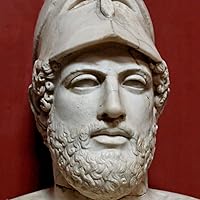
March 8, 2024
This book is a biography of General George H. Thomas in only the very loosest of terms. A more fitting title would have been, "I really, really, really hate Ulysses Grant and William Sherman. Oh, and George Thomas was literally the greatest man ever." This tome truly does a disservice to the man the author clearly reveres beyond rationality, as his cartoonish adulation of Thomas, and over-the-top condemnation of anyone not named Thomas made this a very difficult read. Instead of a measured and impartial dissection of George Thomas's life and role in the war, we're subjected to an absolute tongue bath of the man when he is the main subject. But here's the greater problem, fully 2/3rd's of this "biography" deal with the author's irrational hatred and deconstruction of Generals Grand and Sherman. I am in no way opposed to reexamination of the roles these men played in the war (and I would argue that there has been no shortage of scholarly work criticizing their campaigns and methods of command), but the spittle-flecked hatred the author has for their war records begins as grating and becomes stomach churning by the end. There was literally no move that either general made which the author did not criticize as wrong, nor any success that was not through blind luck or due to someone else. Conversely, Thomas never made a wrong move in his life. The only hint of criticism the author ascribes to Thomas comes early in the book when he states how as a cadet at West Point, Thomas struggled with his French lessons. That's it. The man was apparently the most perfect being to have graced this mortal coil outside of Jesus Christ Himself. The author even goes so far as to describe Thomas's victory at the Battle of Nashville as, "agreed to be one of the two most perfect battles ever fought along with Napoleon's victory at Austerlitz." Impressive as the victory at Nashville was, I've never heard it described as one of the two most perfectly fought engagements of all time!
In the end this book came as a major disappointment as I do find George Thomas to be a fascinating man, well worth a true examination of his life and reappraisal of his legacy. As a Virginian who chose to remain loyal to the Union, along with his undoubted military capability, Thomas's life would make a compelling story in the right hands. Sadly, writing such a worthy biography is far outside the ability of author Benson Bobrick. General George Thomas deserves better than what this book serves up, and given what I could glean about the man from this "biography," I think he would be appalled at an attempt to burnish his legacy at the expense of his fellow officers, their disagreements notwithstanding.
In the end this book came as a major disappointment as I do find George Thomas to be a fascinating man, well worth a true examination of his life and reappraisal of his legacy. As a Virginian who chose to remain loyal to the Union, along with his undoubted military capability, Thomas's life would make a compelling story in the right hands. Sadly, writing such a worthy biography is far outside the ability of author Benson Bobrick. General George Thomas deserves better than what this book serves up, and given what I could glean about the man from this "biography," I think he would be appalled at an attempt to burnish his legacy at the expense of his fellow officers, their disagreements notwithstanding.

December 2, 2017
This book has fascinated me more than a book on the Civil War has fascinated me in years. I have to mention a caveat, the book needed maps.
It is almost like starting over when I first read R E LEE and Lee's Lieutenants. The author takes up the war in the West through the life of George Thomas. I think I buy into his thesis on the greatness of Thomas but more importantly, he got my head out of fixation on the war around the Potomac in the East and the war coming down the Mississippi.
The " war in the middle," in the border states of Kentucky and Tennessee, were just as important, and perhaps more important, for these states led to the capacity of the north to control the east west channels of commerce and war.
I am going to ask Judge McInerney to hang on to this book to reread it at Christmas!
Jan. 11, 2018 I did reread it and found it eminently persuasive as to the ways that General Thomas was maligned. I wish I had the time to read the works the authors used in developing that thesis. His footnote system is not all that good. But I am even more fascinated and stunned by the importance of the war in the west that he portrays.
=============================================
NOTES ON MAJOR BATTLES OF THE WEST: taken mainly from Wiki
Jan. 19, 1862 Mill Springs, Ky Cumberland River. “It is no wonder then that President Lincoln remarked that, while he hoped to have God on his side, he had to have Kentucky.”” Thomas in command 4400 Union troops v 5900 Confederates. Or 7000 v 12,000? Few Union losses.
The First Significant Battlefield Victory for the Union Army
April 6-7, 1862. Shiloh. SW Tennessee [west bank of river] Thomas arrived on 2d day and did not take part in battle. Given command of Right Wing and so,
Oct. 8, 1862. Perryville, Ky. Central Ky, SE of Louisville. Gave control of Ky to Union for rest of war. Buell mishandled, with a relatively small part of his army taking part but won nevertheless. Thomas did not take part, being in that portion of the army not engaged.
Dec. 31, 1862-Jan. 3, 1863. Stones River. 2d Battle of Murfreesboro in middle TN. 20 miles SE of Nashville. Some held that Thomas saved army from defeat by holding the center. Bobrick quotes David Bates that it was Stones River, not Antietam, that prevented France and Britain from recognizing the Confederacy.
Sept. 20, 1863. Chickamauga, [NE corner of] Georgia. “The Battle of Chickamauga, fought on September 18–20, 1863[1][2] between Union and Confederate forces in the American Civil War, marked the end of a Union offensive in southeastern Tennessee and northwestern Georgia — the Chickamauga Campaign. It was the first major battle of the war fought in Georgia, the most significant Union defeat in the Western Theater, and involved the second-highest number of casualties after the Battle of Gettysburg.” “Fighting began in earnest on the morning of September 19. Bragg's men strongly assaulted but could not break the Union line. The next day, Bragg resumed his assault. In late morning, Rosecrans was misinformed that he had a gap in his line. In moving units to shore up the supposed gap, Rosecrans accidentally created an actual gap, directly in the path of an eight-brigade assault on a narrow front by Confederate Lt. Gen. James Longstreet, whose corps had been detached from the Army of Northern Virginia. Longstreet's attack drove one-third of the Union army, including Rosecrans himself, from the field. Union units spontaneously rallied to create a defensive line on Horseshoe Ridge, forming a new right wing for the line of Maj. Gen. George H. Thomas, who assumed overall command of remaining forces. Although the Confederates launched costly and determined assaults, Thomas and his men held until twilight. Union forces then retired to Chattanooga while the Confederates occupied the surrounding heights, besieging the city.” The battle was damaging to both sides in proportions roughly equal to the size of the armies: Union losses were 16,170 (1,657 killed, 9,756 wounded, and 4,757 captured or missing), Confederate 18,454 (2,312 killed, 14,674 wounded, and 1,468 captured or missing).[10] They were the highest losses of any battle in the Western Theater during the war and, after Gettysburg, the second-highest of the war overall.[100]
The Chickamauga Campaign was followed by the Battles for Chattanooga, [SE Tennessee] sometimes called the Chattanooga Campaign, including the reopening of supply lines and the Battles of Lookout Mountain (November 23) and Missionary Ridge, [Thomas] (November 25). Relief forces commanded by Maj. Gen. Ulysses S. Grant broke Bragg's grip on the city, sent the Army of Tennessee into retreat, and opened the gateway to the Deep South for Maj. Gen. William T. Sherman's 1864 Atlanta Campaign.[106]
May 1-Sept 2, 1864. Atlanta campaign. Bobrick says Thomas had a plan which would have finessed Johnston early. Sherman did not use it and did not destroy Hold’s army leaving instead for his March to the Sea (Savannah) without opposition and simply destroying all in his way. It was left to Thomas to hold Hood.
The Franklin–Nashville Campaign, also known as Hood's Tennessee Campaign, was a series of battles in the Western Theater, conducted from September 18 to December 27, 1864,[1] in Alabama, Tennessee, and northwestern Georgia during the American Civil War. The Confederate Army of Tennessee under Lt. Gen. John Bell Hood drove north from Atlanta, threatening Maj. Gen. William T. Sherman's lines of communications and central Tennessee. After a brief attempt to pursue Hood, Sherman returned to Atlanta and began his March to the Sea, leaving Union forces under Maj. Gen. George H. Thomas to deal with Hood's threat.
Hood hoped to defeat the Union force under Maj. Gen. John Schofield before it could converge with Thomas's army and attempted to do so at the Battle of Spring Hill on November 29, but poorly coordinated Confederate attacks allowed Schofield to escape. The following day, Hood launched a series of futile frontal assaults against Schofield's field fortifications in the Battle of Franklin, suffering heavy casualties; Schofield withdrew his force and successfully linked up with Thomas in Nashville, Tennessee. On December 15–16, Thomas's combined army [Army of the Cumberland] attacked Hood's depleted army and routed it in the Battle of Nashville, sending it in retreat to Tupelo, Mississippi. Hood resigned his commission shortly thereafter and the Army of Tennessee ceased to exist as an effective fighting force.
It is almost like starting over when I first read R E LEE and Lee's Lieutenants. The author takes up the war in the West through the life of George Thomas. I think I buy into his thesis on the greatness of Thomas but more importantly, he got my head out of fixation on the war around the Potomac in the East and the war coming down the Mississippi.
The " war in the middle," in the border states of Kentucky and Tennessee, were just as important, and perhaps more important, for these states led to the capacity of the north to control the east west channels of commerce and war.
I am going to ask Judge McInerney to hang on to this book to reread it at Christmas!
Jan. 11, 2018 I did reread it and found it eminently persuasive as to the ways that General Thomas was maligned. I wish I had the time to read the works the authors used in developing that thesis. His footnote system is not all that good. But I am even more fascinated and stunned by the importance of the war in the west that he portrays.
=============================================
NOTES ON MAJOR BATTLES OF THE WEST: taken mainly from Wiki
Jan. 19, 1862 Mill Springs, Ky Cumberland River. “It is no wonder then that President Lincoln remarked that, while he hoped to have God on his side, he had to have Kentucky.”” Thomas in command 4400 Union troops v 5900 Confederates. Or 7000 v 12,000? Few Union losses.
The First Significant Battlefield Victory for the Union Army
April 6-7, 1862. Shiloh. SW Tennessee [west bank of river] Thomas arrived on 2d day and did not take part in battle. Given command of Right Wing and so,
Oct. 8, 1862. Perryville, Ky. Central Ky, SE of Louisville. Gave control of Ky to Union for rest of war. Buell mishandled, with a relatively small part of his army taking part but won nevertheless. Thomas did not take part, being in that portion of the army not engaged.
Dec. 31, 1862-Jan. 3, 1863. Stones River. 2d Battle of Murfreesboro in middle TN. 20 miles SE of Nashville. Some held that Thomas saved army from defeat by holding the center. Bobrick quotes David Bates that it was Stones River, not Antietam, that prevented France and Britain from recognizing the Confederacy.
Sept. 20, 1863. Chickamauga, [NE corner of] Georgia. “The Battle of Chickamauga, fought on September 18–20, 1863[1][2] between Union and Confederate forces in the American Civil War, marked the end of a Union offensive in southeastern Tennessee and northwestern Georgia — the Chickamauga Campaign. It was the first major battle of the war fought in Georgia, the most significant Union defeat in the Western Theater, and involved the second-highest number of casualties after the Battle of Gettysburg.” “Fighting began in earnest on the morning of September 19. Bragg's men strongly assaulted but could not break the Union line. The next day, Bragg resumed his assault. In late morning, Rosecrans was misinformed that he had a gap in his line. In moving units to shore up the supposed gap, Rosecrans accidentally created an actual gap, directly in the path of an eight-brigade assault on a narrow front by Confederate Lt. Gen. James Longstreet, whose corps had been detached from the Army of Northern Virginia. Longstreet's attack drove one-third of the Union army, including Rosecrans himself, from the field. Union units spontaneously rallied to create a defensive line on Horseshoe Ridge, forming a new right wing for the line of Maj. Gen. George H. Thomas, who assumed overall command of remaining forces. Although the Confederates launched costly and determined assaults, Thomas and his men held until twilight. Union forces then retired to Chattanooga while the Confederates occupied the surrounding heights, besieging the city.” The battle was damaging to both sides in proportions roughly equal to the size of the armies: Union losses were 16,170 (1,657 killed, 9,756 wounded, and 4,757 captured or missing), Confederate 18,454 (2,312 killed, 14,674 wounded, and 1,468 captured or missing).[10] They were the highest losses of any battle in the Western Theater during the war and, after Gettysburg, the second-highest of the war overall.[100]
The Chickamauga Campaign was followed by the Battles for Chattanooga, [SE Tennessee] sometimes called the Chattanooga Campaign, including the reopening of supply lines and the Battles of Lookout Mountain (November 23) and Missionary Ridge, [Thomas] (November 25). Relief forces commanded by Maj. Gen. Ulysses S. Grant broke Bragg's grip on the city, sent the Army of Tennessee into retreat, and opened the gateway to the Deep South for Maj. Gen. William T. Sherman's 1864 Atlanta Campaign.[106]
May 1-Sept 2, 1864. Atlanta campaign. Bobrick says Thomas had a plan which would have finessed Johnston early. Sherman did not use it and did not destroy Hold’s army leaving instead for his March to the Sea (Savannah) without opposition and simply destroying all in his way. It was left to Thomas to hold Hood.
The Franklin–Nashville Campaign, also known as Hood's Tennessee Campaign, was a series of battles in the Western Theater, conducted from September 18 to December 27, 1864,[1] in Alabama, Tennessee, and northwestern Georgia during the American Civil War. The Confederate Army of Tennessee under Lt. Gen. John Bell Hood drove north from Atlanta, threatening Maj. Gen. William T. Sherman's lines of communications and central Tennessee. After a brief attempt to pursue Hood, Sherman returned to Atlanta and began his March to the Sea, leaving Union forces under Maj. Gen. George H. Thomas to deal with Hood's threat.
Hood hoped to defeat the Union force under Maj. Gen. John Schofield before it could converge with Thomas's army and attempted to do so at the Battle of Spring Hill on November 29, but poorly coordinated Confederate attacks allowed Schofield to escape. The following day, Hood launched a series of futile frontal assaults against Schofield's field fortifications in the Battle of Franklin, suffering heavy casualties; Schofield withdrew his force and successfully linked up with Thomas in Nashville, Tennessee. On December 15–16, Thomas's combined army [Army of the Cumberland] attacked Hood's depleted army and routed it in the Battle of Nashville, sending it in retreat to Tupelo, Mississippi. Hood resigned his commission shortly thereafter and the Army of Tennessee ceased to exist as an effective fighting force.
July 14, 2021
Penetrating, insightful, provocative.
Bobrick's excellent biography is part military history, part revisionist essay to rehabilitate the reputation of George Thomas, the "Rock of Chickamagua." Bobrick argues forcefully that Civil War historians have overrated Grant and Sherman, and vastly underrated Thomas, in part because they bought into the self-serving descriptions of their campaigns that Grant, Sherman, and their acolytes propagated during and after the war. Bobrick tries to make the case that Thomas, evaluated on his military acheivements was the finest general of the war on either side, one who never lost a battle, contrived the war's most decisive victory, and displayed a clear mastery of all the aspects of war to a much greater extant than any of his contemporaries. And he was, to boot, a deeply honorable, humane, and perceptive leader. Fans of Grant and Sherman will find some of Bobrick's harsh language about their failings hard to swallow, but the author has done his homework and has the sources to back these descriptions.In trying to build up Thomas, Bobrick sometimes turns Grant and Sherman into caricatures, however, portraying Grant as a drunken butcher and Sherman as a reckless, self-promoting idiot. This rather unbalances the book, and it's not necessary to make the case for Thomas. The book is quite enjoyable, though, and Thomas is a fascinating character, an almost mythic hero, too good to believe, who deserved better treatment and greater recognition. That Thomas almost certainly saved Grant and Sherman's reputations by winning the battle of Nashville so completely, and there sealed the fate of the Confederacy, is an argument worth careful consideration.
Bobrick's excellent biography is part military history, part revisionist essay to rehabilitate the reputation of George Thomas, the "Rock of Chickamagua." Bobrick argues forcefully that Civil War historians have overrated Grant and Sherman, and vastly underrated Thomas, in part because they bought into the self-serving descriptions of their campaigns that Grant, Sherman, and their acolytes propagated during and after the war. Bobrick tries to make the case that Thomas, evaluated on his military acheivements was the finest general of the war on either side, one who never lost a battle, contrived the war's most decisive victory, and displayed a clear mastery of all the aspects of war to a much greater extant than any of his contemporaries. And he was, to boot, a deeply honorable, humane, and perceptive leader. Fans of Grant and Sherman will find some of Bobrick's harsh language about their failings hard to swallow, but the author has done his homework and has the sources to back these descriptions.In trying to build up Thomas, Bobrick sometimes turns Grant and Sherman into caricatures, however, portraying Grant as a drunken butcher and Sherman as a reckless, self-promoting idiot. This rather unbalances the book, and it's not necessary to make the case for Thomas. The book is quite enjoyable, though, and Thomas is a fascinating character, an almost mythic hero, too good to believe, who deserved better treatment and greater recognition. That Thomas almost certainly saved Grant and Sherman's reputations by winning the battle of Nashville so completely, and there sealed the fate of the Confederacy, is an argument worth careful consideration.
October 8, 2023
I found Bobrick's biography of General George Henry Thomas to be excellent. I was reading another book on the Civil War that mentioned Southern Generals who fought for the Union and Thomas from Virginia was one of those mentioned which led me to want to read more about him and perhaps the conflict he had as to being from the South and serving in the Union army. I knew that my Grandmother's Grandfather was a Thomas but they were from SC. Apparently a Thomas who served in the Revolution received lands between Pee Dee Rivers for his service in the Revolution which brought them to SC. I did a family search and found out that General Thomas was my second cousin through Thomas line but was also related to him on his mother's side. Surprisingly, I was related to General Thomas's wife from NY on two different lines. The book greatly focused on his military career. I would liked to have known more about his two brothers and their activities during the war, as well as his 6 sisters. Does not appear there were any descendants from the nine siblings who might know more family stories/history. I found the biography to be quite readable. It is surprising that a General of such strong and noble character and with such a stellar military record is so little known today. I was completely unaware of Thomas. I have been to some of the battlefields where Thomas had a huge impact (Stones River and Chickamauga). Everyone knows of Grant and Sherman, but Thomas is much less known. Bobrick's biography does a great deal to establish Thomas's importance and correct the military record.

December 30, 2022
The theme of this book is that George Thomas was the greatest American general since George Washington. To accomplish this, the author devotes about one third of the book to Thomas, and two thirds to trashing Grant and Sherman. According to the author Grant was a drunk butcher with no skill in directing troops. He portrays Sherman's March to the Sea as an idiotic endeavor that's only purpose was to elevate Sherman's fame. Meanwhile, Thomas won the war through his victory against Hood at Nashville. Frankly, I was tired of the unending venom toward Grant and Sherman. While some of the accusations may have merit, the author carefully leaves out any mention of their accomplishments. At several points I almost gave up listening to this book because of the tremendous bias. In the end, I don't think this book is worth reading.

September 3, 2025
General George H. Thomas was a great man and great general, so he absolutely deserves a much better biography than this book to continue his memory. Filled with empty hagiography, this book tells you very little about General Thomas and spends an inordinate amount of time either on tangents not related to Thomas or weak attempts to run down his contemporaries like President Abraham Lincoln, Ulysses S. Grant, and William T. Sherman. This book's research is deep in poor, uncorroborated sources and ignores any counter arguments out-of-hand. Despite finishing this book, I do not recommend it to anyone and, if this book’s level of accuracy and complete context is indicative, I recommend avoiding Mr. Bobrick’s other works. One truly gets a better sense of who General Thomas is as a man and military leader from his Wikipedia article.
April 22, 2018
The greatest Virginia general of the Civil War. Frightening to think what would have happened if he had fought for the Confederacy in the west while Lee fought in the east. He knew immediately at the start of the war that it would be won or lost in the west.
The only reason he wasn't better known or promoted was because he was from Virginia and had no political backers or support in Washington as Grant had. There was no way the politicians from the northern states would allow a Virginian general to lead the union army.
The author is extremely critical of Grant and Sherman who come off as reckless, and resentful of Thomas because of his prewar success in the Army, which they both lacked.
The only reason he wasn't better known or promoted was because he was from Virginia and had no political backers or support in Washington as Grant had. There was no way the politicians from the northern states would allow a Virginian general to lead the union army.
The author is extremely critical of Grant and Sherman who come off as reckless, and resentful of Thomas because of his prewar success in the Army, which they both lacked.
March 16, 2021
I yield to no man in my admiration of George Thomas, which means that I want to agree with the premise of this book, viz. Thomas was the best commander of the Civil War and had been slighted by history, beginning with Grant and Sherman. Unfortunately, Bobrick comes off as vindictive and willing to cherry-pick to support his thesis. It is not necessary to tear down others’ reputations to build up Thomas’s. I DID learn many things about Thomas’s prewar and postwar careers, but, there are so many easily demonstrable (and which would be easily caught by an editor with Civil War knowledge) factual errors that it calls the accuracy of the more obscure facts into question.

March 13, 2025
I was excited to read this book on Thomas, who is easily the most underrated and under appreciated General of the Civil War. And while the author does a great job of extolling the virtues of Thomas he goes to ridiculous lengths the villainize Grant and Sherman in order to lift up Thomas. According to the author Grant and Sherman couldn’t do a single thing right throughout the civil war and any success they was luck or the result of someone else. They are painted as cartoon villains who are dithering idiots and yet also somehow also genius connivers. Meanwhile Thomas is incapable of EVER making a mistake. It was all so lacking in any nuance and sophomoric.
July 30, 2021
I highly recommend to not read that book if you are only beginning to discover the american civil war.
Unfortunately, the author forget his job as a historian and writes a defend for Thomas and an accusation agaisnt GRant and Sherman. The book is well written and offer a counter view to some traditionnal images of grant and sherman but i think you need to read others book and a more proufound knowledge of the american civil war before reading this one. (Sorry if i made mistakes, english is not my first language).
Unfortunately, the author forget his job as a historian and writes a defend for Thomas and an accusation agaisnt GRant and Sherman. The book is well written and offer a counter view to some traditionnal images of grant and sherman but i think you need to read others book and a more proufound knowledge of the american civil war before reading this one. (Sorry if i made mistakes, english is not my first language).

May 27, 2017
I enjoyed the book for the fact that I learned more about George Thomas. His many positive qualities were good. Yet, the author conveyed his personal opinions and intreptations that I felt were unnecessary. It was as if he was out to stick it to Grant and Sherman. And at times Lincoln. Thomas was a good leader, soldier and person, but the author didn't do Thomas any favors with the tone of the book.
May 7, 2024
excellent telling of the George Thomas career
No quarter given to Grant, Sherman and Schofield in this biography.just telling the story of George Thomas is great, inspiring reading. Contrast Thomas abilities to the fundamental disfunction of the general staff of the Union army, and the petty malice of Grant Sherman and most of all Schofield, the story is just stronger.
A good read, fairly presented.
No quarter given to Grant, Sherman and Schofield in this biography.just telling the story of George Thomas is great, inspiring reading. Contrast Thomas abilities to the fundamental disfunction of the general staff of the Union army, and the petty malice of Grant Sherman and most of all Schofield, the story is just stronger.
A good read, fairly presented.
May 17, 2024
There is nothing to suggest Thomas was anything but a great General. However this book is nothing but a book of apologetics which goes out of its way to paint virtually everyone around him as an incompetent and Thomas as this perfect lionized figure. It is just like similar books about Grand and Lee where they are depicted as perfect and not the humans they are. It is a superficial treatment of the material constructed to support the perfect man myth.
February 15, 2025
Not really about Thomas
Simply put, this guy hates Grant and Sherman. The entire book revolves around how the Grant clique actively screwed Thomas throughout the war. Thomas was too great a soldier and American to deserve this sordid attempt to turn him into a modern historian's victim. The author isn't even a noted Civil War historian. He's a generalist and doesn't seem to have any particular interest in the Civil War. His actual history is thin. I'm sorry I wasted my time.
Simply put, this guy hates Grant and Sherman. The entire book revolves around how the Grant clique actively screwed Thomas throughout the war. Thomas was too great a soldier and American to deserve this sordid attempt to turn him into a modern historian's victim. The author isn't even a noted Civil War historian. He's a generalist and doesn't seem to have any particular interest in the Civil War. His actual history is thin. I'm sorry I wasted my time.
November 26, 2025
I remember my father, a died-in-the-wool Civil War buff, including extensive firearms collection and re-enactment cred, expressing his suprise about Thomas when he read this book. I, also, am bewildered at how I had been deceived by Grant and Sherman, who were jealous of Thomas' perfect record in battle, calling him 'slow', when his deliberate preparations spared many lives and all but insured victory. This is a story which needs telling!
March 2, 2025
Bobrick forces the reader to reevaluate Grant and Sherman
Up until reading this book I was an unabashed Grant fan-boy. I am now forced to reevaluate my opinion of Grant. Thomas may have been the greatest general in our history. I know for sure if I had been in the Union Army I would have preferred to serve under Thomas.
Up until reading this book I was an unabashed Grant fan-boy. I am now forced to reevaluate my opinion of Grant. Thomas may have been the greatest general in our history. I know for sure if I had been in the Union Army I would have preferred to serve under Thomas.
Displaying 1 - 30 of 71 reviews